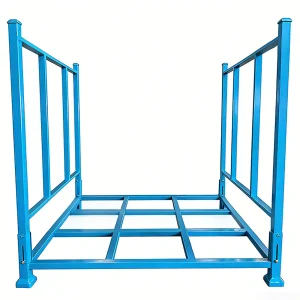
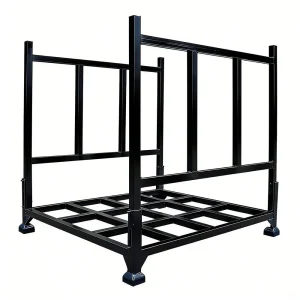
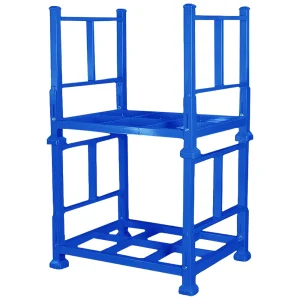
Heavy-duty engineering designed for flexible configuration, modular expansion, and high-density material handling.
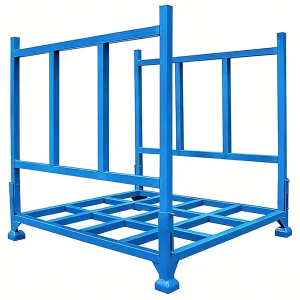
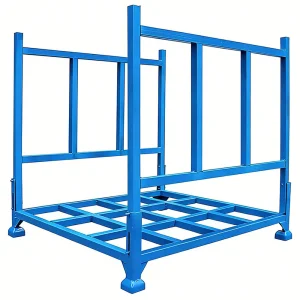
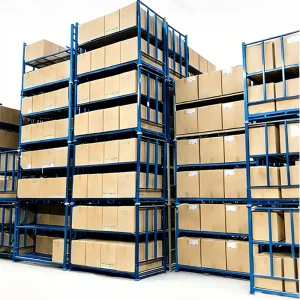
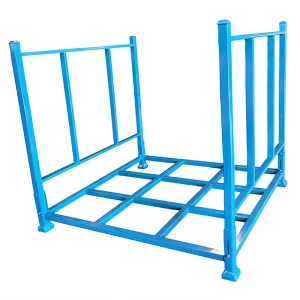
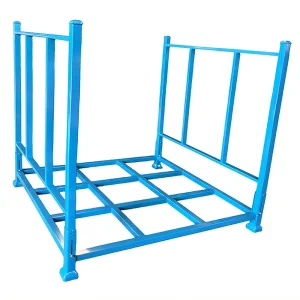
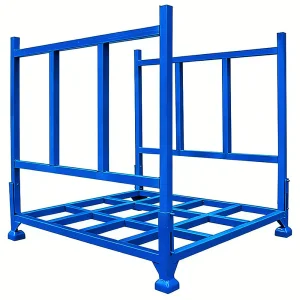
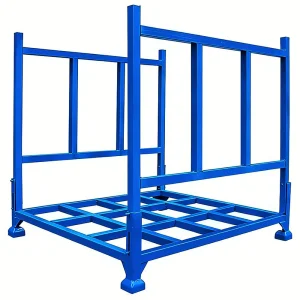
In global logistics and supply chain management, spatial density and dynamic agility determine operational profitability. Traditional static racking installations, though functional, lack the flexibility required to adapt to variable inventory profiles, seasonal demand spikes, and changing warehouse configurations. This is where stacking racks (commonly referred to as post pallets or nestainers) act as a catalyst for efficiency.
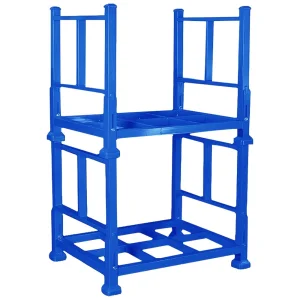
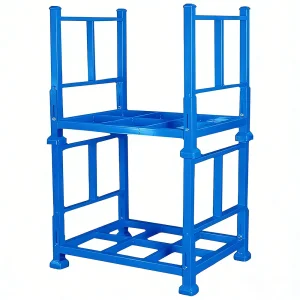
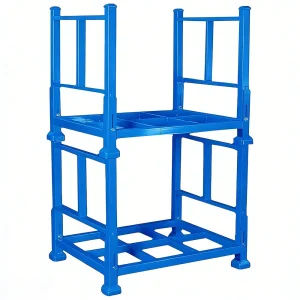
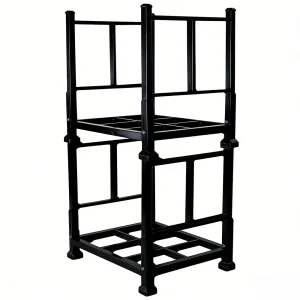
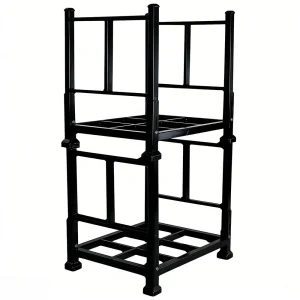
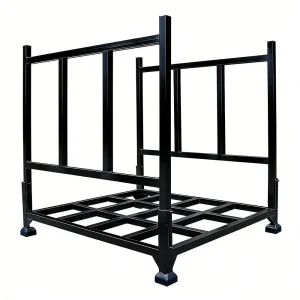
Unlike fixed selective racks, stackable storage systems provide a modular, portable alternative that allows industrial operations to construct dynamic storage blocks when and where needed. Constructed utilizing precision cold-rolled steel profiles, these structures offer high load capacities (ranging from 1,000kg to 2,500kg per unit) while retaining the unique advantage of collapsing or nesting when not in use. This drastically reduces return freight costs and recovers up to 80% of floor space during periods of low inventory.
Information Gain Insight: The mechanical safety factor in heavy-duty stacking rack design is not merely a product of steel thickness. It depends directly on structural geometry, the thickness consistency of cold-rolled profiles, and the type of welding technique deployed (such as automated MIG spot welding). Advanced manufacturers specify Q235B or Q355B structural steel to guarantee performance in dynamic seismic conditions and extreme temperature environments.
The core value proposition of portable racking rests on structural modularity and dynamic flexibility. The design facilitates stacking up to 4 to 6 units high under full loading capacity, creating self-supporting columns that bypass the limitations of traditional rack installations. Furthermore, this system completely removes the need for floor anchor bolting, providing instant flexibility for tenants of leased warehouse spaces.
| Performance Metric | Modular Stacking Racks (Portable) | Traditional Selective Pallet Racks | Drive-In / Push-Back Racking Systems |
|---|---|---|---|
| Spatial Flexibility | High (Instantly movable, collapsible, and nestable) | Low (Bolted to floor, fixed configuration) | Medium (Fixed structures but high density) |
| Typical Safe Stacking Height | 4 to 6 tiers high (depending on load limits) | Limited only by warehouse clearance and upright capacity | Highly dependent on structural rail configuration |
| Installation Requirement | Zero tools or floor anchors required | Requires professional anchoring and leveling | Complex assembly and specialized floor anchors |
| Storage System Density | Adjustable (Highly compact nested storage when empty) | Fixed (Consumes identical floor area empty or full) | High (LIFO/FIFO density configuration) |
| Cost Optimization Profile | Flexible capital expenditure, scales with logistics cycles | High initial fixed capital investment | Significant capital investment in rails and safety bars |
A world-class manufacturer and exporter combining 15 years of industry experience with state-of-the-art automated manufacturing.
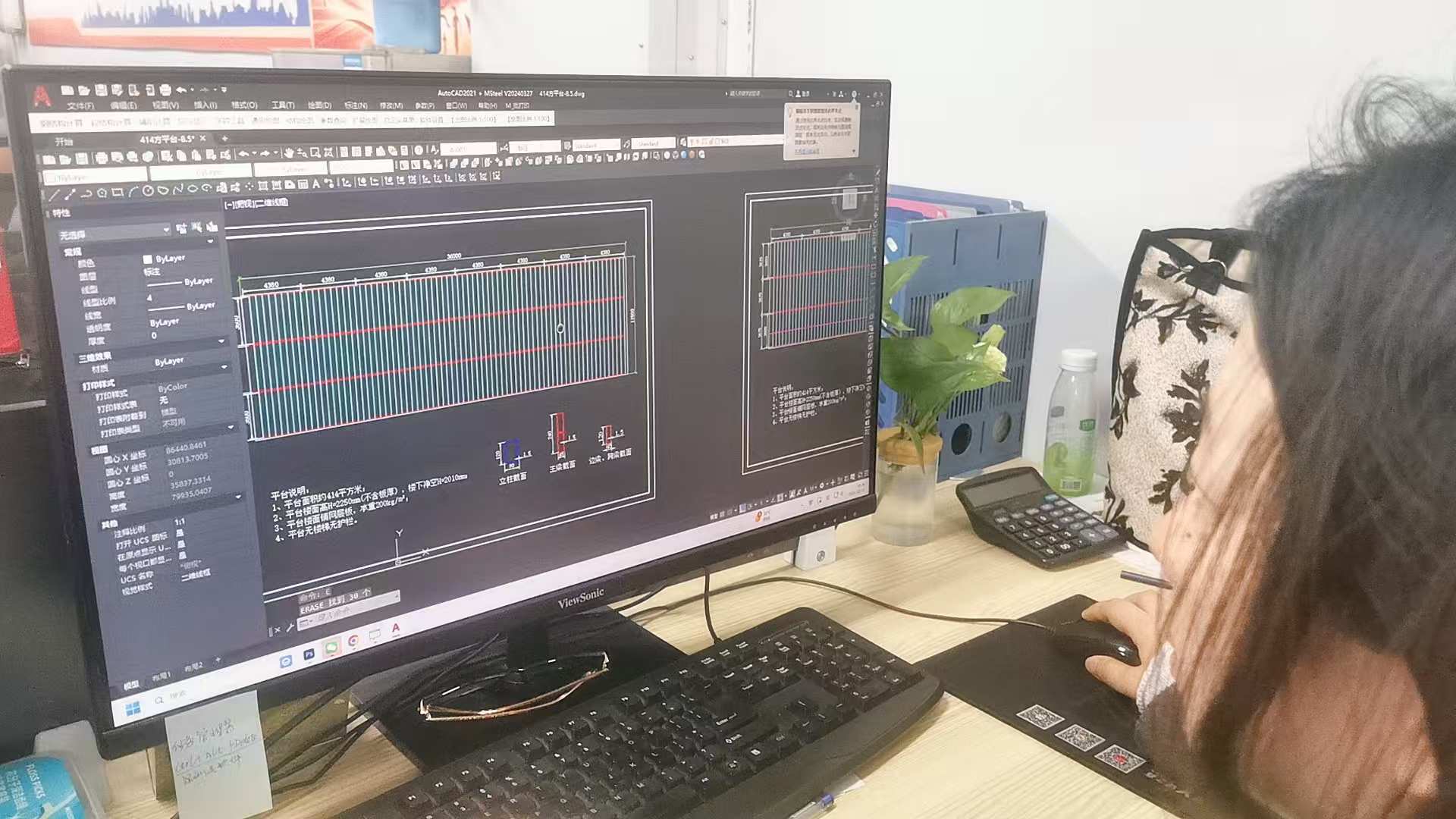
Established in 2016, Dongguan Hui Lian Intelligent Warehouse Equipment Co., Ltd. has evolved into a premier developer and manufacturer of warehouse storage equipment. Incorporating advanced design software and automated fabrication machinery, we deliver highly reliable custom racking structures to demanding multinational operations. We run a dedicated team of 56 quality inspectors alongside 126 professional R&D engineers, developing more than 320 new custom products each year to cater to ever-evolving global logistics models.
Our capabilities span structural FEA design (Finite Element Analysis) for seismic conditions, OEM and ODM manufacturing, and surface treatment engineering. With over 850 strategic supply chain partners in our local industrial cluster, we ensure consistent steel procurement, rapid scale-up capacity, and strict raw material quality control, exporting directly to North America, Europe, Australia, and the Middle East.
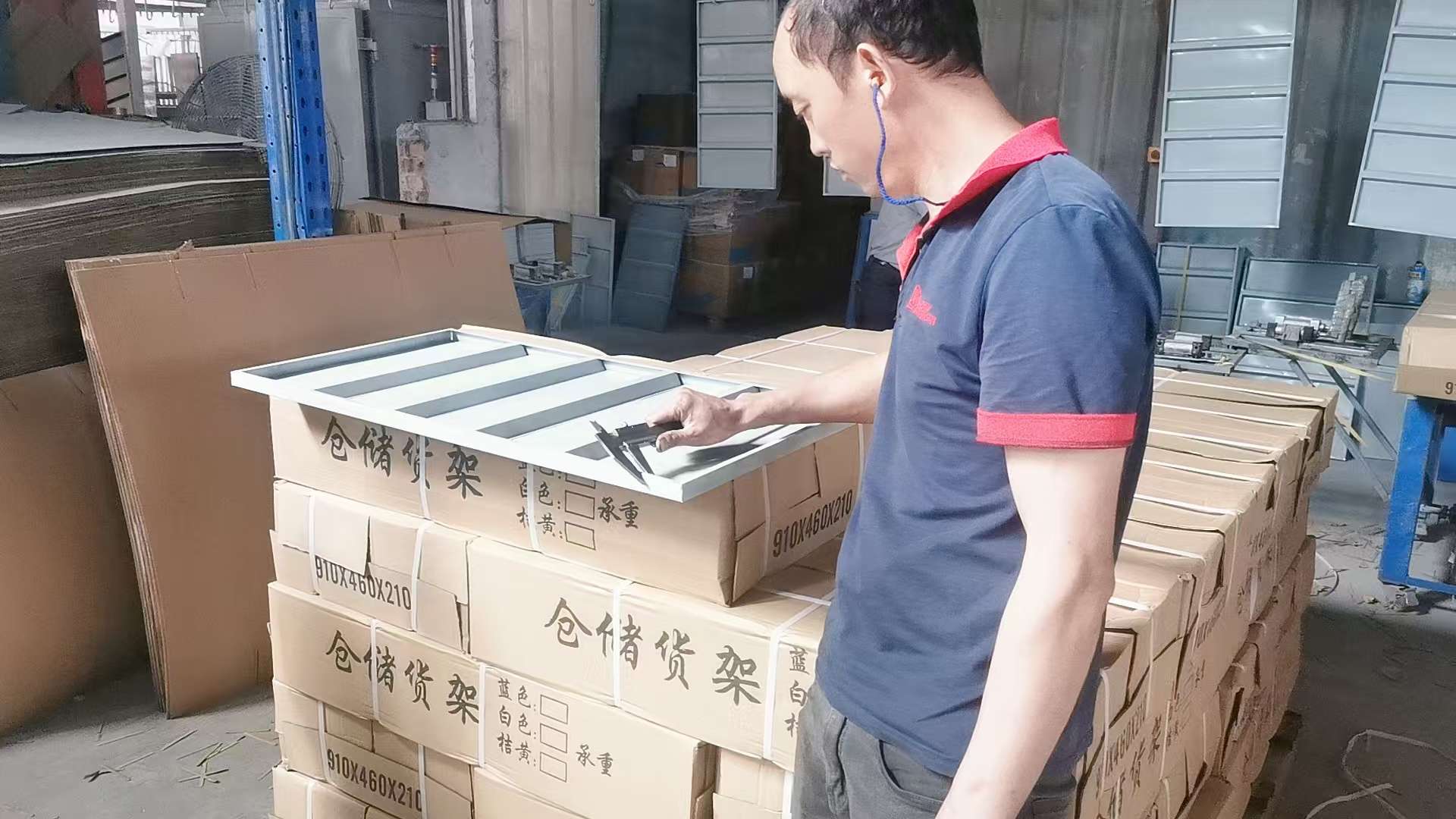
From structural design and raw material sourcing to packaging, every process is subject to strict quality control.
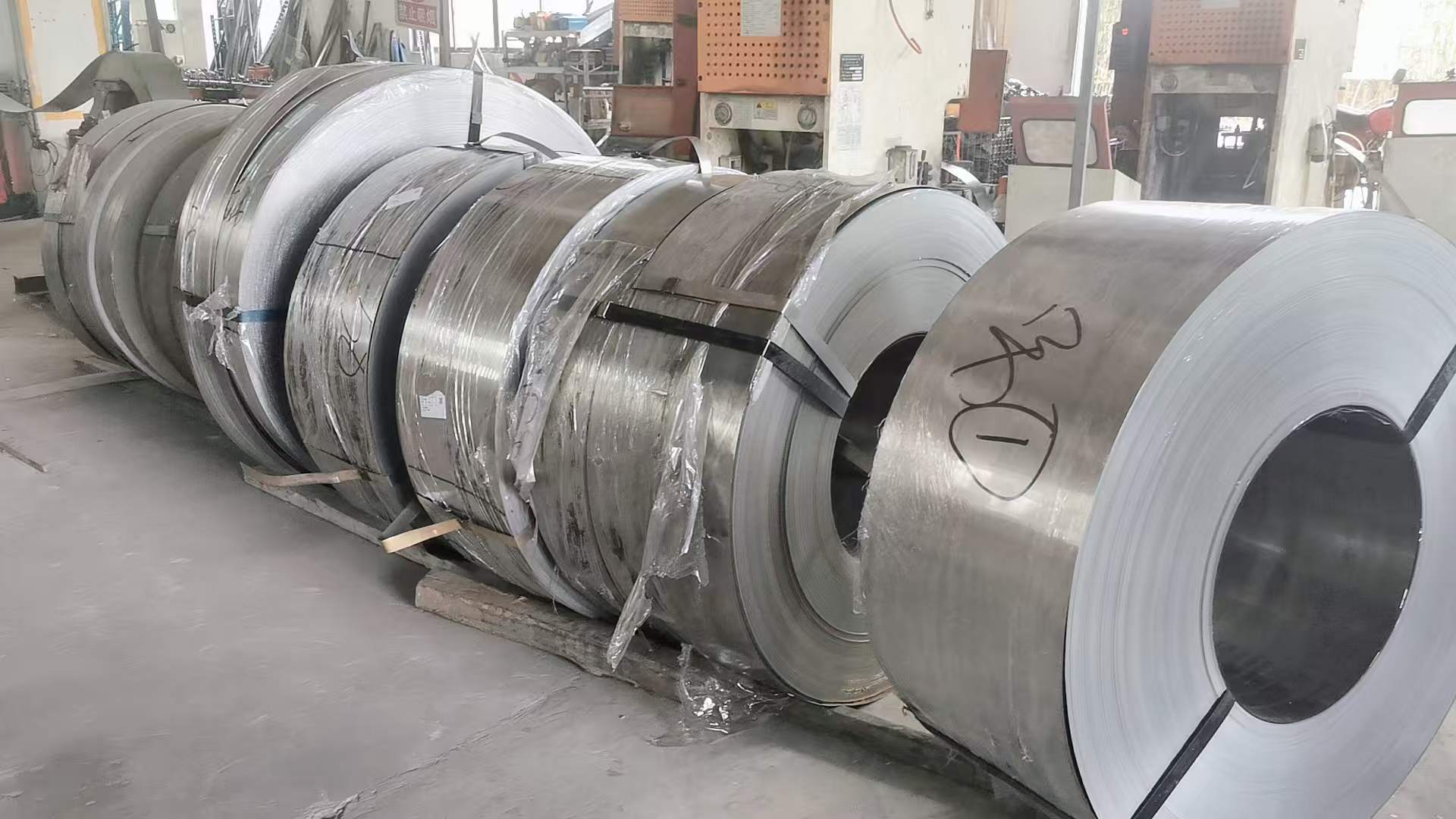
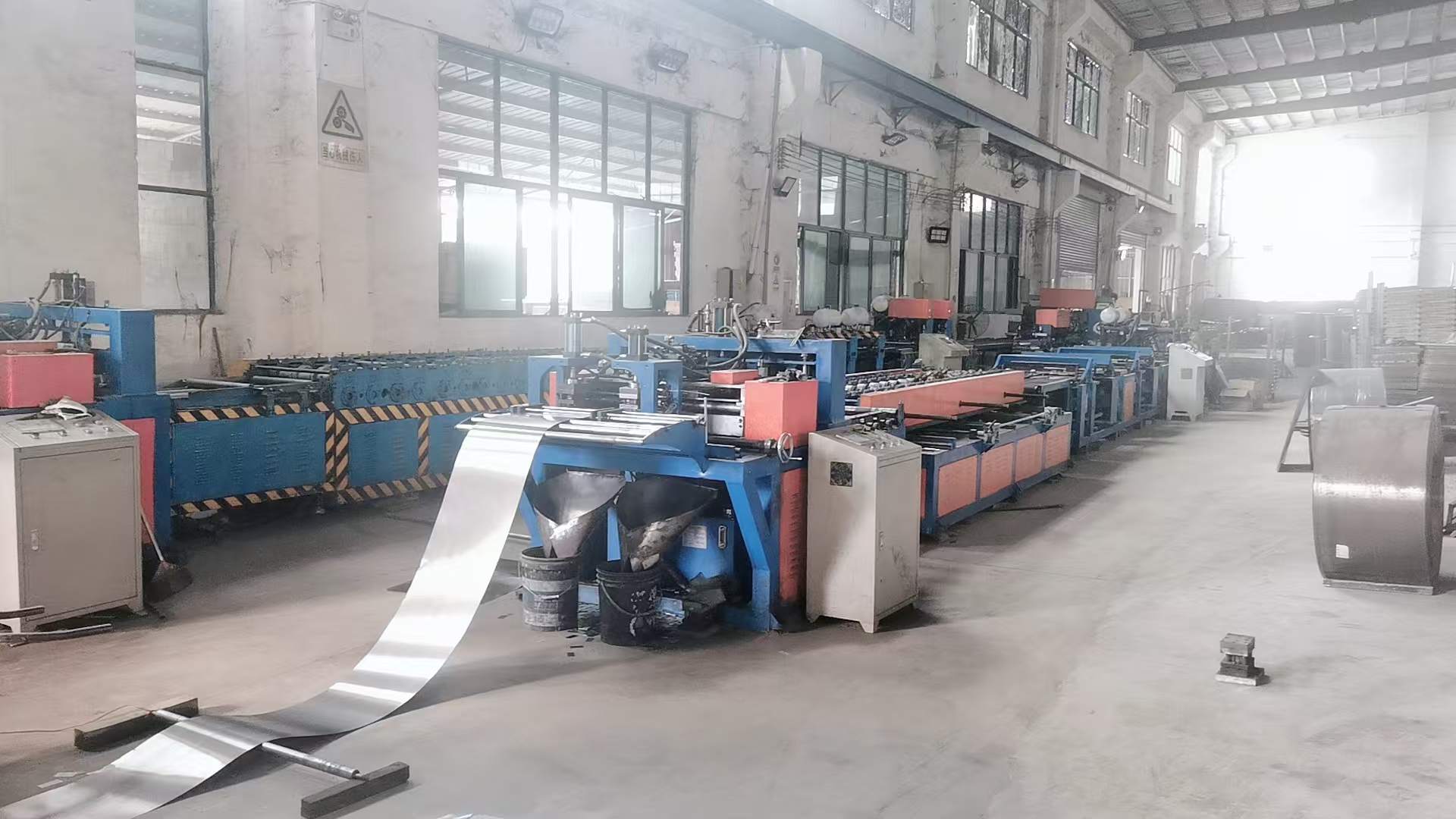
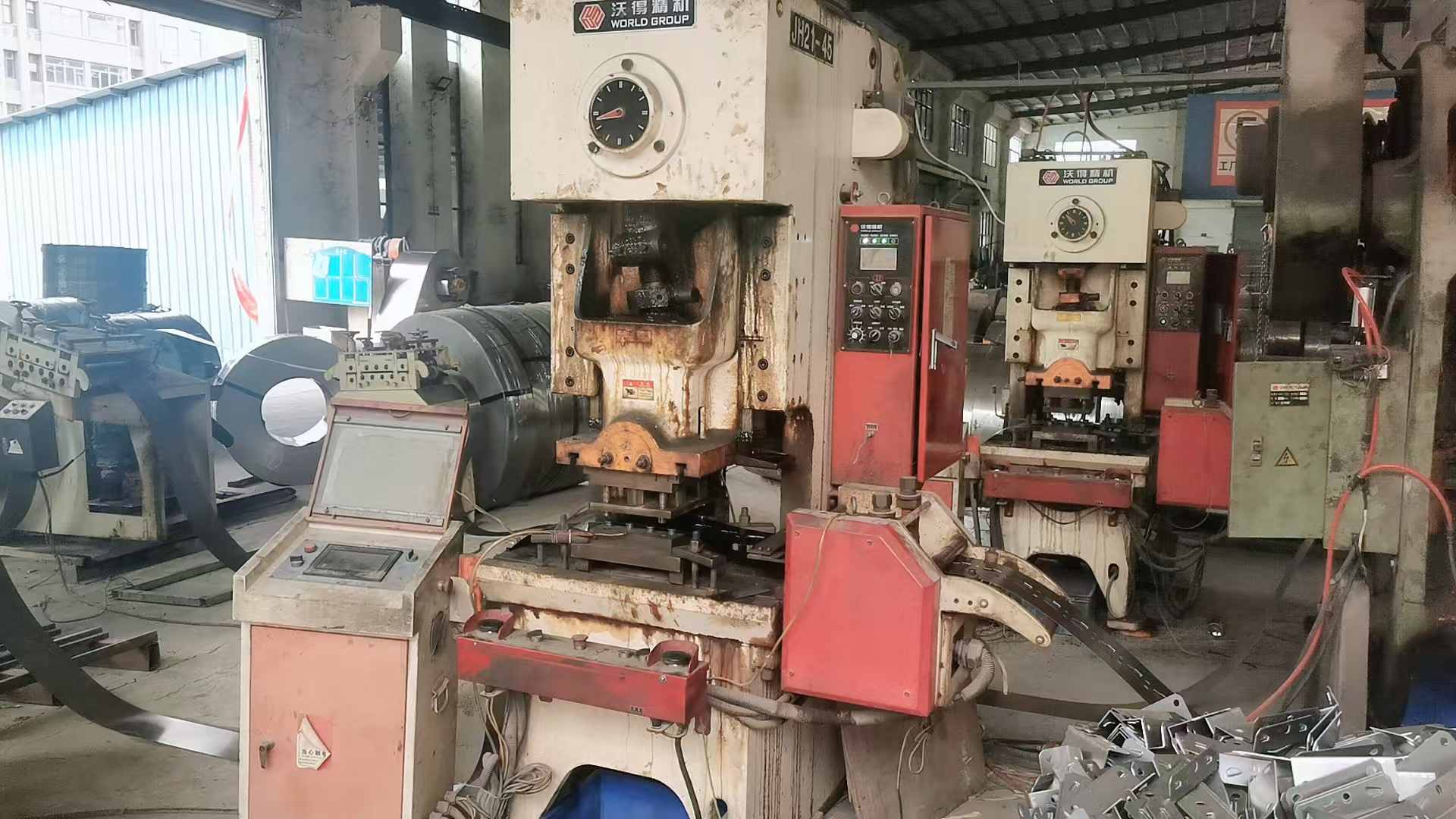
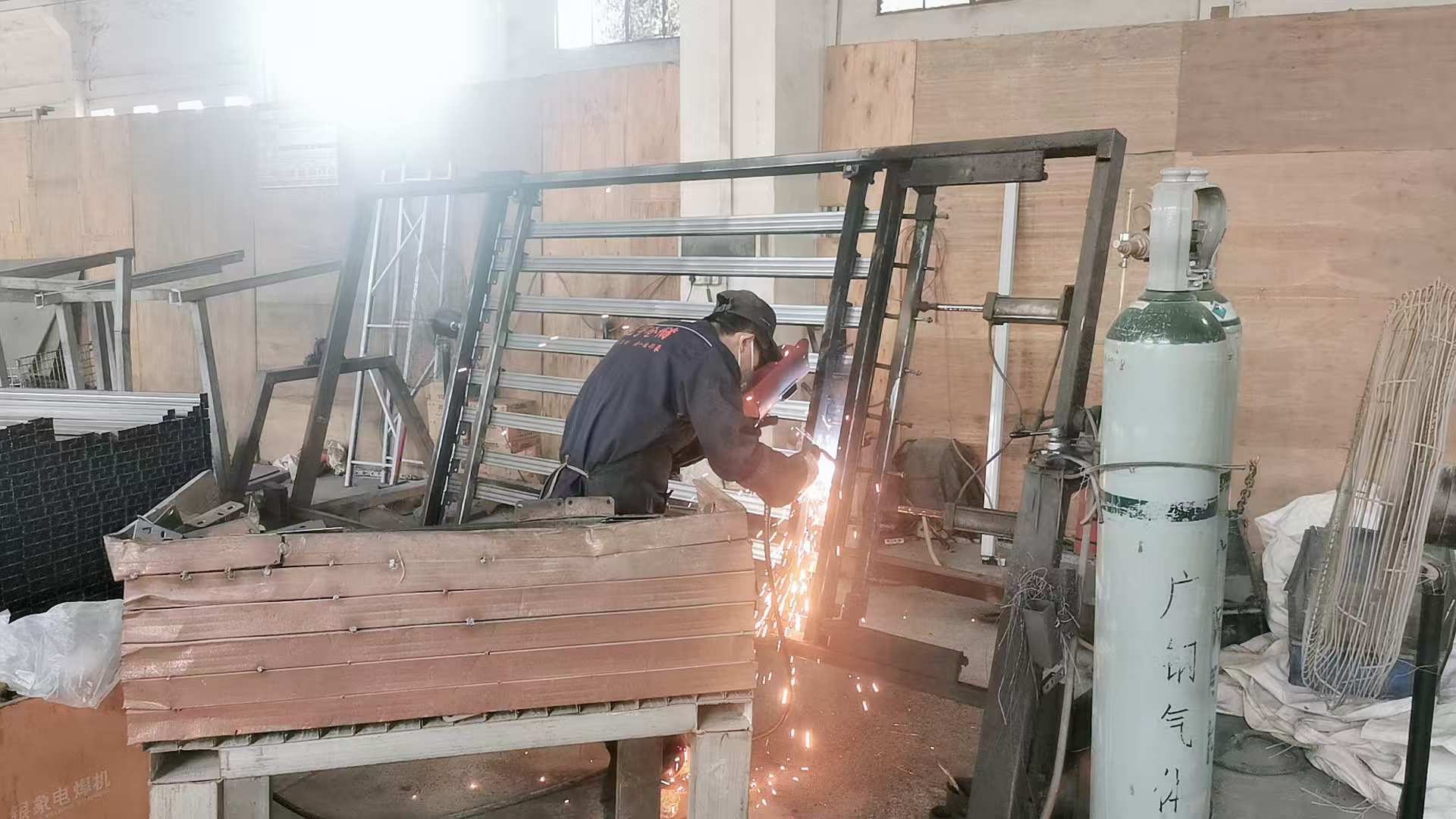
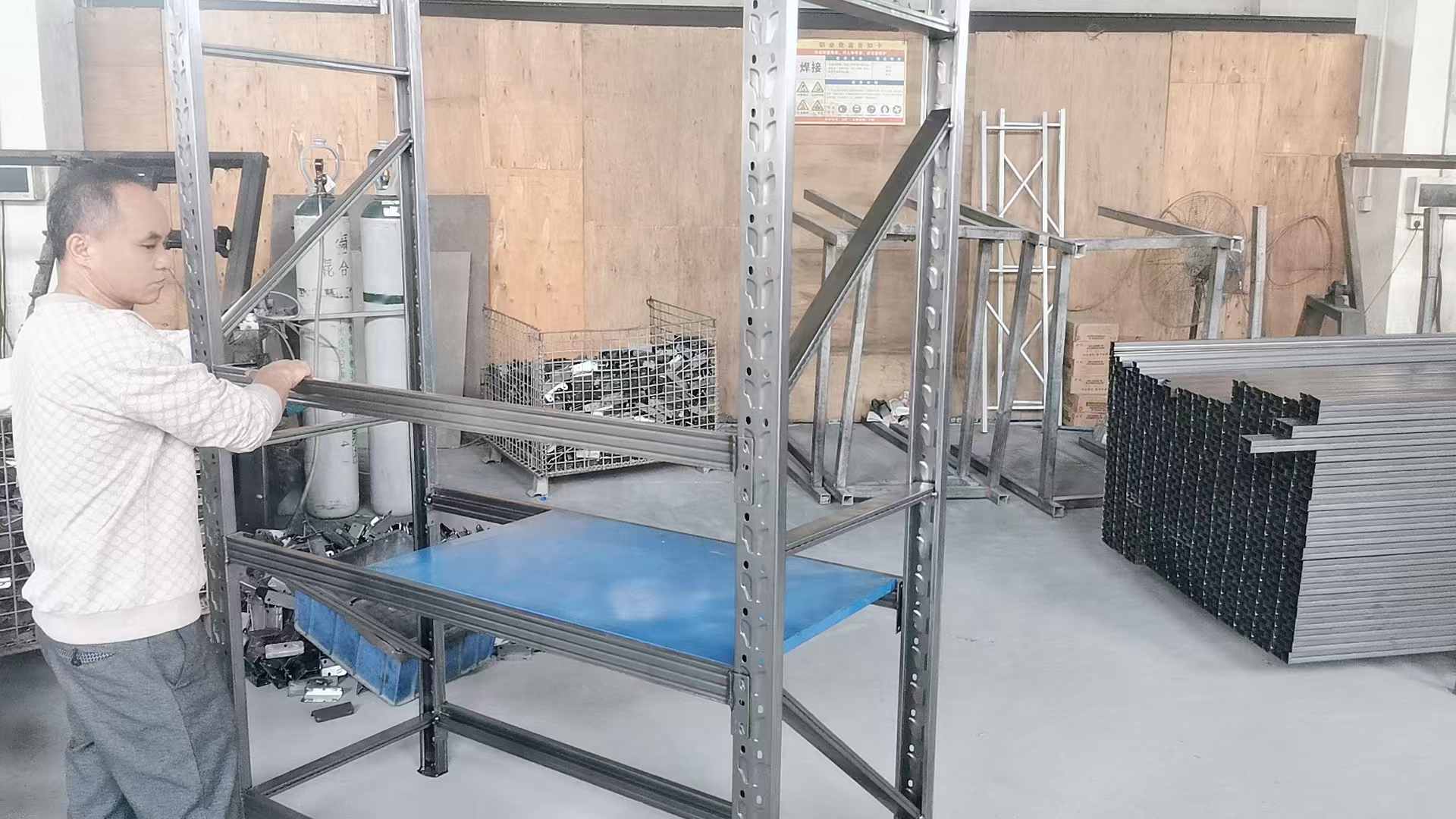
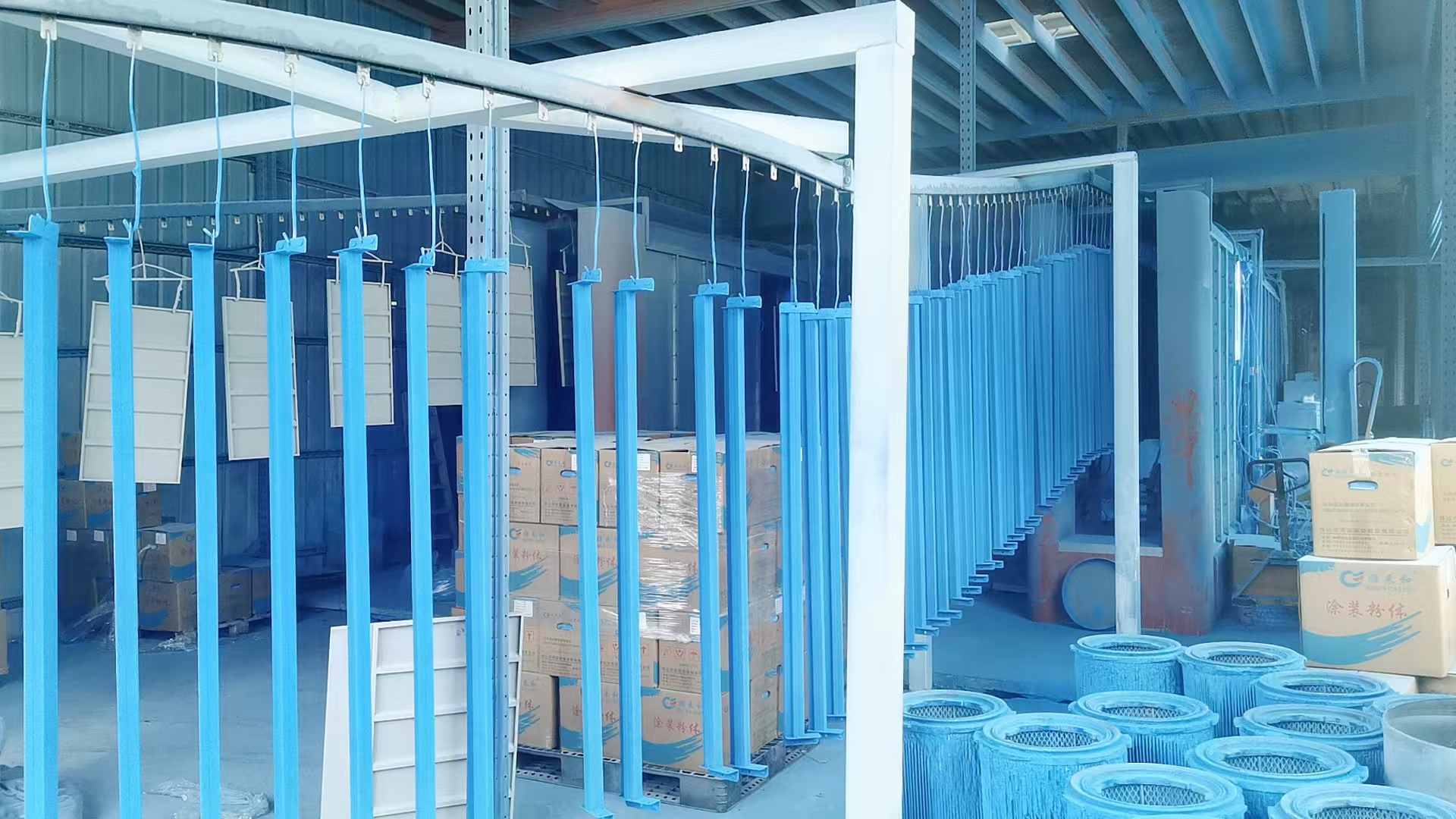
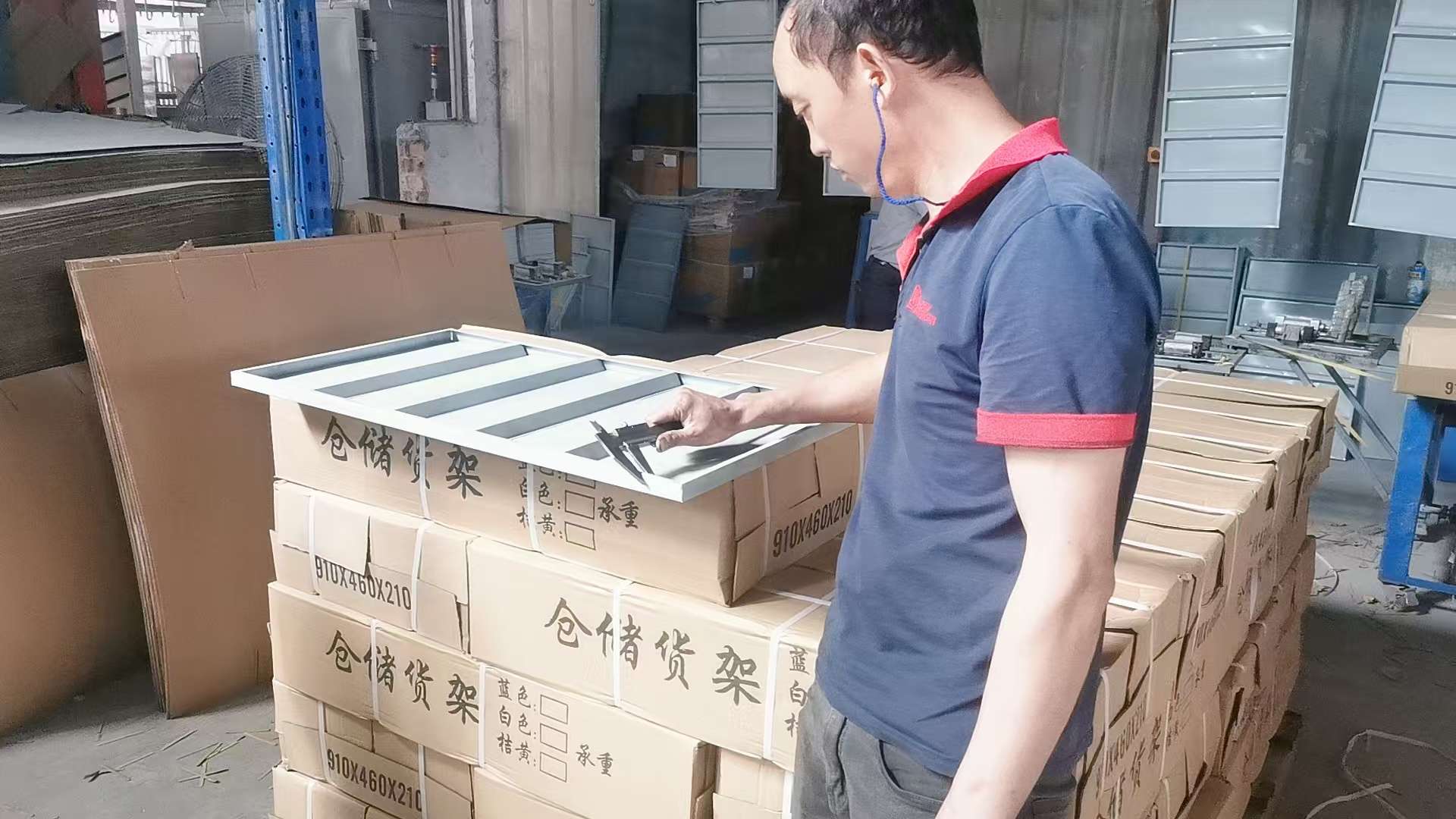
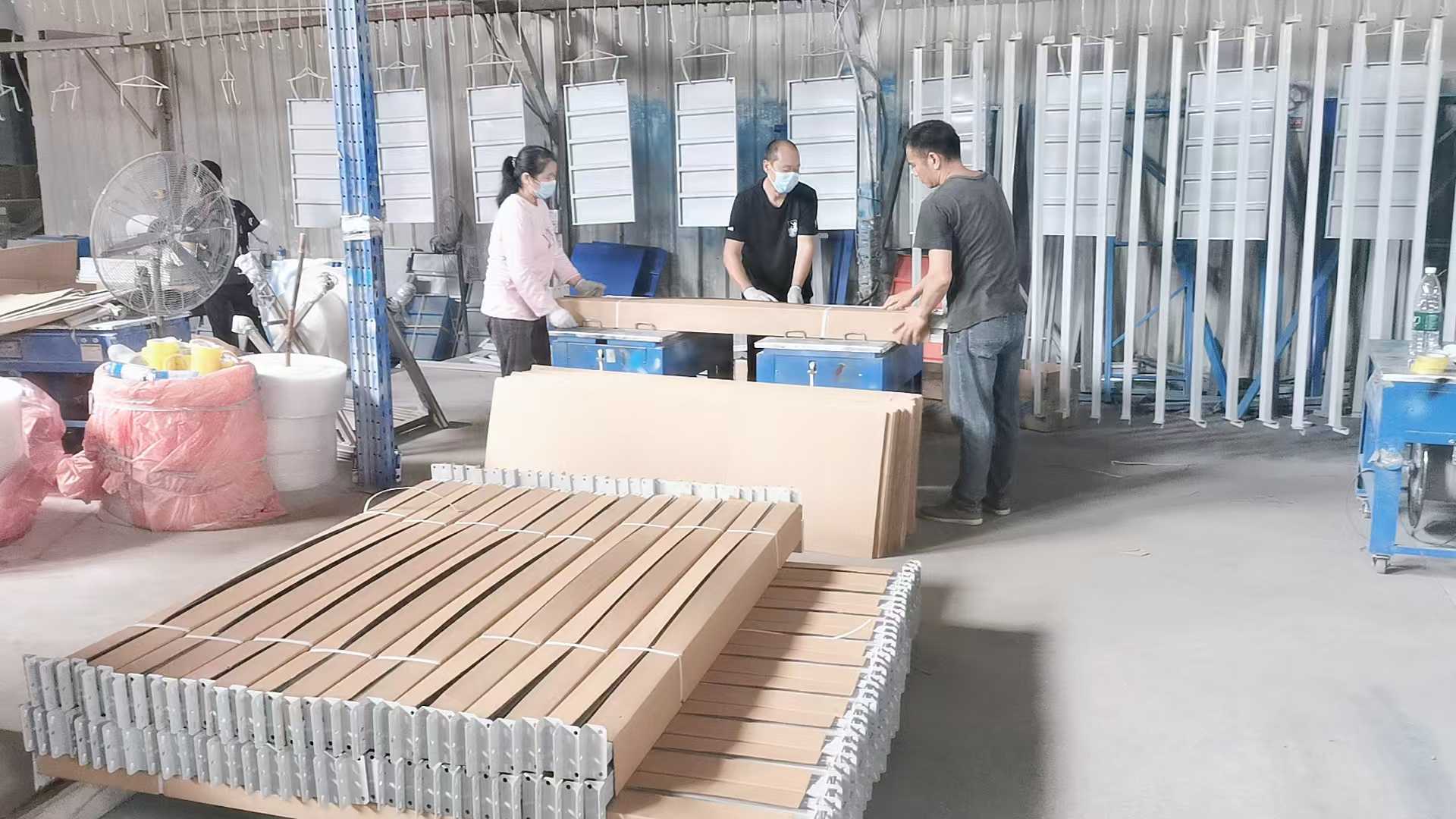
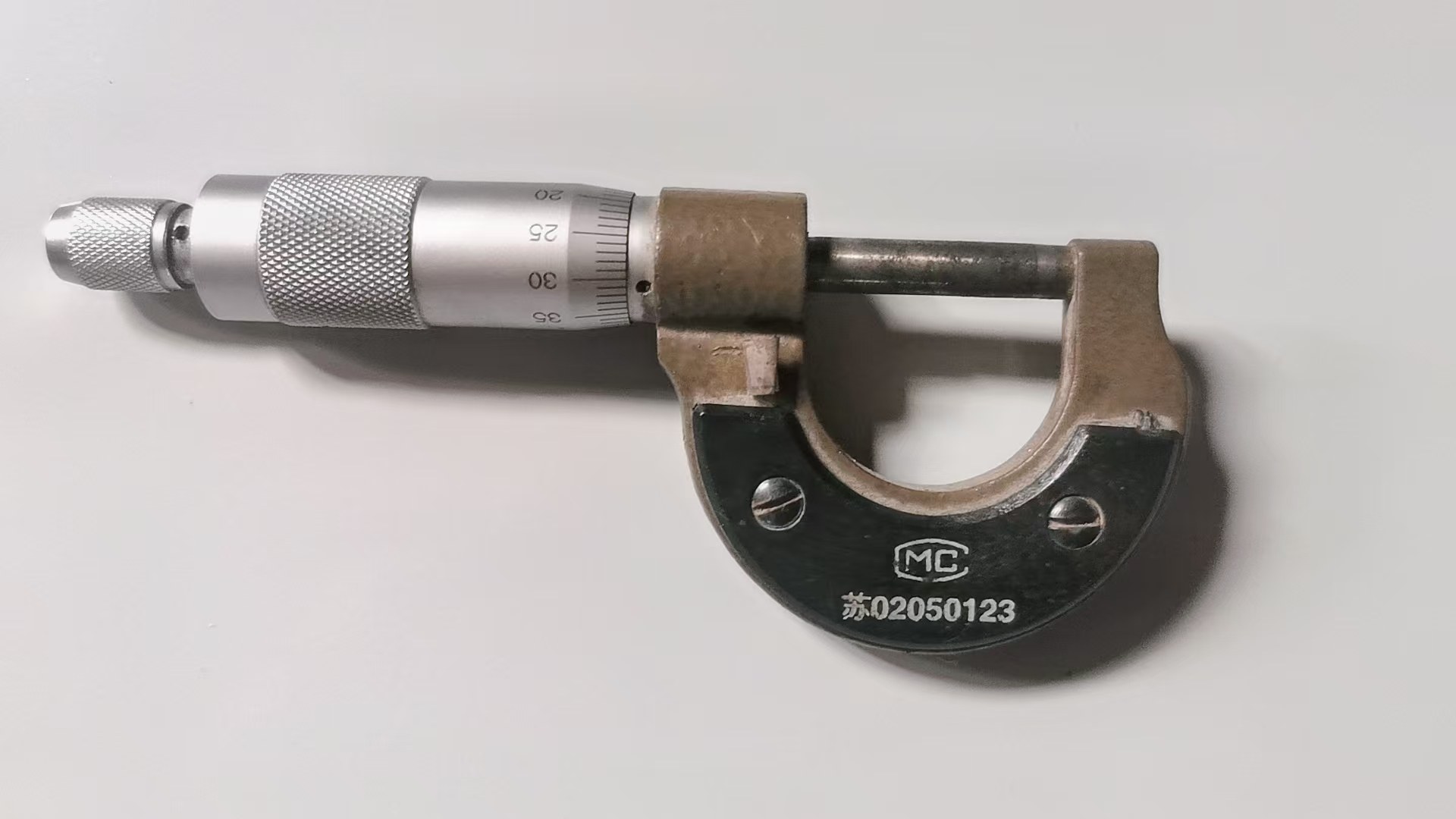
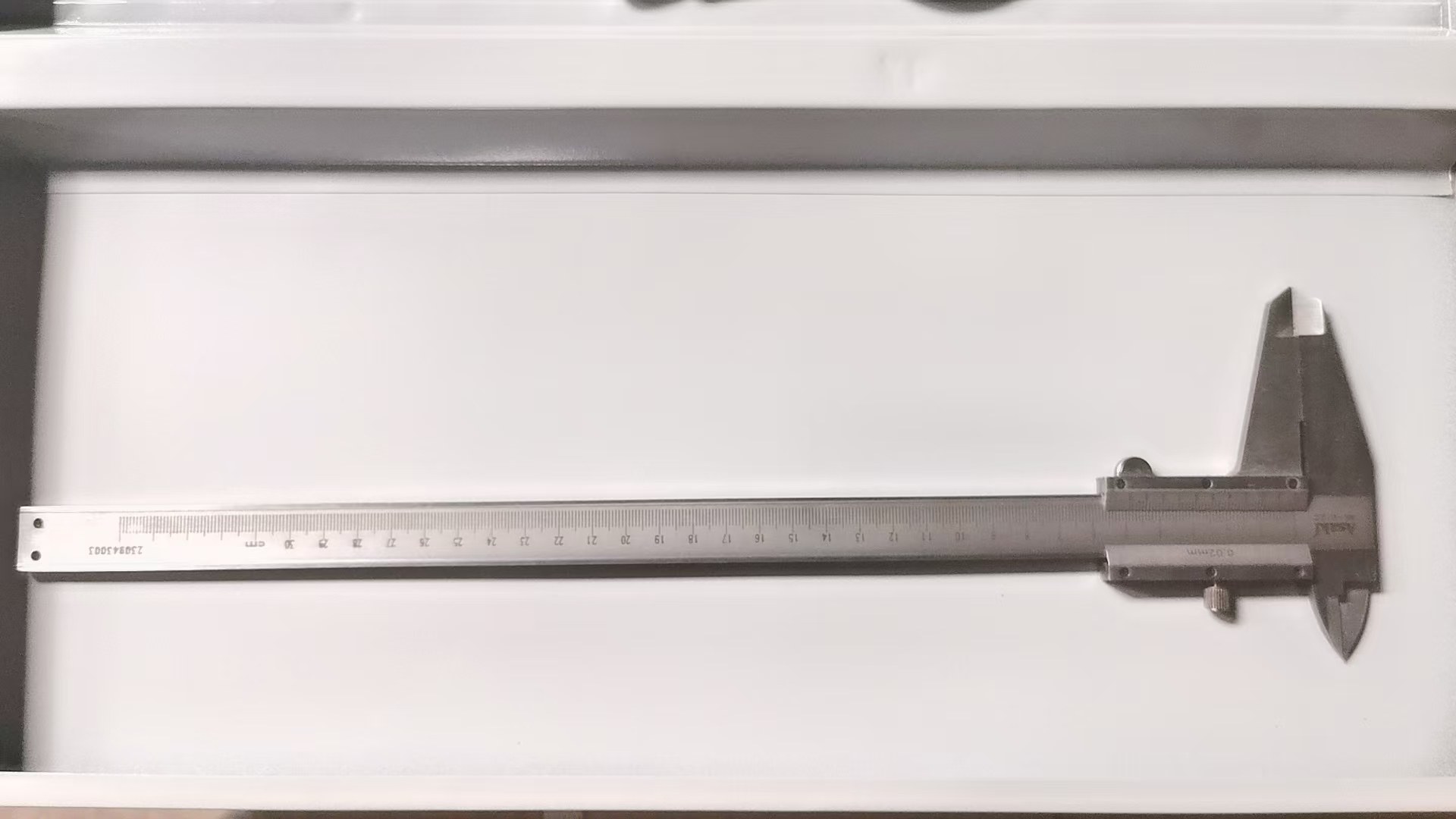
Utilizing high-precision CNC equipment and advanced quality inspection instruments to maintain structural integrity.
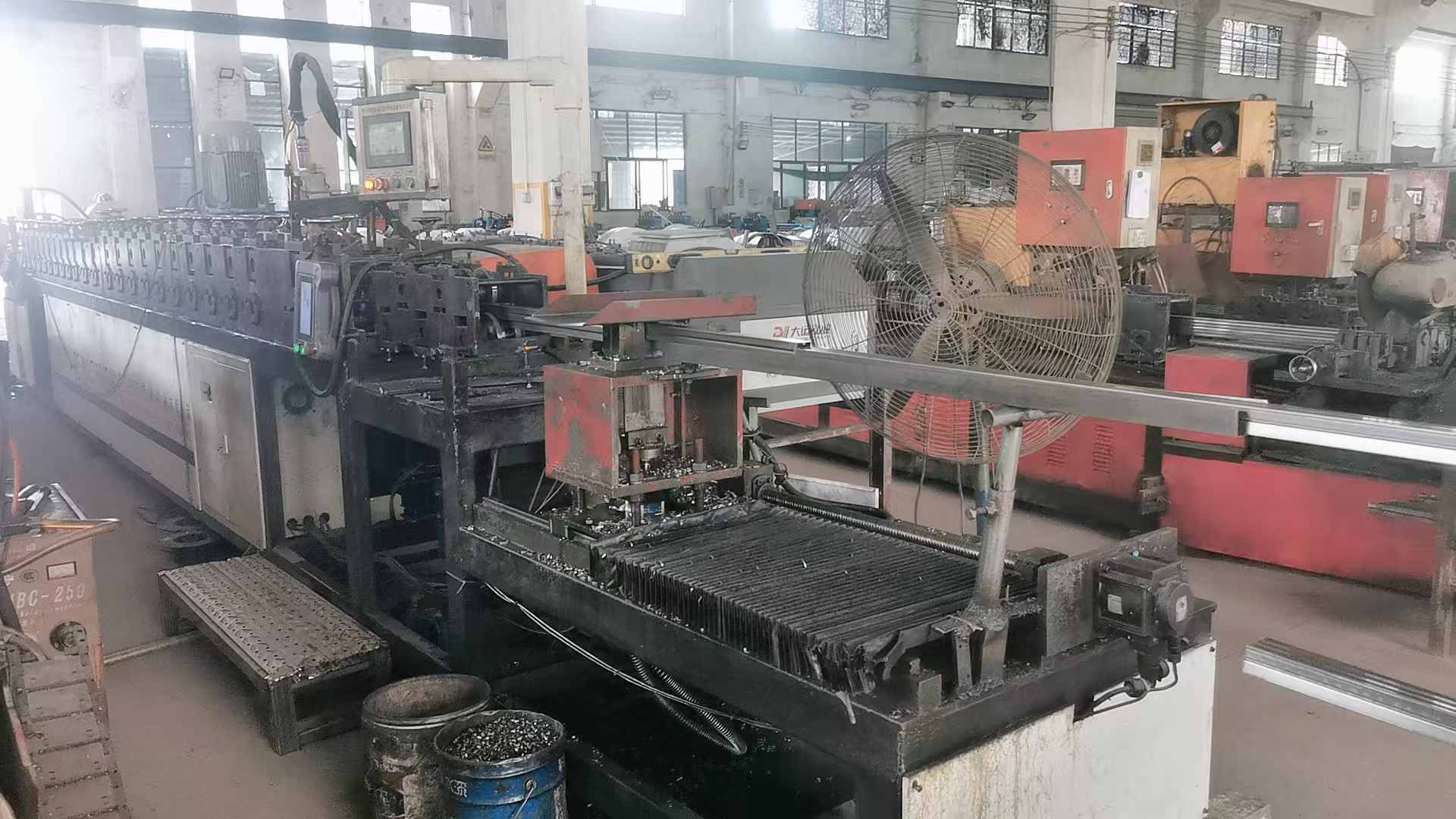
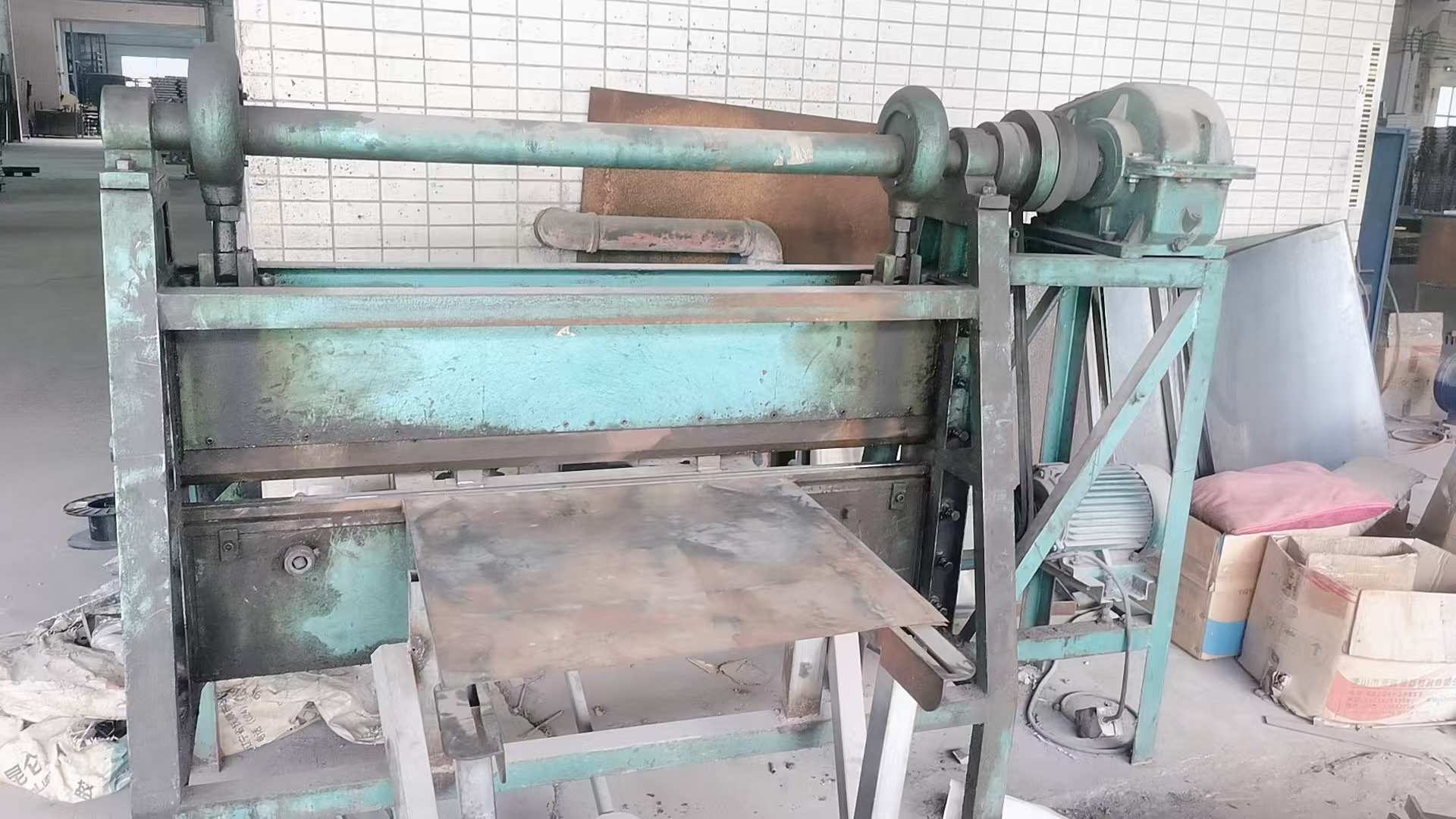
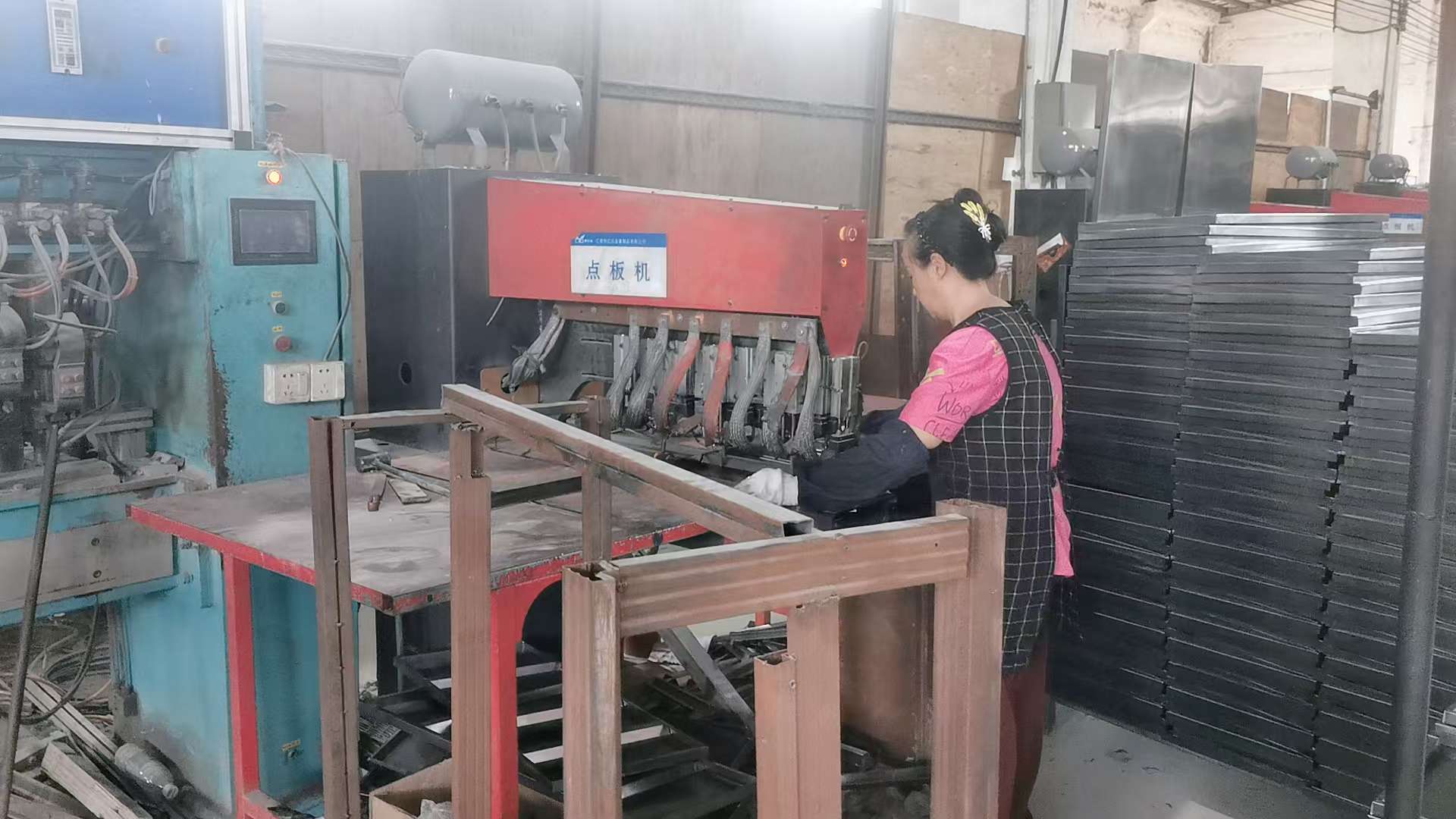
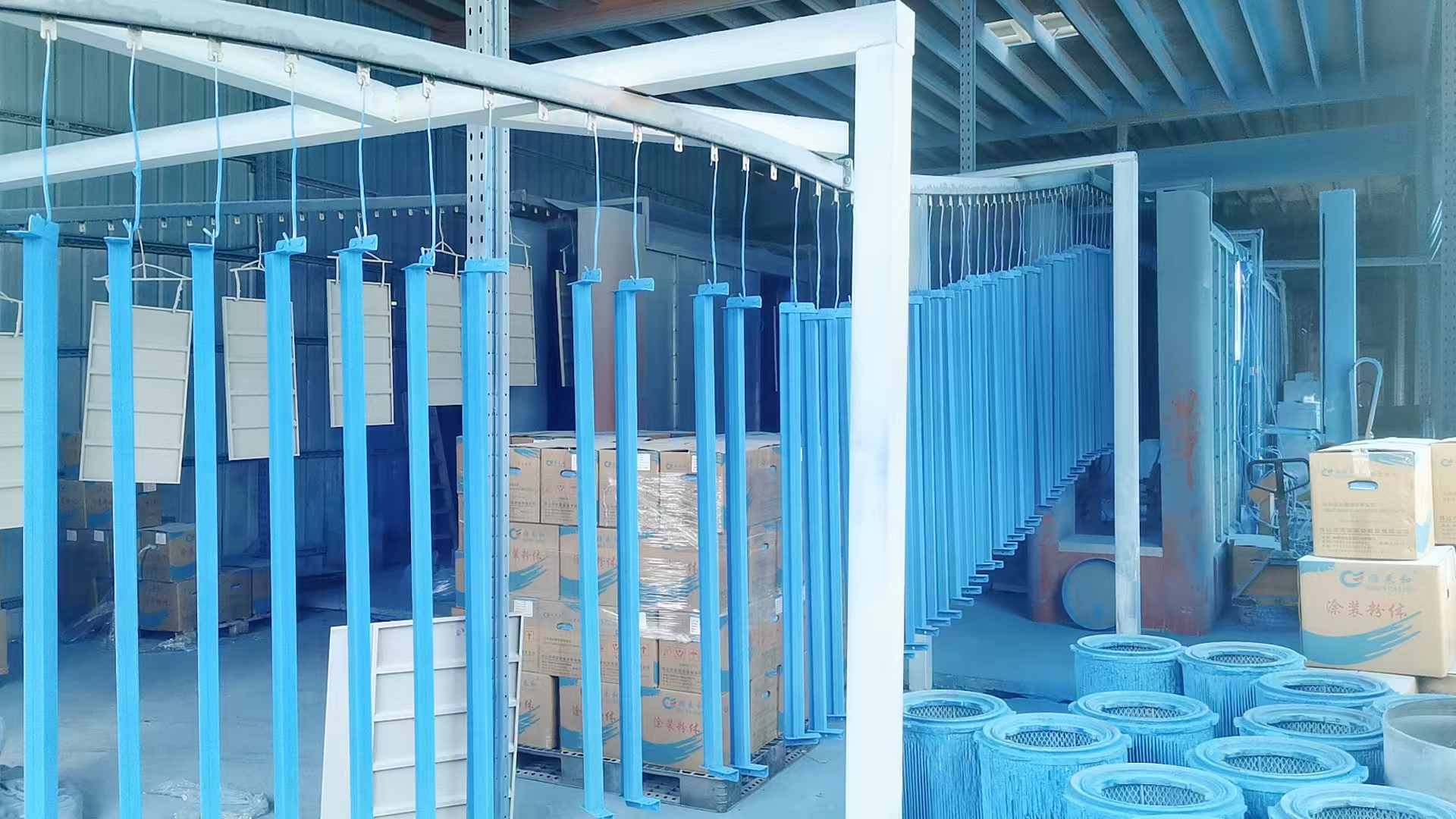
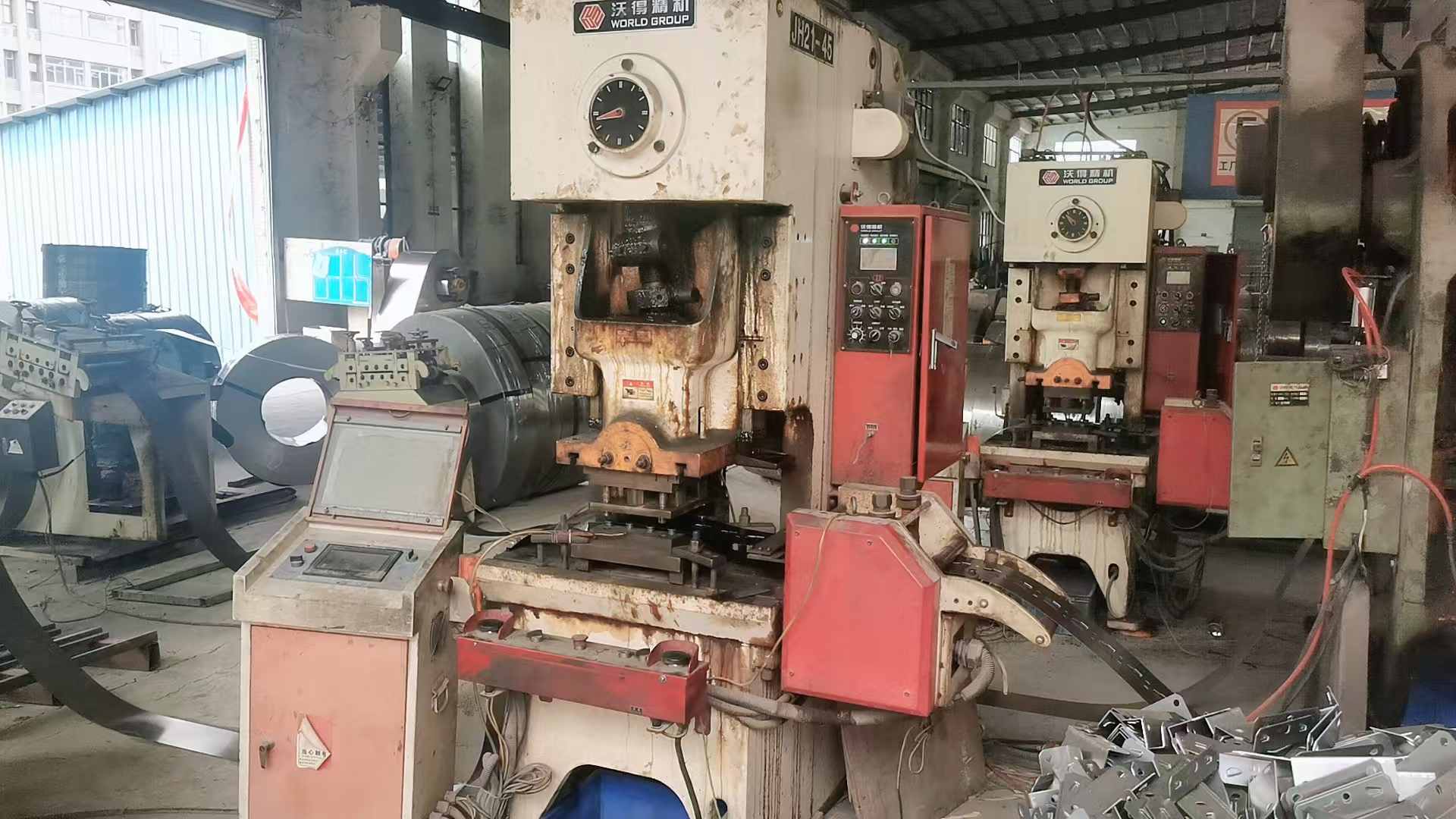
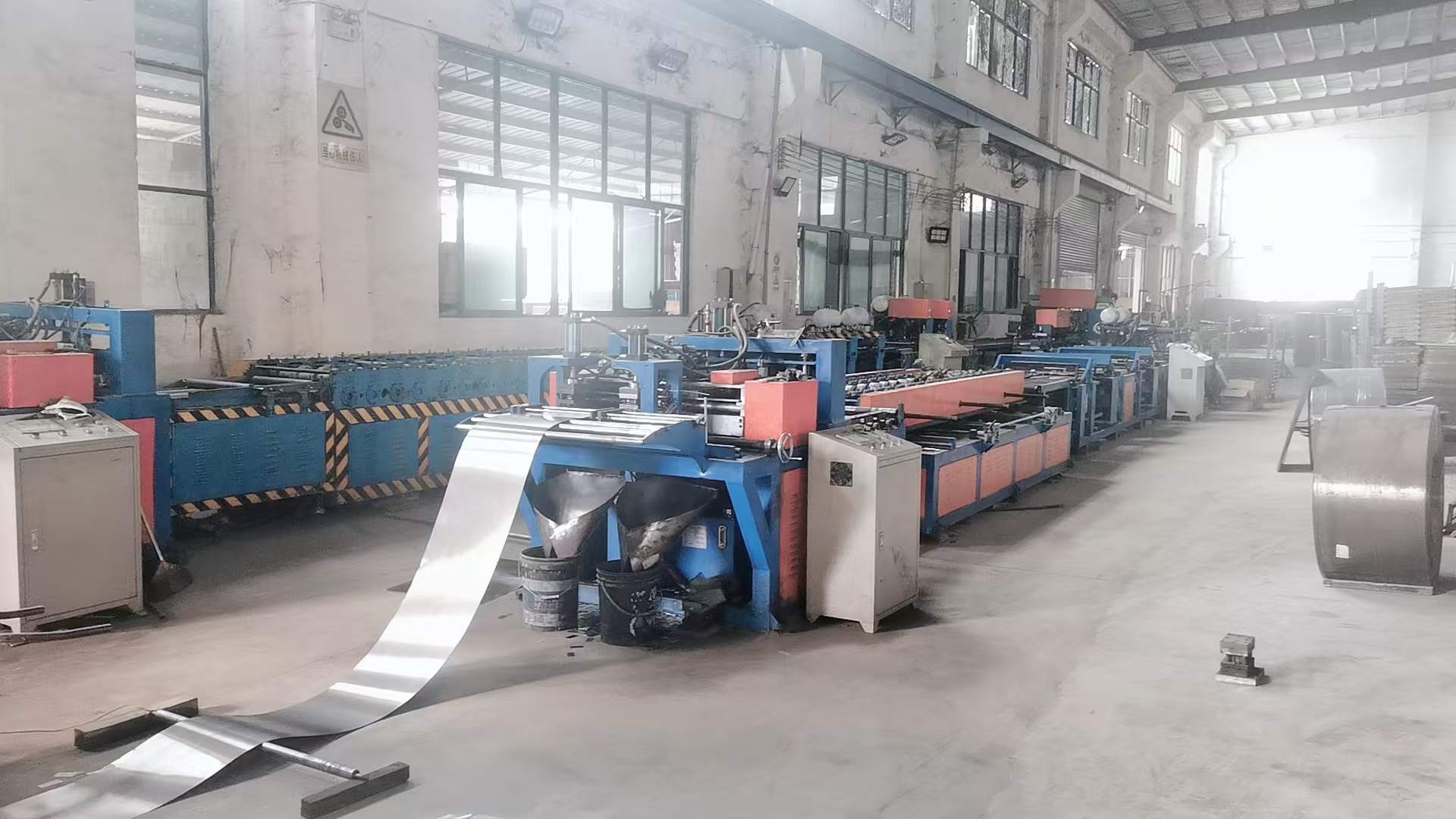
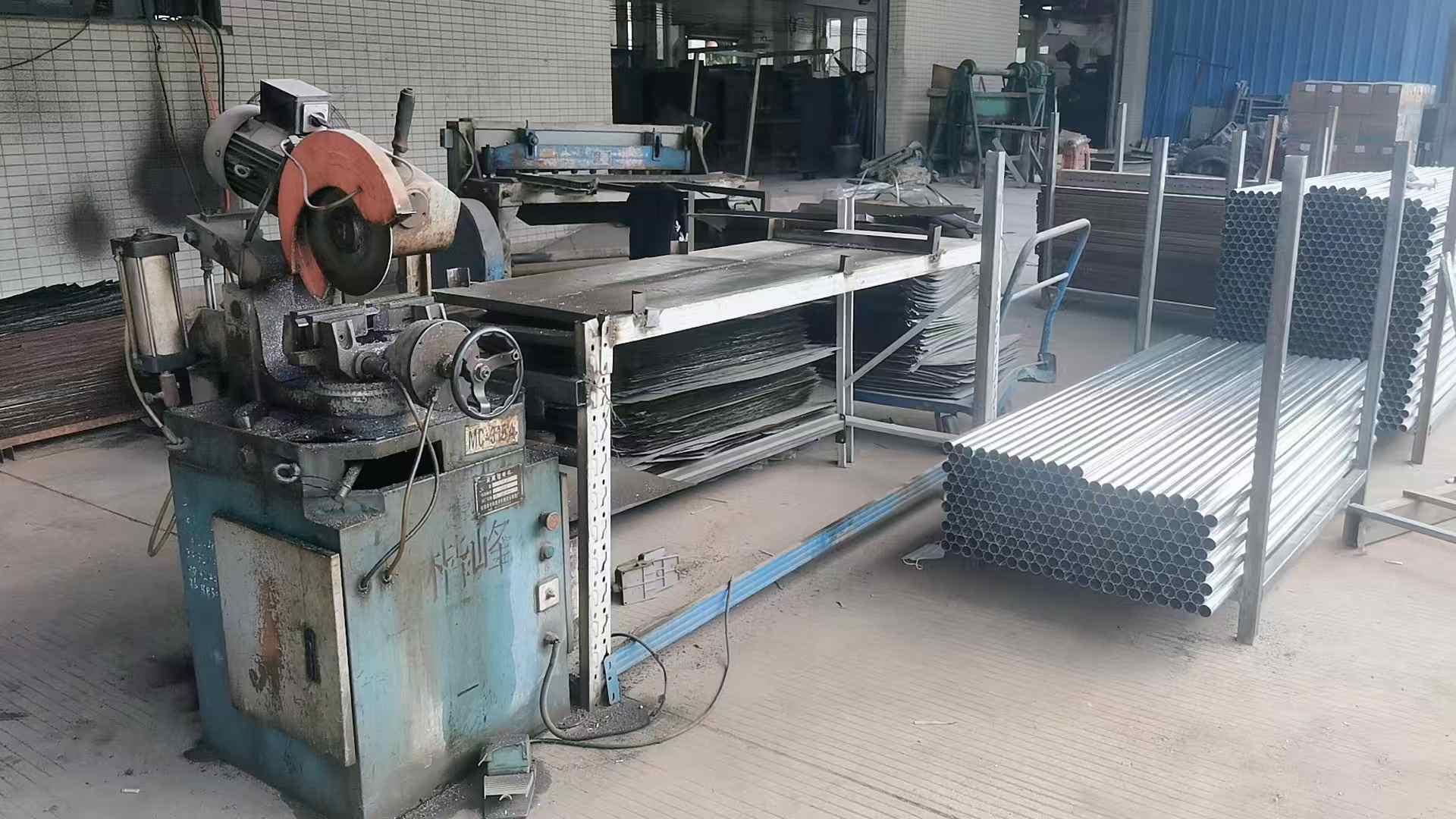
Purchasing stacking racks directly from a specialized Chinese manufacturer like Dongguan Hui Lian unlocks several supply chain advantages. Our strategic location within Southern China’s industrial manufacturing zone grants us access to premium carbon steel from regional steel mills, reducing inland transport costs and securing custom steel profiles at stable prices.
This localized supply network, which includes over 850 raw material partners, ensures that we maintain deep stock levels of Q235B and Q355B cold-rolled steel coils. Automated rolling, stamping, and cutting lines operate continuously, ensuring that high-volume orders are completed with minimal lead times. This scale enables us to manage raw material fluctuations effectively, offering predictable pricing structures to our global partners.
International industrial standards govern the structural execution of racking systems. To support global logistics operations, Hui Lian designs systems according to local mechanical criteria, ensuring compliance with building codes and workspace safety regulations:
The versatility of modular stackable steel racks makes them well-suited for diverse industries, with custom configurations tailored to specific operational needs:
Engines, exhaust components, and stamping components present irregular shapes that do not sit well on standard pallets. Custom stacking racks with side mesh screens or customized internal supports lock these components in place. Heavy-duty vertical tubes prevent deformation under high load stresses during internal logistics and container transit.
In temperature-controlled storage rooms, structural floor space is expensive. Our stackable units, treated with low-temperature resistant powder coatings or hot-dip galvanized finishes, maximize vertical volume. The open frame configuration facilitates rapid airflow, ensuring uniform temperature regulation and accelerating product freezing processes.
E-commerce centers navigate extreme seasonal peaks (such as Black Friday). Stacking racks can be constructed as temporary sorting stations, product bulk bays, or dispatch loading zones. Once the peak ends, these racks fold flat and stack together out of the way, freeing up floor space for order sorting and picking operations.
Long products like textile rolls, metal pipes, and plastic extrusions can crush under weight if stacked directly. Stacking racks feature open-sided designs with top and bottom retention bars, allowing high-density vertical stacking without compromising fragile materials.
The global material handling sector is transitioning toward automated execution, green compliance, and modular configurations. Understanding these shifts helps warehousing managers optimize their storage infrastructure investments:
Modern stacking rack models are designed to integrate with automated mobile robotics (AMRs) and AGVs. Precision guide blocks, dimensionally uniform stacker cups, and laser-guided robotic centering profiles ensure that automated equipment can pick, move, and stack racks safely, minimizing manual forklift interactions and operational damage.
Hui Lian uses modern powder-coating systems that eliminate VOCs (Volatile Organic Compounds) and hazardous heavy metals. Our steel components are 100% recyclable, aligning with corporate ESG policies. When a warehouse configuration changes or a lease ends, these systems can be relocated, resold, or recycled without generating construction waste.
To support high-turnover logistics hubs, modern post pallets can be configured with integrated RFID tags or IoT tracking brackets. This addition turns mechanical structures into connected assets, providing logistics software with real-time location and load data, streamlining supply chain visibility.
Direct answers from our structural engineers addressing load calculations, material selection, custom designs, and logistics.
Heavy-duty, factory-direct industrial racking systems engineered to handle heavy payloads and optimize storage density.
 Hui Lian