Engineered for absolute reliability, structural rigidity, and optimized spatial footprint in global distributions.
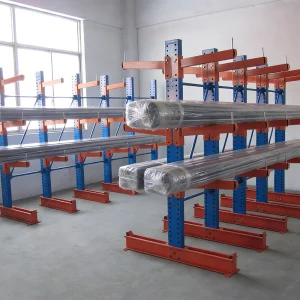
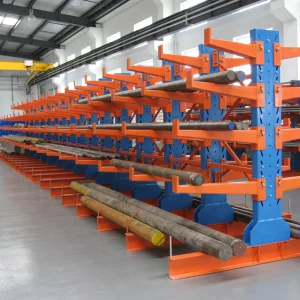
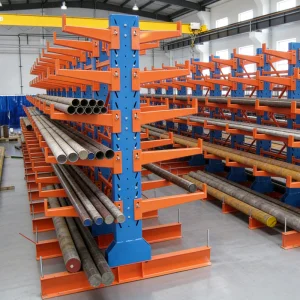
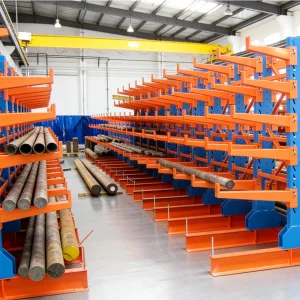
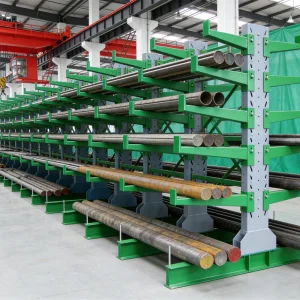
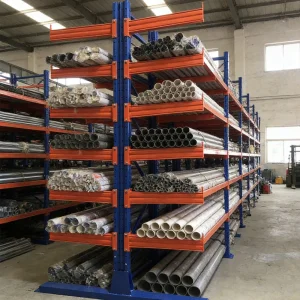
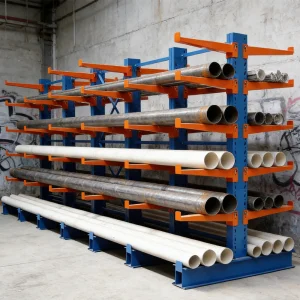
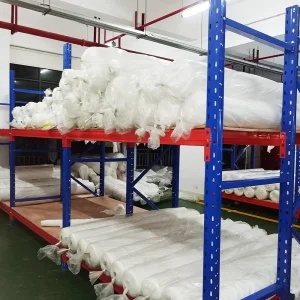
In modern industrial logistics, optimizing warehouse spatial dynamics is paramount. Standard pallet rack systems often struggle when storing long, heavy, or non-uniform materials, such as raw steel channels, extruded plastics, lumber packs, structural steel, or pipes. This is where engineered cantilever rack systems emerge as the critical structural configuration.
By eliminating front upright columns, cantilever racks facilitate unobstructed horizontal entry for forklifts, sideloader trucks, and overhead cranes. This design significantly reduces structural loading hazards, streamlines handling times, and unlocks maximum vertical volume in heavy manufacturing and distribution hubs.
Procurement teams must evaluate the load environment when choosing the fabrication method. Below is a comparative breakdown of the structural options available from premier factories.
| Parameters | Roll-Formed Steel Racks | Structural H-Beam Racks |
|---|---|---|
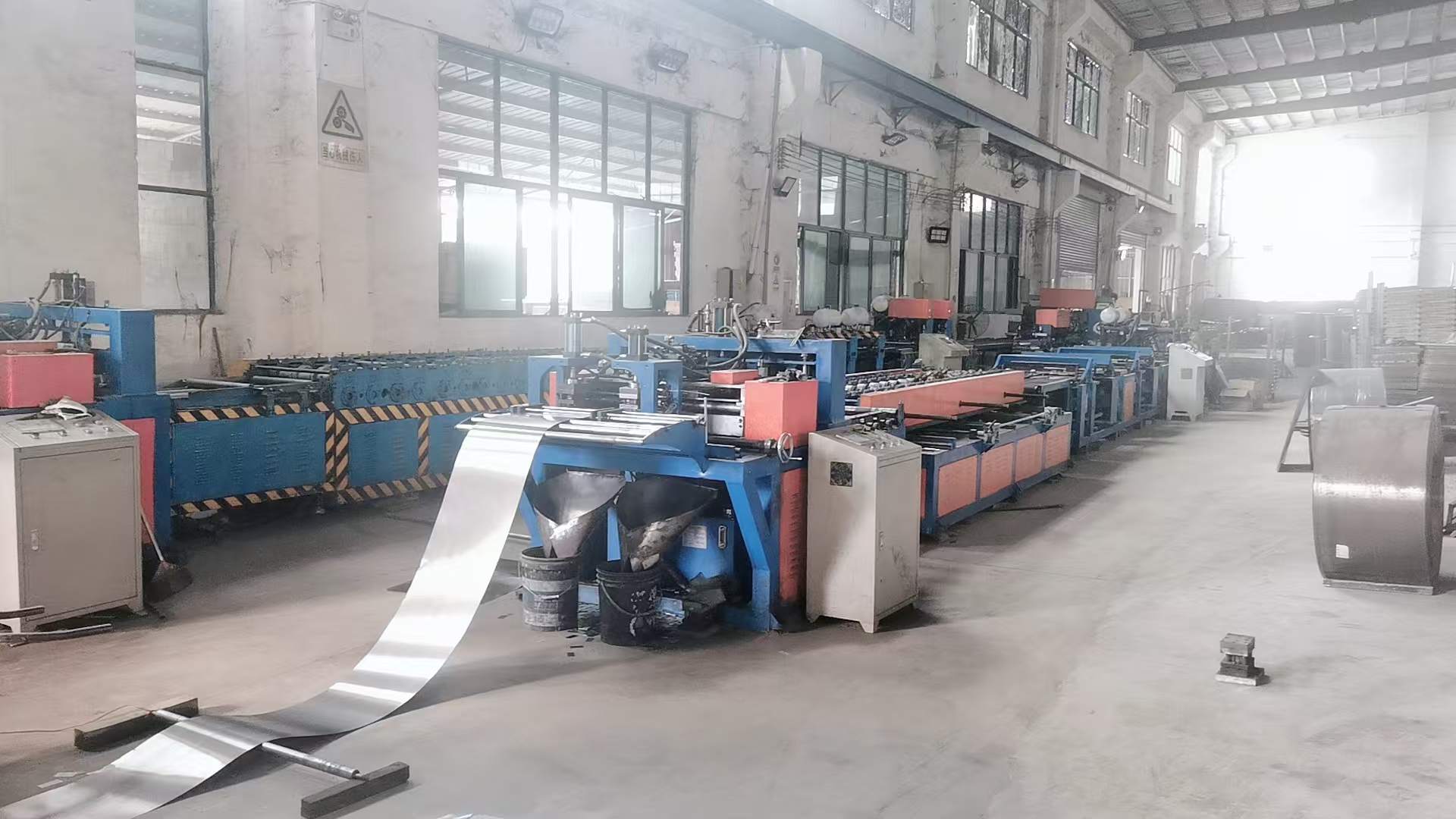
| Manufacturing Process | Continuous roll-forming of high-strength cold-rolled steel coils. | Heavy-duty, hot-rolled structural steel beams welded at critical stress points. |
| Load Capacities | Light to medium-heavy duty loads (500 kg to 1,500 kg per arm). | Extreme heavy-duty (1,500 kg to over 5,000 kg per arm). |
| Impact Resistance | Moderate. Susceptible to damage from high-impact forklift collisions. | Maximum rigidity. Deflects heavy impacts without structural failure. |
| Applications | Plastic extrusions, light lumber, furniture components, conduit tubing. | Structural steel plates, cast iron casting dies, heavy industrial machinery parts, raw steel pipes. |
A premier manufacturer and structural design specialist for high-performance warehousing racking and smart storage systems.
Established in 2016, Dongguan Hui Lian Intelligent Warehouse Equipment Co., Ltd. has developed comprehensive expertise in design, engineering, and global logistics. Operating a modern 18,500㎡ production plant, we deliver optimized logistics planning, layout drafting, structural calculations, and high-quality manufacturing.
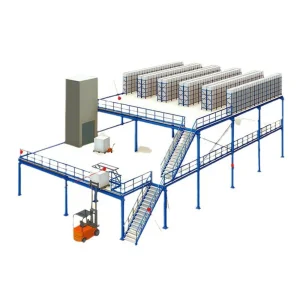
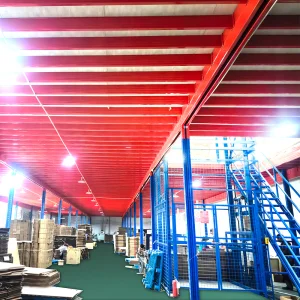
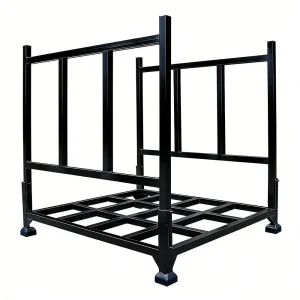
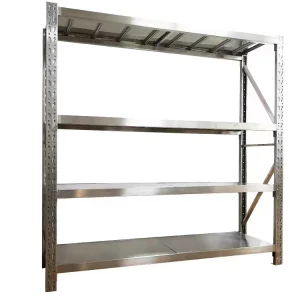
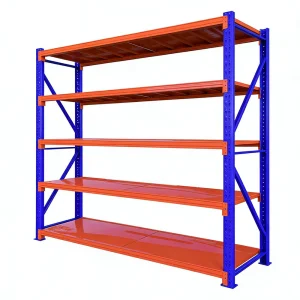
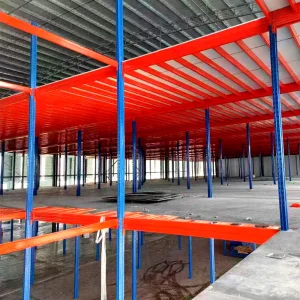
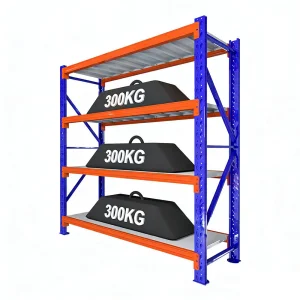
Our expansive catalog covers selective pallet racks, heavy-duty storage racks, automated warehouse rack layouts, heavy-duty steel platform mezzanines, high-density cantilever rack structures, and custom-engineered heavy industrial rack systems. Every rack is designed to safely handle specified load distributions while maximizing vertical volume.
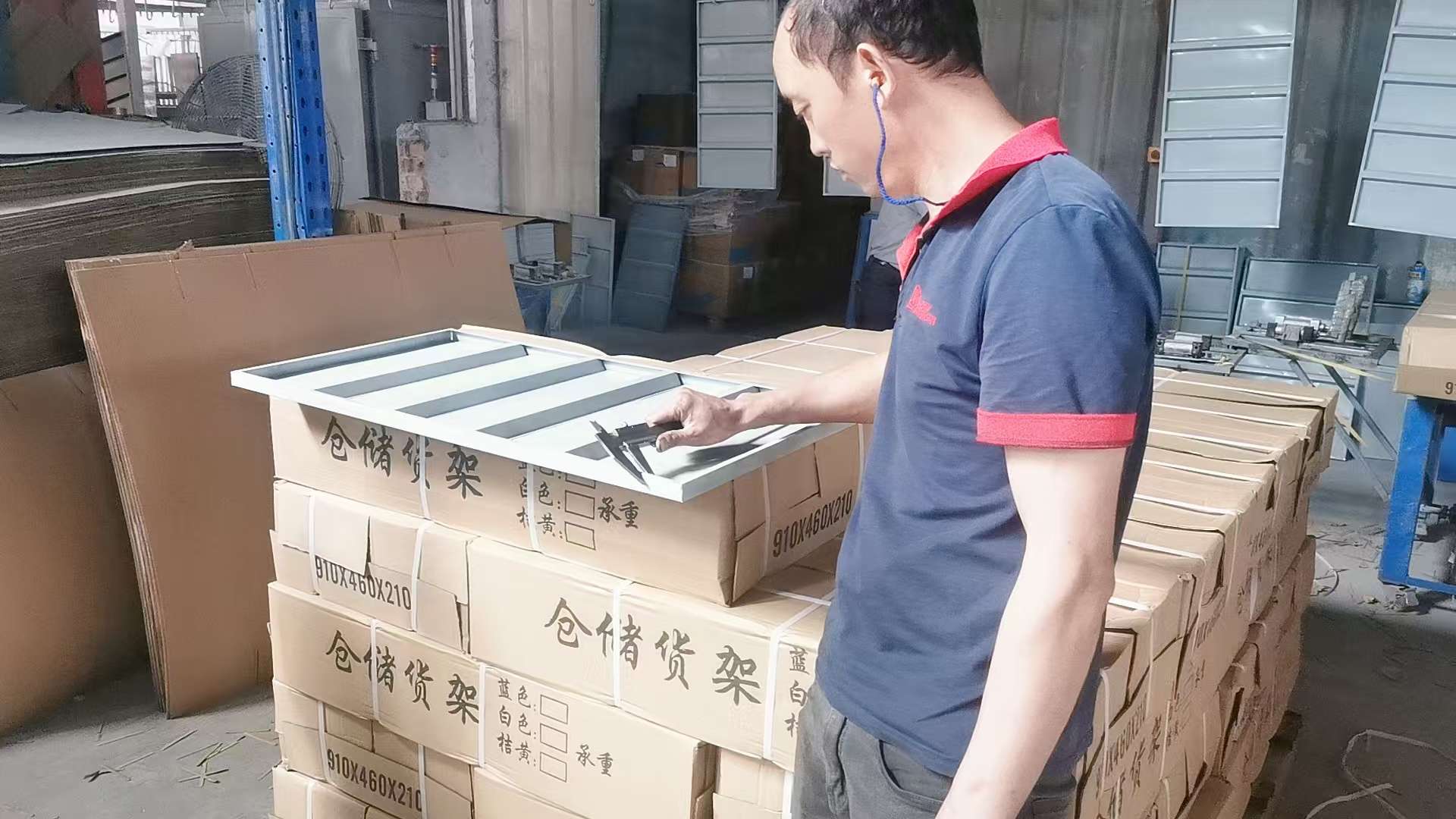
Operational integrity is maintained through our dedicated quality assurance team of 56 certified QA/QC inspectors. Control protocols span the entire value chain:
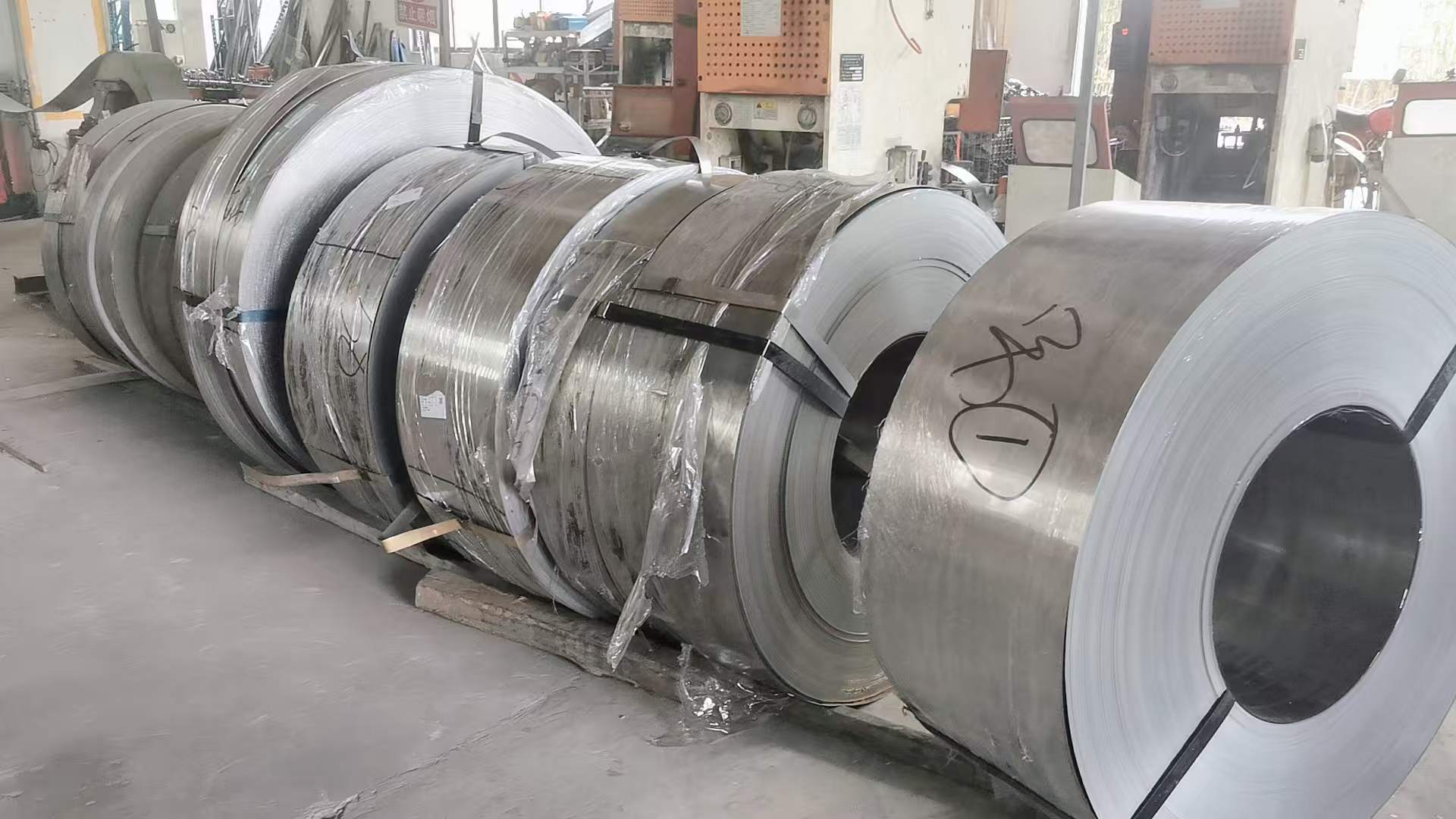
Verification of high-tensile structural steel chemistry certificates (MTC) to guarantee conformance with structural load equations.
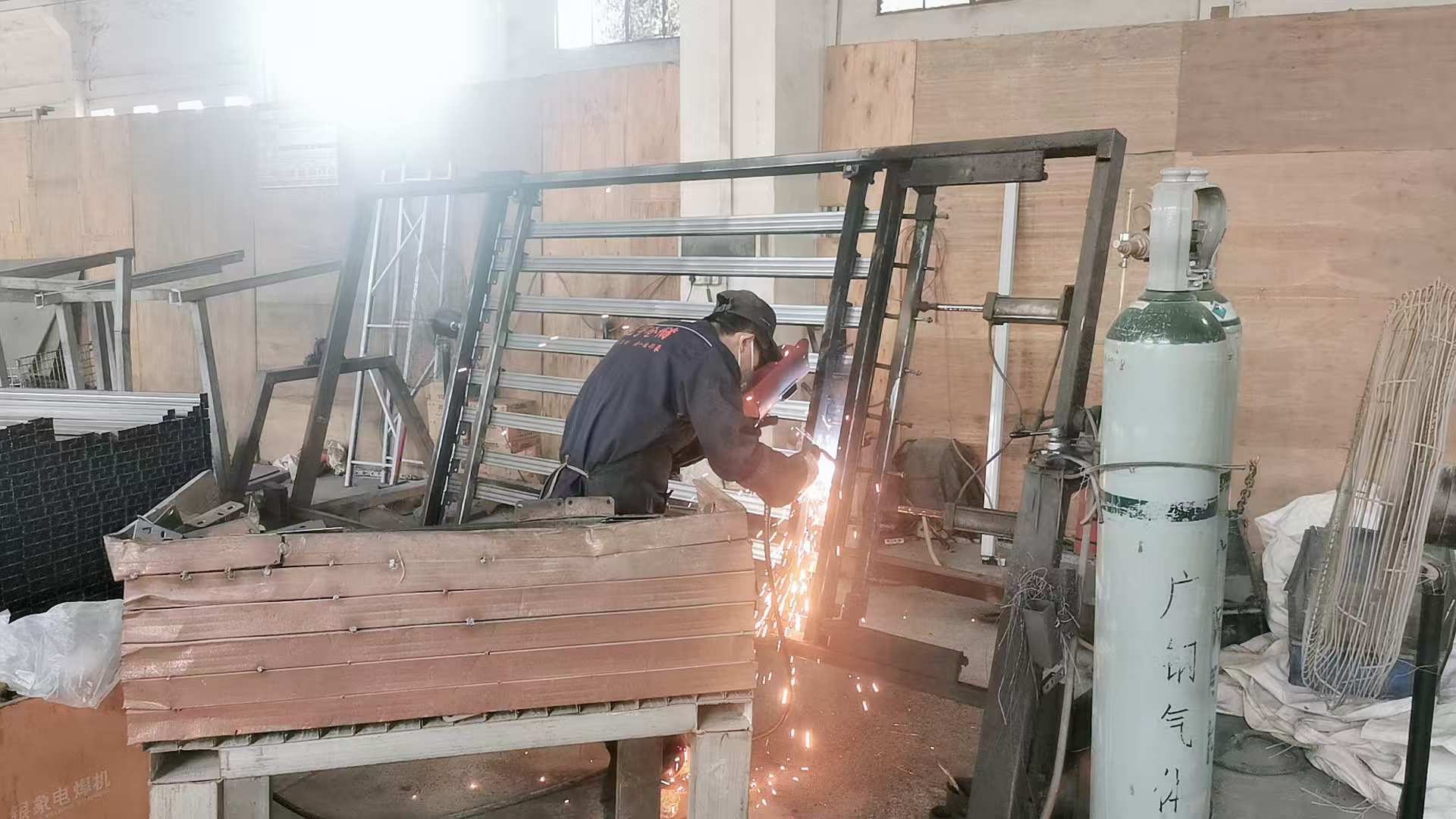
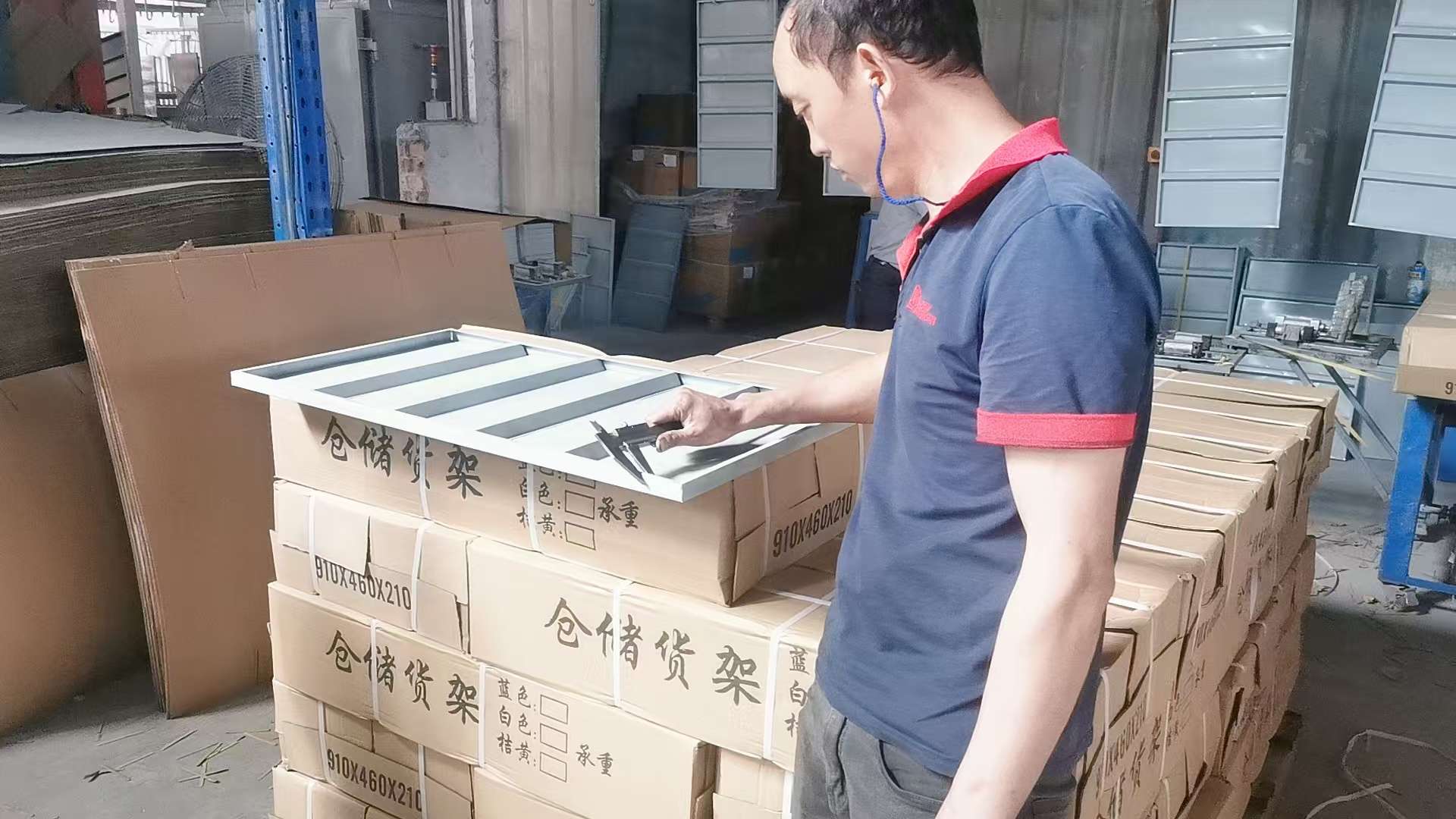
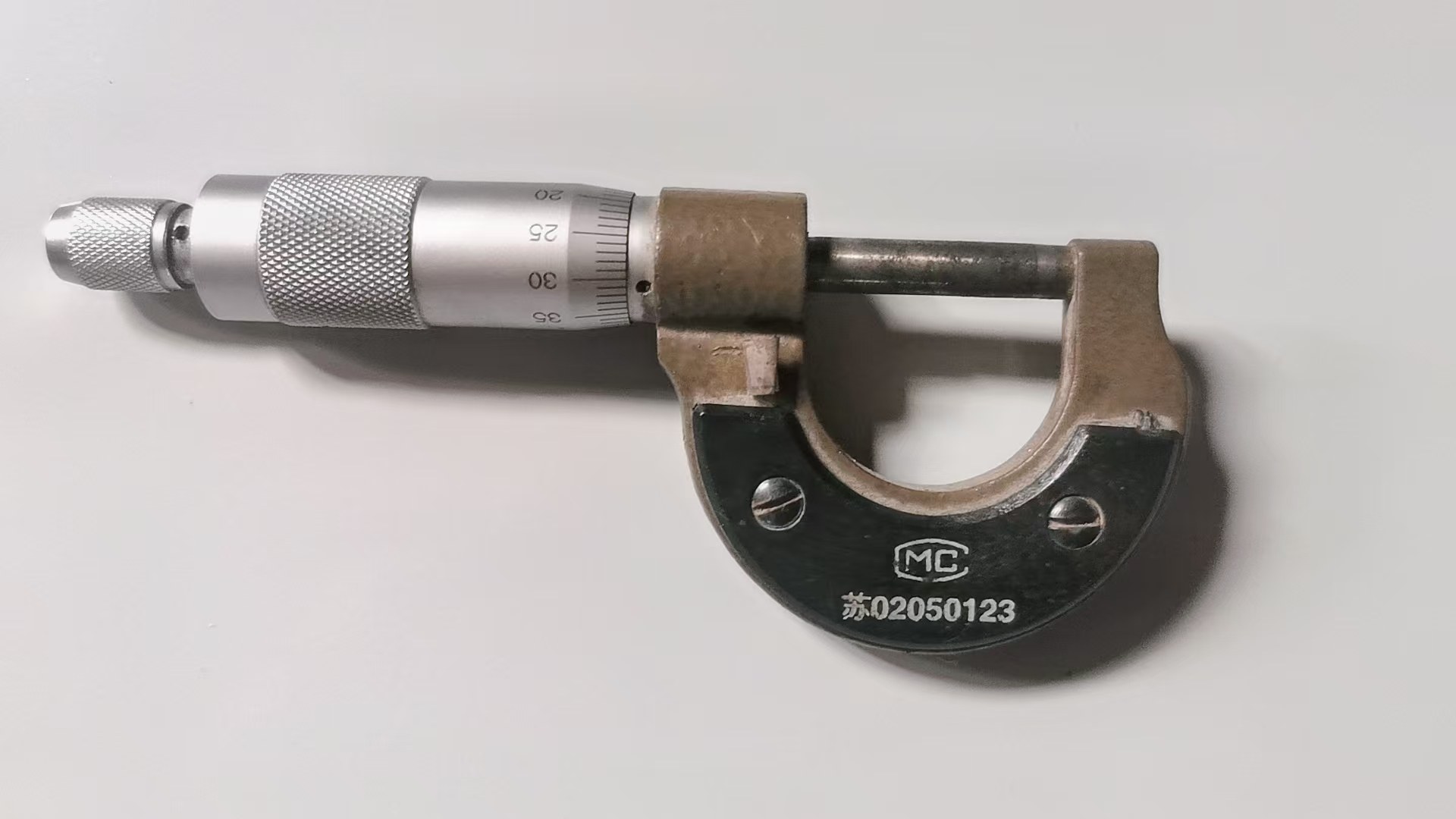
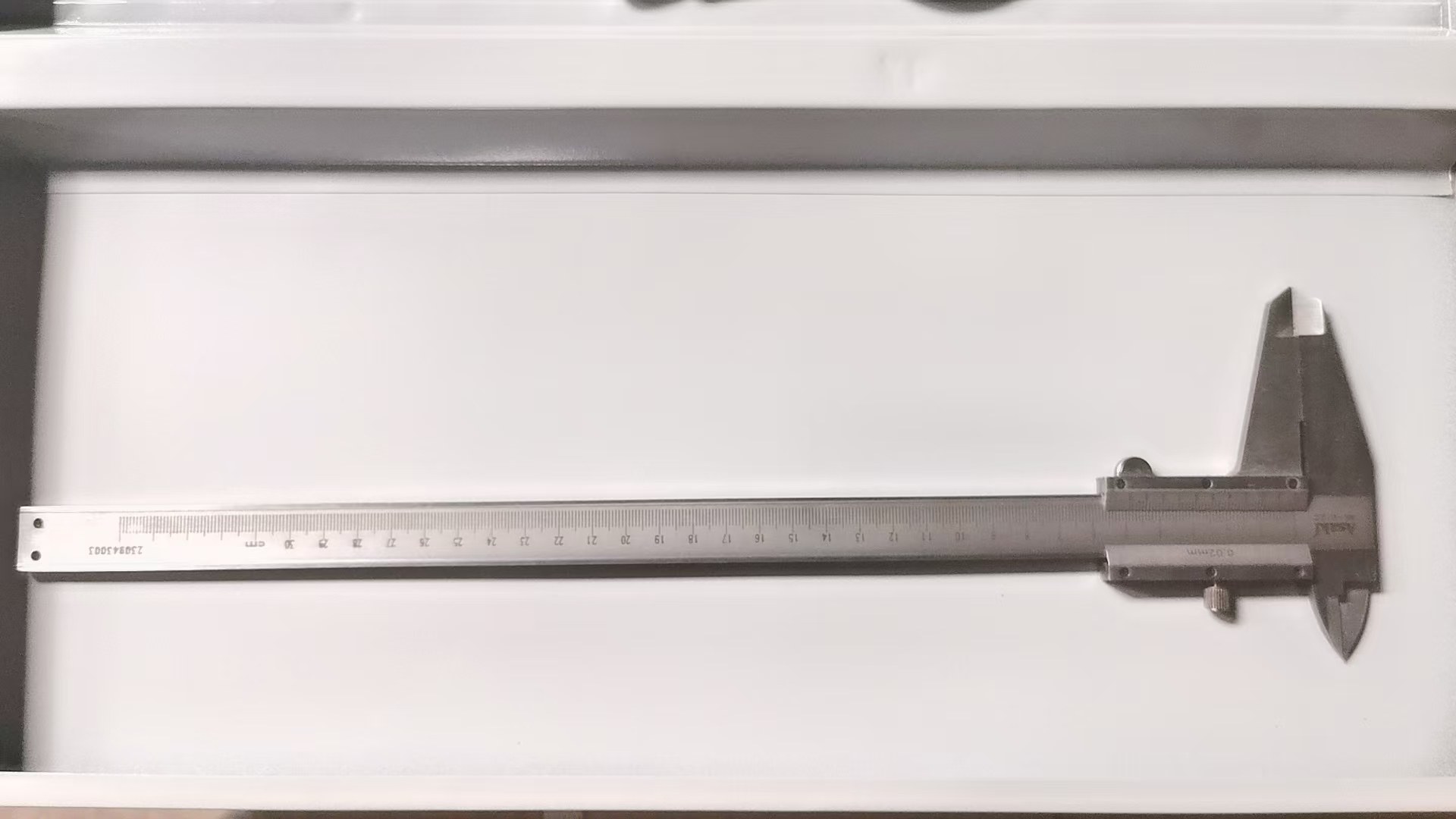
Robotic welding inspections followed by physical measurements utilizing high-accuracy digital micrometers and vernier calipers.
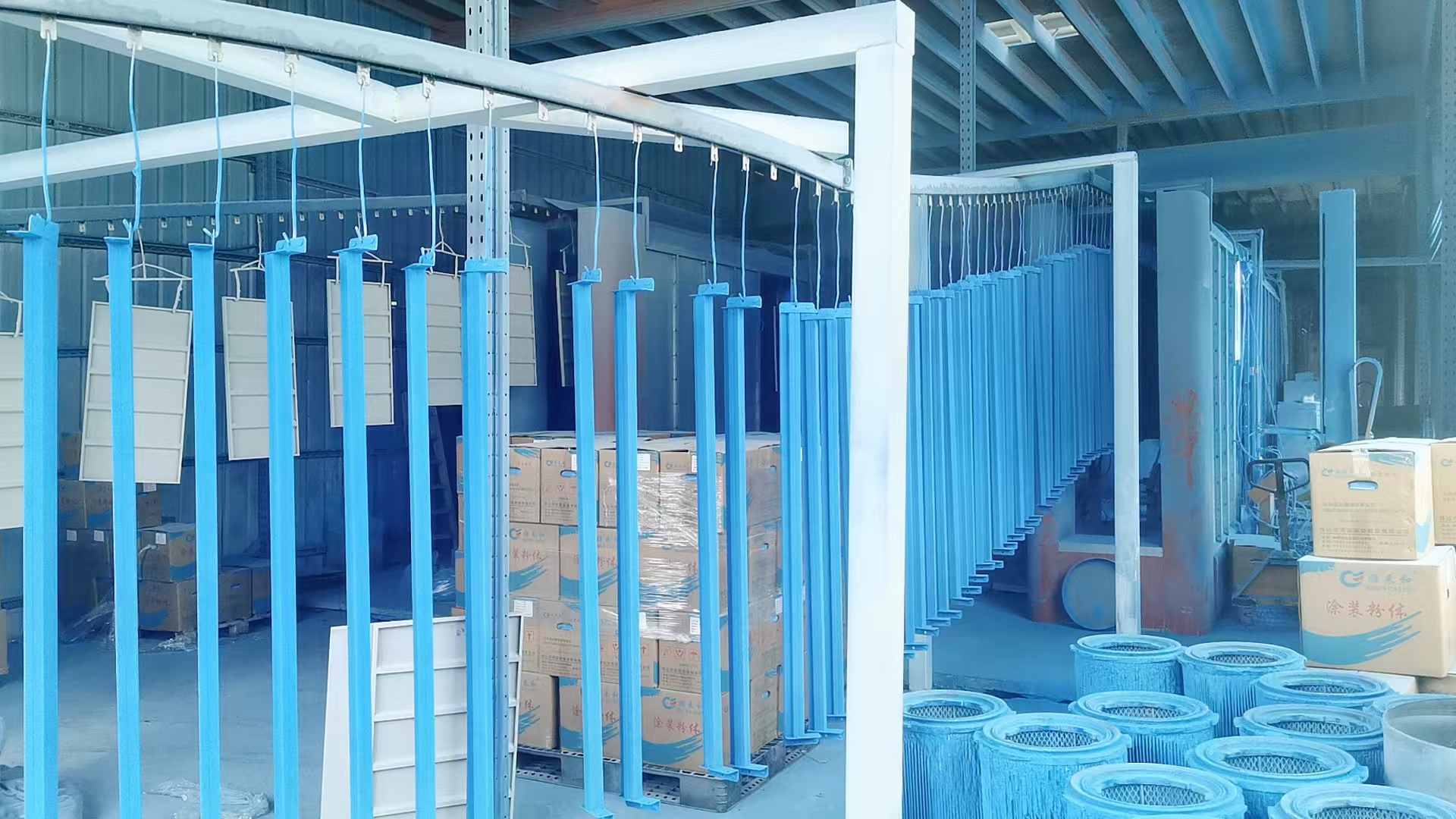
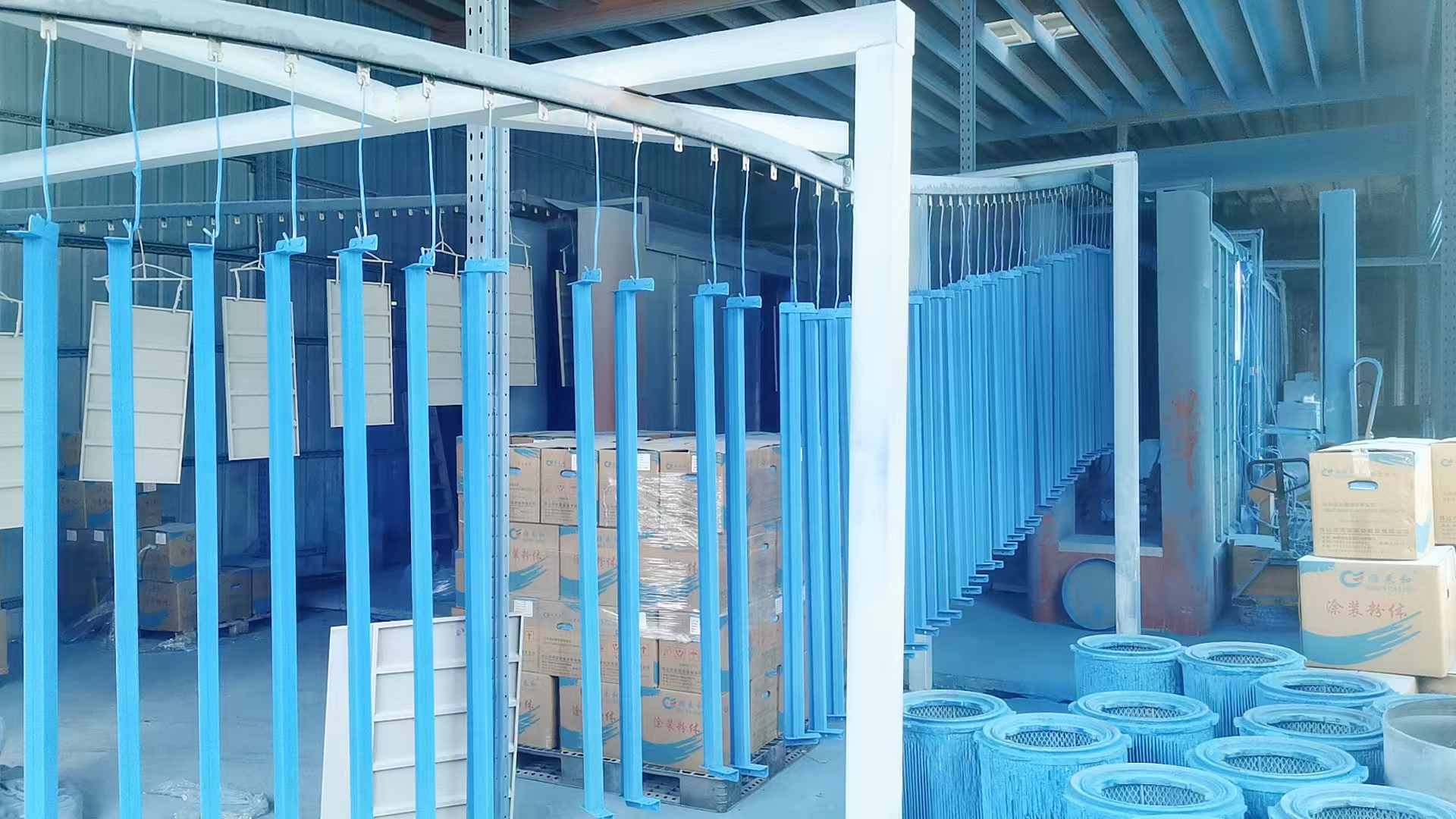
Coating thickness measurements and cross-hatch adhesion testing are performed on automated electrostatic powder-coated surfaces to guarantee corrosion resistance and durability in challenging environments.
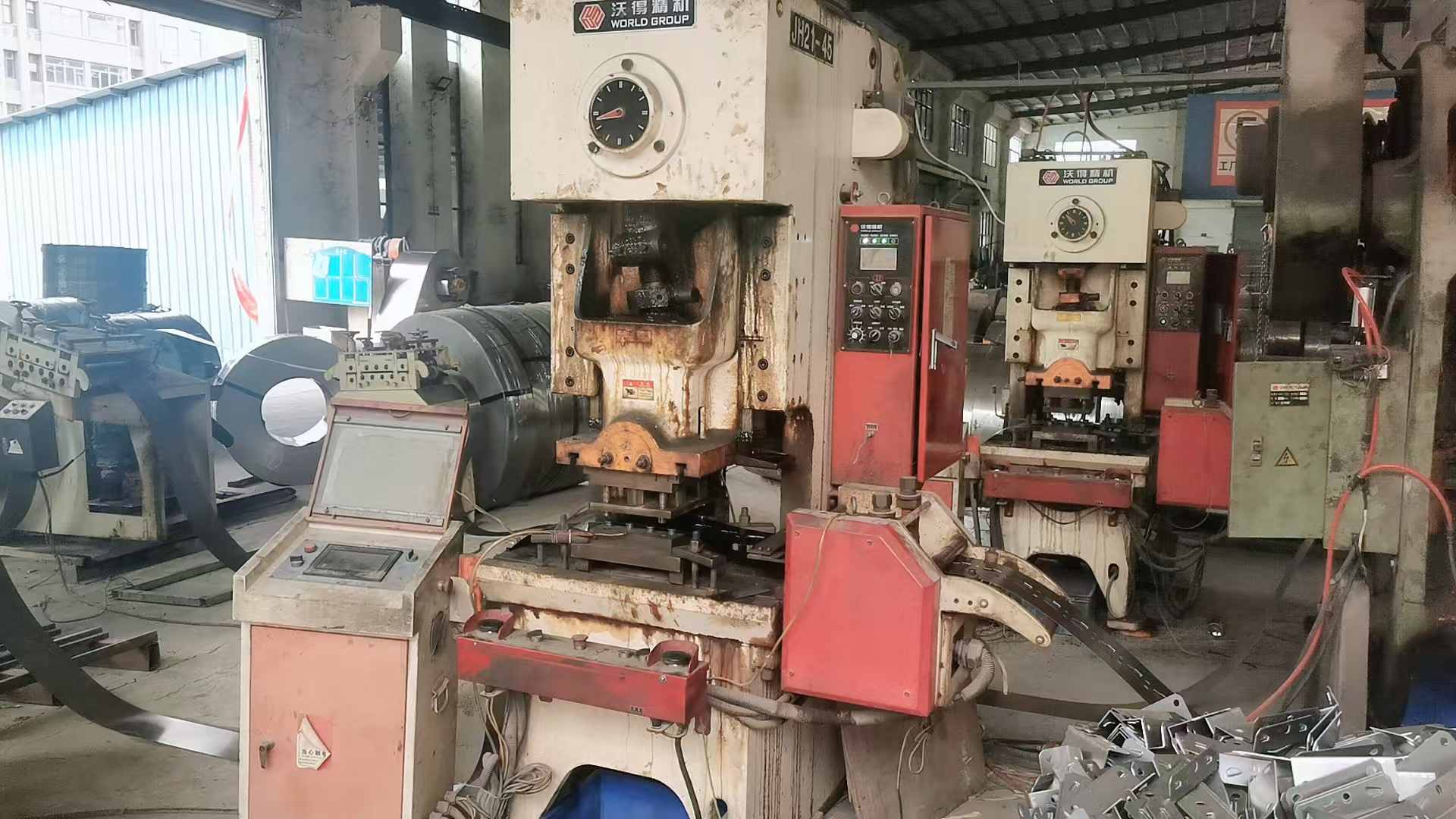
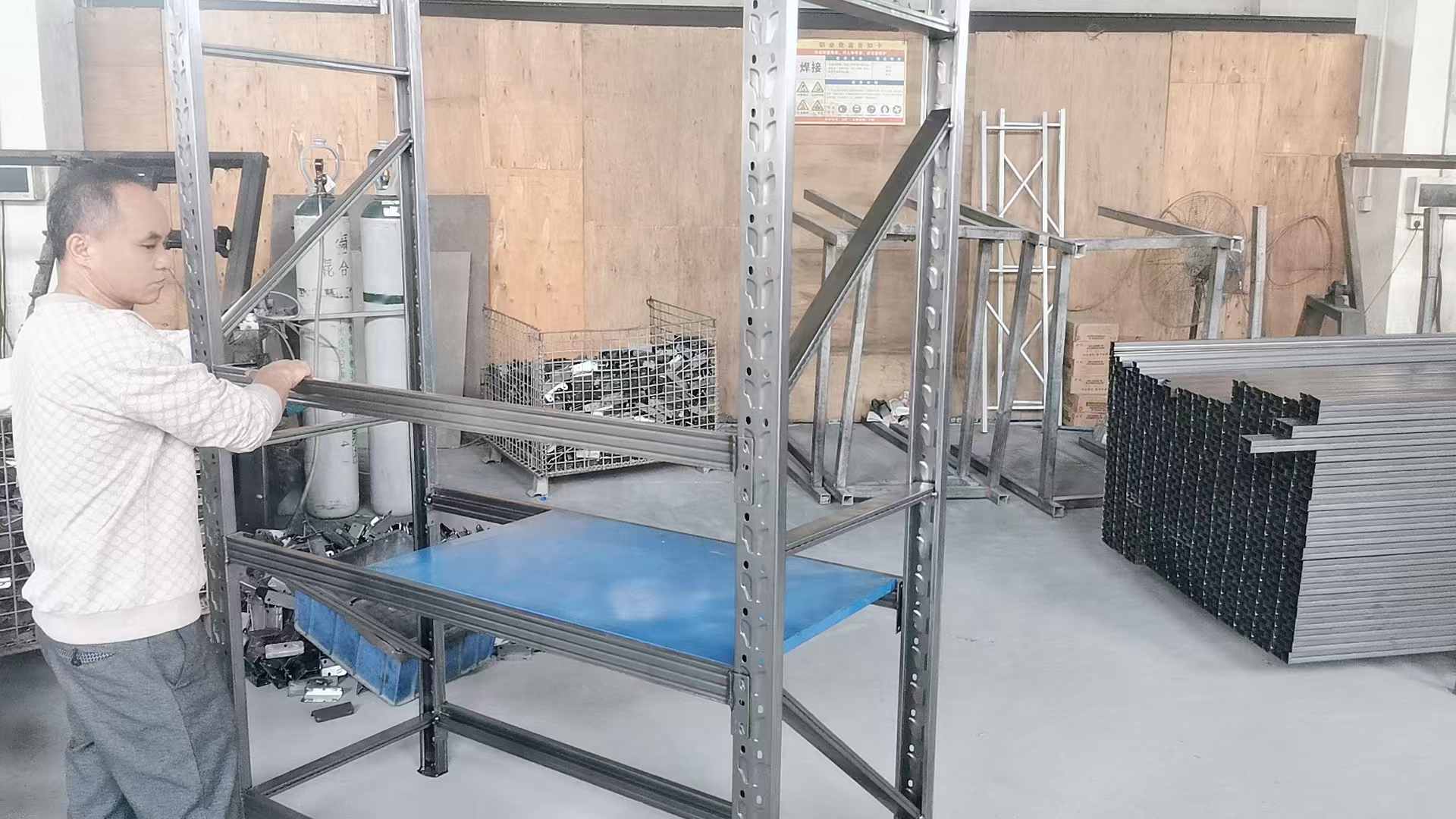
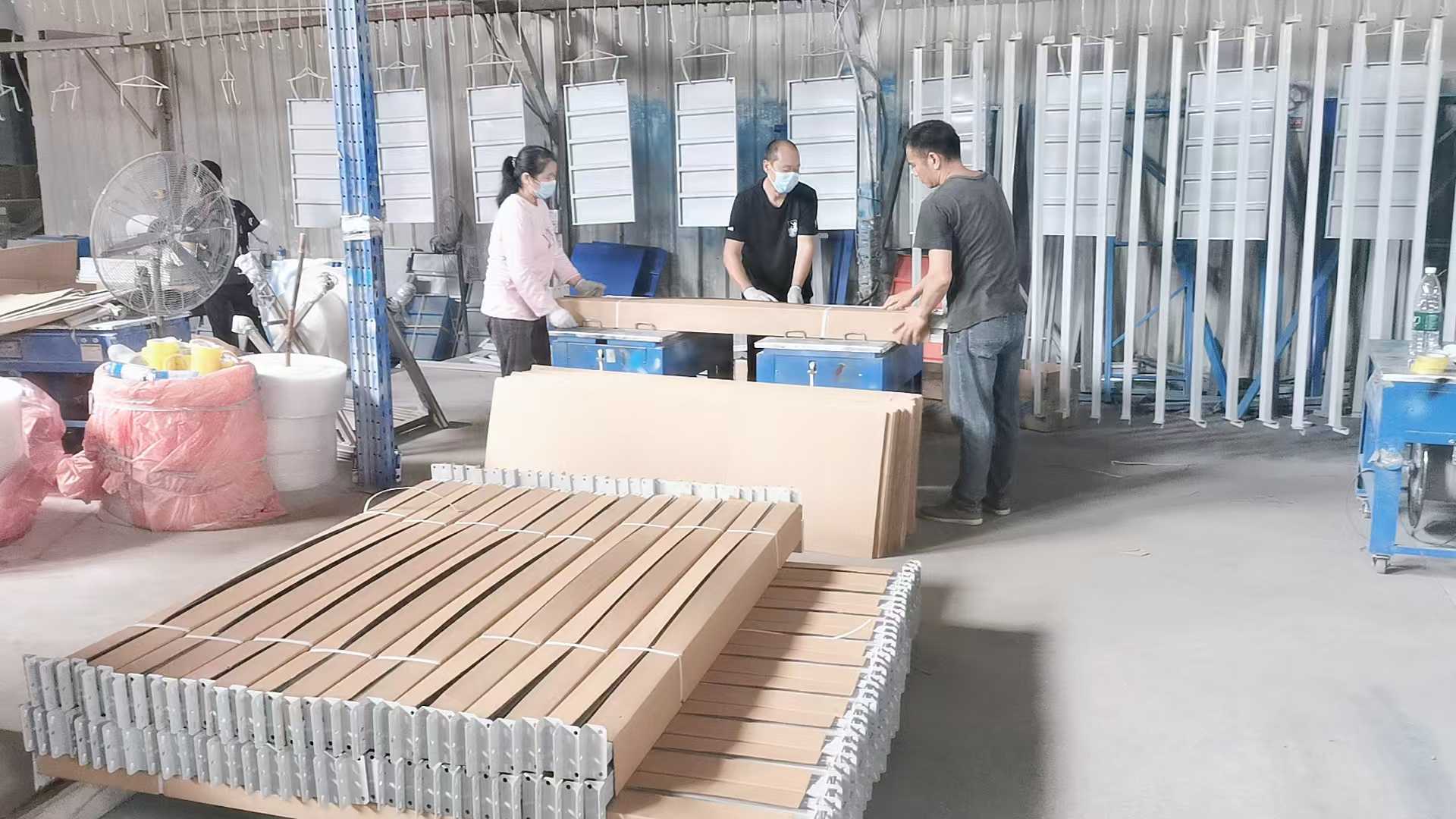
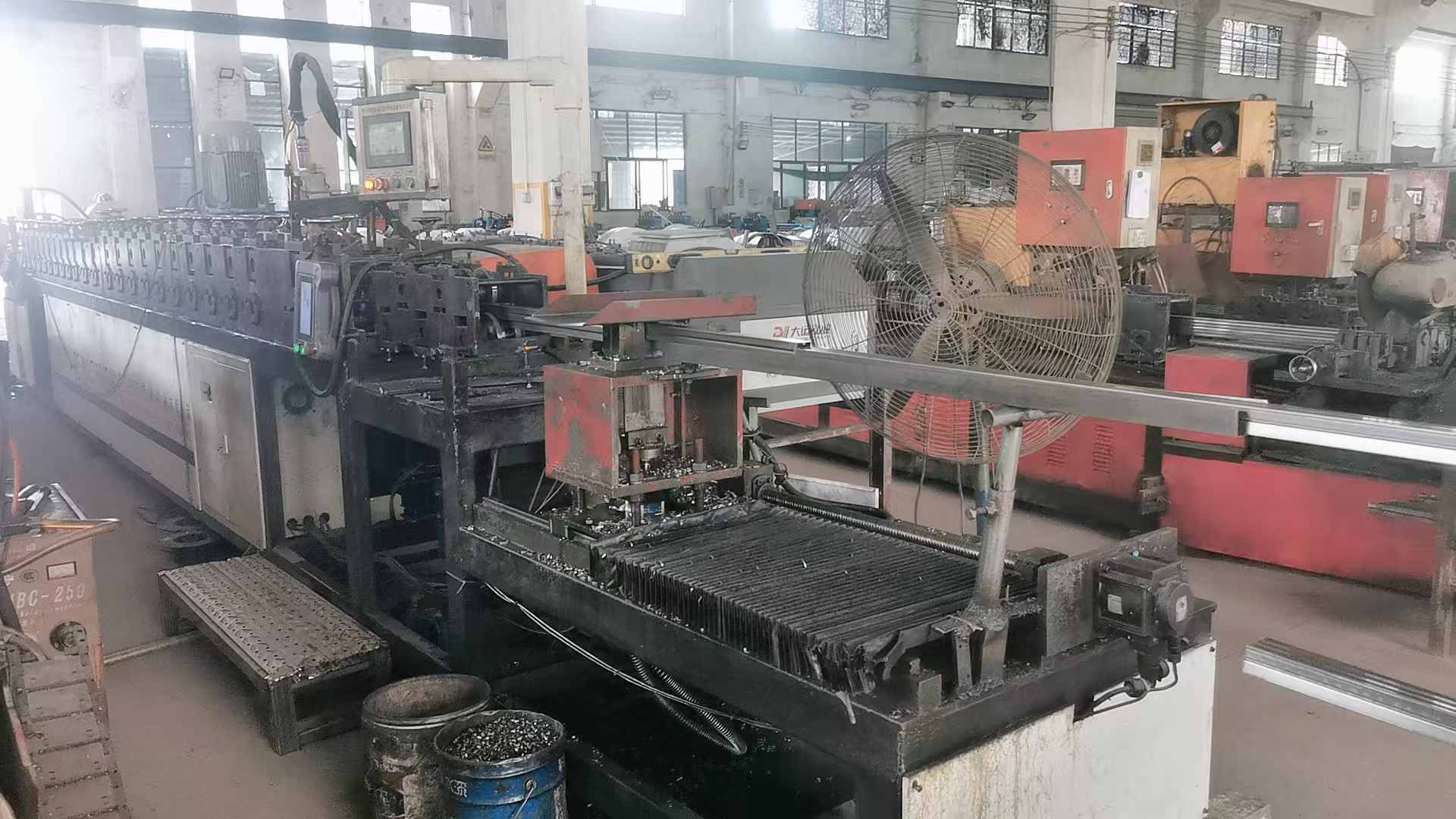
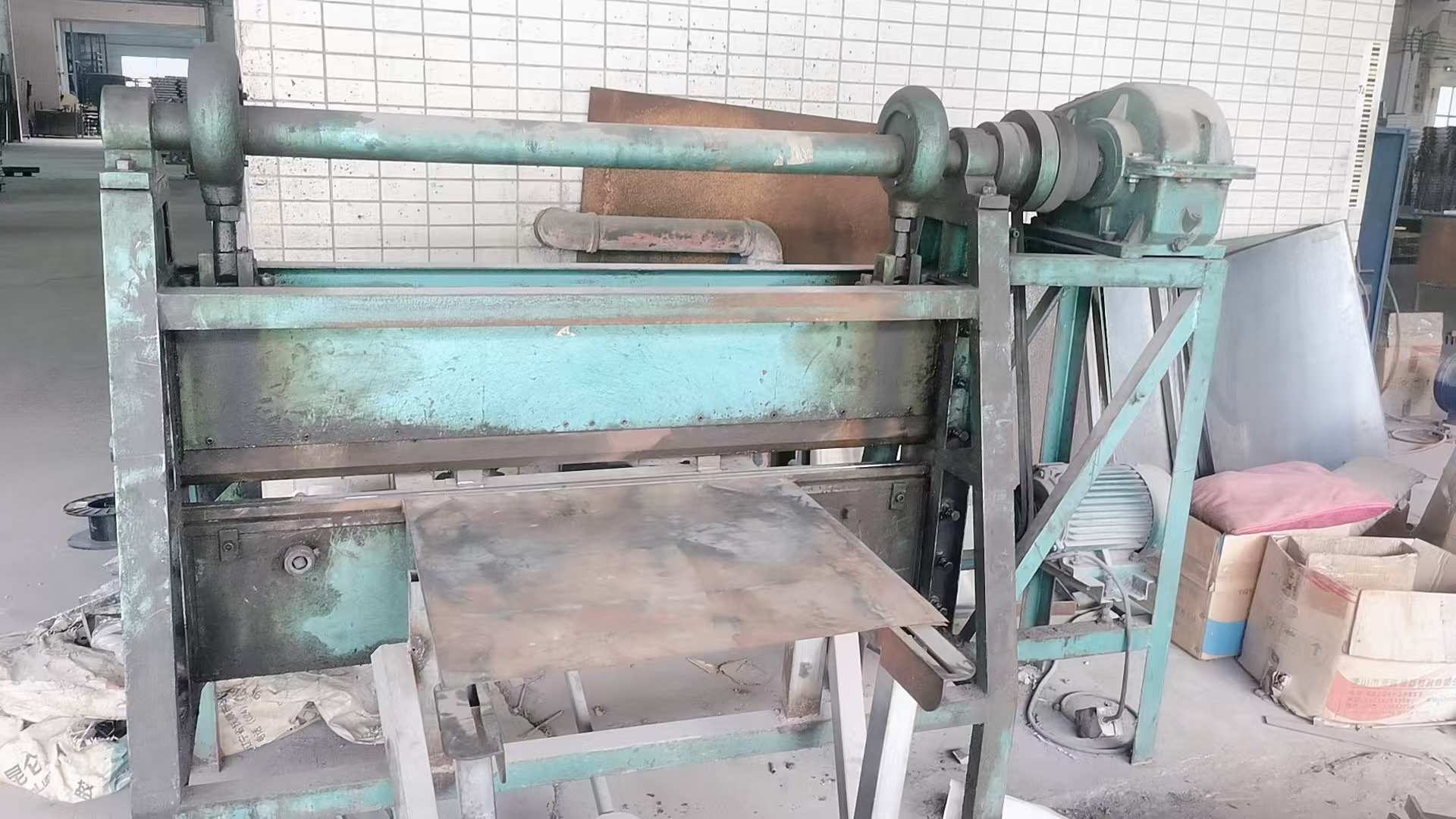
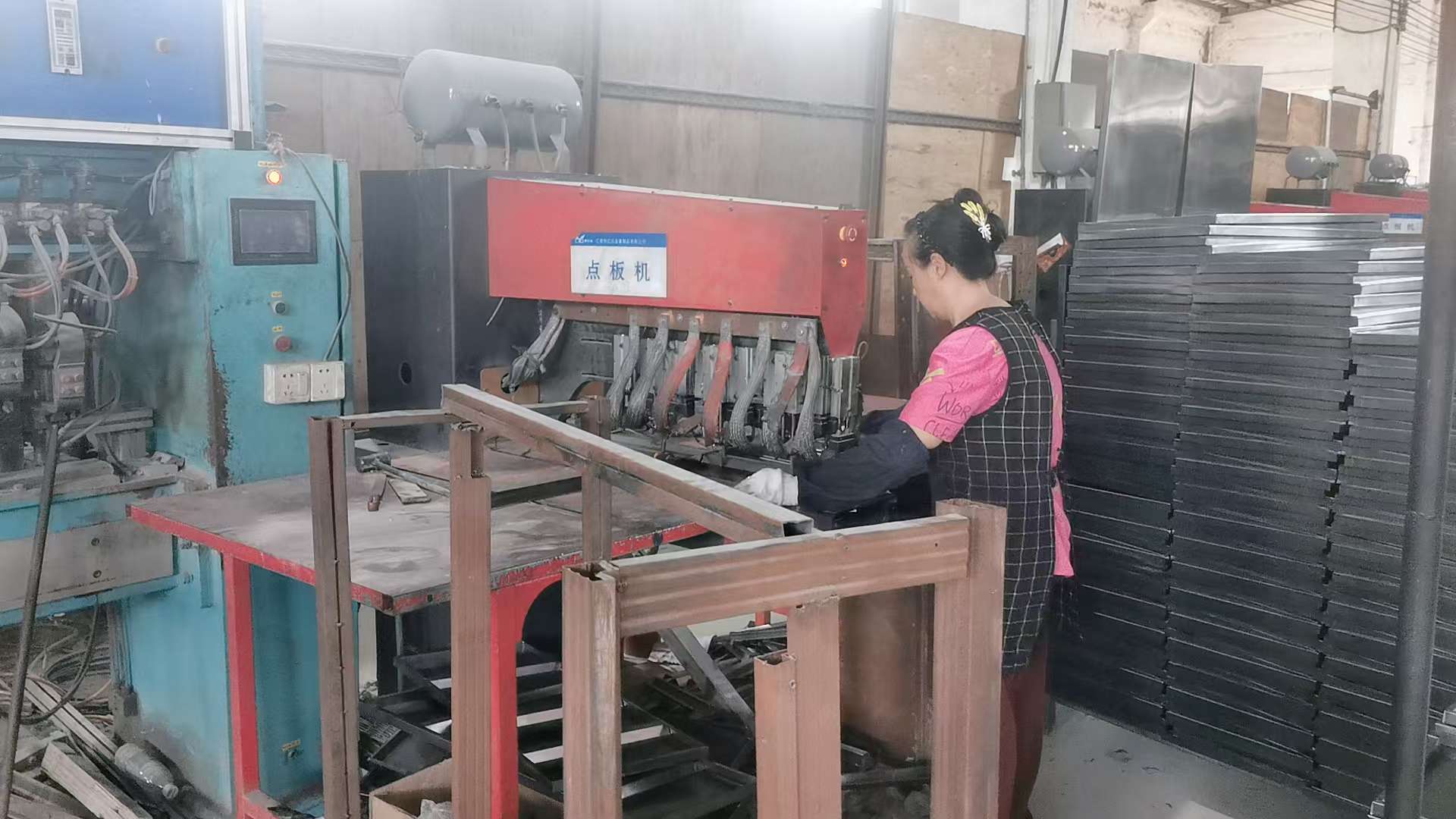
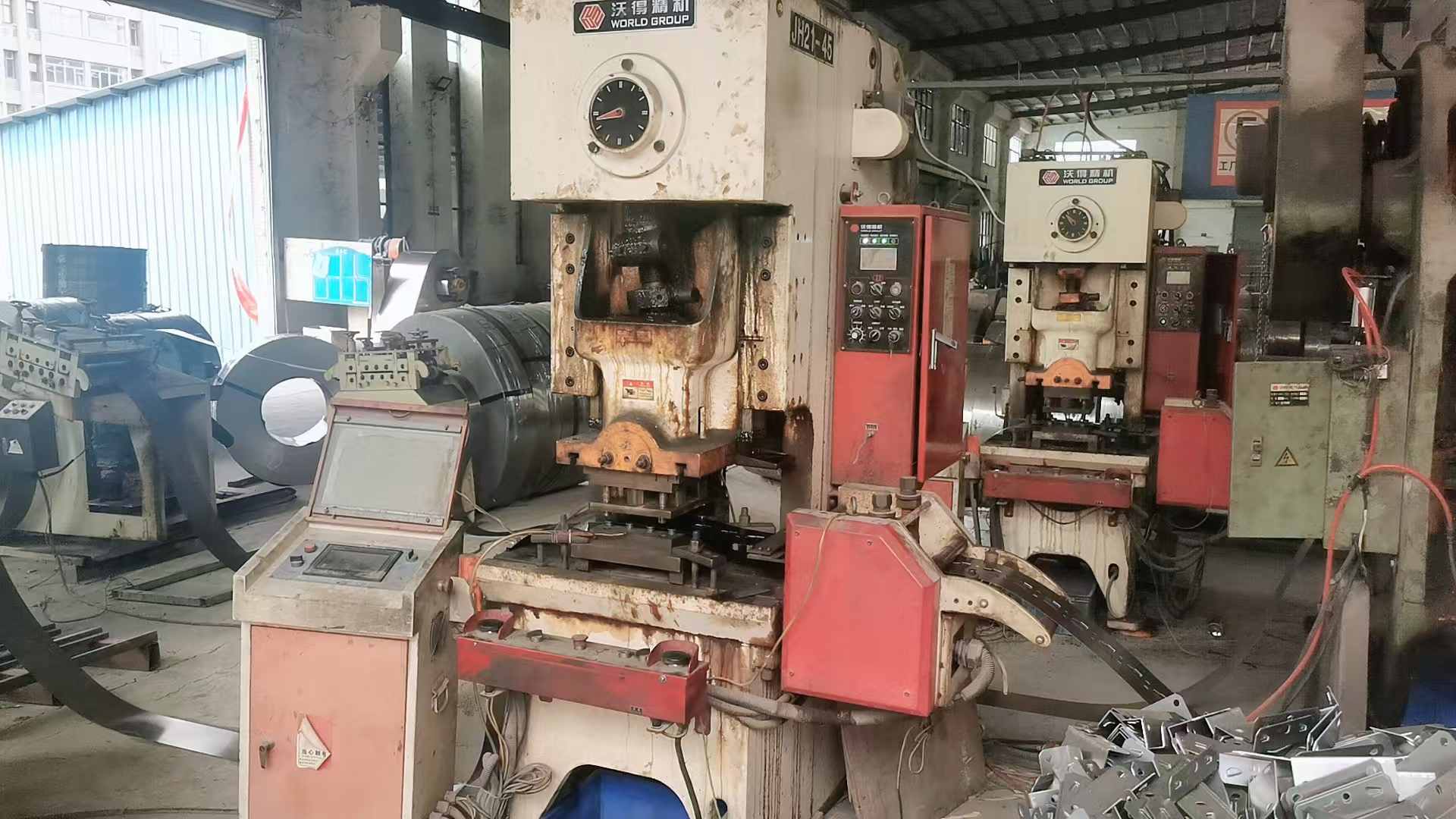
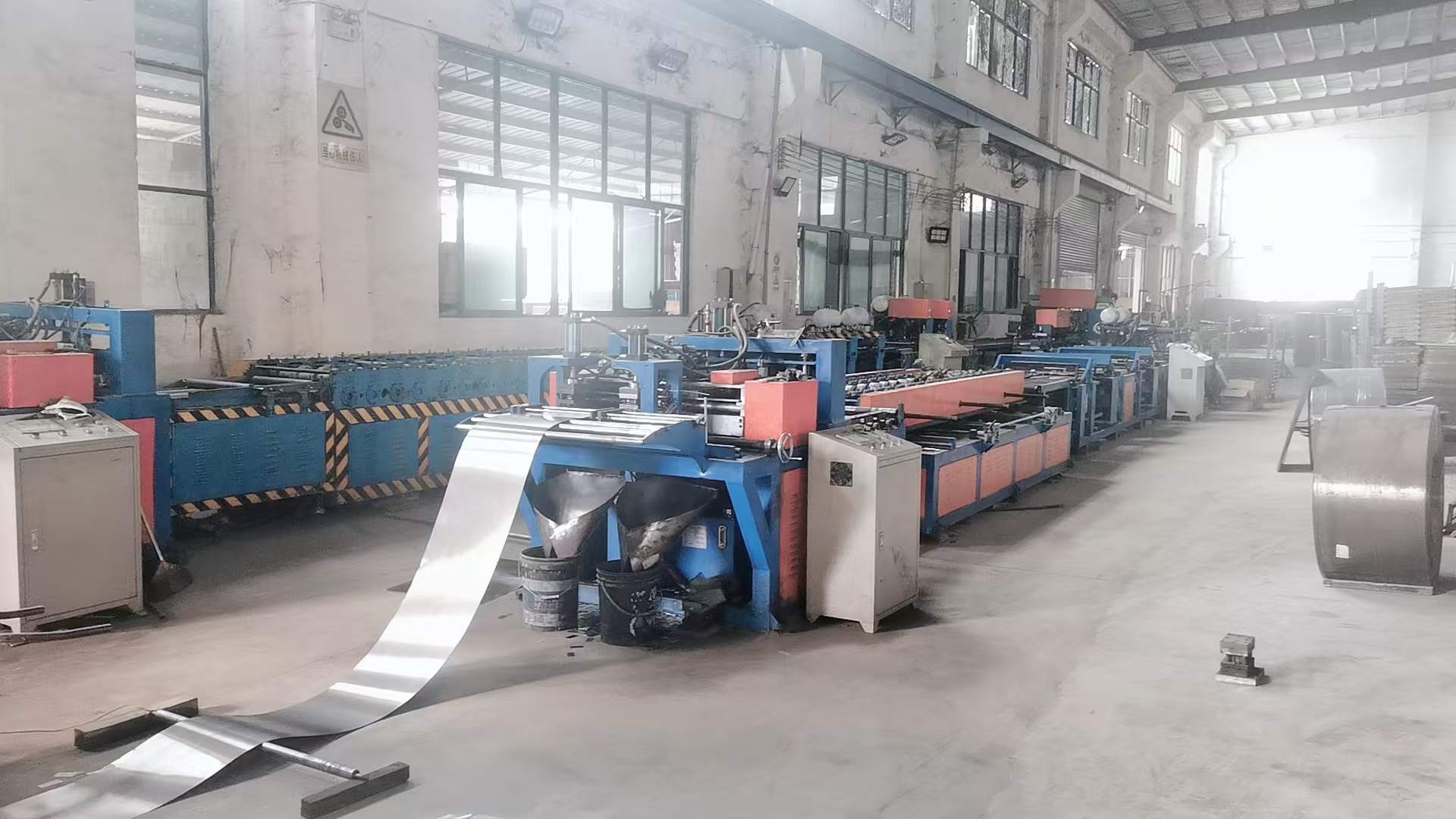
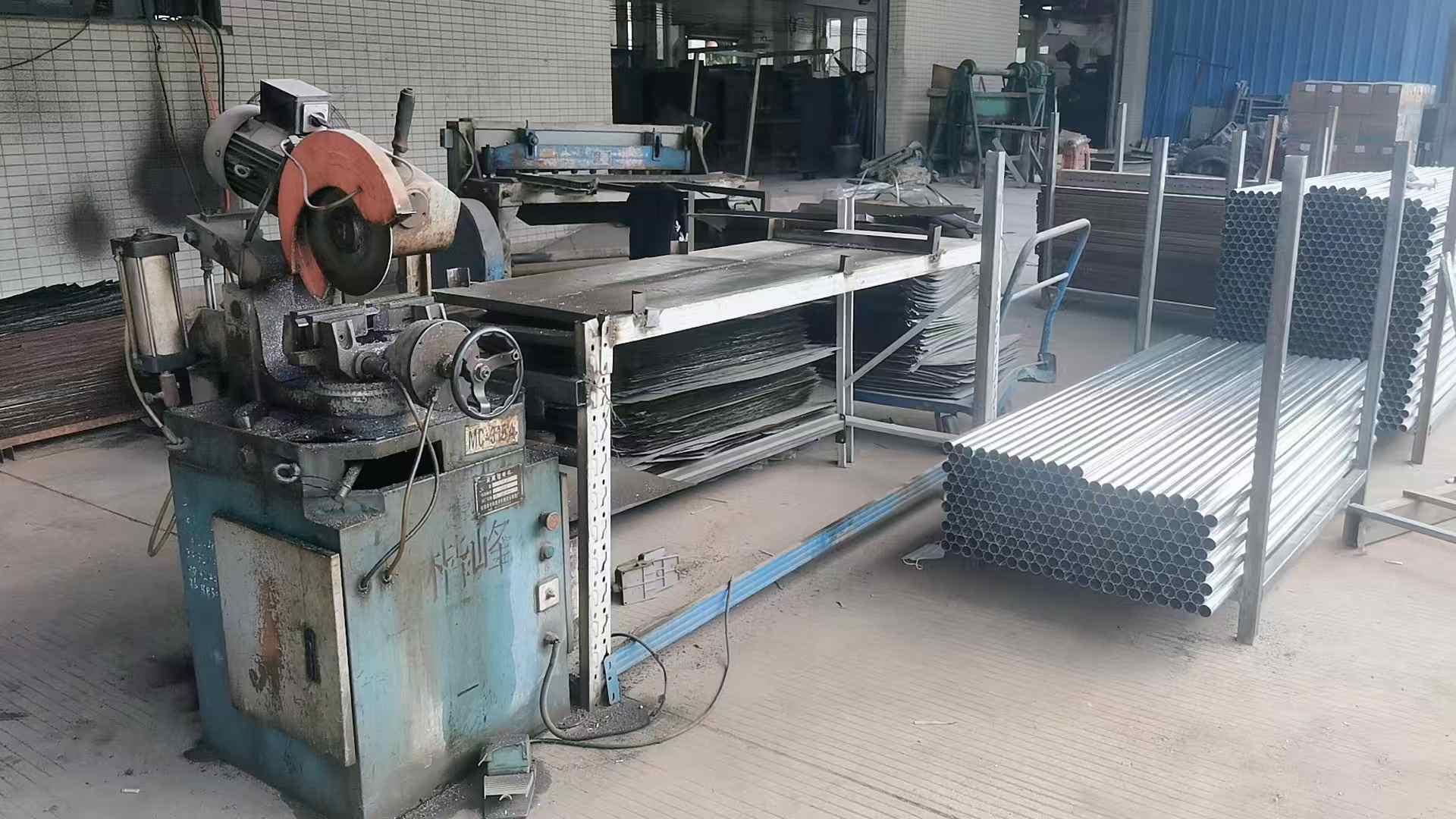
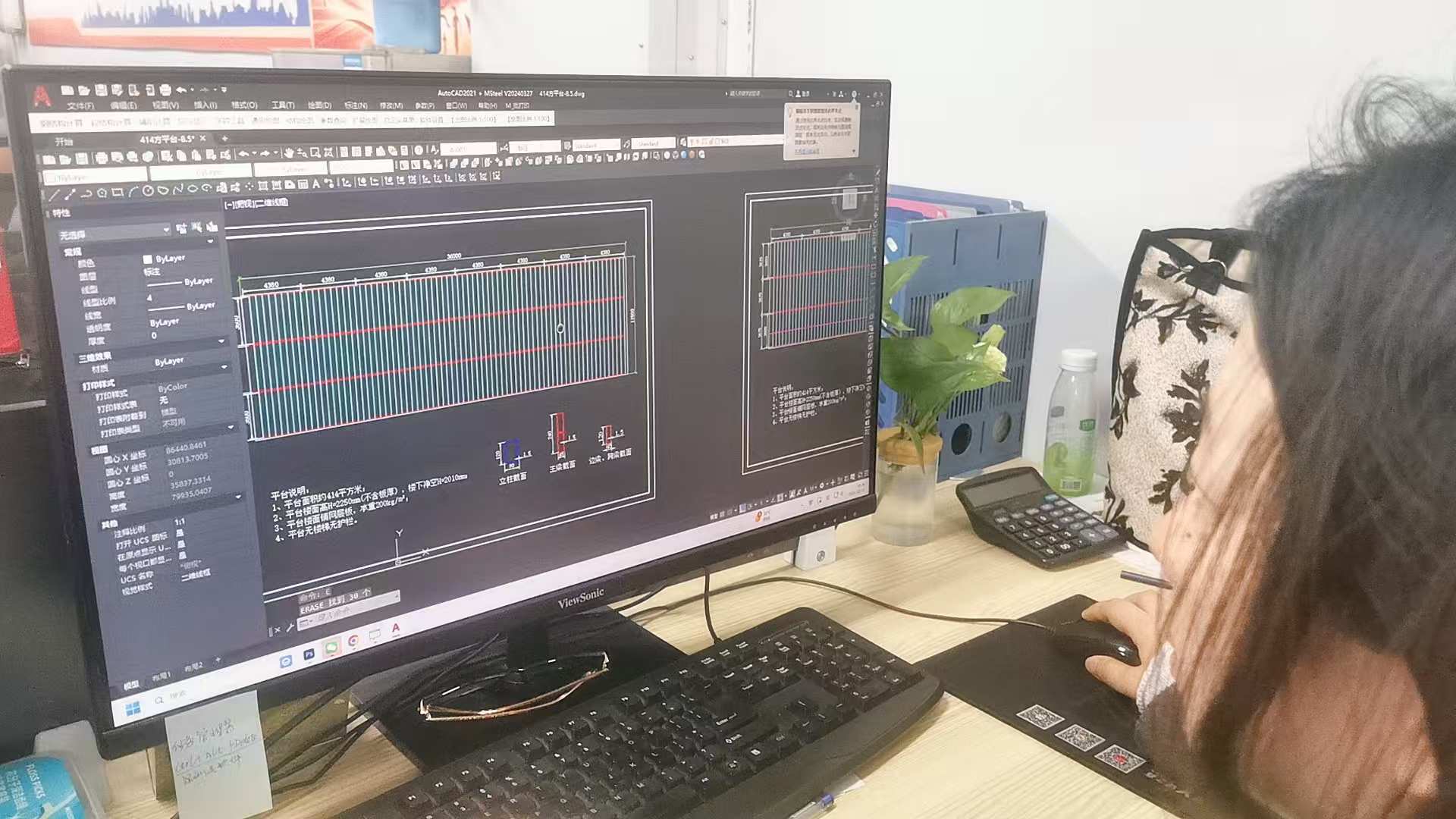
A visual walkthrough of our high-volume production line, leveraging automated forming, precision bending, robotic welding, and rigorous testing.
Enterprise logistics installations must meet strict regional structural engineering codes to ensure workplace safety. When sourcing cantilever rack systems, check for compliance with these key structural and quality certifications:
Depending on the storage site, environmental conditions require specific finishing processes:
For standard dry indoor warehouses, an electrostatic powder coating (60 to 80 microns) provides a clean, chip-resistant finish. For outdoor installations exposed to rain, road salt, or high humidity, hot-dip galvanization (HDG) per ASTM A123 is recommended. The metallurgically bonded zinc layer protects the steel structure against rust, maintaining long-term load capacity.
Warehouse design is shifting toward automated, high-efficiency configurations. Smart warehouse operators are upgrading traditional cantilever racks with modern integrations:
Key technical answers to guide engineers and procurement managers when selecting structural cantilever rack components.
Single-sided columns support arms on one side and are usually anchored along warehouse walls. Double-sided columns support arms on both sides of a central spine, balancing the load distribution and offering high spatial utility. Both structural configurations must be calculated to prevent twisting and buckling under full load conditions.
Capacity calculations assume a uniformly distributed load (UDL) across the active length of the arm. Placing heavy loads at the outer tip of the arm increases stress at the arm-to-column connection, reducing the structural capacity. Keep loads centered or close to the upright columns.
Hot-rolled H-Beam structural steel offers thick profiles and high yield strength. It resists torsional twisting and handles impact damage from forklifts better than thin-walled, cold-formed sections, making it ideal for high-capacity industrial settings.
Outdoor rack engineering must account for local wind velocities and snow accumulation on stored materials. Columns require robust anchoring, structural bracing, and hot-dip galvanized finishes to prevent rust and maintain structural integrity.
Explore high-capacity warehouse racks, heavy-duty mezzanine structures, and custom material handling systems.
 Hui Lian