Hui Lian
Melbourne Industrial Racking Demand & Compliance Standards
As Australia's key logistics hub, Victoria, and particularly Melbourne, has seen a rapid modernization of its warehousing and production facilities. Suburbs like Truganina, Dandenong South, Altona, and Campbellfield require robust storage systems to handle the growth of pharmaceutical processing, food manufacturing, cold-chain distribution, and retail logistics. Racking structures within these facilities are subject to strict standards, notably AS 4084:2023 (Steel Storage Racking) and AS 4600 (Cold-Formed Steel Structures).
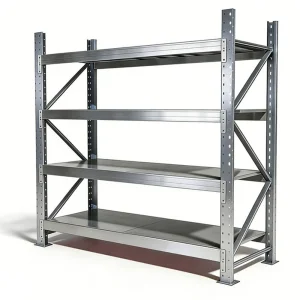
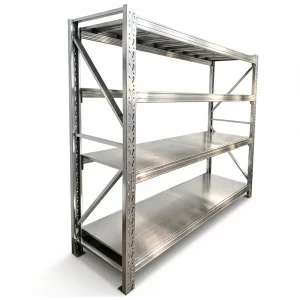
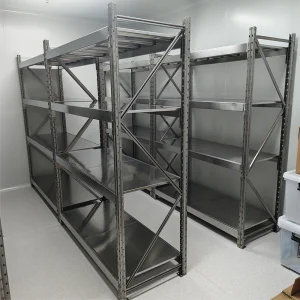
For high-moisture or cleanroom applications, standard powder-coated steel is insufficient. Industries require high-tensile SUS304 and SUS316 stainless steel racking system designs. Stainless steel has natural hygienic properties, resists chemical sanitizers, and prevents oxidation down to -40°C in food freezing operations. This makes it the preferred material for Melbourne's strict food hygiene (HACCP) regulations.
Key Structural Factors for Australian Warehouses
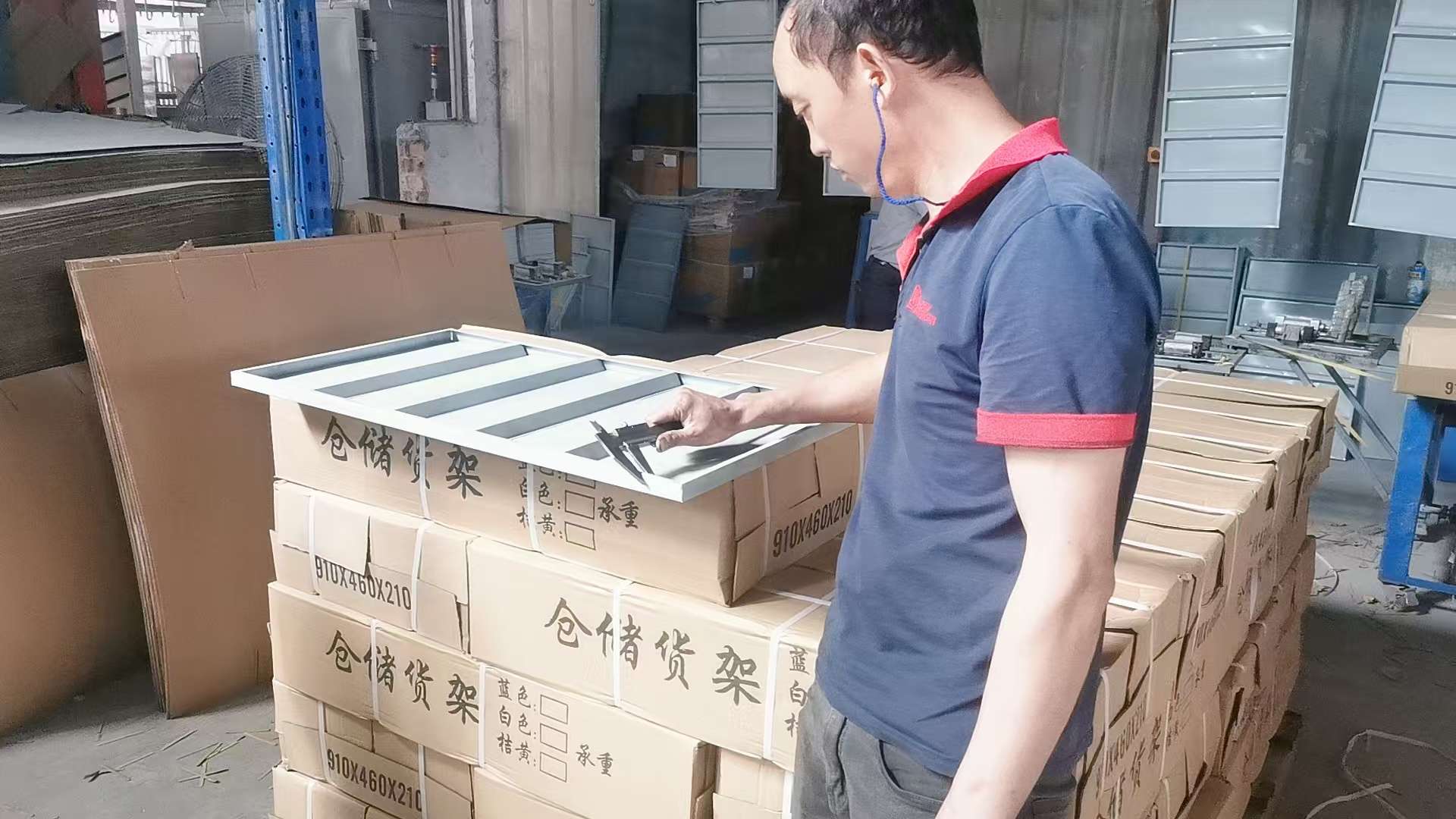
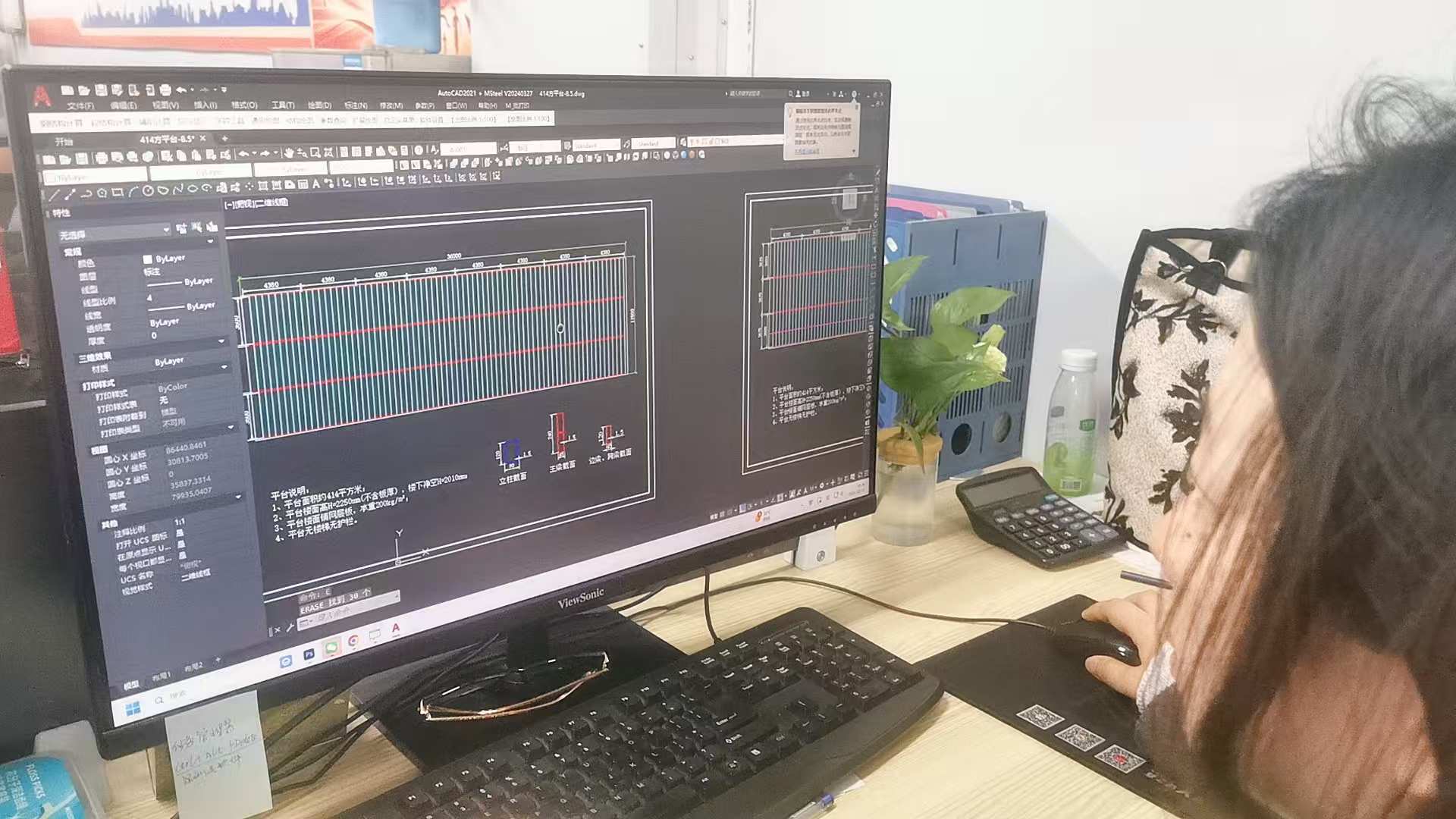
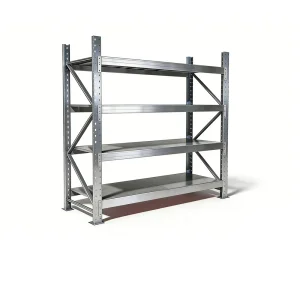
When selecting stainless steel racking for local Melbourne sites, companies must consider structural integrity, wind/seismic loading requirements under the Building Code of Australia (BCA), and load-bearing properties. Our designs integrate precise finite element analysis (FEA) to confirm safety tolerances, including deflection limiters that prevent dangerous shelf sag under maximum load capacities.
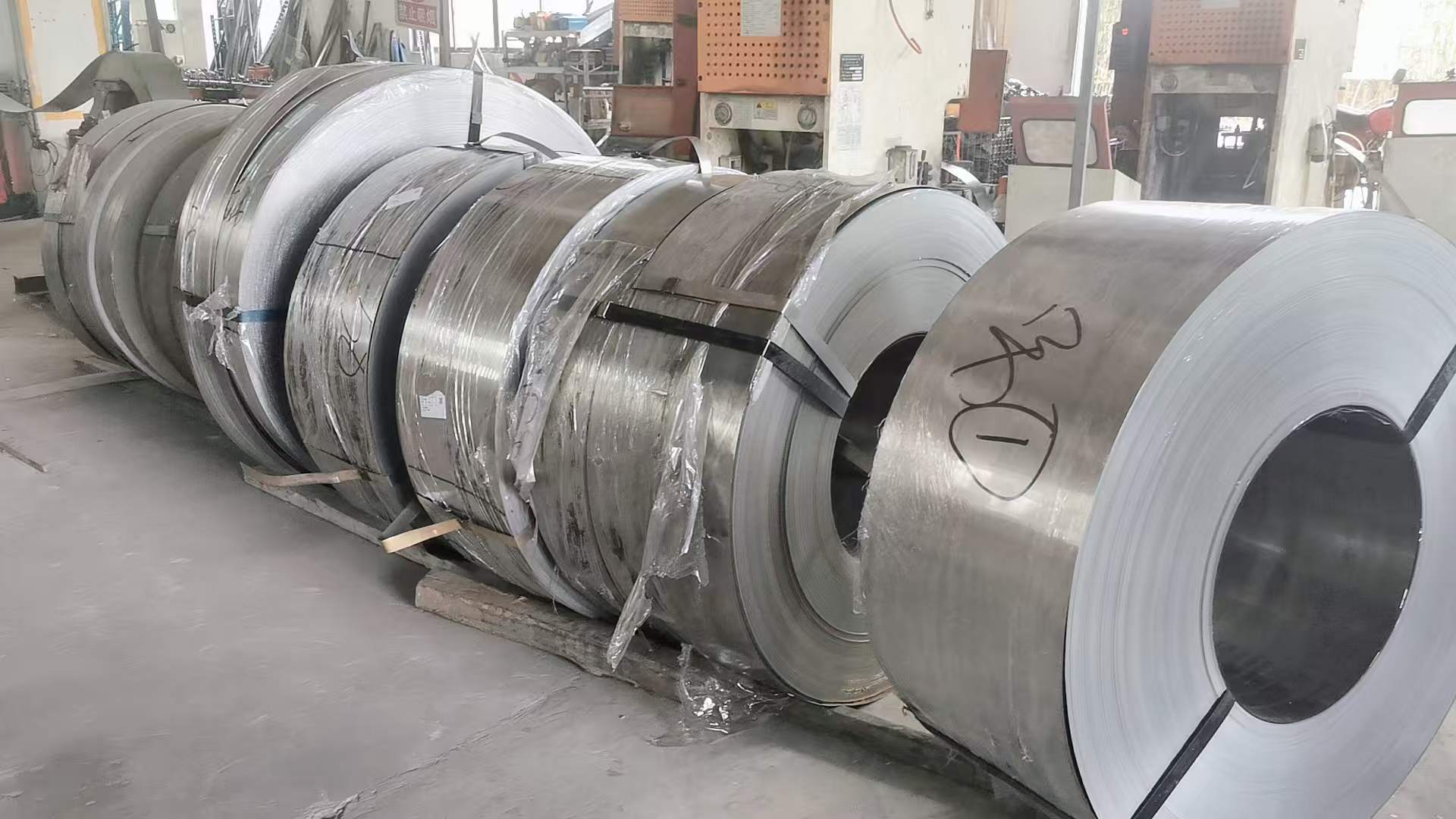
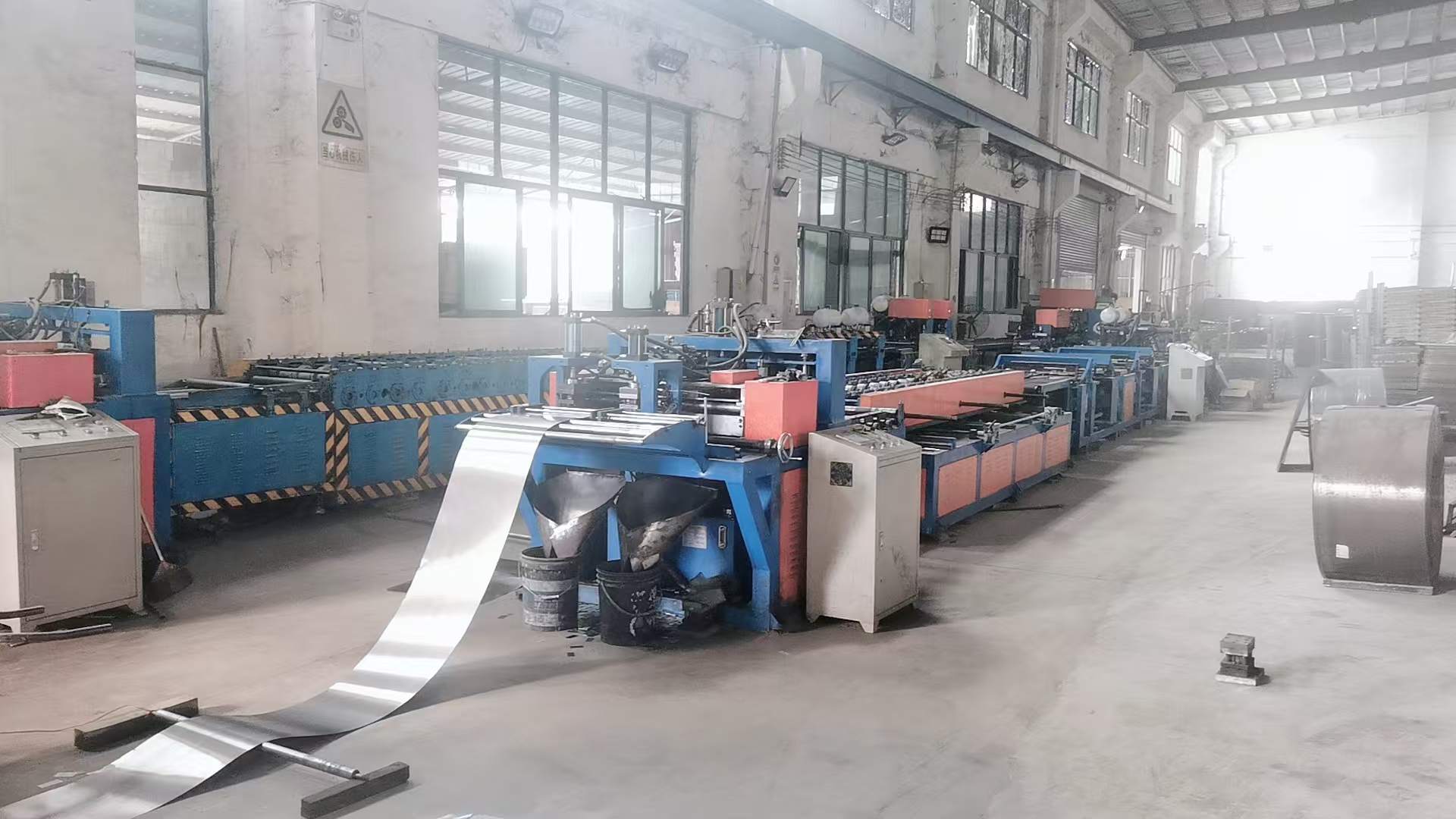
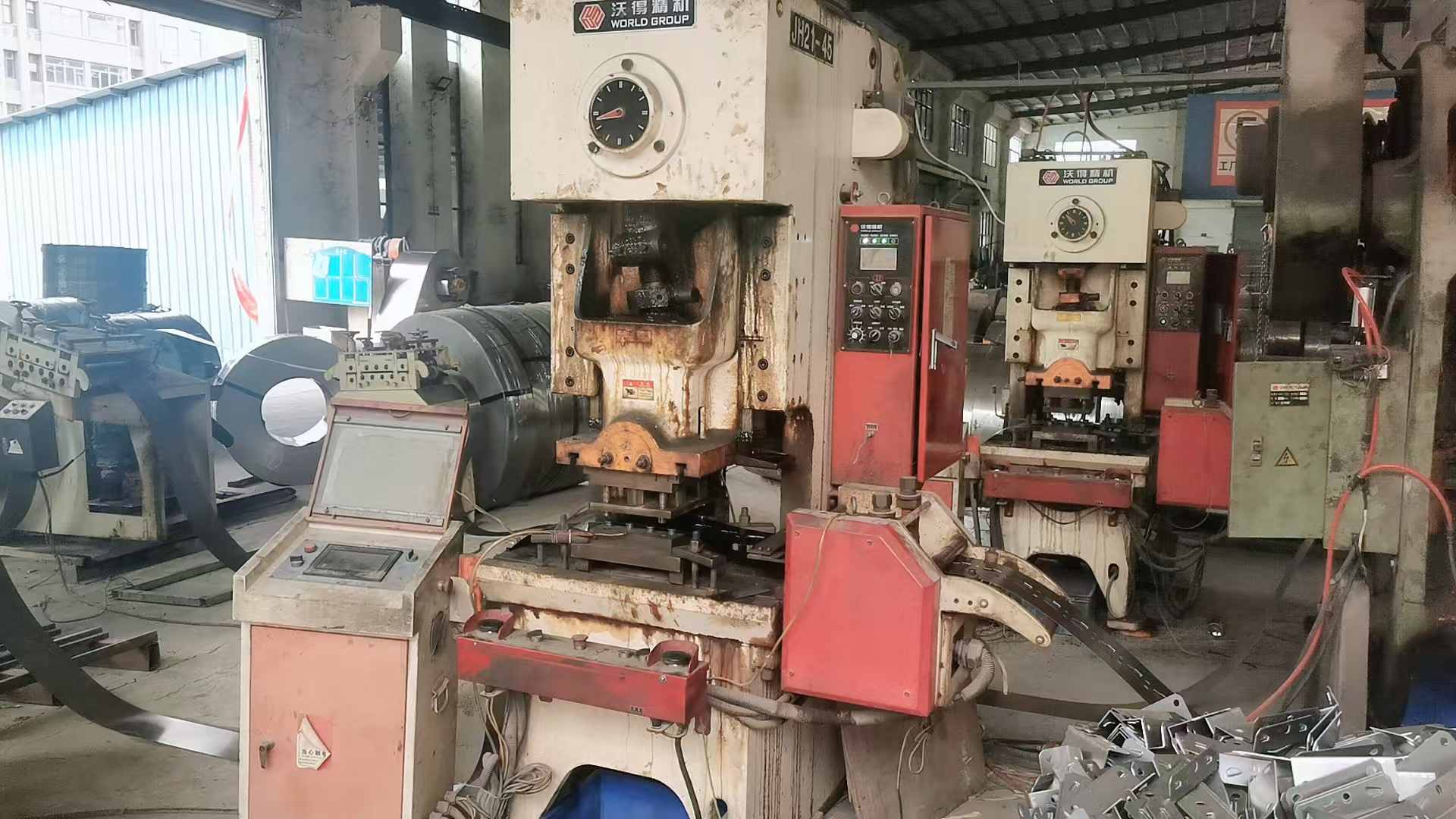
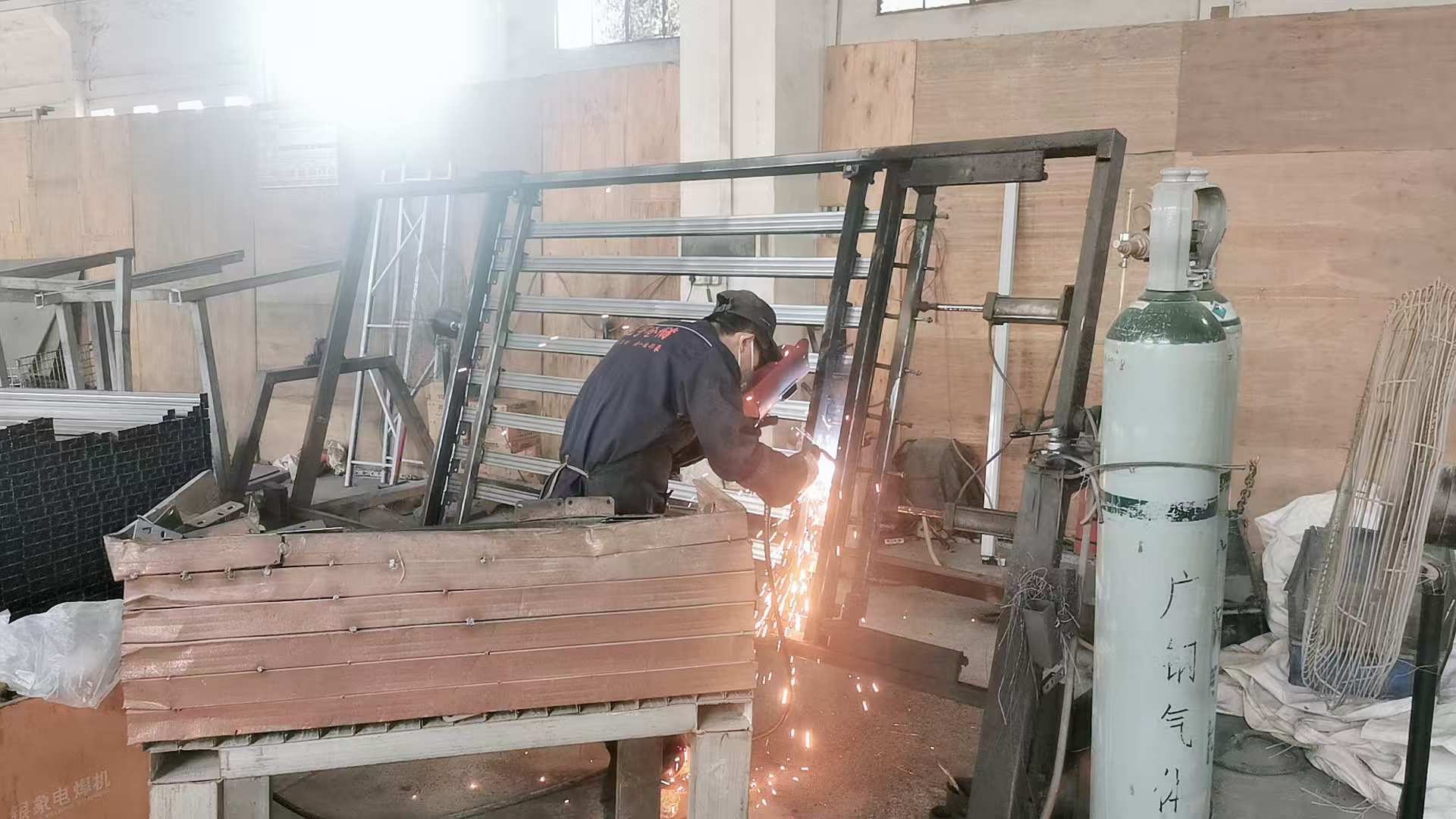
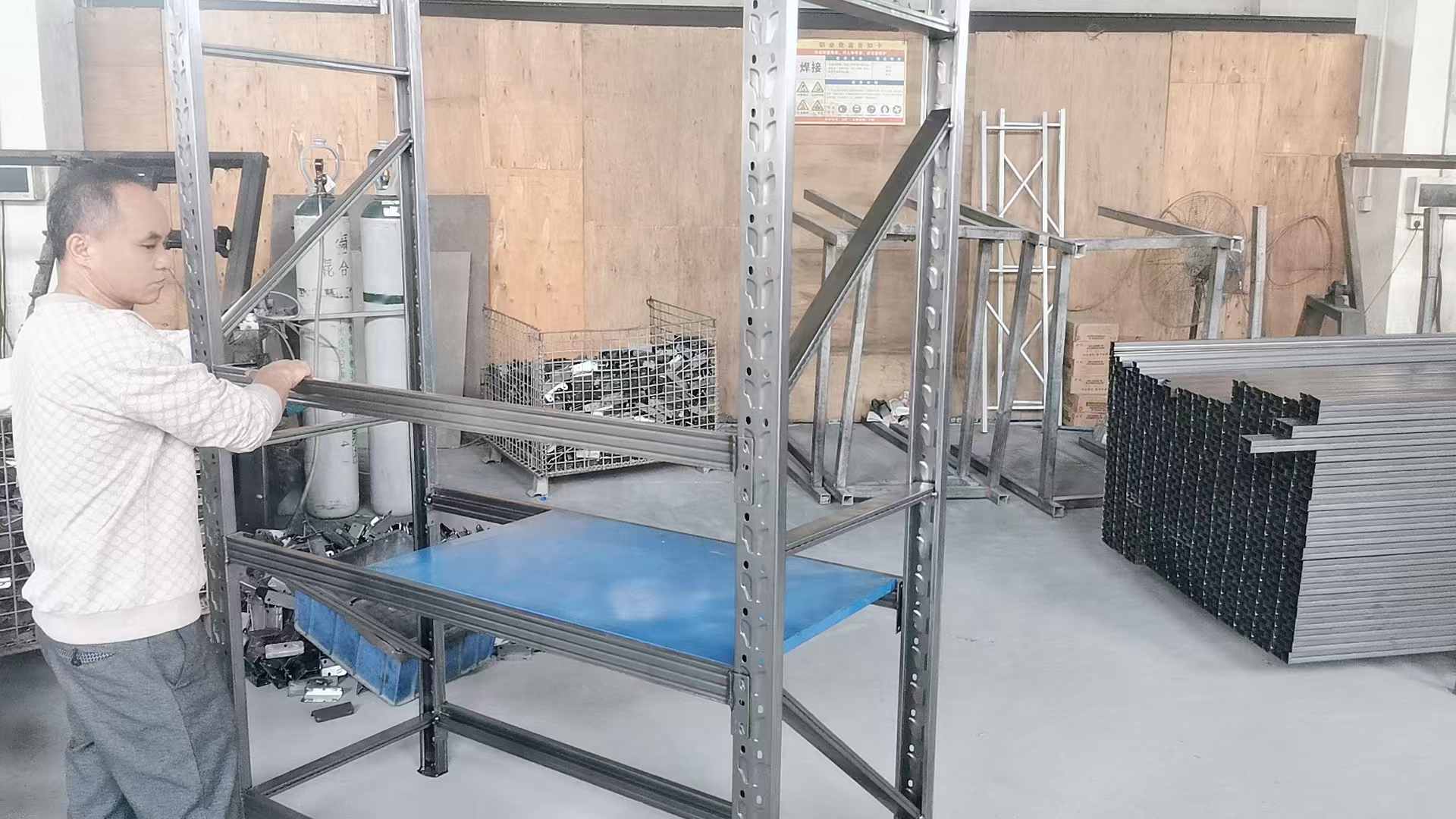
In cleanrooms and processing facilities, the rack's design is just as important as the raw materials. Non-porous surfaces, continuously welded seams, and boltless adjustable systems reduce dust accumulation and bacterial growth. Dongguan Hui Lian Intelligent Warehouse Equipment Co., Ltd. customizes these systems to allow smooth wash-down procedures while meeting the rigorous structural requirements of Victorian logistics operators.