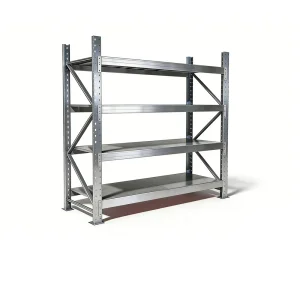
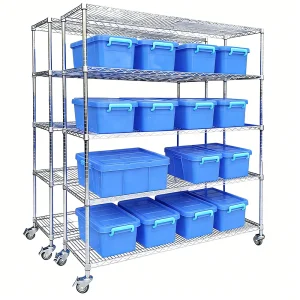
Engineered for extreme environments, commercial kitchens, and local heavy-duty logistics centers in Queensland.
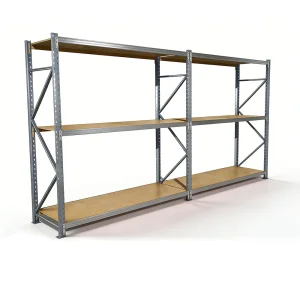
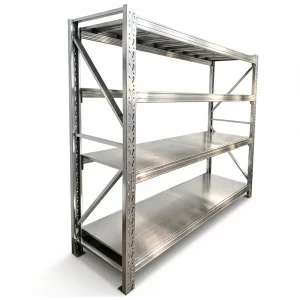
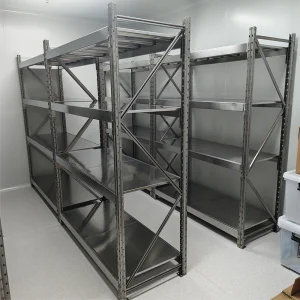
How sub-tropical climates and strict food safety regulations drive the demand for superior stainless steel storage solutions.
Brisbane and the wider South East Queensland region represent a primary logistics, agricultural processing, and manufacturing gateway for Australia. As the Port of Brisbane expands and the industrial hubs of Yatala, Wacol, and TradeCoast Central scale up, the demand for hygienic and heavy-duty storage infrastructure has reached unprecedented heights. Unlike inland industrial centers, Brisbane’s sub-tropical climate exposes industrial units to elevated humidity levels and high marine aerosol concentrations, making conventional painted or powder-coated steel racking vulnerable to rust, peeling, and corrosion.
Consequently, sectors such as Queensland's world-class beef processing facilities, agricultural packing warehouses, seafood exporters, and biopharmaceutical research complexes in the Brisbane CBD and Gold Coast corridor are shifting systematically to high-grade austenitic stainless steel racking systems. Standard carbon steel racking, even with protective paint, degrades rapidly under sanitization protocols. Stainless steel (specifically Grade 304 and Grade 316) provides inherent protection against oxidation and chemical cleaners, securing structural integrity and mitigating contamination risks.
“Regulatory compliance under the Australian Standard AS 4084:2012 (Steel Storage Racking) combined with local HACCP food hazard inspections forces commercial enterprises to utilize non-porous, corrosion-free racking systems that can handle extreme temperature differentials in cold rooms down to -40°C.”
At the same time, the transition toward sustainability and circular economies in Australia is urging major developers to invest in materials that offer a 30-to-50-year service life. Stainless steel storage systems present a virtually infinite lifecycle, being 100% recyclable, which directly aligns with corporate ESG mandates active across Brisbane's top-tier logistics operators.
Addressing supply chain bottlenecks through high-volume, reliable manufacturing and custom technical execution.
For international supply chain managers and project engineers, sourcing stainless steel racking is not merely a purchasing decision; it is a long-term risk management strategy. Procurement departments from North America, Europe, and the Oceania region frequently struggle with inconsistent welding quality, structural load failure under non-uniform loads, and false material grading. Standardizing warehouse inventory with high-grade components is the baseline for modern automated and semi-automated distribution centers.
To satisfy these complex requirements, Hui Lian Intelligent Warehouse Equipment delivers macro-level manufacturing capabilities that bridge the gap between heavy industrial engineering and intelligent logistics software integration. Our material configurations are designed specifically to support:
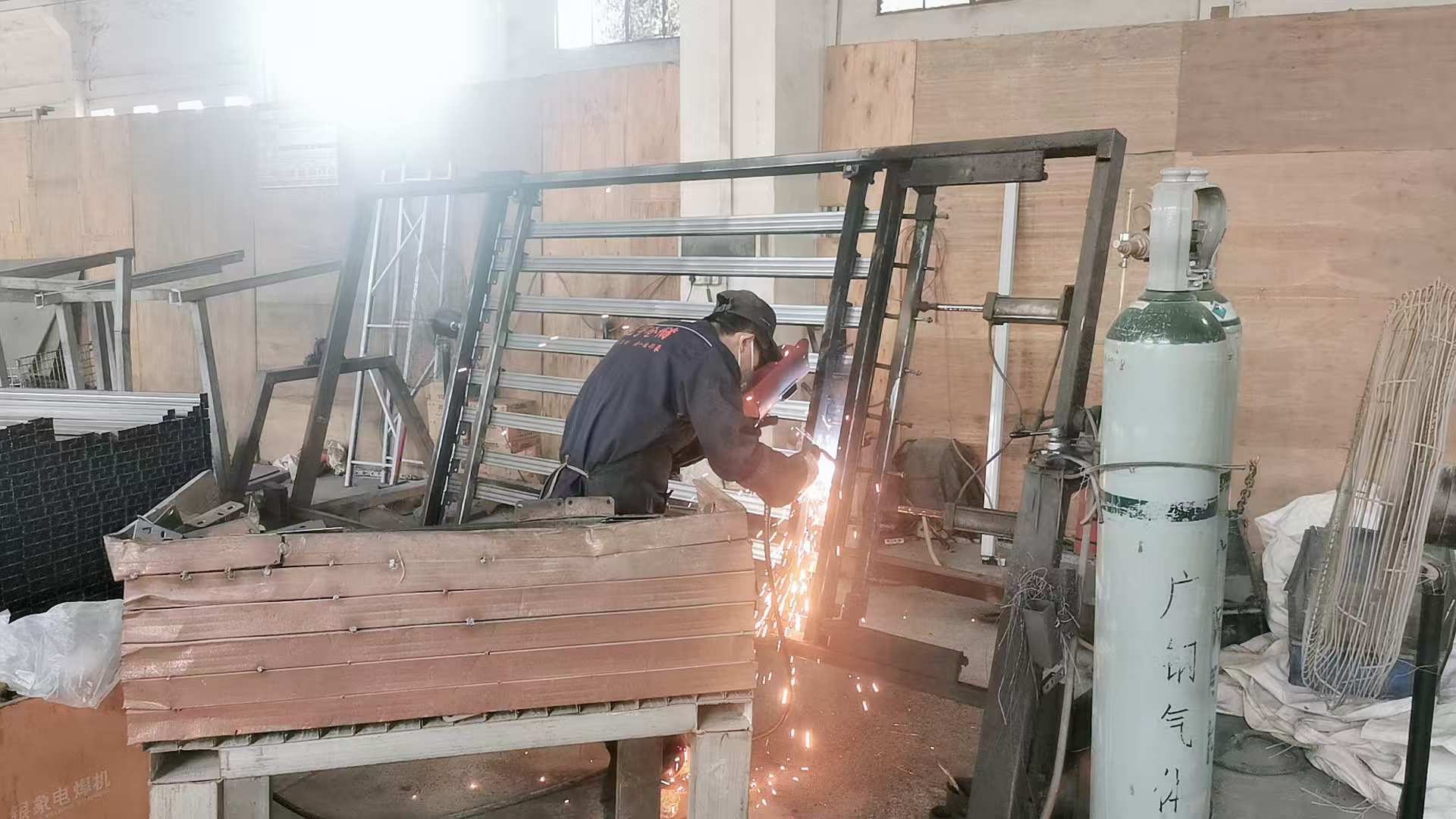
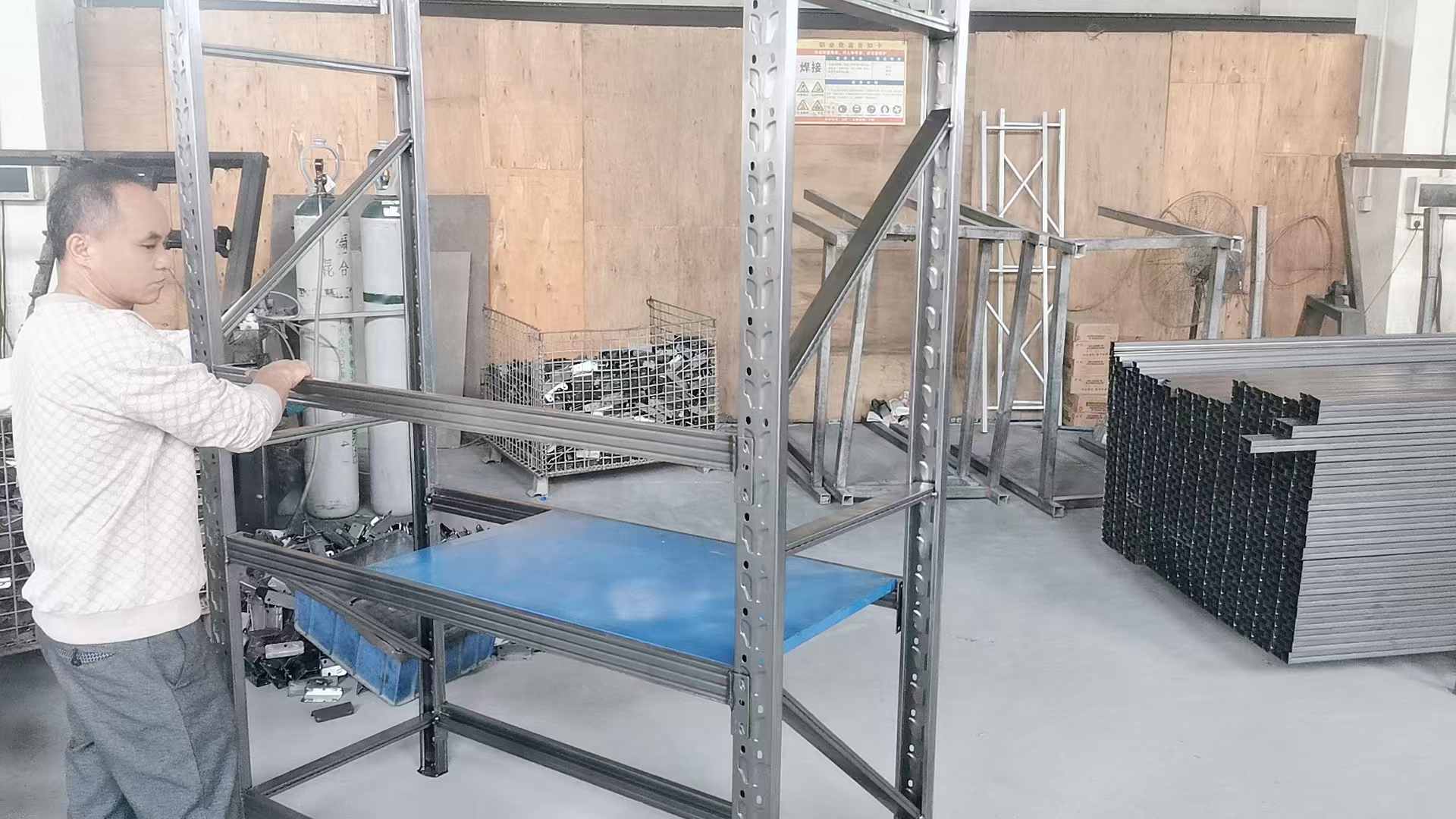
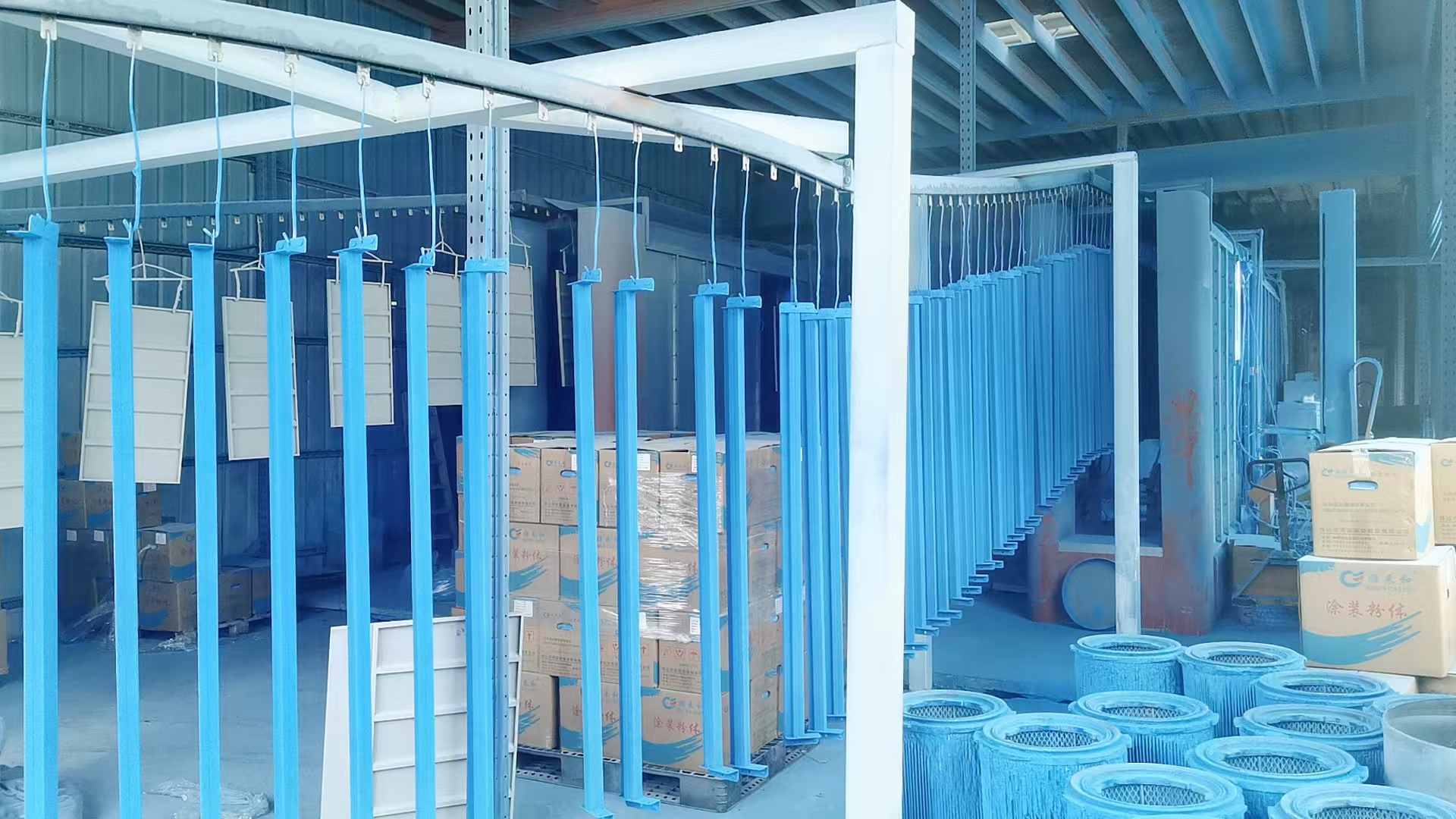
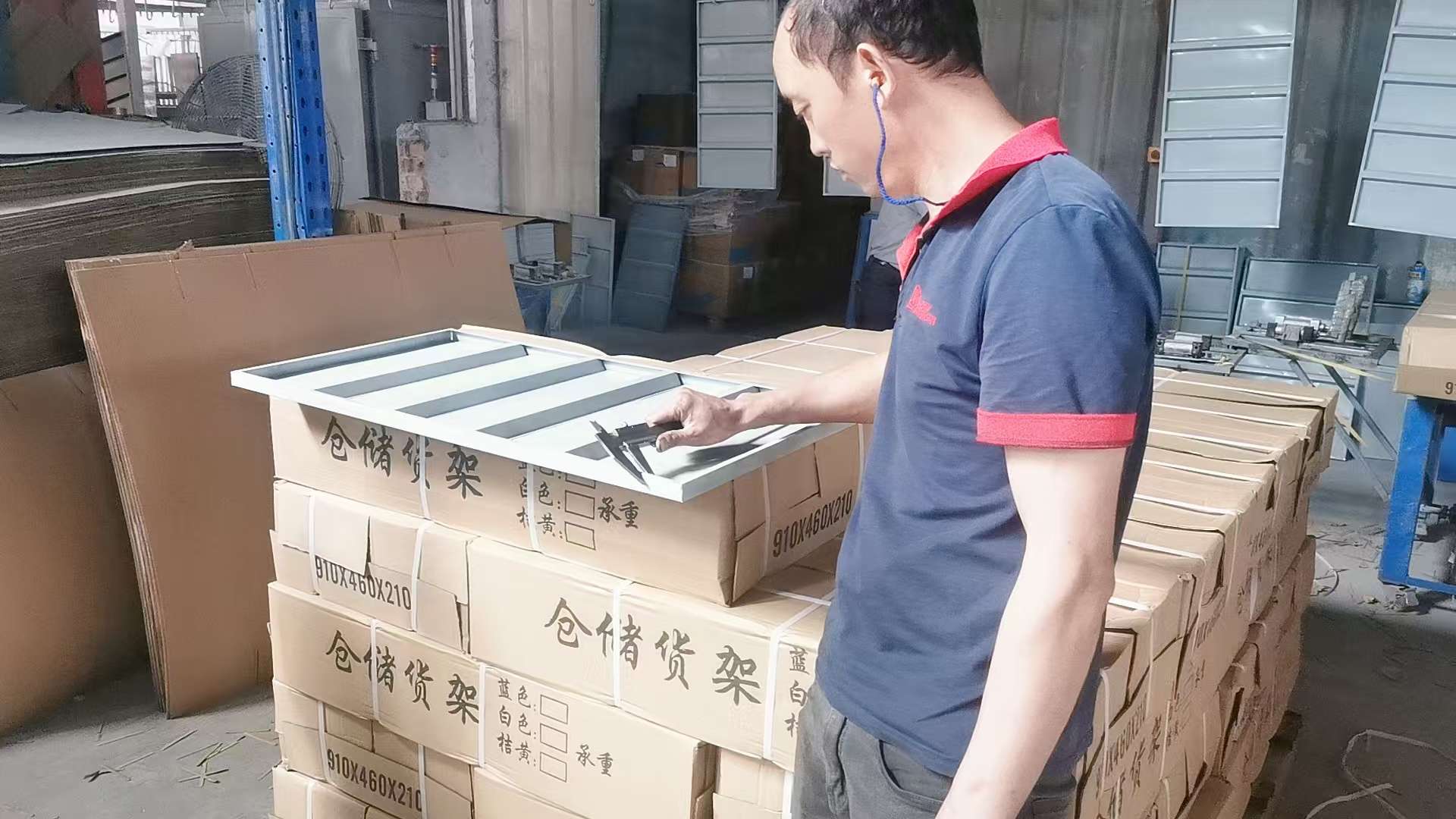
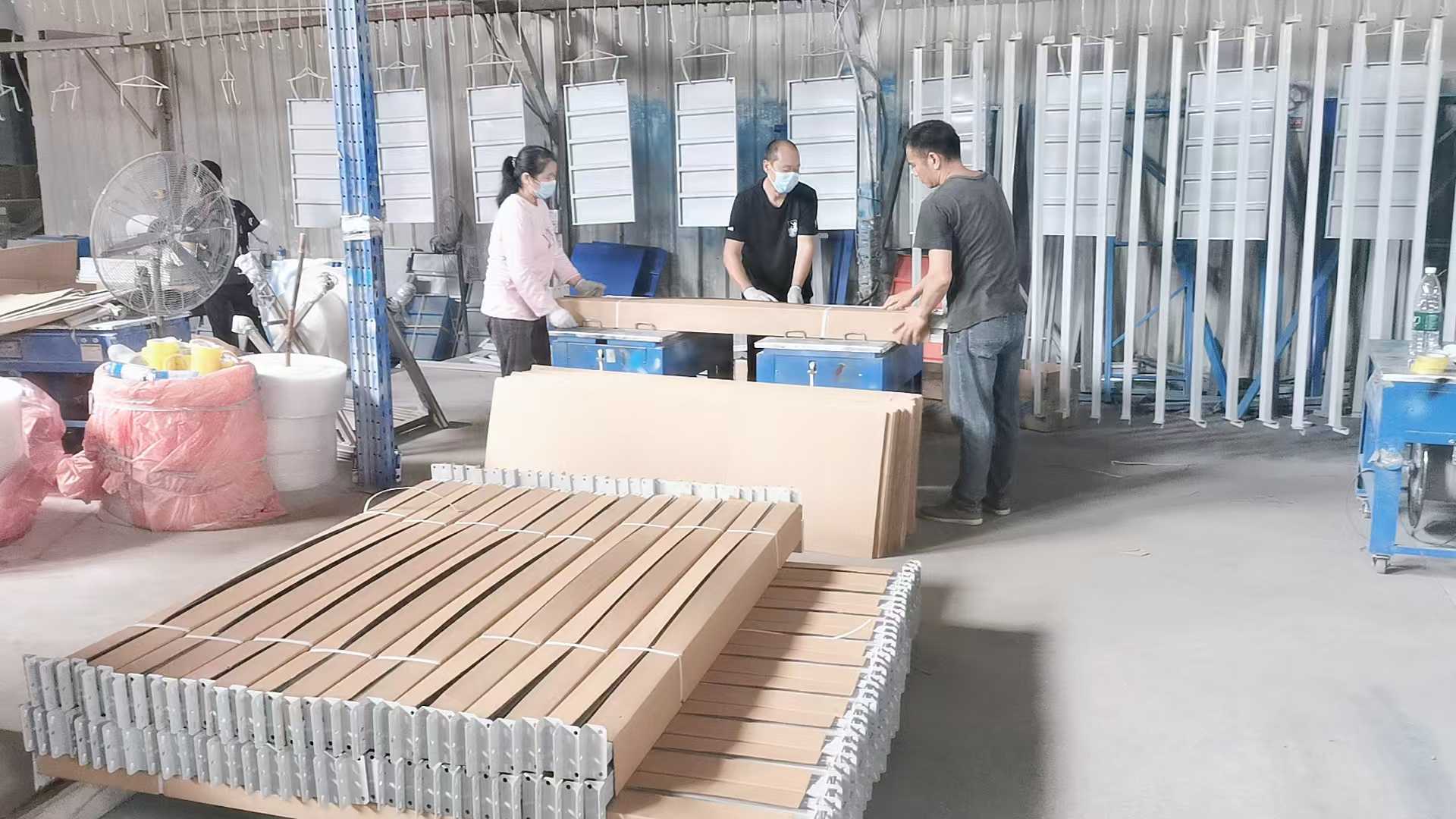
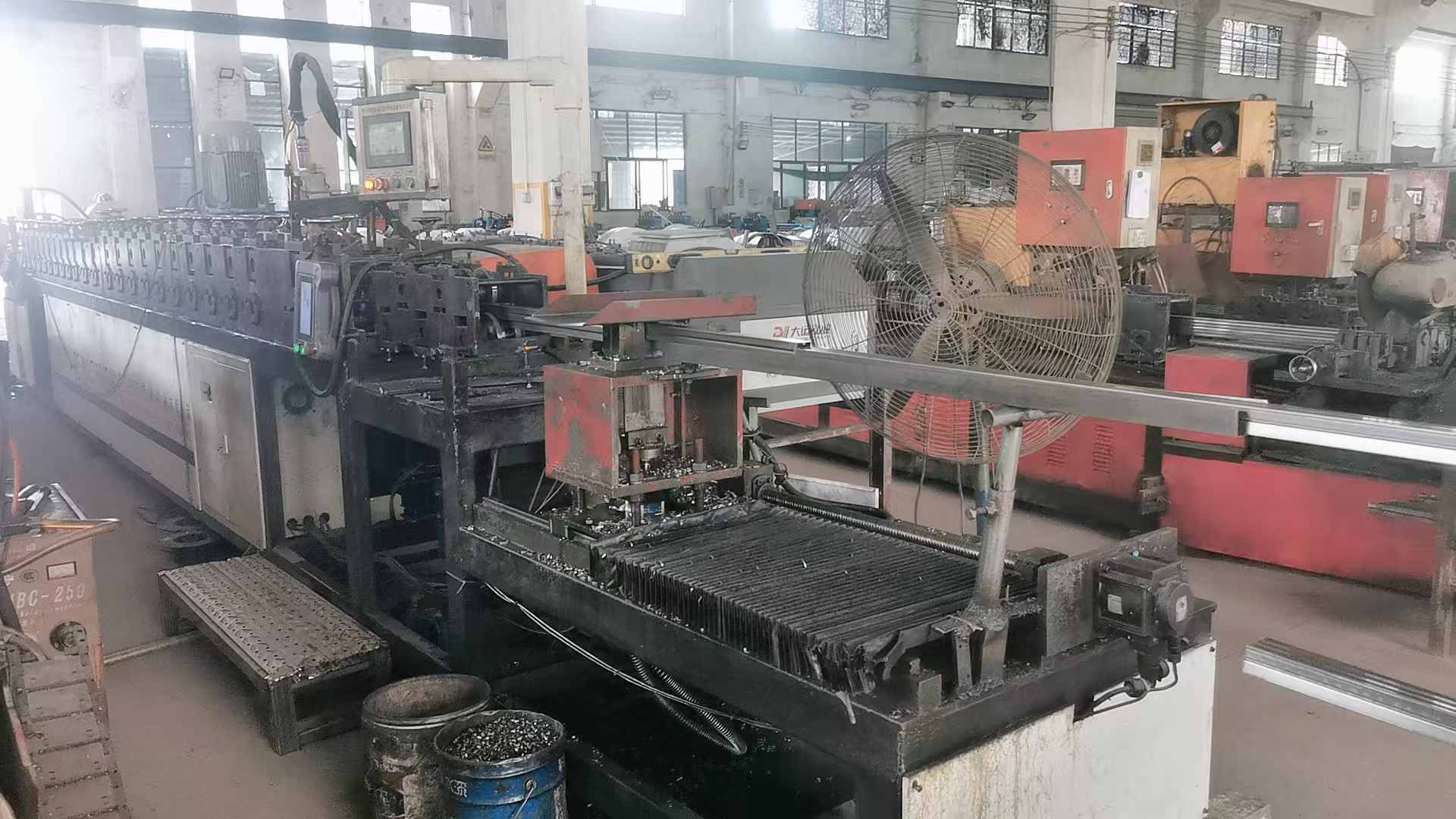
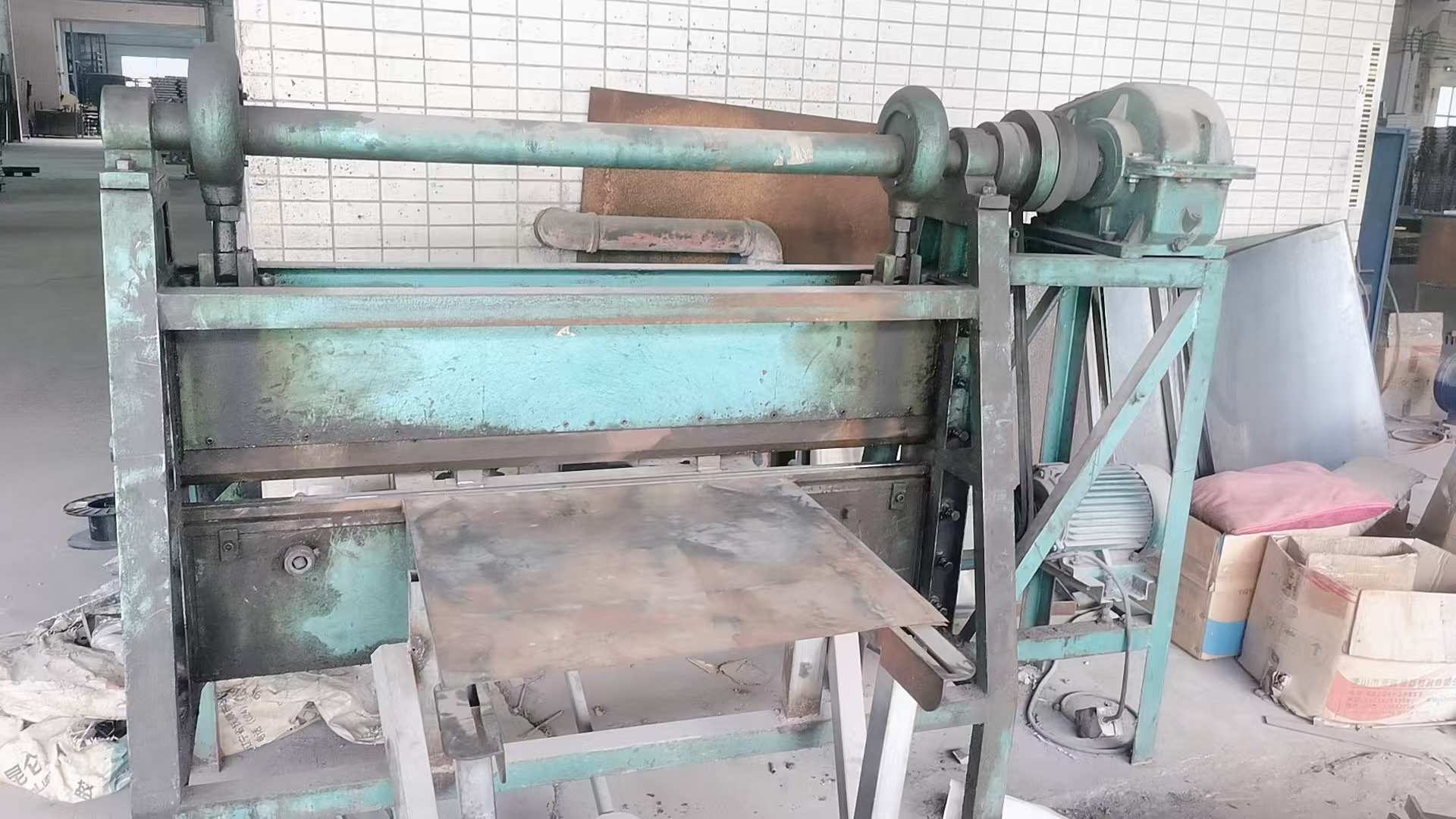
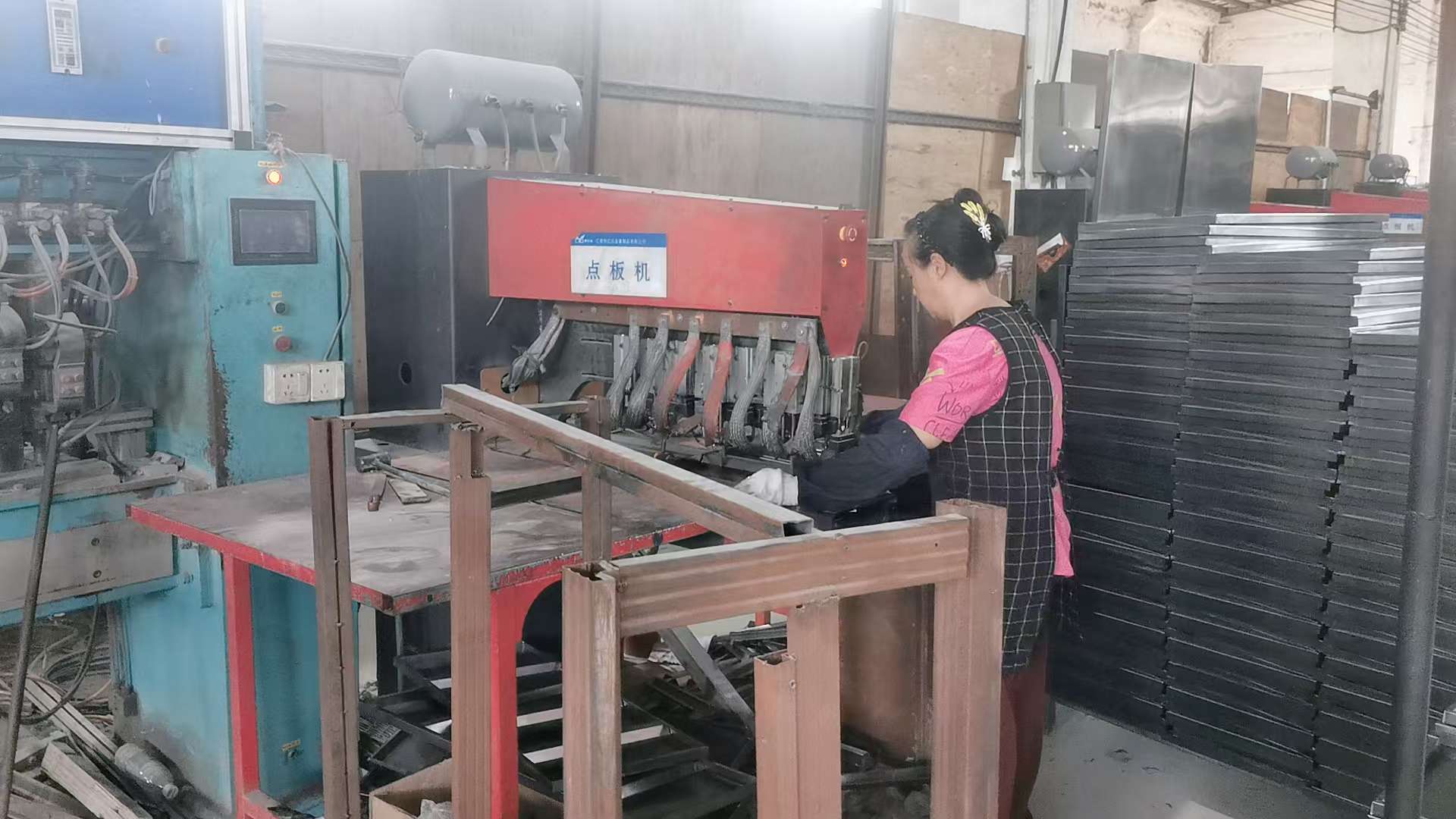
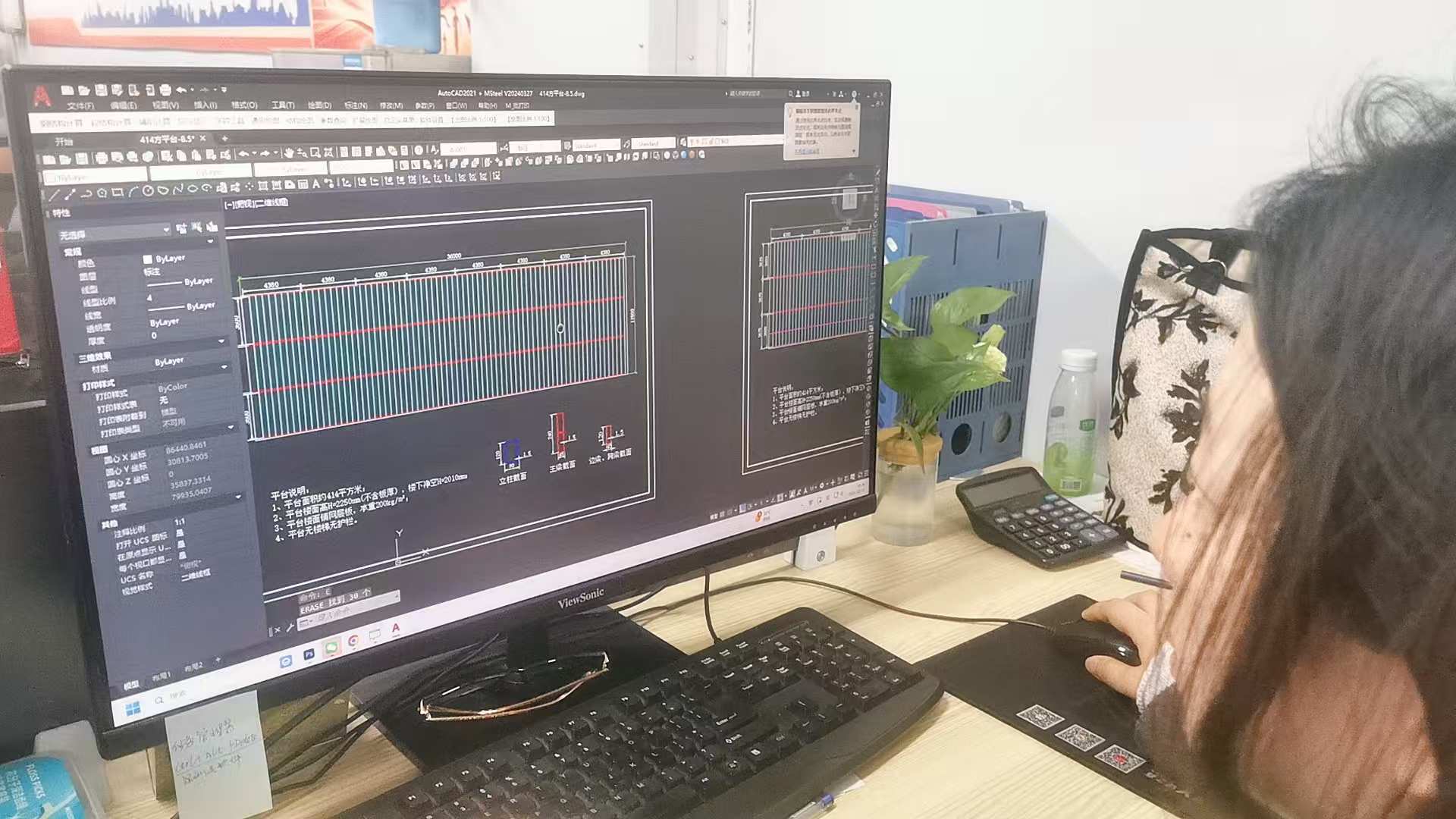
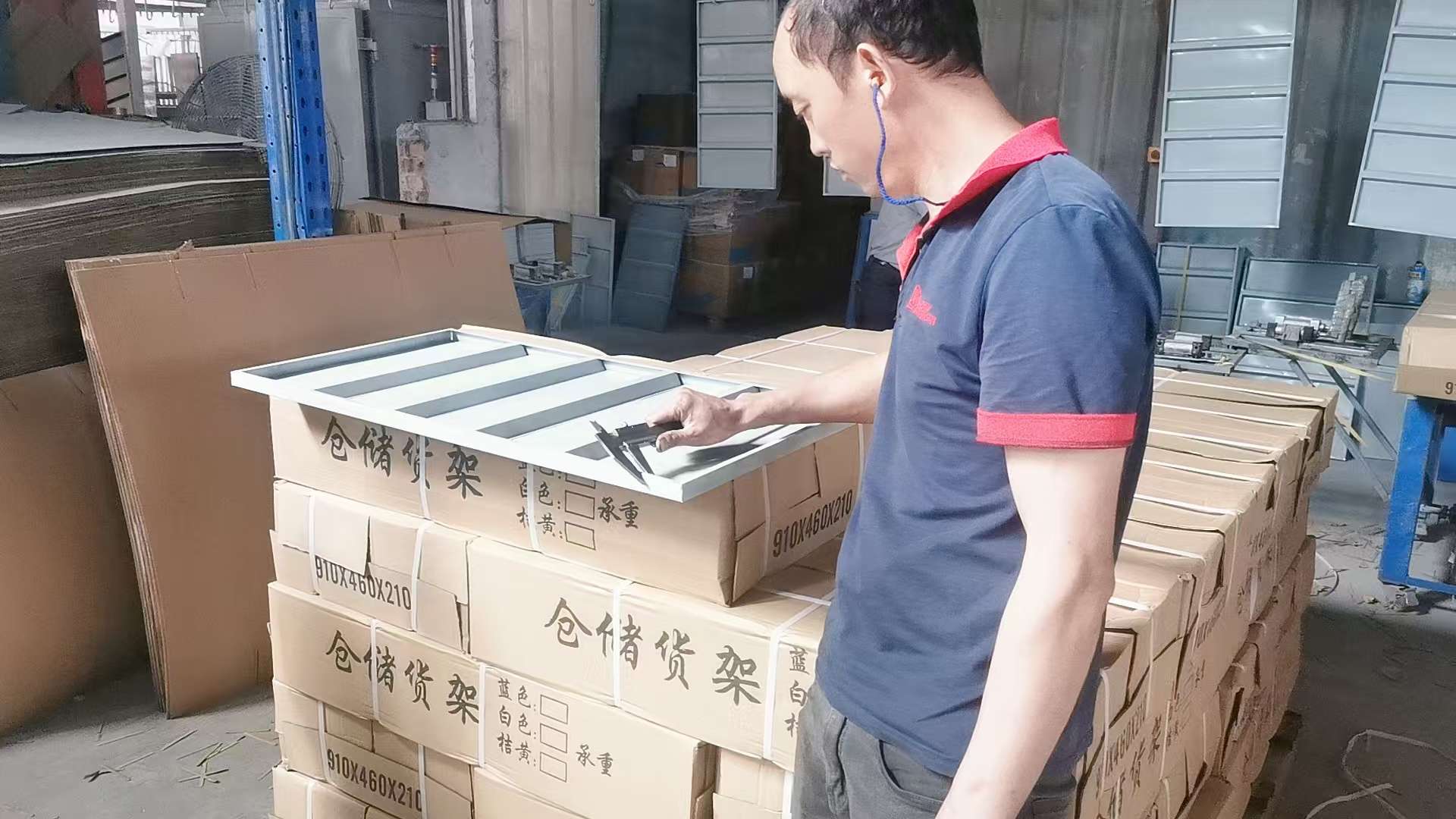
How our raw materials are processed through CNC-precision machinery and certified inspection protocols to deliver flawless racking.
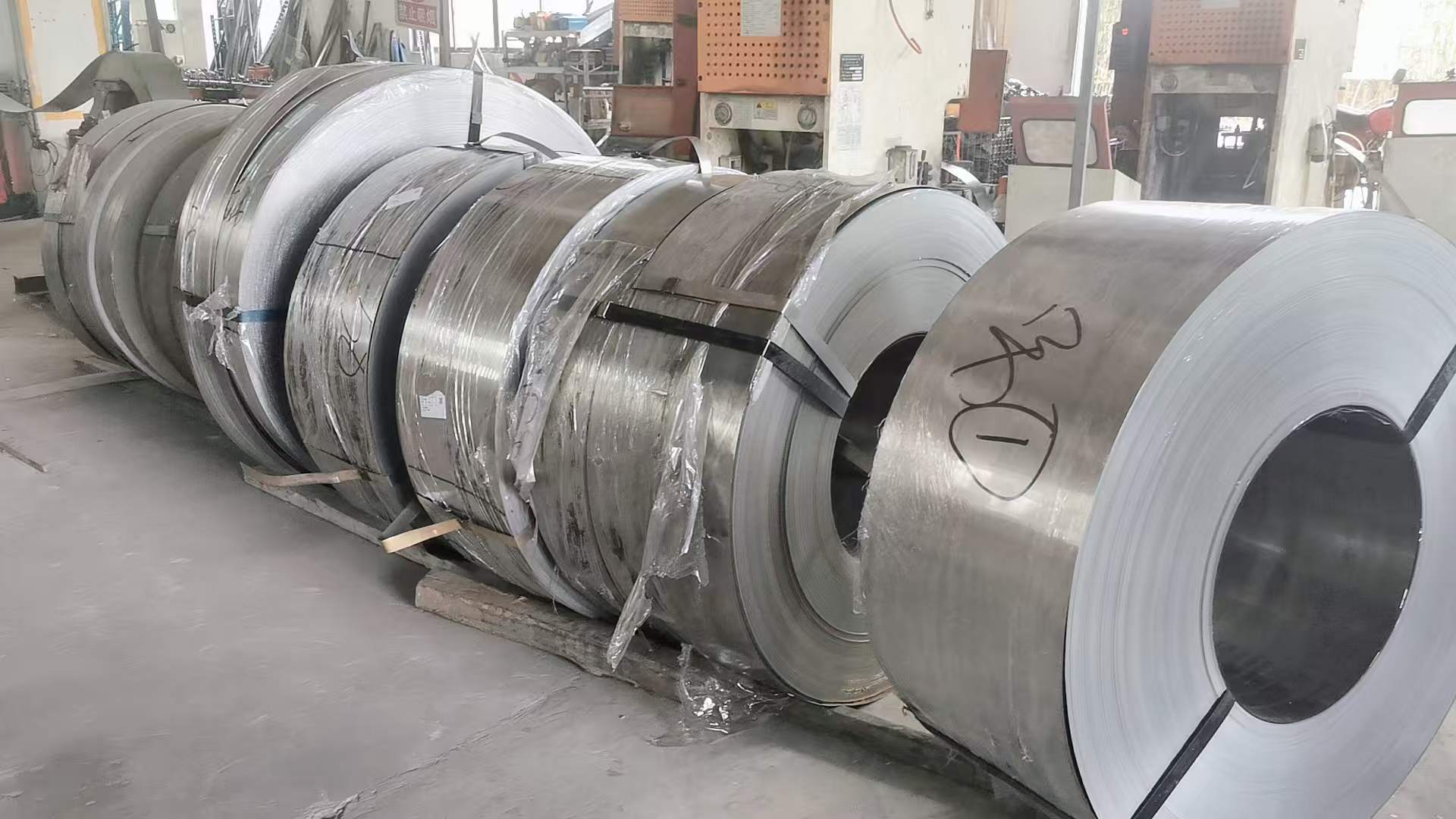
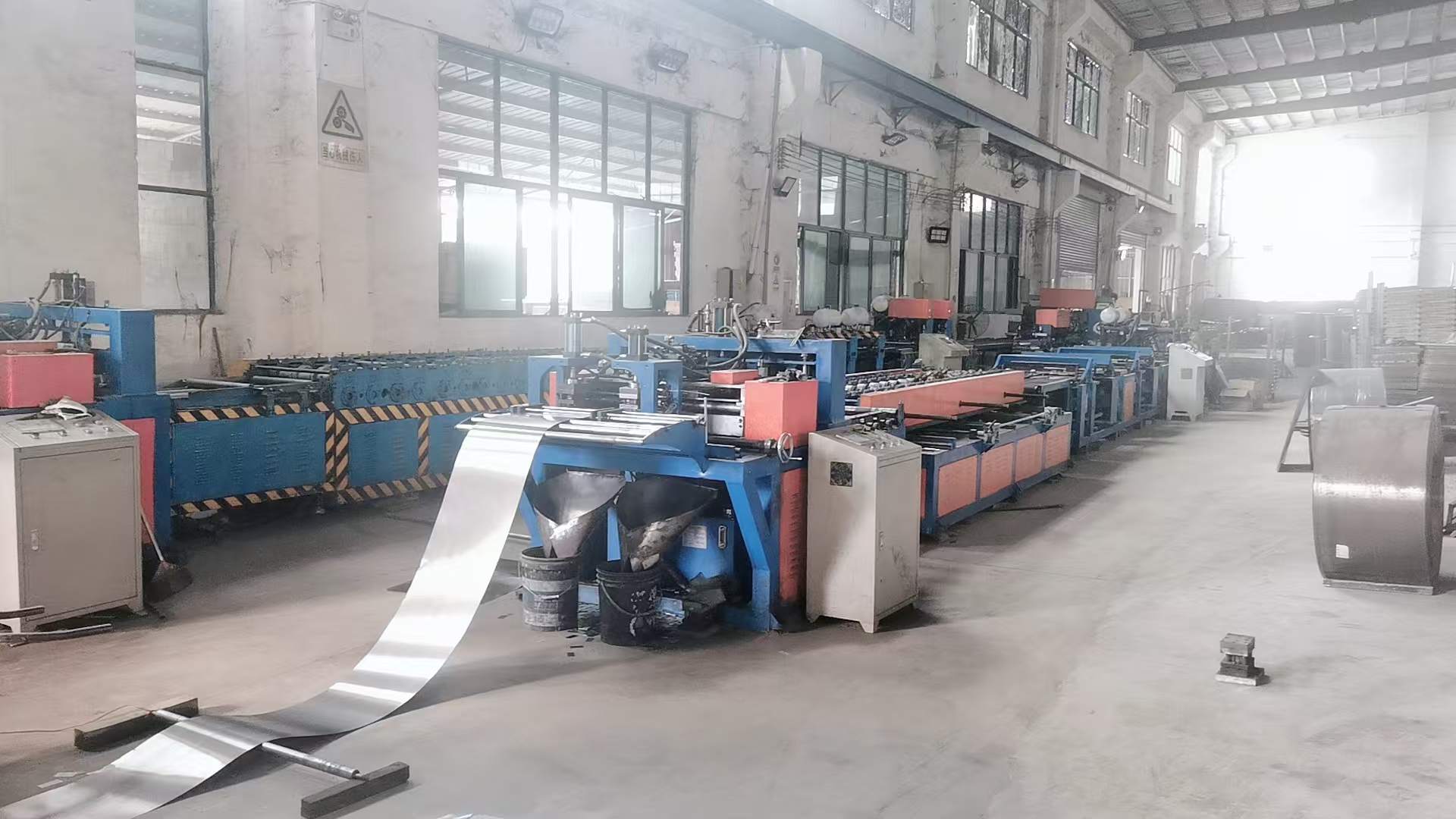
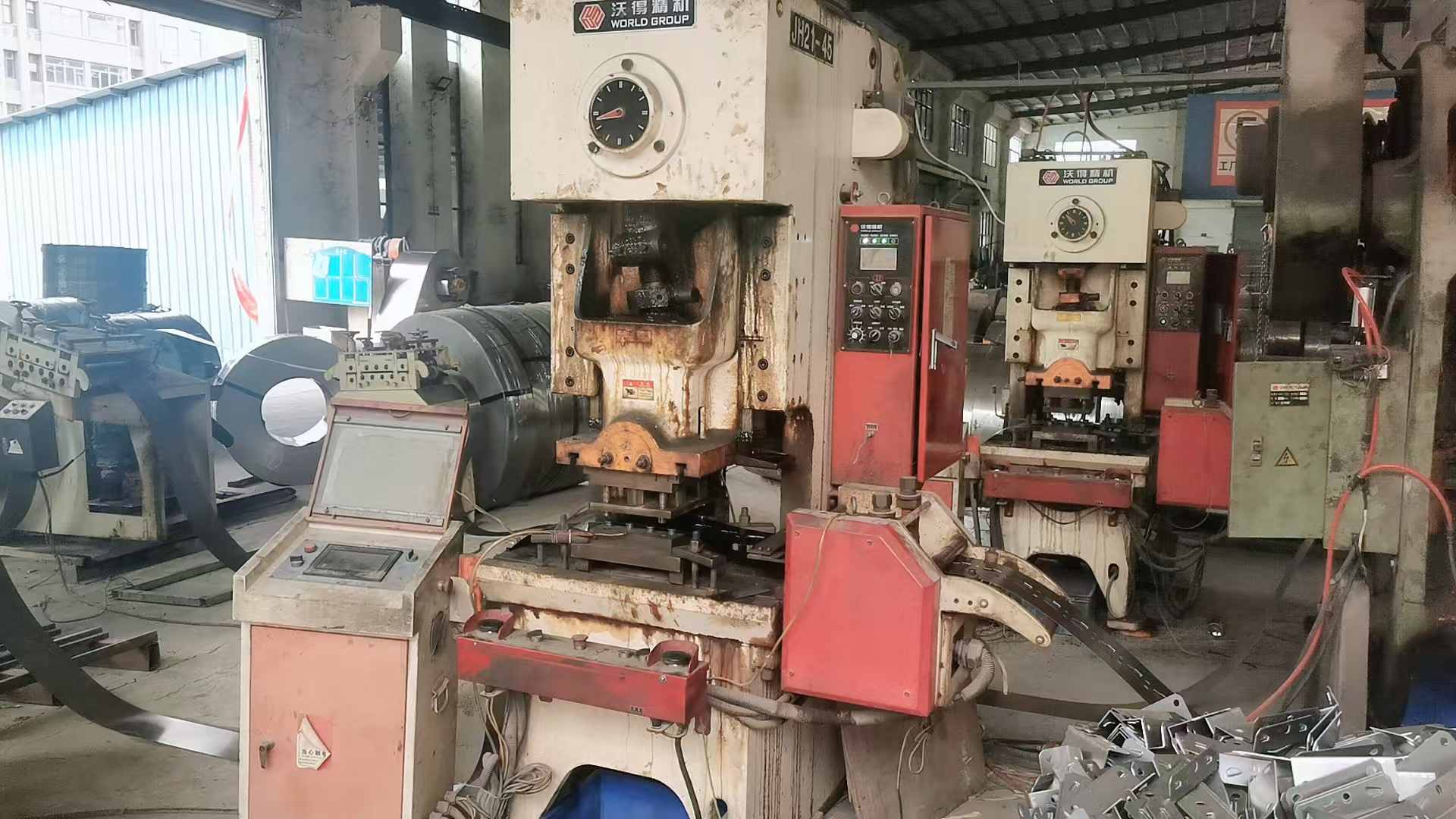
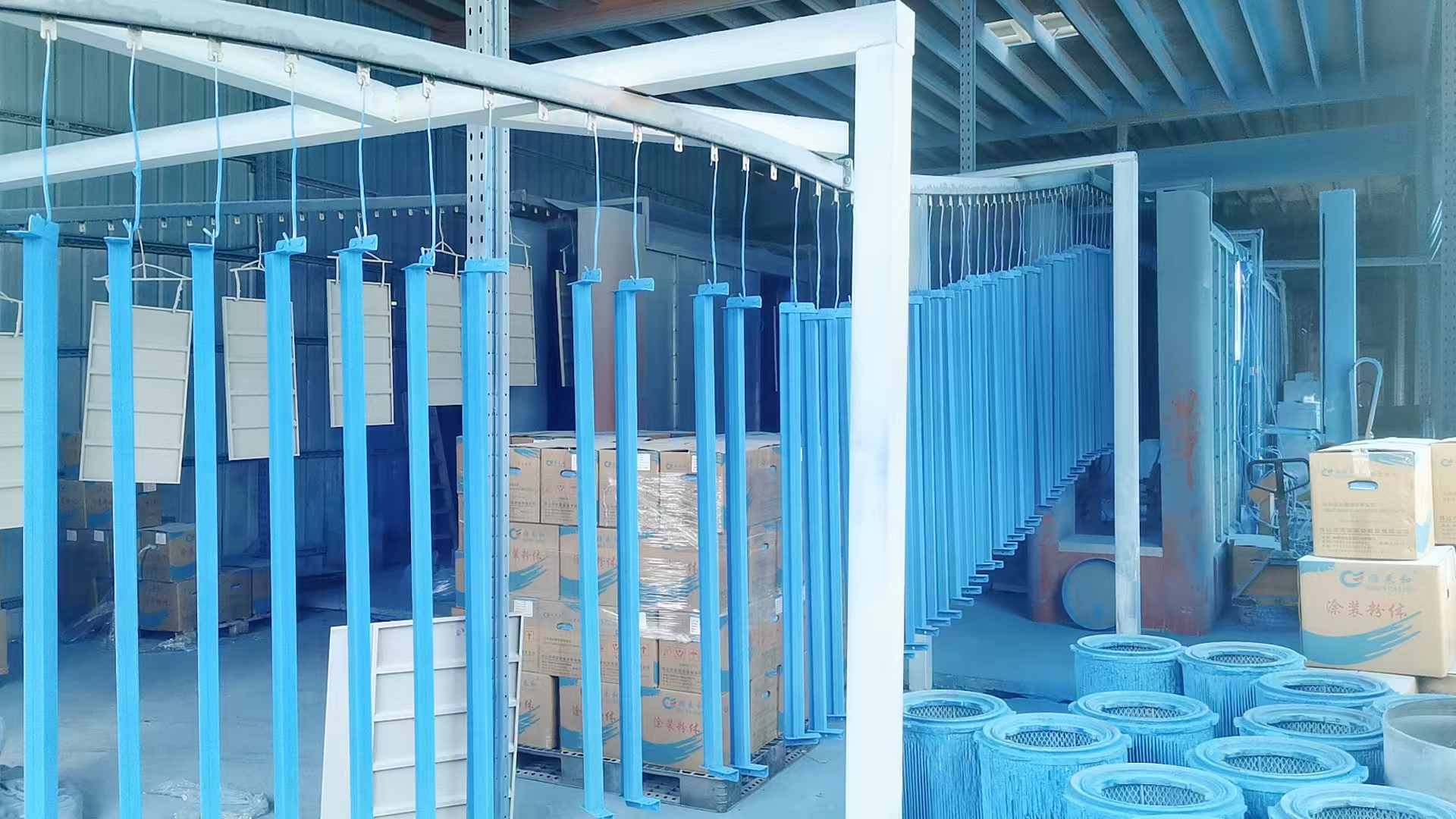
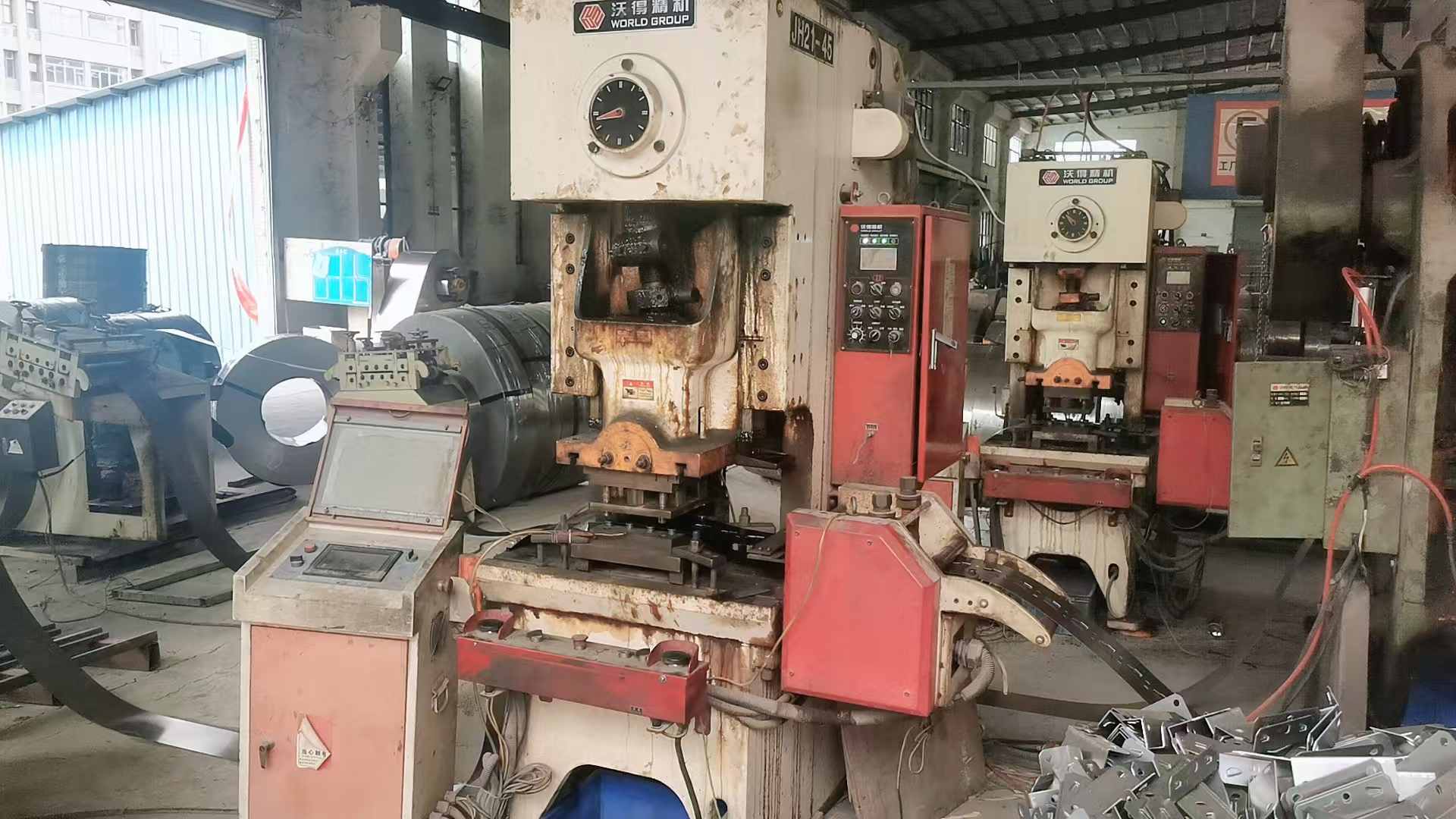
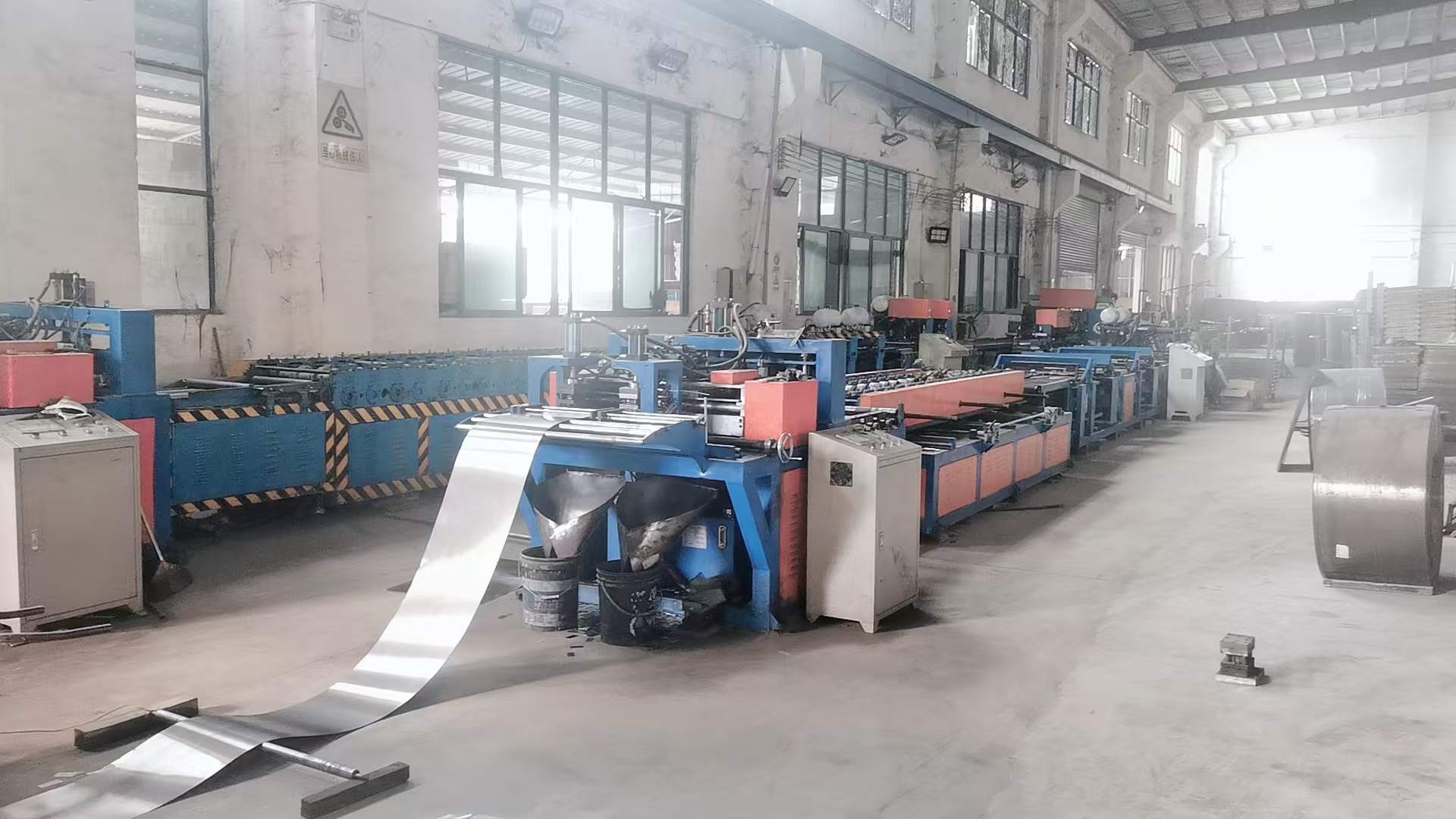
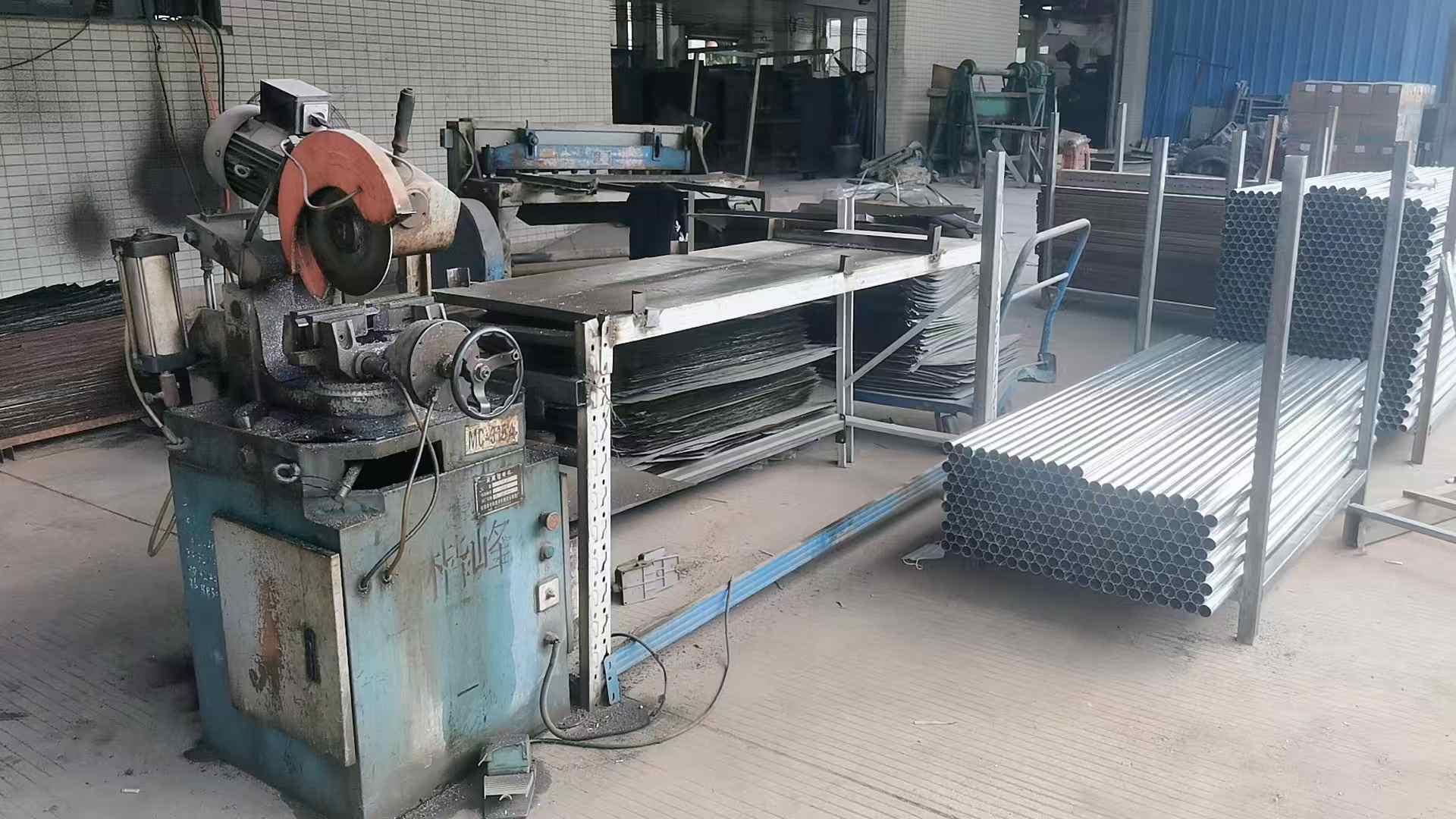
Aligning structural designs with regional safety and material durability certifications.
Deploying storage racking in Australia requires strict adherence to regional structural laws and safe load compliance standards. Industrial operations in Brisbane must comply with AS 4084-2012 (Steel Storage Racking), which details standard structural tolerances, deflection levels under loaded capacity, and the necessity of clear load markers mounted on each dynamic racking aisle. Additionally, the Queensland Work Health and Safety (WHS) Act mandates annual racking audits conducted by qualified structural engineers.
Our engineering division addresses these requirements directly at the manufacturing level. Using advanced Finite Element Analysis (FEA) software, we model dynamic structural behaviors, factoring in seismic activity ratings for eastern Australia and concrete floor tolerances. Our upright profiles feature customized boltless tear-drop and hook connection methods that distribute forces evenly, avoiding local stress concentrations that cause premature fatigue.
For cleanroom environments, hospitals, and food preparation areas across Brisbane, our stainless steel racks are fabricated without hollow channels that could collect moisture or harbour bacterial colonies. Instead, we utilize open-profile channels and complete sanitary weld seals that comply with EHEDG (European Hygienic Engineering & Design Group) and FDA rules, guaranteeing safe CIP (Clean-in-Place) capability using aggressive sanitizers without degrading the metal surface.
Pioneering the next generation of materials engineering and automated rack intelligence.
As the industrial sector trends towards Industry 4.0, warehouse racking is transforming from static structures into data-rich, dynamic components of automated systems. Hui Lian Intelligent Warehouse Equipment is actively designing solutions to address this operational shift. Our engineering roadmap includes the development of embedded sensor arrays within upright frames. These strain gauges monitor real-time load distribution and structure fatigue, sending alerts to facility managers before deformation occurs.
Furthermore, our surface science department is focused on advanced anti-friction coatings applied to stainless steel sliders and gravity-flow rails. This technology reduces noise and wear in automated shuttle channels, optimizing speed and energy consumption in high-throughput distribution environments. We are also refining structural designs to accommodate the high acceleration rates of automated crane systems (AS/RS), assuring structural stability during peak operational demands.
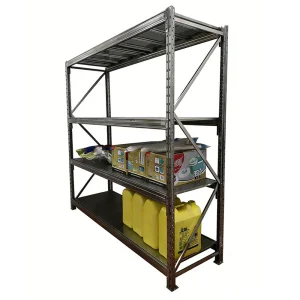
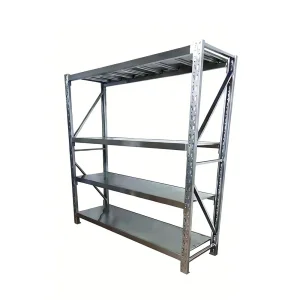
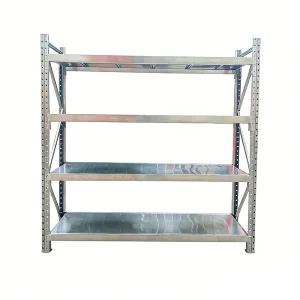
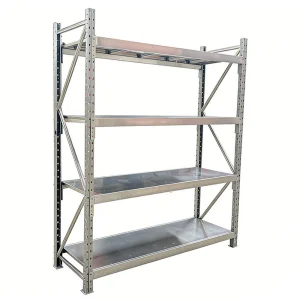
Examine our complete collection of adjustable shelves, display systems, and industrial warehouse racking.
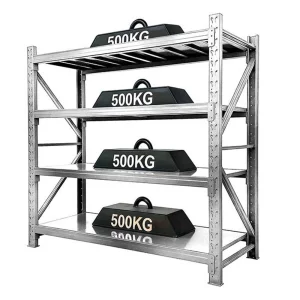
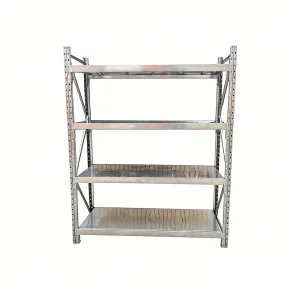
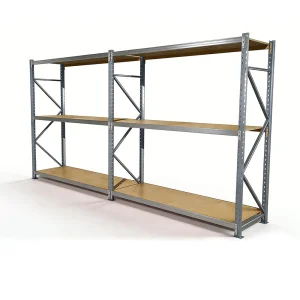
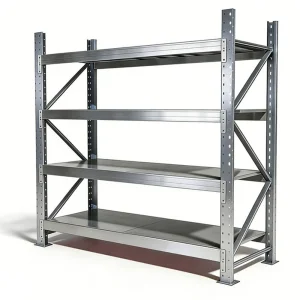
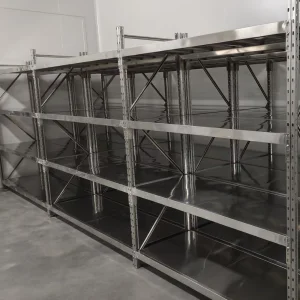
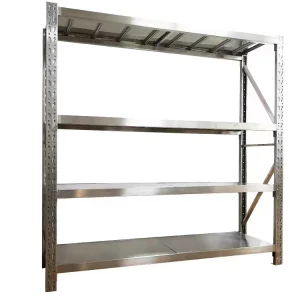
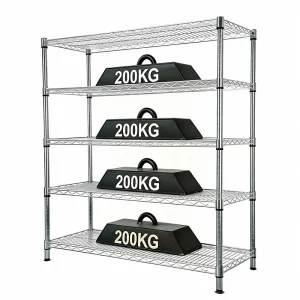
Get expert answers regarding material selection, international logistics compliance, and customizable options.
 Hui Lian