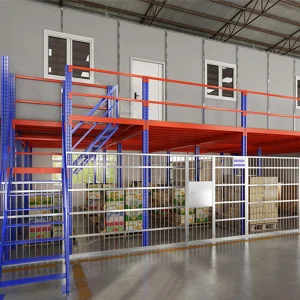
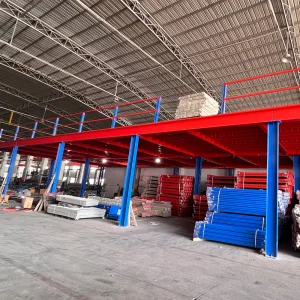
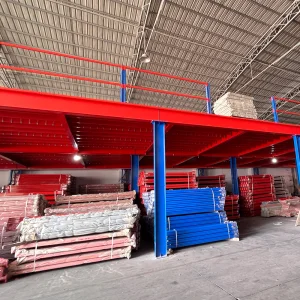
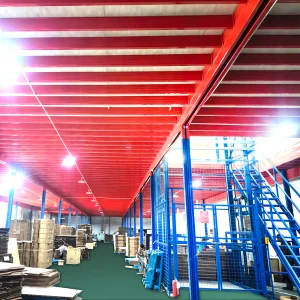
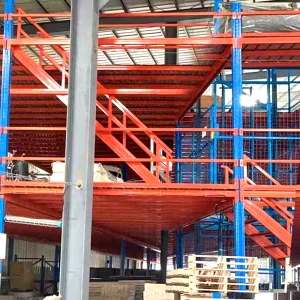
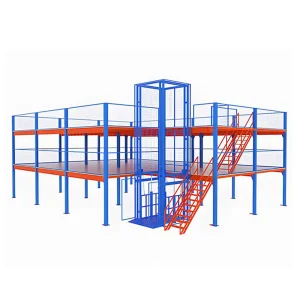
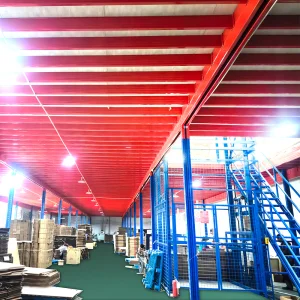
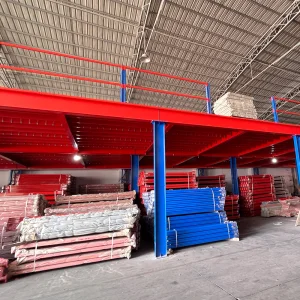
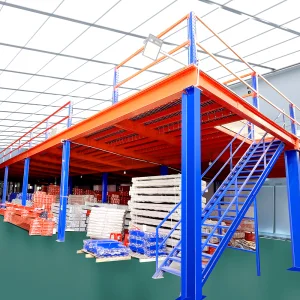
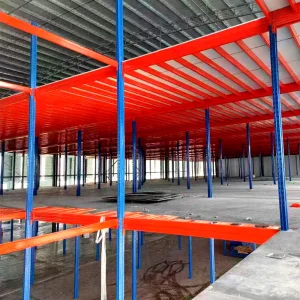
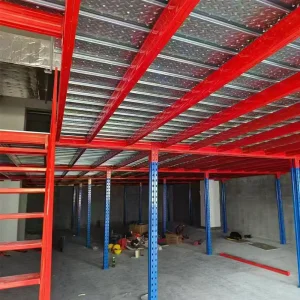
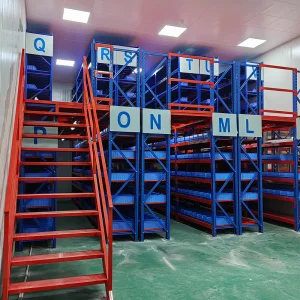
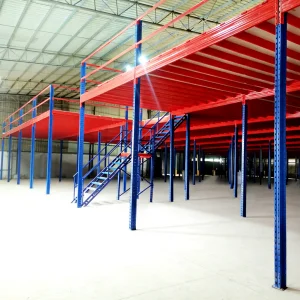
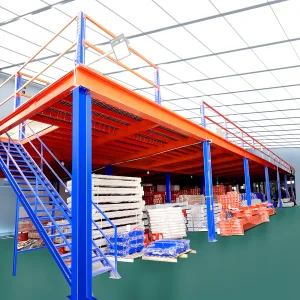
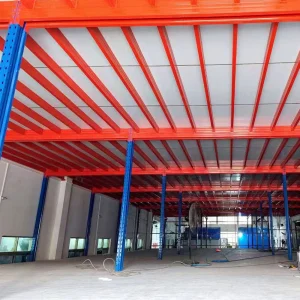
Engineered specifically for the spatial challenges of the Greater Tokyo Bay logistics hubs
As supply chain nodes shift closer to consumers, the Greater Tokyo Area demands unprecedented space optimization.
The Greater Tokyo Area, encompassing Kanagawa, Saitama, and Chiba prefectures, stands as one of the densest industrial corridors globally. Logistics giants and e-commerce operators face exorbitant rental rates and a severe shortage of horizontal land. To combat this, smart warehouses are shifting their orientation vertically. However, developing multi-level structural steel platforms in Tokyo introduces rigorous regulatory hurdles.
Under Japan's Building Standards Act (Kenchiku Kijun-hō), industrial mezzanines must adhere to strict structural calculations, seismic load limits (supporting horizontal seismic force calculations), and fire safety provisions. Every structural steel profile, weld connection, and anchor base plate we design for the Tokyo market undergoes comprehensive Finite Element Analysis (FEA) to withstand high-magnitude seismic events while maintaining load limits from 300kg/㎡ up to 3,000kg/㎡.
Dongguan Hui Lian Intelligent Warehouse Equipment Co., Ltd. delivers high-performance racking designs worldwide.
Supported by 126 professional R&D engineers, we engineered over 320 new custom configurations in the past year. From heavy-duty steel platforms with integrated automated goods lifts to specialized multi-level attic setups, our layouts maximize structural safety and volume.
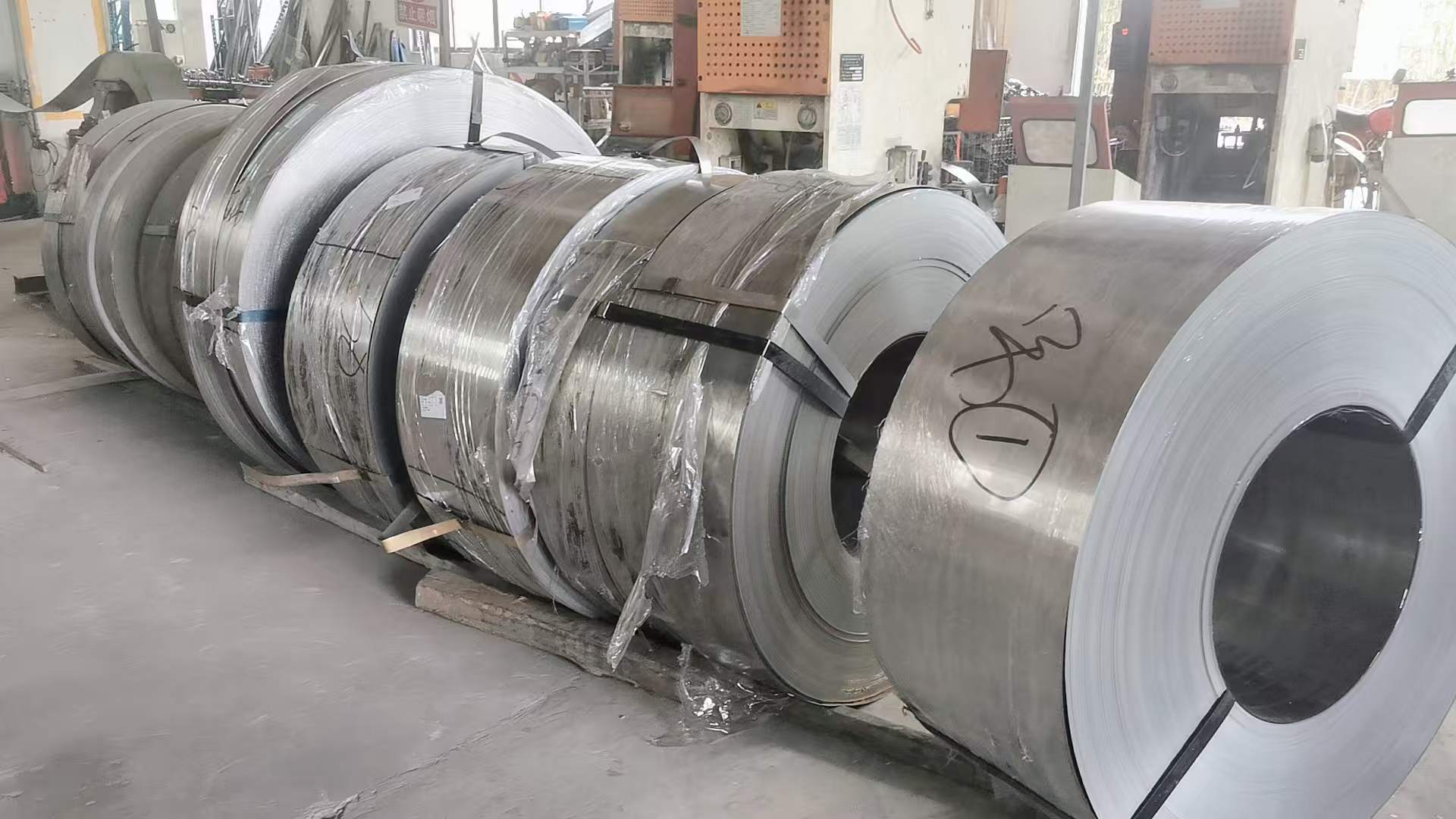
Our dedicated Quality Control division features 56 certified inspectors supervising all processes from hot-rolled steel raw material verification to electrostatic powder coating thickness testing. We utilize high-precision micrometers, vernier calipers, and load testers.
With over $18 million USD in annual export revenue and partners across North America, Europe, South America, and Japan, we navigate global customs compliance, specialized container loading, and localized structural certification seamlessly.
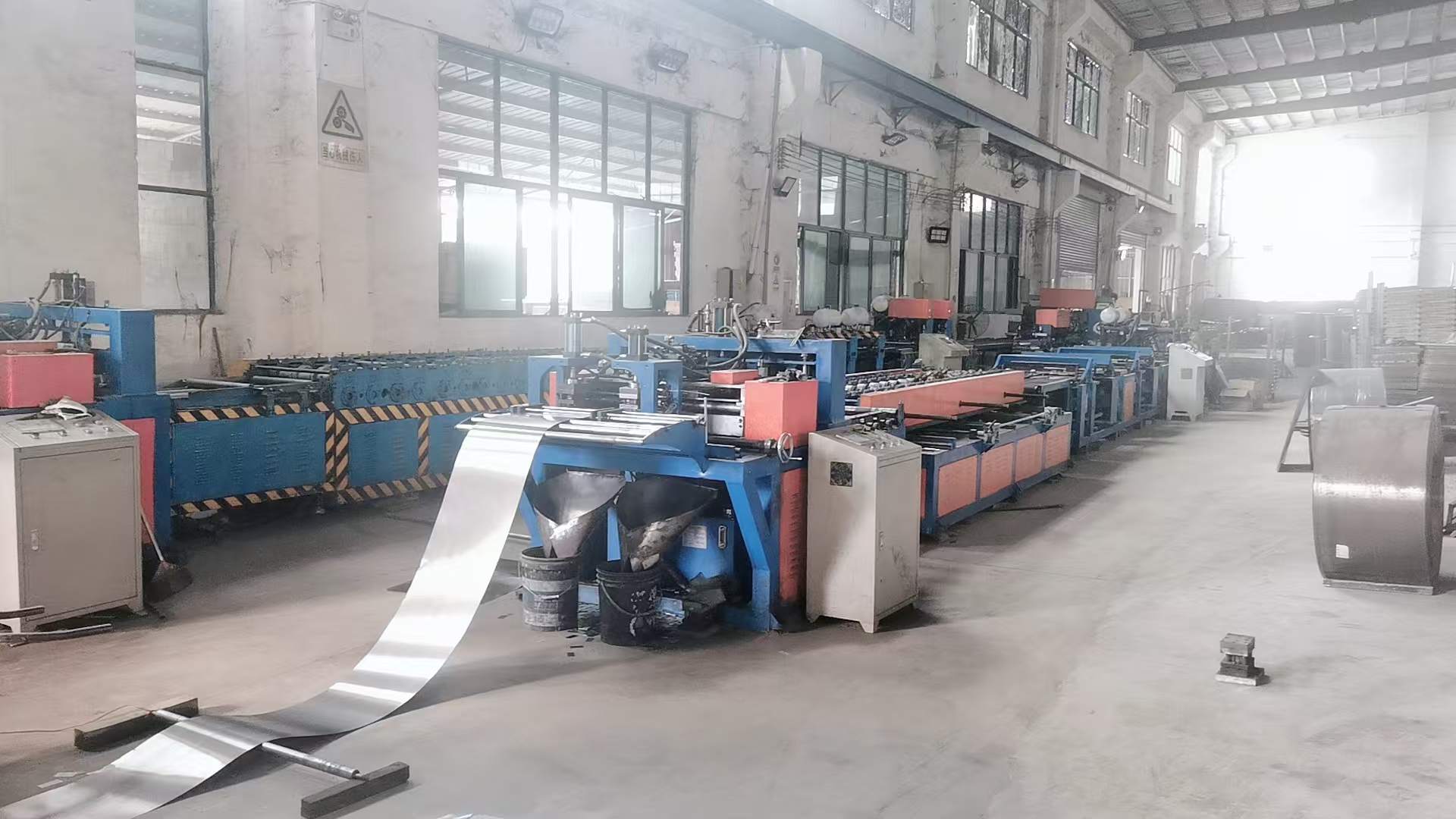
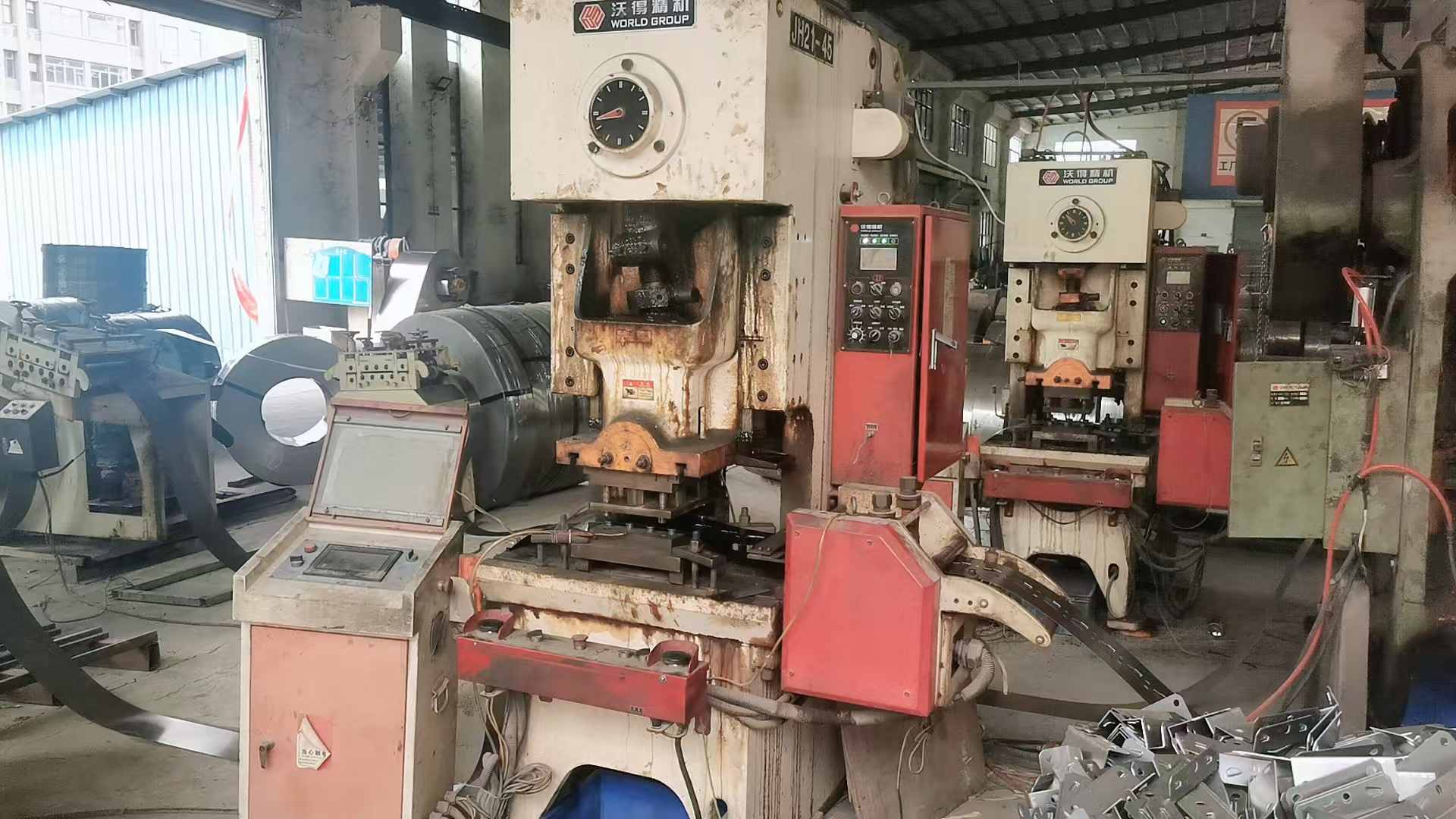
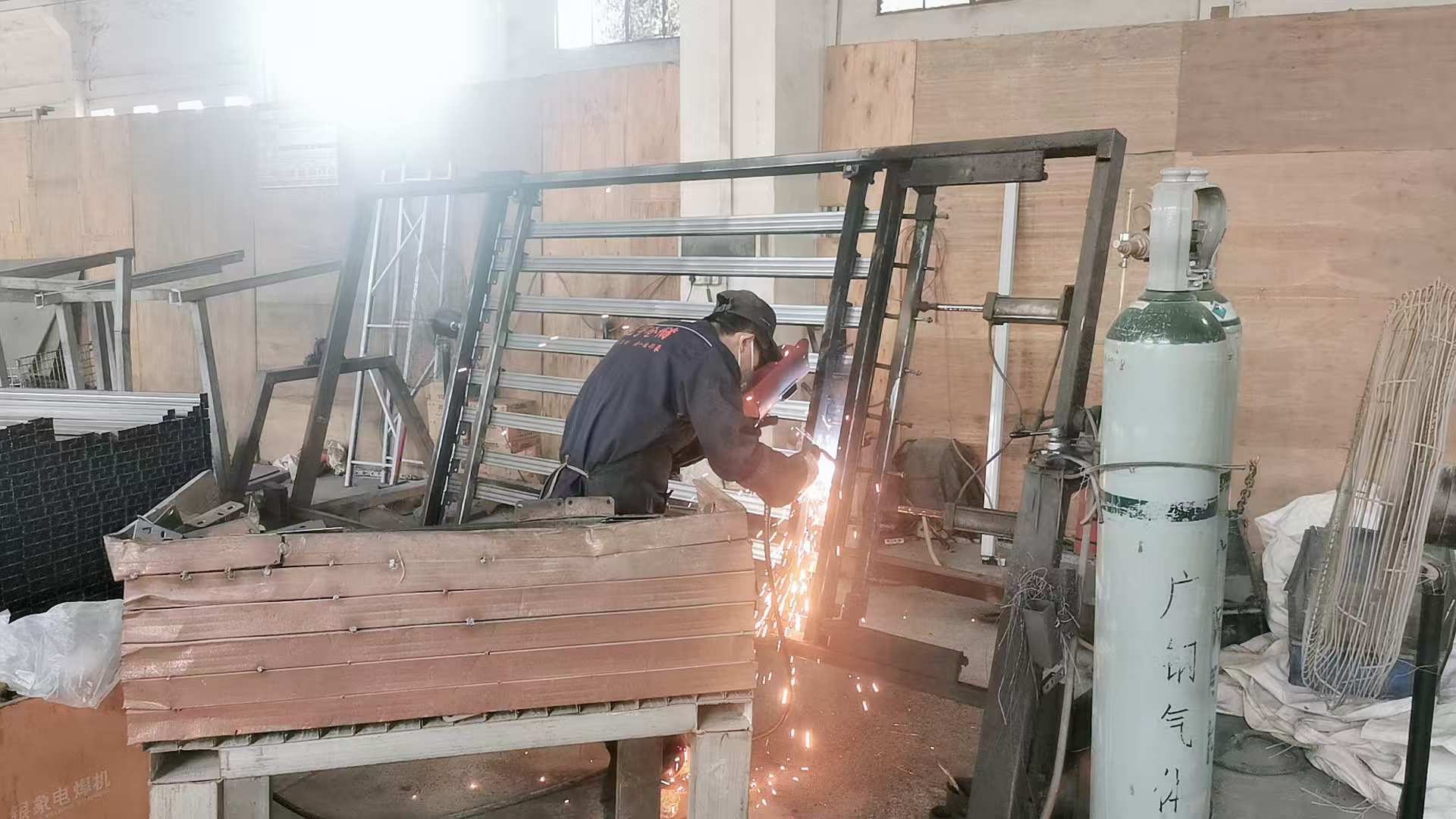
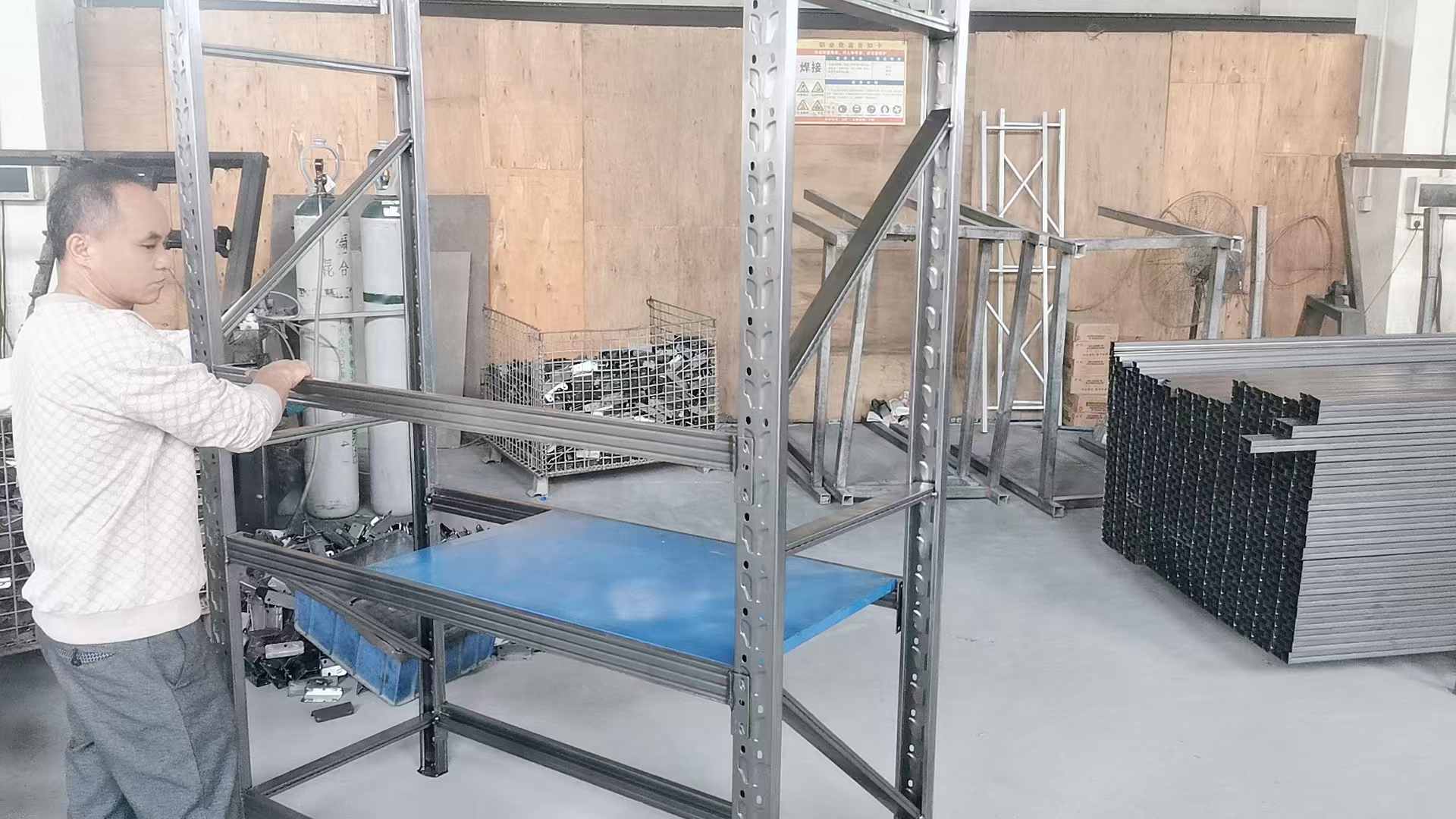
Every mezzanine column, beam, and deck deck undergoes a rigorous 8-stage manufacturing process to guarantee field reliability.
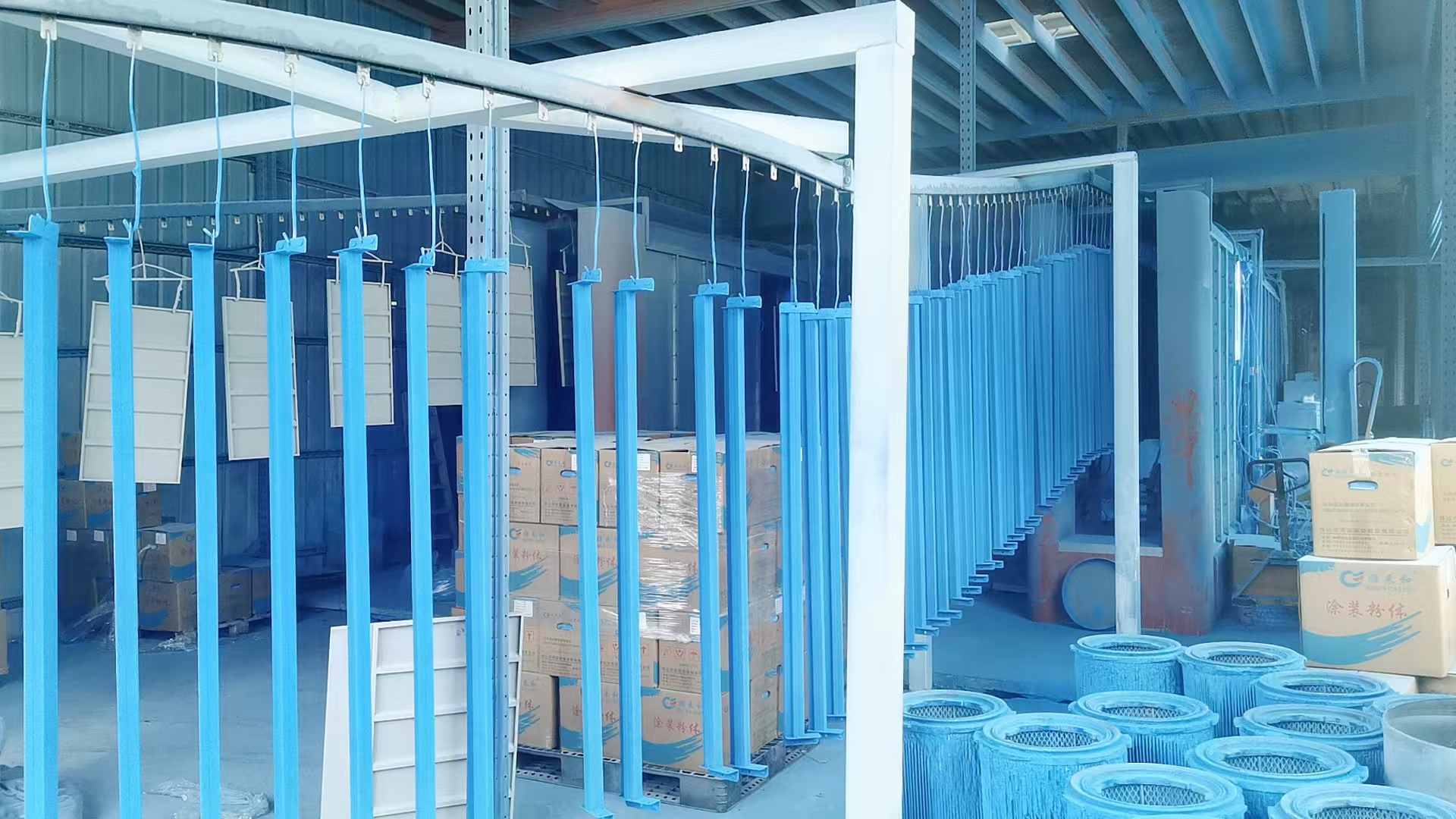
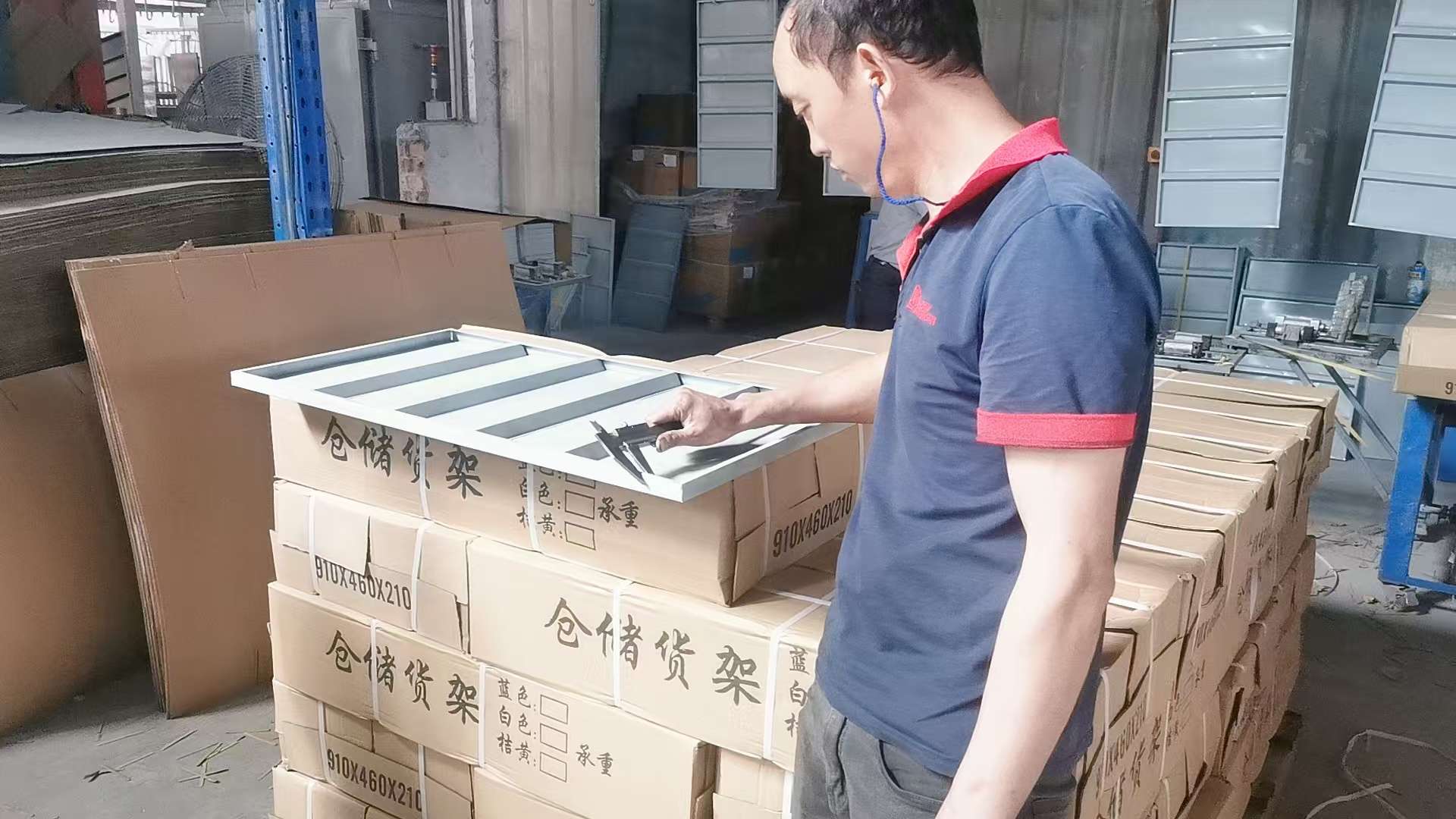
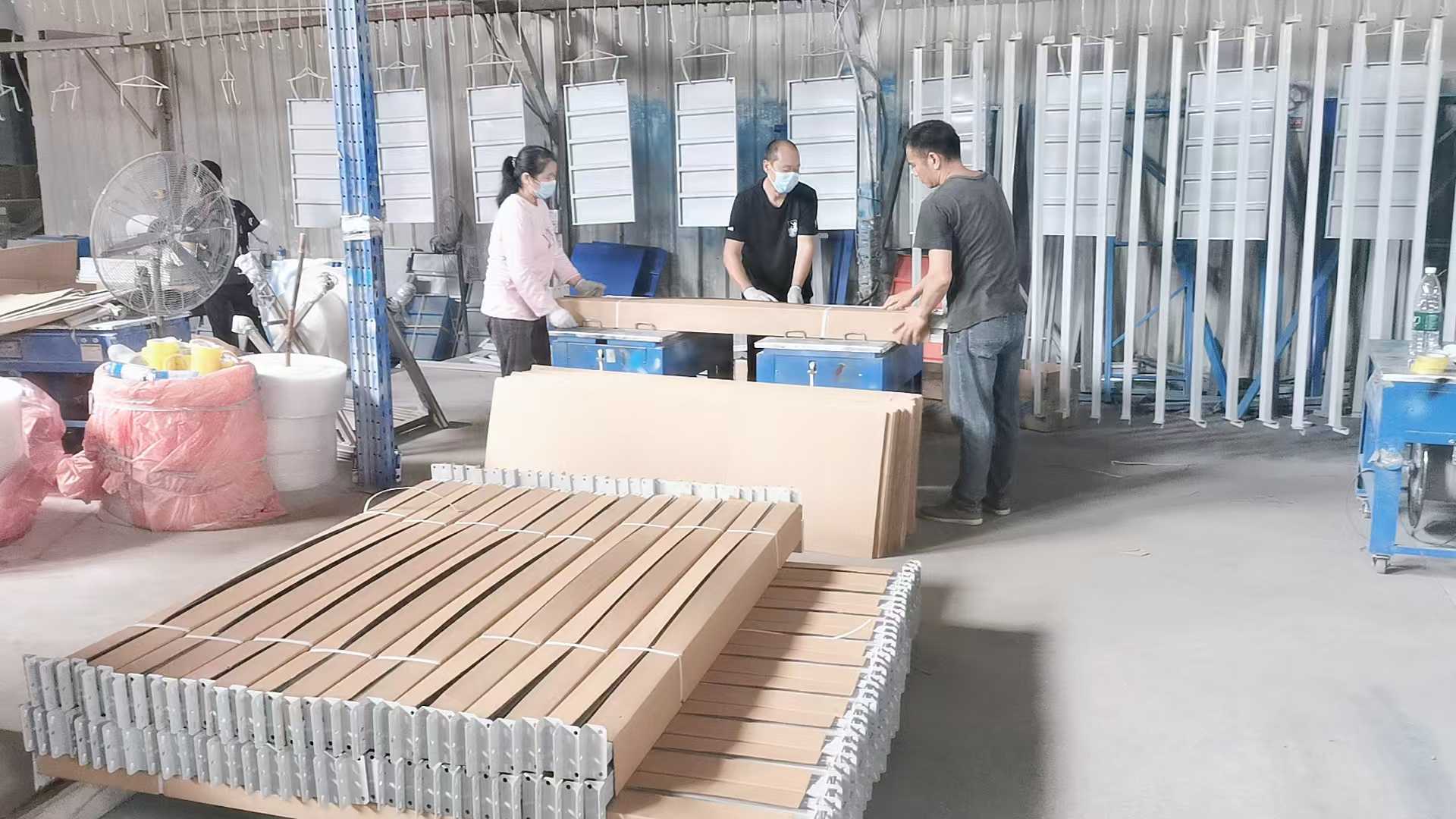
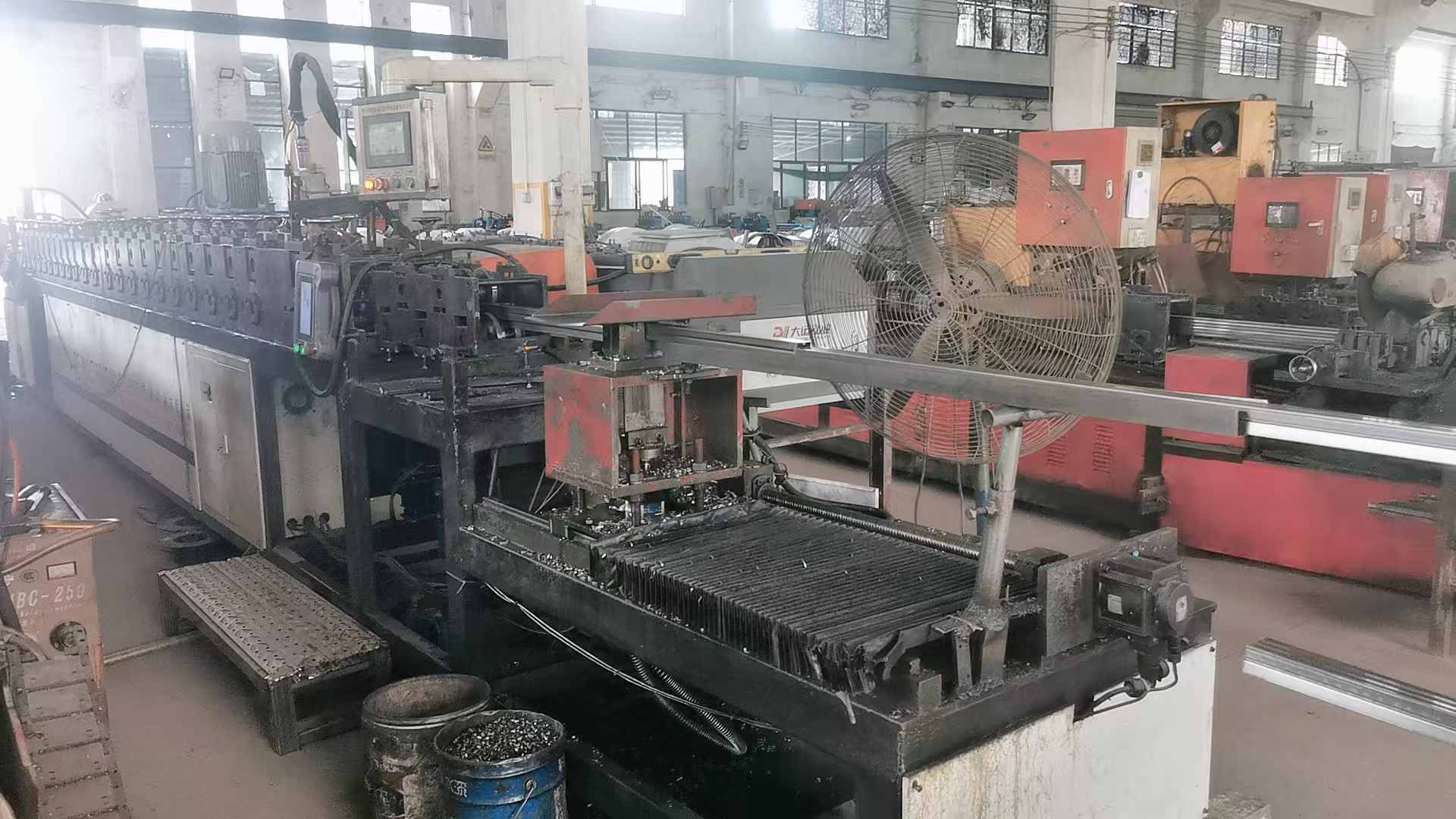
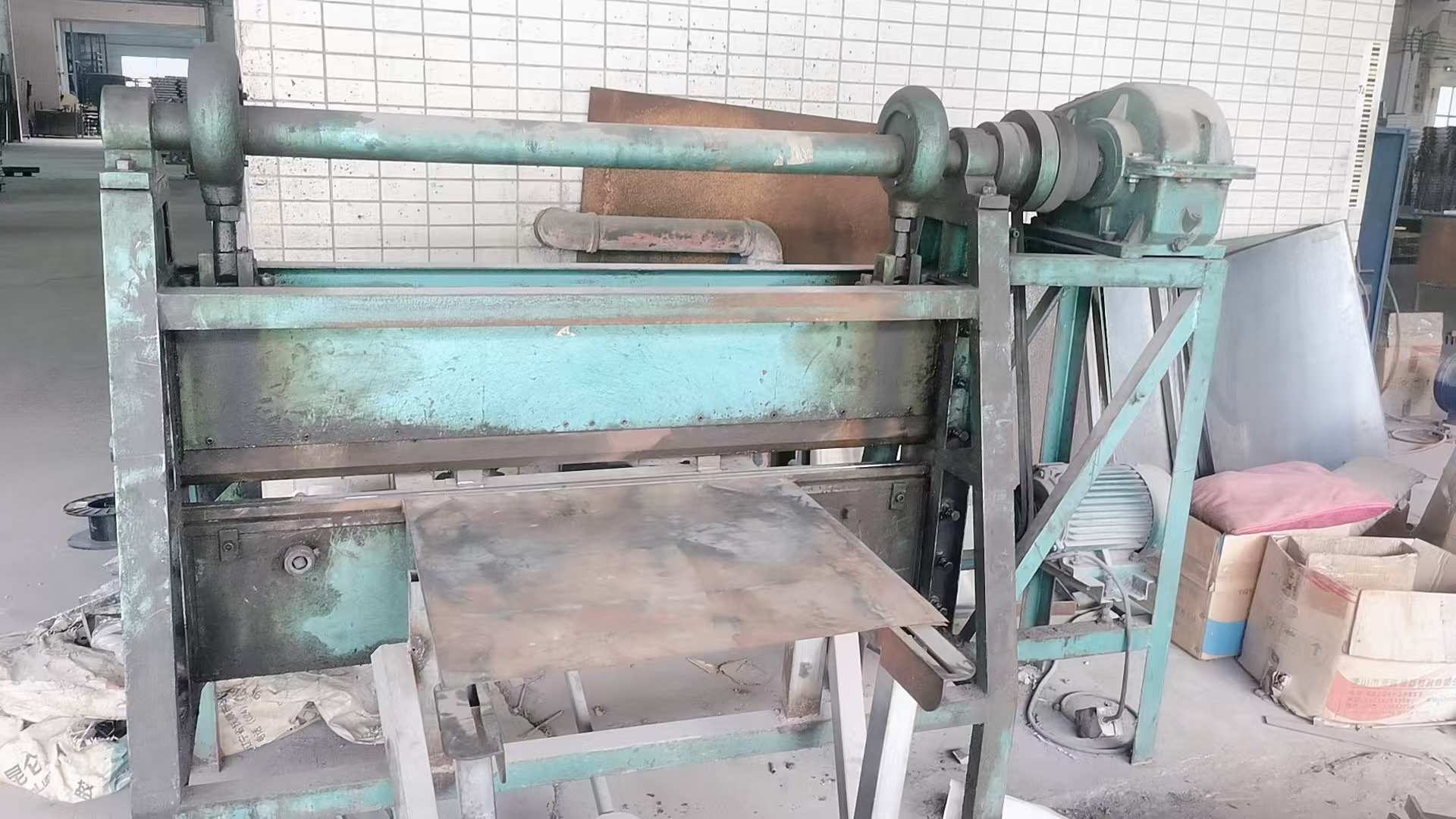
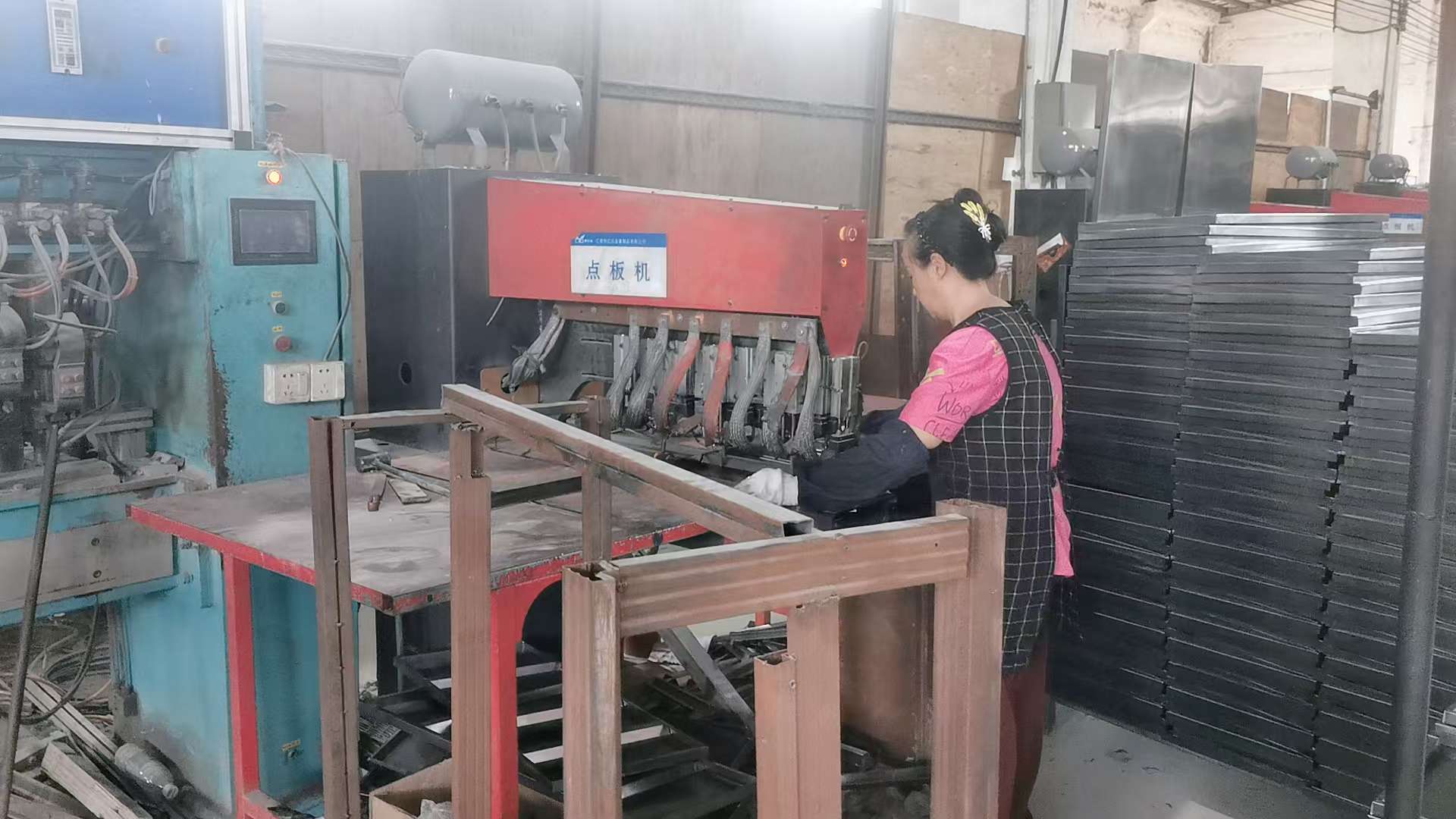
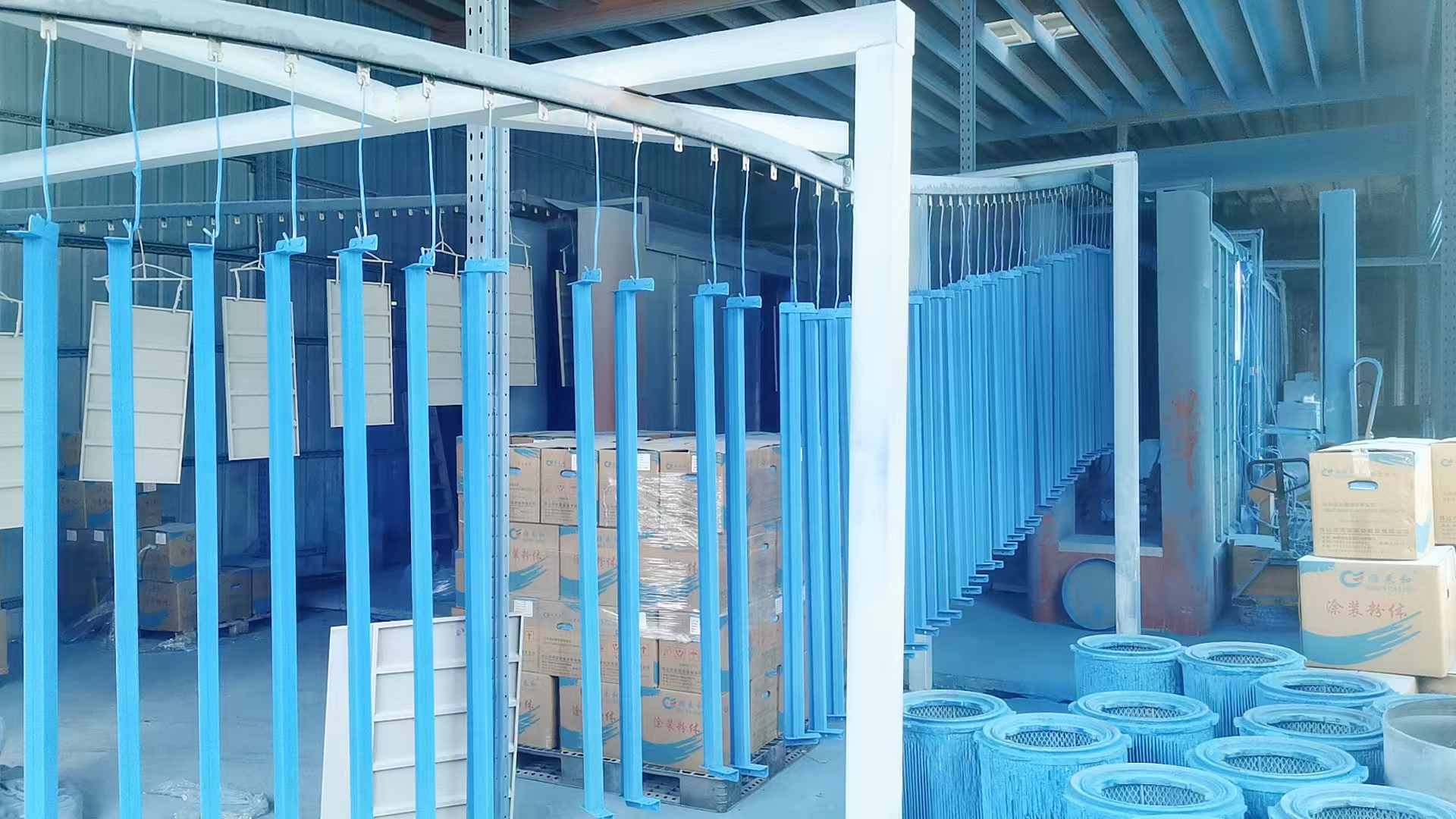
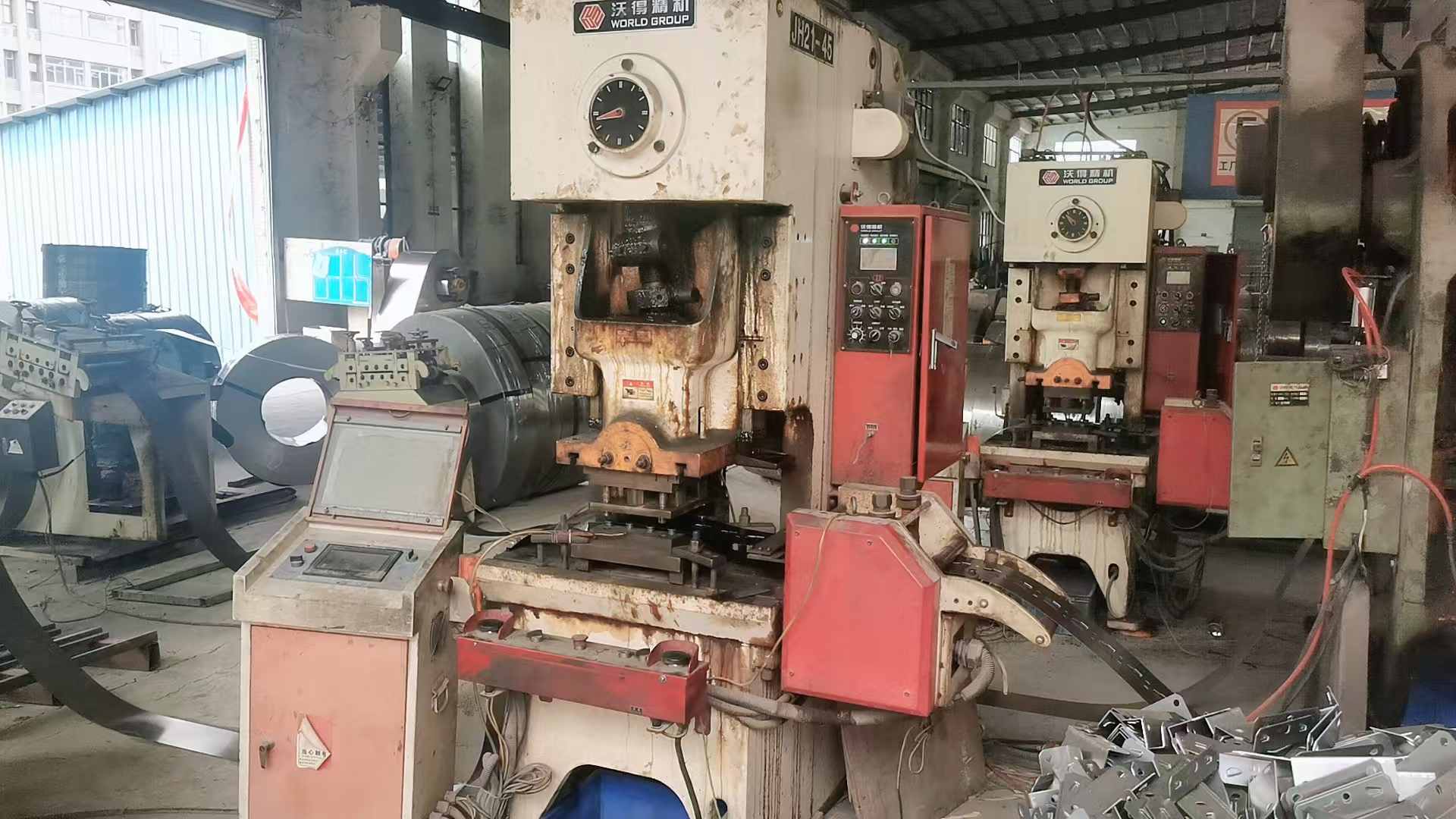
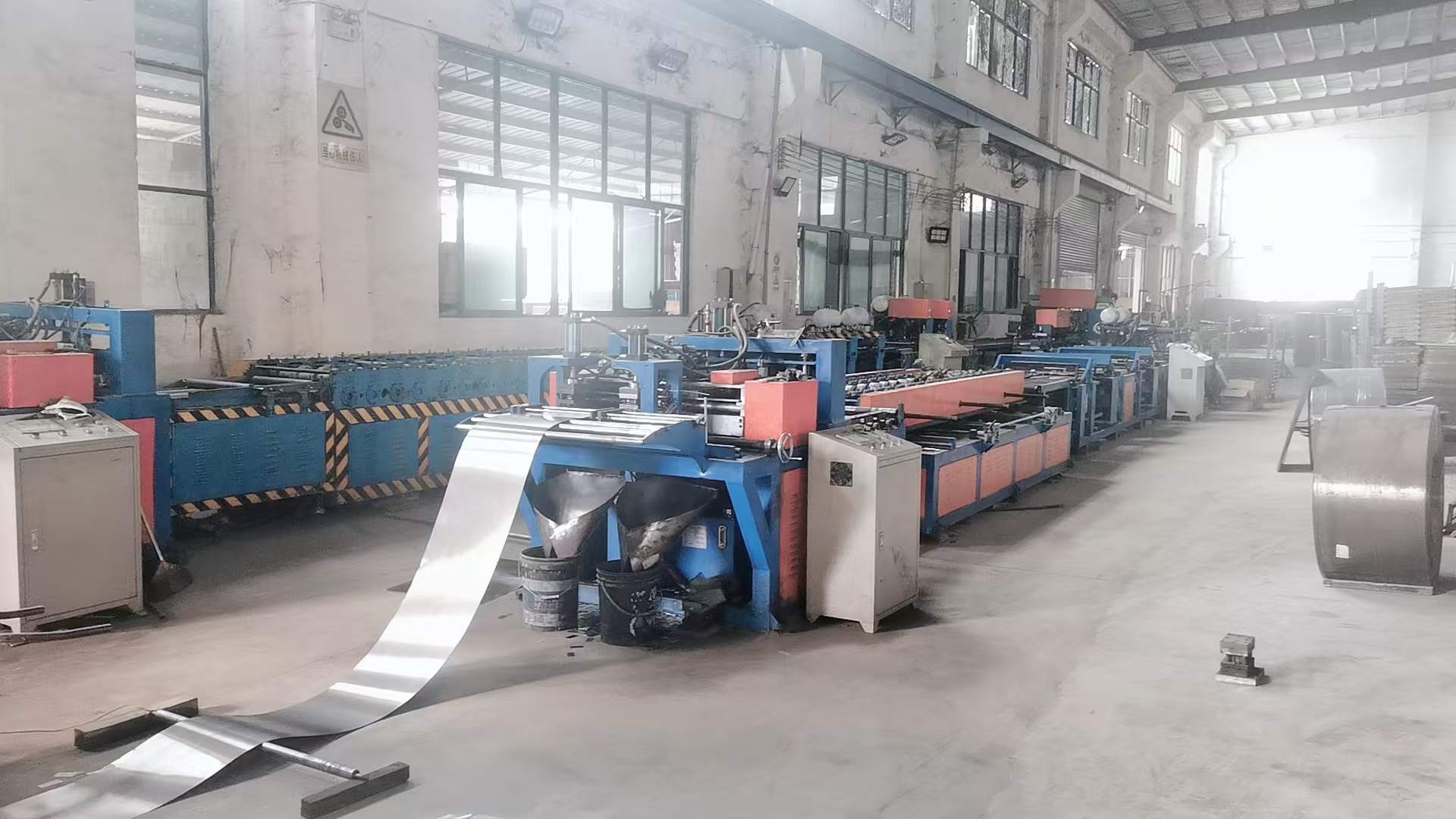
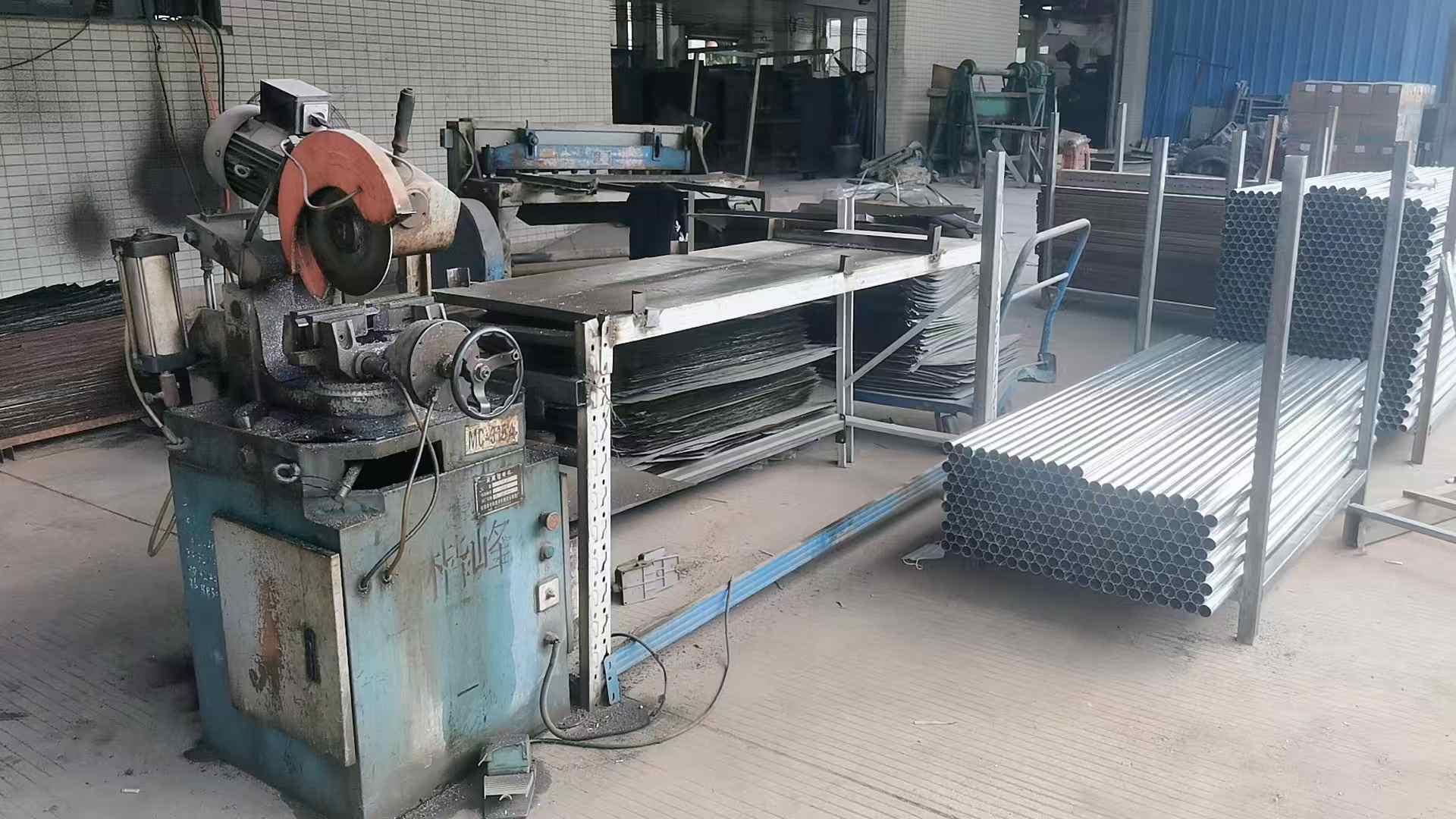
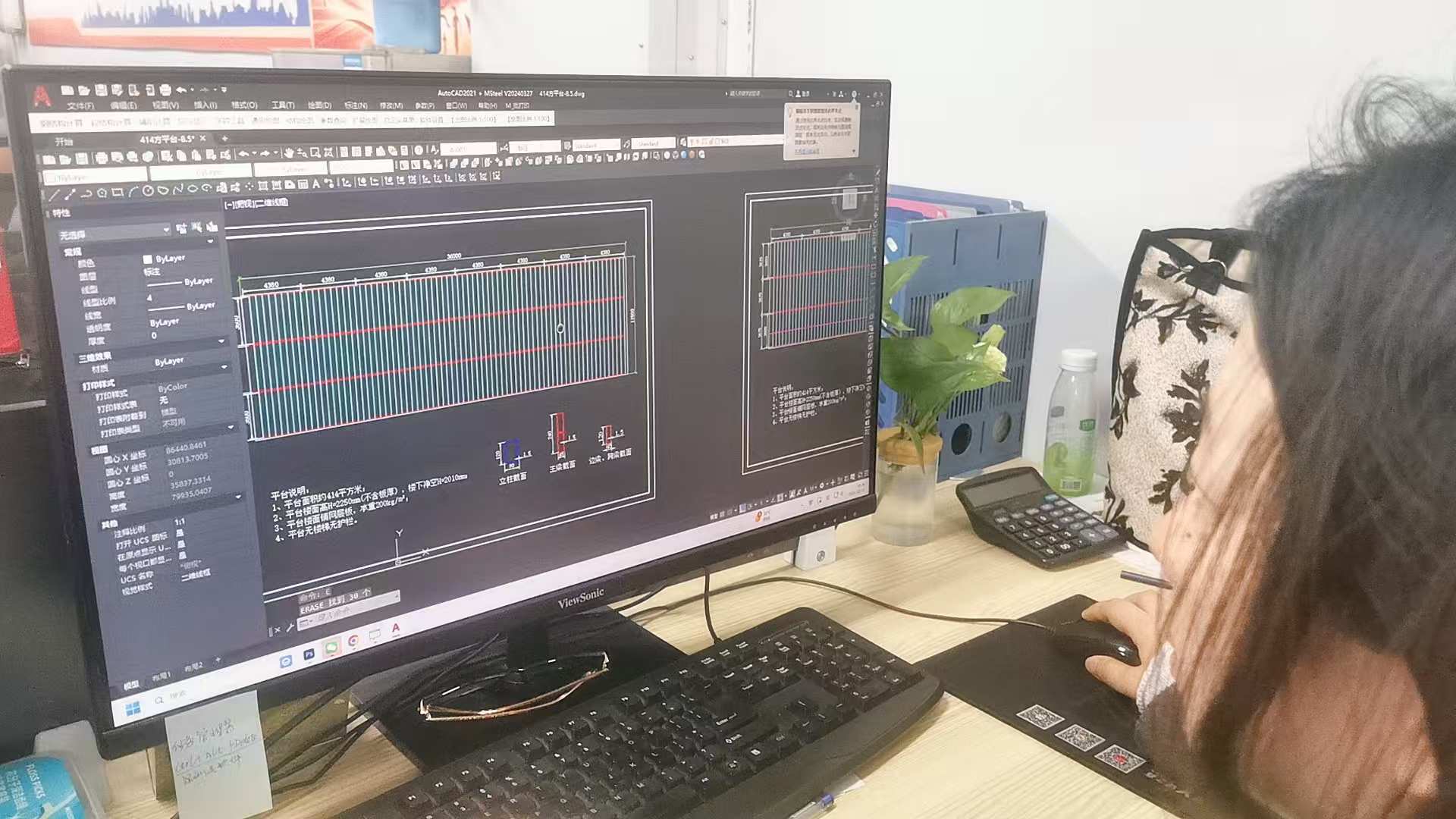
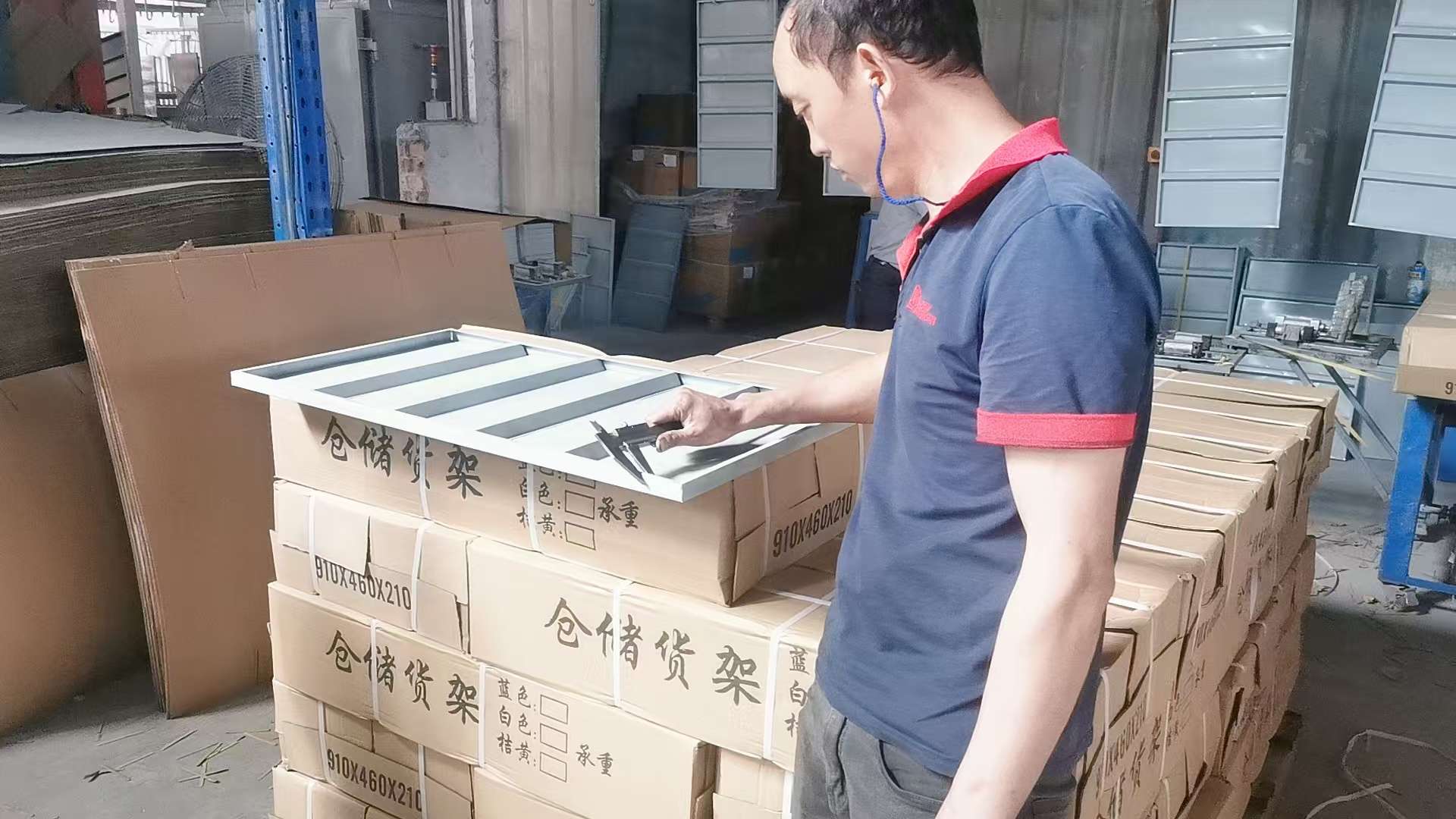
Quality Control Lab
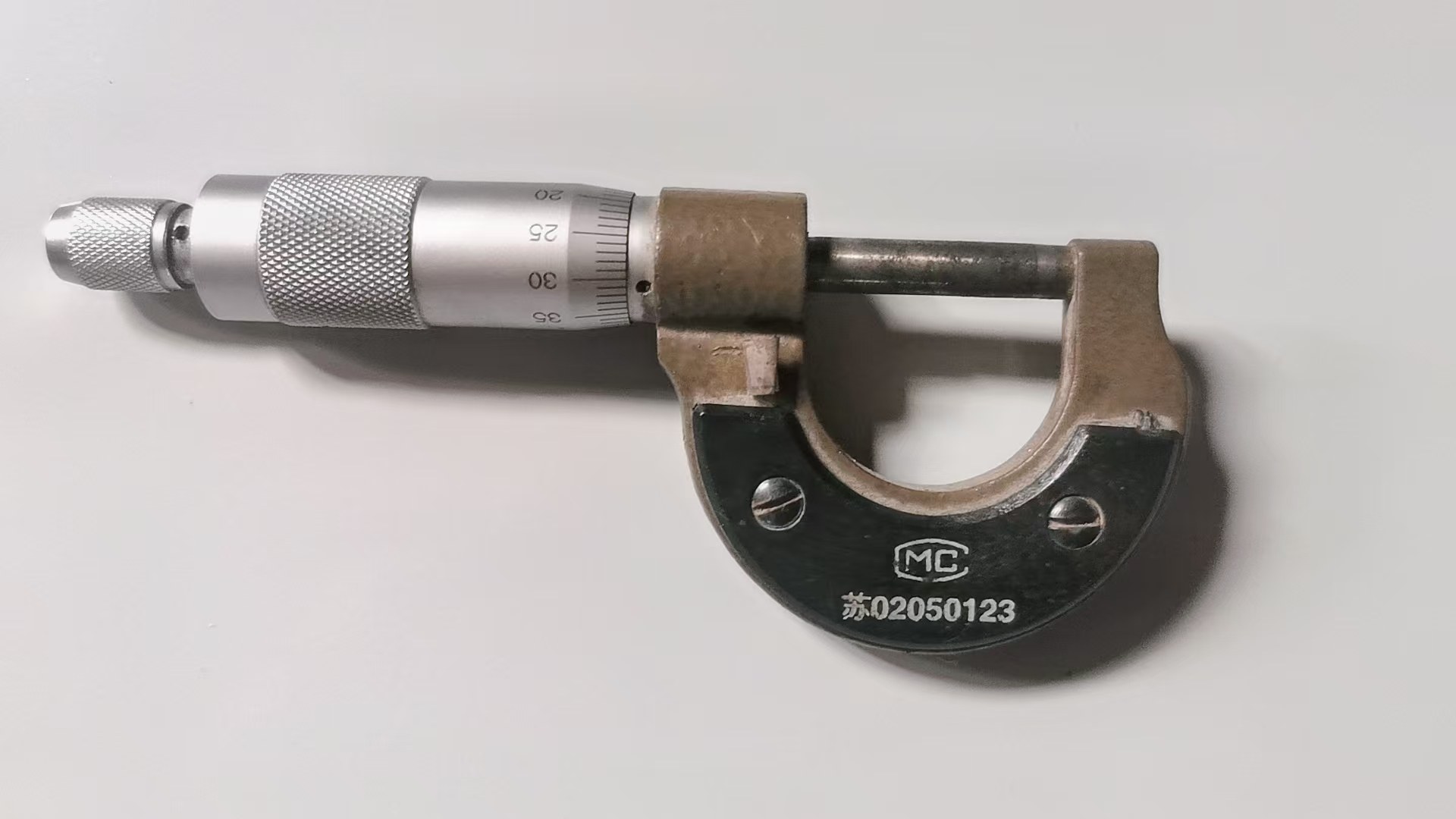
Micrometer Calibration
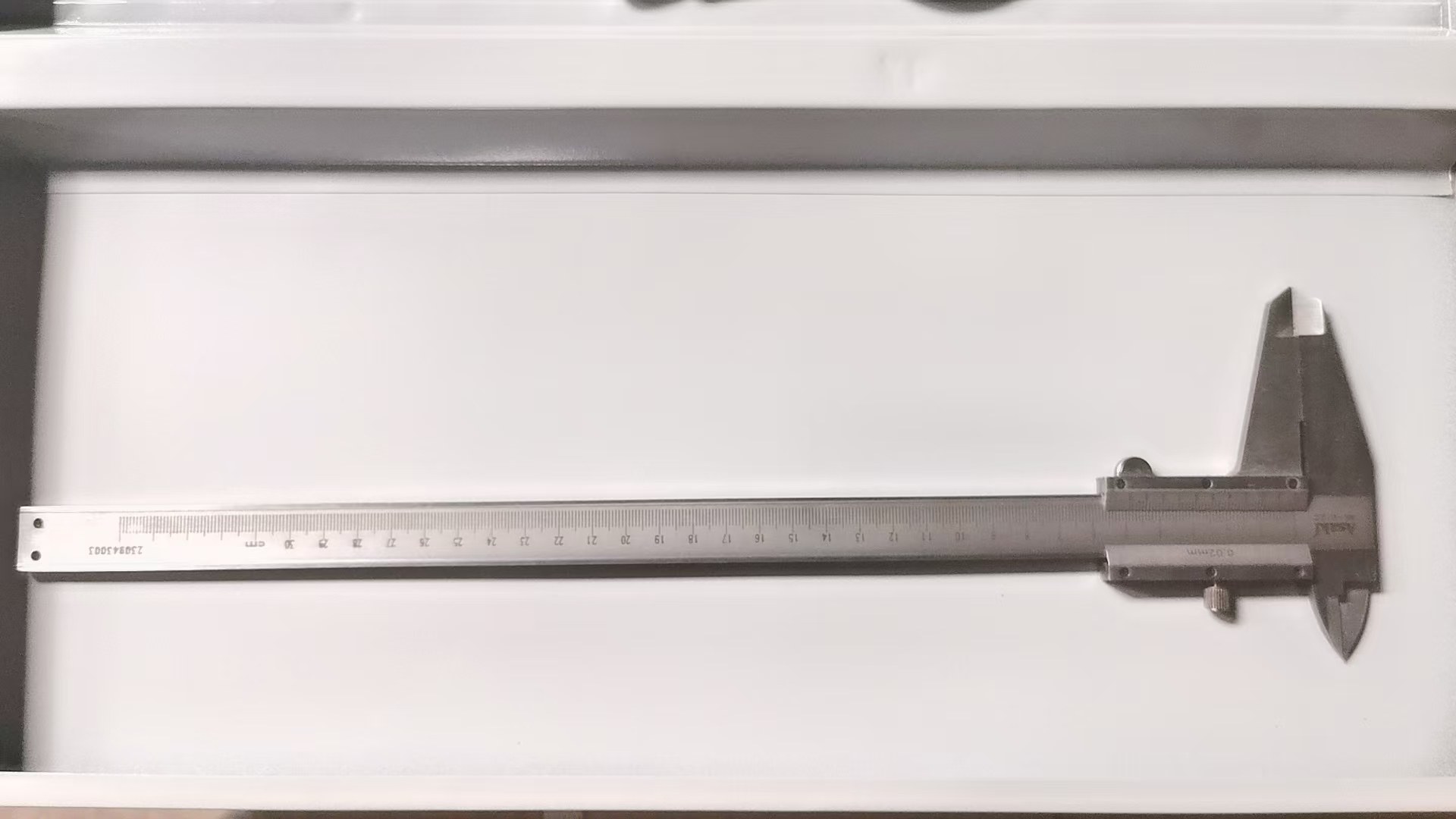
Vernier Caliper Check
Solving complex storage limitations through modular system architecture.
Modern distribution facilities in Tokyo increasingly utilize Autonomous Mobile Robots (AMRs) and Automated Guided Vehicles (AGVs) on multiple levels. Standard steel mesh floors often impede AMR optical tracking and physical wheel movement. We design heavy-duty solid steel floors layered with specialized anti-slip panels and optical alignment grids, ensuring seamless robot navigation across the system.
With Tokyo's rising demand for chilled and frozen foods, cold storage space optimization is vital. Our hot-dip galvanized coating processes ensure that structural components resist rust and structural embrittlement at temperatures below -25°C. Open grid patterns are utilized to facilitate optimal air circulation from ceiling refrigeration units.
| System Feature | Industrial Specification |
|---|---|
| Main Column Profile | H-beam (100*100 to 300*300mm) / Rectangular Tubing |
| Base Material Grade | Q235B, Q355B (JIS G3101 SS400 / SS490 equivalent) |
| Floor Deck Type | Checked Steel, Perforated Plate, Galvanized Grating |
| Surface Coating | Epoxy Powder Paint (60-80μm thickness) / Hot-dip Galvanized |
| Seismic Class | Coefficients aligned to Tokyo Regional Earthquake Factors |
Choose from our full range of structural floor systems, heavy-duty shelving, and custom lofts.
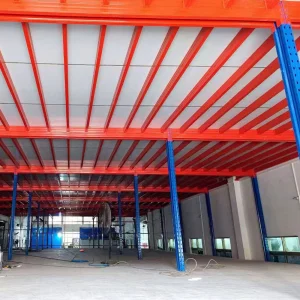
Expert technical insights regarding safety, installation, structural requirements, and local code compliance.
 Hui Lian