Engineered for Rapid Pick-to-Light Operations & High-Density Space Optimization in the UK
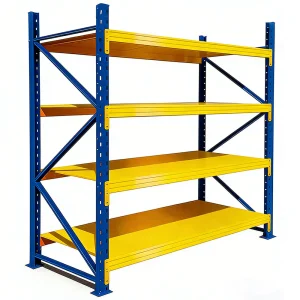
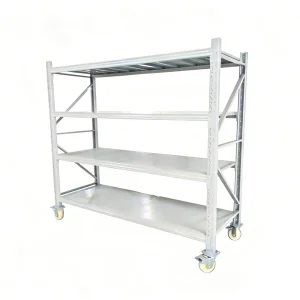
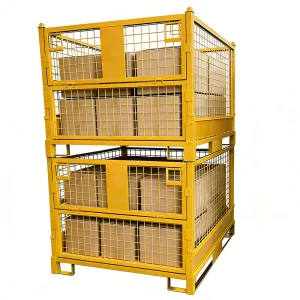
Navigating High Land Premiums, Urban Logistics Shifts, and E-Commerce Demands
The United Kingdom logistics and warehousing market has undergone a fundamental transformation over the past decade. Historically driven by traditional bulk pallet storage, the rapid expansion of e-commerce, combined with structural economic modifications post-Brexit, has catalyzed an unprecedented surge in demand for micro-fulfillment centers, localized urban distribution networks, and sophisticated light-duty storage racking. Modern British logistics strategies prioritize fast-moving inventory management, which requires hand-loaded and light-duty shelving configurations that maximize vertical cubic space without compromising accessibility.
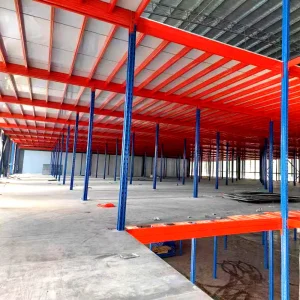
In key economic corridors such as the "Golden Triangle" of the Midlands (spanning East Midlands and West Midlands) and the metropolitan periphery of Greater London, warehouse real estate costs per square foot continue to soar to record highs. Consequently, warehouse operators, 3PL providers, and manufacturing facilities can no longer afford underutilized overhead space. Light-duty storage racks—frequently configured with load-bearing parameters of 100kg to 300kg per shelf level—provide the essential structural versatility required for high-density, multi-tier manual pick configurations, carton flow systems, and integrated mezzanine floors.
Furthermore, the UK’s stringent occupational health and safety culture mandates that storage infrastructures maintain absolute reliability. The selection of materials, manufacturing processes, and design tolerances must strictly conform to local standards, particularly SEMA (Storage Equipment Manufacturers' Association) codes of practice and the BS EN 15635 European racking standard. For UK procurement directors, the key to building a resilient supply chain lies in partnering with manufacturers who can balance cost efficiency with verified technical compliance, structural performance, and seamless installation logistics.
Translating High-Performance Steel Racking Into Strategic Operational Solutions
The deployment of light-duty storage racks in the UK market is characterized by highly specialized environments, each demanding targeted structural properties. Unlike general storage, these industrial scenarios demand rigorous engineering specifications to guarantee longevity and safety under continuous load cycles.
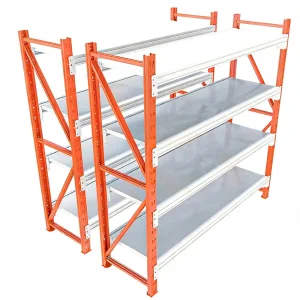
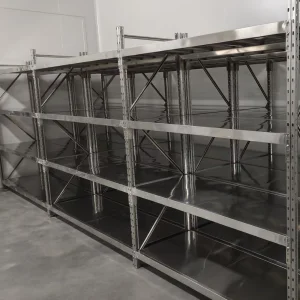
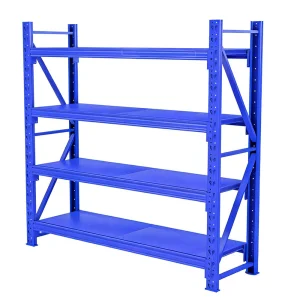
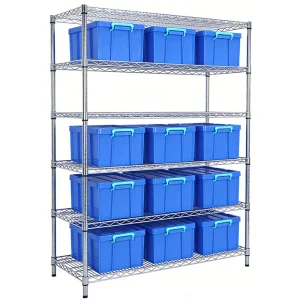
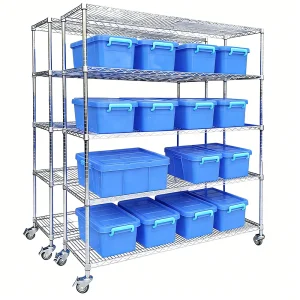
With mega-hubs situated along the M1 and M6 motorways feeding metropolitan hubs, UK e-commerce fulfillment relies on rapid, manual carton picking. Light-duty boltless racking units configured with custom wire mesh decks or galvanized steel shelves are the standard. The open mesh allows maximum light penetration and water flow from sprinkler systems—a critical UK building safety requirement. Shelf levels must be easily adjustable (using drop-in connector tabs) to dynamically accommodate changing SKU profiles during peak seasonal retail cycles.
Across financial sectors in the City of London and legal hubs in Edinburgh, document retention laws demand massive archive capacities. Light-duty carbon steel shelving systems with high-density drawer or partition inserts provide the structural stiffness to prevent lateral buckling under the dead weight of densely packed legal files. Anti-corrosive powder coatings ensure that even in basement archives or older building spaces prone to humidity fluctuations, structural integrity remains intact over decades.
The UK automotive aftermarket sector operates under strict JIT (Just-In-Time) supply models. Racks installed in localized distributors need to support everything from heavy, irregular mechanical parts to light plastics. Boltless medium-duty and light-duty shelving systems equipped with integrated dividers, metal storage tubs, and specialized parts drawers ensure rapid identification, high accessibility, and secure weight distribution, optimizing both picking accuracy and vehicle uptime.
The Future of Green, Smart, and Modular Racking Components
The manufacturing of structural storage equipment has progressed from simple fabricated angle iron to highly engineered cold-rolled profiles. As environmental policies like the UK Net Zero Strategy put carbon footprints under scrutiny, manufacturers must adapt their design and production processes to stay compliant and competitive.
The technical roadmap for industrial light-duty racks is defined by three key trends:
By designing storage equipment with standard modular hook layouts, operators can easily convert static shelving arrays into multi-tier mezzanines or dynamic carton flow tracks without scrapping their original capital investments.
How Dongguan Hui Lian Delivers Global Cost Efficiency and Engineering Compliance
As procurement managers globally seek to balance tightening budgets with high quality standards, China's industrial infrastructure remains a crucial asset. Dongguan Hui Lian Intelligent Warehouse Equipment Co., Ltd. (est. 2016) sits at the heart of this supply chain network, combining advanced automated production lines with highly efficient direct-to-port logistics.
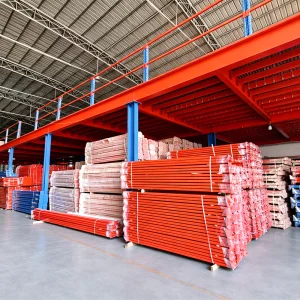
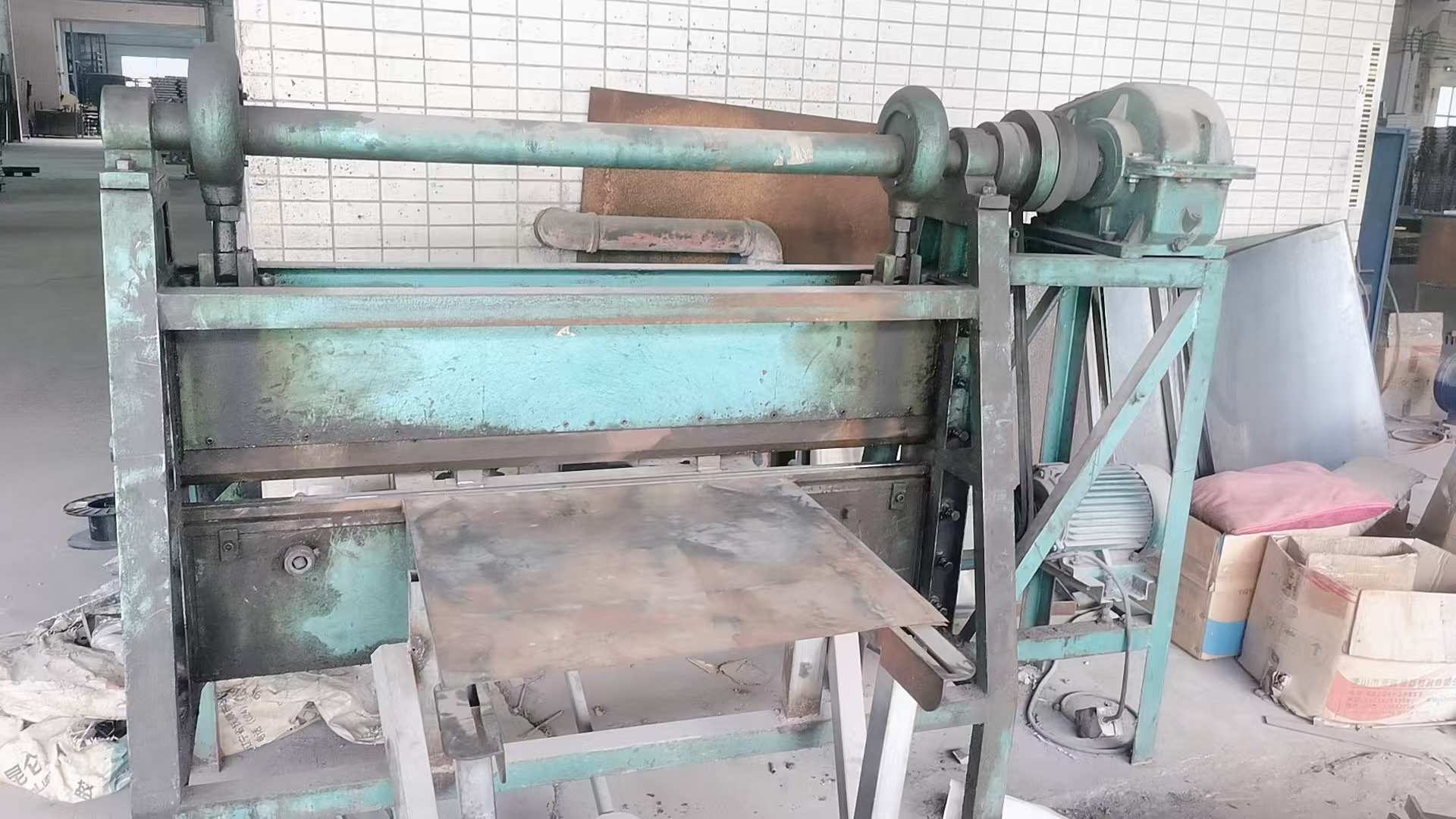
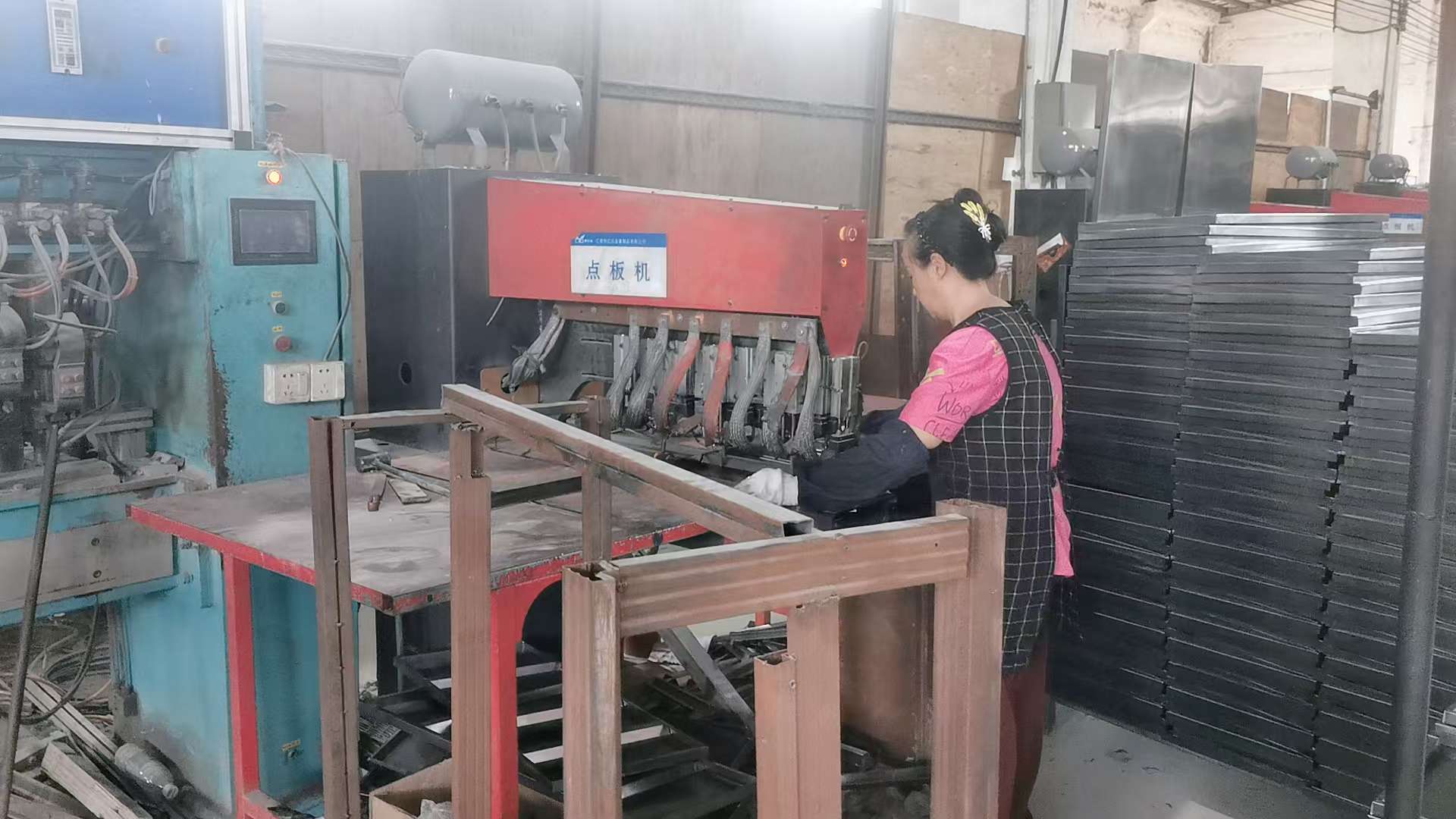
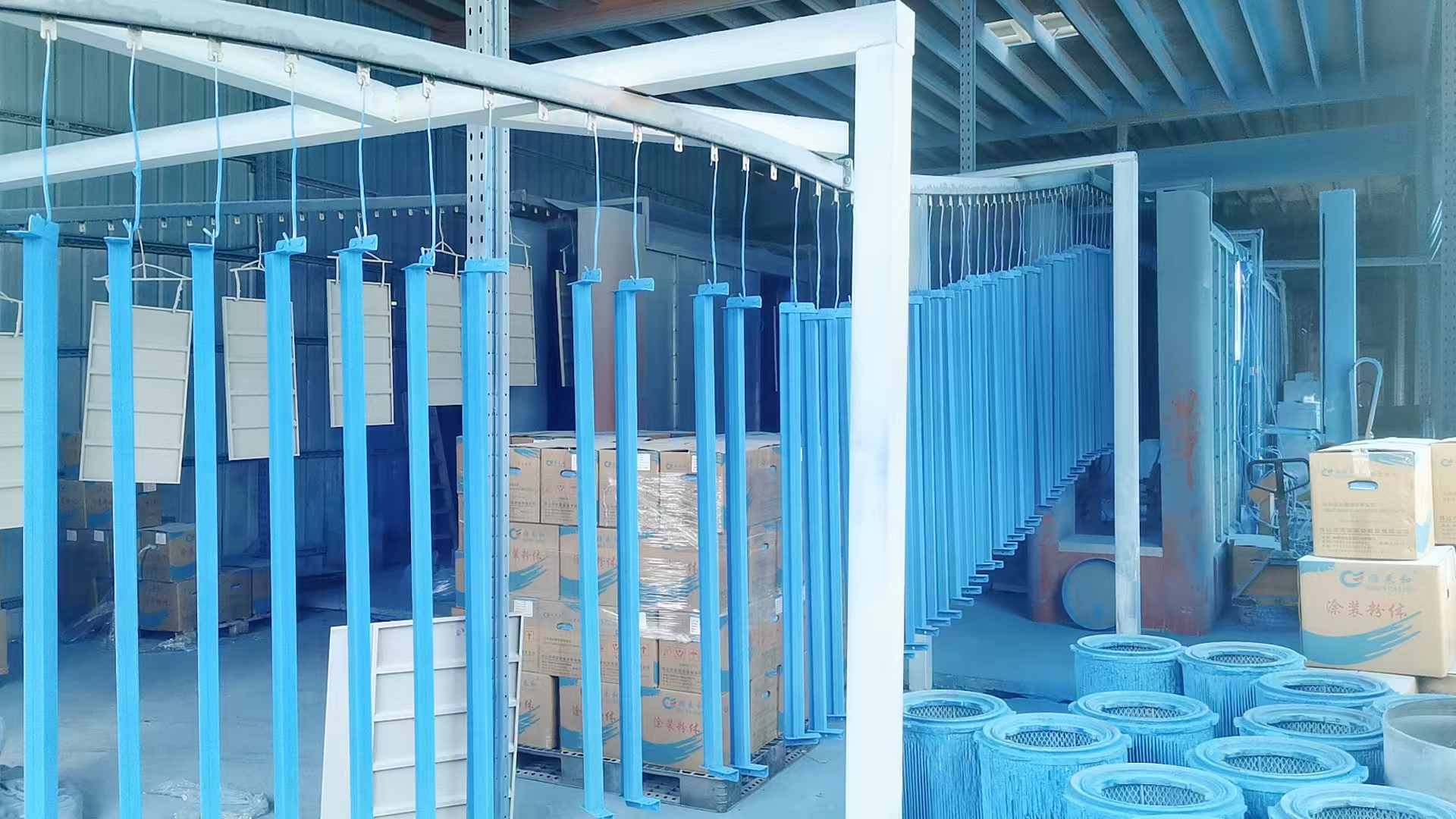
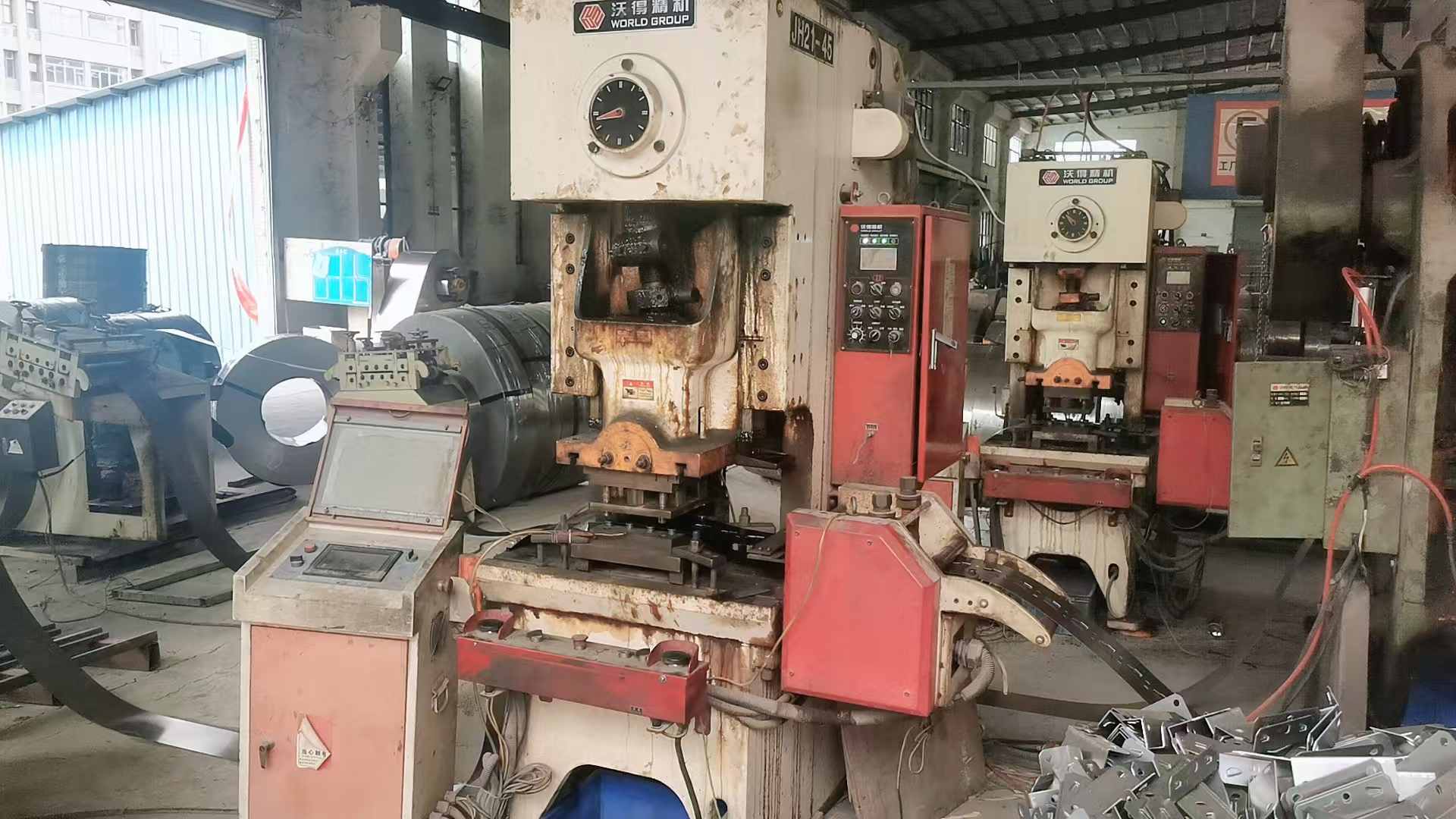
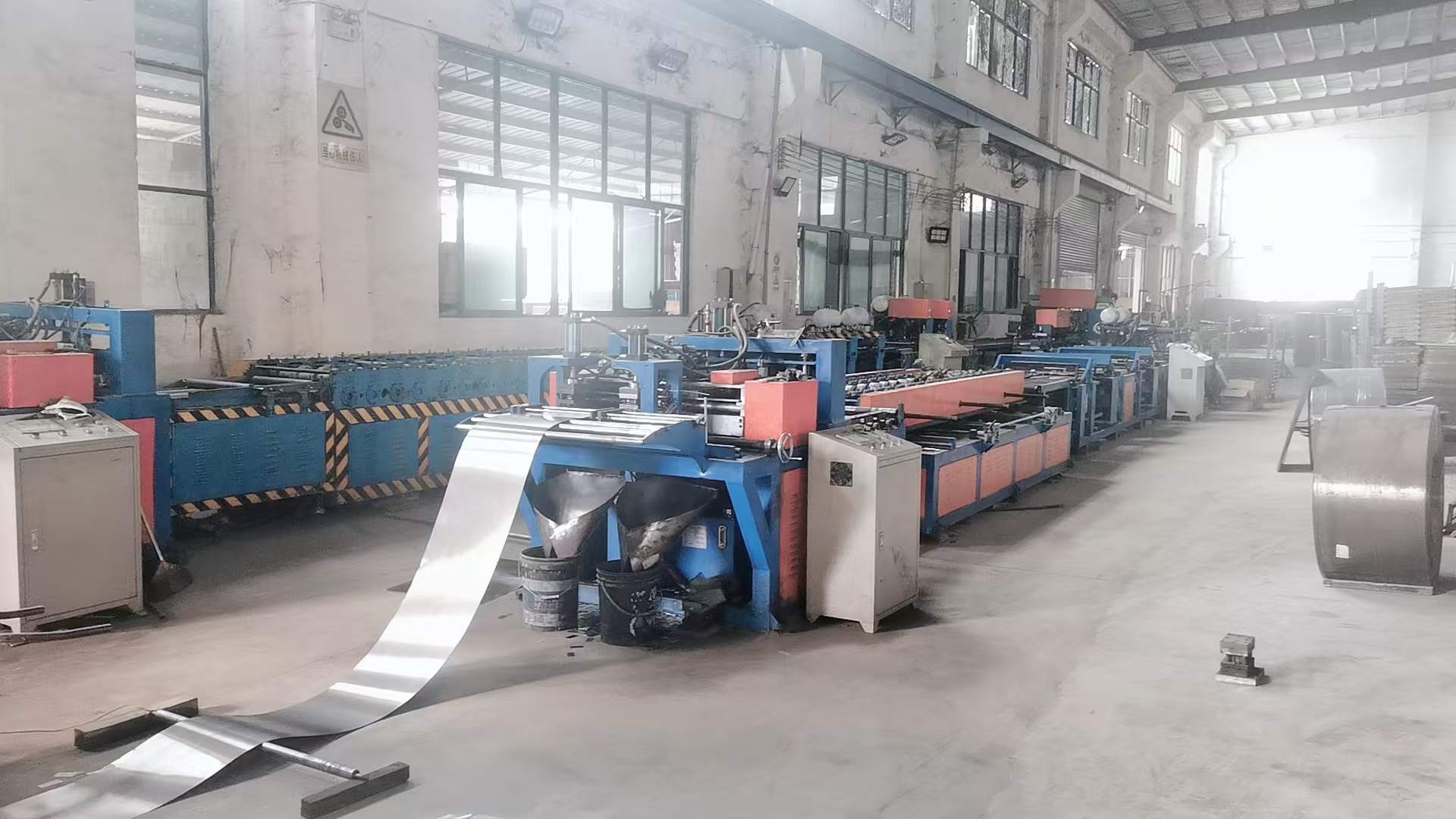
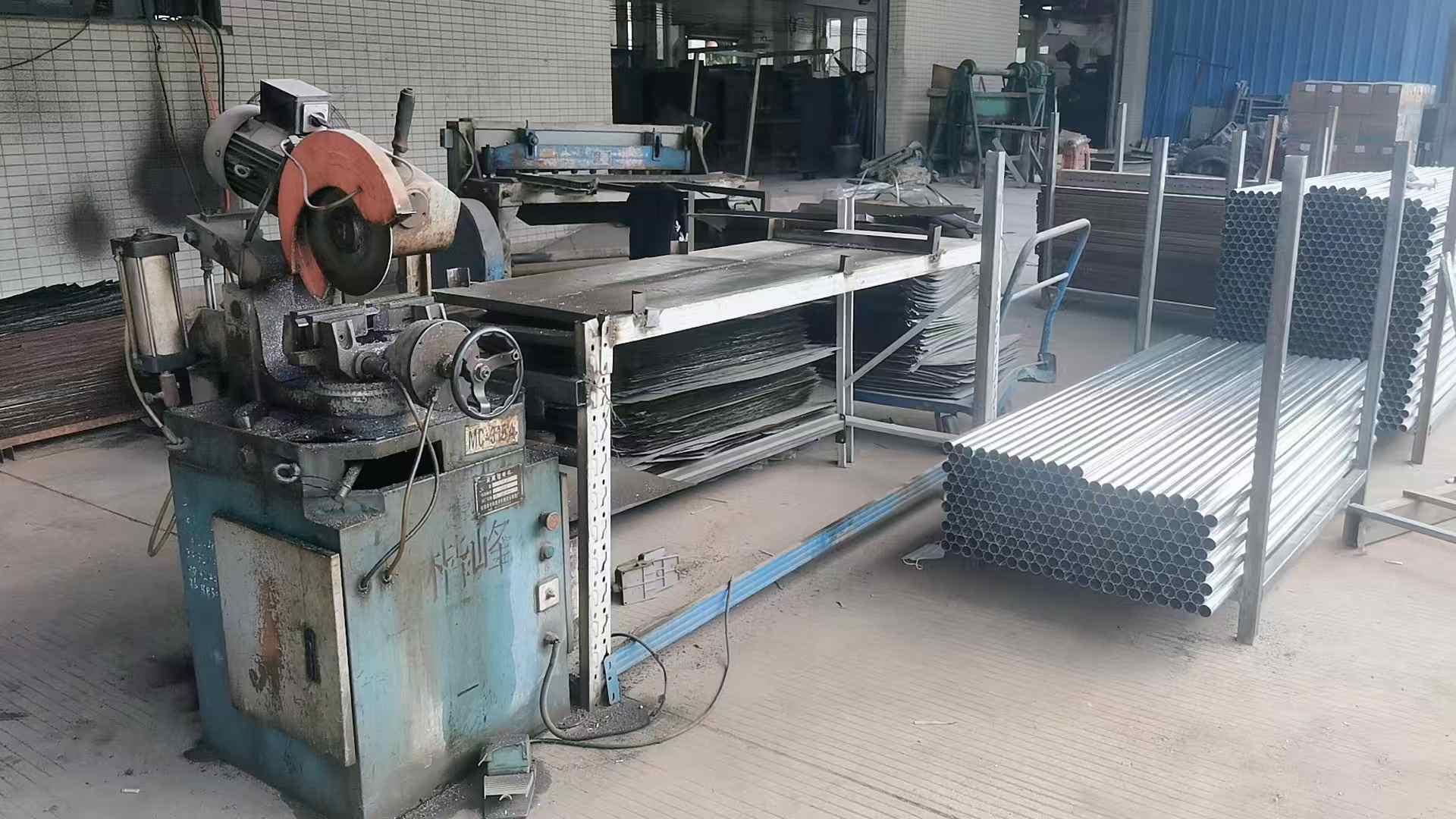
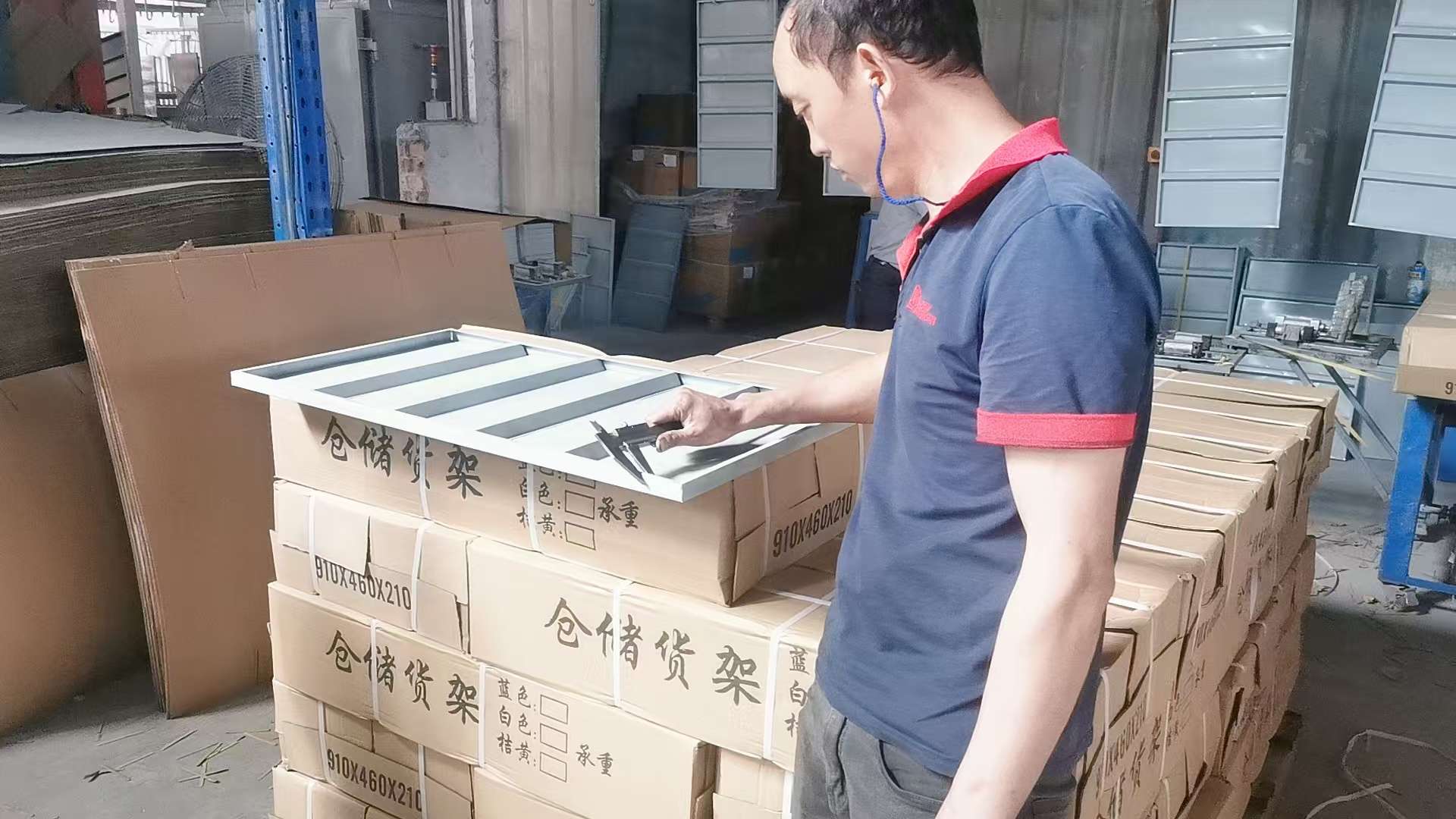
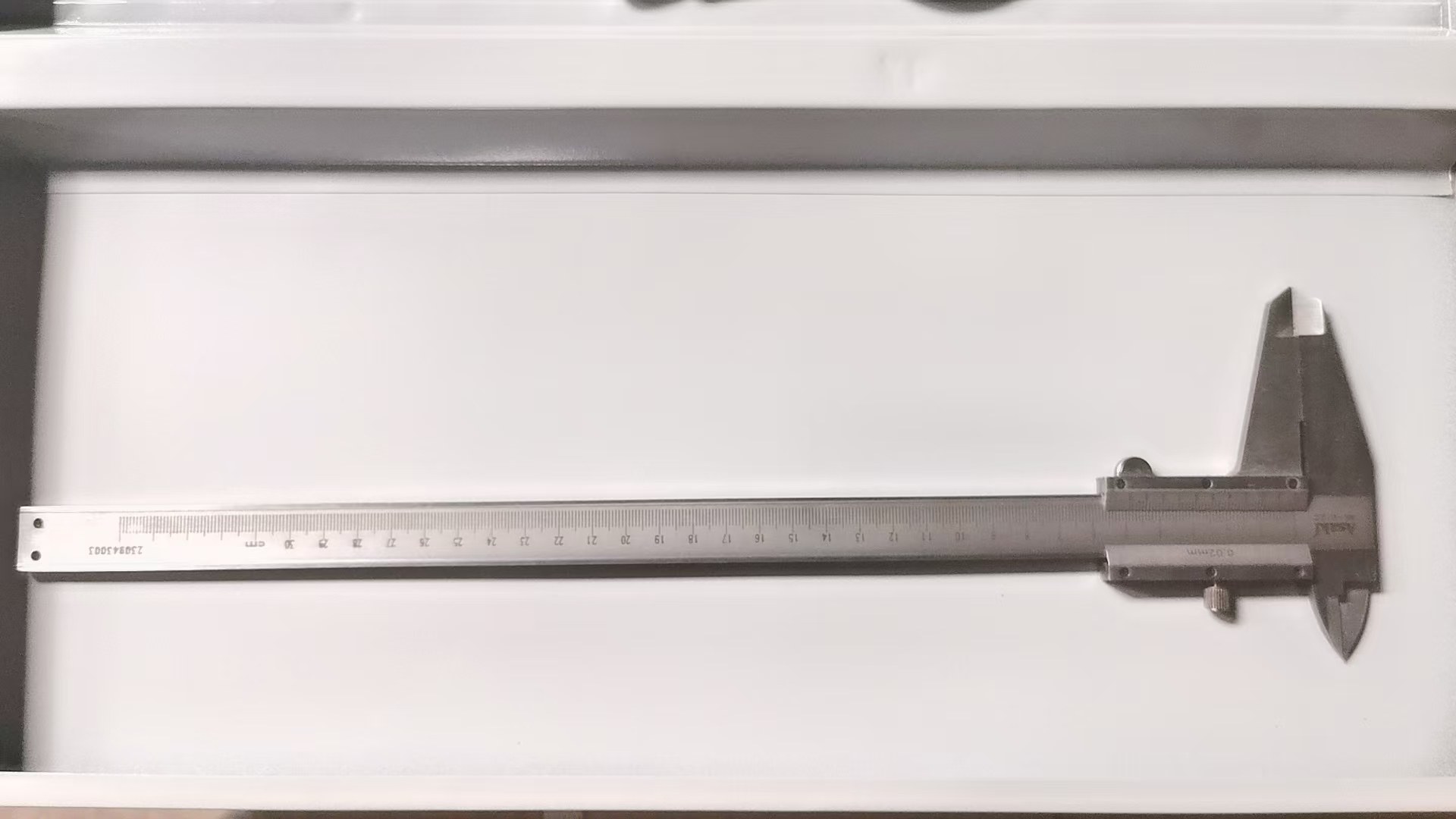
Operating out of an 18,500 square meter state-of-the-art facility, Hui Lian integrates raw material purchasing directly with automated roll-forming and laser-bending cells. This structure helps minimize typical supply chain bottlenecks and allows us to consistently export US$18 million worth of high-tolerance storage structures annually to North America, Europe, Southeast Asia, and the Middle East. With 56 dedicated quality control inspectors and advanced measuring instruments (such as Vernier Calipers and micrometers), we ensure that every batch of upright posts, step beams, and shelf panels matches the precise engineering specifications required by UK businesses.
From raw coil steel to finished powder-coated components ready for container shipping:
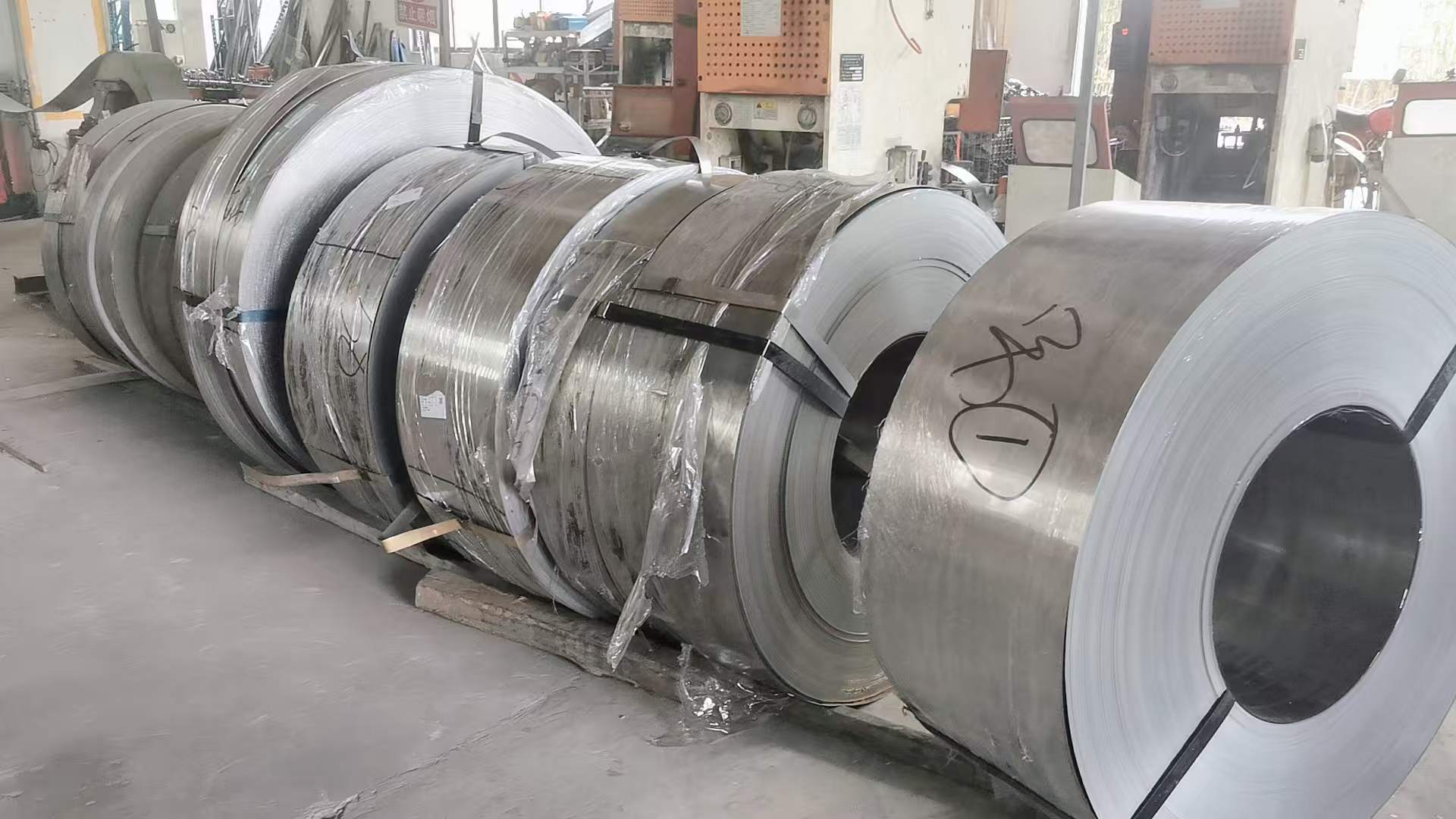
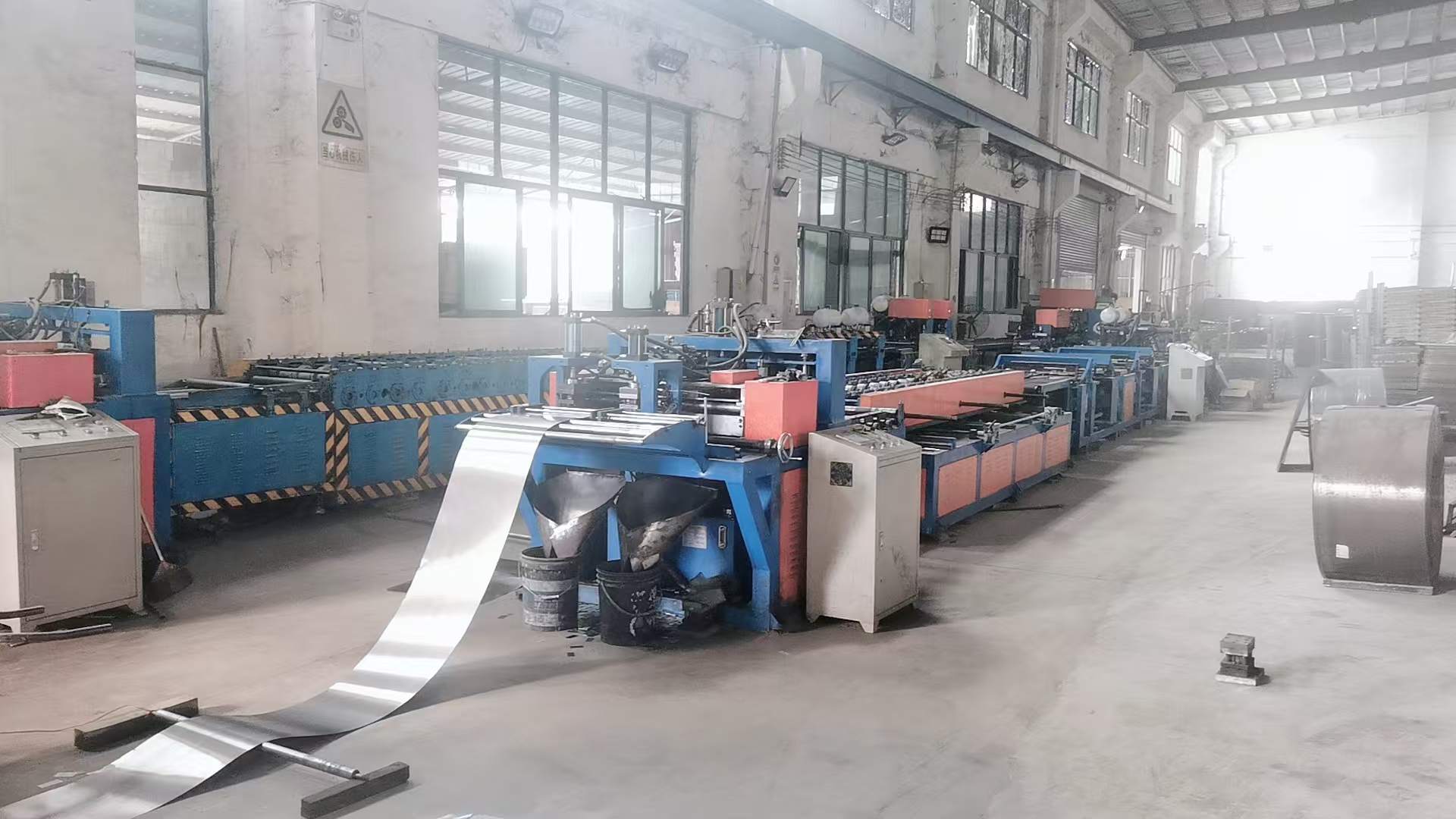
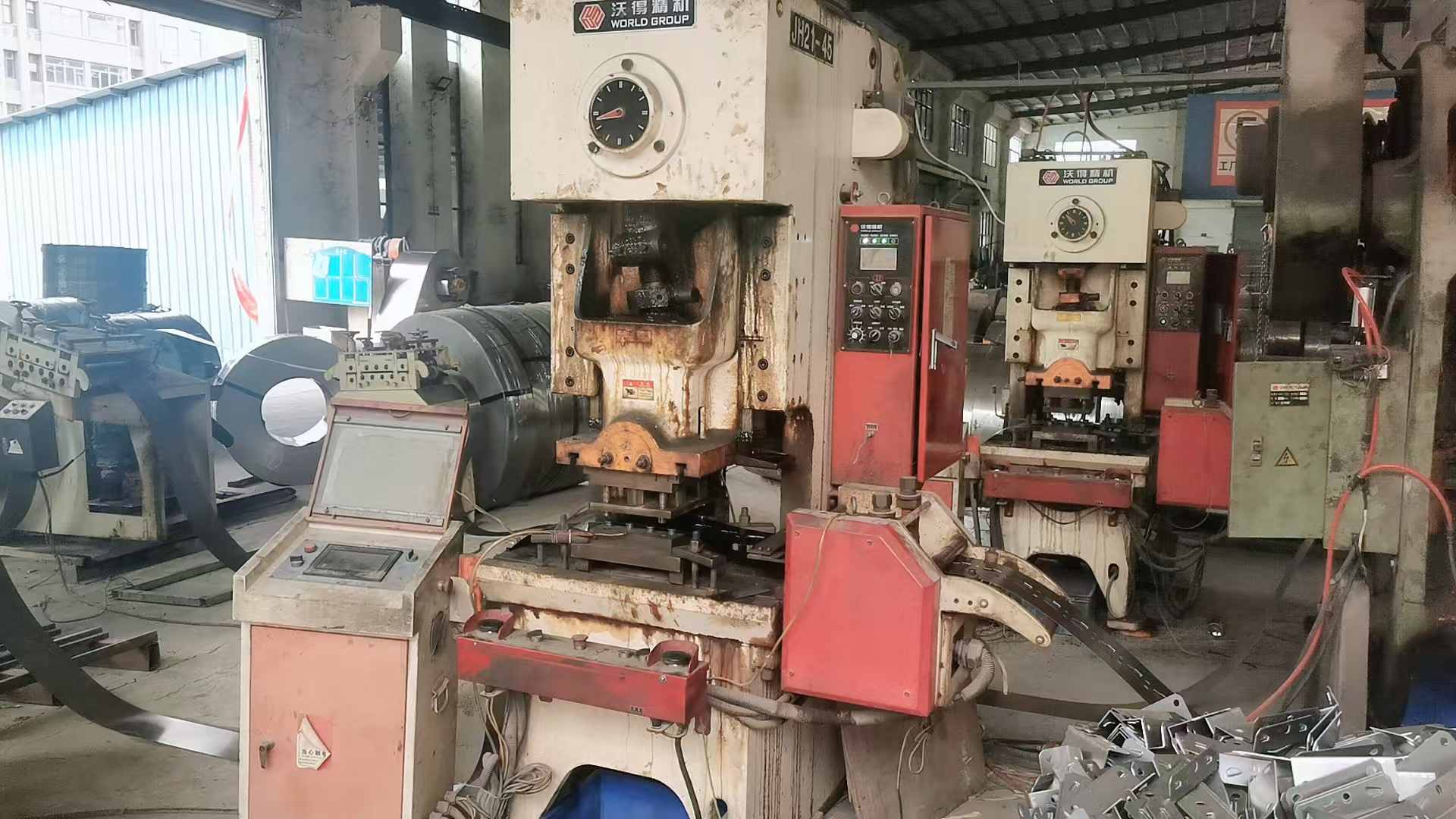
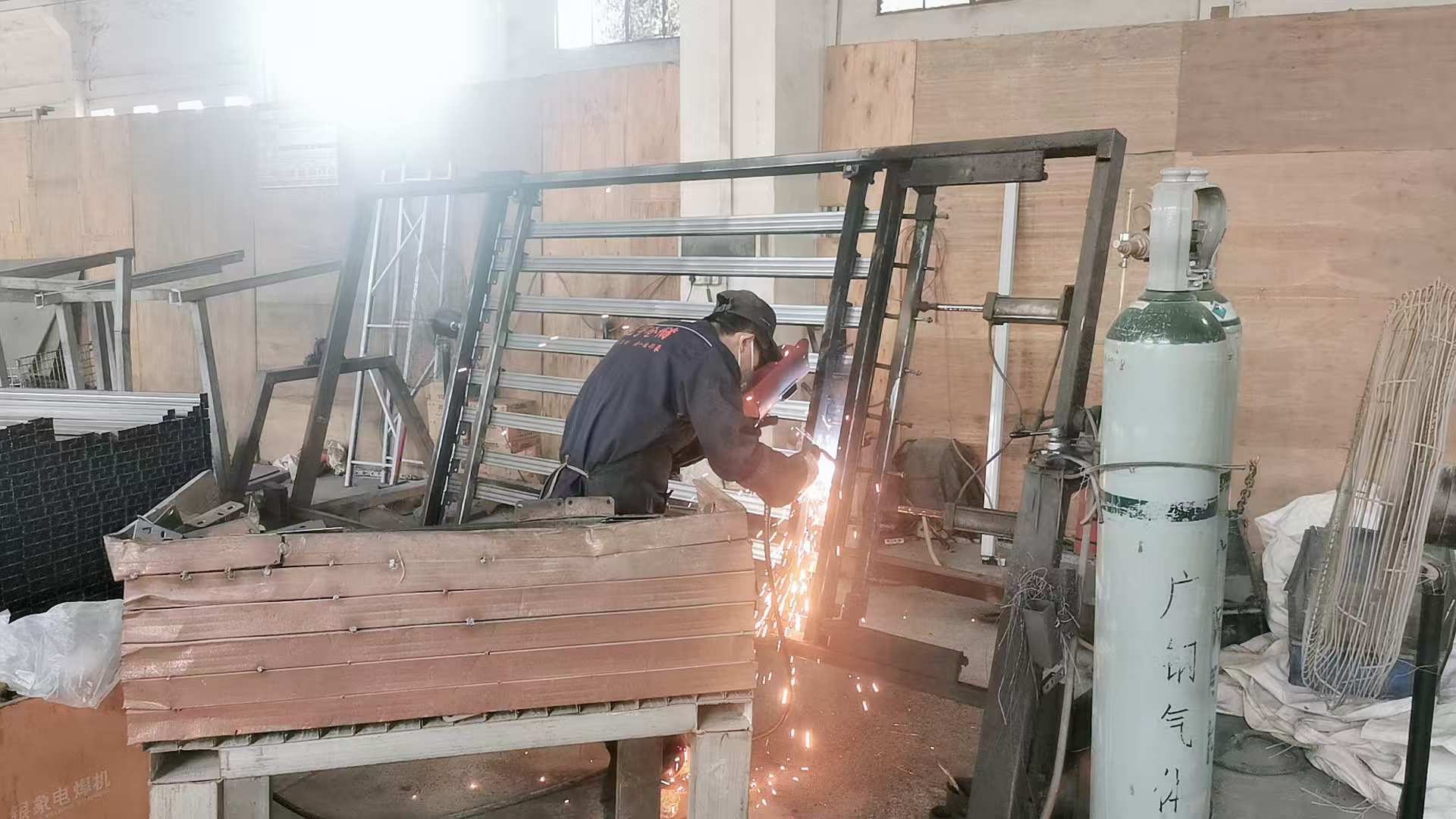
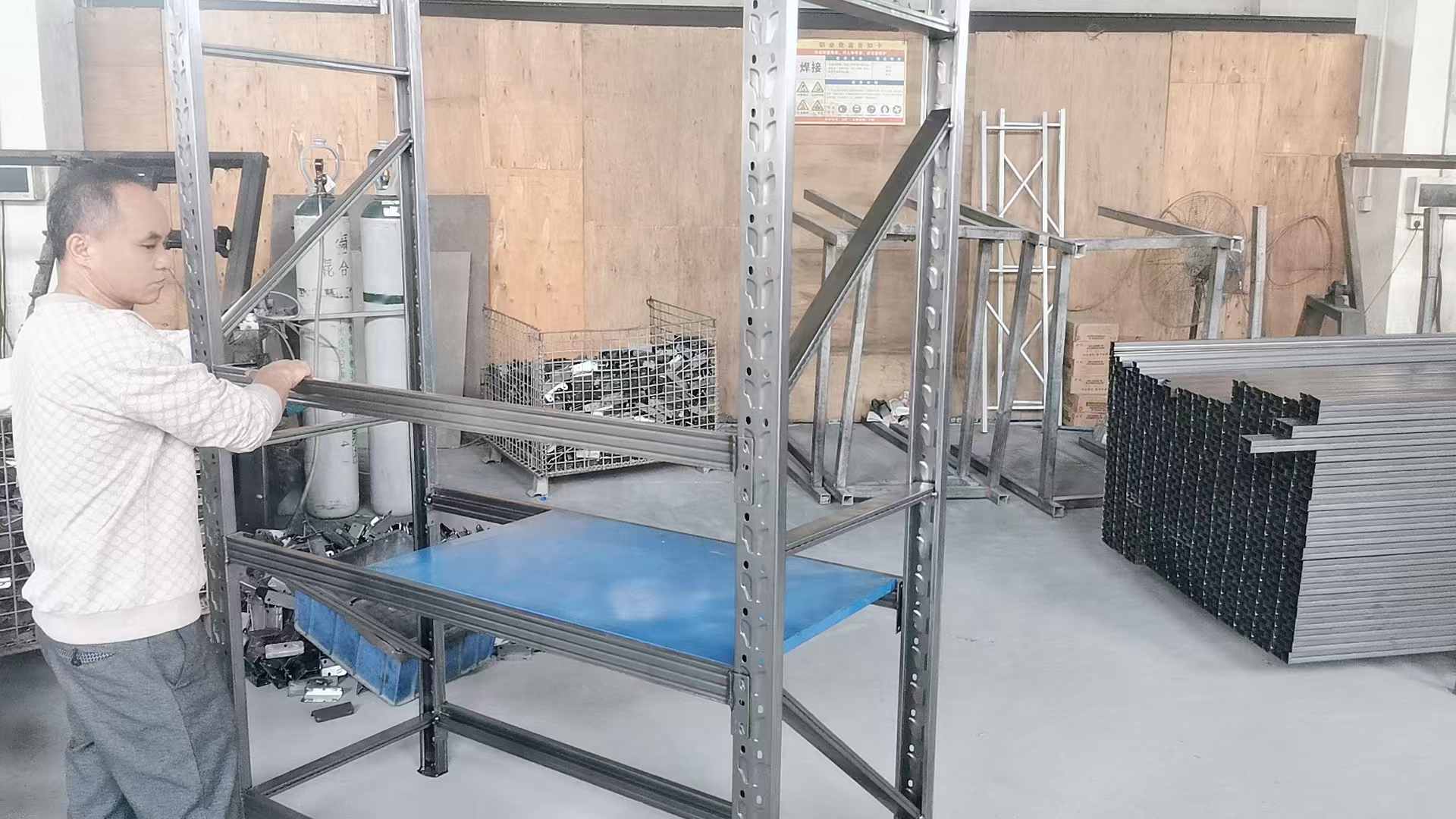
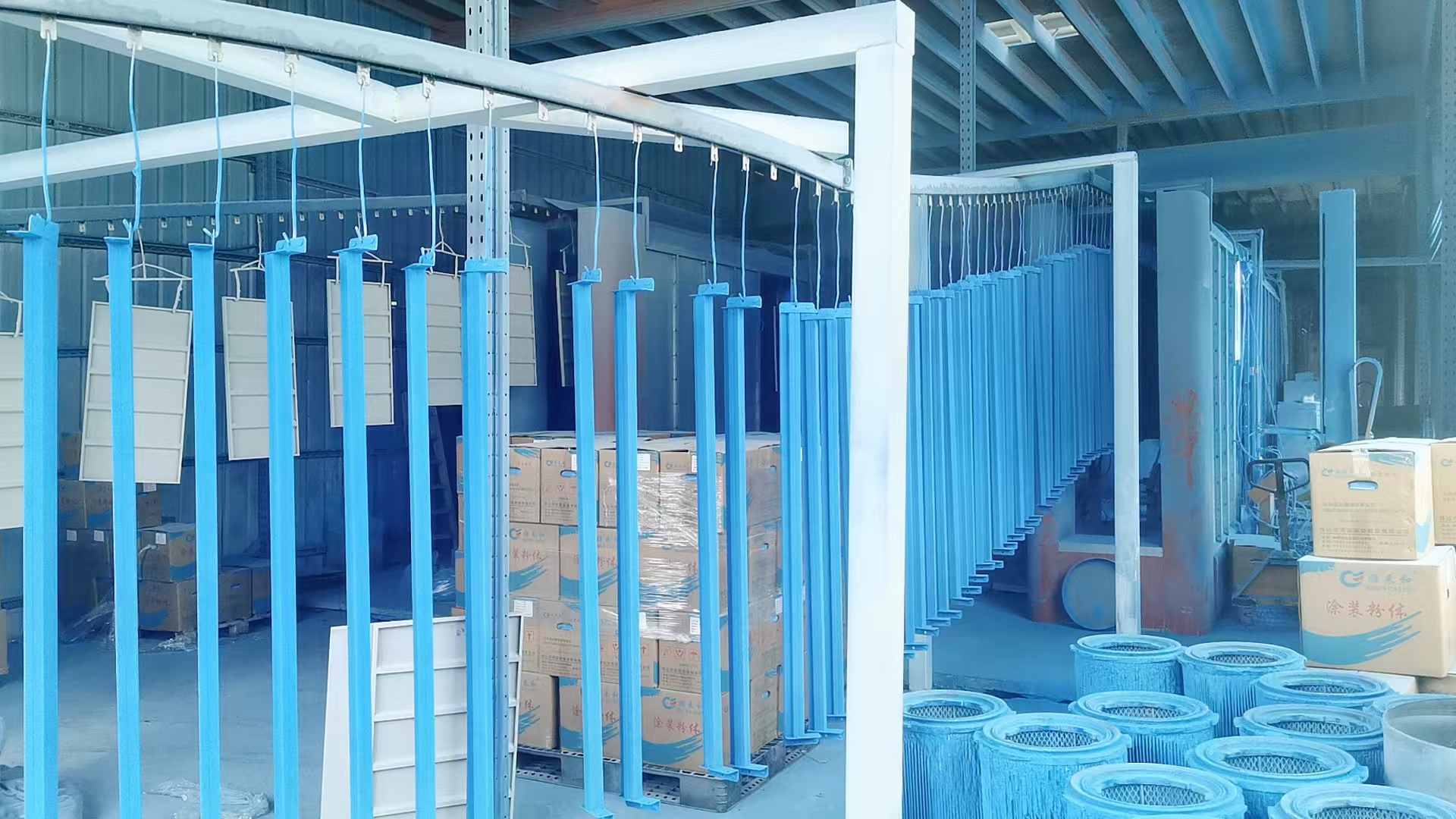
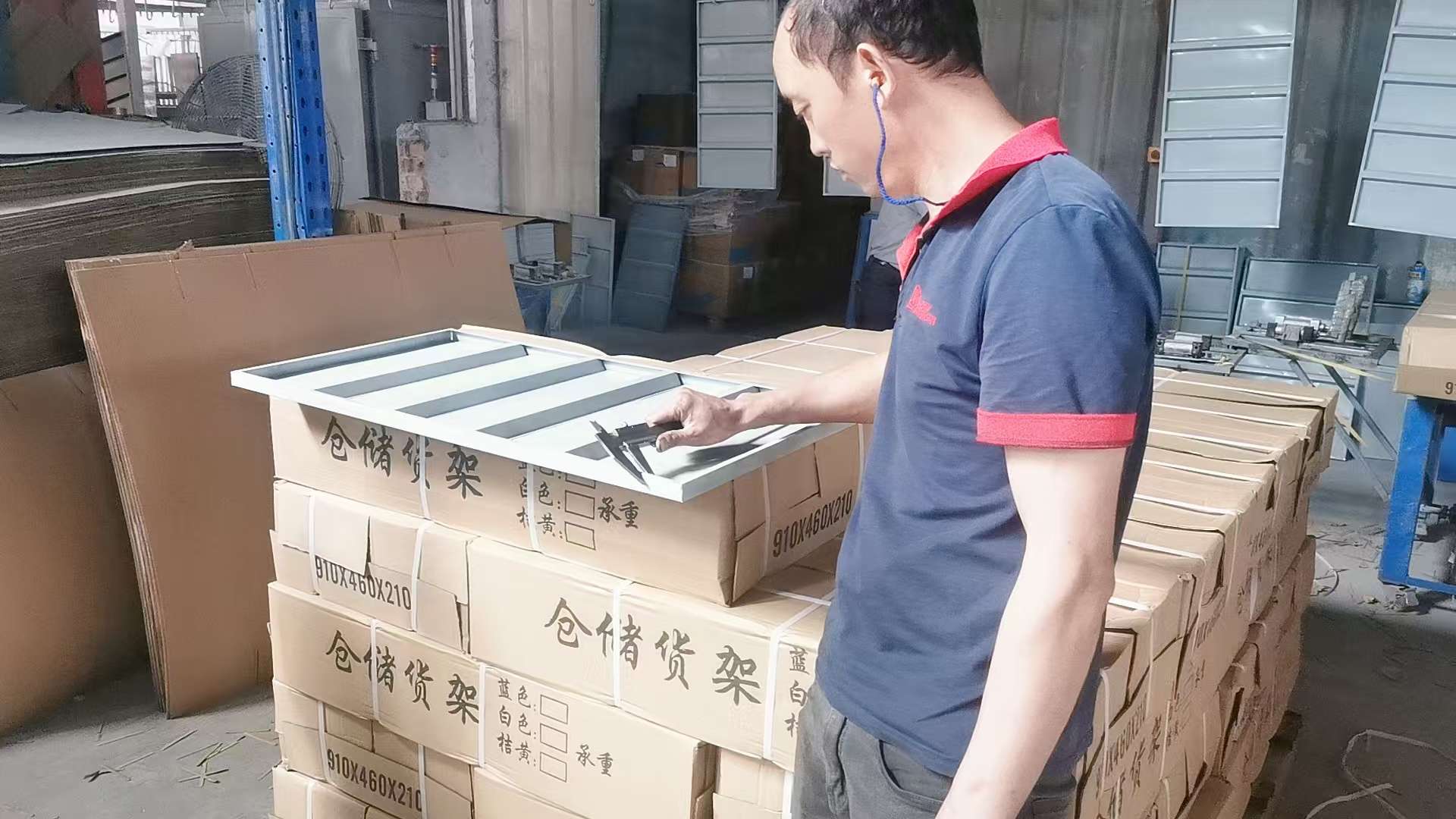
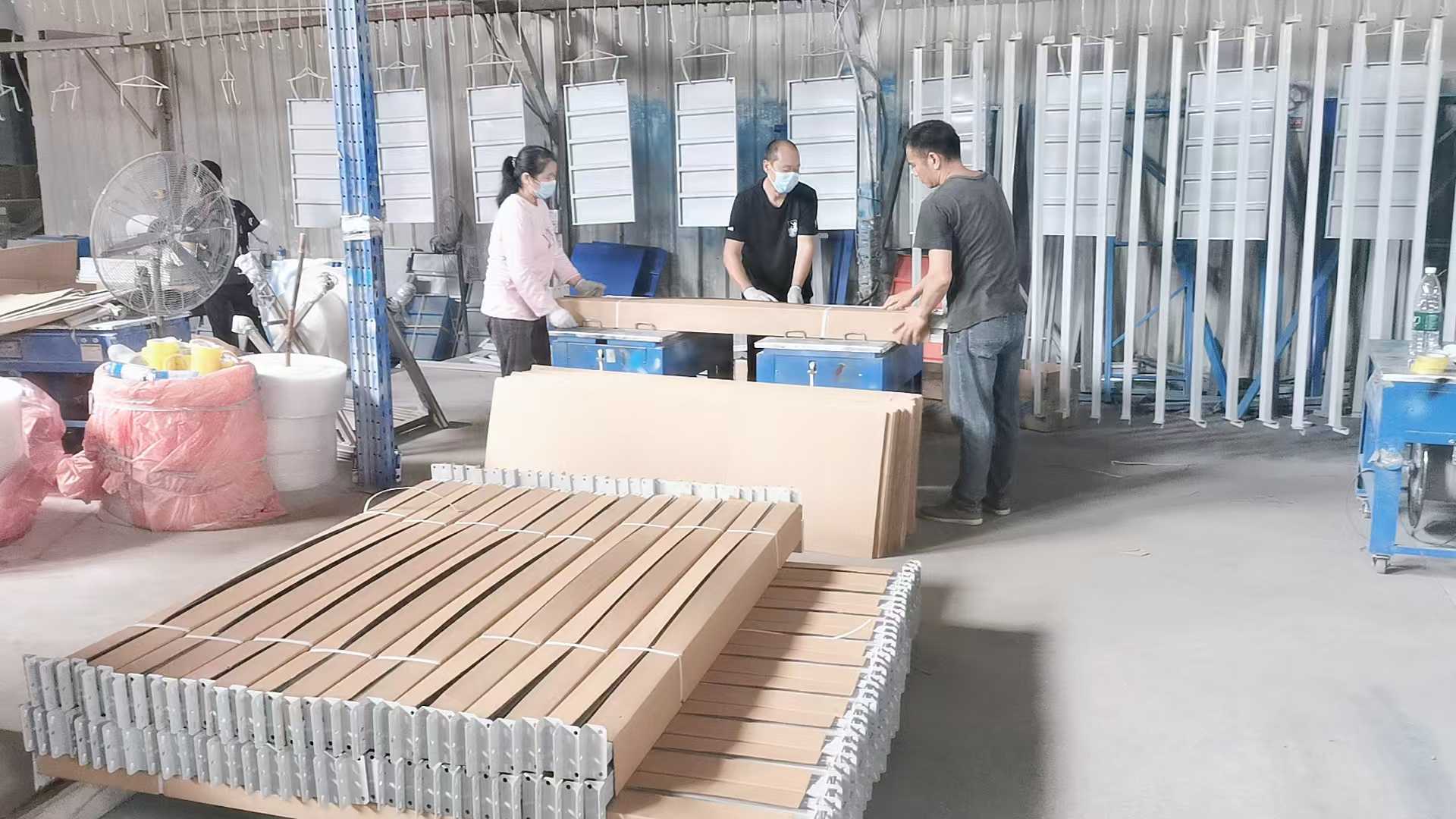
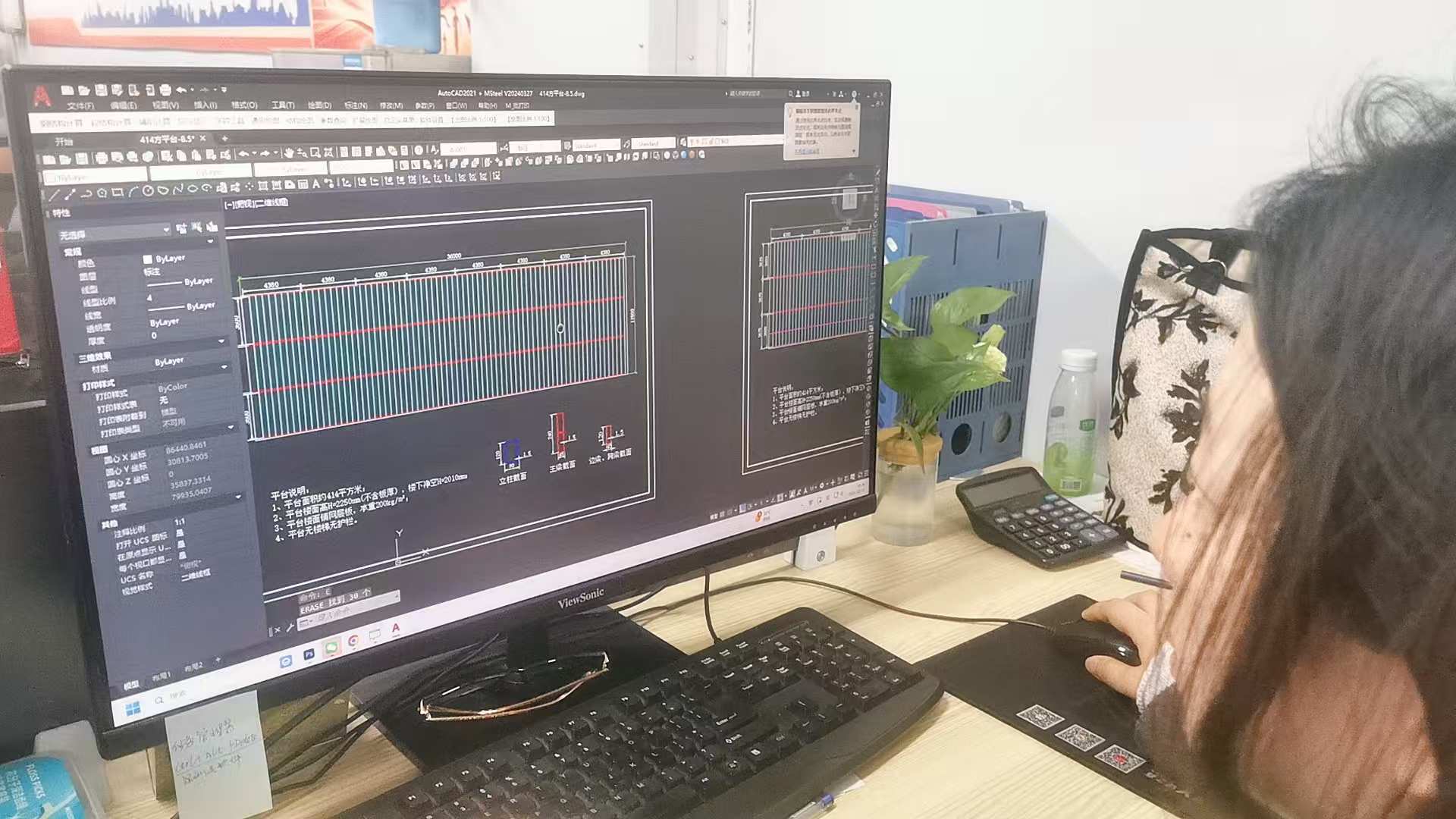
Investing in high-precision technology to ensure structural compliance with global safety standards:
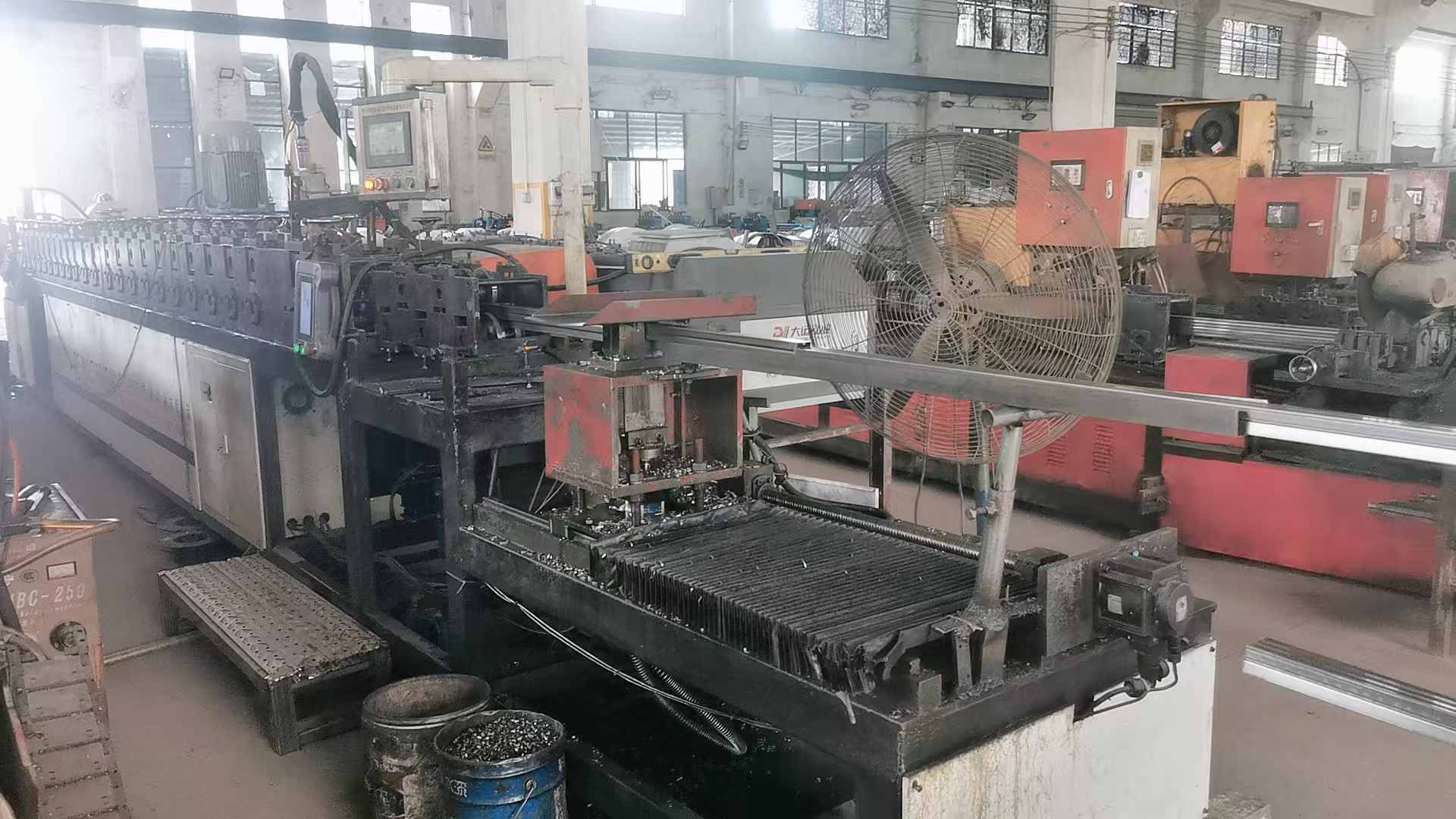

Assuring Absolute Legal Compliance and Structural Integrity on Site
In the United Kingdom, commercial storage racks are classified as "work equipment" under the Provision and Use of Work Equipment Regulations (PUWER) 1998. Racking systems are subject to annual independent inspections by SEMA-certified inspectors. Failing to maintain compliant structures can lead to operational downtime, steep fines, and liability.
Hui Lian's structural designs closely follow BS EN 15635 (Steel Static Storage Systems - Application and Maintenance of Storage Equipment) and standard SEMA tolerance guidelines:
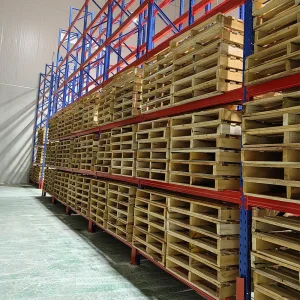
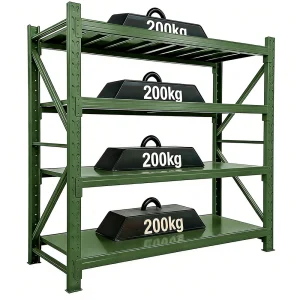
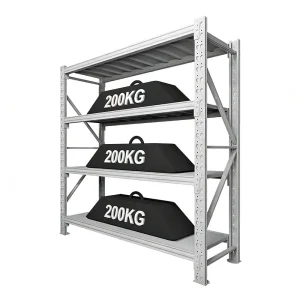
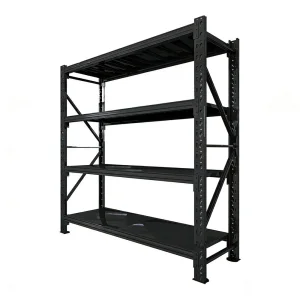
Engineered to Support Heavy, Medium, and Light-Duty Distribution Requirements
Resolving Technical and Logistics Questions for Industrial Buyers
 Hui Lian