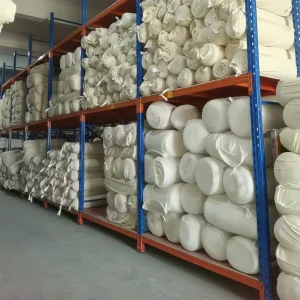
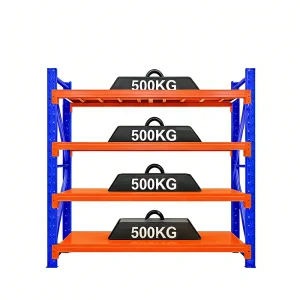
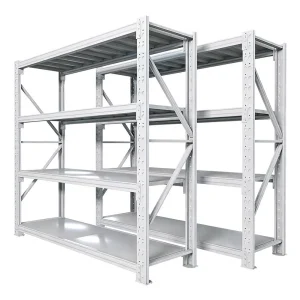
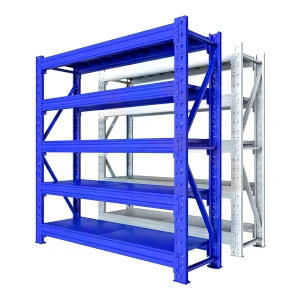
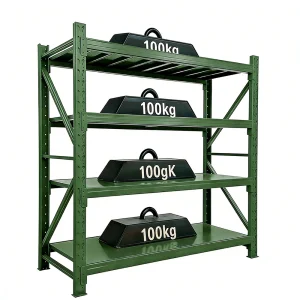
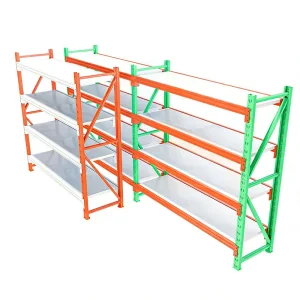
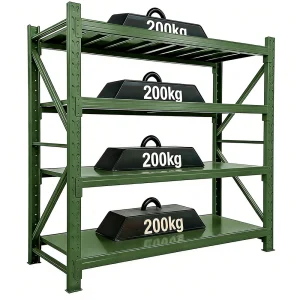
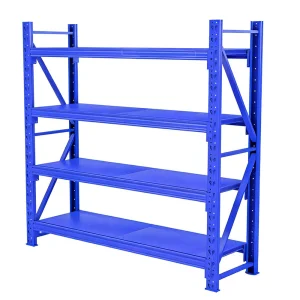
Engineered to maximize vertical height limits in Osaka Bay logistic centers and manufacturing zones.
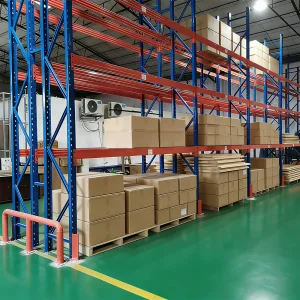
Osaka, serving as the commercial and logistical core of the Kansai region in Japan, presents a unique set of challenges and opportunities for warehouse storage layout. Key logistical hubs like the Osaka Port Area (Nanko), Yumeshima, and the inland industrial clusters in Higashiosaka require structural steel solutions that optimize vertical limits. Real estate prices in these areas command high premiums, pushing supply chain operators to transition from wide-aisle ground storage to high-density vertical systems.
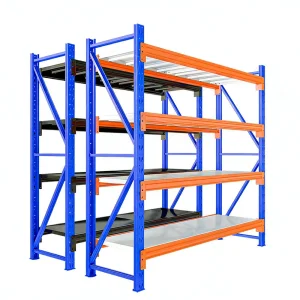
Furthermore, Japan's strict adherence to structural engineering codes means storage systems must resist seismic activities (under JIS standard frameworks). The standard keyhole storage rack serves as a high-capacity option for this specific landscape. Featuring a boltless structural locking system, keyhole connections self-tighten under heavy weight loads, protecting structural integrity from shifting dynamic frequencies. In cleanroom environments like pharmaceutical hubs near Toyonaka or microelectronics sectors, our corrosion-resistant and electrostatic-discharge powder coatings meet strict Japanese environmental criteria.
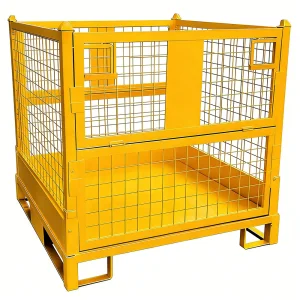
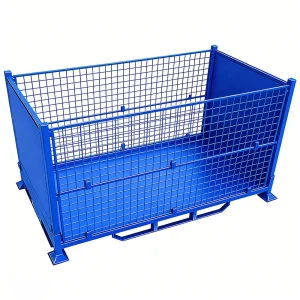
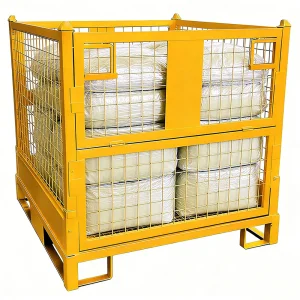
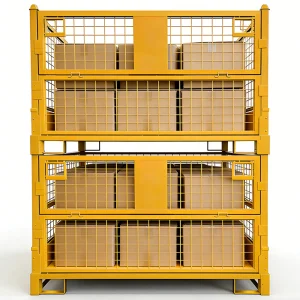
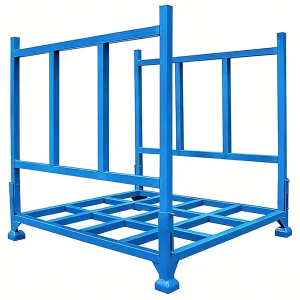
Optimized for structural integrity, easy handling, and dynamic transport configurations.
In structural design for warehousing in seismic areas like Osaka, the choice of column-to-beam connection is critical. The keyhole connection pattern relies on a tapered engagement where the rivet stud settles deeply into the base under gravitational load. When dynamic ground movement occurs, this connection accommodates load adjustments without structural shearing, reducing the risk of catastrophic weld failure compared to standard bolt configurations.
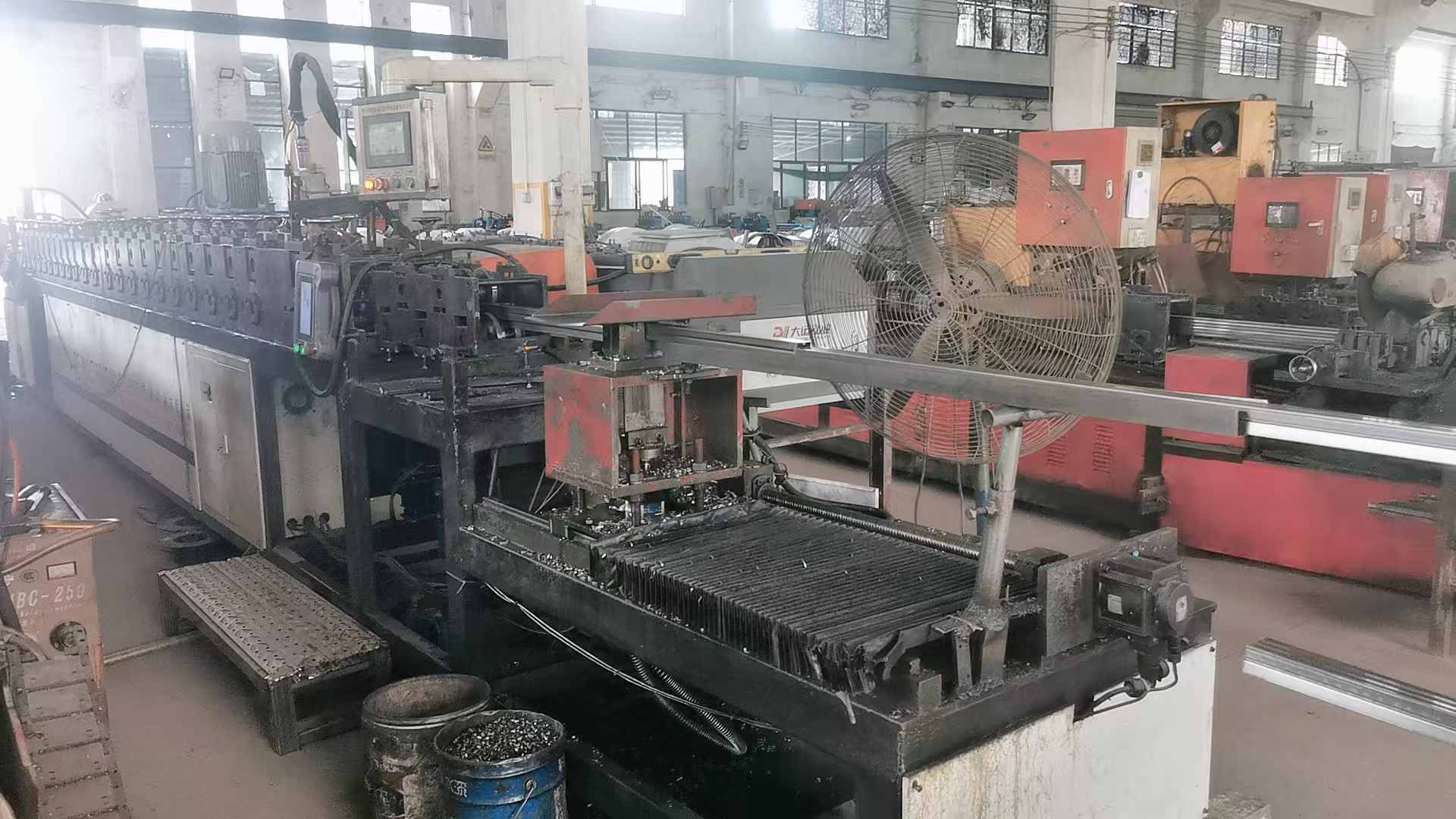
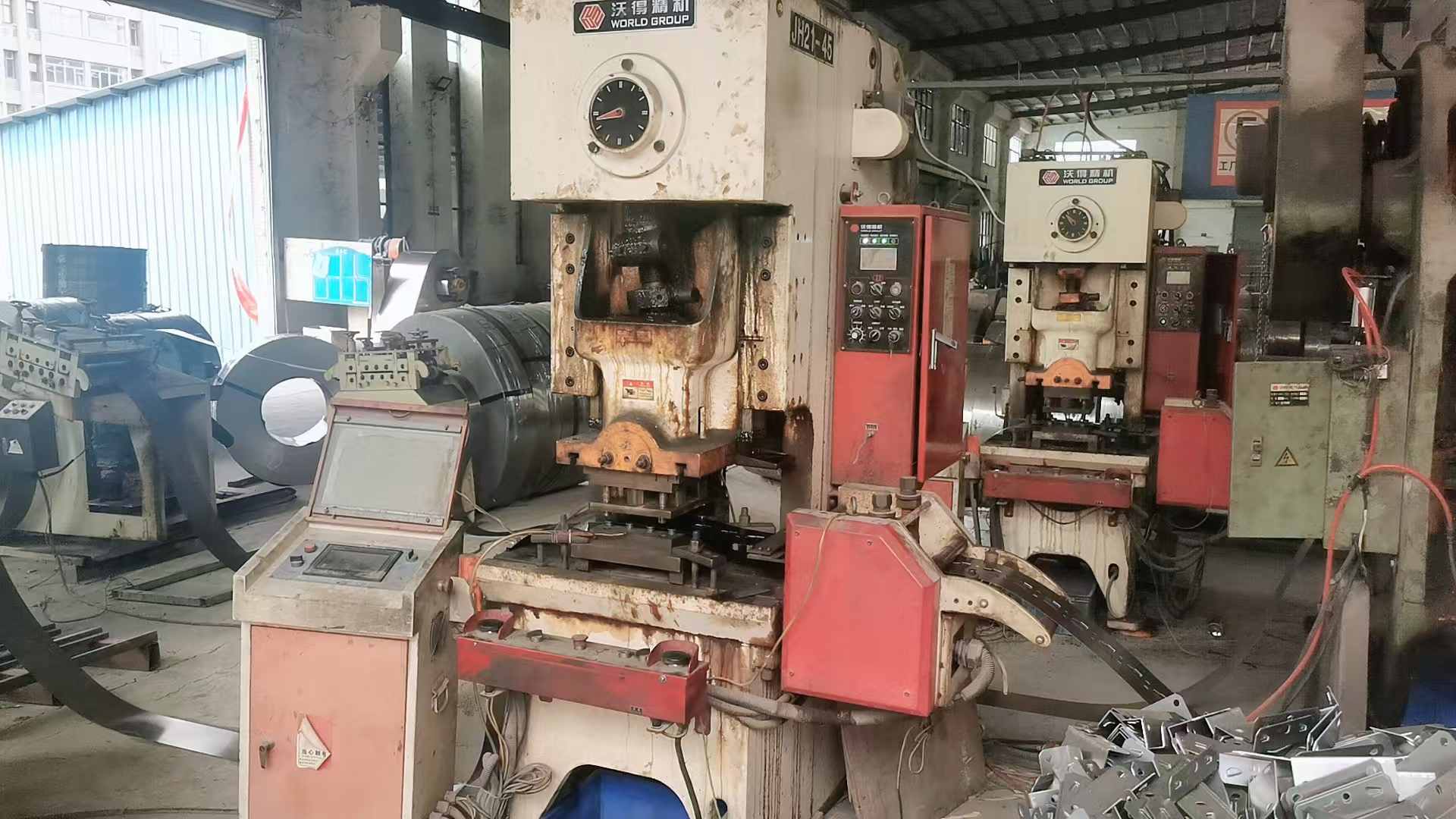
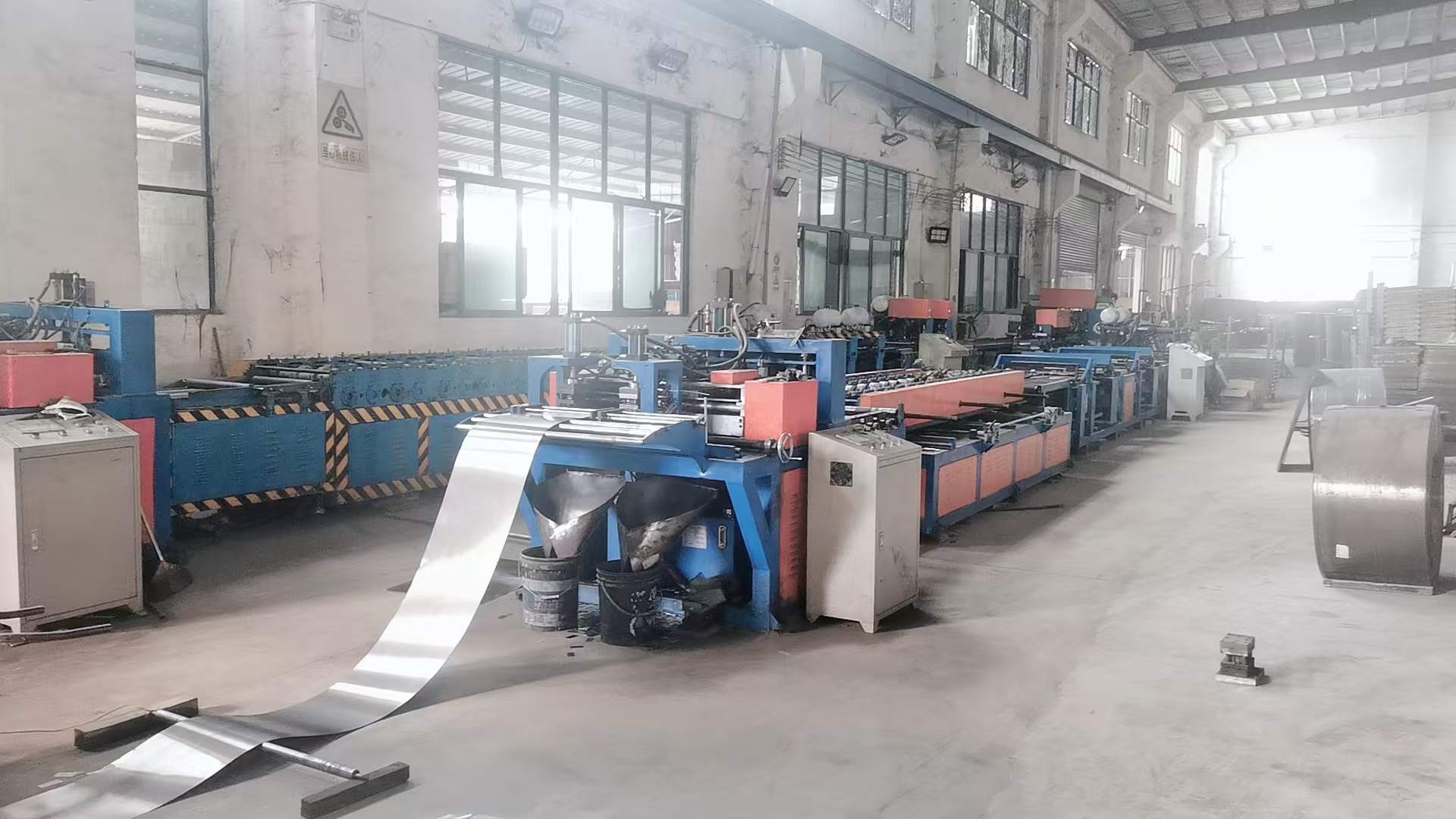
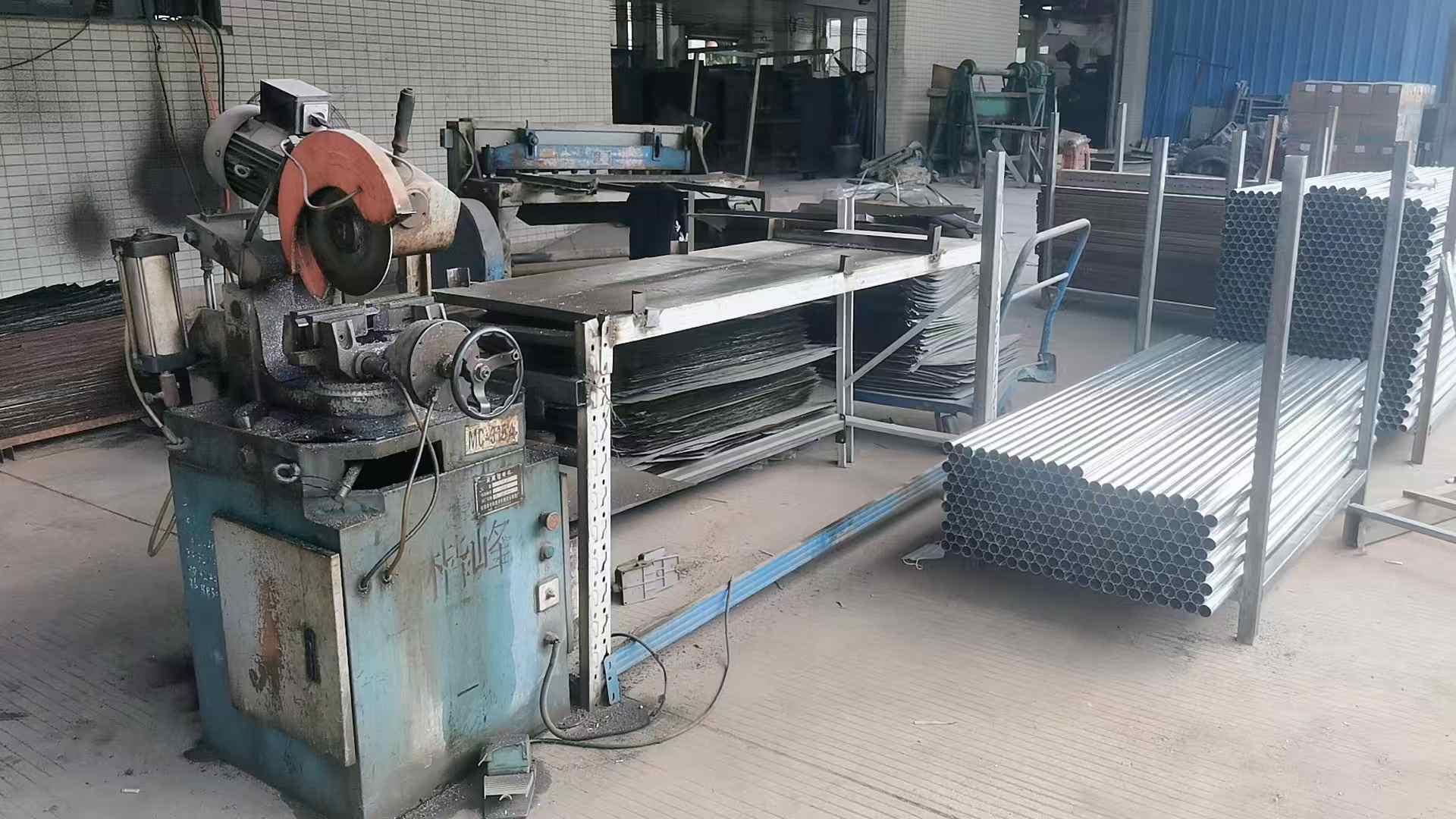
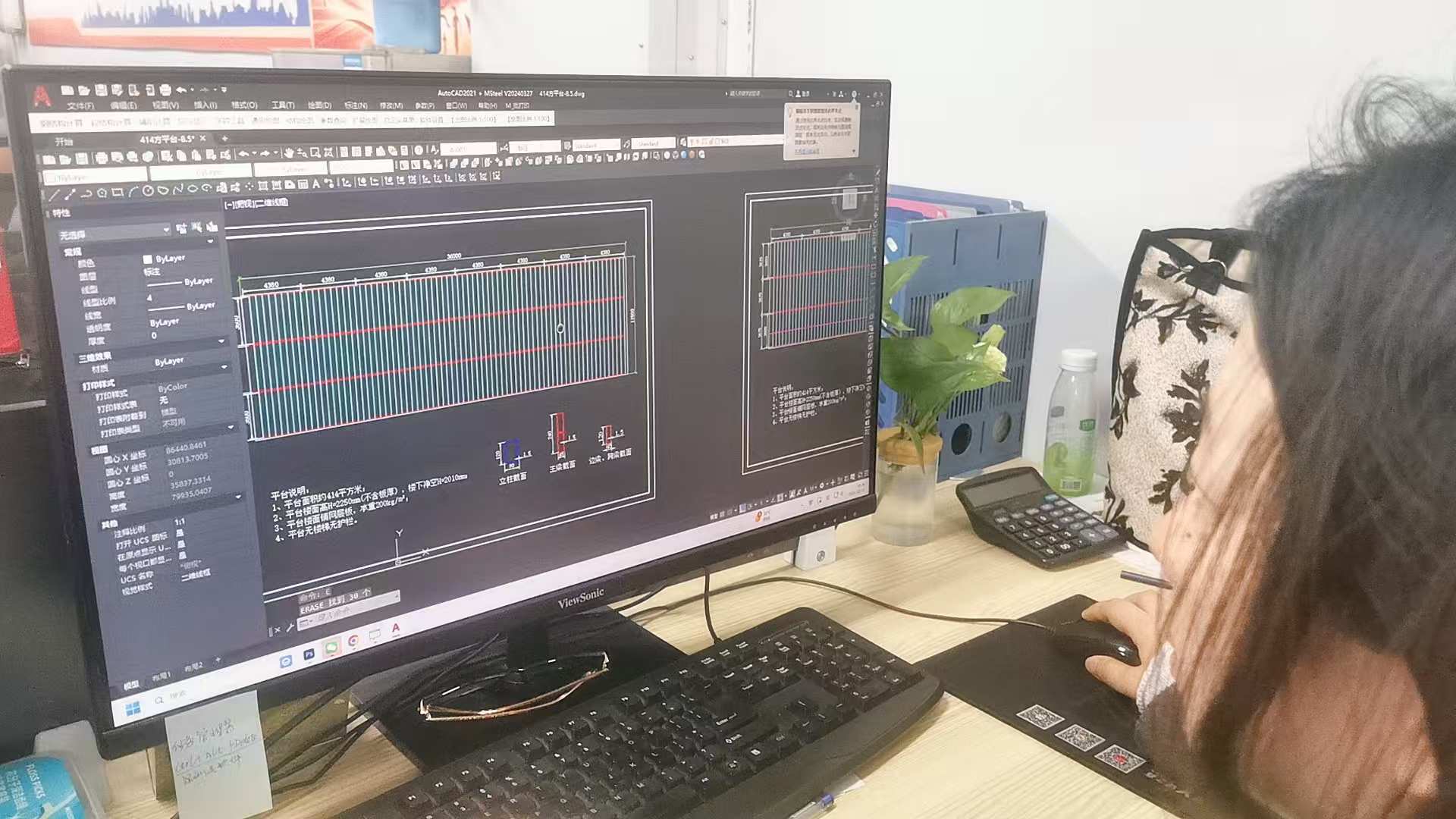
To support this structural profile, our engineering team uses Finite Element Analysis (FEA) to simulate specific Japanese seismic profiles. Using raw Q235B cold-rolled steel, the upright profiles are formed through specialized multi-stage cold-roll machinery, resulting in uniform thickness and profile dimensions. This manufacturing precision minimizes structural deviations that could affect load distribution across long racking spans.
Our quality verification processes are tailored to the regulatory expectations of global logistics buyers, including Japanese trading houses (Sogo Shosha). We execute a multi-tier quality assurance protocol:
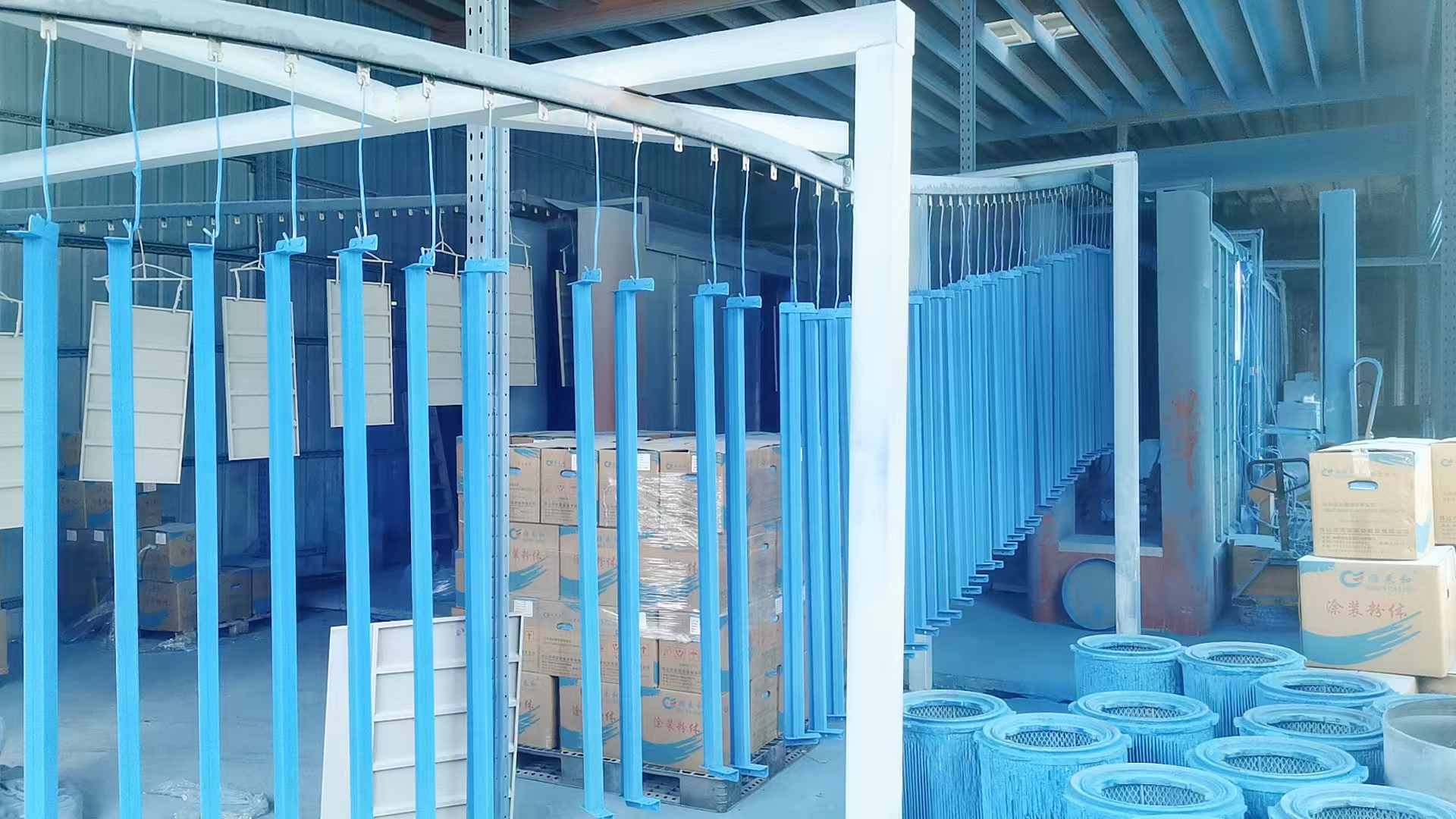
Visualizing the manufacturing sequence from raw steel coil processing to quality check packaging.
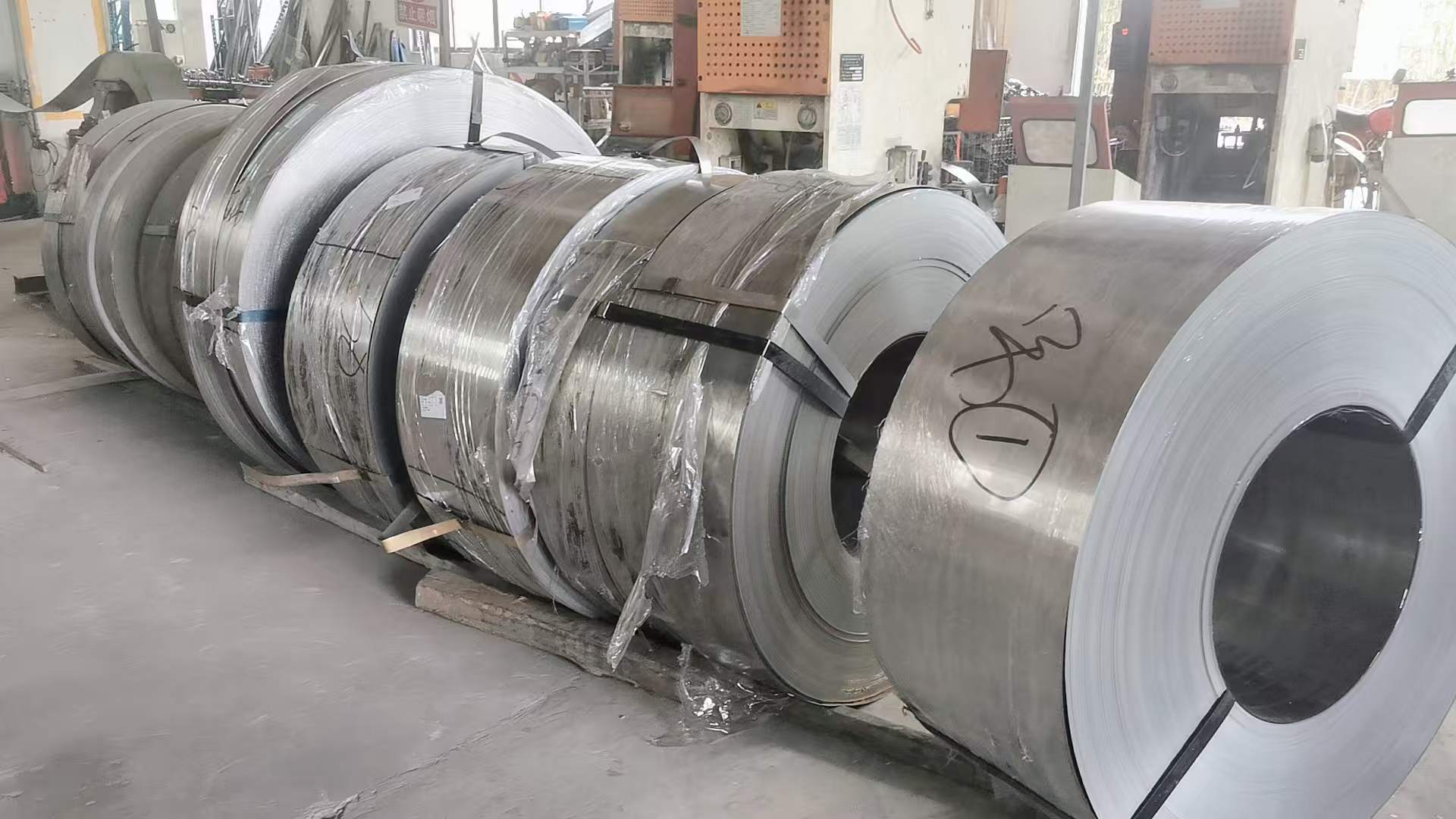
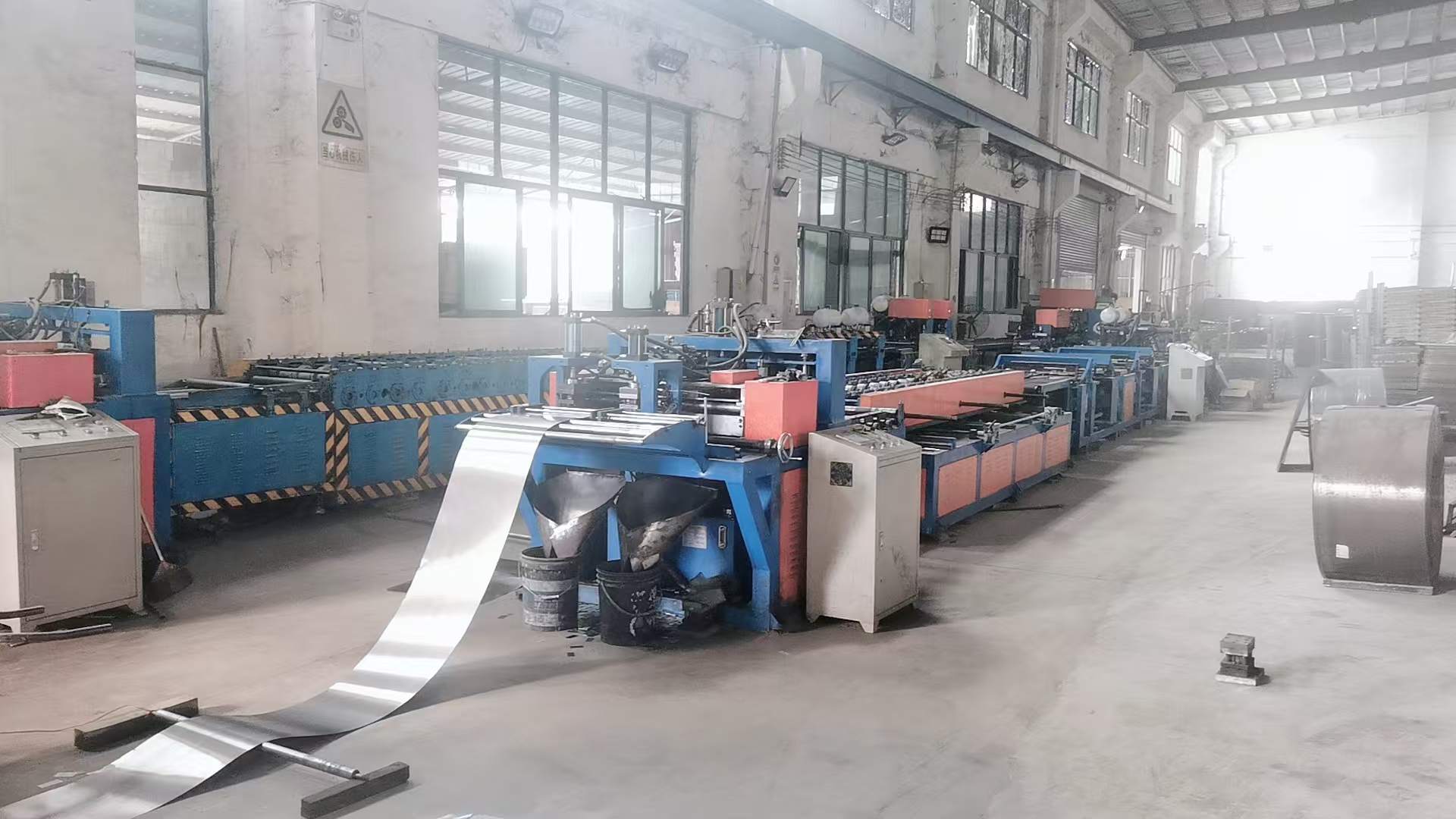
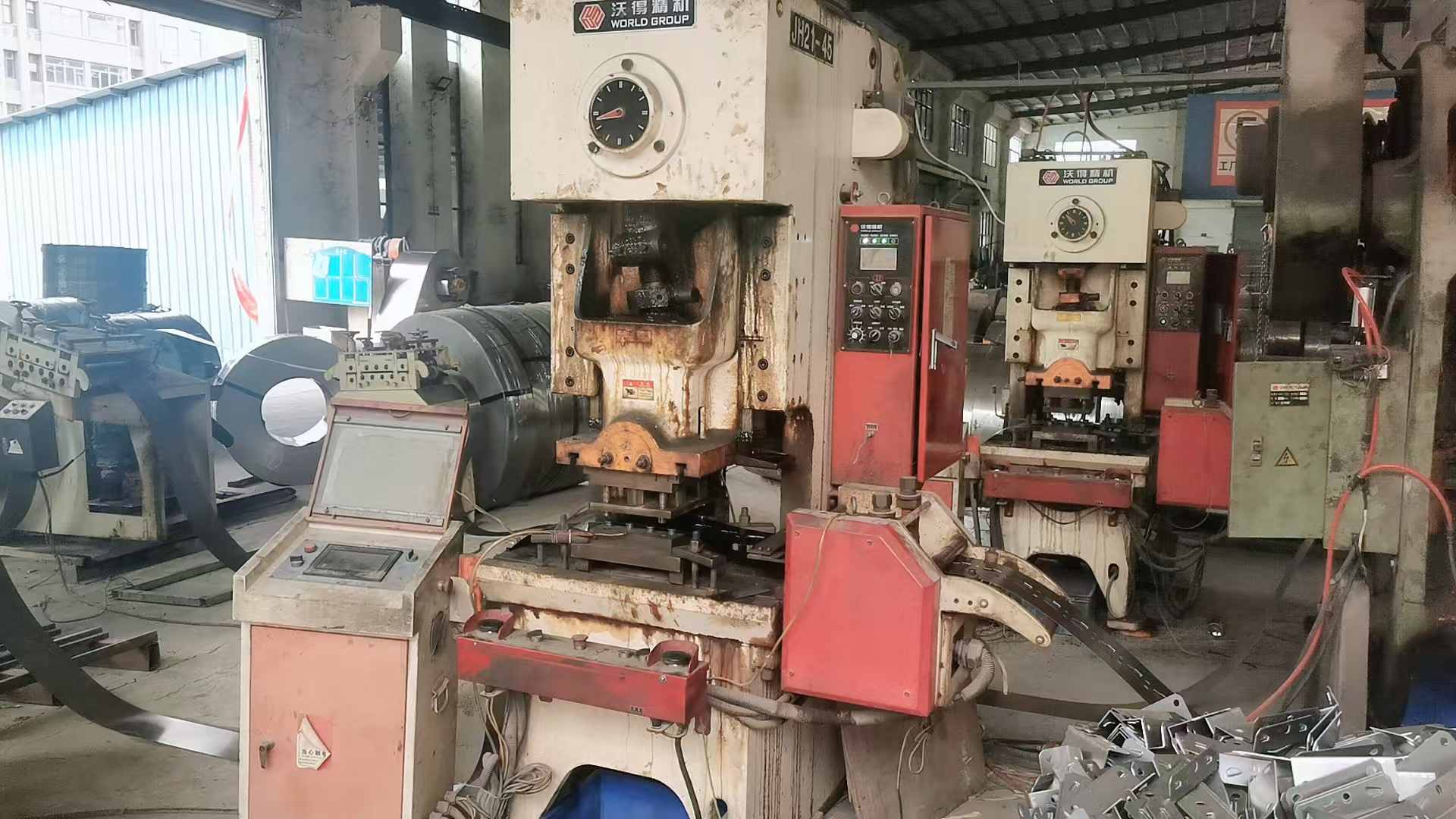
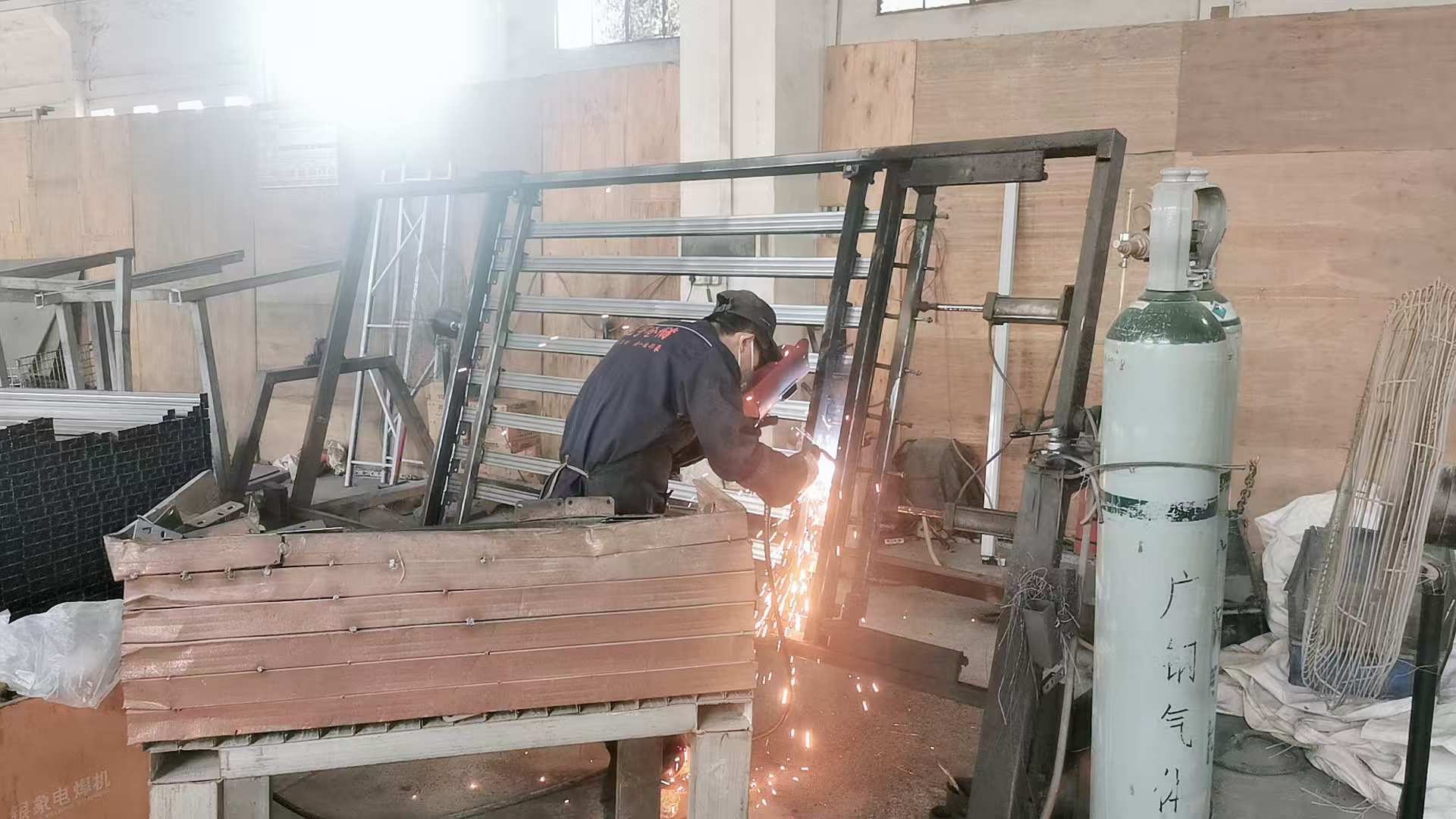
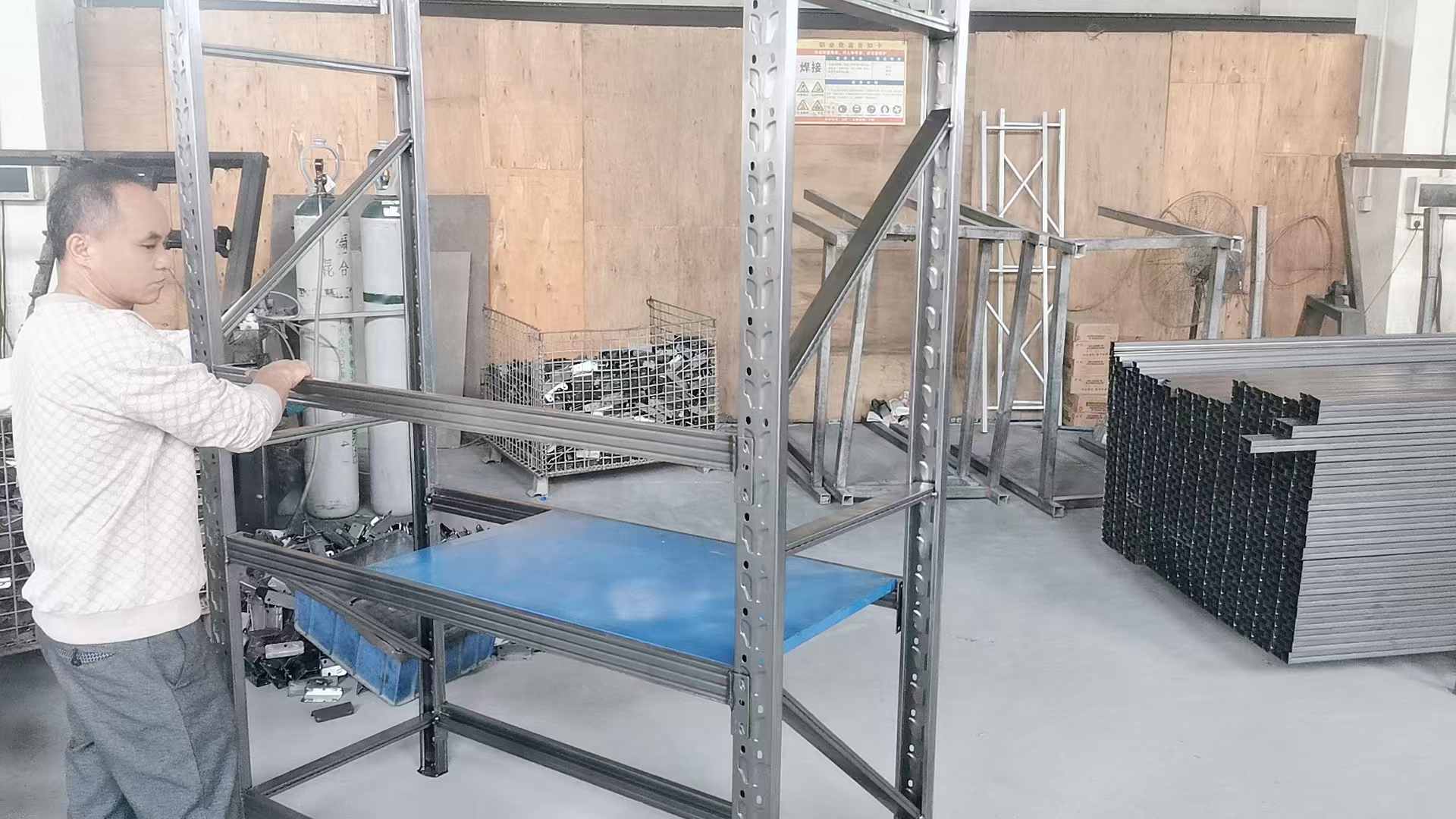
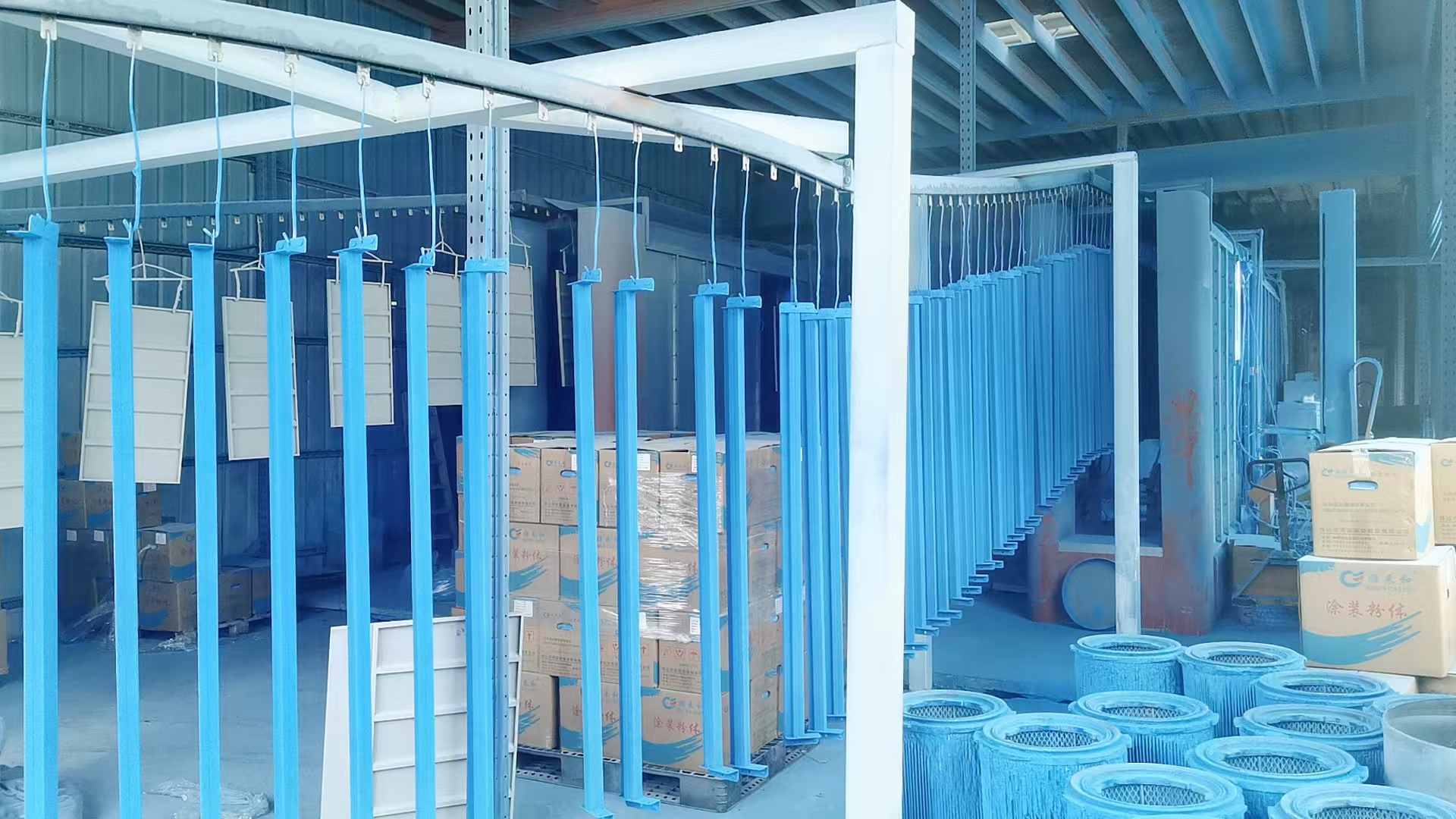
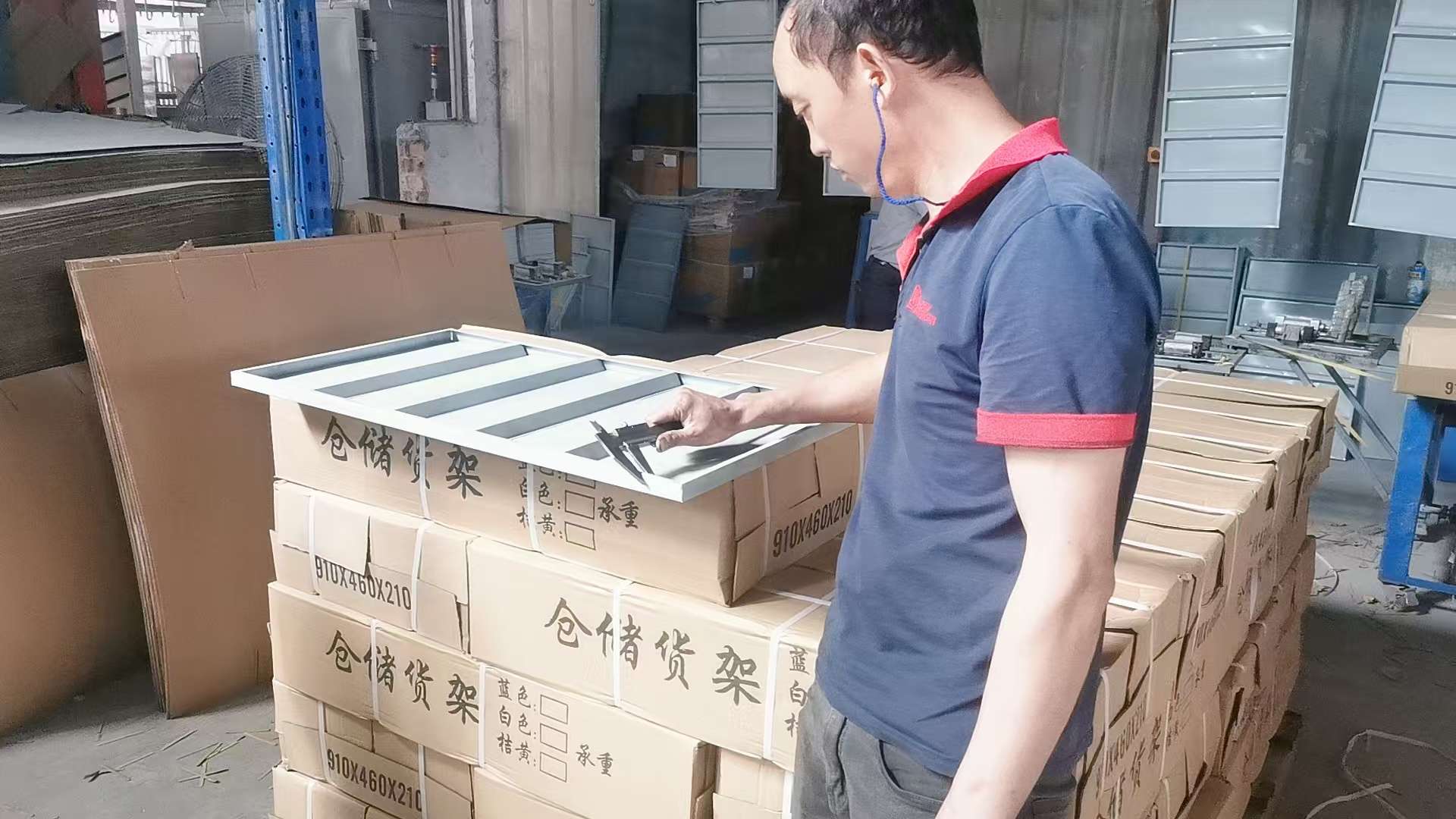
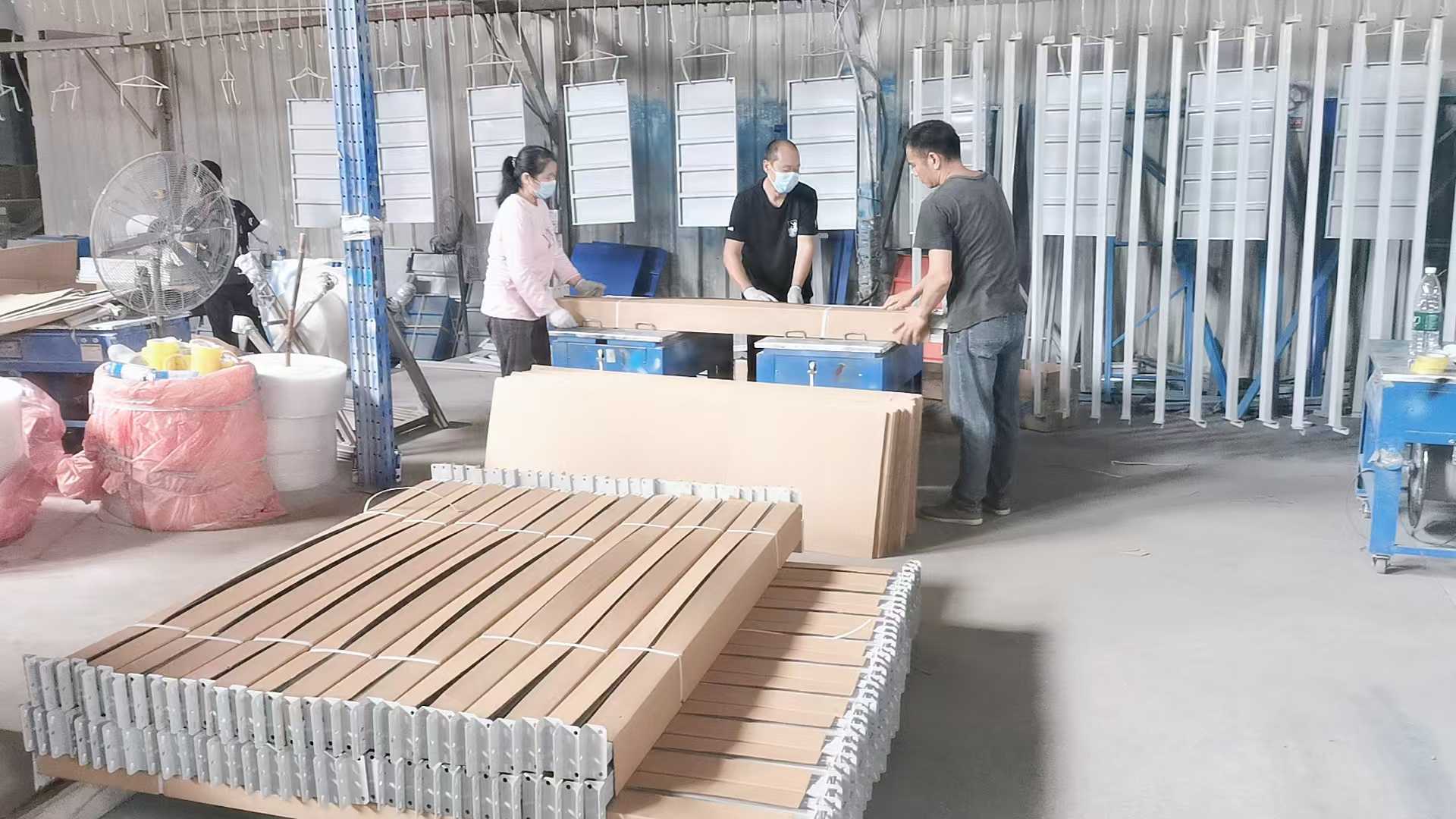
Our facility houses high-speed automated roll forming, robotic welding, and automated finishing systems.
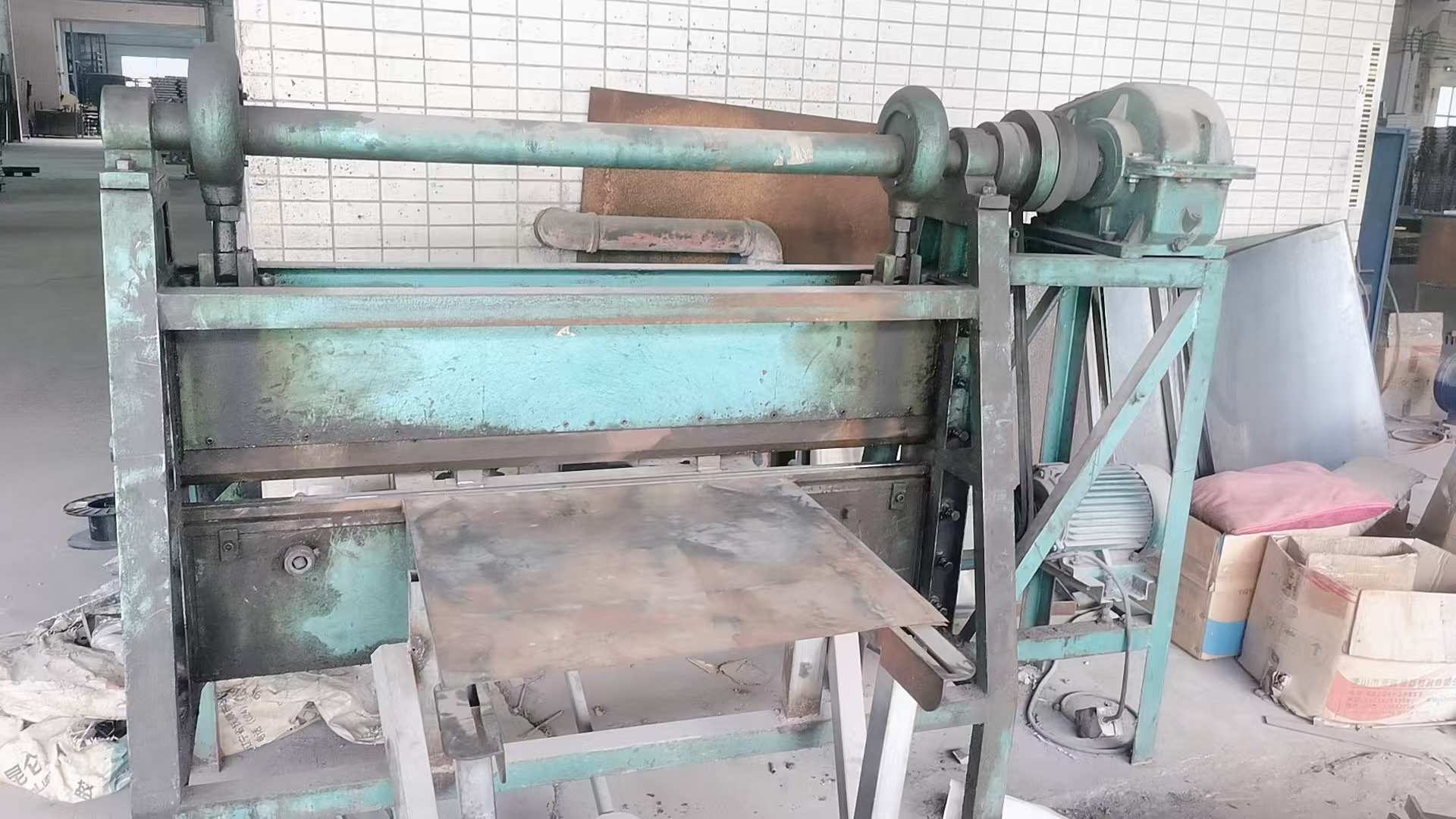
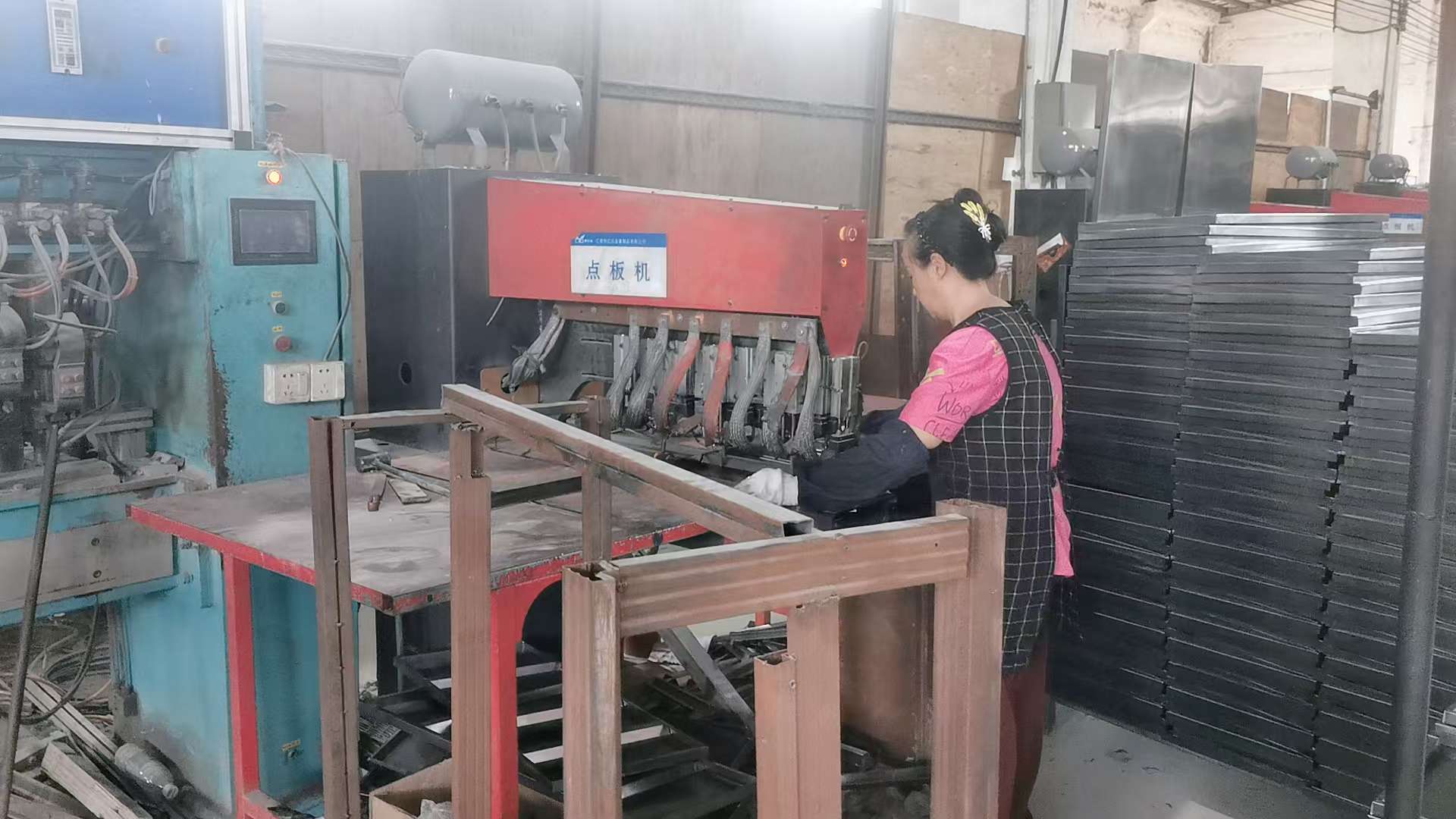
Hui Lian Intelligent Warehouse Equipment maintains dimensional tolerances through continuous verification protocols. Our QA team monitors manufacturing steps using digital calipers and micrometer systems, ensuring that locking tabs align correctly with column keyholes.
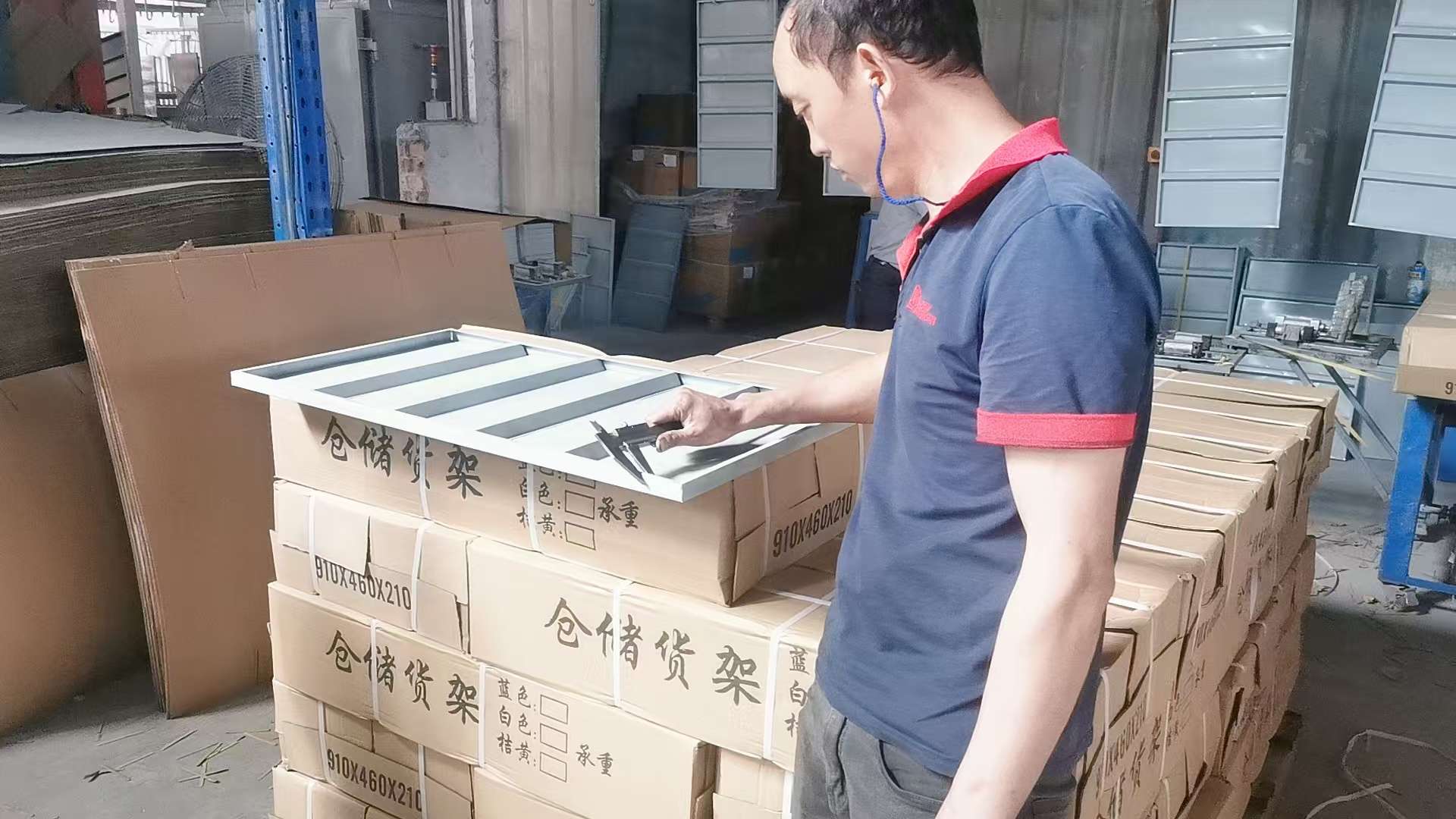
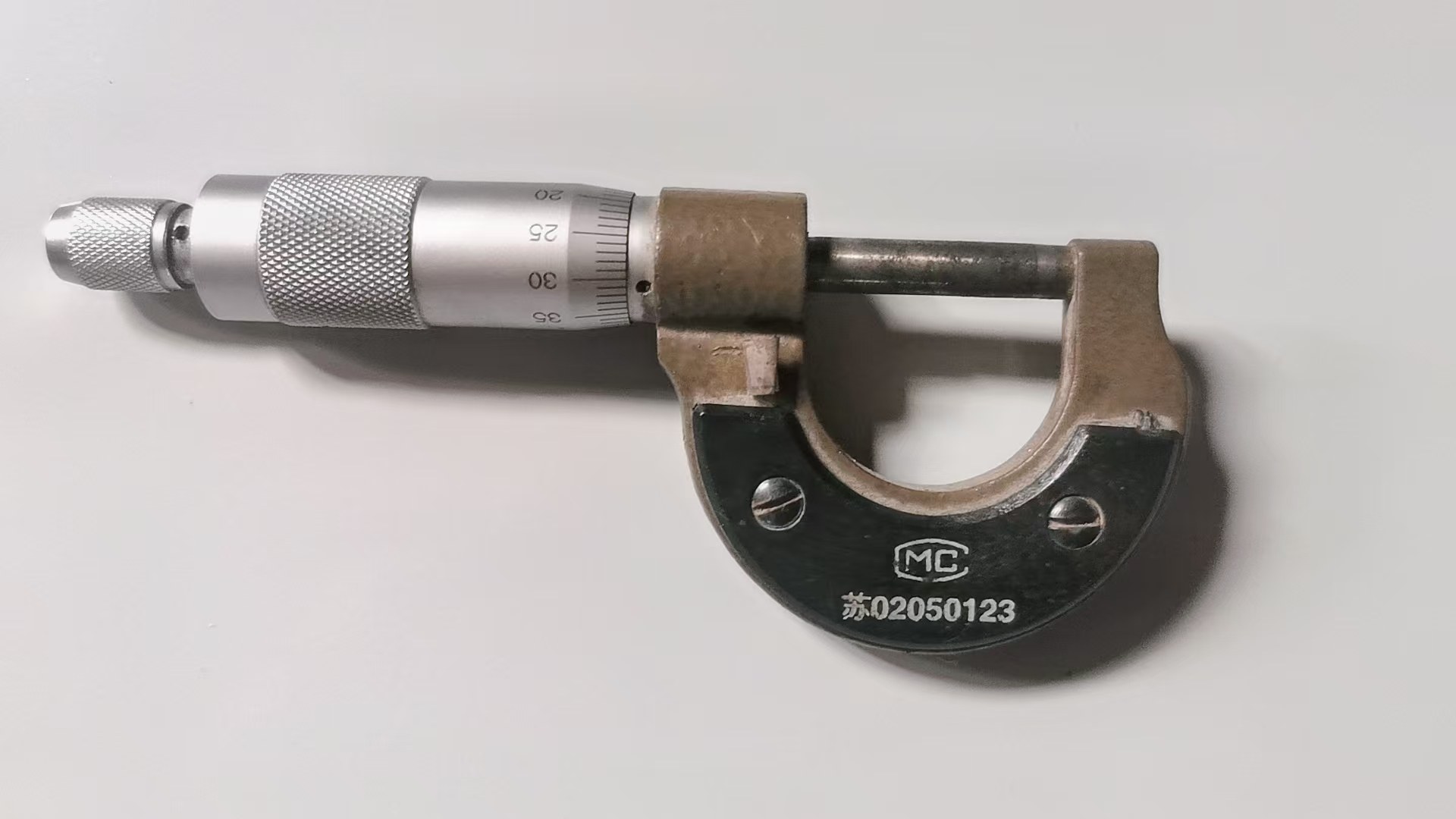
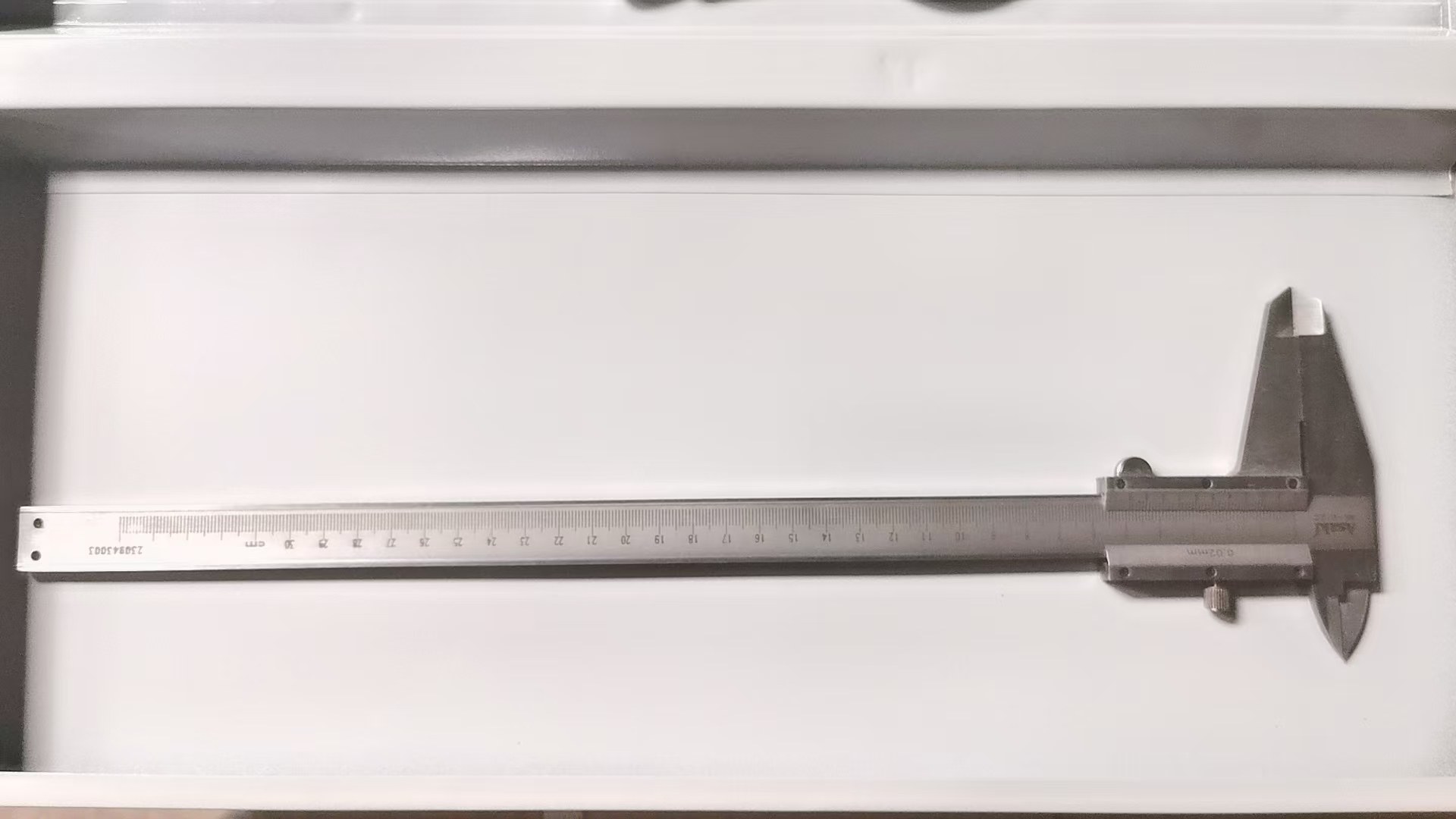
Our tolerance margins conform strictly to JIS and ISO guidelines, protecting structural integrity under maximum load limits.
Dongguan Hui Lian Intelligent Warehouse Equipment Co., Ltd. coordinates an export-focused supply chain model. Drawing from over 850 raw material and manufacturing partners, we maintain access to certified structural steel grades. This direct sourcing configuration reduces price exposure and minimizes production delays, ensuring reliable delivery schedules for major logistics builds.
Shipping to the Kansai area is optimized through the Pearl River Delta shipping lanes. Containers transit directly to Osaka Port, Kobe Port, or Sakai-Senboku Port, keeping transit timelines to within 10 to 14 days. We manage export documentation, Japanese customs clearance paperwork, and structure logistics coordinates to ensure delivery aligns with local installation timelines.
Explore our industrial range of boltless, high-capacity, and adjustable steel storage systems.
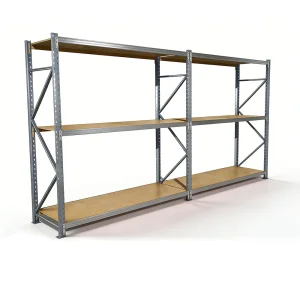
Technical answers regarding load capacities, Japanese import compliance, structural testing, and custom engineering.
Keyhole systems utilize a wedge-slot connection that relies on gravity. During seismic motion, this design provides structural flexibility without shearing, unlike rigid bolted configurations, helping to maintain load stability during low-to-medium tremors.
We source cold-rolled Q235B steel coils, which conform to yield strength parameters equivalent to JIS G3101 SS400, ensuring consistent structural integrity under rated loads.
We use an automated powder coating process with electrostatic application. Curing profiles are set to achieve a dry film thickness of 60 to 90 microns, providing salt spray and humidity protection for seaside warehousing.
Yes. Our R&D team configures shelf heights, base plate dimensions, and load clearance profiles to align with the guidance sensors and under-load clearance requirements of standard AGVs.
Fabrication generally takes 20 to 30 days depending on system complexity. Maritime transit from Shenzhen/Guangzhou ports to Osaka Port typically averages 10 to 14 days.
We conduct load testing up to 1.5 times the nominal rating using hydraulic and static weights, with deflection monitored by laser positioning sensors to confirm safety margins.
Speak with our R&D engineering team to customize structural profiles, load limits, and system configurations tailored for your Osaka industrial site.
Send Inquiry Now Hui Lian