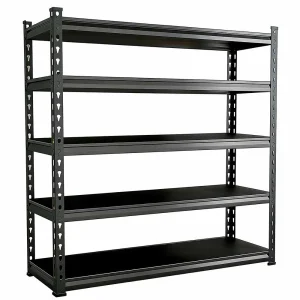
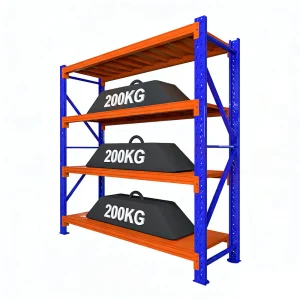
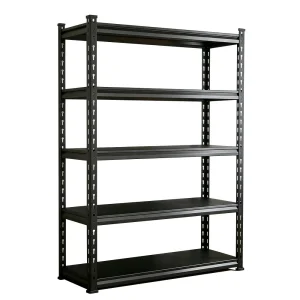
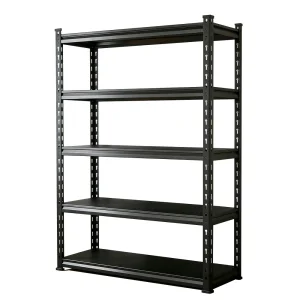
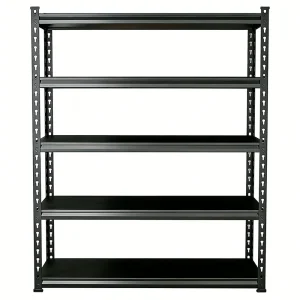
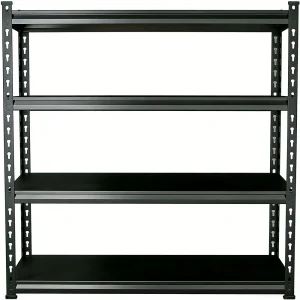
Engineered with heavy-duty cold-rolled steel and modular locking rivets, these structures provide optimized stability and boltless adjustability for modern logistics depots.
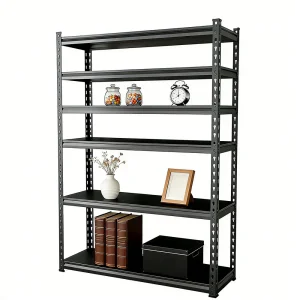
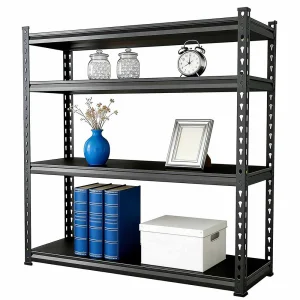
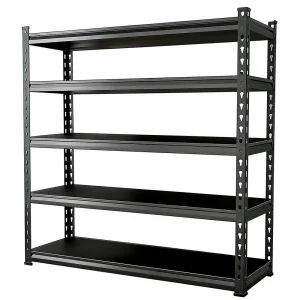
An inside look into the critical storage challenges faced by operators in Latin America's primary maritime and distribution gateway.
Panama's position as the "Hub of the Americas" relies heavily on its ability to move freight quickly across the Panama Canal, the Colon Free Zone (Zona Libre de Colón), and various international airport cargo centers. With billions of dollars in trade moving through these corridors monthly, logistics operators require highly reliable structural warehouse storage. The external keyhole storage rack has emerged as a cornerstone solution because it integrates load capacity, tool-free adjustability, and low operational downtime.
Panama's warm temperature and high humidity demand corrosion-resistant finishes. Our racks use specialized electrostatic powder coating systems designed to resist rust and paint chipping in maritime environments.
Import/export businesses require layout flexibility. The boltless keyhole interlocking design allows warehouse crews to restructure configurations quickly without heavy machinery.
With warehouse space at a premium near the Panama Canal, vertical expansion is necessary. Our adjustable rack systems enable businesses to maximize high-ceiling facilities safely.
In locations like Panama City and Balboa, high humidity can degrade inferior steel alloys, leading to structural failures under weight load. Dongguan Hui Lian mitigates this by sourcing high-tensile, cold-rolled steel (SPCC/Q235 equivalent) and applying clean chemical pre-treatments, followed by cured powder coatings. The result is a robust, low-maintenance racking line built for humid climates.
Combining production capacity, quality inspections, and global export compliance to support major supply chains.
At our manufacturing facility in Dongguan, China, we produce storage systems through automation and strict process controls. By using laser roll forming machines, automated spot welding, and robotic powder coating lines, we ensure structural consistency and accurate dimensional control across production batches.
Integrating our raw material sourcing with more than 850 partners ensures price stability and a reliable supply of steel coil. This enables us to maintain predictable manufacturing lead times, even during raw material market swings. Our 15 years of industry experience allow us to navigate complex global shipping lanes, managing freight logistics directly to Balboa, Cristobal, or Manzanillo International Terminal ports in Panama.
Every structural upright, support beam, and steel shelf is fabricated through a multi-step quality control process.
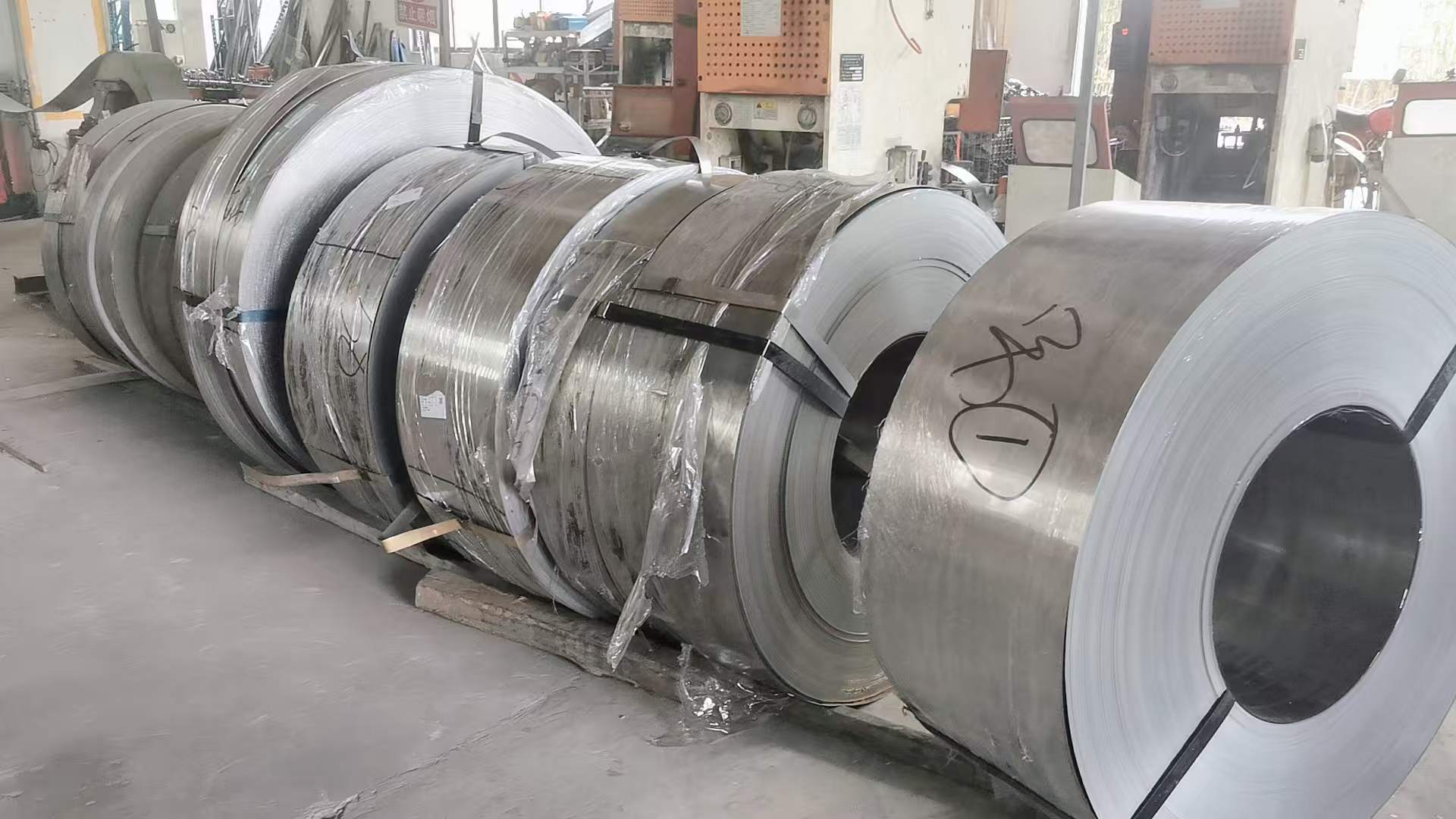
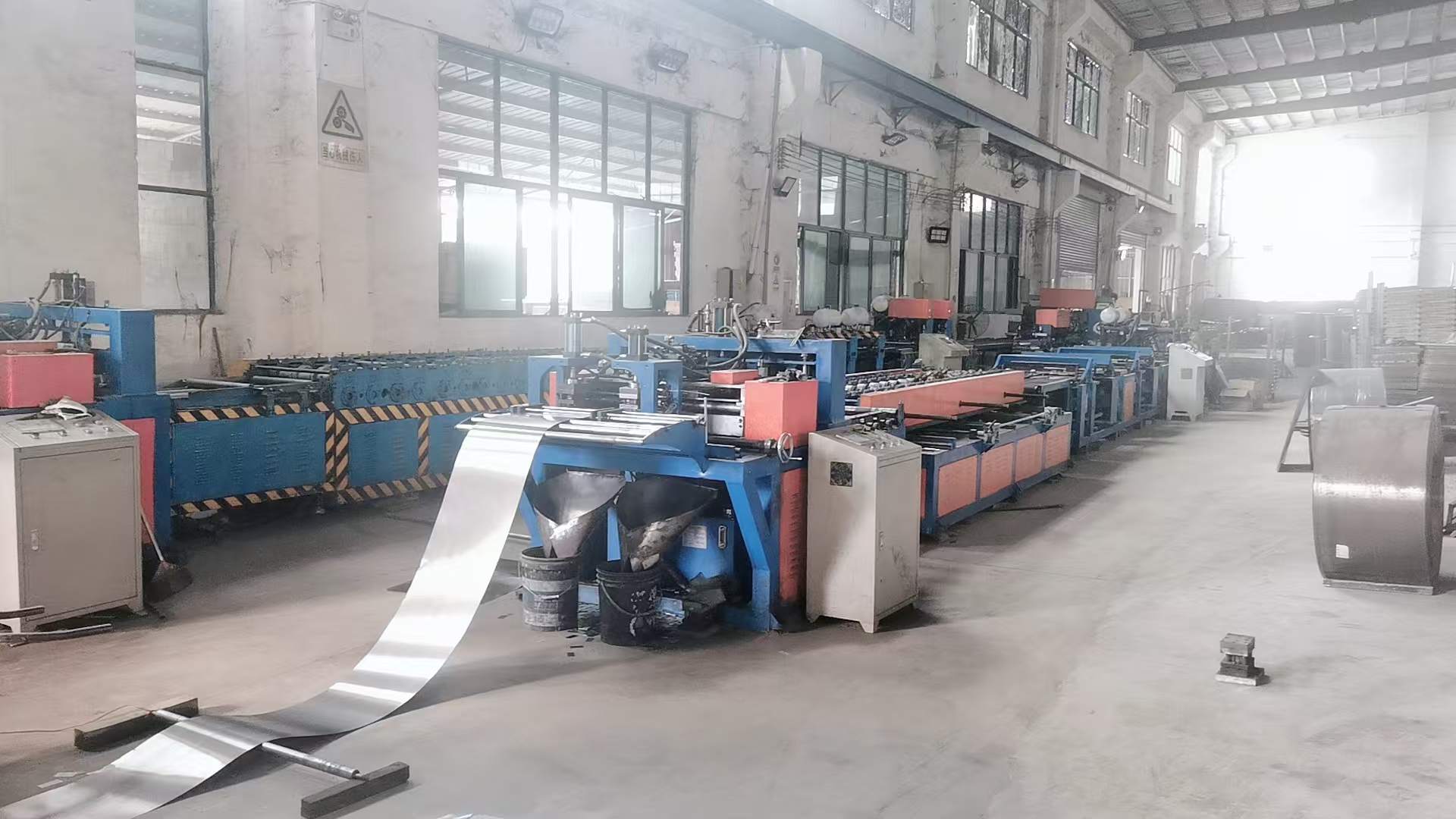
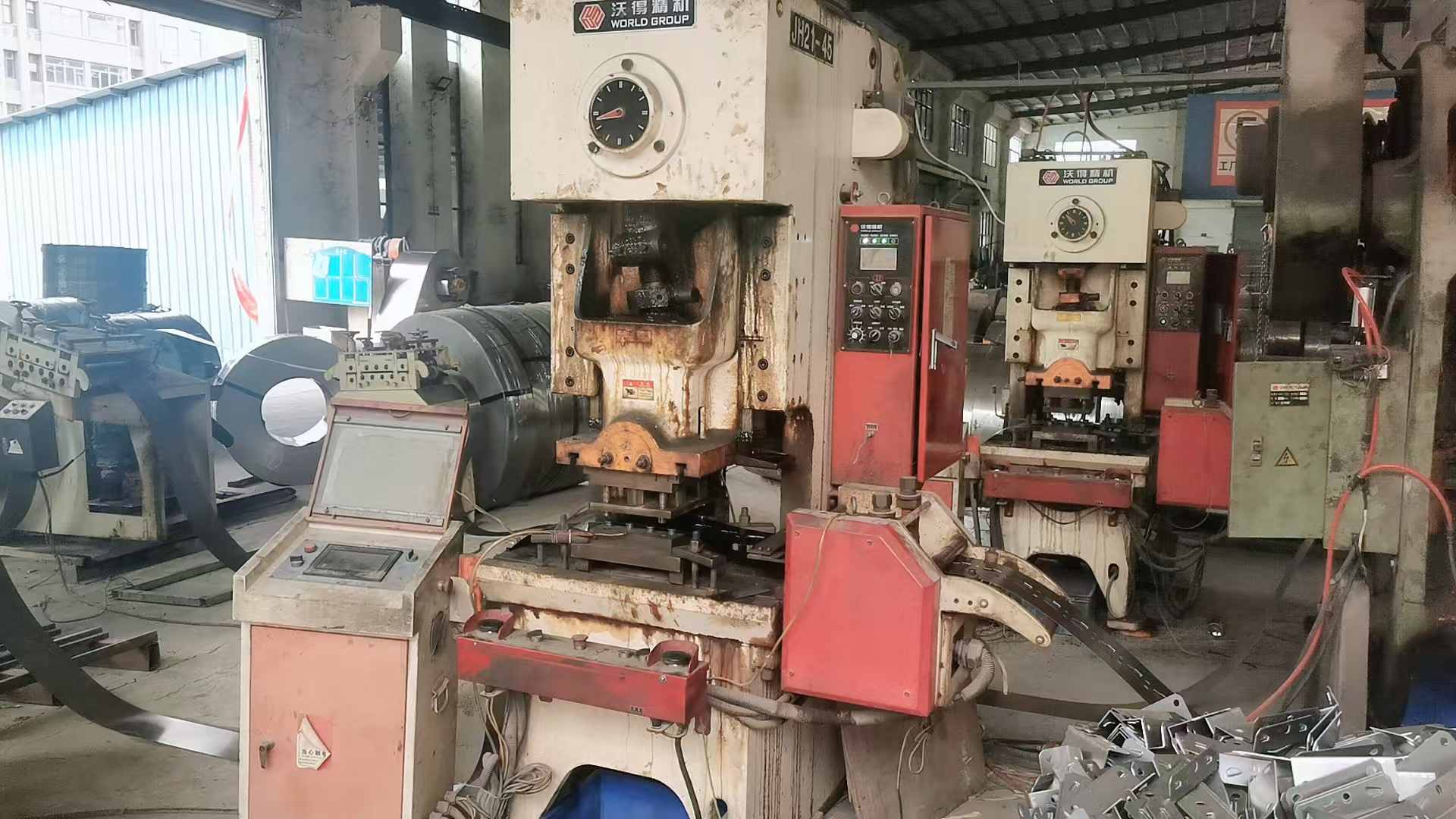
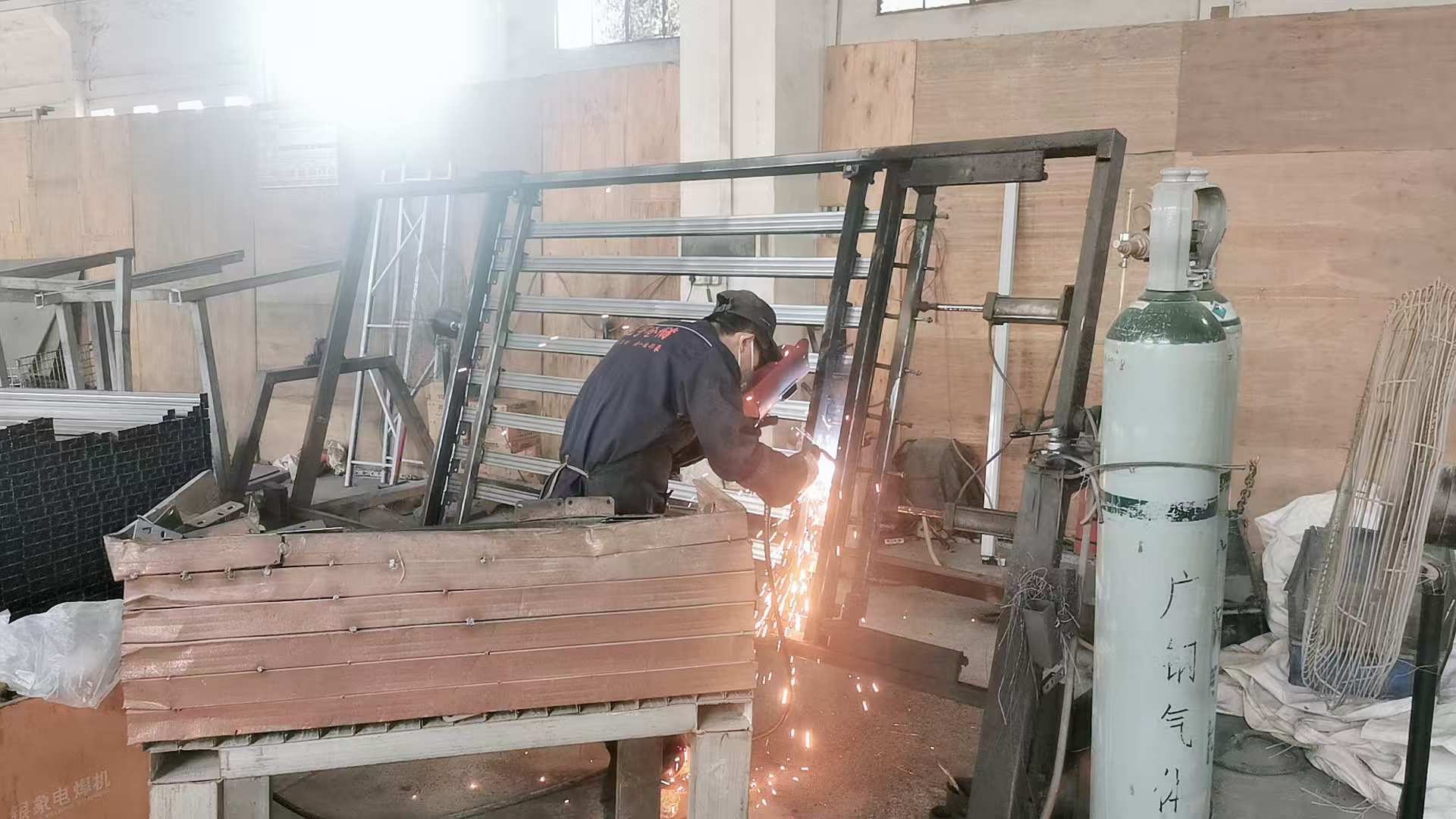
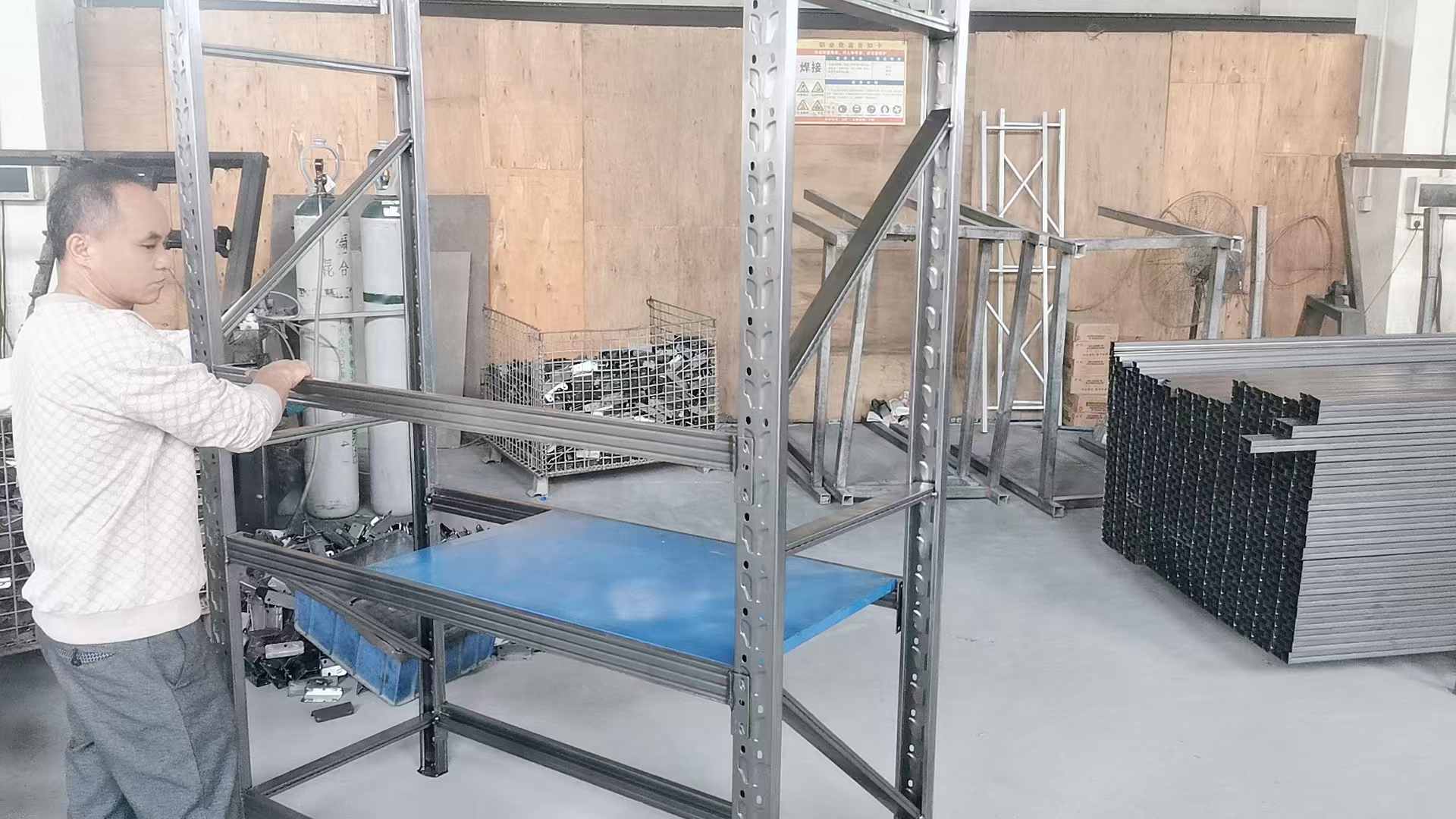
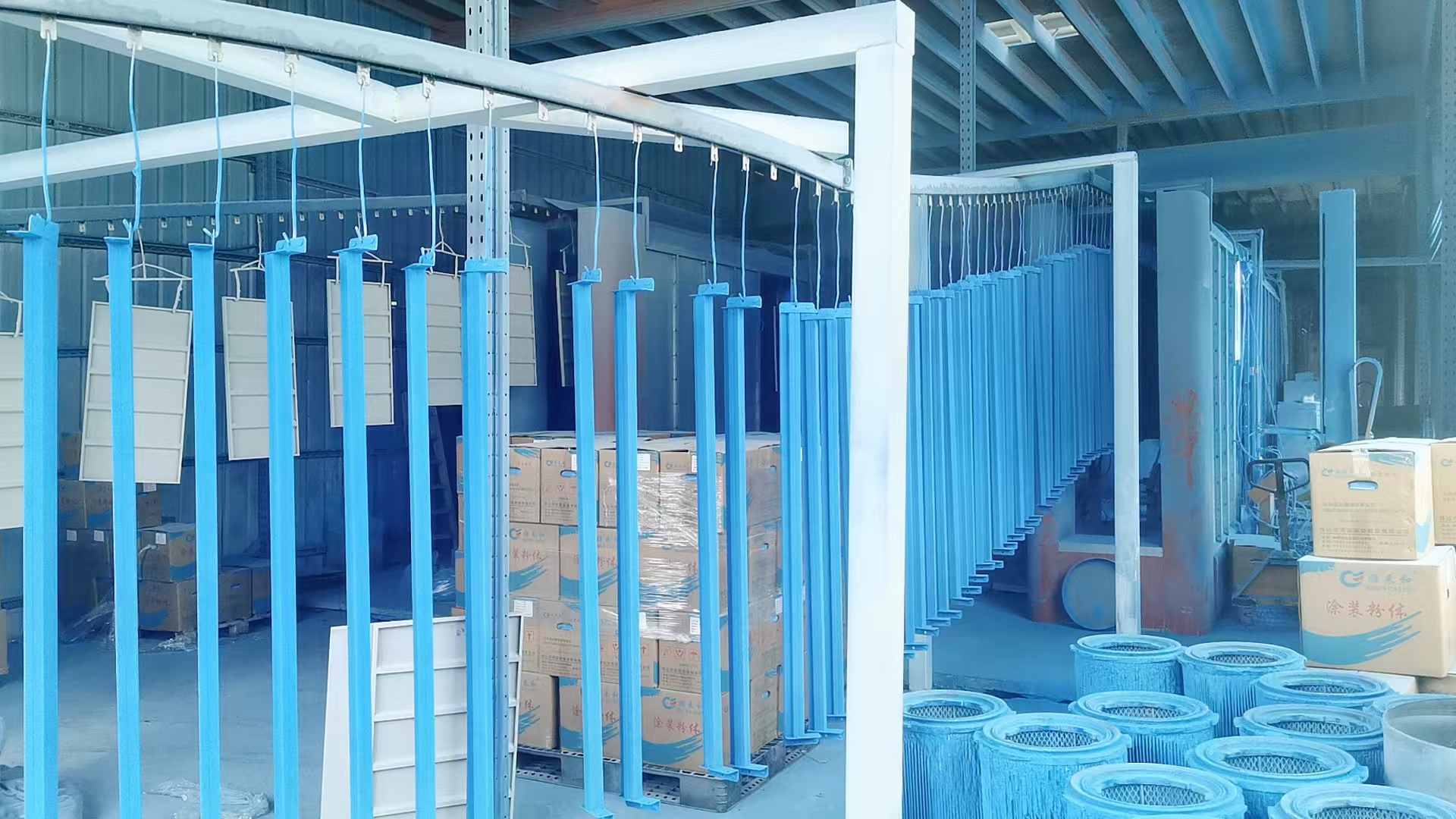
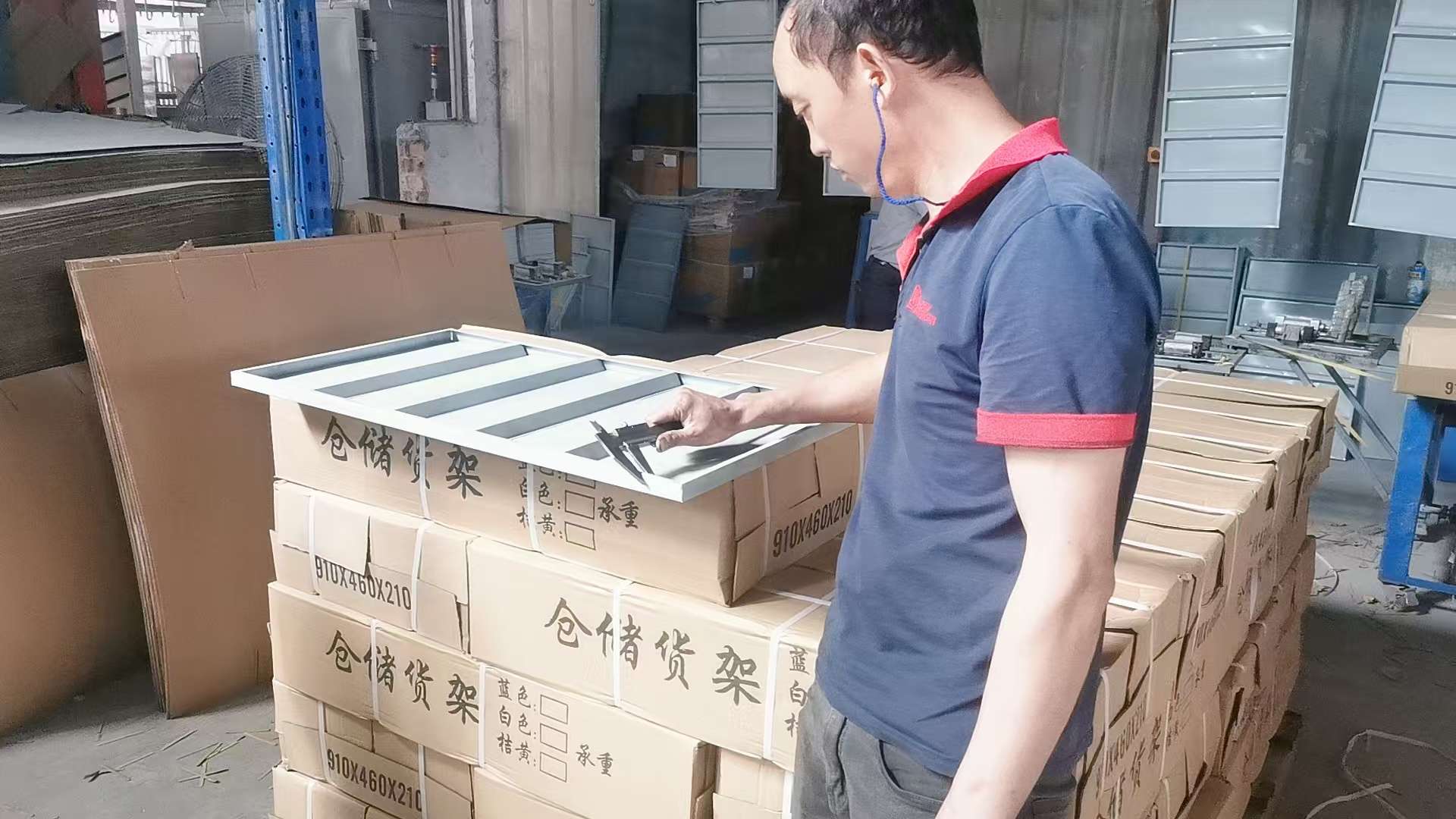
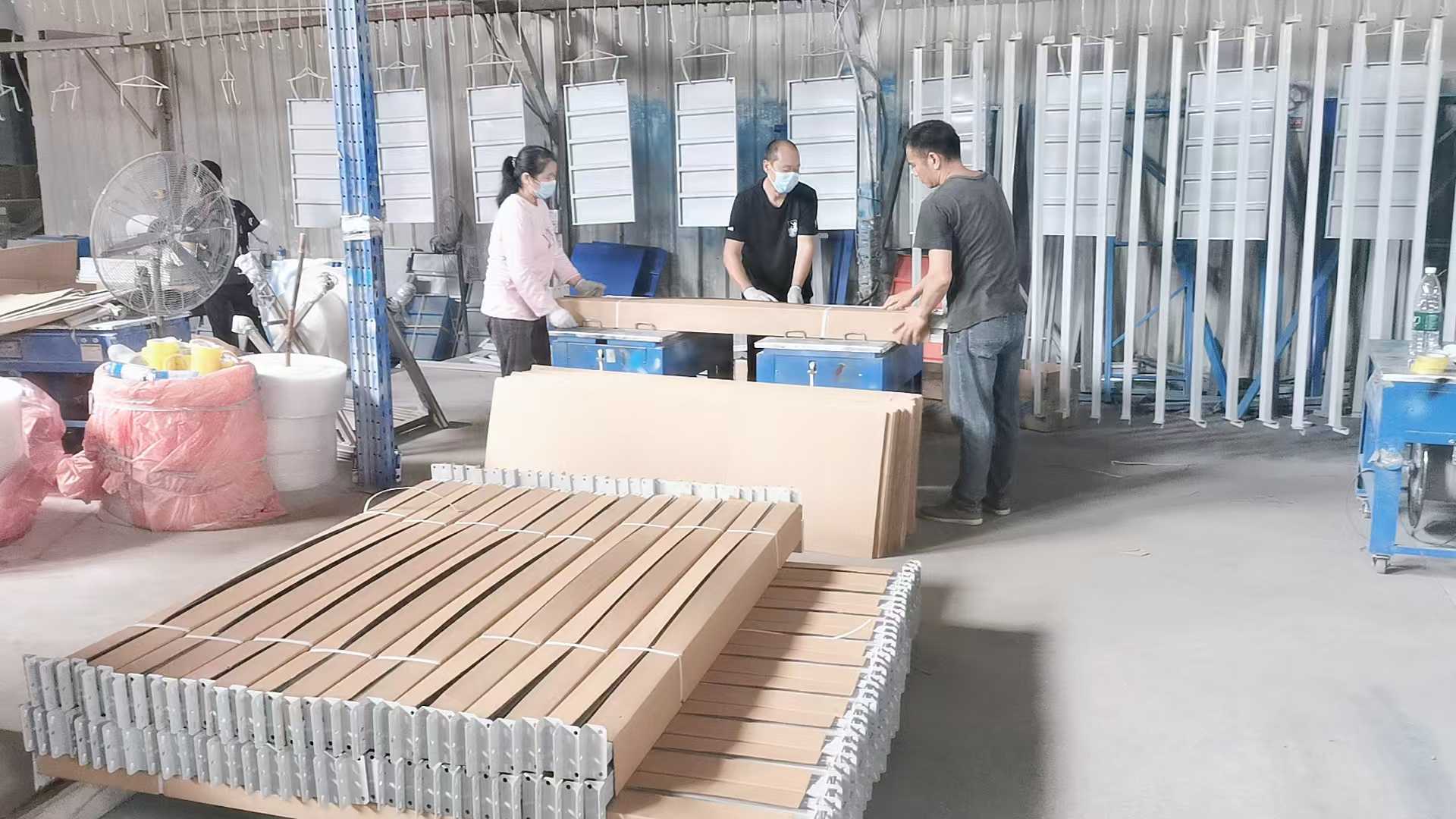
Quality storage equipment relies on stable manufacturing tolerances. Dongguan Hui Lian deploys specialized manufacturing equipment to control variables from initial raw steel coils to the packaged assemblies.
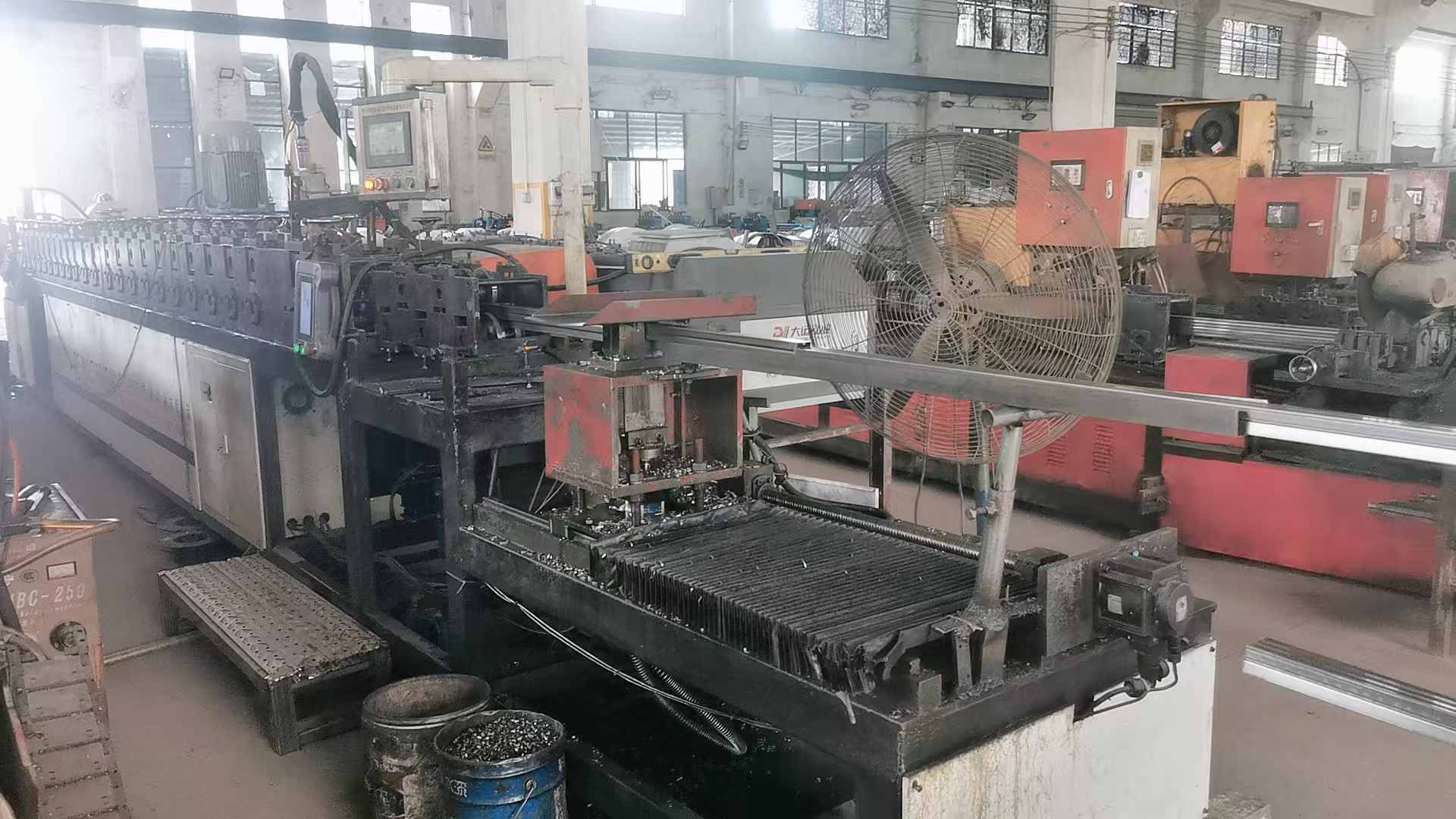
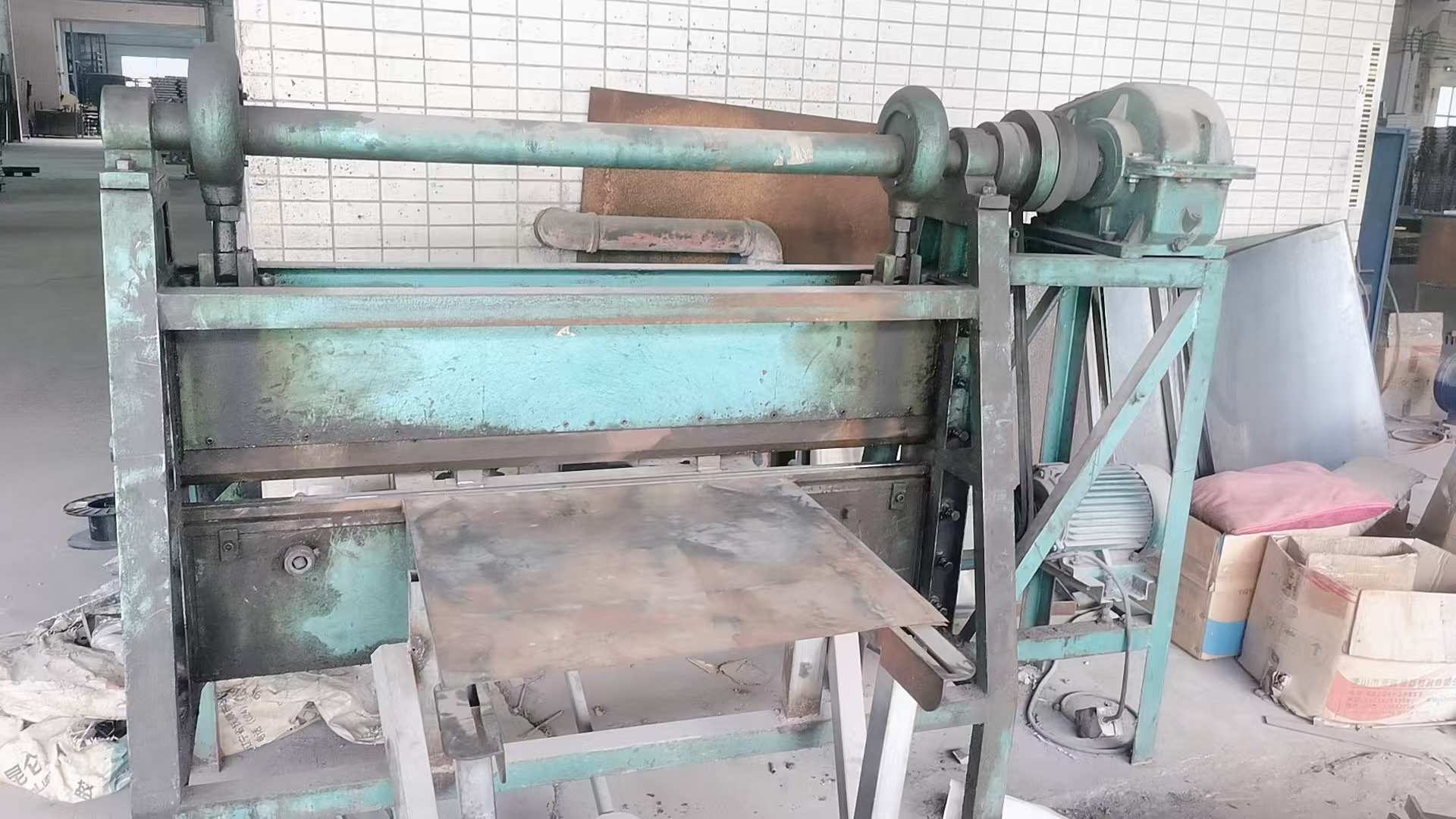
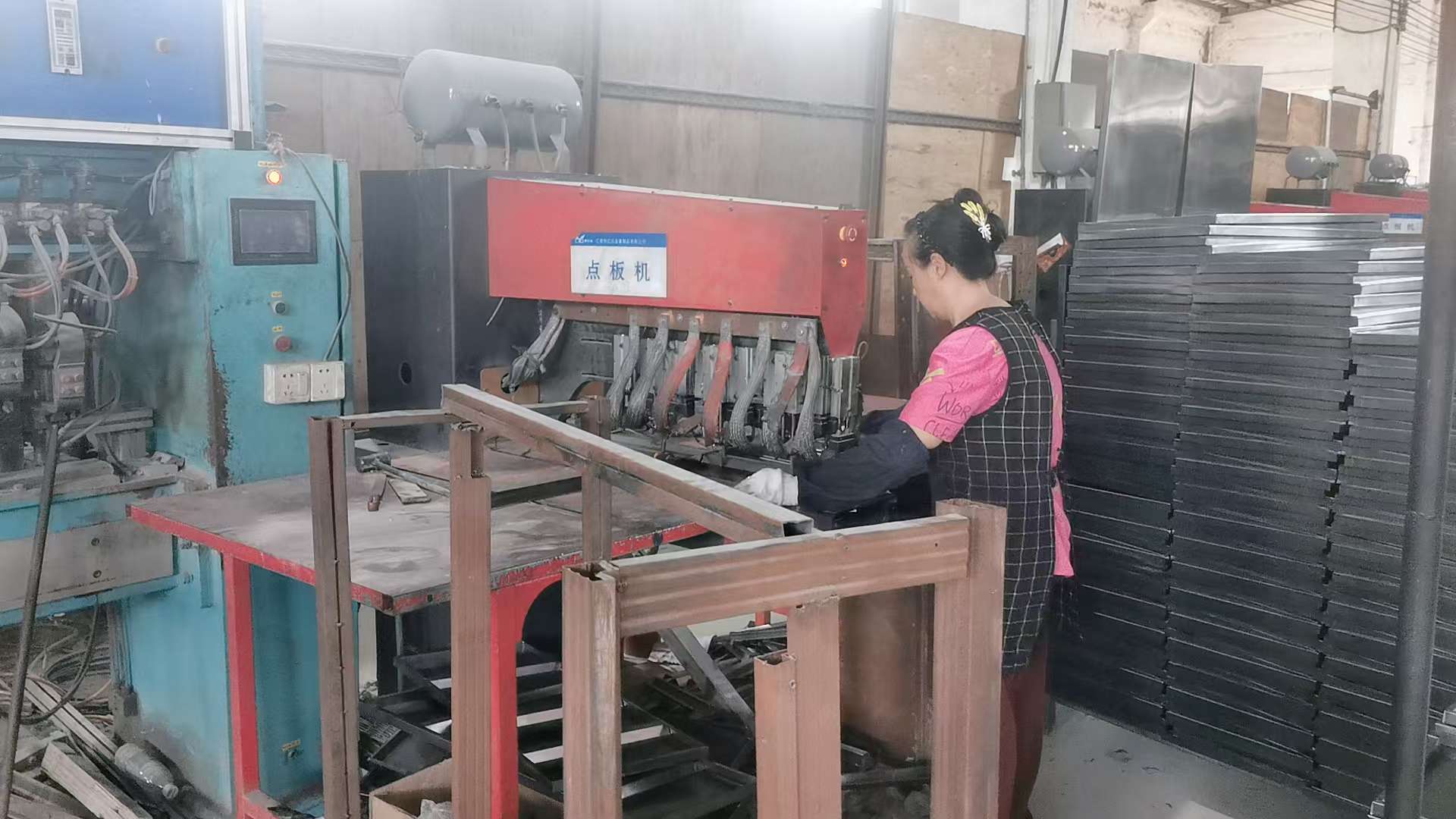
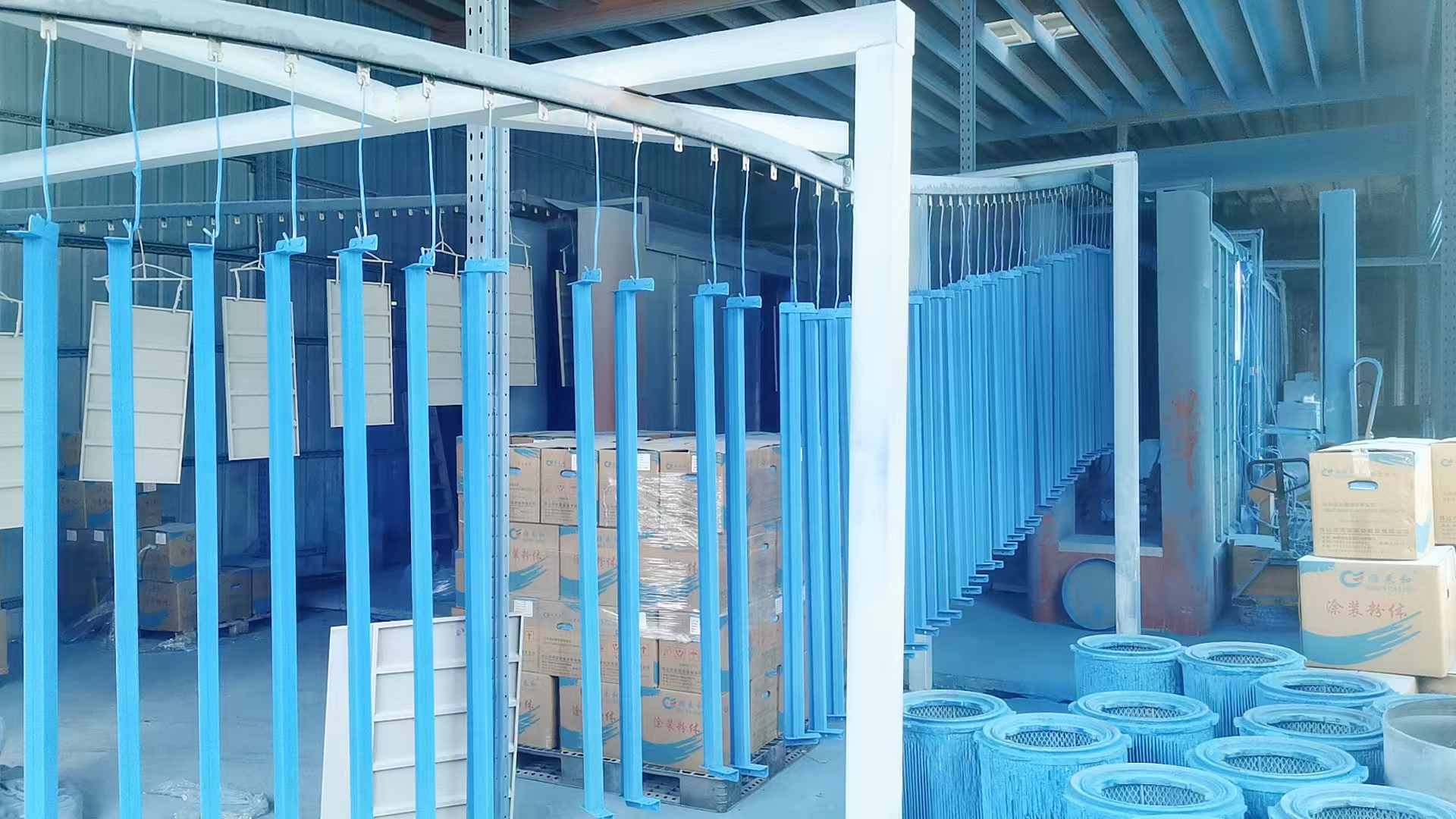
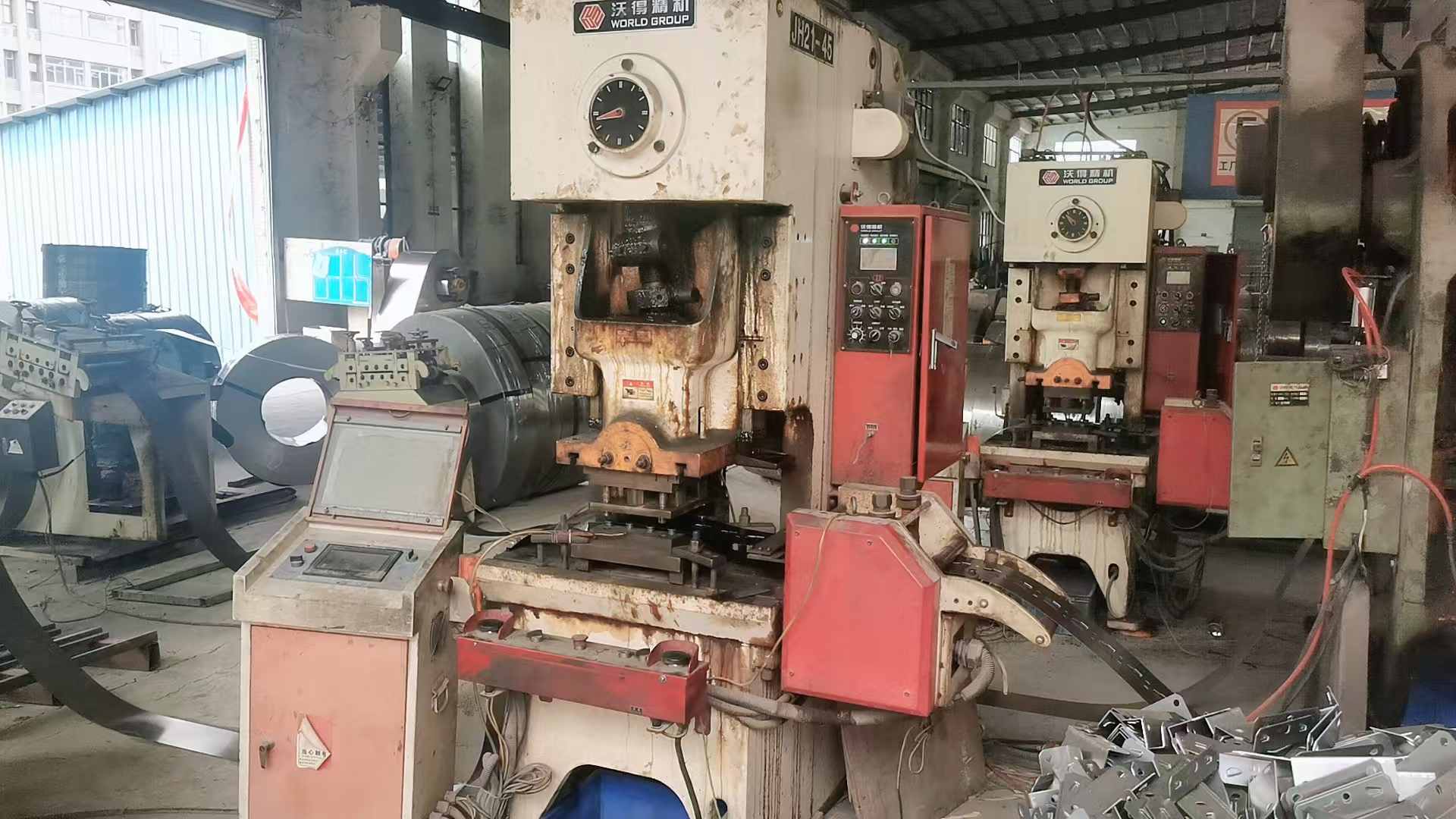
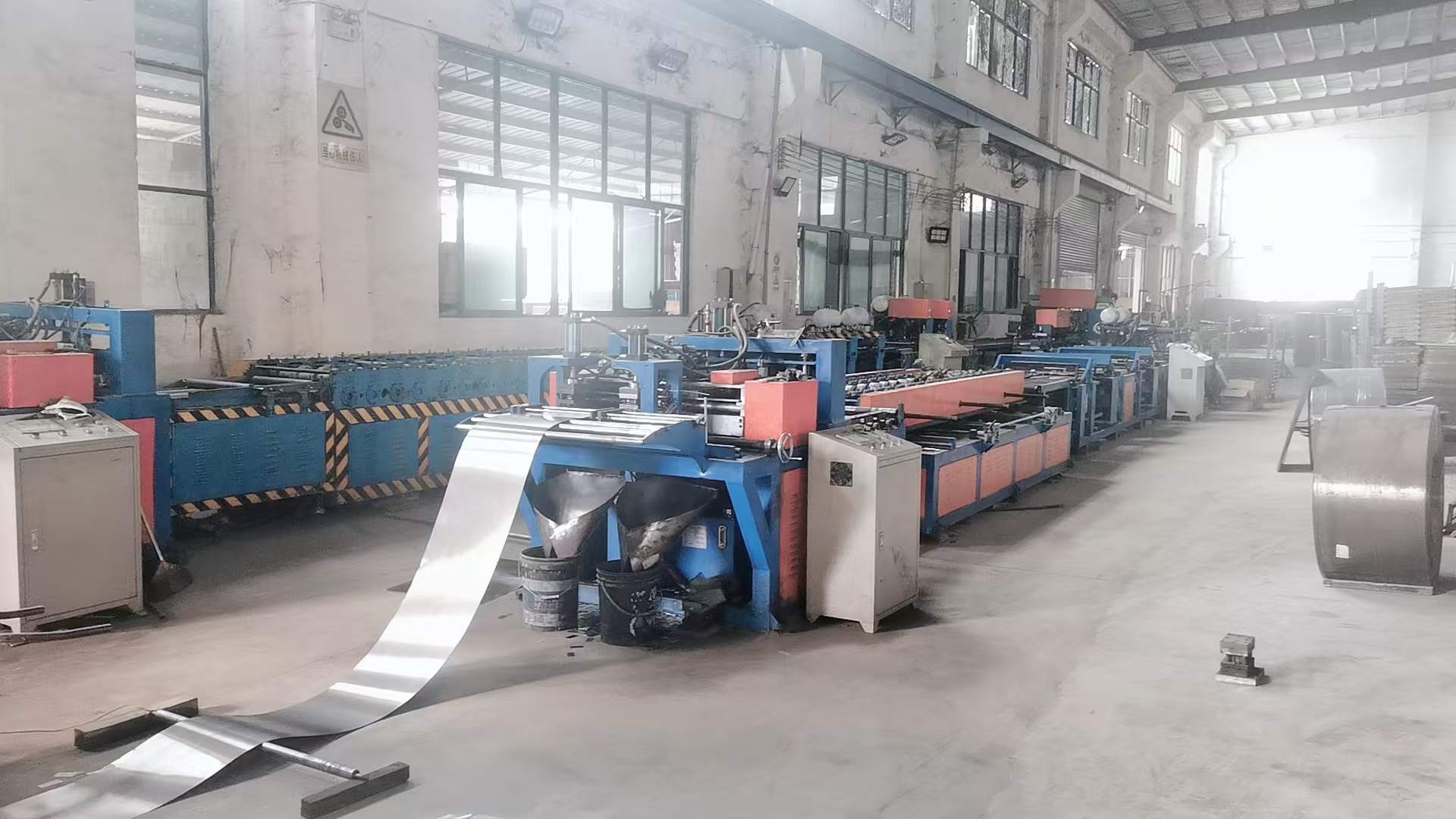
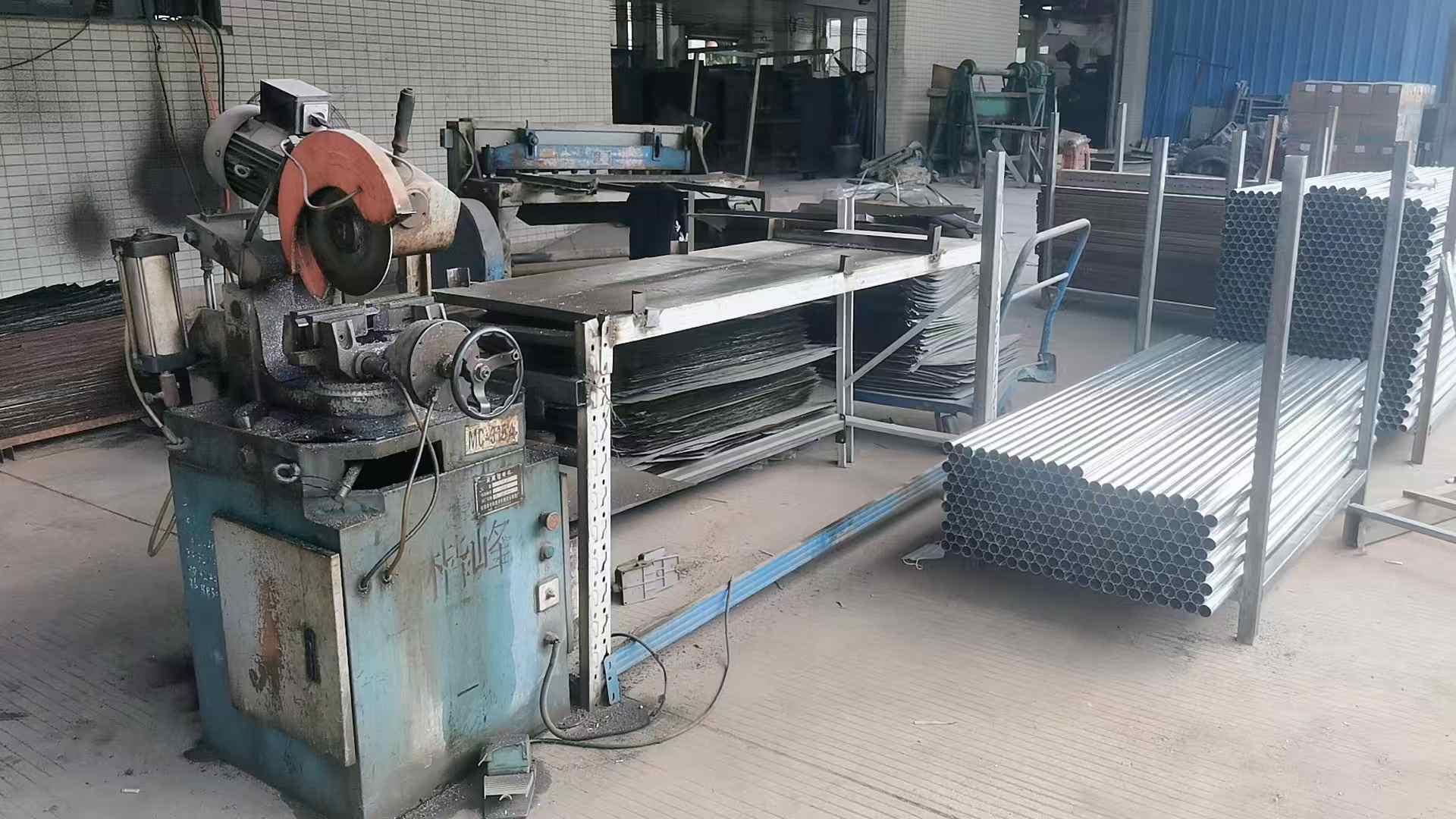
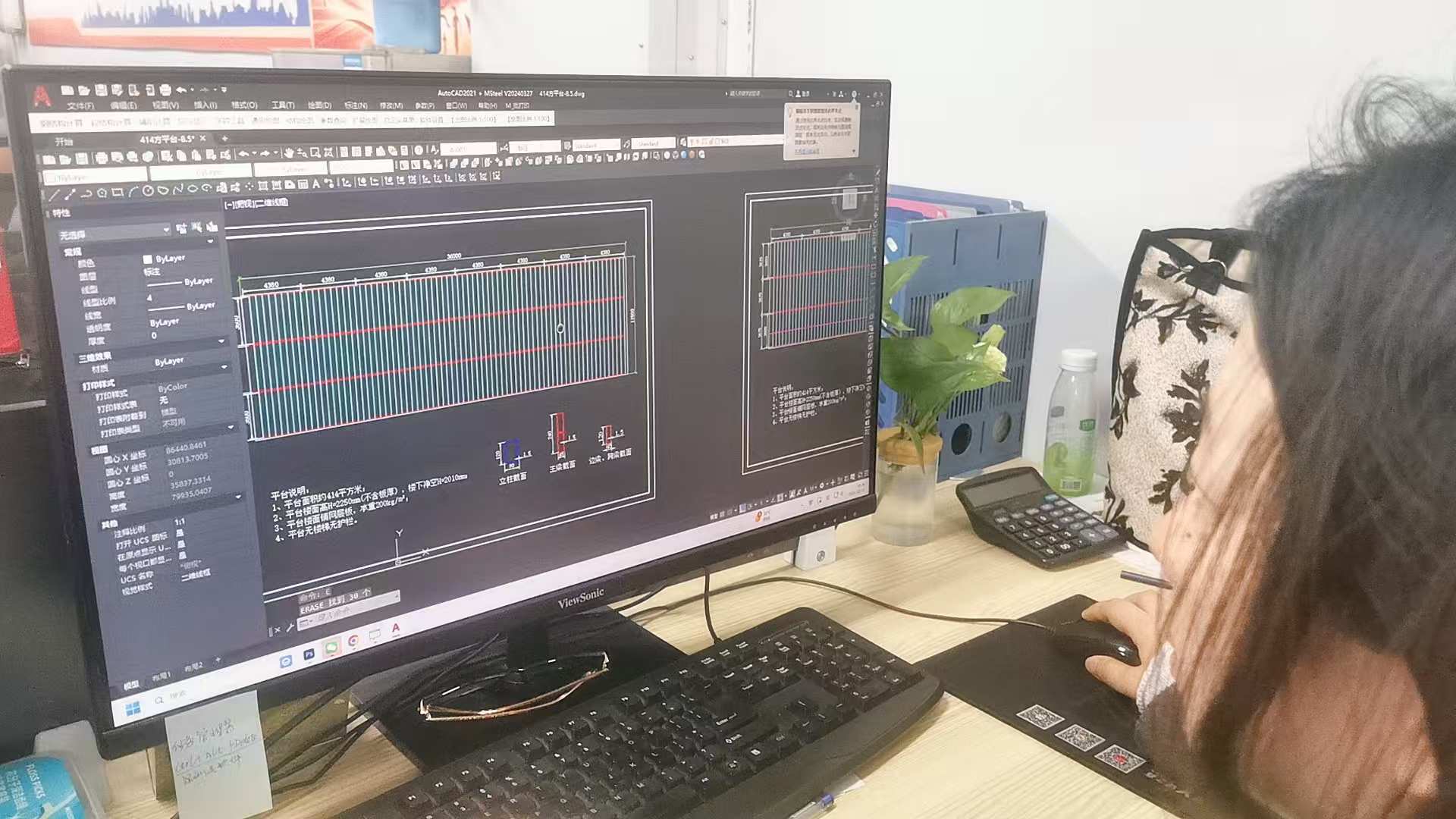
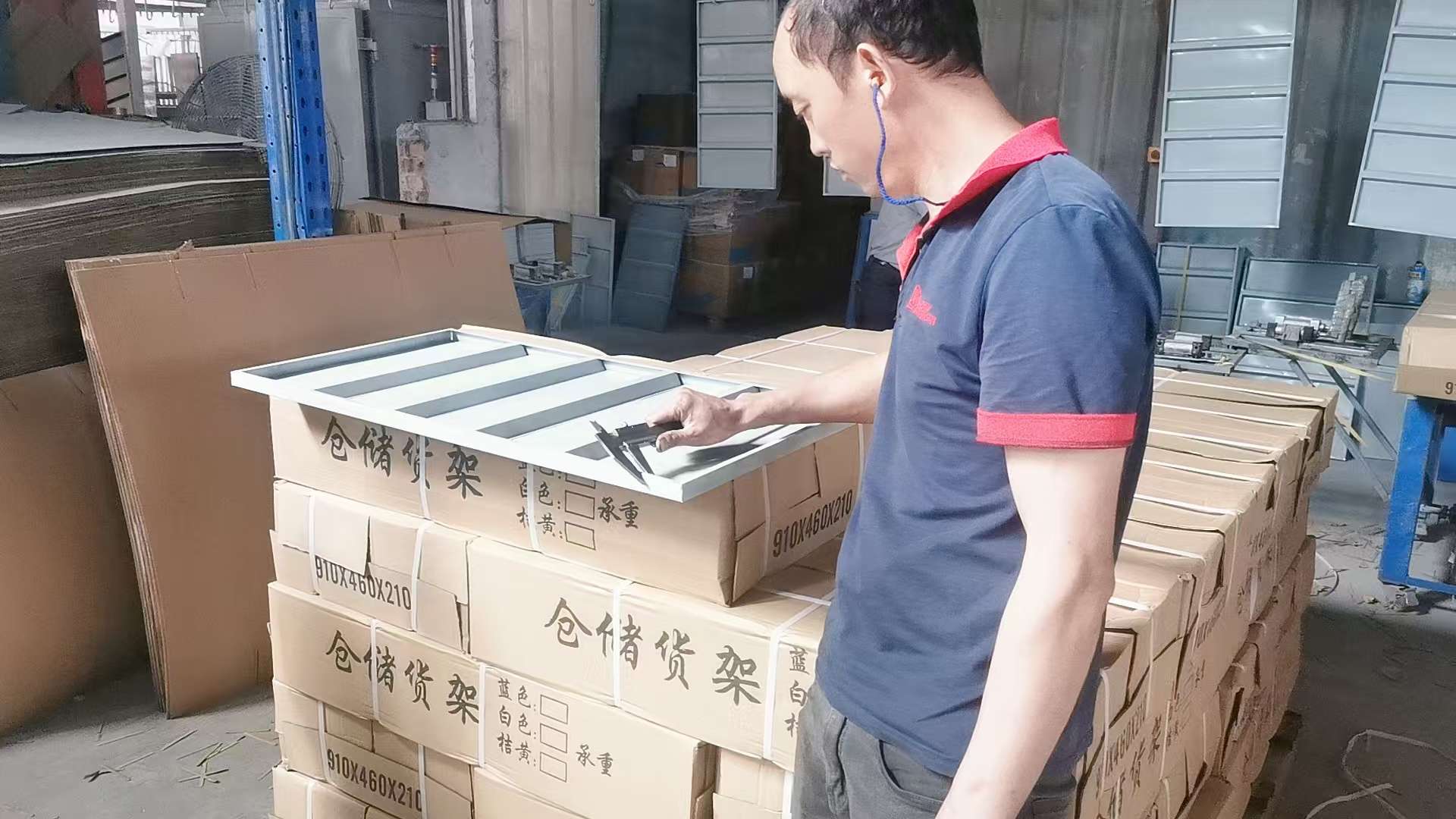
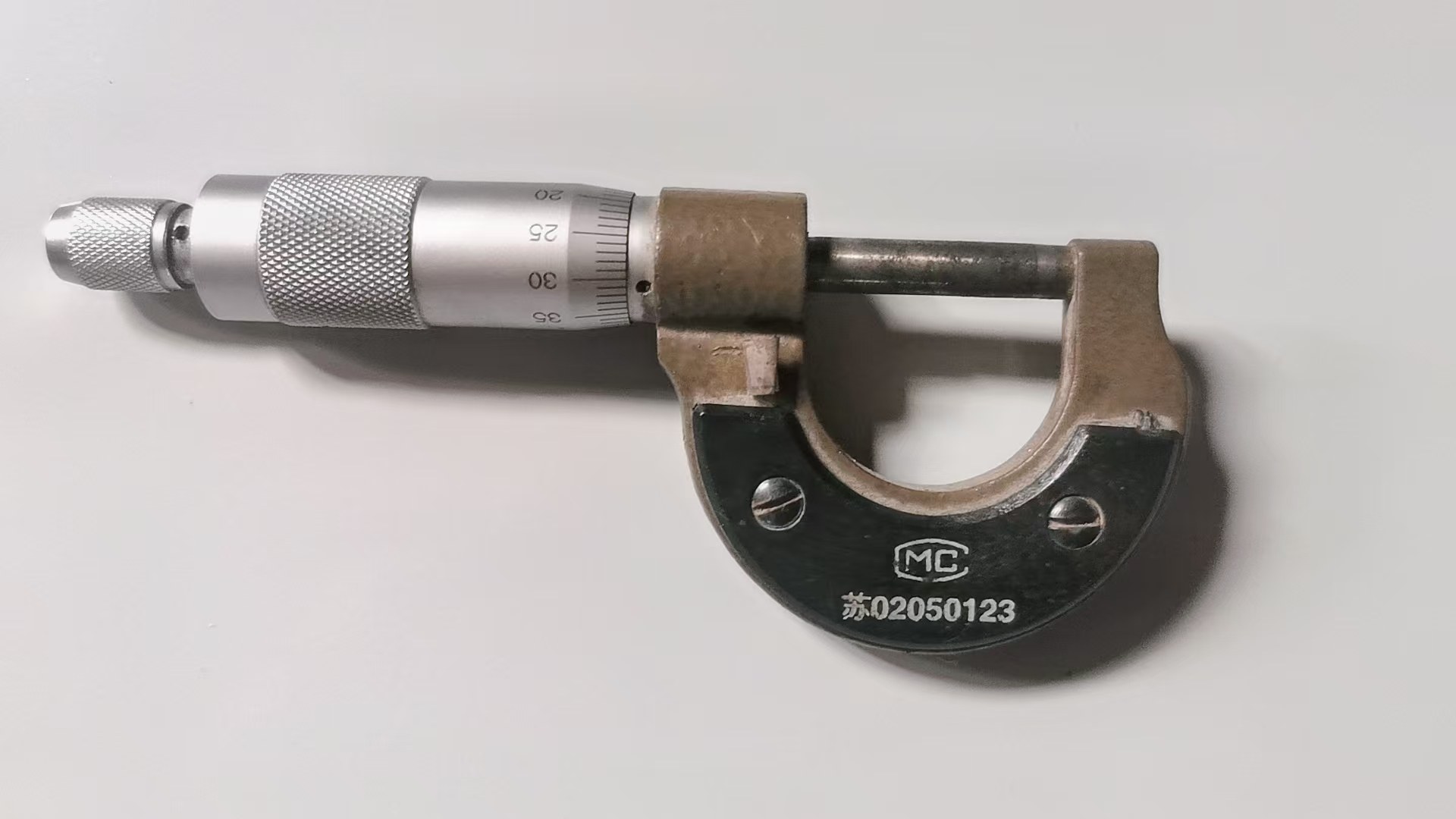
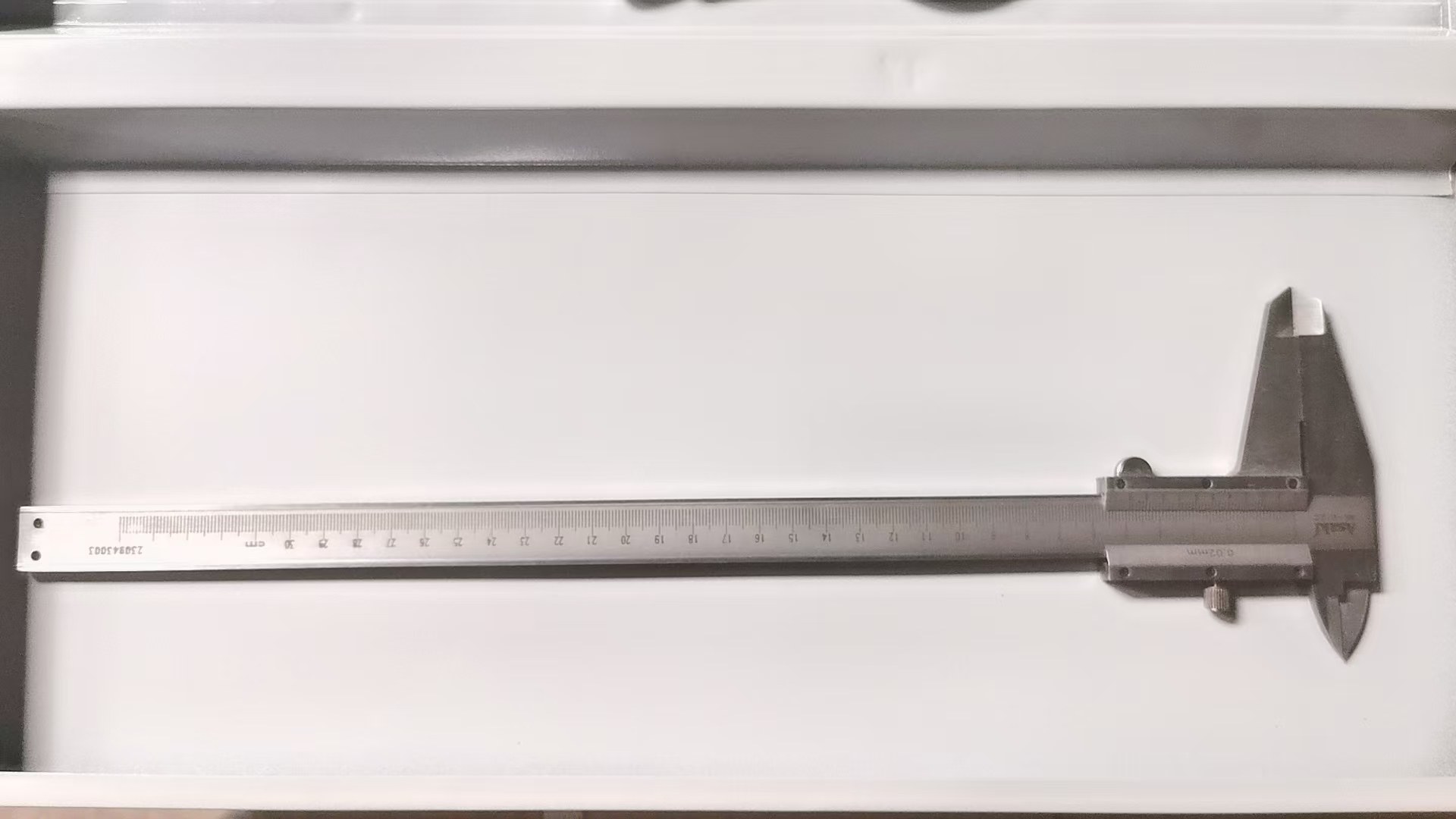
Our quality control program utilizes a 56-inspector team that tracks every manufacturing batch. Using precise metrology instruments, they measure and verify target product dimensions to prevent assembly alignment issues in the field.
Analyzing key advancements in modern logistics systems: smart coatings, high-strength steels, and automated supply chains.
Modern warehouse logistics are moving toward automation and density. While traditional static shelving remains a core warehousing component, the integration of AGVs (Automated Guided Vehicles) and AS/RS (Automated Storage and Retrieval Systems) is shaping modern facility designs. Our engineering team designs racking systems with dynamic load tolerances to ensure they can support these automated systems.
Material science developments are also helping reduce overall structural weight while maintaining high load limits. By using micro-alloyed steel grades, manufacturers can build thinner, lighter columns that support similar weights to older, thicker cold-rolled profiles. This reduces deadweight load on warehouse concrete slabs, lowers international shipping costs, and simplifies manual assembly.
Ensuring compliance with local warehouse building codes and handling international customs clearance smoothly.
Building codes in Panama require structures to withstand regional seismic risks. Our keyhole storage solutions are designed to maintain joint stability under shear stress and minor vibrations. In Panama City's high-rise logistics parks, racking projects must comply with specific structural standards before receiving municipal occupancy permits.
We manufacture systems in compliance with European FEM/EN guidelines and North American RMI standards, providing reliable structural performance indicators.
We provide complete bilingual document packages (commercial invoices, packing lists, certificates of origin, bills of lading) to expedite clearance through Panamanian customs.
For large industrial developments, our engineers run structural calculations to confirm baseplate sizes and anchor bolt configurations meet seismic safety requirements.
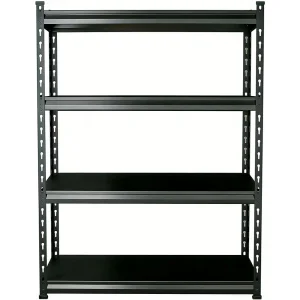
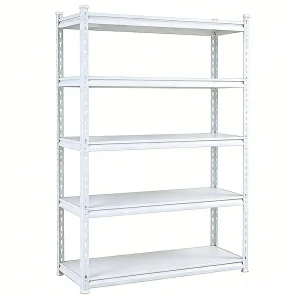
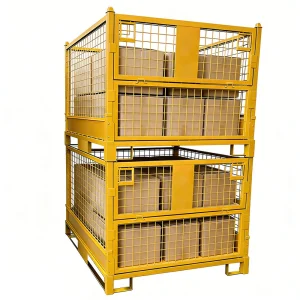
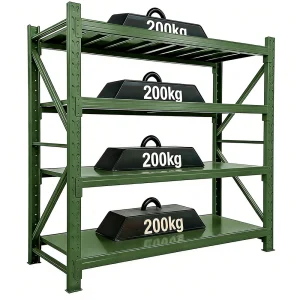
Browse our selection of boltless keyhole shelves, warehouse pallet racks, stackable cages, and mobile industrial systems.
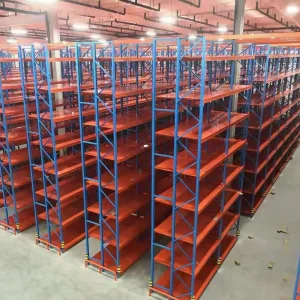
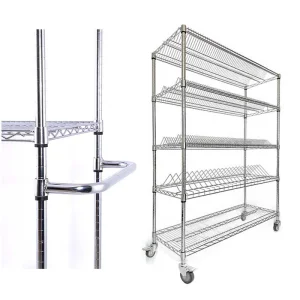
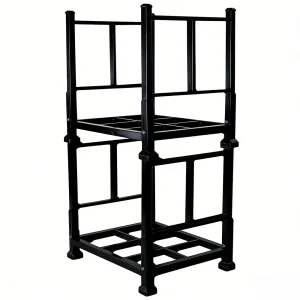
Answers to common questions regarding keyhole rack specifications, installation, and shipping to Panama.
Our keyhole shelving is constructed from cold-rolled steel and treated with a multi-stage electrostatic powder coating. This coating process includes chemical pre-treatment, washing, and thermal curing. This creates a dense, non-porous layer that protects the steel core from moisture and salt air in coastal areas like Colon and Balboa.
Our standard light-duty systems support between 100 kg and 150 kg per shelf level, assuming the load is evenly distributed. For heavier industrial storage requirements, we produce heavy-duty shelving and pallet rack configurations rated for up to 1,000 kg or more per level.
Yes. As a direct manufacturer, we offer complete OEM/ODM customization. This includes custom dimensions, beam heights, column thicknesses, shelf configurations, and powder coat color matching using the RAL color chart system.
Production typically takes 15 to 25 days, depending on the order volume and customization requirements. Ocean transit from Shenzhen or Guangzhou ports to Panamanian ports (Balboa/Cristobal/MIT) generally takes between 25 and 35 days, depending on carrier routes and schedules.
 Hui Lian