Engineered to meet Title 24 California Building Code (CBC 2022) seismic calculations and high-performance warehousing demands.
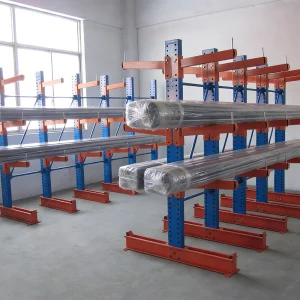
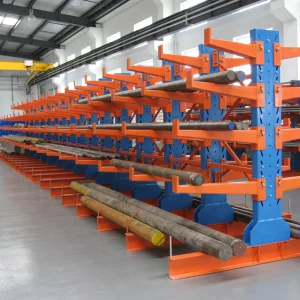
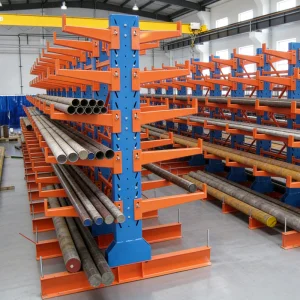
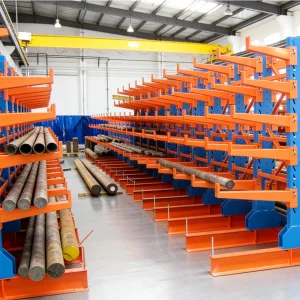
The San Francisco Bay Area, encompassing key industrial micro-markets such as Oakland, Hayward, Richmond, and the Silicon Valley corridor, represents one of the most high-value, space-constrained logistics environments in the United States. Driven by the massive volume of the Port of Oakland and the high-tech supply chains of Silicon Valley, industrial real estate commands premium rates. Consequently, warehouse operators cannot afford wasted vertical space.
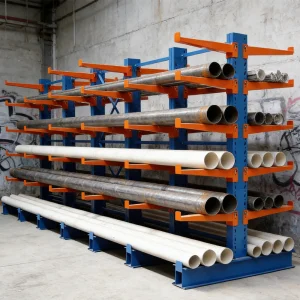
For operations dealing with oversized, bulky, or non-standard footprint materials—such as structural lumber, PVC piping, steel conduits, manufacturing dies, and HVAC equipment—traditional pallet racking is functionally obsolete. Heavy-Duty Cantilever Racking is the structural antidote, offering uninterrupted horizontal storage without obstructing front columns.
Importantly, Northern California presents severe seismic activity hazards. Industrial racking installations in San Francisco must adhere strictly to the 2022 California Building Code (CBC) and Rack Manufacturers Institute (RMI) MH16.1 specifications. Standard out-of-the-box rack structures fail to pass local permitting processes which require rigorous engineering wet stamps and dynamic finite-element analysis (FEA) for Soil Class D and E zones.
In San Francisco and adjacent fault-line zones (Hayward, San Andreas), racking systems are classified as non-structural building components. Designs must utilize oversized structural steel columns, heavy-duty welded base assemblies, and high-strength anchor bolts designed to withstand high spectral acceleration parameters (SDS values up to 2.0g). Failure to comply can result in catastrophic structural collapse and immediate facility closure by municipal code inspectors.
How macro-economic shifts and supply chain adaptations are driving structural storage innovations.
Global logistics pivots from "Just-in-Time" to "Just-in-Case," requiring massive regional distribution depots. Multi-tier heavy industrial cantilever racks maximize high-bay vertical clearances up to 40 feet, securing inventory buffers for critical metal, timber, and machinery components.
Modern manufacturers utilize certified Q235B and Q355B (equivalent to ASTM A36 and ASTM A572 Grade 50) structural carbon steel. Advanced heat-treatment and cold-rolling methodologies yield superior load-to-weight ratios, ensuring minimal structural deflection over decades of high-capacity service.
Industries are shifting toward Automated Storage and Retrieval Systems (ASRS). Cantilever columns are adapted with integrated guide-rail systems, inductive sensors, and laser positioning targets to permit autonomous cranes and side-loaders to access long materials without human intervention.
Uncompromising manufacturing precision for critical structural safety and operational longevity.
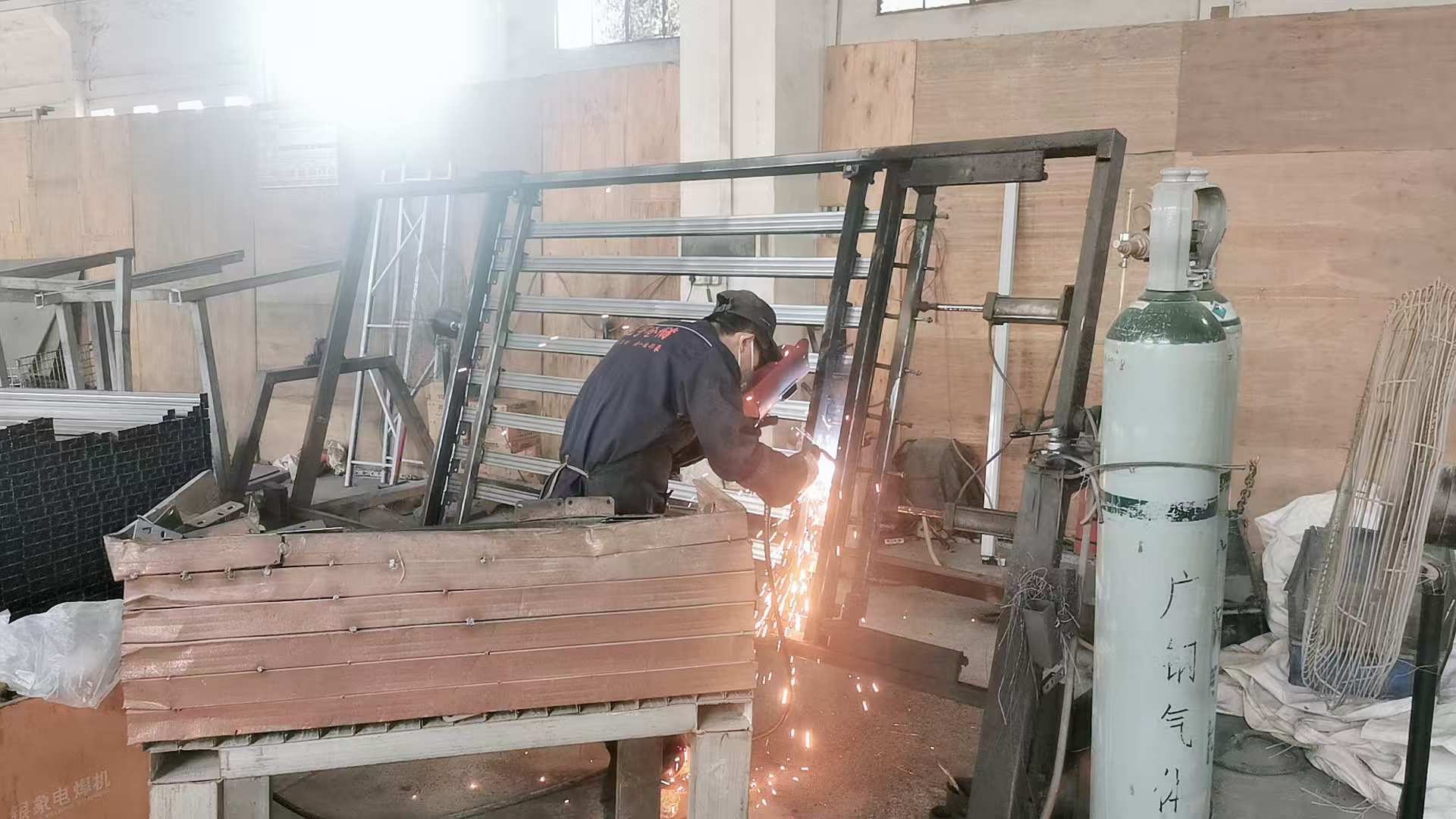
For heavy industrial applications (exceeding 5,000 lbs per arm capacity), structural steel (wide flange beams) is standard. Roll-formed steel, while cost-efficient for light-to-medium storage, exhibits less torsional rigidity under impact. Our manufacturing lines implement advanced high-penetration robotic welding to mate columns to base-plates, eliminating stress concentration points and mitigating risk from forklift impacts common in high-throughput ports like Oakland.
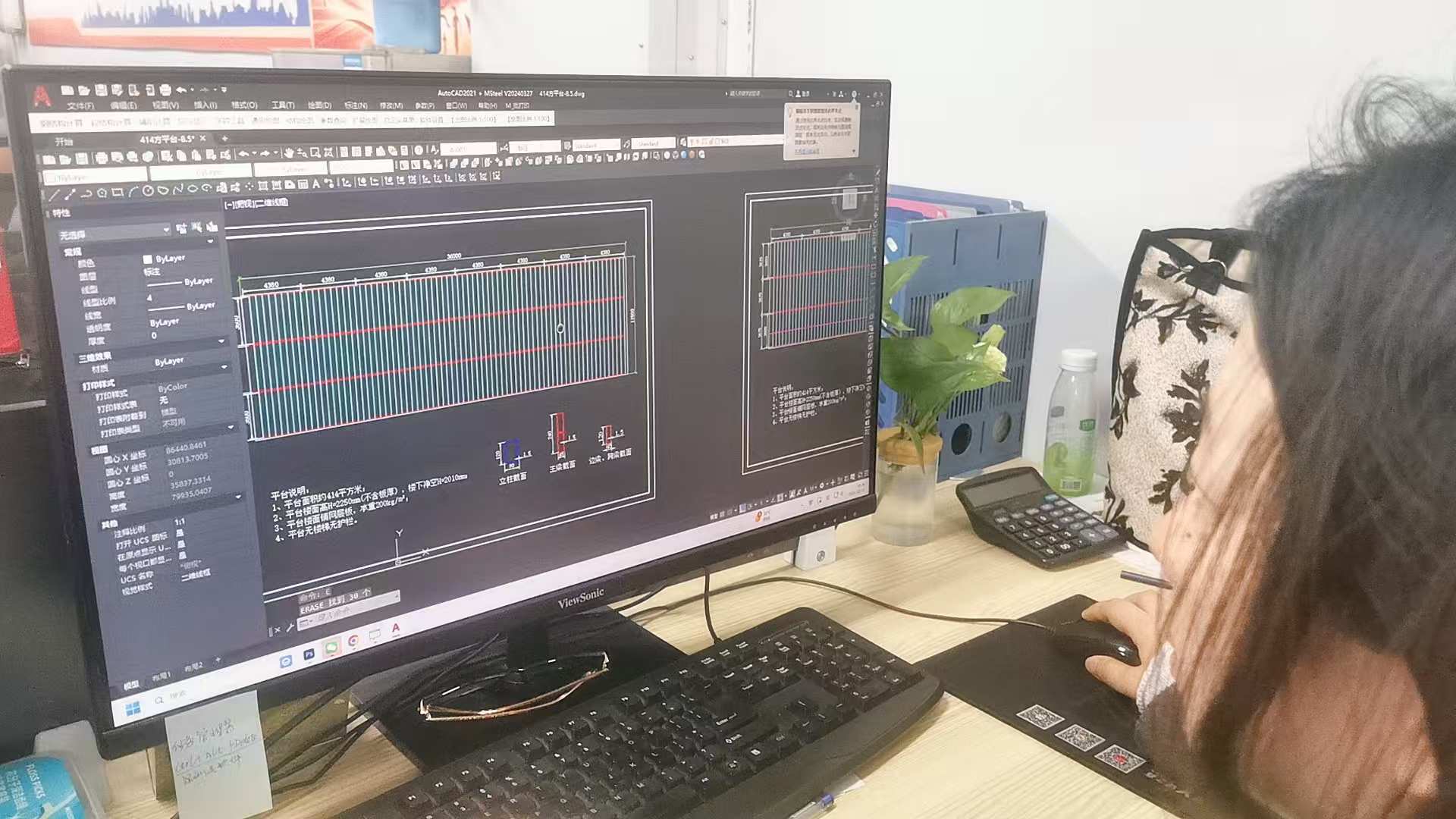
Racks installed in the San Francisco Bay Area require seismic calculations based on site-specific soil data. Design parameters incorporate seismic-force reduction factors (R-values) and seismic amplification factors. Our structural engineers utilize specialized structural analysis software to calculate arm deflection, upright stress ratios, and anchor bolt shear loads, specifying large-diameter wedge anchors embedded in high-strength concrete foundations.
Tailored physical architectures optimized for Northern California's primary industrial sectors.
Extremely humid and saline coastal conditions dictate corrosion prevention. We design and deliver custom hot-dip galvanized (HDG) structural cantilever racks. Our HDG processes coat the rack internally and externally with a thick zinc-alloy layer, ensuring 30+ years of rust-free structural integrity in exposed seaside environments.
For EV manufacturing facilities, cleanrooms, and tech staging centers, we produce high-precision, powder-coated, dust-free boltless storage rack solutions. Fully adjustable arms allow rapid reconfiguration for changing dimensions of specialized tooling, battery trays, and robotics enclosures.
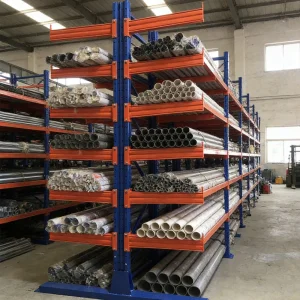
Lumber distributors, structural metal fabricators, and concrete pipe manufacturers require maximum load-bearing safety. Our heavy-duty double-sided systems utilize robust columns with adjustable arms that tilt upward at a small angle (2 to 4 degrees) to secure long pipes and timber bundles against rolling hazards.
A globally trusted manufacturer of intelligent storage and high-precision warehouse equipment.
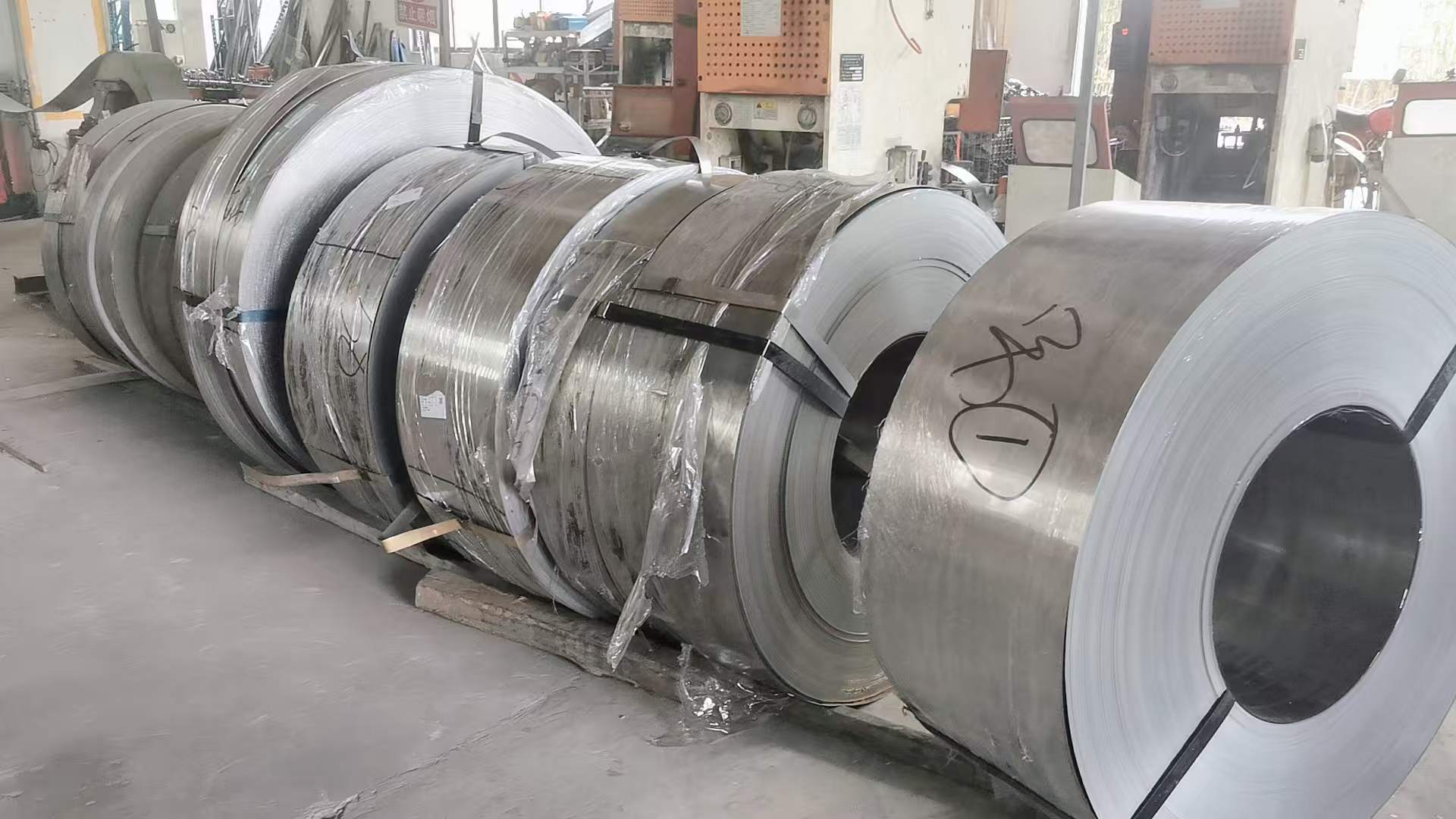
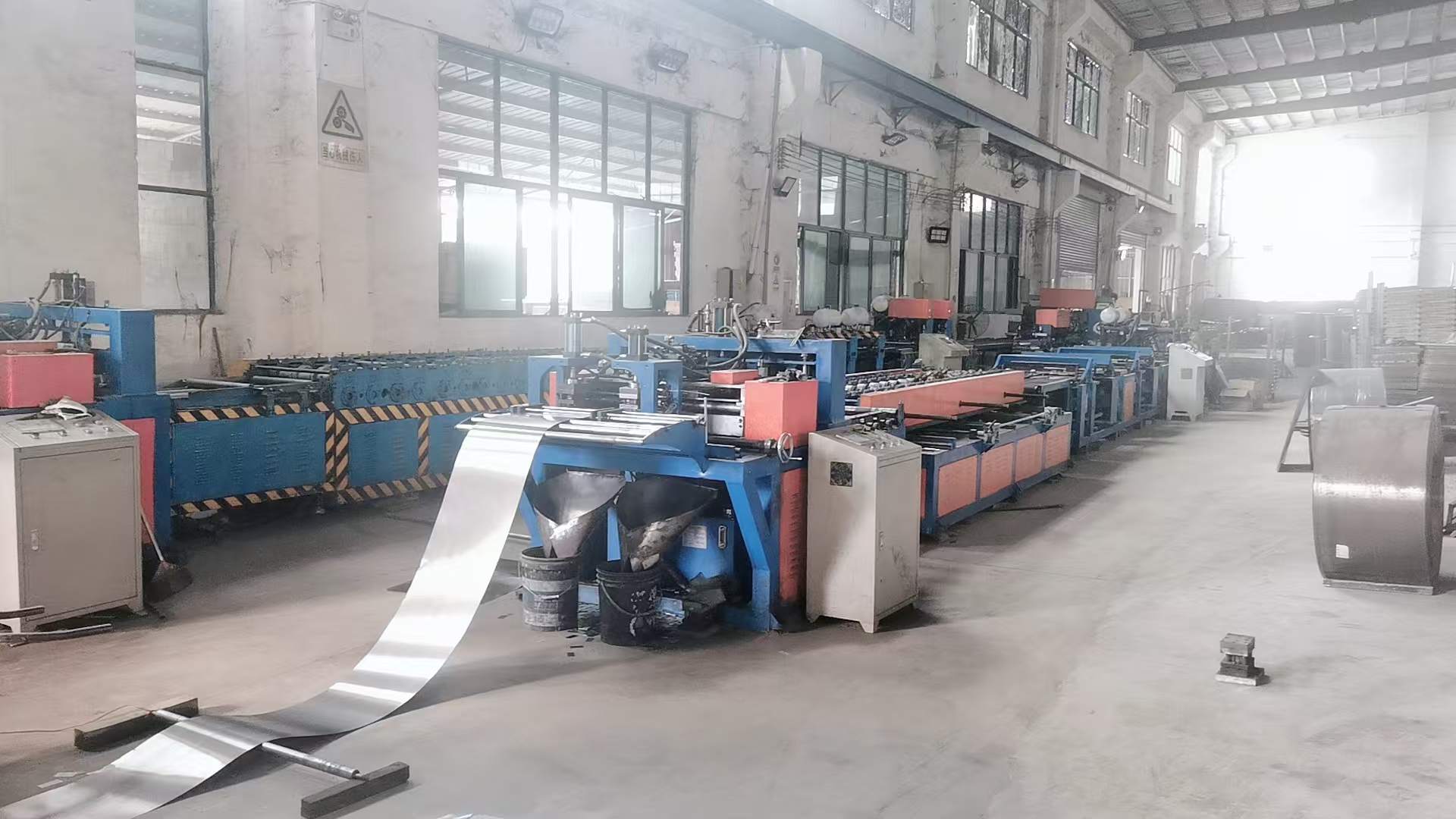
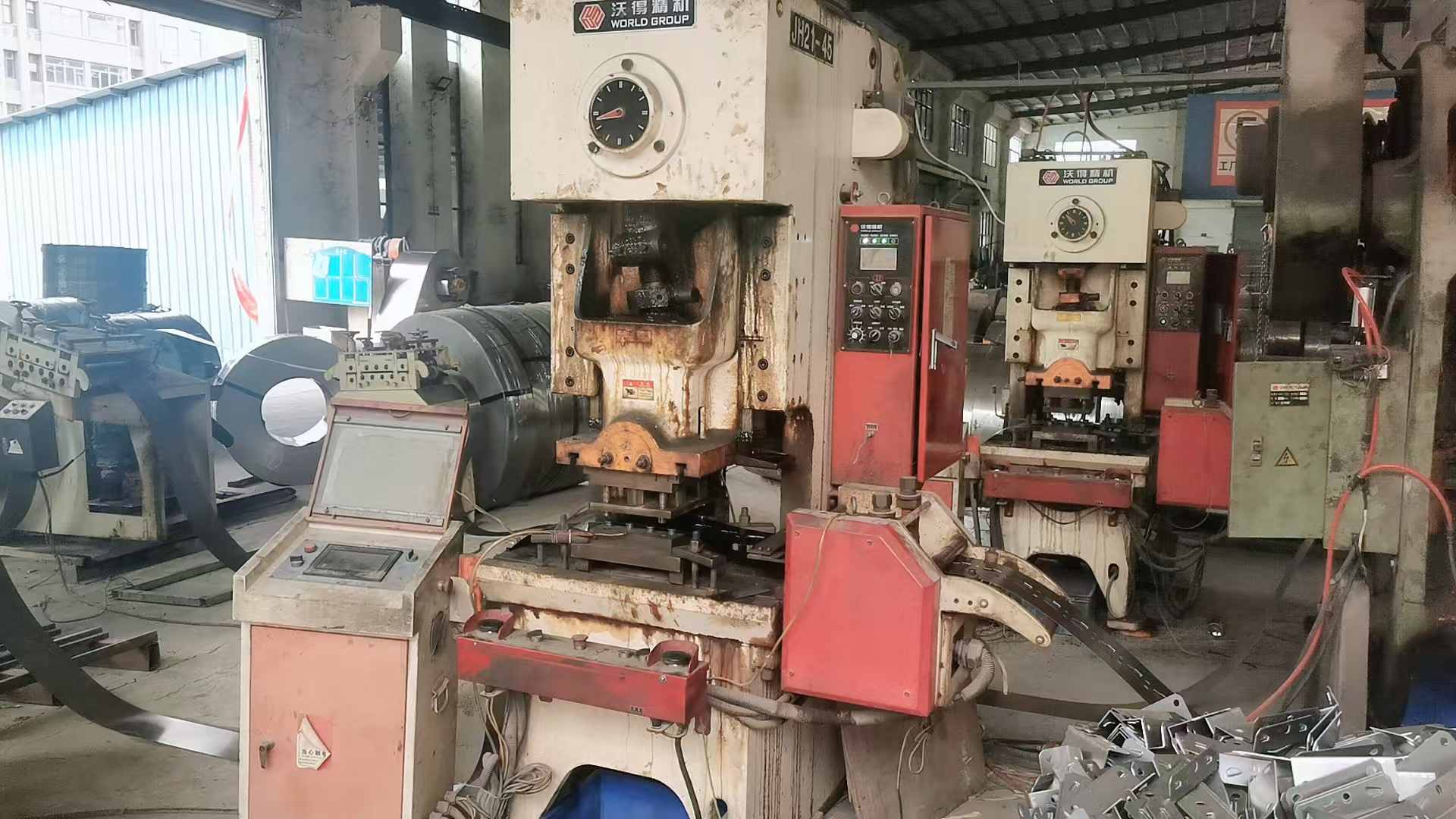
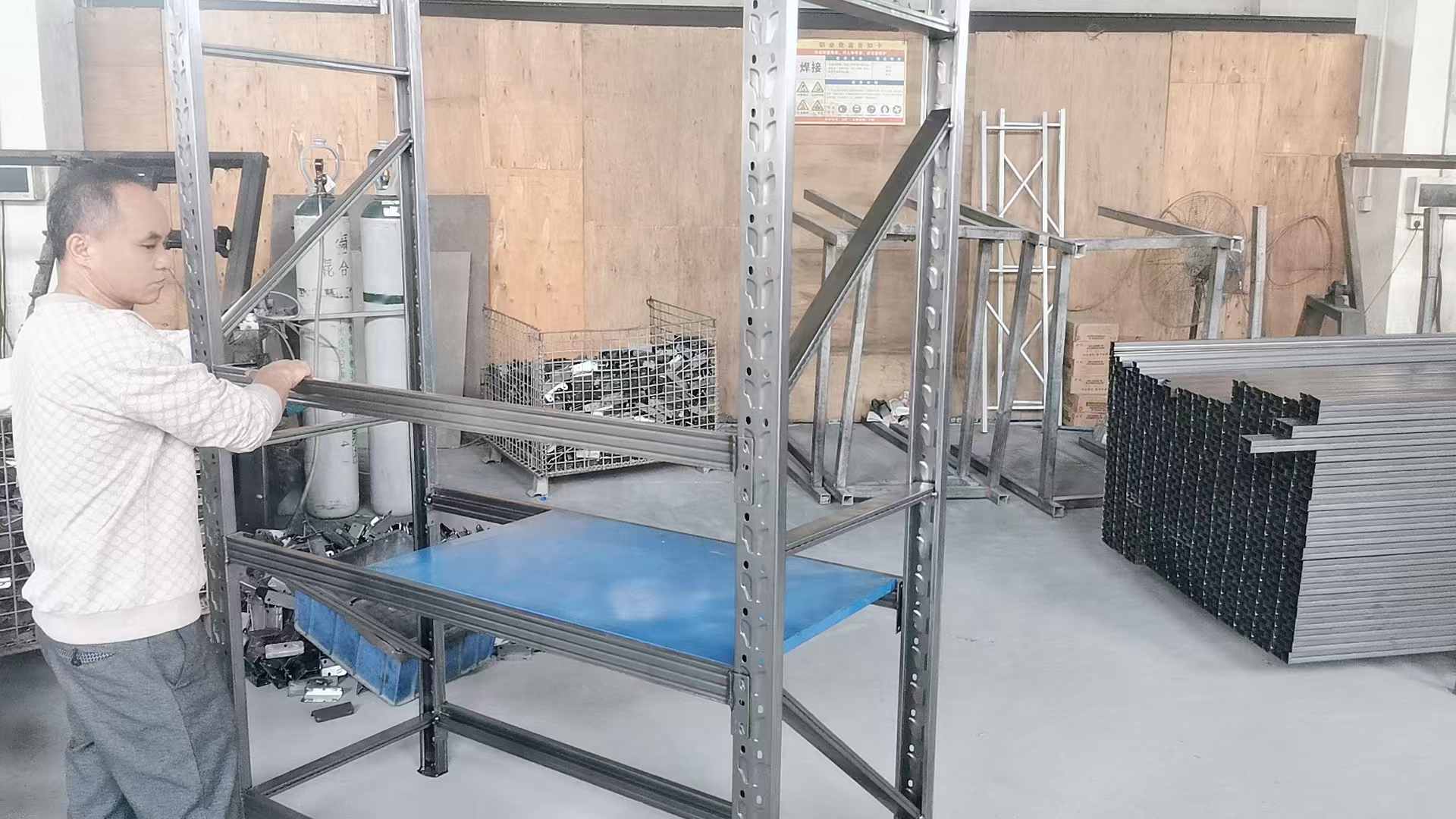
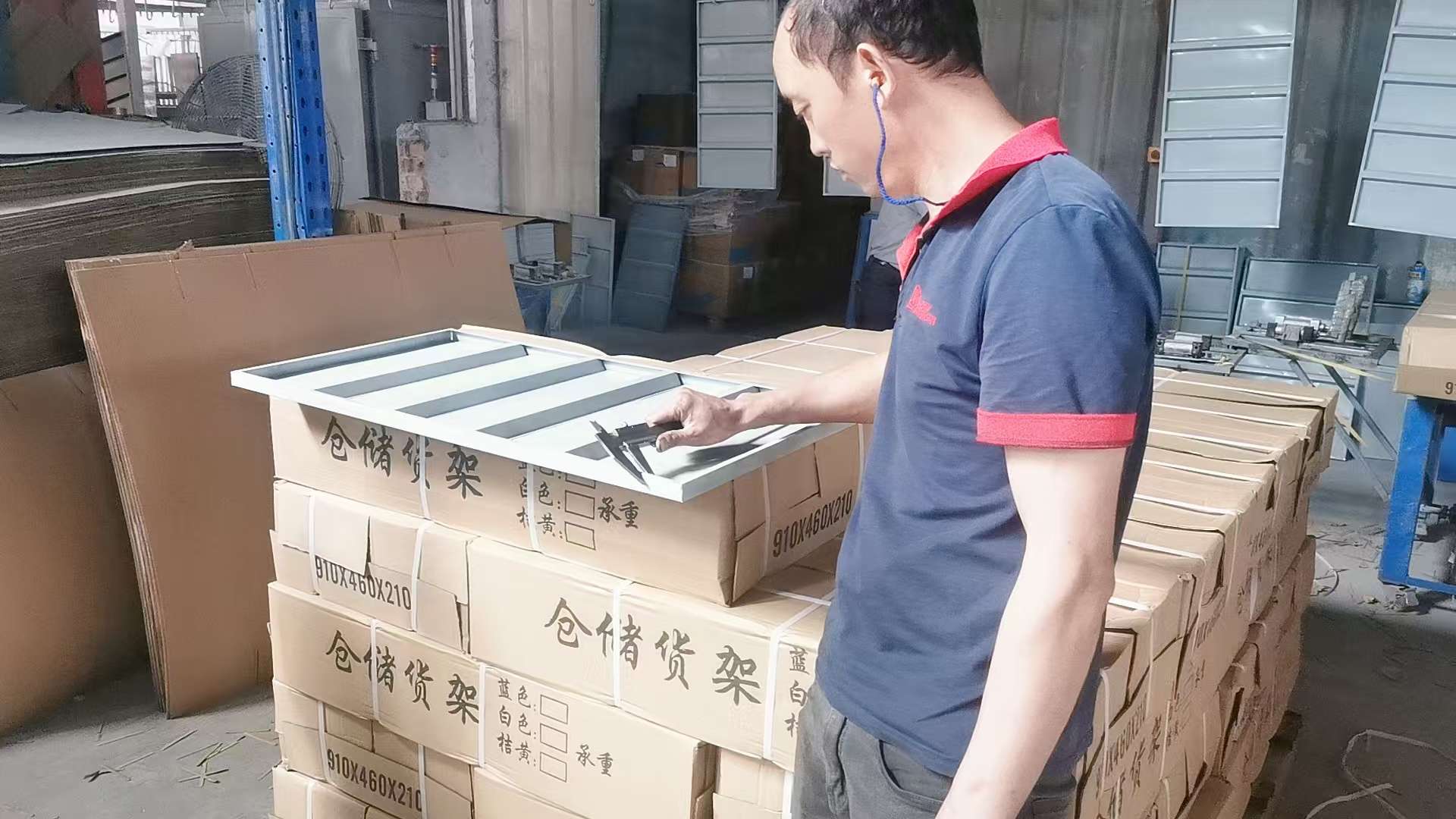
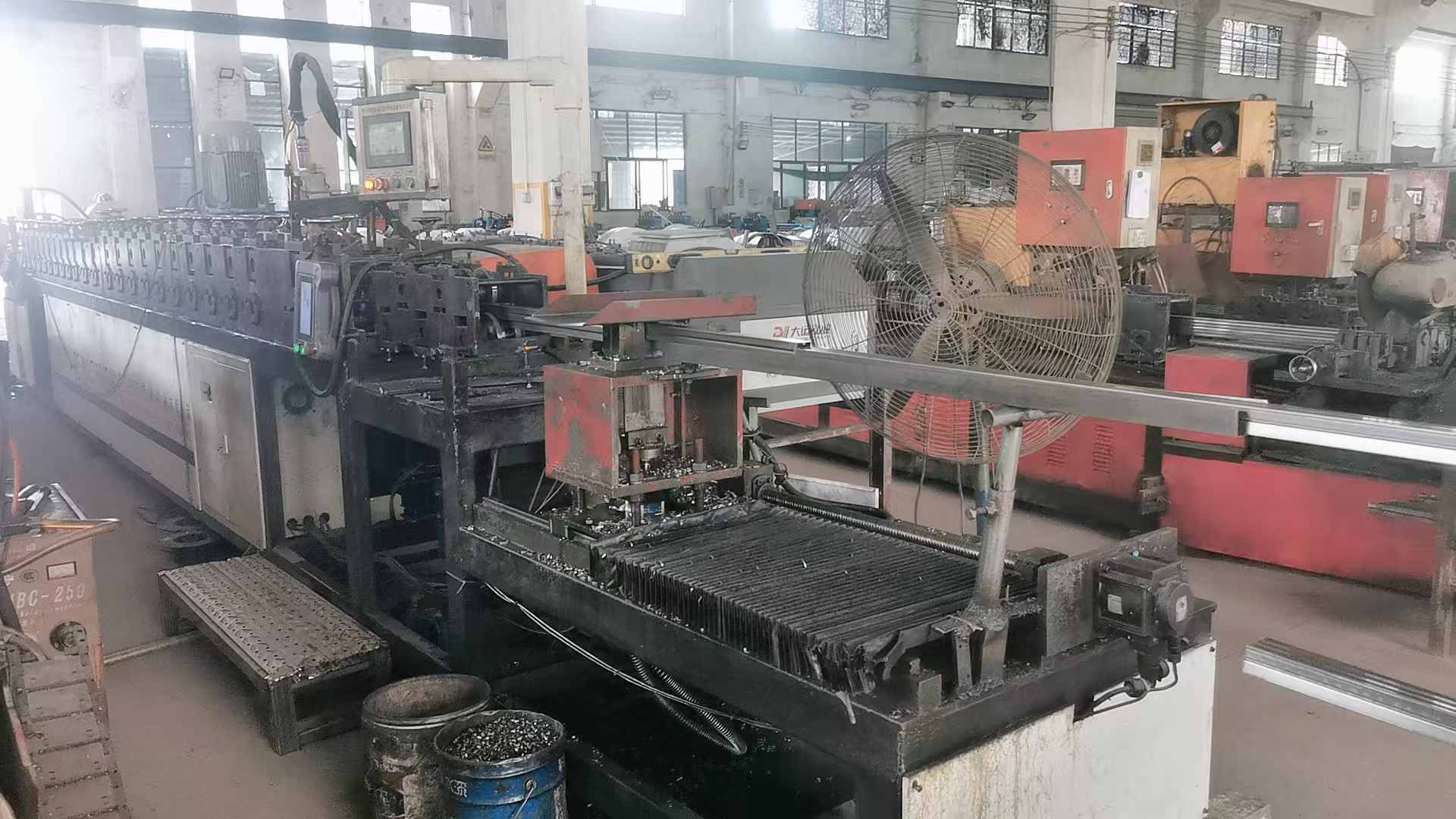
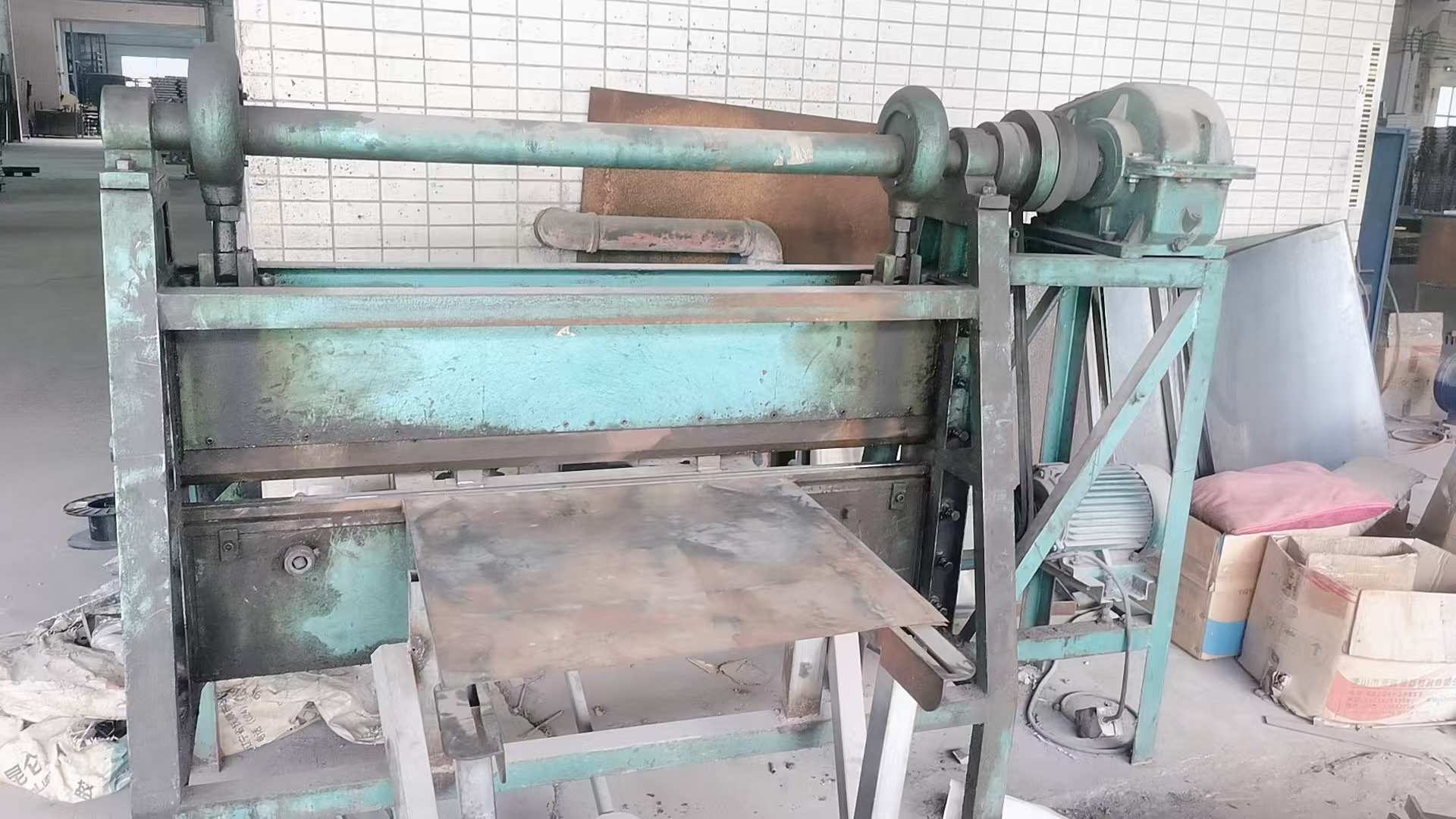
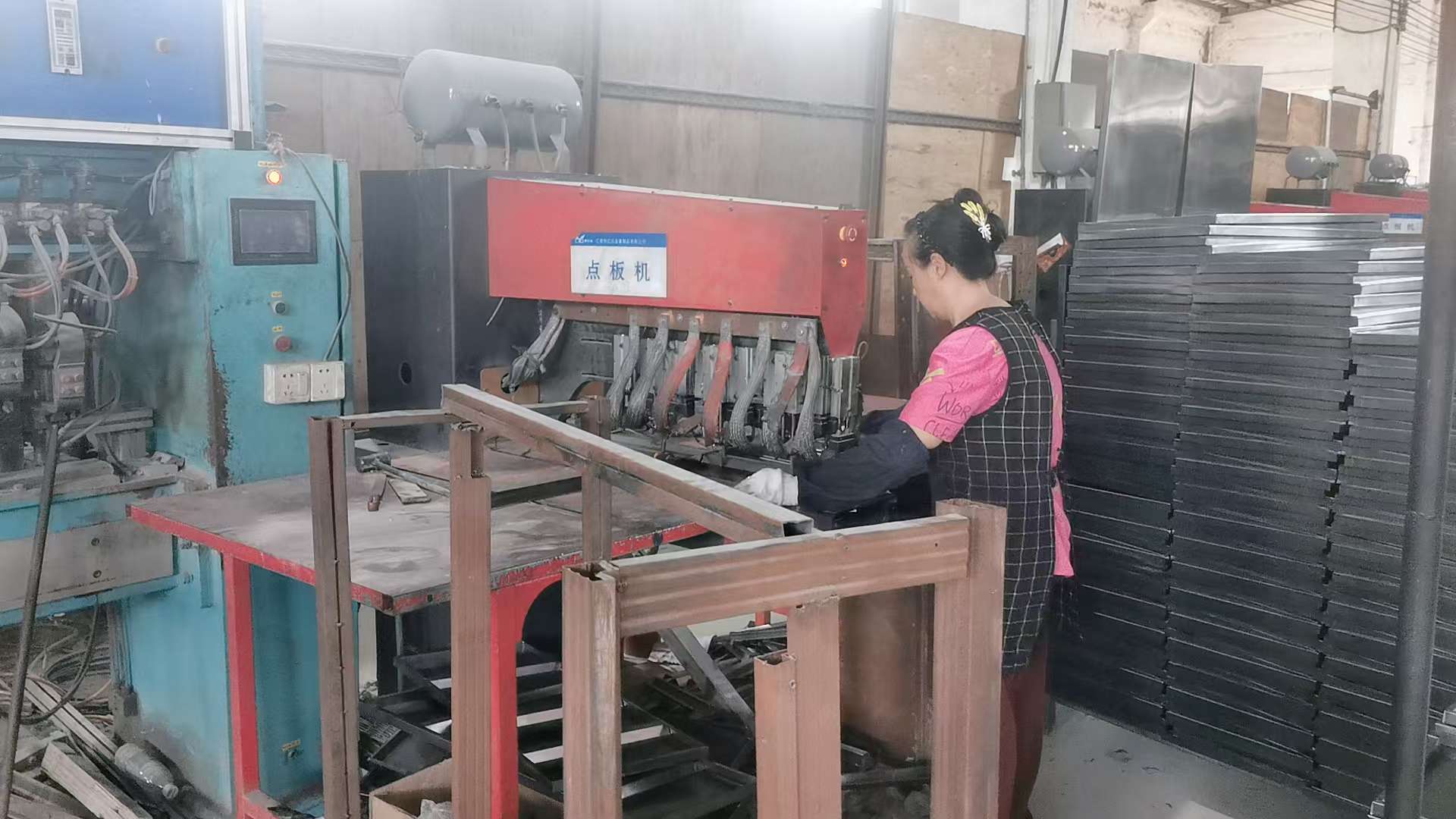
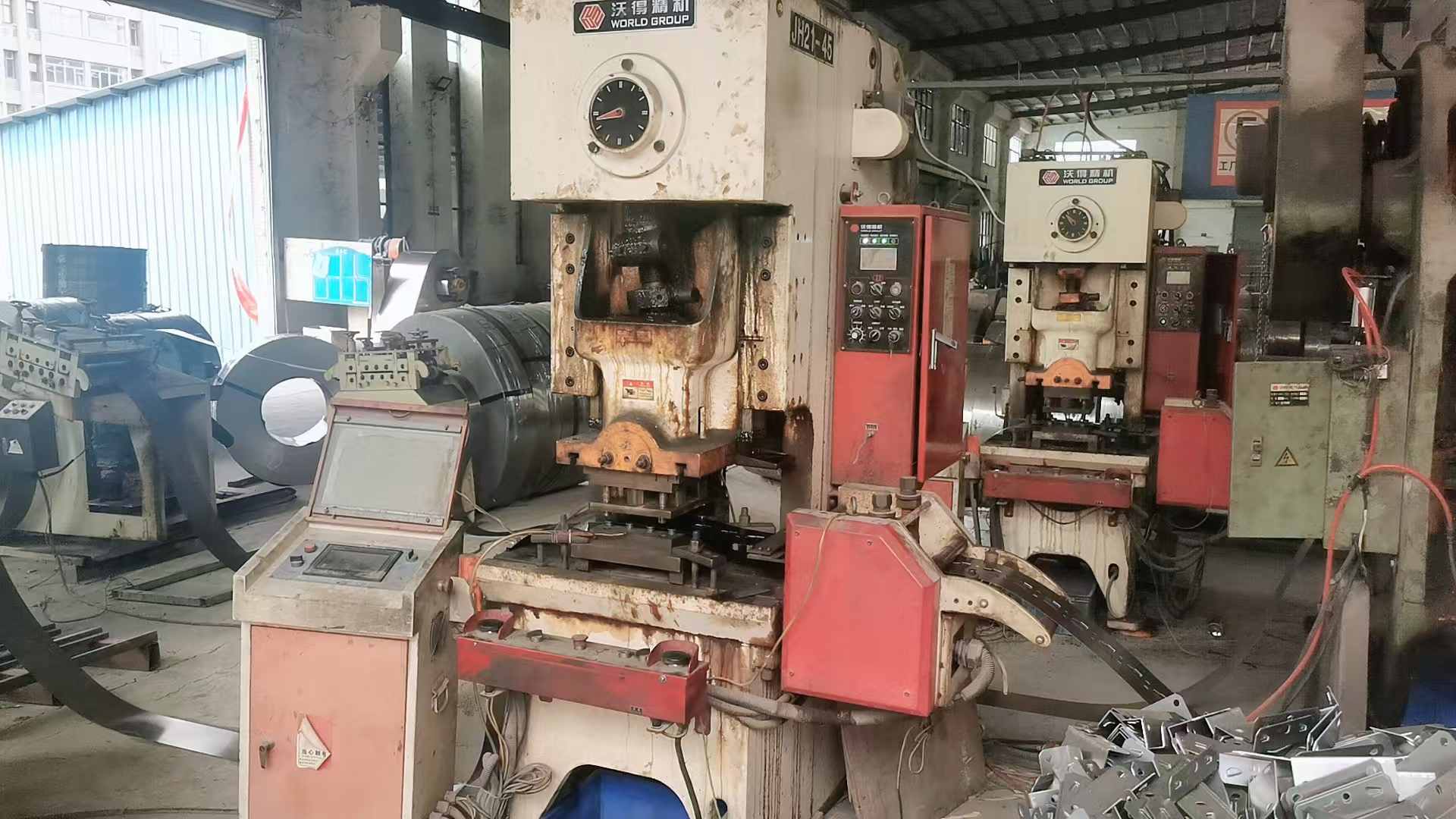
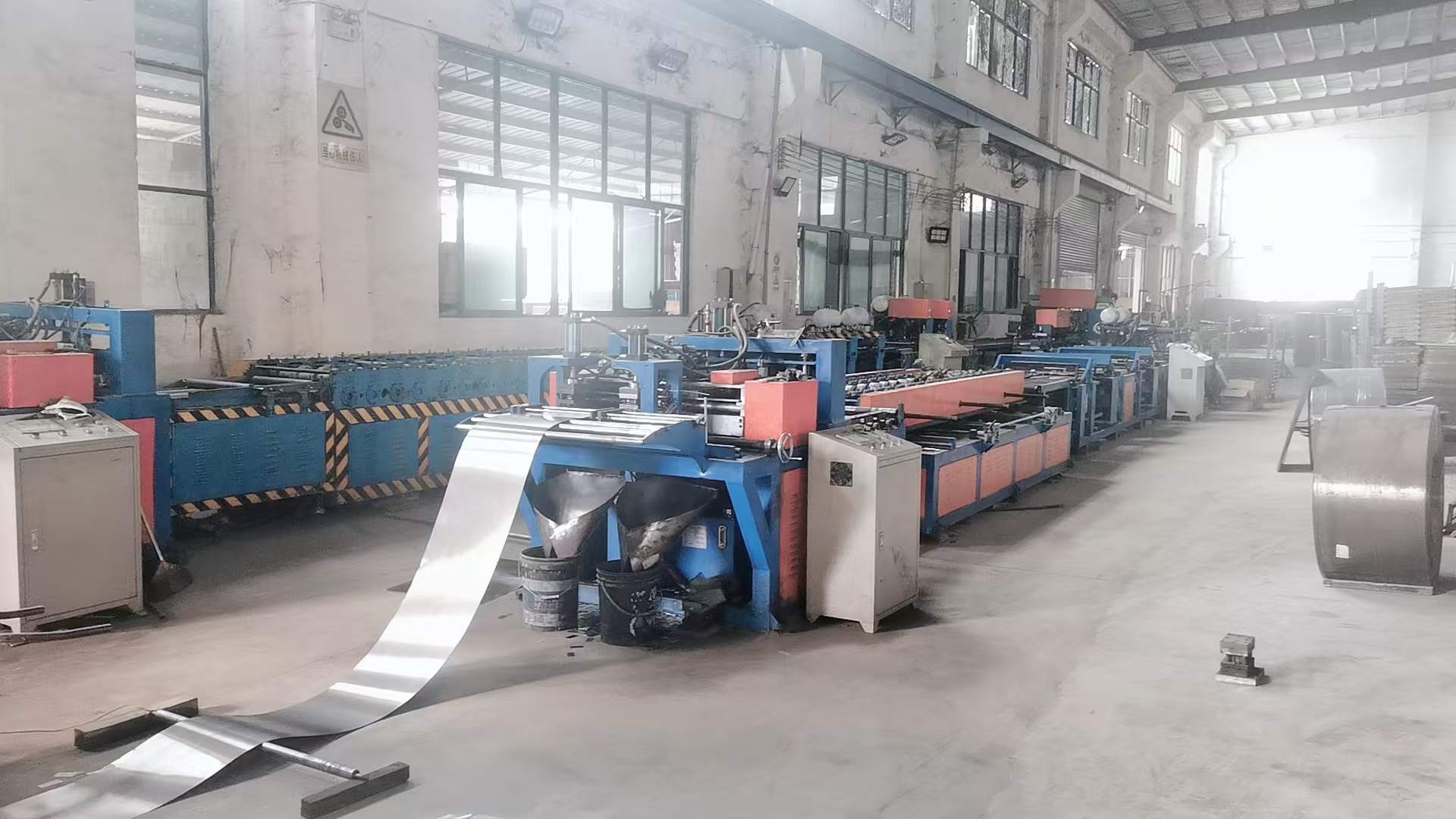
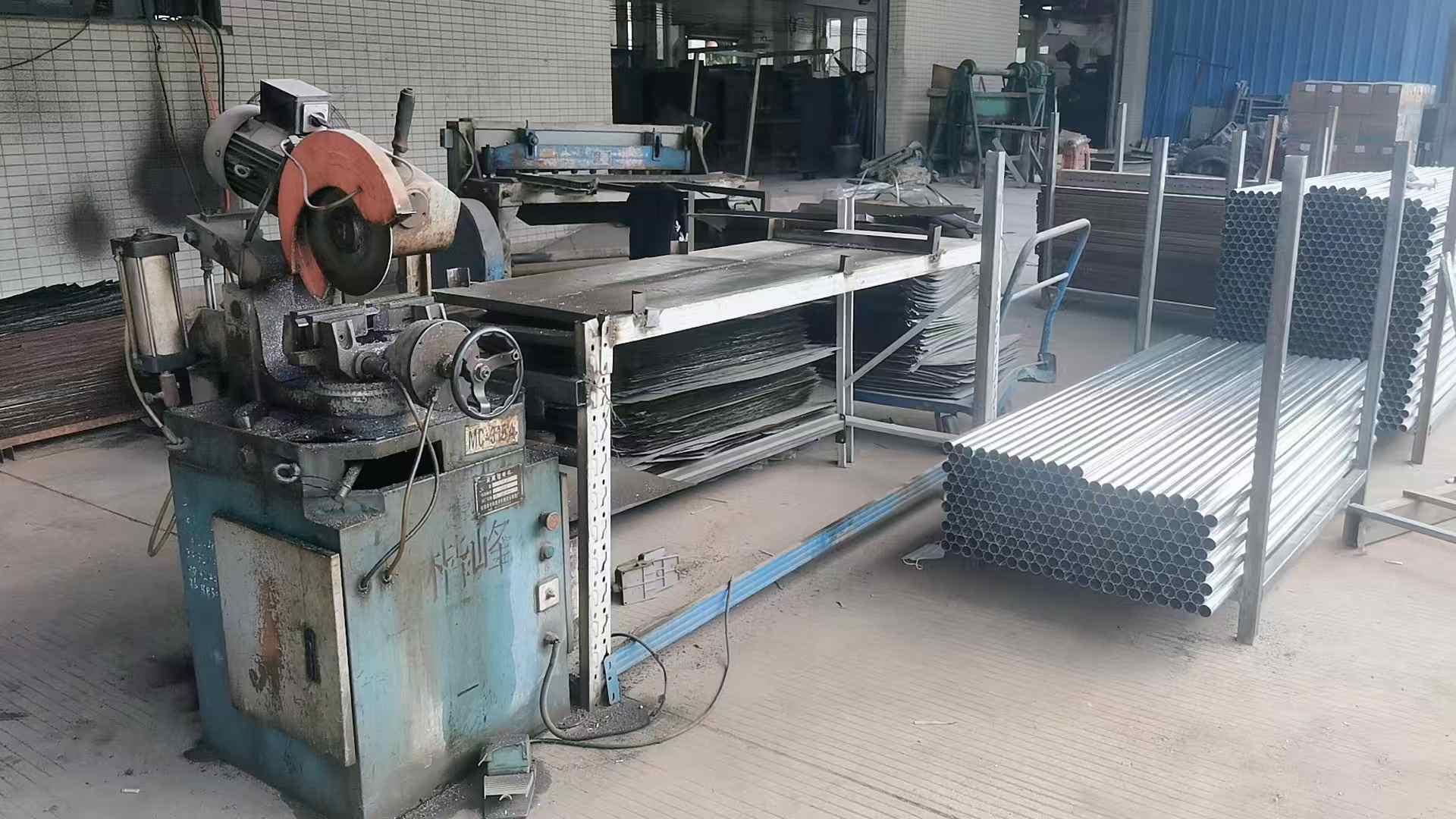
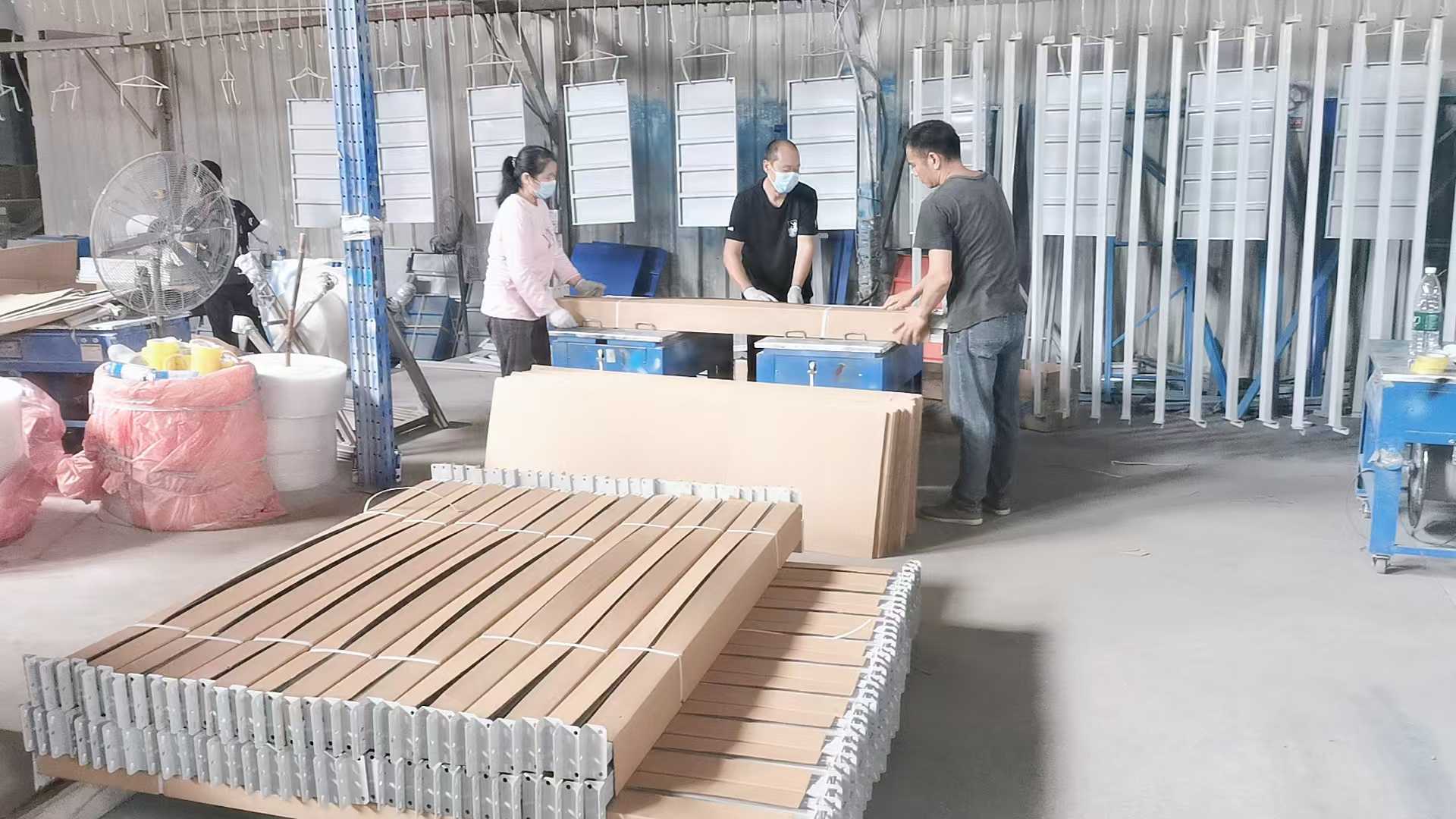
Established in 2016, Dongguan Hui Lian Intelligent Warehouse Equipment Co., Ltd. is a leading manufacturer specializing in the engineering, design, production, and worldwide export of high-quality warehouse storage systems. Operating from our advanced 18,500㎡ production facility, we maintain a dedicated workforce including 126 professional R&D engineers and 56 strict quality control inspectors to ensure that every rack meets rigorous international specifications.
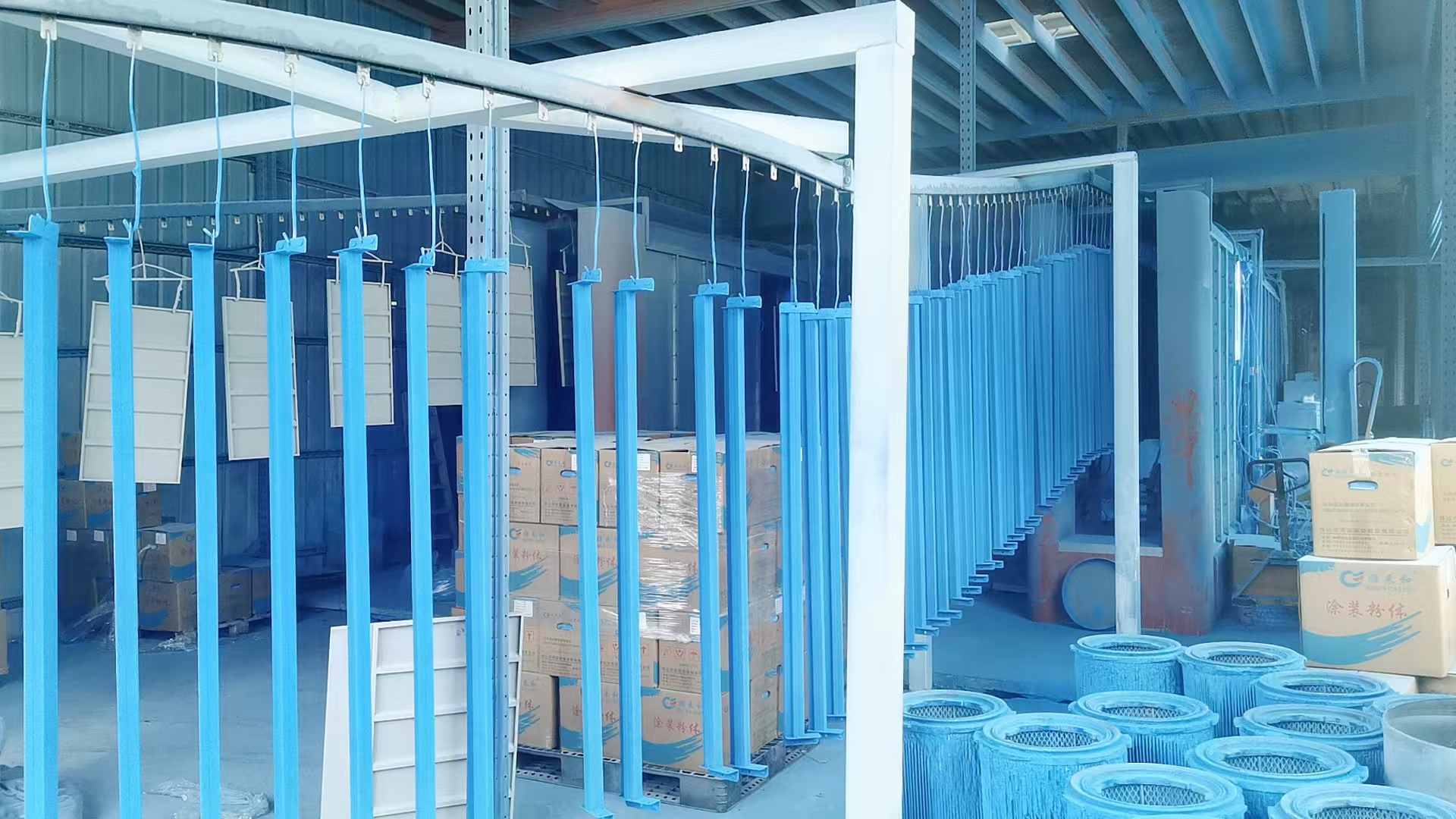
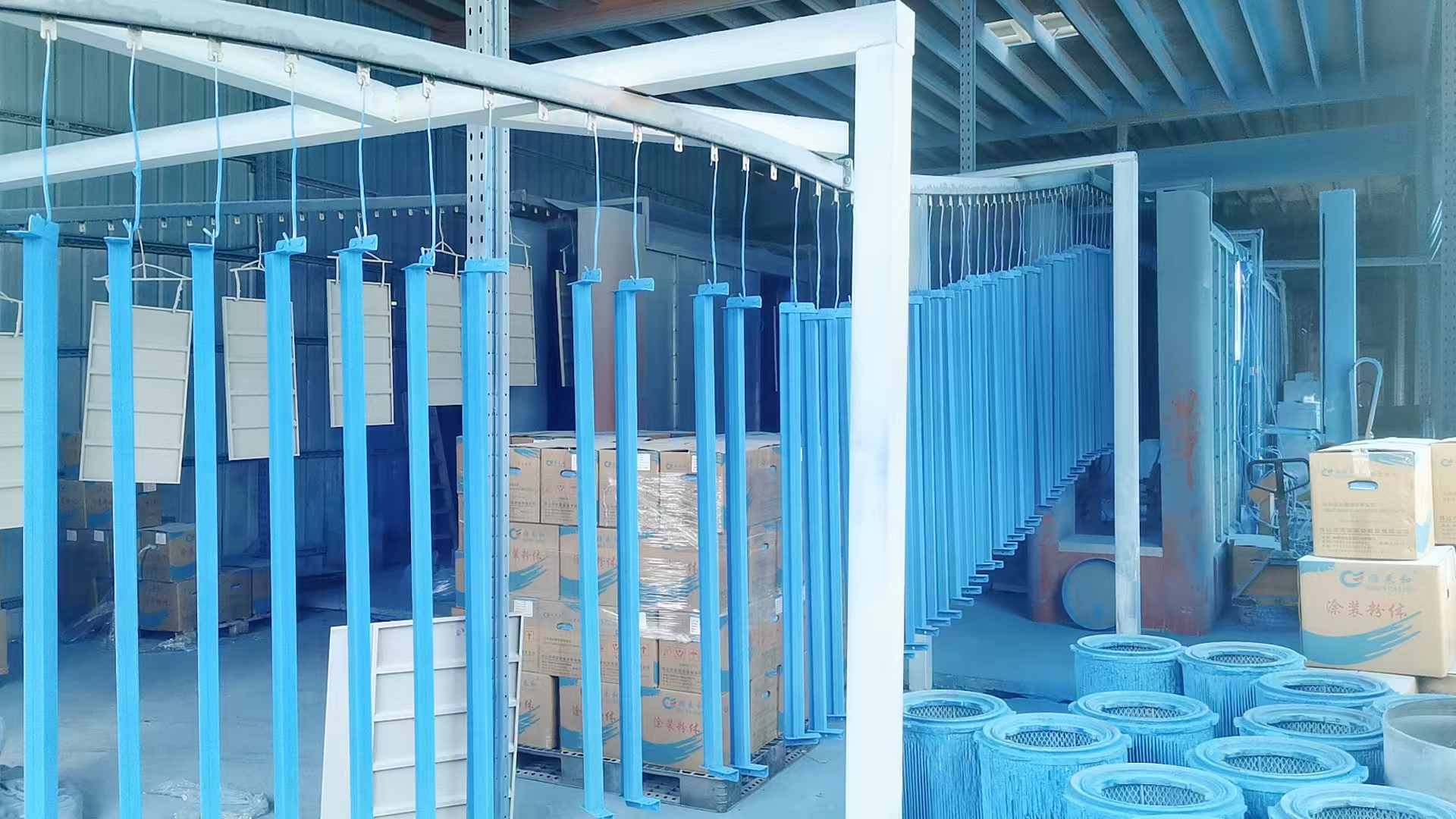
With an annual export revenue exceeding US$18 million, our logistics and racking systems are deployed in over 40 countries across North America, Europe, Southeast Asia, the Middle East, Australia, and South America. We integrate raw material sourcing, automatic fabrication, chemical pre-treatment, electrostatic powder coating, and heavy-duty loading tests into a unified quality management pipeline.
Our collaborative network features over 850 supply chain partners, guaranteeing reliable material flow and competitive pricing. Whether you require customized seismic cantilever designs for high-risk zones, standard pallet racking, mezzanine platforms, or automated warehouse integration, we offer professional OEM/ODM solutions tailored to your facility's exact requirements.
Expert answers to common engineering, structural, and procurement inquiries for cantilever racking systems.
To perform an accurate seismic calculation compliant with California Building Code (CBC 2022 Title 24), we require: the warehouse ZIP code (to determine the Spectral Response Acceleration parameters SDS and SD1), soil classification (typically class D for Bay Area soils unless specified), building slab thickness and concrete compressive strength (PSI), and the maximum load profile per arm level.
Single-sided cantilever racks are designed to sit flush against a structural wall, with load-bearing arms projecting forward in one direction only. Double-sided racks feature central upright columns with arms projecting from both the front and rear faces, creating back-to-back storage rows that optimize space utilization in open warehouse floors.
Our structural arms are secured to the vertical columns using heavy-duty alloy pins. If an arm is accidentally struck by a forklift from below, it pivots upwards, dispersing the impact energy rather than bending or damaging the structural weld. It then returns safely to its resting position without structural deflection.
For outdoor storage yards subject to high coastal fog, salinity, and humidity, hot-dip galvanization is highly recommended. For indoor facilities where aesthetic design and cost efficiency are prioritized, our electrostatic epoxy powder coating (with a thickness of 80-120 microns) offers excellent abrasion and chemical resistance.
Yes. Cantilever arms can be customized with front lip-stoppers (to prevent rolls), specialized deck supports, welded fork-entry guides, or wire mesh decking. This allows the system to store a mixture of long pipes, structural lumber, sheet metal packs, and heavy-duty custom pallets on the same shelf face.
Complete warehouse storage catalog engineered for high performance, strength, and durability.
 Hui Lian