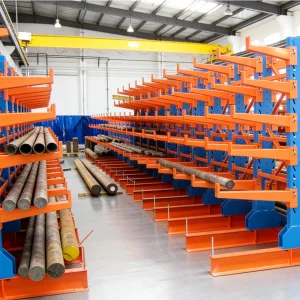
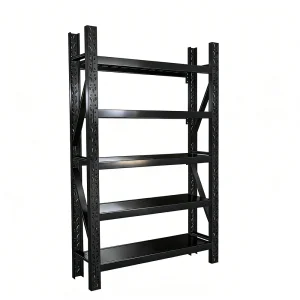
Engineered to meet the exact load parameters required in Western Sydney’s industrial expansion hubs, these highly versatile structural units provide uncompromising durability.
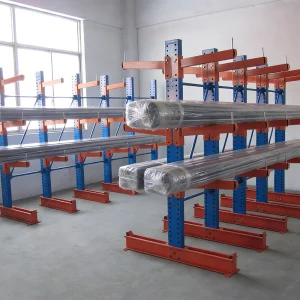
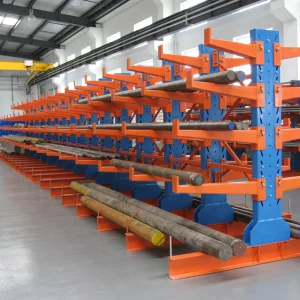
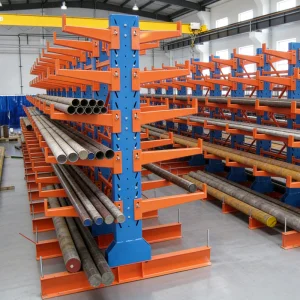
The industrial infrastructure of Greater Sydney is experiencing an unprecedented structural transformation. Driven by the development of the Western Sydney Aerotropolis, the expansion of logistics corridors in Wetherill Park, Eastern Creek, and Marsden Park, and the mounting pressure on traditional Port Botany supply chains, warehouse density has become the paramount metric of commercial viability.
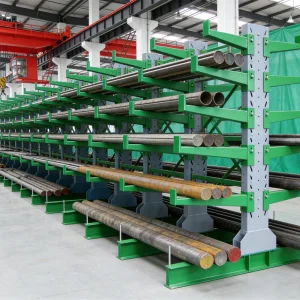
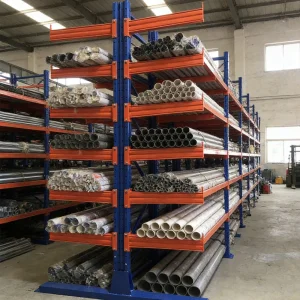
Industrial real estate in Sydney is currently among the most constrained globally, characterized by record-low vacancy rates and climbing land valuations per square meter. In response, enterprise-grade operations are abandoning horizontally spread layouts in favor of advanced volumetric vertical storage systems. Heavy-duty cantilever racking stands at the center of this movement, specifically optimized to handle the region's vast distribution of construction materials, structural steel profiles, timber, and heavy machinery components.
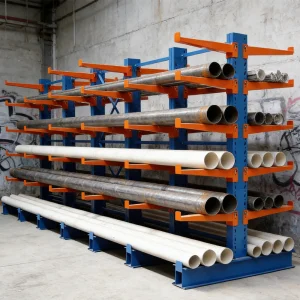
Unlike palletized inventory, long or irregular loads such as piping, extruded plastics, and structural timber boards present unique handling risks. Standard selective pallet racking is structurally incapable of accommodating continuous linear goods without intermediate vertical uprights. Attempting to store such loads on floor space not only diminishes warehouse efficiency but also exposes operators to critical safety violations under SafeWork NSW regulations.
By eliminating the front vertical column barrier, cantilever racks provide uninterrupted horizontal storage runs. This allows Sydney industrial operations to use standard fork trucks or specialized multidirectional reach trucks (such as Combilifts) to retrieve product loads seamlessly, lowering labor cycle times and safeguarding structural integrity.
At an international scale, supply chains are demanding extreme adaptability. Global manufacturing processes require storage frameworks that transition seamlessly from raw material processing to final product distribution. Standardizing racking profiles reduces capital expenditures (CAPEX) across multinational warehousing networks.
With the rapid growth of construction in New South Wales, timber distribution facilities require robust, outdoor-rated cantilever configurations. Our hot-dip galvanized finishes protect structural components from coastal salinity, while pivoting arm designs deflect upward impacts from forklift forks without permanent deformation.
Storing long structural steel tubes, angles, and bars demands structural-grade hot-rolled I-beams (H-beams). The structural rigid base and solid columns of our heavy industrial series provide single-arm capacities in excess of 2,000 kg, guaranteeing total structural equilibrium even under asymmetrical loading conditions.
The automotive supply aftermarket requires storage systems that handle various sizes and shapes. Integrated mesh decks, pipe-stops, and adjustable dividers allow our cantilever arms to function as deep shelving units, protecting odd-shaped automotive panels and chassis structures.
Compliance in Australia is non-negotiable. Racking systems deployed within the Sydney market must satisfy the strict testing and certification thresholds established by AS4084 (Steel Storage Racking). Failure to align with these standards exposes businesses to heavy penalties from SafeWork NSW and creates serious operational vulnerabilities.
Every structural cantilever design exported by Dongguan Hui Lian Intelligent Warehouse Equipment Co., Ltd. is engineered to meet or exceed these local performance limits. We analyze vertical column stability, torsional arm deflection, welding tolerances under high loads, and concrete slab anchoring dynamics.
For outdoor installations subjected to coastal wind forces near Botany Bay or the Northern Beaches, our R&D engineering division calculates localized wind load configurations. We adjust base anchoring specifications to withstand the dynamic environmental forces characteristic of the Sydney basin.
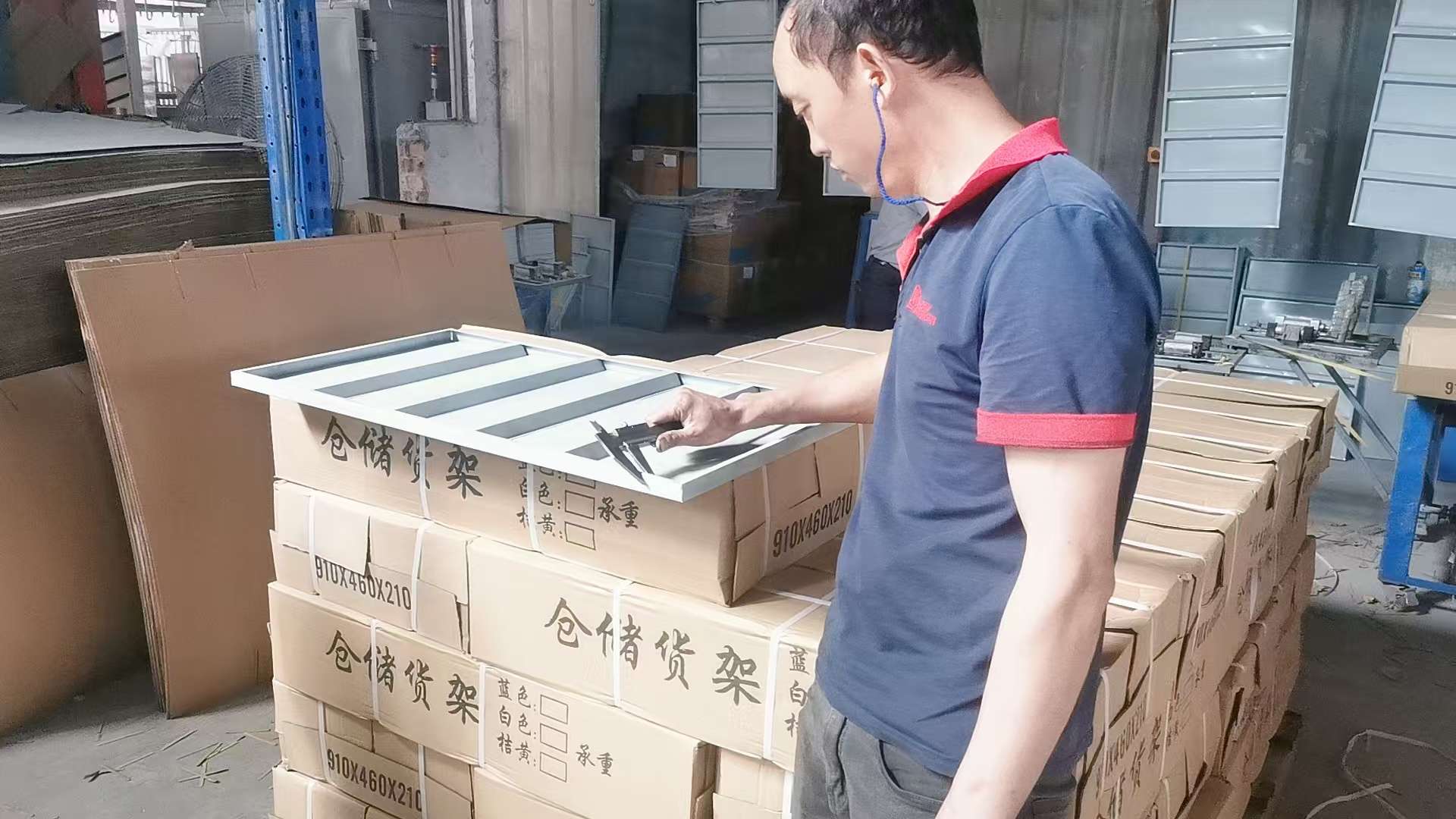
Dongguan Hui Lian operates a modern 18,500㎡ production facility utilizing automated manufacturing techniques. Our advanced production processes ensure that structural specifications are consistently achieved across every manufacturing batch.
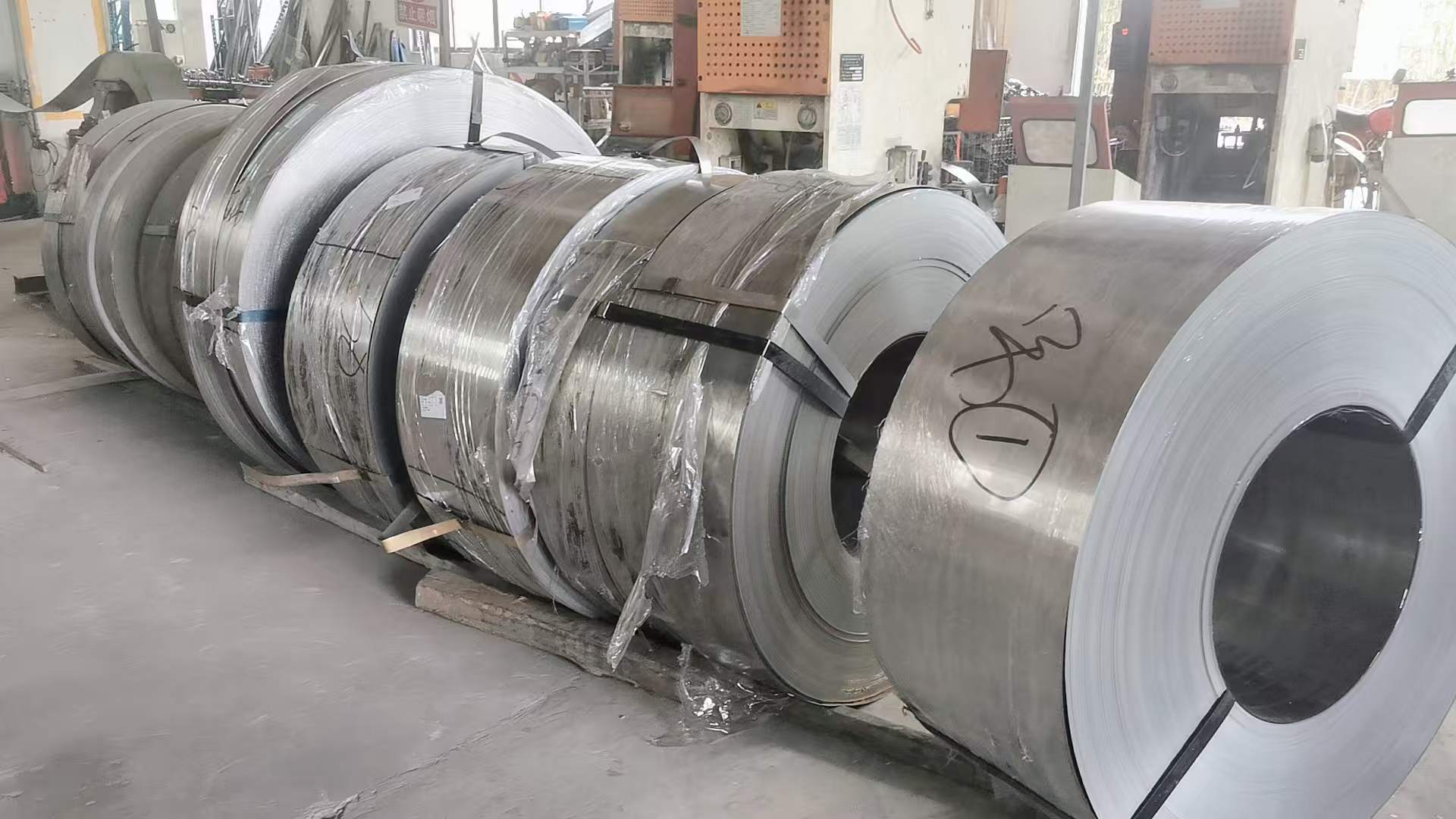
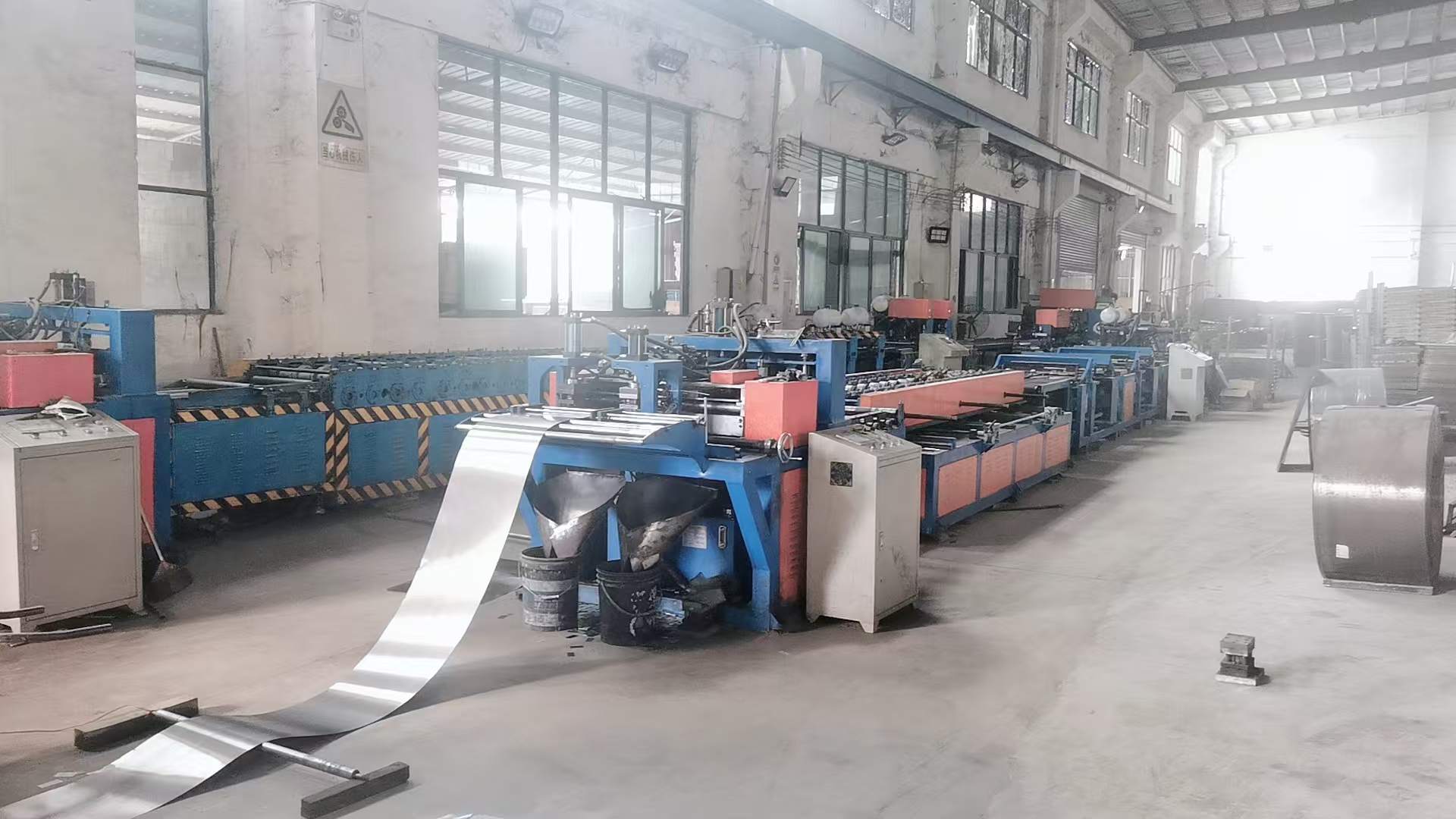
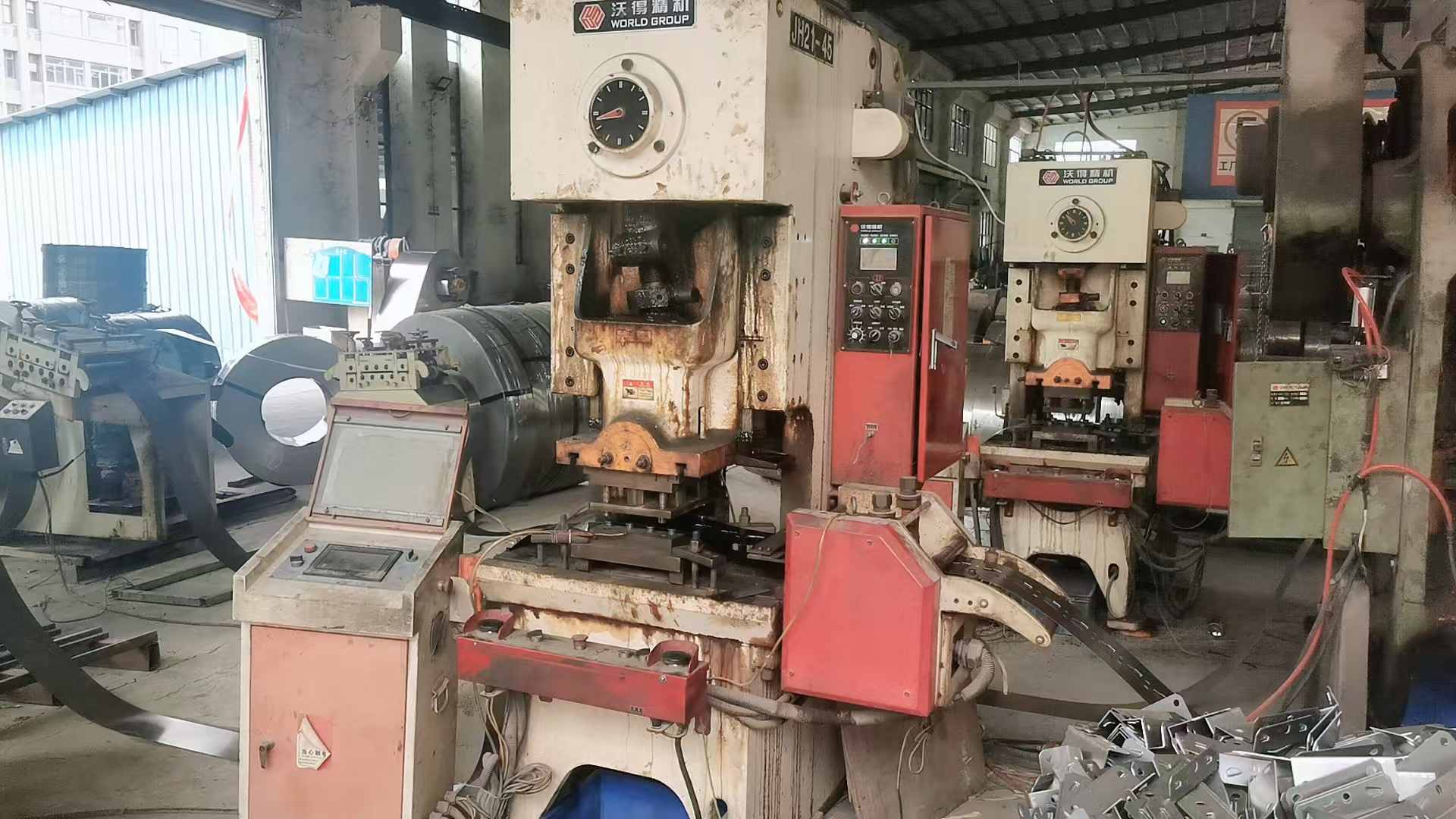
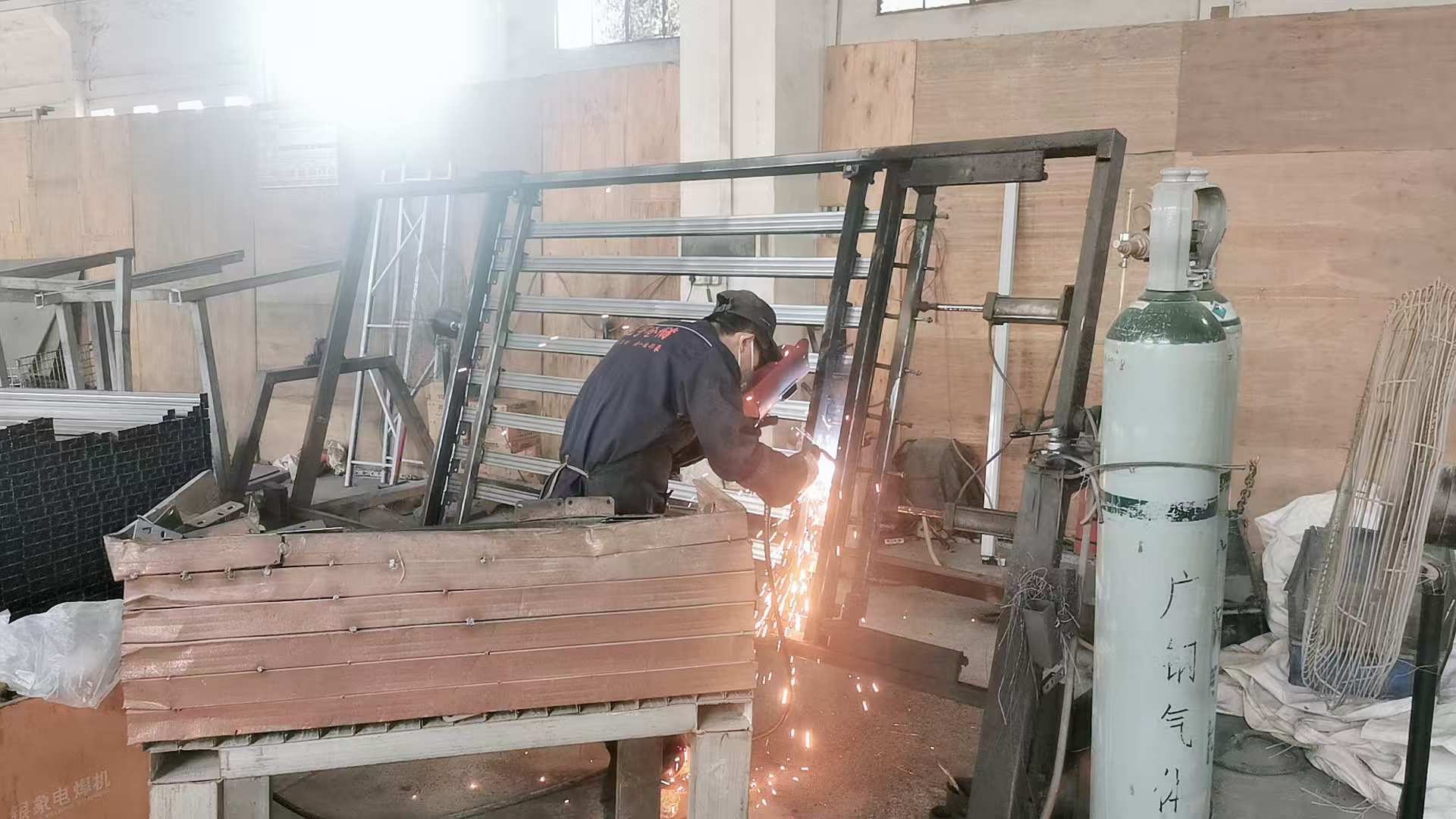
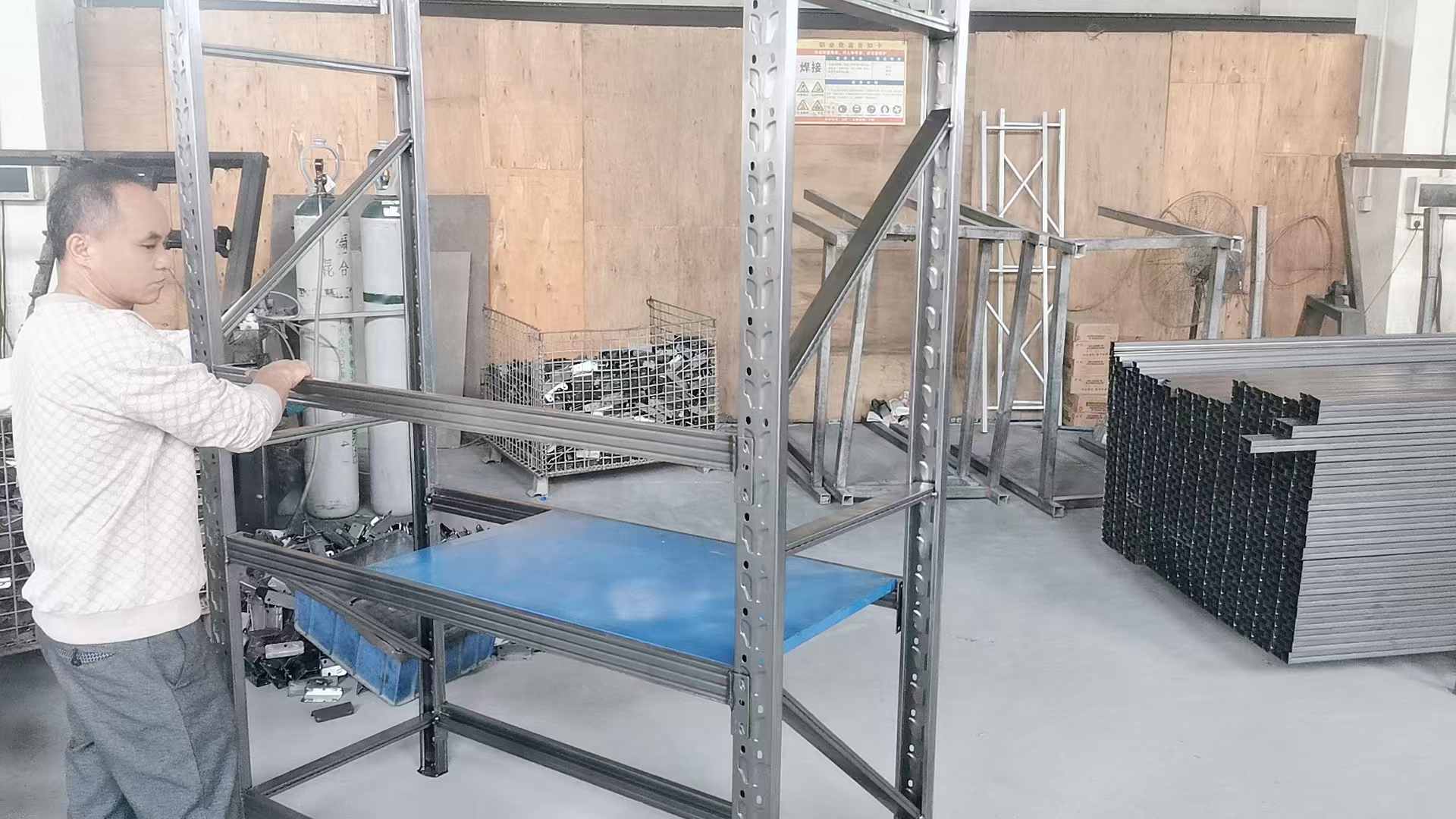
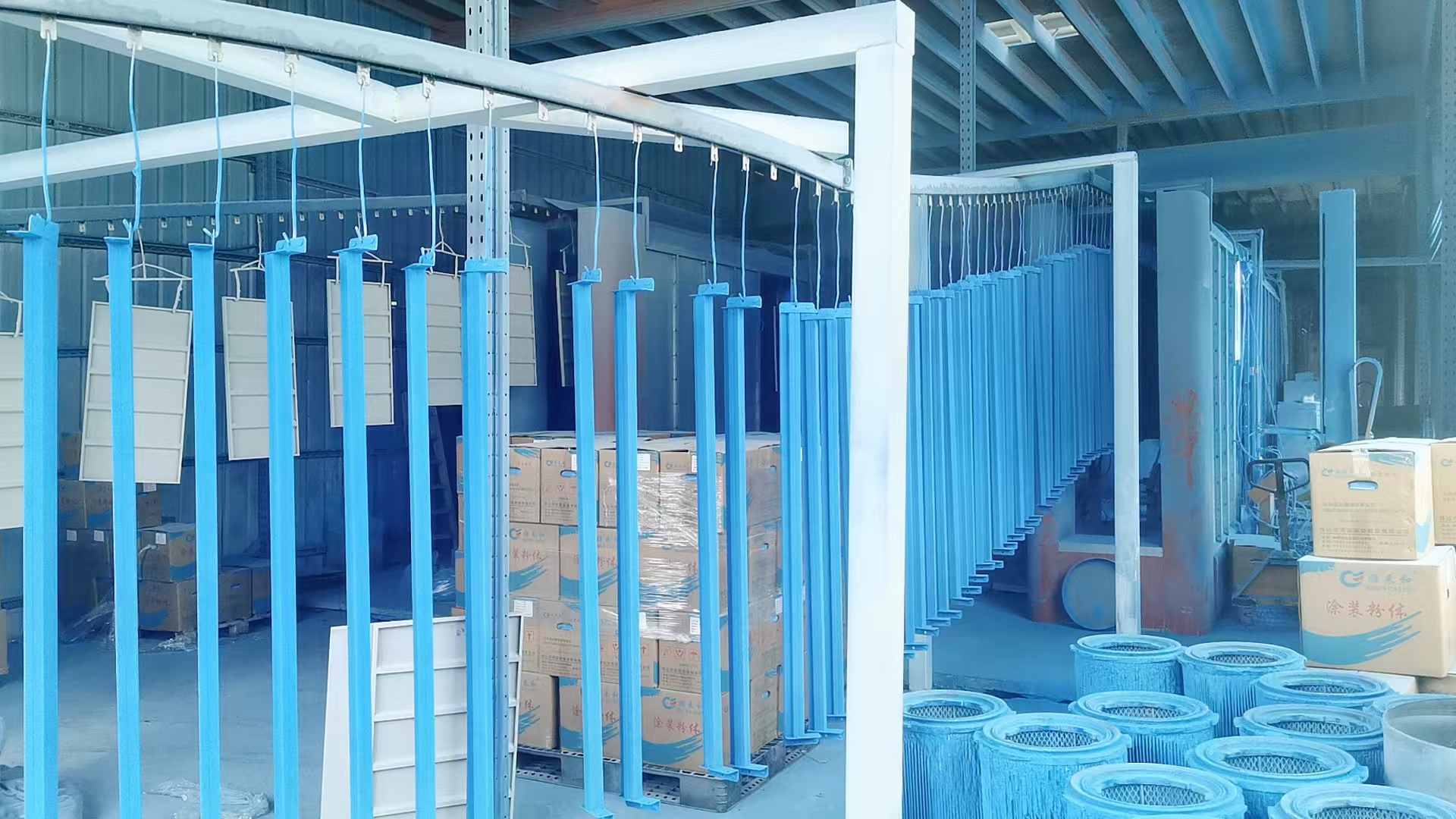
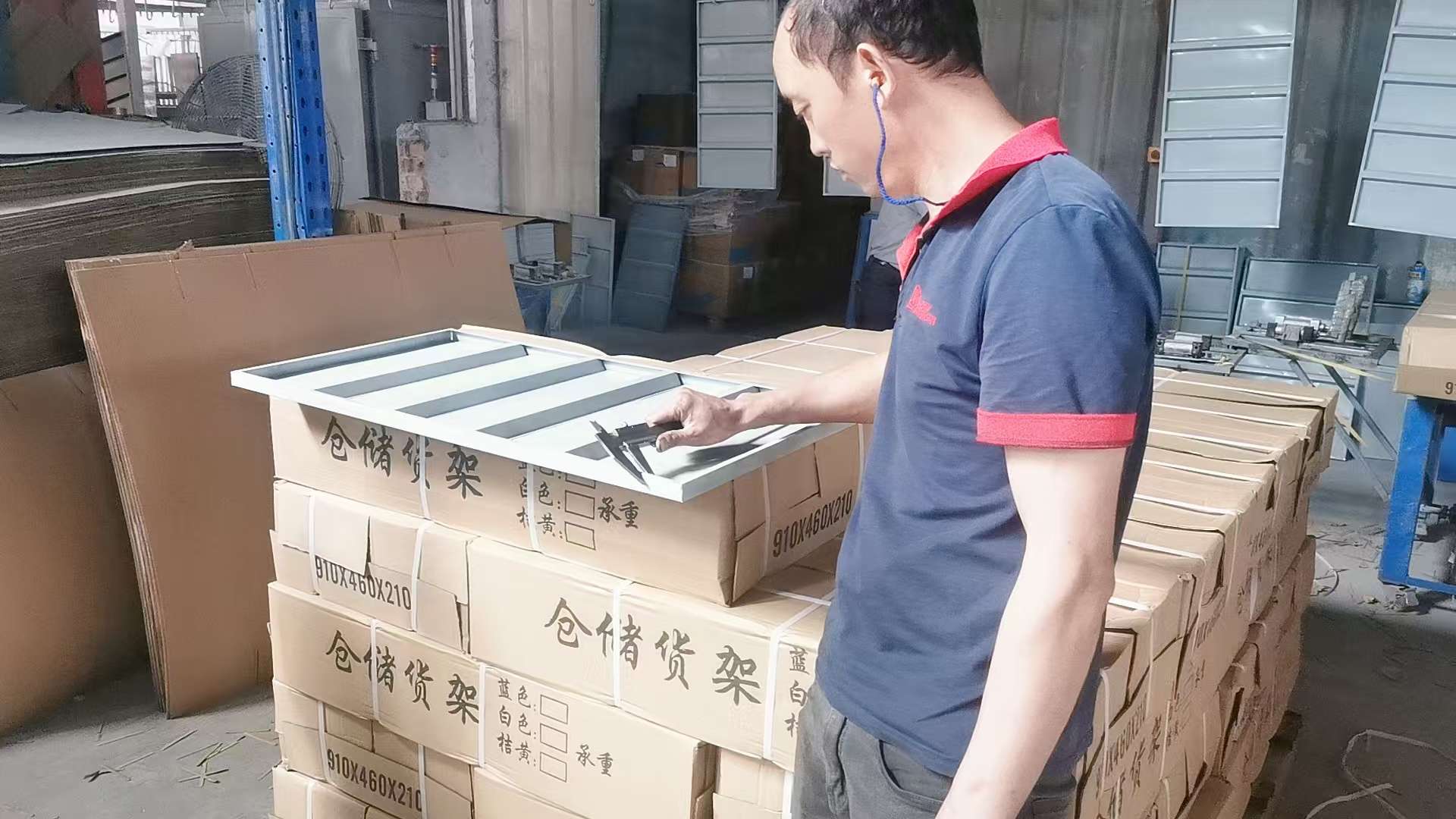
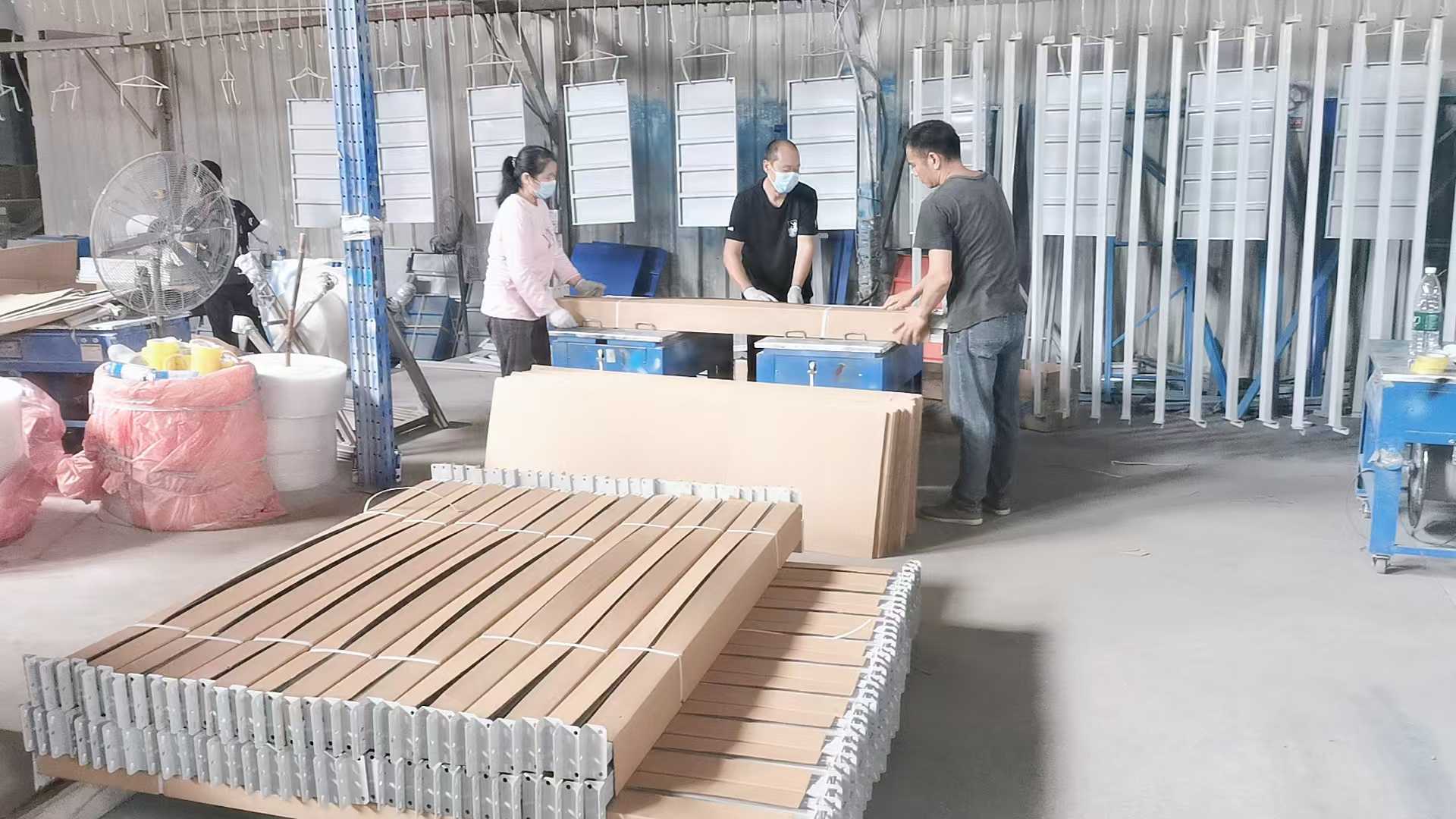
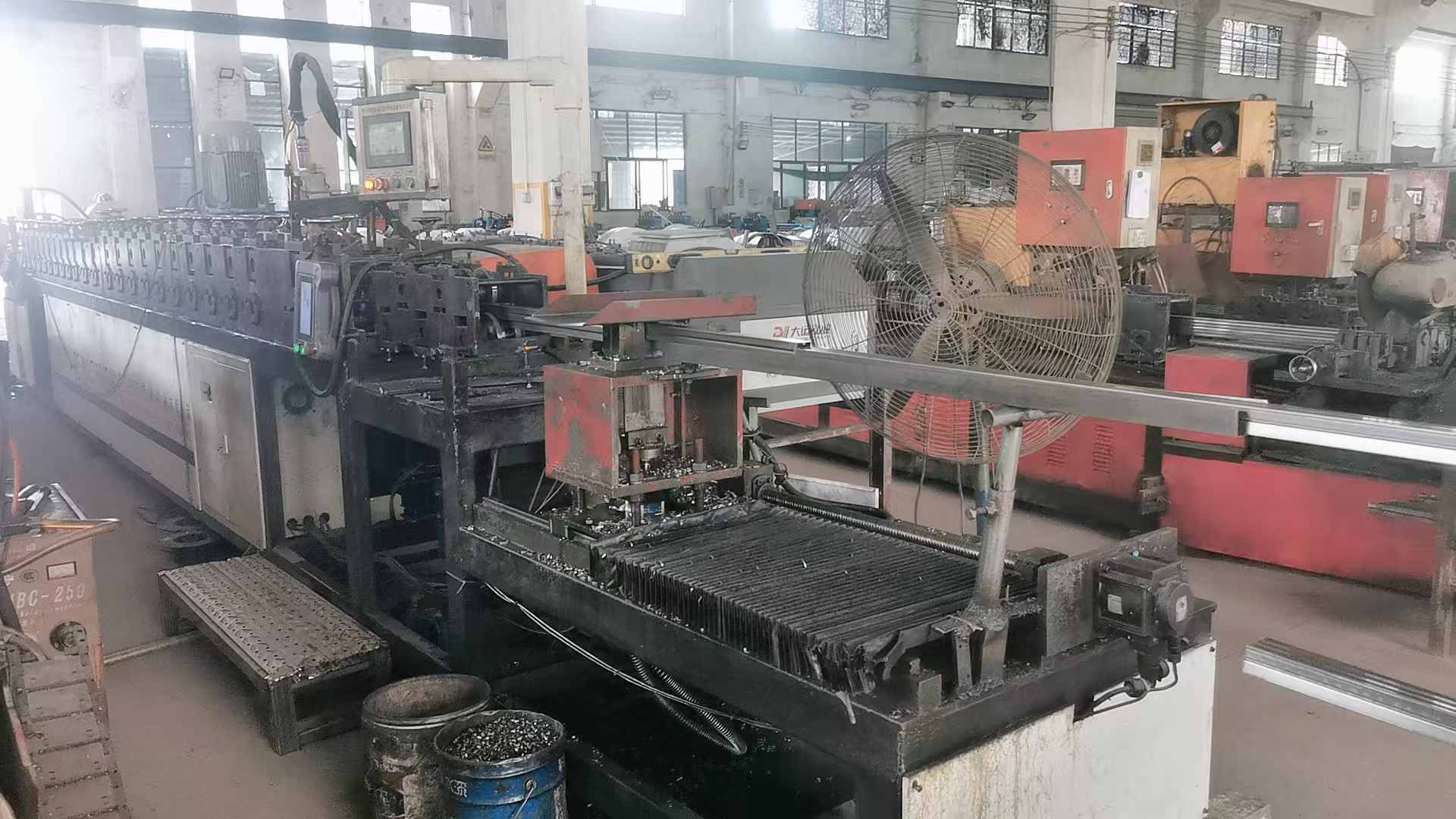
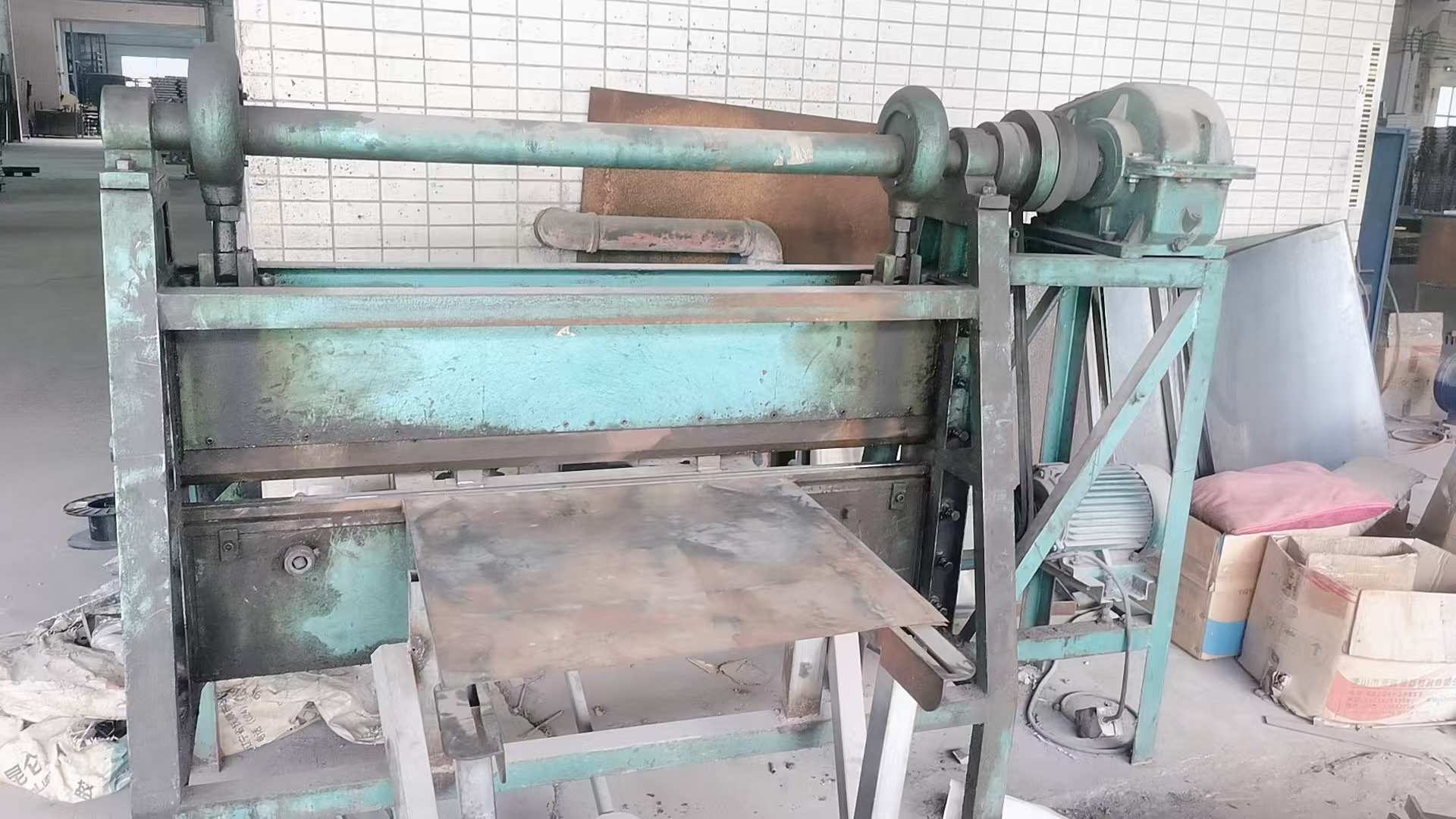
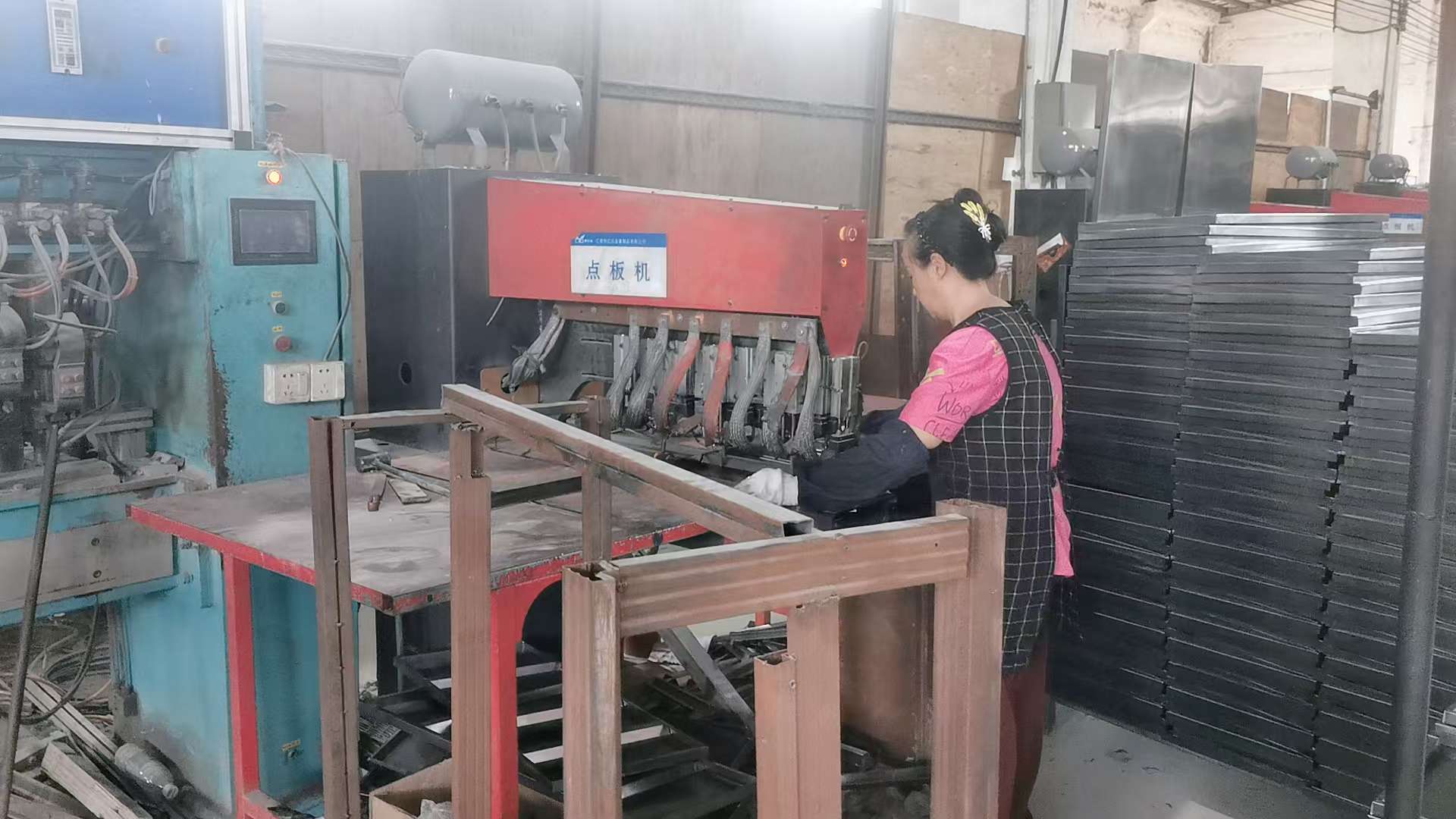
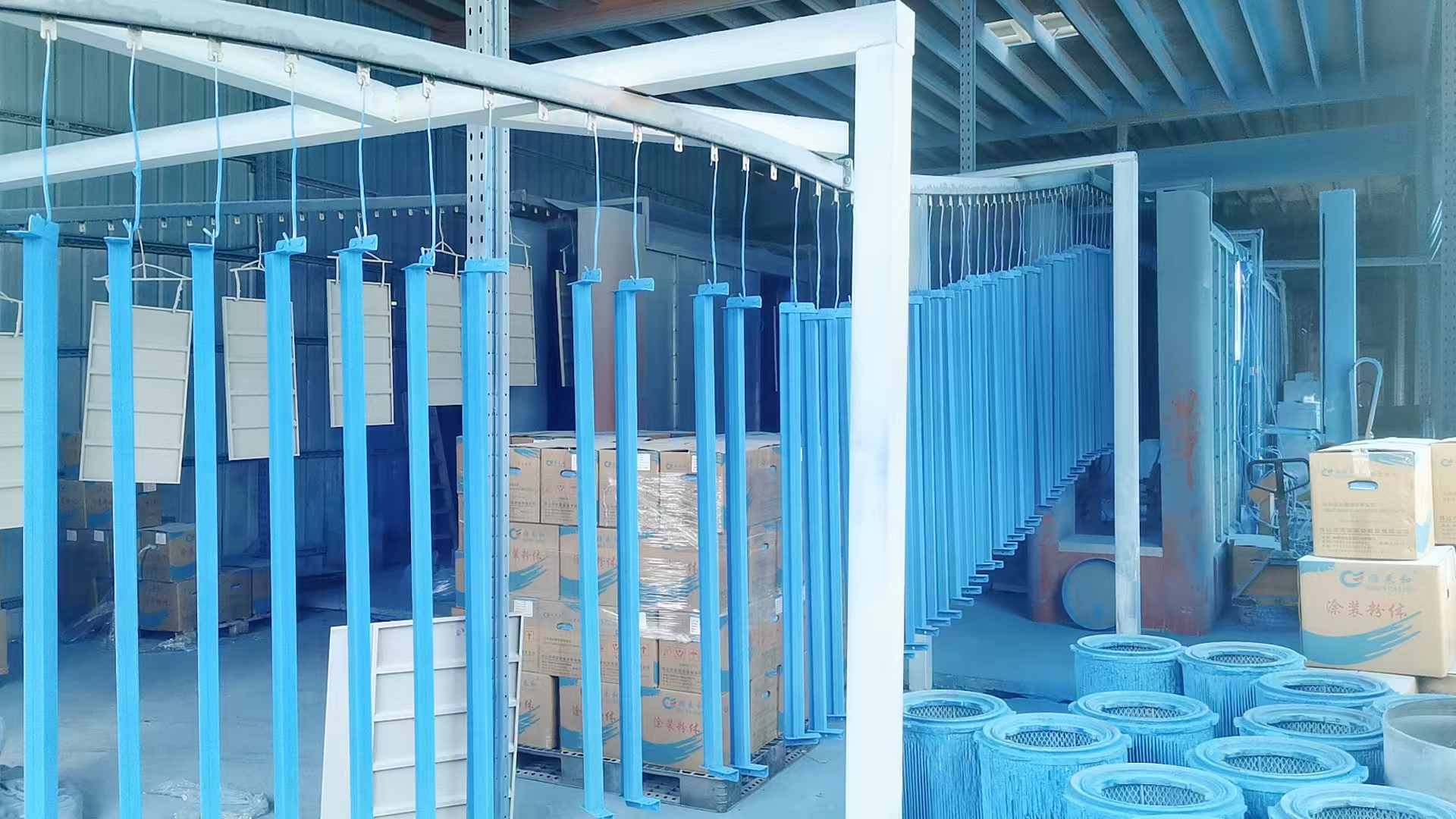
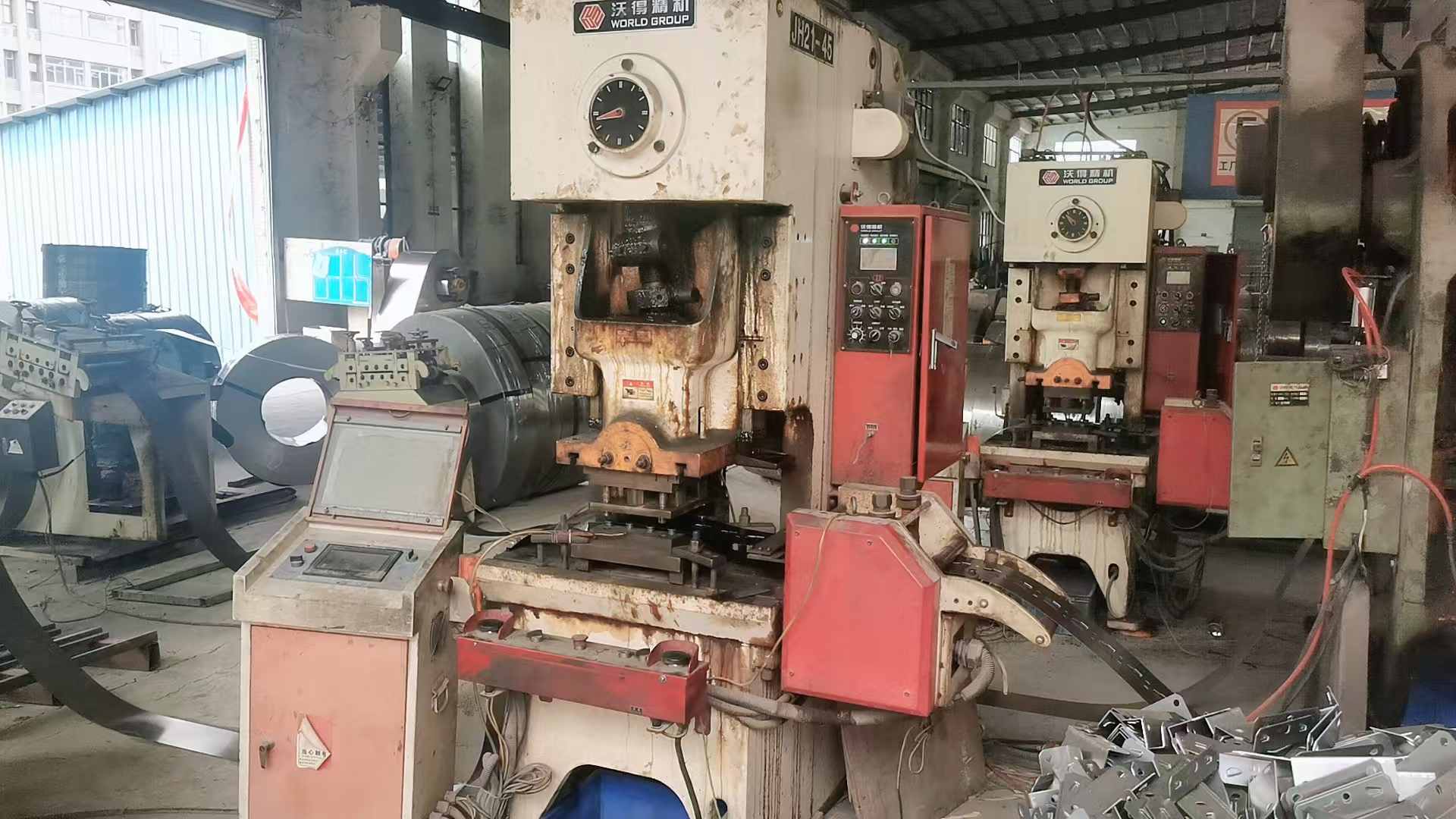
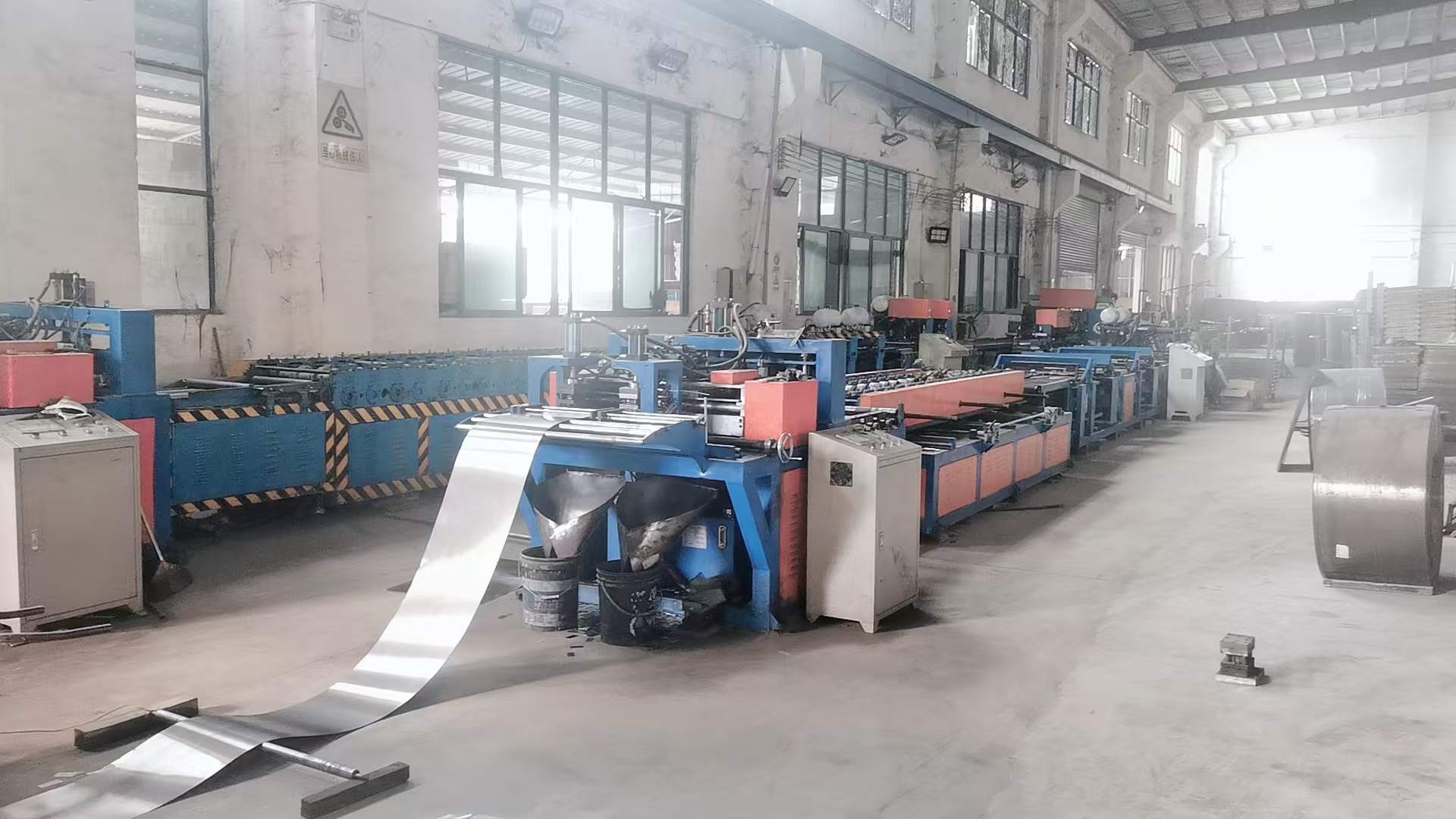
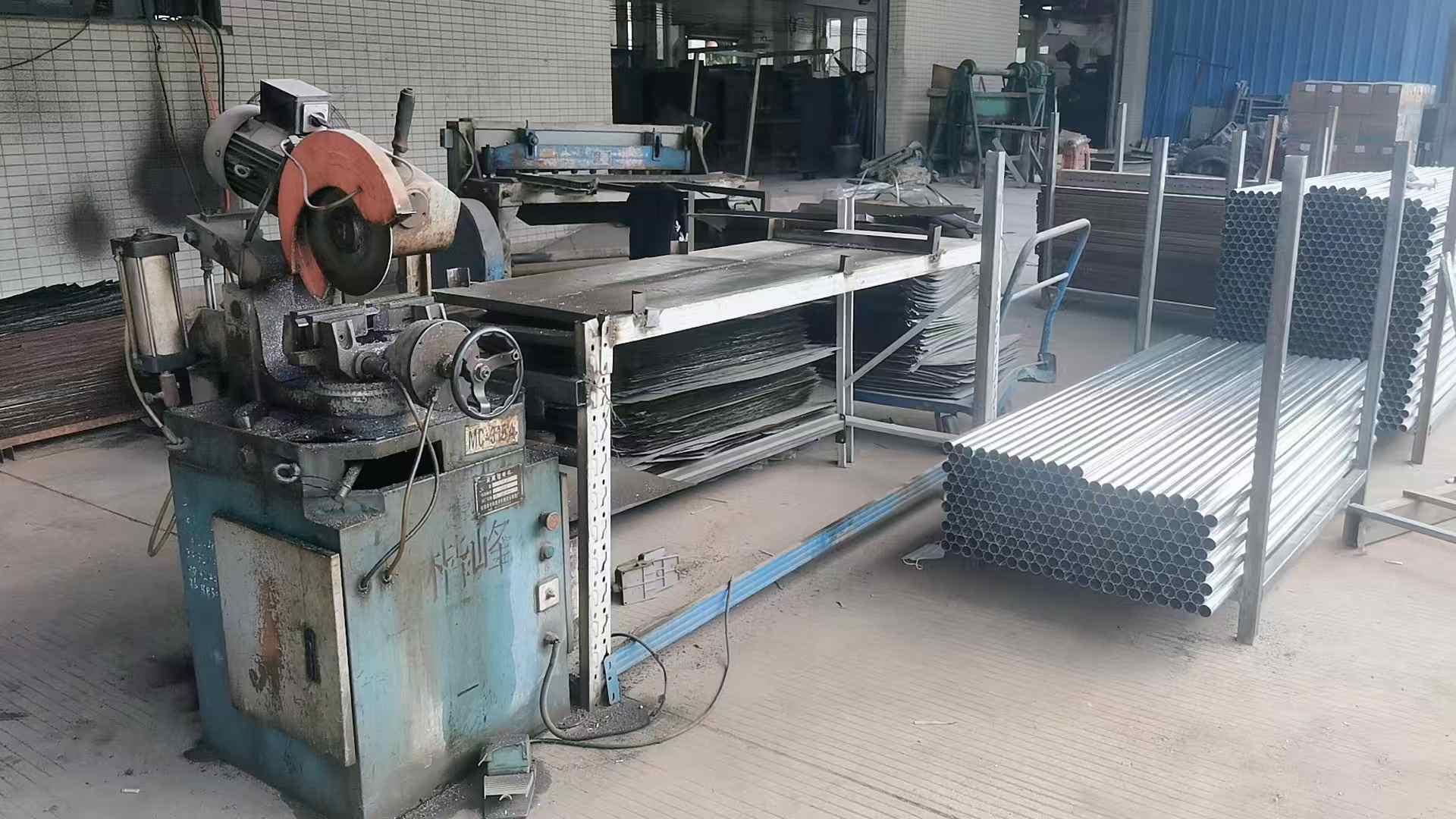
The performance of a cantilever rack depends on structural deflection control. Unlike standard pallet racks where vertical beams distribute loads evenly, cantilever arms act as structural extensions under bending stress. If they are not properly engineered, they can flex downward and create critical safety risks.
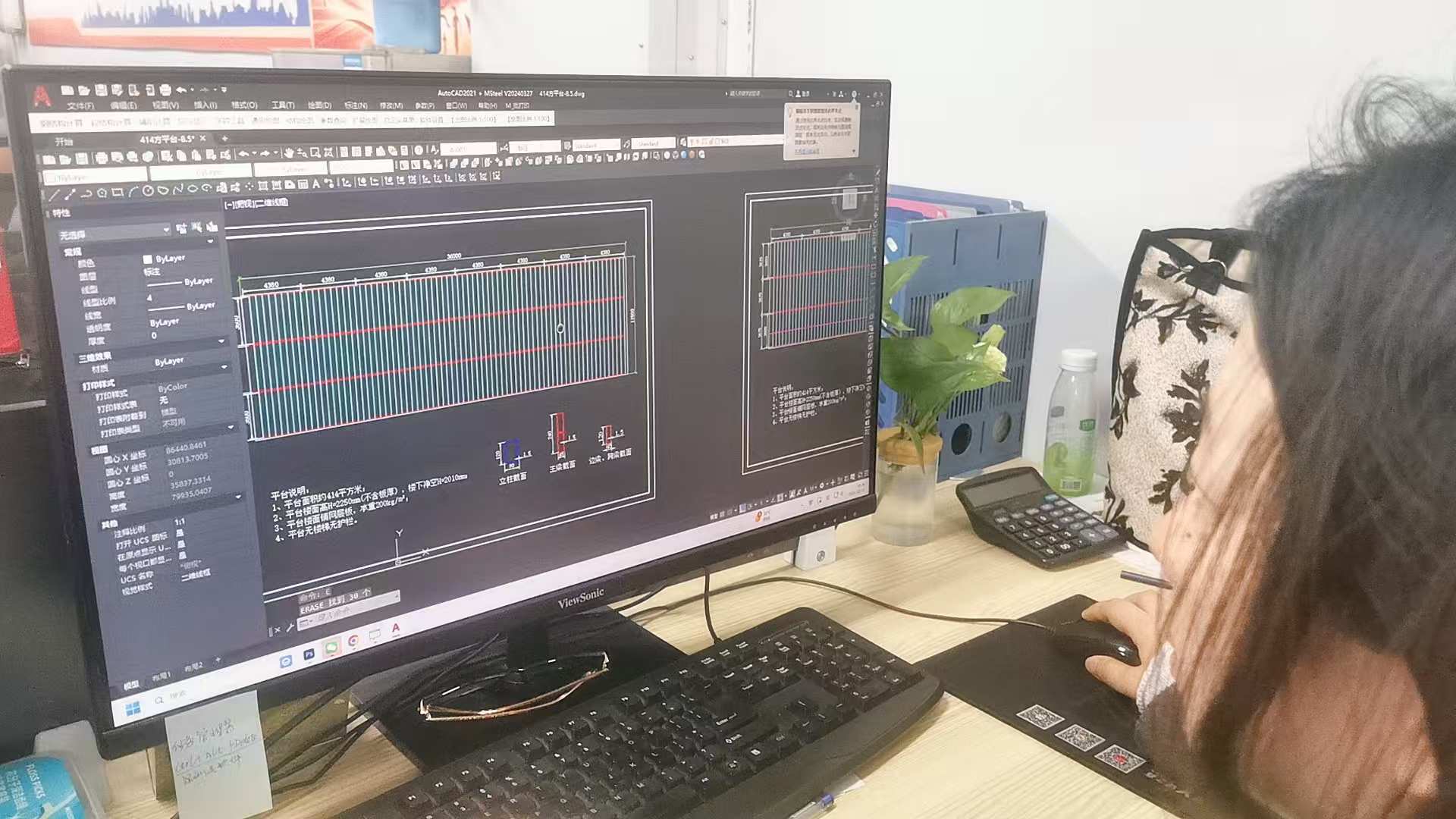
We utilize Finite Element Analysis (FEA) software to model load stresses and dynamic capacities. By using Q235B and Q345B steel grades and adjusting the structural steel profiles, our engineers can control arm deflections to within 1/180th of the arm length, keeping systems compliant with Australian safety standards.
Additionally, our systems feature customizable base plates, structural connection pins with high shear resistance, and vertical column designs that resist torsional deformation under unequal or sudden load shifts.
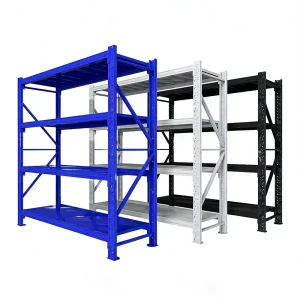
Explore our complete catalog of industrial shelving, heavy-duty racking, and automated warehouse solutions. Customized sizes and load ratings are engineered upon request to match your specific facility layouts.
 Hui Lian