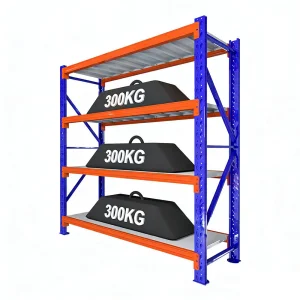
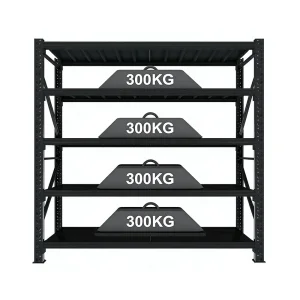
Engineered for Japan's rigid distribution requirements. Certified load capacity, space-saving designs, and tool-free boltless structural integration.
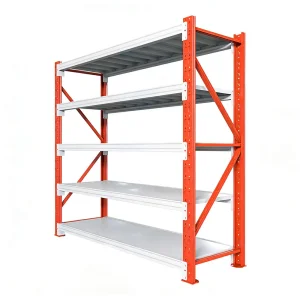
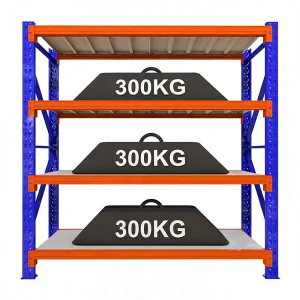
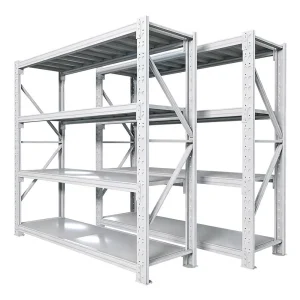
Evaluating 300KG Load-Bearing Configurations, Global Steel Standards, and local logistical paradigm shifts in the Japanese logistics corridors.
The Japanese logistics sector is traversing a transformative phase, colloquially guided by the "2024 Problem" (2024年問題), which limits driver overtime hours, sparking immediate demands for hyper-efficient regional warehouse consolidation. In dense industrial zones like Tokyo Bay, Osaka Port, and Nagoya, warehousing real estate carries a steep premium. High-density storage solutions that achieve excellent spatial yield without sacrificing safety are paramount.
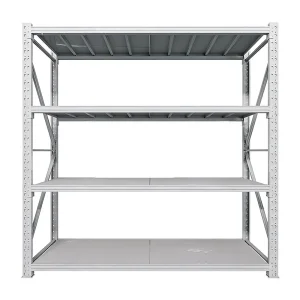
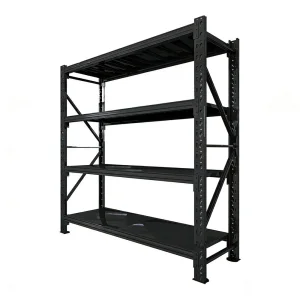
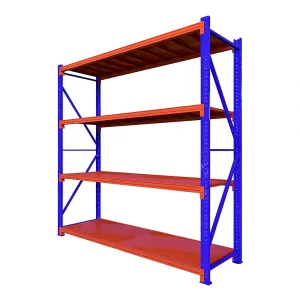
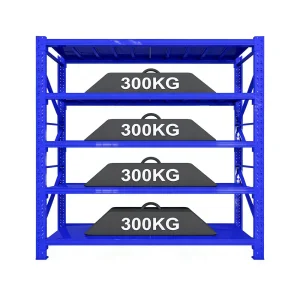
Mid-duty storage racking rated at 300KG per shelf level serves as the fundamental backbone of modern Japanese supply chain sorting. Positioned precisely between light shelving and heavy structural pallet racking, this loading class caters to the high-turnover nature of e-commerce fulfillment, consumer packaged goods (CPG) distribution, and precision automotive components. Standard configurations demand compliance with stringent JIS (Japanese Industrial Standards) and structural verification against frequent regional seismic tremors.
Globally, warehouse operators are moving away from permanent, welded structural storage systems in favor of modular, boltless, and reconfigurable rack profiles. Standardized 300kg shelving systems permit fast layout reconfiguration as stock keeping unit (SKU) profiles shift. Driven by automated guided vehicles (AGVs) and autonomous mobile robots (AMRs), racks must maintain precise dimensional tolerances of ±0.5mm, ensuring smooth robotic picking without structural misalignment.
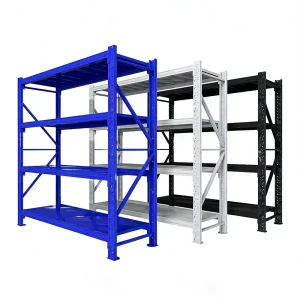
Furthermore, raw material reliability has surfaced as a primary differentiator. Suppliers are transitioning to high-tensile cold-rolled steel grades, ensuring the thickness is optimized to save steel weight while maintaining a safety factor of 1.5x of the designated load limit. The global market now favors suppliers capable of integrating eco-friendly, low-VOC electrostatic powder coatings that resist scratching and corrosion under varying humidity profiles.
Why do Japanese enterprises and trading houses source from Dongguan Hui Lian Intelligent Warehouse Equipment Co., Ltd.? The answer lies in the optimization of the production ecosystem. Located in the manufacturing hub of Guangdong, Hui Lian integrates raw material procurement, structural engineering, automated rolling, and export logistics under a unified umbrella.
While domestic Japanese steel fabricators face rising energy costs, labor shortages, and slow lead times, our facility boasts high-precision automated rolling lines, laser profile cutting systems, and high-volume robotic spot welding. This automation delivers precise dimensional consistency at a unit cost that is 30% to 40% more competitive than Japanese domestic equivalents, even when ocean freight and import duties are fully calculated.
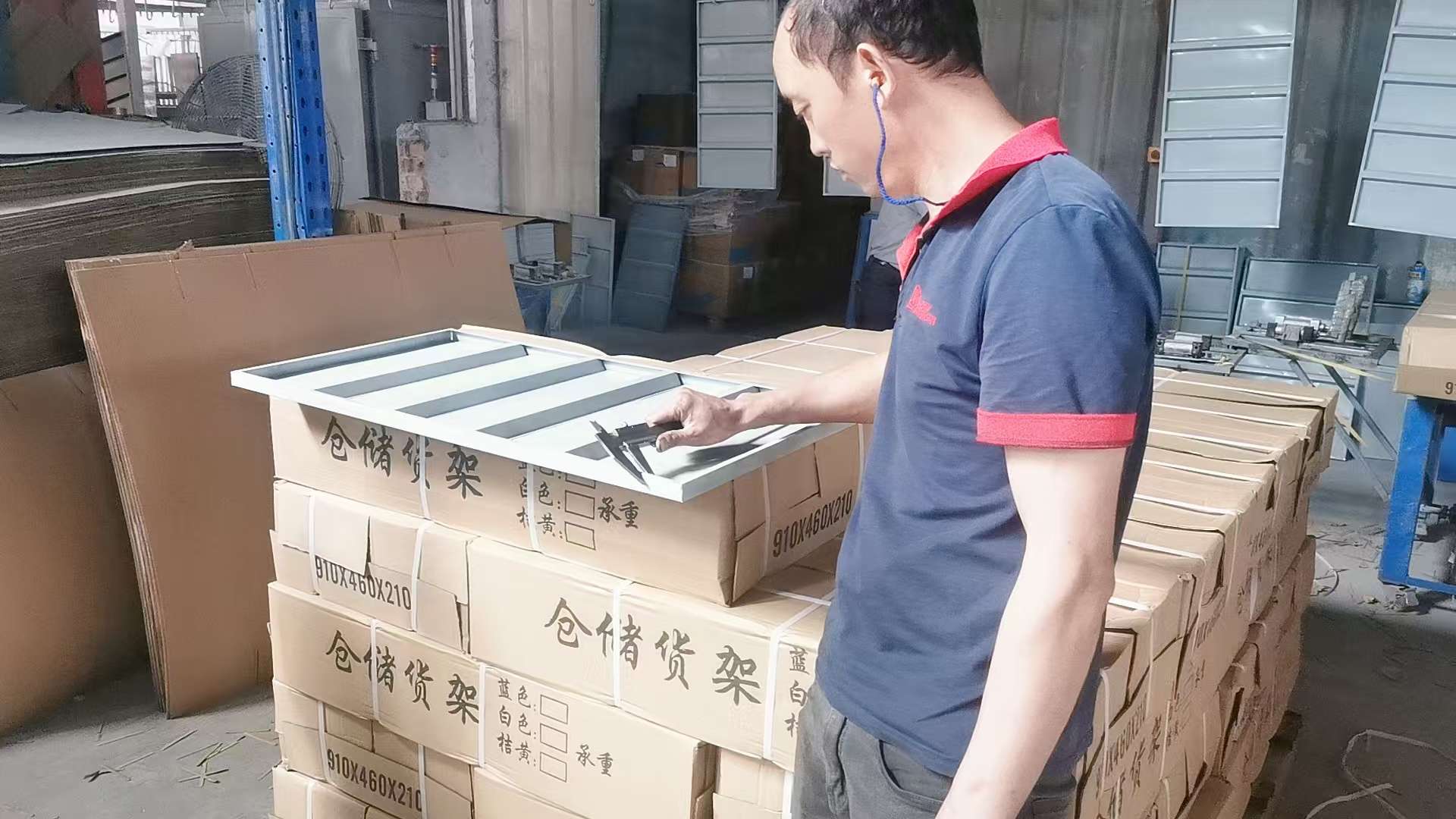
Our 56-inspector strong QC team monitors every stage from raw material testing to final packaging, assuring compliance with international standards.
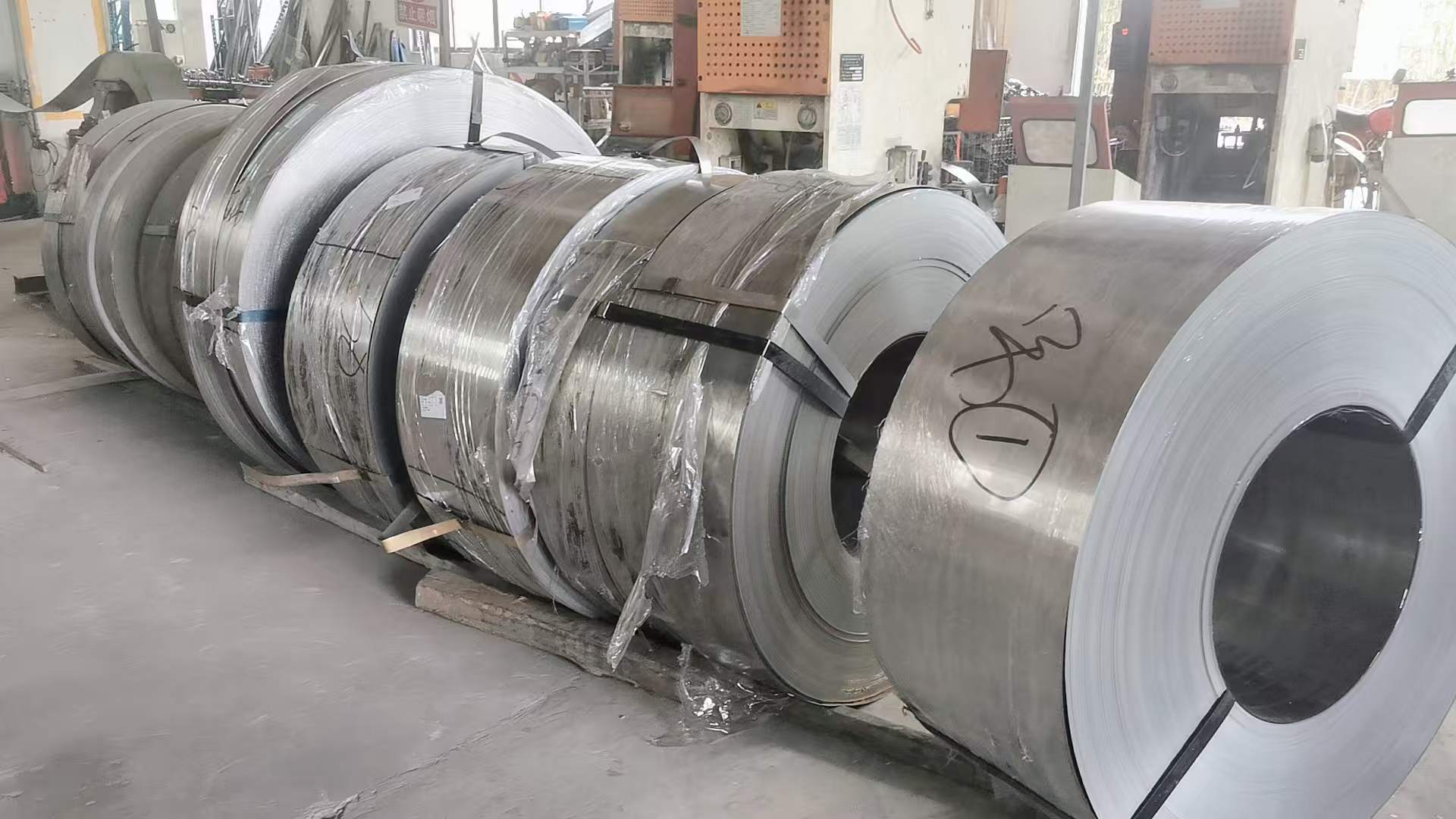
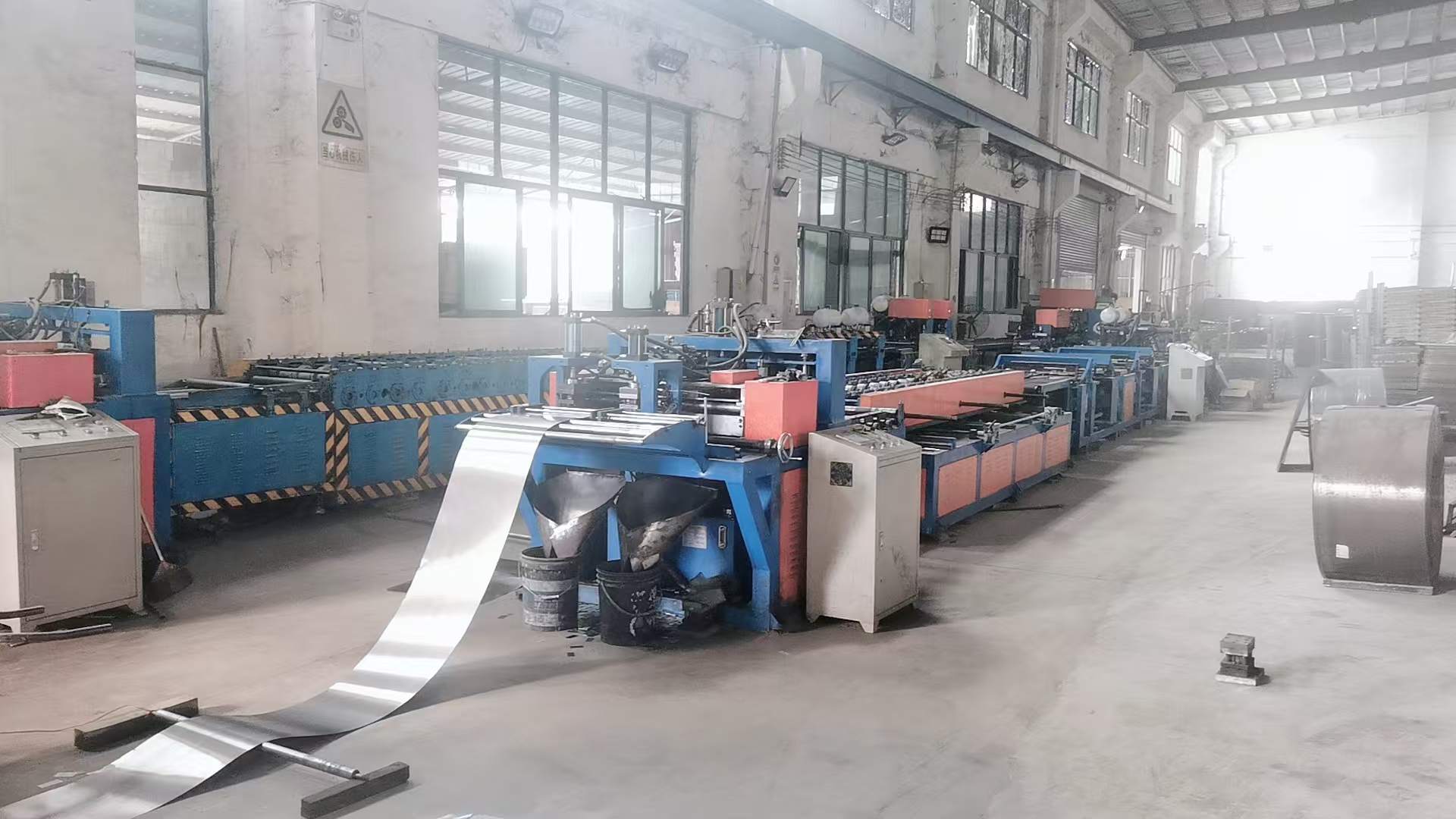
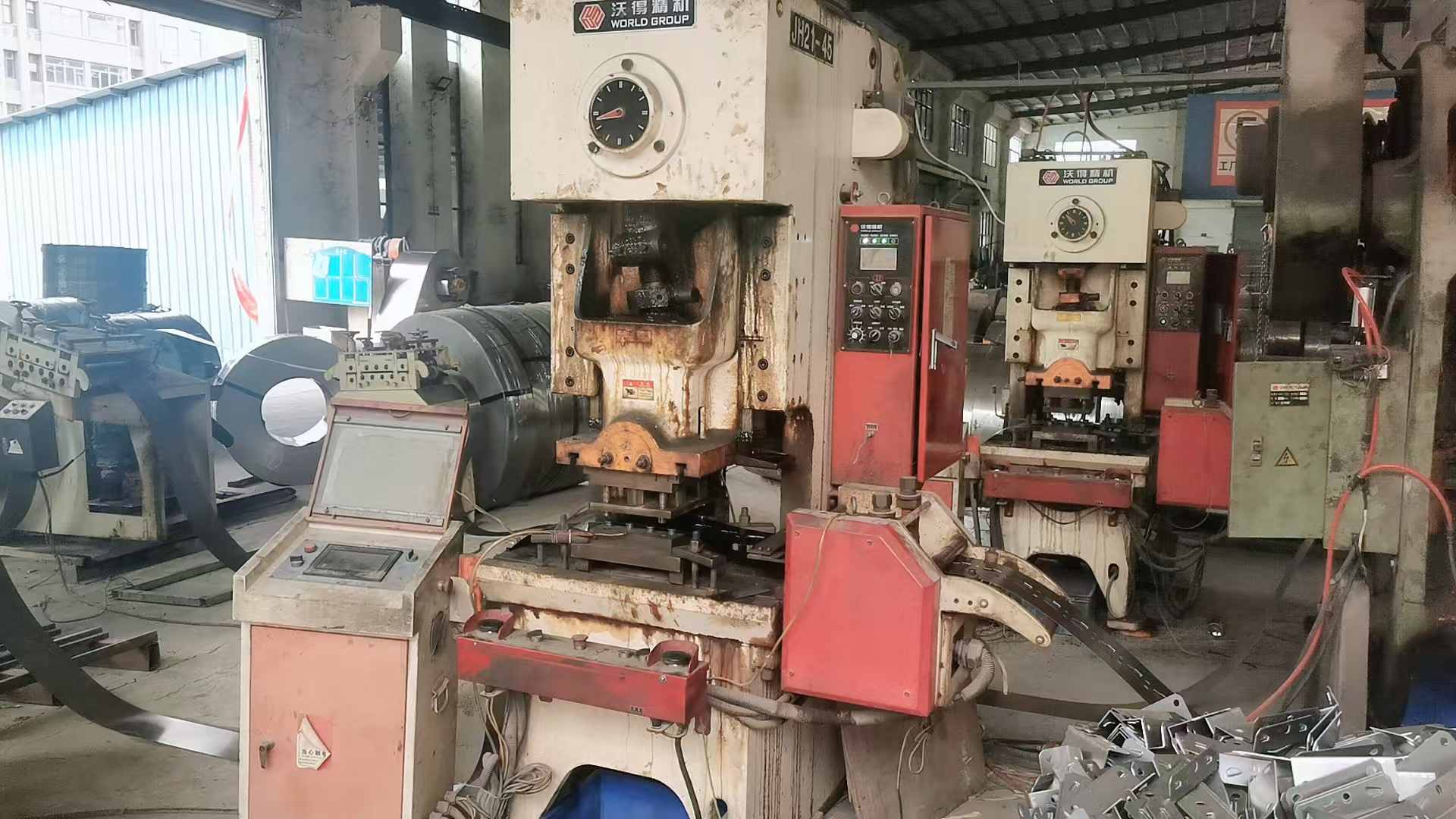
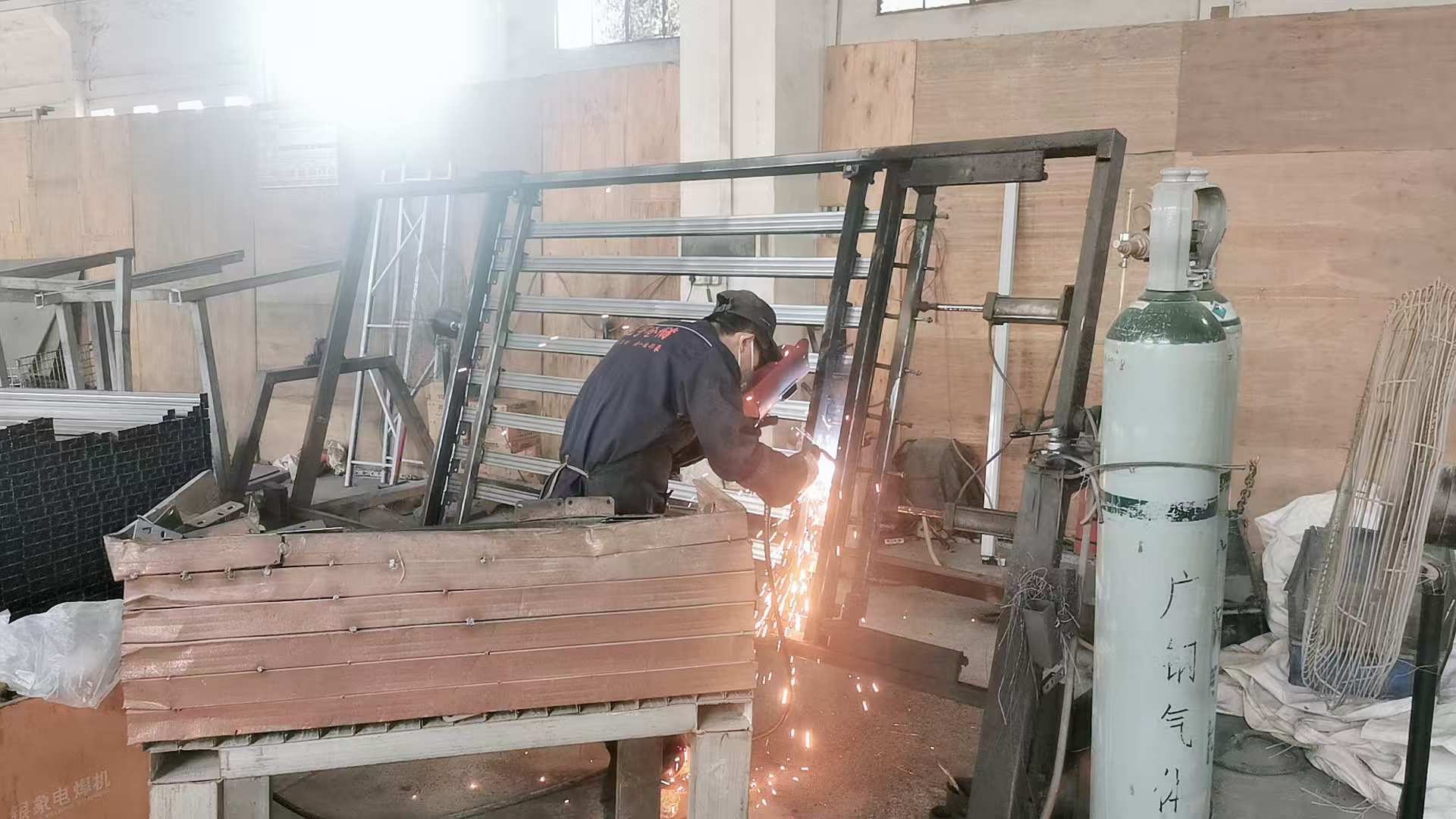
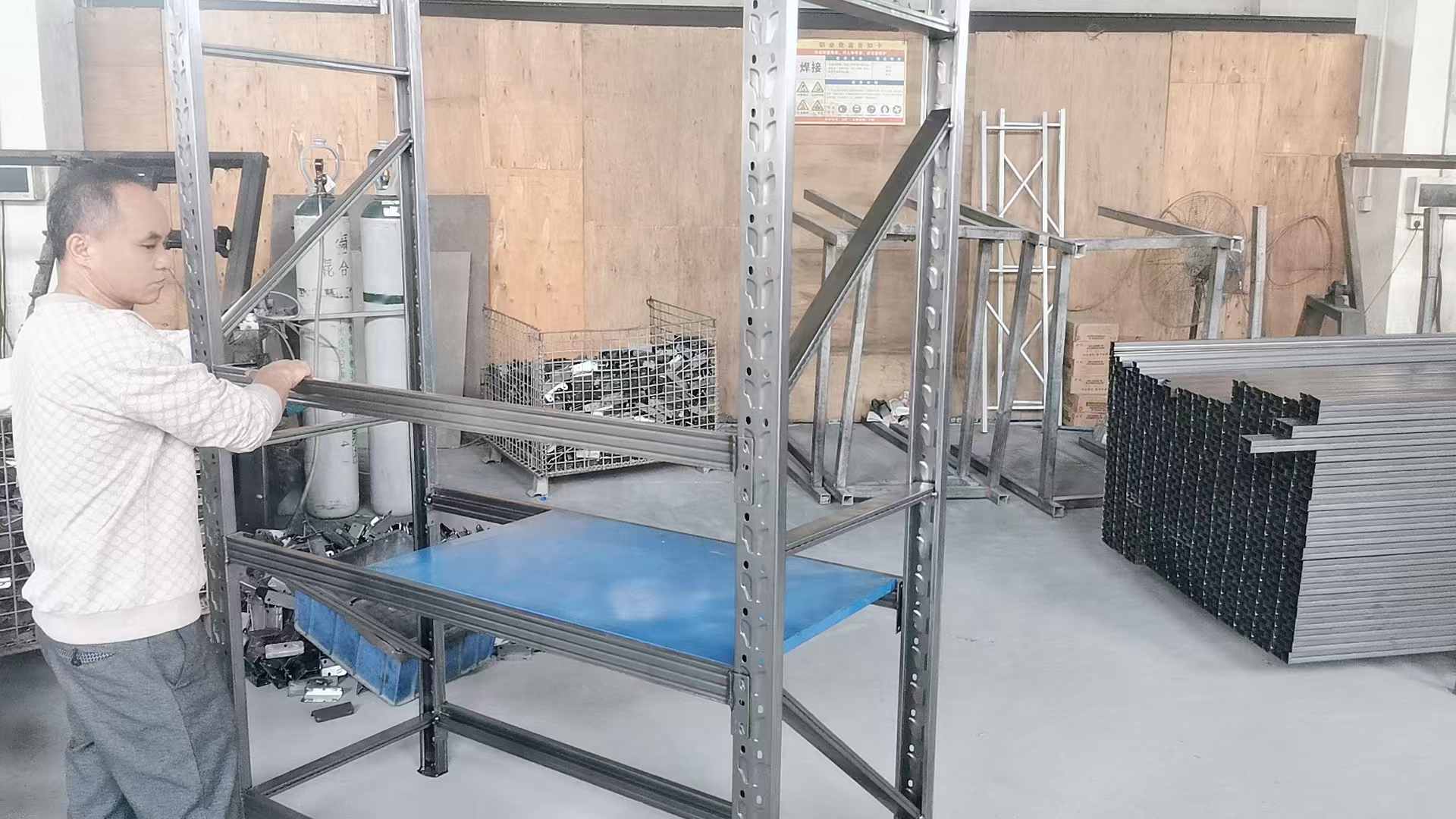
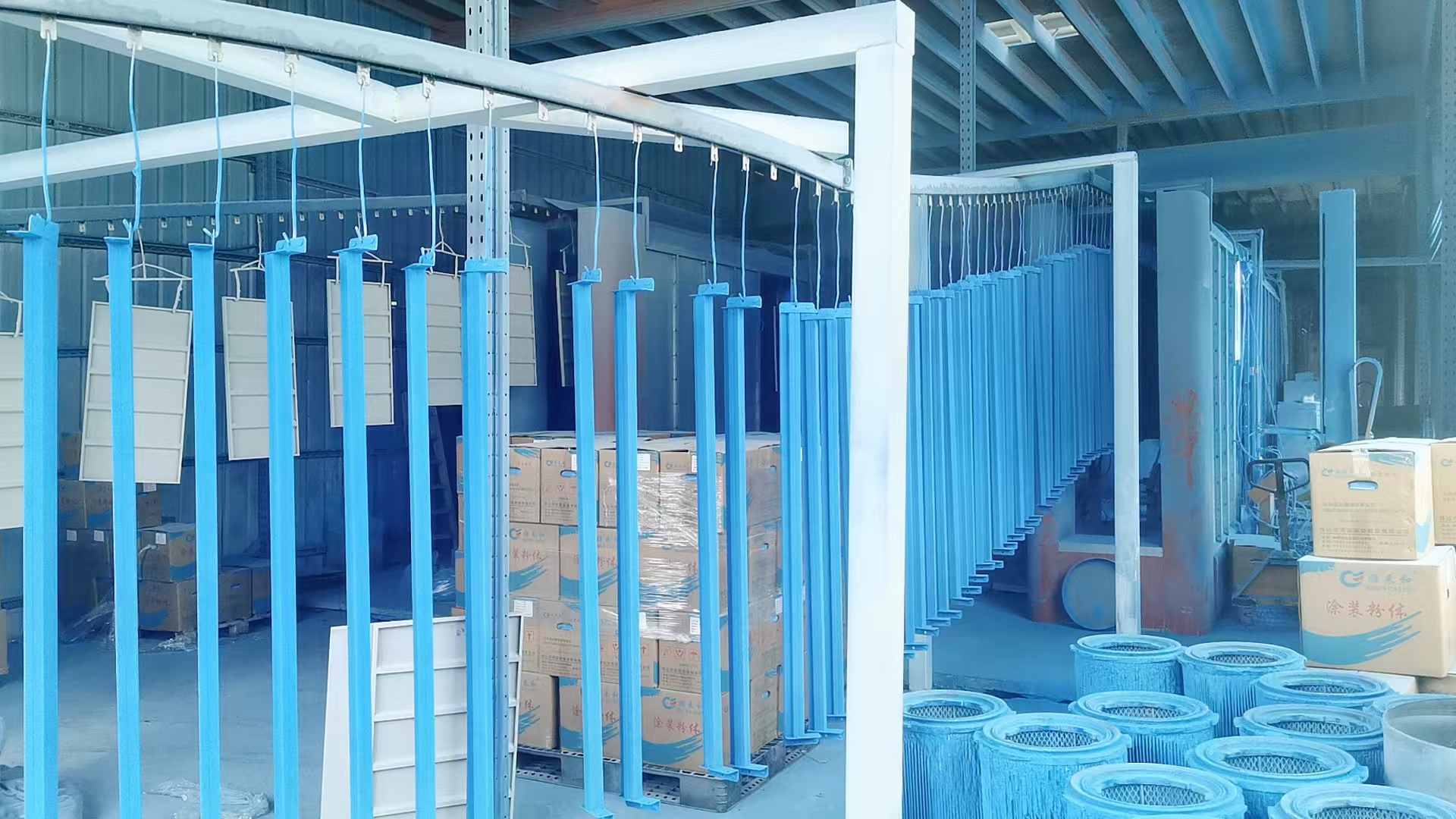
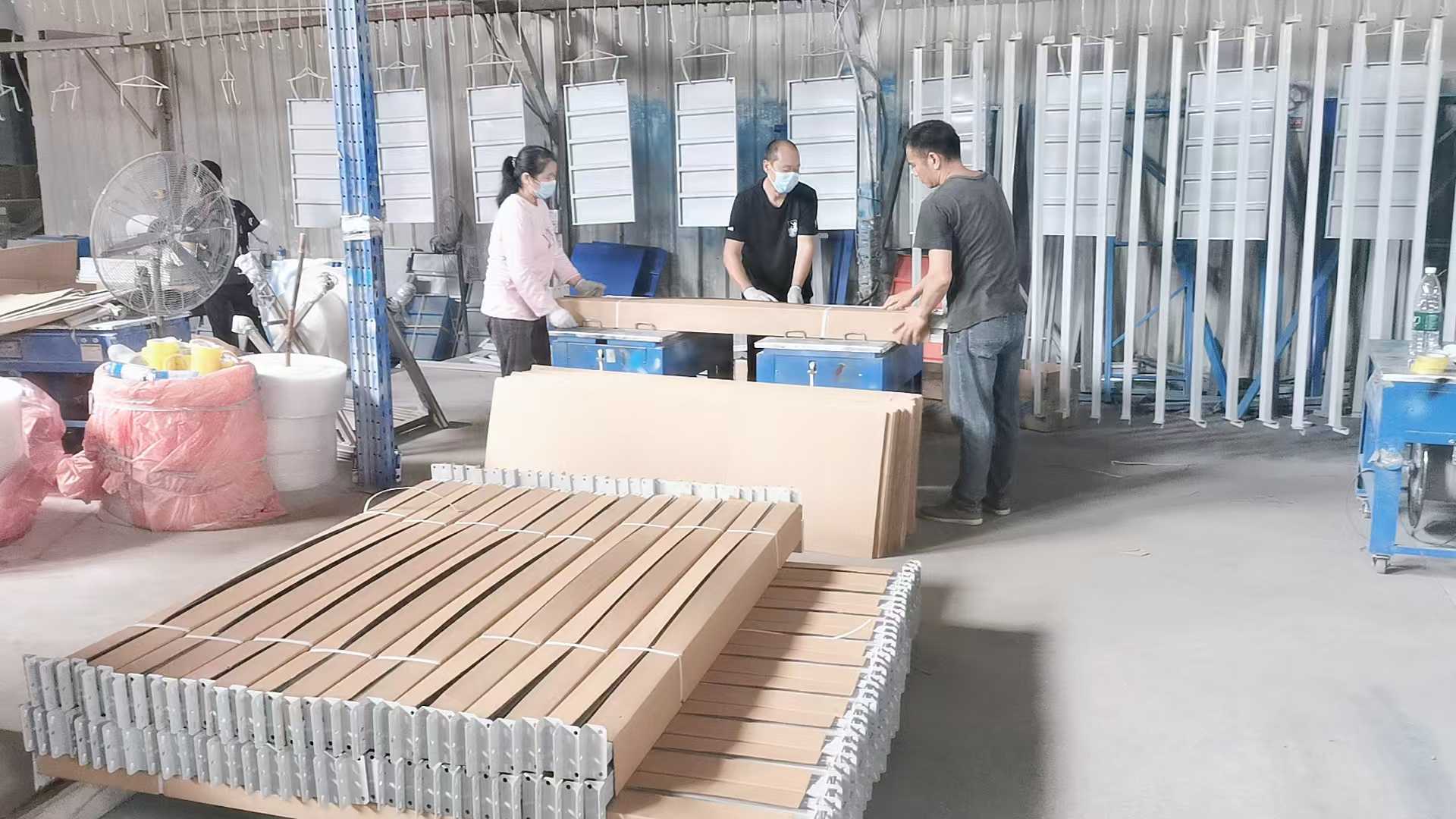
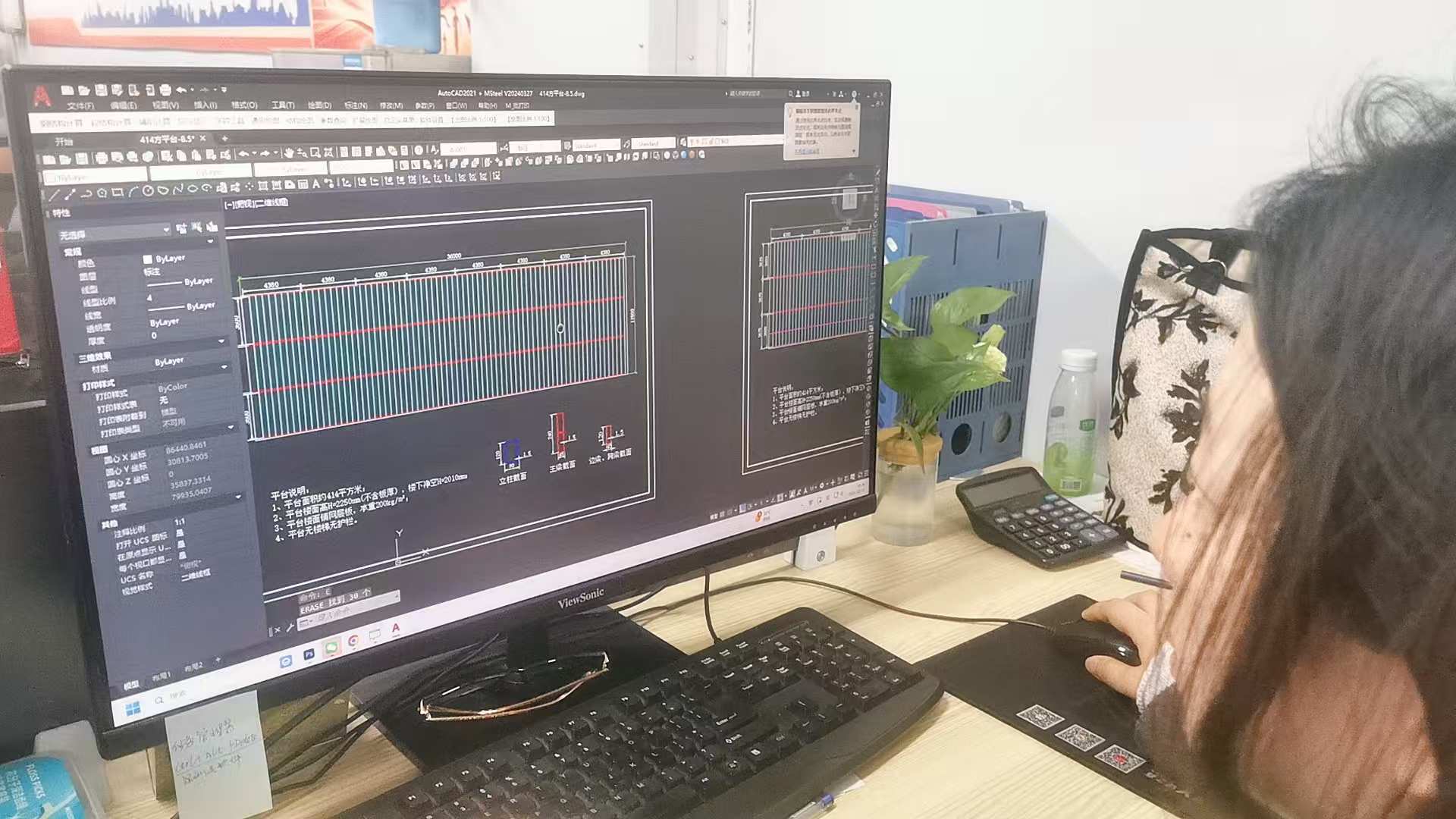
Our manufacturing ecosystem features cutting-edge cold-formed steel engineering technology. The factory houses custom laser roll-forming machines and precision CNC bending presses. To achieve zero-defect welding on load-bearing brackets and beams, we deploy specialized multi-spot automatic welding machines. The process is finalized with automated cleaning, phosphate rust prevention, and electrostatic curing lines.
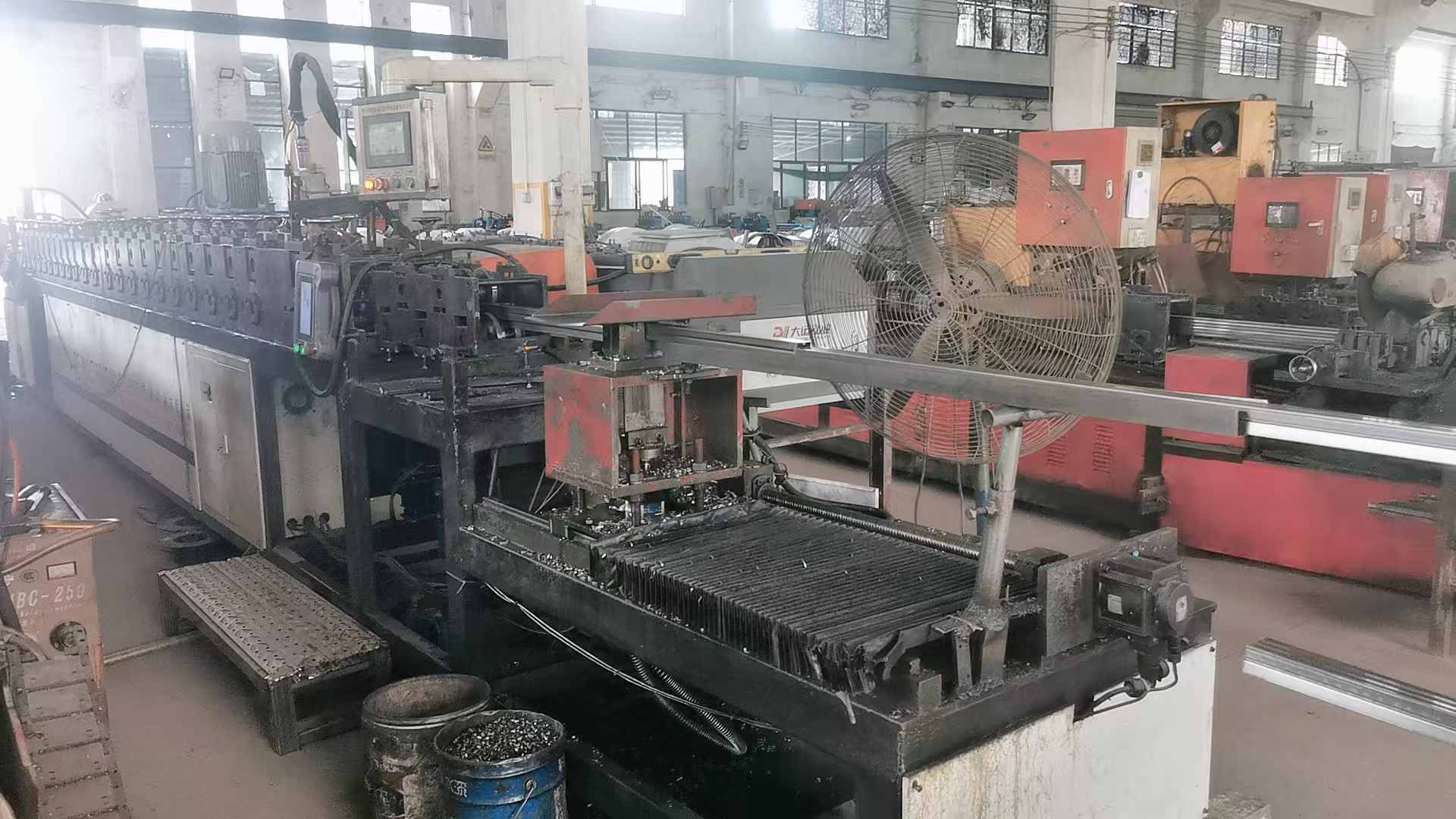
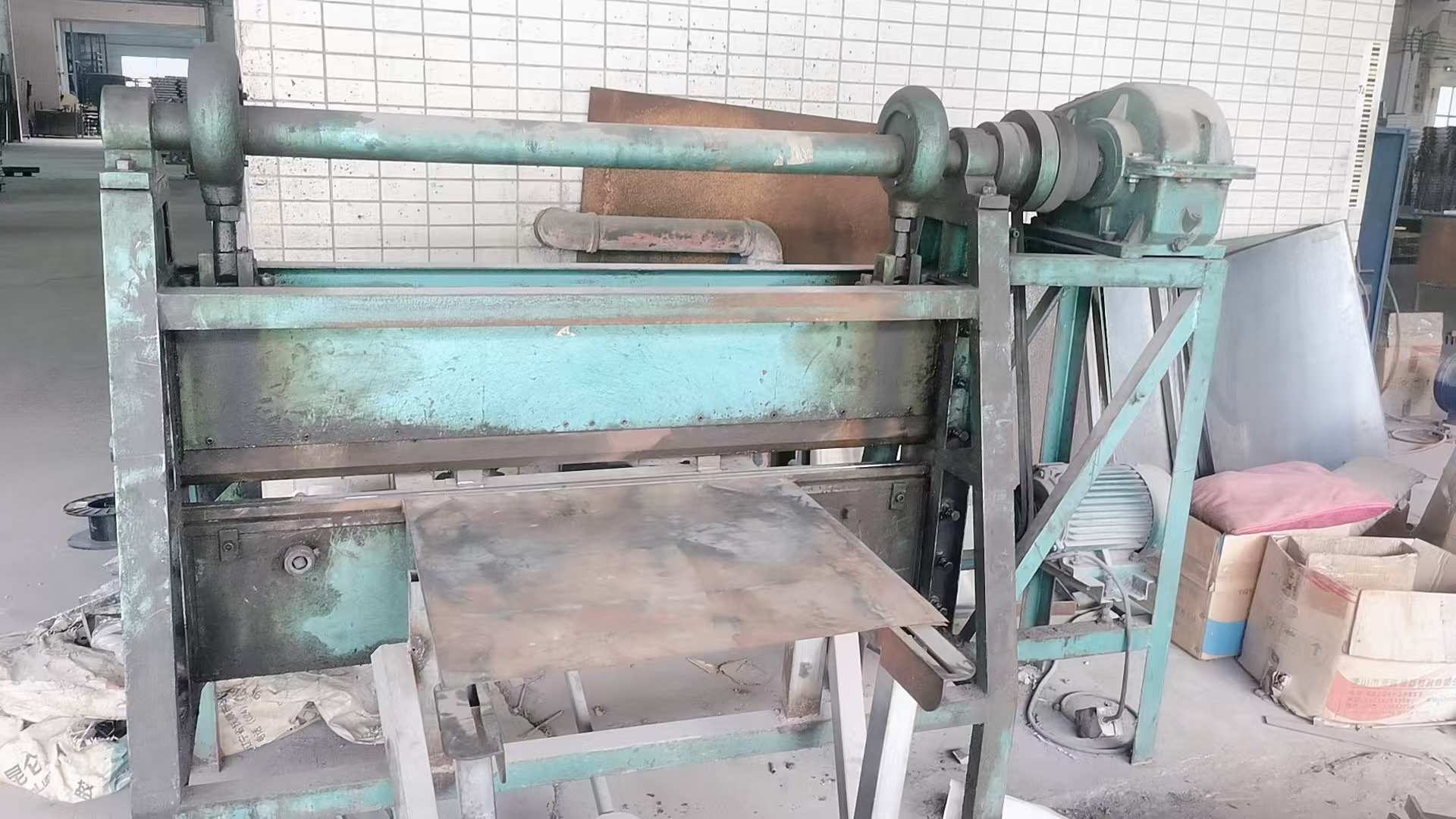
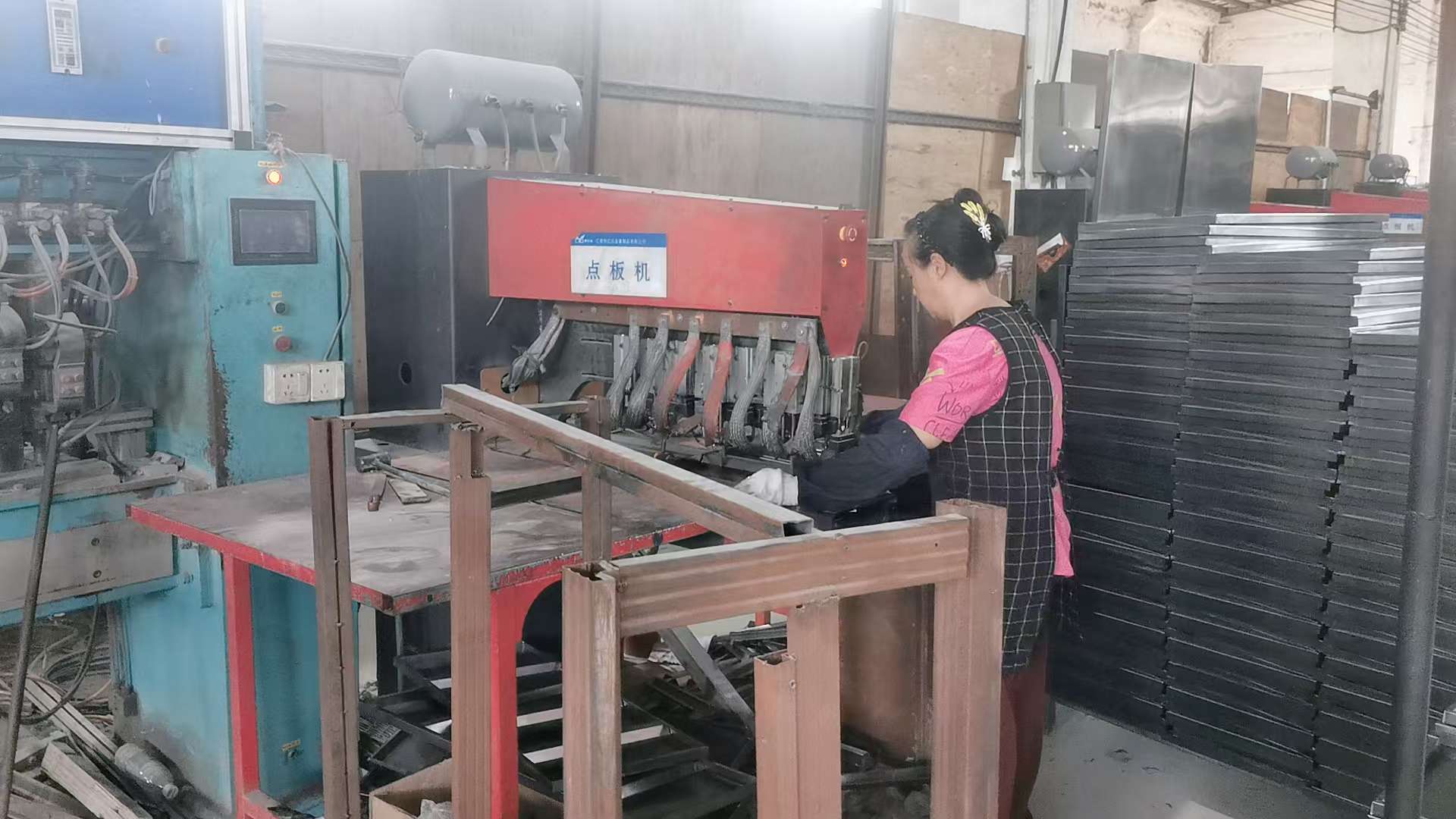
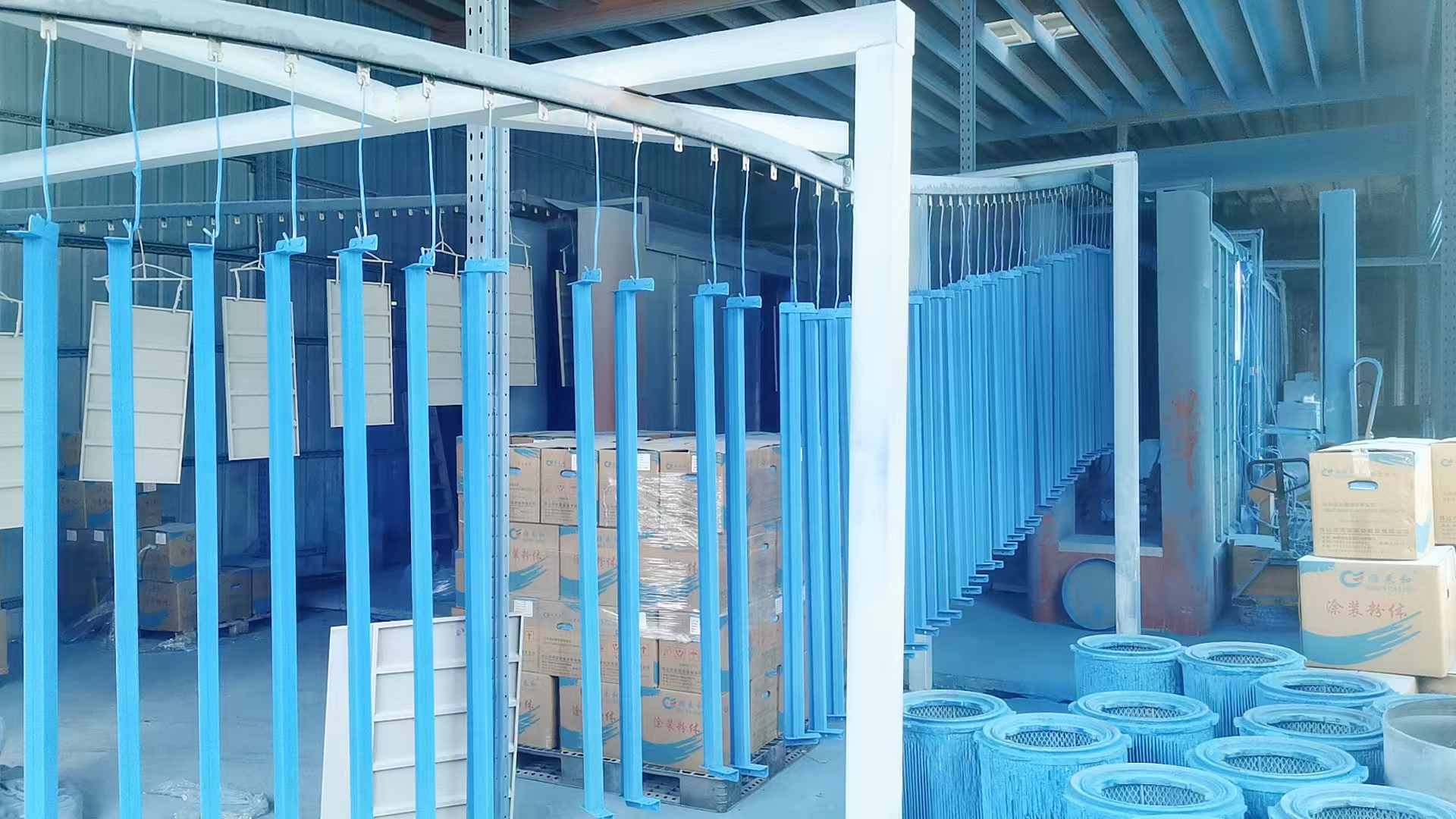
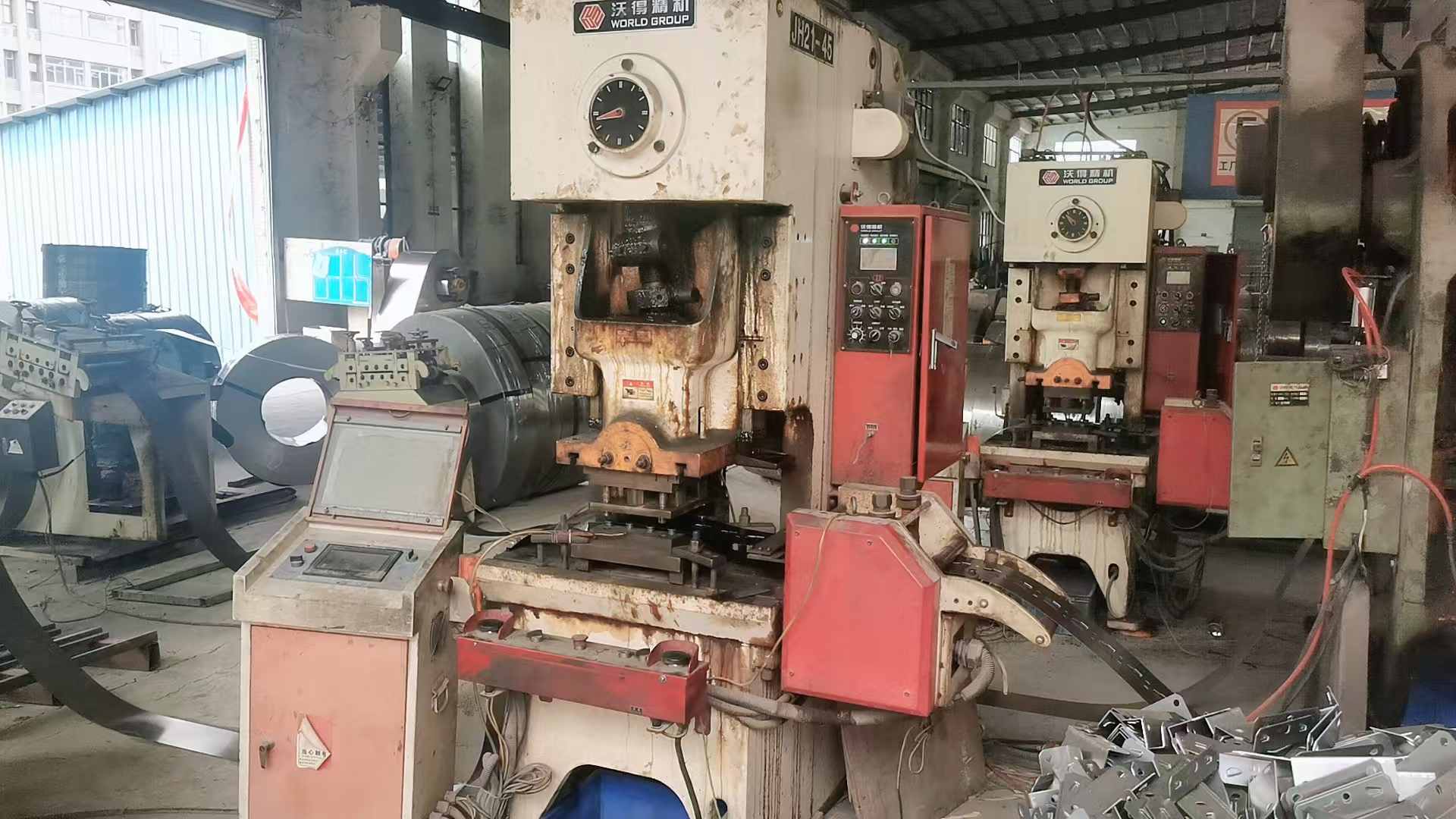
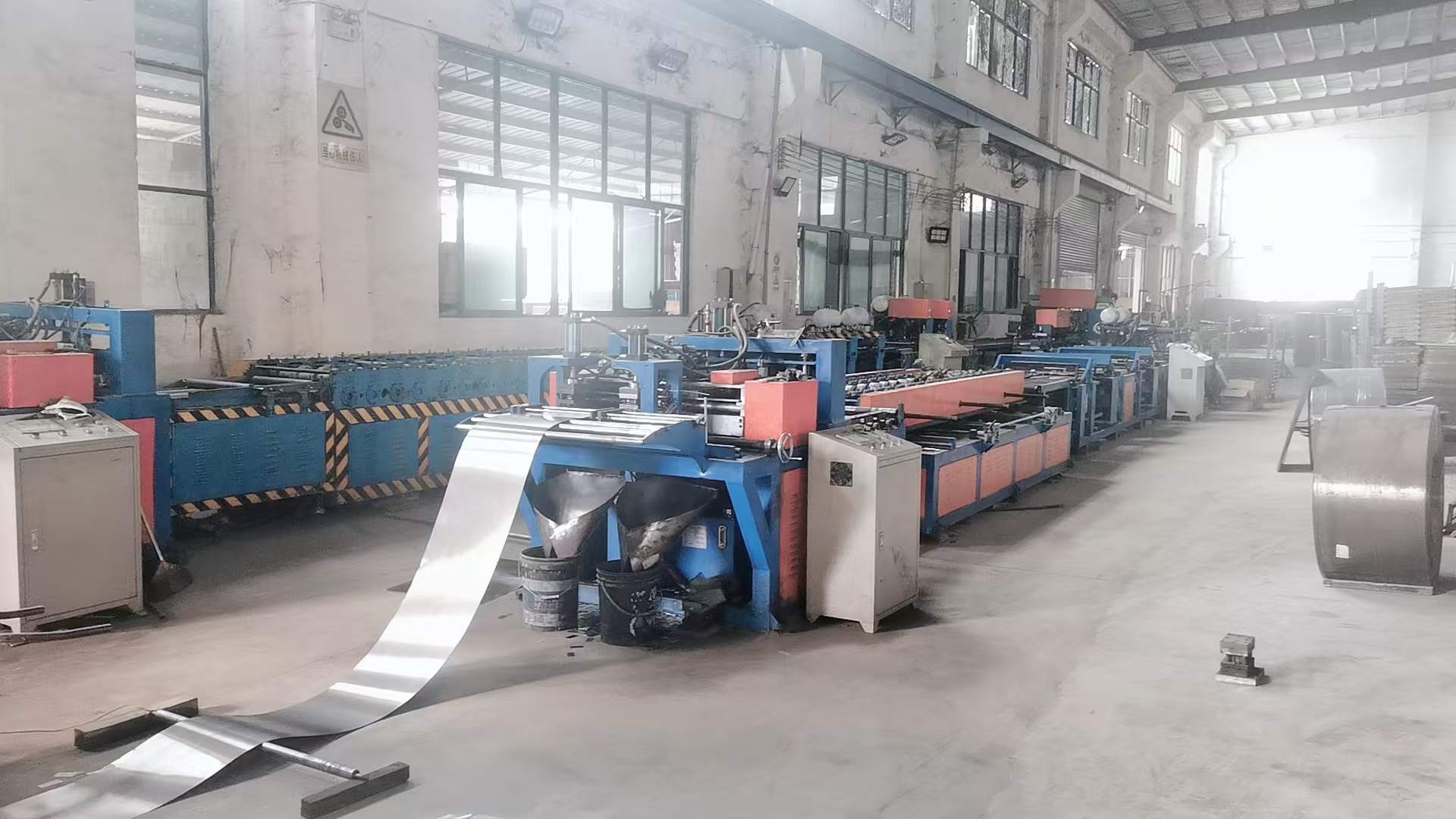
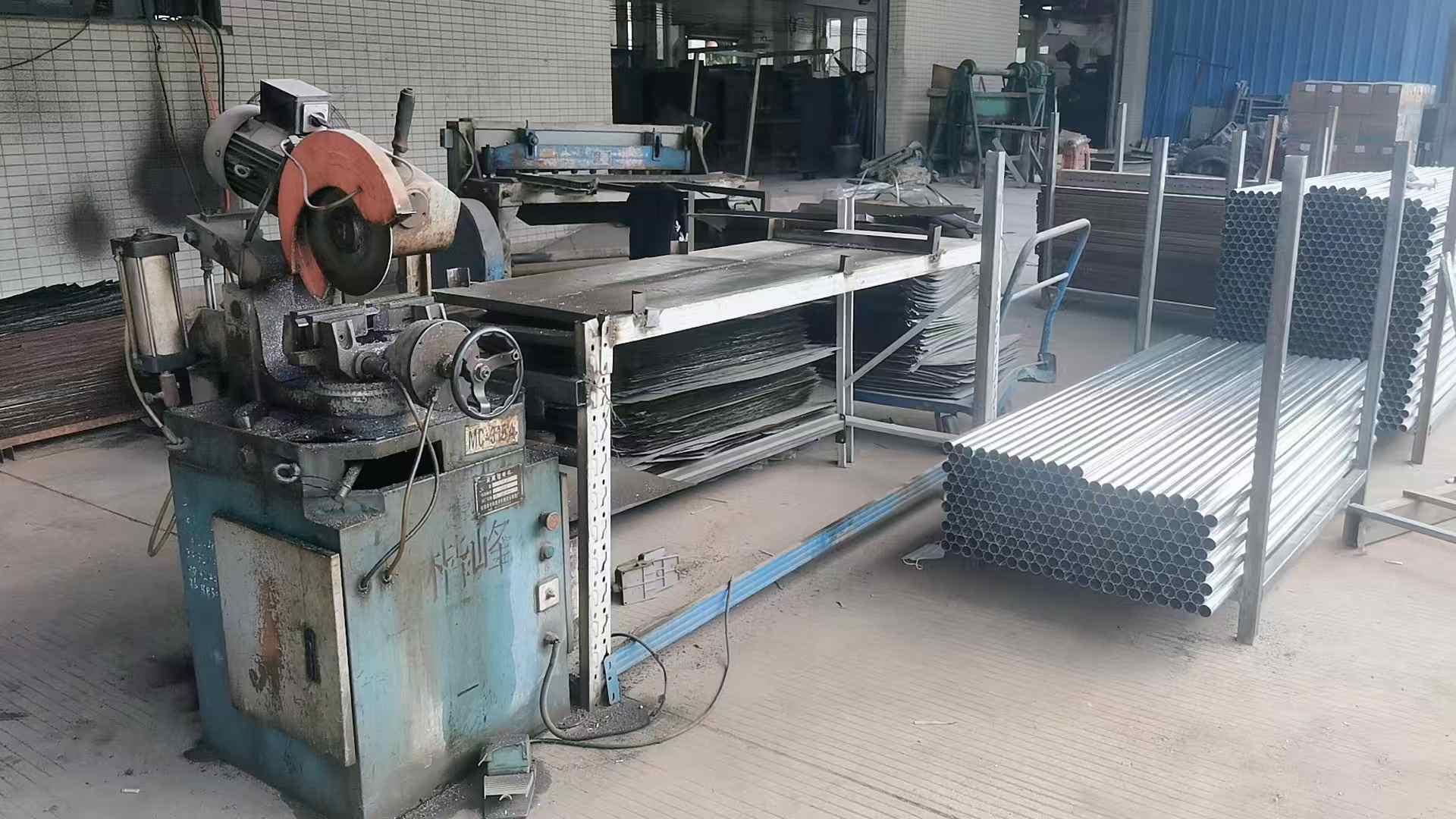
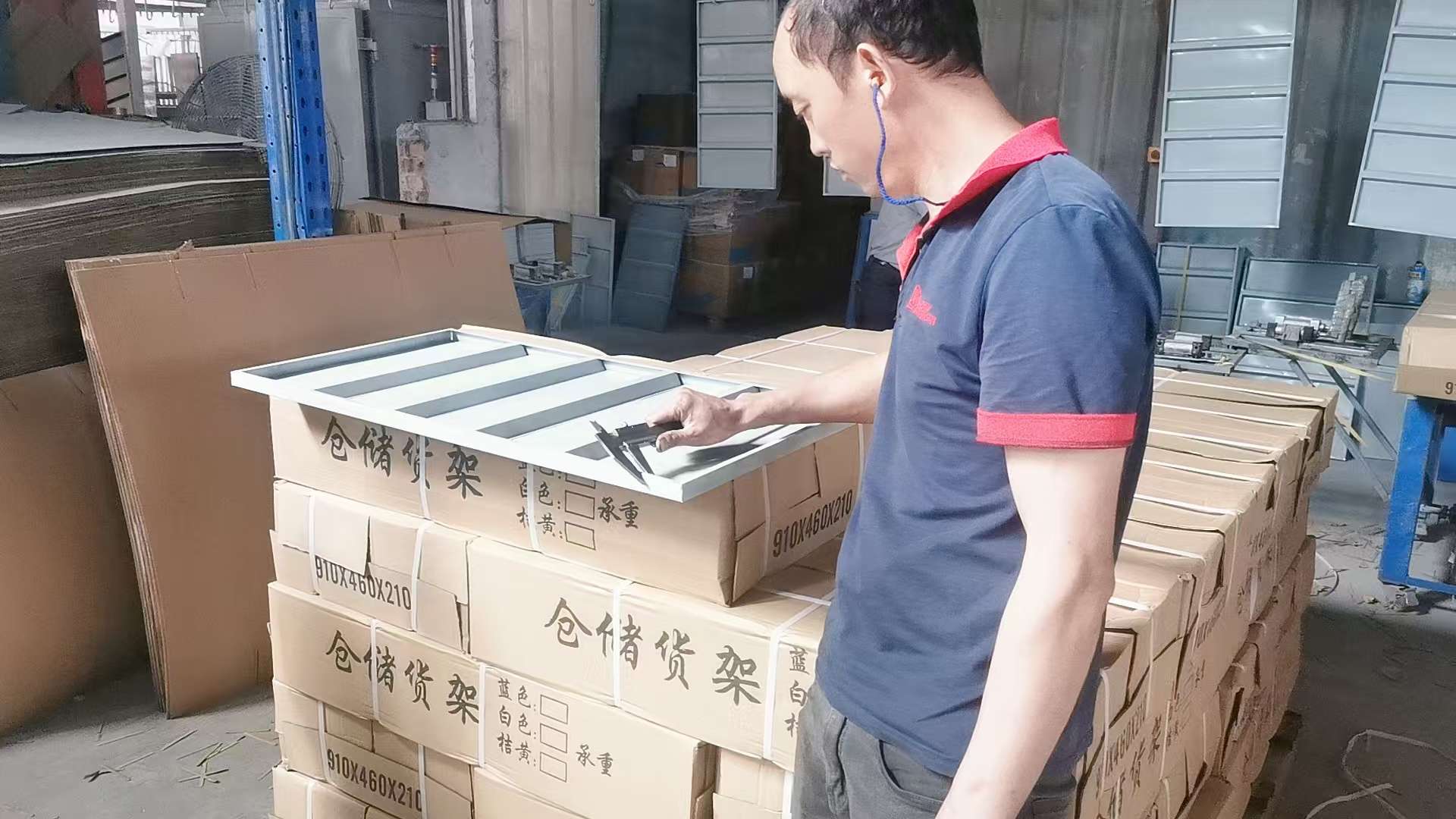
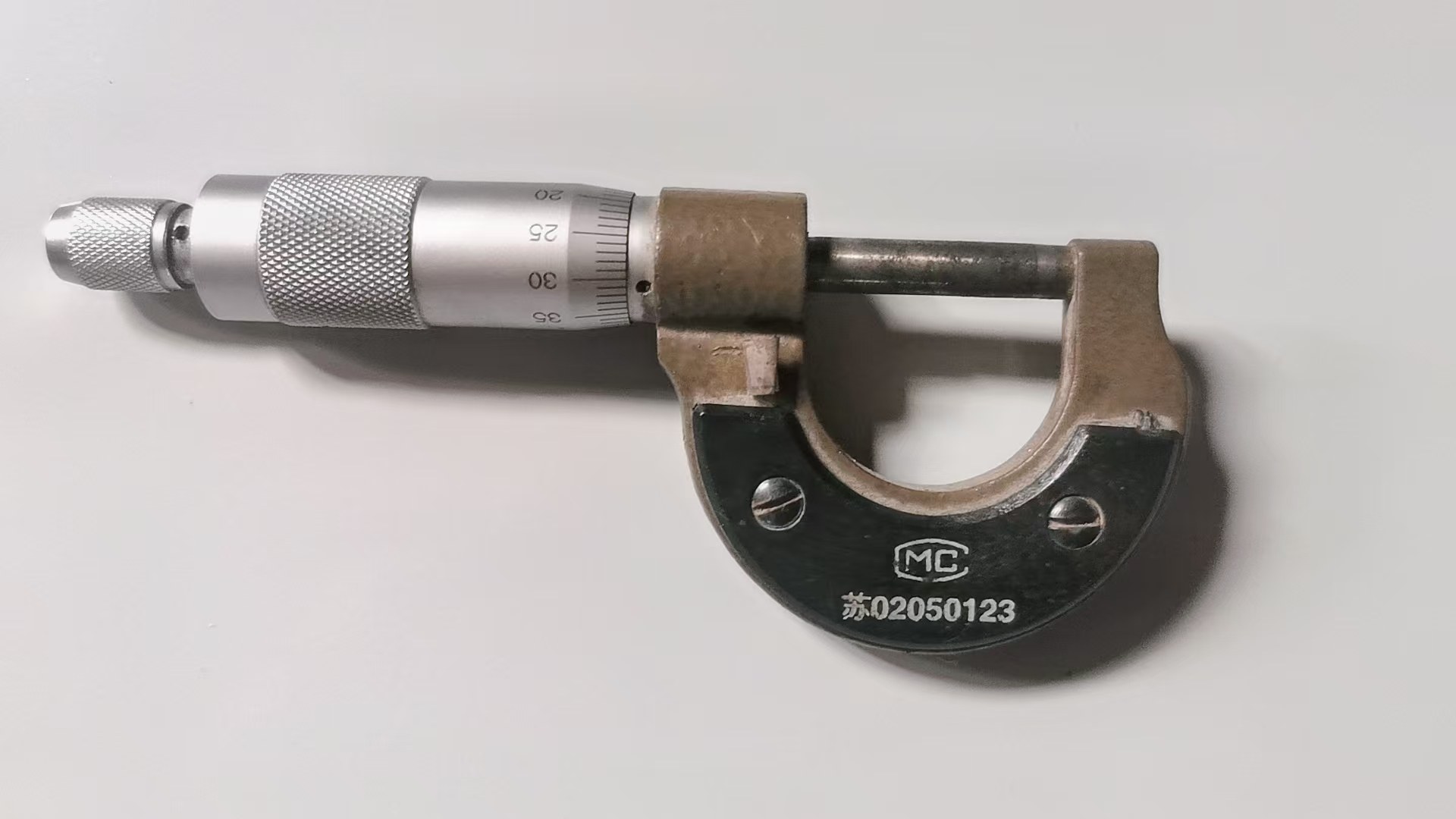
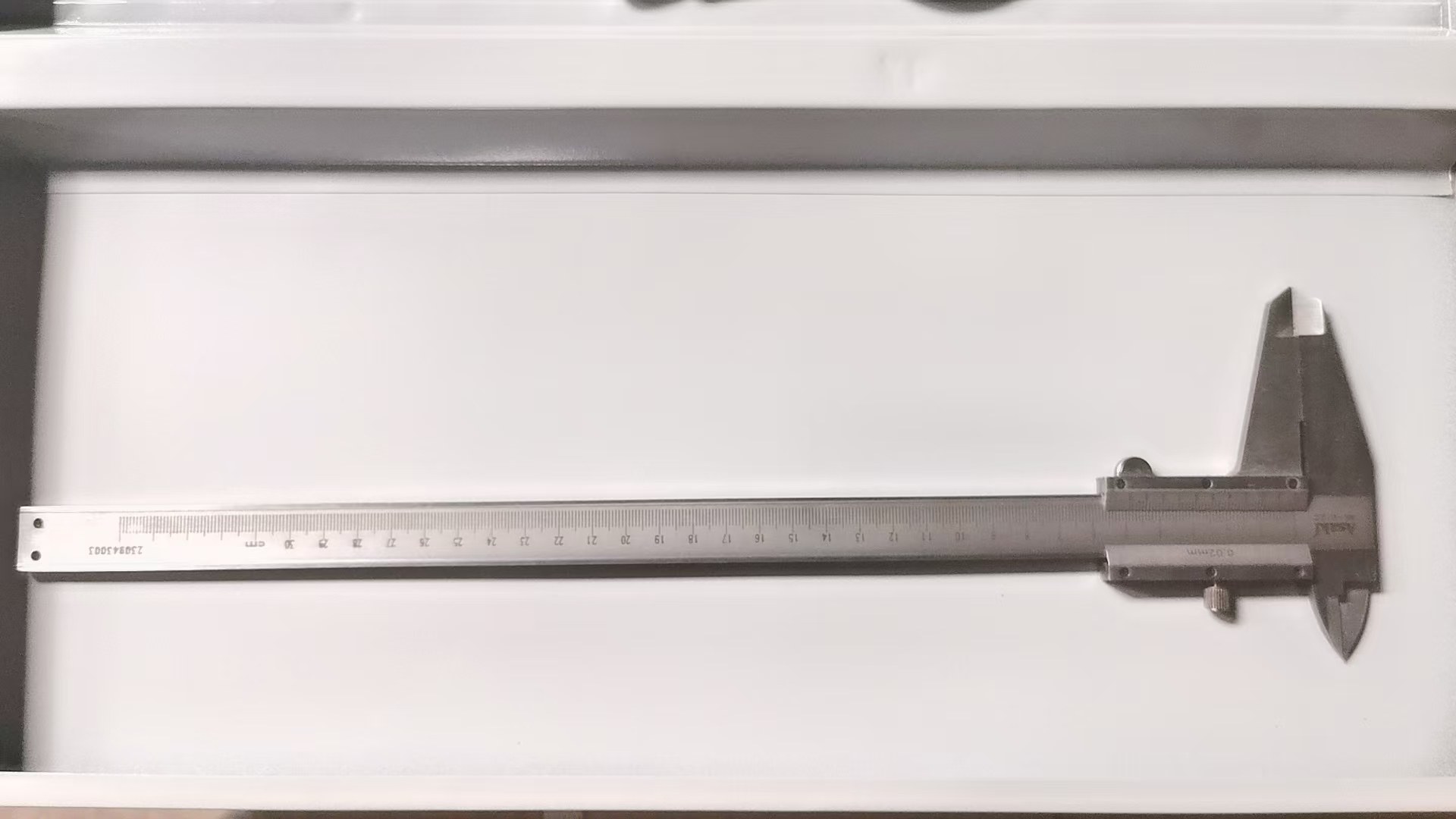
Hui Lian adheres strictly to high-precision measurement protocols. QC engineers utilize certified calipers, coating thickness meters, and digital micrometers to verify beam thickness and powder density, preventing load degradation. All steel batches undergo mechanical tensile testing to confirm the exact structural strength required for the 300kg/level threshold.
How different Japanese industrial segments utilize the modular 300KG structural shelving footprint to maximize efficiency.
Fulfillment operations require quick conversion of storage zones to pack-stations. The 300kg boltless design allows layout configurations to change in minutes without mechanical tools, optimizing floor layouts for swift picking routes.
Heavier components like brake rotors and casting dies demand highly rigid, localized storage. Cold-rolled steel shelves prevent structural bending under dense, localized loads, ensuring operator safety and material layout compliance.
Food and retail backrooms face moisture and frequent washdowns. Our electrostatic powder-coated surfaces prevent rust and corrosion in temperature-controlled spaces, complying with demanding local sanitization standards.
Examine our complete industrial catalog optimized for direct-to-Japan export logistics and structural reliability.
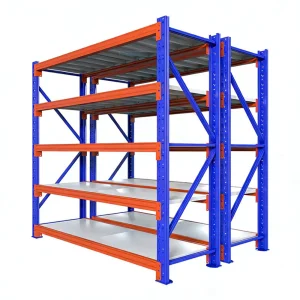
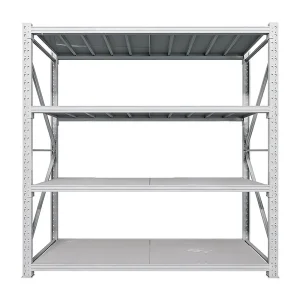
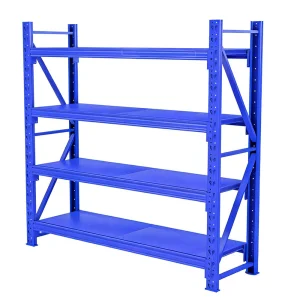
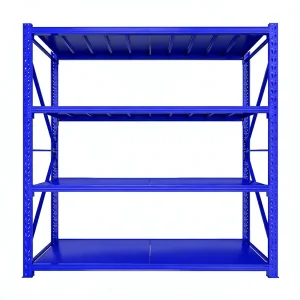
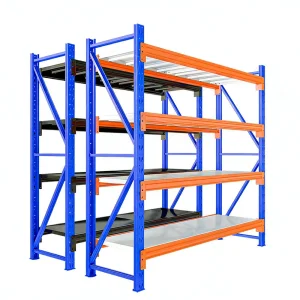
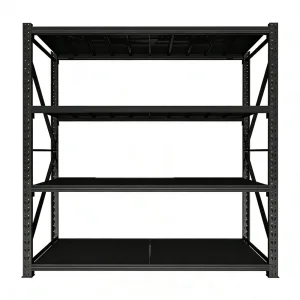
Essential engineering variables that purchasing managers must verify during international supplier evaluations.
Many low-cost manufacturers indicate structural thresholds based on static breaking limits. At Dongguan Hui Lian, we execute realistic structural testing protocols, ensuring that our 300KG load capacity is evaluated with a 1.5x functional safety coefficient. This safety profile guarantees that a nominal 300kg shelf layer safely tolerates unexpected localized weight spikes up to 450kg without buckling, ensuring compliance with strict industrial workplace safety guidelines.
We fabricate all rack beams and uprights utilizing high-grade, cold-rolled Q235B steel. Cold rolling structural steel aligns the molecular grain structure, generating superior tensile yield performance compared to hot-rolled materials of equal thickness. This engineering choice allows us to reduce shipping weight while ensuring high structural strength under long-term loads.
In coastal warehouse regions like Tokyo Bay and Osaka Port, high atmospheric salinity accelerates metal rust. Our multi-stage pretreatment line utilizes zinc phosphate dipping processes, followed by automated electrostatic paint application. This ensures uniform coat coverage (60-80 microns thickness) that effectively seals all structural welds and inner profiles against moisture, extending the service life of our racking systems by up to 10 years.
For seismic areas, standard gravity fitments are insufficient. We offer options for heavy-duty anchoring baseplates, dynamic structural tie-backs, and integrated row spacers. These components distribute seismic forces across the entire structural bay assembly, minimizing the risk of tipping and shifting during earthquake tremors.
Expert answers concerning structural standards, customization options, and international shipping to Japan.
 Hui Lian