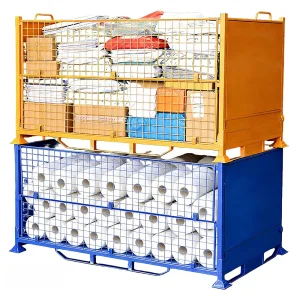
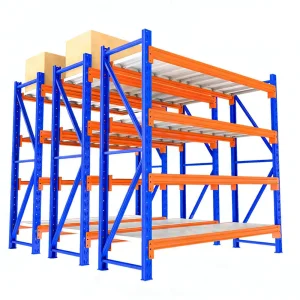
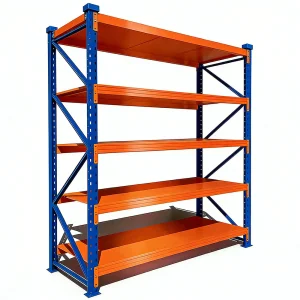
Explore our high-performance warehousing products engineered for optimal spatial utilization, maximum safety, and long-term durability.
A Professional Analysis of Modern Intralogistics, Structural Physics, and High-Throughput Storage Facility Architectures
In global supply chains, spatial layout is no longer just a structural storage issue—it is a critical determinant of operational throughput, picking times, and long-term cost efficiency. Standard warehousing practices often ignore the volumetric expansion capabilities of structural design. By employing intelligent spatial design methodologies, modern distribution hubs can increase cubic utilization rates by up to 300%. The mathematical logic of spatial optimization lies in transition paths: minimizing material flow interference, matching rack loading properties (such as deflection limits under FEM 10.2.02 and RMI specifications), and configuring dynamic clearance indexes for automated material handling equipment.
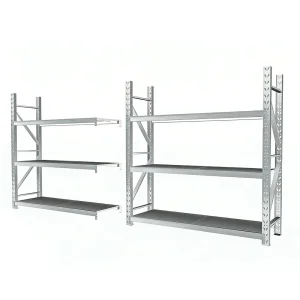
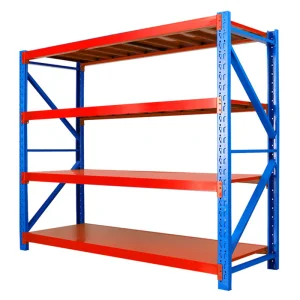
A professional racking framework requires calculation of bending moments where beam deflection under full capacity load does not exceed 1/325 of the total clear span. This technical metric prevents metal fatigue and ensures compatible operations with automated guide vehicles (AGVs) and standard reach stackers.
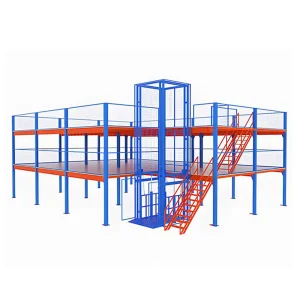
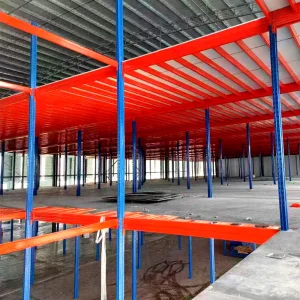
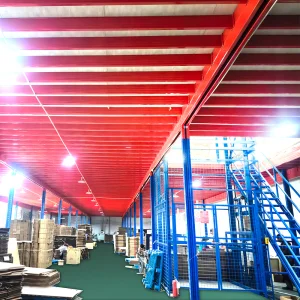
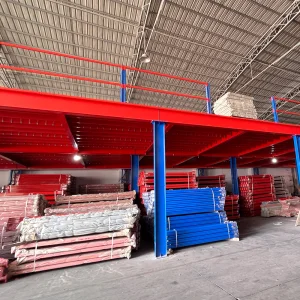
For heavy-duty applications, selective racking is often integrated with multi-level structural mezzanines. By utilizing heavy-duty structural steel platforms, factories can expand their work and storage zones upward. This bypasses structural expansion limitations and avoids local industrial real estate premiums.
As industry transitions to Smart Logistics, standard static shelving is being augmented by Automated Storage and Retrieval Systems (AS/RS), shuttle runners, and mobile racking architectures. Design must adapt to accommodate the precision requirements of these high-speed systems. A deviation of just 2mm in frame alignment can cause a sensor fault in an AS/RS stacker crane, pausing operations. Integrating customized structural racking with boltless adjustable beams allows for precise modular adaptation.
Key operational components of automated and heavy-duty designs include:
The decision to source structural warehouse racking and intelligent layouts from China is driven by manufacturing scale, supply-chain clustering, and cost efficiencies. The Pearl River Delta, specifically Dongguan, is a hub for industrial machinery, metallurgical processing, and logistics systems manufacturing.
Dongguan Hui Lian Intelligent Warehouse Equipment Co., Ltd. demonstrates these manufacturing capabilities:
Engineered layouts designed for specific vertical applications, compliance demands, and operational conditions.
Multi-tier mezzanine platforms integrated with vertical cargo lifts and high-speed conveyor zones. Engineered to maximize picking velocities and minimize travel times for logistics operators.
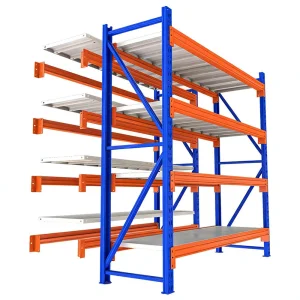
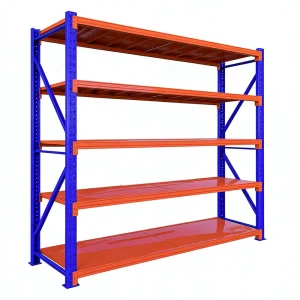
Heavy-duty structural storage configurations featuring up to 5,000 kg capacity per bay, designed for stamping dies, bulk castings, and raw material storage.
High-density drive-in and shuttle-compatible rack architectures designed to minimize thermal loss and operate in temperatures down to -30°C.
A proven record of quality engineering, global exports, and large-scale industrial manufacturing since 2016.
Founded in 2016, Dongguan Hui Lian Intelligent Warehouse Equipment Co., Ltd. is a specialized manufacturer of storage systems and industrial racks. With 15 years of industry experience and 8 years of export operations, we offer custom-engineered storage systems designed to maximize space and efficiency.
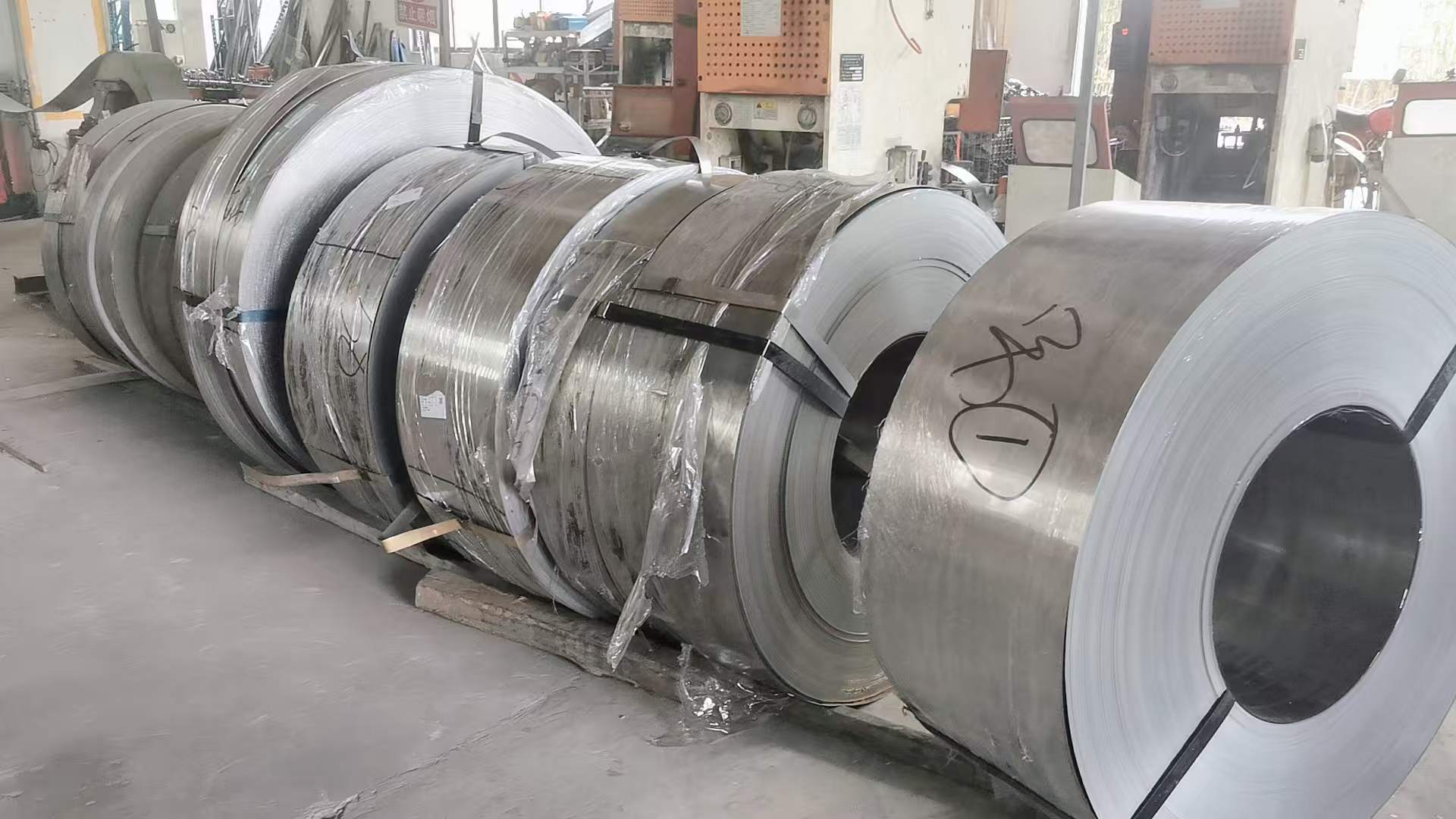
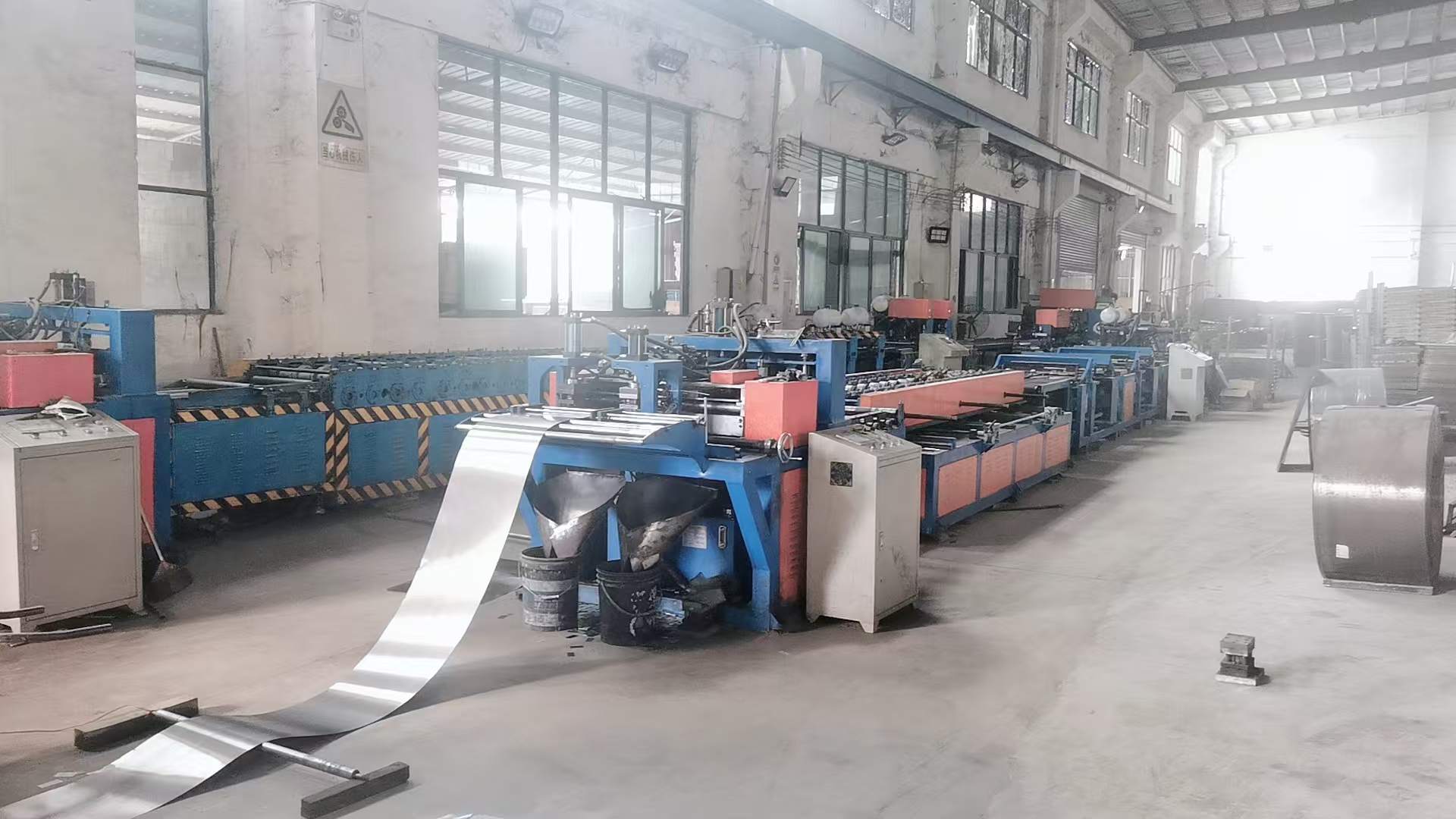
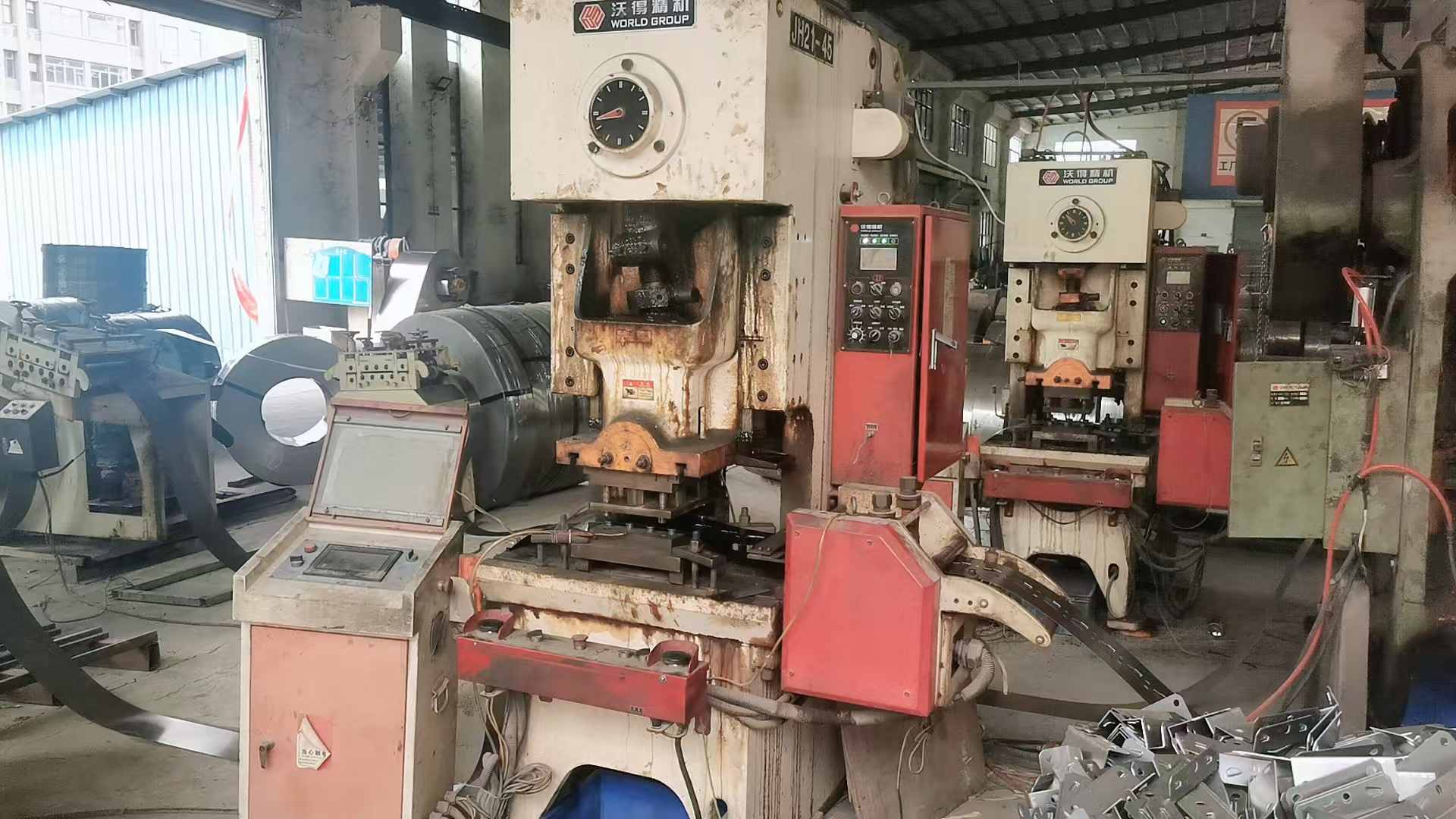
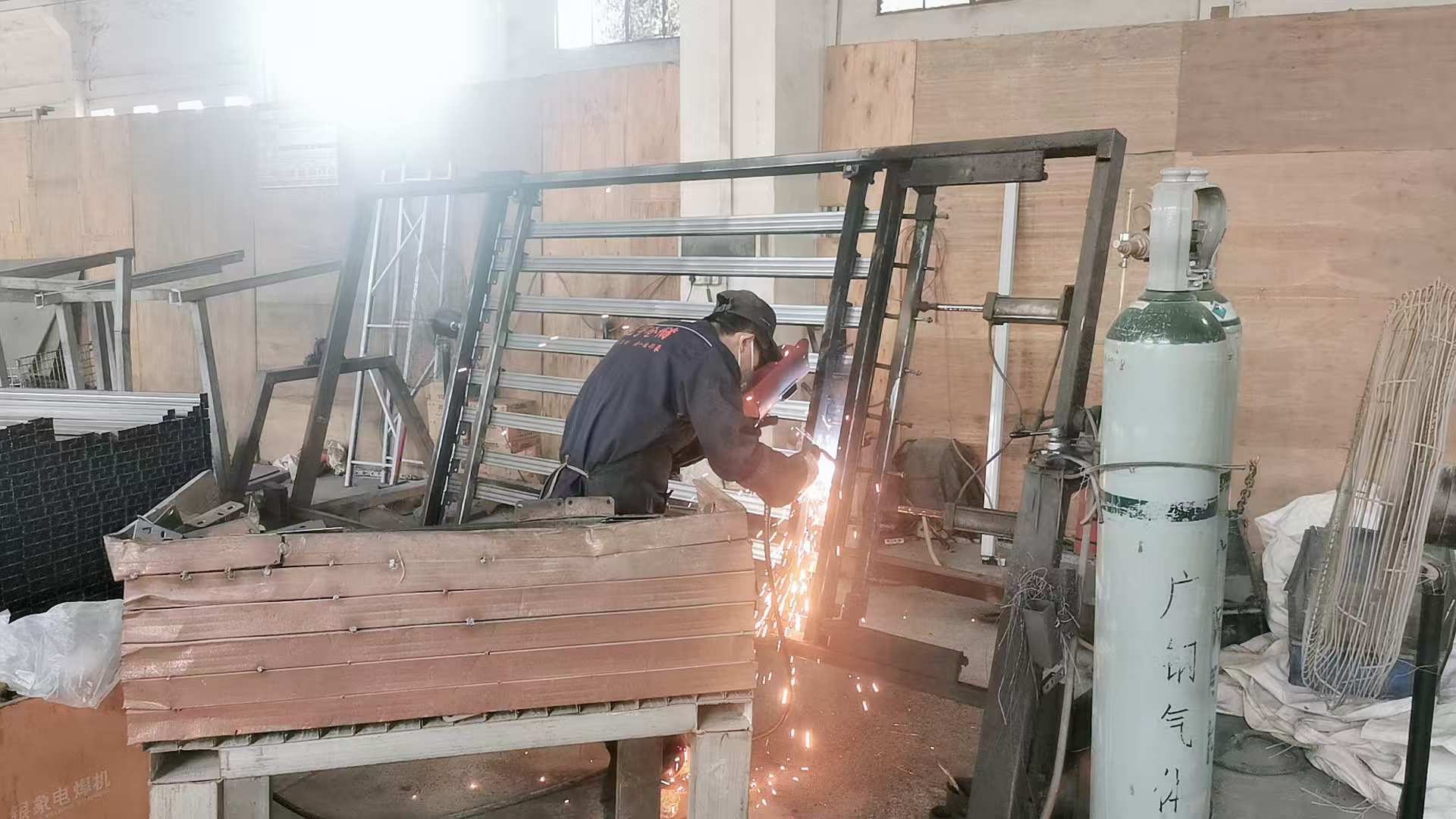
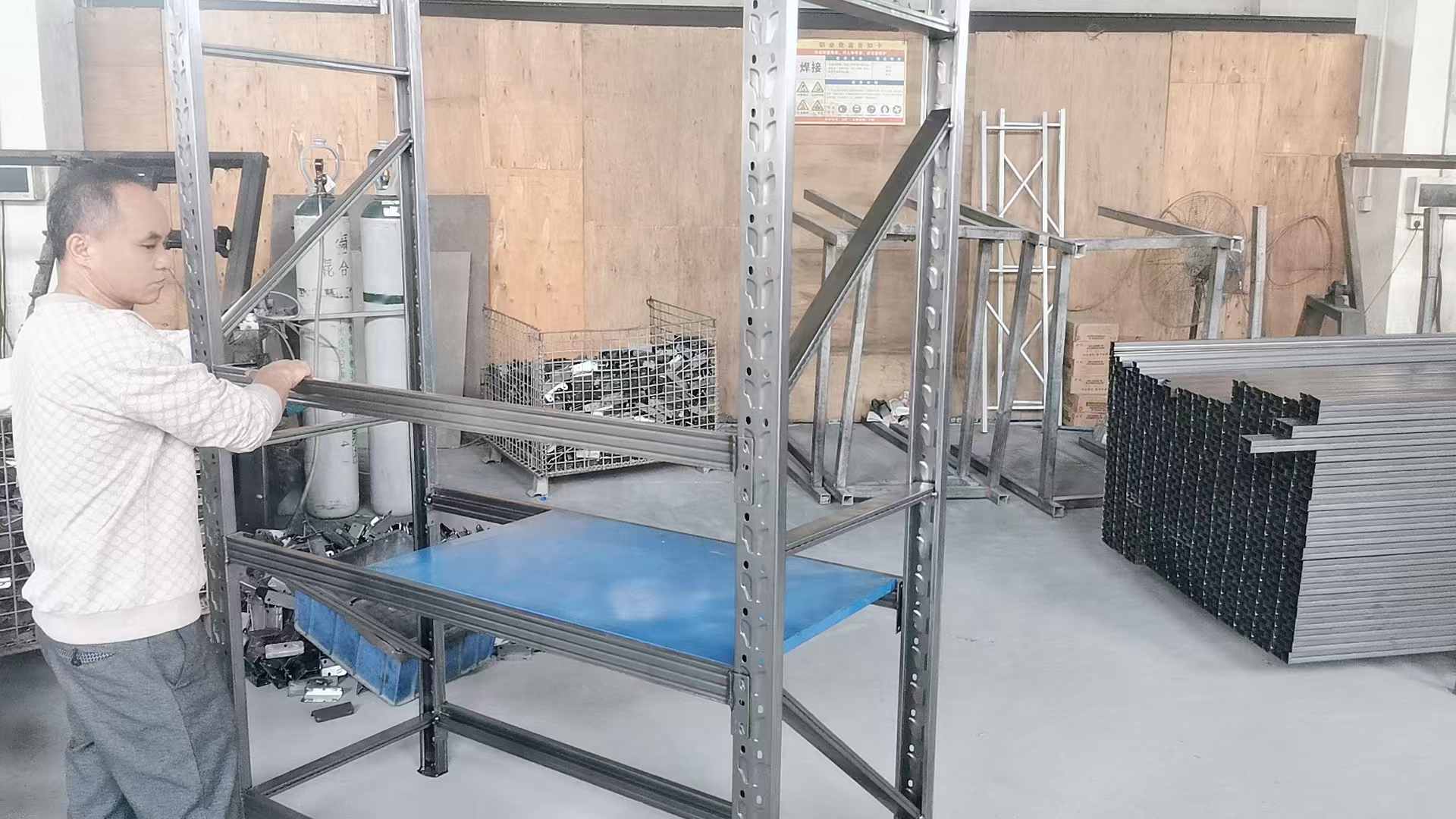
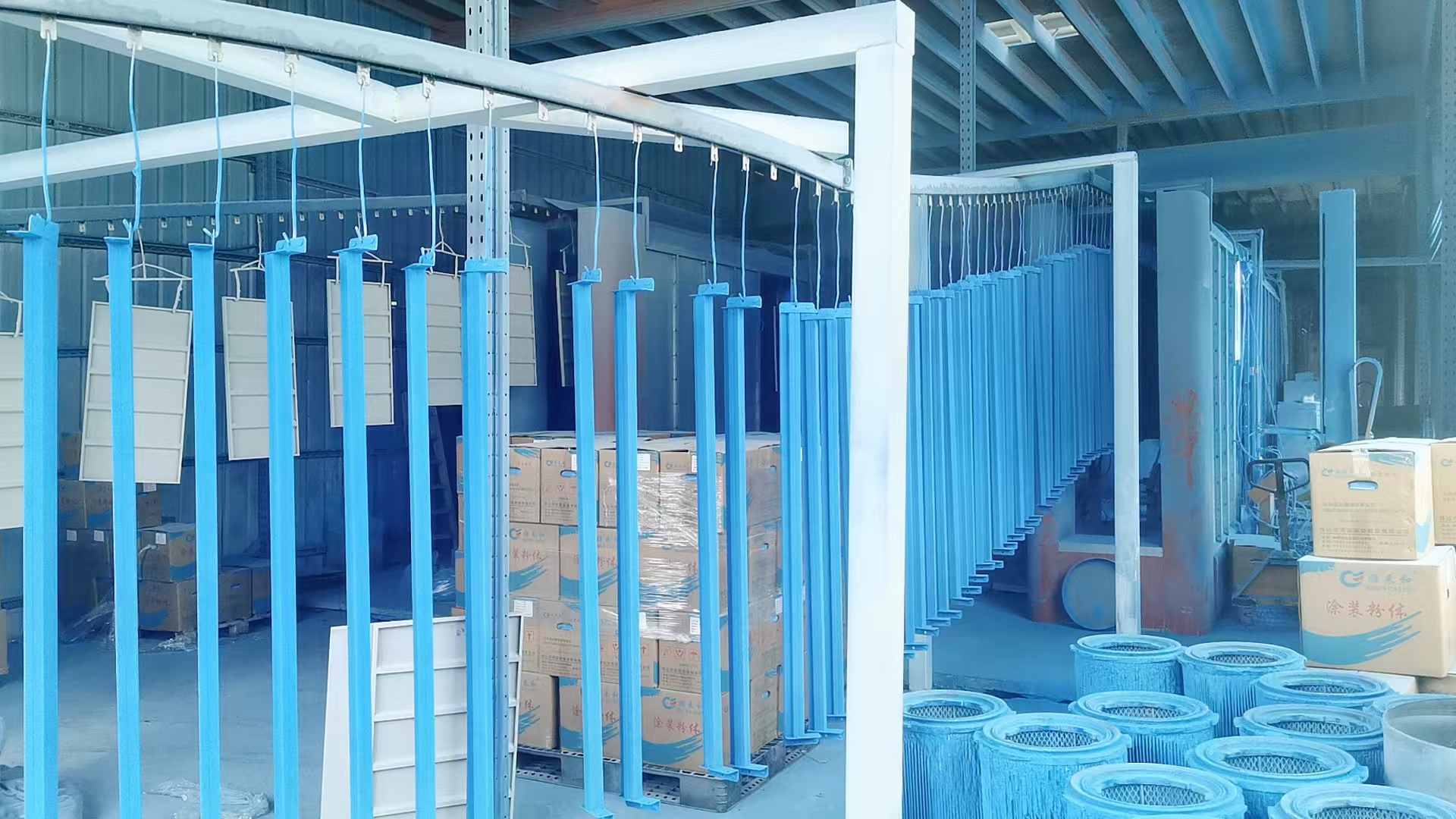
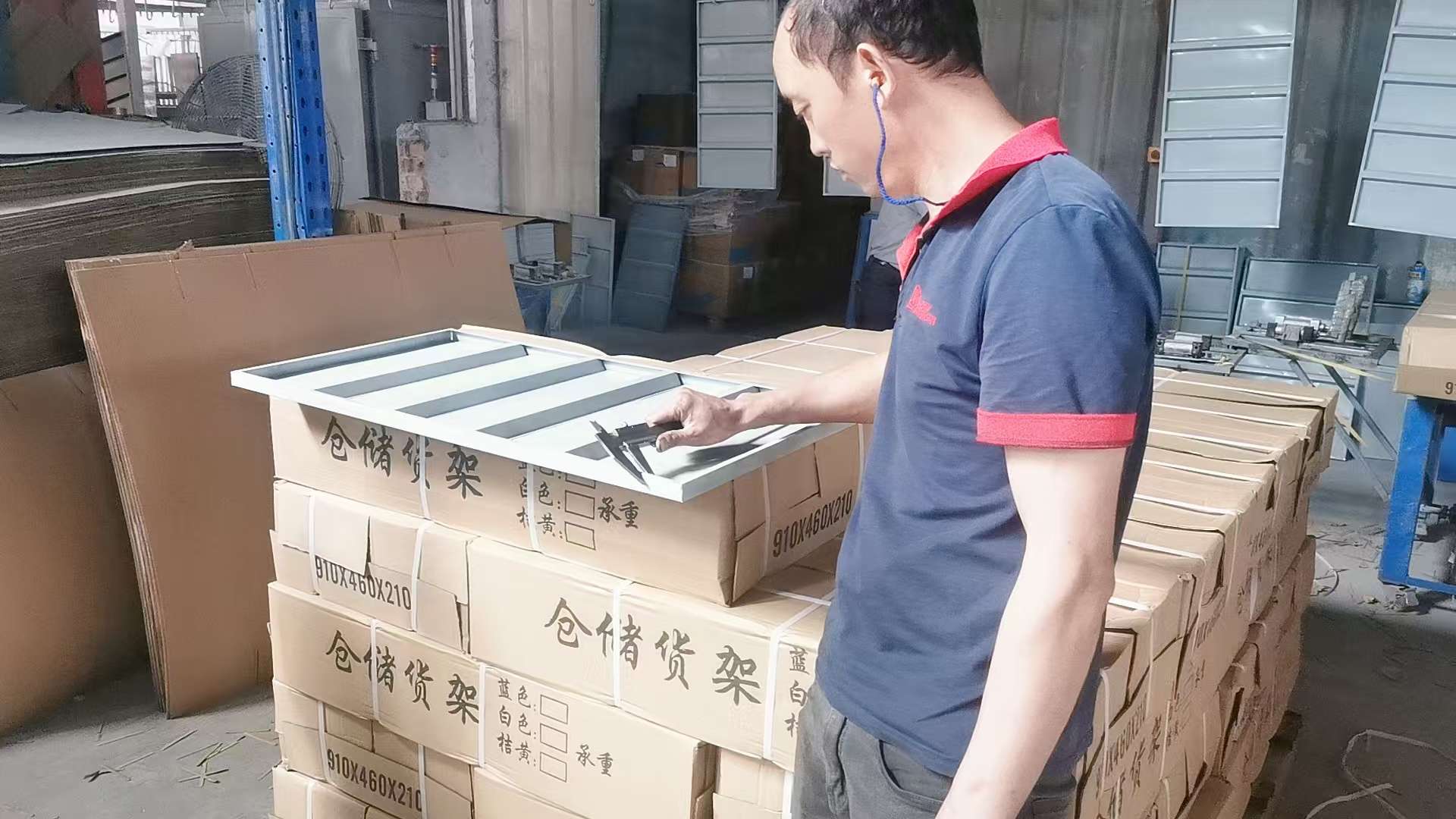
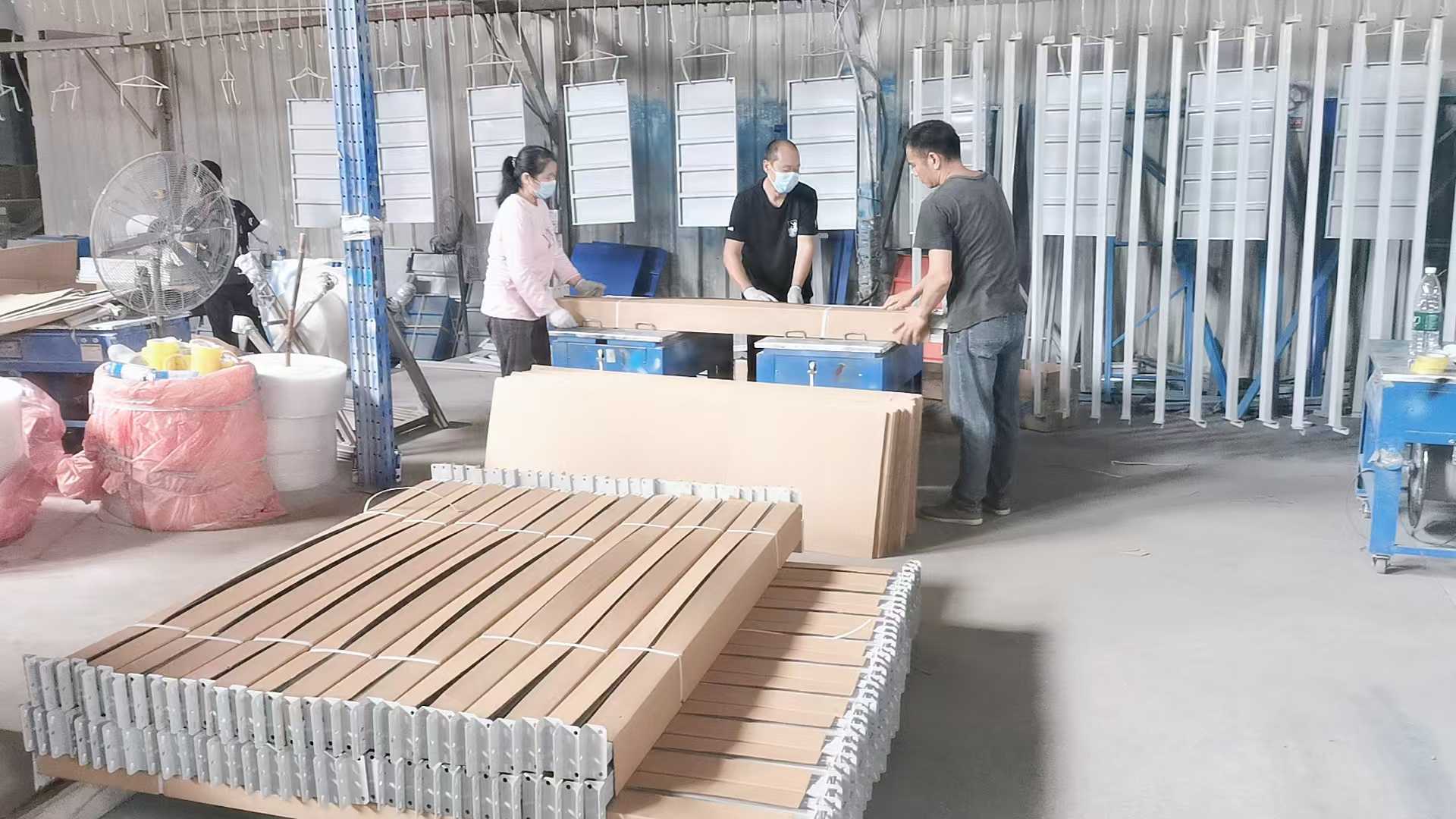
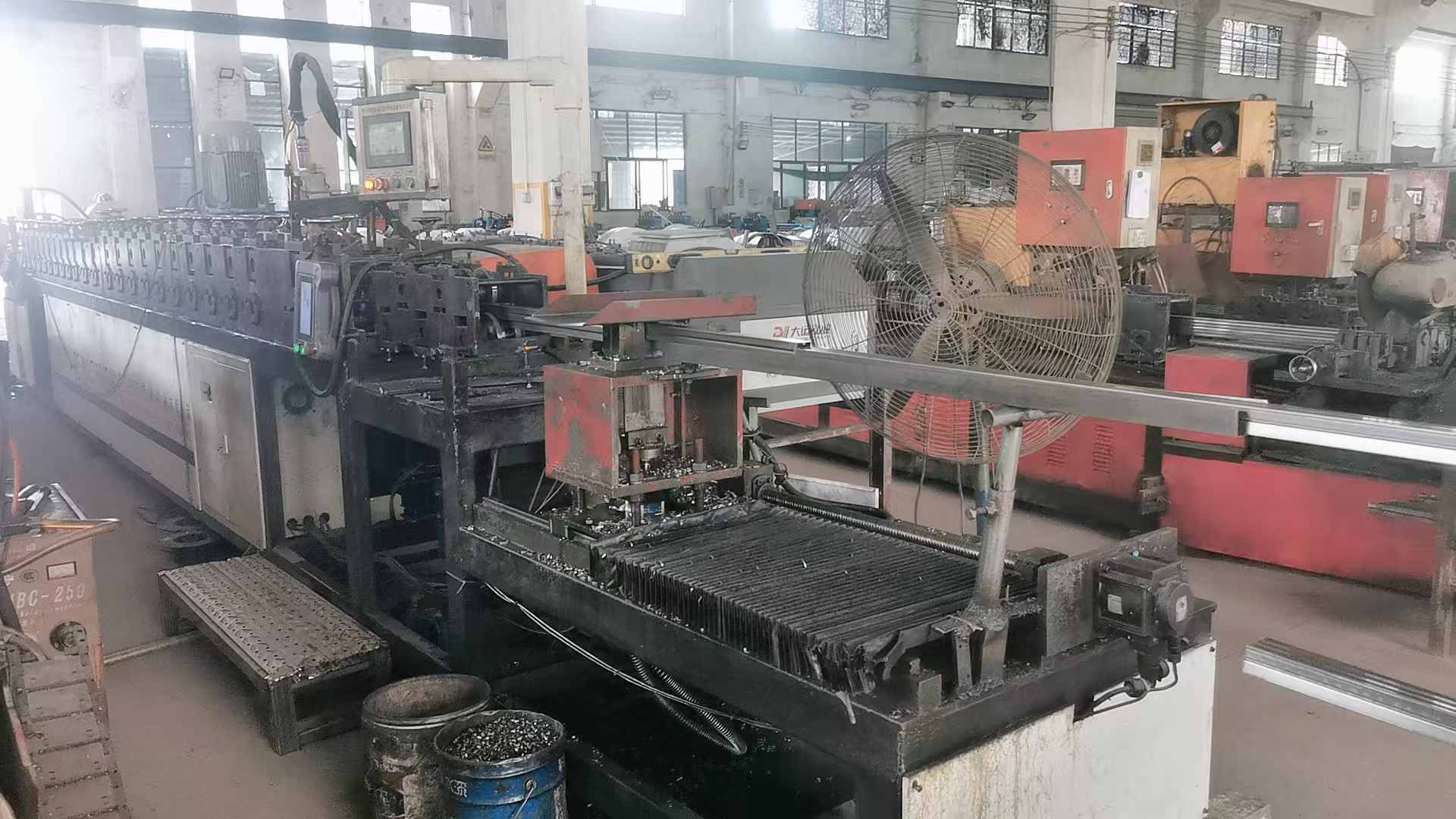
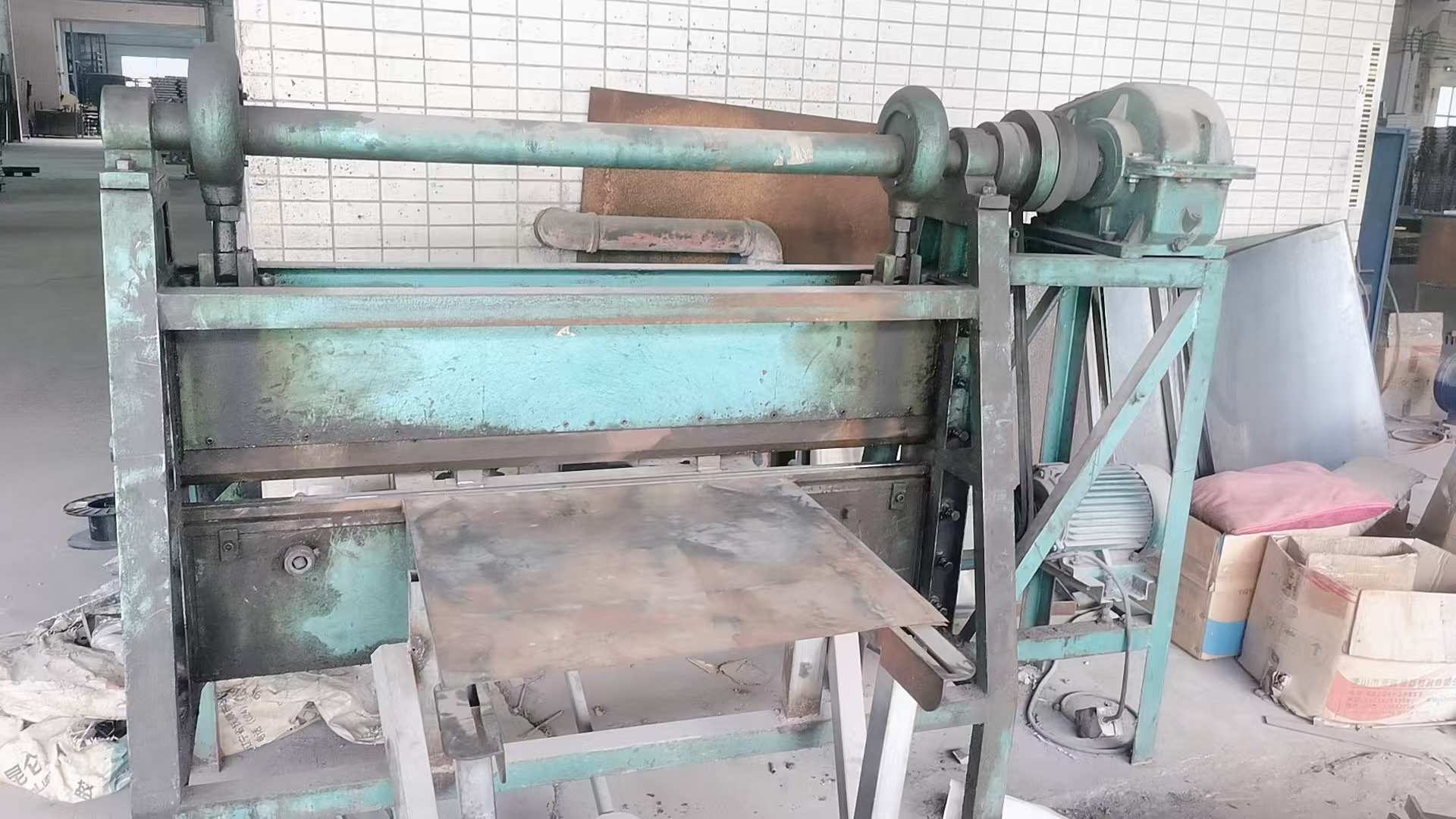
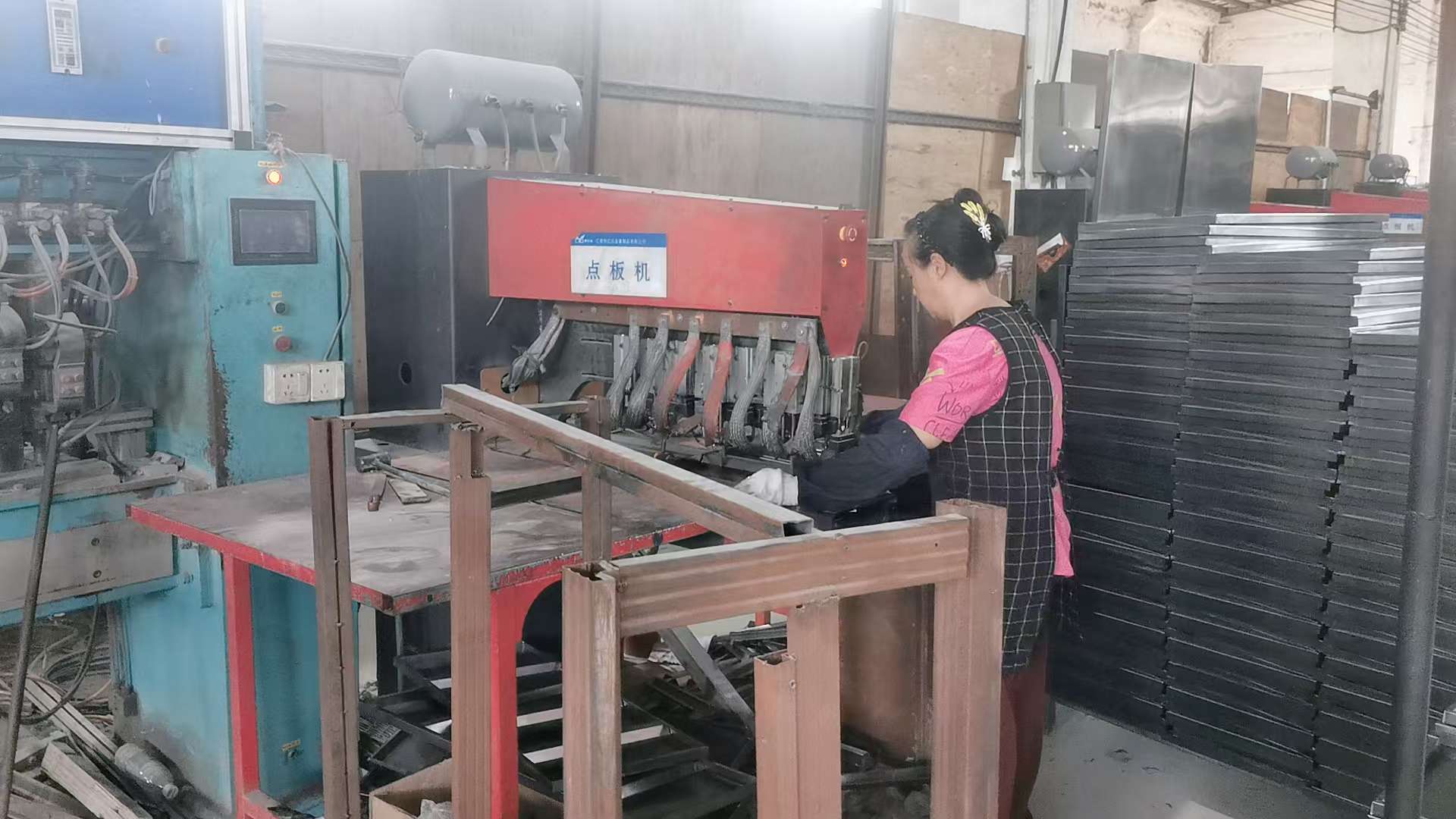
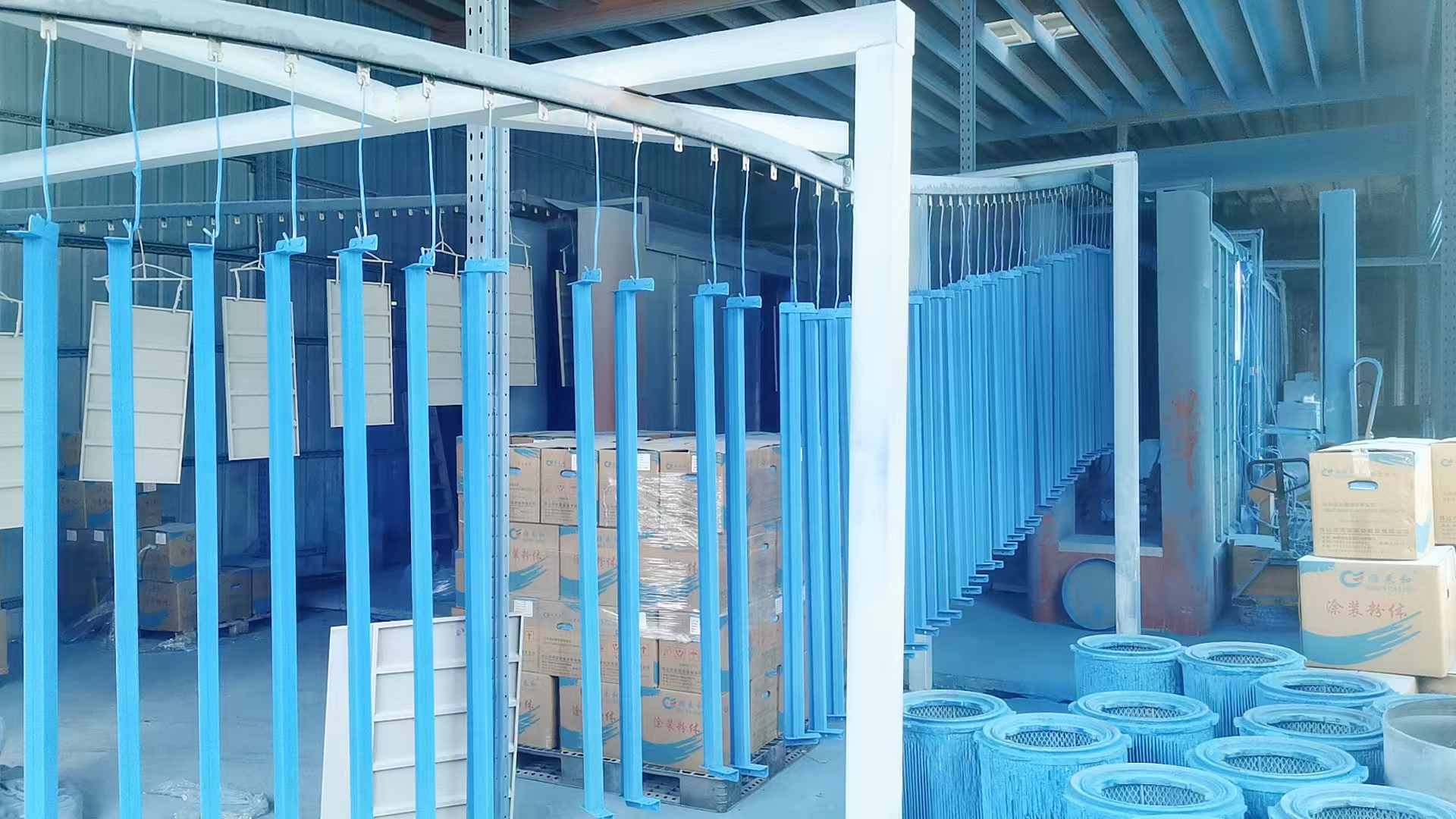
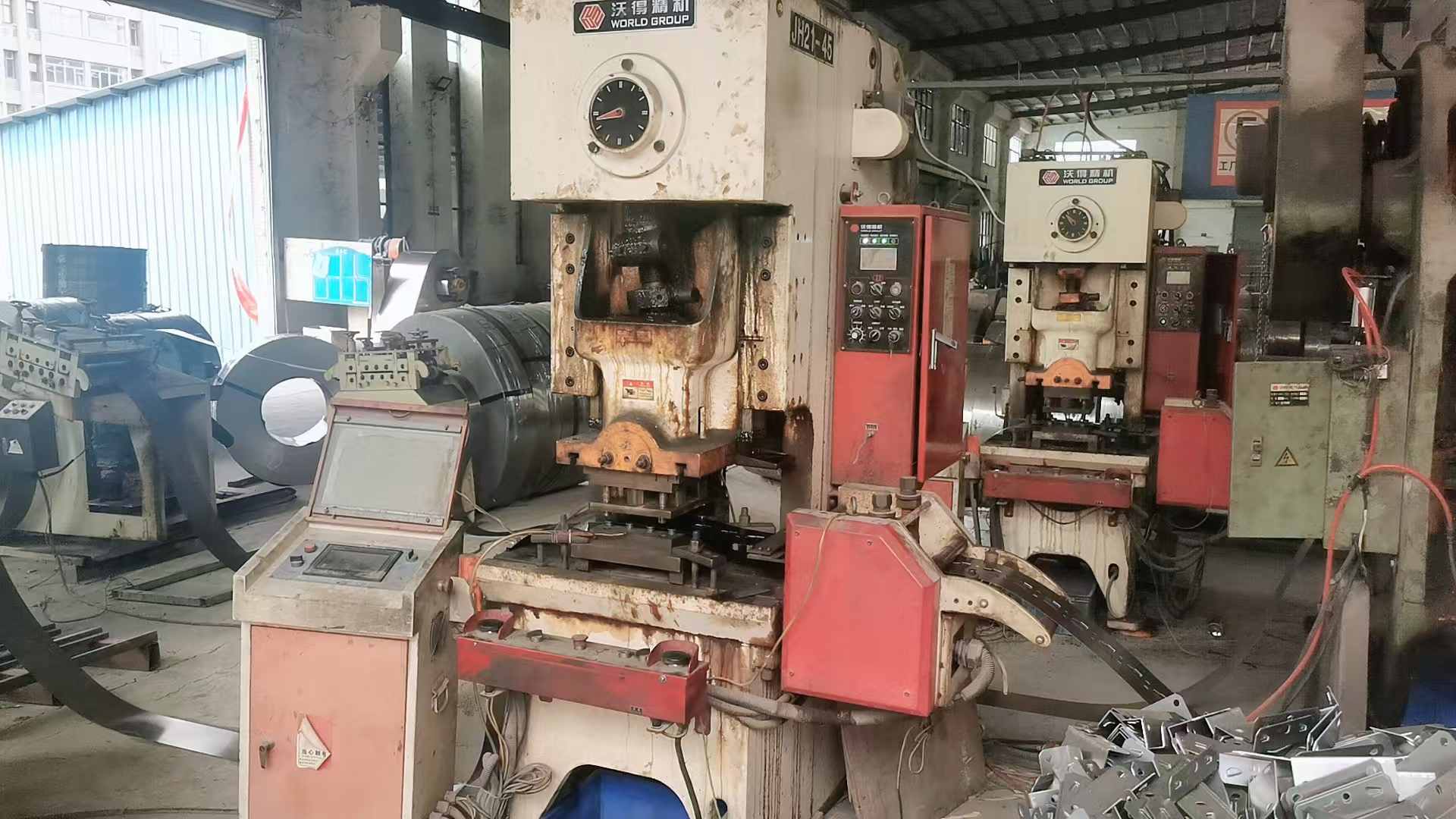
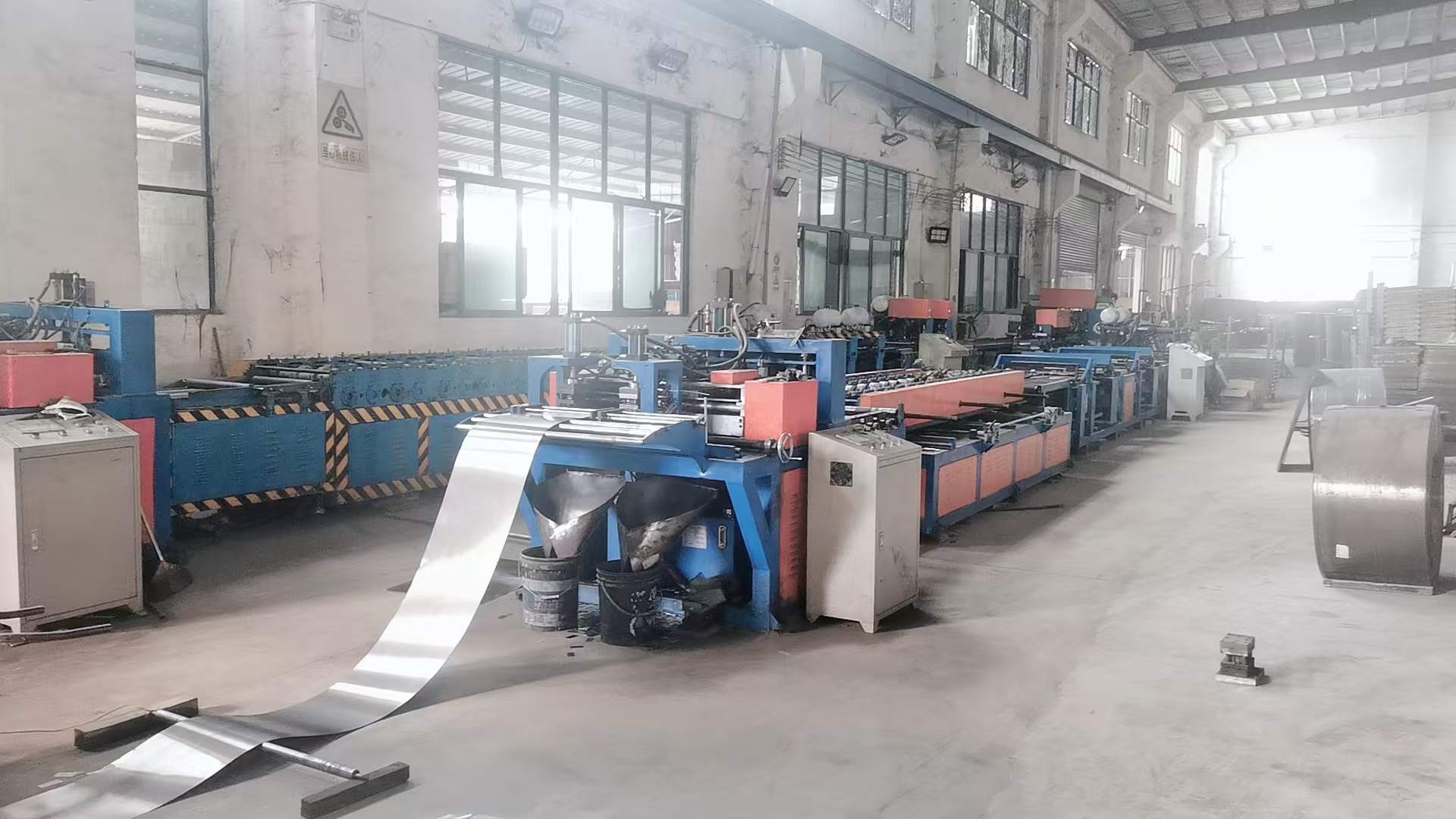
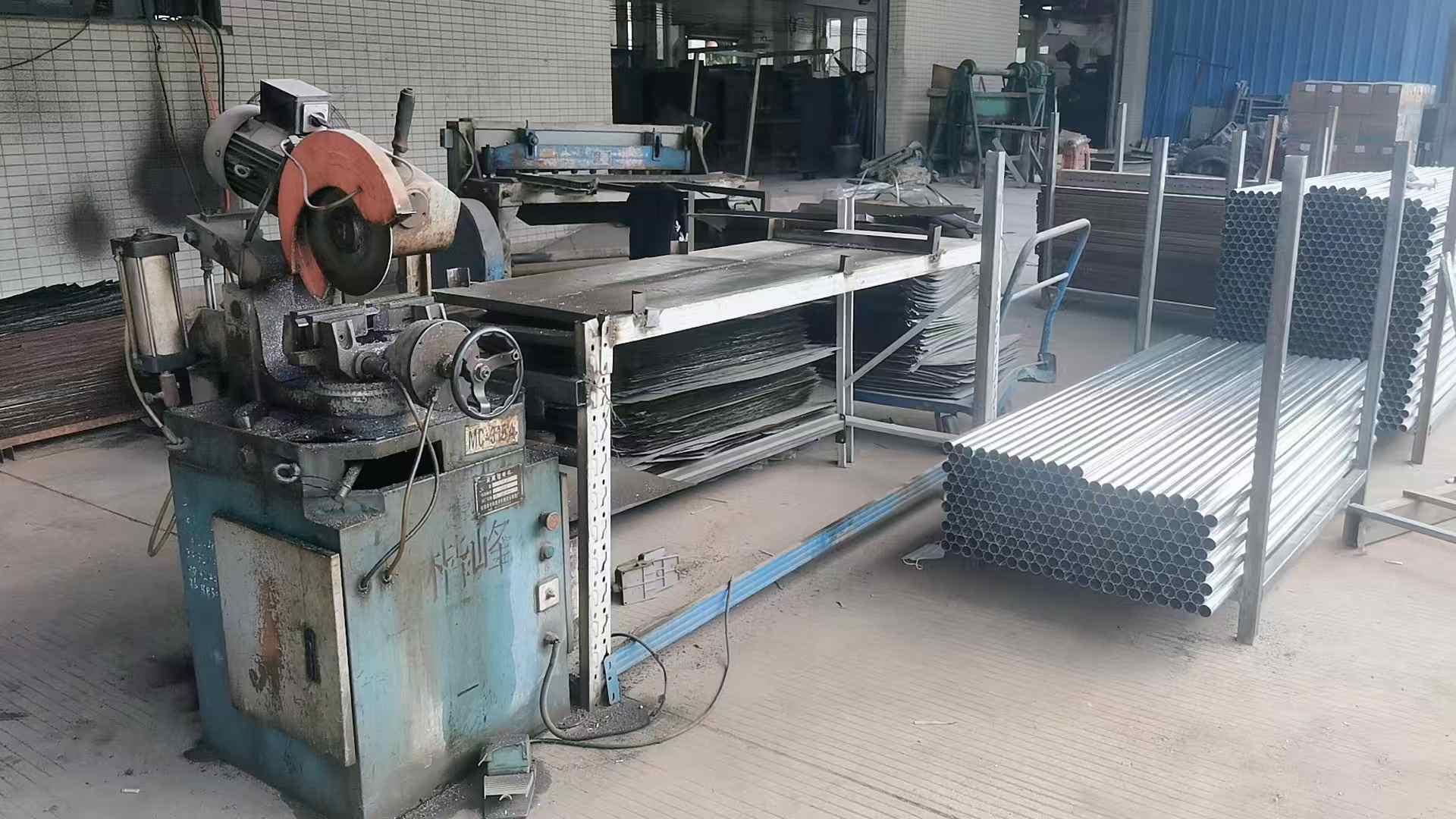
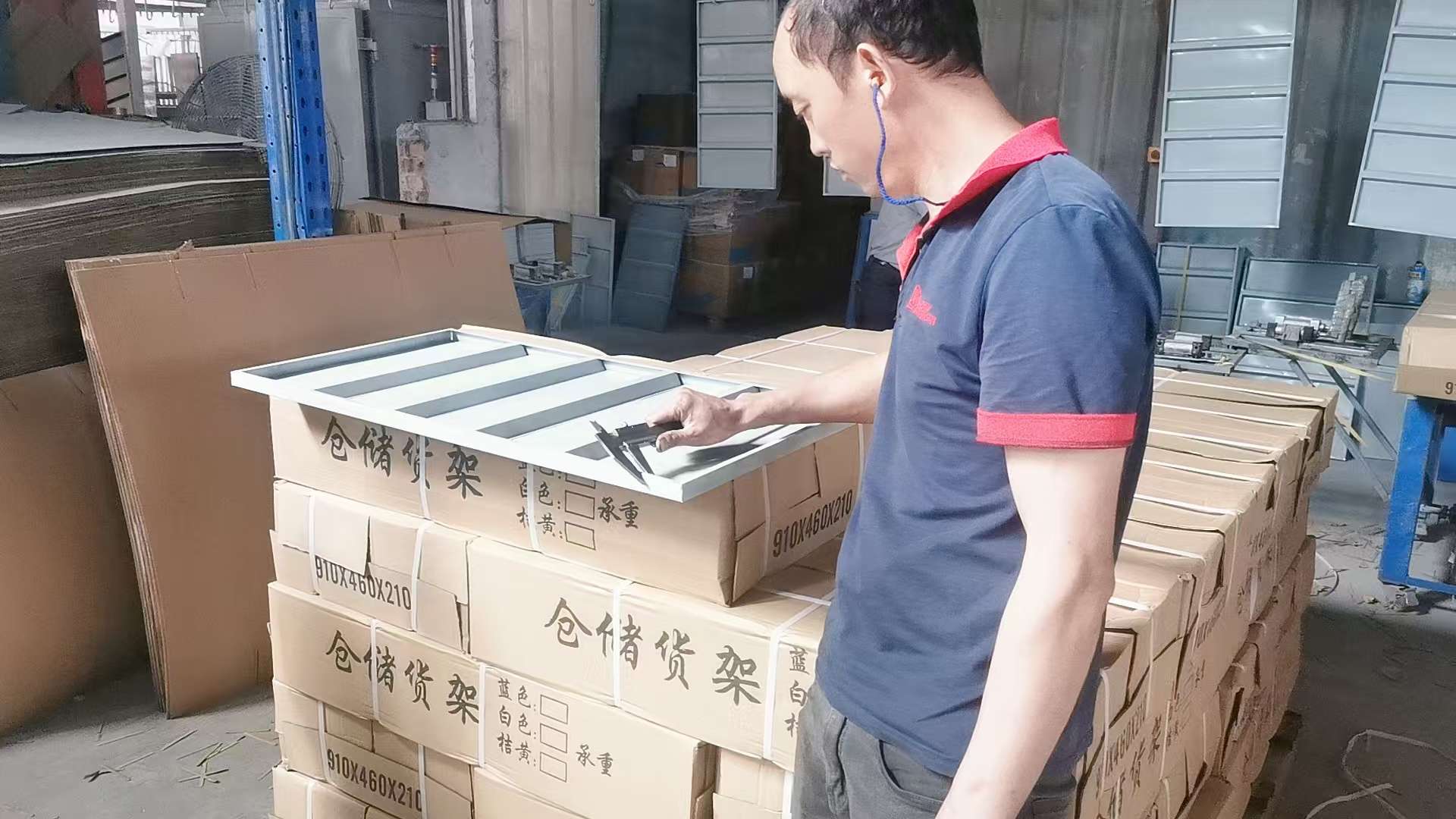
Our manufacturing facility in Dongguan utilizes automated roll-forming machines, advanced CNC punching, and robotic welding setups. Our quality control processes cover every stage of production, from raw material inspection and weld testing to coating thickness measurements and load testing. This ensures each system meets international safety standards, including FEM and RMI guidelines.
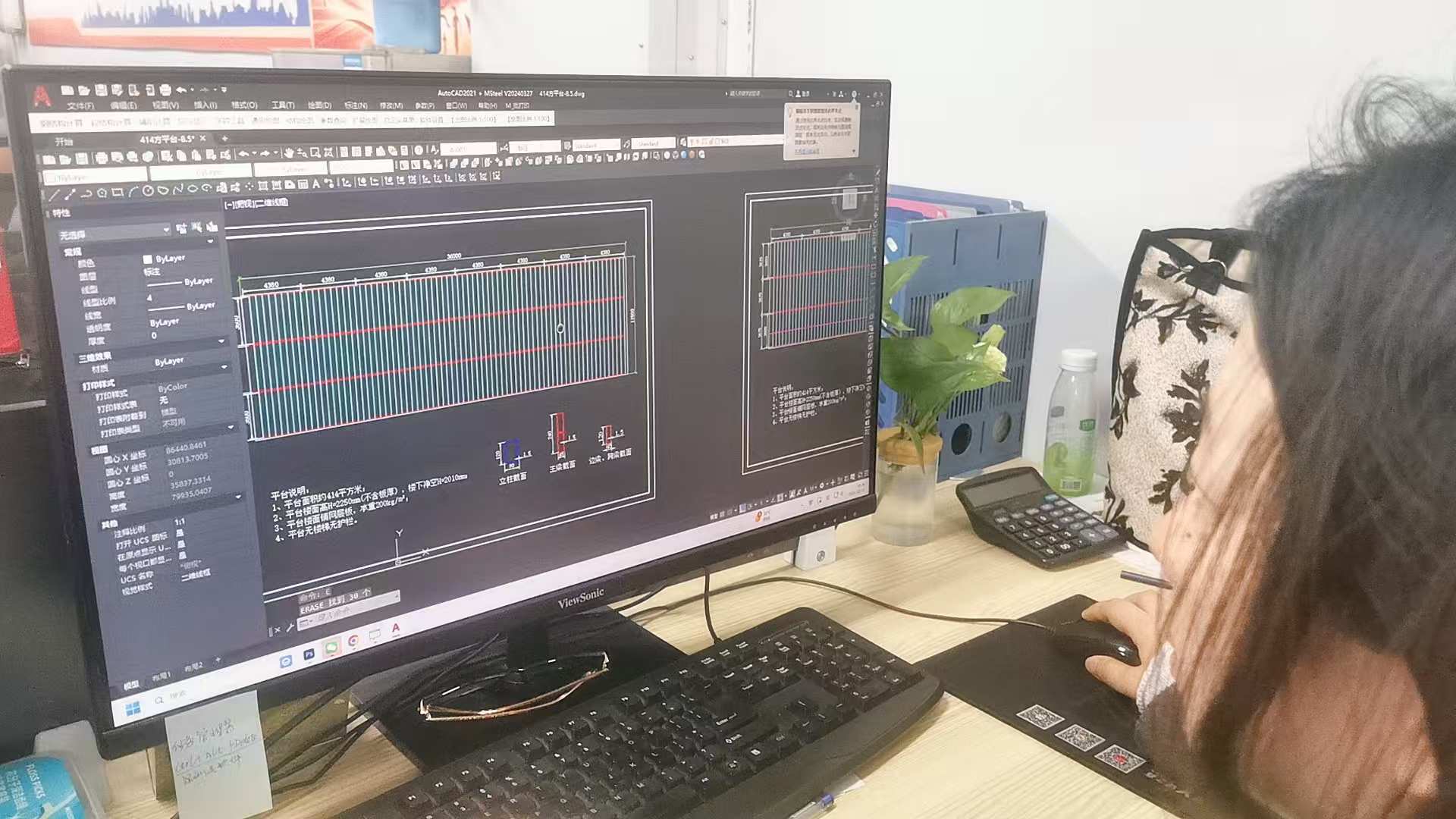
Visualizing our precision manufacturing process, engineering steps, and testing protocols that ensure long-term structural reliability.
The warehousing sector is shifting toward dynamic, modular, and green solutions. Modern operations require layouts that can adapt to changing demand profiles. Racking systems are increasingly designed to be modular and expandable, allowing configurations to change as storage needs evolve.
Additionally, sustainability has become an important consideration. Manufacturers are adopting low-emission powder coatings, optimizing transport volumes to reduce carbon emissions, and selecting high-yield steel to maximize load capacities while minimizing material usage.
Technical answers to common questions about industrial layout design and material specifications.
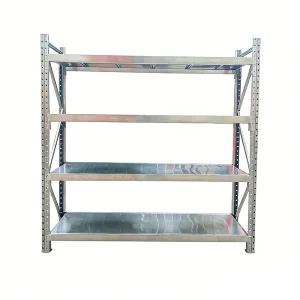
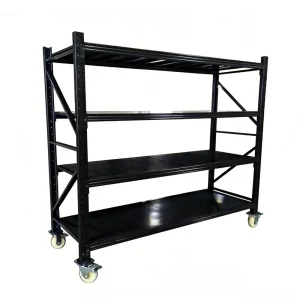
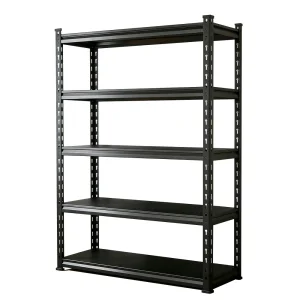
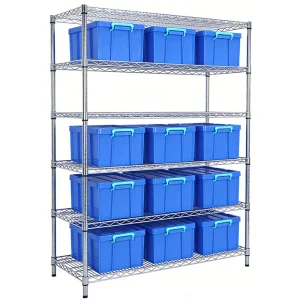
Modular racking, light-duty shelving, and specialized material handling systems to fit diverse storage needs.
 Hui Lian