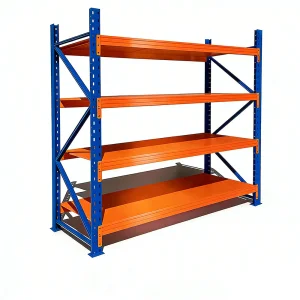
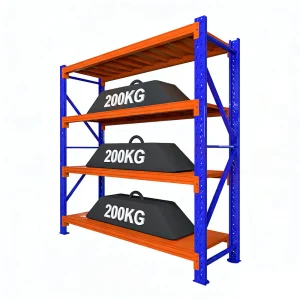
Engineered cold-rolled steel heavy-duty racking systems designed for structural integrity and high-density warehouse efficiency.
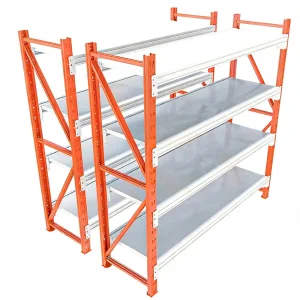
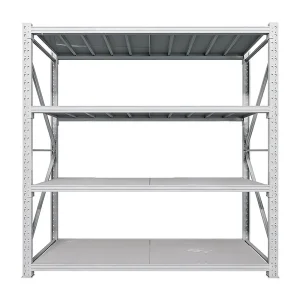
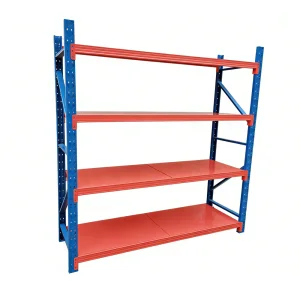
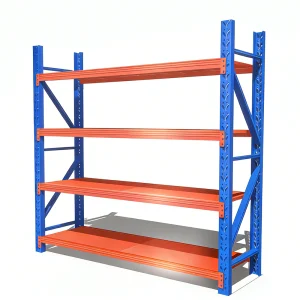
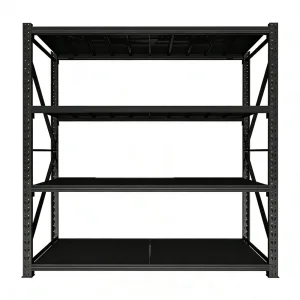
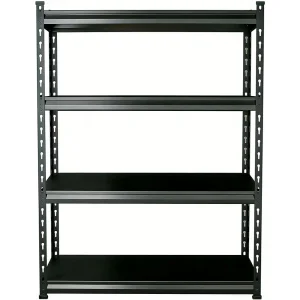
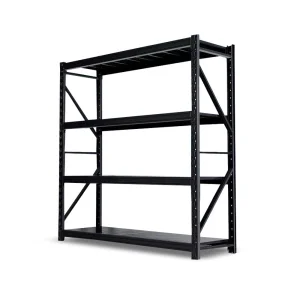
Modern supply chain logistics demand high space utilization, absolute safety compliance, and maximum throughput. As land acquisition costs rise globally, heavy-duty storage structures have transitioned from static containment frames into critical mechanical components of automated warehouses. Across North America, Europe, and Asia-Pacific, enterprises are refactoring layout designs from traditional wide-aisle configurations to narrow-aisle (VNA), drive-in, double-deep, and complex Automated Storage and Retrieval Systems (AS/RS).
Several global structural movements are reshaping the design protocols of heavy-duty storage manufacture:
Different industrial applications require highly optimized structural styles to handle varying load distributions:
Industrial storage is an engineering science. From material selection to continuous forming, structural performance relies on advanced material processing.
Utilizing high-tensile structural steel profiles (Q235 and Q355 grades). The laser roll forming production lines guarantee continuous profile shaping with flawless dimensional accuracy, eliminating internal stresses.
Utilizing Finite Element Analysis (FEA) to simulate complex loading conditions, seismic response values, and impact resilience. Every column cross-section and beam connector is modeled to optimize raw material usage.
Automated multi-stage pre-treatment wash cycles (phosphating) followed by electrostatic powder deposition and high-temperature curing. Offers excellent corrosion, impact, and chemical resistance.
Established in 2016, Dongguan Hui Lian Intelligent Warehouse Equipment Co., Ltd. is a leading manufacturer specializing in the engineering design, production, and distribution of premium industrial storage racks and intelligent warehouse logistics solutions. With over 15 years of industry experience and 8 years of international export operations, the company delivers storage systems to logistics companies, e-commerce centers, manufacturers, and retail distributors worldwide.
Our manufacturing facility spans approximately 18,500㎡. Equipped with continuous laser roll forming lines, automatic spot welding units, and advanced electrostatic powder coating systems, the facility achieves an annual export revenue of US$18 million. Supported by 126 professional R&D engineers and 56 dedicated quality control inspectors, the factory operates under strict quality management processes, launching over 320 new products annually to support diverse market configurations.
Hui Lian partners with more than 850 supply chain network partners, enabling secure material sourcing, cost efficiency, and fast delivery timelines. Our global footprint covers North America, Europe, Southeast Asia, the Middle East, Australia, and South America, providing custom dimensions, structural layout planning, dynamic load calculation reports, and professional post-sale integration services.
From premium steel sourcing to laser roll forming, automatic welding, and high-precision quality control verification.
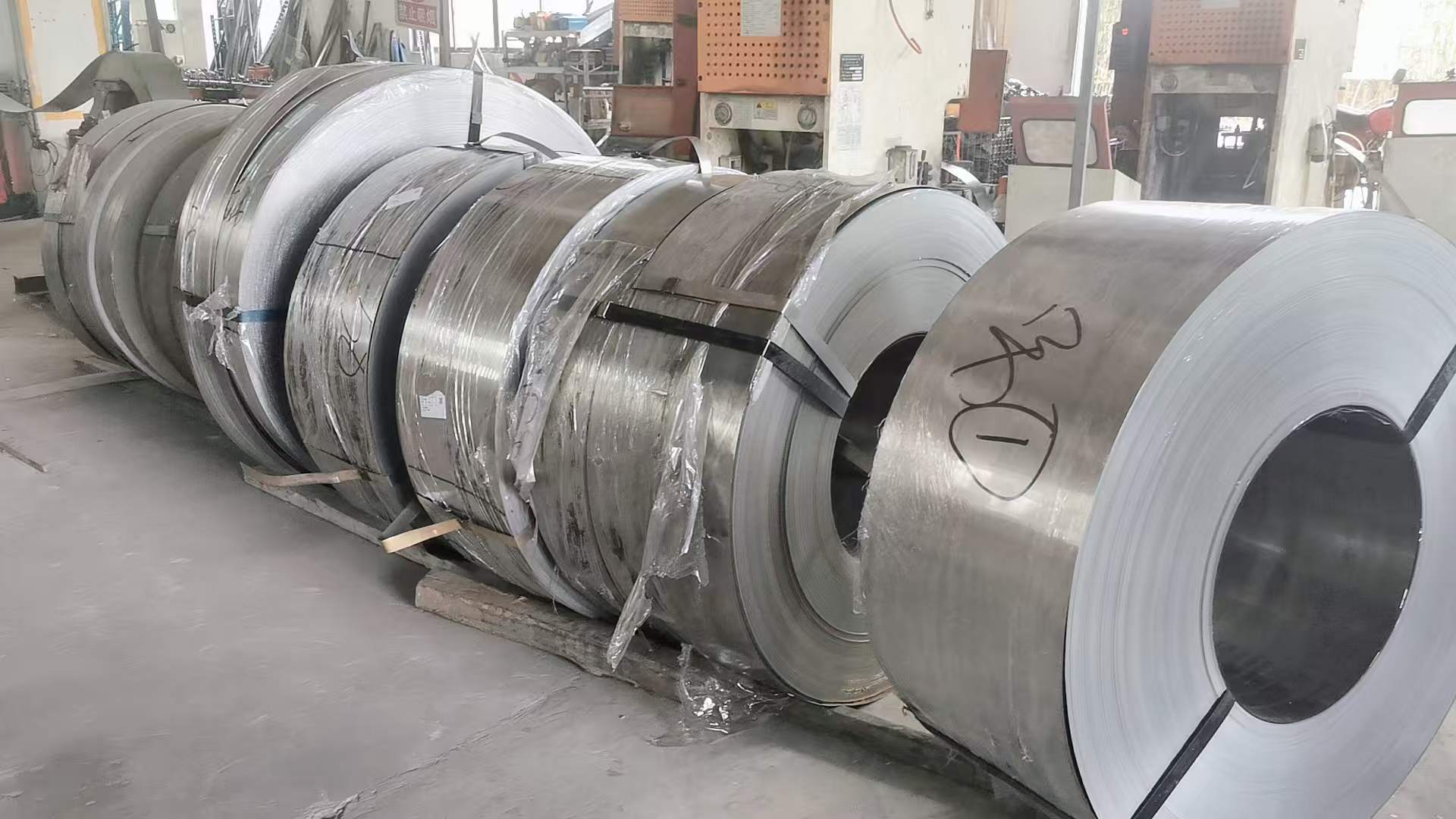
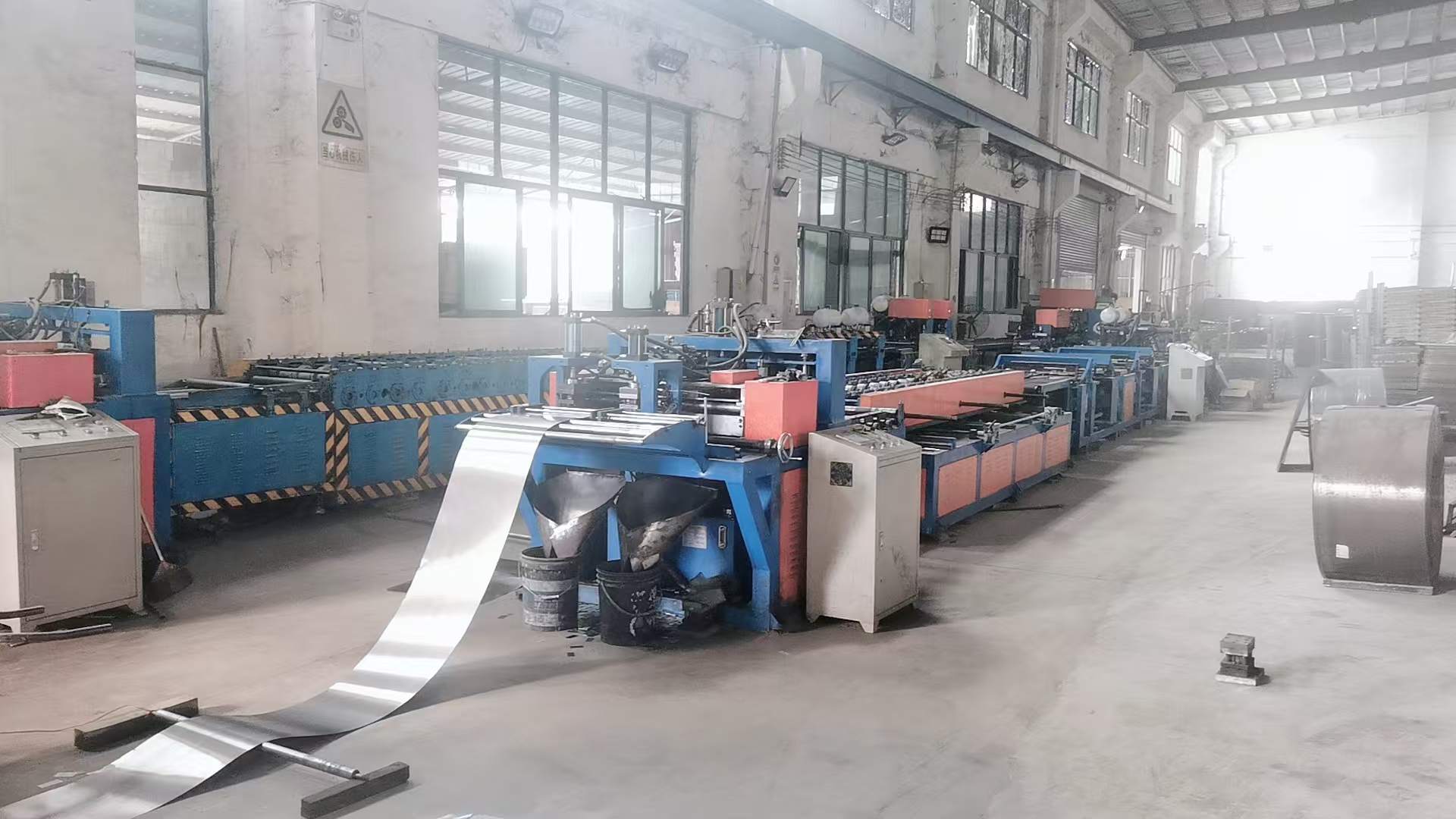
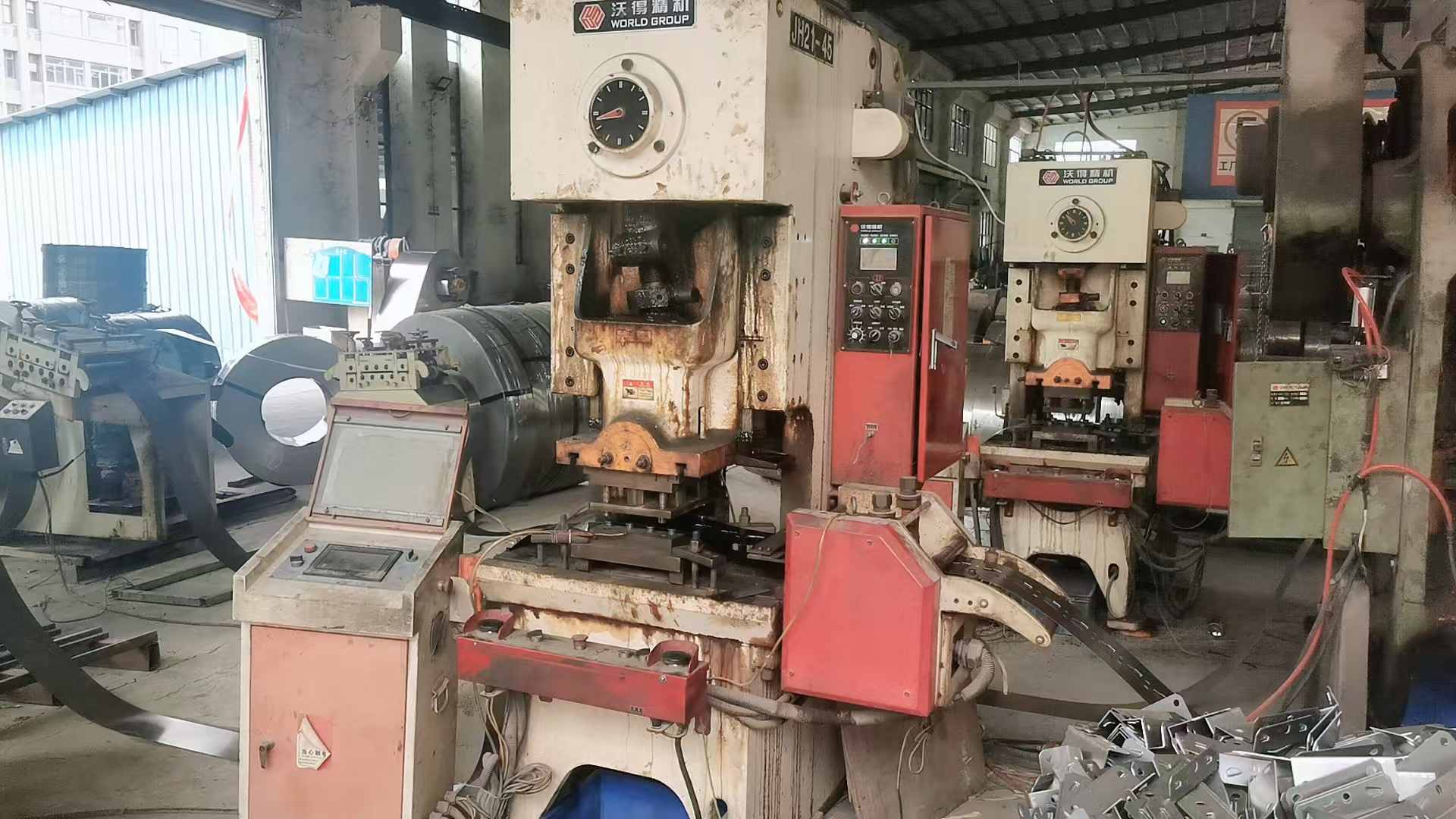
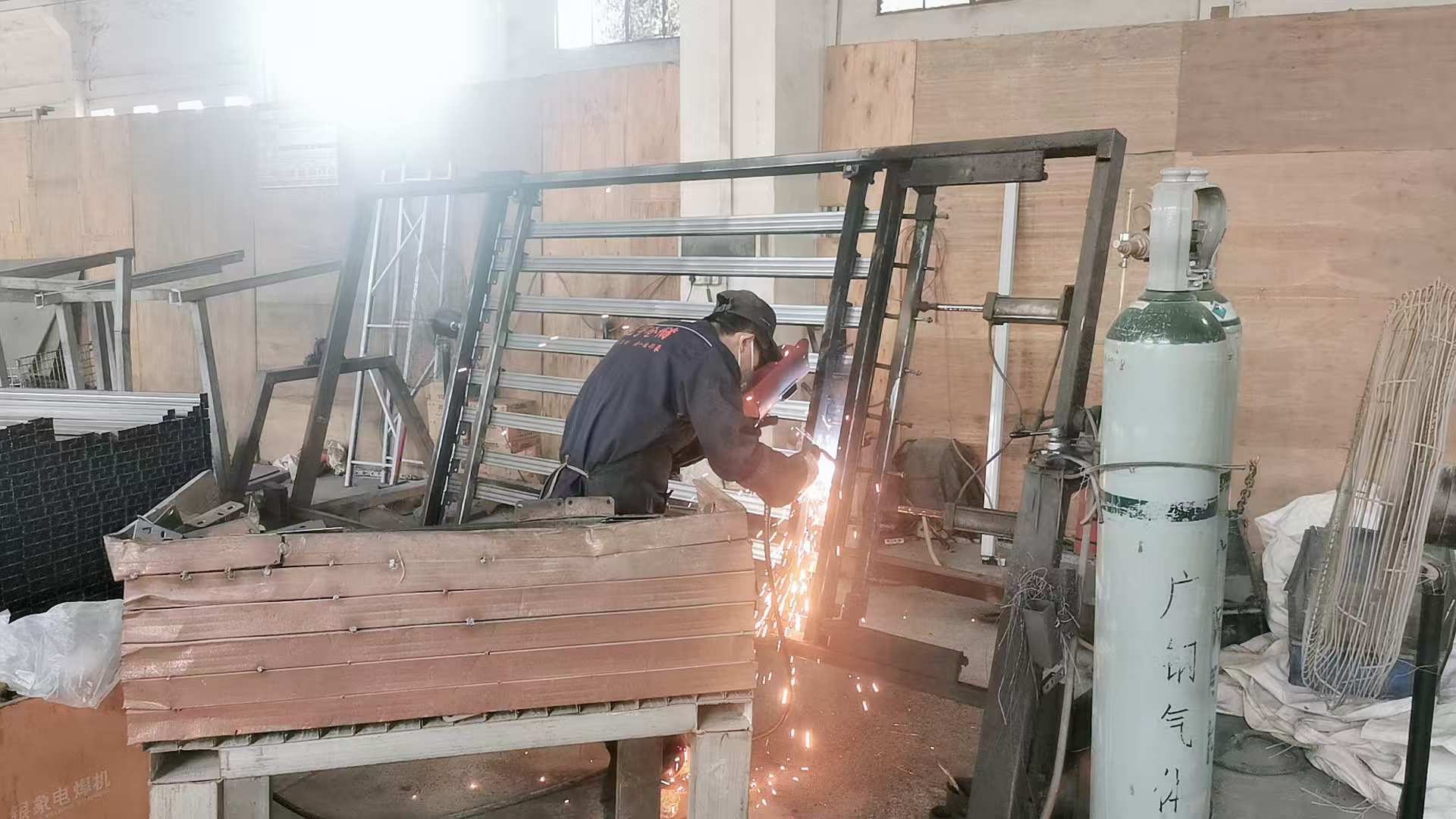
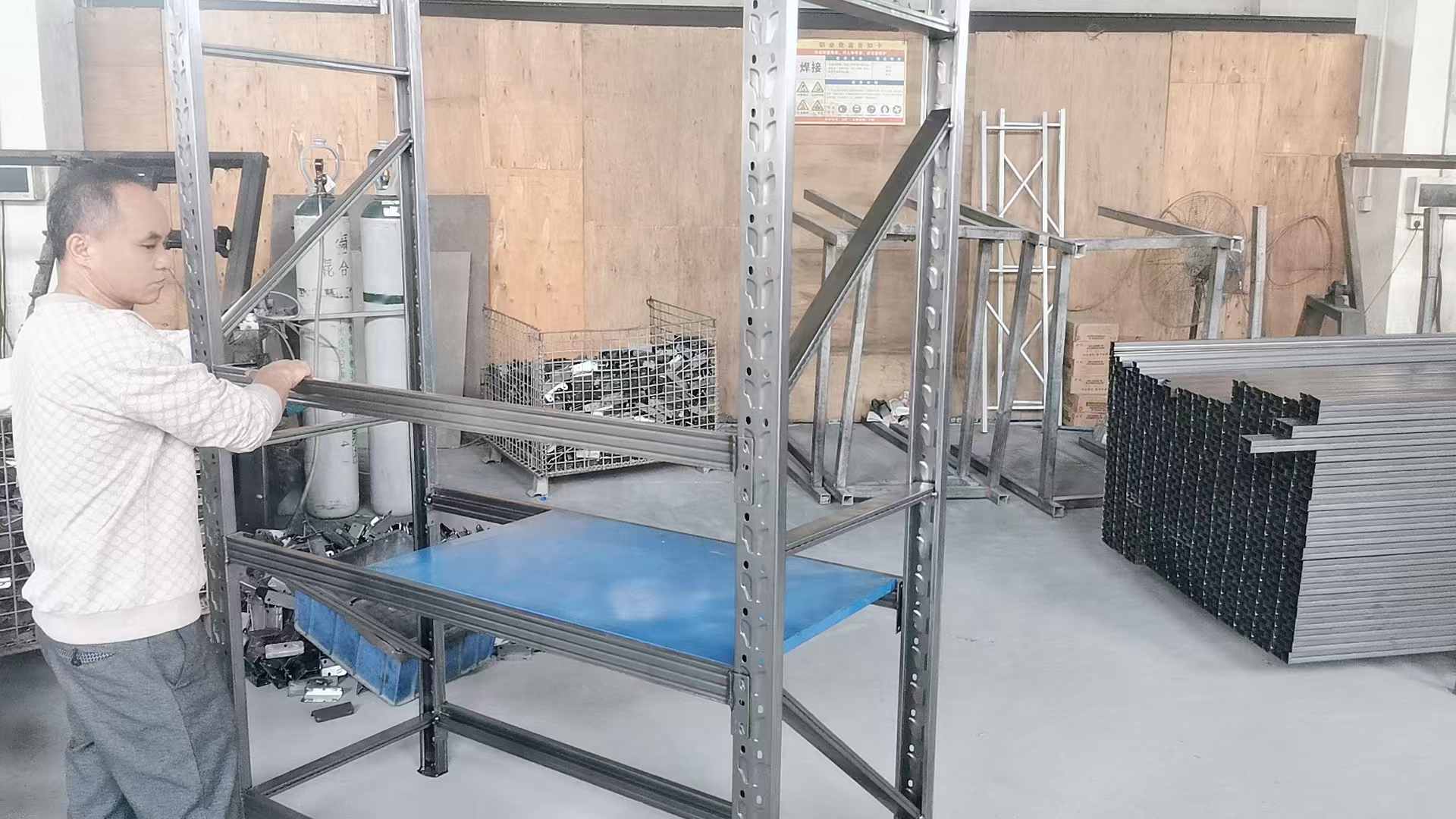
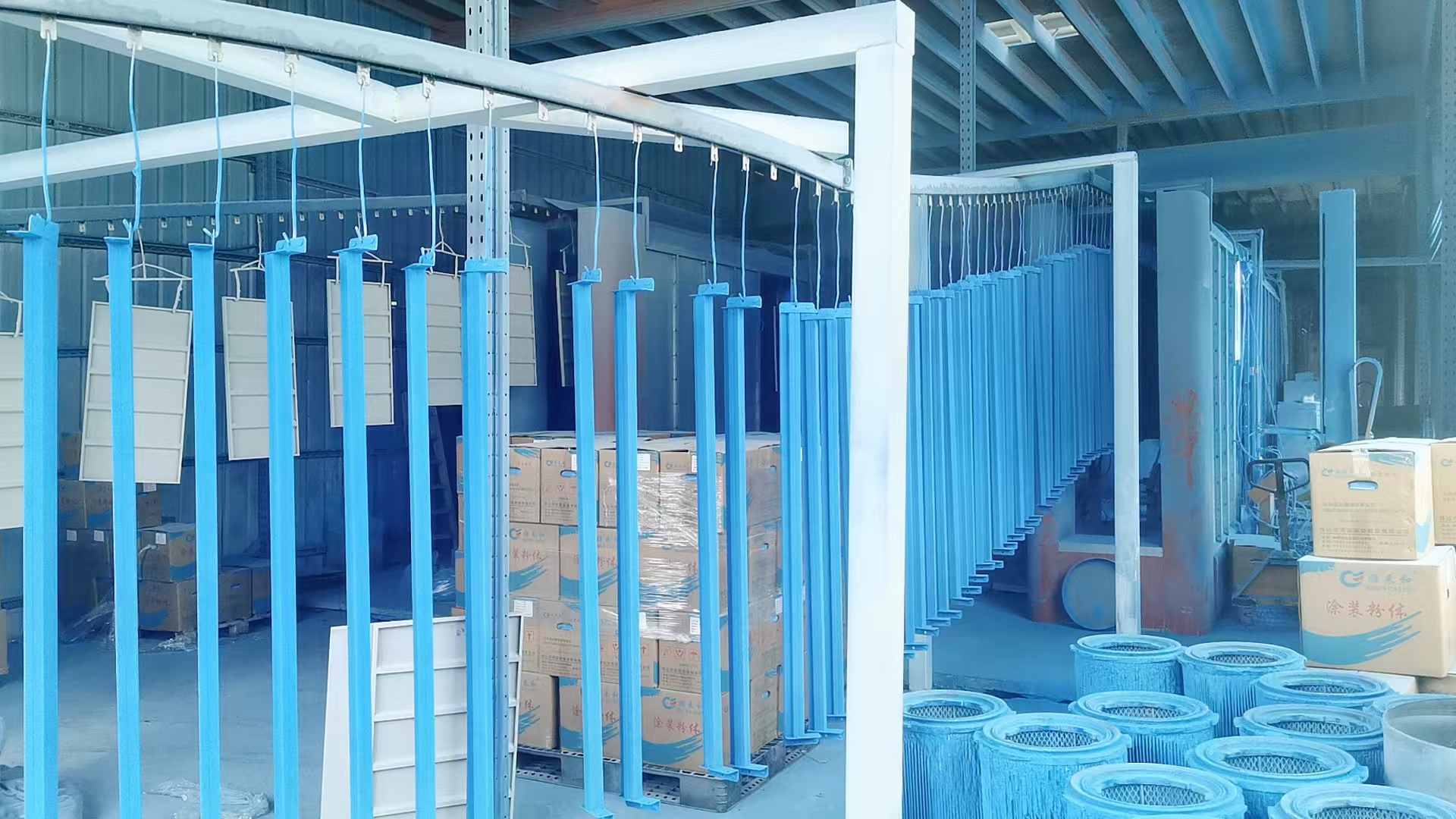
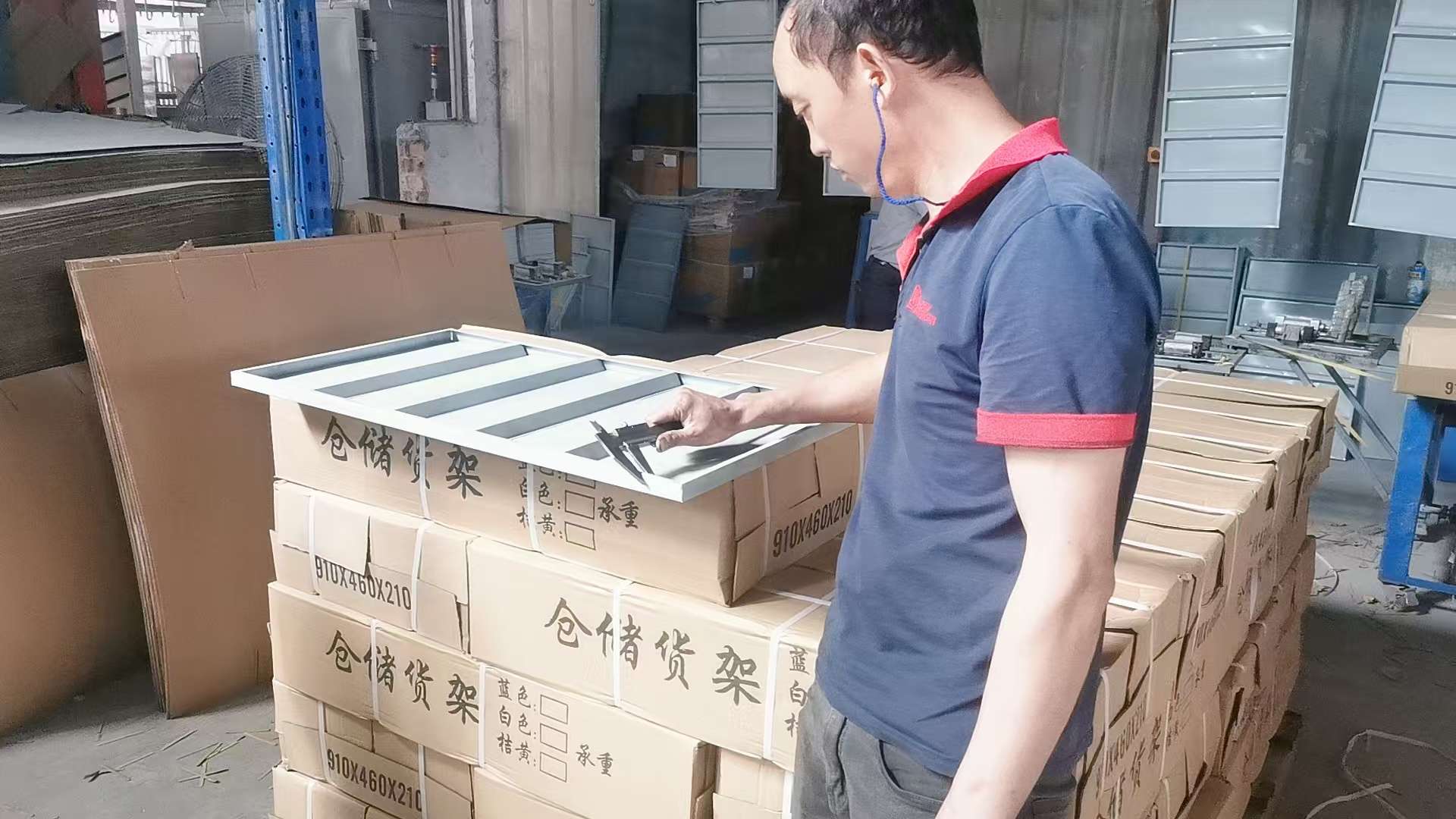
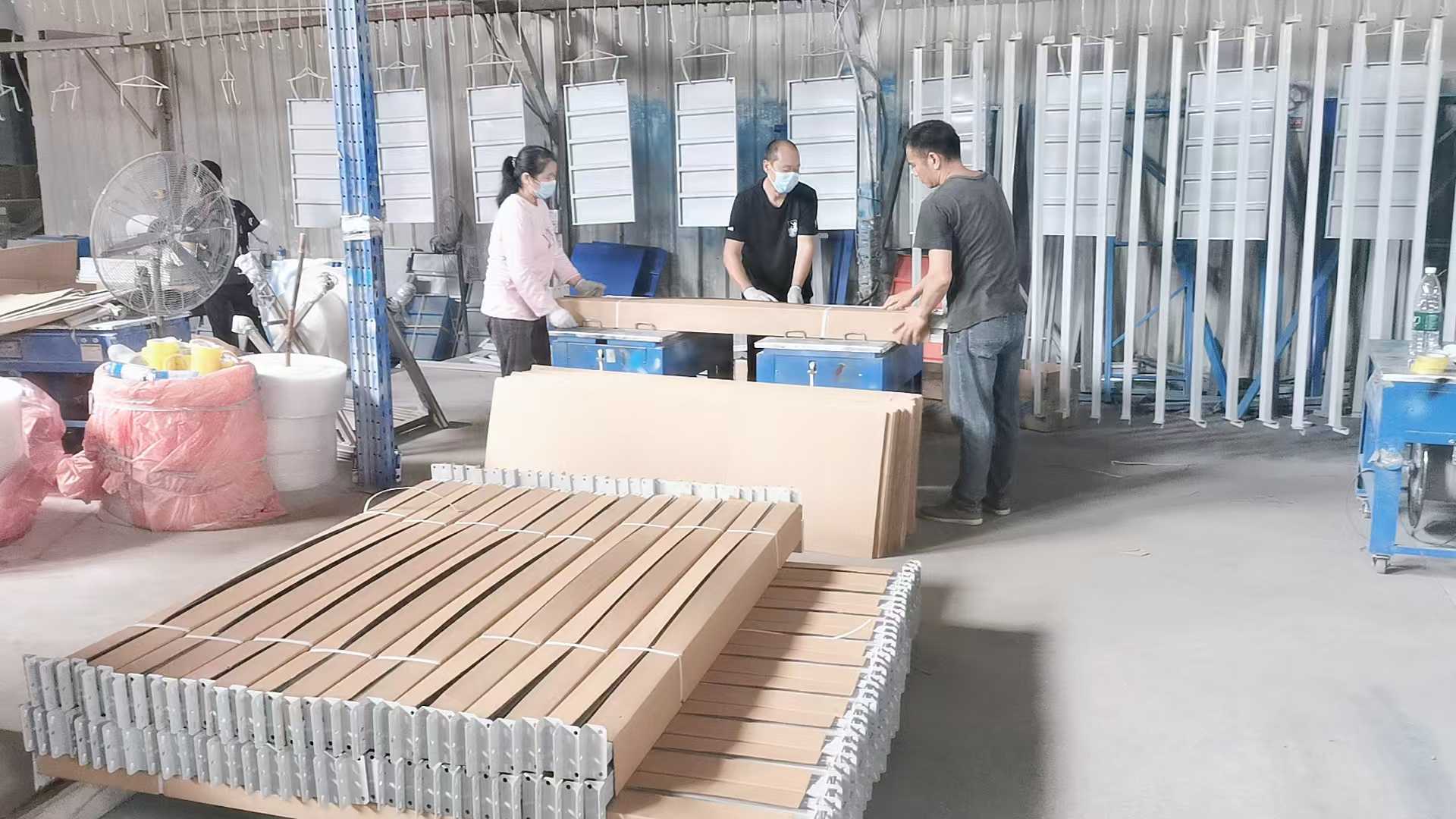
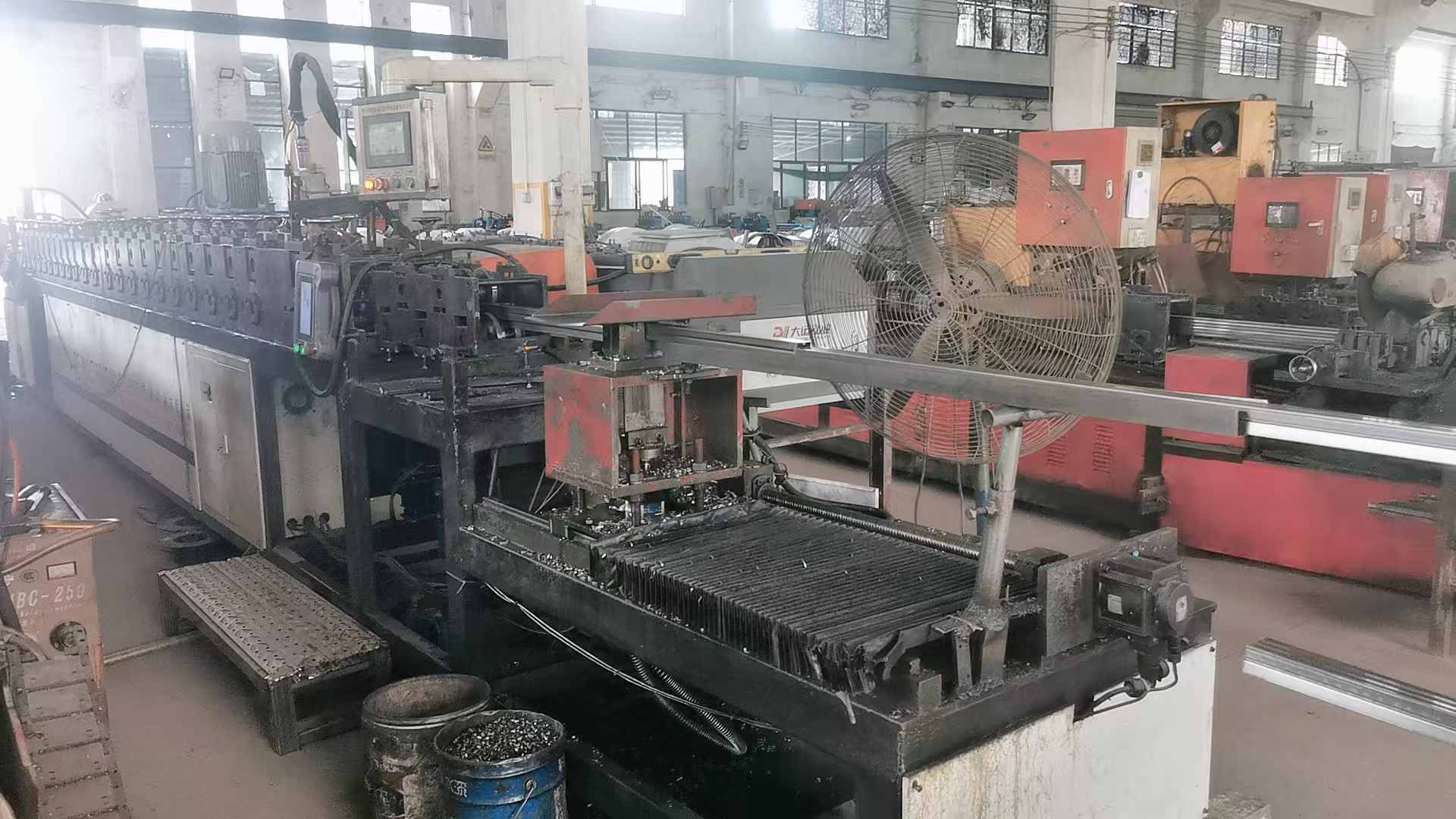
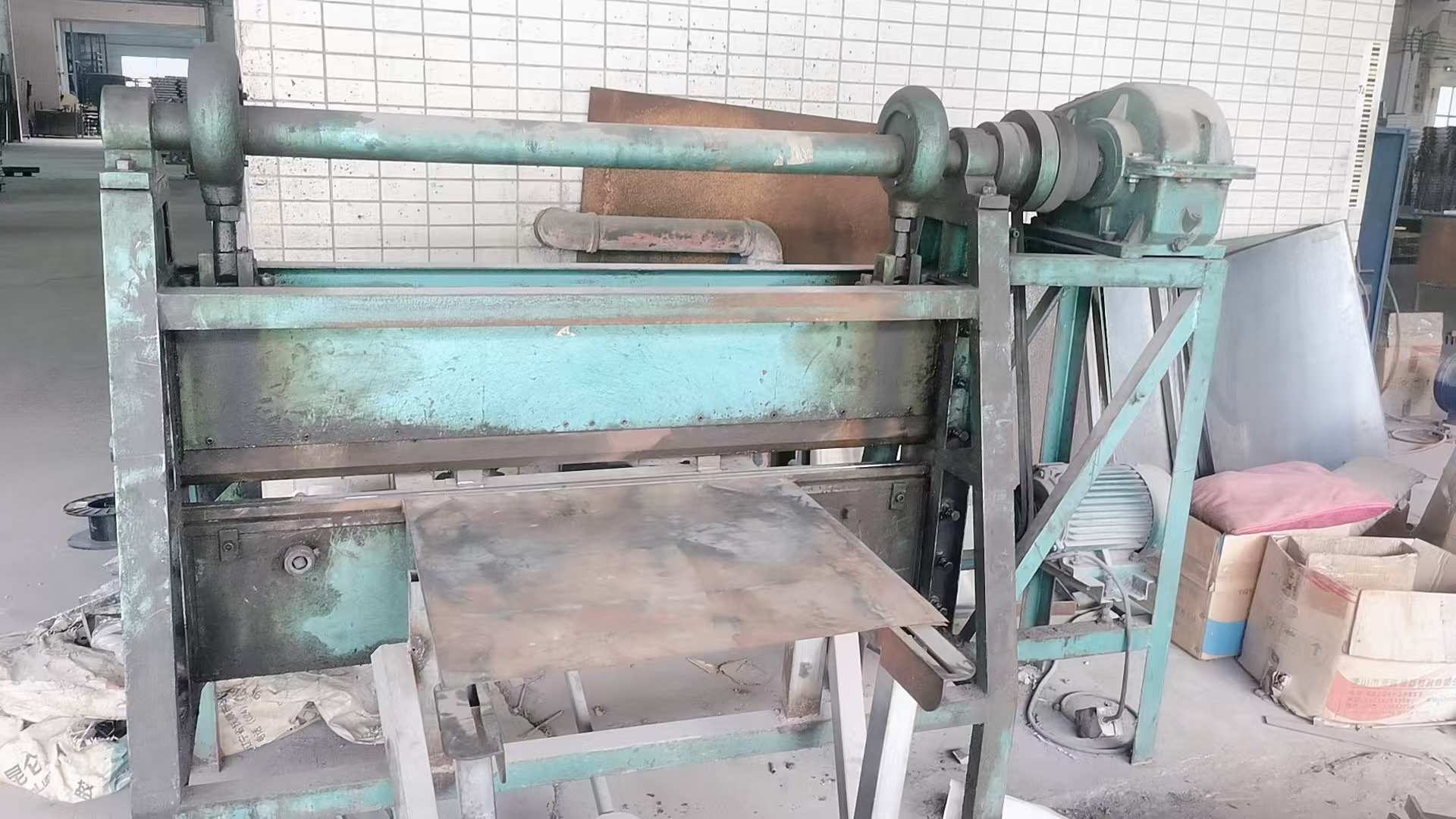
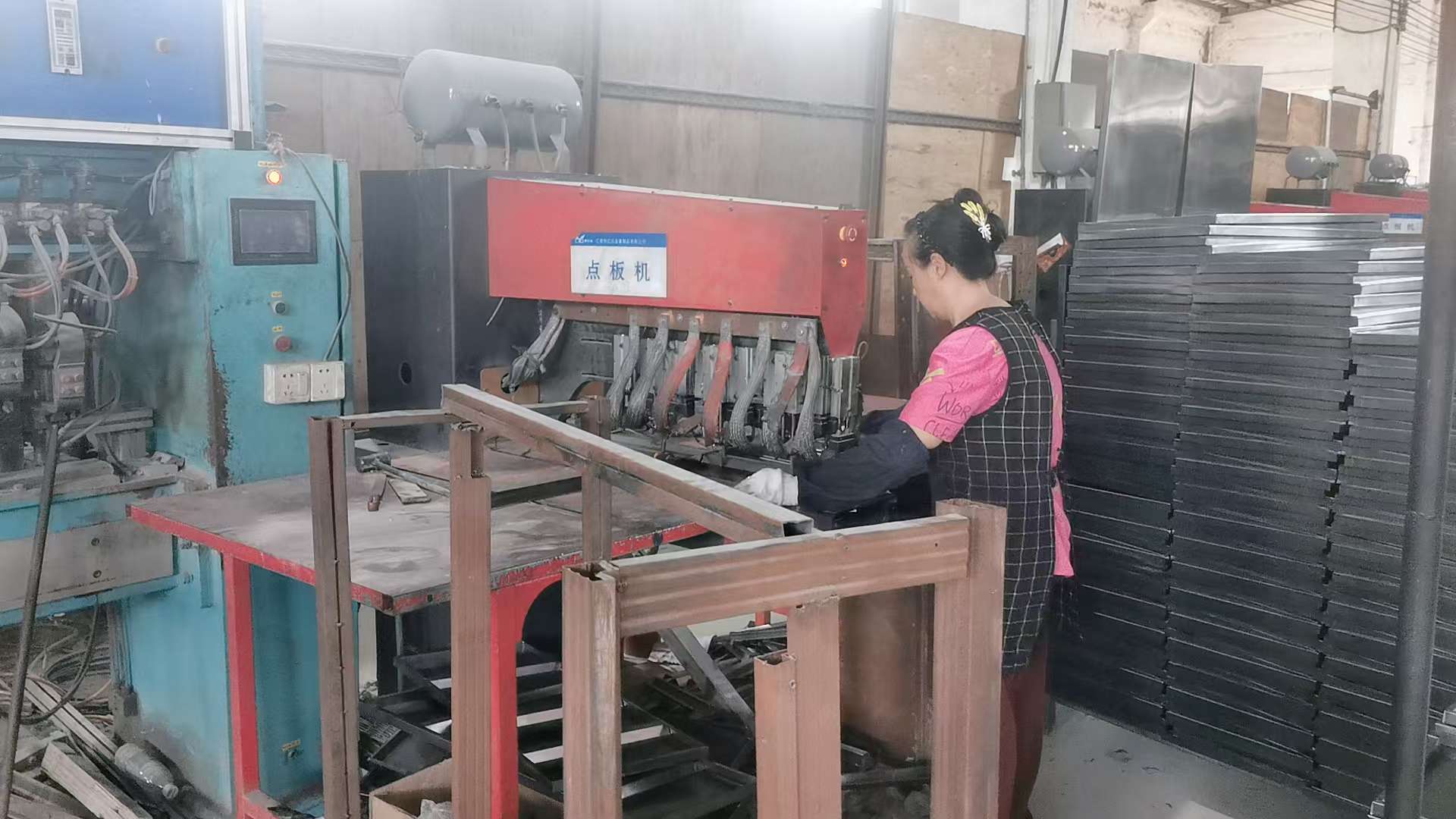
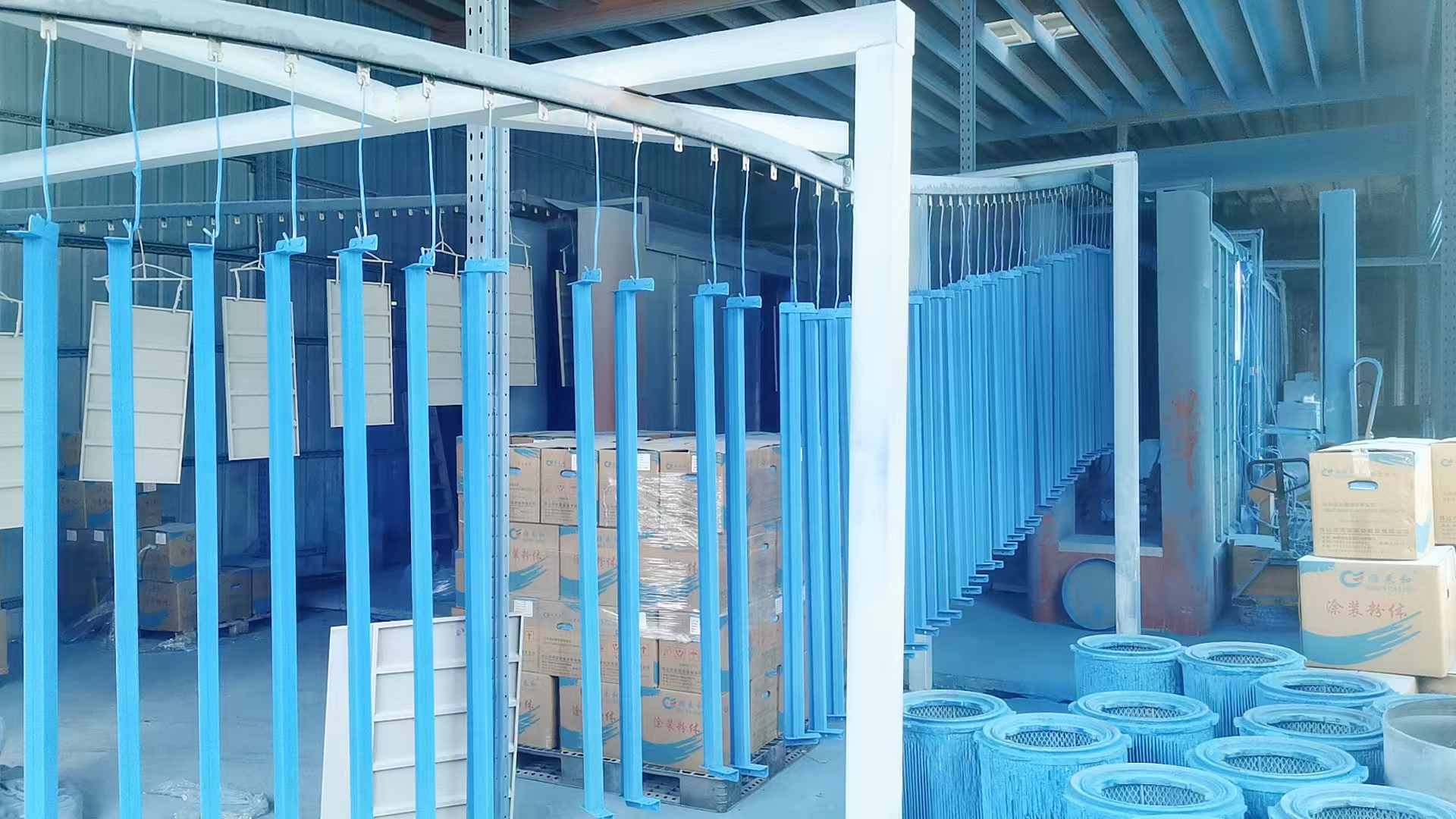
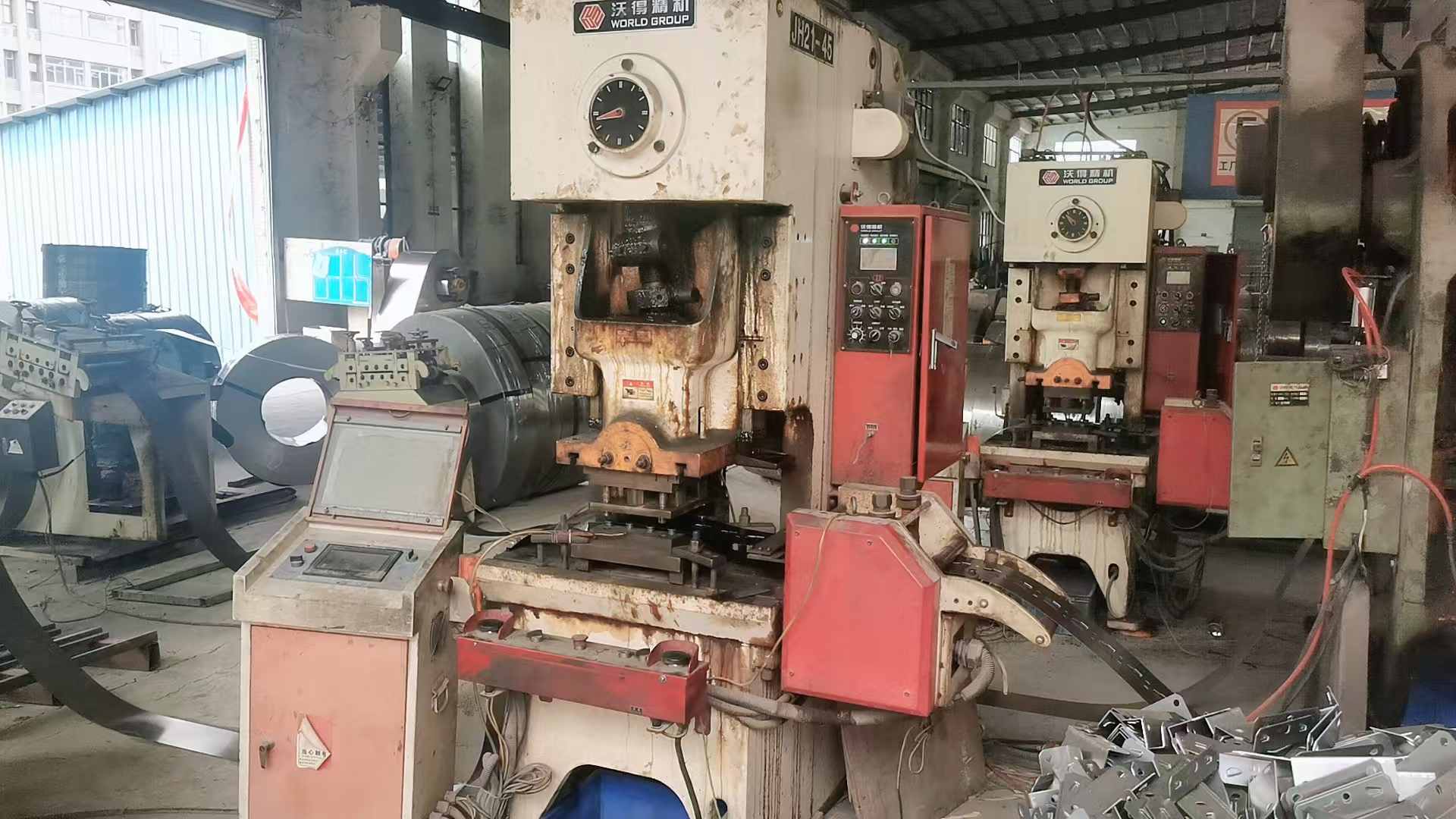
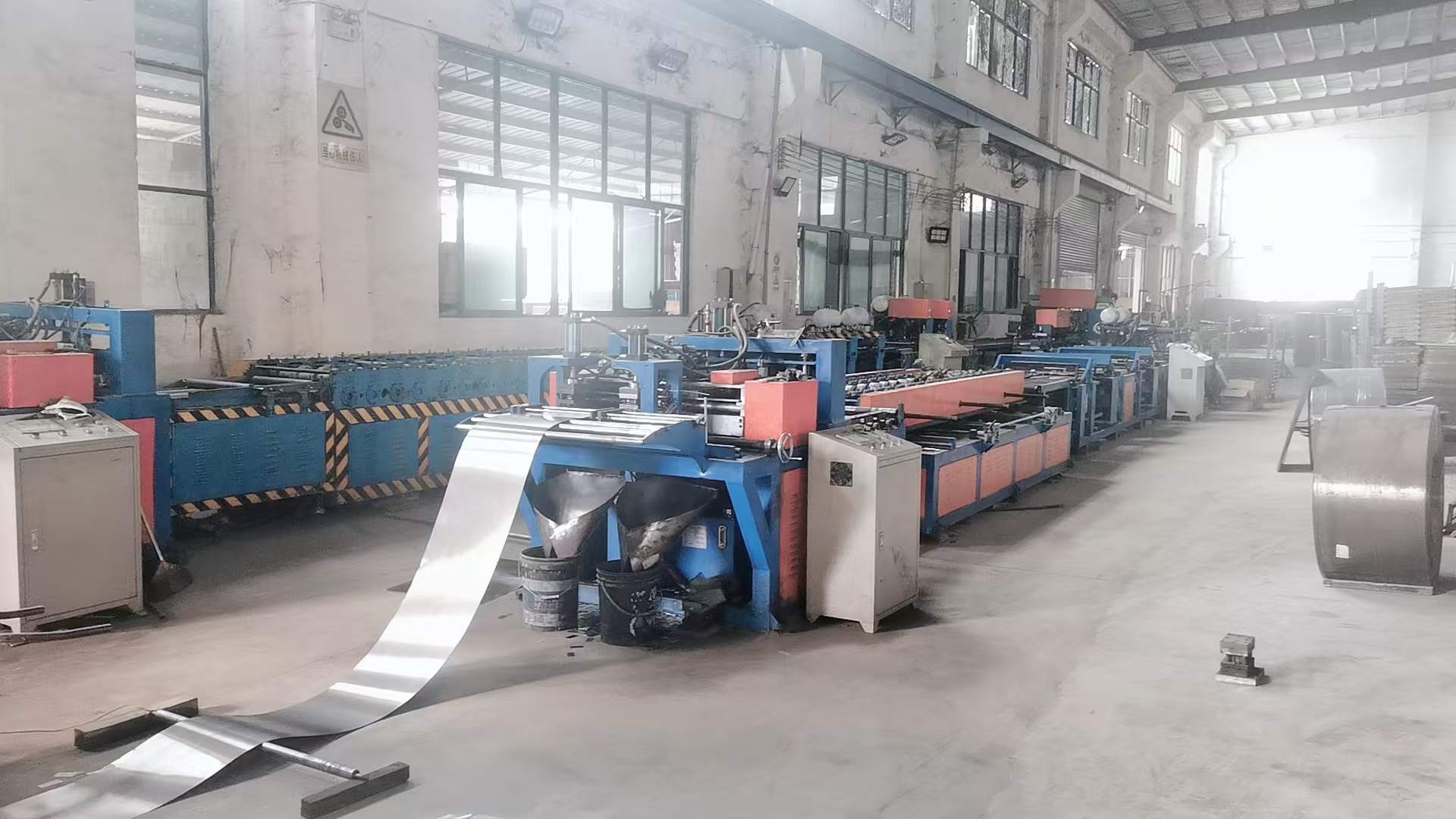
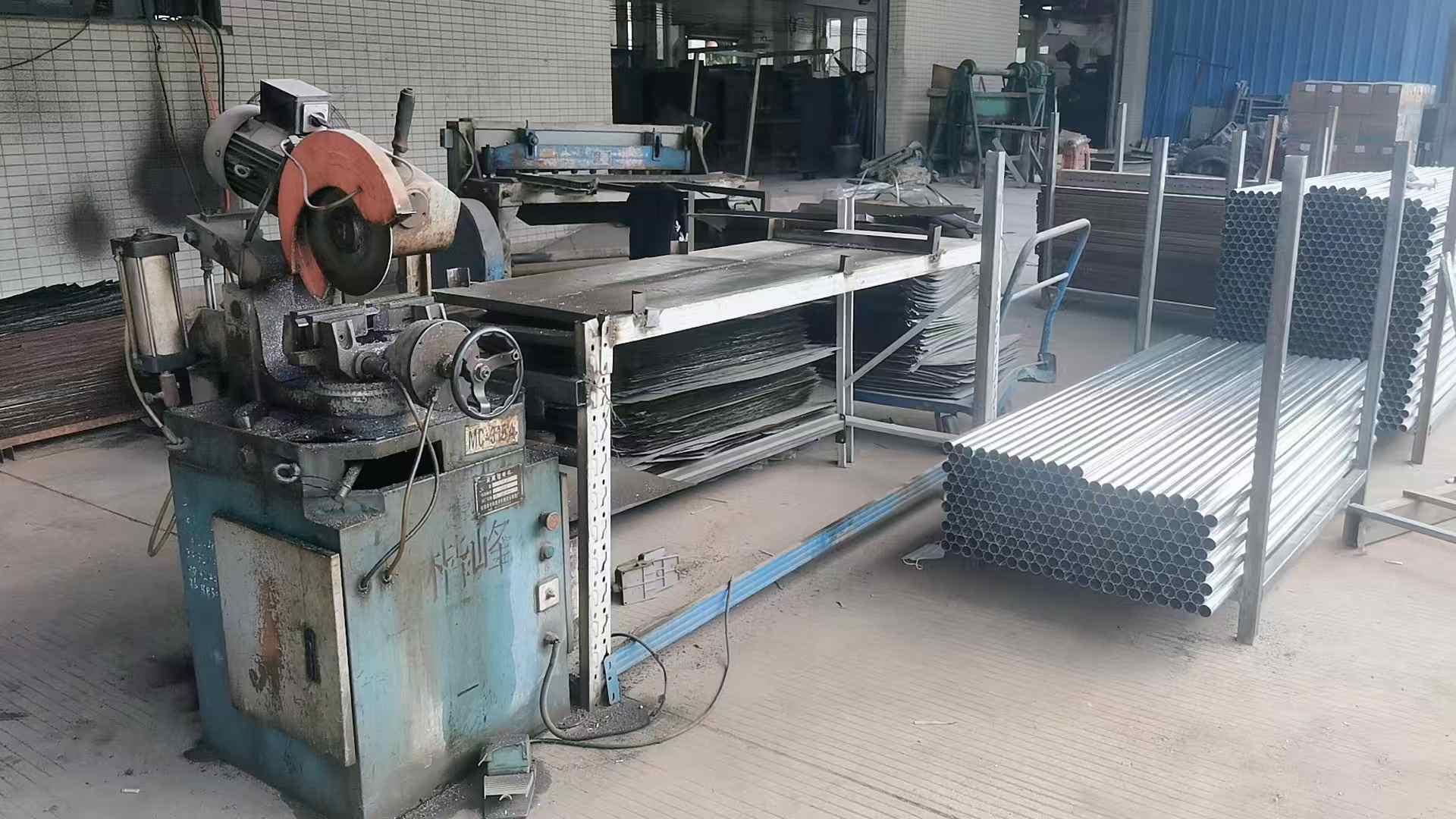
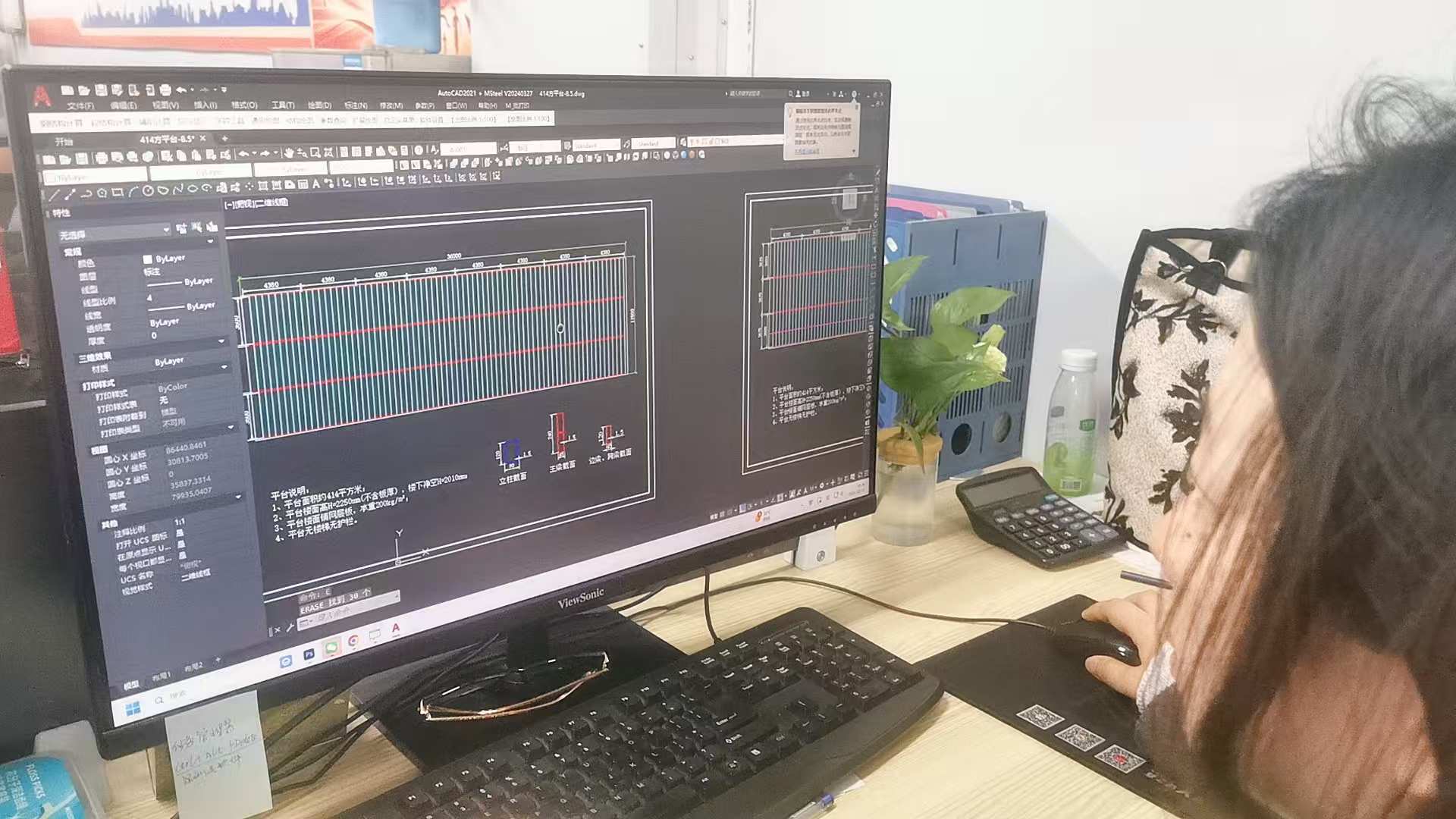
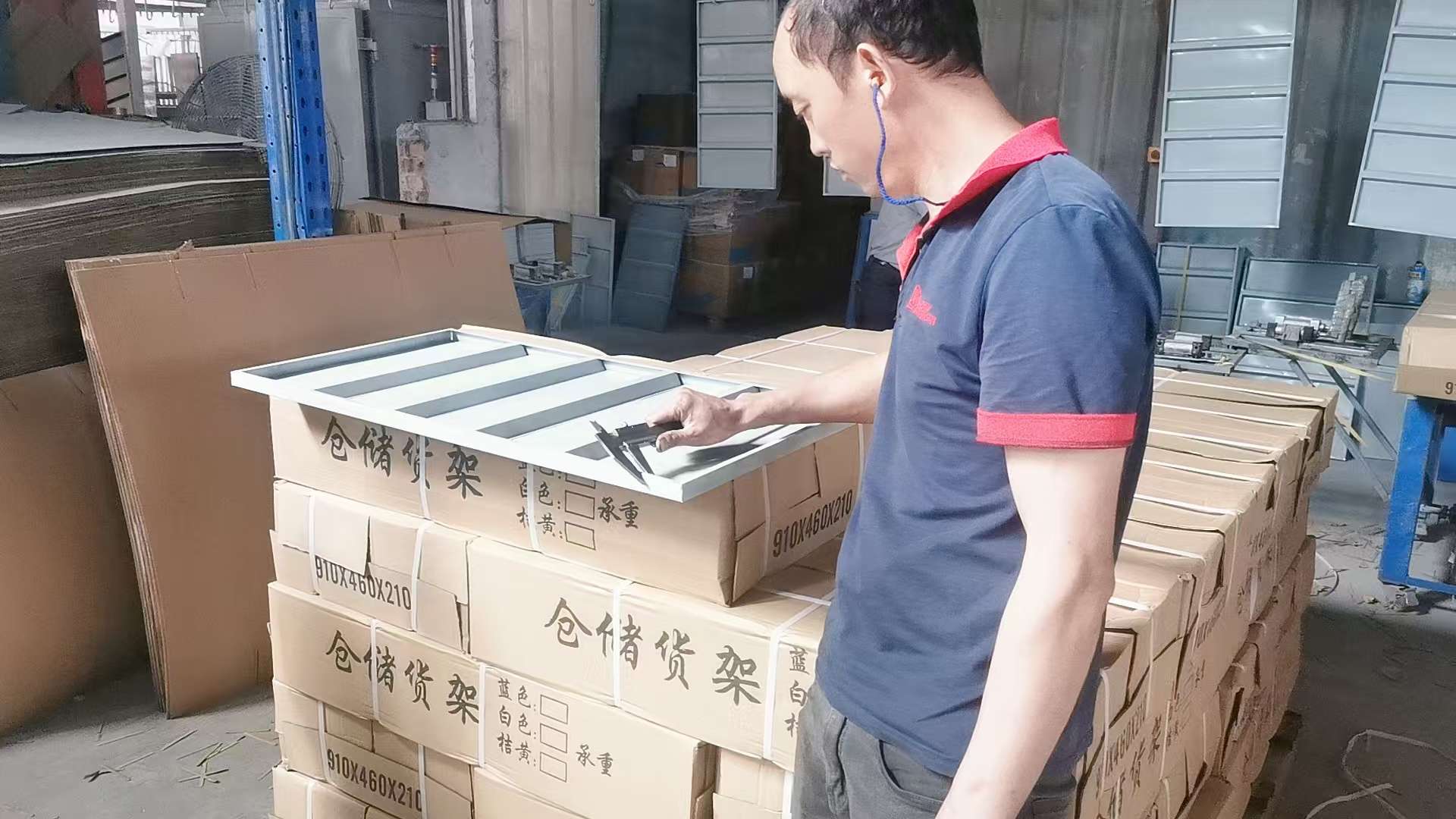
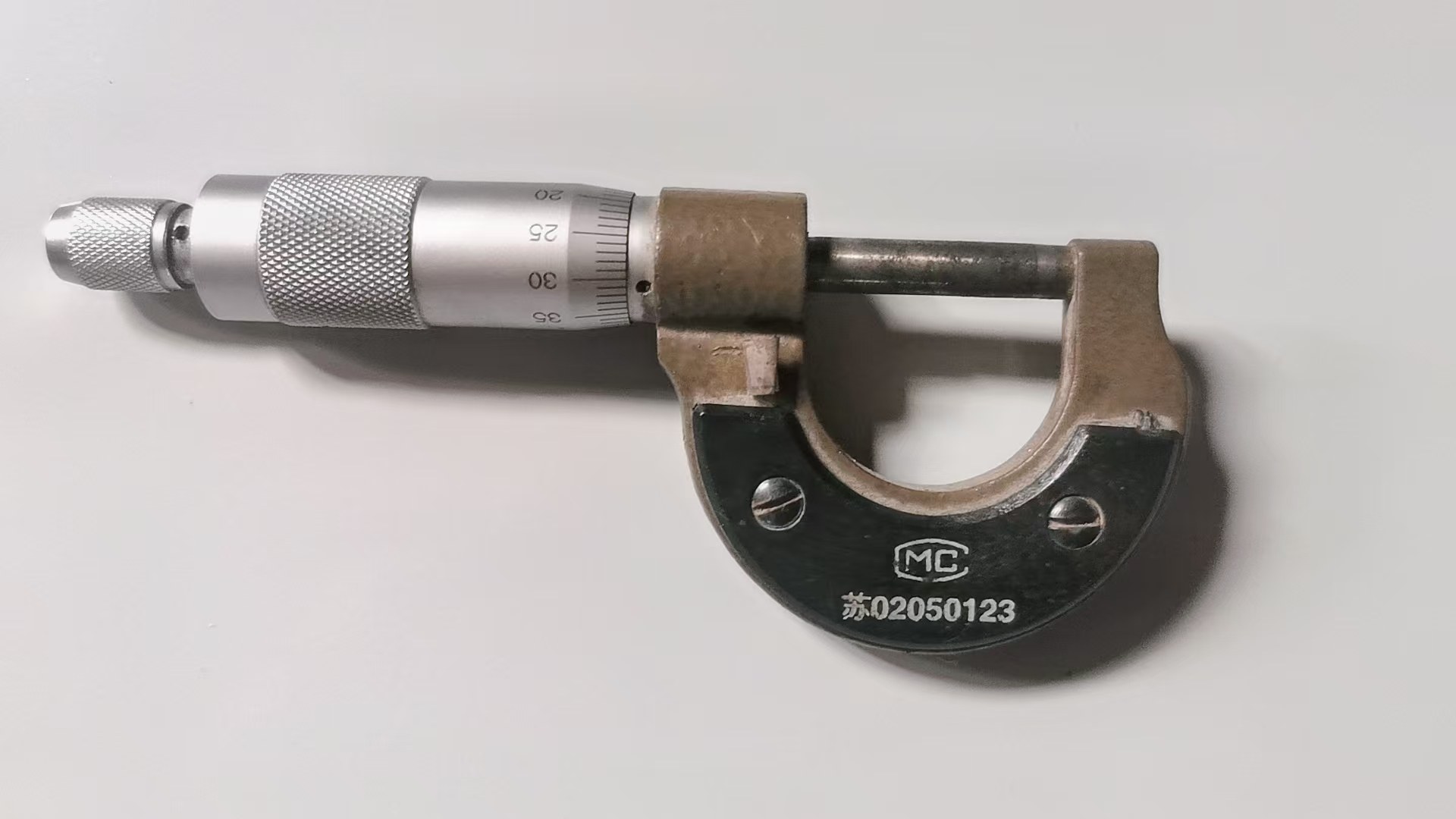
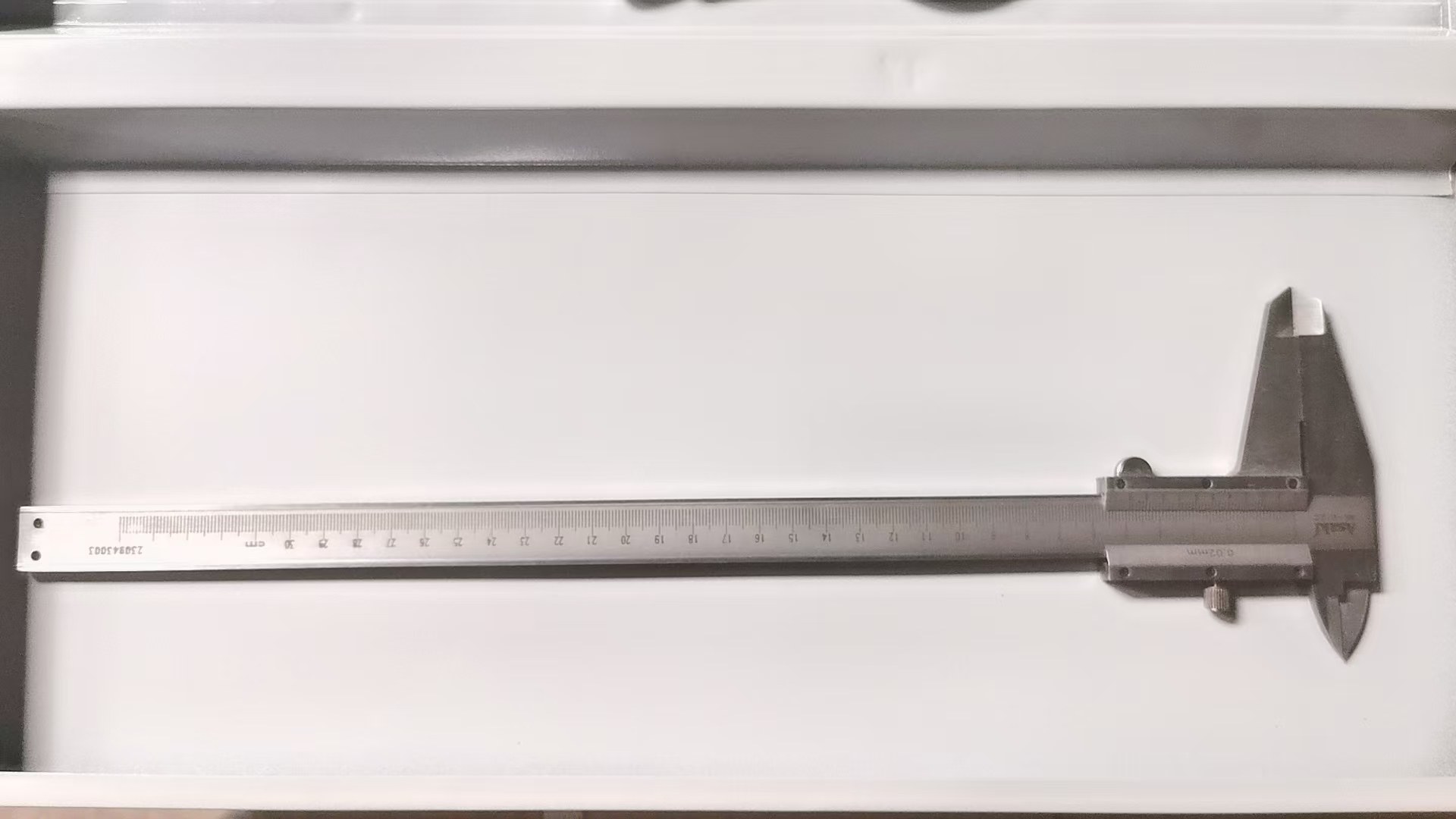
Industrial racking failure is not an option. At Hui Lian, our team of 56 professional inspectors uses precision monitoring to test structural characteristics at every stage of the manufacturing cycle:
Before cold-rolling, we verify each coil of steel. We measure yield strength, tensile limits, and chemical composition (carbon, manganese, silicon ratios) using spectral analyzers. We only accept structural-grade steel coils matching our engineering standards.
Our continuous forming mills use precision dies to produce uniform column configurations. Inspectors use micrometer gauges to check cross-sectional thicknesses, beam pocket depths, and punch slot spacing, keeping dimensions within ±0.1mm limits.
We use automated spot welding machines to assemble load-bearing connectors and baseplates. Inspectors use ultrasonic testing to verify weld penetration, checking for porosity, cracks, or surface slag to ensure strong joints under load.
We test sample assemblies on dynamic hydraulic load jigs. In accordance with FEM standards, we apply up to 150% of the design capacity to check structural limits and verify the safety factor remains within safe parameters.
After multi-stage pre-washing, components receive electrostatic powder coating. Quality control technicians use magnetic gauges to confirm dry film thicknesses of 60-90 microns, and run cross-hatch adhesion and salt spray tests to ensure corrosion resistance.
Before transport, we wrap structural parts in protective film and secure them with steel bands. This prevents moisture, surface abrasion, or shipping damage, ensuring components arrive ready for installation.
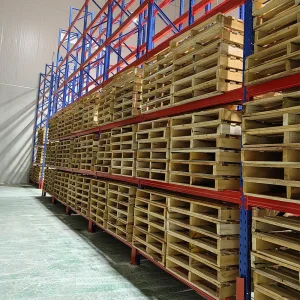
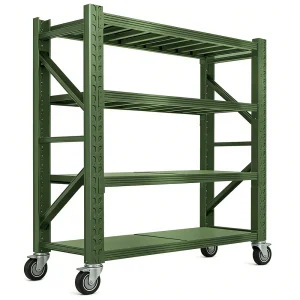
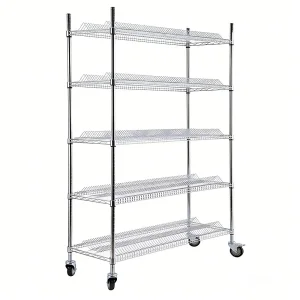
Select specialized racking designs optimized for pallet loading, heavy cargo handling, and high-bay configurations.
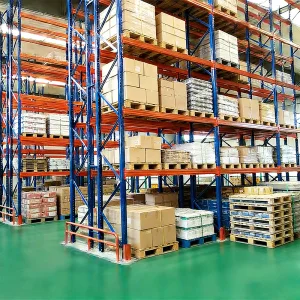
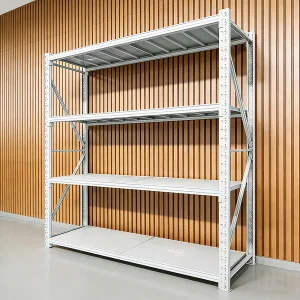
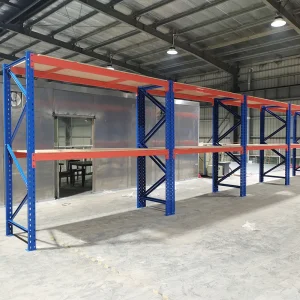
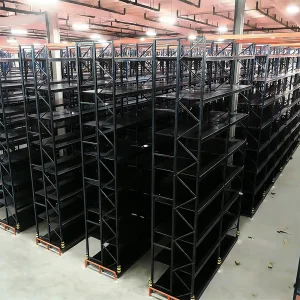
Professional technical answers regarding material specification, safety configurations, structural engineering, and procurement logistics.
Q235 and Q355 are Chinese standard structural carbon steels, roughly equivalent to ASTM A36 and ASTM A572 Grade 50. Q235 has a yield strength of 235 MPa and is widely used for light to medium-duty warehouse shelving. Q355 has a yield strength of 355 MPa (over 50% stronger), making it the industry standard for high-bay racks, selective pallet racking systems, and dynamic AS/RS where higher load capacity and lower structural deflection are required.
Under EN standards and standard RMI (Rack Manufacturers Institute) protocols, the maximum allowable vertical deflection of a pallet rack beam under uniform safe working load must not exceed L/200 (where L is the length of the span beam). For example, for a 2700mm beam, the maximum allowable deflection under load is 13.5mm. This standard preserves structural stability and protects against dynamic shifts during loading.
Powder coating protects raw steel from humidity, oxidation, and chemical exposure. A dry film thickness between 60 to 90 microns prevents moisture penetration. We measure this thickness using non-destructive electromagnetic dry-film thickness gauges. Adequate coating thickness prevents rust and extends the service life of industrial storage systems in humid or temperature-controlled environments.
To design a customized layout, we require: (1) Warehouse architectural drawings (CAD files showing column placements, utility routes, and ceiling heights). (2) Pallet specifications (dimensions, gross weight, and maximum height). (3) Forklift model details (turning radius and mast height). (4) Local seismic zone ratings and environmental parameters. Our R&D engineering team uses this data to draft compliant layouts.
 Hui Lian