Engineered for maximum density, durability, and smooth gravity-fed pallet flow management.
The physics of high-density dynamic storage, load optimization, and spatial efficiency.
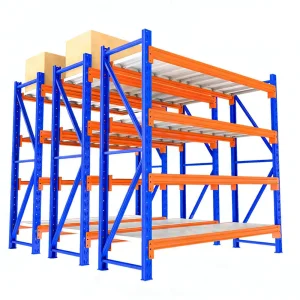
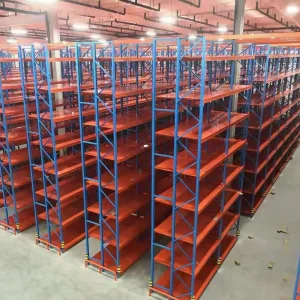
Push-back racking utilizes a Last-In, First-Out (LIFO) material flow on inclined rails. Nested carts glide smoothly, allowing up to 6 pallets deep storage per lane. This eliminates multiple aisles required by standard selective rack configurations.
Equipped with built-in speed controllers, anti-derailment tracks, and robust mechanical stops, push-back storage systems minimize fork truck collisions and reduce risk associated with gravity-fed high-density configurations.
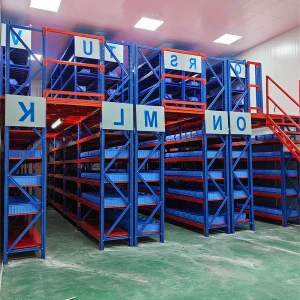
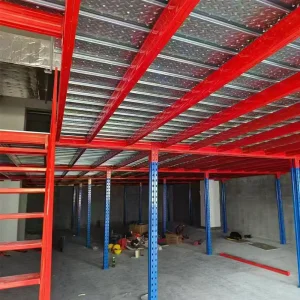
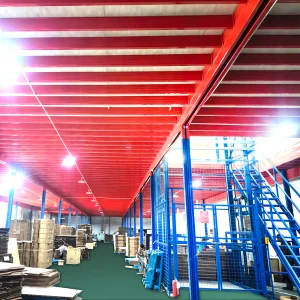
Compatible with standard, deep-reach, and heavy-payload forklift trucks. The structure accommodates varying SKU volumes and can easily integrate with multi-level mezzanine operations for dynamic floor footprint control.
Key considerations for international project managers, warehouse operators, and logistics developers.
Procuring push-back storage racking at a multinational level demands rigorous evaluation that extends far beyond initial price comparison. Modern distribution networks operate on narrow margins where downtime or structural failures represent millions in lost productivity and potential liability. When sourcing industrial racking systems, enterprise-level procurement officers focus primarily on the following dimensions:
Why leading global enterprises partner with Chinese manufacturers for high-density storage infrastructure.
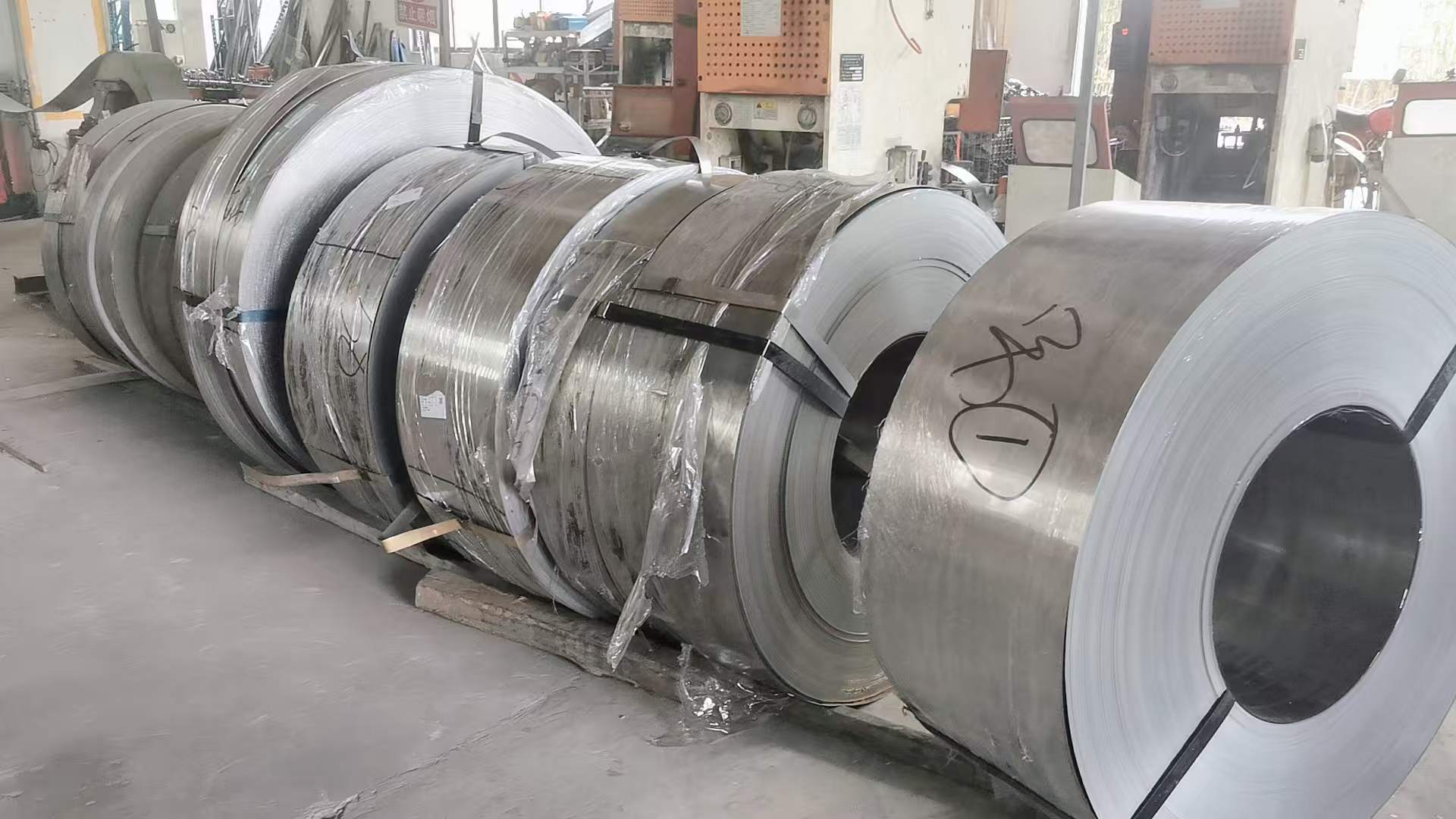
China's steel manufacturing clusters provide unparalleled access to high-grade raw steel. Immediate integration between steel mills, testing labs, and cold-rolling facilities minimizes shipping costs and logistics delays during raw materials sourcing.
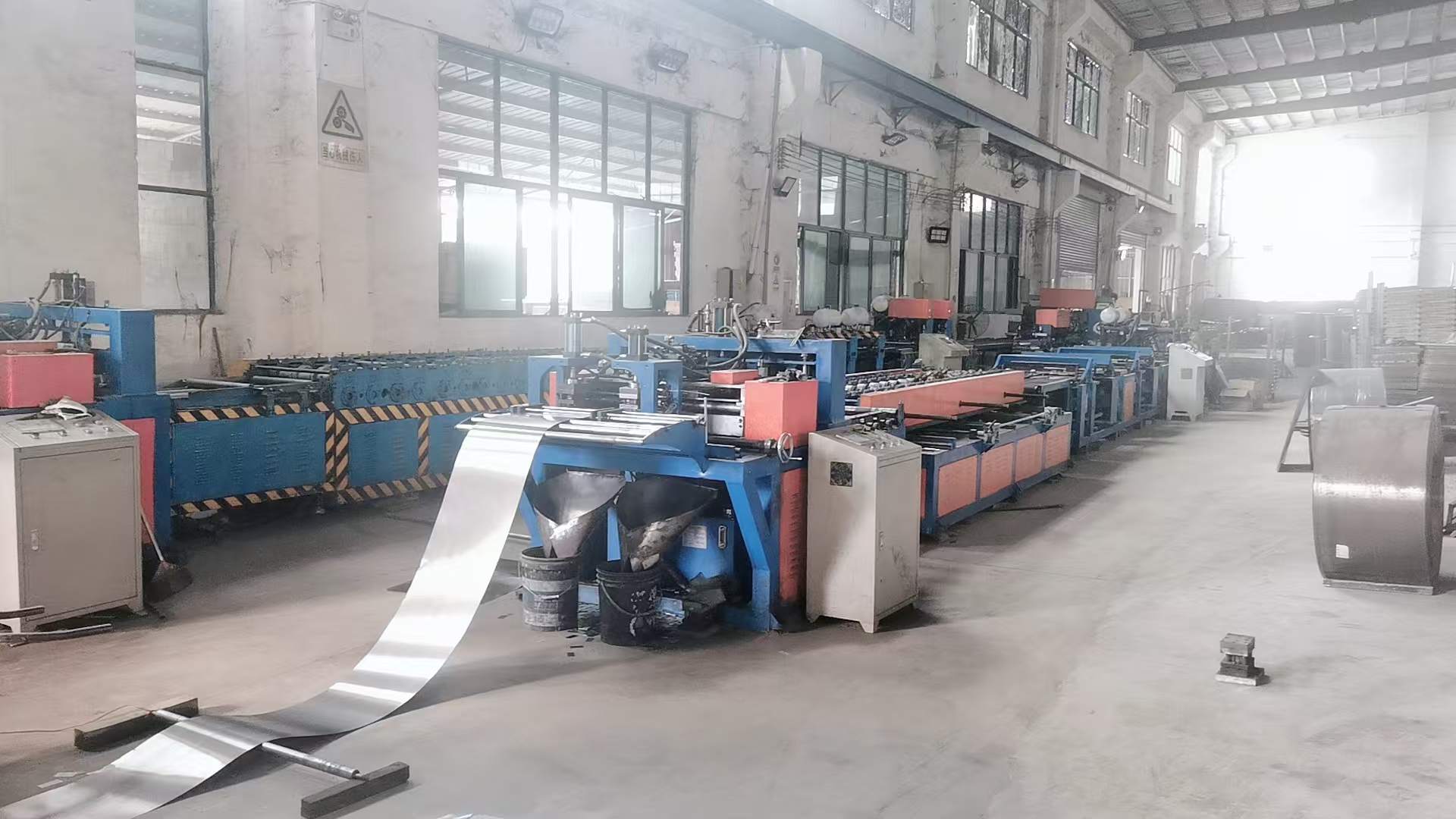
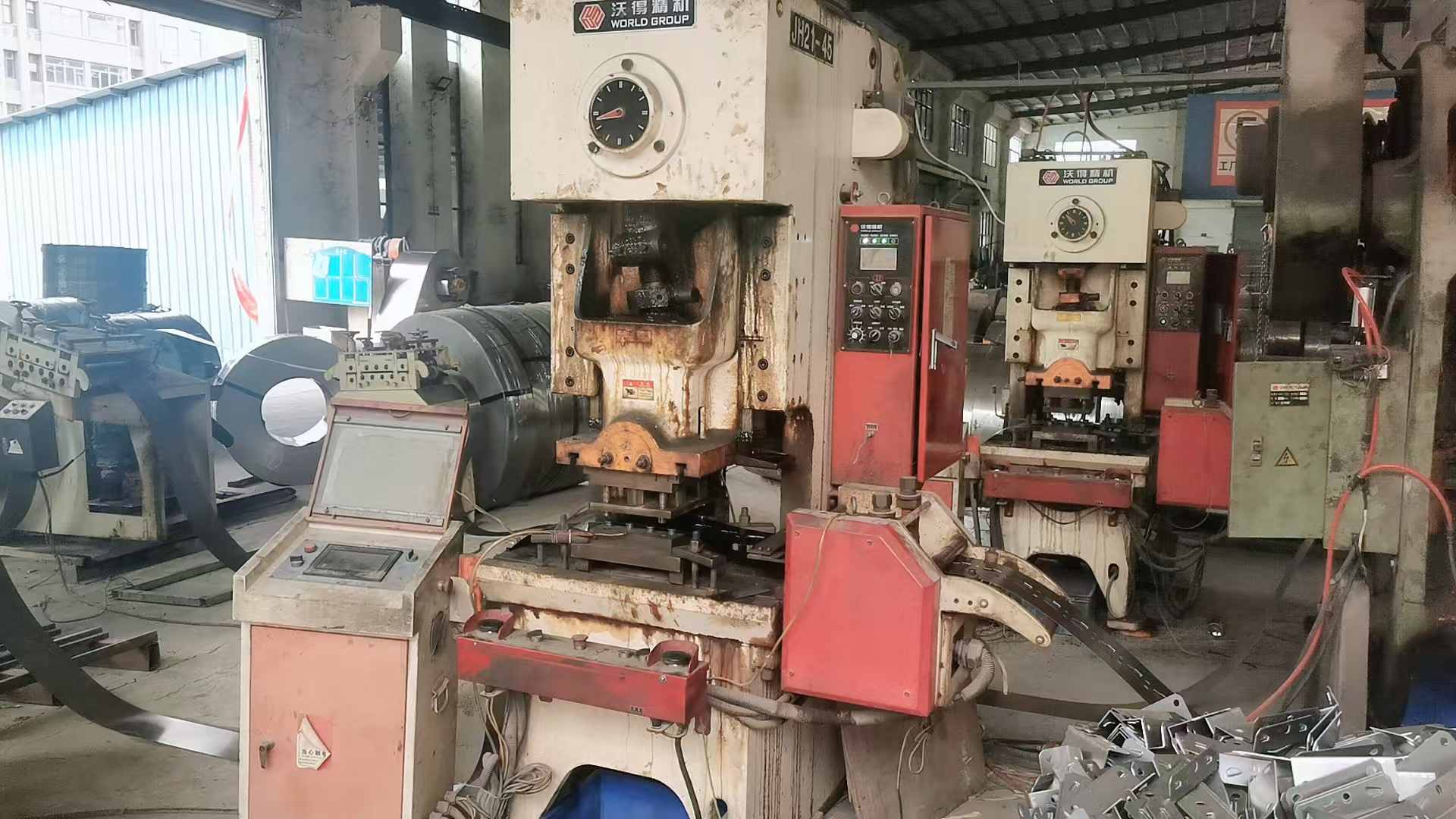
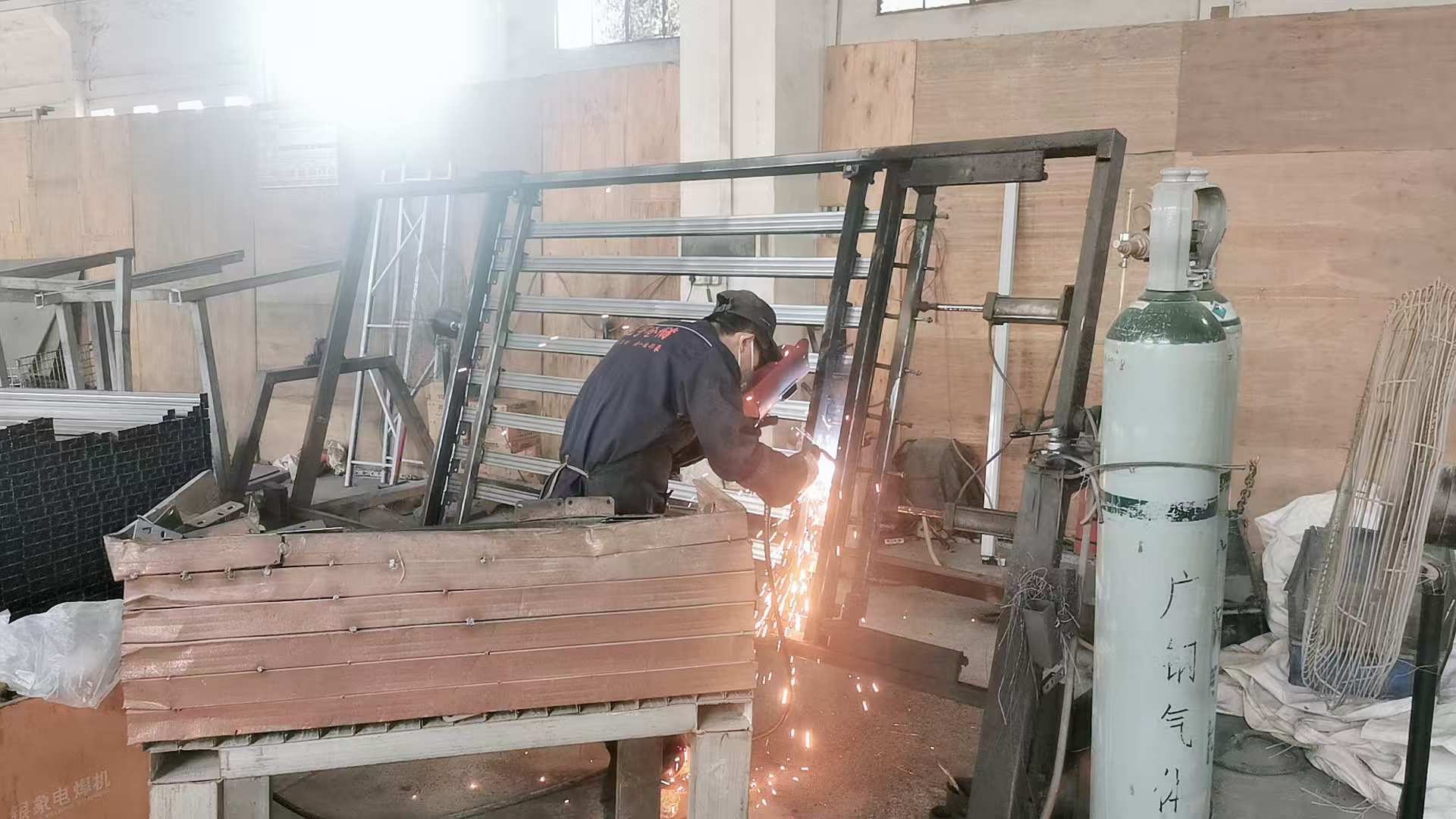
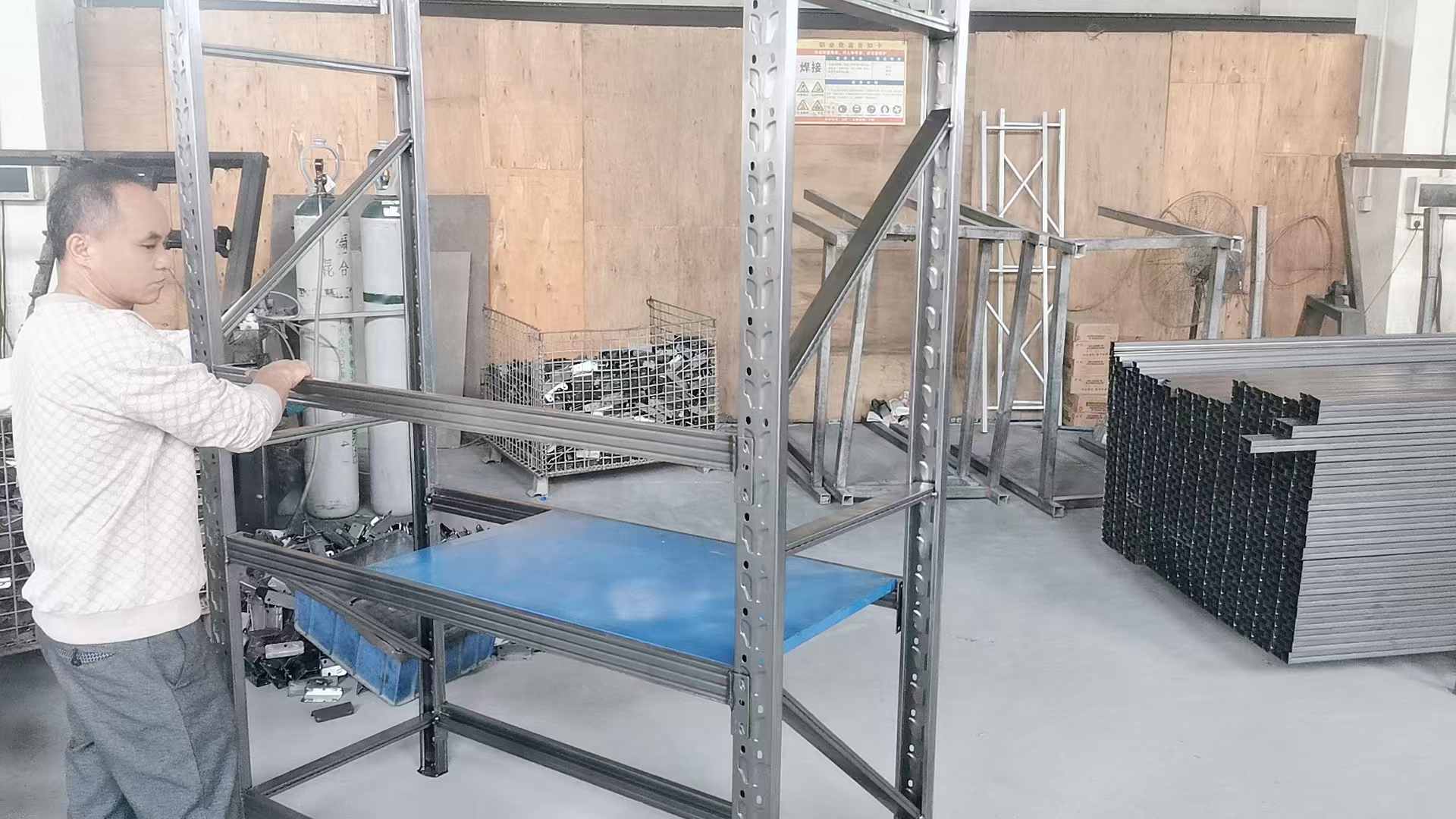
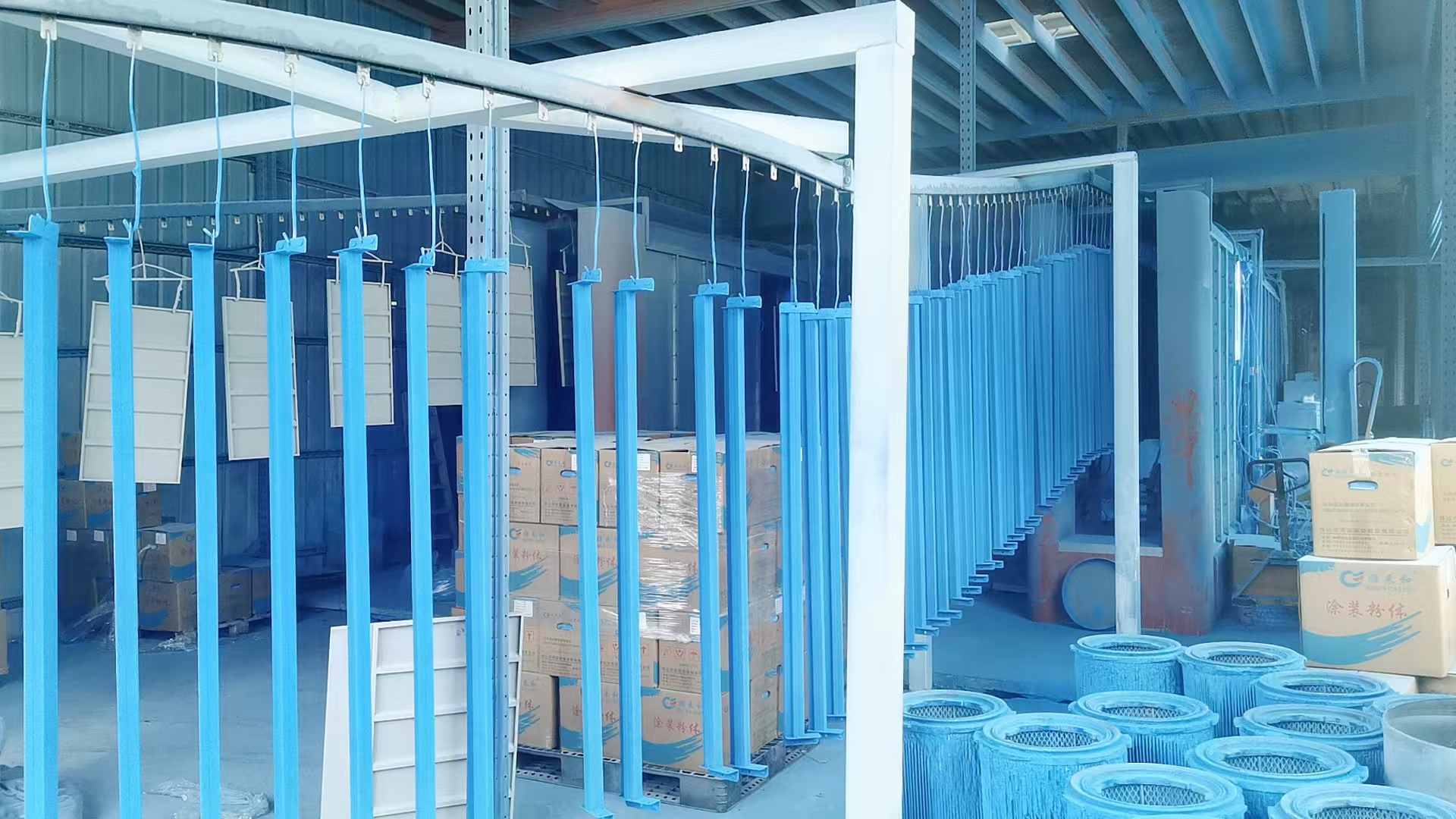
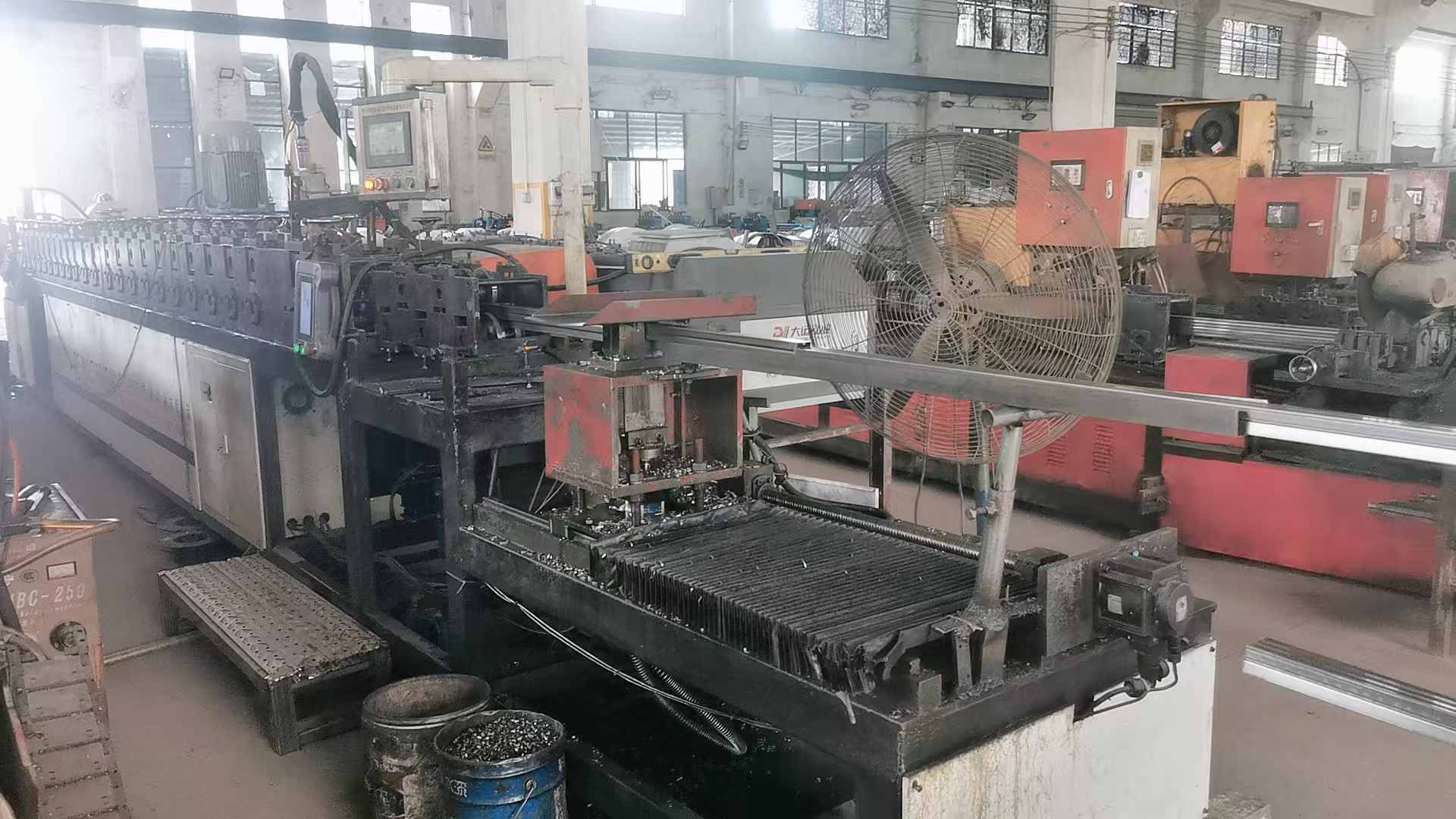
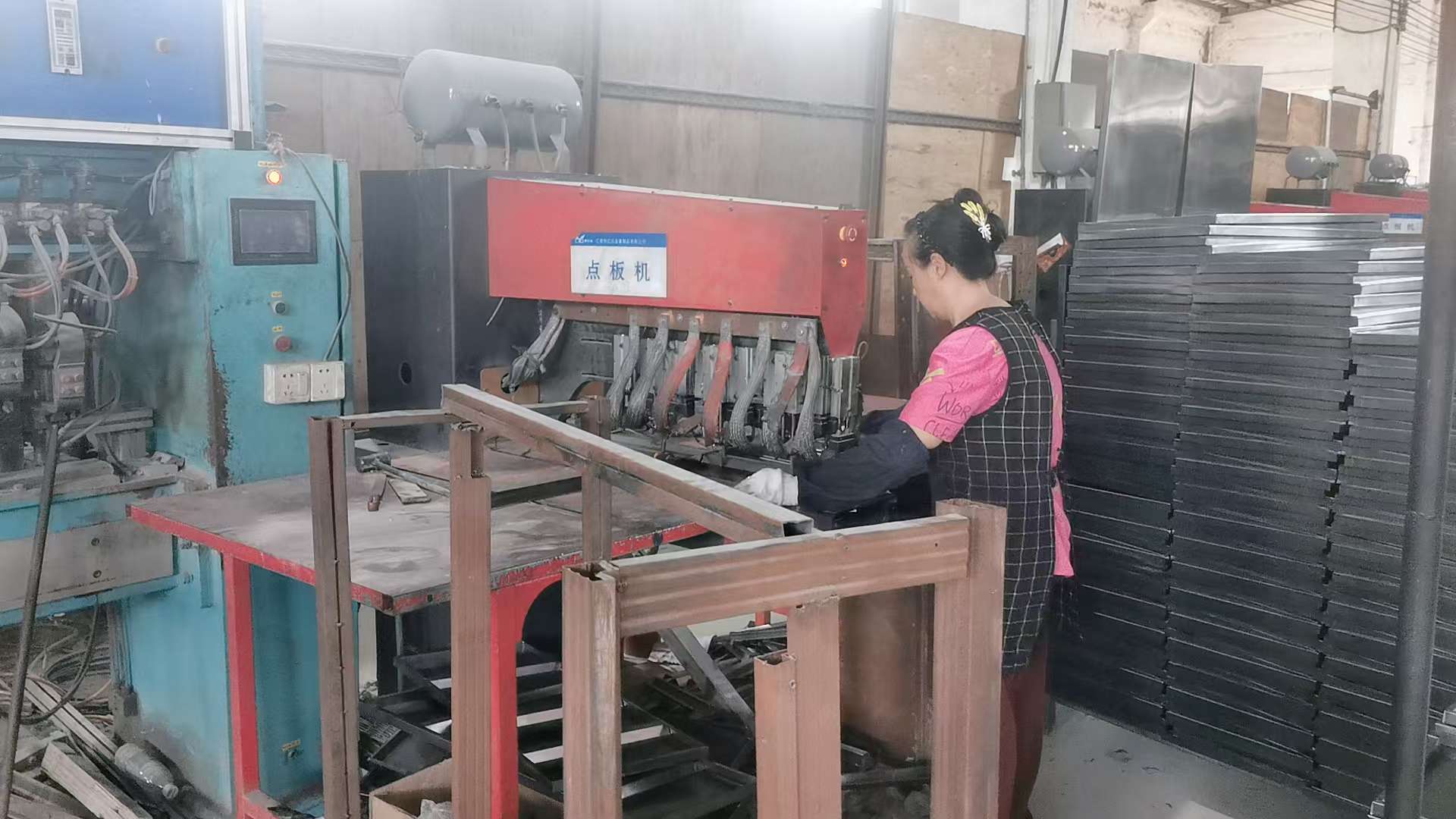
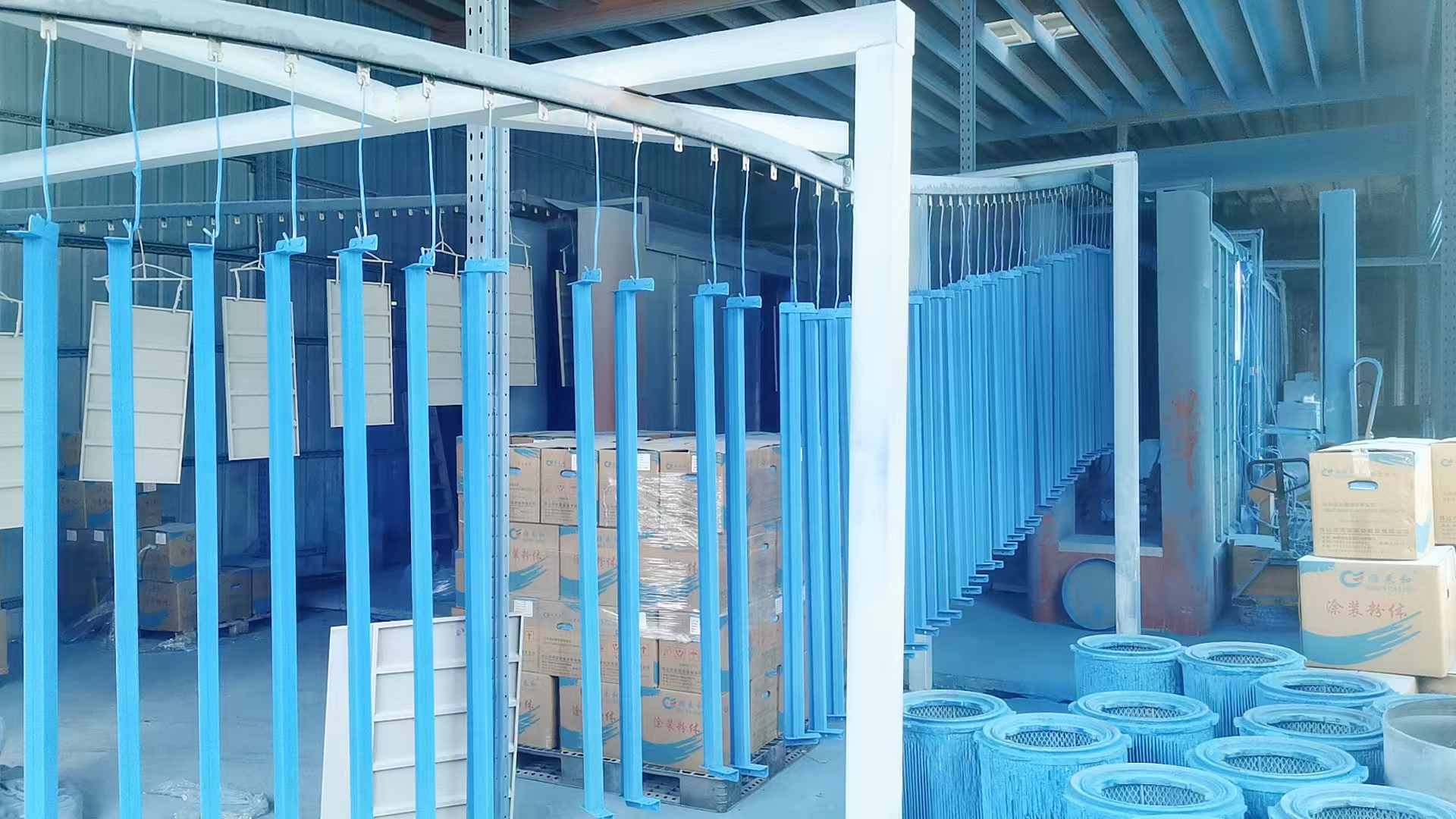
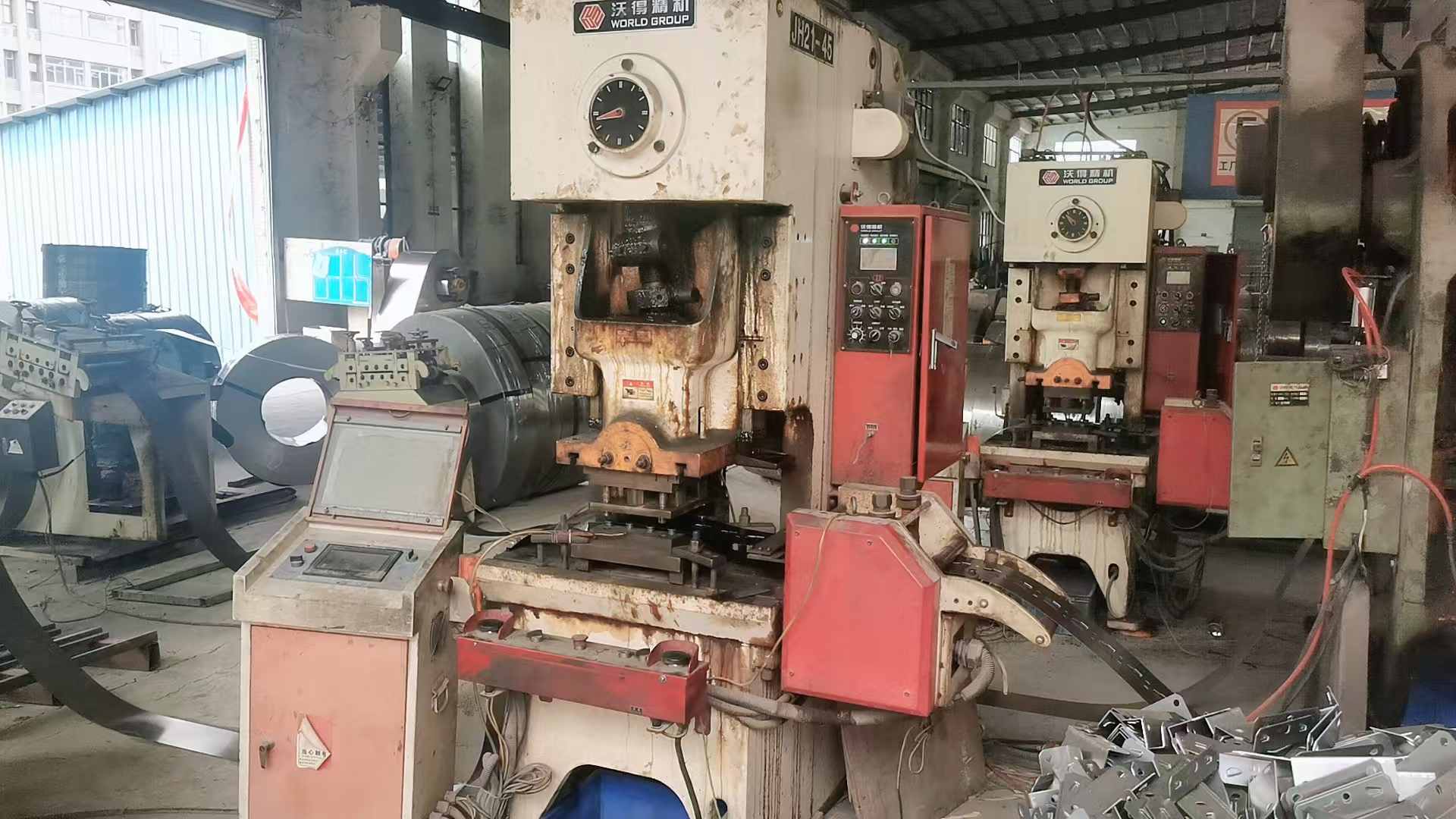
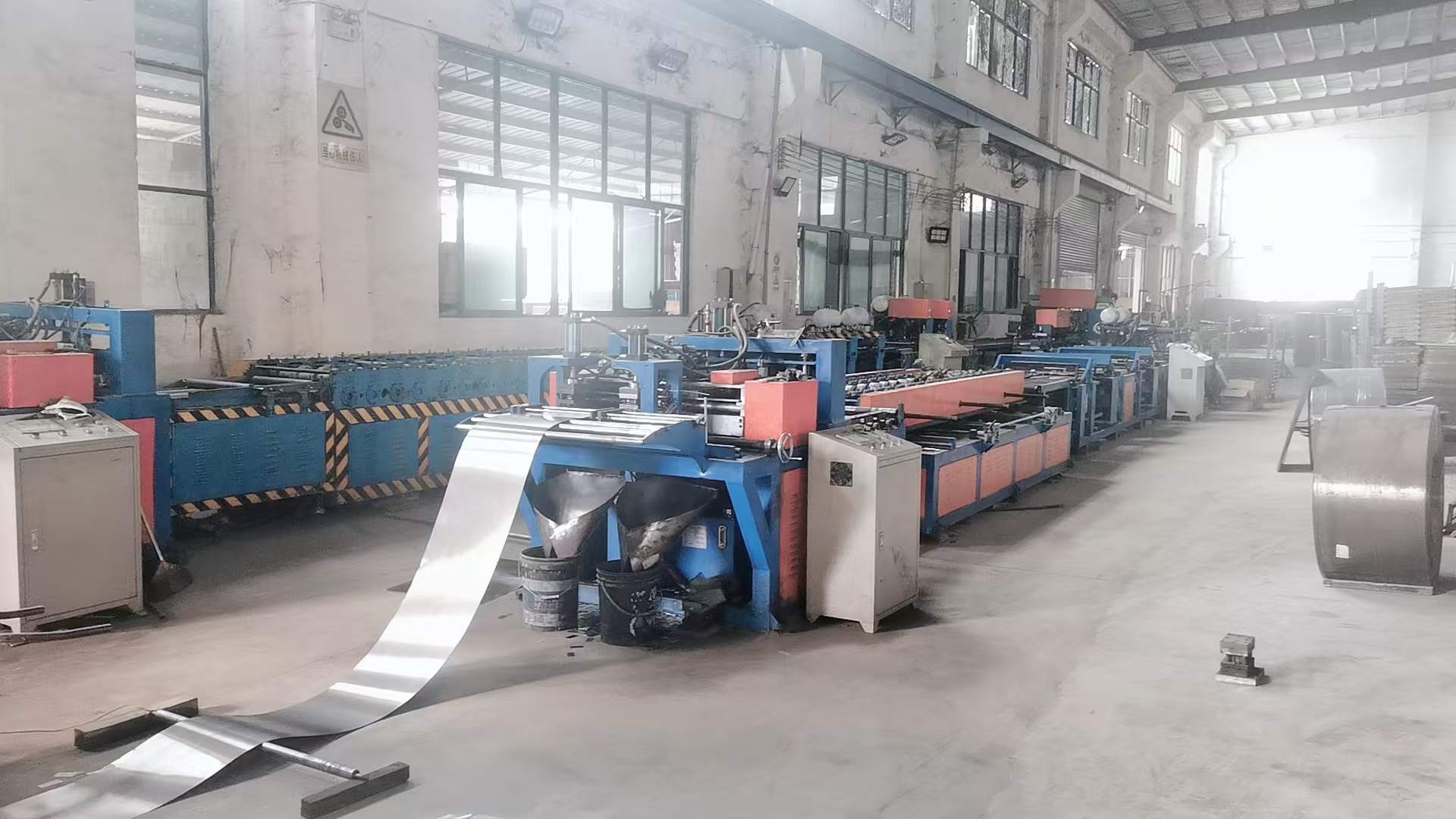
Equipped with laser roll forming systems, automatic robotic welding, and automated continuous spraying lines, Chinese factories maintain tight manufacturing tolerances of +/- 0.5mm, ensuring smooth cart glide and long-term rail stability.
With massive manufacturing capacities and large-scale engineering teams, Chinese suppliers can design, run structural simulations, prototype, and produce customized dynamic racking solutions within tight construction windows.
Bridging the gap between overseas manufacturing and local site installation standards.
One of the most critical aspects of global procurement is ensuring that the imported racking systems comply with local zoning, building, and safety codes. A failure to comply can lead to costly delays, building permit rejections, or facility shutdowns. Strategic manufacturers overcome these barriers by offering localized structural certification and compliance documentation.
Typical compliance milestones required by international regulatory bodies include:
To facilitate local approvals, leading manufacturers work alongside local engineering agencies to offer structural calculations, stamped drawings, and on-site support during final building inspections.
A professional pioneer in smart storage racking systems and custom industrial engineering.
Dongguan Hui Lian Intelligent Warehouse Equipment Co., Ltd. is a professional warehouse storage equipment manufacturer specializing in the design, production, and supply of high-quality storage racks and intelligent warehouse solutions. Established in 2016, the company has developed extensive expertise in the warehousing equipment industry, providing reliable storage solutions for customers worldwide.
With a factory area of approximately 18,500㎡, Hui Lian Intelligent Warehouse Equipment integrates advanced manufacturing technology, professional engineering capabilities, and strict quality management systems. The company achieves an annual export revenue of around US$18 million and has accumulated 8 years of export experience and 15 years of industry experience, serving customers across multiple international markets.
Our product range includes pallet racks, heavy-duty storage racks, automated warehouse racks, mezzanine floors, cantilever racks, warehouse shelving systems, and customized storage solutions. All products undergo strict quality inspection processes, including raw material inspection, welding quality checks, dimensional accuracy testing, load-bearing tests, surface treatment inspection, and finished product evaluation to ensure safety, durability, and performance.
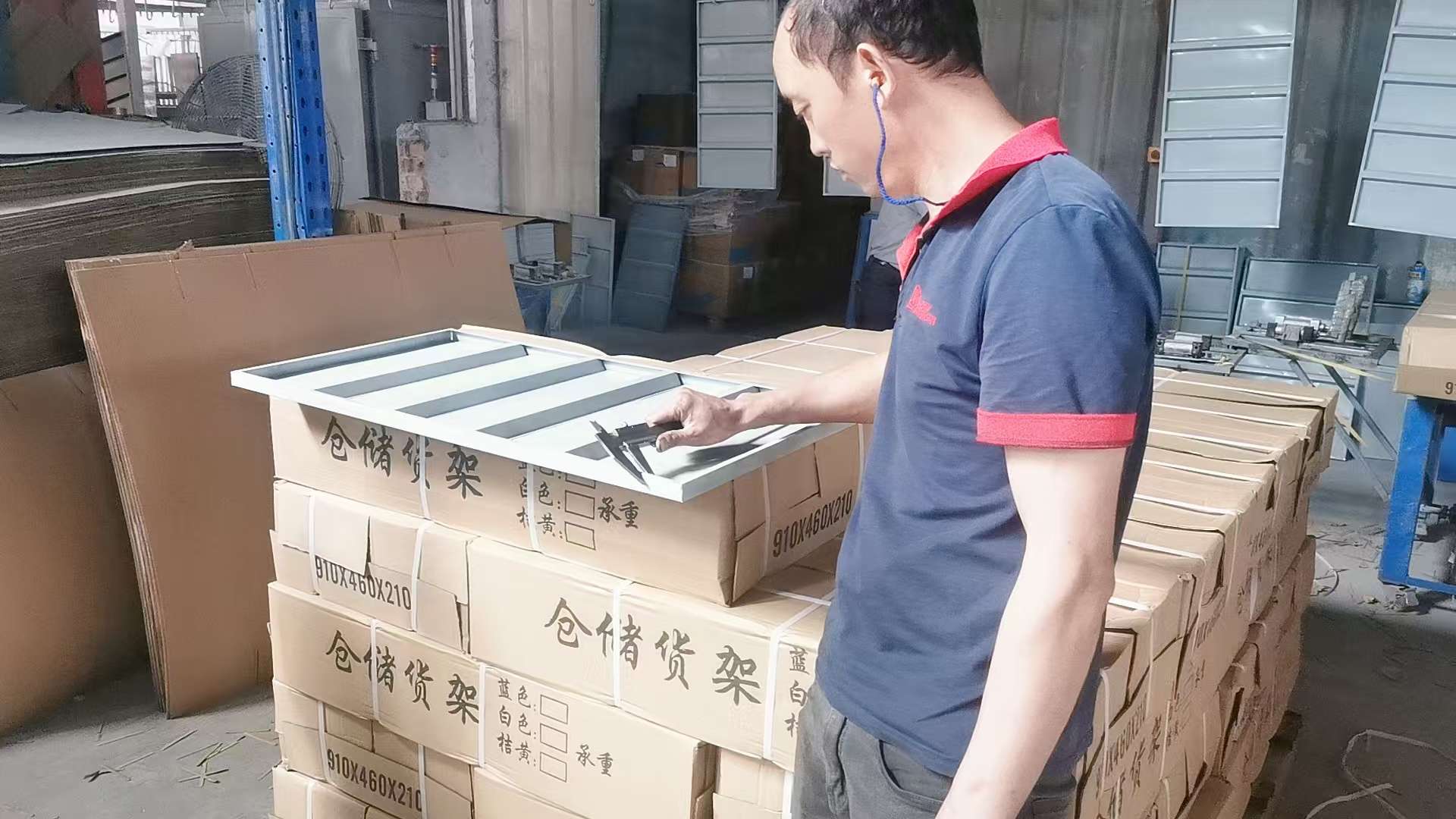
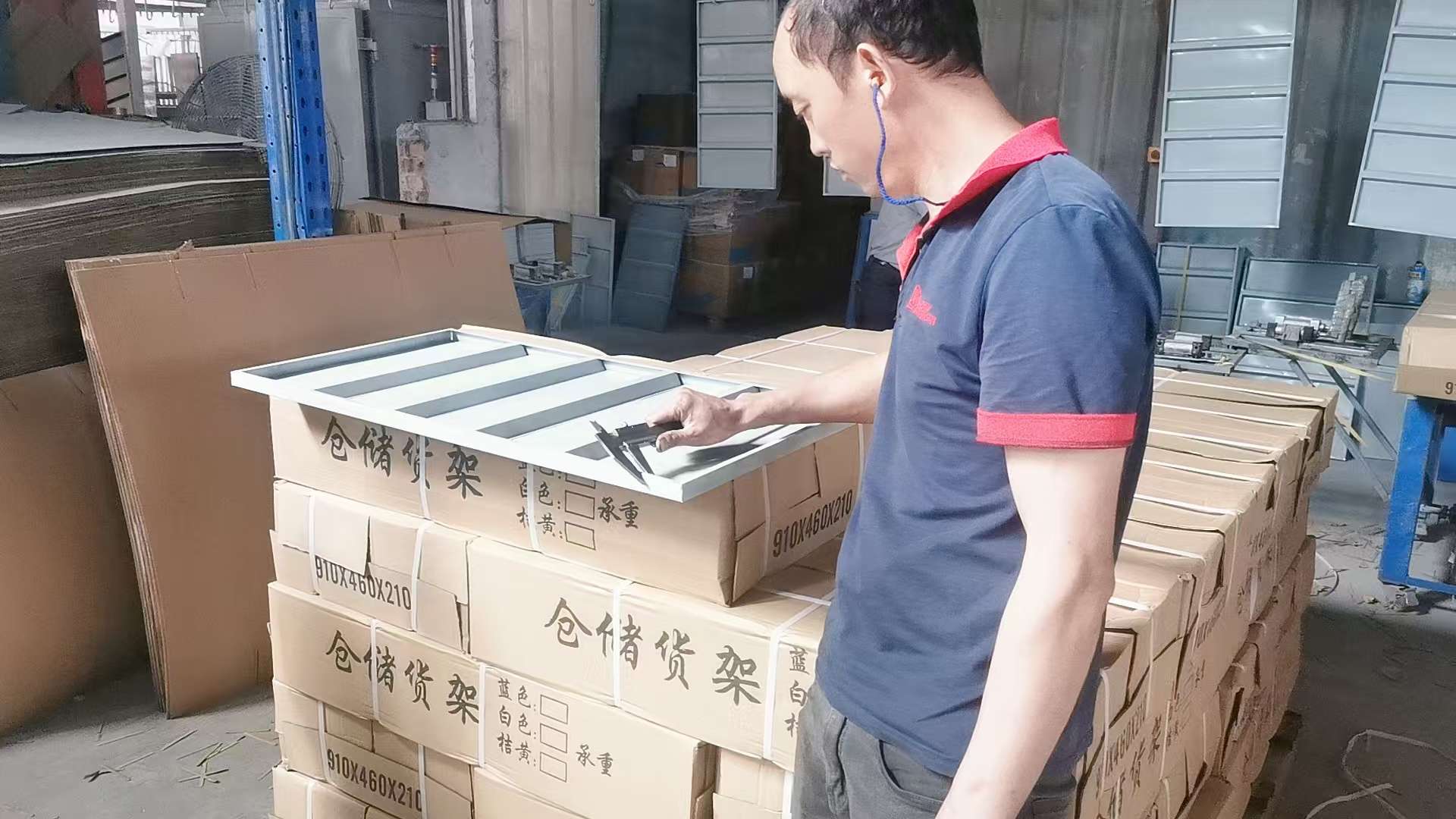
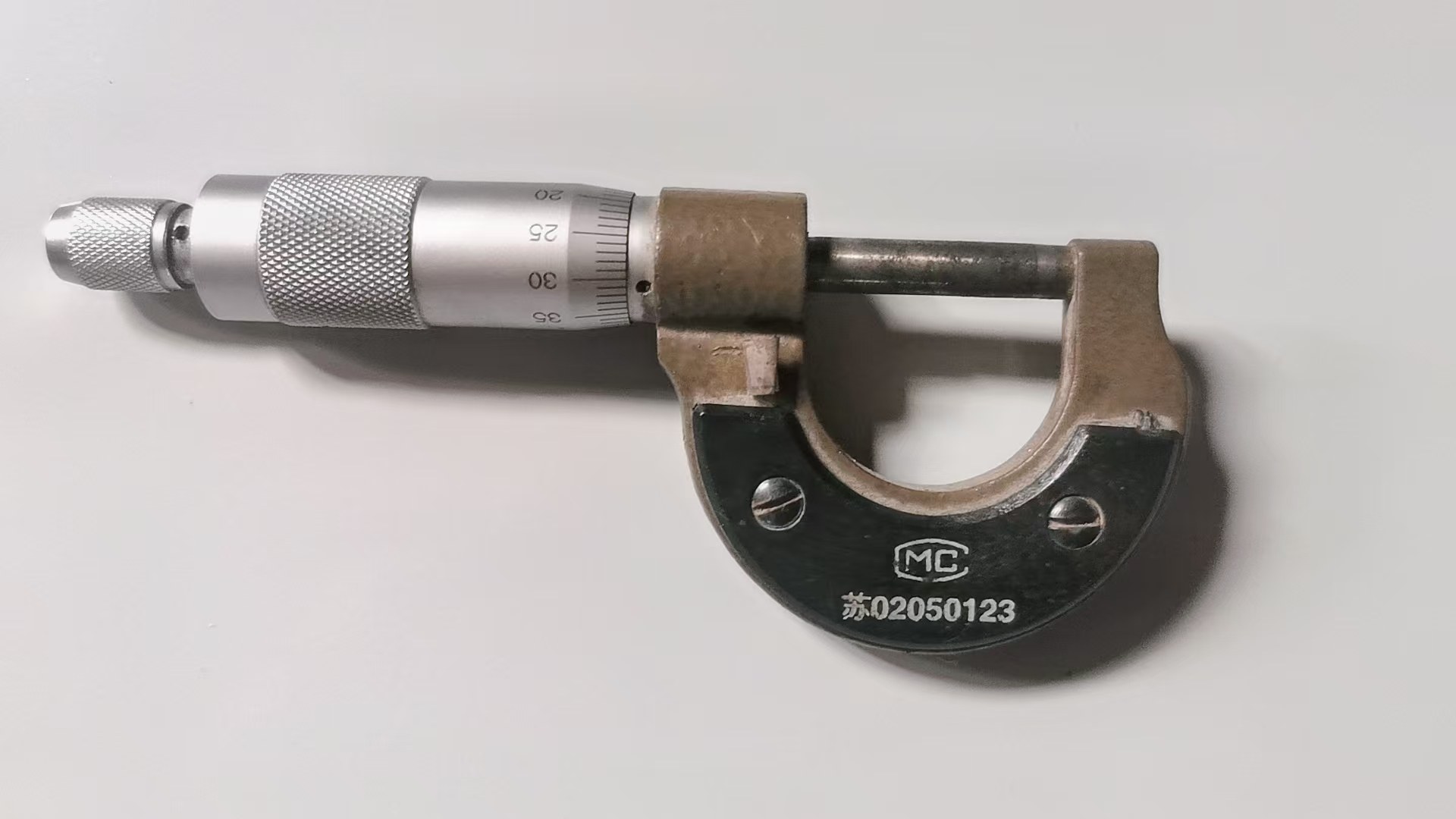
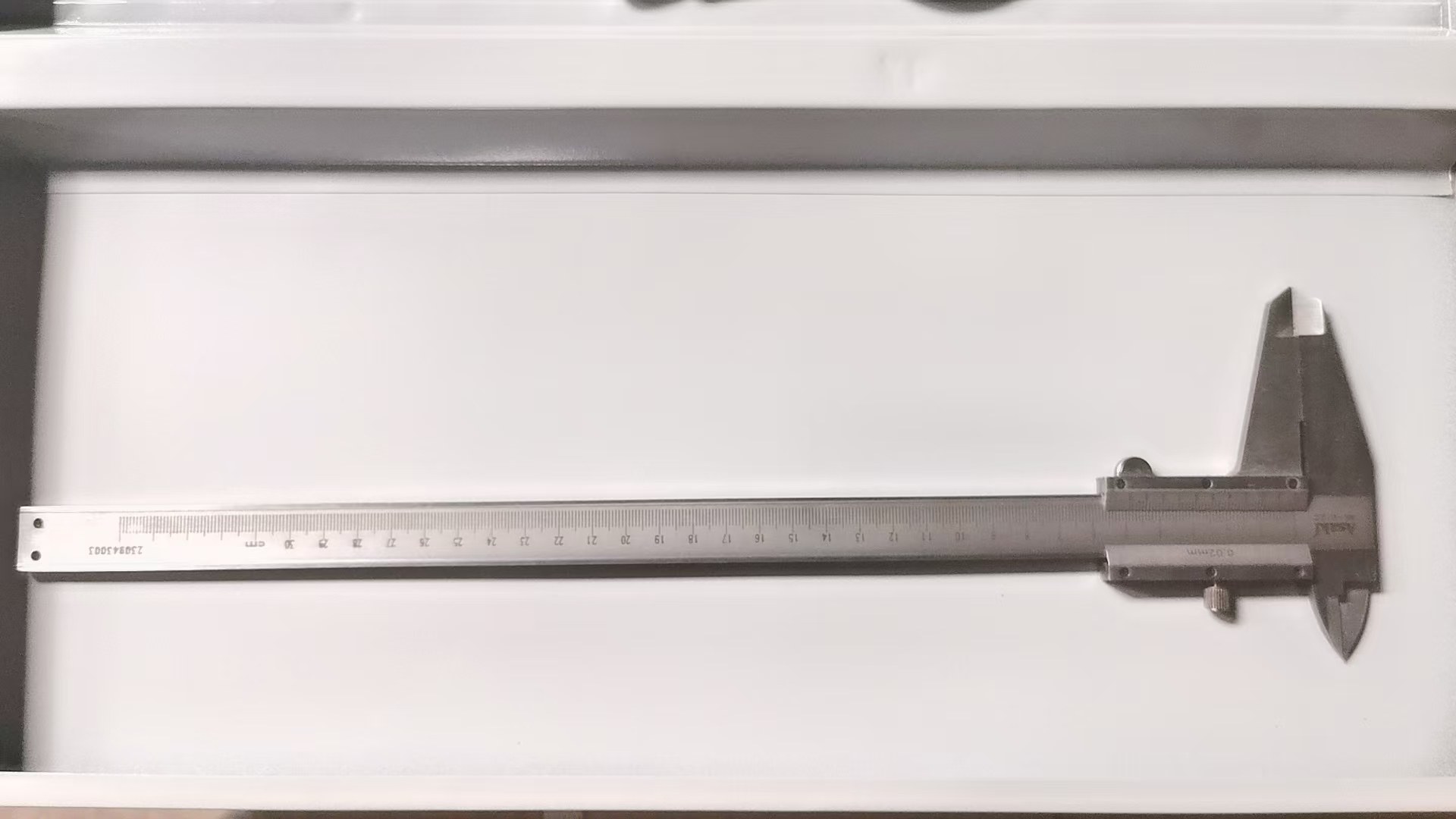
The company has a dedicated quality control team of 56 professional inspectors responsible for monitoring every stage of production, from material selection to final shipment. Hui Lian follows international quality standards and applies advanced inspection equipment such as laser measurement tools, load testing equipment, coating thickness gauges, and automated inspection systems.
With a strong trade background combining manufacturing, international export, OEM/ODM cooperation, and global supply chain management, Hui Lian has established stable partnerships with customers in North America, Europe, Southeast Asia, the Middle East, Australia, and South America. The company serves a wide range of clients, including logistics companies, e-commerce warehouses, manufacturing enterprises, retail distributors, third-party logistics providers, and large-scale warehouse operators.
Hui Lian Intelligent Warehouse Equipment works closely with more than 850 supply chain partners, ensuring efficient material sourcing, stable production capacity, and competitive delivery performance. The company provides comprehensive customization services, including custom dimensions, structural design, load capacity solutions, surface treatments, colors, and complete warehouse planning services.
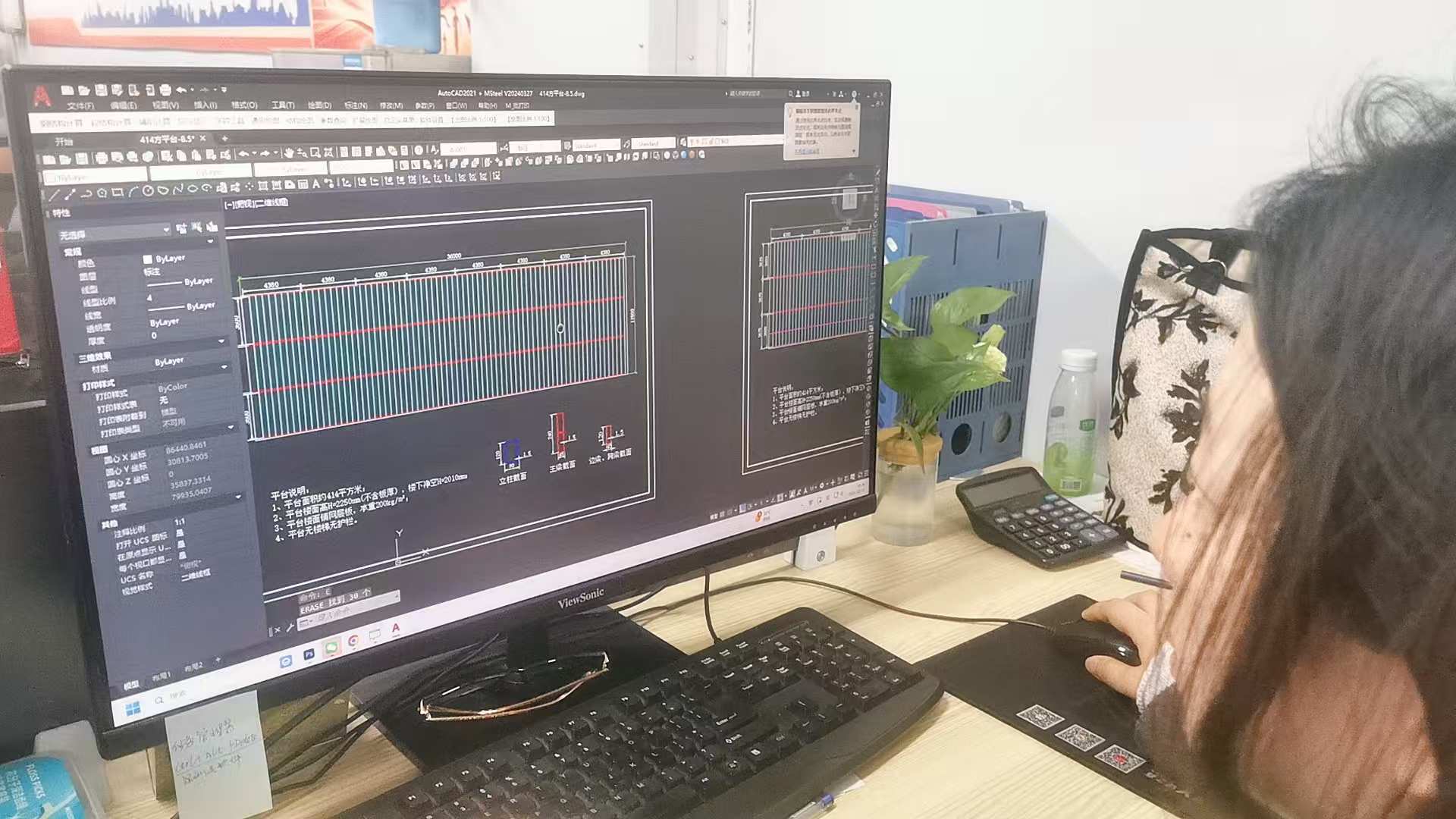
Driven by continuous innovation, Hui Lian maintains a strong research and development capability with 126 professional R&D engineers focused on improving warehouse efficiency and developing advanced storage solutions. In the past year, the company launched 320 new products to meet evolving market demands and provide customers with smarter and more flexible warehouse systems.
Through professional manufacturing, strict quality control, and customer-focused service, Dongguan Hui Lian Intelligent Warehouse Equipment Co., Ltd. is committed to becoming a trusted global partner for intelligent warehouse equipment and storage rack solutions.
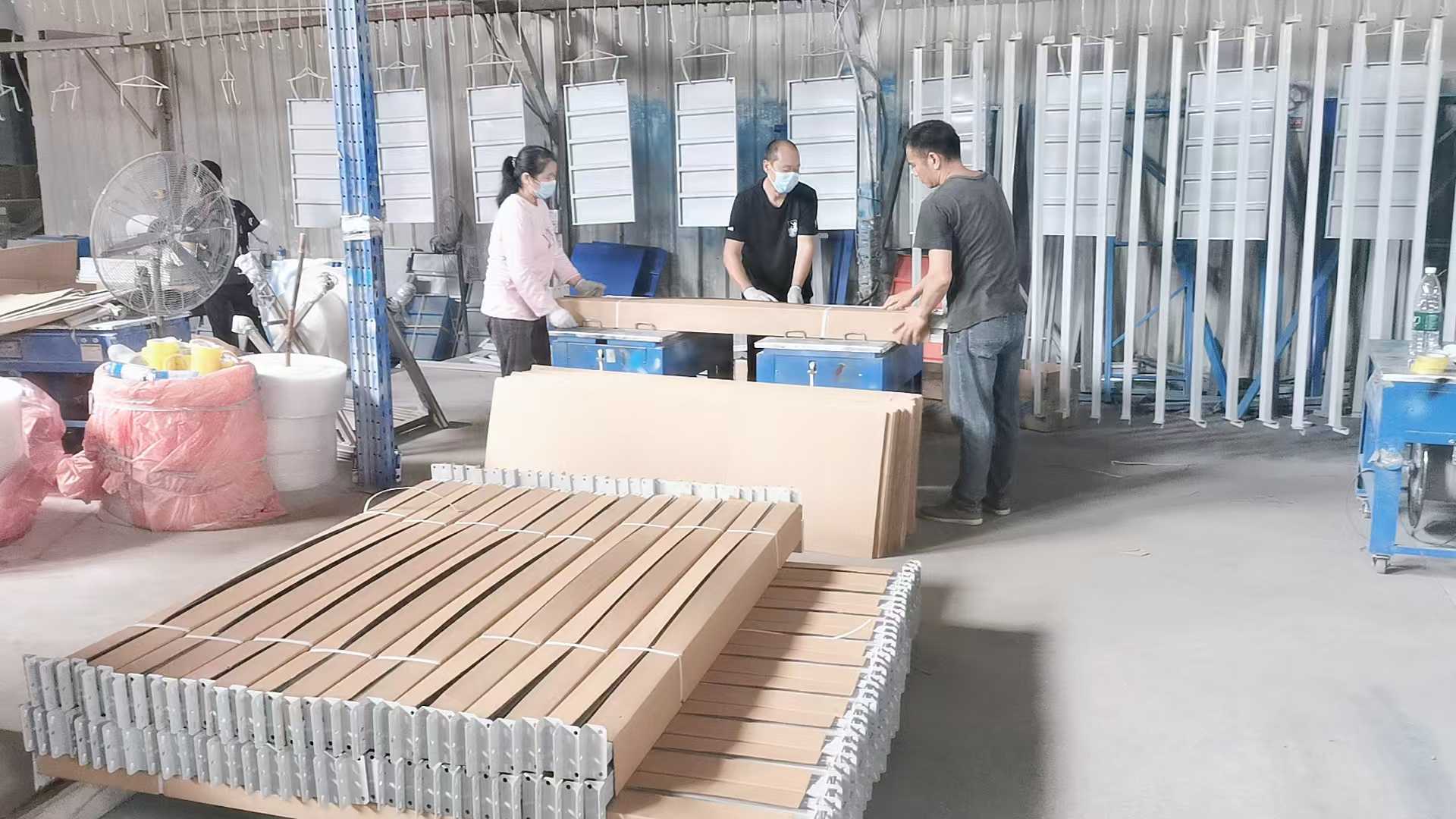
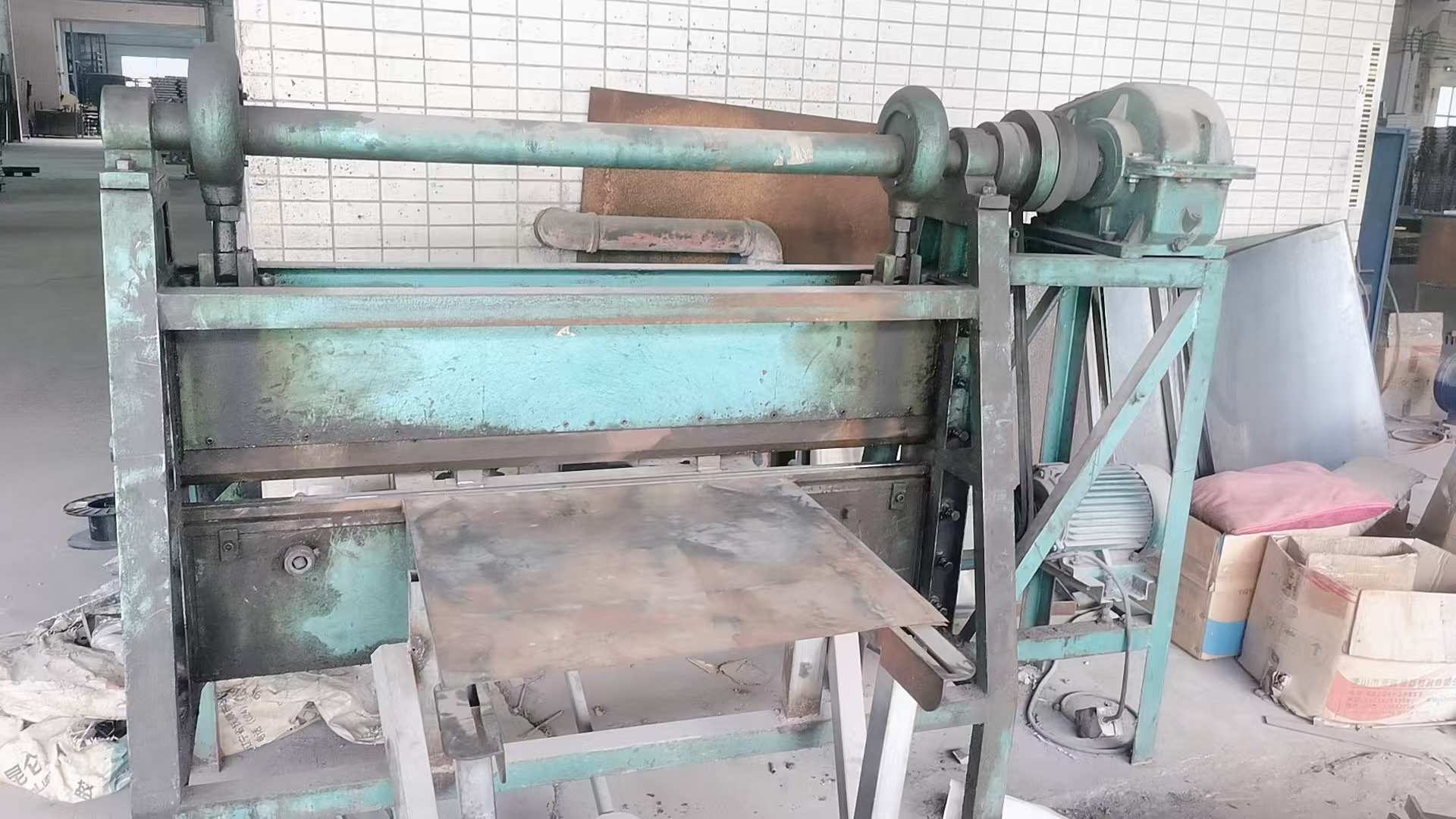
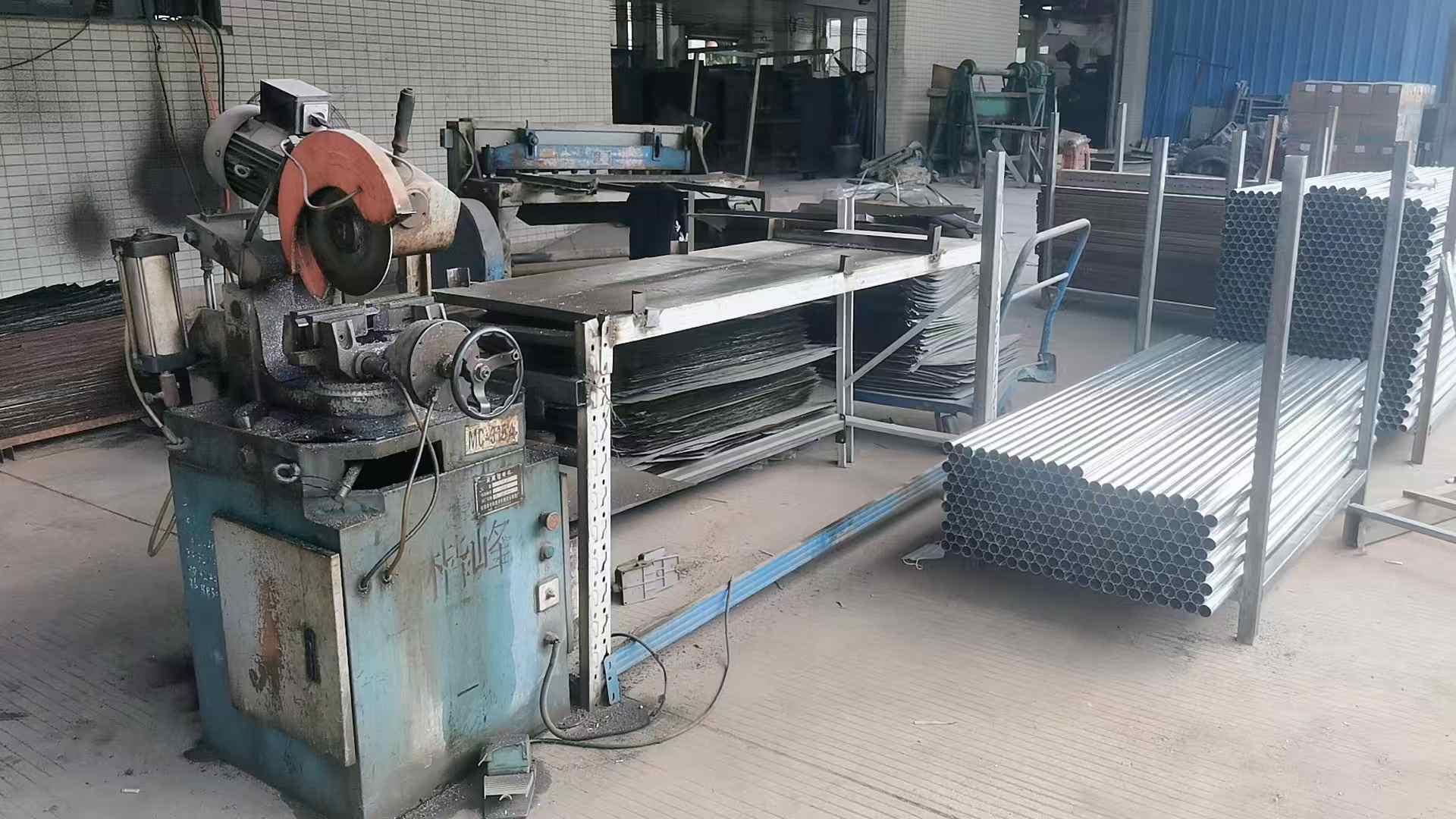
Inside our state-of-the-art facility: Step-by-step production flow and precision equipment.
The shift toward hybrid automation, eco-responsible materials, and smart warehouse optimization.
Modern push-back systems are increasingly designed to interface directly with Automated Guided Vehicles (AGVs) and Autonomous Mobile Robots (AMRs). Perfect cart leveling and consistent gravity control ensure robots can load and extract pallets without manual forklift operations.
Industrial IoT sensors are now integrated into dynamic rails to monitor incline changes, carriage deceleration patterns, and load pressure points. These real-time diagnostics trigger predictive maintenance alerts before structural fatigue occurs.
In cold storage and blast freezer facilities, push-back storage is emerging as a premier energy saver. By maximizing density and reducing active airspace, refrigeration energy costs can decrease by up to 35% compared to open-aisle racking layouts.
Expert technical answers to standard procurement, design, and operating queries.
Push-back racking operates on a LIFO (Last-In, First-Out) flow pattern. Pallets are loaded and unloaded from the same aisle. Standard Gravity Flow utilizes FIFO (First-In, First-Out) where pallets are loaded on one side and picked from the opposing end. Push-back is generally more space-efficient and cost-effective as it requires only a single access aisle.
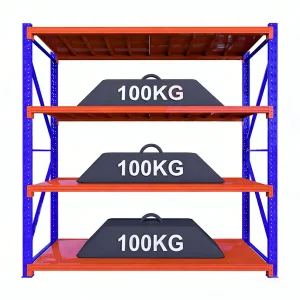
Standard configurations support between 500kg and 1,500kg per pallet. High-duty systems utilizing reinforced steel rails and heavy-duty, low-friction roller bearings can be custom engineered to handle even higher weight capacities depending on the structural parameters of the rack frames and building concrete slab.
Typically, push-back storage systems range from 2 to 6 pallets deep. Constructing systems deeper than 6 pallets is rarely recommended due to the steep slope angle required and the forklift power needed to safely push multiple heavy pallets up the incline.
No special forklifts are required. Standard counterbalanced and reach trucks work exceptionally well with push-back storage systems. However, forklift operators must be trained to maintain steady mast tilting and controlled speed when pushing against the nested carts during storage cycles.
The steel tracks of a push-back system are installed at a slight incline (typically around 3% to 4%). When the front pallet is picked by a forklift, the remaining carts slide forward slowly due to gravity. Precision bearings and design tolerances ensure control to prevent the back pallets from cascading forward too fast.
Safety parameters include heavy-duty safety stops at the front lane to secure the first pallet, anti-derailment tracks, lane safety screens, and high-visibility lane indicators. Additionally, robust upright column protectors are used to deflect impact from forklifts.
Certified heavy-duty storage configurations tailored for global distribution networks.
 Hui Lian