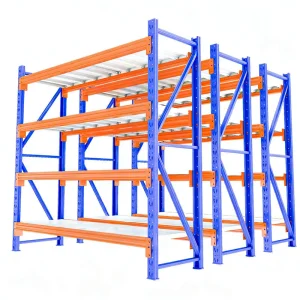
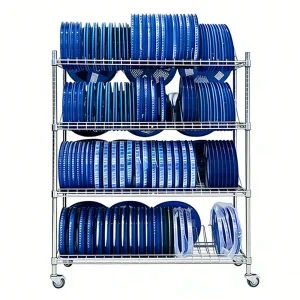
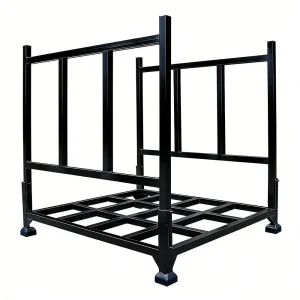
In modern logistics, storage efficiency directly impacts operating margins. Drive-in racking systems have emerged as the premier high-density solution for warehouses handling high-volume, low-SKU goods. By eliminating dedicated aisles for forklifts, drive-in systems allow vehicles to enter directly into the structural bays, expanding storage density by up to 75% compared to traditional selective racking.
As global supply chains shift toward automated and space-optimized storage, choosing the right manufacturer becomes paramount. Dongguan Hui Lian Intelligent Warehouse Equipment Co., Ltd. serves as a structural reference point in this sector, combining 15 years of industry expertise with advanced roll-forming technology to deliver systems that meet global standards (RMI, FEM, and AS4084).
Procuring heavy-duty industrial systems requires detailed assessment of load capacity limits, seismic ratings, steel grades (such as Q235B or Q355B), and protective finishes. Over-specifying results in excess costs, while under-specifying compromises safety and risks system failure.
Established in 2016, Dongguan Hui Lian is a professional warehouse storage equipment manufacturer specializing in the design, production, and supply of high-quality storage racks and intelligent warehouse systems. Supported by an experienced engineering department, we deliver stable, custom-tailored racking systems globally.
Our production workflow is managed by a quality control team of 56 professional inspectors. They oversee material certification, weld integrity, and dimensional accuracy to ensure consistency across production runs.
We use precision instruments including laser measurement tools, hydraulic load testing rigs, digital coating thickness gauges, and automated weld inspection systems to confirm structural integrity before dispatch.
Operating as an OEM/ODM partner, Hui Lian supplies clients across North America, Europe, Southeast Asia, the Middle East, Australia, and South America, managing international compliance requirements.
China’s direct access to structural steel supply chains allows factories like Hui Lian to source high-grade Q235B and Q355B steel efficiently, maintaining predictable production timelines even during volatile market cycles.
Equipped with automated laser roll-forming machines and robotic welding stations, Chinese factories minimize assembly tolerances. This ensures vertical uprights and pallet rails align precisely, reducing installation time on-site.
Our R&D team introduces up to 320 new products annually. This capacity allows us to adjust configurations for varied environments, from high-seismic regions in South America to deep-freeze warehouses in Northern Europe.
Our manufacturing process integrates automated roll forming, robotic welding, and electrostatic powder coating to ensure reliable load capacity and long-term durability.
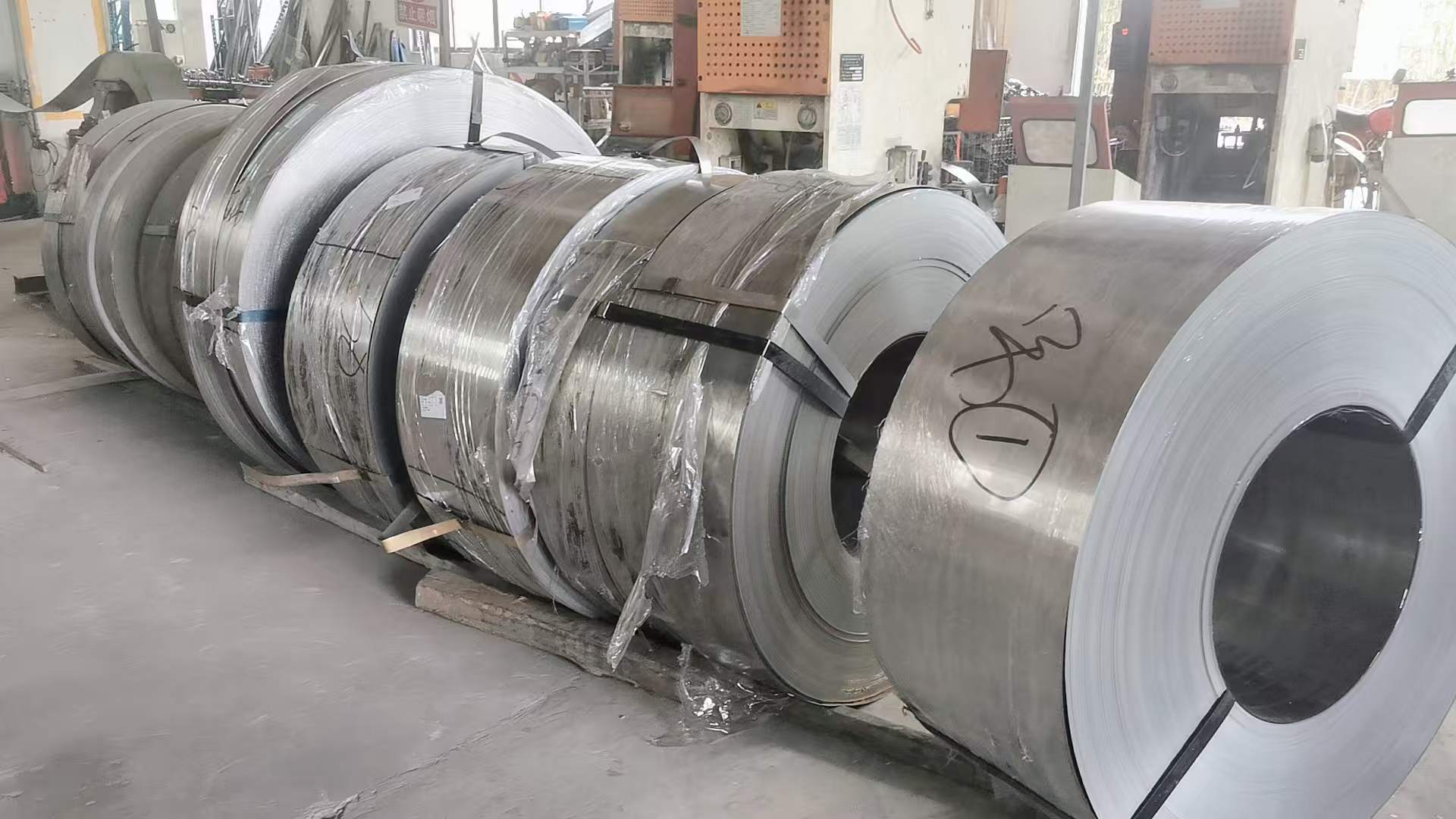
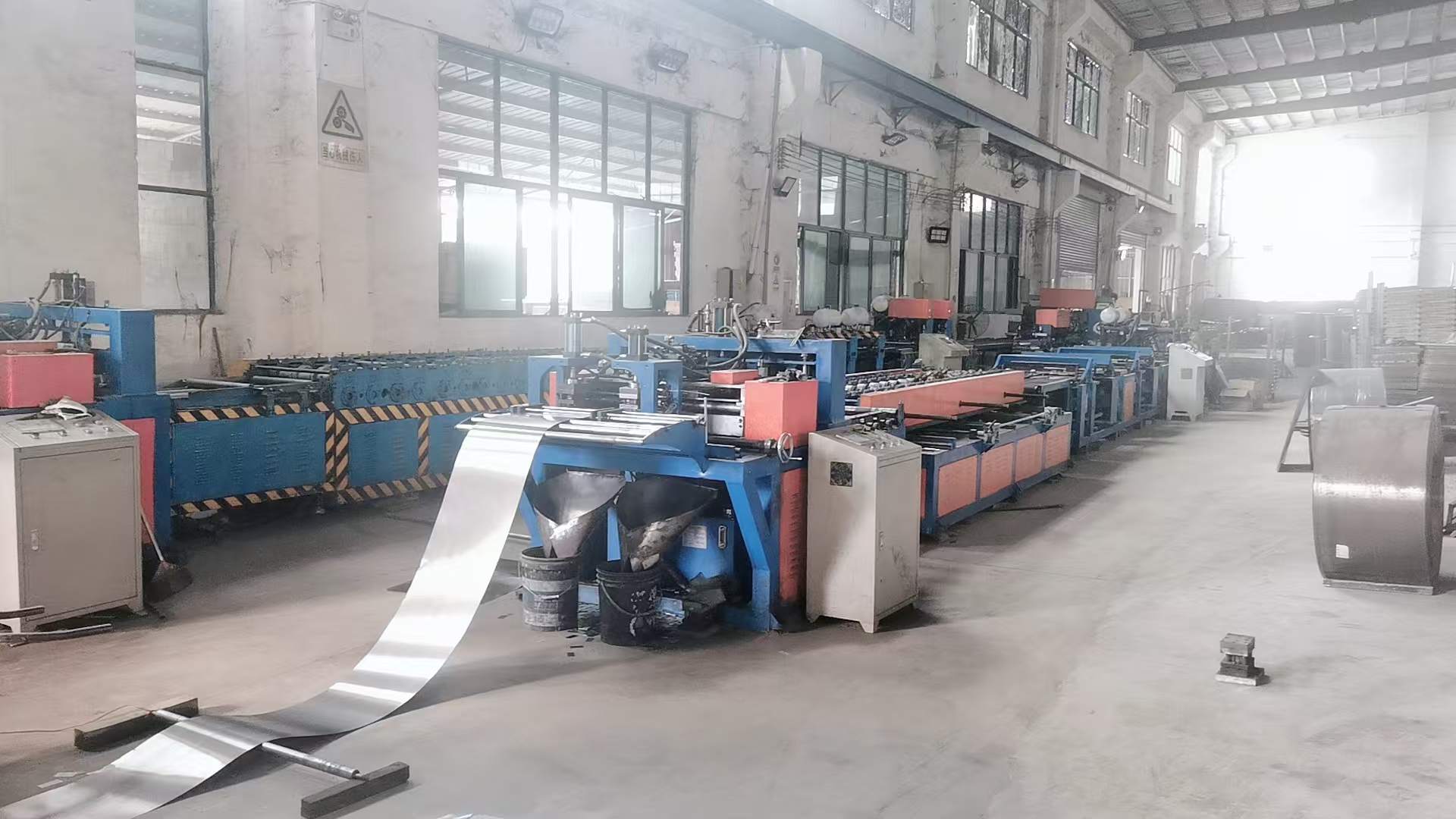
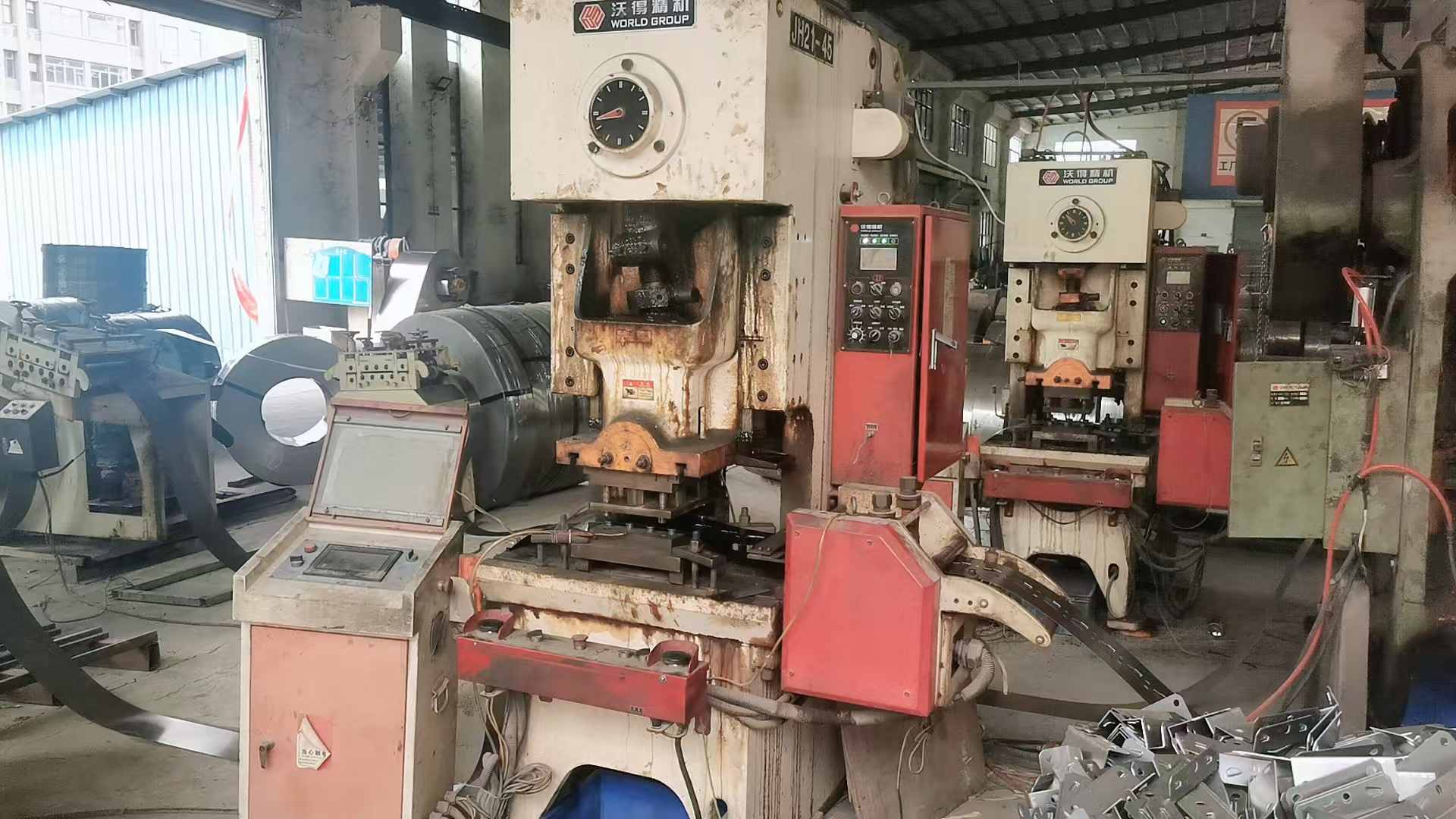
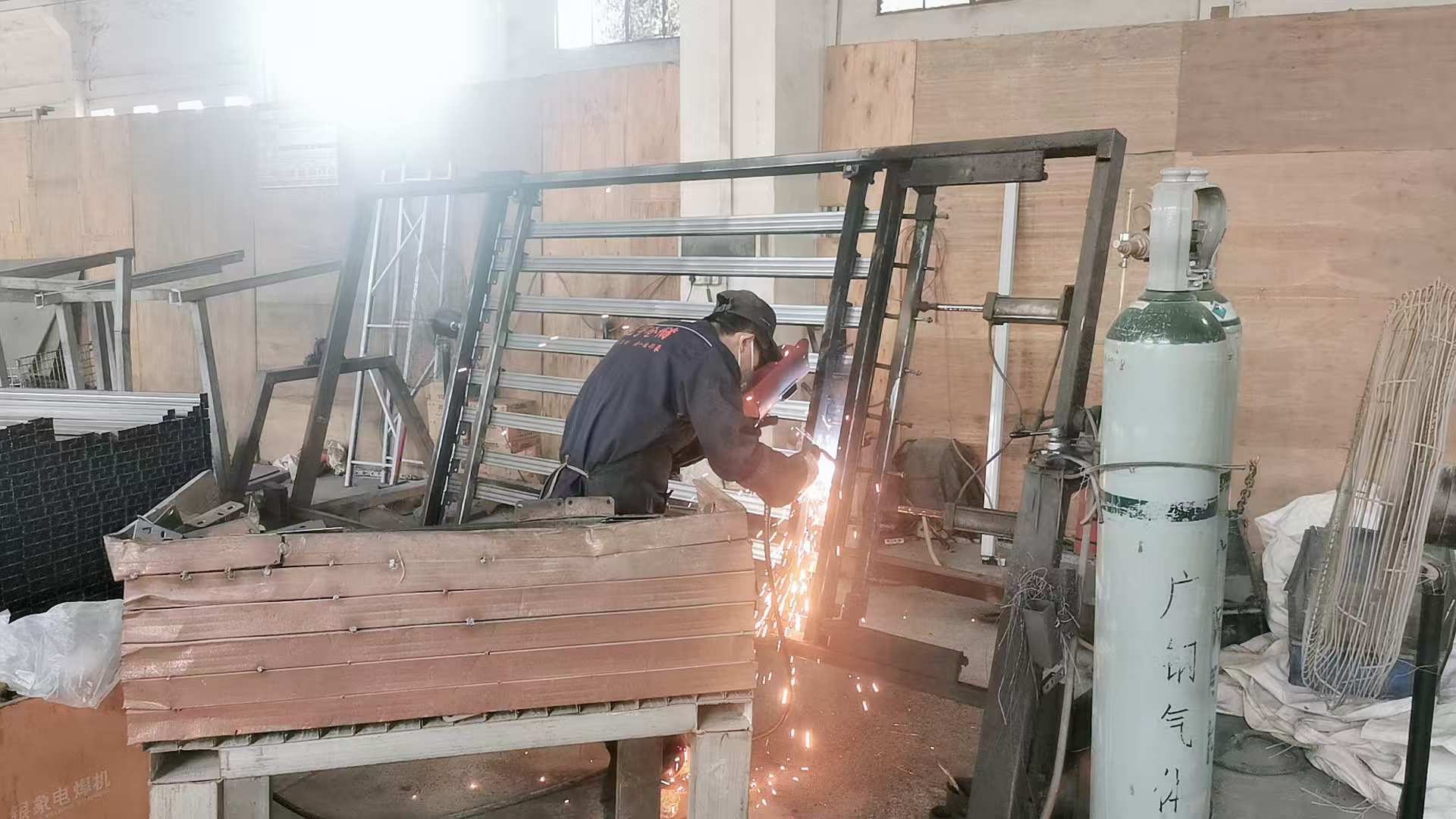
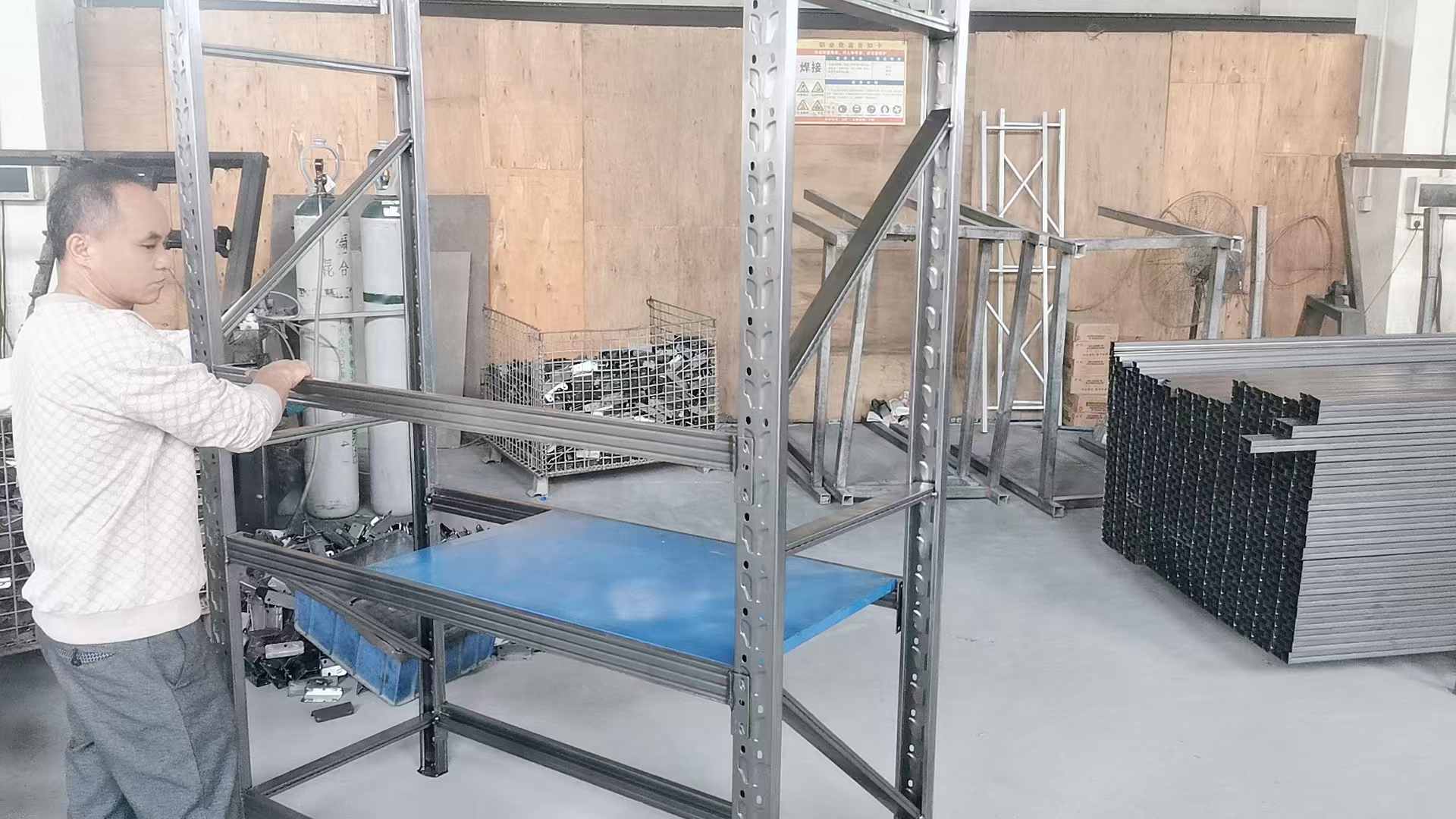
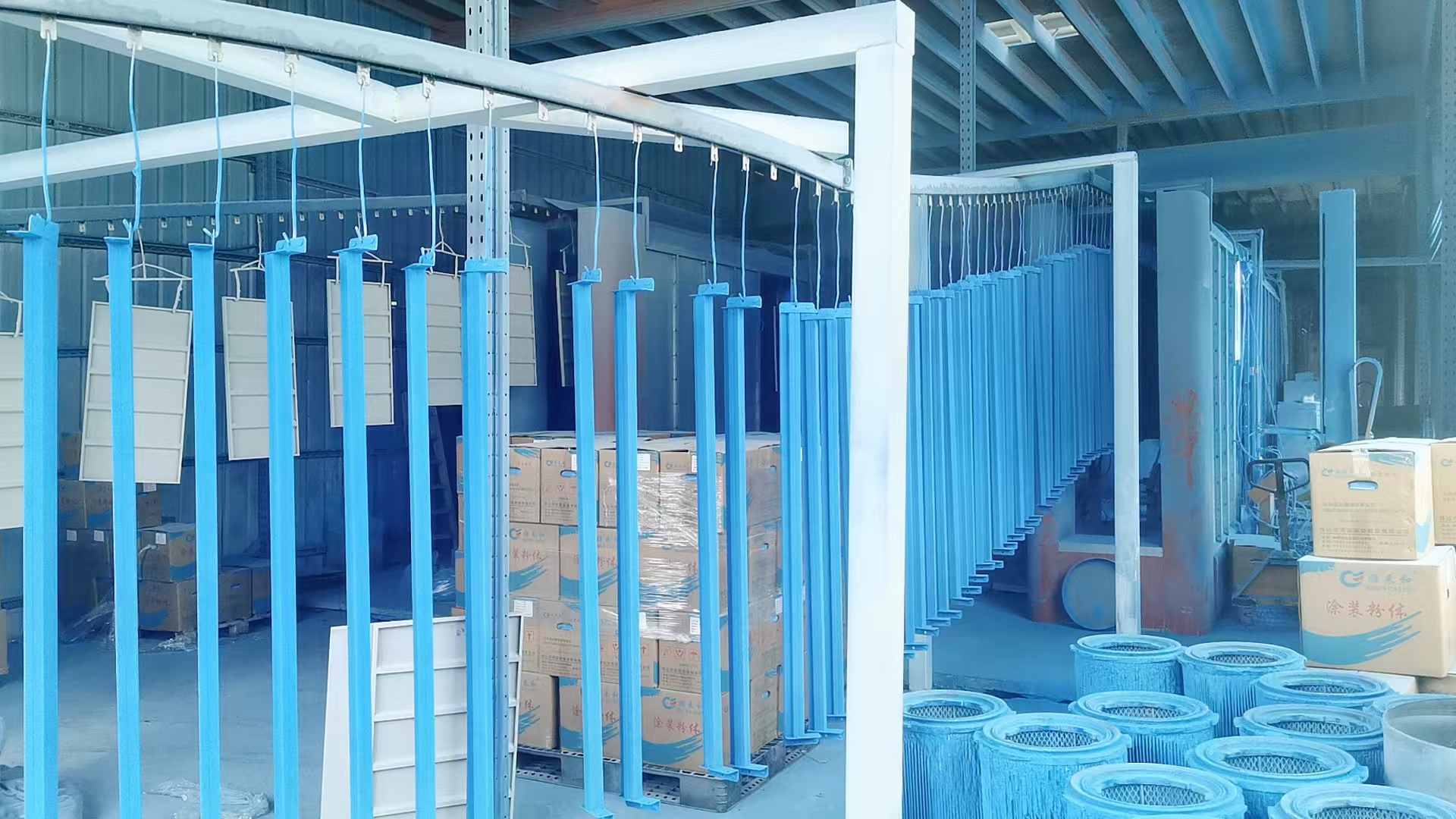
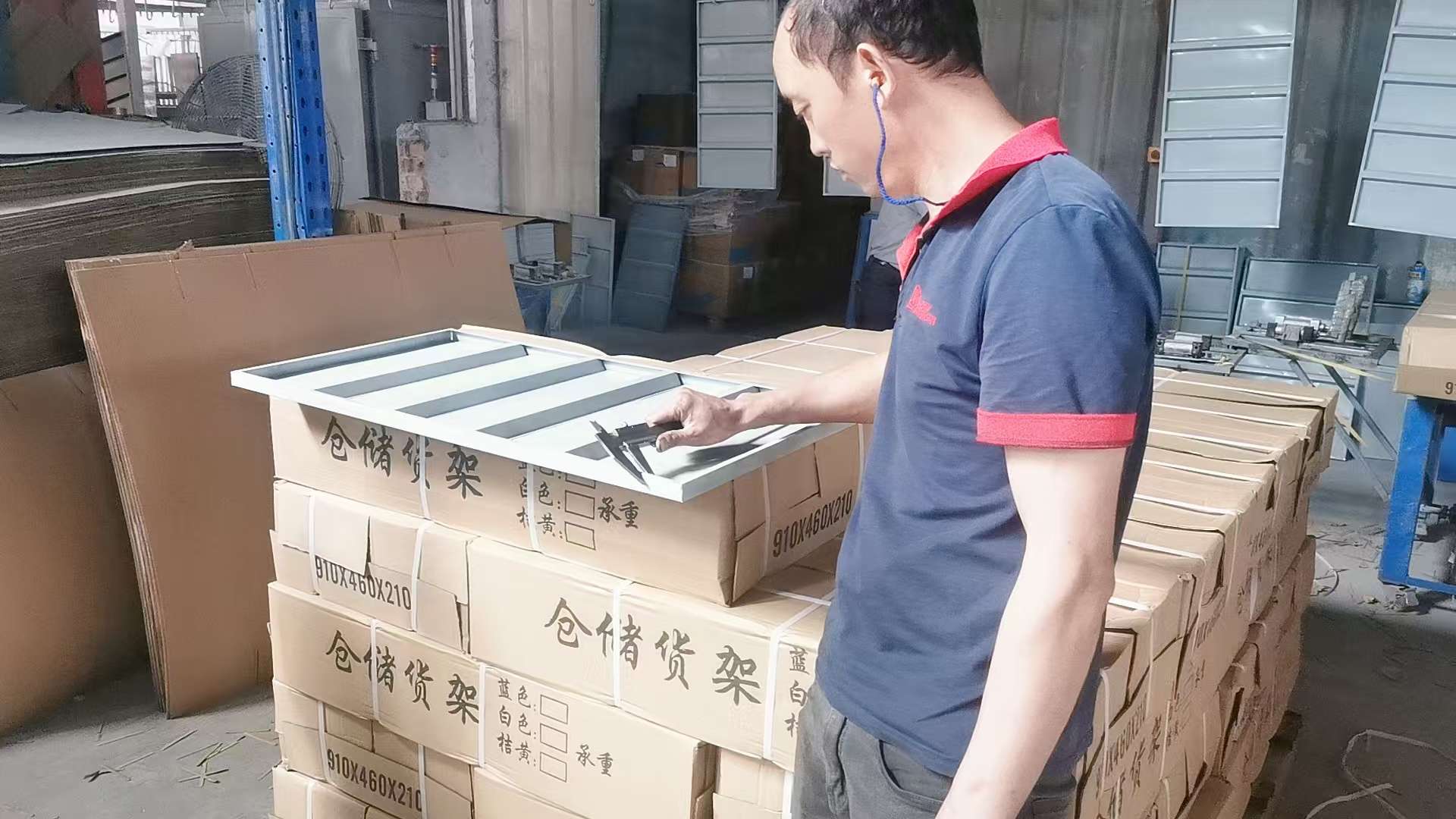
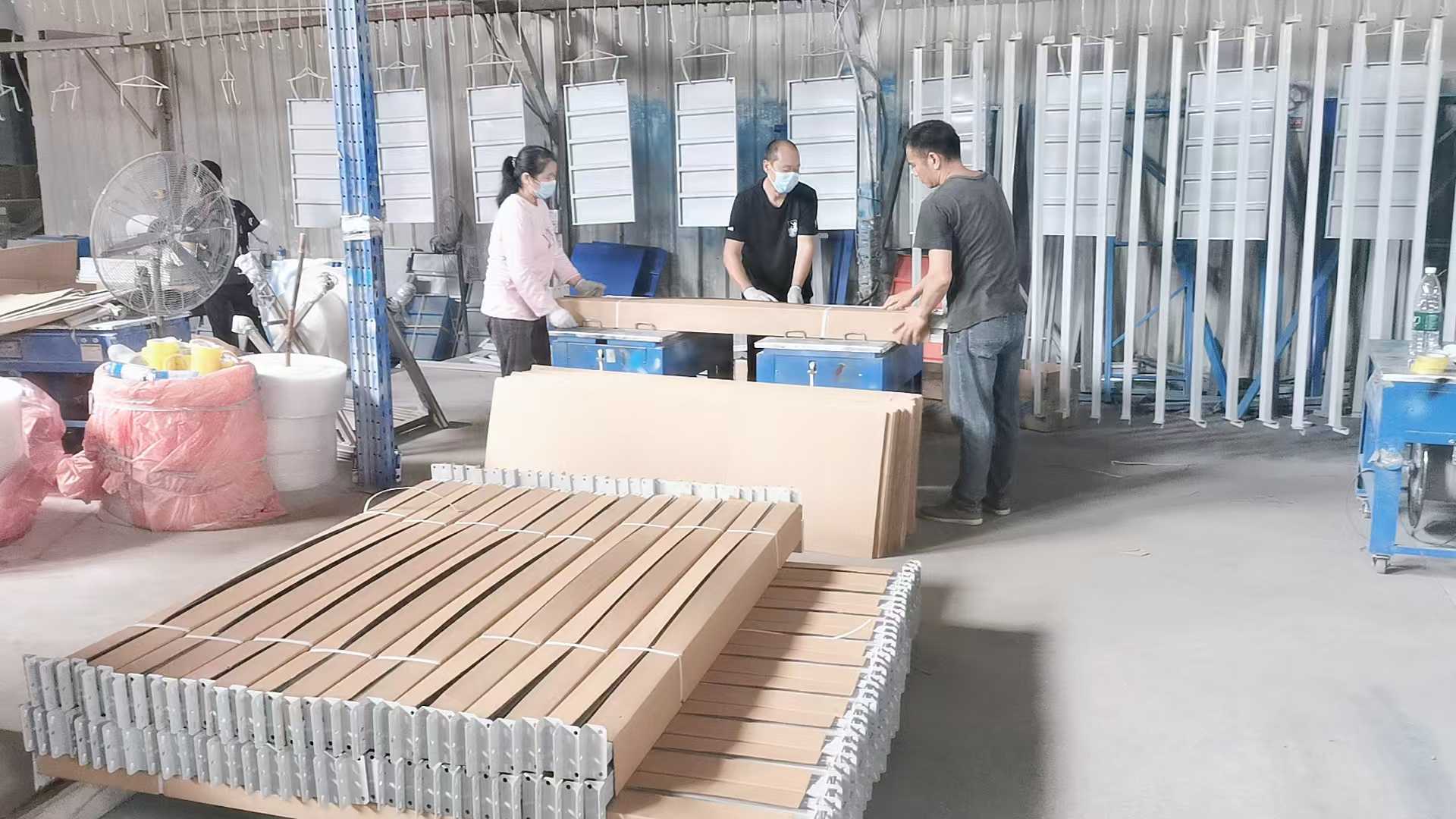
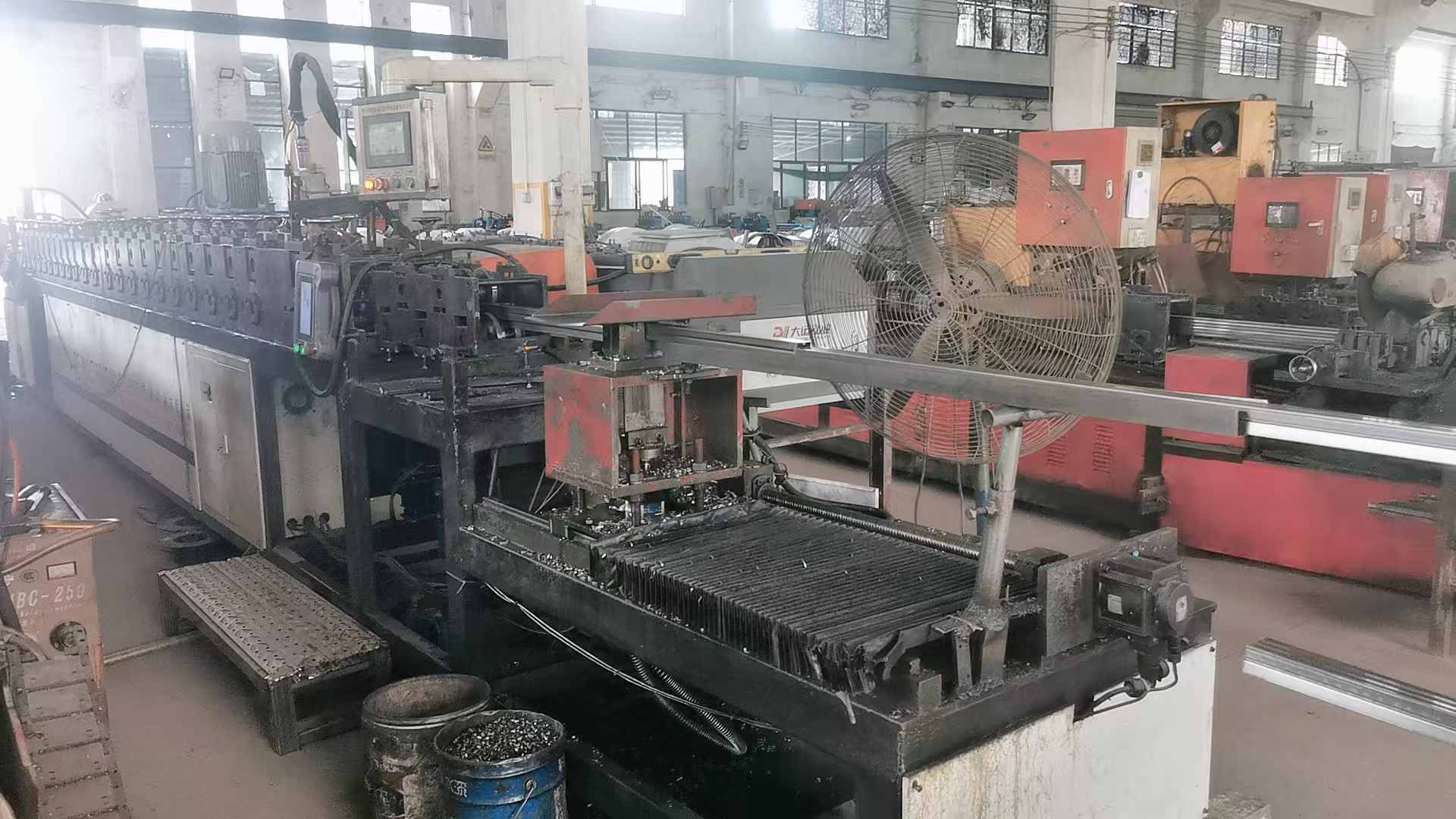
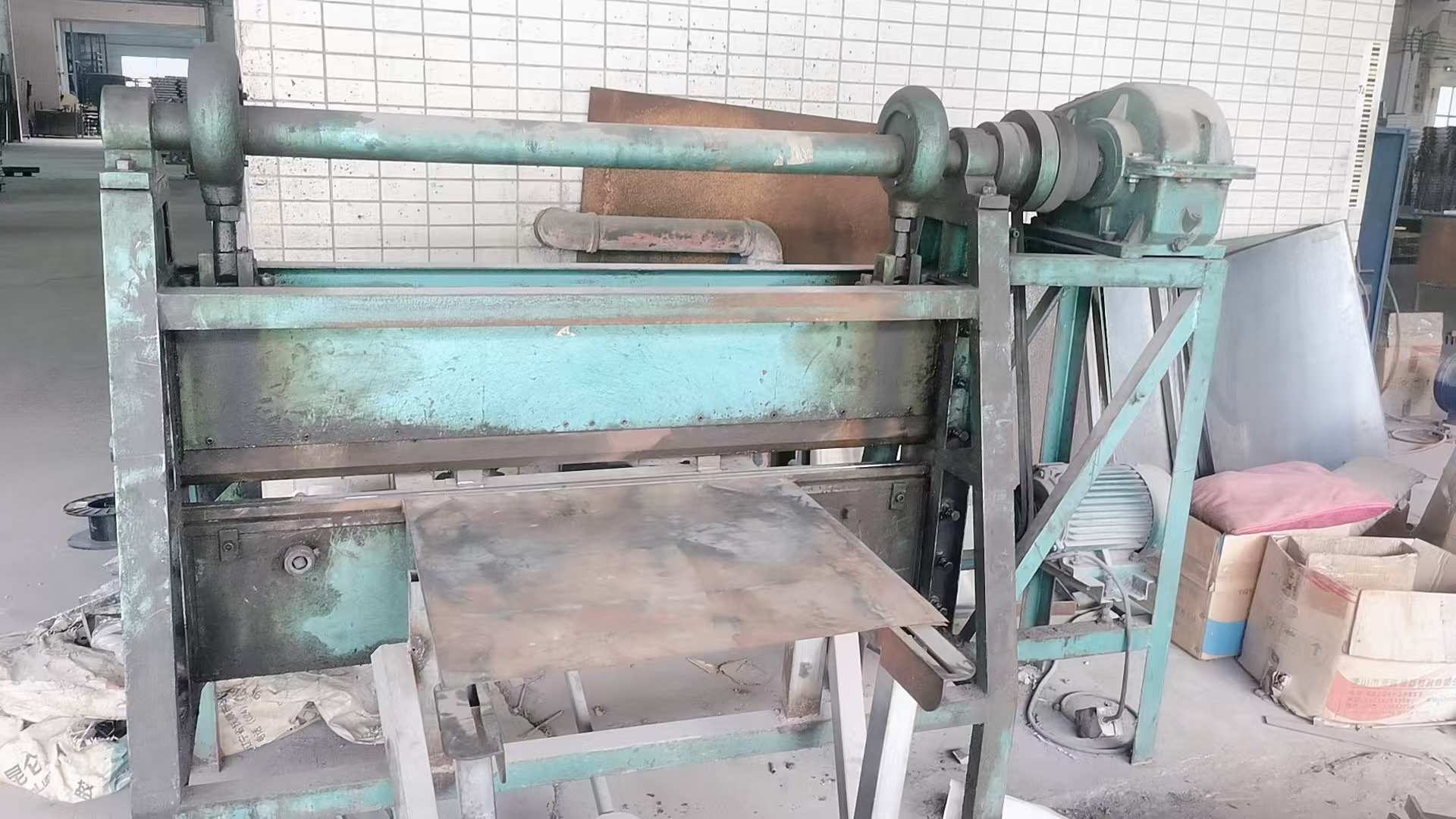
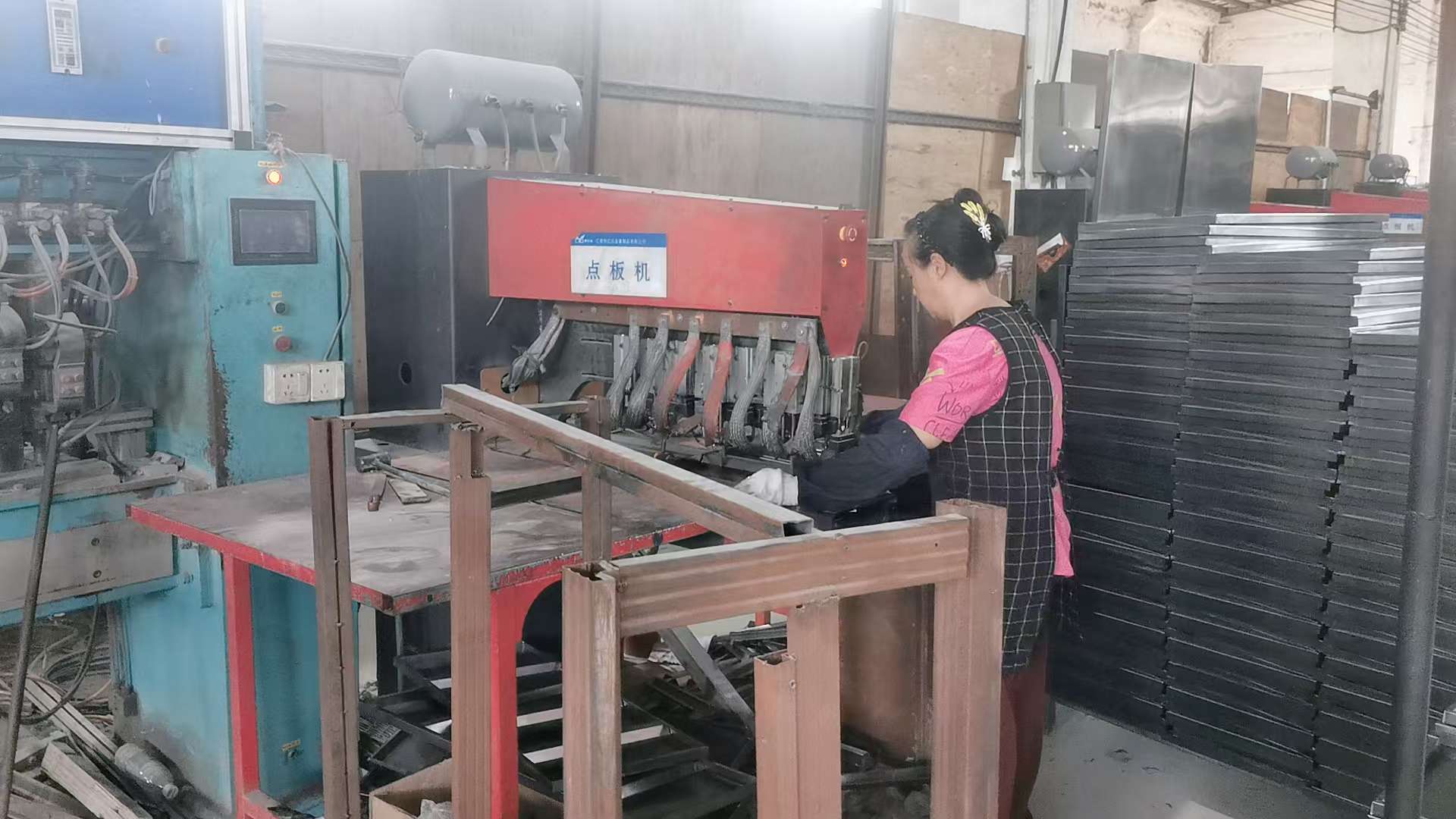
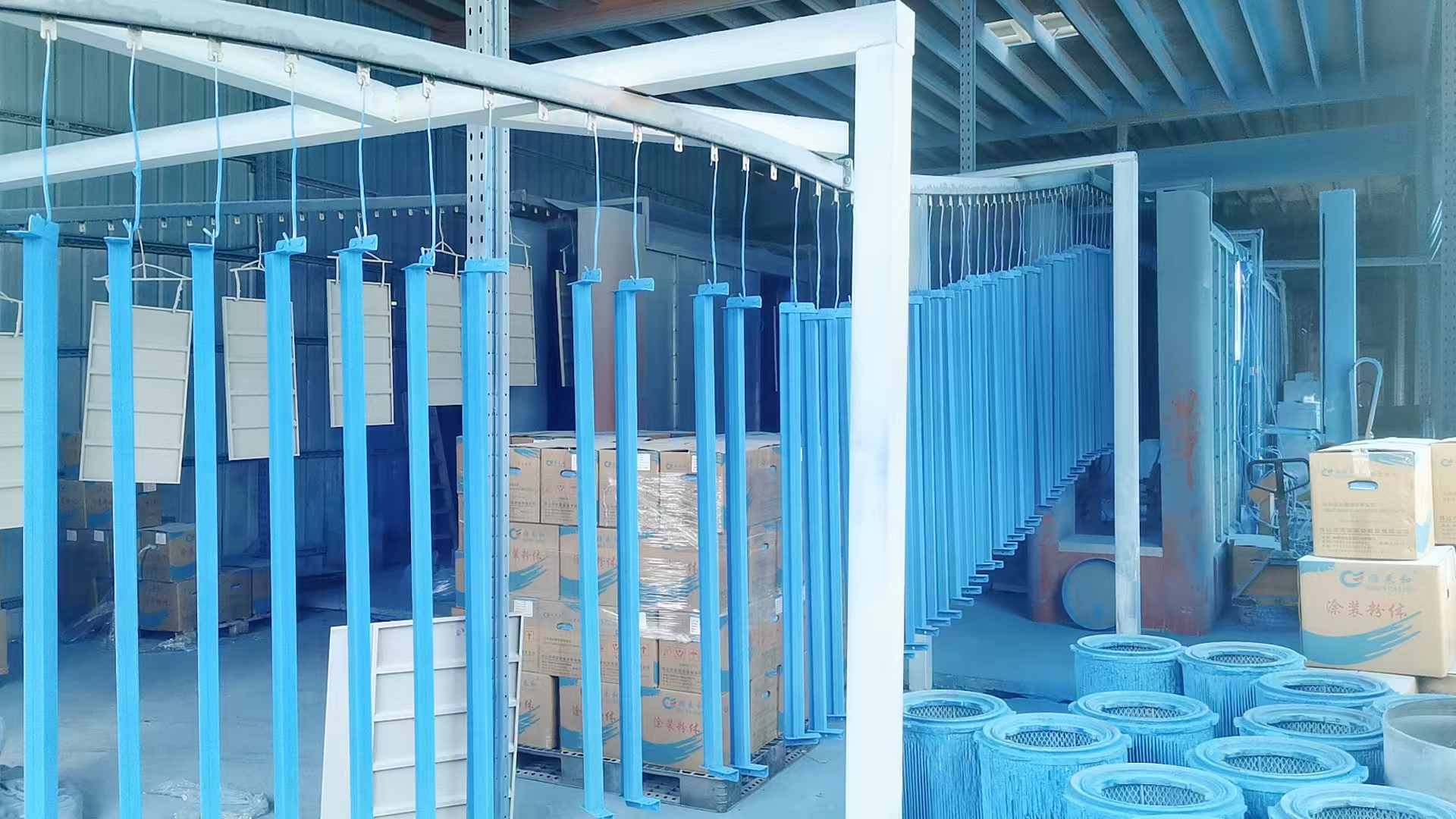
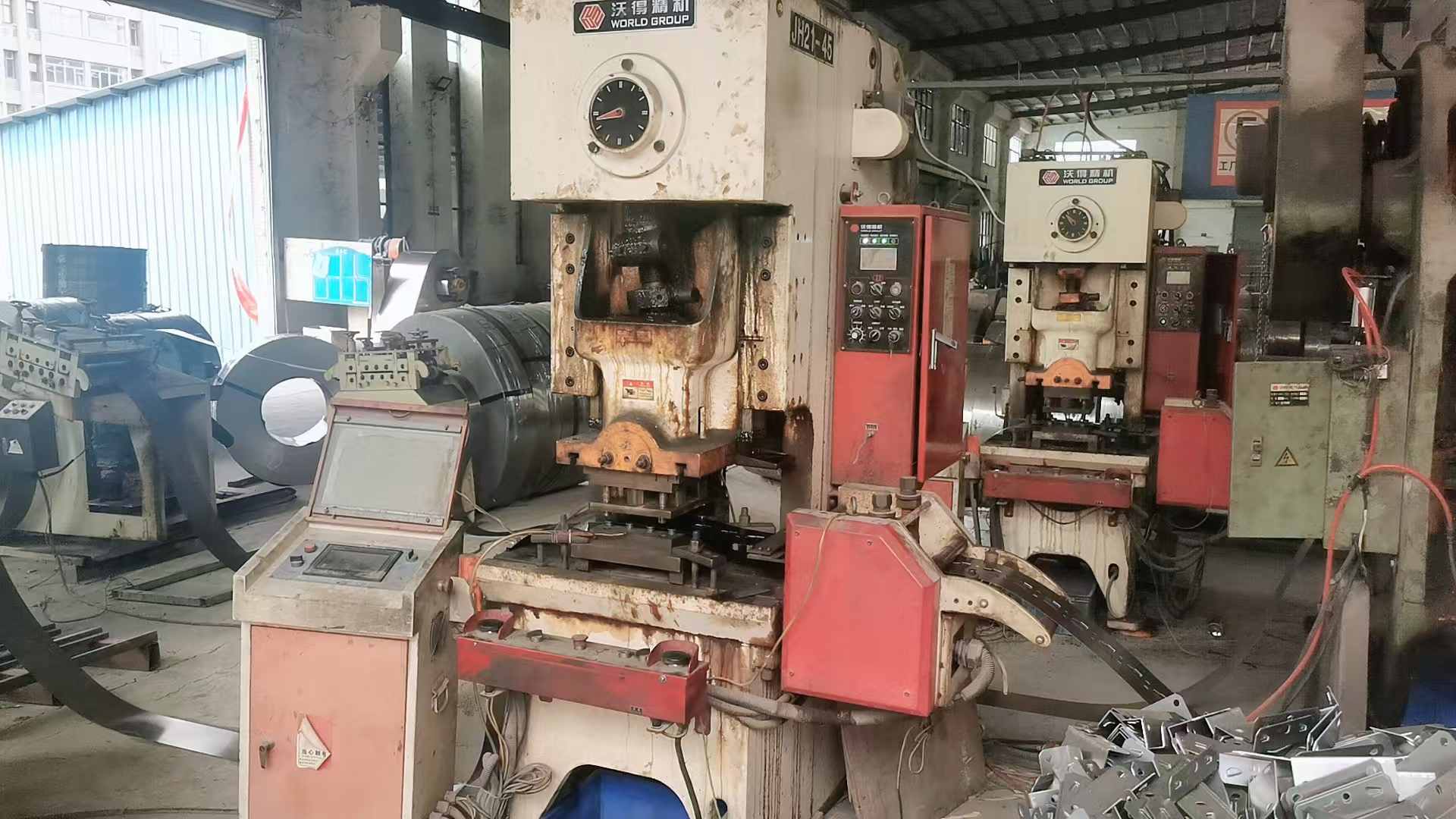
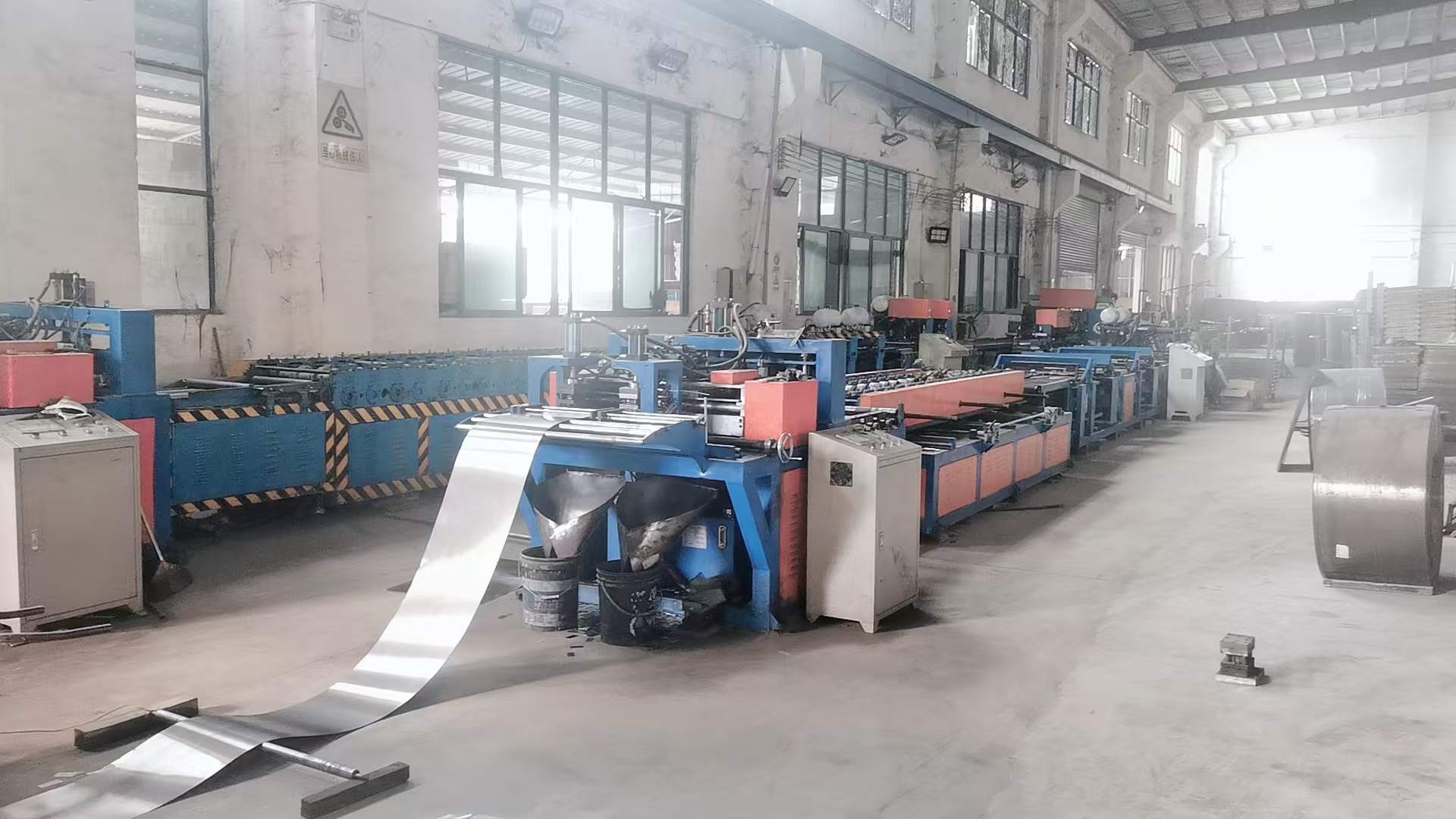
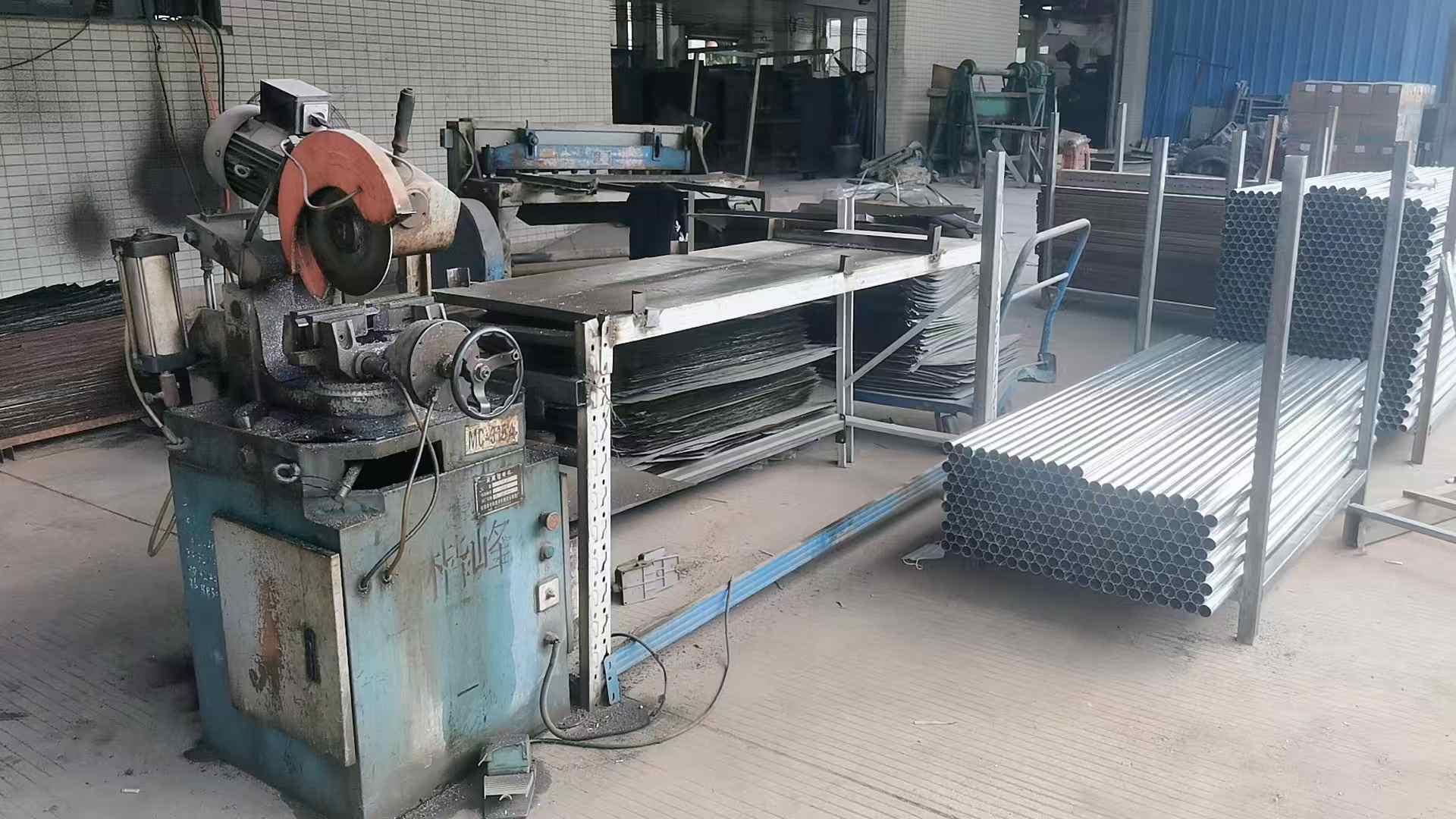
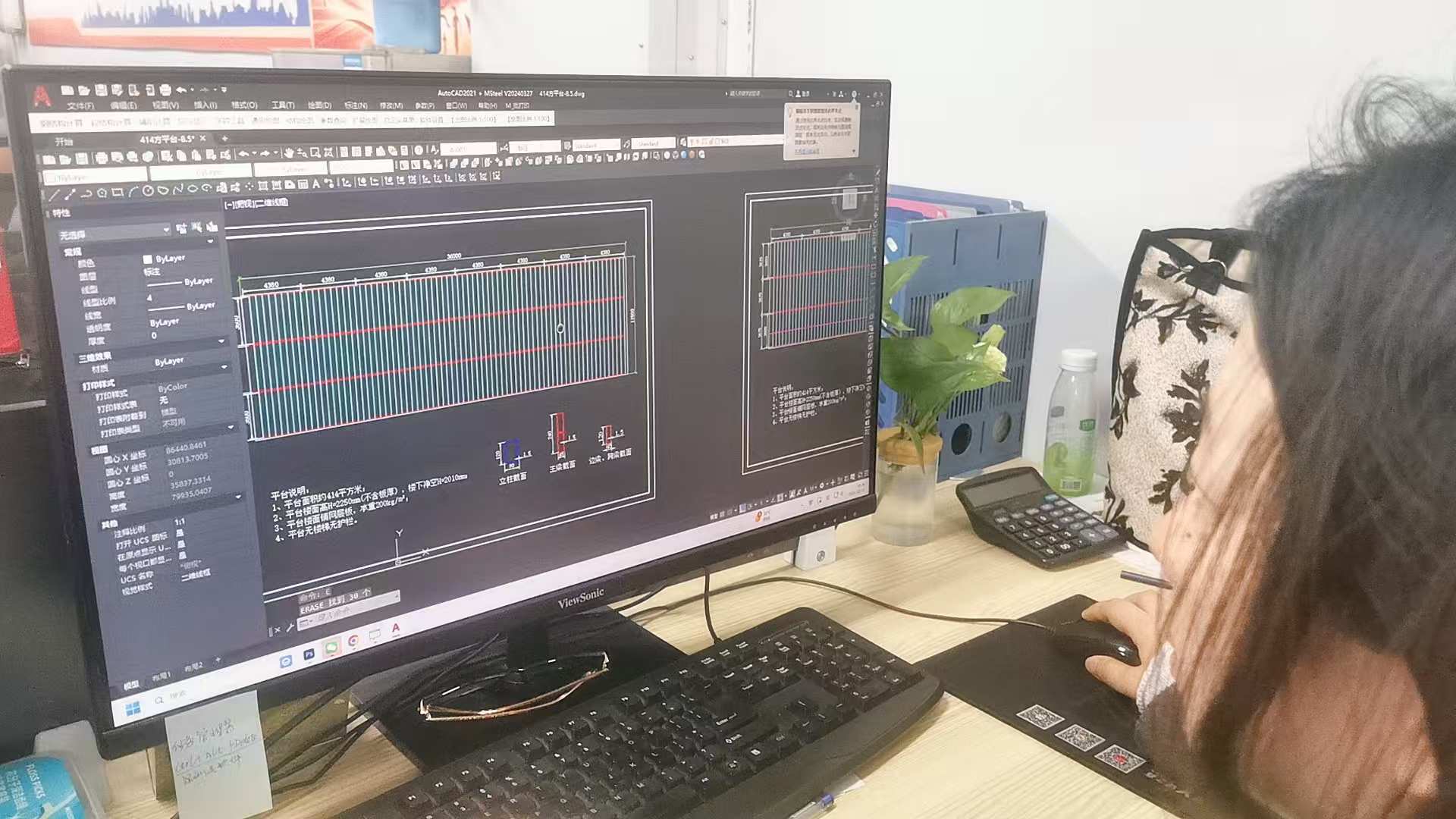
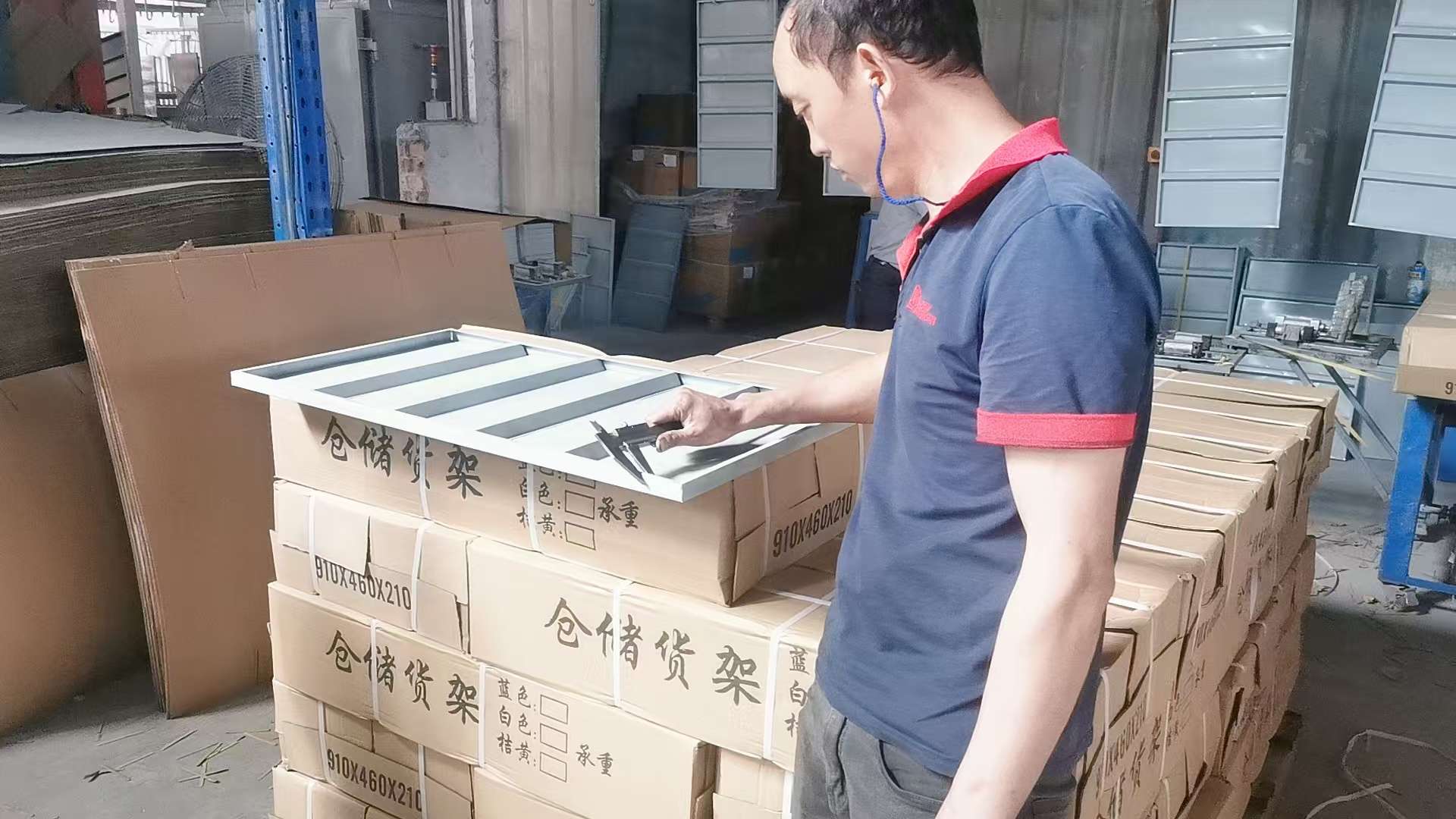
Continuous manufacturing inspection against engineering tolerances.
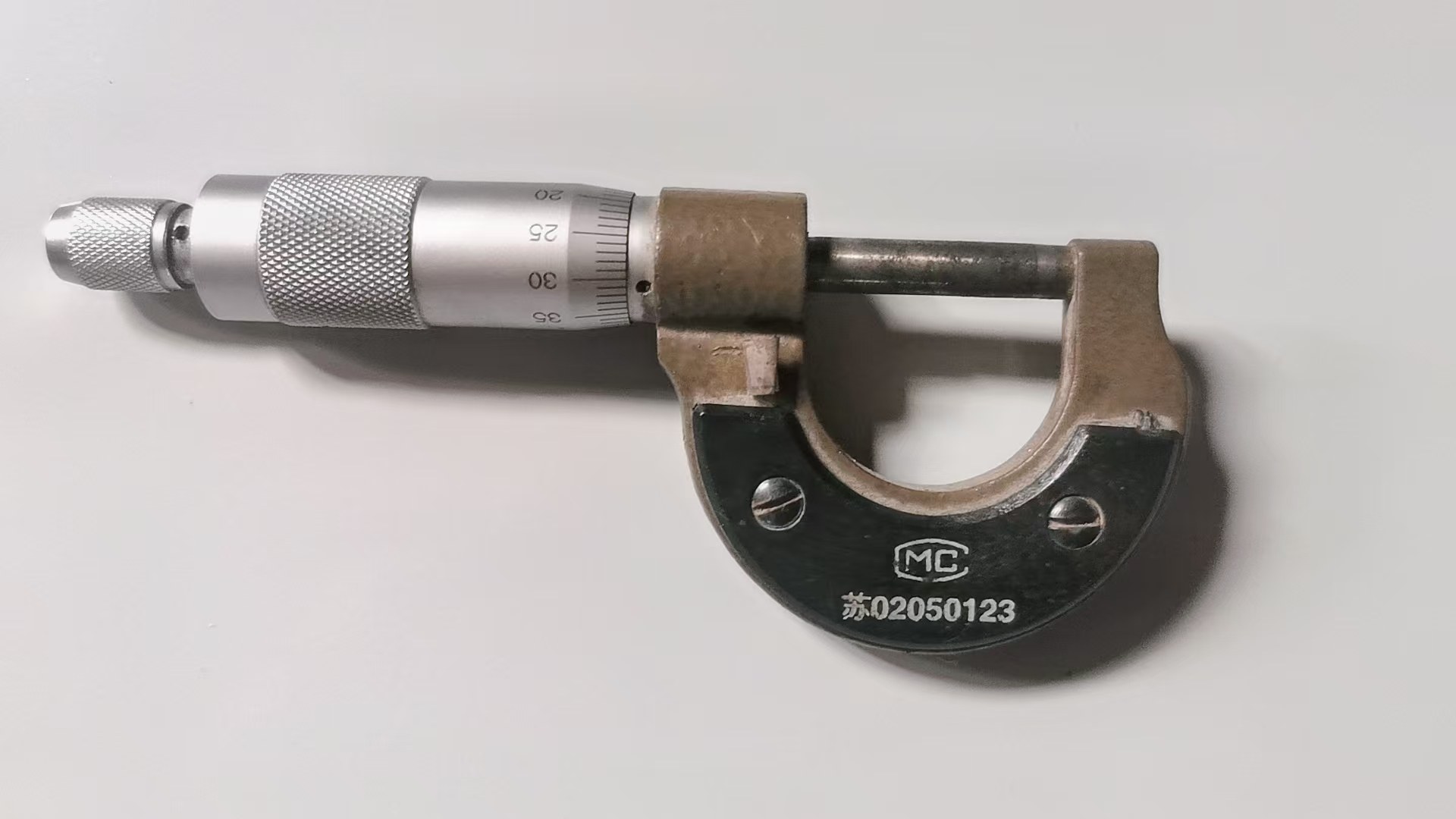
Ensuring material thickness matches structural safety specifications.
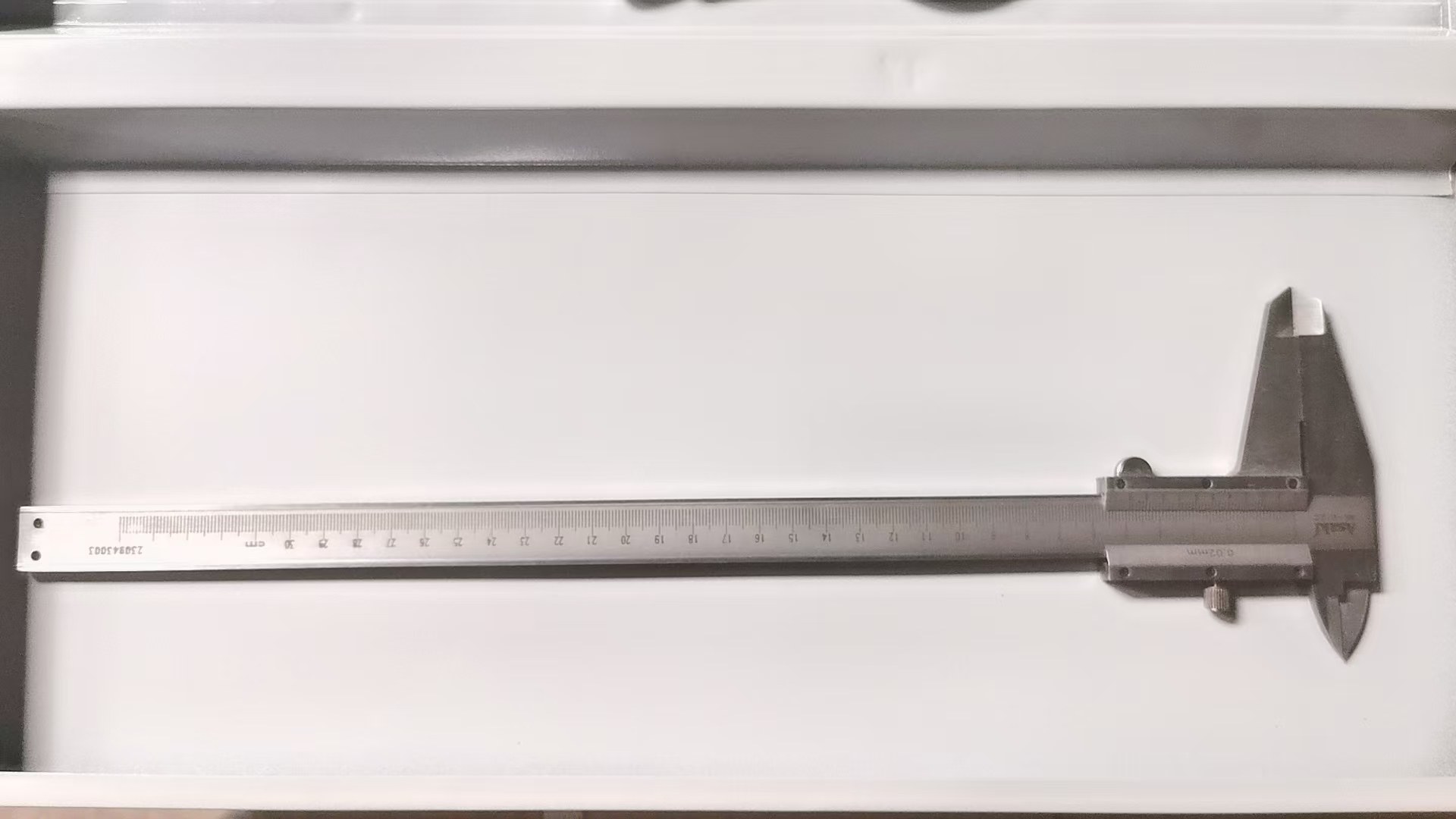
Checking pitch distances and structural punch sizes for precision assembly.
Standard drive-in systems are increasingly adapted into semi-automated Pallet Shuttle Systems. Racks are built to allow robotic shuttles to travel within the lanes, replacing forklifts inside the structure to minimize frame impact and speed up operations.
Because forklifts enter the racking structure directly, impact prevention is critical. Global systems now integrate heavy-duty floor-mounted guide rails, column guards, and visual alignment markers as baseline safety requirements.
With cold storage usage rising, demand for galvanized and specialized electrostatic powder-coated finishes has grown. These finishes resist temperature changes and moisture without cracking or peeling.
Drive-in racking systems are utilized in environments where space is at a premium and throughput is based on a LIFO (Last-In, First-Out) flow.
Energy costs in refrigerated warehouses make space optimization highly critical. Because drive-in racking minimizes open space, it maximizes cold air containment and reduces thermal loss.
For high-volume distribution centers processing uniform SKUs (such as beverages or packaged food products), LIFO storage allows quick block-loading and staging.
| Racking Attribute | Selective Pallet Racking | Drive-In Racking System | Pallet Shuttle (Semi-Automated) |
|---|---|---|---|
| Storage Density | Low to Medium (Aisle space-intensive) | High (Up to 75% increase) | Very High (Max depth potential) |
| Inventory Flow | FIFO (First-In, First-Out) | LIFO (Last-In, First-Out) | FIFO or LIFO compliant |
| Forklift Access Requirement | Requires individual access aisles | Forklift enters directly into bays | Shuttle cart runs within lanes |
| Safety Risk Profile | Minimal structural interaction | Higher risk of forklift contact | Low risk (forklift stays in aisle) |
| Optimal SKU Profile | High variety, low volume per SKU | Low variety, high volume per SKU | Low variety, high volume per SKU |
Verify that your manufacturer provides calculations based on regional requirements (e.g., ANSI/RMI MH16.1 in North America, EN 15512 in Europe, AS 4084 in Australia). This ensures structural calculations account for dead, live, wind, and seismic loads.
Request mill test certificates verifying structural steel grades (such as Q235B or Q355B). Structural performance under load relies on consistent steel composition, particularly in uprights and load-bearing beams.
Ensure components undergo physical compression and deflection testing. Dongguan Hui Lian conducts load capacity verification on finished structures, certifying margins of safety for specified pallet weights.
 Hui Lian