Engineered to withstand extreme thermal stresses, heavy dynamic loads, and stringent structural safety protocols.
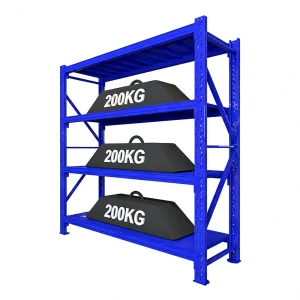
Understanding the critical demand for specialized industrial racking under sub-zero logistics operations.
Structural steel must resist low-temperature embrittlement. Standard carbon steels lose ductility and risk brittle fracture at sub-zero temperatures. Racking must utilize specialized steel chemistry (e.g., impact-tested Q355D or low-temperature grade structural steels).
Cold storage space runs up to 3x higher in utility costs than dry storage. Integrating high-density systems like Drive-in, Shuttle, or Mobile Pallet racks is crucial to eliminate unnecessary aisle space, reducing structural heat-loss loads.
Condensation occurs when air moves across temperature zones. Surface protection via continuous hot-dip galvanizing (ISO 1461 compliant) or specialized anti-corrosive powder coatings prevents oxidation and structural failure.
A comparative structural analysis of configurations commonly engineered for refrigerated warehouses.
| Racking Type | Volumetric Space Utilization | Selectivity Performance | Suitable Storage Temp. Range | Handling Speed & Logistics Flow | Operational Investment Level |
|---|---|---|---|---|---|
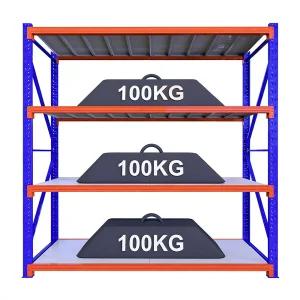
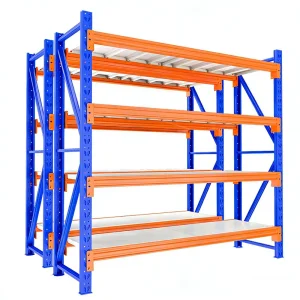
| Selective Pallet Racking | Low (~40-50%) | 100% (Immediate Access) | Ambient down to -30°C | High (Direct Forklift Handling) | Economy / Standard |
| Drive-In / Drive-Through | High (~65-75%) | Low (FILO / FIFO restriction) | -10°C to -35°C | Moderate (Slow entry speed) | Moderate |
| Radio Shuttle System | Ultra-High (~80-85%) | Moderate (Semi-automated) | -15°C to -40°C (High-density) | Fast (Autonomous Shuttle run) | Premium (High ROI) |
| Mobile Pallet Racking | Very High (~80%) | 100% (Dynamic Access) | -5°C to -30°C | Moderate (Aisle opening time) | High-End (Automation needed) |
| Push-Back Racking | Moderate-High (~60%) | Low (FILO structure) | 0°C to -25°C | Moderate (Gravity flow fed) | Moderate |
Established in 2016, Dongguan Hui Lian Intelligent Warehouse Equipment Co., Ltd. has developed into a recognized global specialist in manufacturing state-of-the-art heavy-duty storage racks and automated warehouse systems.
Operating from a facility spanning approximately 18,500㎡, the company integrates advanced manufacturing techniques, dedicated raw material selection, and rigorous engineering protocols to supply storage products globally. Achieving an annual export revenue of roughly US$18 million, Hui Lian leverage 8 years of export expertise and over 15 years of industry experience to deliver reliable storage systems for international clients.
Their product portfolio encompasses heavy-duty pallet racks, automated shuttle storage racks, structural mezzanines, cantilever systems, and tailor-made warehouse configurations. From cold chain logistics to industrial manufacturing warehouses, Hui Lian's designs are engineered to ensure structural stability and durability.
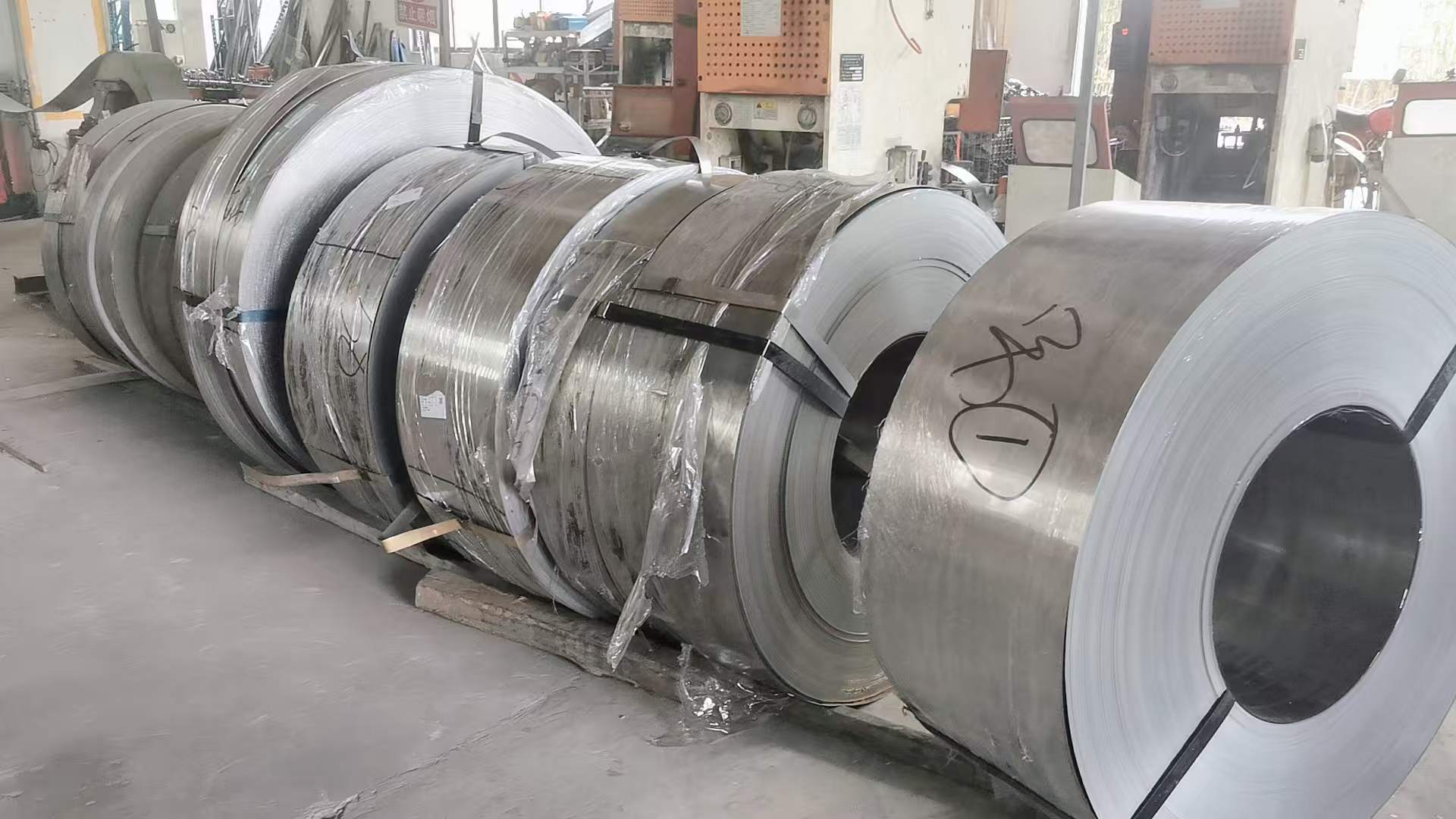
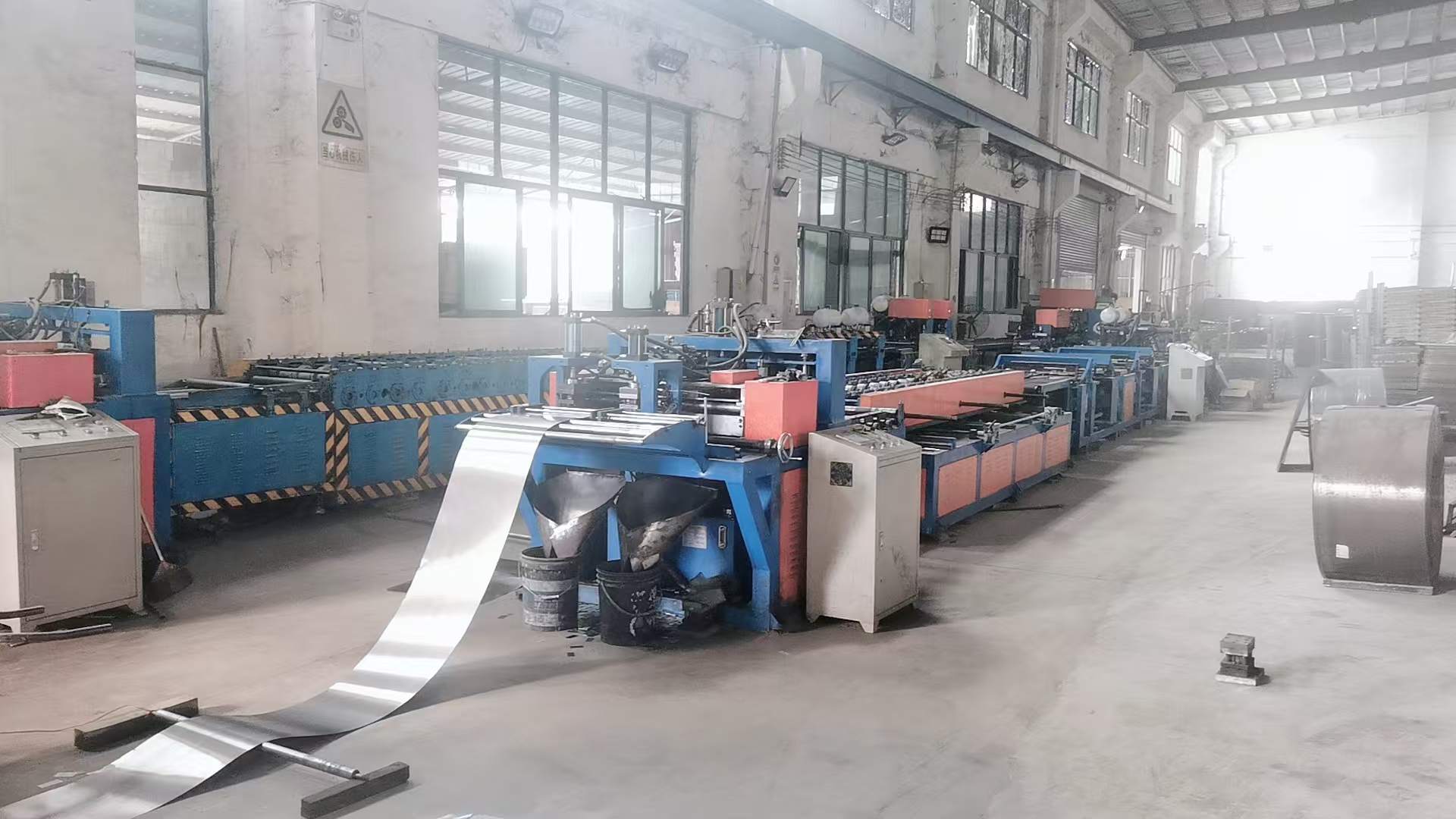
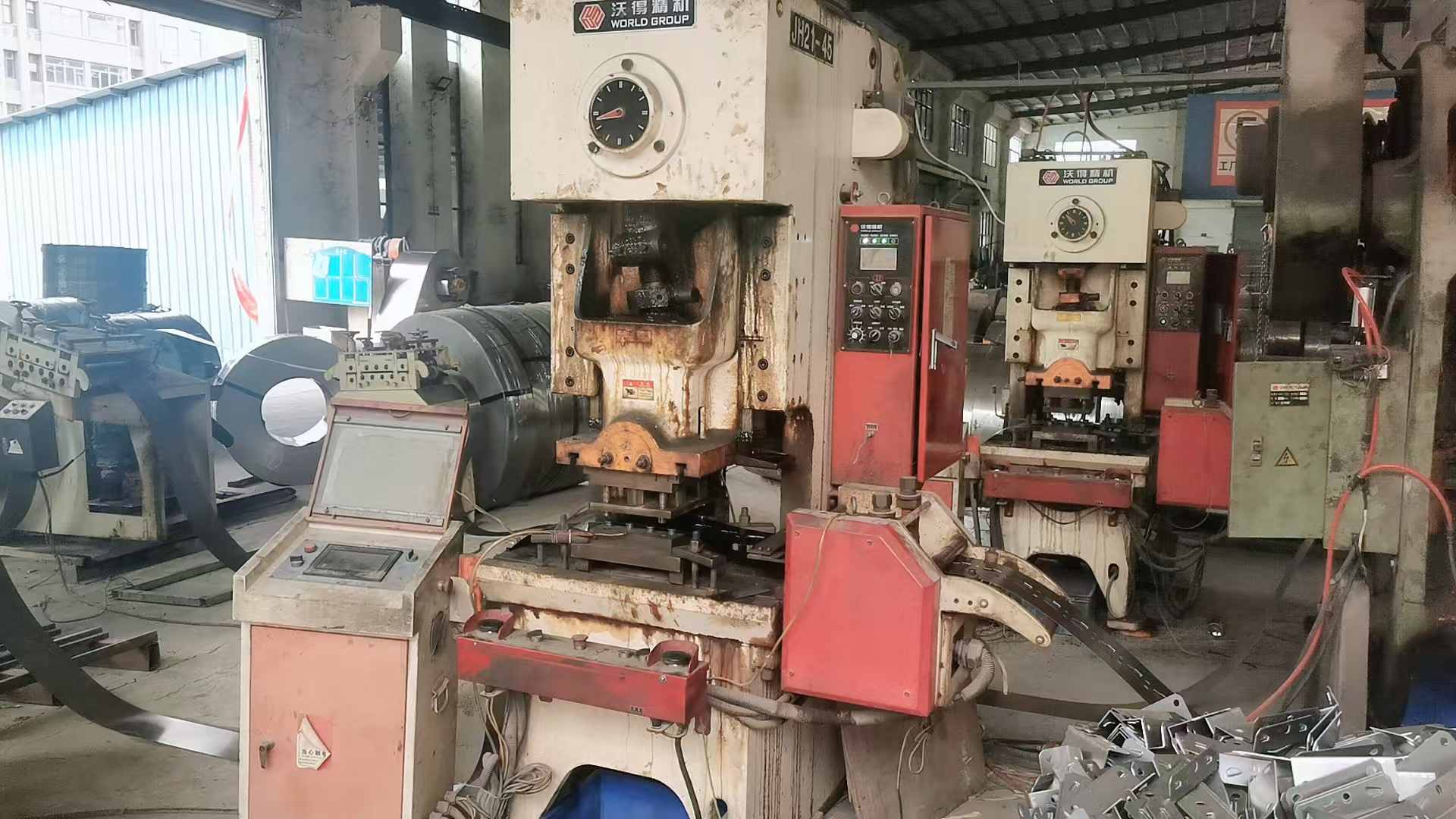
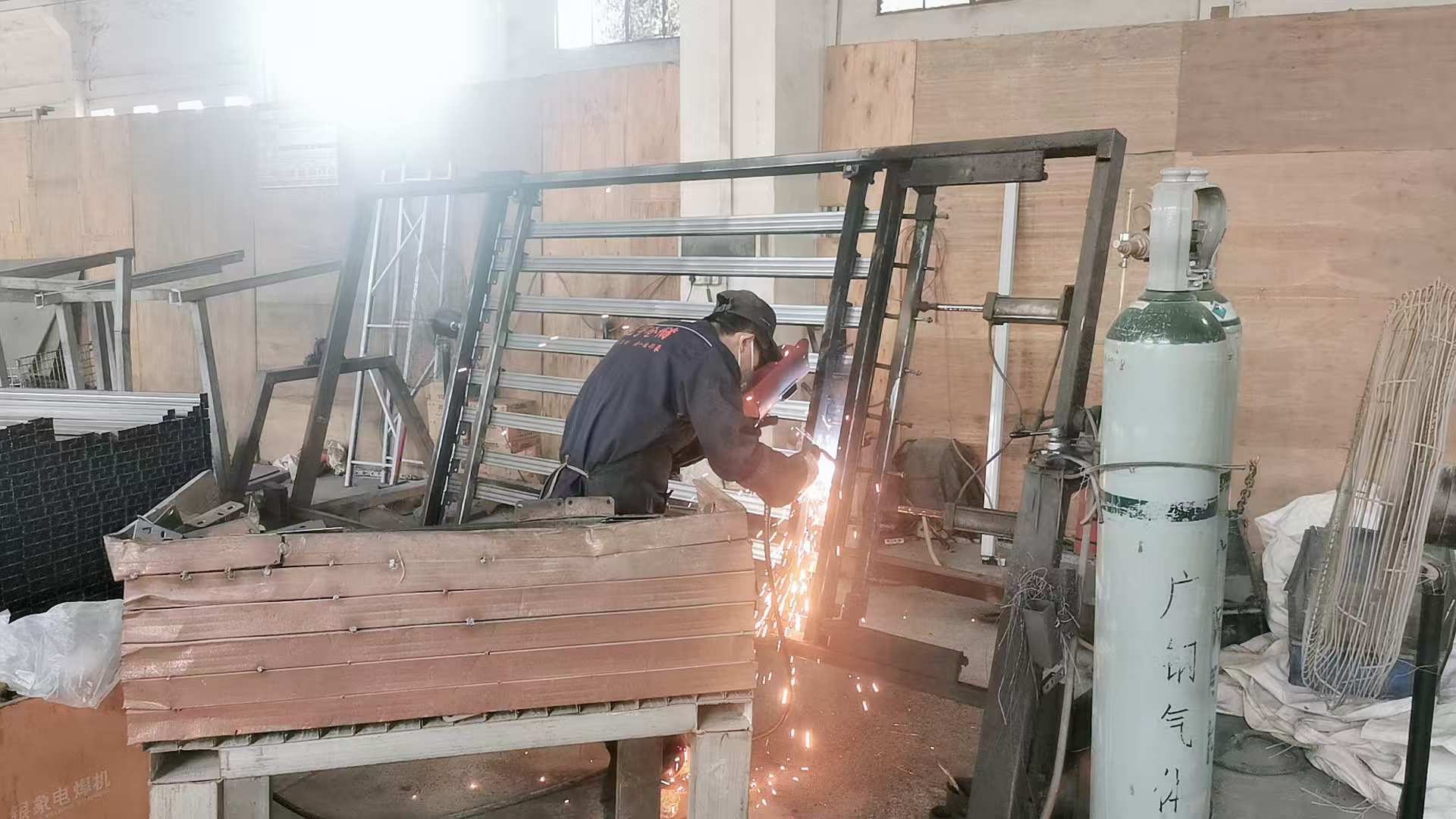
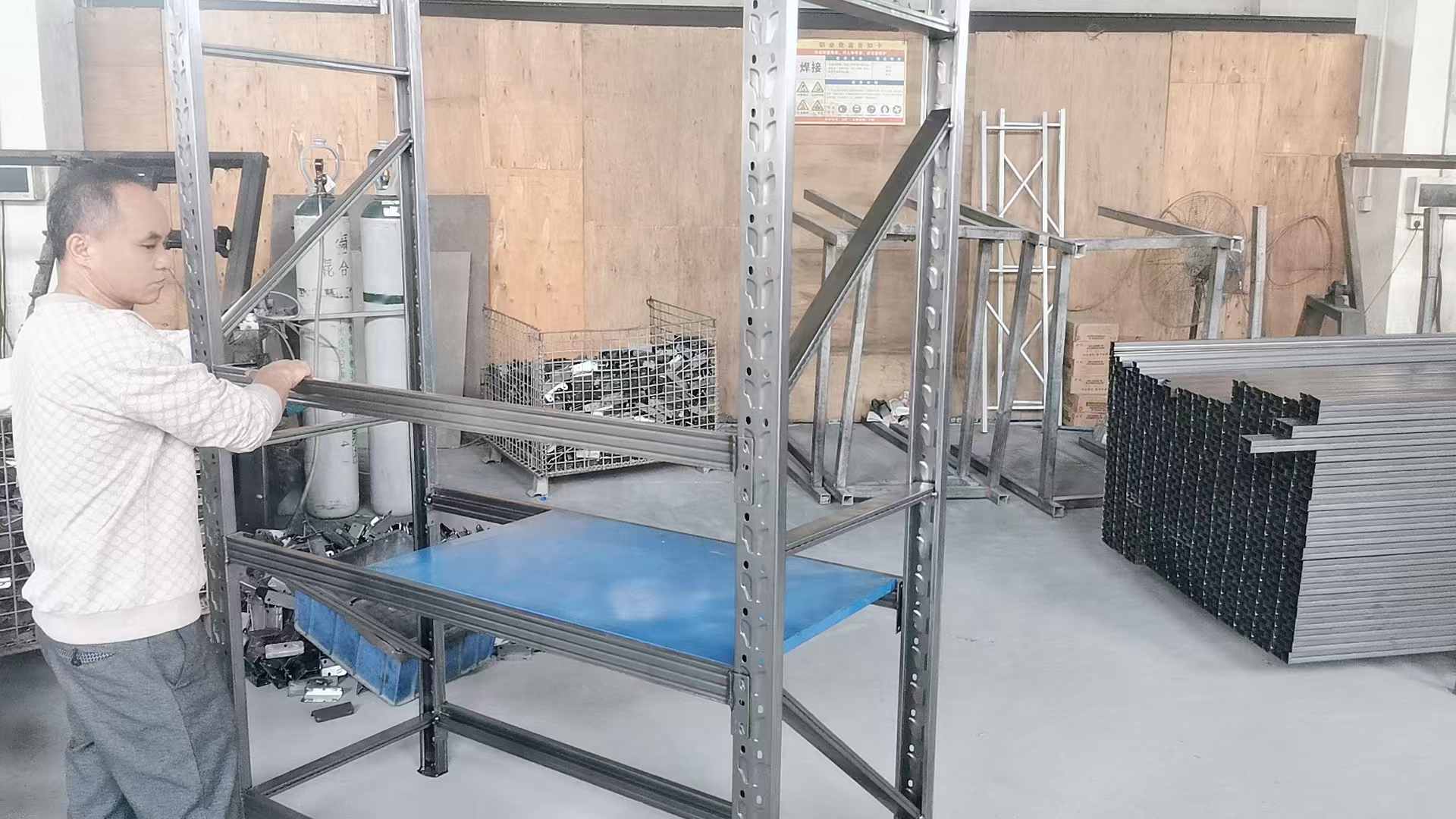
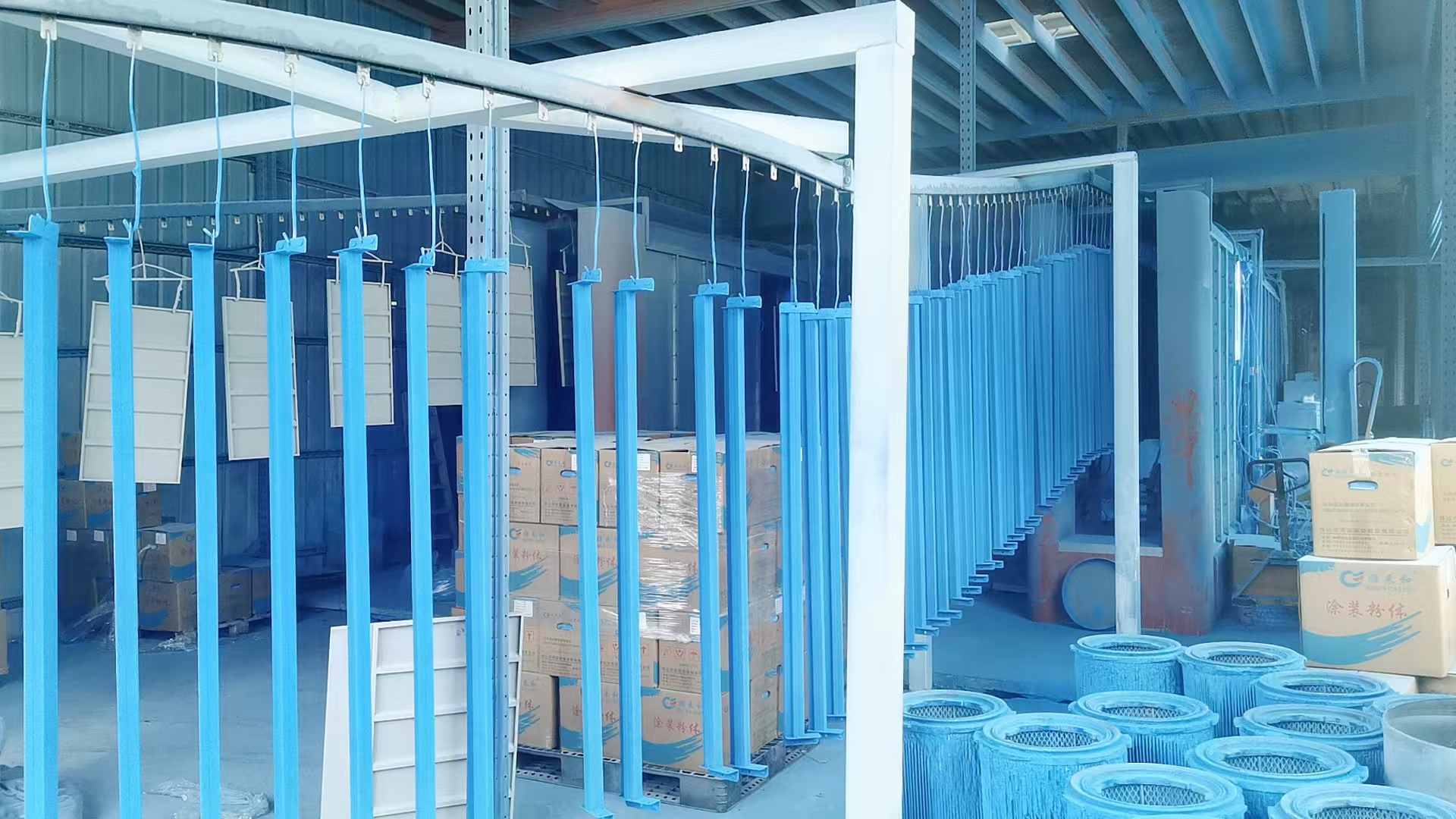
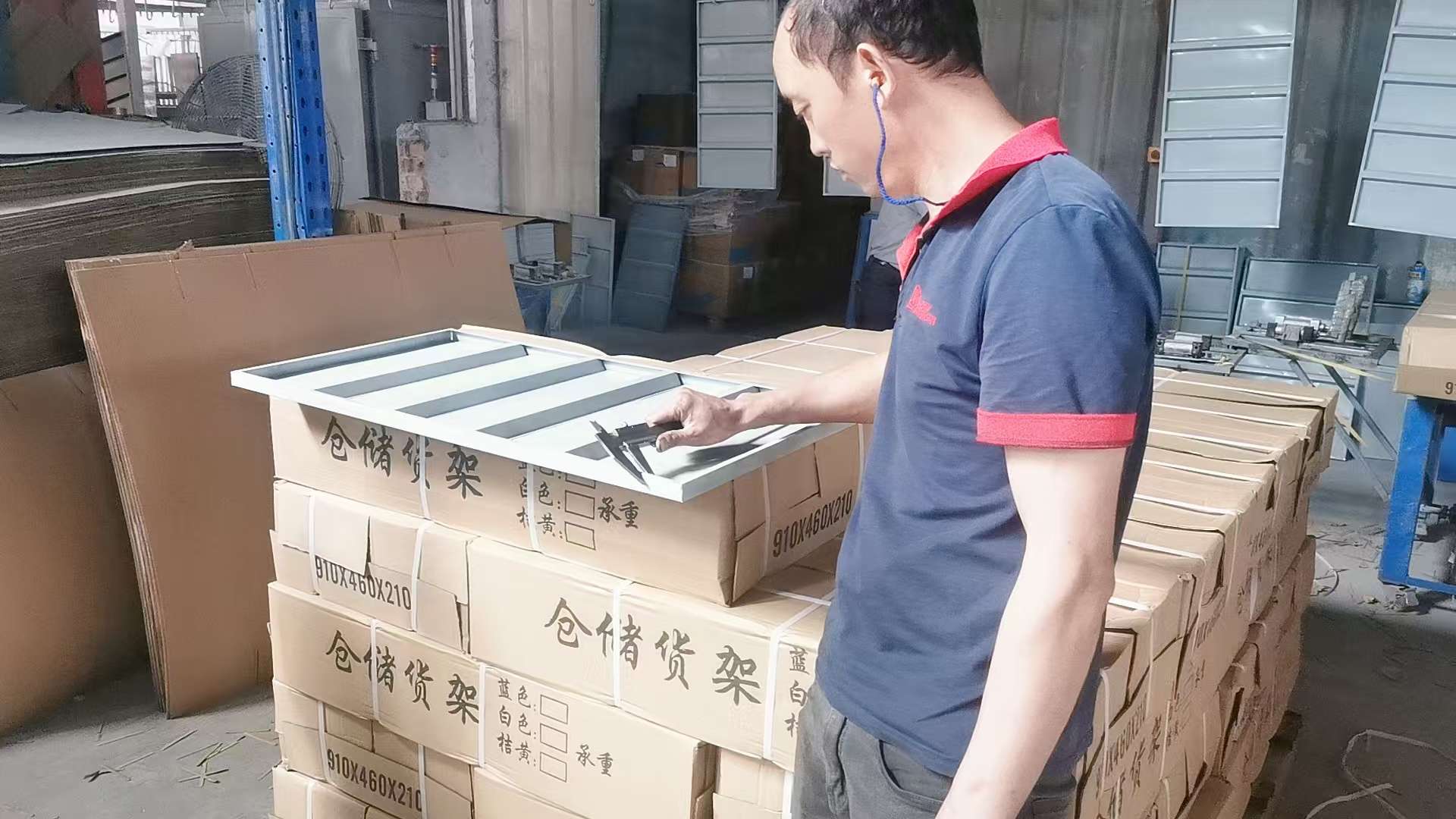
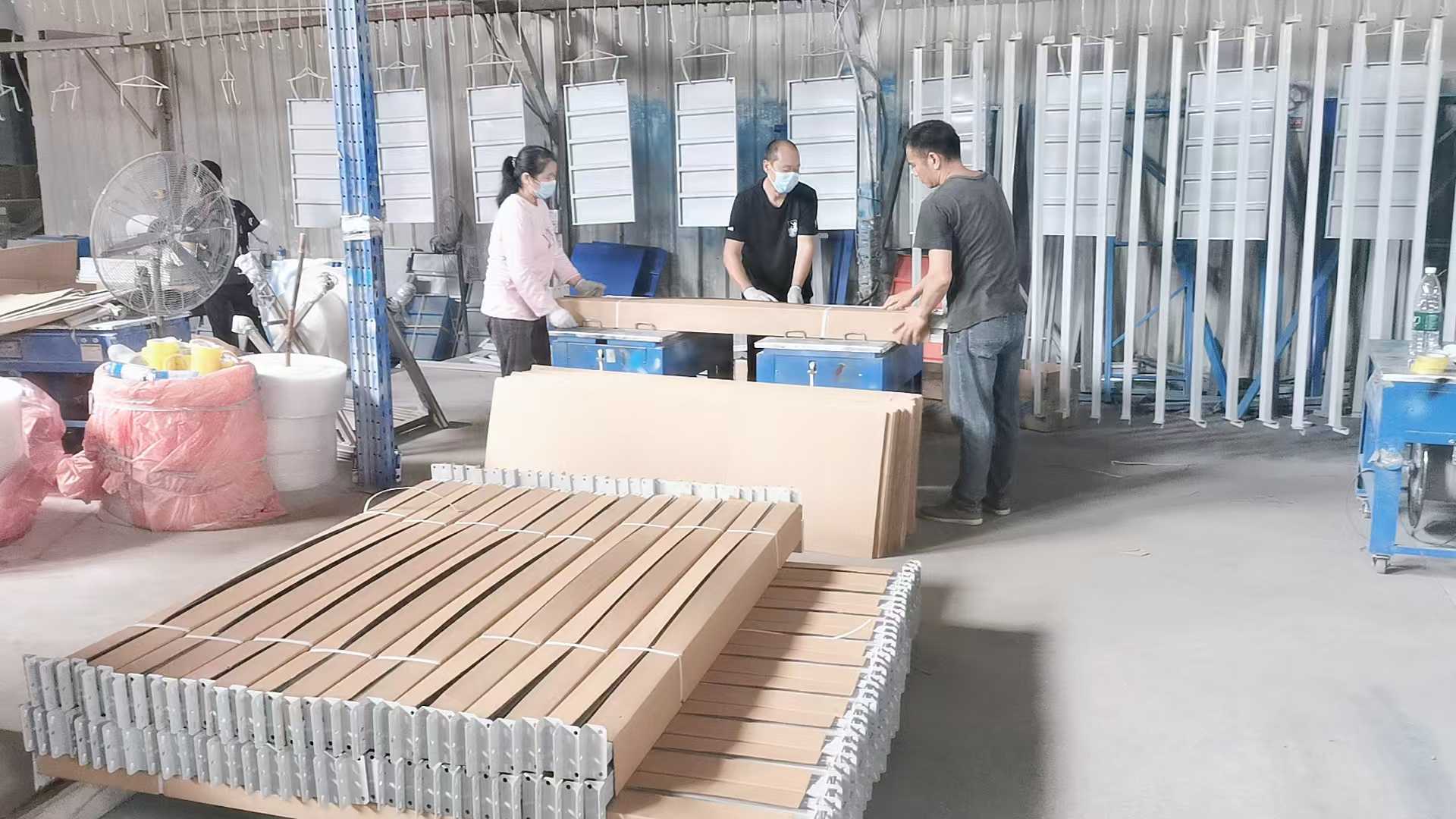
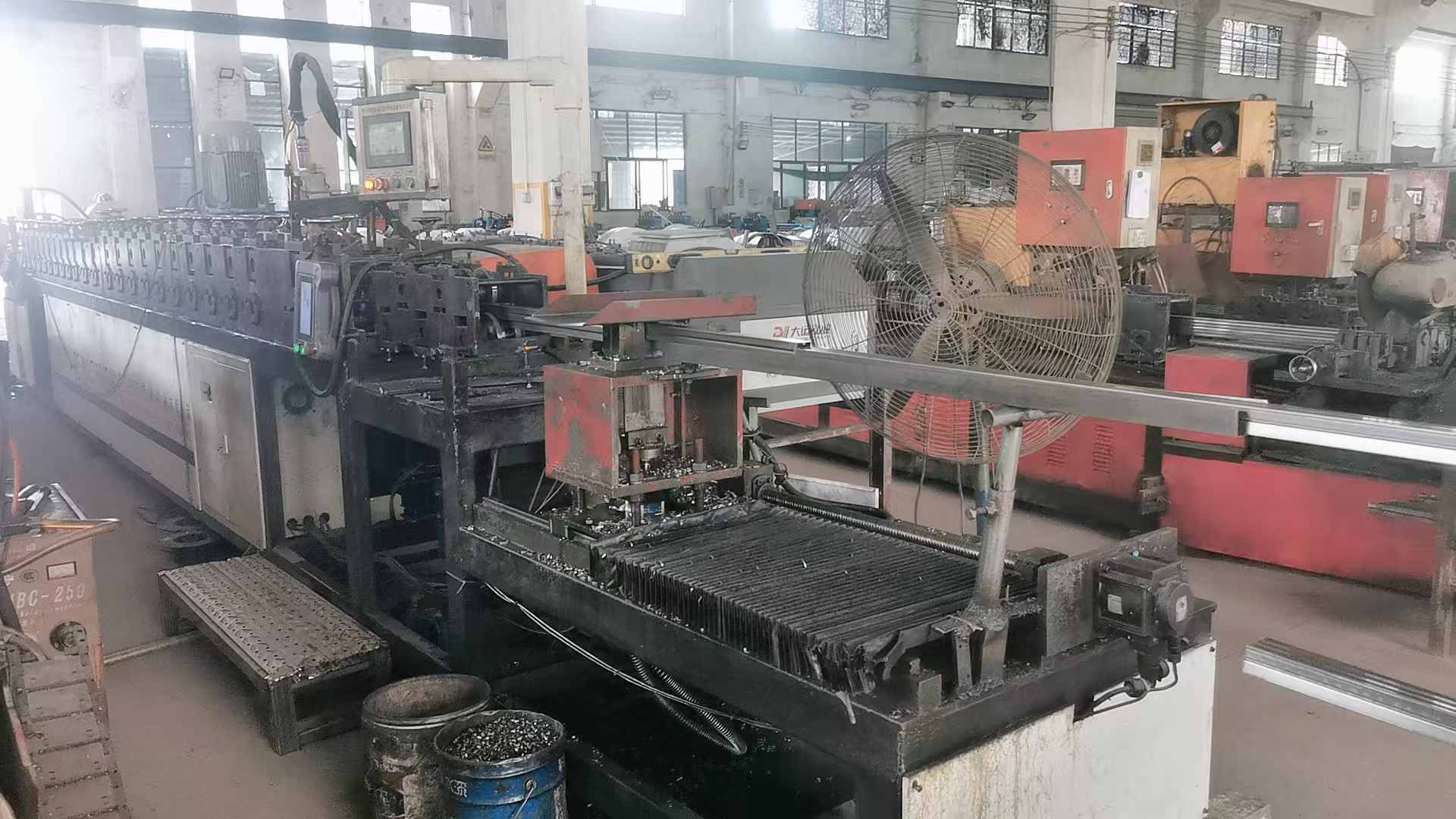
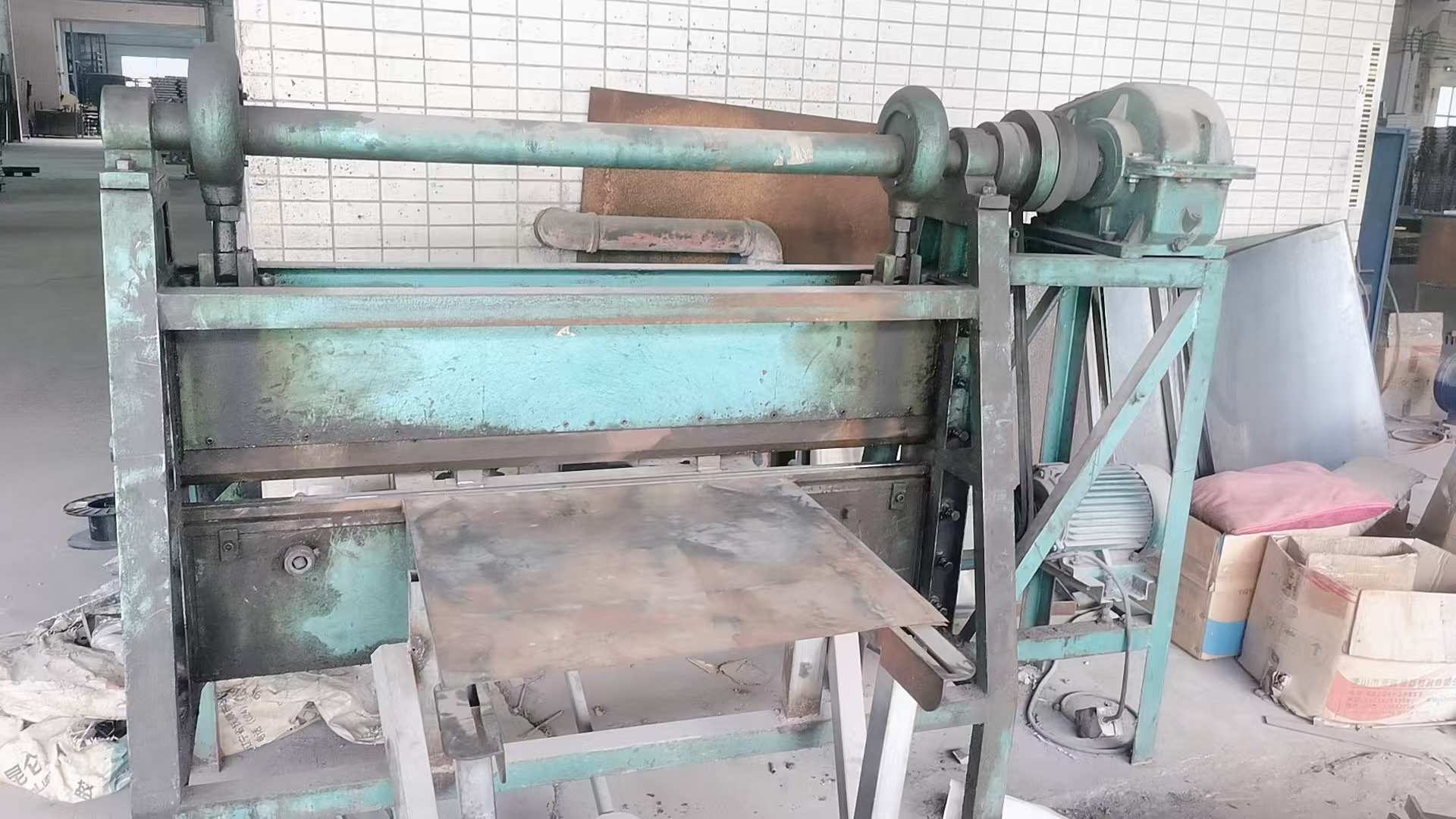
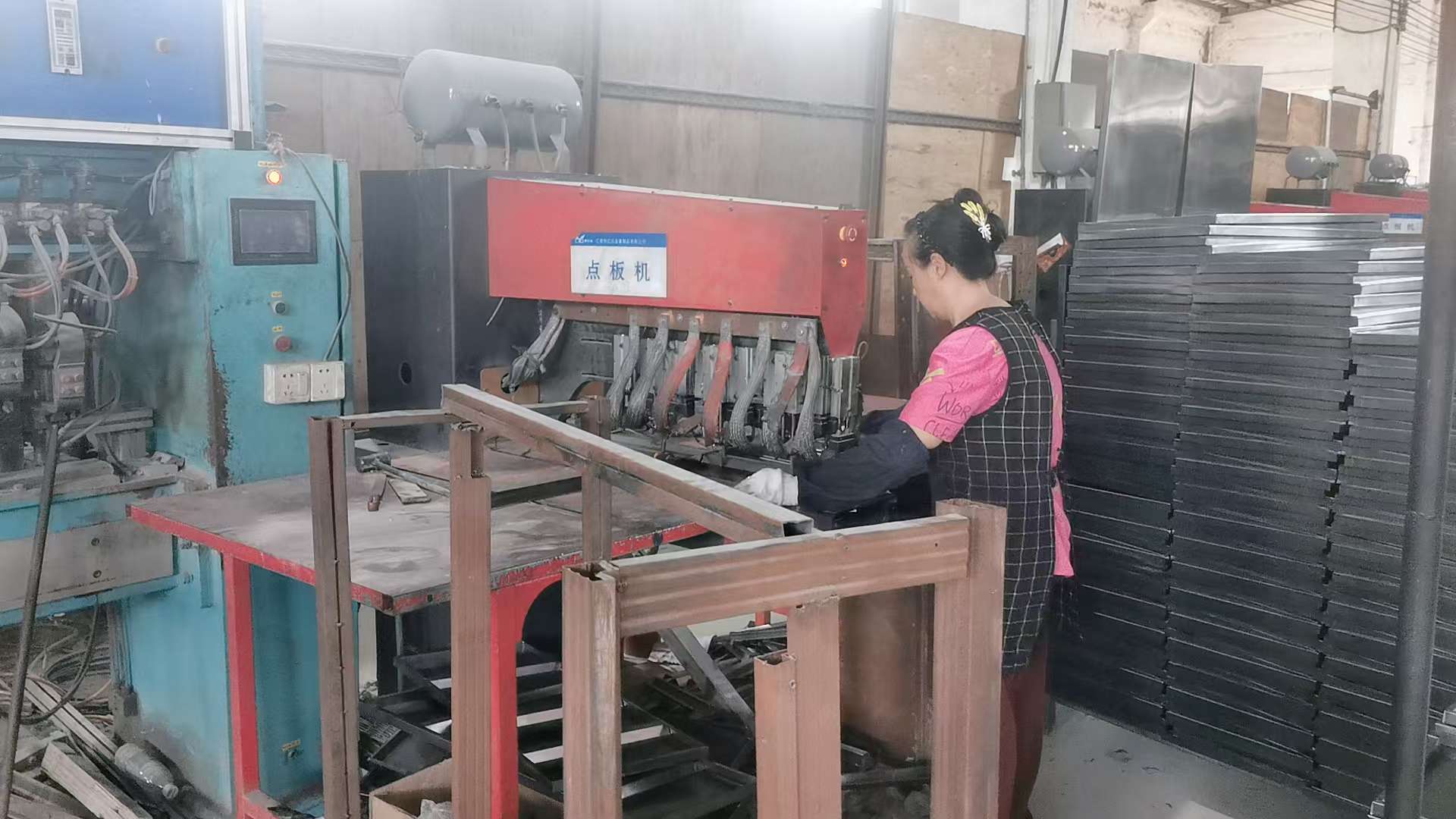
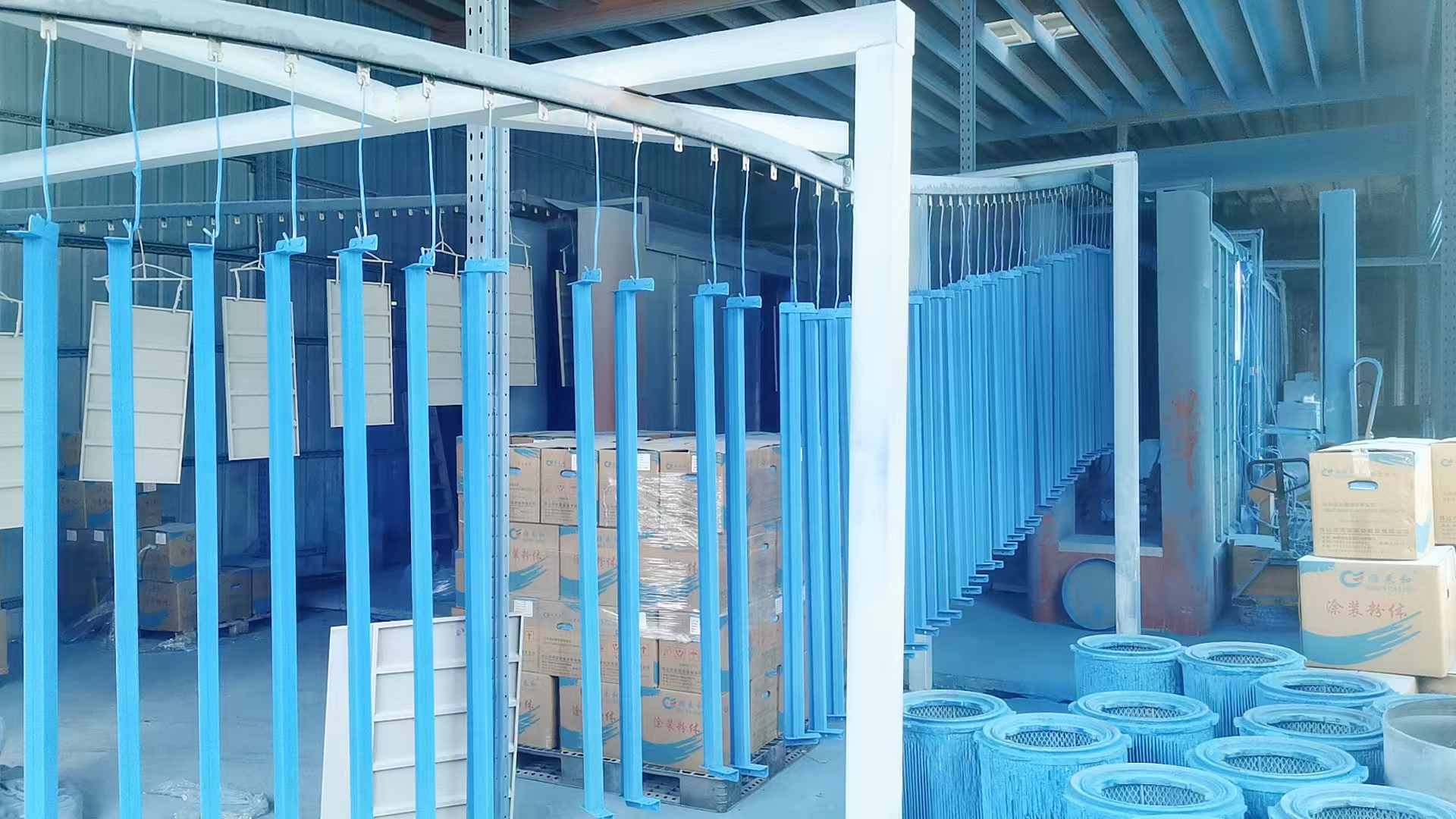
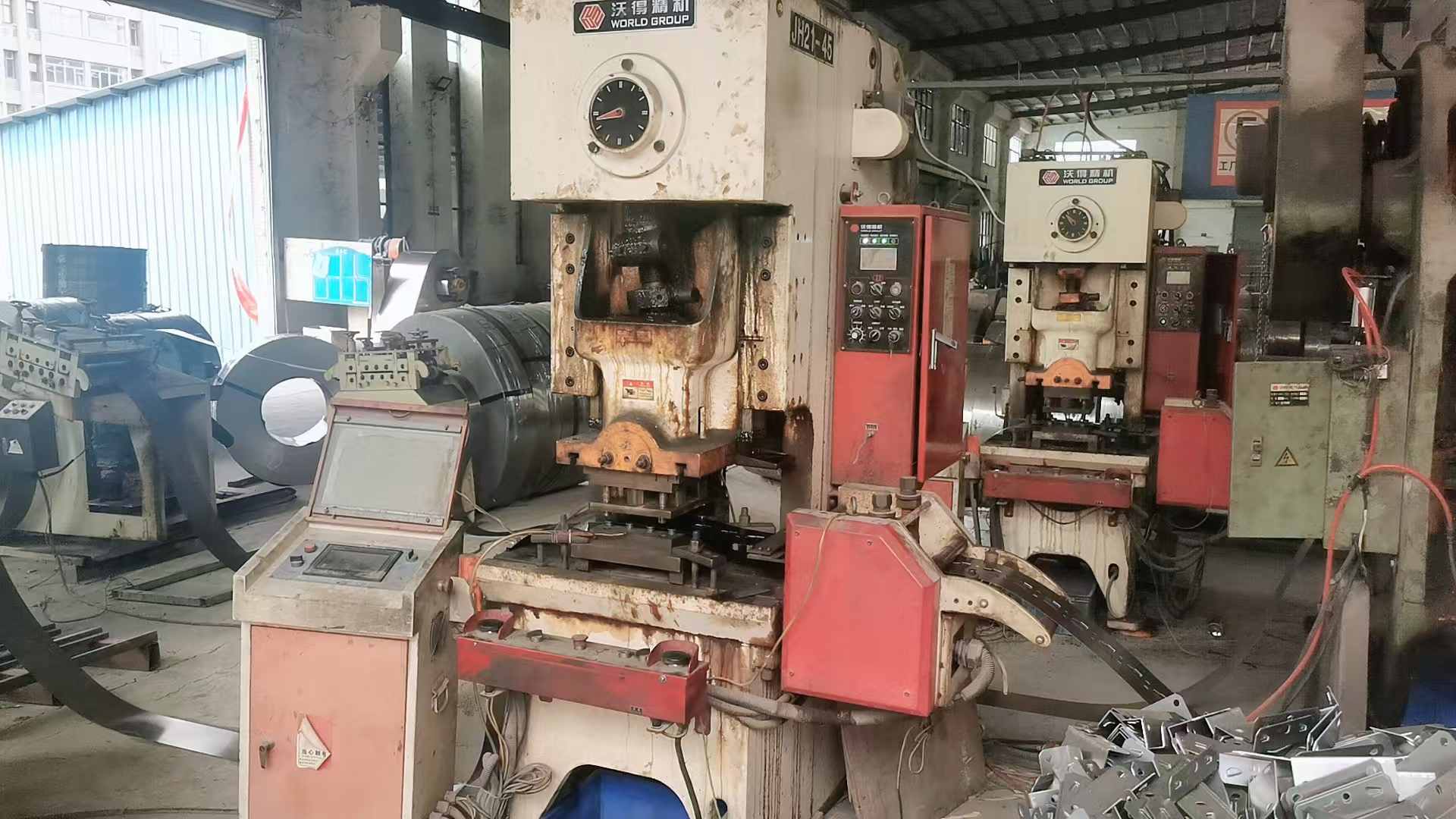
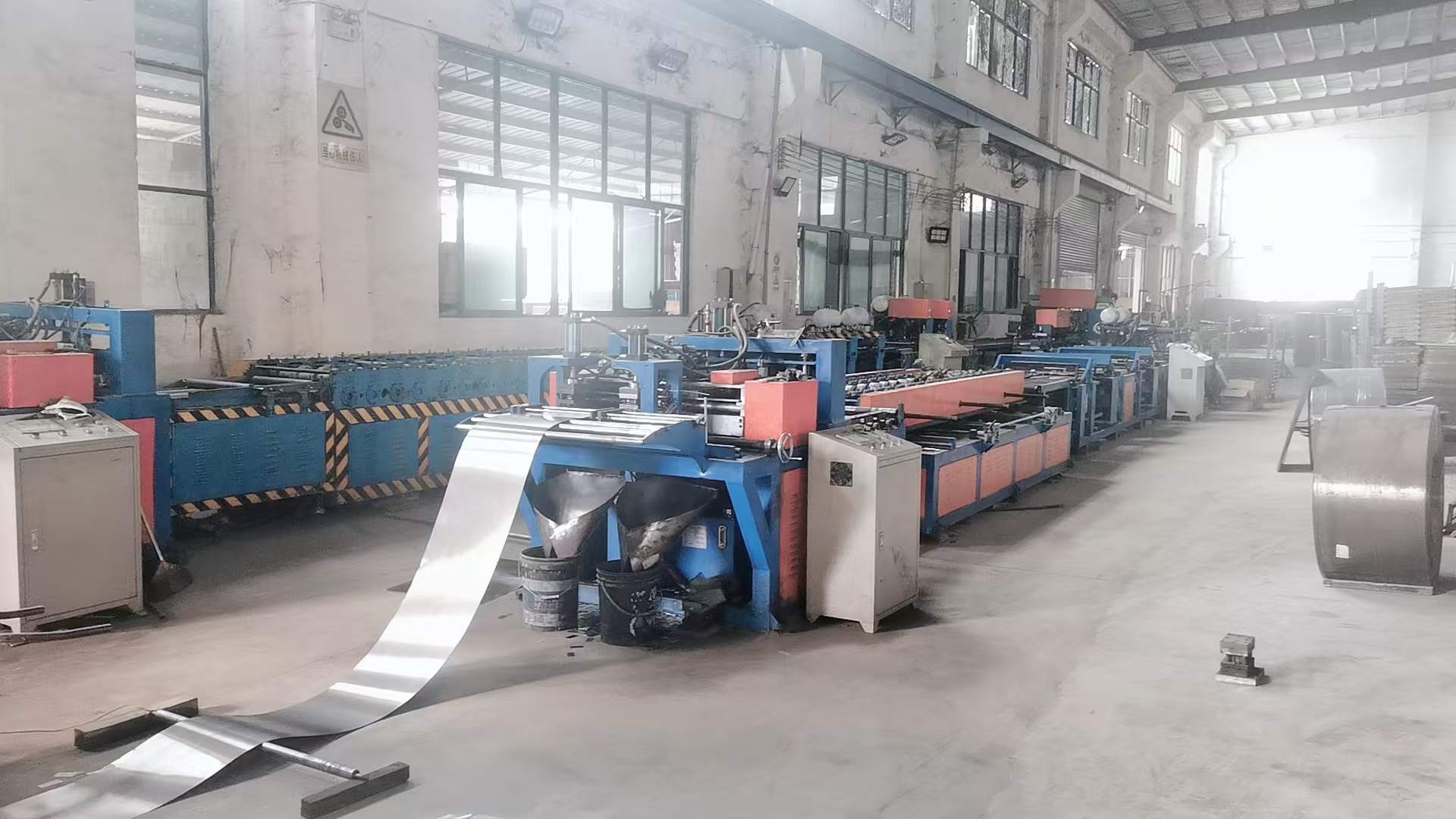
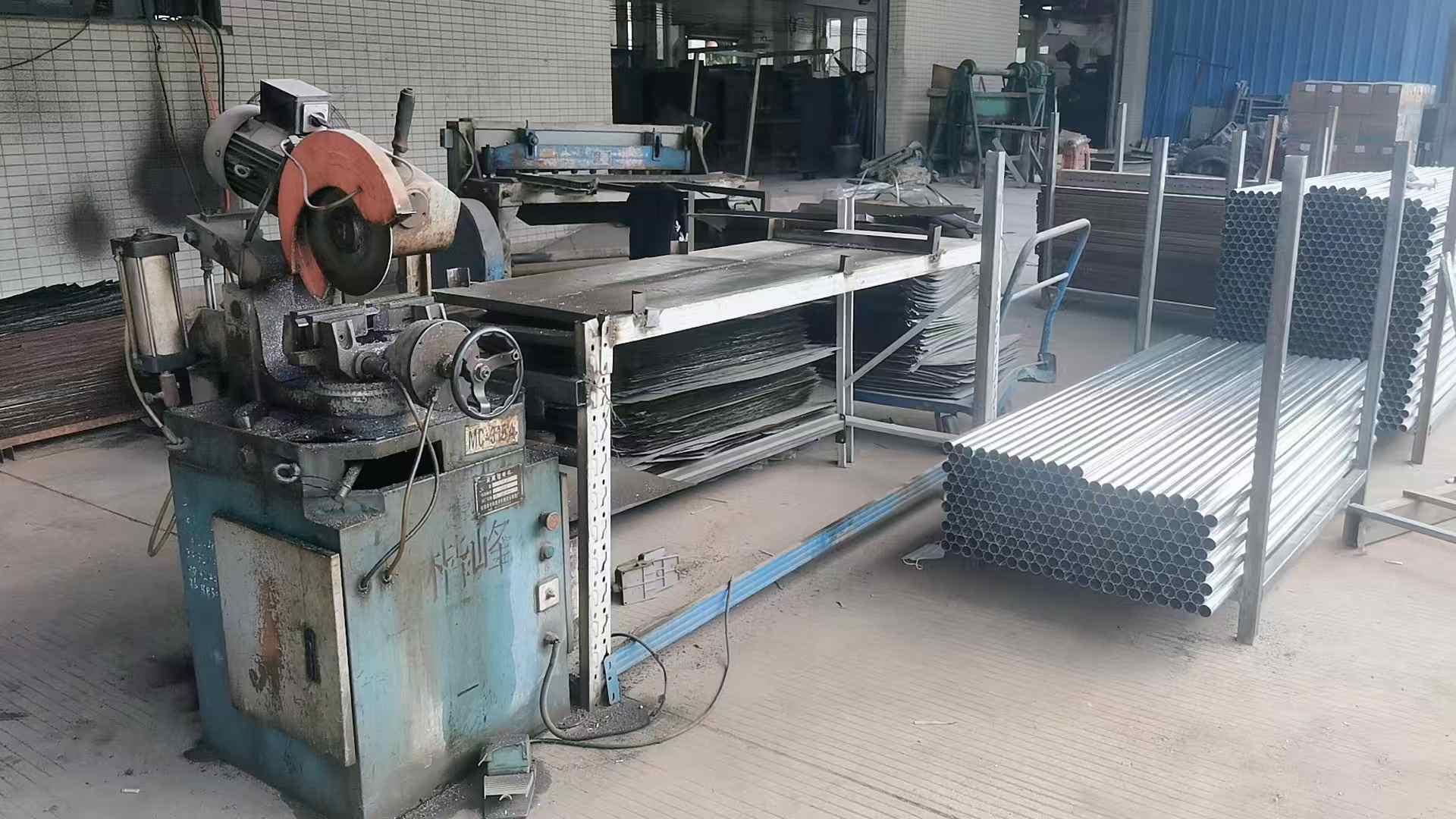
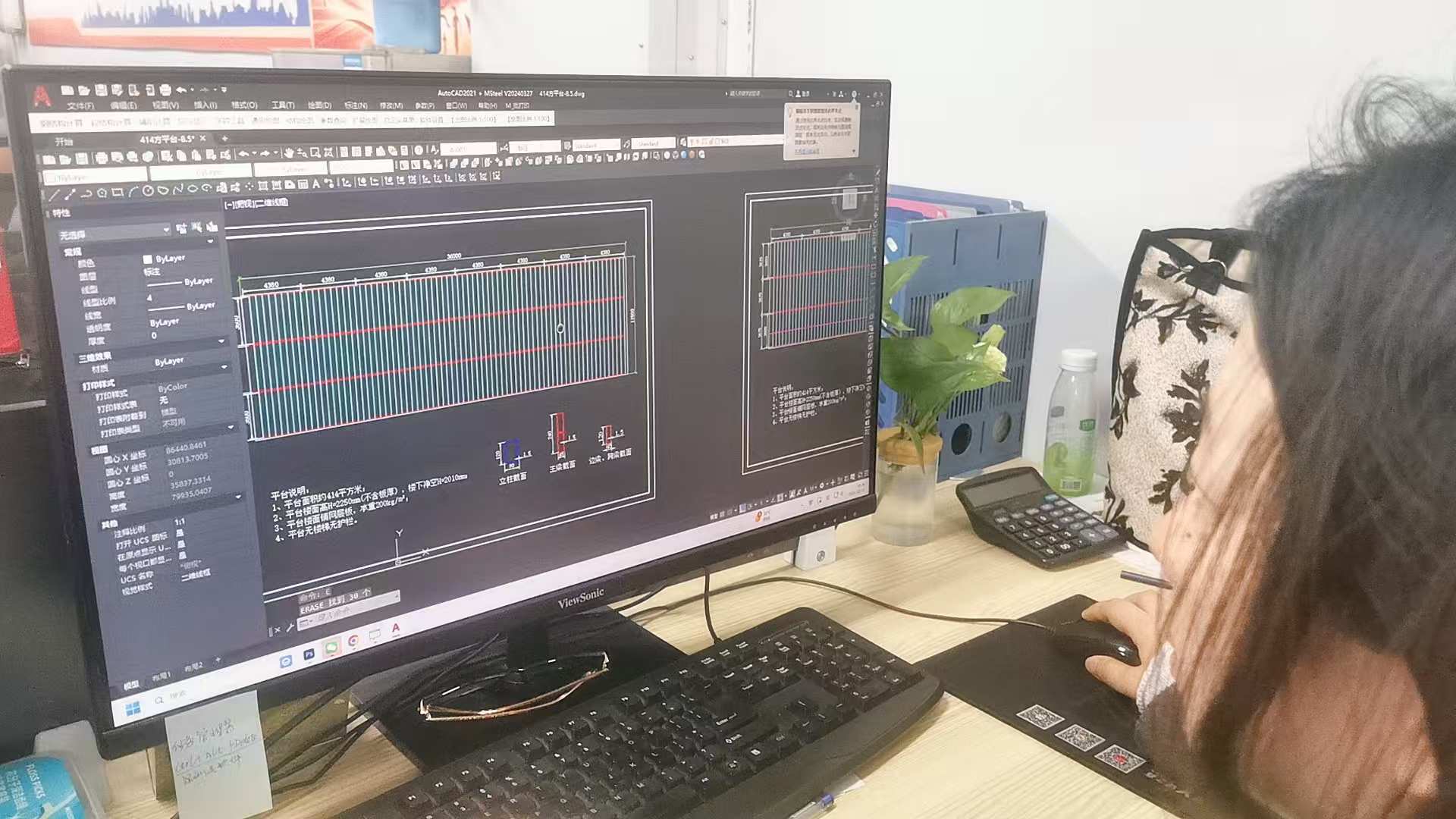
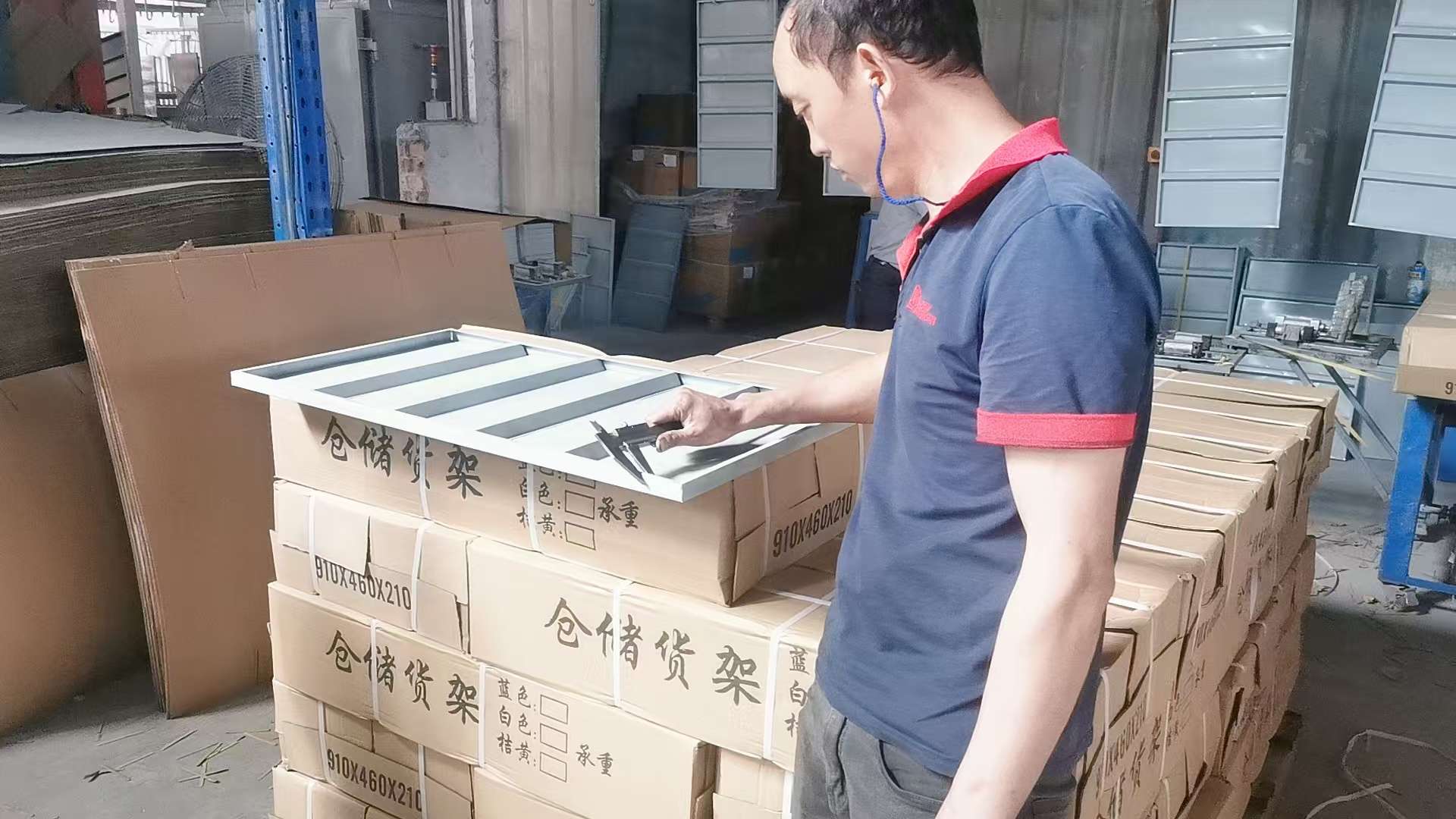
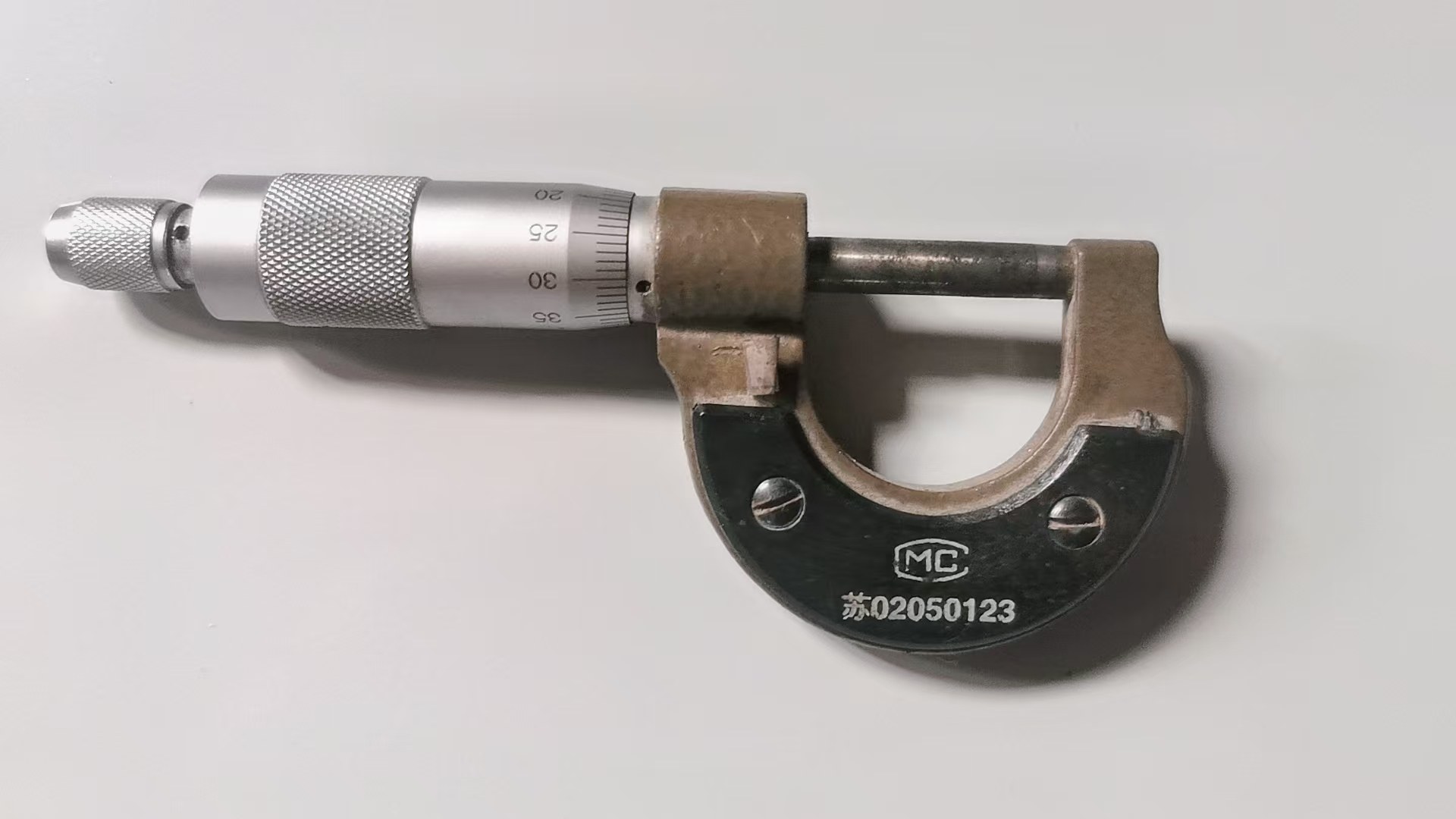
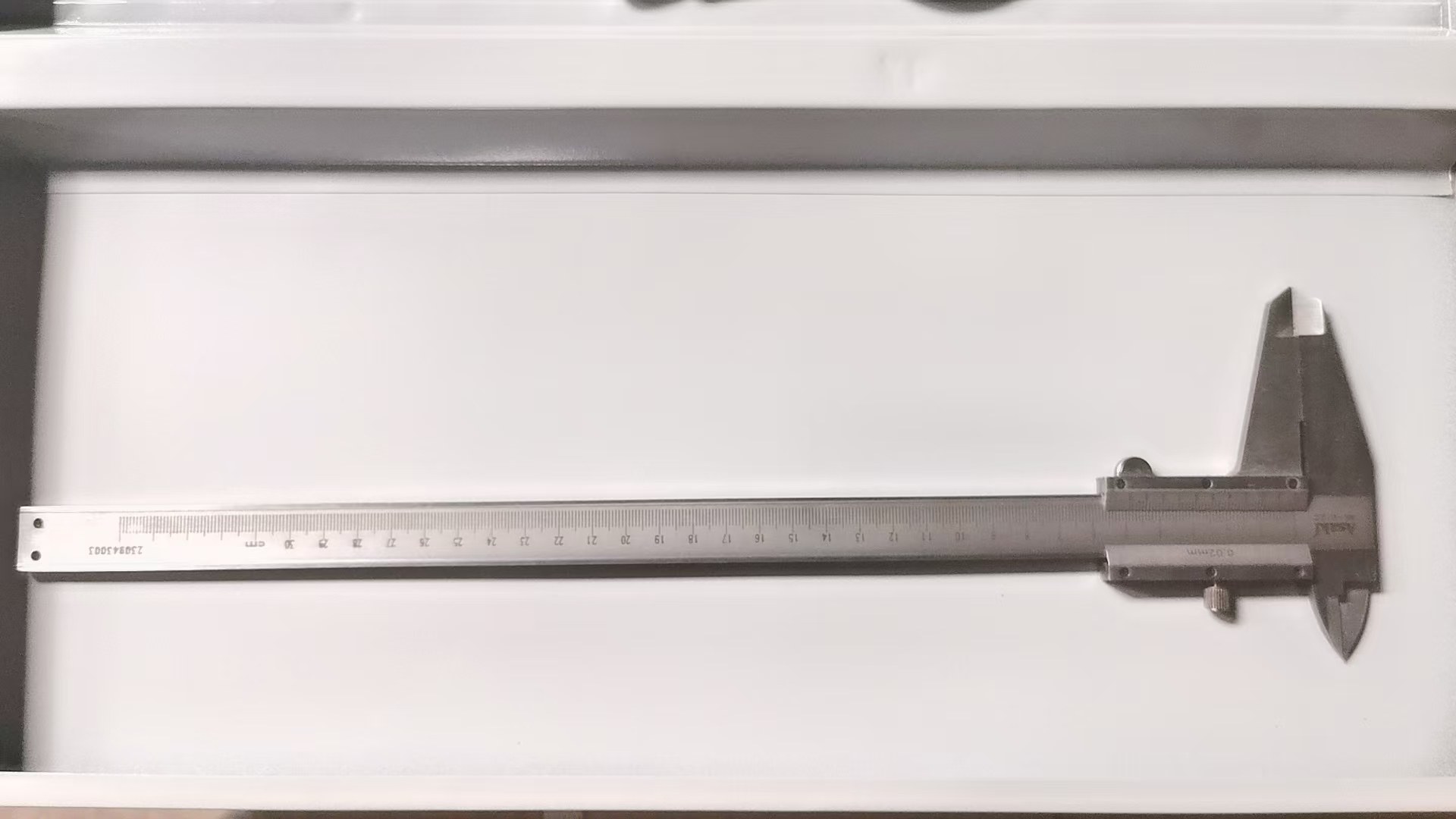
A breakdown of the manufacturing steps and inspection equipment used to meet international warehousing standards.
Cold storage racks are subjected to continuous mechanical loading under low temperatures. Hui Lian implements strict inspection steps, covering raw materials, welding quality, dimension accuracy, load capacities, surface treatments, and final product packaging.
How storage structures adapt to regional specifications and varying operational challenges.
Scenario: Low temp storage (-30°C to -35°C) with highly corrosive saline humidity.
Solution: Extra thick hot-dip galvanized coating (average thickness > 85μm) paired with stainless-steel base bolts and custom food-grade surface sealants.
Scenario: High turnover dynamic picking zones demanding automated storage integration (AS/RS).
Solution: Cold-formed profiles integrated with wireless radio shuttles, reducing labor exposure to sub-zero temperatures.
Scenario: Extreme ambient humidity levels outside the cold zone causes condensation during loading cycles.
Solution: Condensation-draining hollow section configurations and specialized epoxy-polyester coatings to prevent water accumulation.
The production of industrial-grade cold storage racking systems demands consistent structural steel raw material quality and efficient scaling. China-based manufacturers, such as Hui Lian, leverage proximity to large steel production hubs, stabilizing sourcing costs and ensuring material consistency.
Having access to over 850 supply chain partners allows Hui Lian to secure custom raw materials, such as certified Q235B and Q355B low-temperature grades, even during peak production seasons. This structural steel ecosystem, combined with automated bending, roll forming, and robotic welding lines, significantly lowers production cycle times.
Consequently, these cost and lead-time advantages translate directly to the buyer, offering competitive pricing models, customizable product dimensions, and stable delivery timelines.
Every batch of steel is delivered with mill test certificates (MTC) proving mechanical compliance (elasticity, yield strength, charpy V-notch impact validation at sub-zero levels).
Proximity to major export ports (Shenzhen and Guangzhou) simplifies international logistics, reducing transit times, customs handling overheads, and shipping costs.
The convergence of advanced metallurgy, IoT sensing, and automation in cold storage logistics.
Sensors integrated inside racking beams to measure load deflection and structural health in real-time, preventing buckling under freezing thermal stresses.
Developing eco-friendly powder coating formulations that cure at lower temperatures, reducing manufacturing carbon emissions while retaining high adhesion properties.
High-precision tolerance profiles engineered for autonomous stacker cranes and AI-driven shuttle platforms, minimizing human presence in cold zones.
Ensuring structural integrity, regulatory compliance, and workplace safety across target markets.
Specifies structural design requirements for adjustable pallet racking systems, ensuring limit state parameters are rigorously met across European regions.
The benchmark standard for designing, testing, and applying industrial steel storage racks in North American warehouses.
Ensures continuous manufacturing consistency, process quality control, and compliance with environment-friendly production practices.
Expert answers to critical engineering, manufacturing, and operational questions when sourcing cold storage racking.
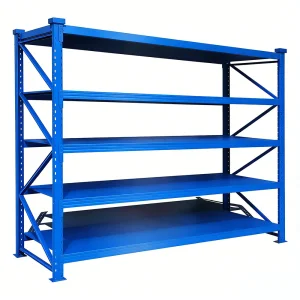
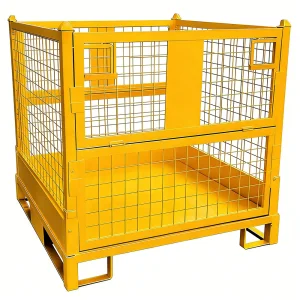
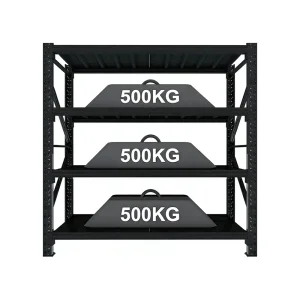
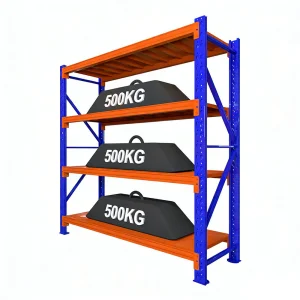
Explore our heavy-duty product options engineered for industrial manufacturing, logistics, and retail warehousing.
 Hui Lian