Industrial grade structural frameworks designed to integrate seamlessly with intelligent automated shuttle carriers.
Decoding the shifts toward dense, vertical, and automated material handling infrastructure globally.
The global warehousing landscape is undergoing a structural transition. Driven by skyrocketing land values, labor shortages, and the relentless demand for faster fulfillment cycles in e-commerce, traditional static storage methods are giving way to advanced Automated Storage and Retrieval Systems (AS/RS). At the vanguard of this logistics revolution is the 4-Way Shuttle Storage System.
Unlike traditional 2-way shuttle systems (which can only move forward and backward within a designated storage lane, requiring manual forklifts to change lanes), the 4-way pallet shuttle traverses both longitudinal and lateral rails. This multi-directional capability allows the shuttle to change lanes autonomously without human intervention, navigating grid-like racking structures seamlessly. By utilizing dedicated vertical lifts, these shuttles can transition between levels, effectively automating three-dimensional storage spaces.
Analyzing key structural and operation metrics across major high-density storage technologies.
| Storage System Type | Storage Density | Throughput Velocity | Structural Flex/Redundancy | Initial Investment (ROI Cycle) | Retrofit Suitability |
|---|---|---|---|---|---|
| 4-Way Pallet Shuttle AS/RS | Ultra-High (Maximized volume) | High (Dynamic fleet scaling) | Excellent (Modular additions) | Moderate (18-24 months) | Excellent (Modular design) |
| Stacker Crane (AS/RS) | High (Great for high ceilings) | Very High (Per-aisle basis) | Poor (Single point of failure) | High (36+ months) | Poor (Requires tall greenfield) |
| 2-Way Radio Shuttle | High (Deep lane storage) | Moderate (Manual forklift dependent) | Moderate (Limited by forklift count) | Low (12-18 months) | Good (Fits standard racks) |
| Drive-In Racking | Medium-High | Low (LIFO constraints) | None (Manual operations only) | Very Low (N/A) | Baseline layout |
Evaluating manufacturers based on hardware precision, software control systems, integration capabilities, and structural reliability.
Evaluating standard industrial storage rack suppliers differs dramatically from assessing high-precision 4-way shuttle system manufacturers. A 4-way shuttle moves at speeds up to 1.5 - 2.0 m/s under payloads exceeding 1,500 kg. This demands structural tolerances of less than ±2mm across a 50-meter rack aisle. When sourcing from global suppliers, the industry uses the following criteria to rank the top 10 global manufacturers and exporters:
Laser-profiled structural rails, high-precision punching, and robotic welding ensure deformation-free rails over long-term cycles.
The warehouse control software must communicate in real-time via high-reliability 5G or industrial Wi-Fi networks with localized PLC controllers.
Proven compliance with international building and safety codes (EN 15512, RMI, FEM 10.2.11) and reliable custom clearance track records.
An in-depth look at our structural precision, quality assurance systems, and global export capabilities.
Dongguan Hui Lian Intelligent Warehouse Equipment Co., Ltd. is a leading manufacturer specializing in high-quality storage racks and intelligent warehouse systems. Established in 2016, we bring 15 years of industry experience and 8 years of export experience to the field, delivering robust, high-performance structural systems to global markets.
Operating a state-of-the-art 18,500m² manufacturing facility, we integrate advanced manufacturing technology, professional engineering capabilities, and rigorous quality systems. Our annual export revenue reaches approximately US$18 million, reflecting the trust that logistics operators, third-party logistics (3PL) providers, and retail distributors place in our structural designs.
Our solutions support automated systems by providing the dimensional stability required for high-speed, 4-way shuttle operations. By focusing on low tolerances and high load-bearing safety limits, our systems minimize structural vibrations and ensure reliable operation for automated vehicles.
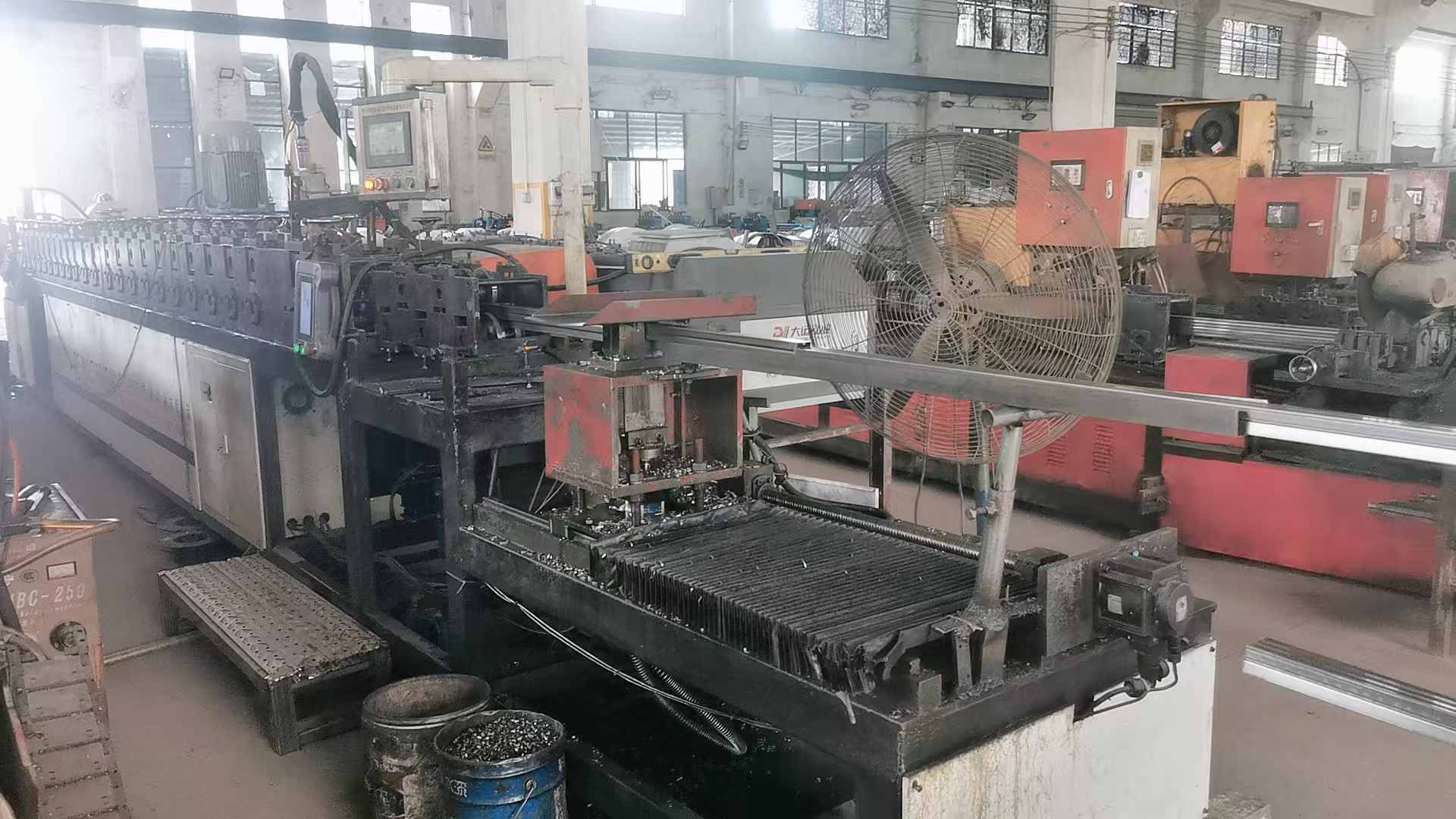
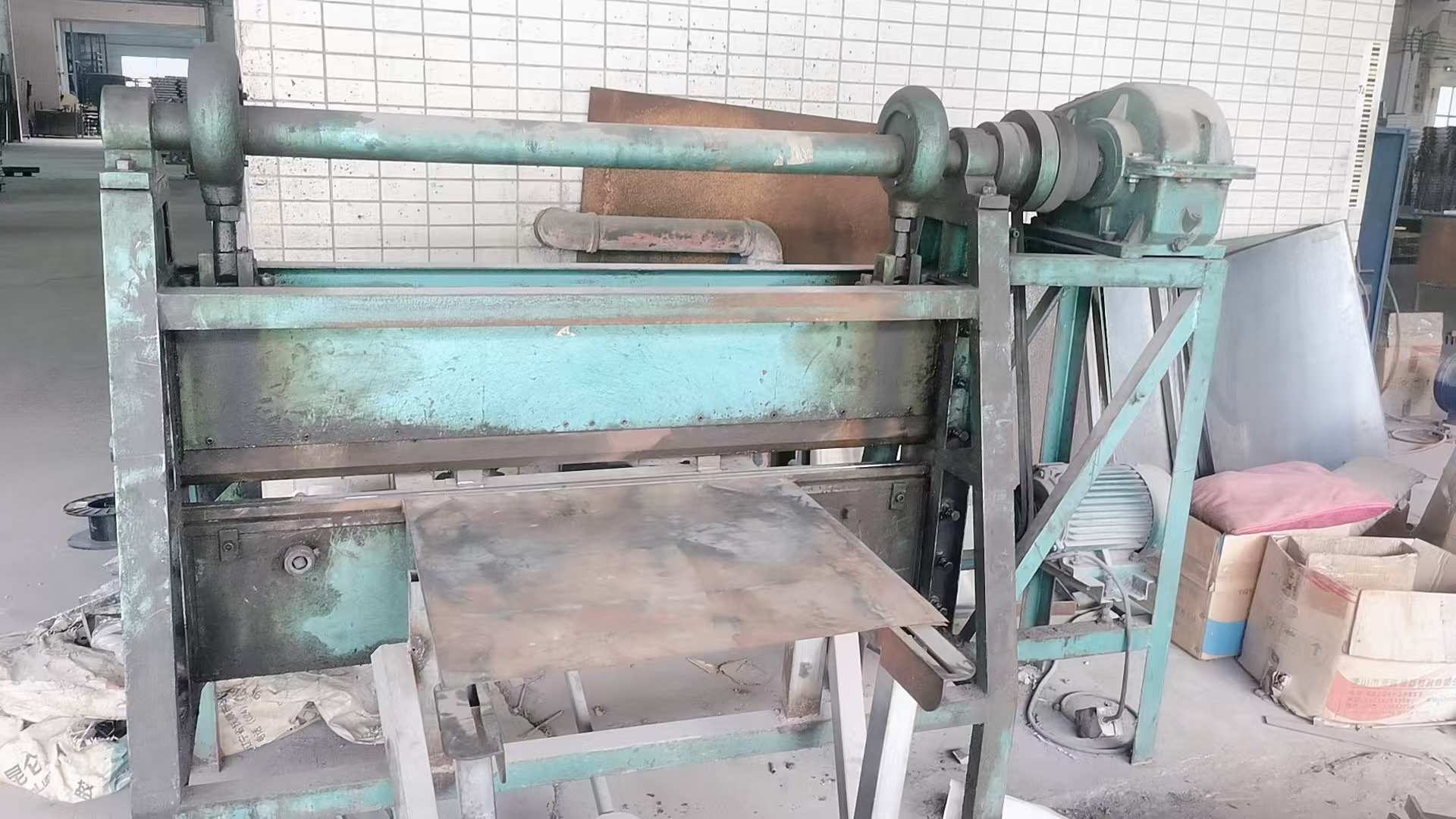
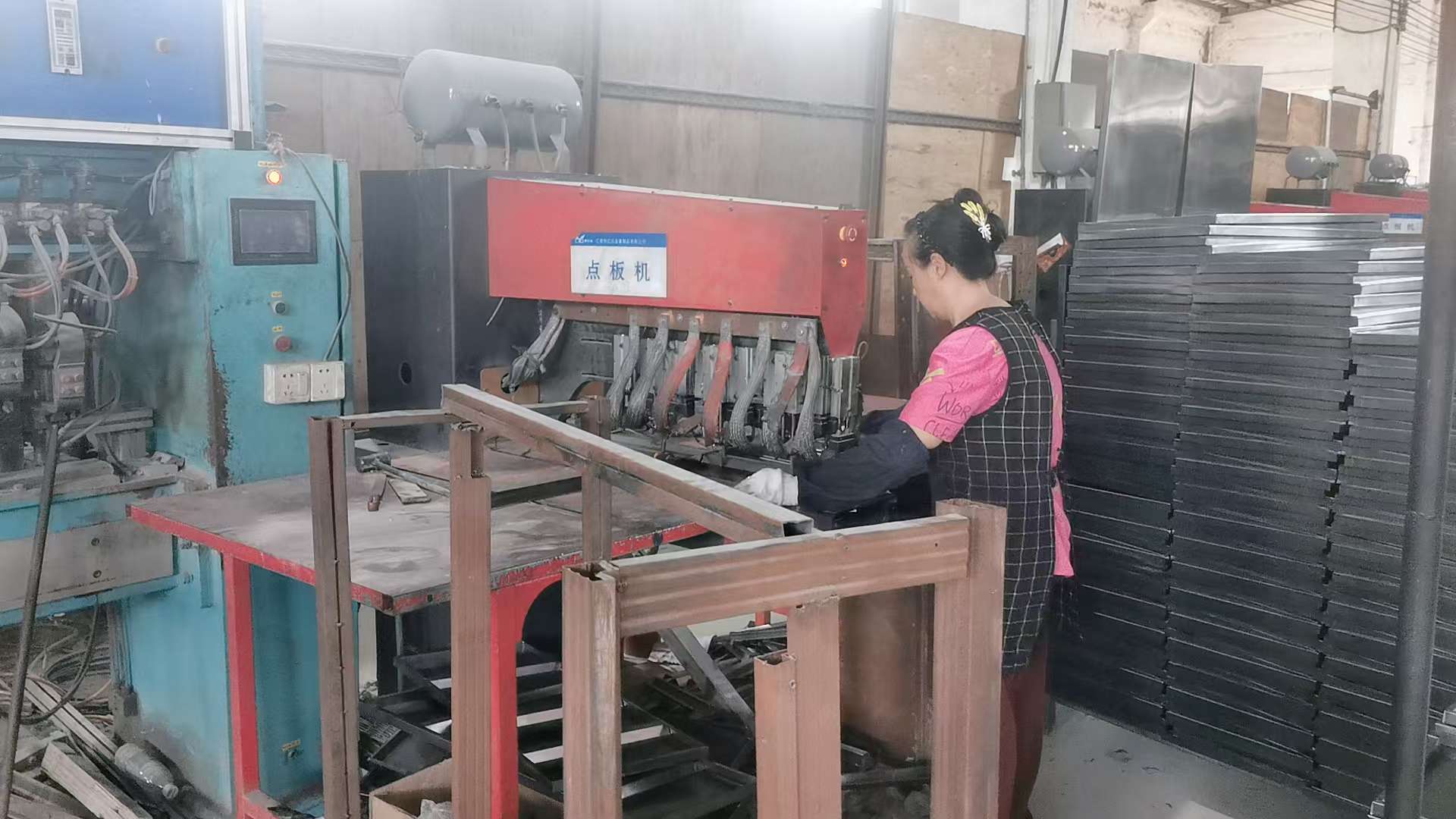
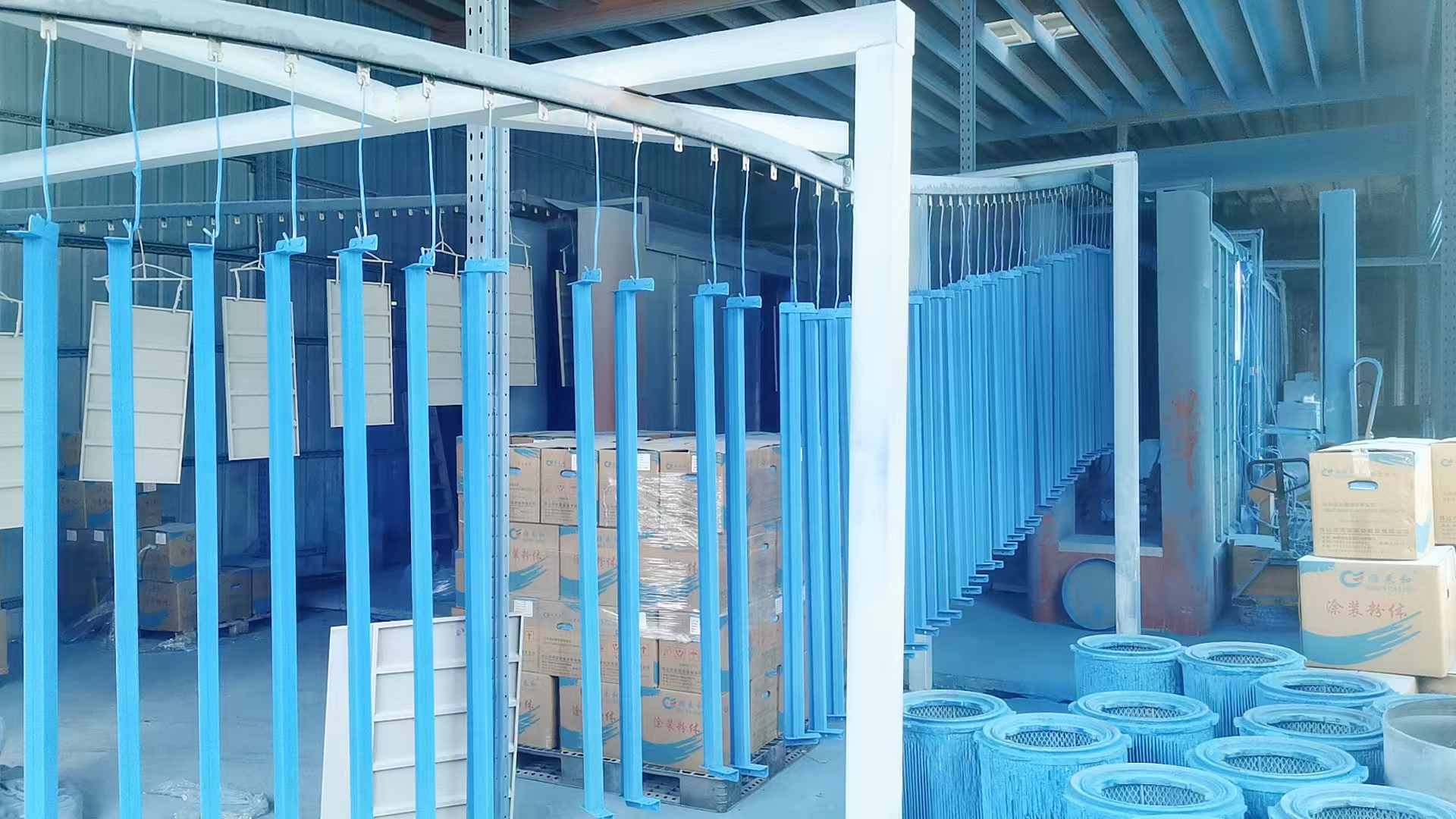
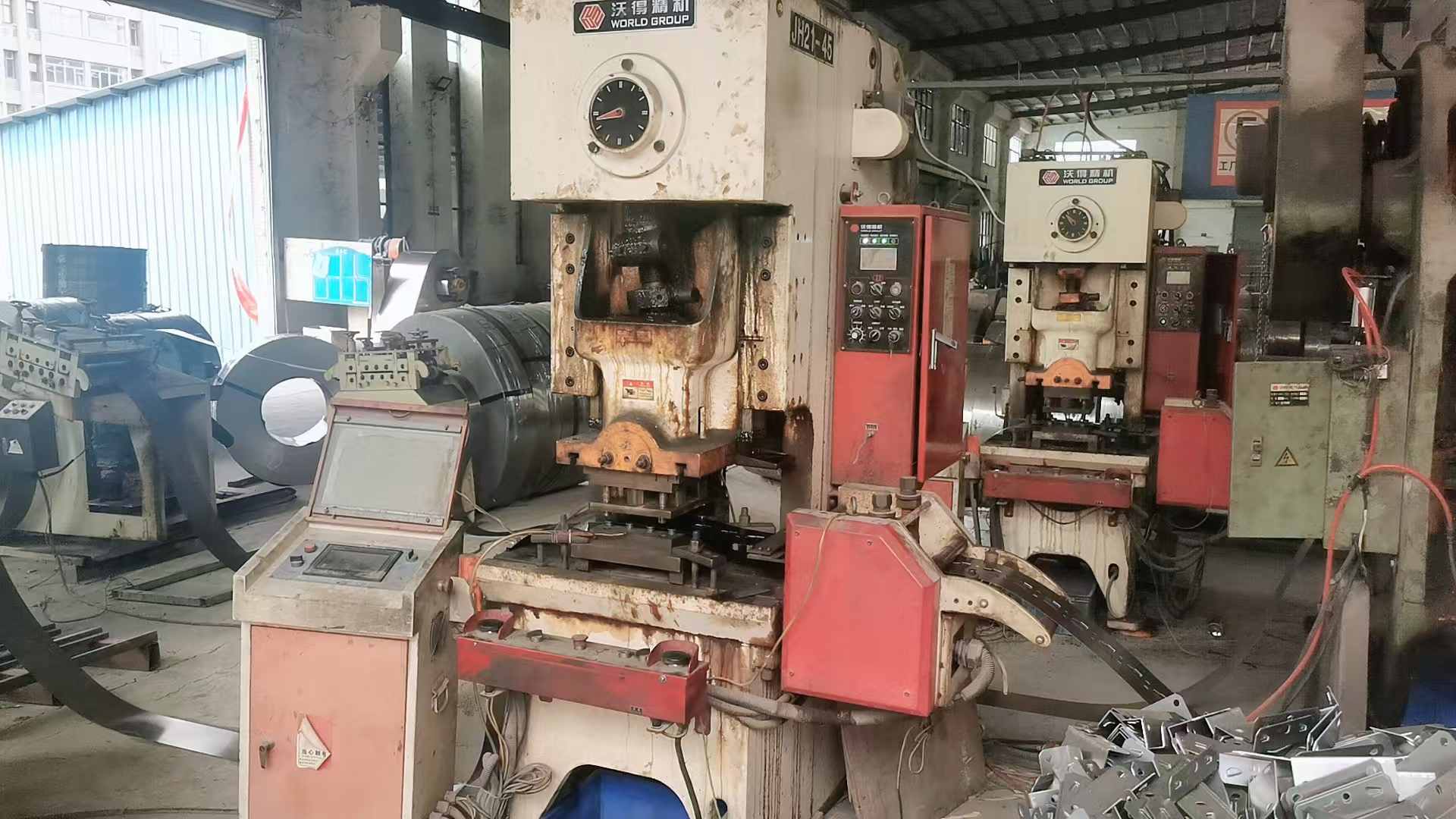
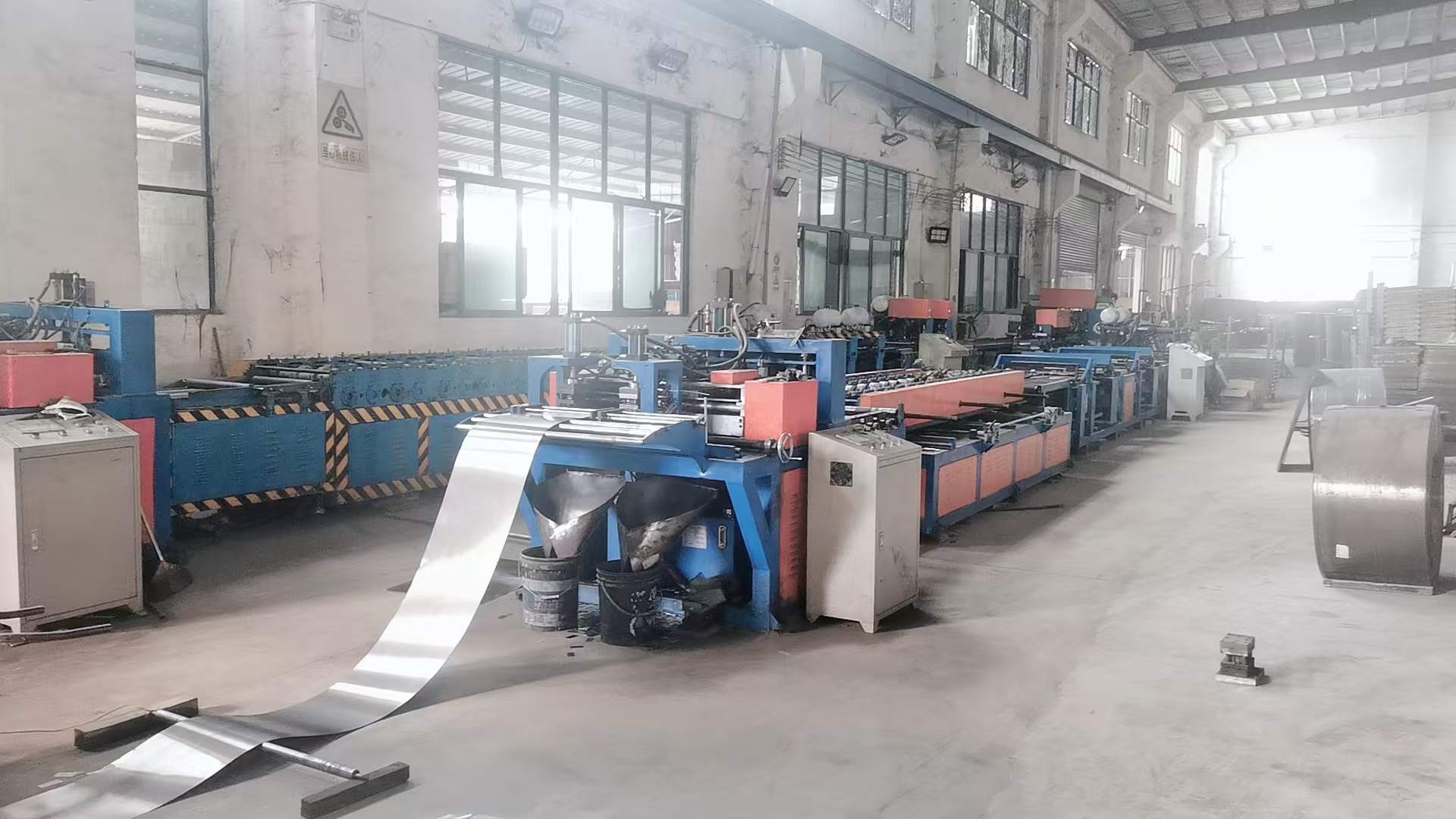
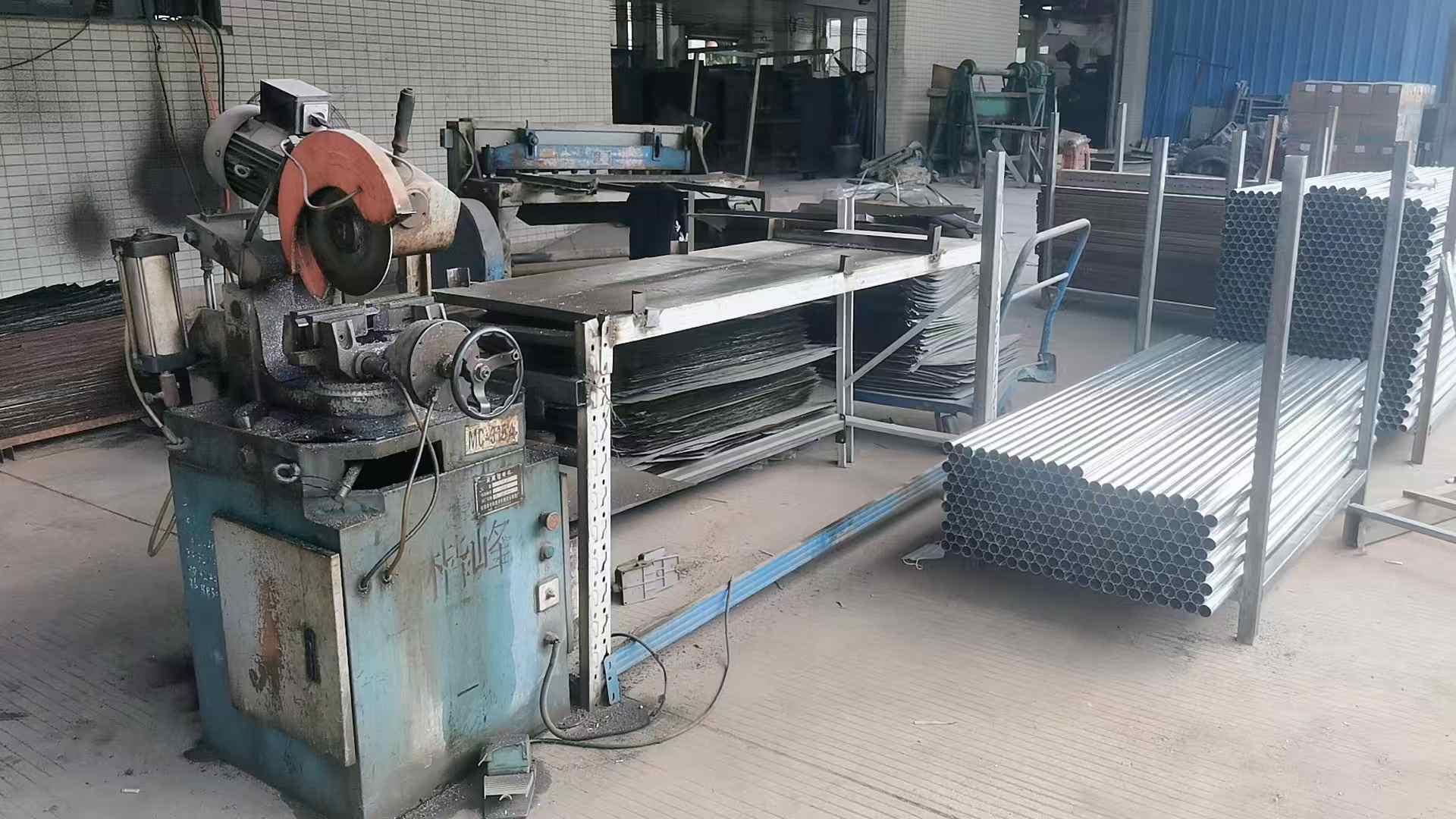
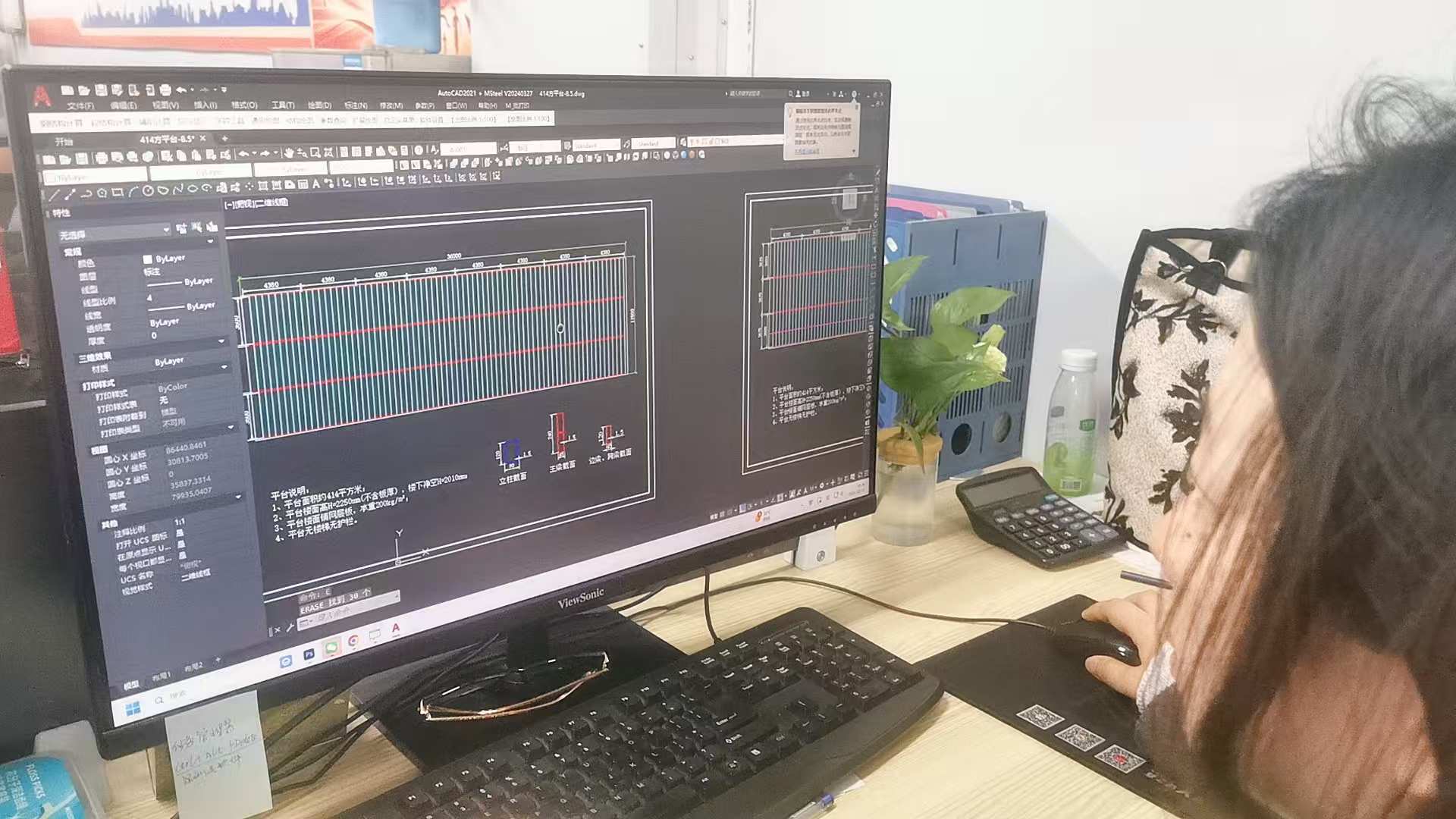
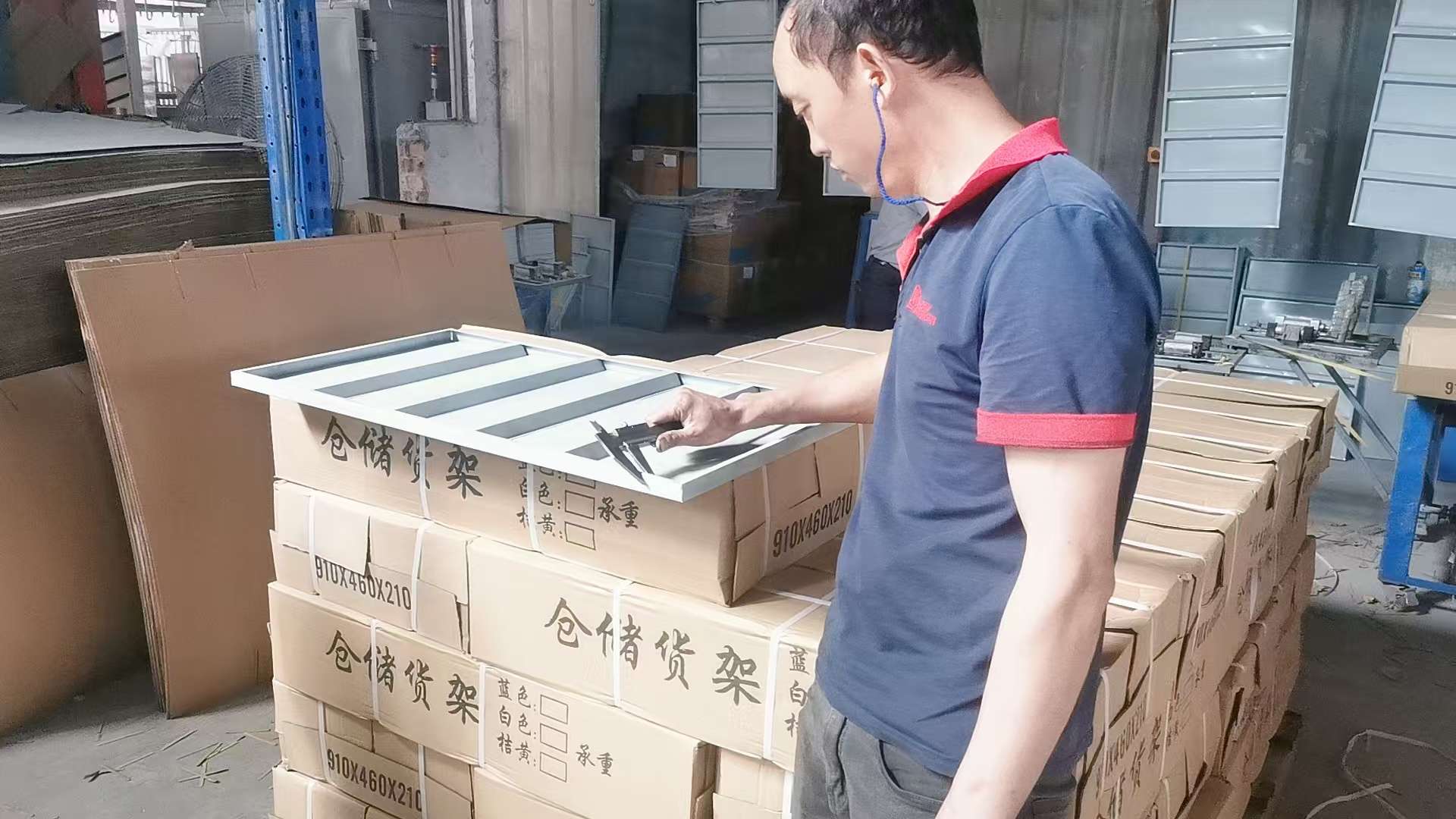
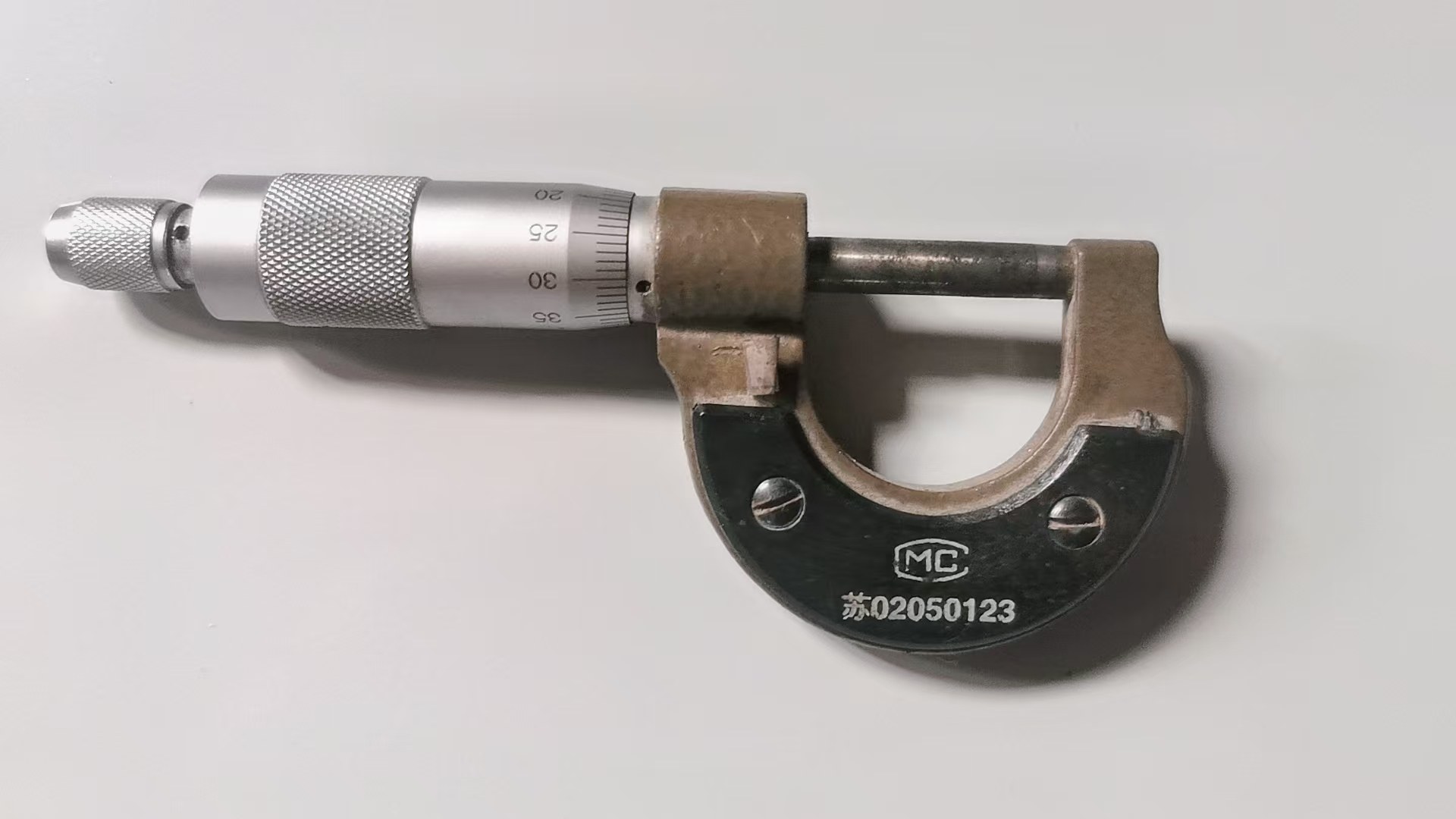
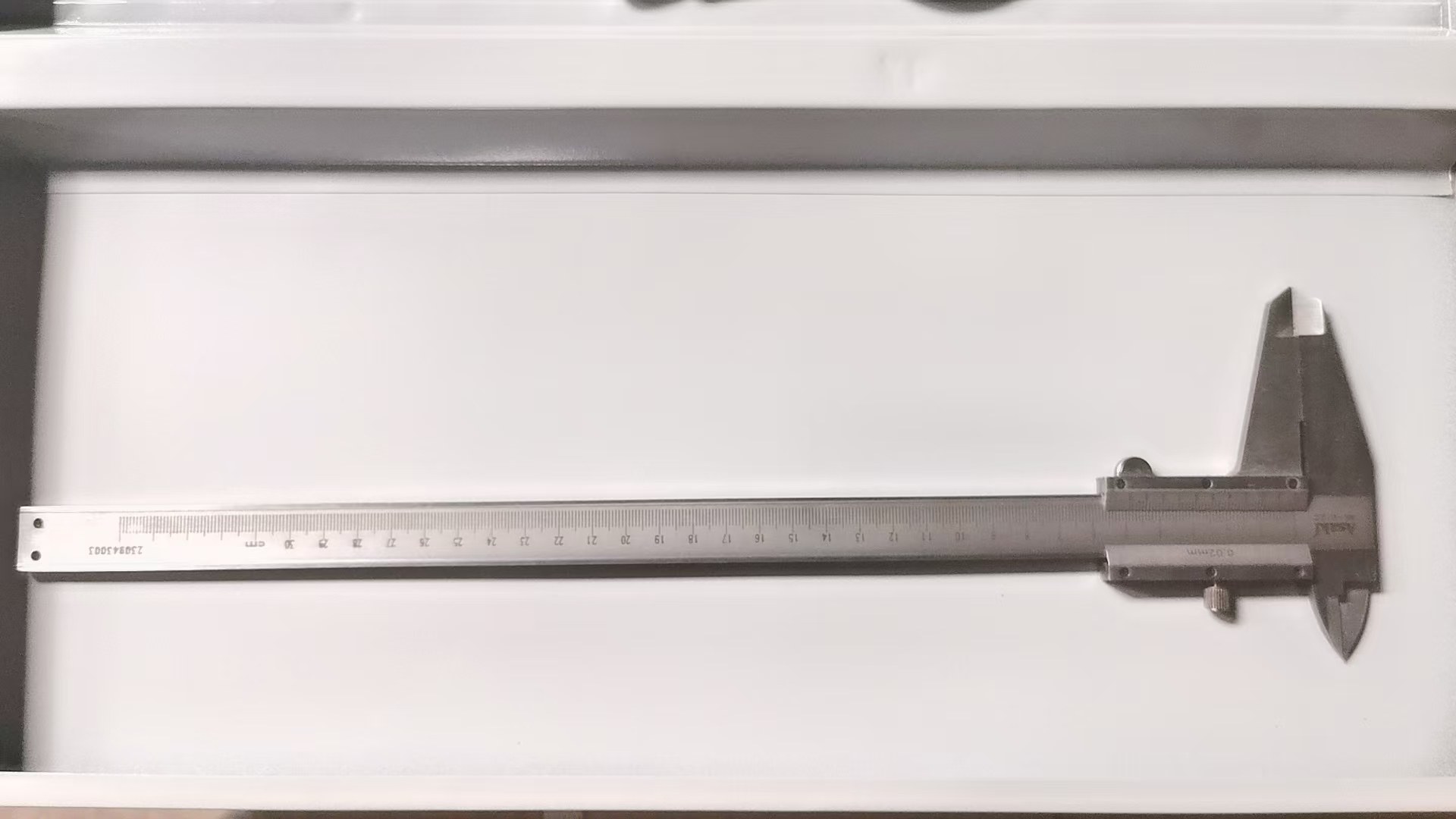
Precision execution at every step of manufacturing ensures our structural solutions meet strict automated tolerances.
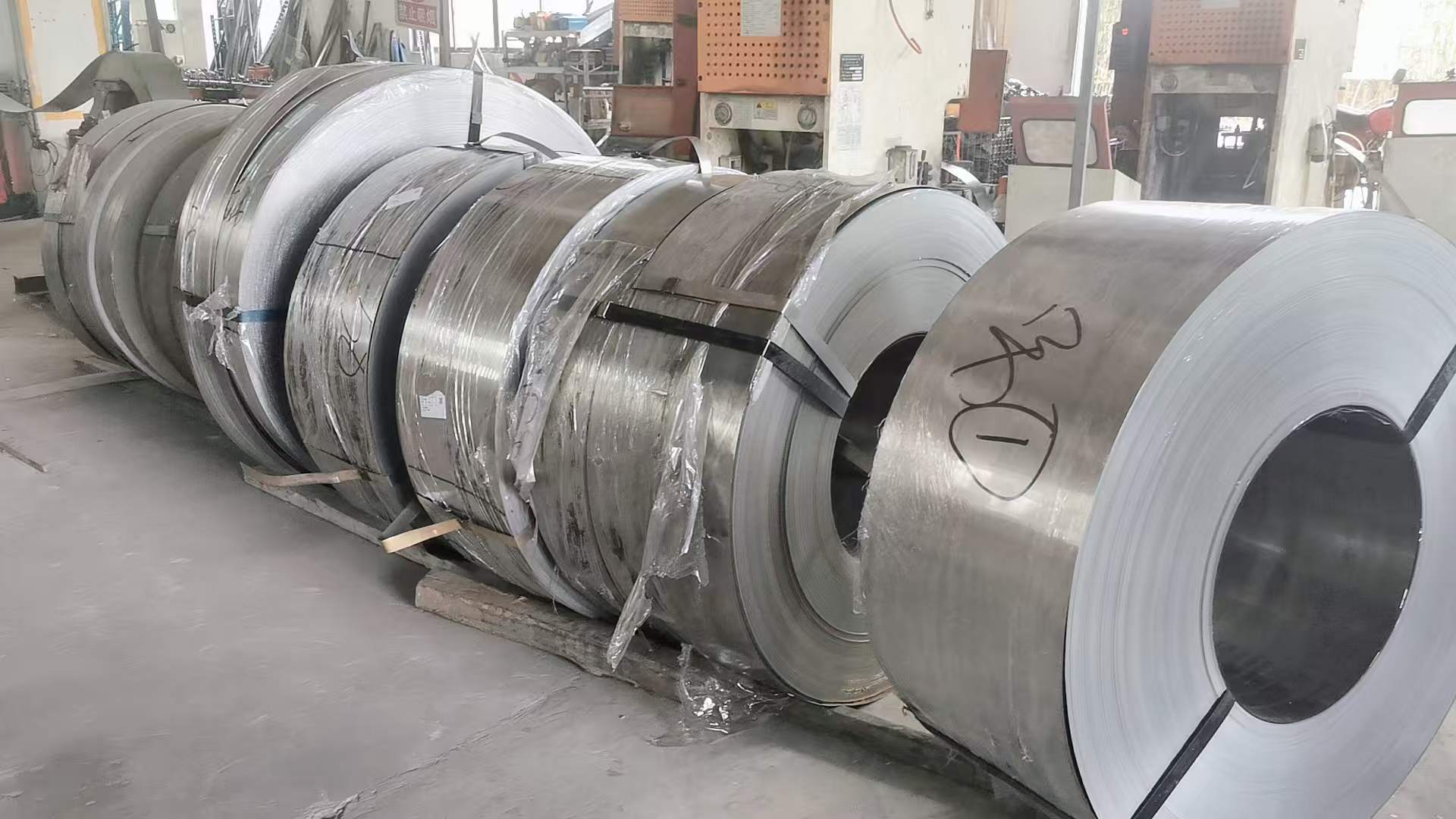
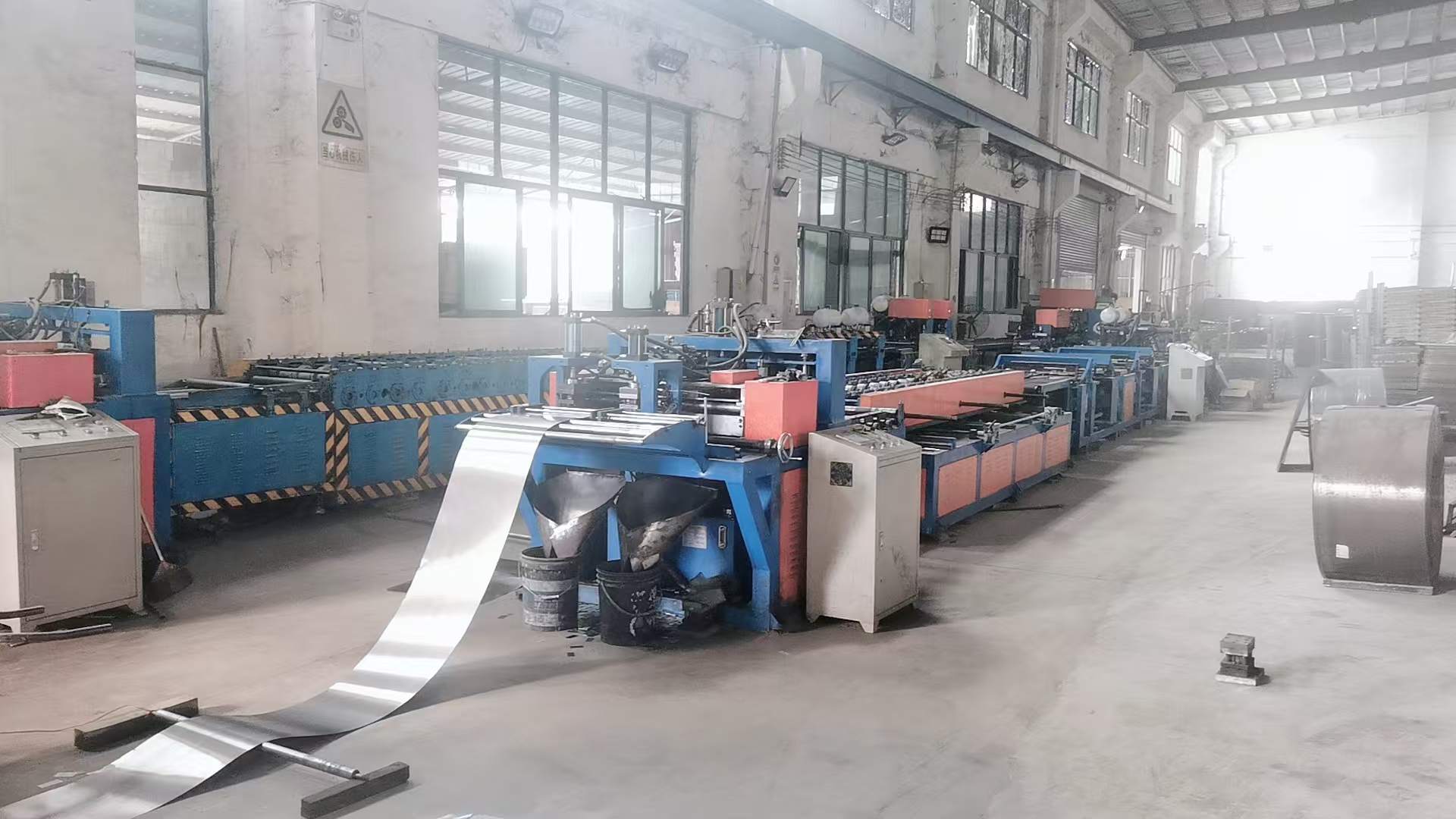
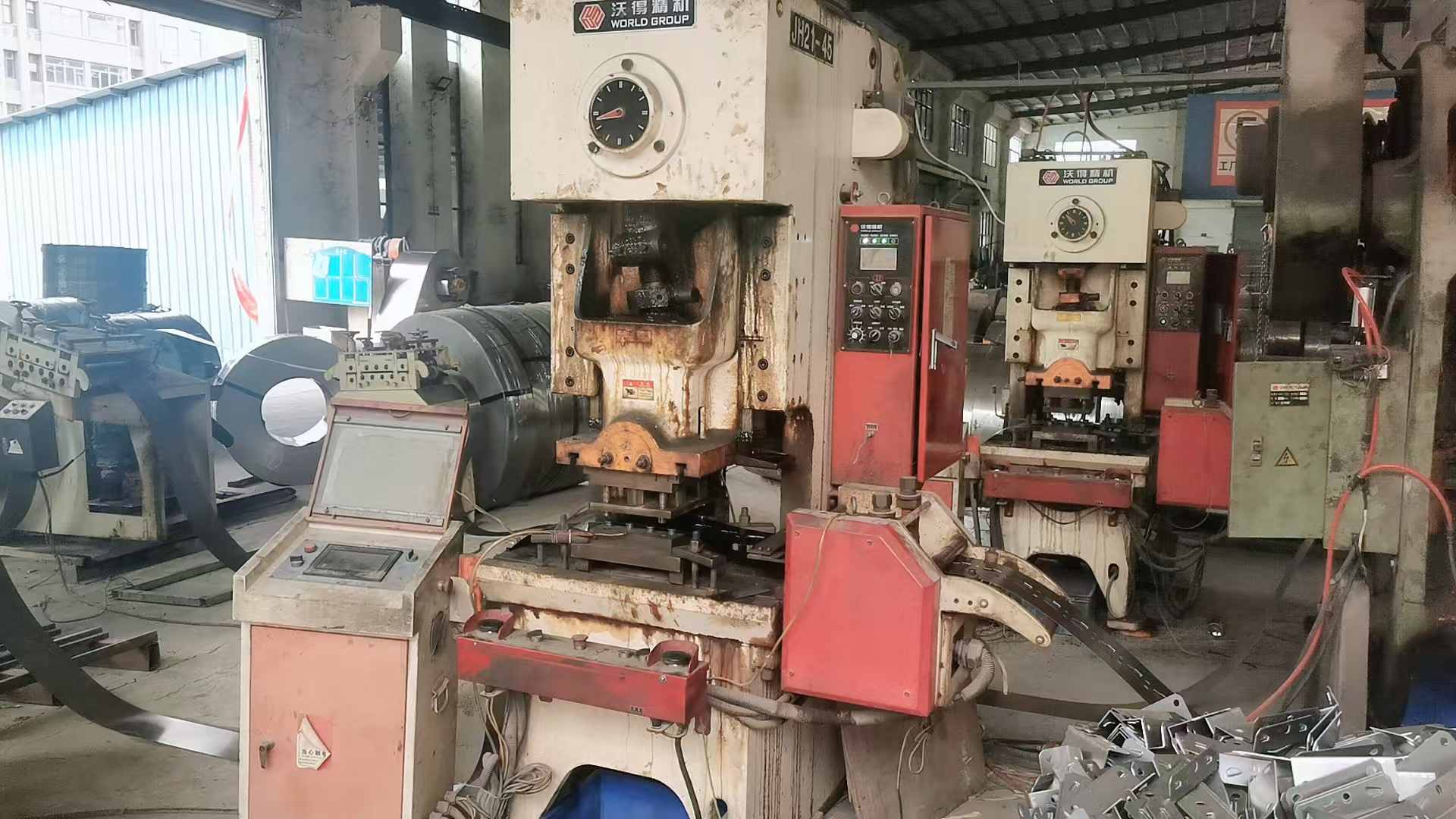
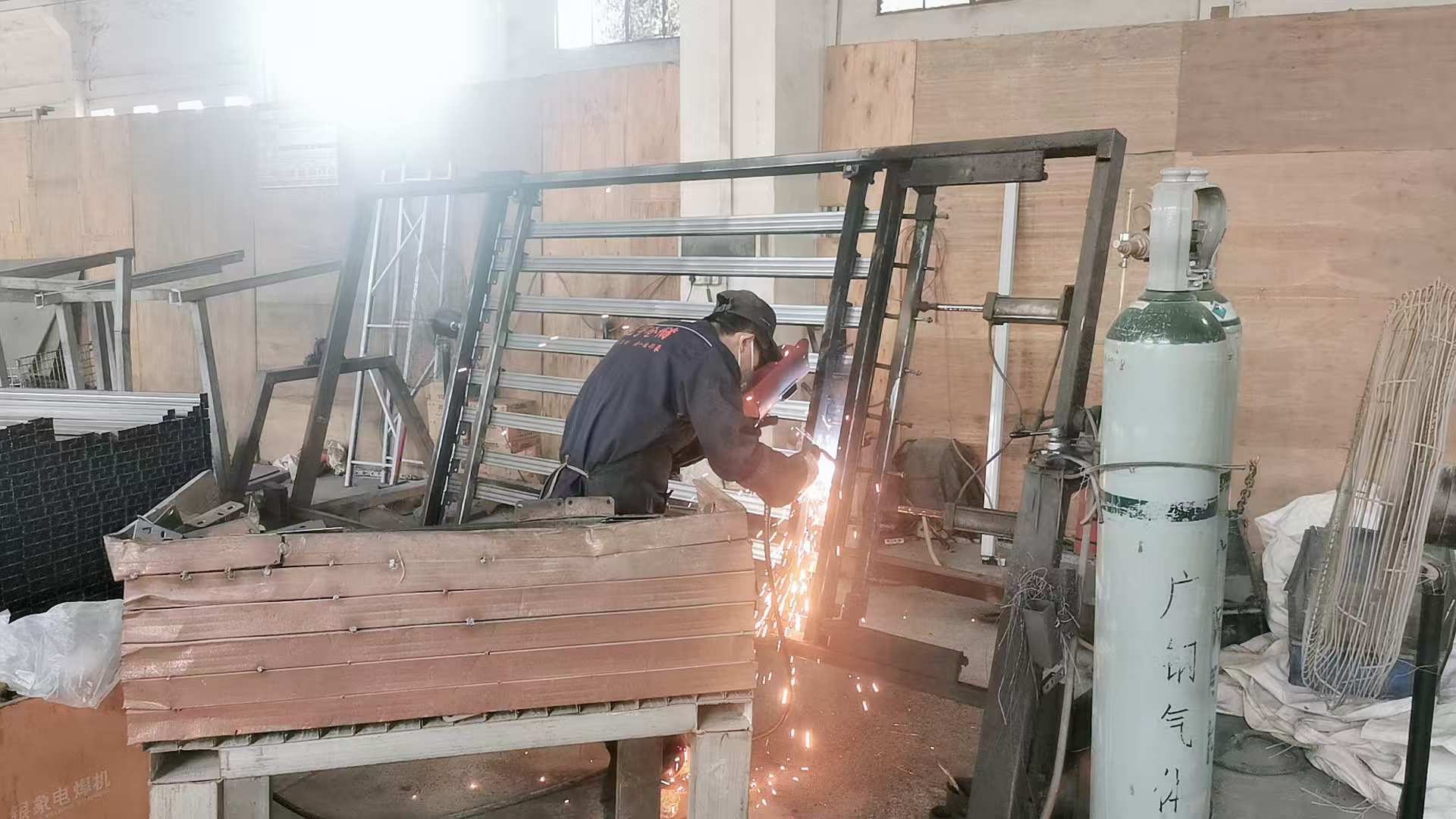
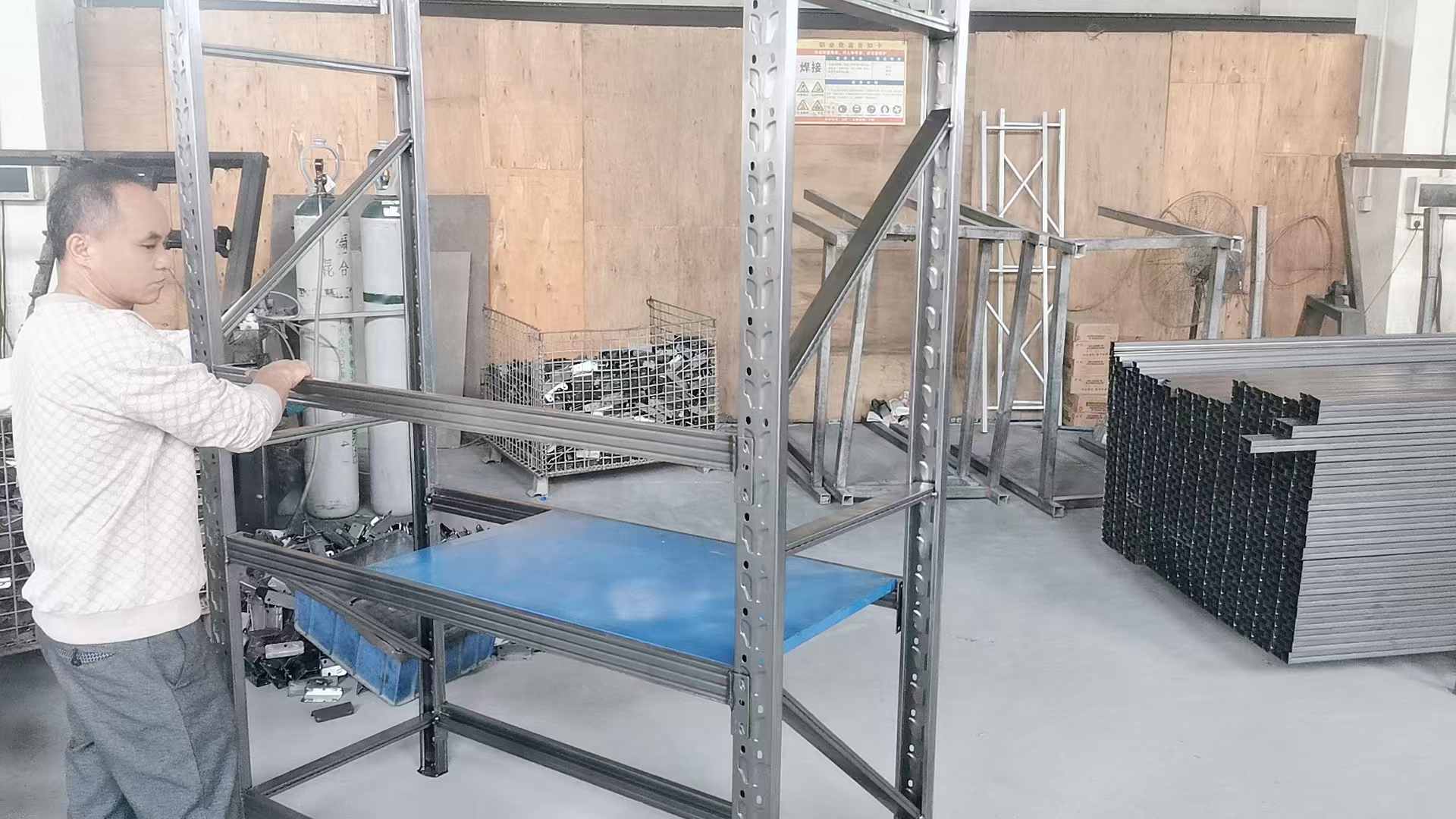
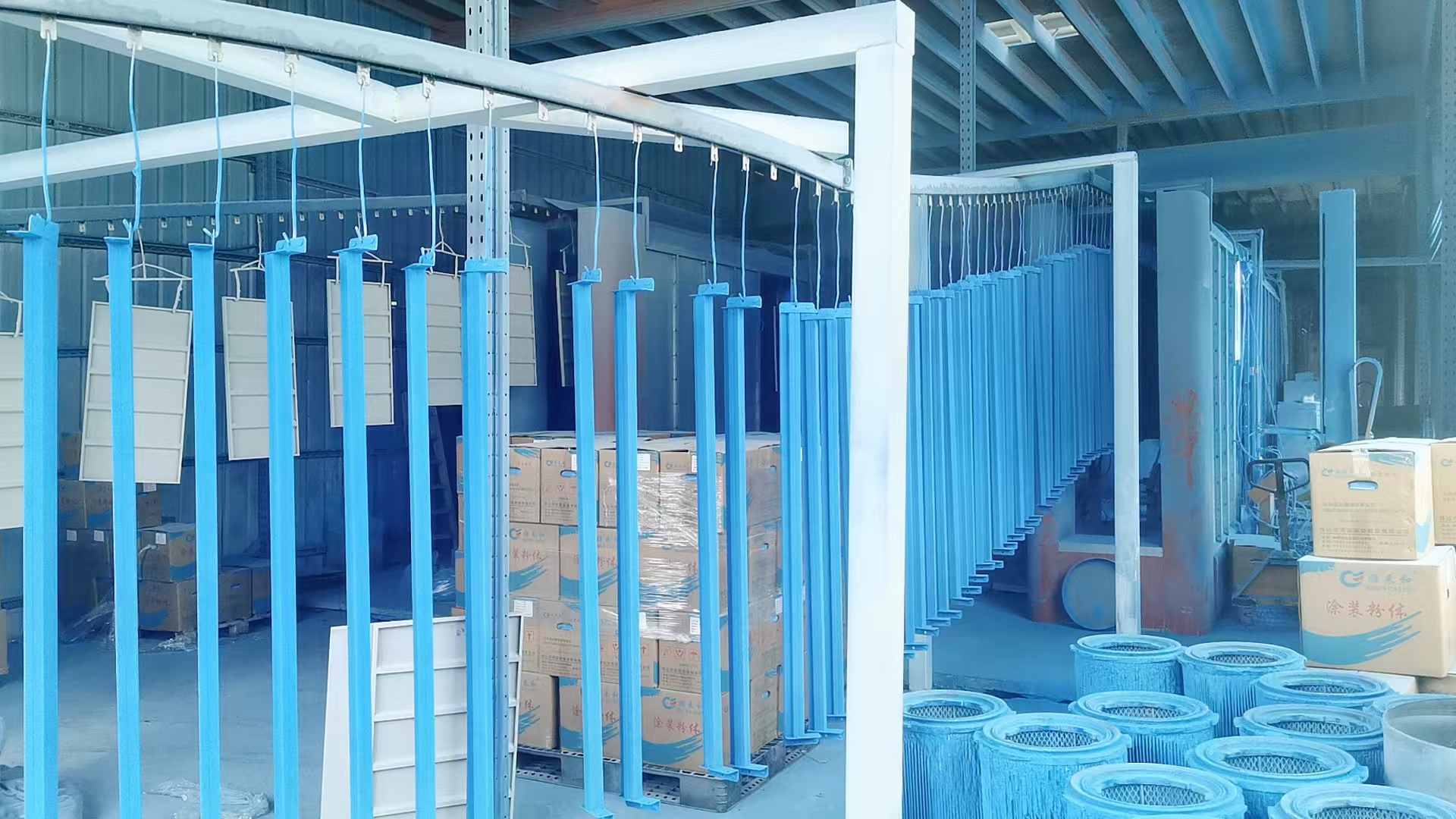
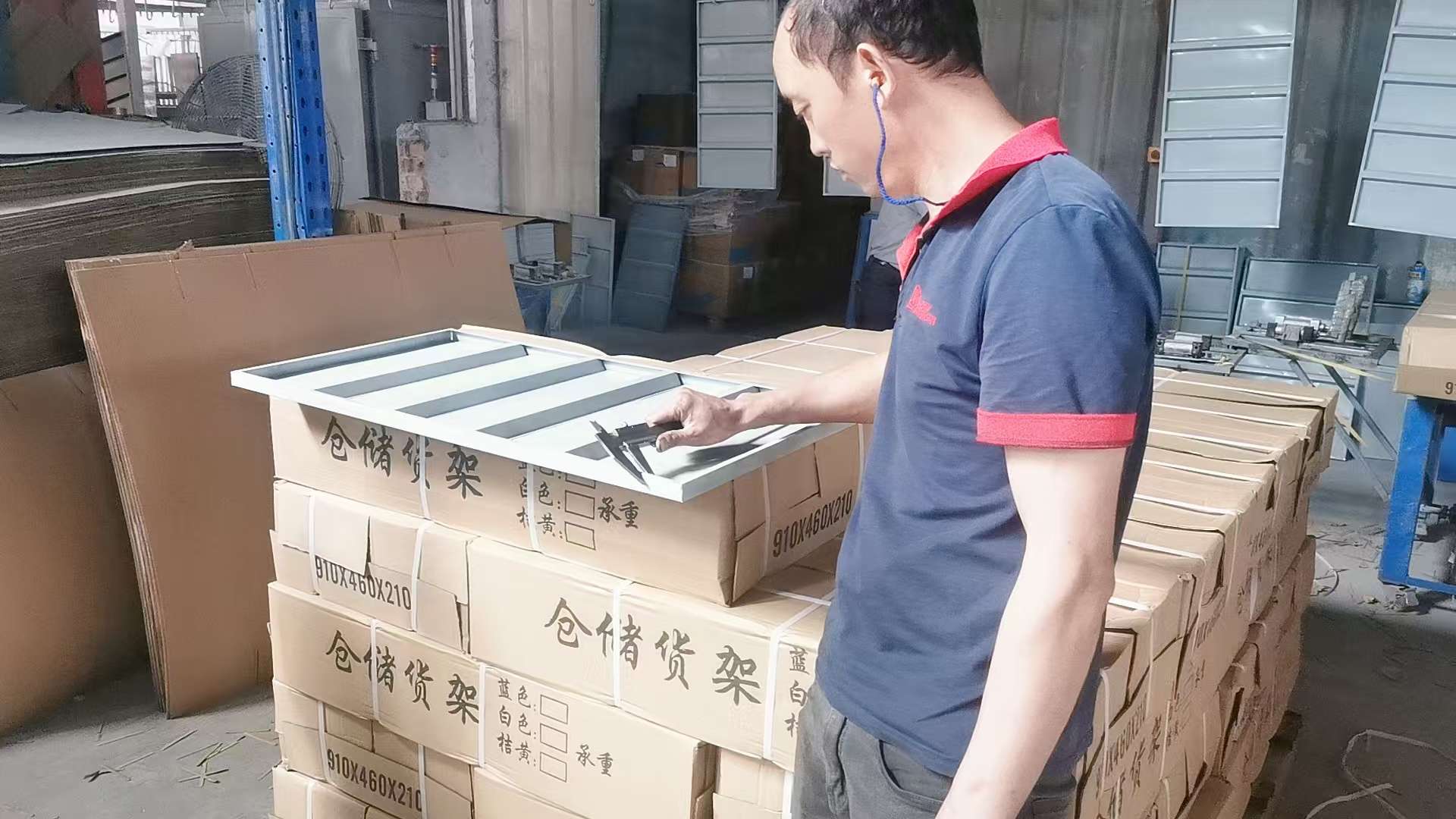
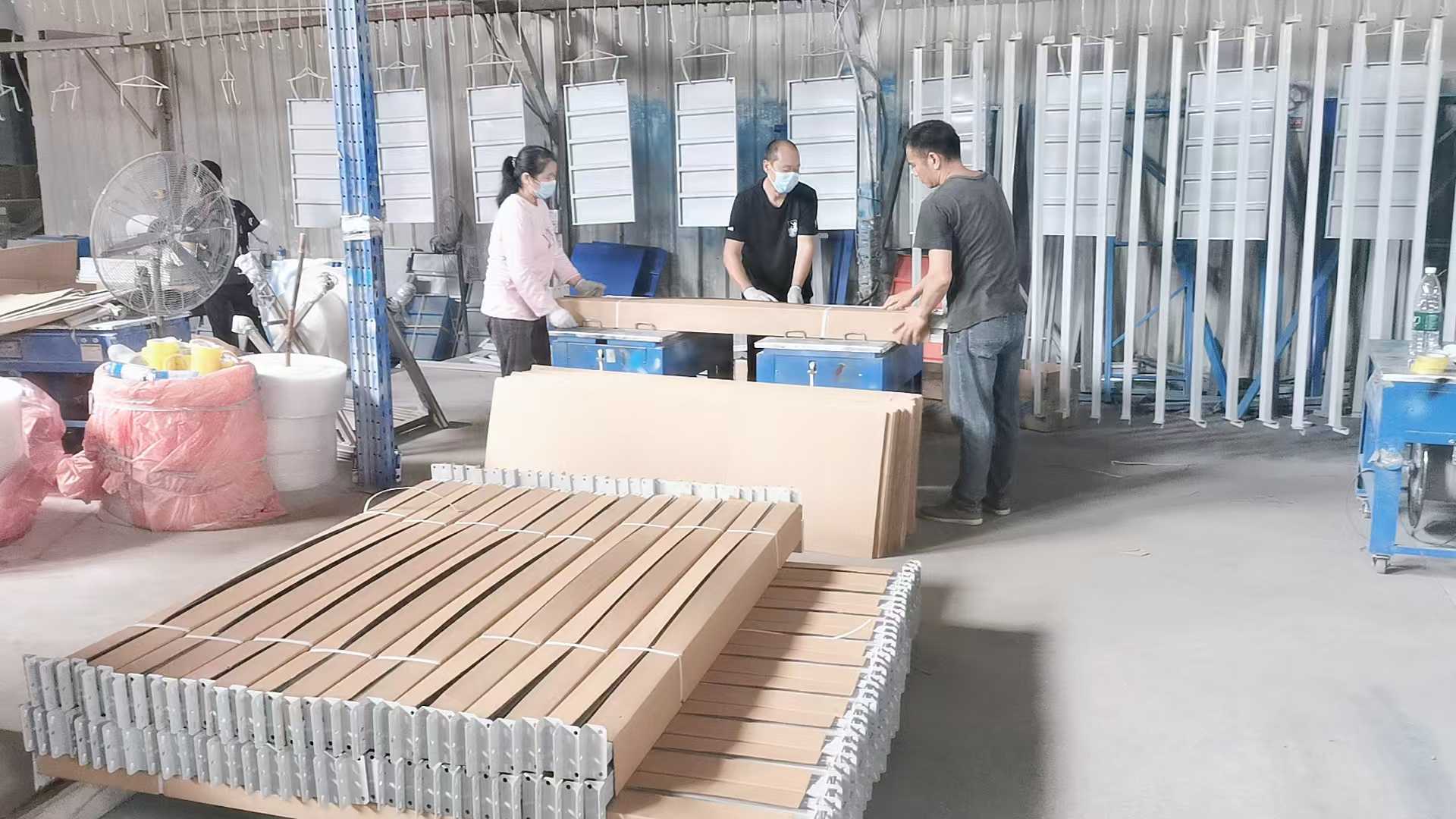
We deploy high-precision roll forming machinery, automated welding cells, and calibration tools to ensure consistent quality.
Analyzing how different vertical sectors implement 4-way shuttle AS/RS solutions based on localized operational workflows.
Maintaining cold chain integrity requires minimizing the refrigeration footprint. Conventional forklift access aisles release cold air and consume energy. 4-way shuttles function reliably in temperatures as low as -25°C, providing high-density storage that reduces energy requirements per pallet spot.
Core Solution: Corrosion-resistant components, low-temperature batteries, and moisture-resistant electrical enclosures combined with high-density racking.
E-commerce operations manage high SKU variety, small order sizes, and rapid throughput needs. Integrating 4-way shuttles with WMS dynamic slotting logic helps streamline fulfillment by moving popular SKUs to accessible zones, facilitating high-speed outbound sorting.
Core Solution: Combining 4-way shuttle lanes with order-picking mezzanine platforms to support goods-to-person (G2P) pick stations.
Medical storage requires strict FIFO (First-In, First-Out) operations, batch tracking, and clean environments. Fully enclosed 4-way shuttle systems operate without the dust, oil, and emissions associated with traditional forklifts.
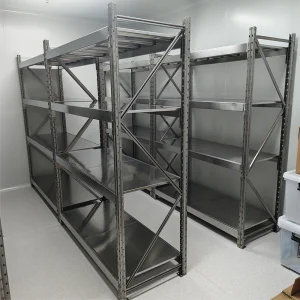
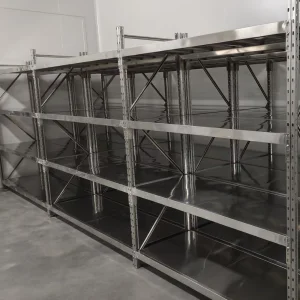
Core Solution: 304/201 stainless steel racking components, automated batch code tracking, and dust-resistant enclosed layouts.
Automotive assembly runs on tight schedules, requiring parts to arrive at the line precisely when needed. A 4-way shuttle system acts as a smart buffer, storing heavy components and feeding them to the assembly floor on demand.
Core Solution: Heavy-duty dynamic pallet racking with integrated high-capacity transfer lifts.
Key technical innovations shaping the future of automated shuttle storage.
Automated shuttle system engineering continues to evolve, moving beyond basic steel rails and simple motors toward integrated, intelligent warehouse nodes. The next generation of 4-way storage solutions incorporates several key advancements:
Traditional WCS routing uses static paths, which can lead to traffic bottlenecks around vertical lifts during peak operational hours. Modern software integrates machine learning algorithms that predict order waves, dynamically routing vehicles to prevent congestion and optimize energy usage.
Supercapacitors allow shuttles to charge in under 10 seconds at vertical lift stations, eliminating downtime for charging. Newer battery configurations combine supercapacitors for rapid acceleration with lithium batteries for extended travel sequences.
By mounting acceleration sensors directly on the shuttle frame, systems can detect minor changes in rack alignment or guide rail wear. WCS software analyzes this vibration data, scheduling preventive maintenance before structural misalignment issues disrupt operations.
Expert answers to critical engineering and procurement questions regarding 4-way shuttle storage systems.
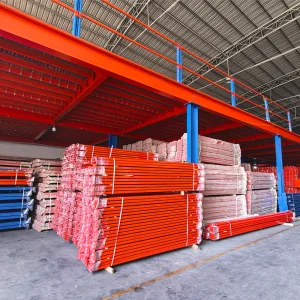
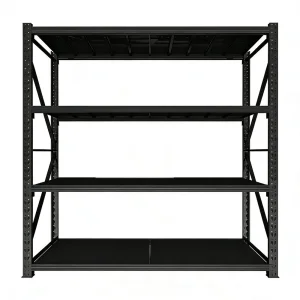
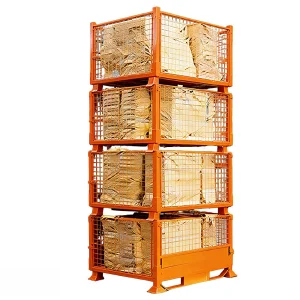
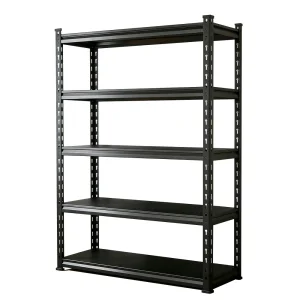
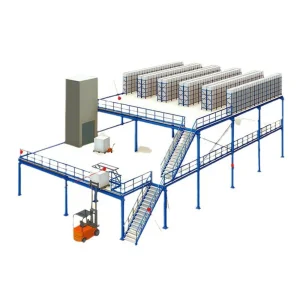
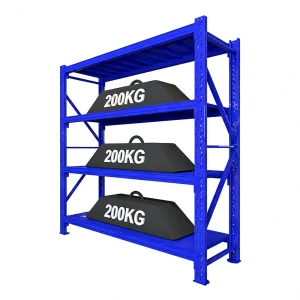
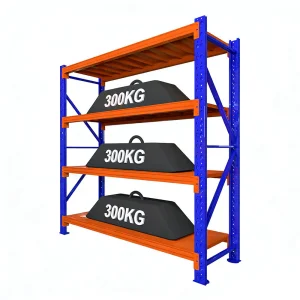
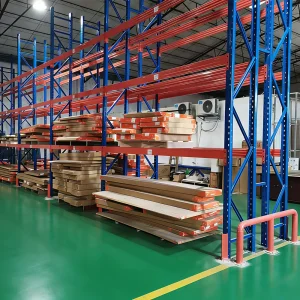
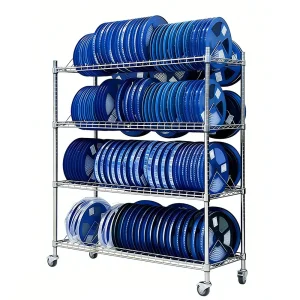
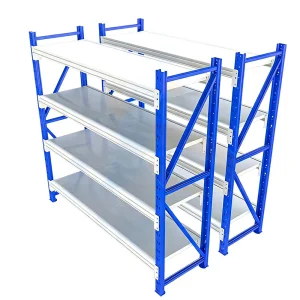
Our complete range of industrial storage equipment, designed to handle payloads of all sizes safely and efficiently.
 Hui Lian