Explore our premium grade heavy-duty and collapsible warehousing equipment designed for maximum space efficiency.
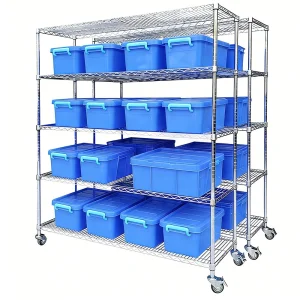
Analyzing modular density, mechanical structural integrity, and custom OEM/ODM pathways for modern supply chains.
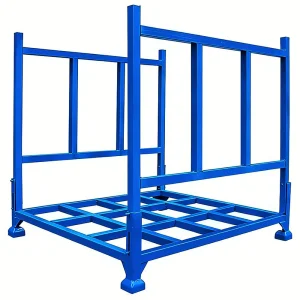
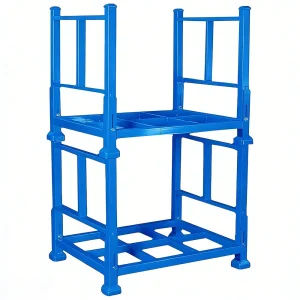
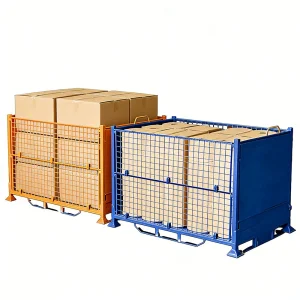
In modern industrial logistics, static floor-space utilization has shifted toward dynamic cubic-space optimization. As supply chains handle fluctuating SKUs, variable container specifications, and seasonal production spikes, traditional fixed-pallet racking can become inefficient. Customized stacking systems—combining foldable metal structures, stackable steel racks, and modular post pallets—provide the flexibility needed to keep logistics pipelines agile.
This comprehensive technical whitepaper details the structural dynamics, material formulations, and automation integration methods used by Dongguan Hui Lian Intelligent Warehouse Equipment Co., Ltd. As a specialized OEM/ODM manufacturer, we develop high-load warehousing structures that comply with international load-distribution and safety specifications.
Information Gain Insight: Unlike standardized static warehouse racks, modular stacking systems function as self-contained storage compartments and transport vehicles. By enabling high-density block stacking without column footprints, they can increase storage space by up to 240% compared to traditional floor storage.
Dongguan Hui Lian Intelligent Warehouse Equipment Co., Ltd. is a warehouse storage equipment manufacturer specializing in the design, production, and supply of high-quality storage racks and intelligent warehouse systems. Established in 2016, we integrate advanced manufacturing technology, professional engineering, and strict quality control processes. Our facility operates with the following capabilities:
With 8 years of export experience and 15 years of industry experience, Hui Lian serves international markets in North America, Europe, Southeast Asia, the Middle East, Australia, and South America. Our systems support logistics networks, e-commerce fulfillment hubs, heavy industrial sites, retail distributors, 3PL providers, and large-scale manufacturing facilities.
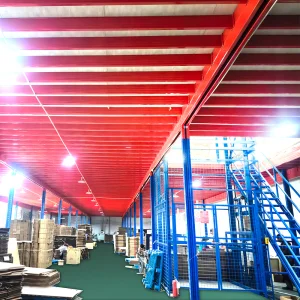
Our product range includes pallet racks, heavy-duty storage racks, automated warehouse racks, mezzanine floors, cantilever racks, warehouse shelving, and customized storage solutions. Our engineering department, led by 126 professional R&D engineers, launched 320 new products last year to meet evolving industrial safety standards and market requirements.
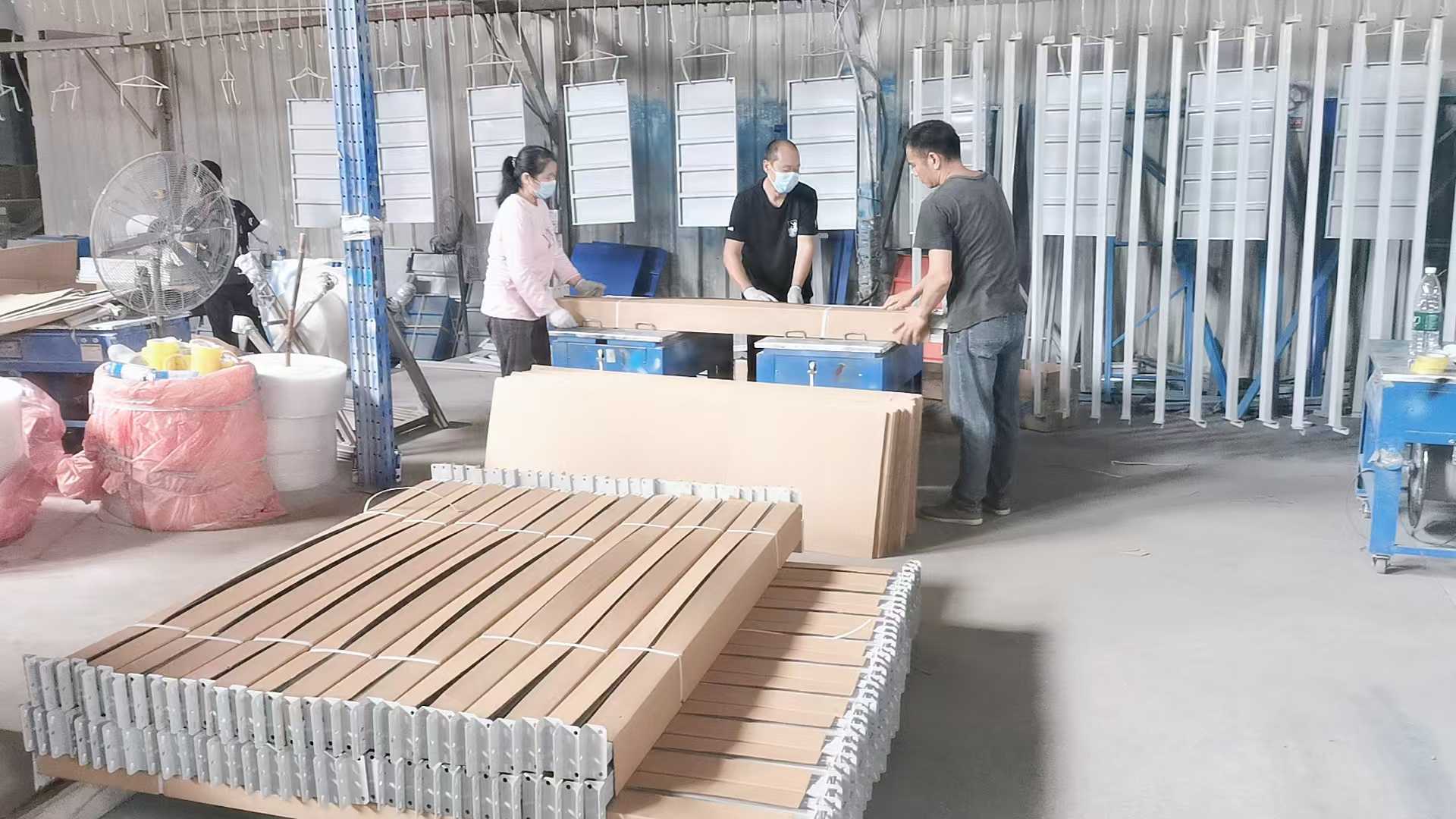
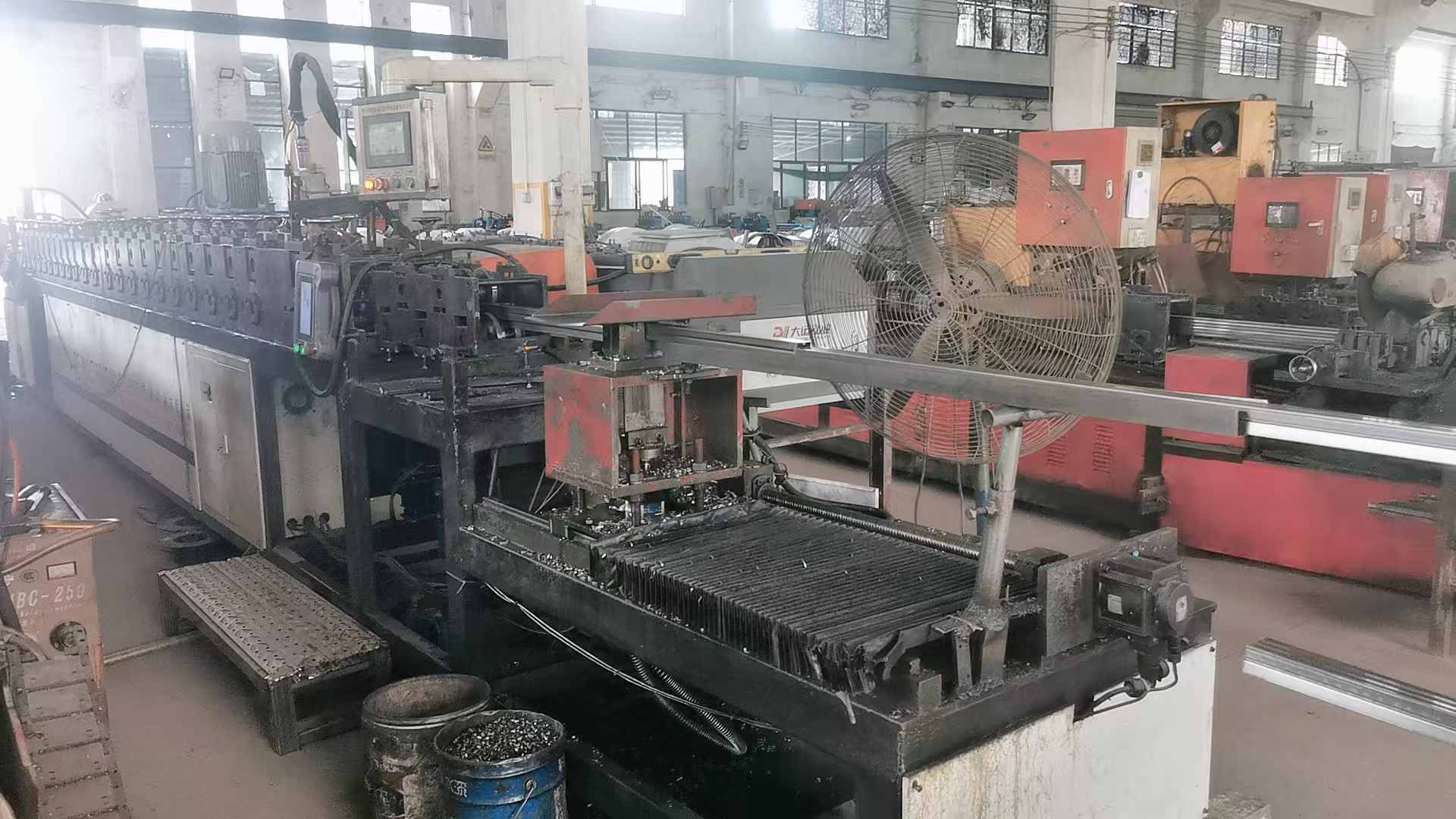
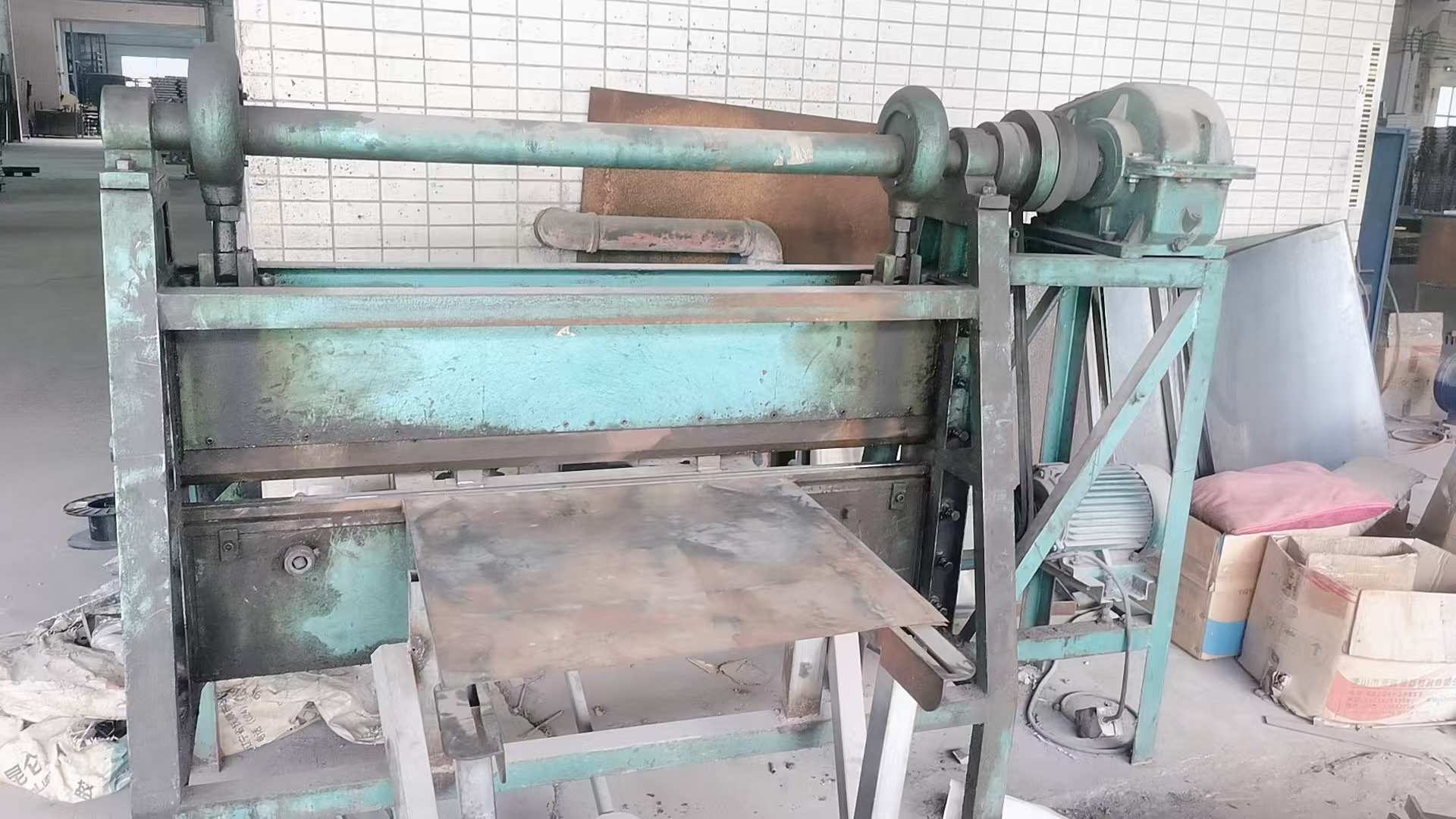
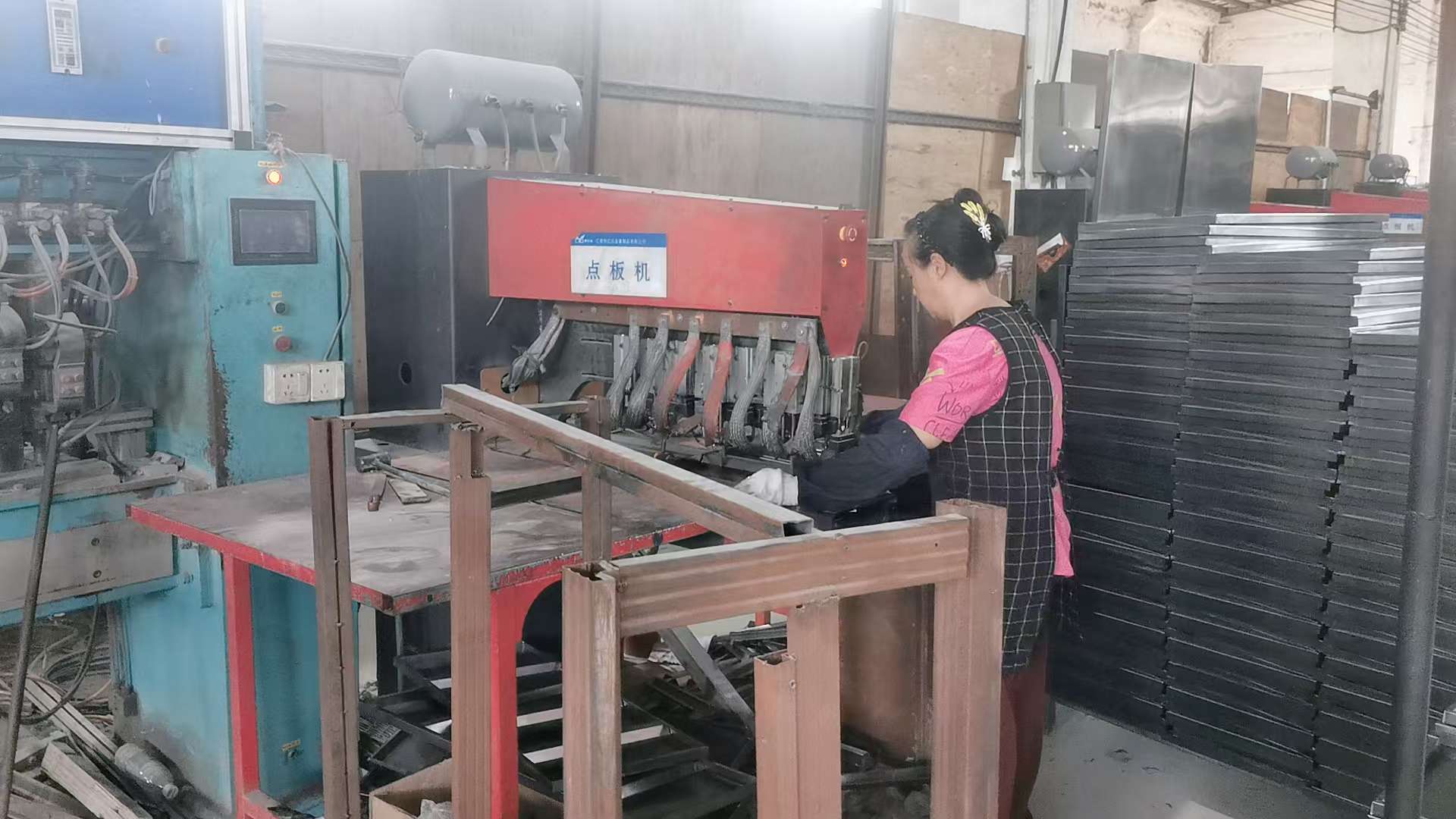
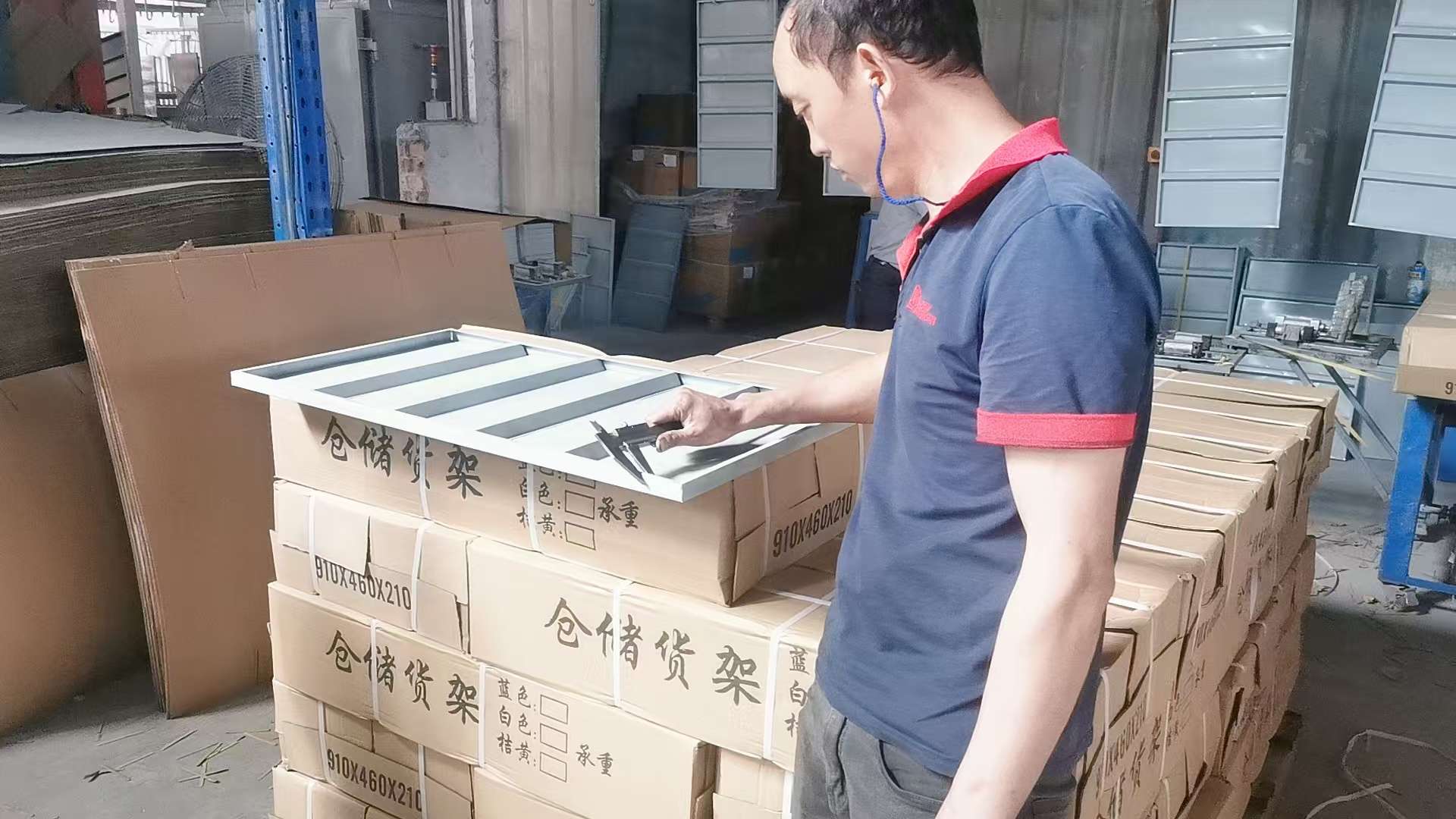
Hui Lian combines automated roll forming, robotic welding, and rigorous quality inspection to deliver high-durability steel systems.
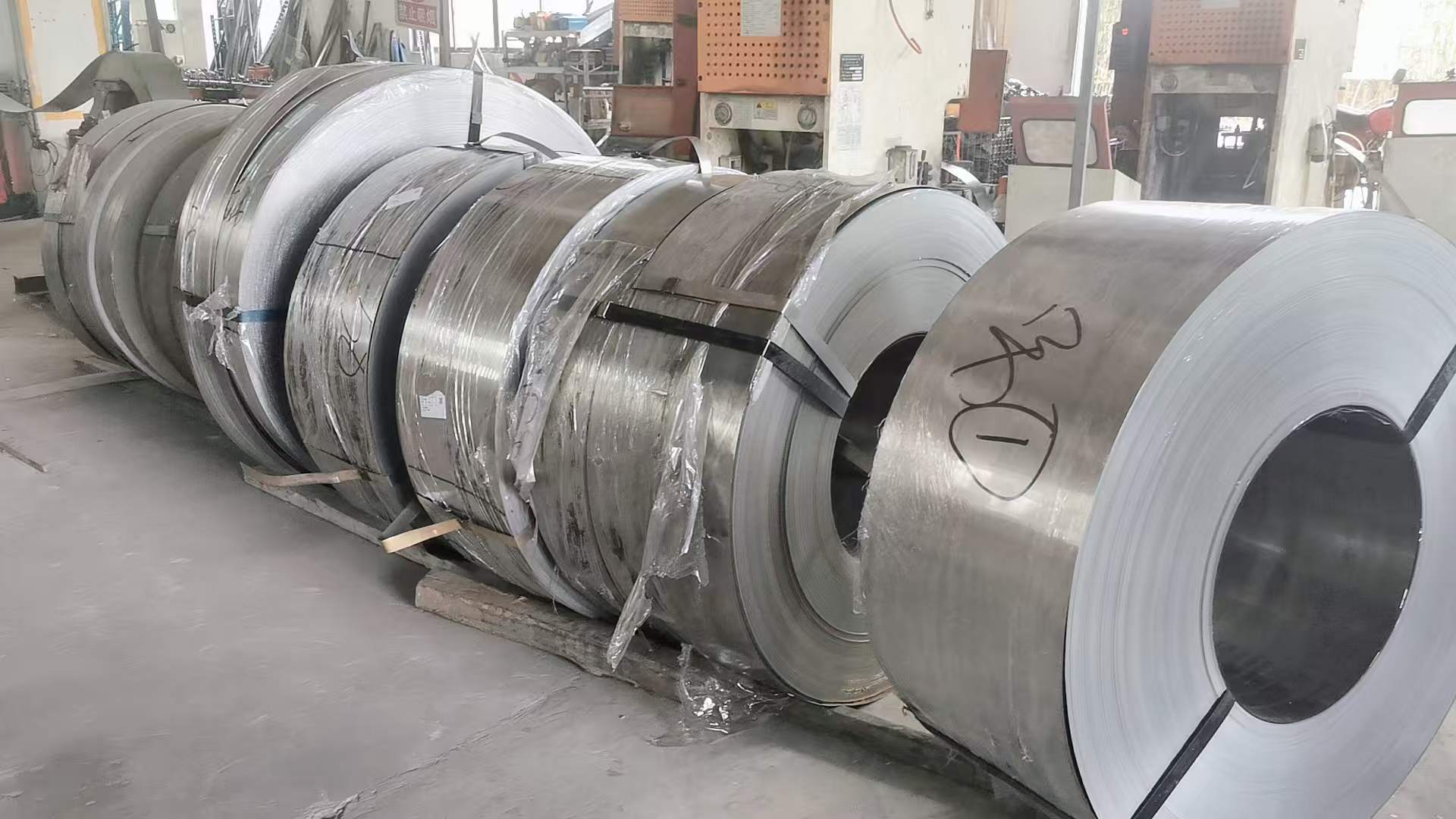
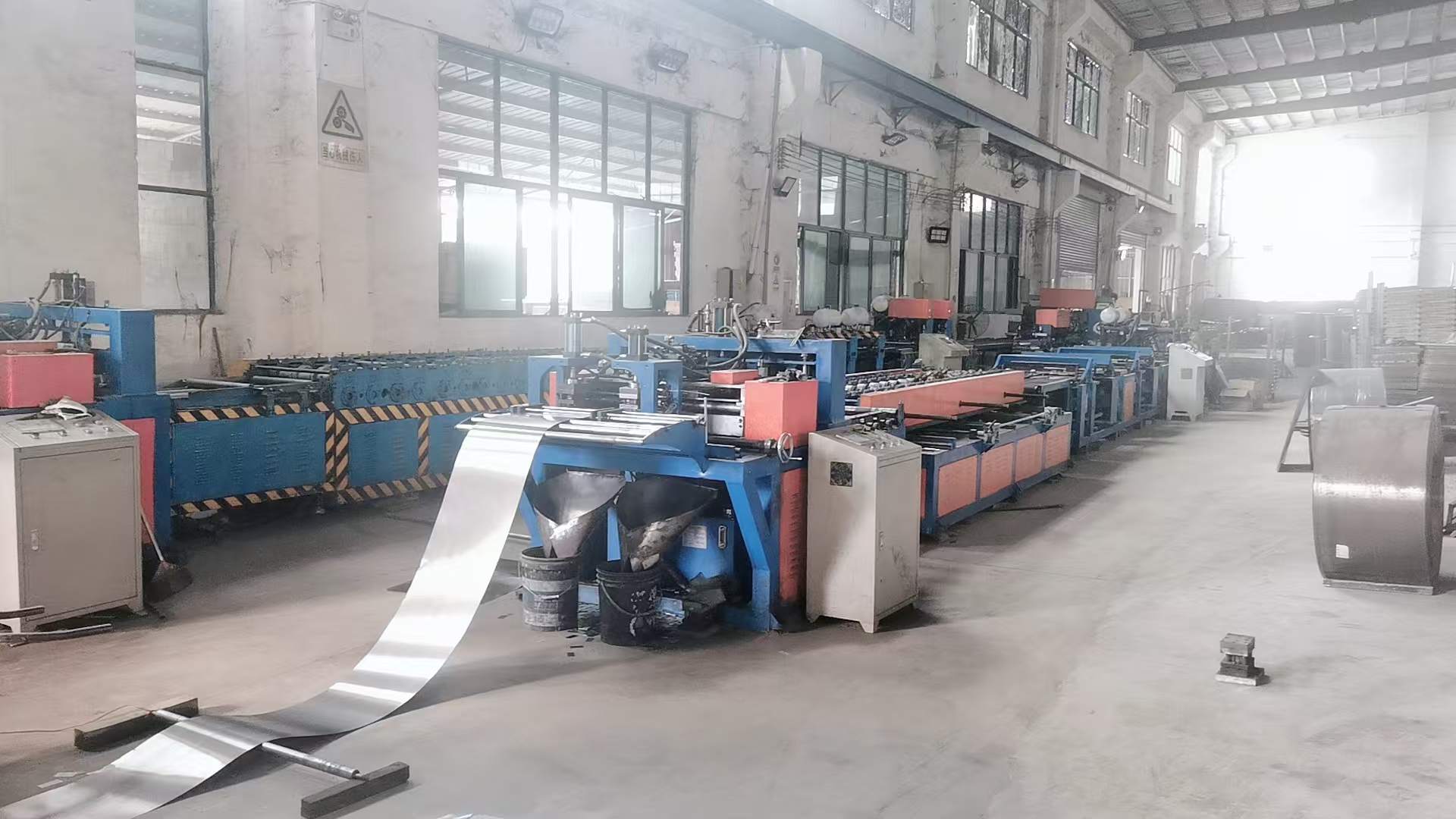
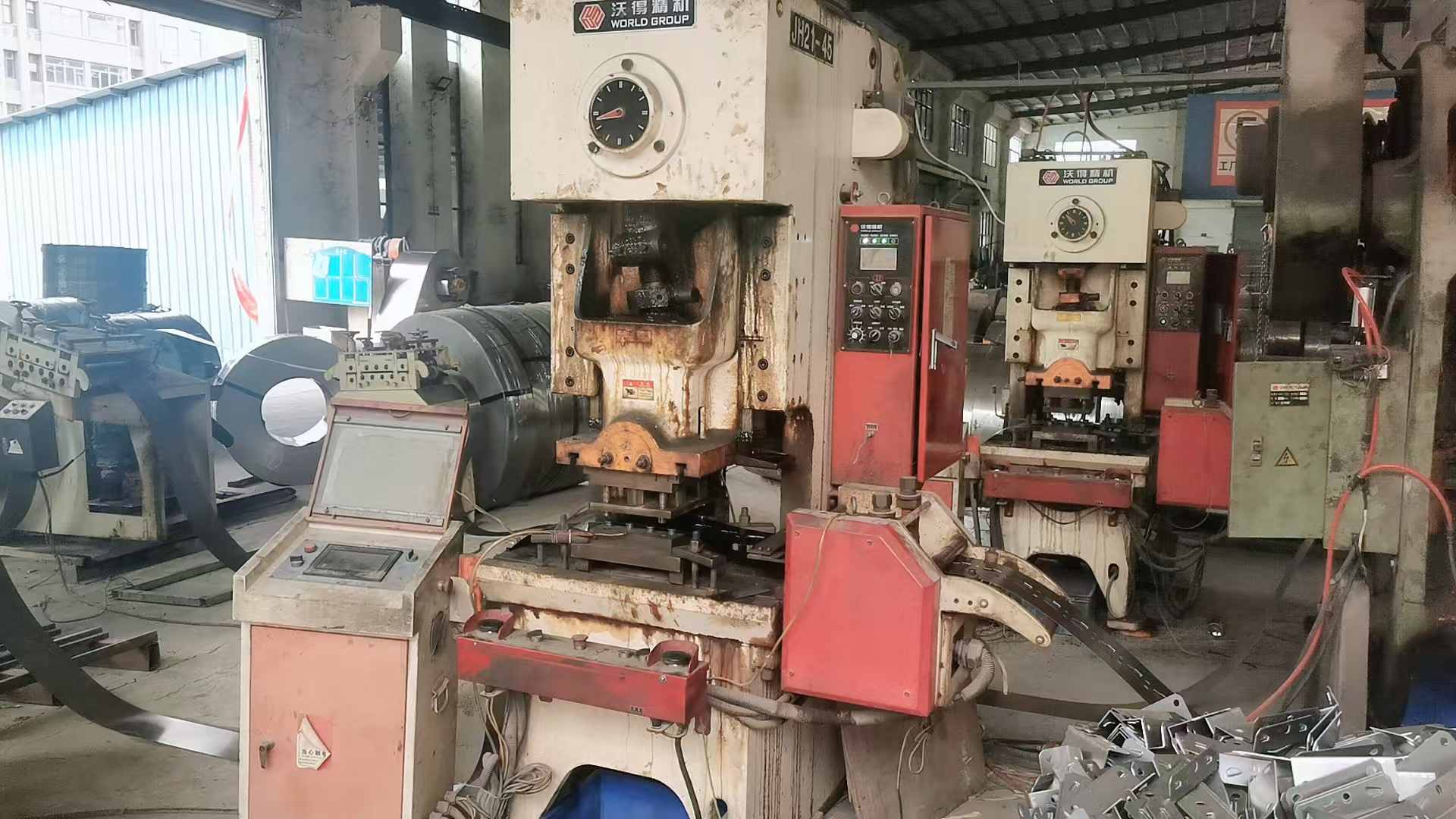
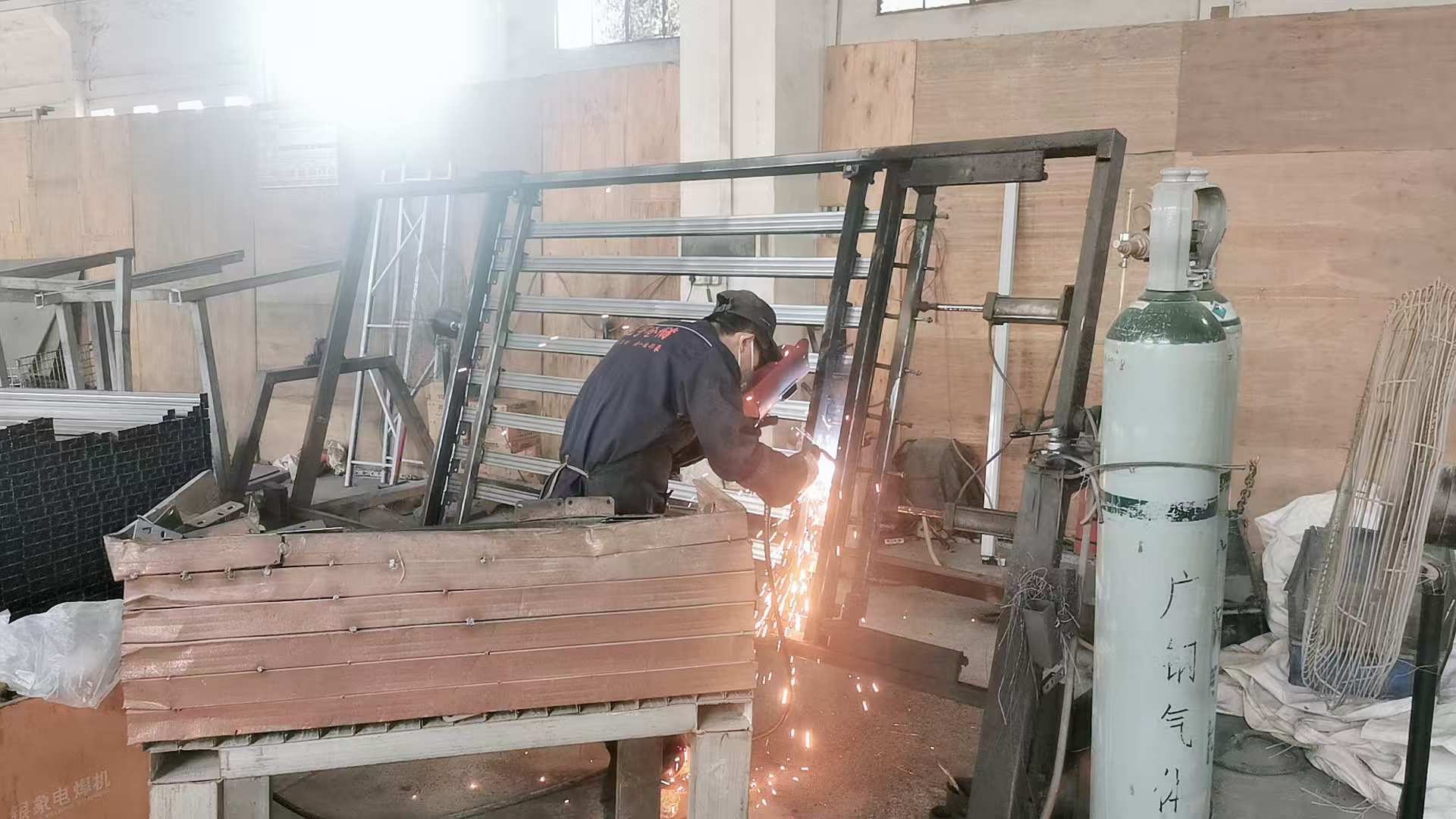
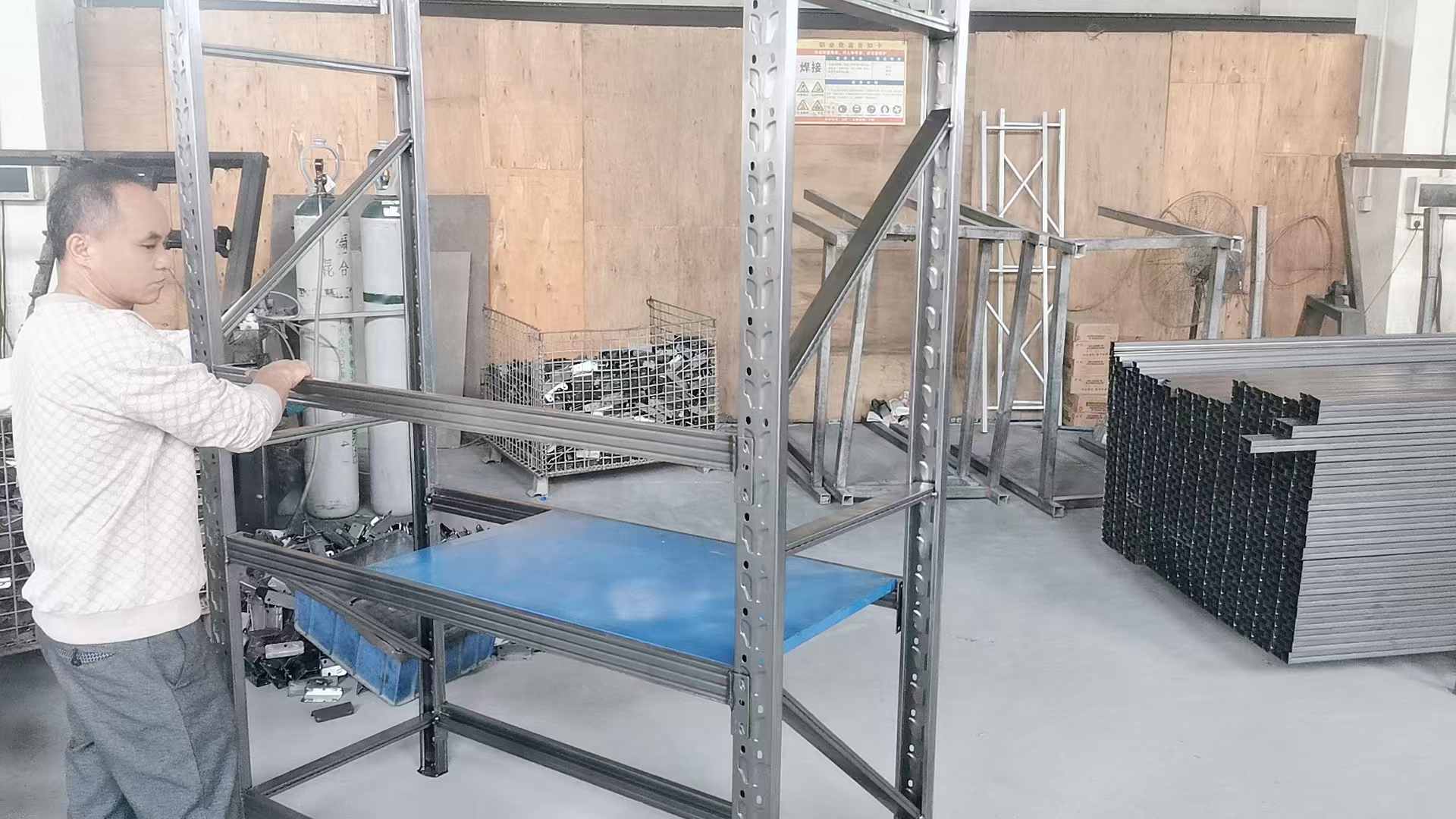
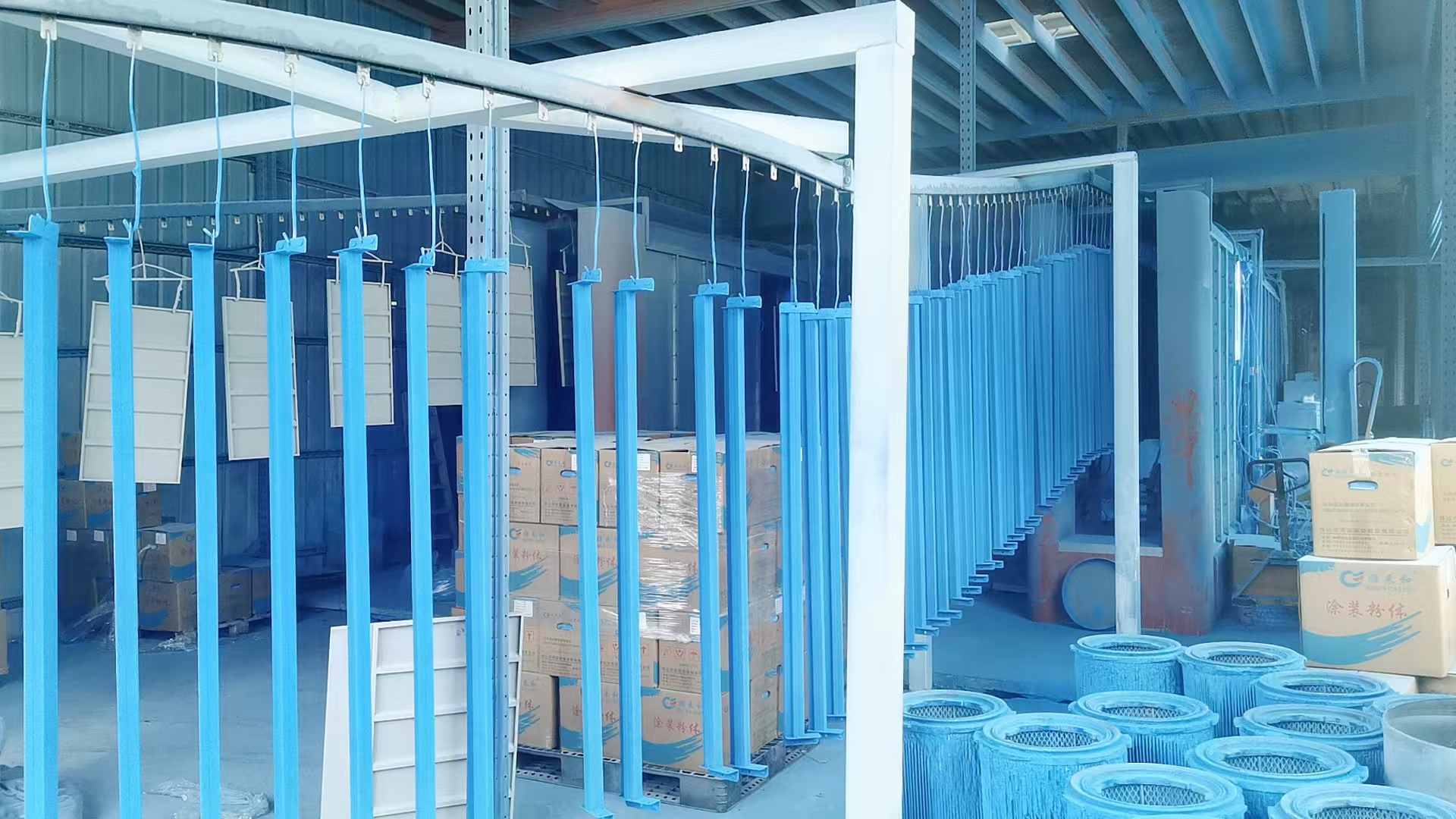
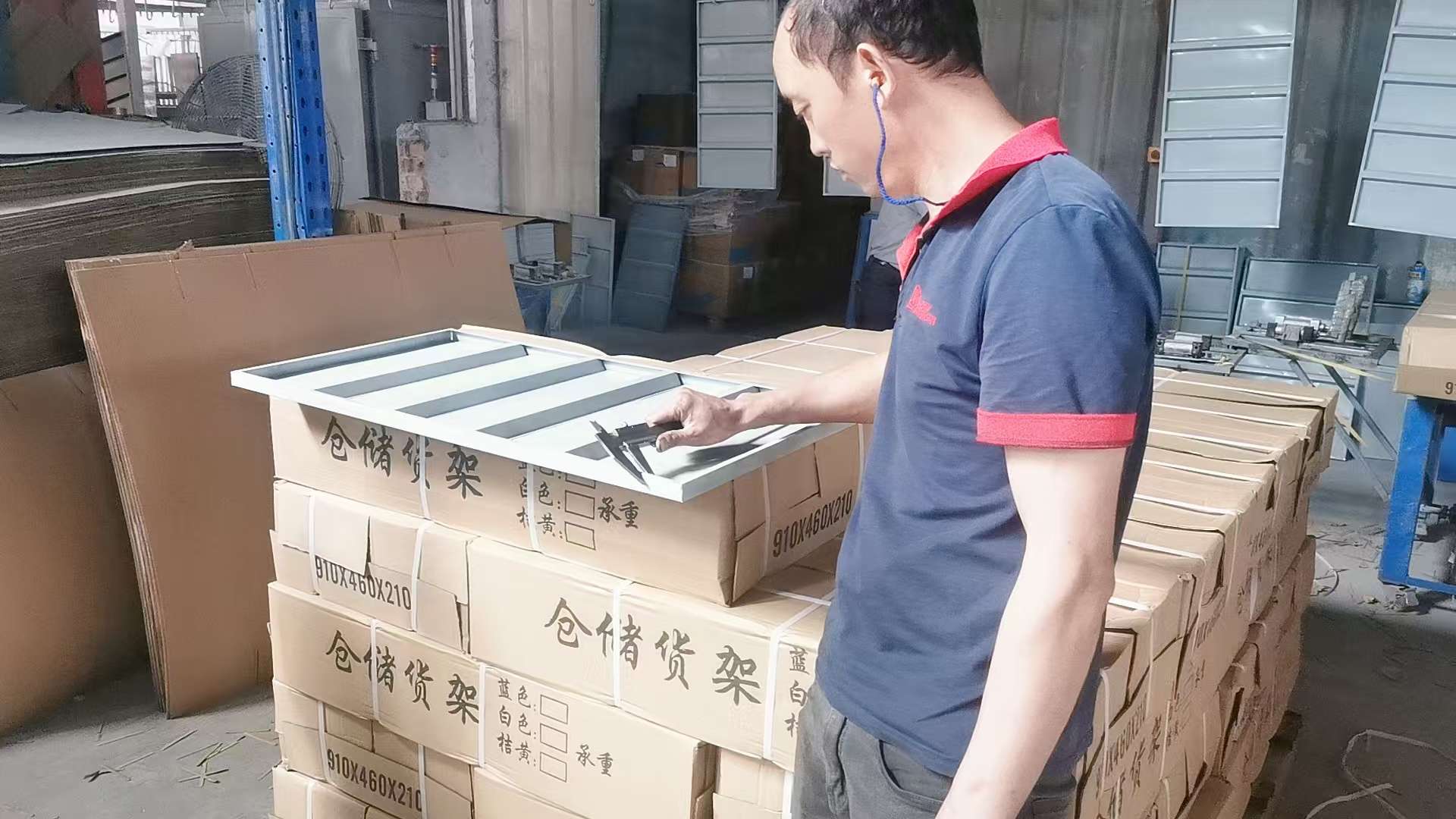
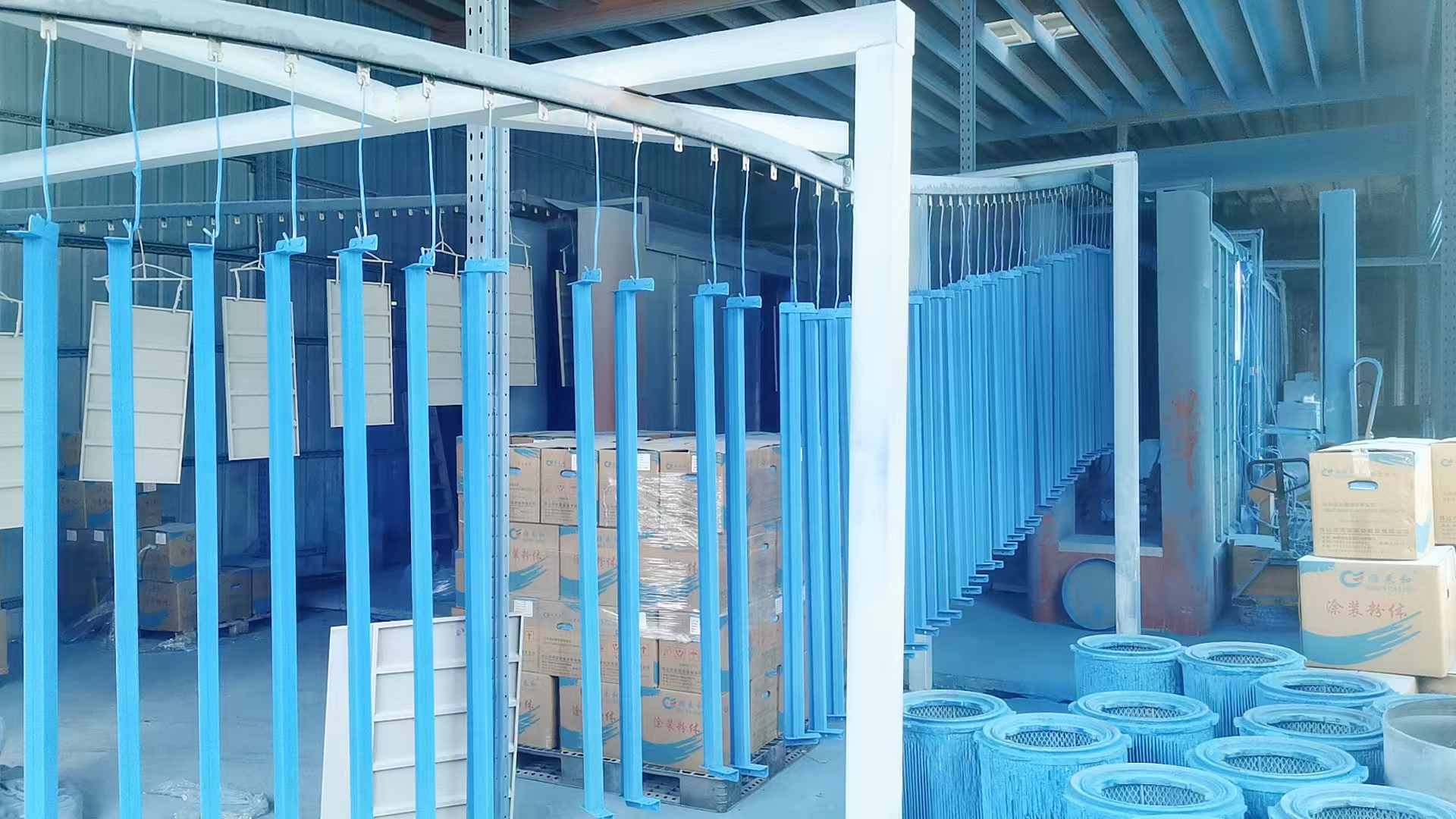
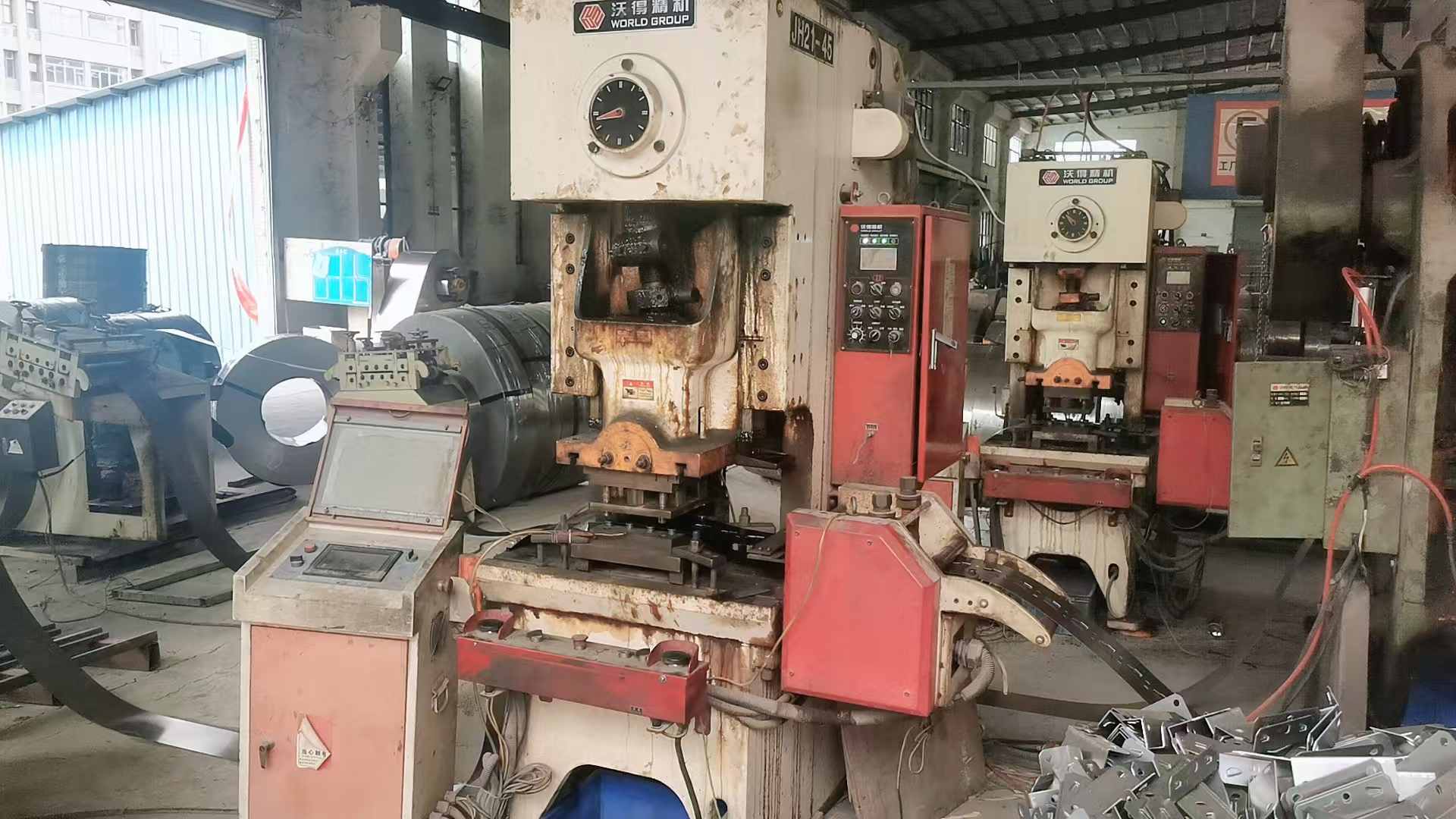
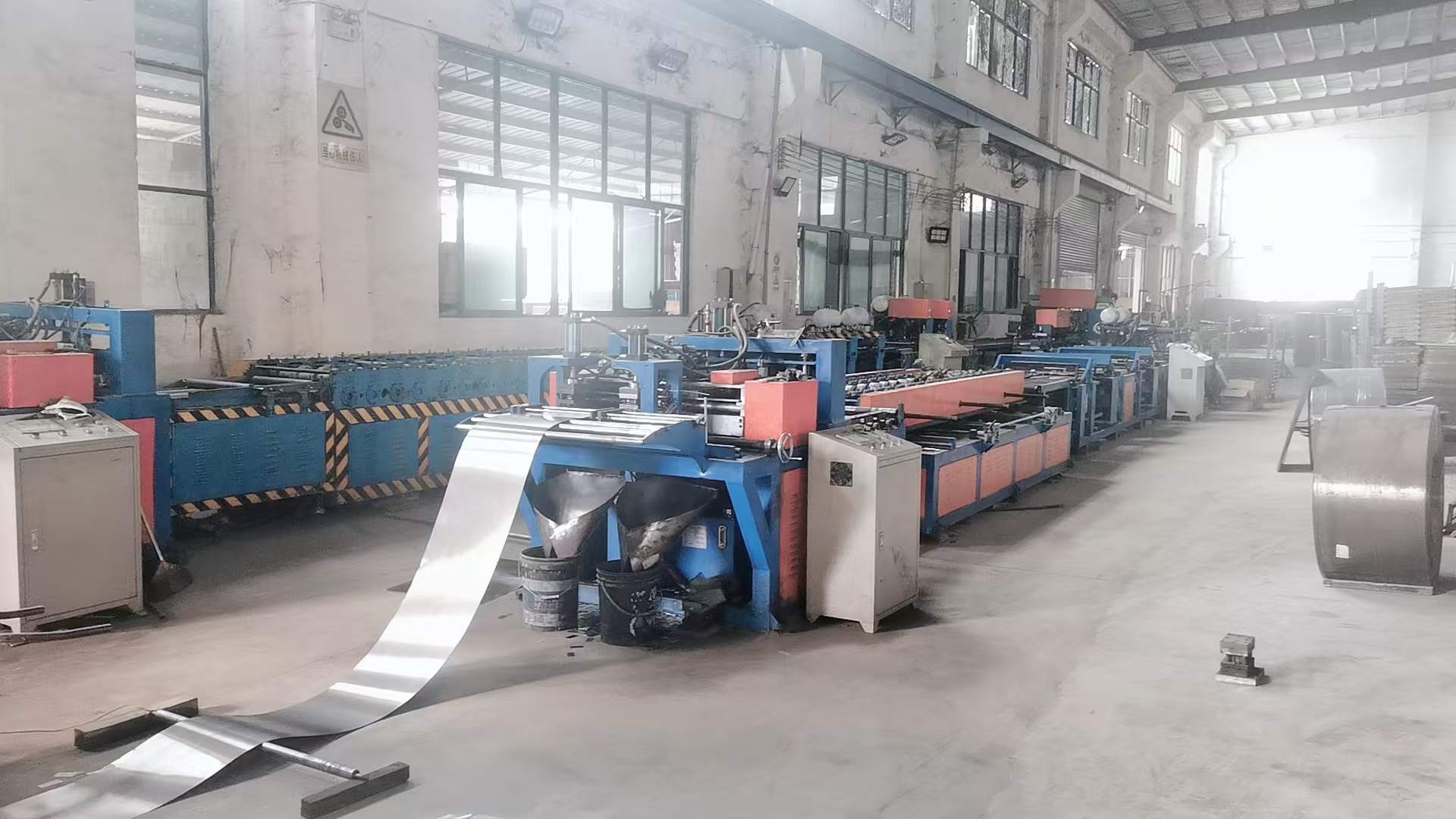
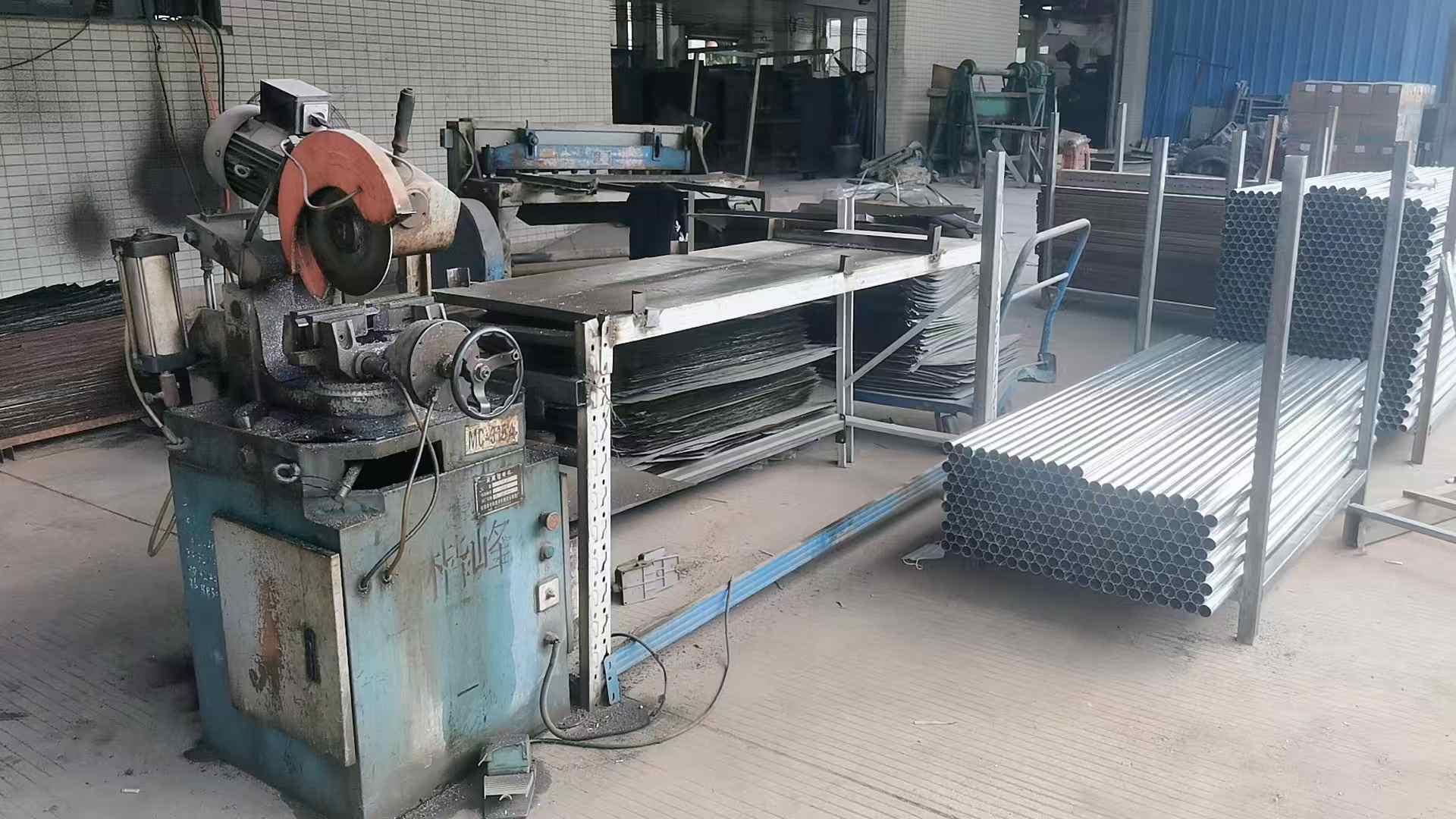
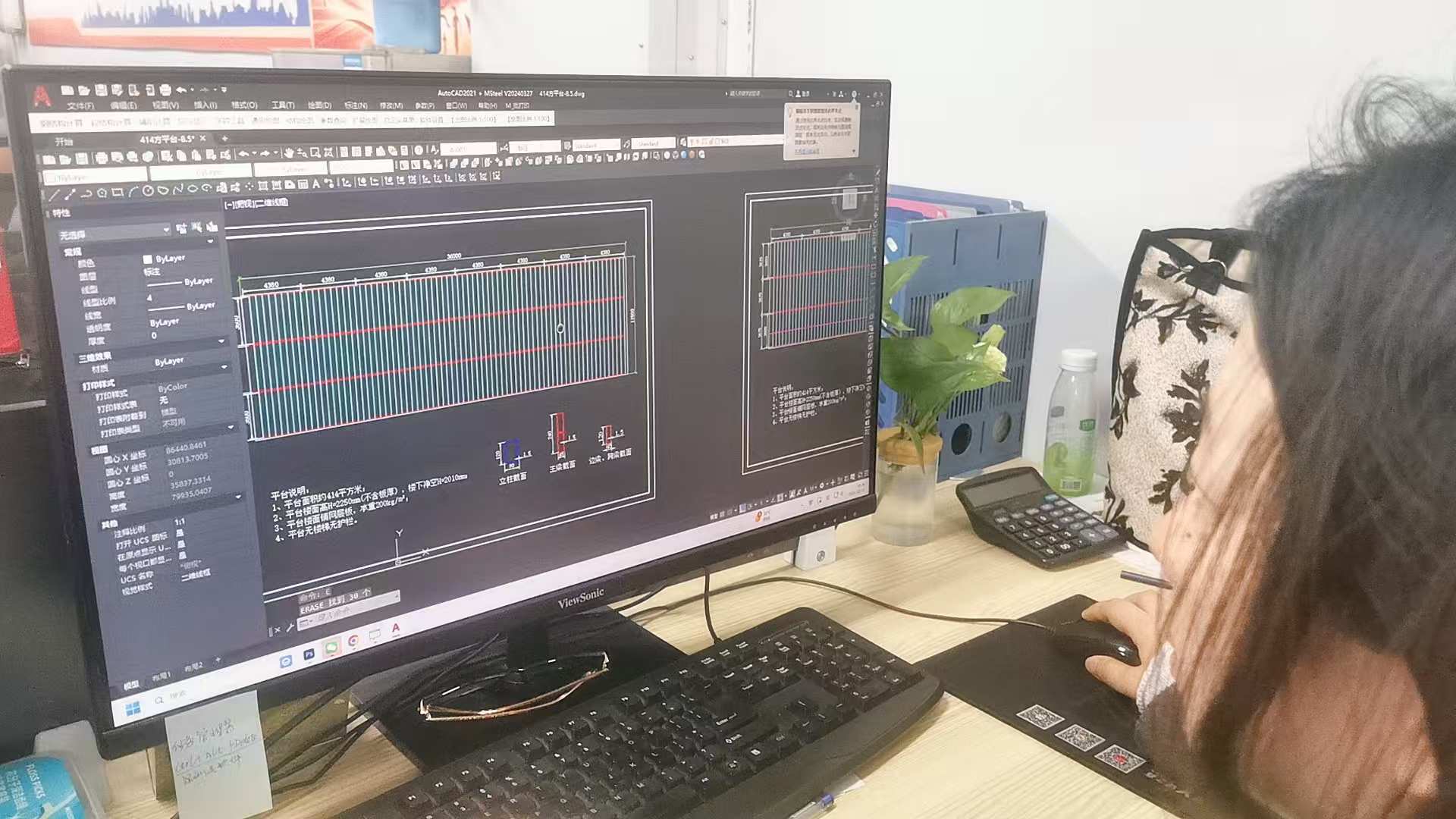
Industrial storage systems are evolving from passive metal structures into modular components optimized for automated material handling systems (AMHS). Hui Lian's engineering roadmap focuses on three main technical indicators:
Using premium Q235B and Q355B structural steel, our engineers use finite element analysis (FEA) to reduce structural dead weight while maintaining load-bearing capacity. Cold-rolled, hollow-formed sections minimize material cost without compromising safe load limits.
Modern configurations are designed with base footprints that align with automated guided vehicles (AGVs) and autonomous mobile robots (AMRs). Integrated fork pockets, entry guides, and positioning targets allow robotic lifters to safely transport fully loaded racks.
Our structures feature tool-free assembly and secure modular locking pins. Systems can be converted from high-capacity vertical stacking columns to folded, nested configurations, reducing return logistics space by up to 75%.
Industrial storage requirements vary significantly by sector. Stacking systems must be configured to address the specific logistical and environmental challenges of each industry:
1. Cold Chain Logistics & Sub-Zero Storage: Operating in environments from -18°C to -30°C demands specialized metal treatments. Standard powder coatings can become brittle and crack under thermal stress. Hui Lian provides hot-dip galvanized finishes (thickness 80-120μm) to prevent corrosion from condensation, while using low-temperature impact-resistant steel to maintain structural integrity.
2. E-Commerce Fulfillment & Rapid Sorting: E-commerce facilities handle high SKU turnover and variable sizing. Lightweight, adjustable wire mesh storage units on multi-directional casters allow warehouse layouts to be reconfigured rapidly. Integrated wire dividers improve picking accuracy and throughput.
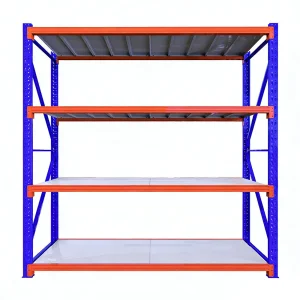
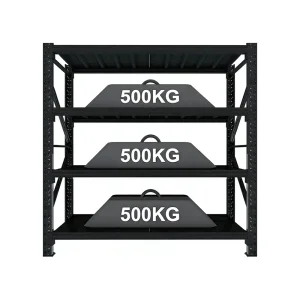
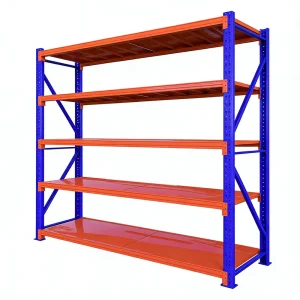
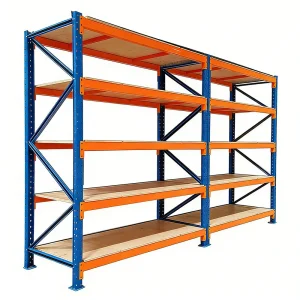
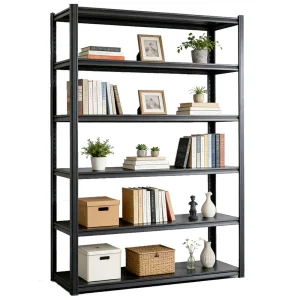
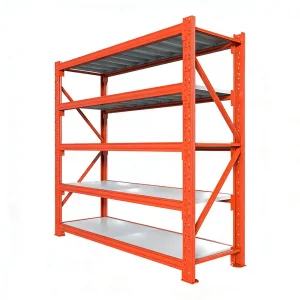
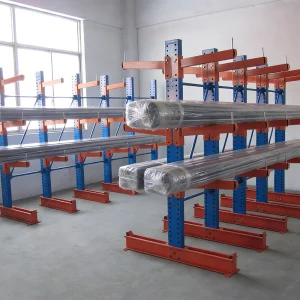
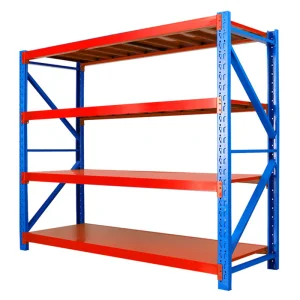
3. Heavy Industrial & Automotive Parts: Storing heavy castings, engine blocks, and stamped body panels requires structural stability. Heavy-duty 5-layer shelving and double-sided cantilever systems support concentrated asymmetric loads of 1,000kg to 3,000kg per tier without deflection.
4. Industrial Tooling & Stamping Die Containment: Metal tool storage racks are reinforced with structural channel beams and double-welded joints to handle the high point loads of manufacturing tools, ensuring operator safety and long-term durability.
To support global supply chains, industrial racking systems must comply with regional structural engineering standards. Hui Lian designs, fabricates, and tests its product lines to meet the following regulatory codes:
Compliance & Structural Engineering Standards:
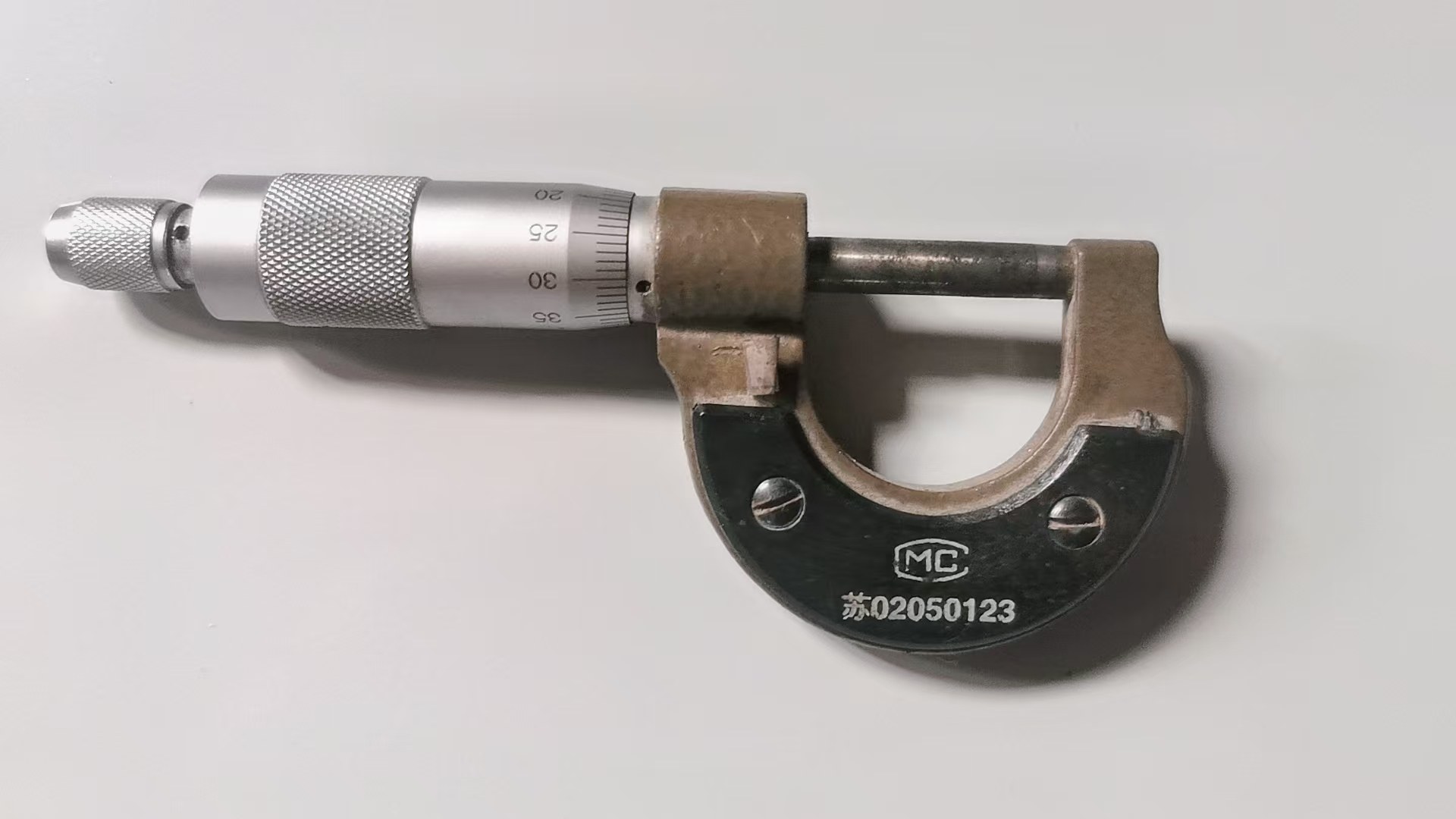
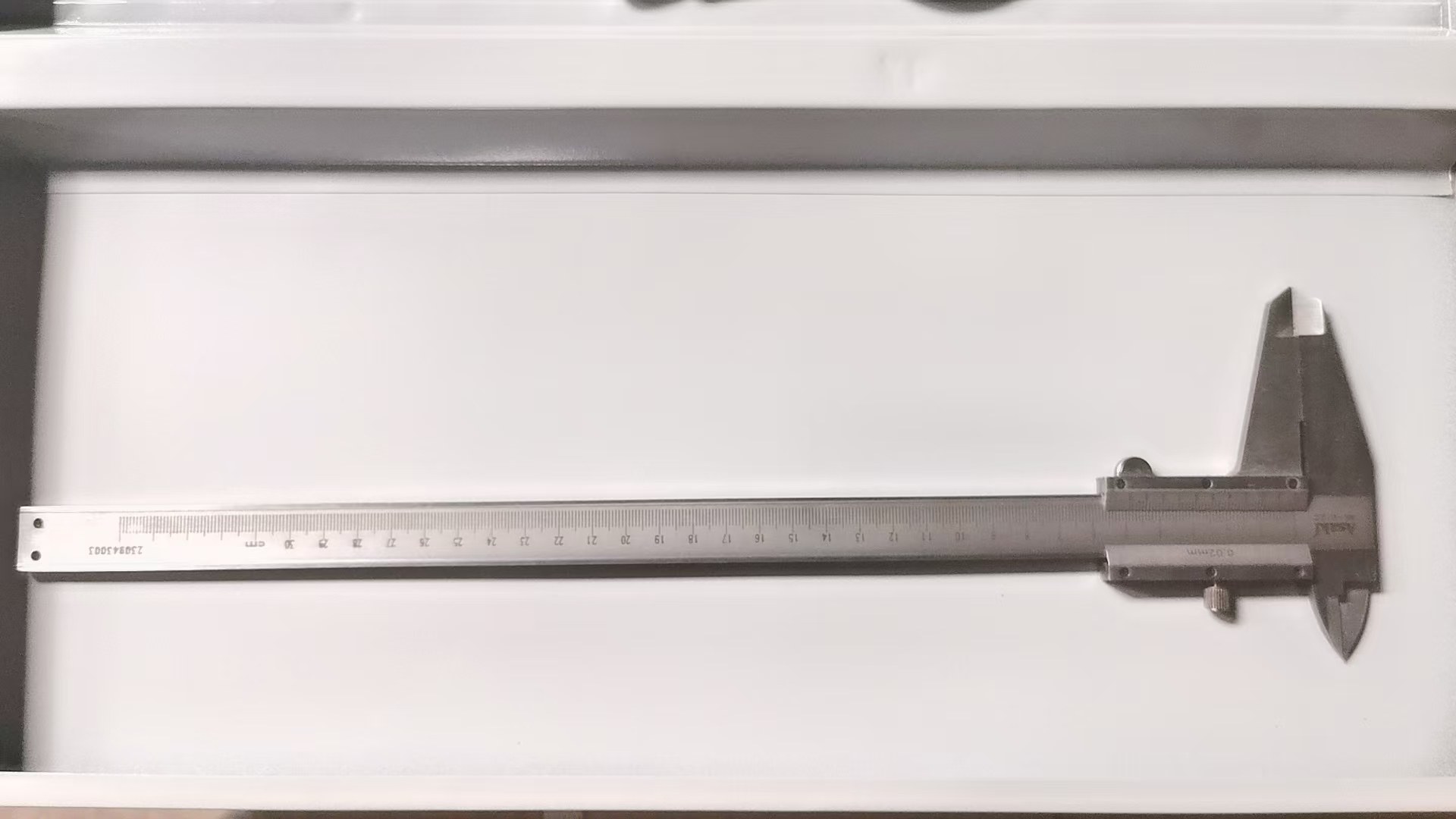
Our quality control department consists of 56 professional QC inspectors who monitor the entire production cycle, from raw material inspection to final shipment. We use advanced inspection equipment, including laser measurement tools, load testing setups, coating thickness gauges, and automated inspection systems, to verify that every component maintains our specified tolerances.
Common technical questions answered by our engineering and production departments.
Review our specialized storage products, designed to match the handling needs of modern logistics facilities.
 Hui Lian