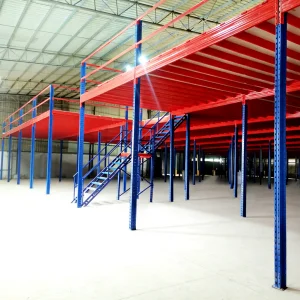
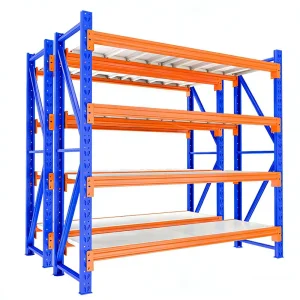
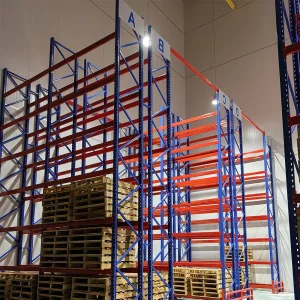
Explore our high-durability, customizable stacking and shelving products engineered to maximize vertical warehouse space.
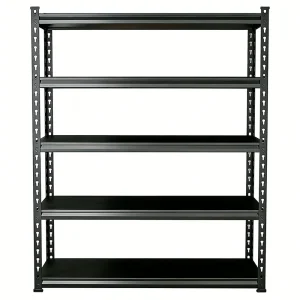
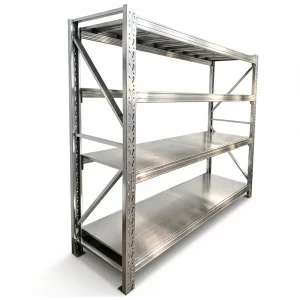
An in-depth analysis of supply chain efficiency, material engineering, and intelligent warehouse space optimization.
Modern warehousing is no longer just about storage volume; it is defined by speed, flexibility, and maximum cubic space utilization. Stacking racks, or portable storage pallets, represent a crucial evolutionary branch of unit load equipment. Traditional fixed racking, while sturdy, locks warehouses into rigid layout configurations. Once a warehouse layout is anchored to the concrete foundation, adapting to seasonal product demand spikes, shifting SKU portfolios, and new packaging footprints becomes highly inefficient and costly.
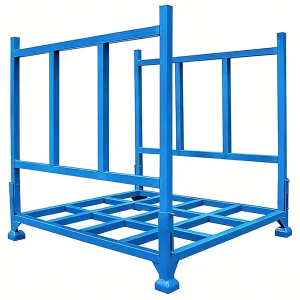
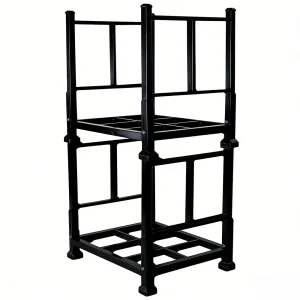
Stacking racks offer a dynamic structural solution. By allowing modular units to be stacked up to four to six tiers high, facilities can rapidly assemble heavy-duty storage configurations without the capital expense of permanent steel installations. Furthermore, when empty, these racks dismantle or fold flat, reducing the required storage space by up to 80%. This capability dramatically optimizes empty return transport volumes and keeps valuable warehouse floor space free for assembly, packing, and high-velocity staging.
Safety and structural stability under load are paramount in heavy industry. At Dongguan Hui Lian Intelligent Warehouse Equipment Co., Ltd., our engineering teams build our products using structural grade Q235B and Q355 high-tensile carbon steel. Structural safety calculations are conducted under international standards such as RMI (Rack Manufacturers Institute) guidelines and FEM 10.2.02 codes.
Our manufacturing processes feature precise control parameters:
A comprehensive view of our specialized fabrication workflow, showcasing our high-precision equipment, automated lines, and robust quality control systems.
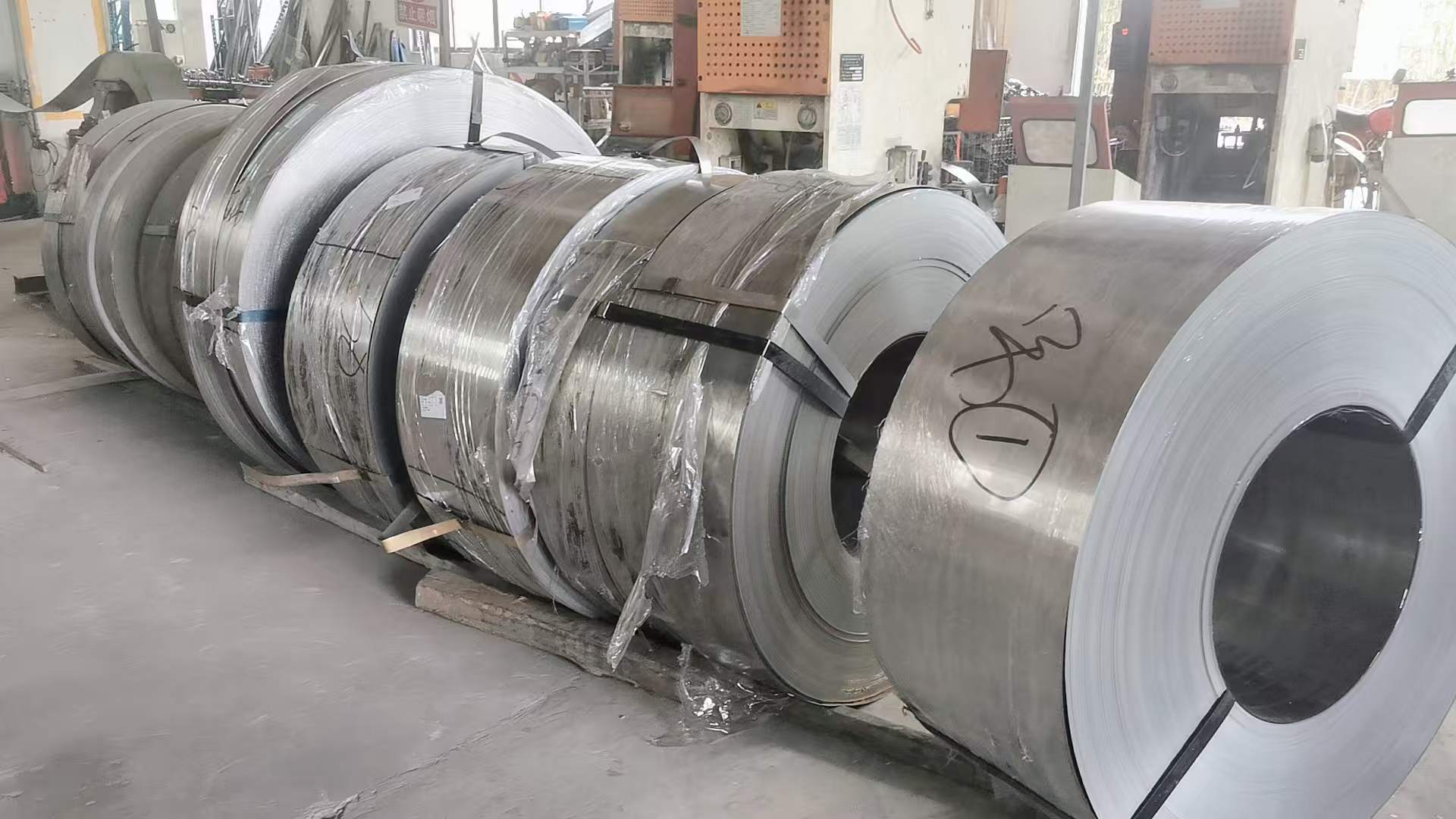
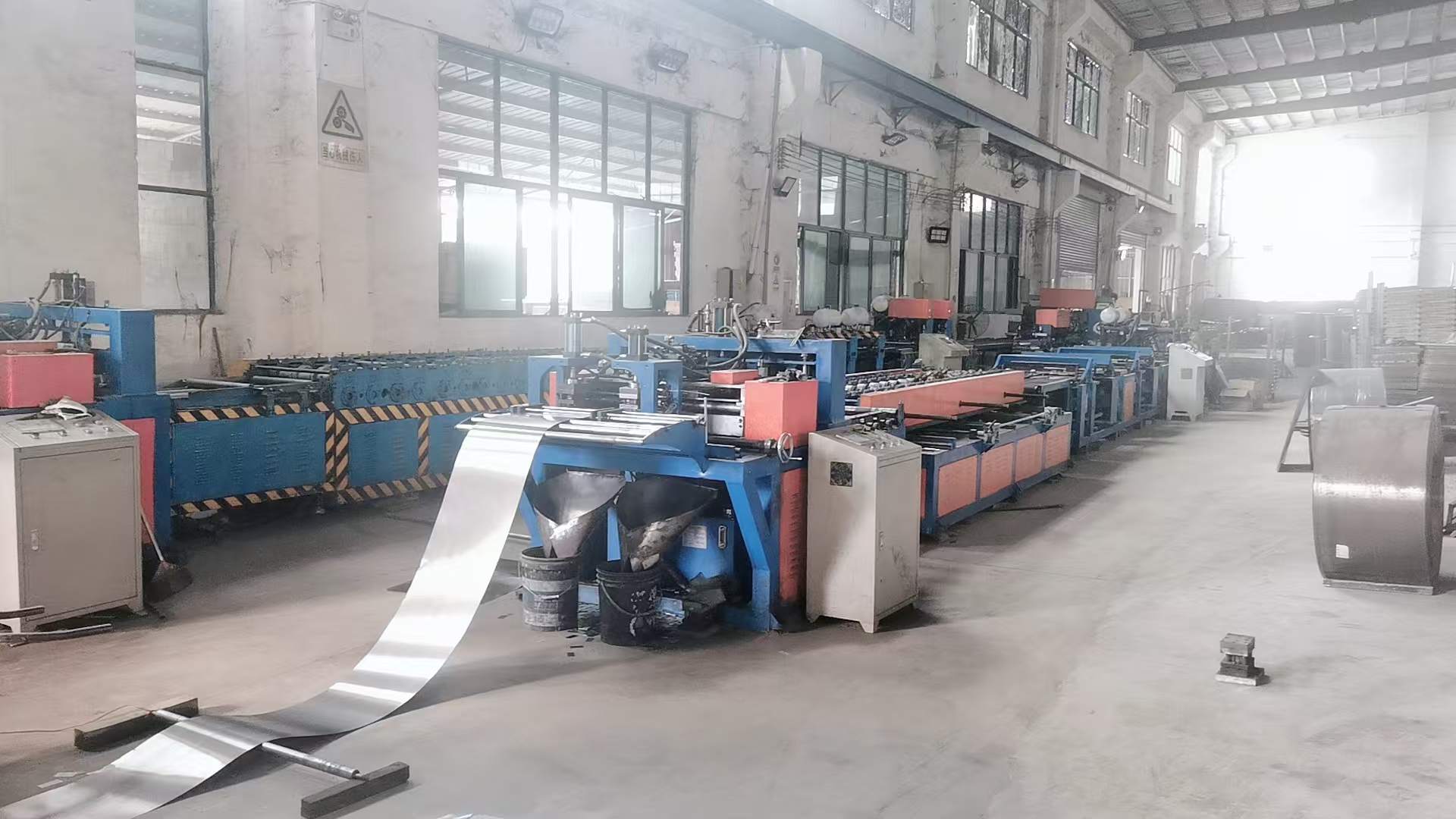
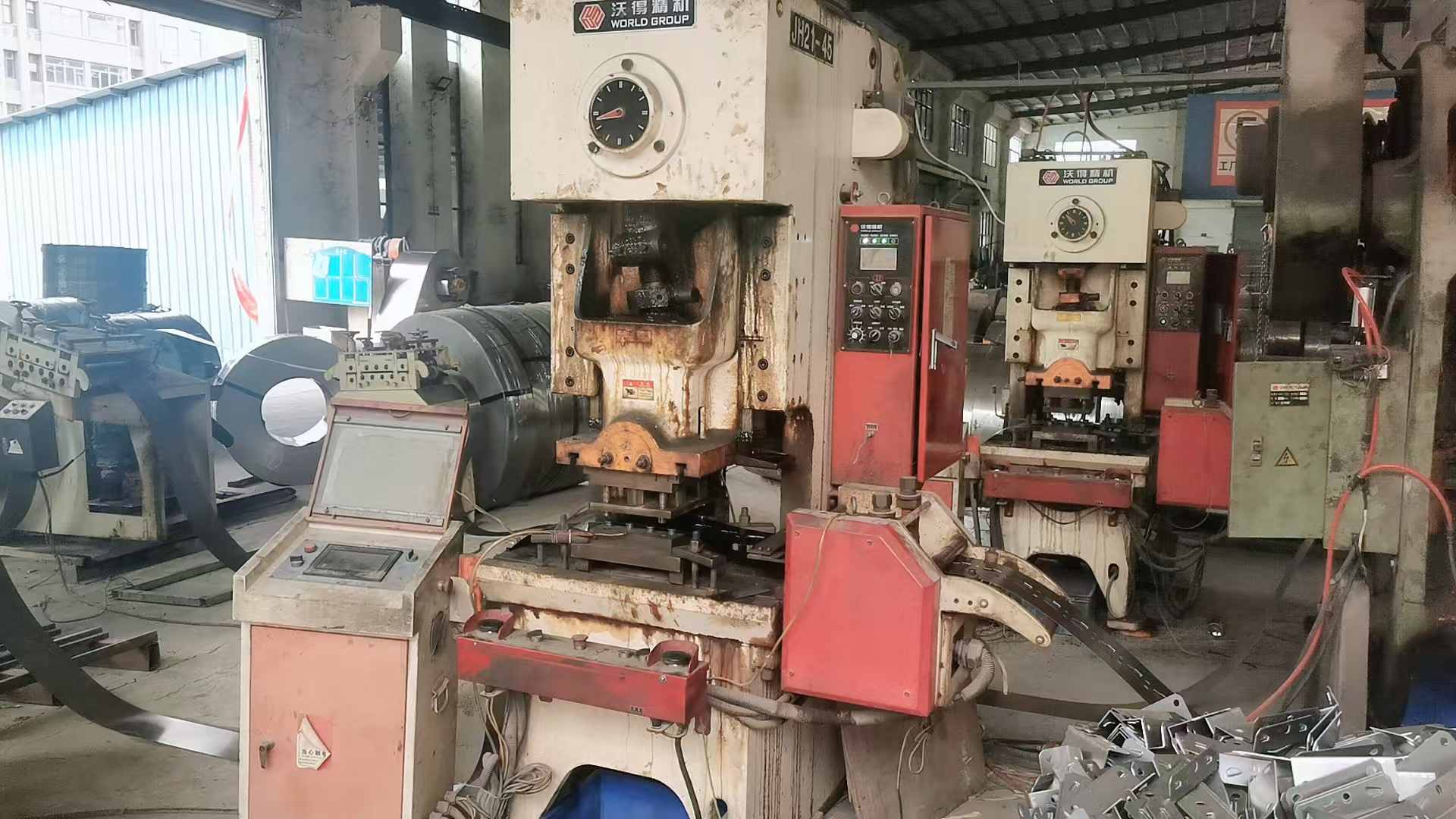
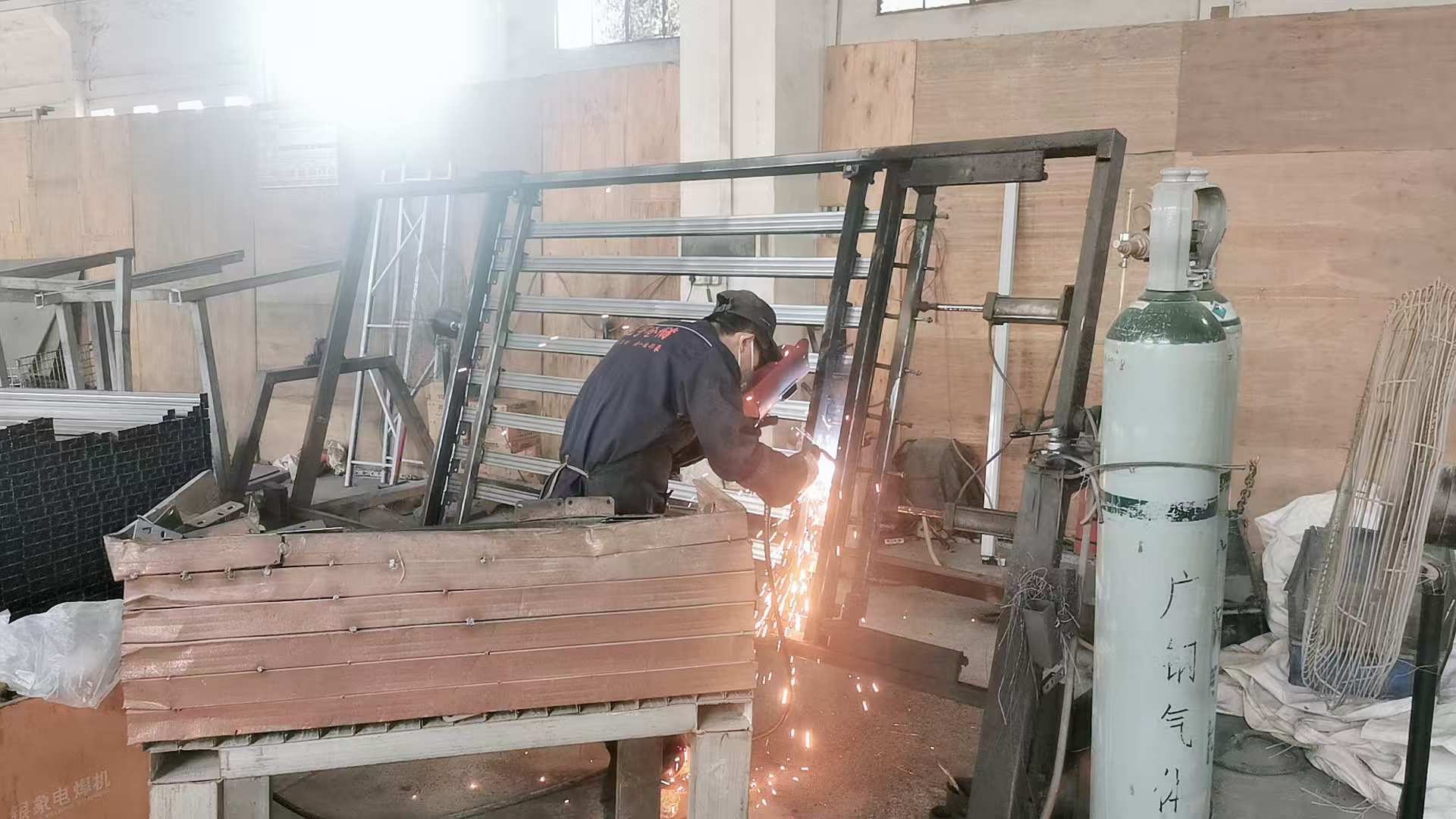
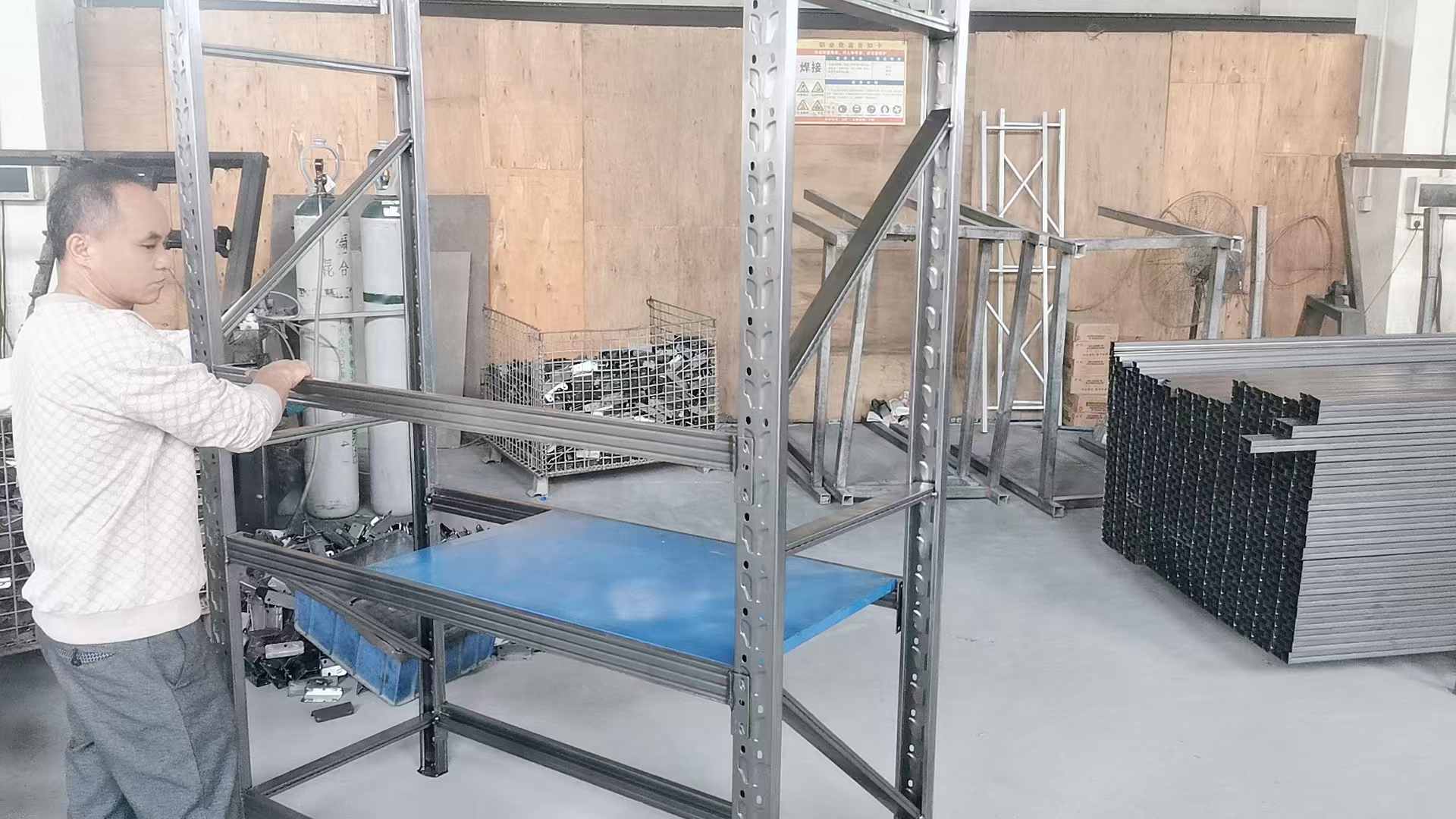
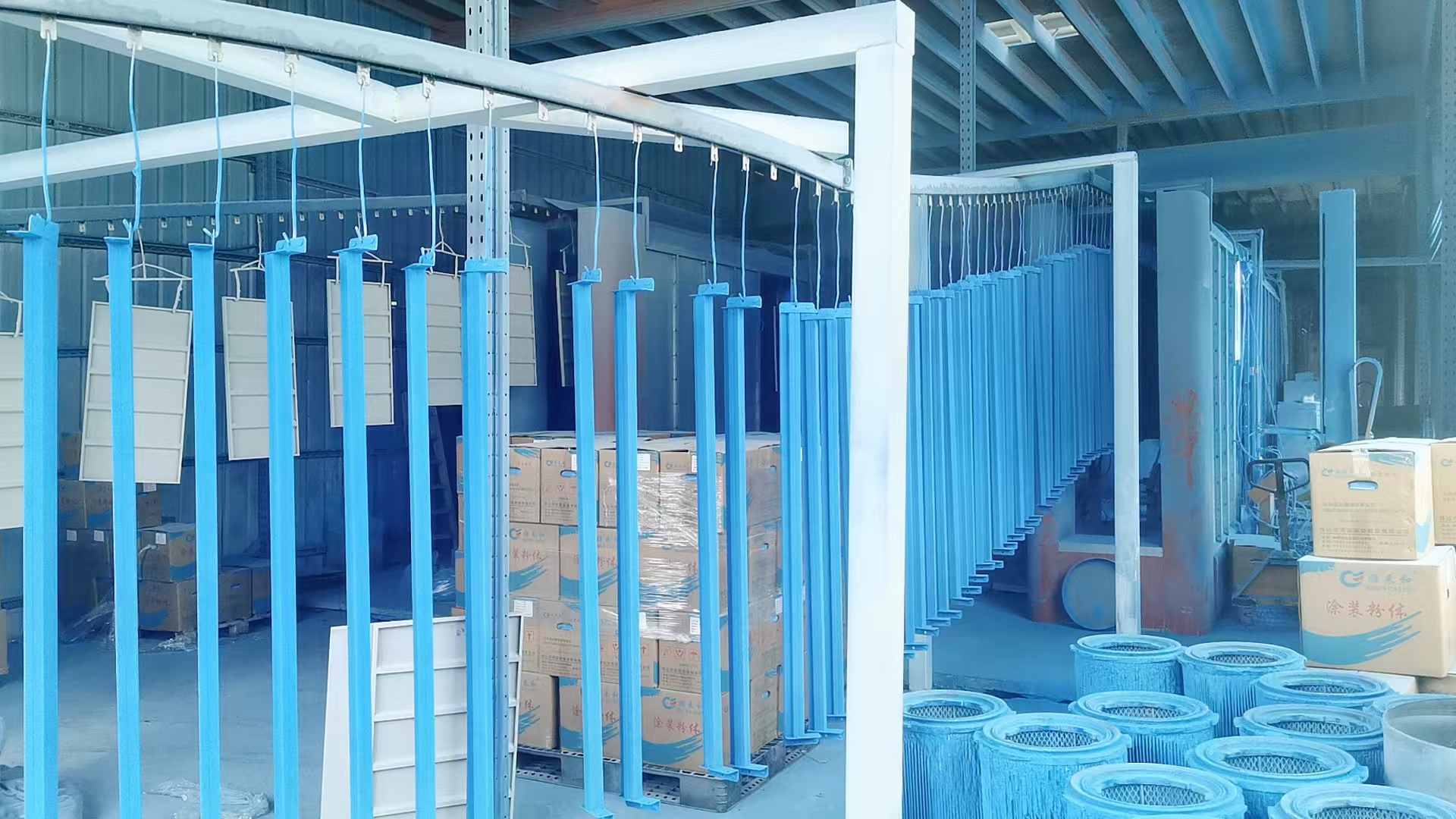
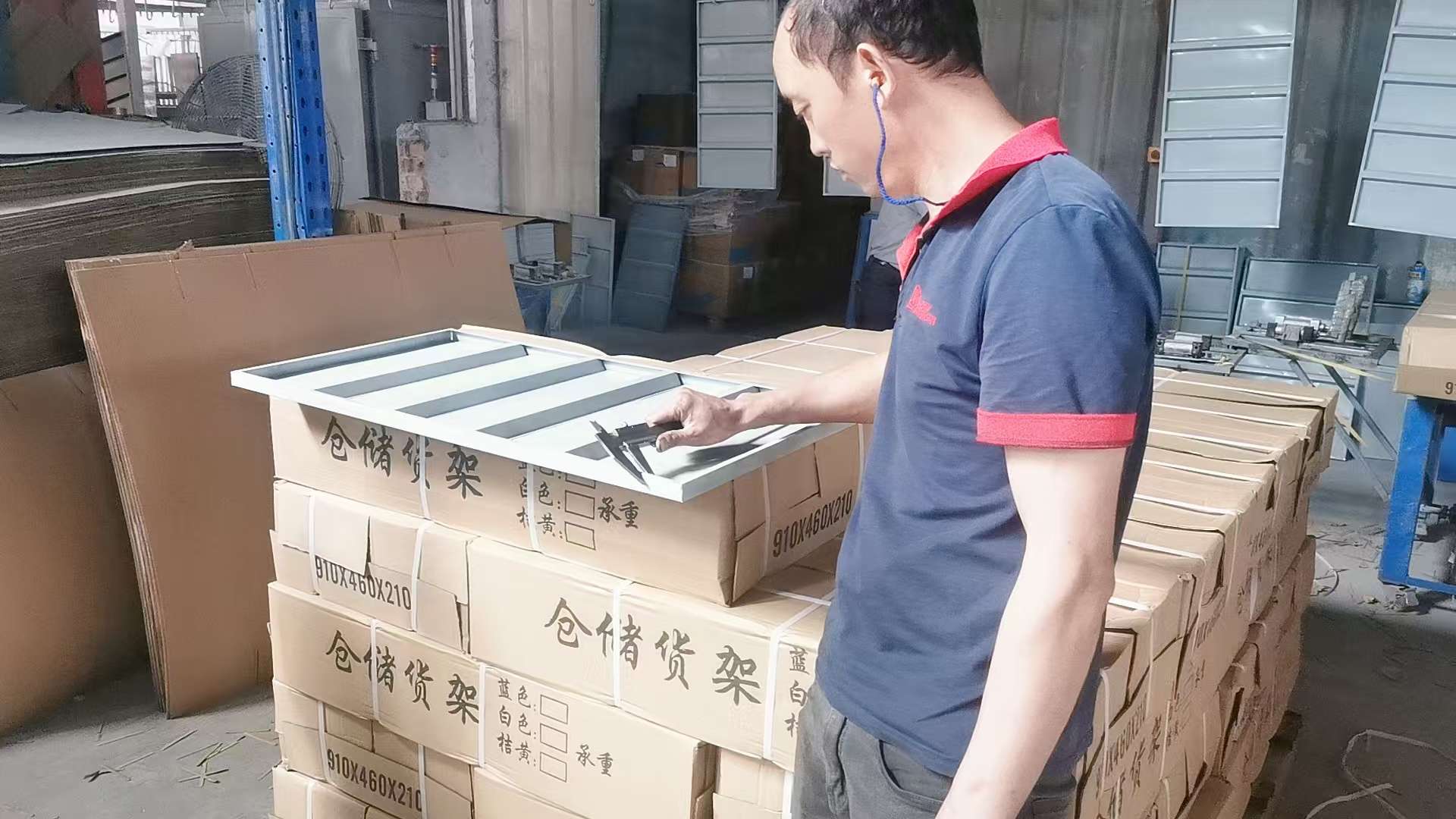
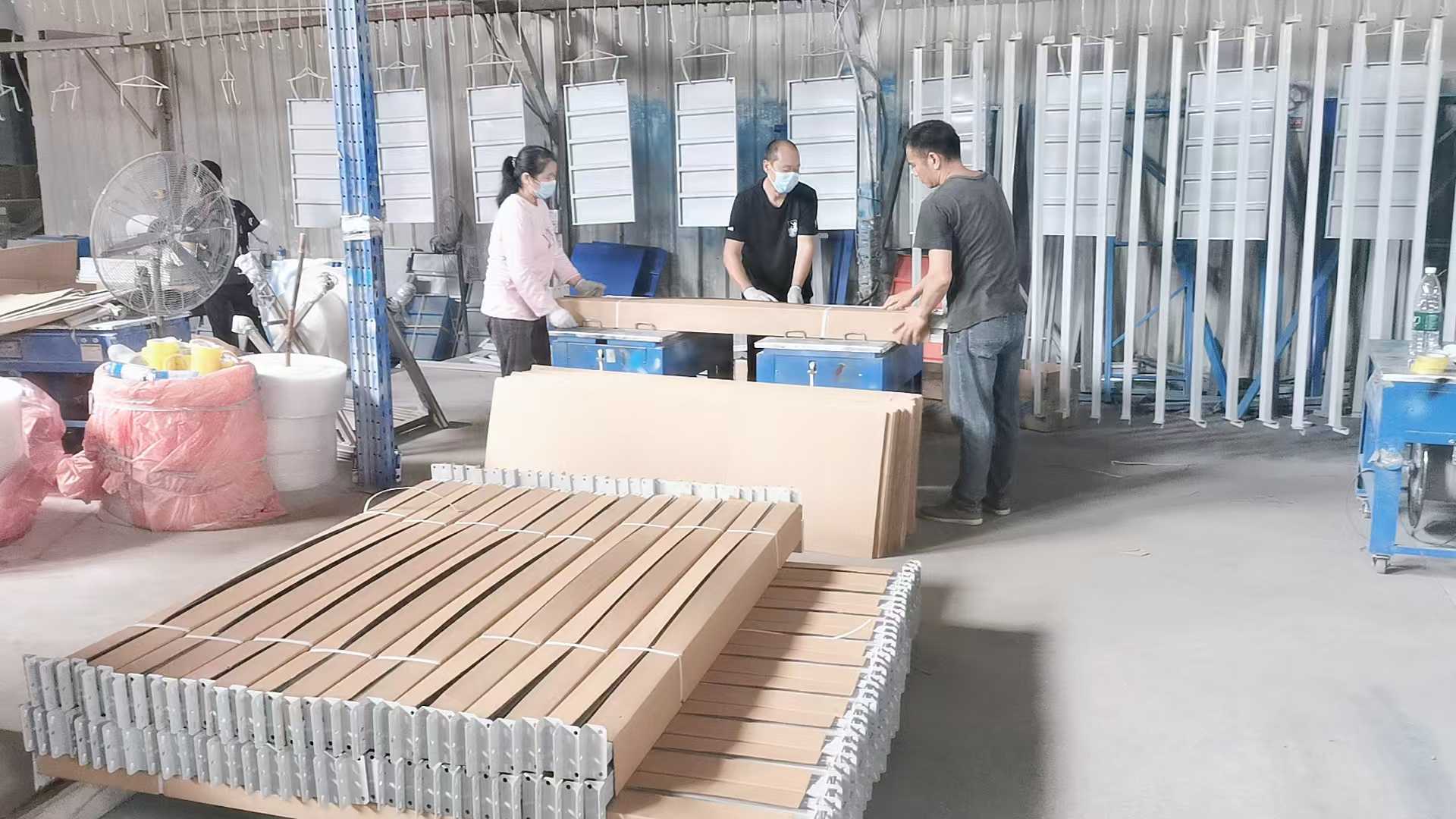
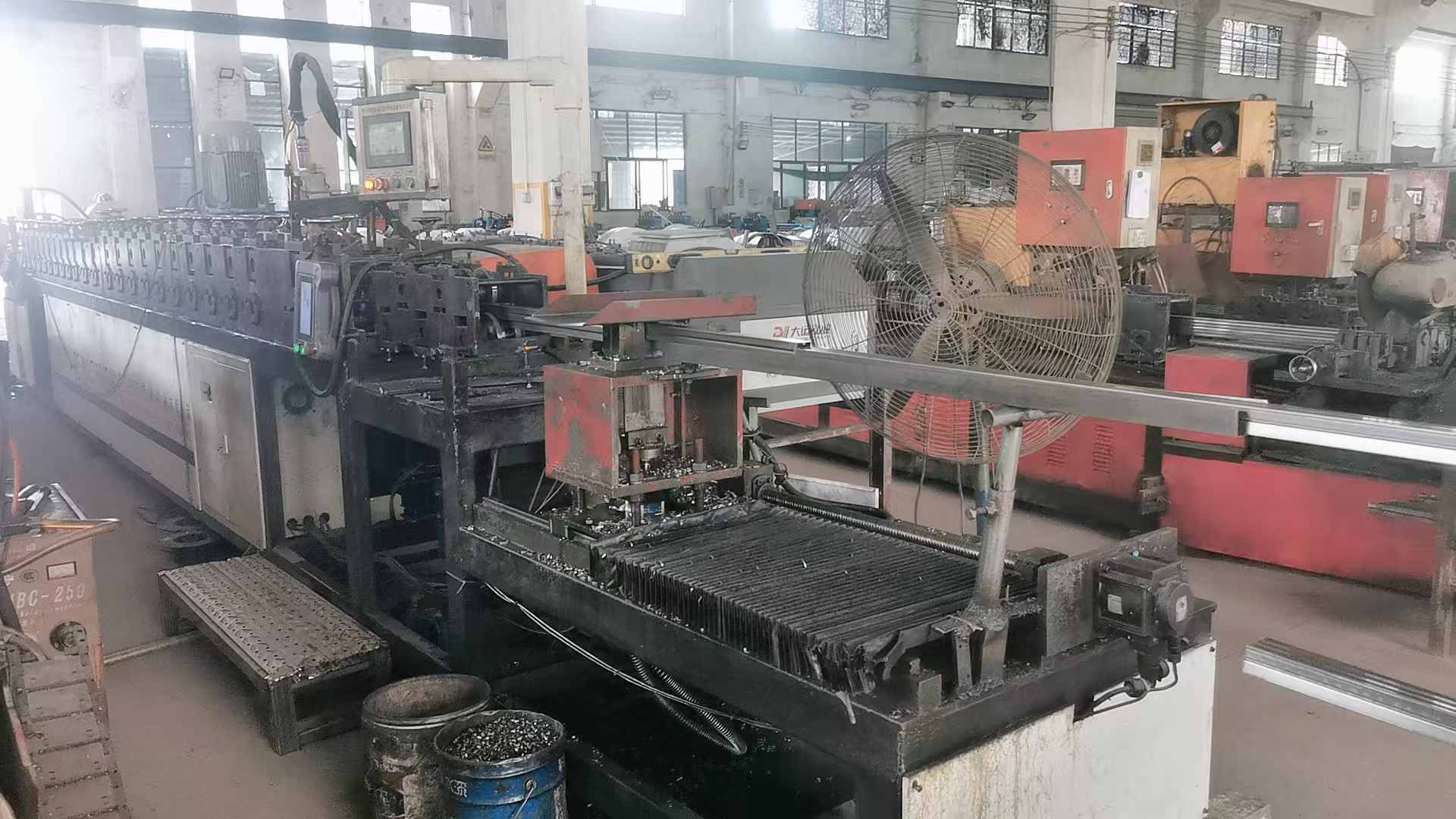
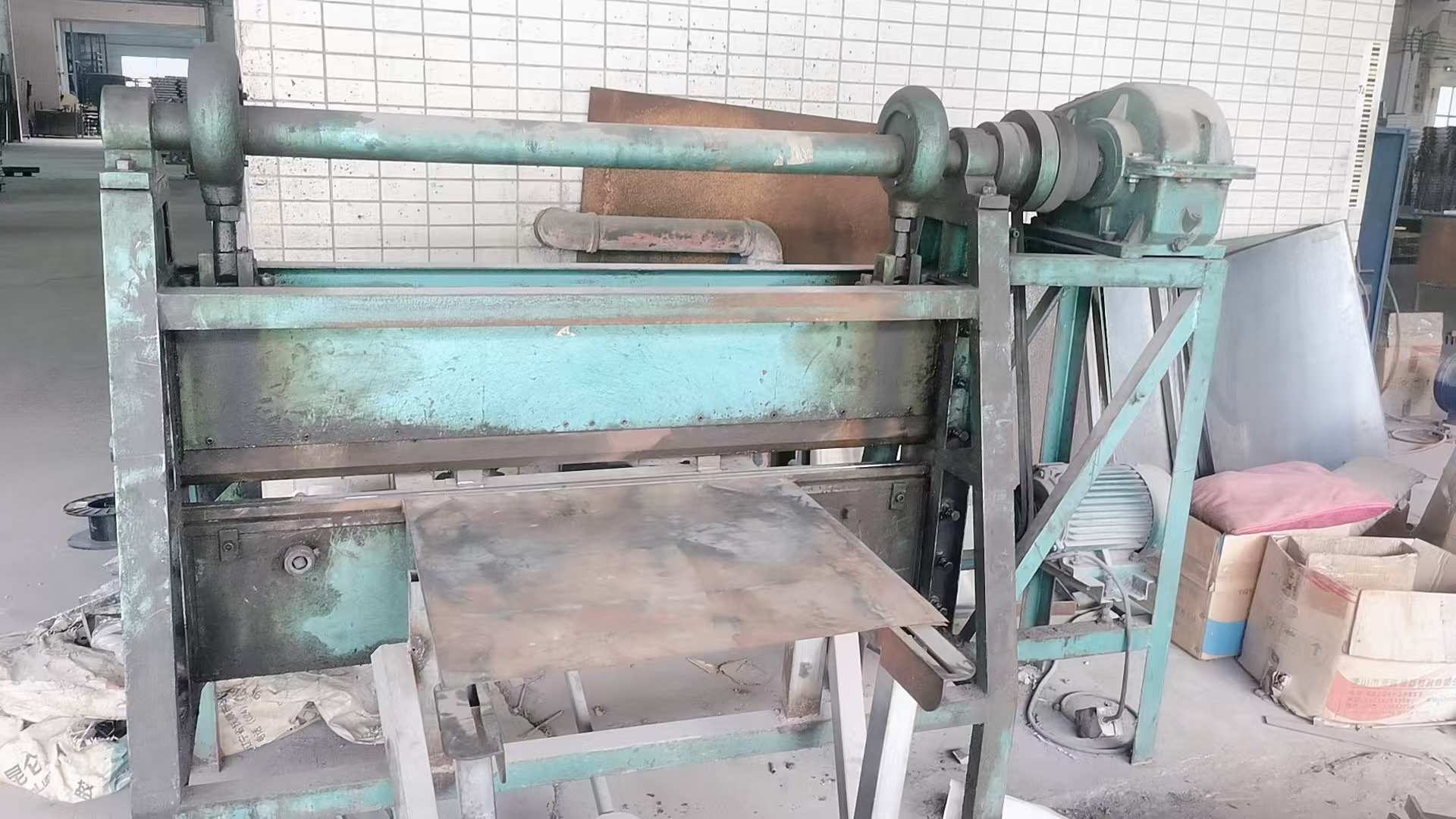
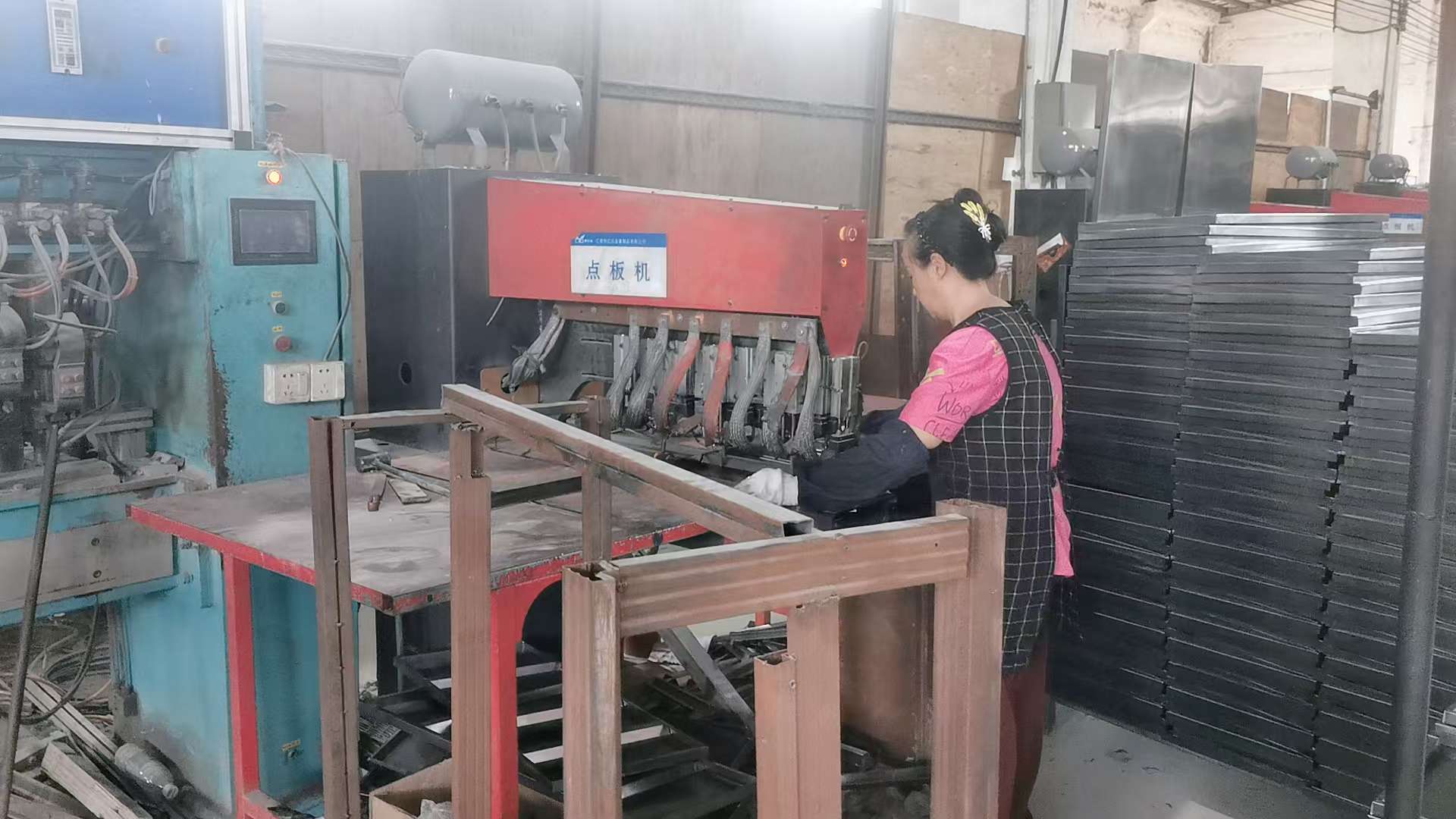
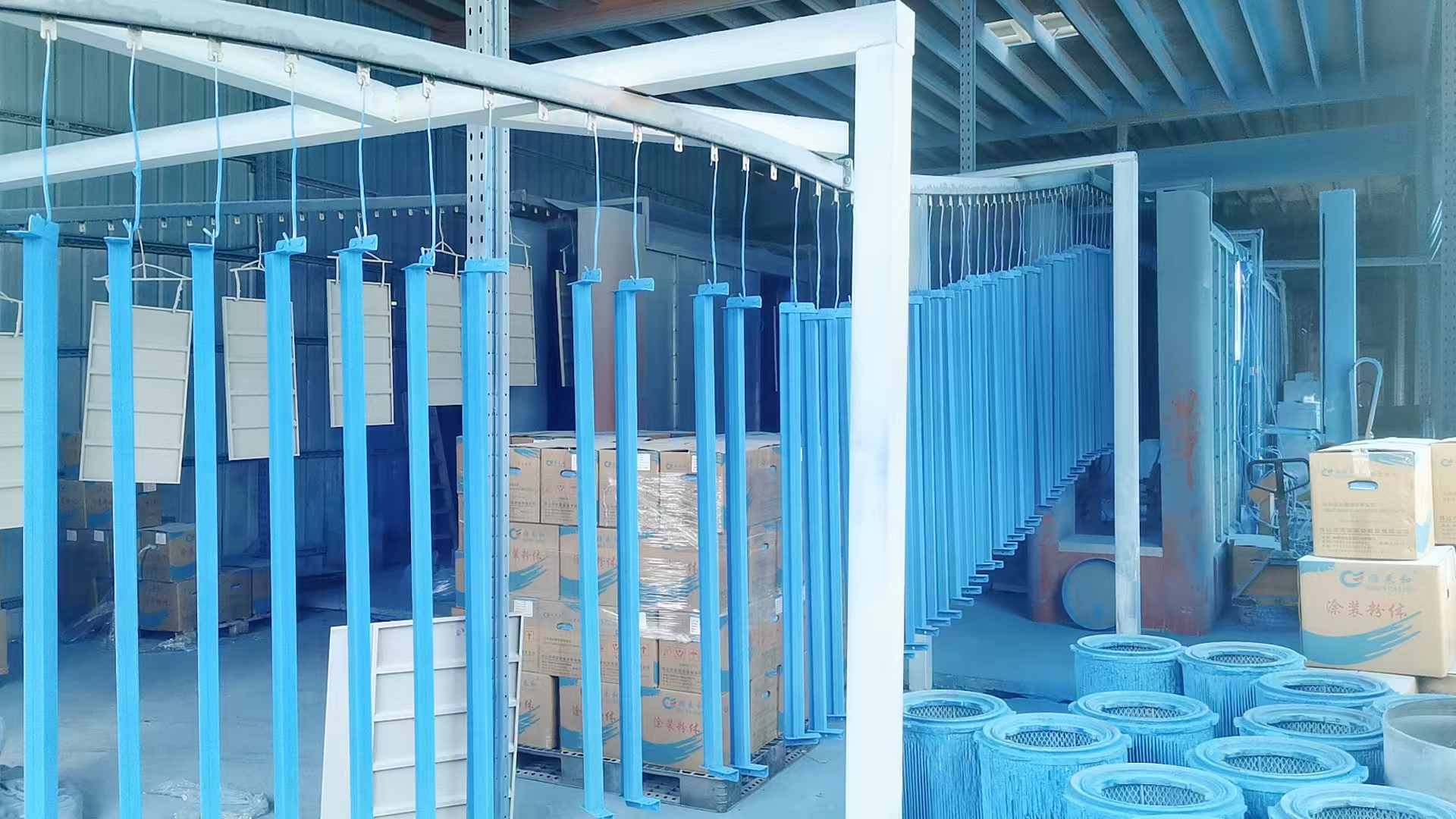
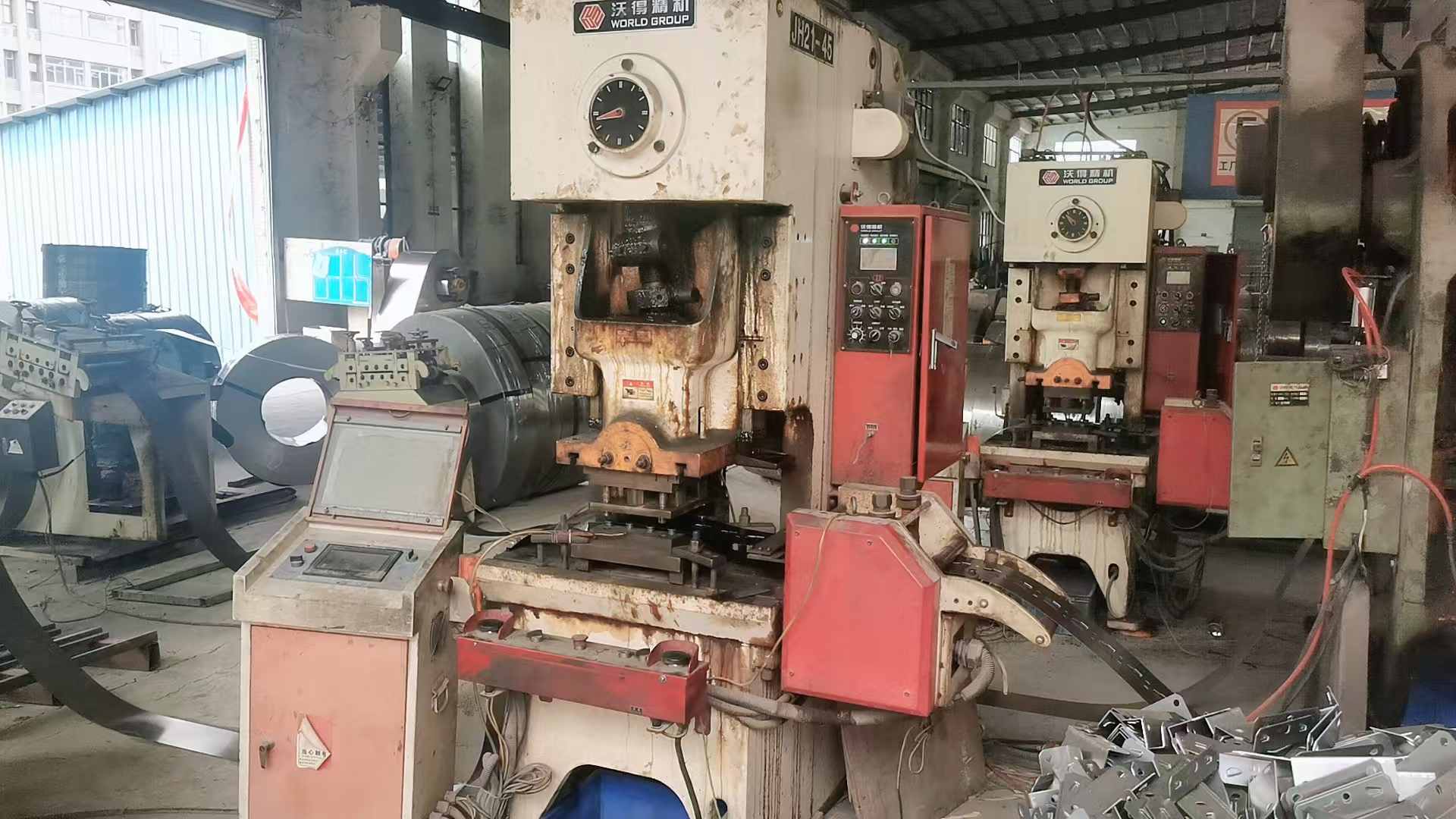
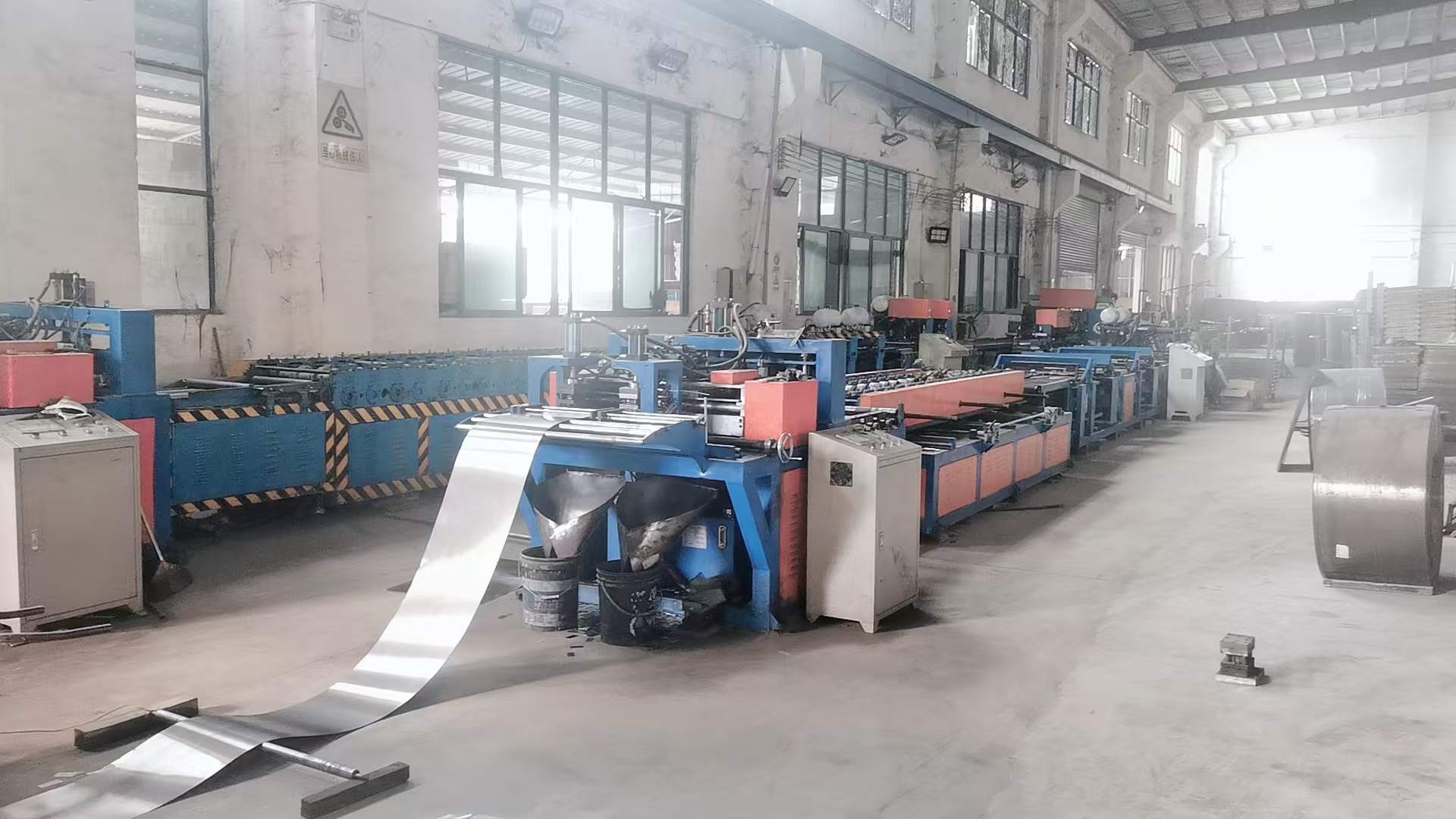
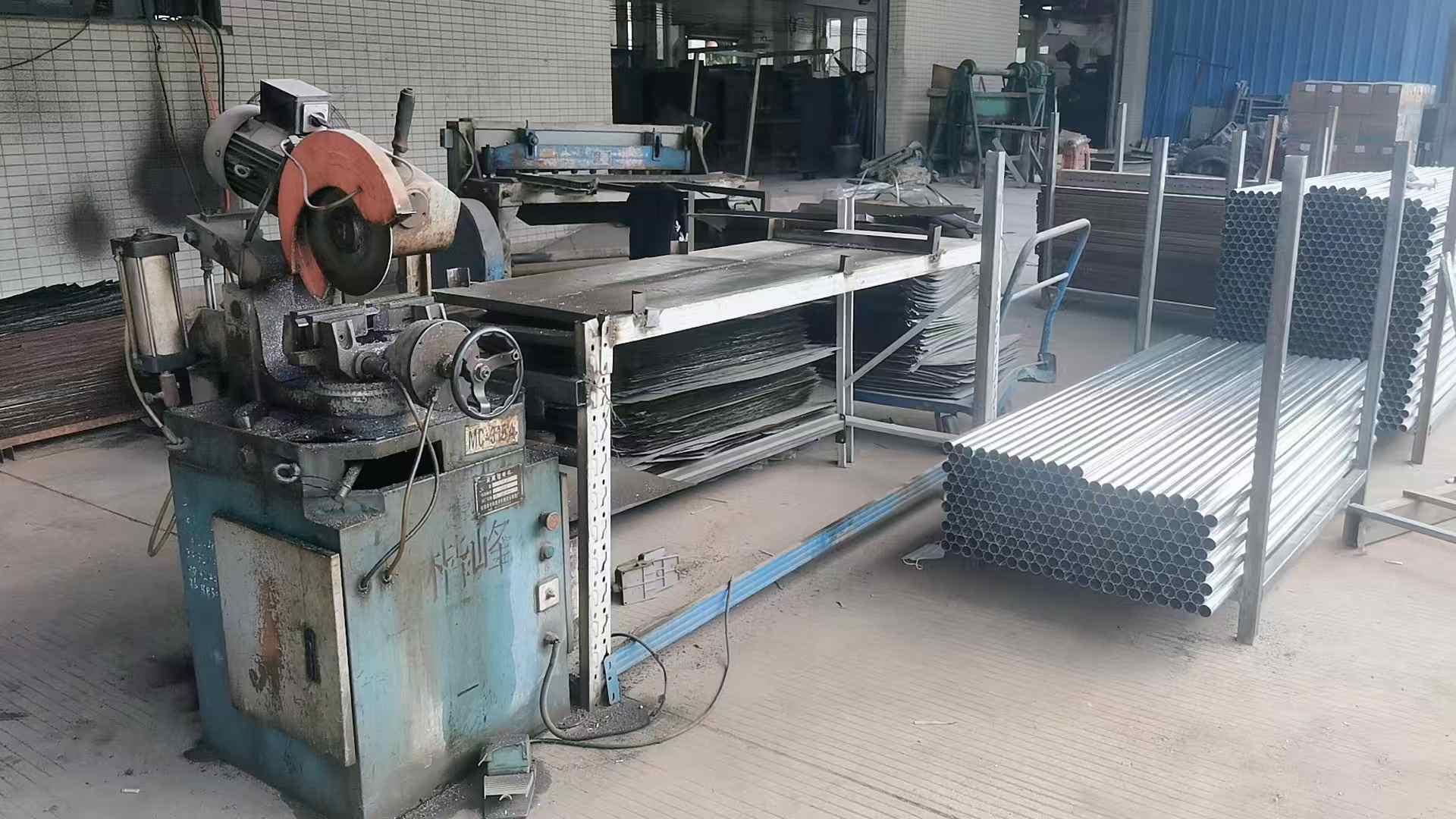
A trusted global supply partner providing customized pallet racks, heavy-duty shelving, and automated warehouse systems.
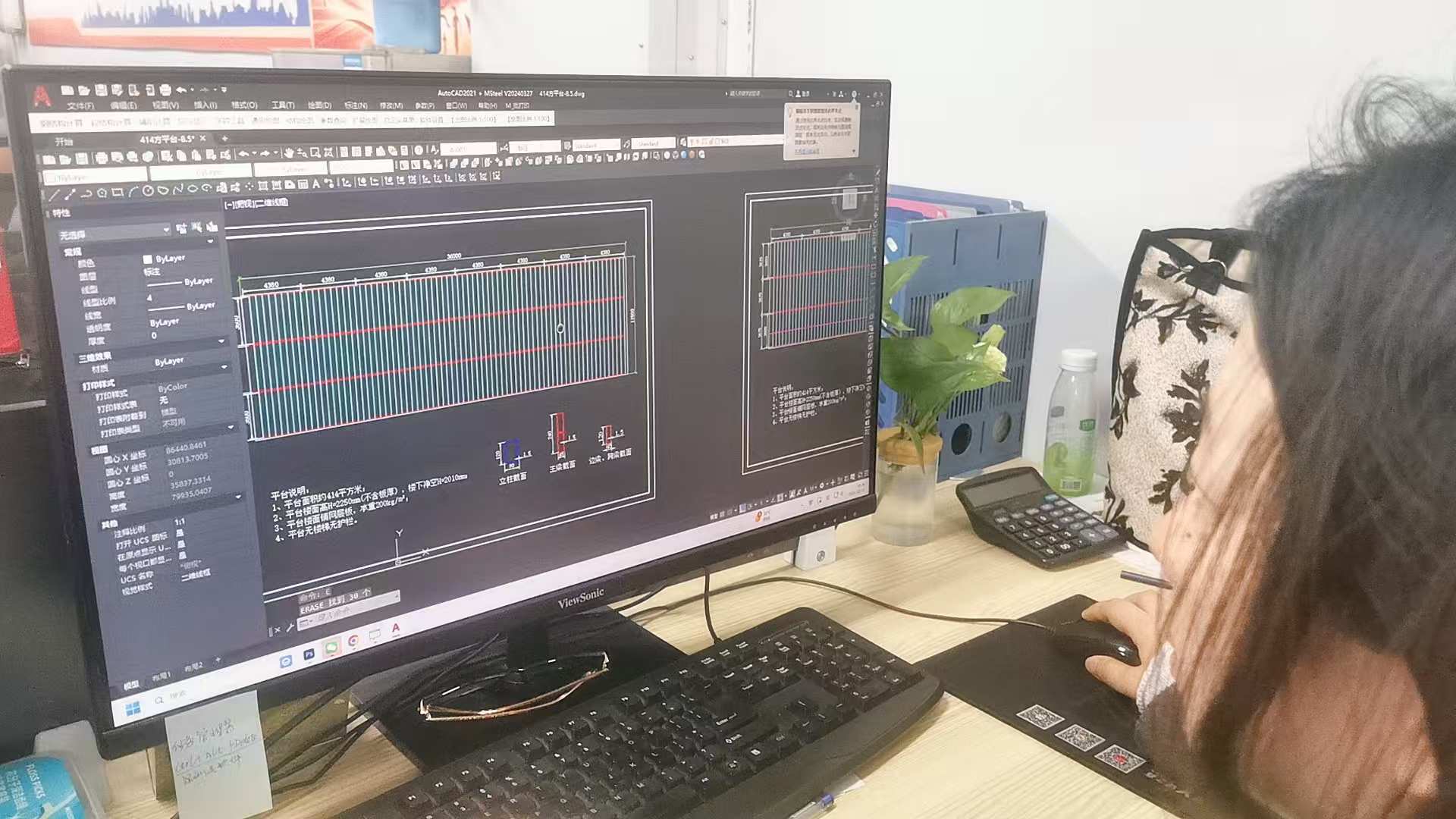
Established in 2016, Dongguan Hui Lian Intelligent Warehouse Equipment Co., Ltd. has developed comprehensive manufacturing and engineering capabilities, producing bespoke racking configurations tailored to international specifications. Supported by our 126 professional R&D engineers, we conceptualize and build solutions from the ground up. In the past year alone, our teams have commercialized 320 new custom products to address complex operational configurations.
Our core OEM/ODM process translates customer specifications into structurally validated, industrial storage configurations:
Operating across an 18,500㎡ production area, our facility achieves an annual export volume of US$18 million, shipping high-performance logistics systems to North America, Europe, Southeast Asia, the Middle East, Australia, and South America. High-quality production is maintained through strict quality management protocols. Our dedicated department of 56 quality inspectors monitors every phase of production.
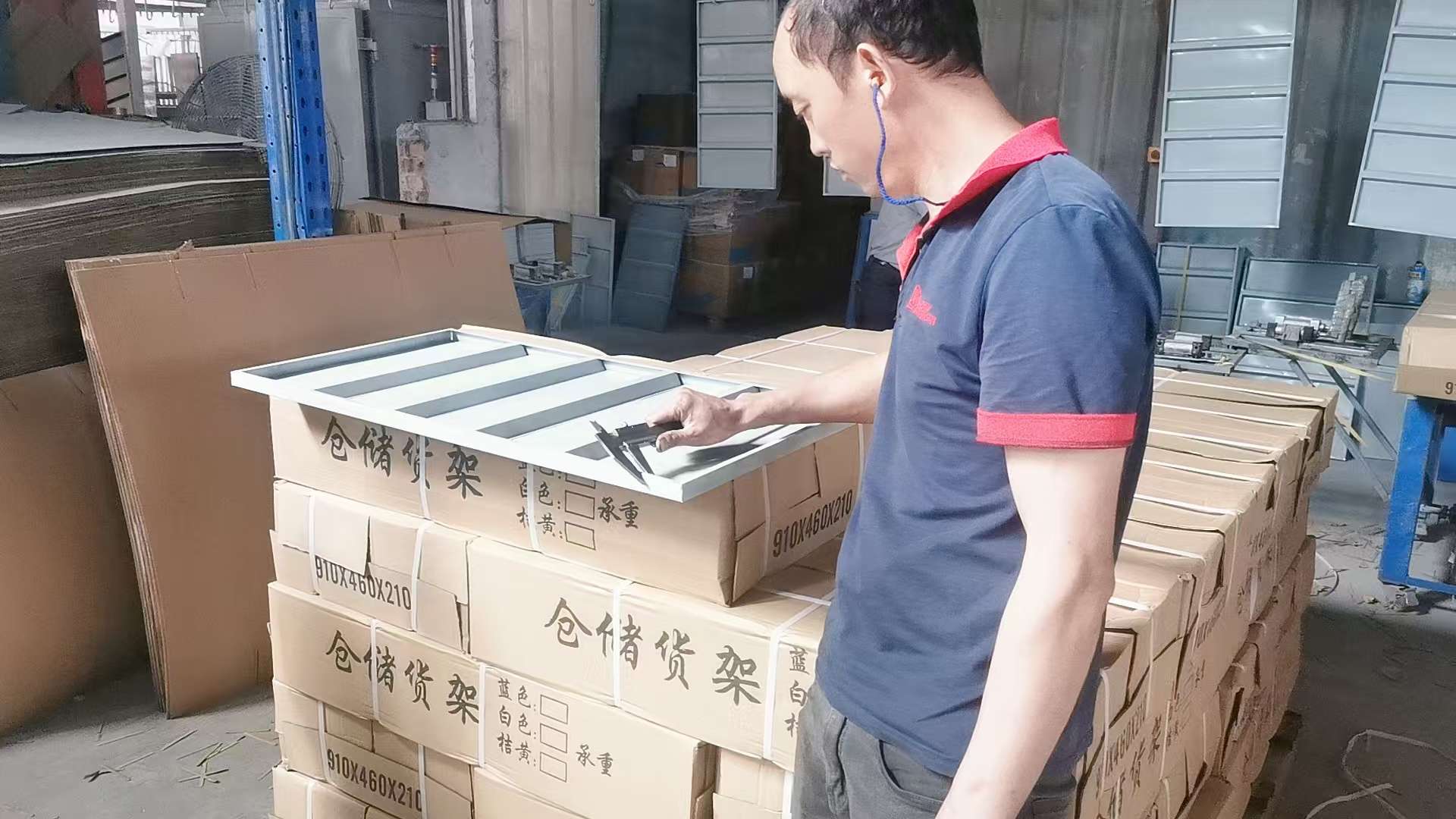
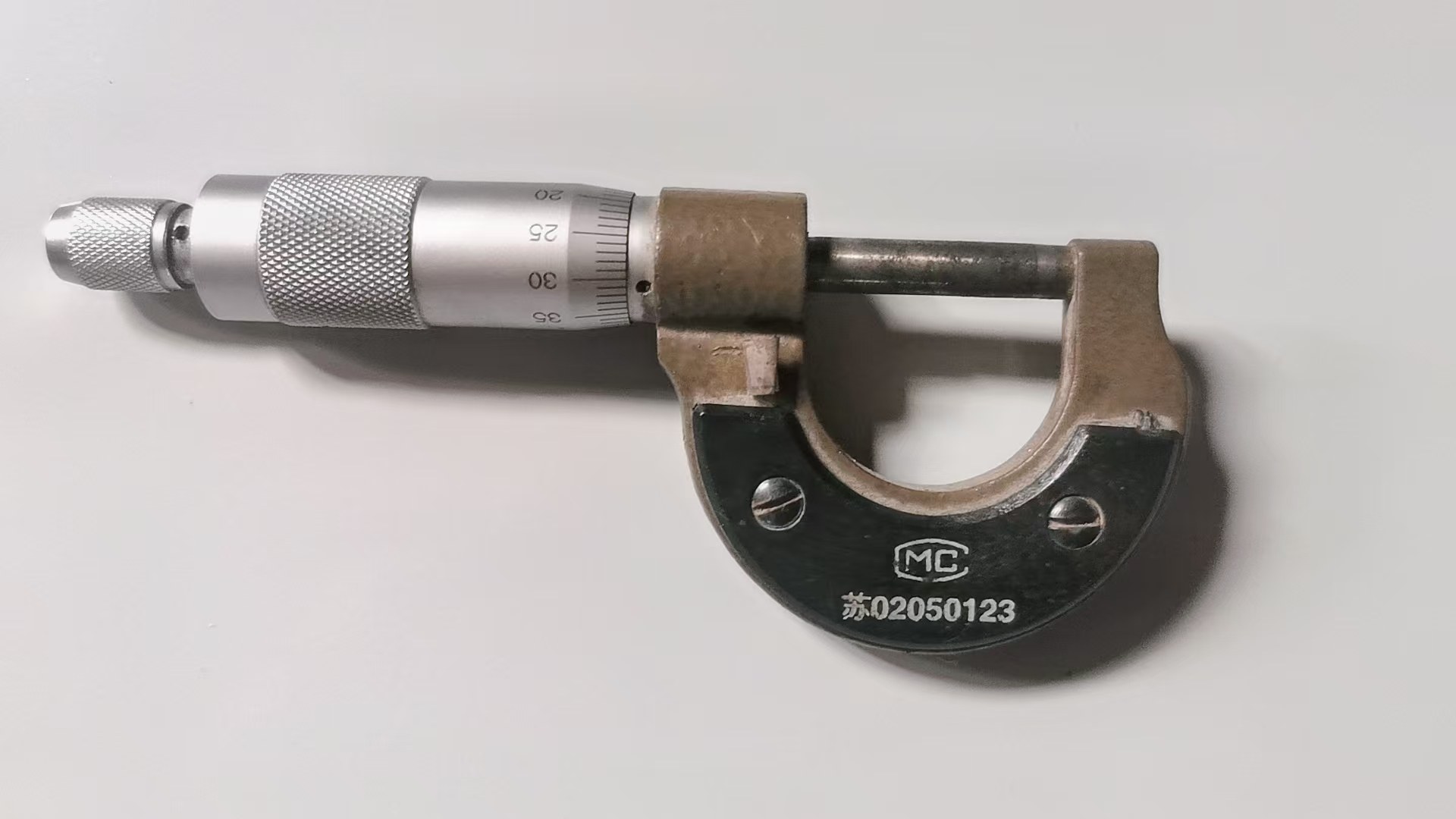
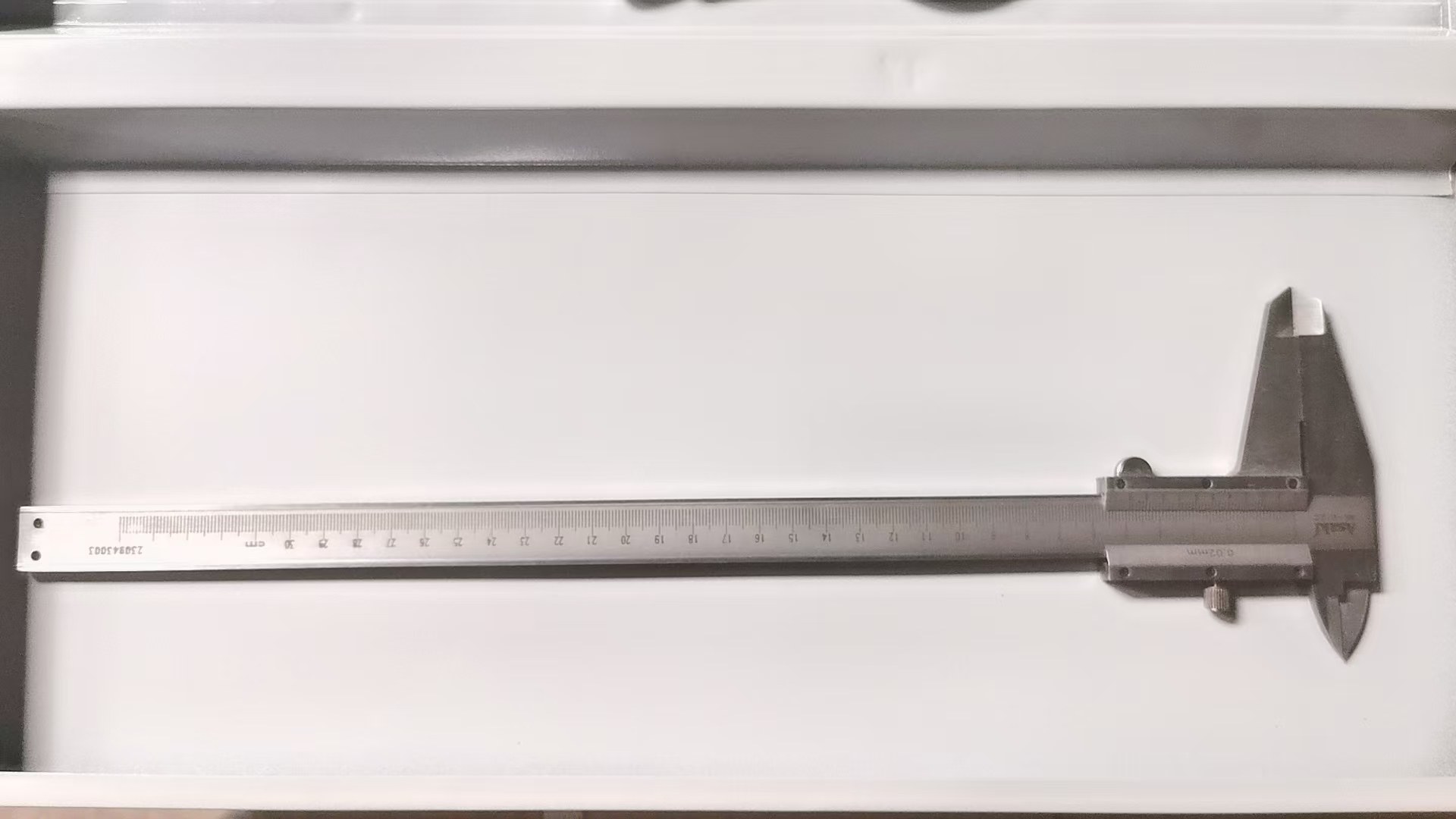
From the initial raw material inspection and mechanical profiling to welding integrity and coating thickness, we systematically measure variances using specialized instruments, including laser tools, Vernier calipers, micrometers, and powder-coating thickness gauges.
Additionally, our active coordination with more than 850 supply chain partners ensures reliable steel sourcing, stable production capacities, and predictable lead times, even amidst global raw material fluctuations.
How our heavy-duty racking and intelligent storage systems drive efficiency and safety across global industrial operations.
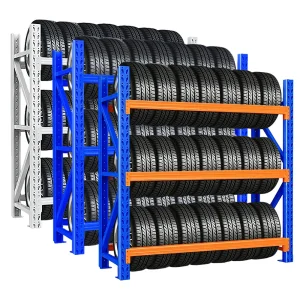
Automotive production requires specialized racking for heavy, odd-shaped SKUs, including engine blocks, body panels, and tires. Our custom stacking systems and tire racks handle these dense components securely. Designed with integrated fork-truck guide channels, they support safe transport and high-density stacking across components staging lines.
Cold storage warehouses require space-efficient systems that can withstand extreme sub-zero temperatures. Our powder-coated steel racking options perform reliably down to -40°C. By avoiding structural embrittlement, they maintain their rated load-bearing capacities over extended duty cycles, maximizing cold chamber cubic storage space.
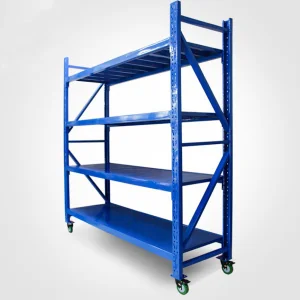
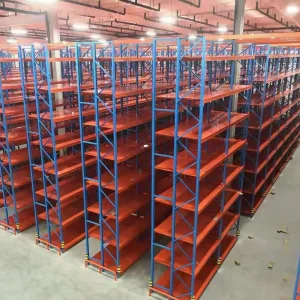
High SKU turnover requires storage systems that can adapt quickly to changing products. Our adjustable boltless shelving, wire mesh decking, and mobile tier racking systems allow 3PL centers to rapidly configure shelf heights and pick layouts. This flexibility optimizes order staging and streamlines picking paths.
How the integration of smart systems, robotics, and advanced materials is shaping the future of industrial storage.
As warehouse automation expands, manual lift-truck transport is increasingly being supplemented by Autonomous Guided Vehicles (AGVs) and Autonomous Mobile Robots (AMRs). The integration of automated transport systems with portable stacking racks requires extremely tight manufacturing tolerances.
Traditional structural tolerances of ±5mm, acceptable for manual fork-truck operators, can cause docking errors or sensor faults for automated navigation systems. Hui Lian is addressing these requirements by refining production tolerances to within ±1.5mm. By implementing robotic laser welding and precision jig-forming, we ensure that base dimensions, stacking alignment pins, and fork openings remain uniform across production batches.
Industrial warehouse operators face growing pressure to reduce operational carbon footprints. Our engineering roadmap addresses this through structural design optimization and sustainable production practices:
Detailed answers to key structural, manufacturing, and operational questions for warehouse managers and procurement officers.
Maximize your square footage with our heavy-duty industrial warehouse shelving systems, pallet racks, and custom storage solutions.
 Hui Lian