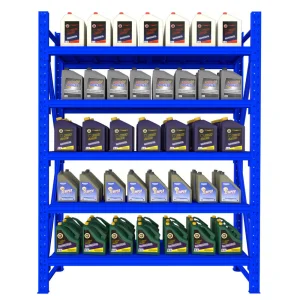
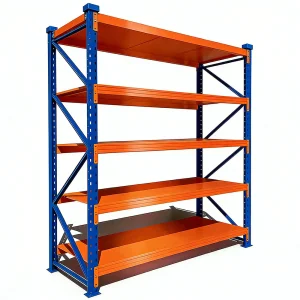
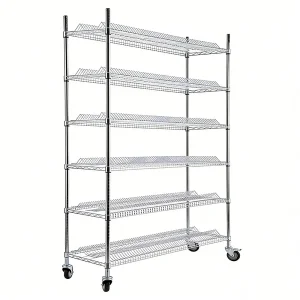
High-performance material handling equipment engineered to maximize vertical footprint and optimize space utilization in industrial warehouses.
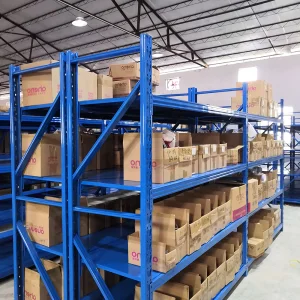
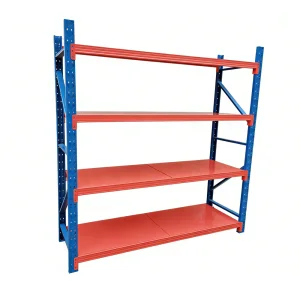
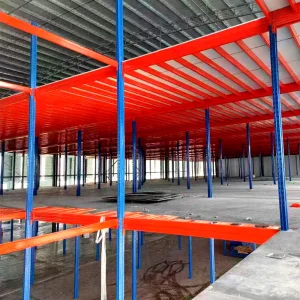
How modern logistics hubs leverage precision-manufactured Chinese stackable container structures to counter rising land acquisition costs and high-throughput dynamics.
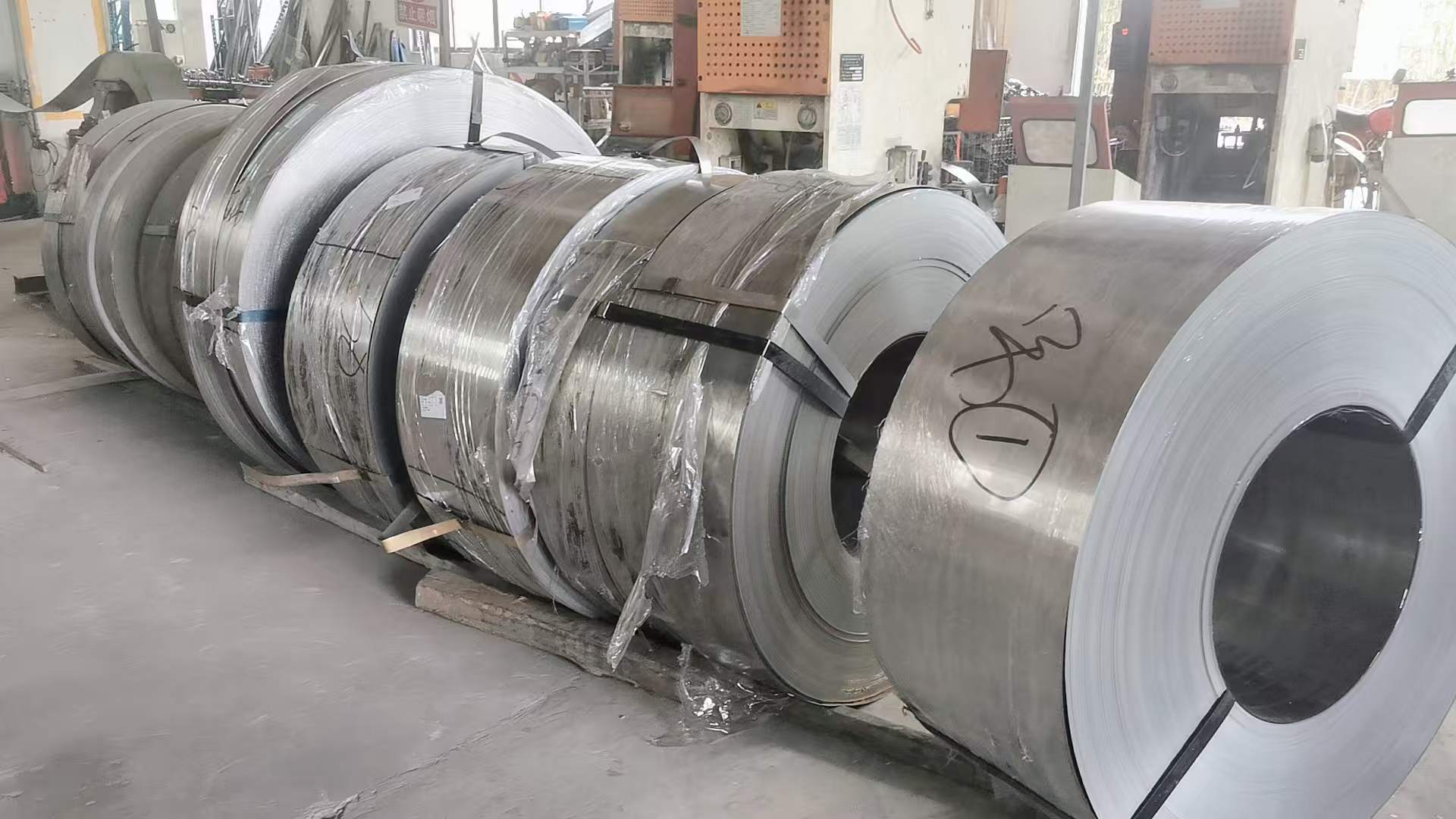
In modern industrial facilities, the efficient utilization of space (both horizontal footprint and vertical cube) represents a critical cost driver. Stackable containers and adjustable pallet rack systems serve as the structural backbone of this objective. According to supply chain metrics, maximizing vertical stacking can reduce operational warehousing overheads by up to 35%. Chinese manufacturing centers have pioneered advancements in using high-strength structural steel, utilizing premium cold-rolled steels, which are formed to tight tolerances to provide optimum load-carrying capability without adding unnecessary weight to the racking columns.
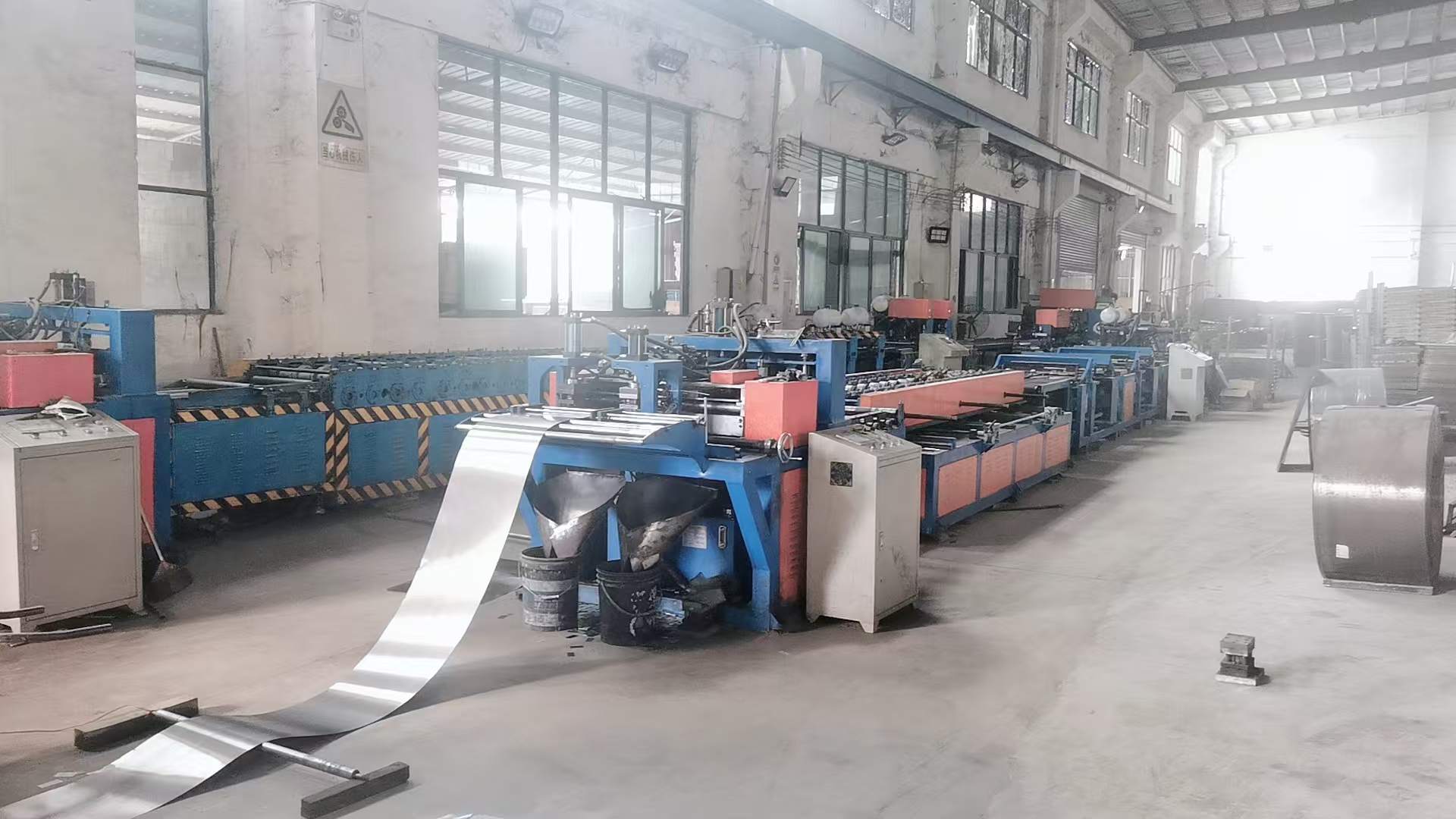
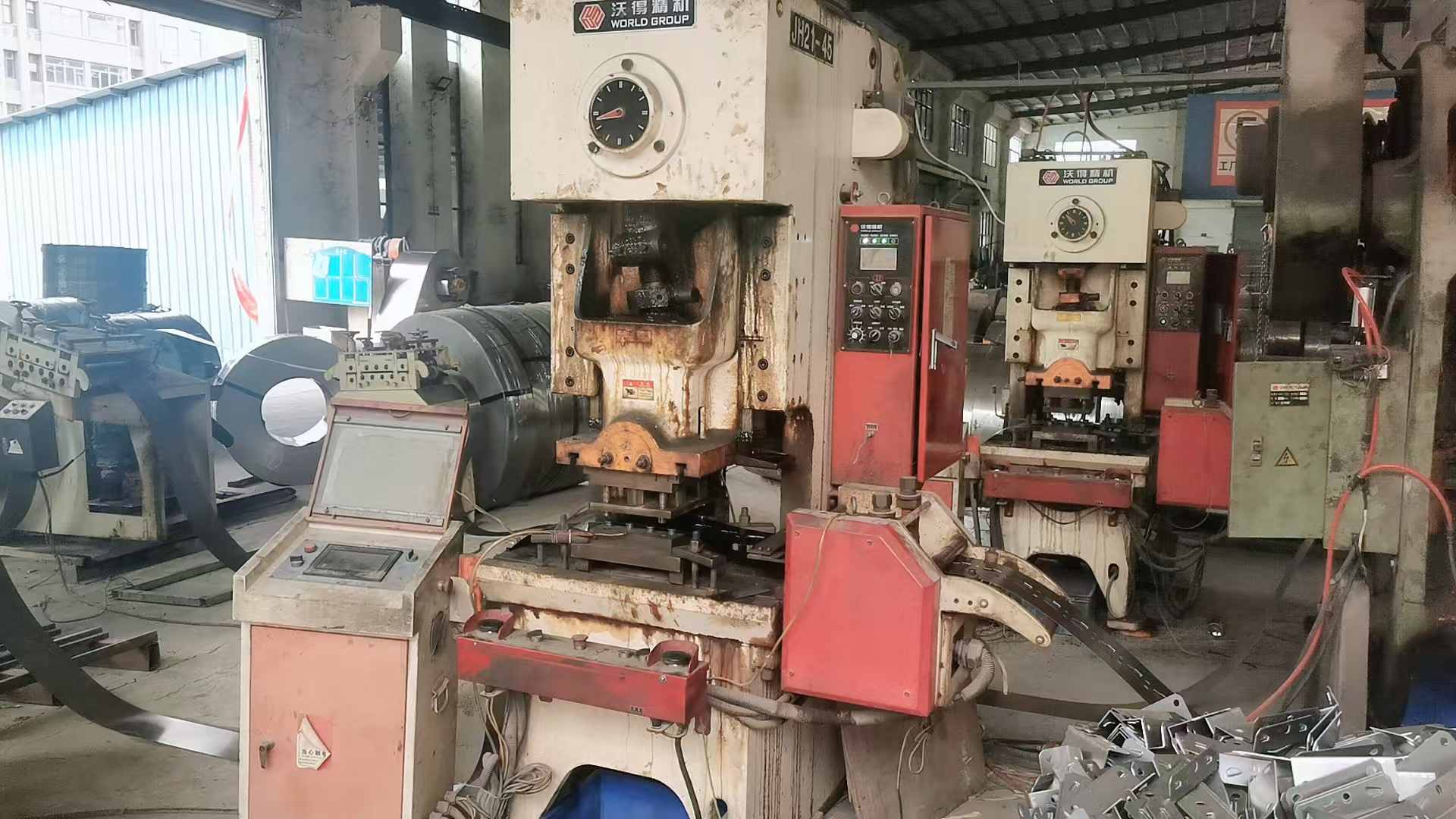
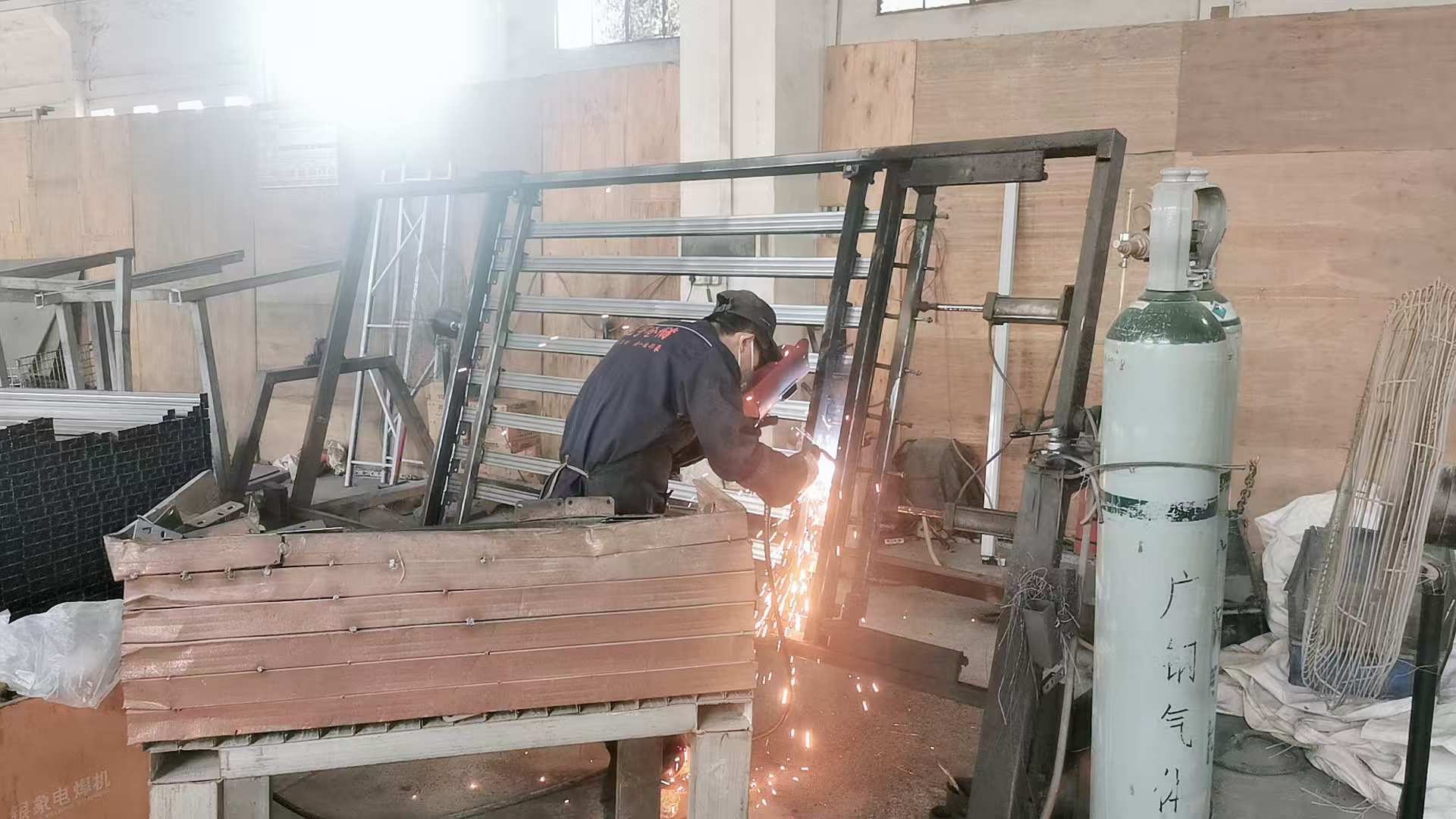
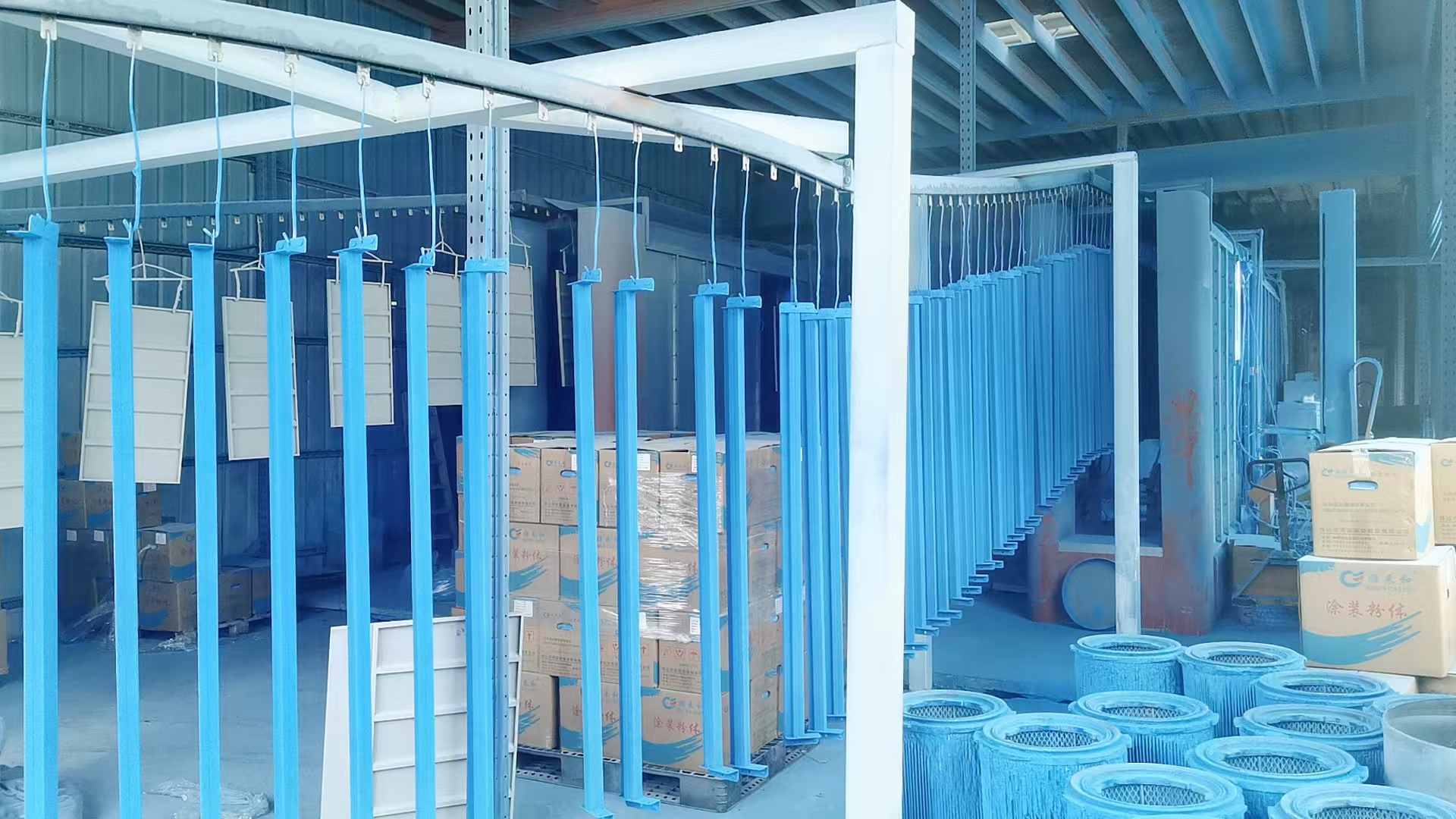
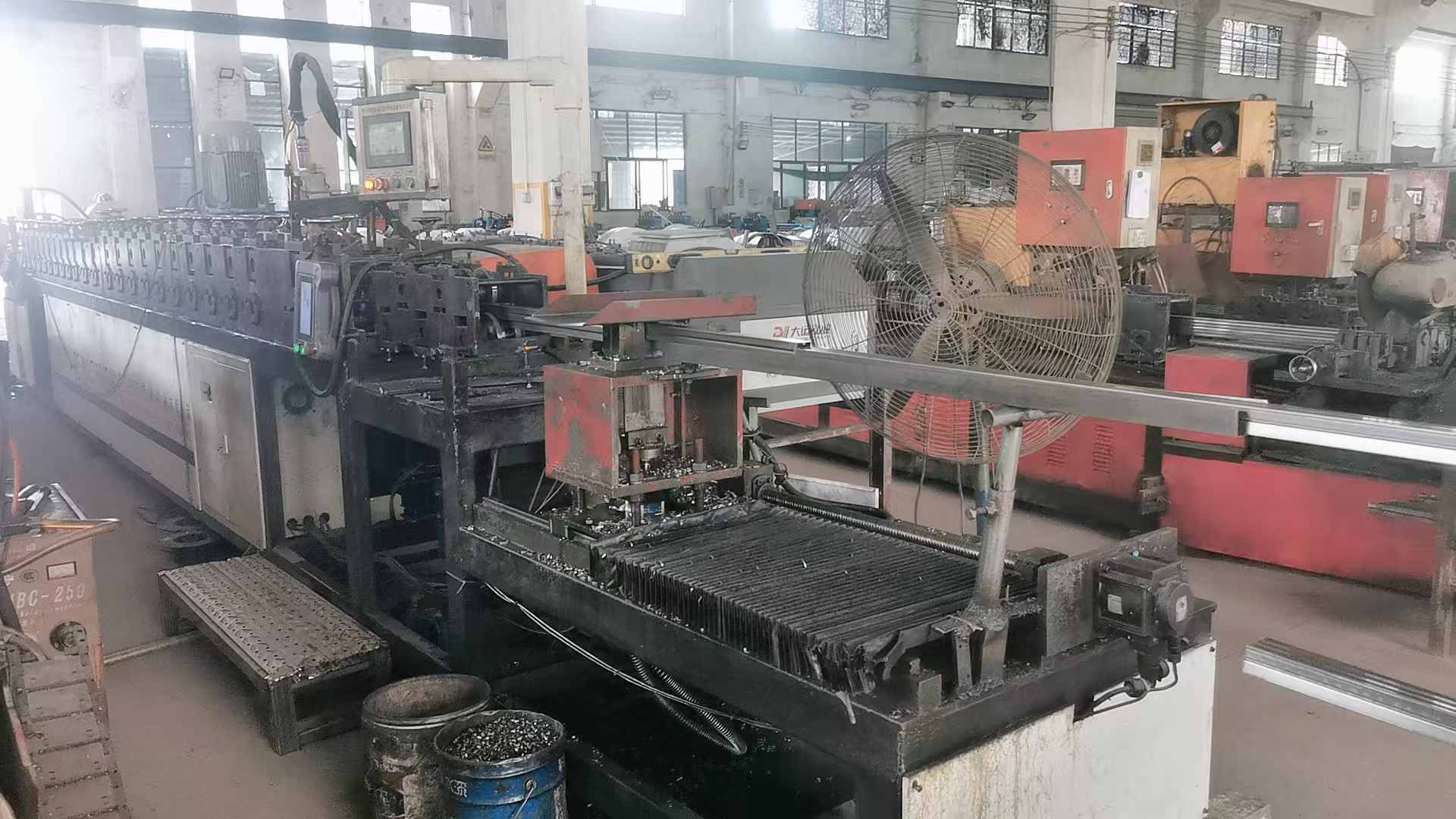
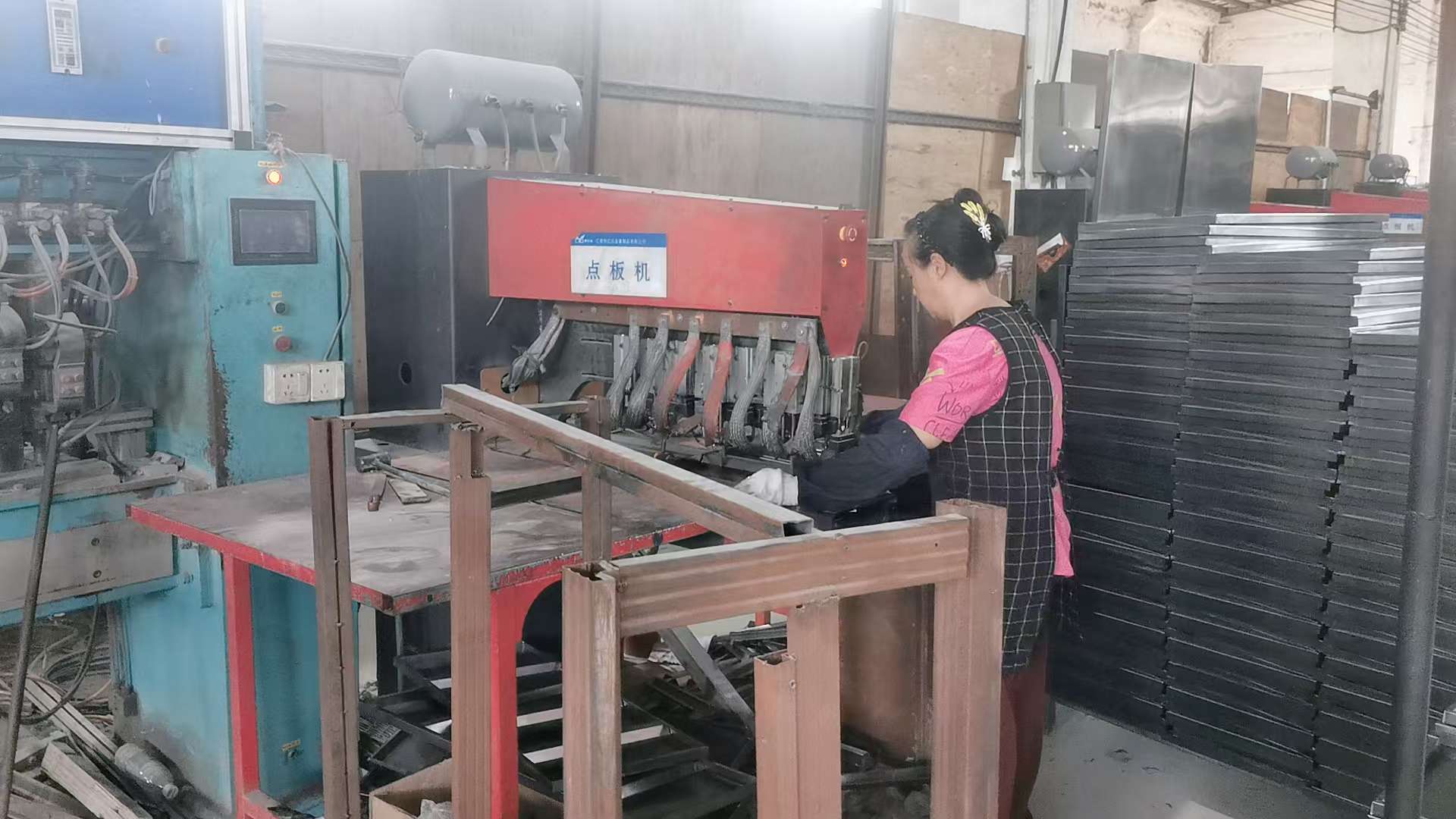
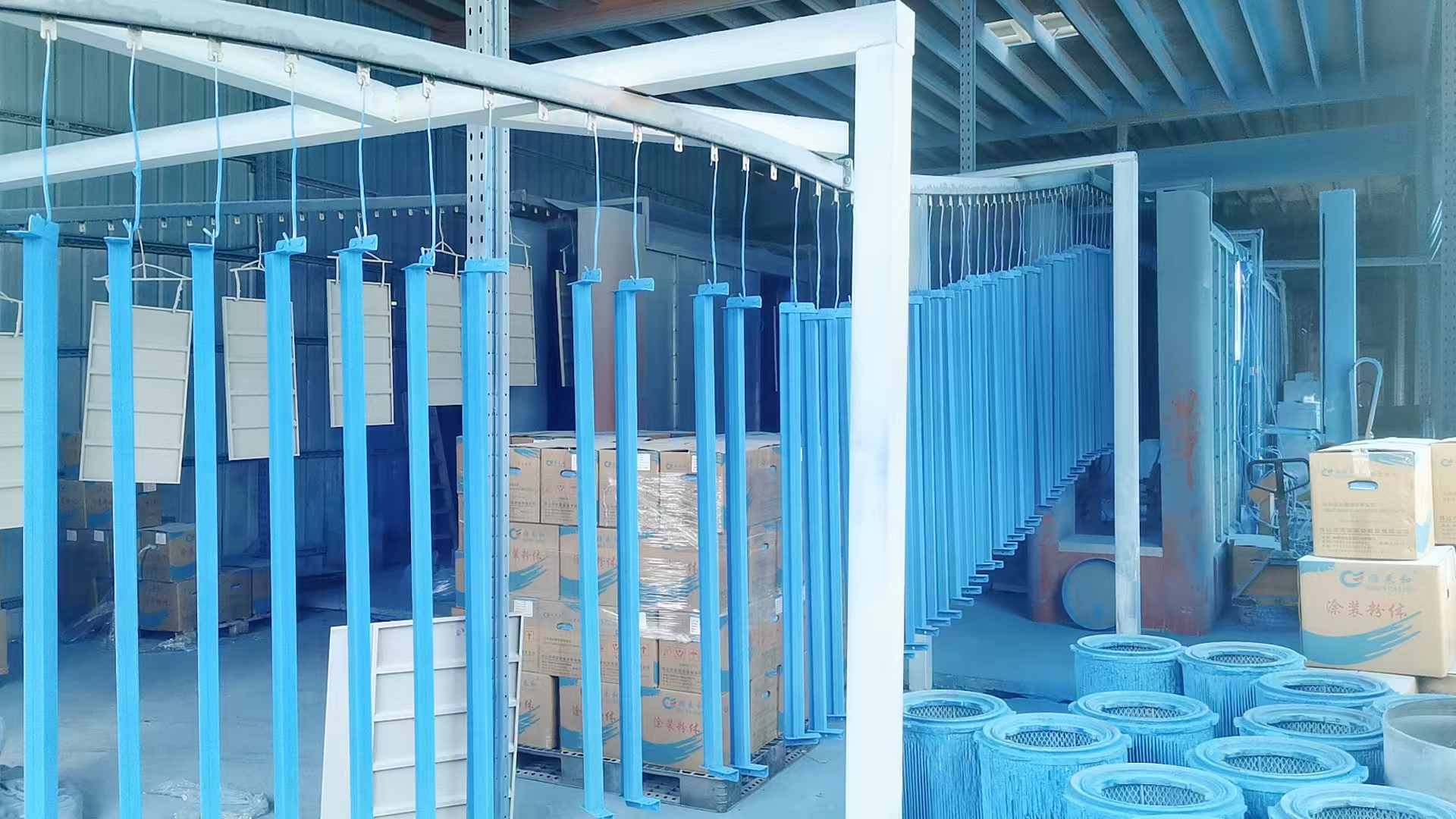
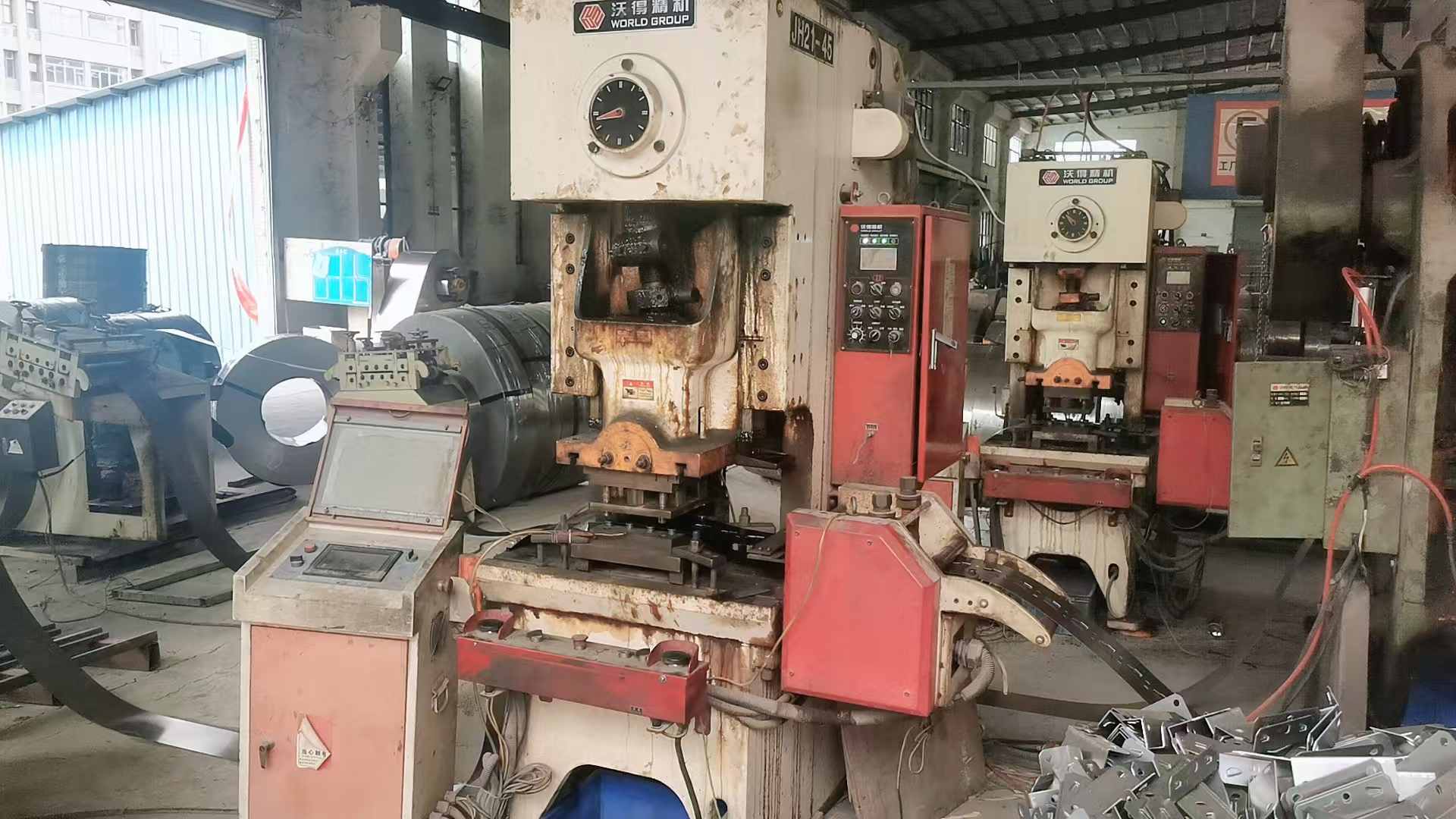
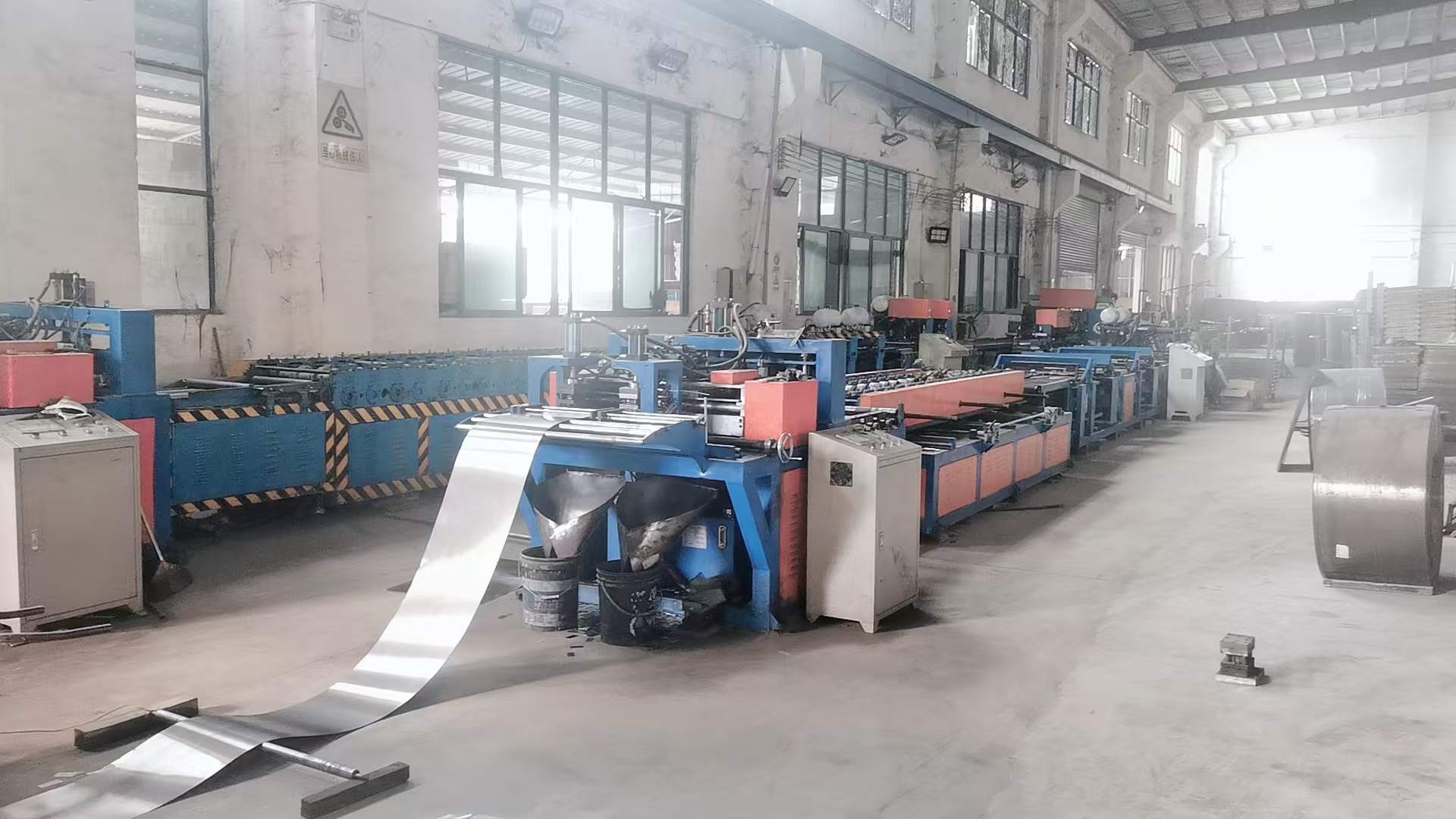
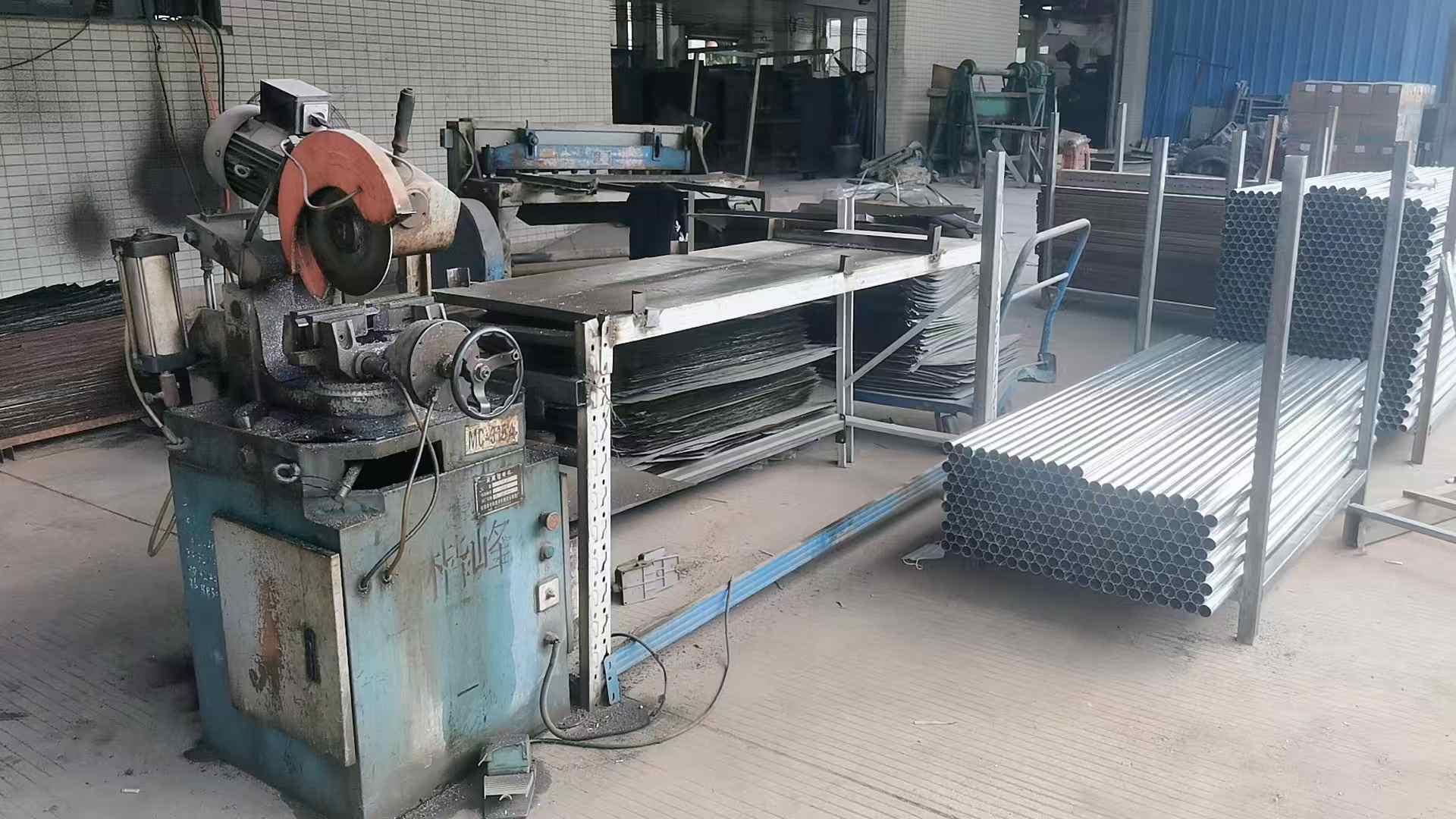
The manufacturing complexity of industrial stackable systems involves precise metallurgical calculations. Modern facilities utilize structural profiles shaped through advanced automated cold roll forming lines. The structural integrity of each weld is checked via ultrasonic or magnetic particle testing to ensure that load ratings ranging from 100kg up to 5,000kg per bay are fully compliant under dynamic load stresses. Furthermore, the inclusion of surface coatings like TGIC-free electrostatic powder coatings ensures exceptional chemical, scratch, and corrosion protection, ensuring a lifetime of service in demanding industrial conditions.
A premier manufacturing center specializing in design, production, and global supply of high-grade industrial storage racking and intelligent storage layouts.
Established in 2016, Dongguan Hui Lian Intelligent Warehouse Equipment Co., Ltd. has grown to be a trusted global partner for high-capacity warehouse storage systems. Operating from a state-of-the-art 18,500㎡ facility, we specialize in delivering structural integrity and spatial efficiency. By integrating design, manufacturing, quality control, and international logistics, we serve complex demands across global markets.
With an annual export revenue of over US$18 million and active distribution channels in North America, Europe, Southeast Asia, South America, and the Middle East, our logistics and racking products are designed to meet rigorous standards, including FEM (European Federation of Materials Handling) and RMI (Rack Manufacturers Institute) guidelines.
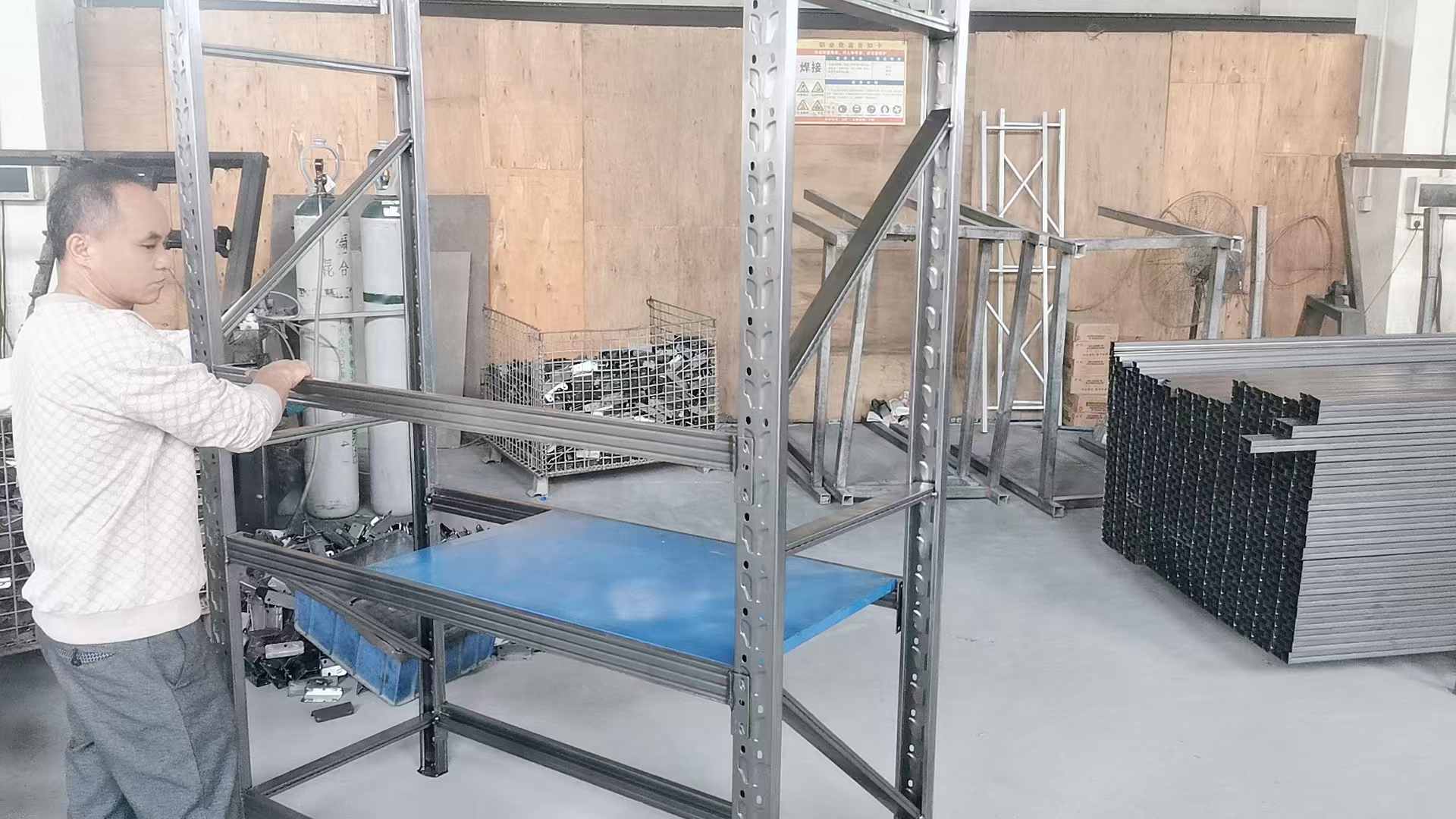
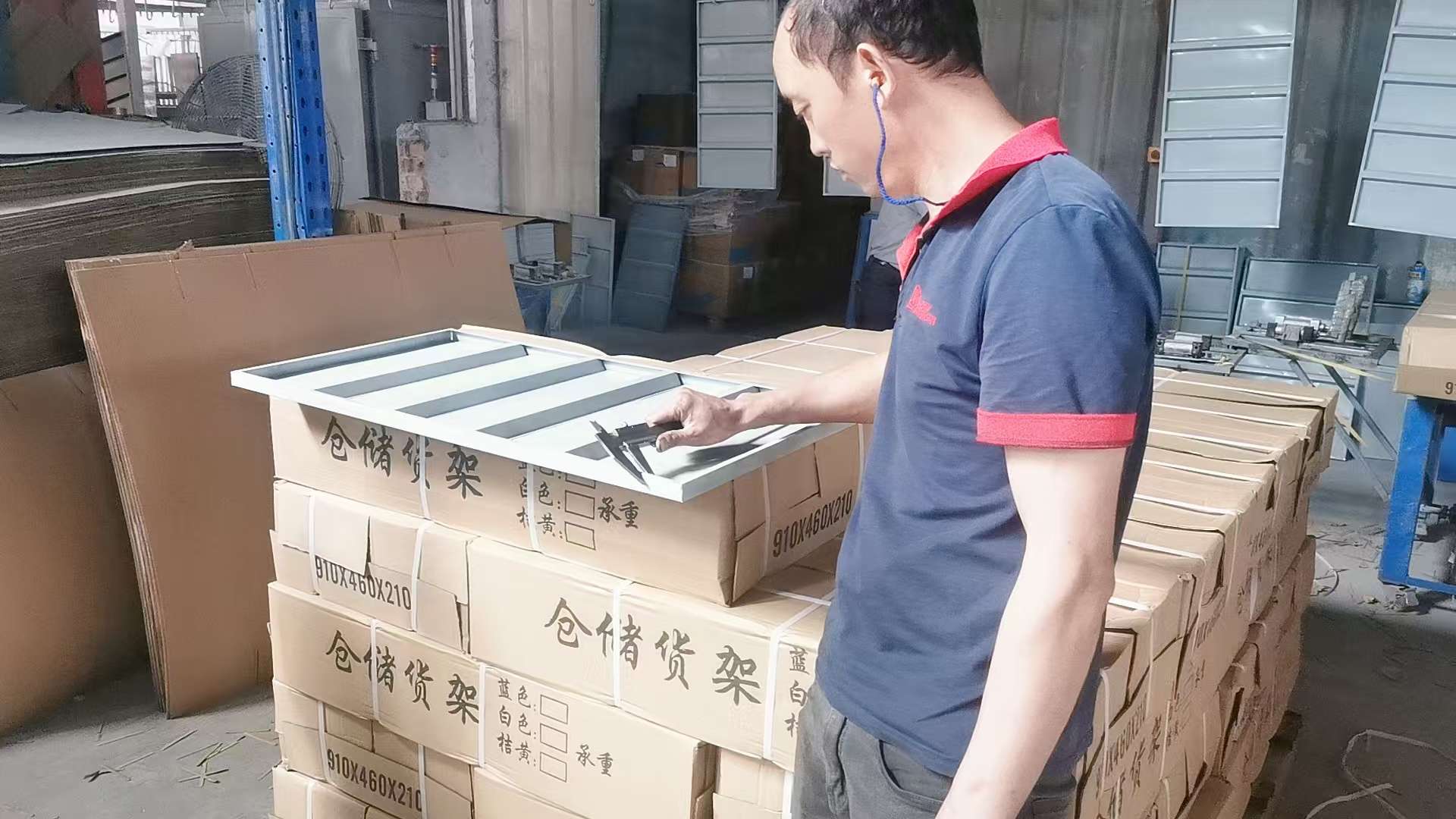
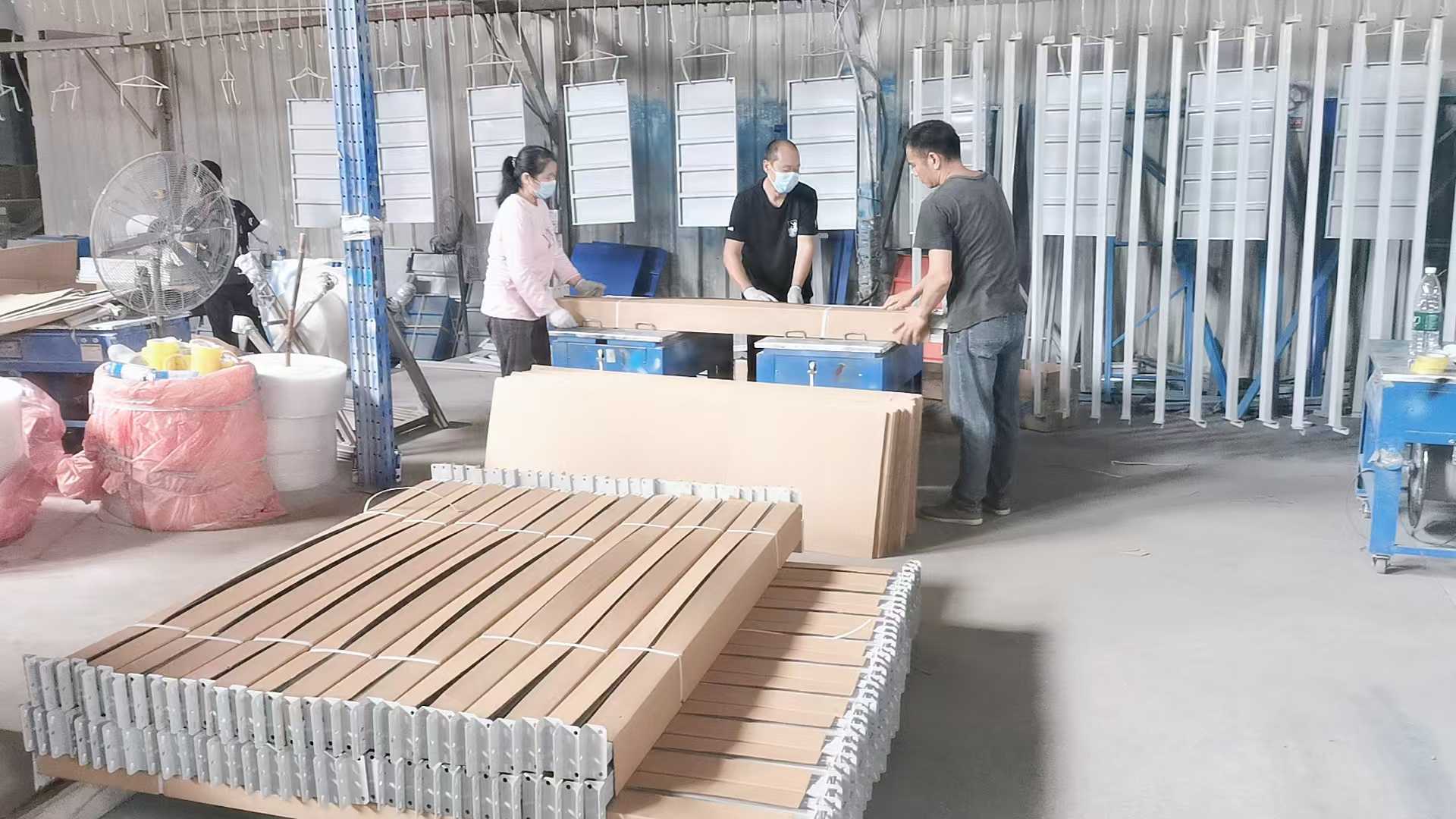
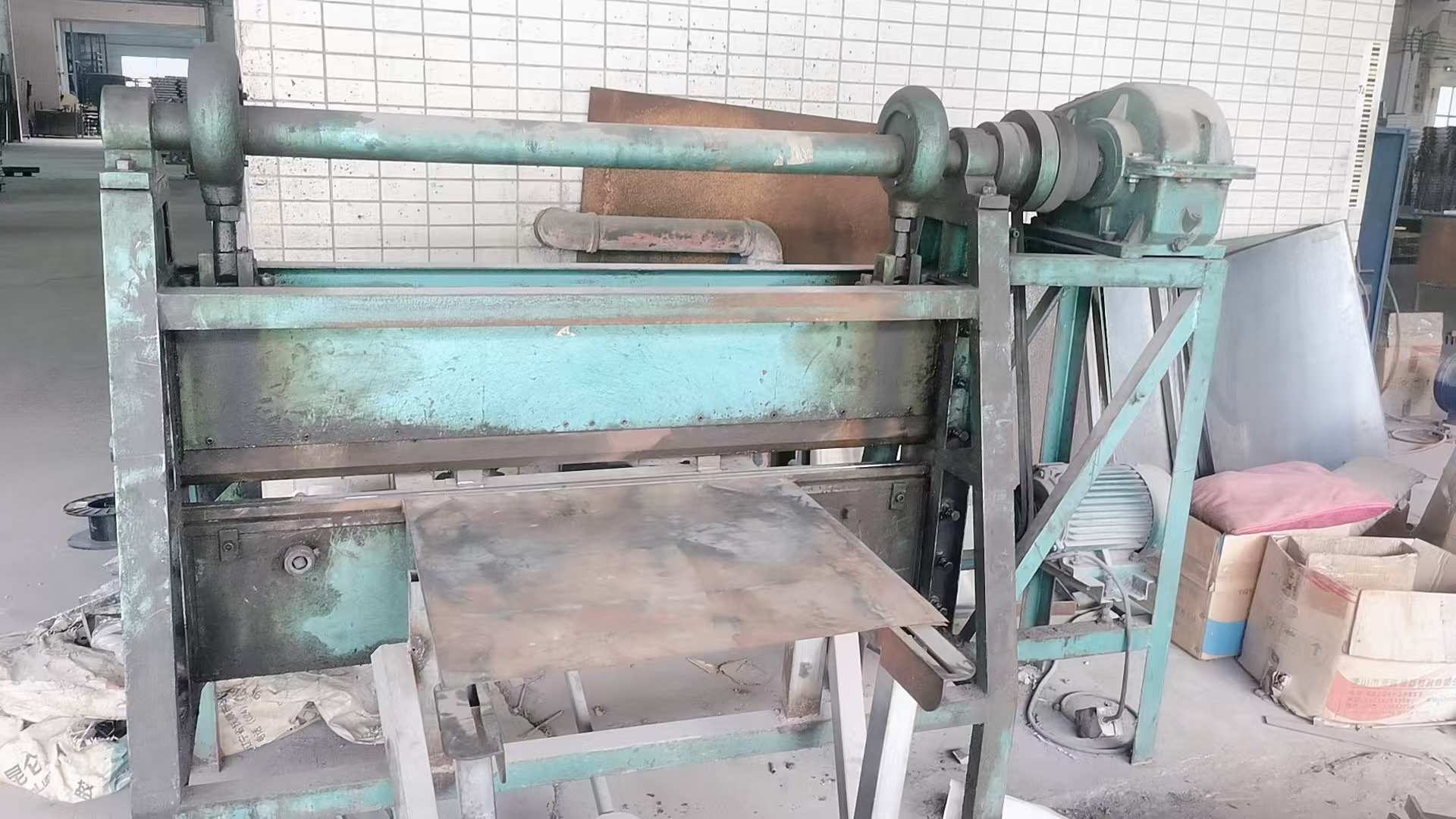
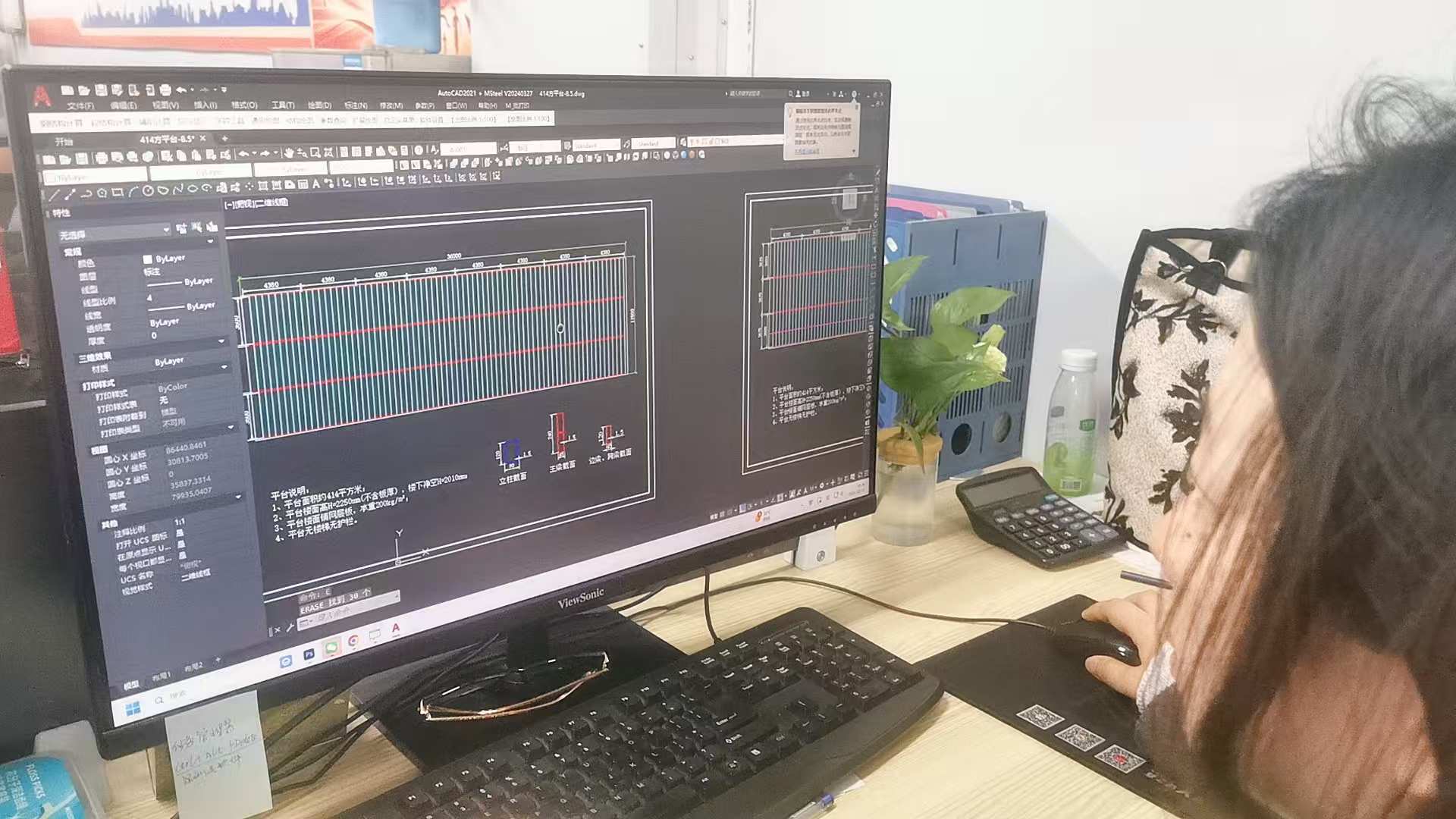
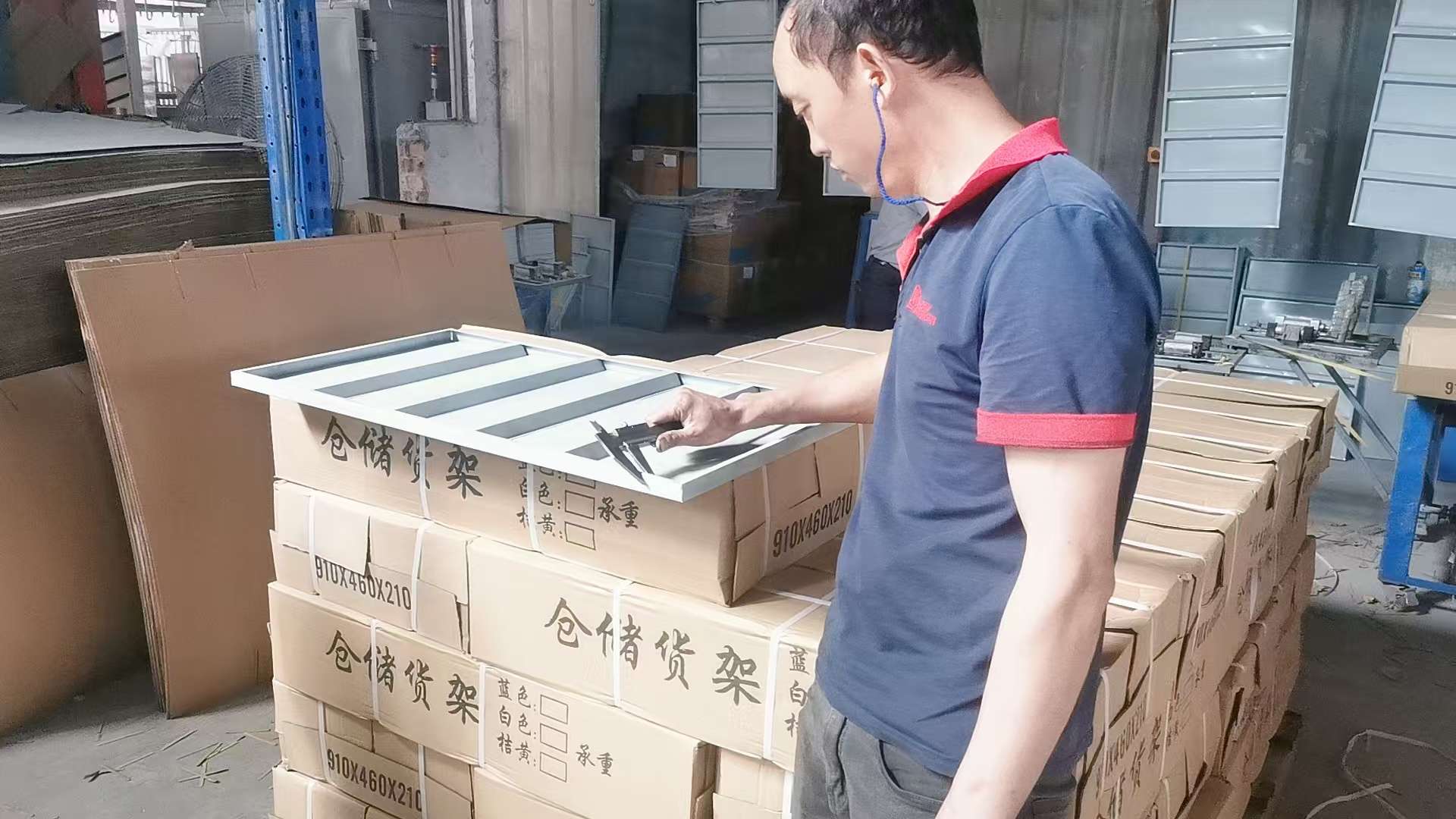
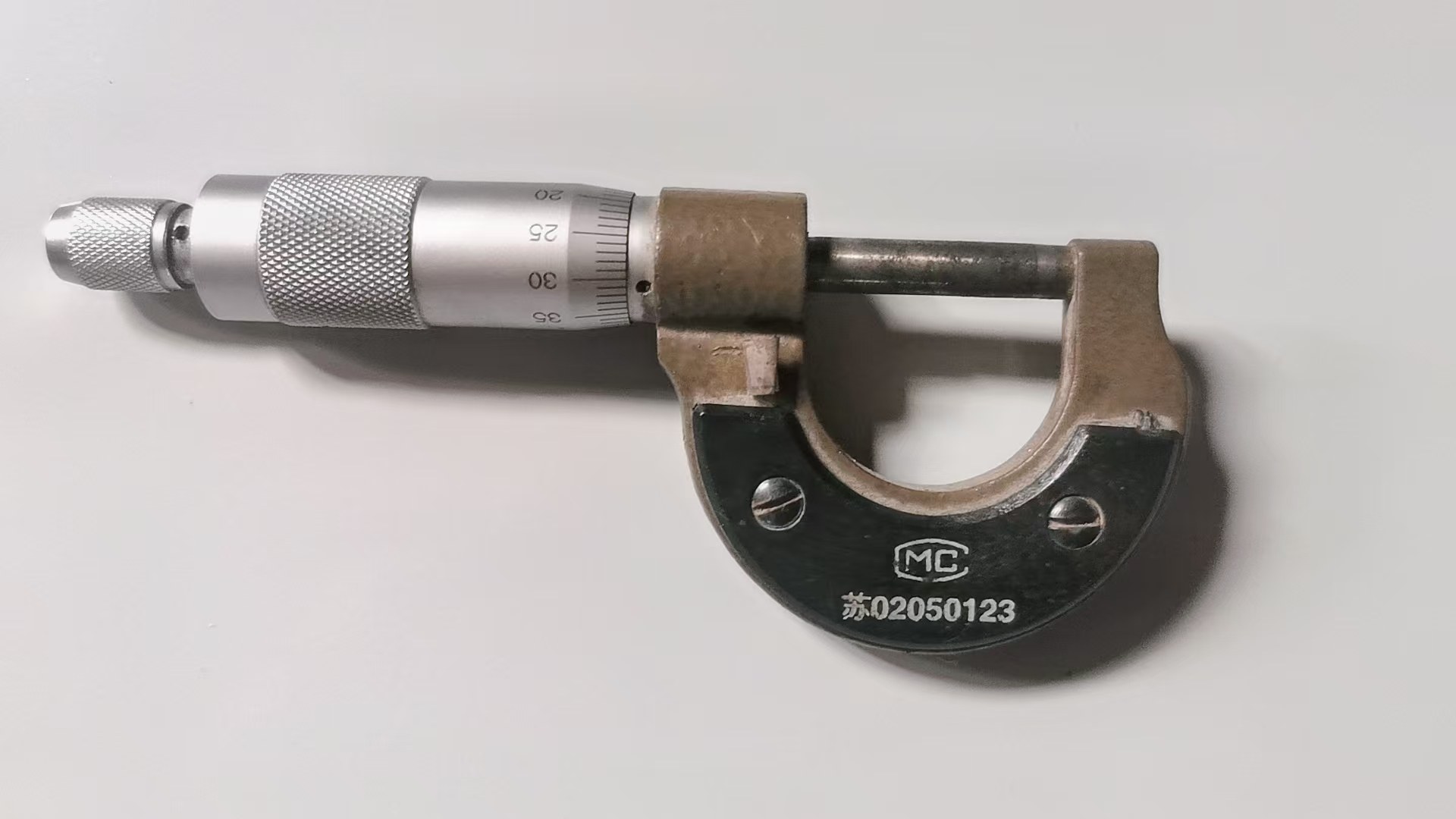
An inside look at our advanced manufacturing lines, automated precision tooling, and multi-stage testing processes.
Analyzing how varied vertical sectors apply customized stackable systems and cold-rolled steel racking networks to satisfy strict safety standard regulations.
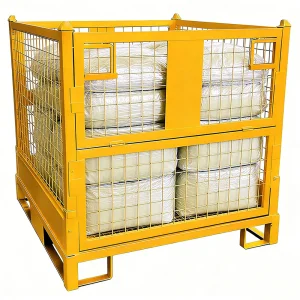
The manufacturing flow of automotive assembly components demands rugged storage hardware that acts as mobile workstations. High-capacity foldable storage cages and pallet stackers allow parts (such as transmissions, brake assemblies, and stamped sheet metal panels) to flow directly from the tier-1 components manufacturer to the robotic assembly line. Key design aspects include dynamic racking ratios, customized corner nesting cups to permit up to 5-high stacking, and reinforced base channels to guarantee structural load distribution during high-impact forklift movements.
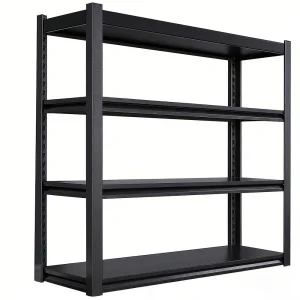
With quick turnaround times, e-commerce giants and third-party logistics (3PL) providers require versatile storage layouts. Boltless, adjustable multi-tier shelving units provide the modularity needed to reconfigure SKU layout areas within hours. High-density wire mesh containers promote unimpeded airflow and overhead fire sprinkler water penetration, ensuring full compliance with NFPA (National Fire Protection Association) standards while minimizing cargo weight penalties.
Sub-zero conditions present major structural challenges to steel products. Carbon steel is subject to brittle fractures at low temperatures unless it is correctly formulated with specific alloy additions. Dongguan Hui Lian uses low-temperature resilient steel grades combined with severe environmental powder coat options. These coatings resist temperature fluctuations without peeling or cracking, safeguarding operations against rust contamination and ensuring food safety compliance.
| Storage System Type | Common Application | Load Capacity (per Tier) | Material Spec (Steel) | Key Structural Features |
|---|---|---|---|---|
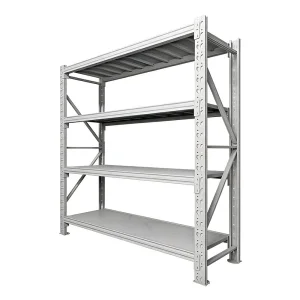
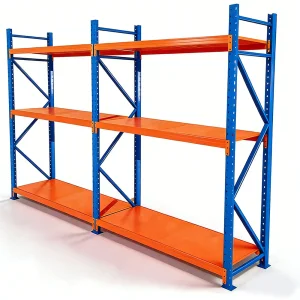
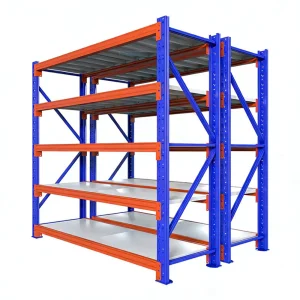
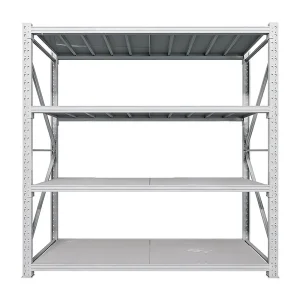
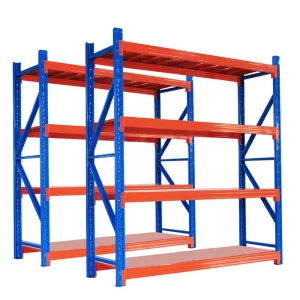
| Heavy-Duty Pallet Racking | Palletized Logistics, Heavy Machinery | 1000kg - 5000kg | Q235B / Q345B High-Grade Steel | Diamond-Shaped Connector Holes, Box Beams |
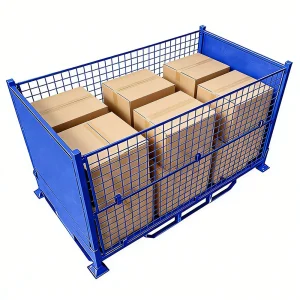
| Foldable Stacking Wire Cages | Automotive Parts, Loose Components | 500kg - 1500kg | Cold Drawn Steel Wire, Tubular Base | Self-Locking Latches, Stackable Fork Entries |
| Boltless Shelving Units | E-commerce Picks, Garment / Retail Pack | 100kg - 500kg | Light-Gauge SPCC Steel Profiles | Riveted Lock Slots, Adjustable Shelves |
| Heavy-Duty Industrial Mezzanines | Multi-Level Warehouse Storage Space | 300kg - 1000kg/㎡ | Hot-Rolled Structural H-Beams | Modular Interlocking Decking Plates |
A professional sourcing checklist designed for industrial procurement directors, warehouse engineers, and supply chain managers.
When procurement officers negotiate supply contracts for heavy industrial hardware, evaluating the product’s unit cost alone is insufficient. Structural failure in a warehouse stack can cost millions in inventory damage, disrupt operations, and pose life-safety risks. The following validation metrics must be requested during the supplier qualification process:
1. Material Certification: Ensure the manufacturer provides verified mill test reports (MTR) confirming steel chemical composition. Standard industrial racks must meet ASTM A1011 or equivalent national codes (like Chinese Q235B), ensuring minimum yield strength exceeds 235 MPa.
2. Welder Certifications: Weld failures are the primary point of failure in load-bearing frames. Ensure all manufacturing personnel are certified to AWS D1.1 (American Welding Society Structural Welding Code) or ISO 9606 standards. Automated robotic spot-welding lines minimize variability, ensuring consistent penetration depths across structural cross-sections.
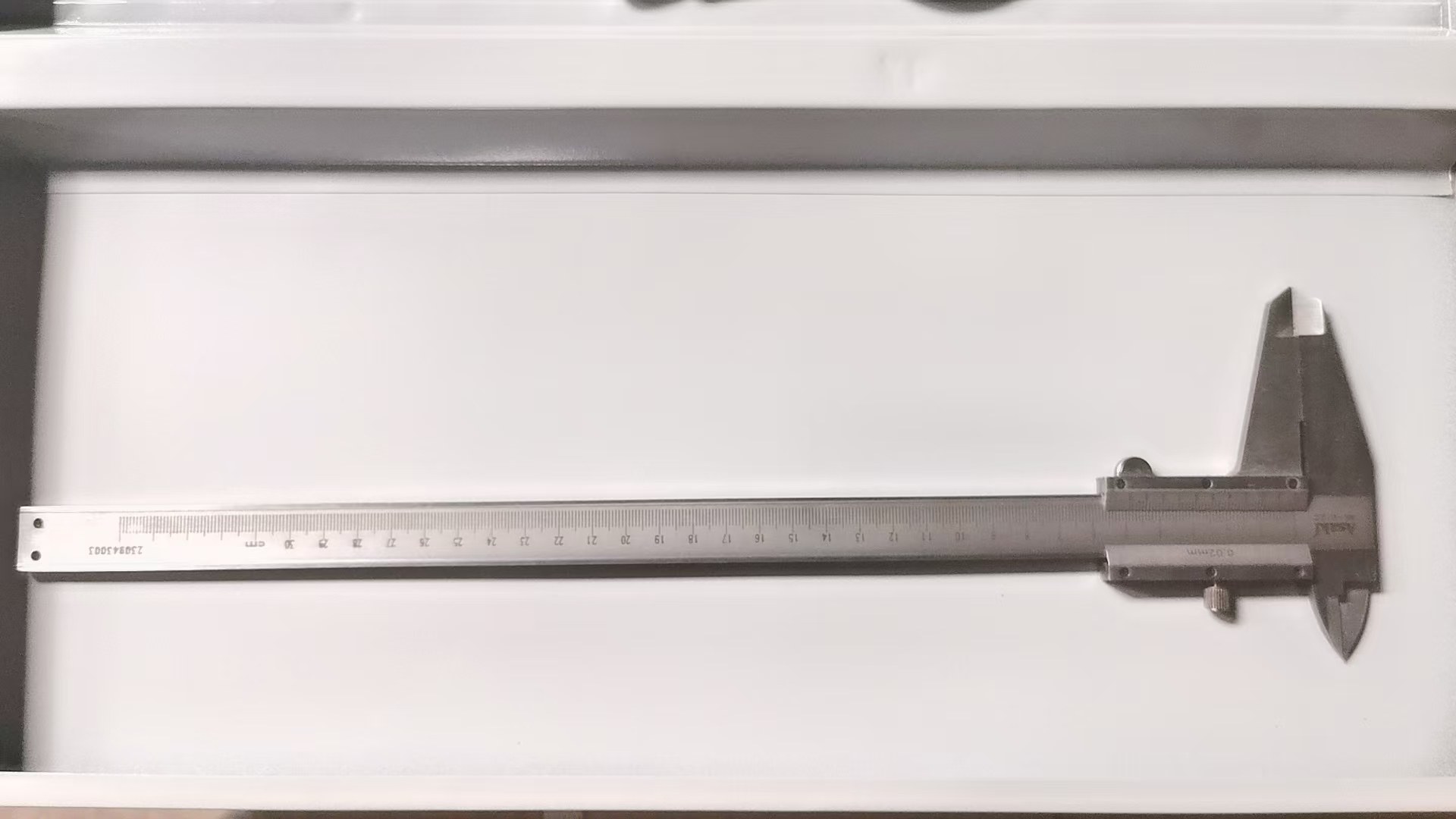
3. Finish & Salt Spray Ratings: For products intended for humid, outdoor, or cold environments, inquire about the powder coat thickness. The paint coating thickness (measured using digital coating thickness gauges, as used in Hui Lian’s QC lab) should measure between 60 to 90 microns. It must pass ASTM B117 salt spray testing for at least 500 hours to ensure long-term corrosion protection.
4. Deflection Testing under Maximum Load: Racks must comply with international deflection guidelines. Under working conditions, structural members must not exceed a deflection limit of L/180 (span divided by 180). Ask for load test certificates or finite element analysis (FEA) computer reports showing mechanical stress distribution under seismic load models.
Detailed answers to crucial logistics queries regarding specifications, shipping efficiency, steel certifications, and customization support.
Explore our full line of heavy-duty storage racks, wire cages, and adjustable shelving units designed for international distribution.
 Hui Lian