Providing High-Density Gravity Flow Systems, Advanced Storage Safety, and Heavy-Duty Warehouse Engineering Globally.
Factory-direct engineered heavy duty storage racks, adjustable shelving configurations, and custom logistics structural installations.
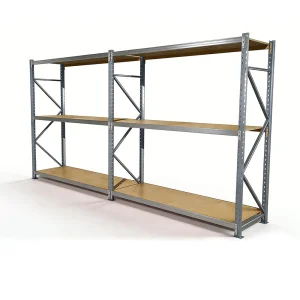
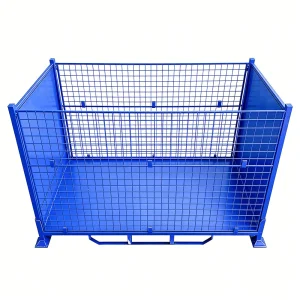
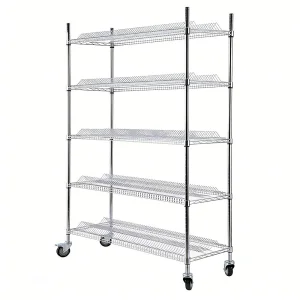
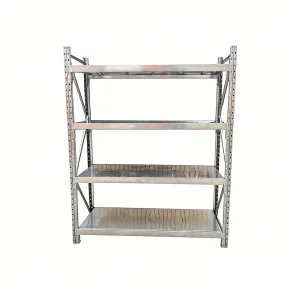
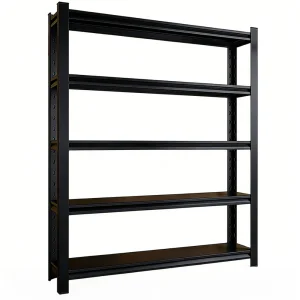
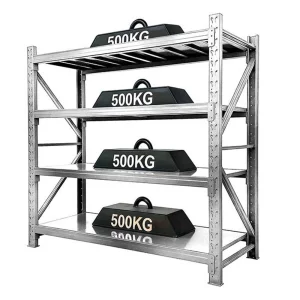
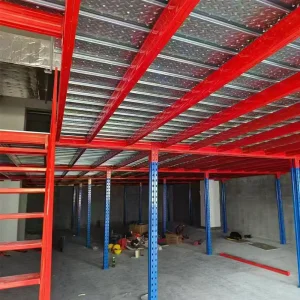
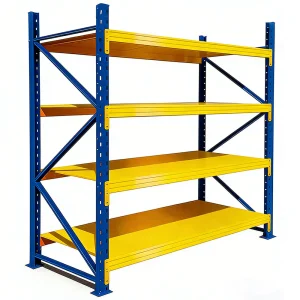
In the rapidly changing landscape of global logistics, warehousing efficiency has graduated from a simple operations metric to a core strategic differentiator. Within this paradigm, First-In, First-Out (FIFO) racking systems represent the gold standard for high-density, dynamic product rotation. Unlike traditional static selective racking systems that require extensive aisle space and permit LIFO (Last-In, First-Out) operations by default, dynamic FIFO pallet flow systems utilize structural gravity lanes to automatically slide loads from the loading face (rear) to the picking face (front).
A mechanical gravity flow lane typically sits at a precise 3% to 4% incline, fitted with heavy-duty roller wheels, speed controllers, and entry/exit safety dampeners. As the forklift operator retrieves the front pallet, the subsequent units roll forward at a controlled speed. This ensures immediate inventory access, elimination of product expiration risk, and a drastic reduction in forklift travel distances inside the warehouse.
| Performance Indicator | Dynamic FIFO Flow Racking | Selective Pallet Racking | Drive-In Racking (LIFO) |
|---|---|---|---|
| Storage Density Efficiency | Excellent (Up to 85% footprint utilization) | Low (Aisles occupy 60% of floor space) | High (Up to 70% space utilization) |
| Inventory Rotation Logic | Strict FIFO (First-In, First-Out) | Arbitrary (Requires manual tracking) | Strict LIFO (Last-In, First-Out) |
| Forklift Operational Hazards | Minimal (Operates strictly at terminal faces) | Moderate (Forklifts navigate internal aisles) | High (Forklifts must drive deep into the bays) |
| Ideal Application Sectors | Pharmaceuticals, FMCG, Cold Chains, Food & Bev | General Merchandising, Low-turnover goods | Bulk identical items, non-perishable goods |
Industrial procurement managers looking for wholesale FIFO solutions face a variety of engineering challenges. Modern procurement is not simply a matter of purchasing tons of cold-rolled steel; it requires deep validation of engineering tolerances, material certificates (such as Q235B or Q345B steel standards), and seismic load evaluations compliance (conforming to RMI or FEM 10.2.02 standards).
Key demands from international buyers include:
Verified manufacturing data from Dongguan Hui Lian Intelligent Warehouse Equipment Co., Ltd. showing our capacity to handle massive global projects.
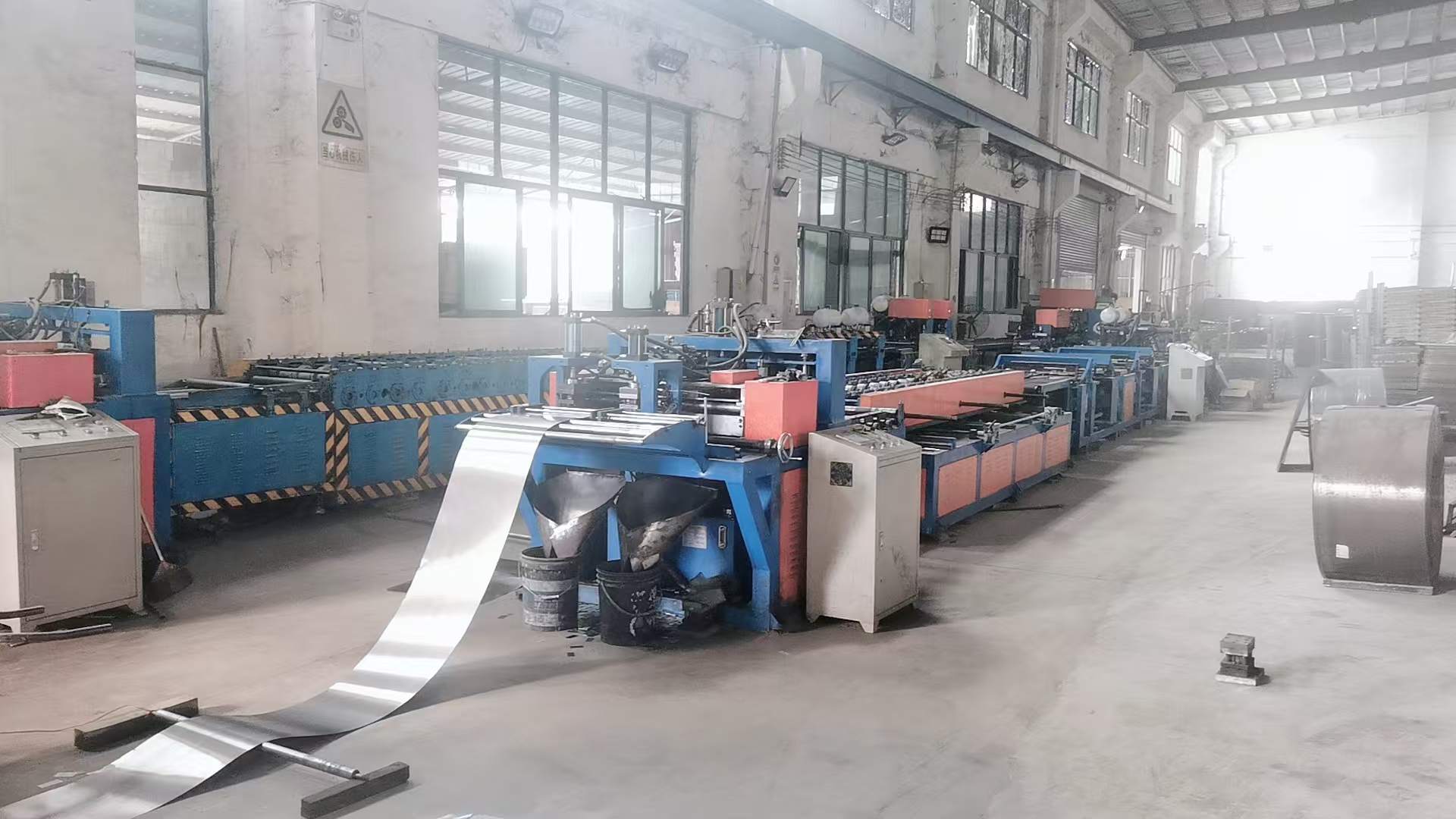
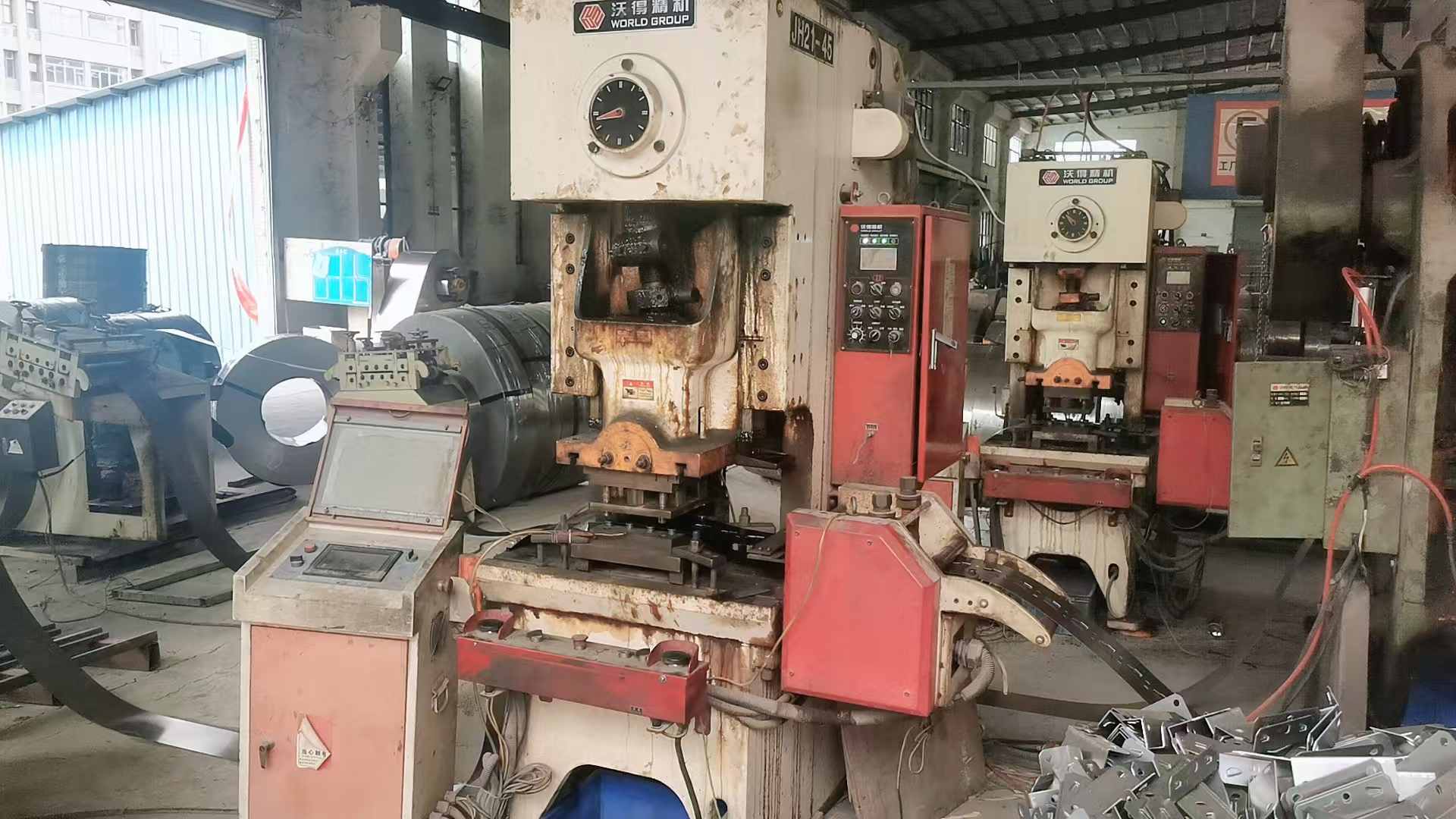
Manufacturing advanced racking systems is no longer a labor-intensive industry. Under the "Factory 4.0" framework, Chinese factories have integrated automation, high-speed roll forming lines, and laser-guided robotic welding arms. Dongguan Hui Lian Intelligent Warehouse Equipment Co., Ltd. exemplifies this transition, combining localized material access with cutting-edge technology to maintain supply chain resilience.
With a network of over 850 supply chain partners, we ensure that premium raw steel, automated electrical rollers, custom plastic guide rails, and powder coatings are sourced with no lead-time bottlenecks. This deep integration allows us to design, manufacture, and export over 320 new custom products annually, catering to complex client demands across North America, Europe, Southeast Asia, Australia, and South America.
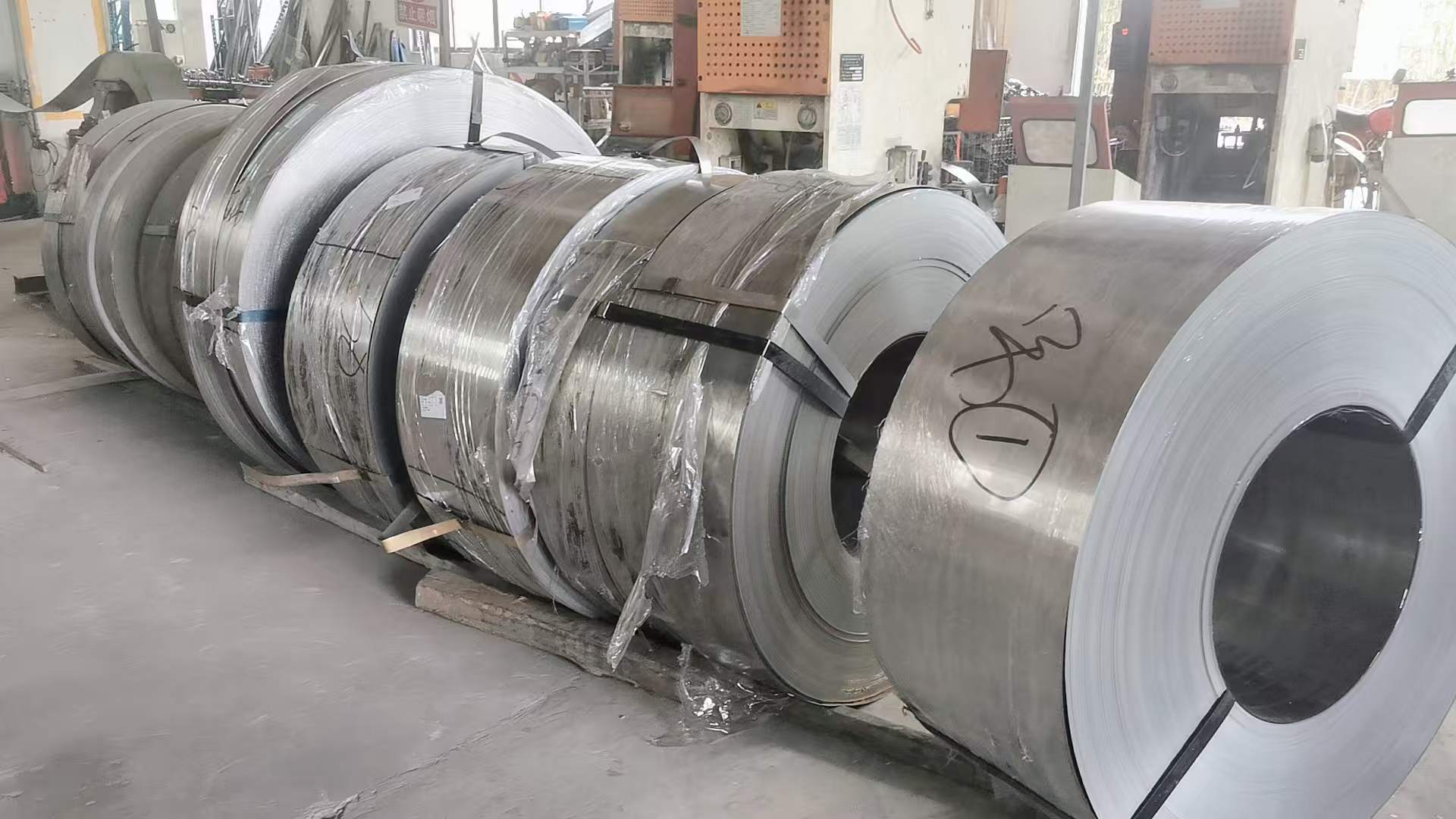
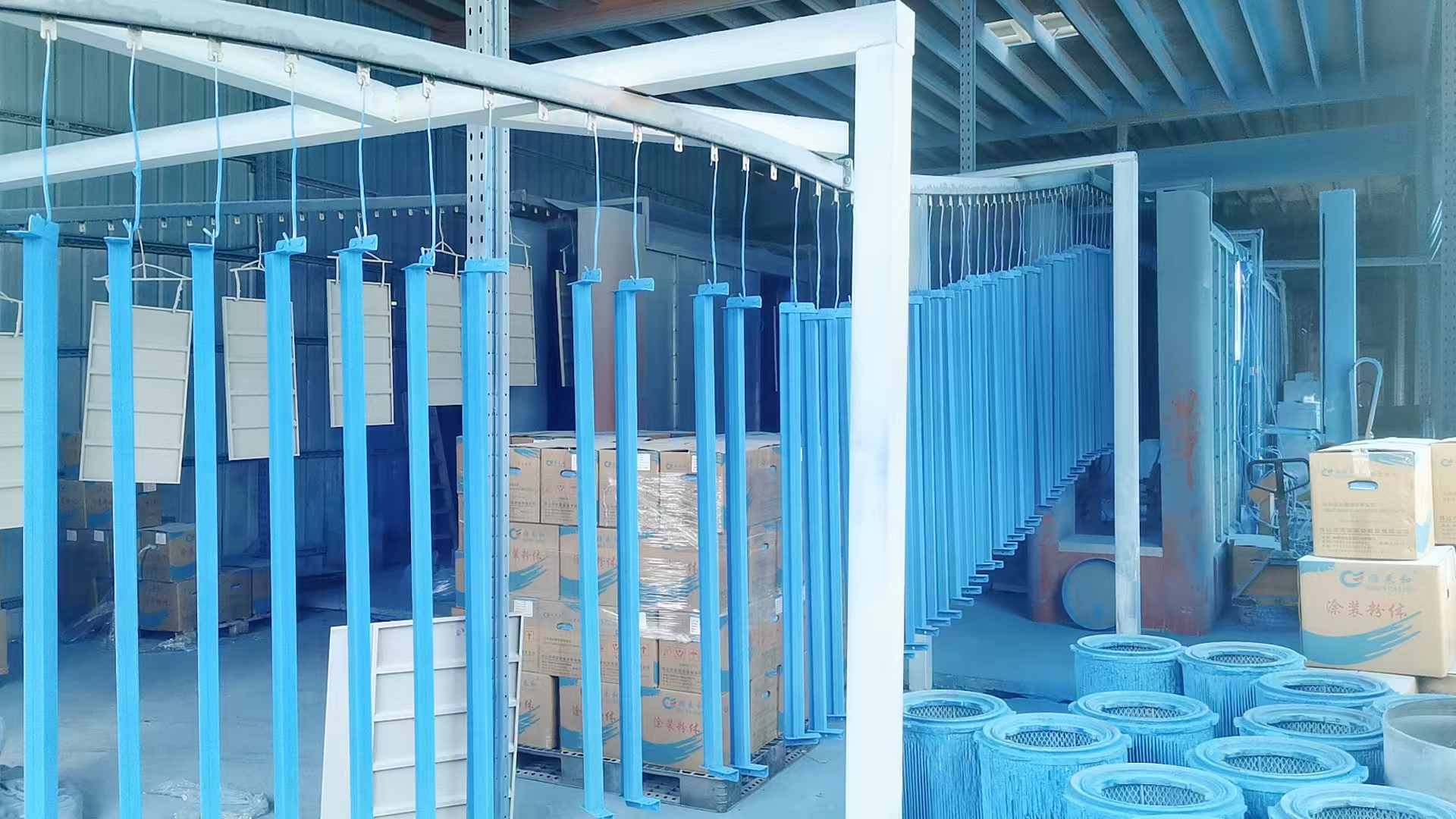
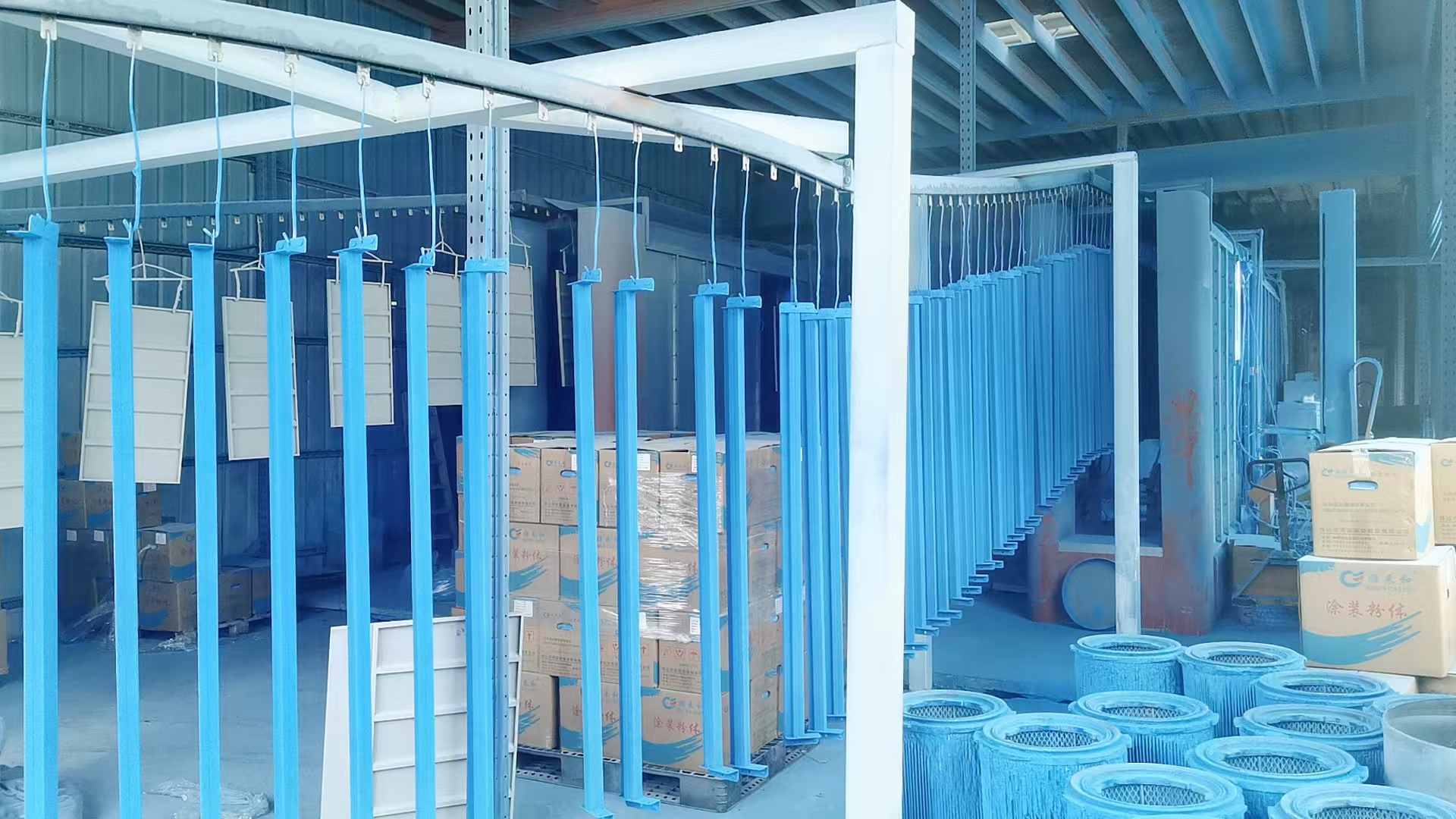
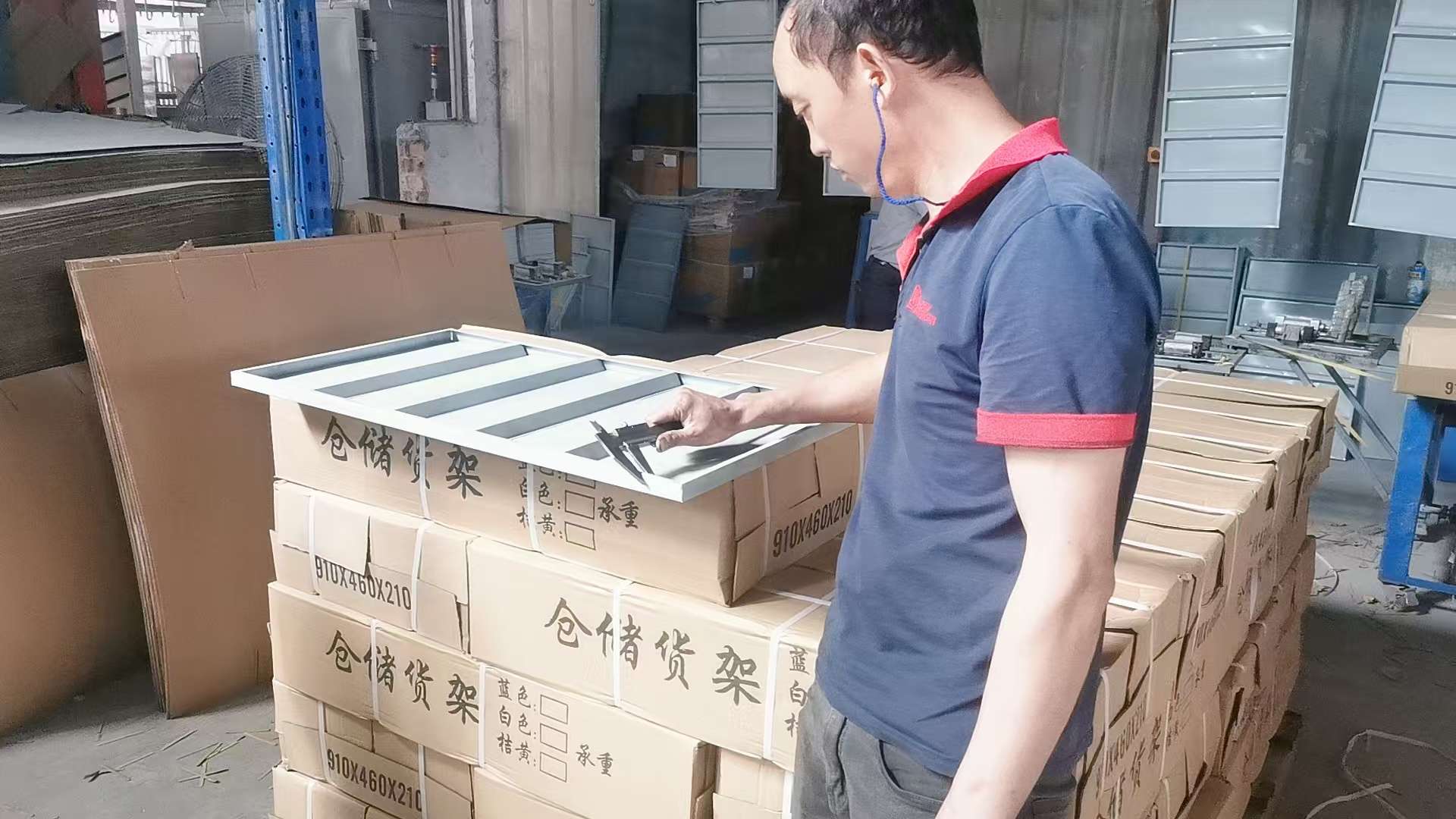
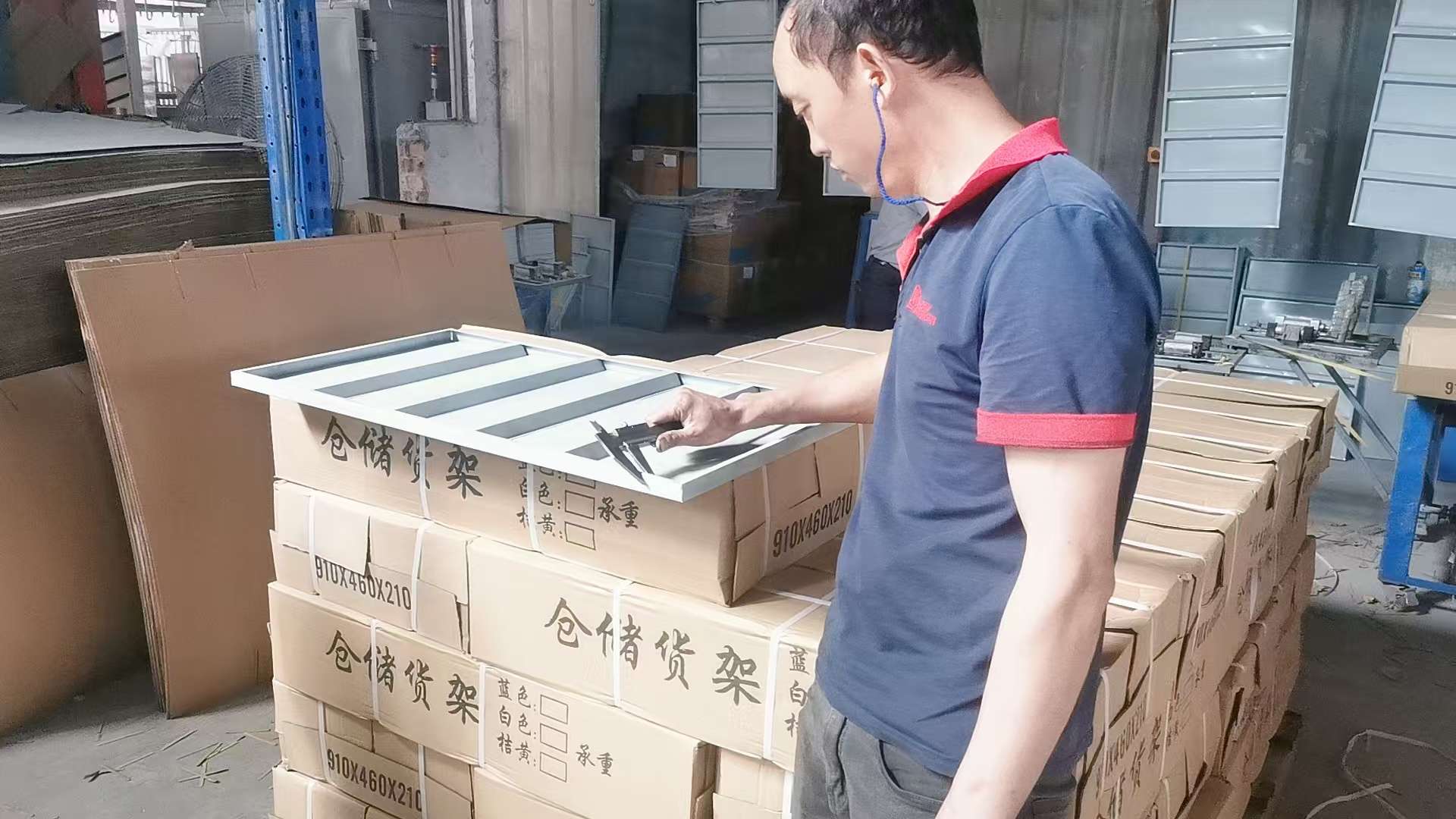
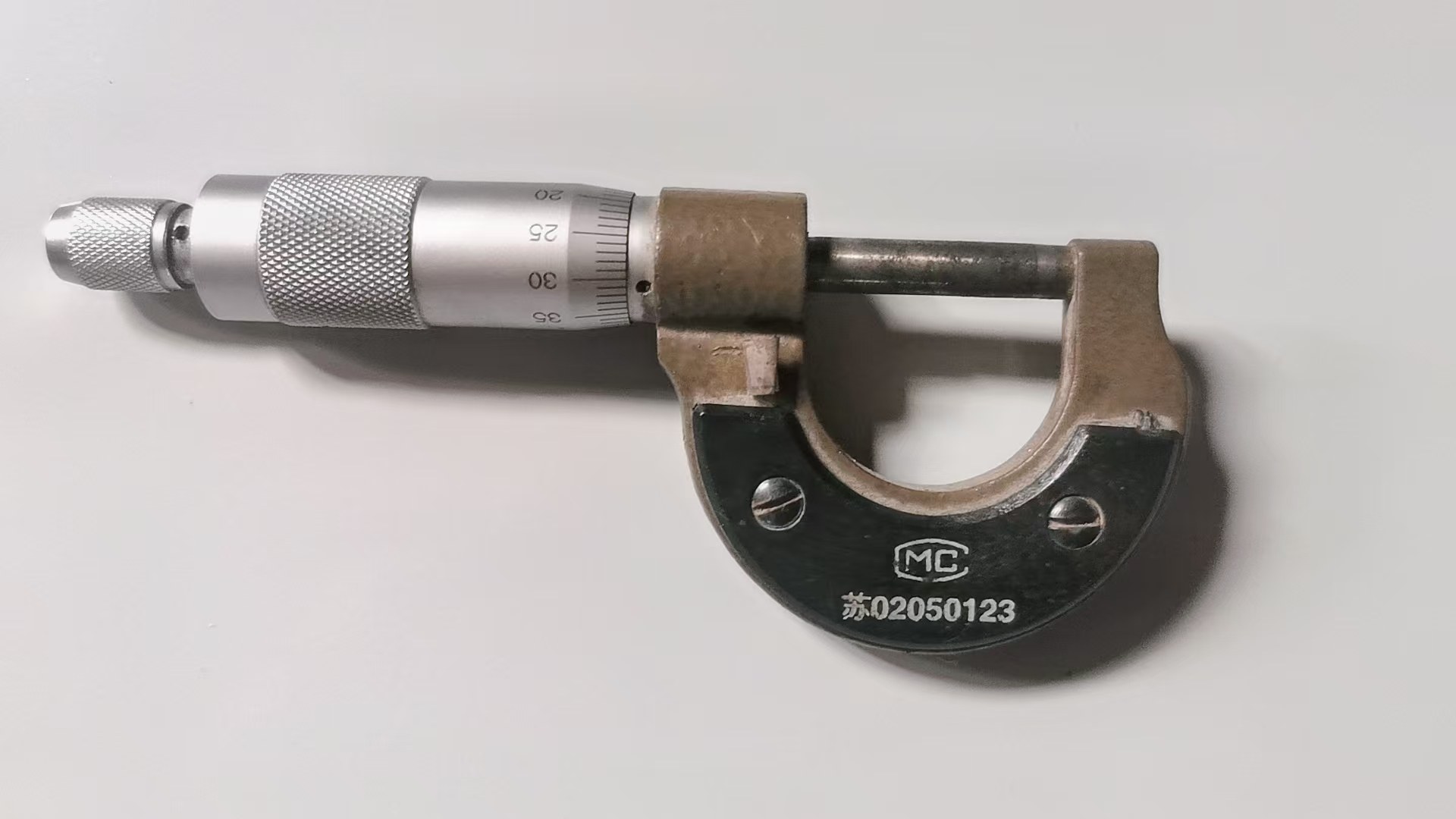
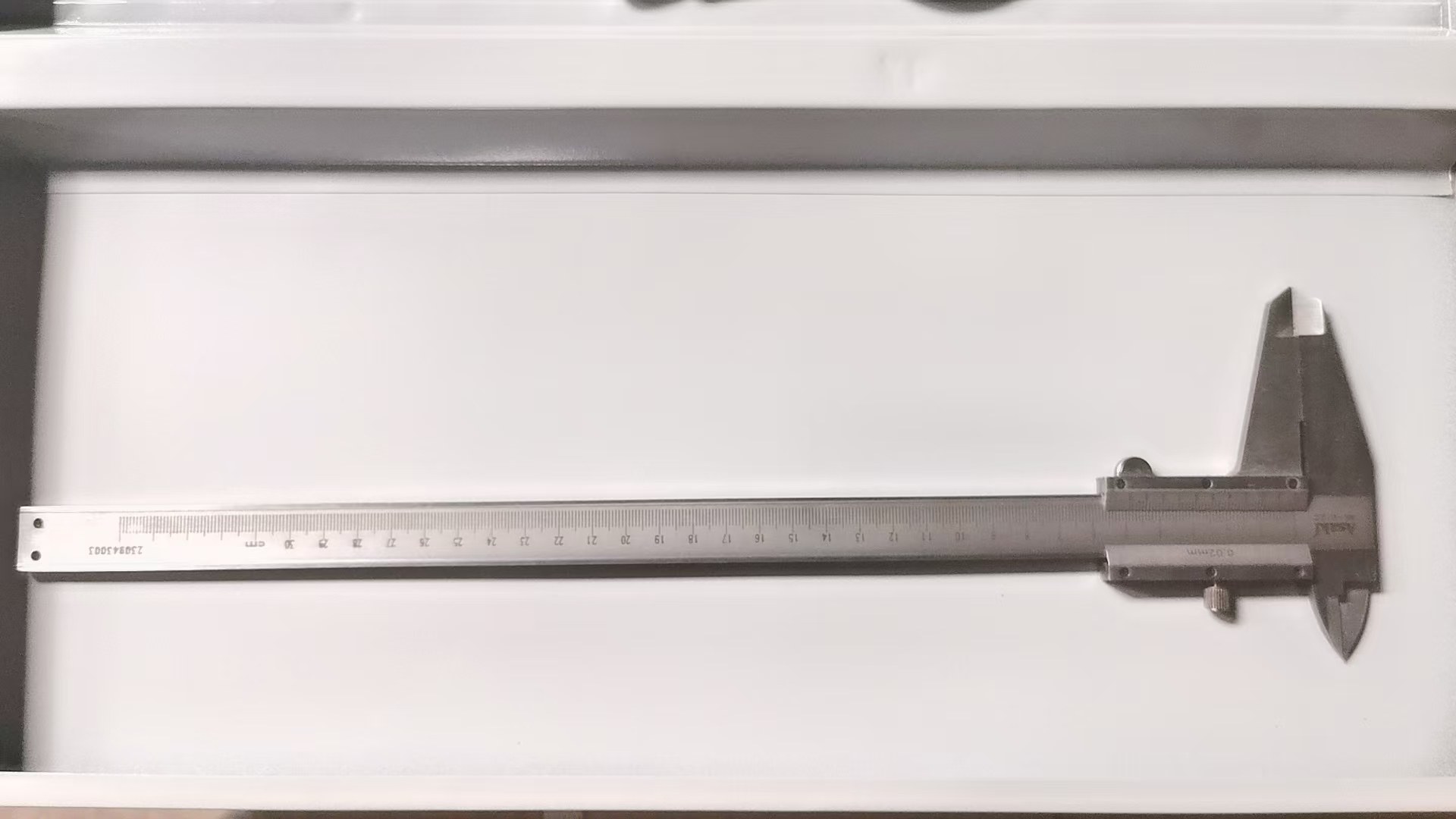
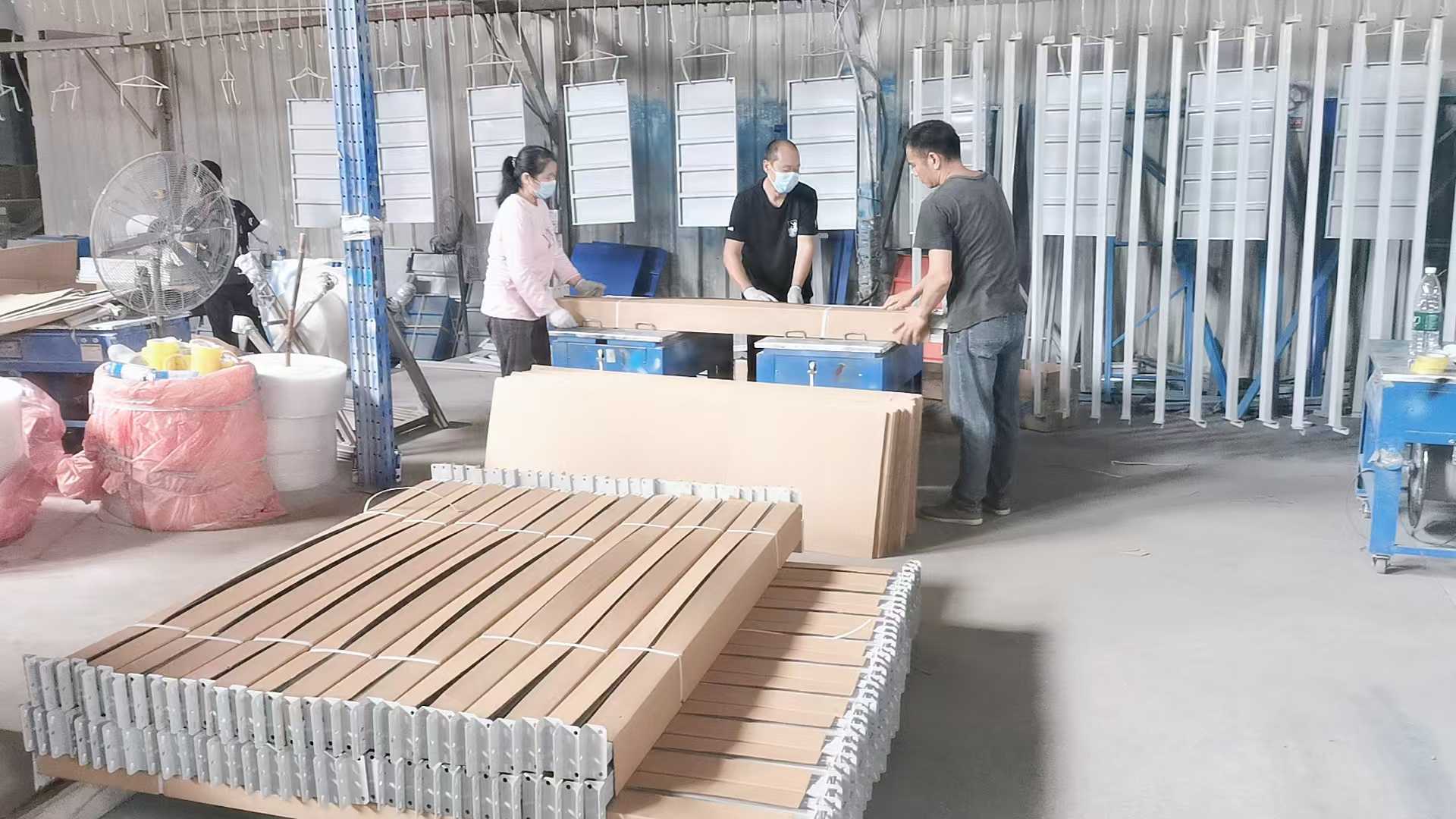
To achieve high structural integrity, every component must undergo a rigorous multi-stage manufacturing sequence. Below is a detailed view of our processing floor and testing gear:
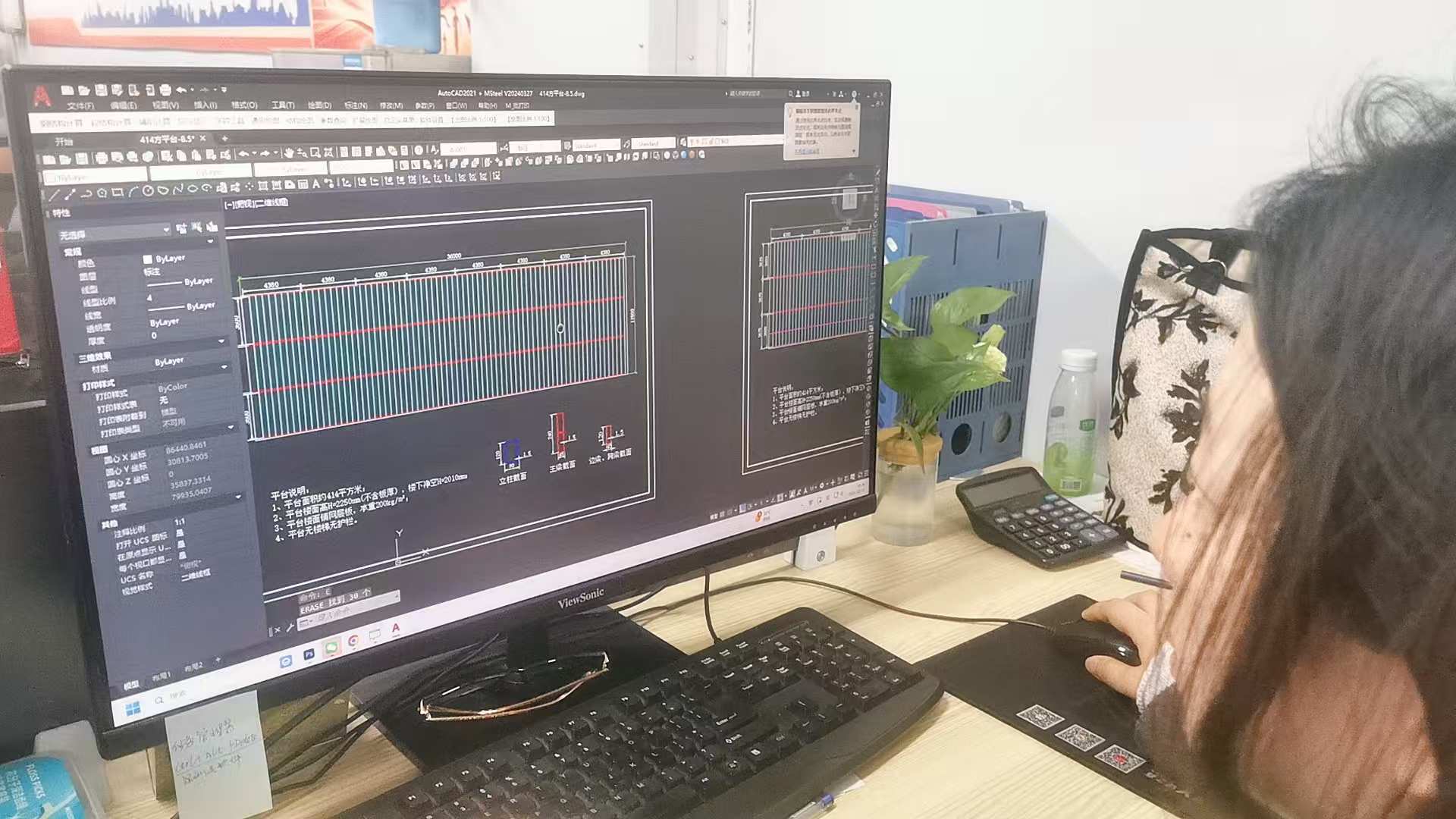
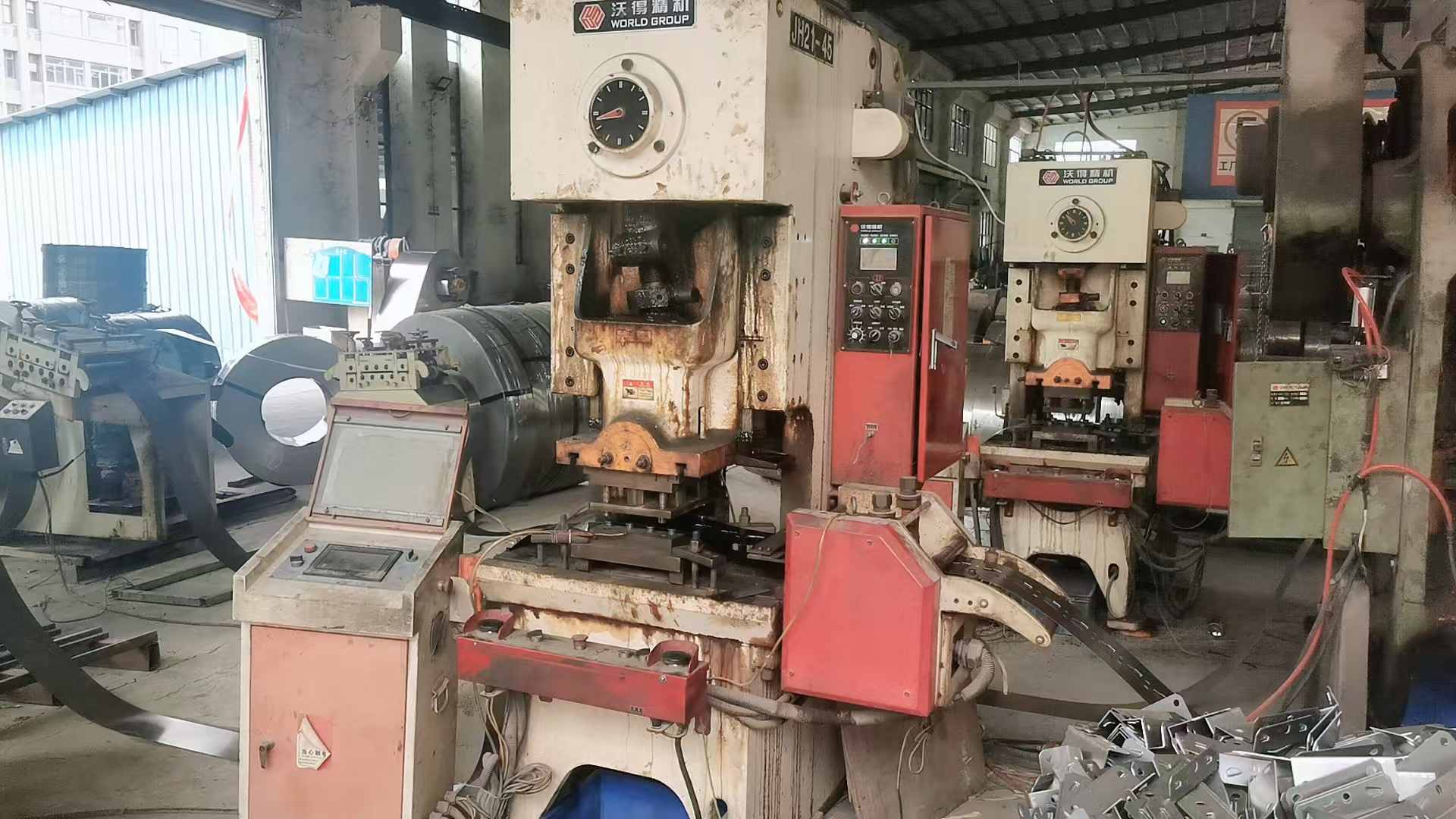
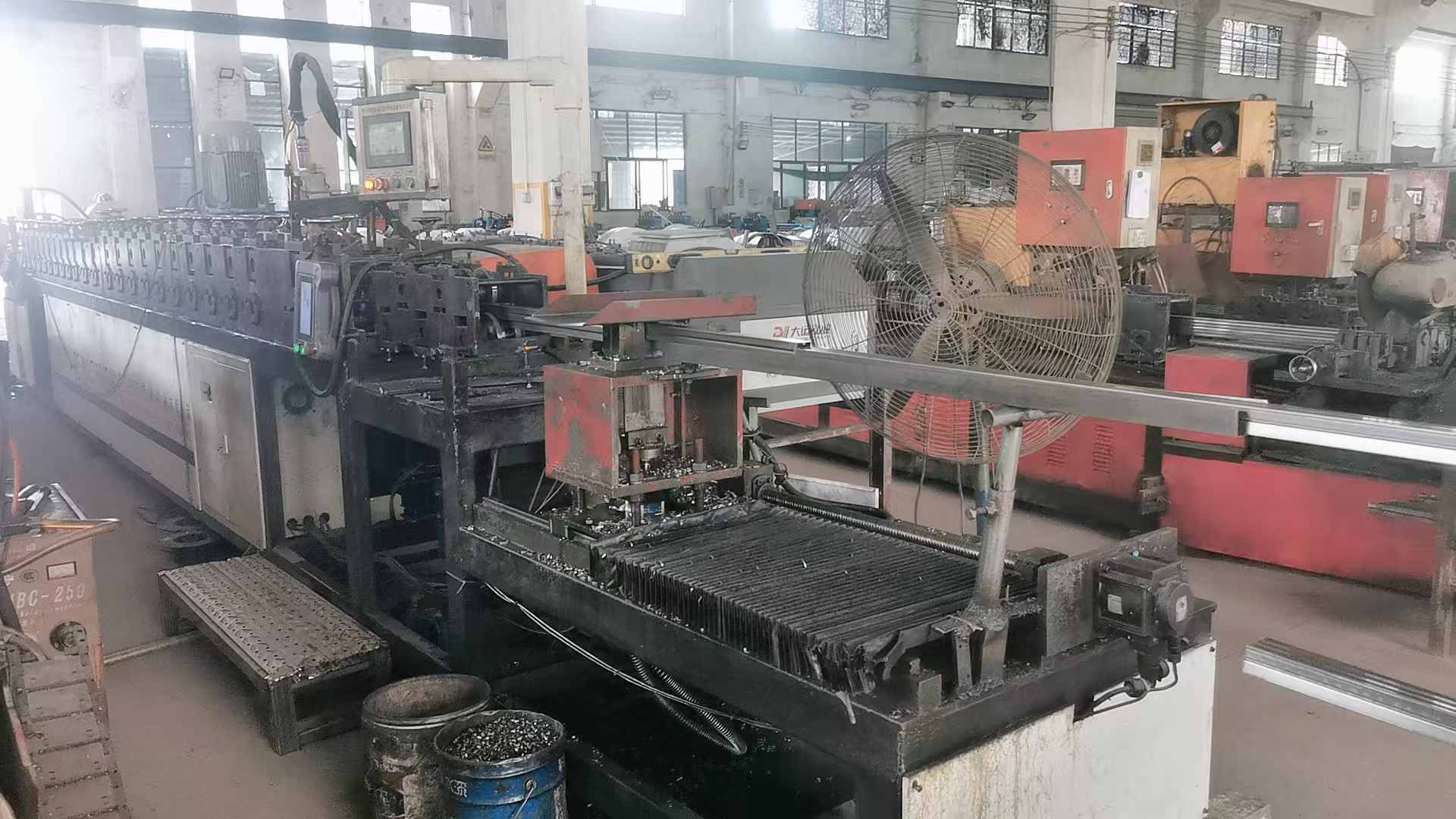
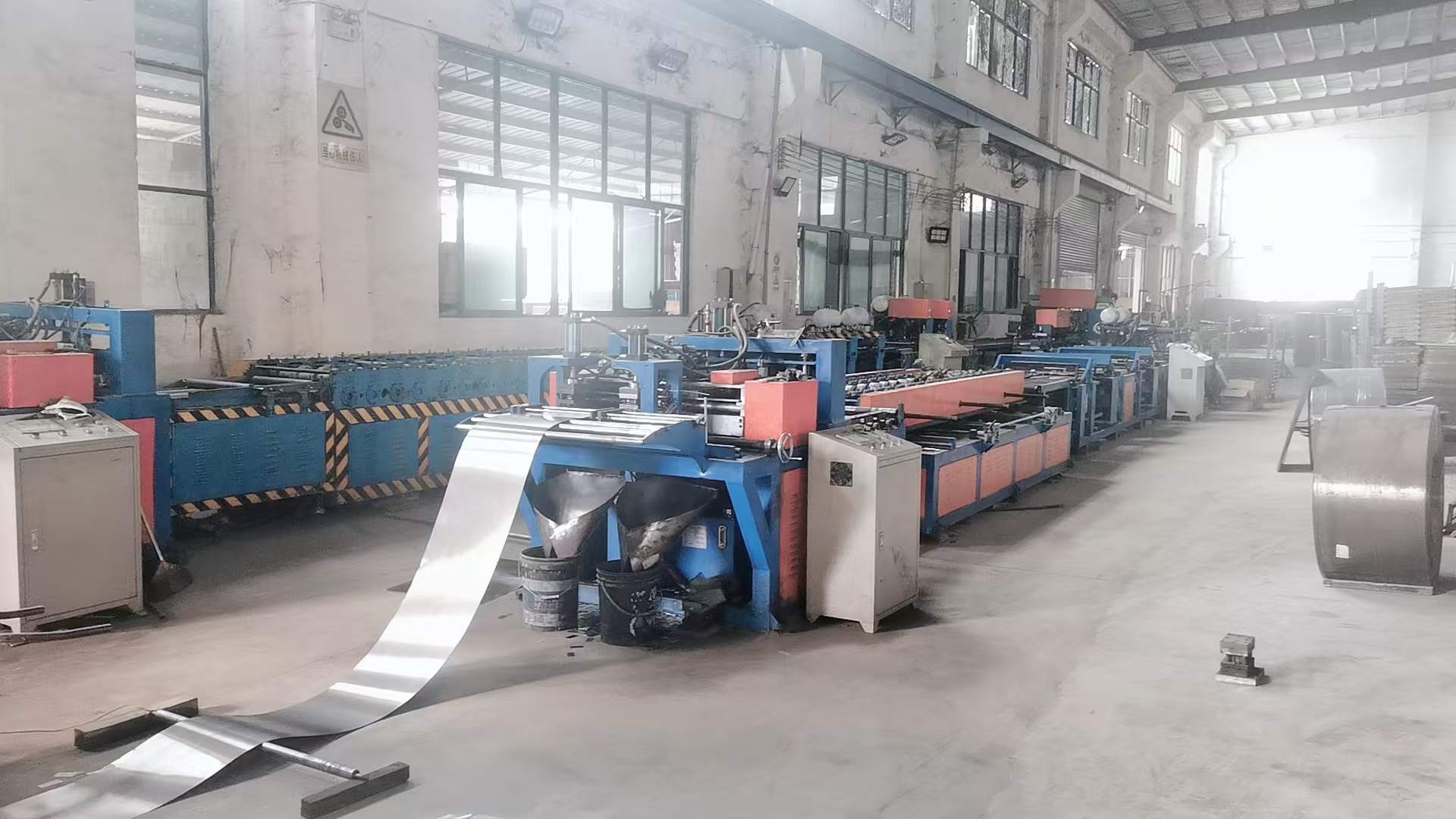
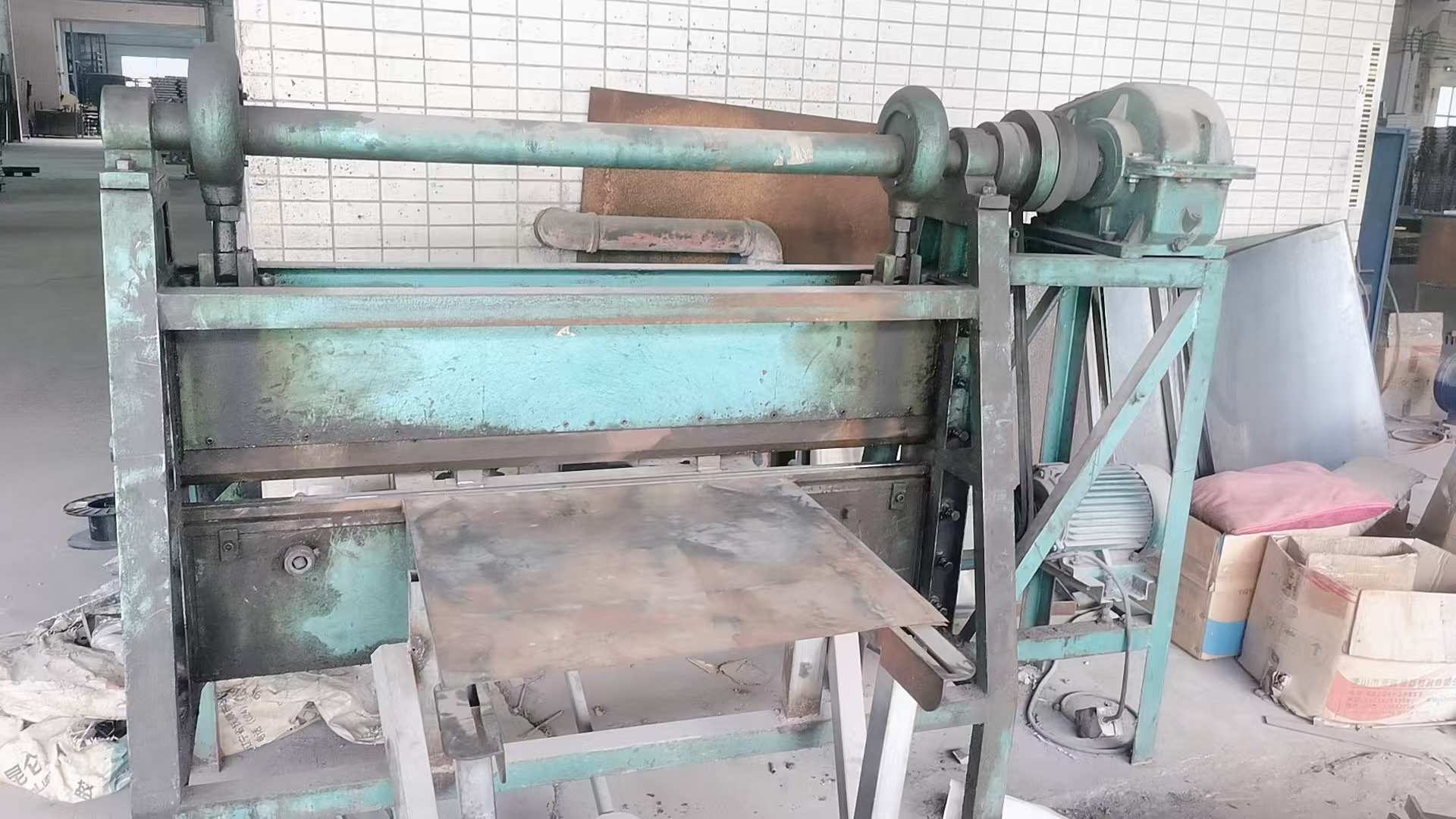
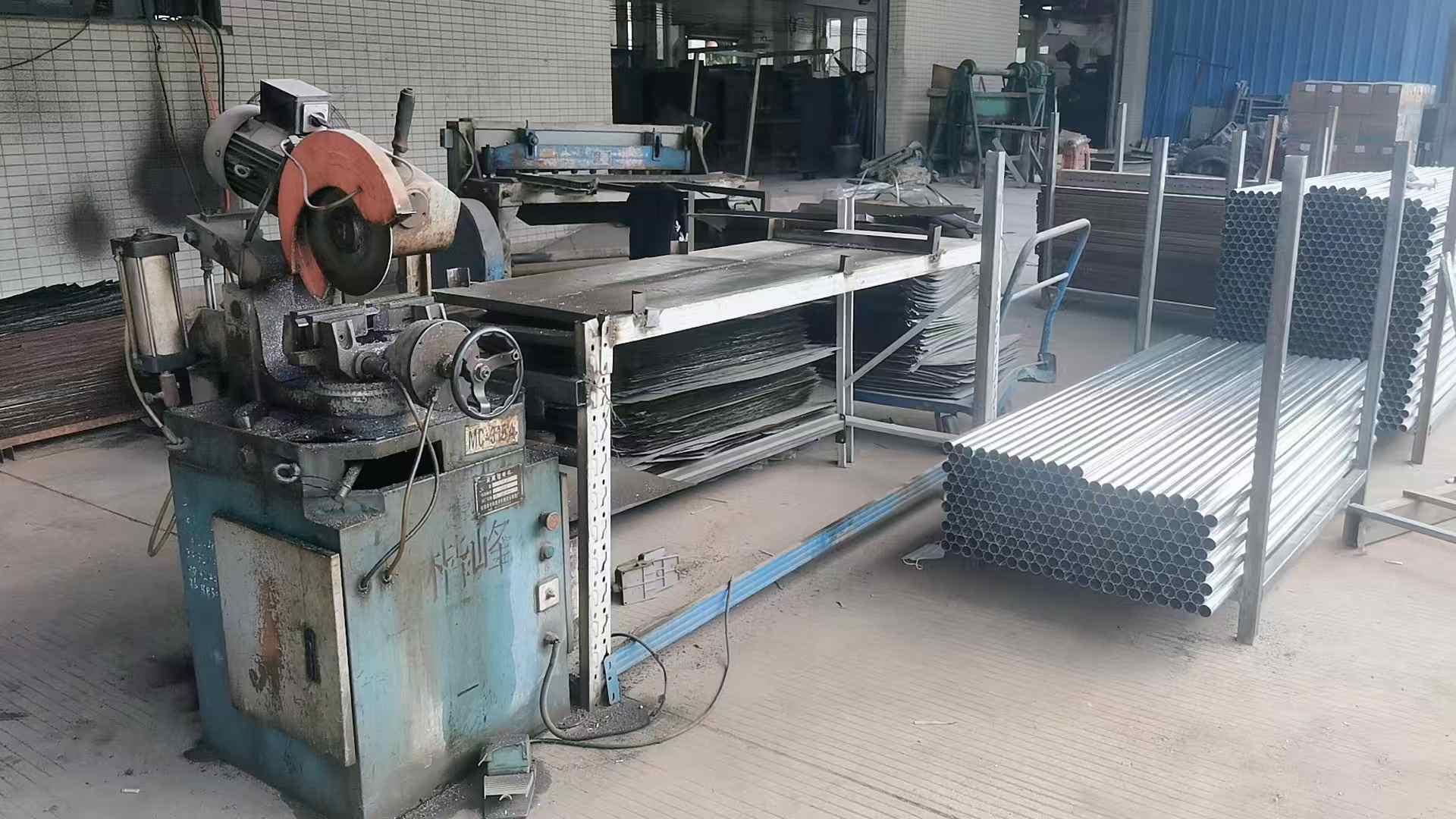
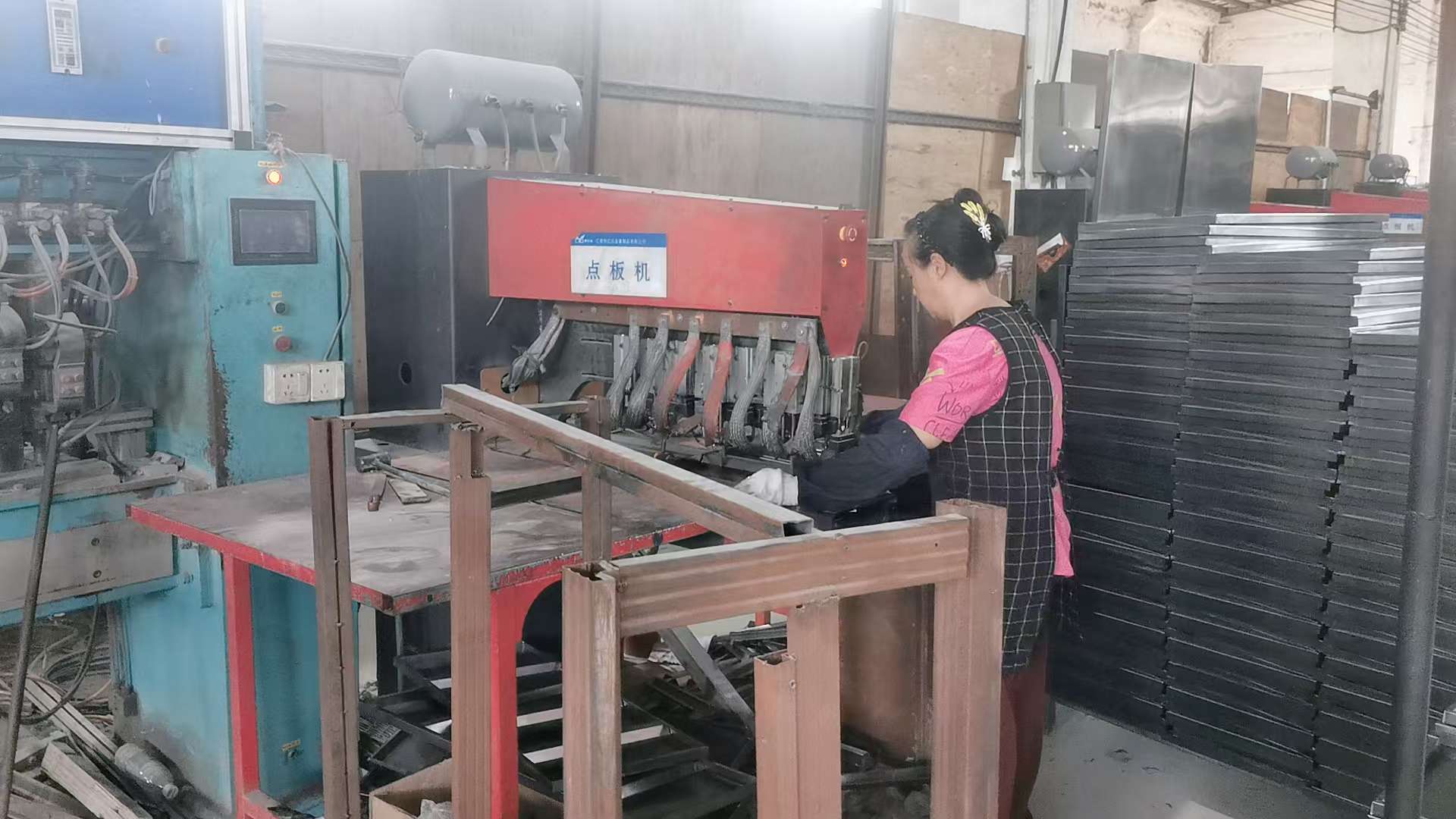
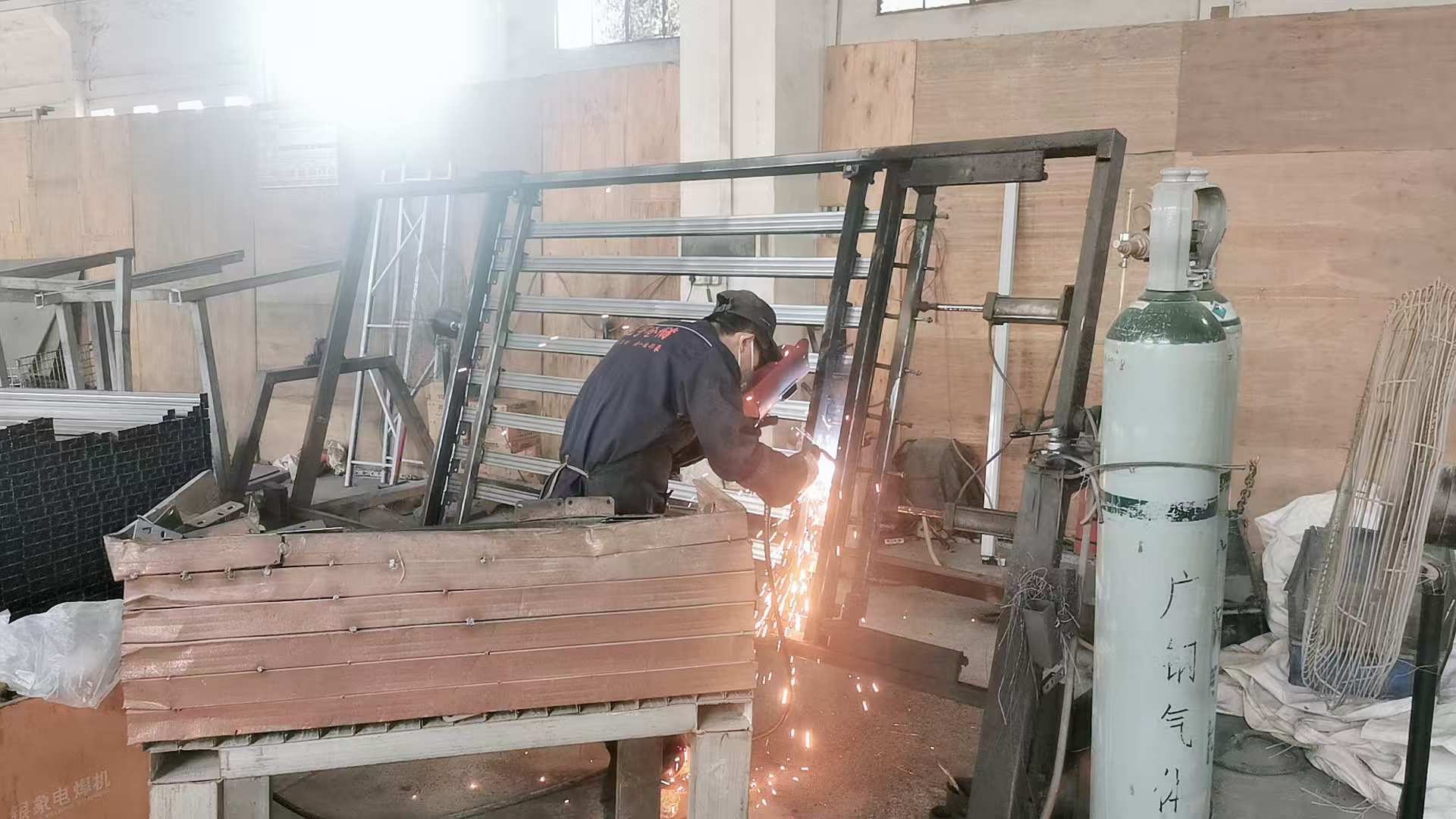
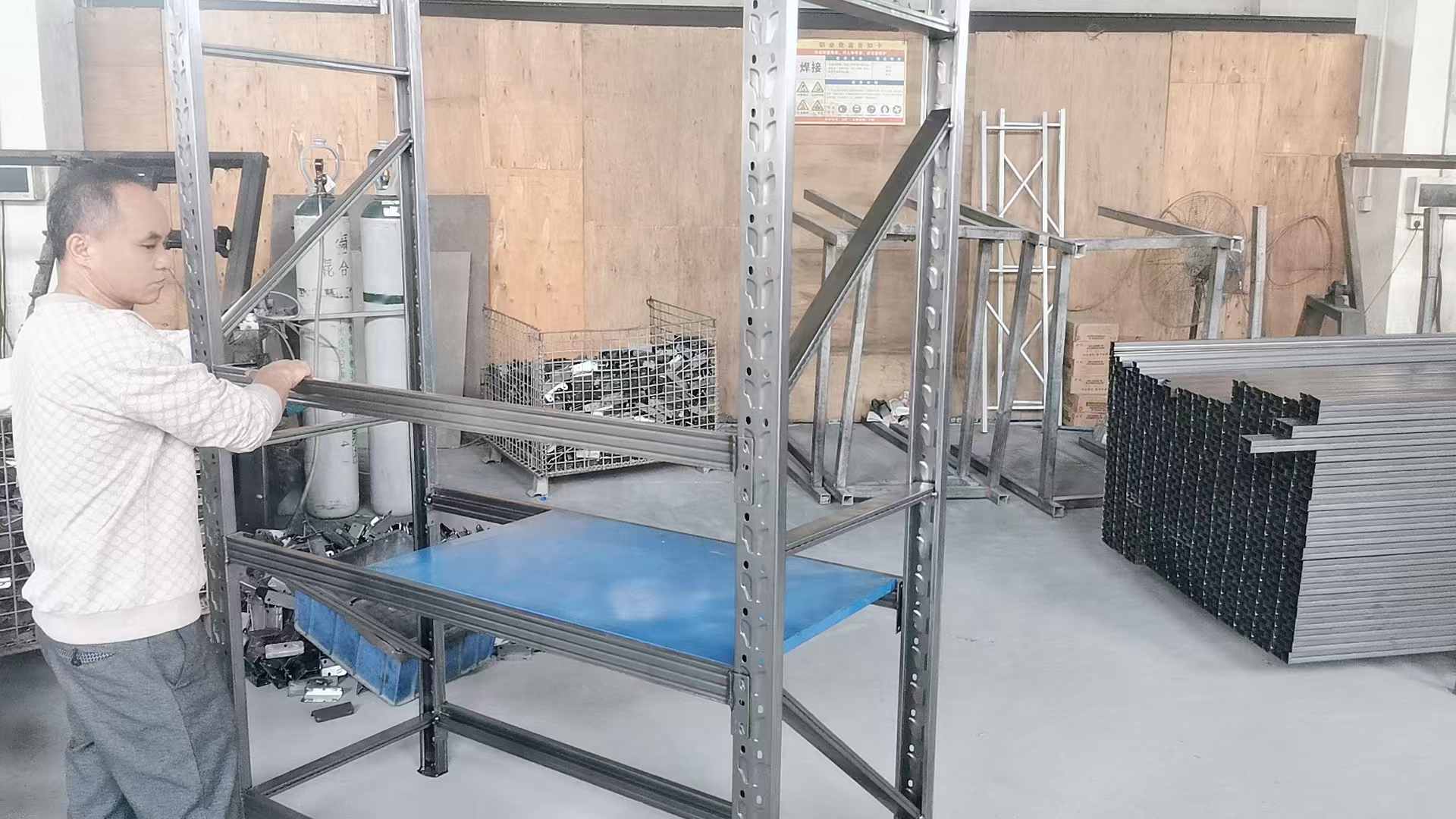
Selecting the correct FIFO configuration requires rigorous structural planning. When assessing system capacity, engineers look at raw structural variables: frame height, depth, column configurations, upright profiles, and material thickness.
We source certified high-grade Q235B and Q345B carbon steel. Our roll forming production line maintains thickness tolerances within ±0.05mm, providing structural stability under full load limits.
Configured between 3% to 4.5% depending on average pallet weight classes. Speed controllers are placed at 1.2-meter intervals in the flow direction to ensure constant velocity control below 0.3 m/s.
All upright columns and load beams undergo a 7-stage acid-wash phosphating process, followed by electrostatic powder coating. The resulting dry film thickness (DFT) measures between 70 to 110 microns, which prevents rust and corrosion.
Different global supply chain ecosystems demand specialized localized adaptations of FIFO dynamic flow:
In sub-zero environments, warehouse space is highly expensive. Dynamic FIFO systems provide the densest storage footprint while allowing strict batch control. Our specialized coatings are designed to withstand temperatures down to -30°C without peeling or structural cracking.
Compliance with global health regulations (such as FDA or EMA standards) requires strict expiration management. The automated rotation of FIFO lanes ensures that older batches move to the front of the lane, preventing product expiration issues.
Automotive plants utilize dynamic FIFO lanes with heavy-duty metal cages and steel pallets to supply components directly to assembly lines. Our customizable stacking folding cages and mobile wire shelving units are designed to integrate seamlessly into these fast-paced production lines.
Answers to critical questions asked by industrial procurement agents and warehouse layout engineers.
Heavy-duty roll-formed pallet racking configurations, customizable boltless designs, and anti-corrosion warehouse shelving solutions.
 Hui Lian