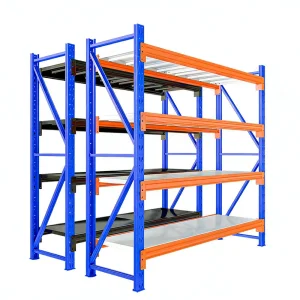
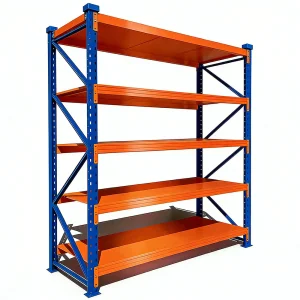
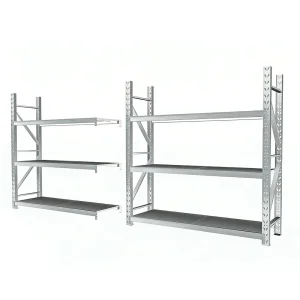
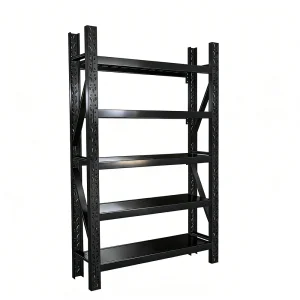
Engineered for extreme load capacities, maximum vertical spatial optimization, and long-term structural integrity.
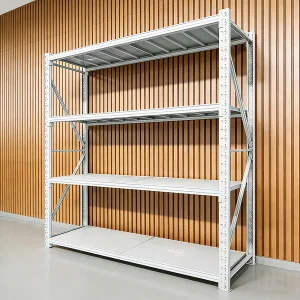
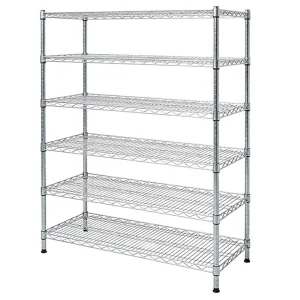
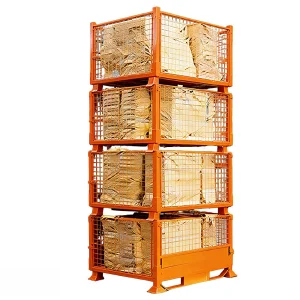
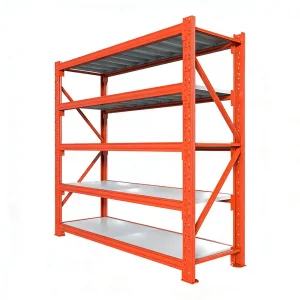
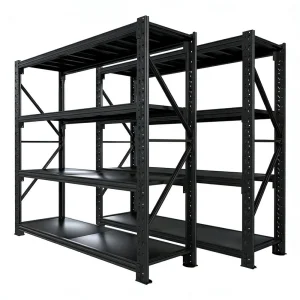
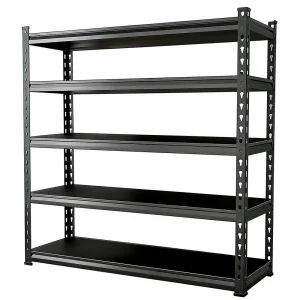
Dongguan Hui Lian Intelligent Warehouse Equipment Co., Ltd. stands as a premier global authority in high-performance storage manufacturing. Established in 2016, we integrate deep structural engineering with state-of-the-art production technologies to offer comprehensive warehousing systems that elevate logistical capabilities.
Operated within an advanced, specialized factory spanning 18,500㎡, our systems meet the strict design dynamics of modern supply chains. With an annual export capacity generating US$18 million, our products have successfully optimized facility flowlines across major commercial sectors globally.
Discover how raw material integration, high-tech engineering, and optimized logistics scale structural cost advantages.
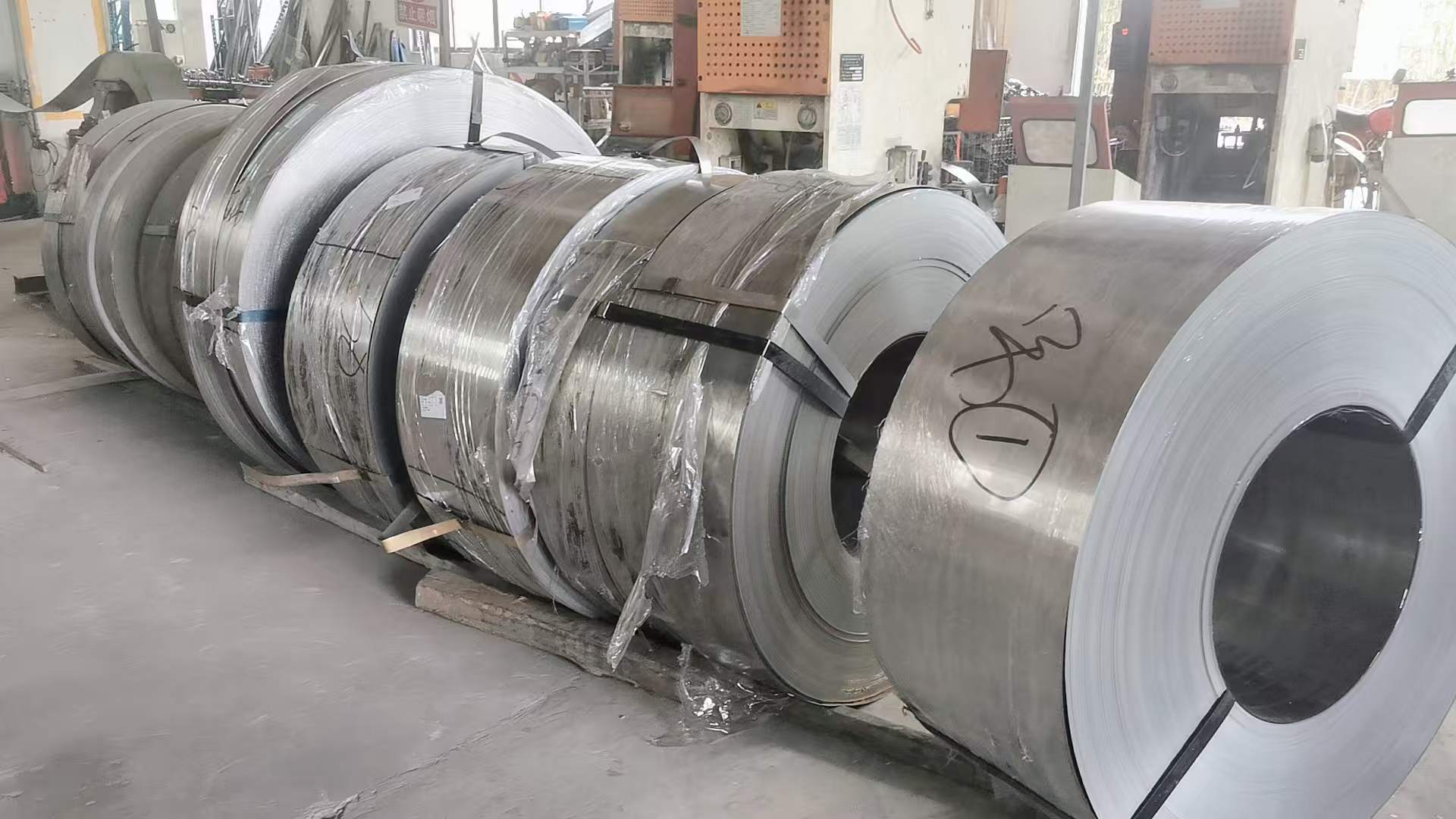
We source cold-rolled carbon steel close to regional metallurgy centers. This allows us to guarantee high tensile yield strengths, optimal weldability, and raw material consistency at dynamic price points.
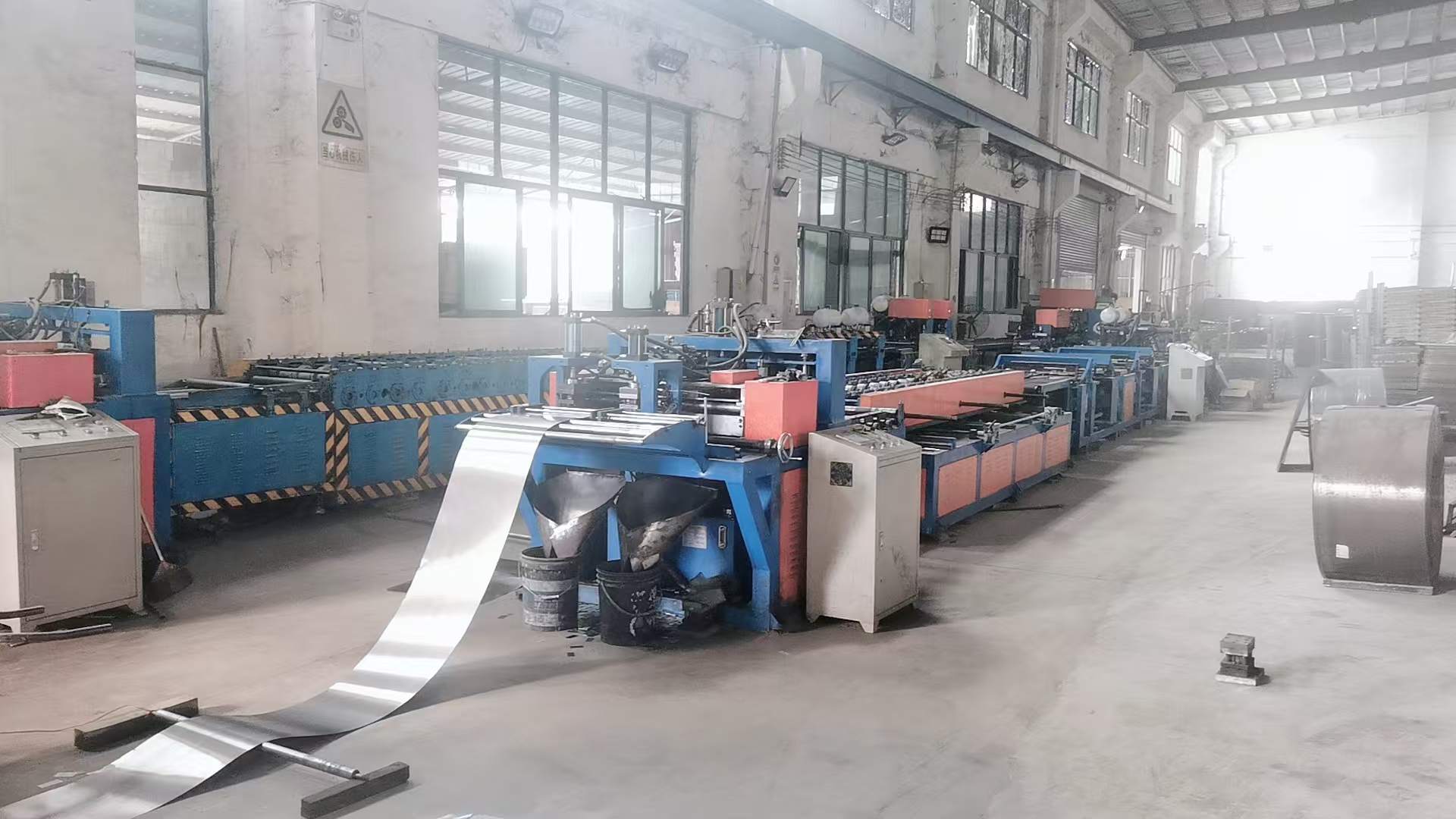
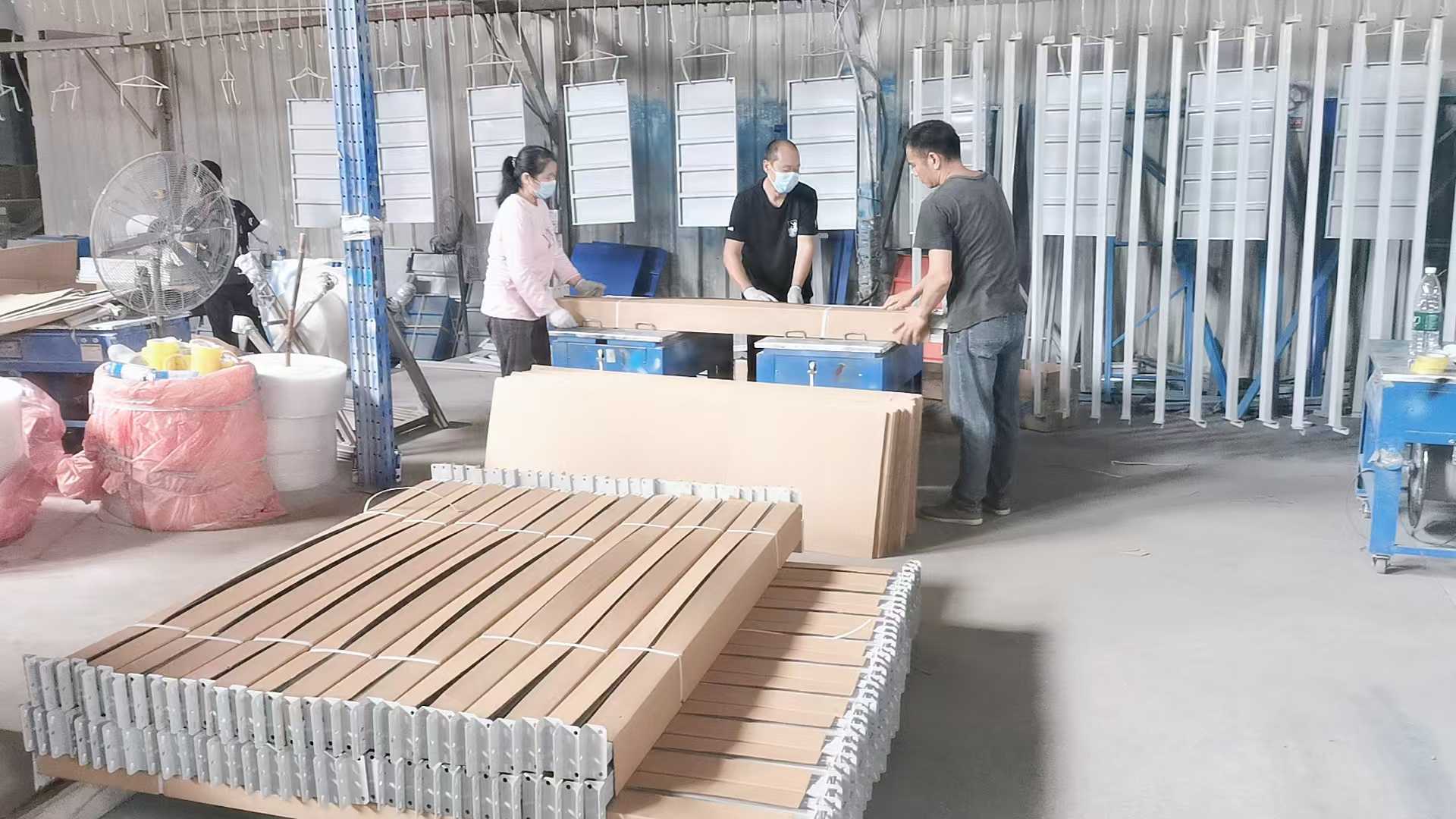
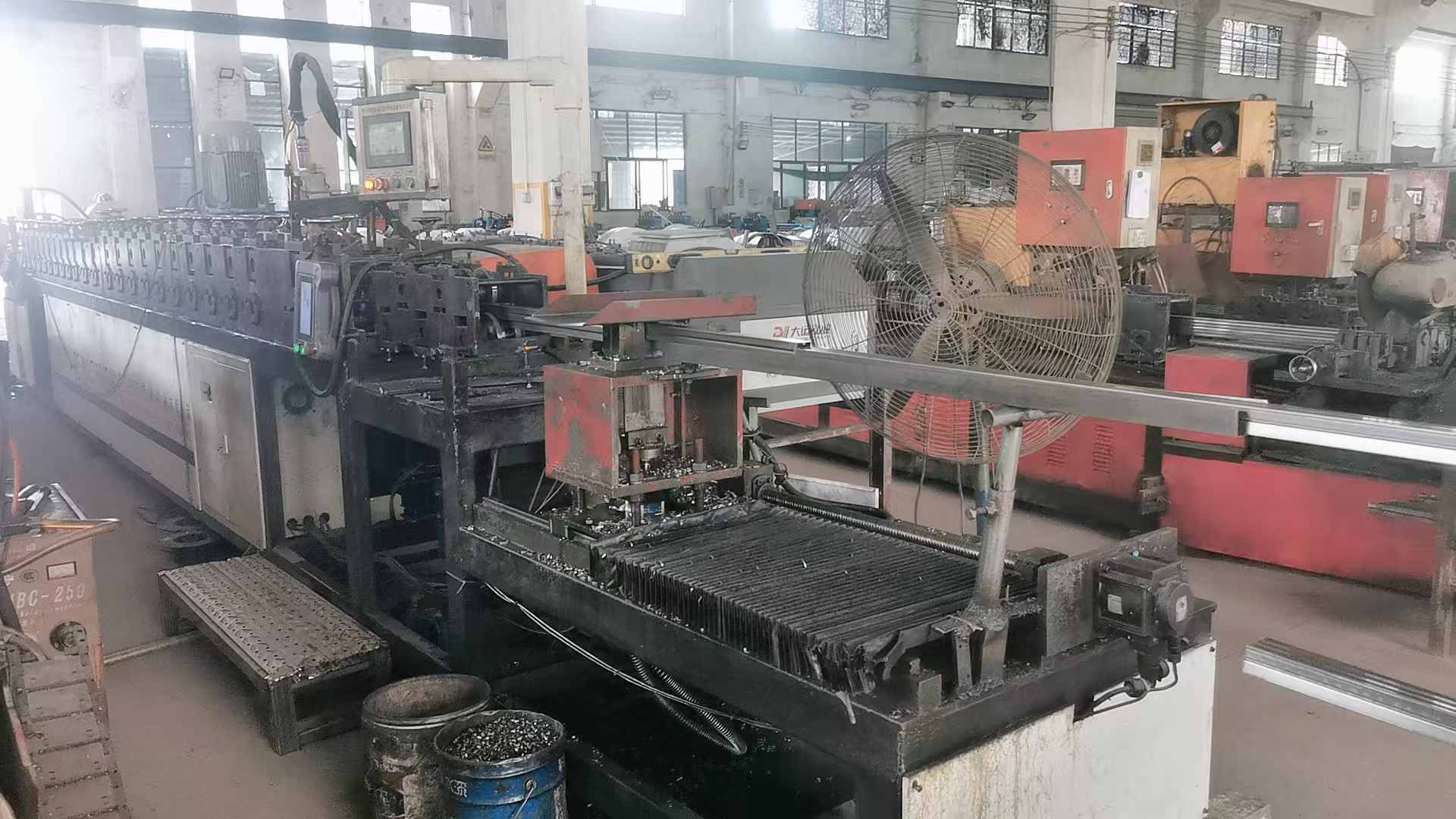
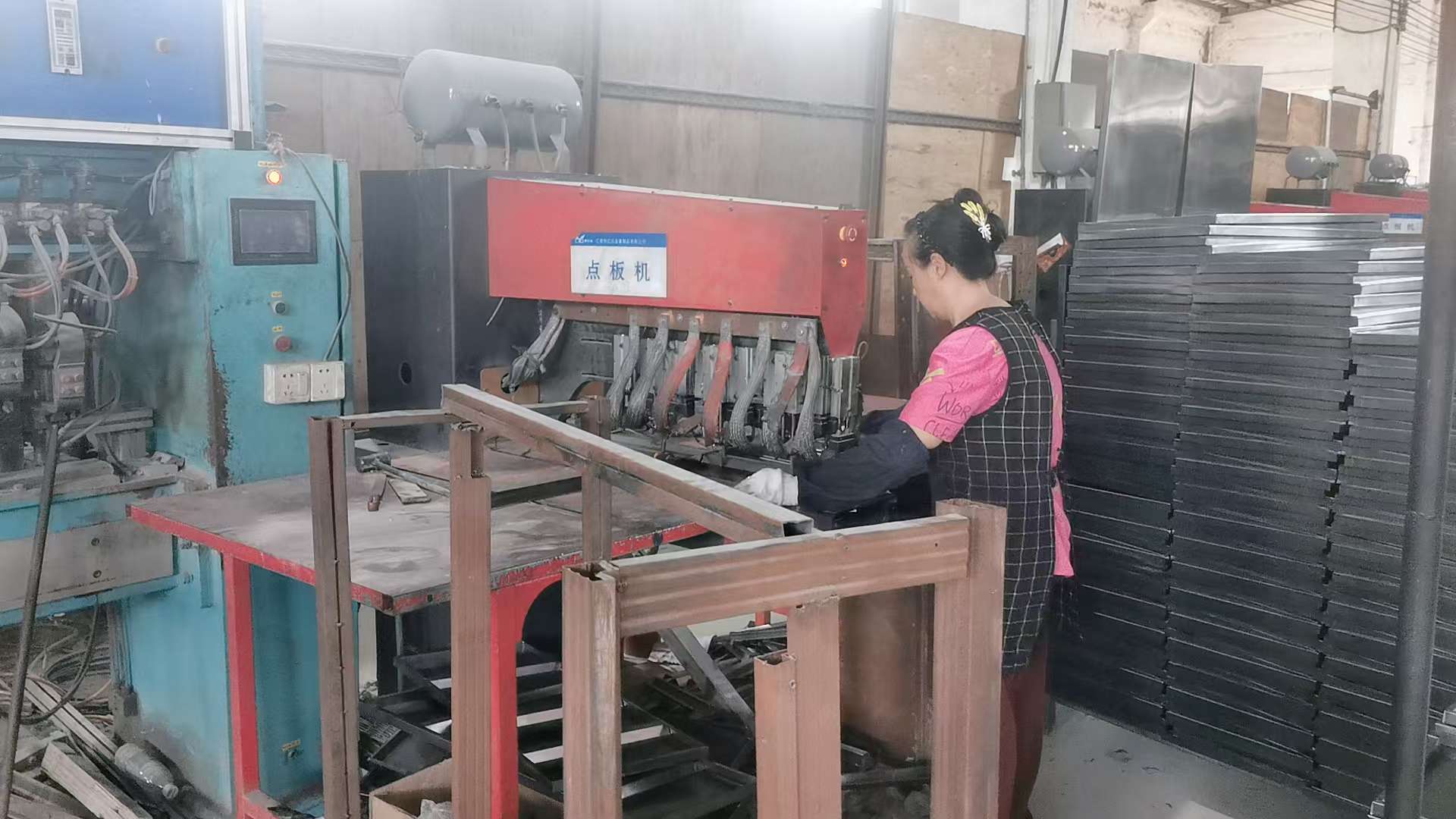
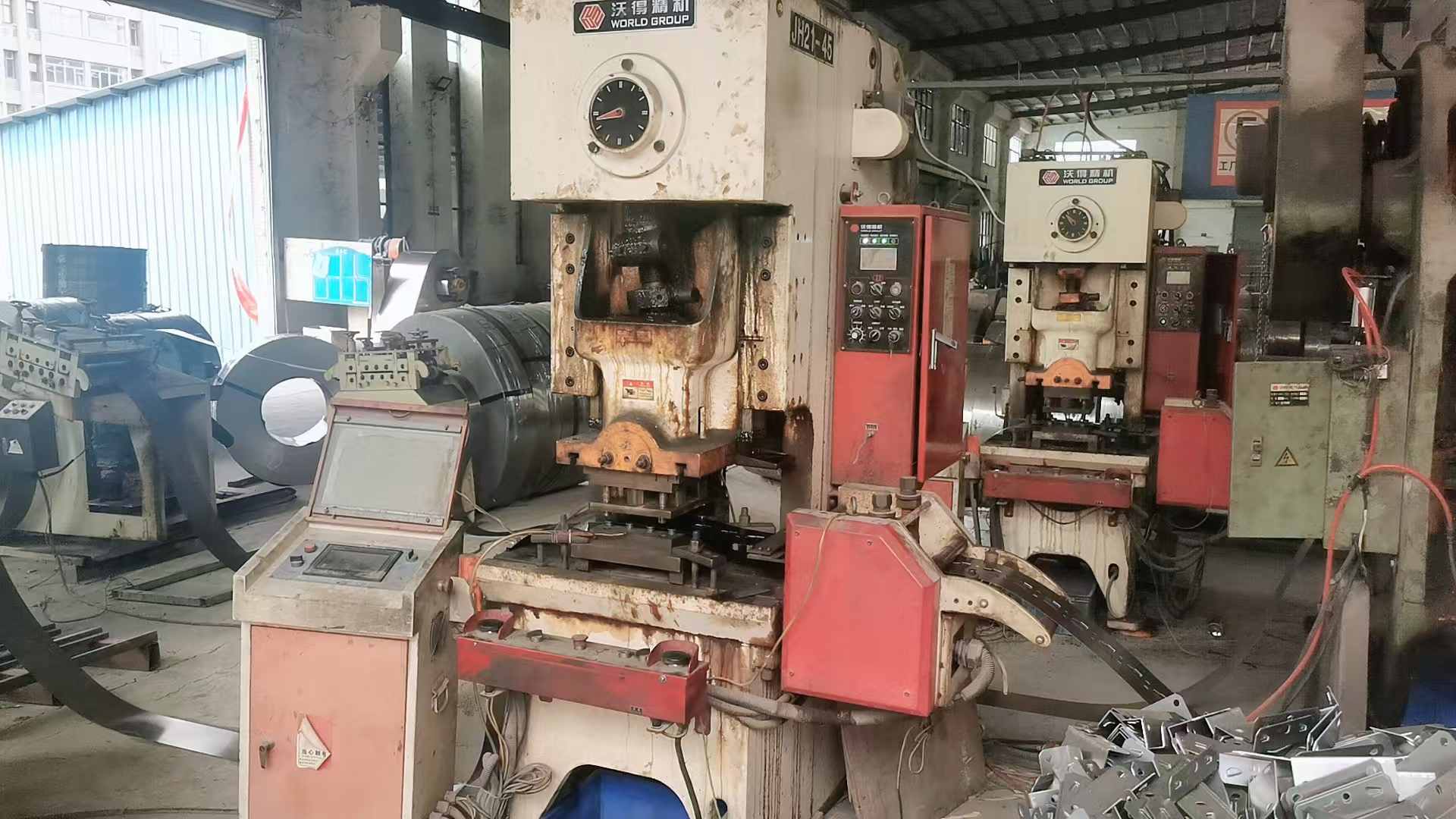
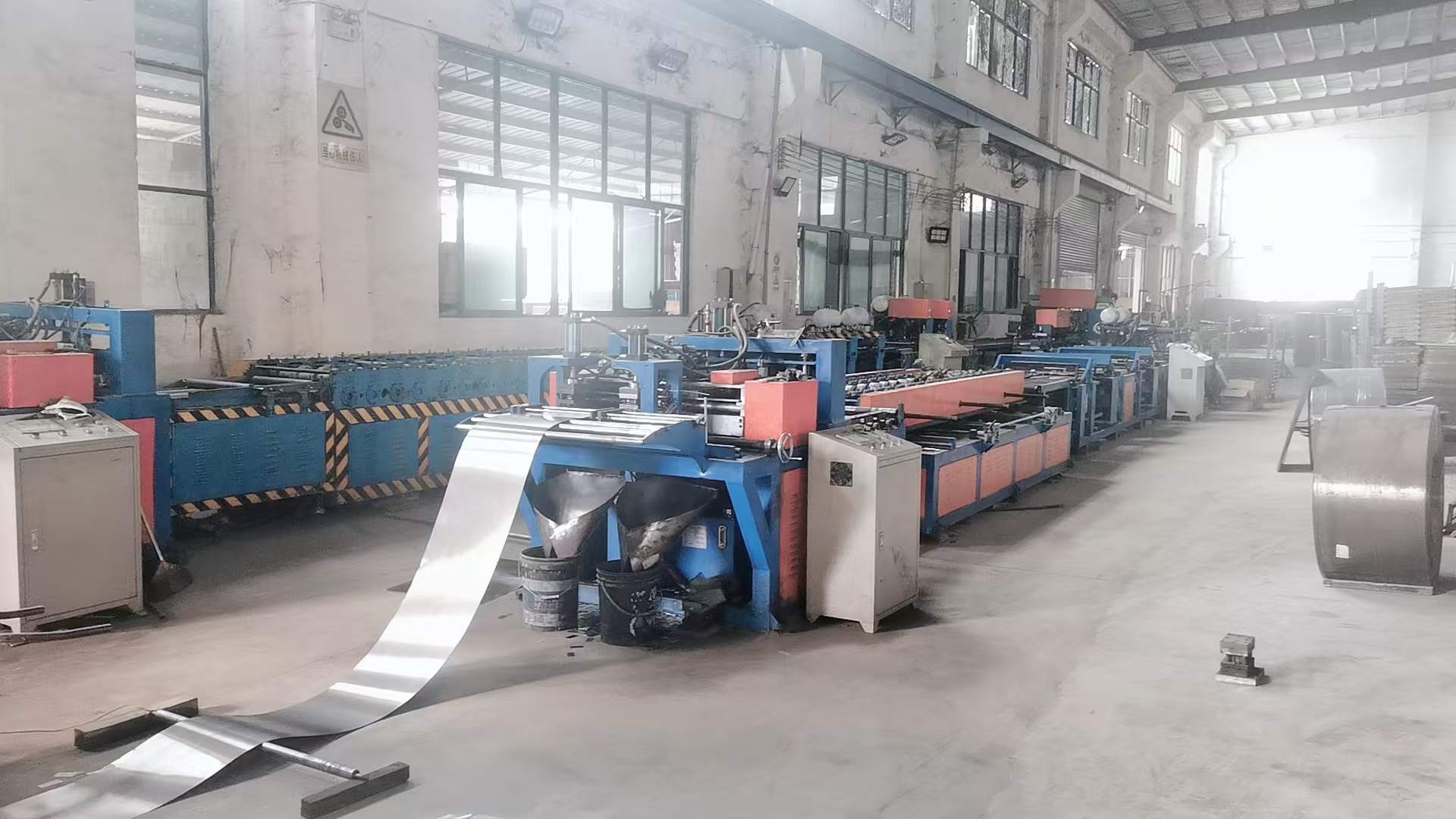
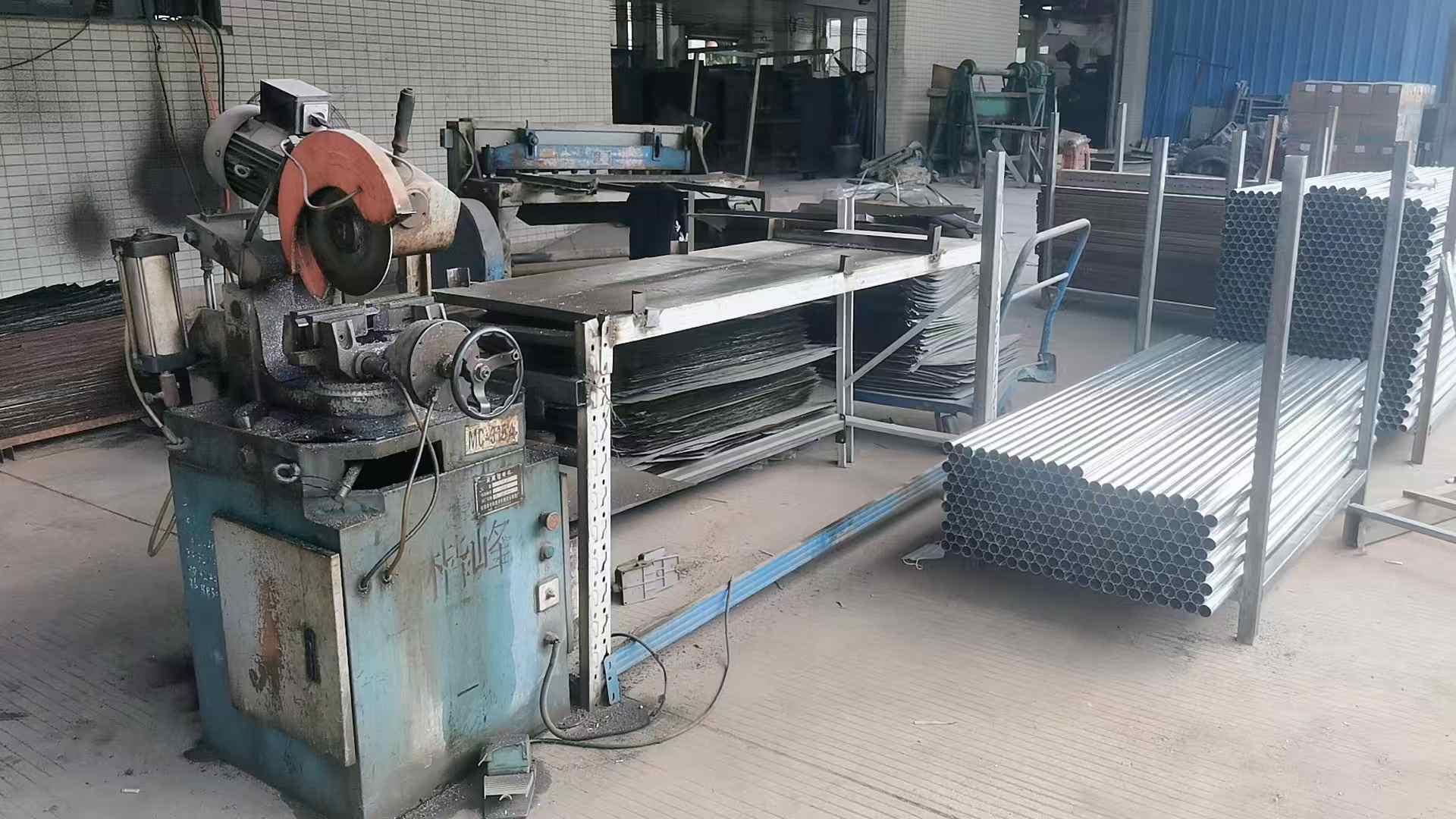
By automating structural profile shaping, punching, and laser spot welding, we remove human error. This process guarantees 100% uniformity in slot pitches, beam configurations, and connectors.
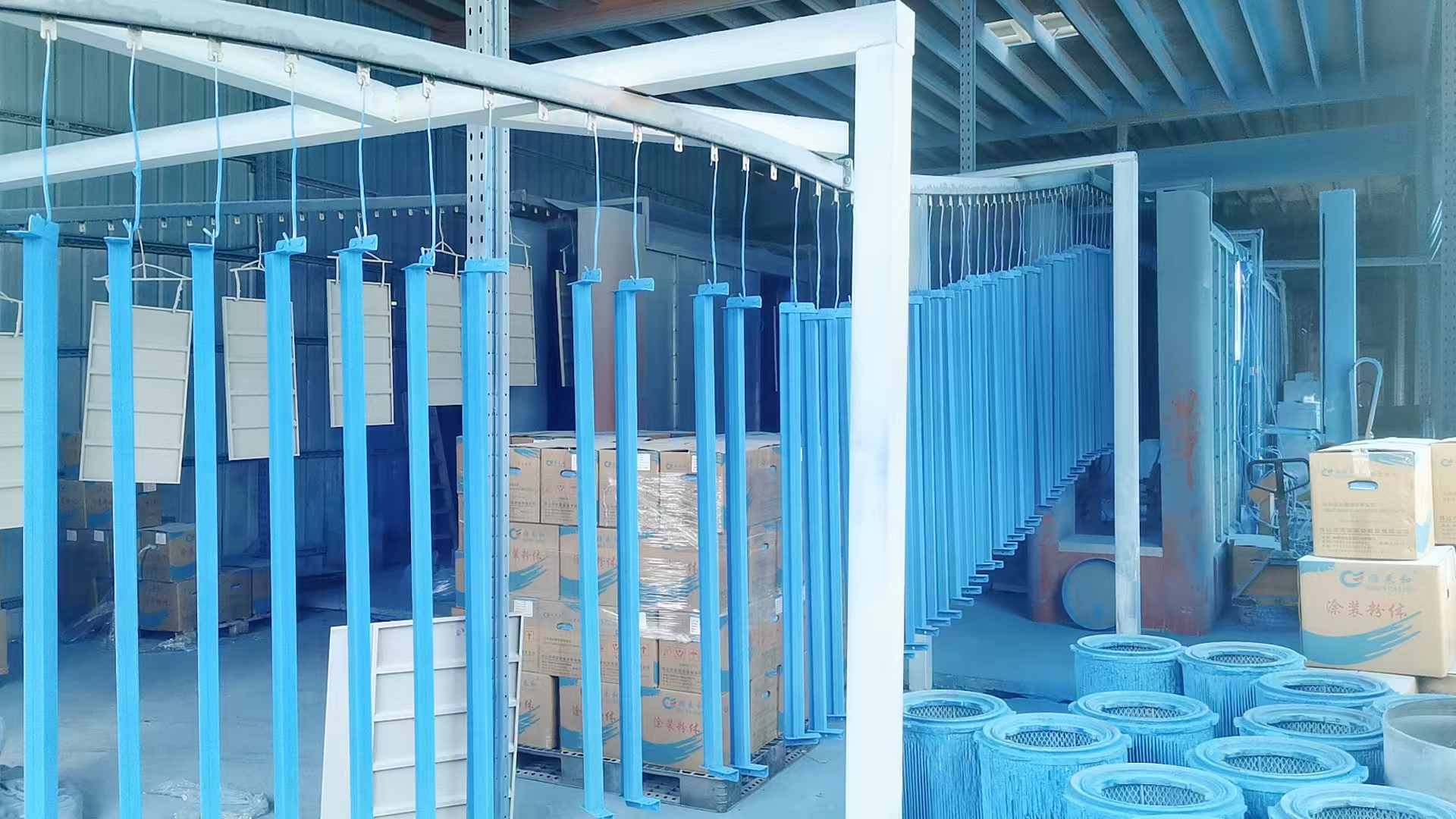
Our automated electrostatic powder coating lines provide robust protection against rust, moisture, and impact damage. Standard options include corrosion-proof levels tailored for food or chemical spaces.
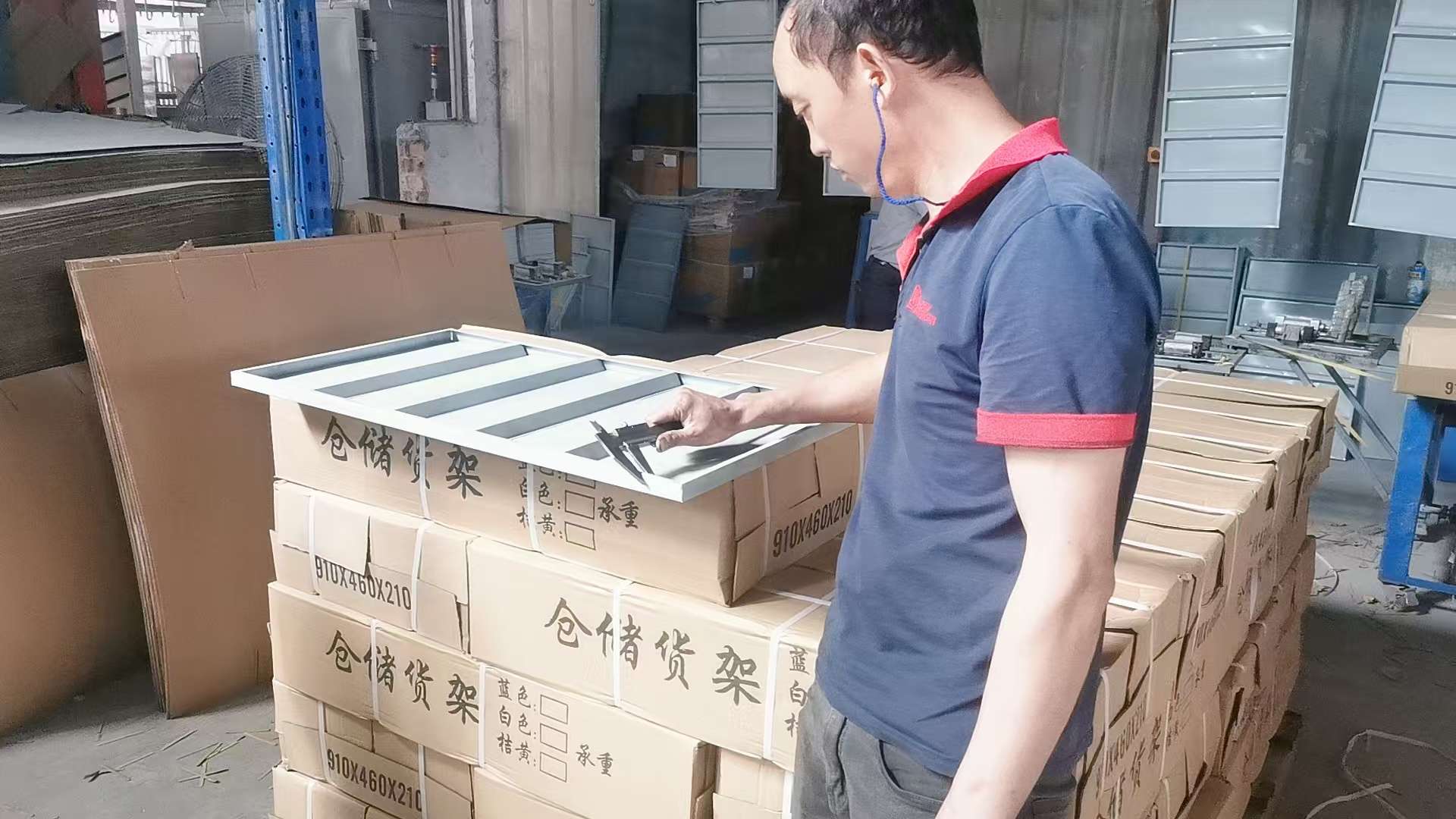
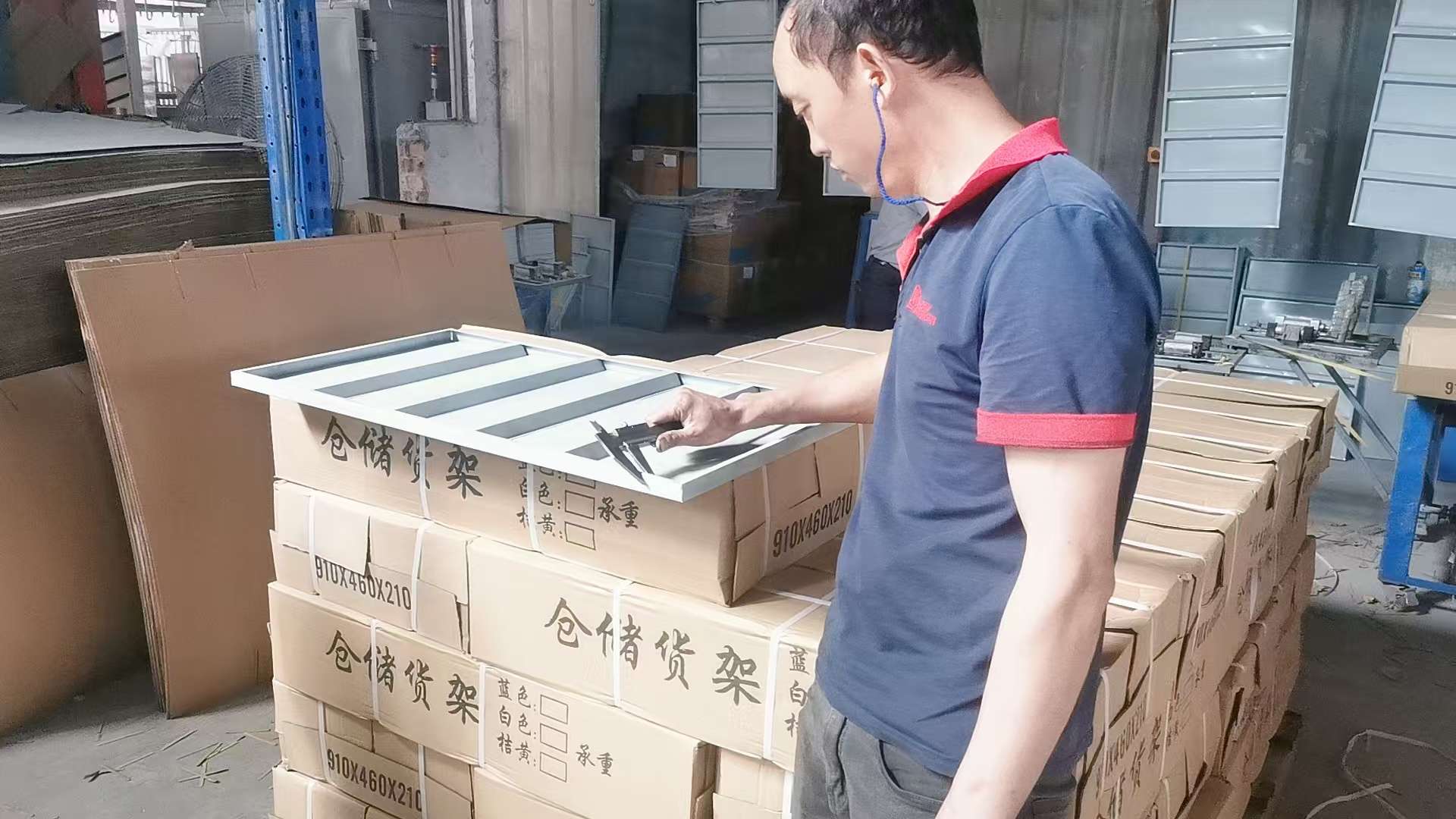
Every stage of production—from raw materials to final packaging—is monitored by our dedicated QA team.
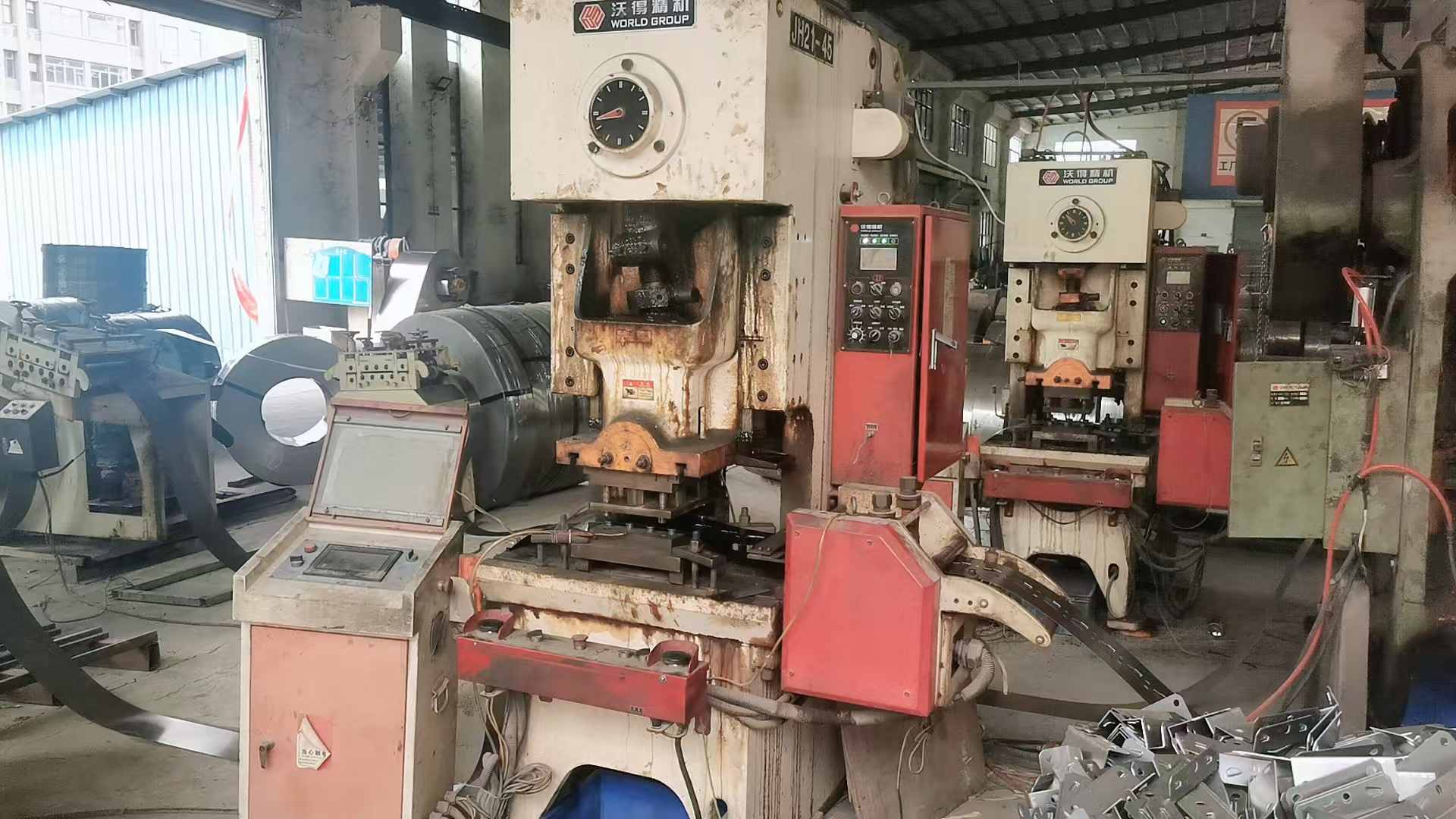
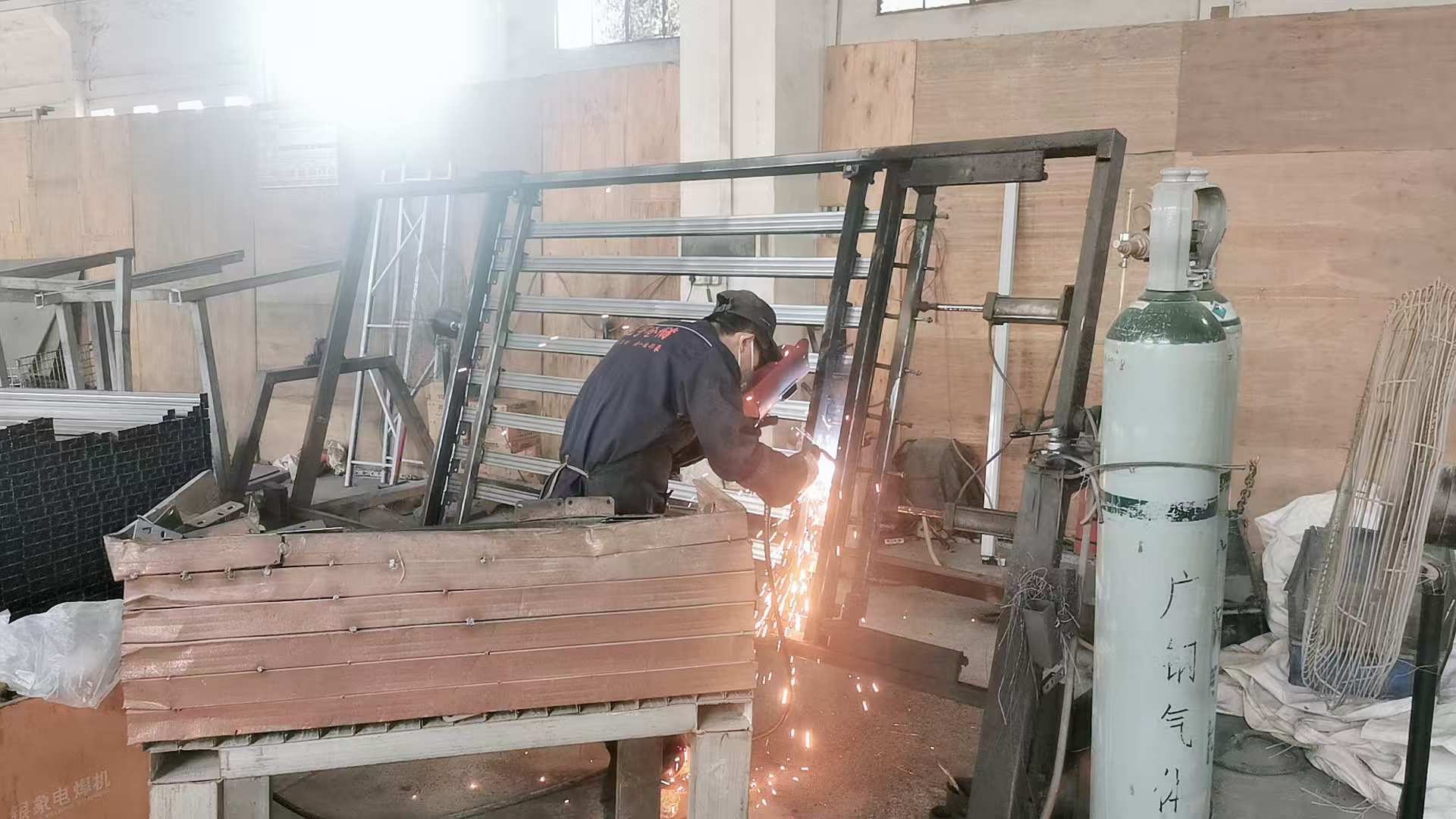
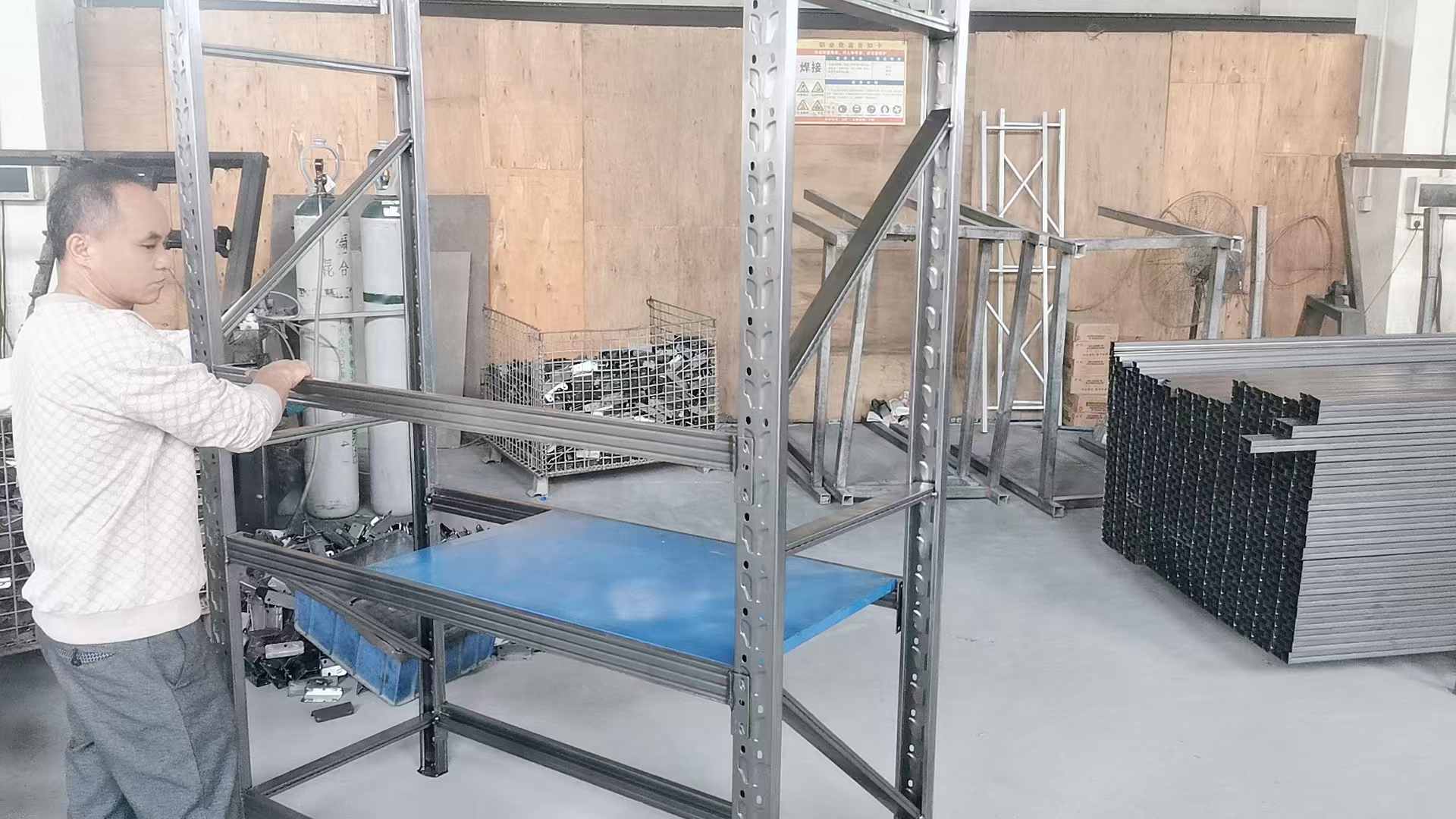
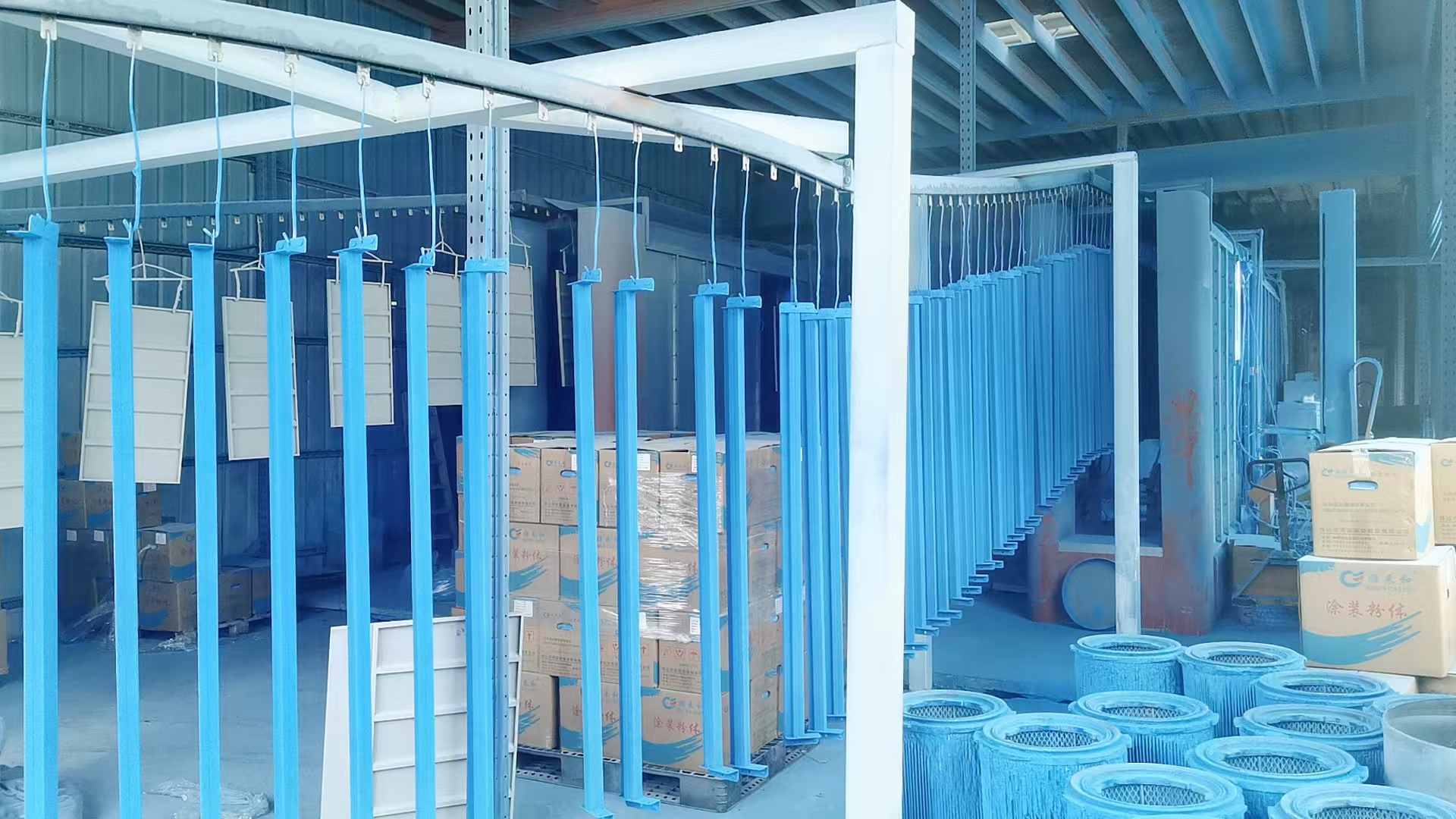
We engineer structural integrations designed to interface with modern machinery and Automated Retrieval Systems (AS/RS).
Modern distribution complexes require dynamic storage racks that minimize footprint while ensuring safety. Our systems handle high static-load requirements and integrate with forklift configurations, narrow-aisle trucks, and automated conveyor lanes.
By employing high-yield strength structural metals, our racks absorb external forces, protecting fragile inventory and preventing collapse. This structure keeps facility layouts efficient, safe, and code-compliant.
Corrosion can compromise structural safety. Our racks receive electrostatically applied, thermosetting powder coatings. This finish creates a barrier that resists scratching, chips, humidity, and chemical spills.
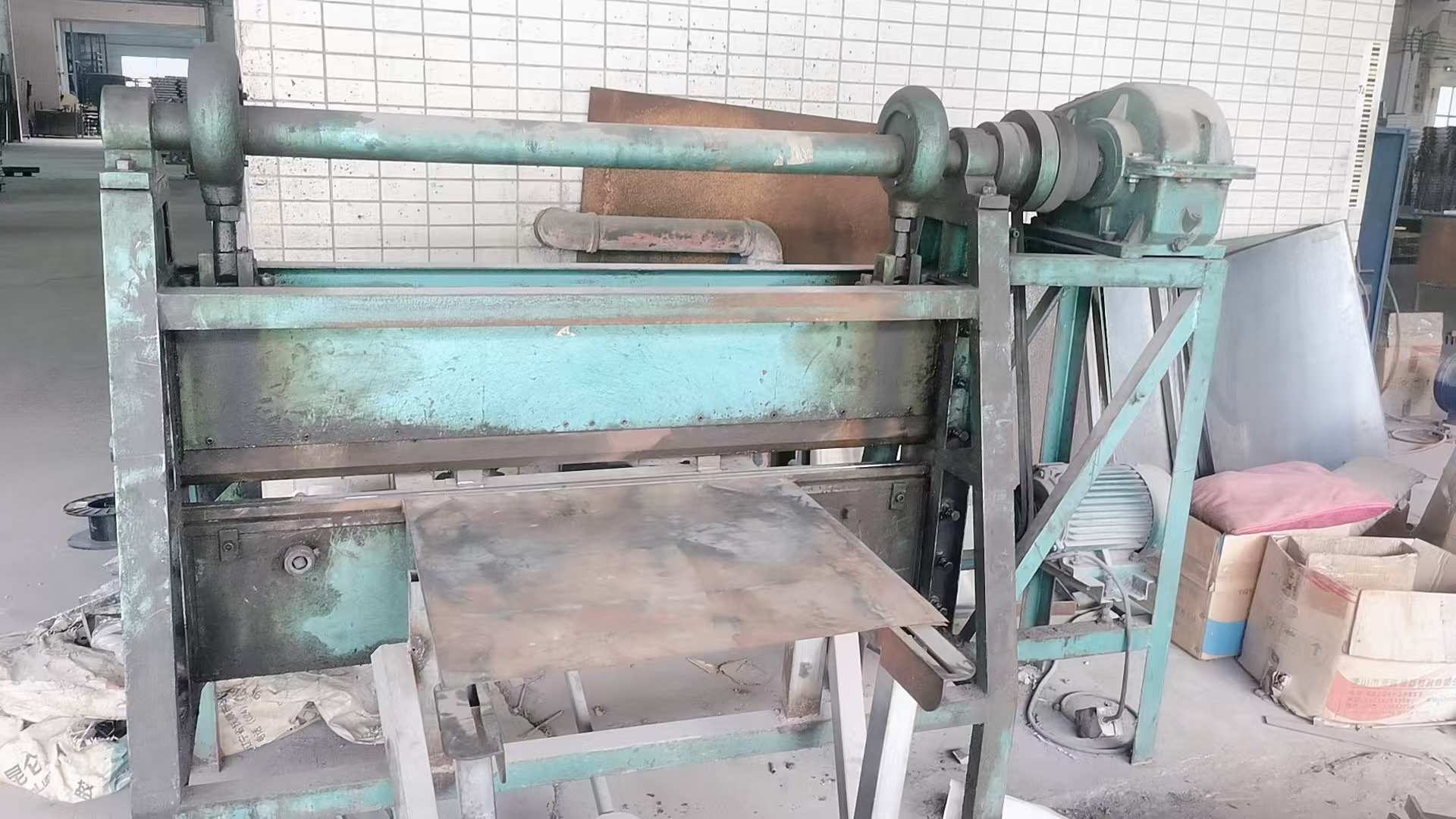
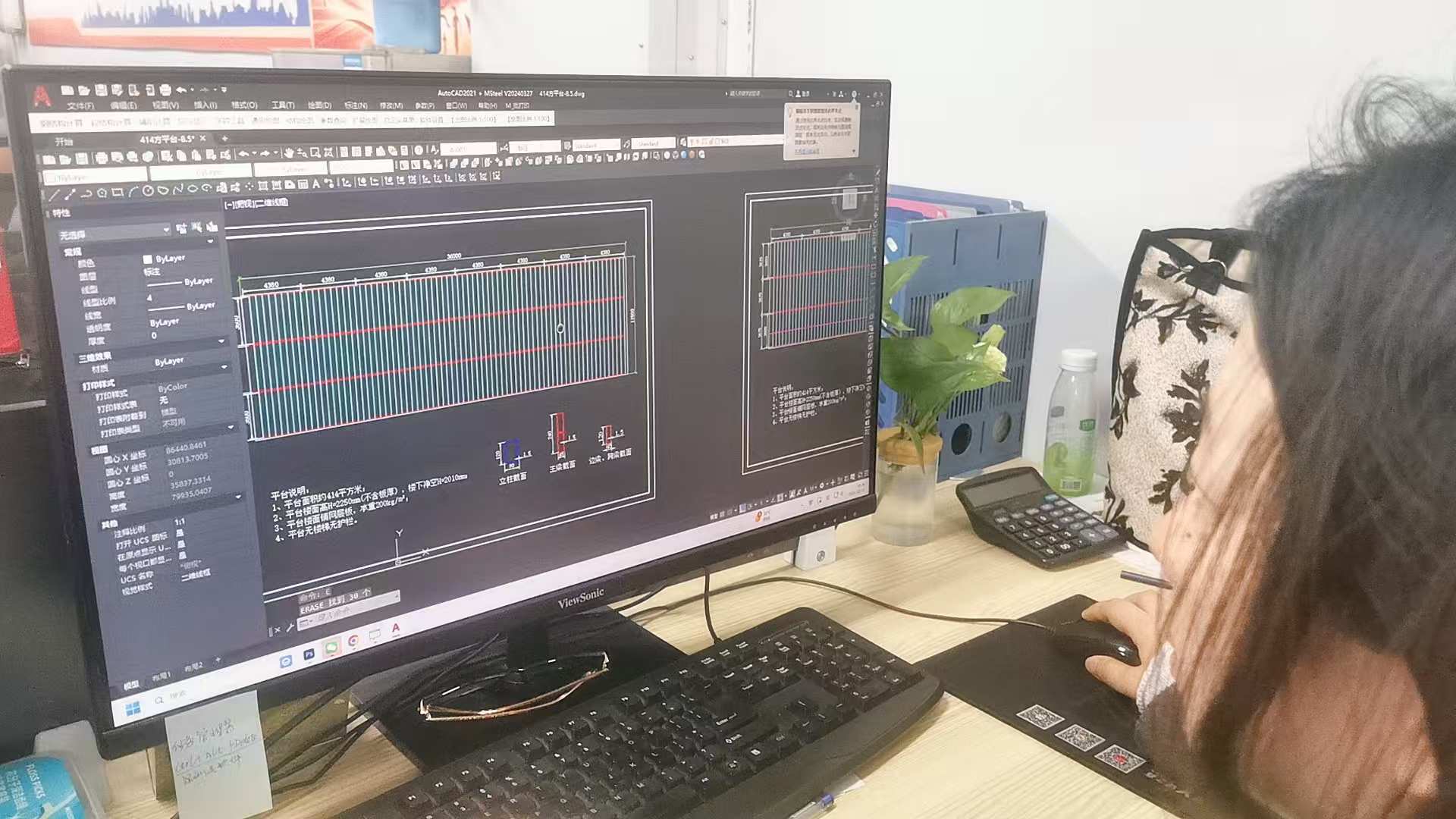
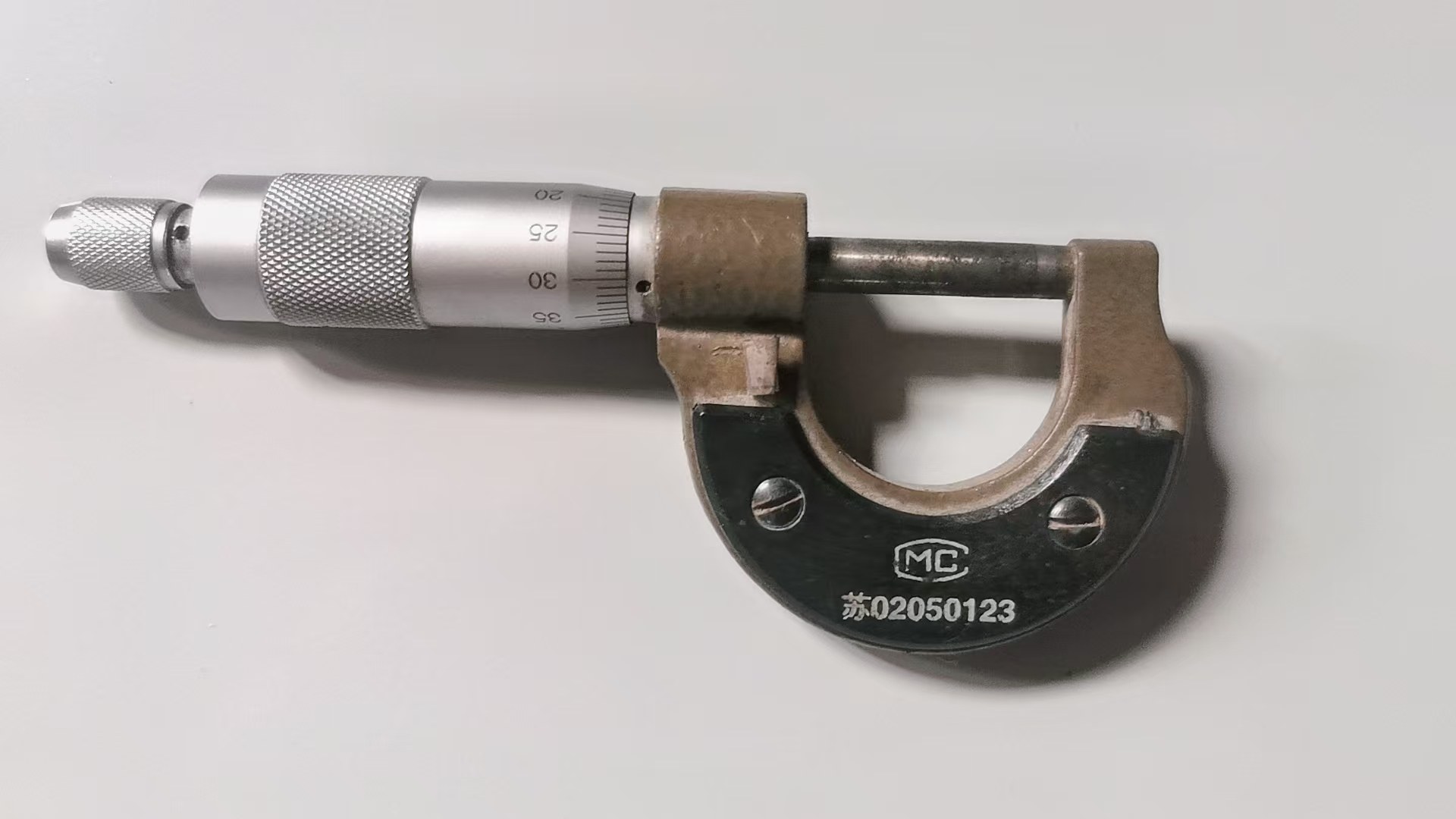
Our manufacturing capability is backed by modern precision machinery and testing tools.
From auto assembly complexes to cold-chain pharmaceutical reserves, we tailor products to meet strict technical demands.
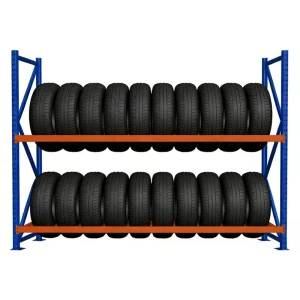
Our heavy tire storage configurations handle concentrated loads, keeping high-volume profiles accessible while preventing rubber deformation.
Specially treated steels resist humidity down to -40°C. This protection prevents embrittlement and keeps coatings from peeling in cold environments.
Heavy steel cages and pallet components allow safe handling of heavy motors, raw casting blocks, and transmission assemblies.
Selecting structural industrial storage involves analyzing critical variables such as load capabilities, soil classification, regional seismicity, and the handling characteristics of your forklifts. Standard boltless and pallet storage components seem simple, but their performance depends on precise structural calculations.
The strength of a rack starts with the metallurgy of its steel. Q235B cold-rolled steel is the industry standard for general industrial applications. It balances elasticity and yield strength, allowing uprights and cross-beams to flex slightly under stress without permanent deformation. For heavy duty loads or high seismic zones, Q345B steel is preferred. It offers higher yield performance, allowing uprights to carry heavier loads without requiring excessively thick steel walls.
A key error in procurement is confusing static load with dynamic impact load. Static capacity is the load of inventory resting stationary on the rack. Dynamic capacity accounts for the forces applied when placing or retrieving pallets, as well as seismic energy. Standard designs require a safety factor of 1.5:1, meaning a rack rated for 1,000 kg must withstand at least 1,500 kg under static test conditions before failing.
Exposing bare steel to ambient moisture, oxygen, or chemical fumes causes oxidation. Traditional liquid paint can scratch easily, exposing raw steel underneath. Our electrostatic powder coating process bonds epoxy-polyester particles directly to the steel, curing under high heat to create a hard, continuous surface. This protection stands up to regular loading impacts and resists chemical corrosion.
Technical answers directly from our Engineering Division regarding specifications, customization, and export delivery.
Explore our technical configurations, custom options, and sizing for international procurement projects.
 Hui Lian