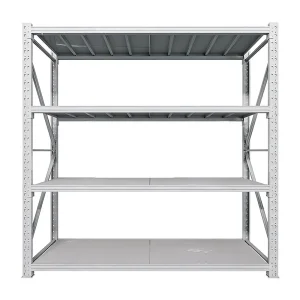
China Top Automated Shelving Exporter & Exporters

Providing structural stability, certified seismic compliance, and high-precision intralogistics infrastructure for automated systems worldwide.

Global Leader in Intelligent Warehouse Racking

Dongguan Hui Lian Intelligent Warehouse Equipment Co., Ltd. is a professional warehouse storage equipment manufacturer specializing in the design, production, and supply of high-quality storage racks and intelligent warehouse solutions. Established in 2016, the company has developed extensive expertise in the warehousing equipment industry, providing reliable storage solutions for customers worldwide.

With a factory area of approximately 18,500㎡, Hui Lian Intelligent Warehouse Equipment integrates advanced manufacturing technology, professional engineering capabilities, and strict quality management systems. The company achieves an annual export revenue of around US$18 million and has accumulated 8 years of export experience and 15 years of industry experience, serving customers across multiple international markets.

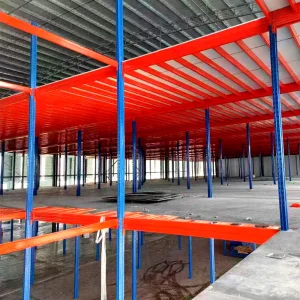
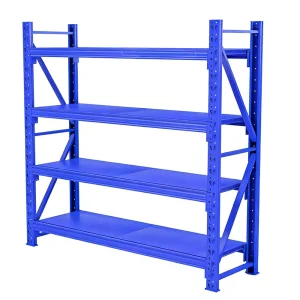
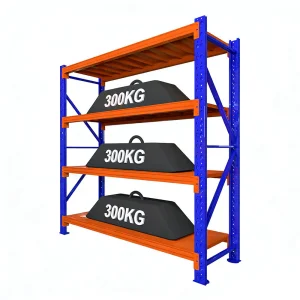
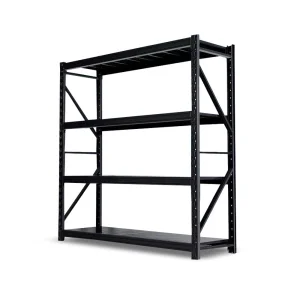
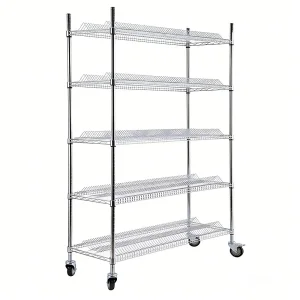
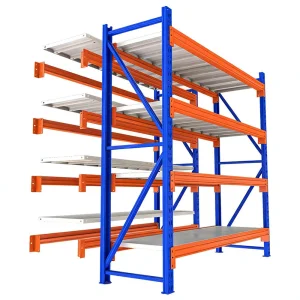
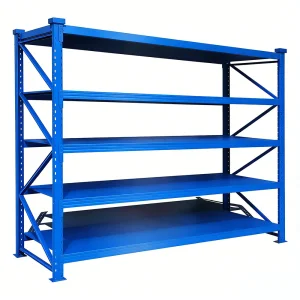
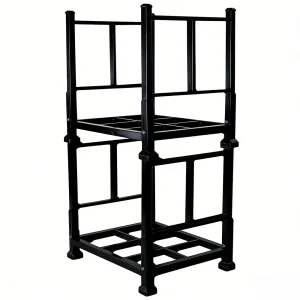
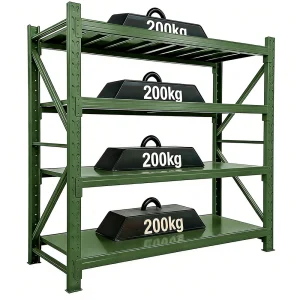
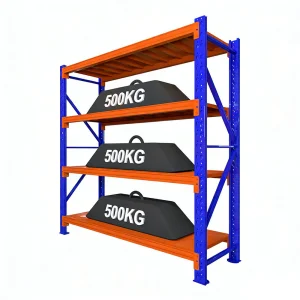
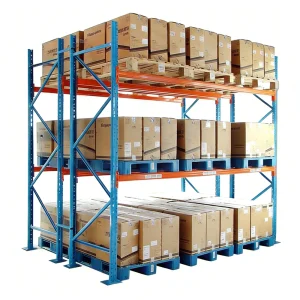
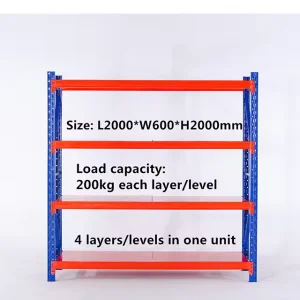
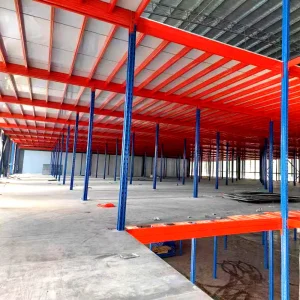
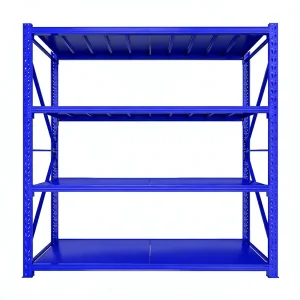
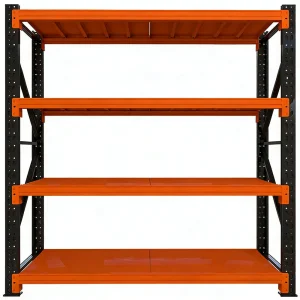
Our product range includes pallet racks, heavy-duty storage racks, automated warehouse racks, mezzanine floors, cantilever racks, warehouse shelving systems, and customized storage solutions. All products undergo strict quality inspection processes to ensure safety, durability, and high performance in intense automated environments.

Core Mission & Integration Capacity

We engineer structures that integrate smoothly with modern ASRS systems, shuttle lanes, AGVs, and AMRs. Operating out of our modern fabrication park, we maintain rigid tolerances to support verticality requirements over high-density stacking.

Standard Certifications & Parameters

All production processes comply with global racking frameworks. Our in-house structural analysis covers wind, seismic, and dynamic loads to meet international expectations for North American, European, and Asia-Pacific regions.

18,500㎡
Factory Footprint
$18M USD
Annual Exports
126
R&D Engineers
56
QC Inspectors
850+
Supply Chain Partners

The Strategic Landscape: Why Global Enterprises Source Chinese Automated Shelving

An engineering analysis of manufacturing efficiency, raw material integration, and high-precision steel fabrication.

1. Industrial Cluster Synergy & Scale Advantages

Sourcing industrial storage infrastructure from a top exporter in China offers direct access to the world's most concentrated steel manufacturing ecosystem. By collaborating with more than 850 supply chain partners, Hui Lian ensures access to high-grade cold-rolled steel, high-tensile fasteners, and top-tier powder coating chemical suppliers. This cluster model allows us to source raw materials, execute surface treatments, and organize specialized freight logistics without long transit delays.

This integrated supply chain supports high structural consistency. While Western manufacturers may face extended fabrication cycles due to localized steel scarcity or outsourcing bottlenecks, our facility maintains a continuous production line, reducing lead times to meet tight warehouse project schedules.

2. Rigorous Engineering Tolerance Controls

Modern automated warehouses (incorporating ASRS crane masts, shuttles, and conveyor systems) demand structural tolerances far tighter than traditional static storage. A deviation of just a few millimeters across a 30-meter high rack structure can lead to sensor errors or shuttle collisions.

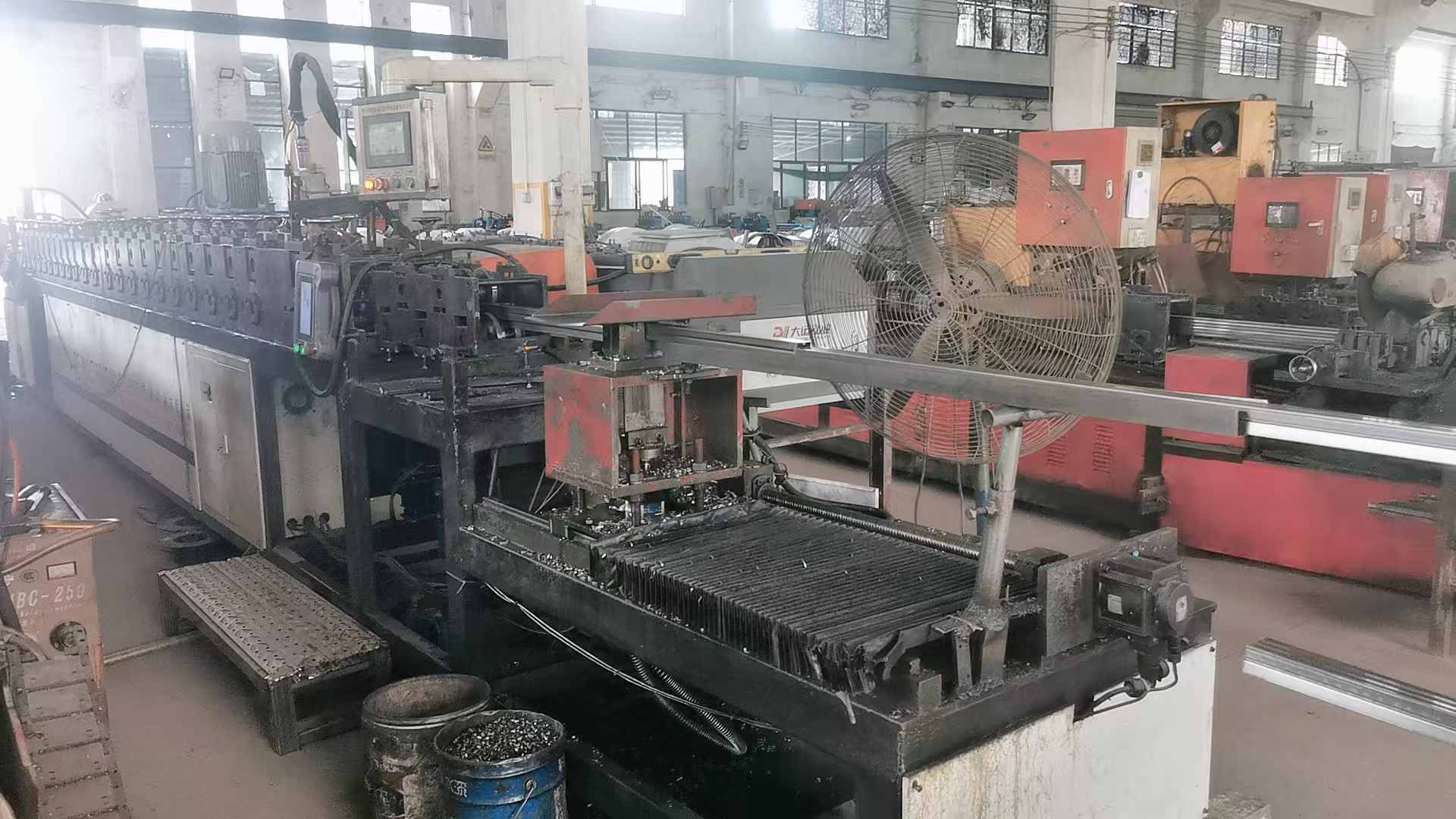
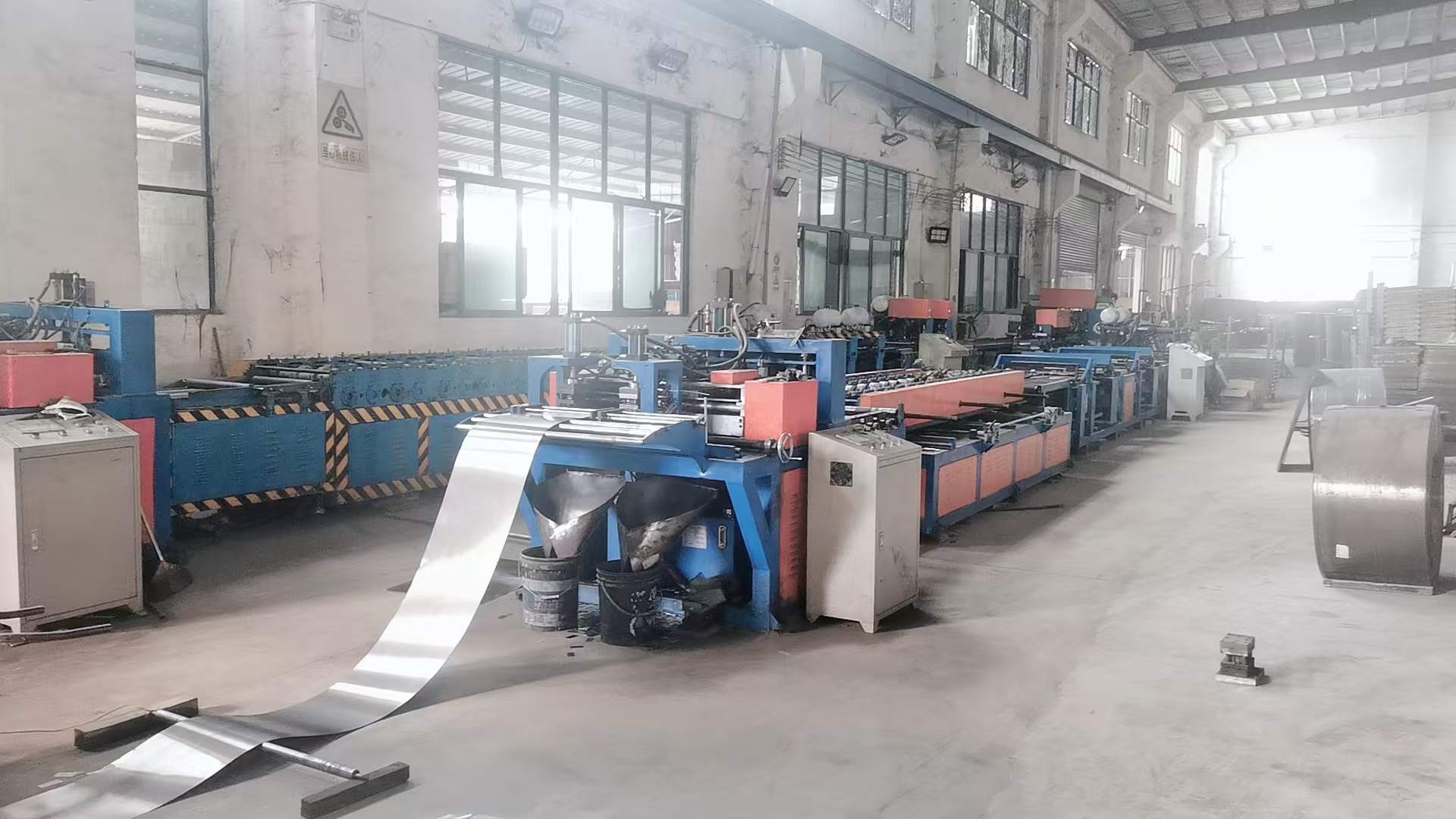
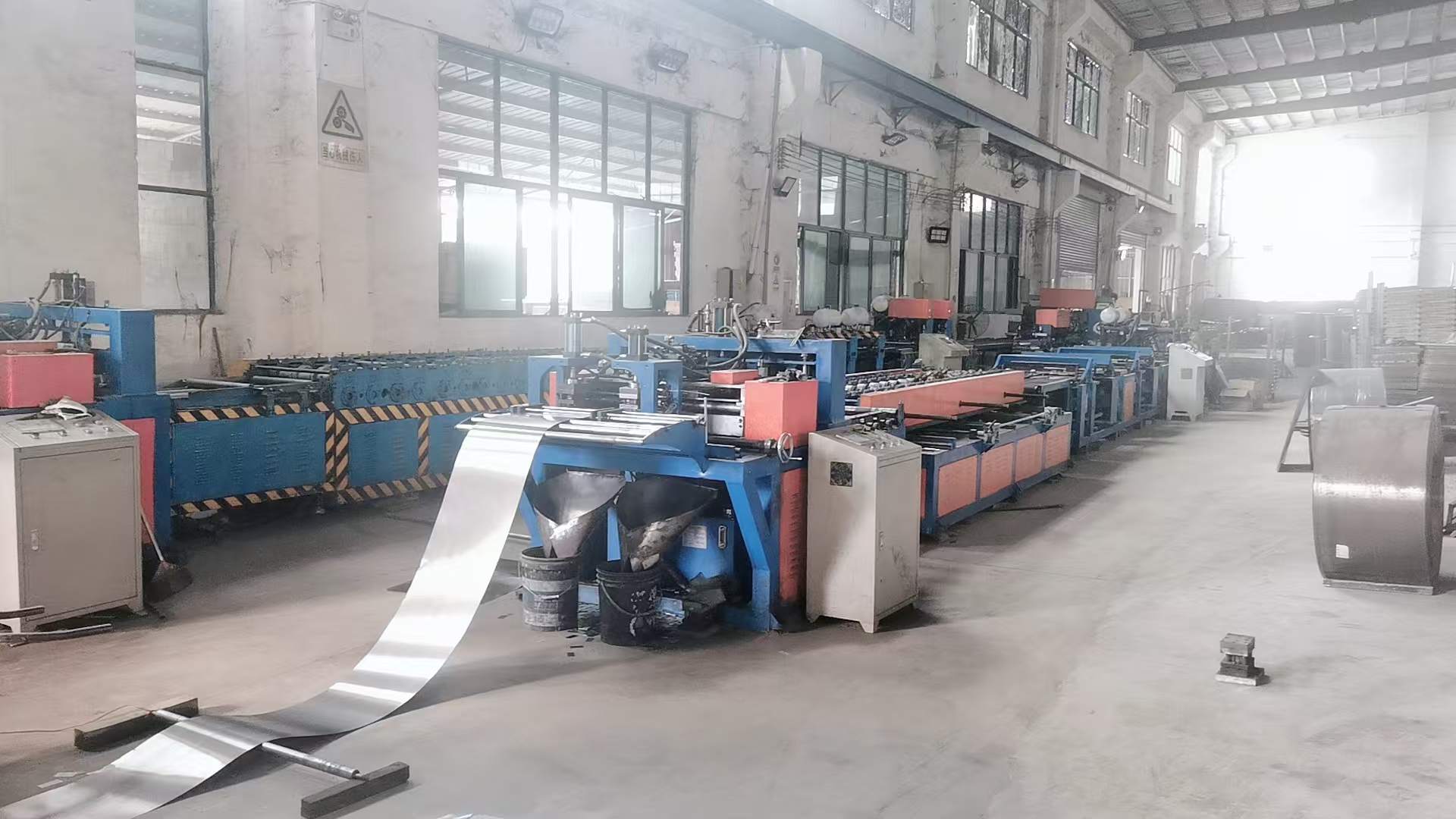
Hui Lian utilizes advanced automated roll-forming and laser-cutting setups to maintain profile accuracy. Last year alone, our 126 professional R&D engineers launched 320 new products, optimizing rack structures to withstand dynamic stresses and interface smoothly with automated guided vehicles (AGVs) and autonomous mobile robots (AMRs).

Smart Manufacturing & Quality Infrastructure

Step-by-step visual documentation of our automated steel processing, welding, forming, and inspection workflow.
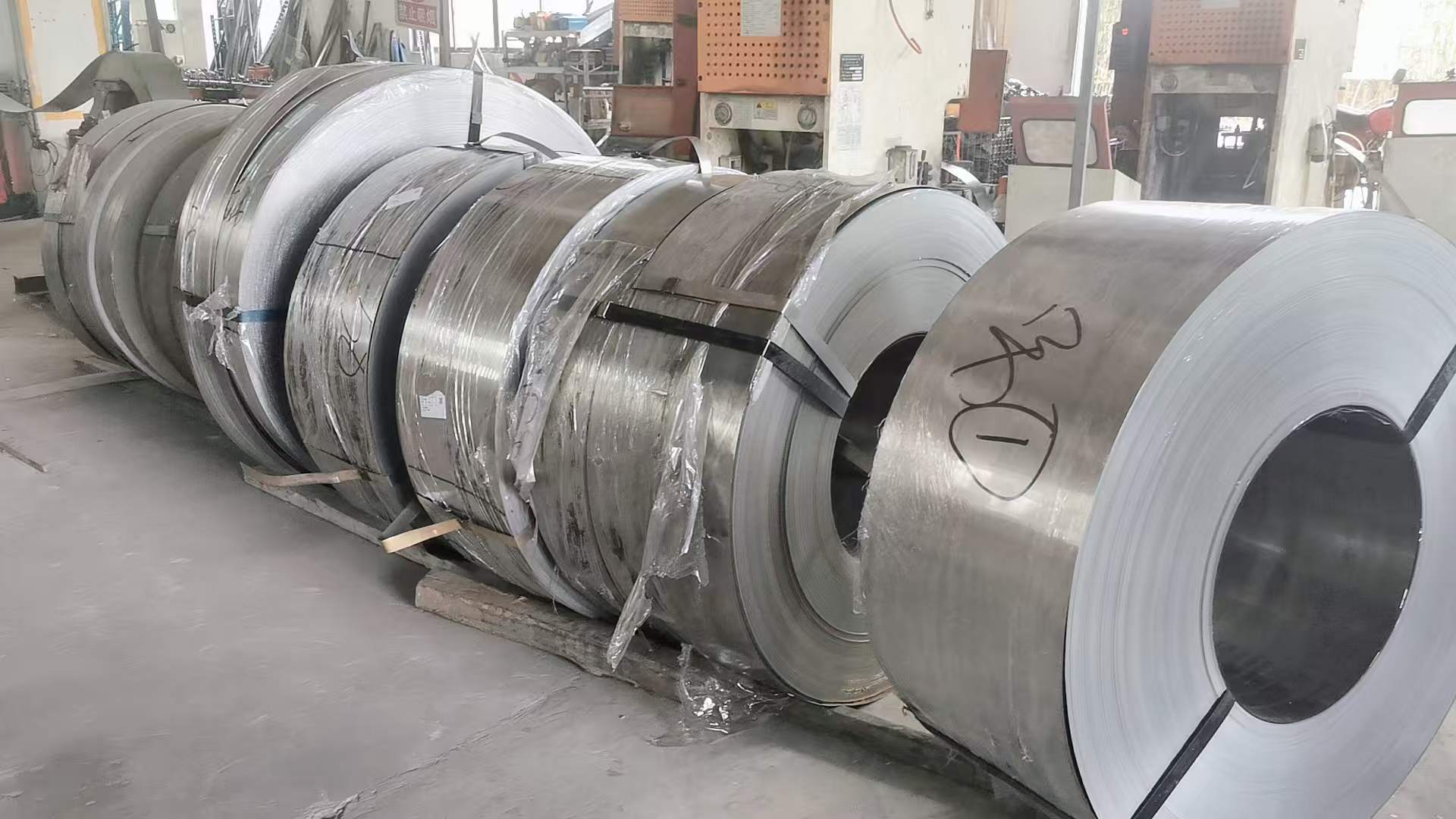
Raw Material
Raw Material
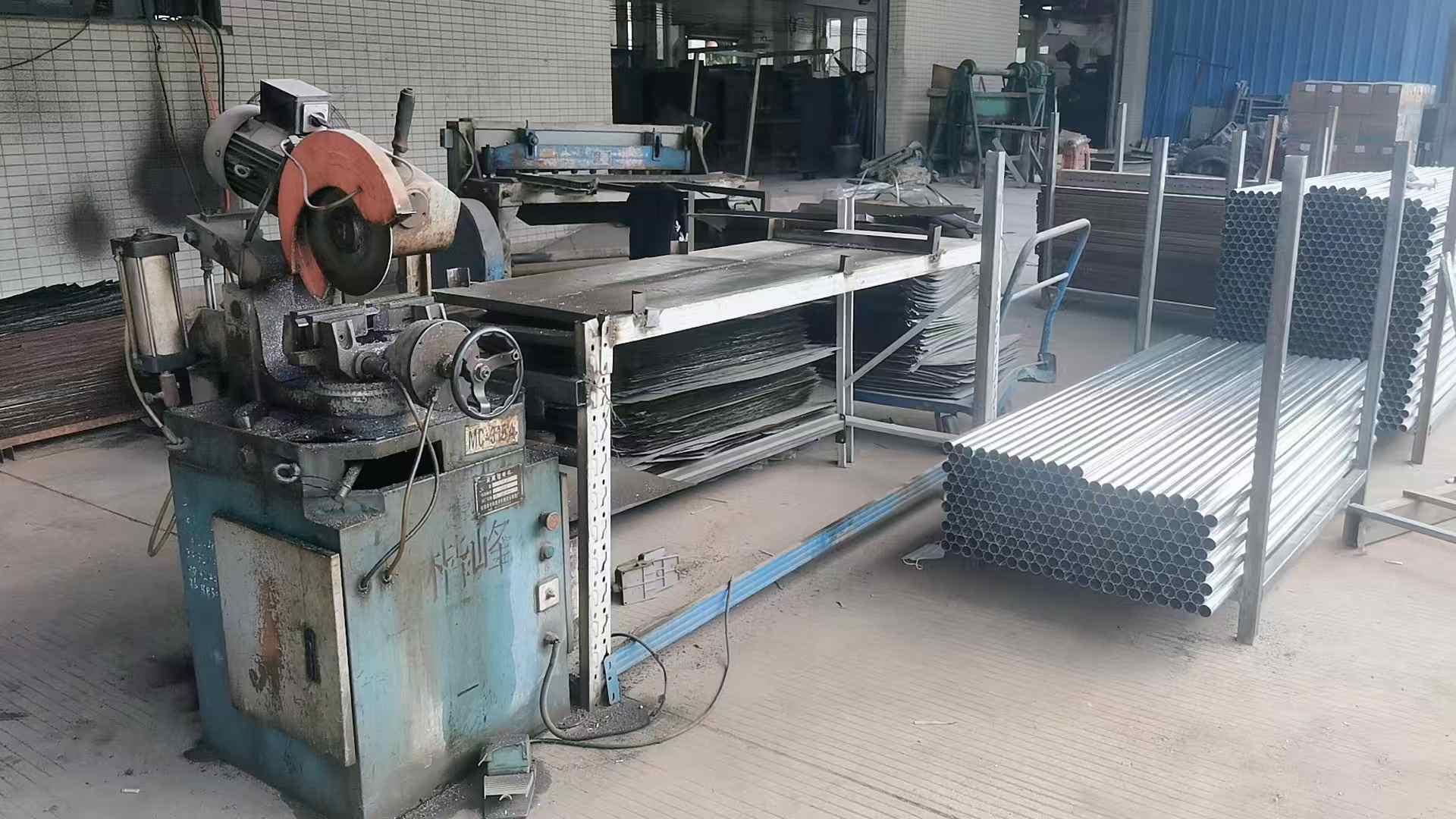
Rough Shape Cutting
Rough Shape Cutting
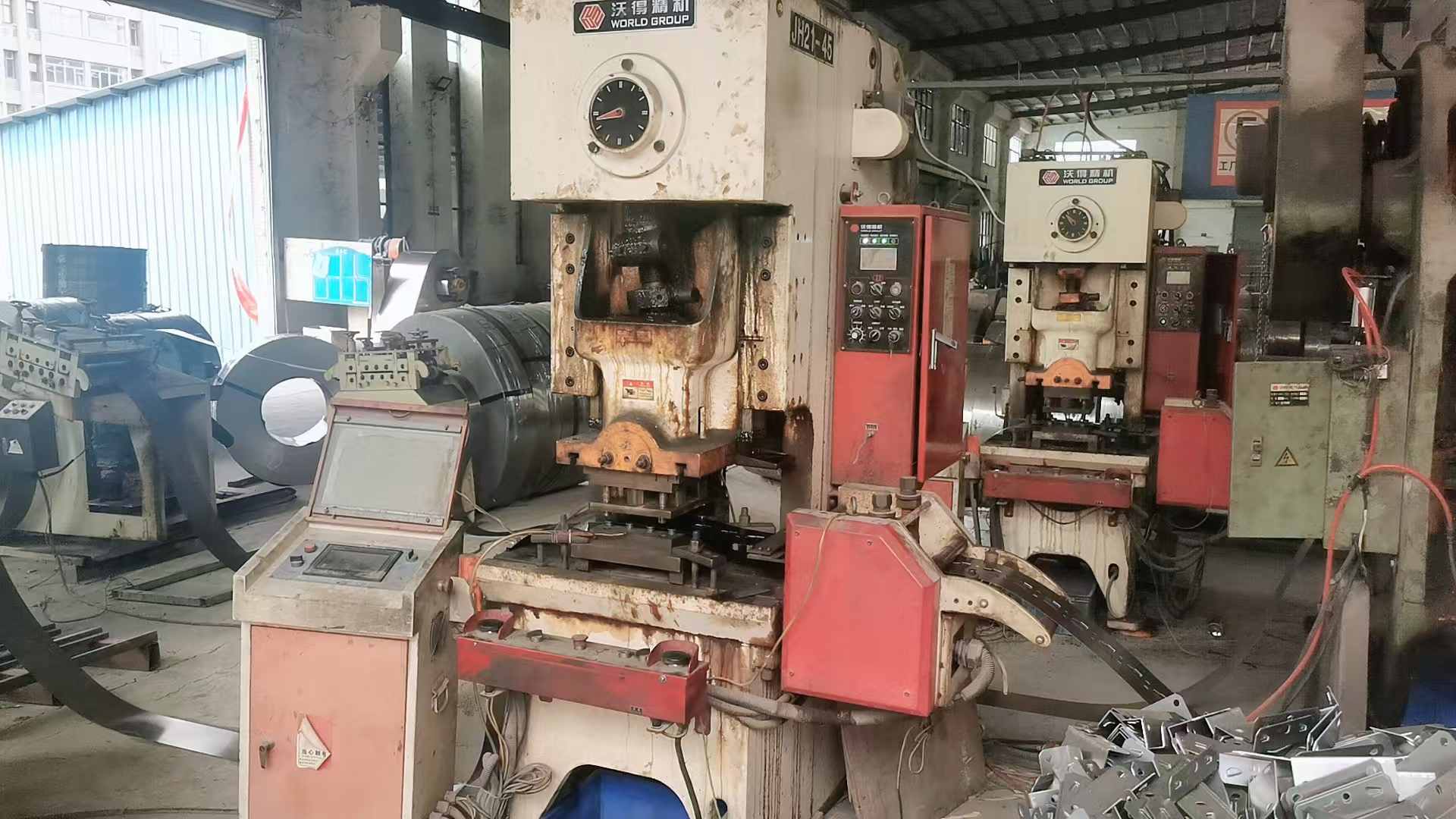
Punching
Punching
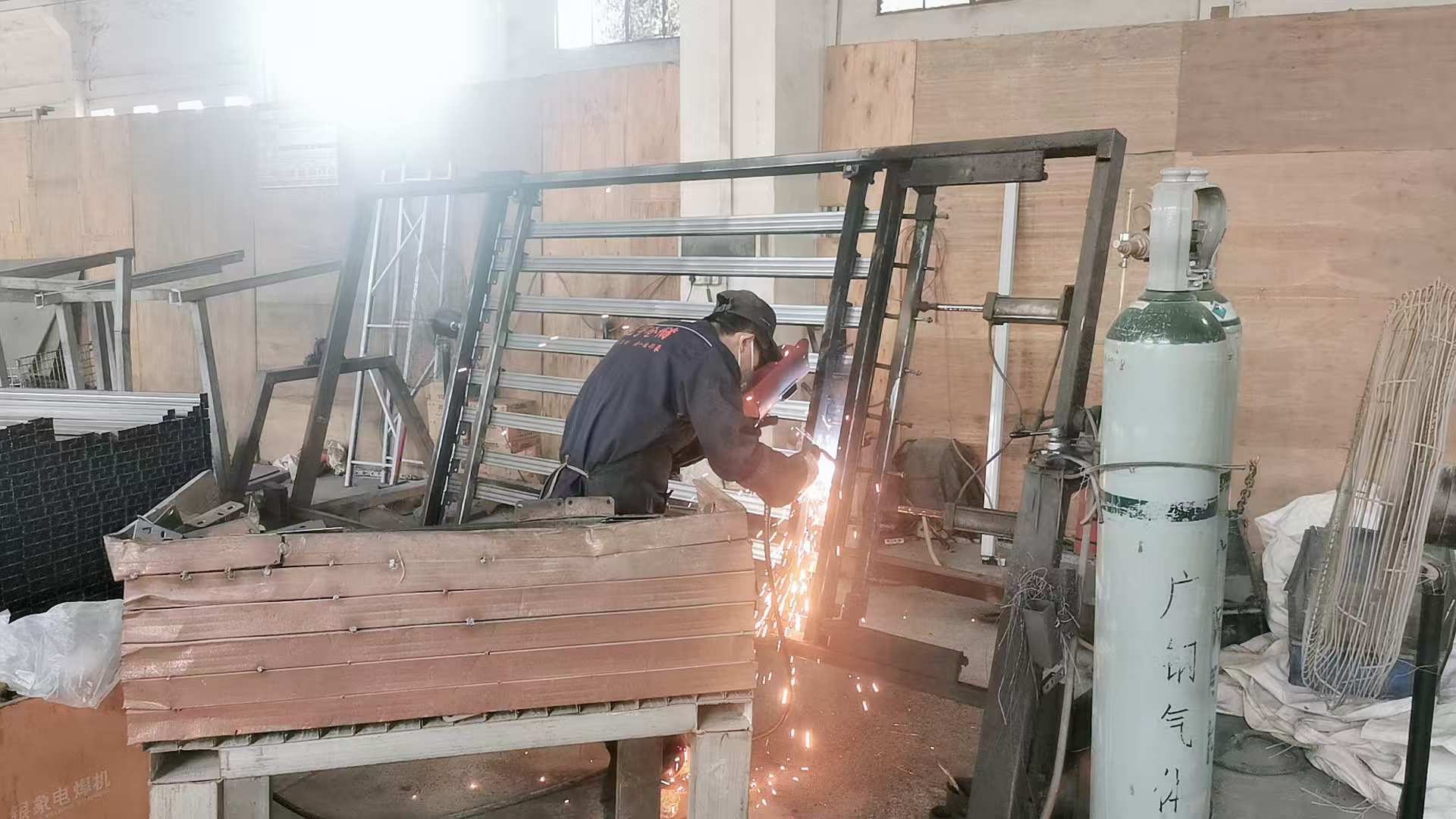
Welding
Welding
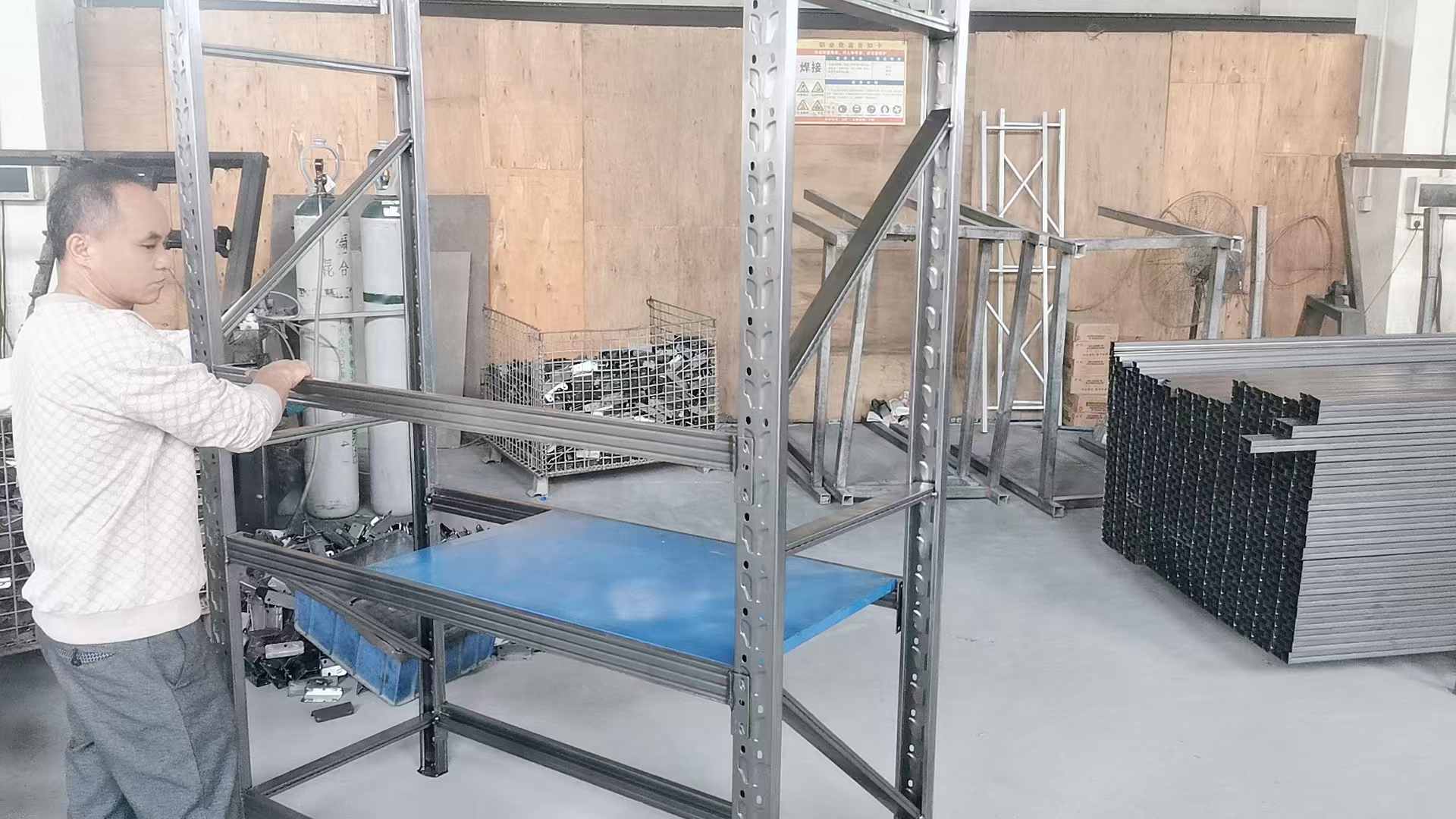
Assembly
Assembly
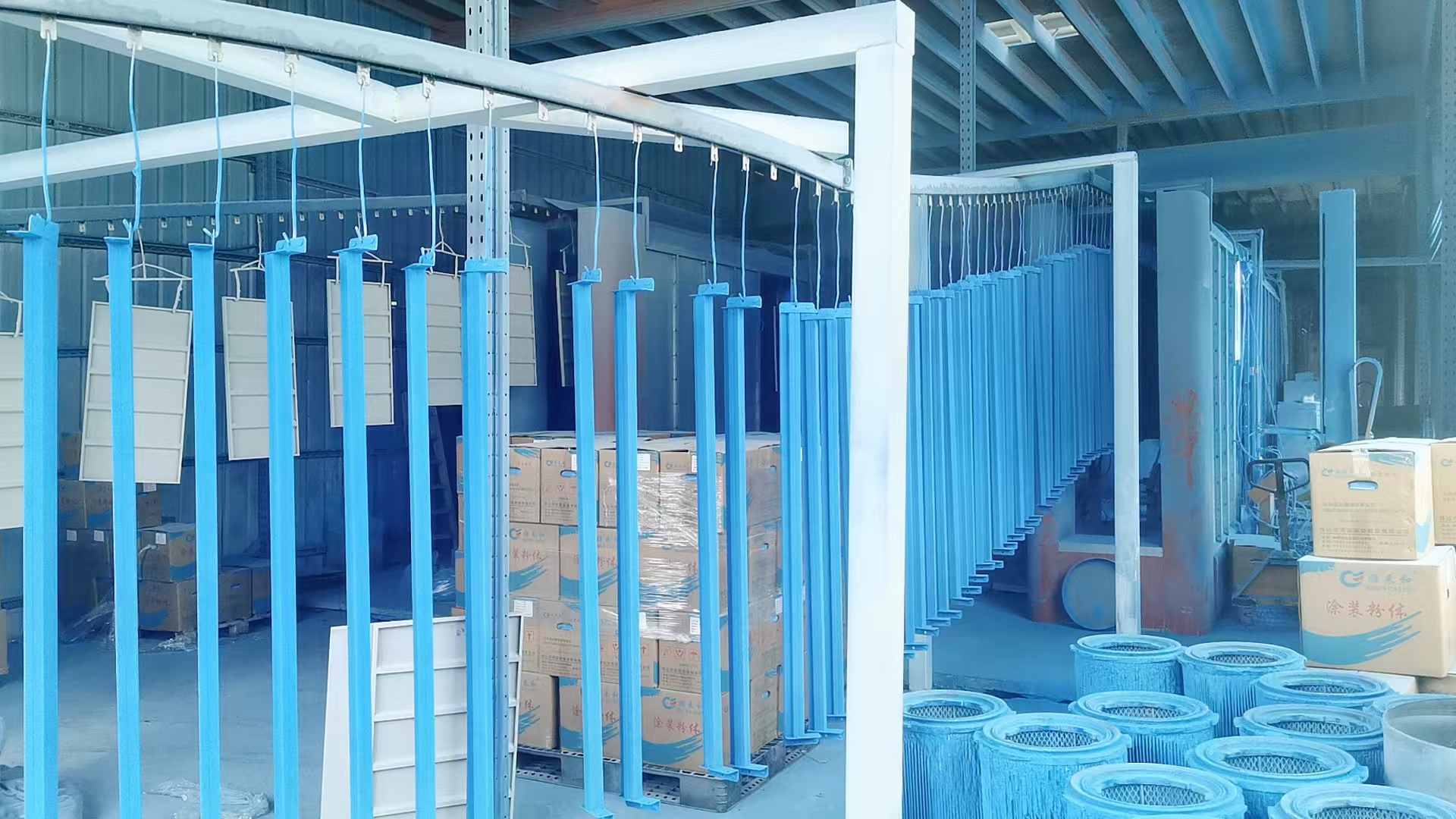
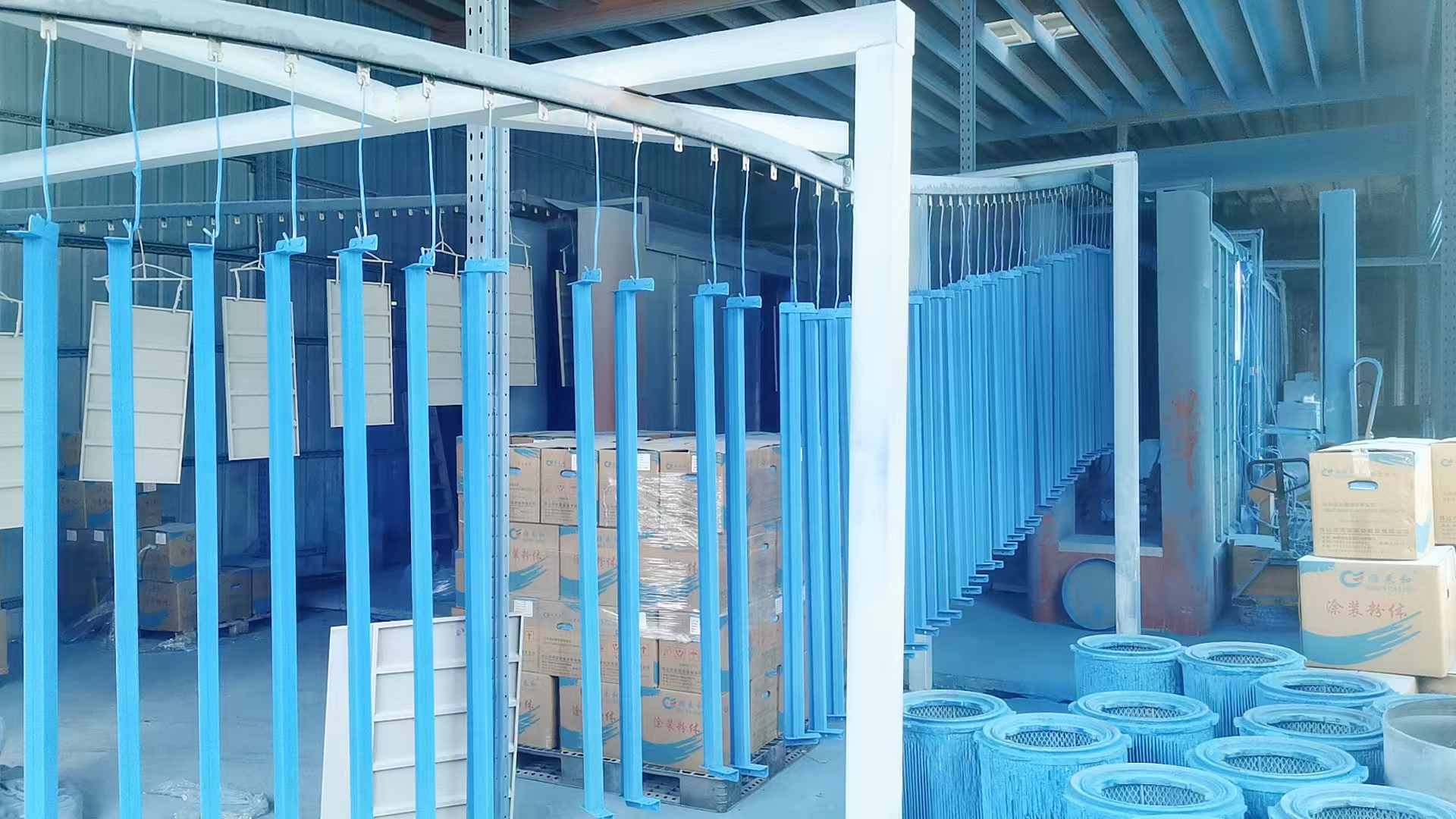
Spraying
Spraying
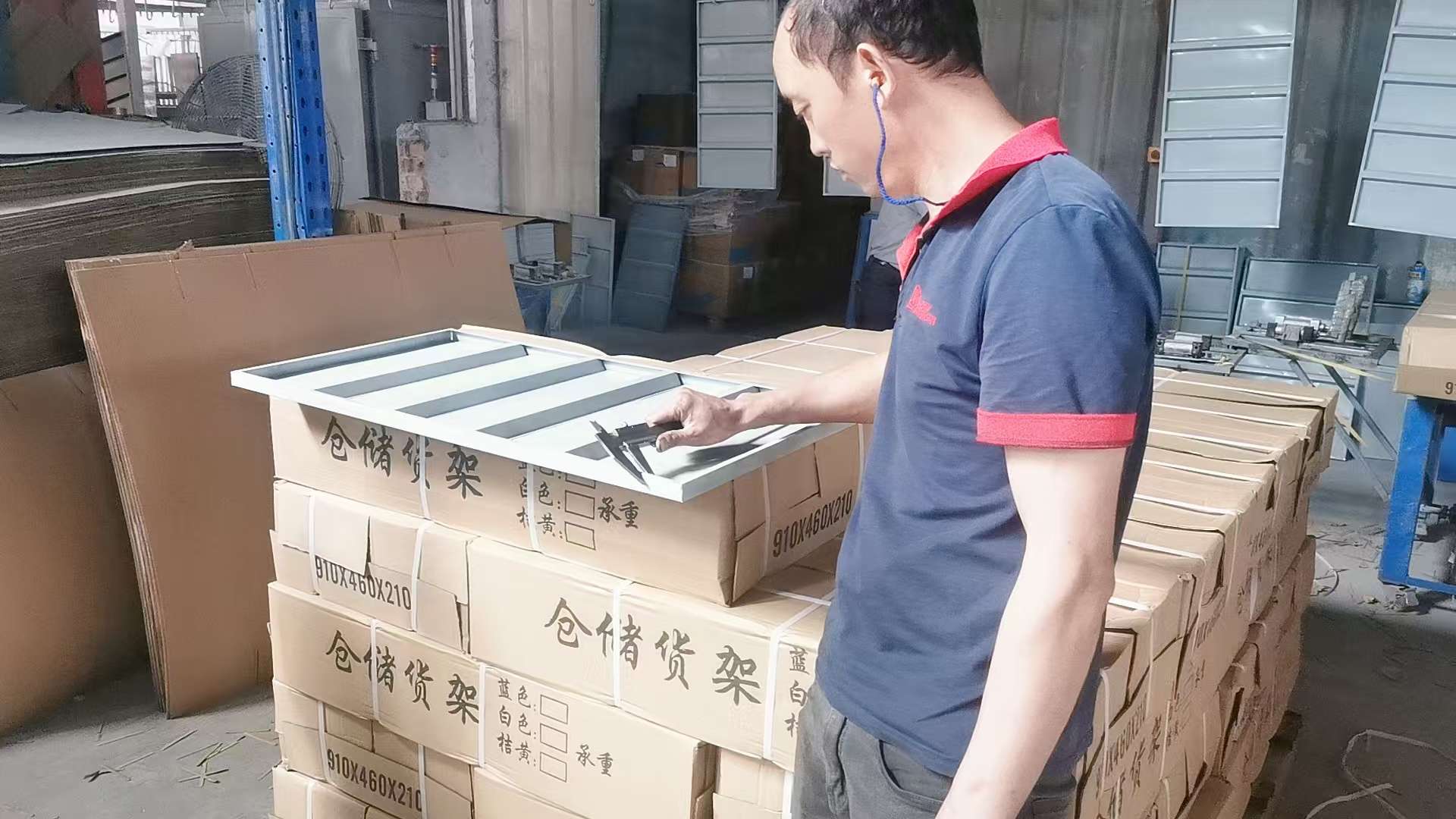
QC Inspection
QC Inspection
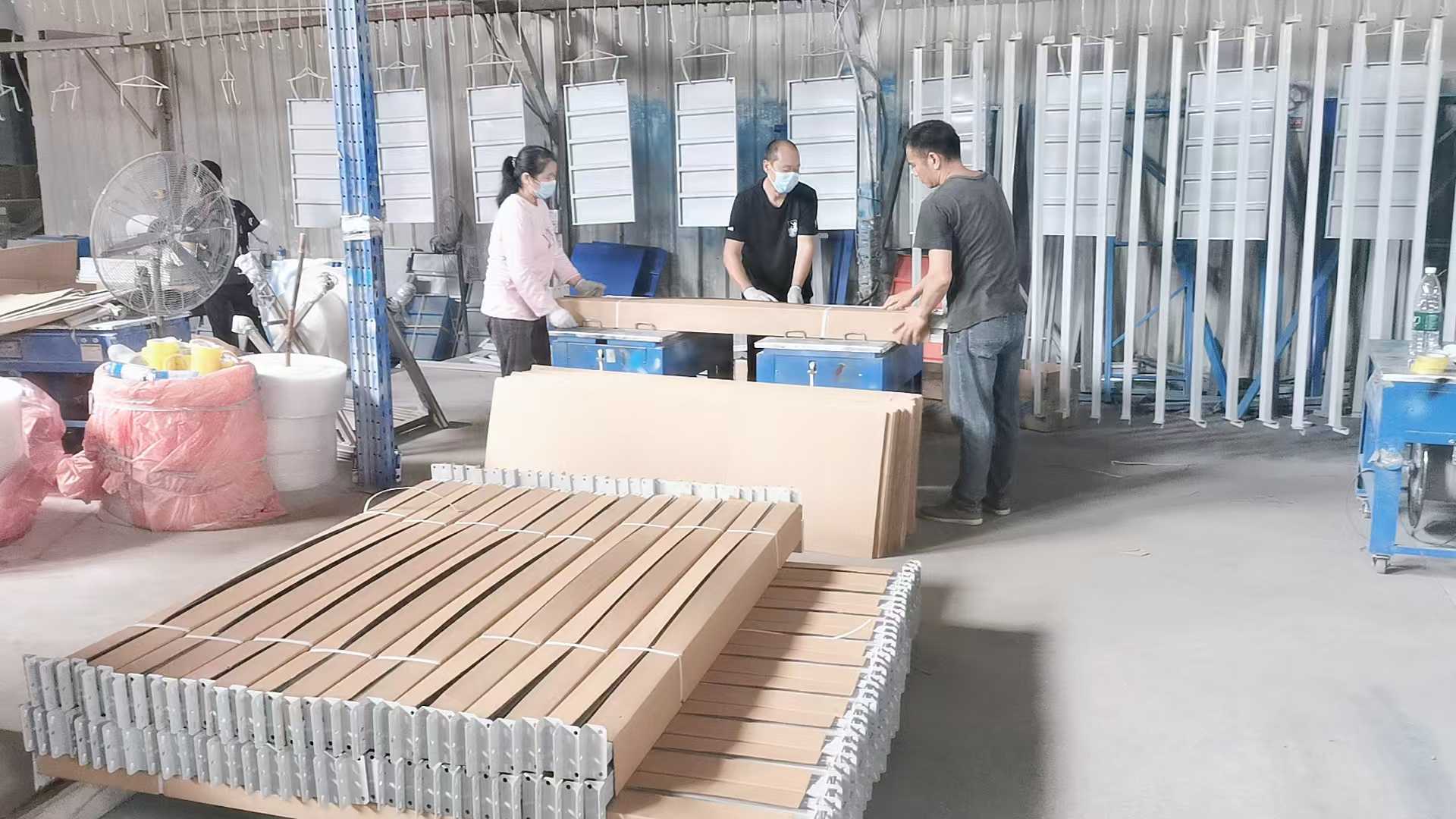
Packaging
Packaging
Laser Roll Forming Machine
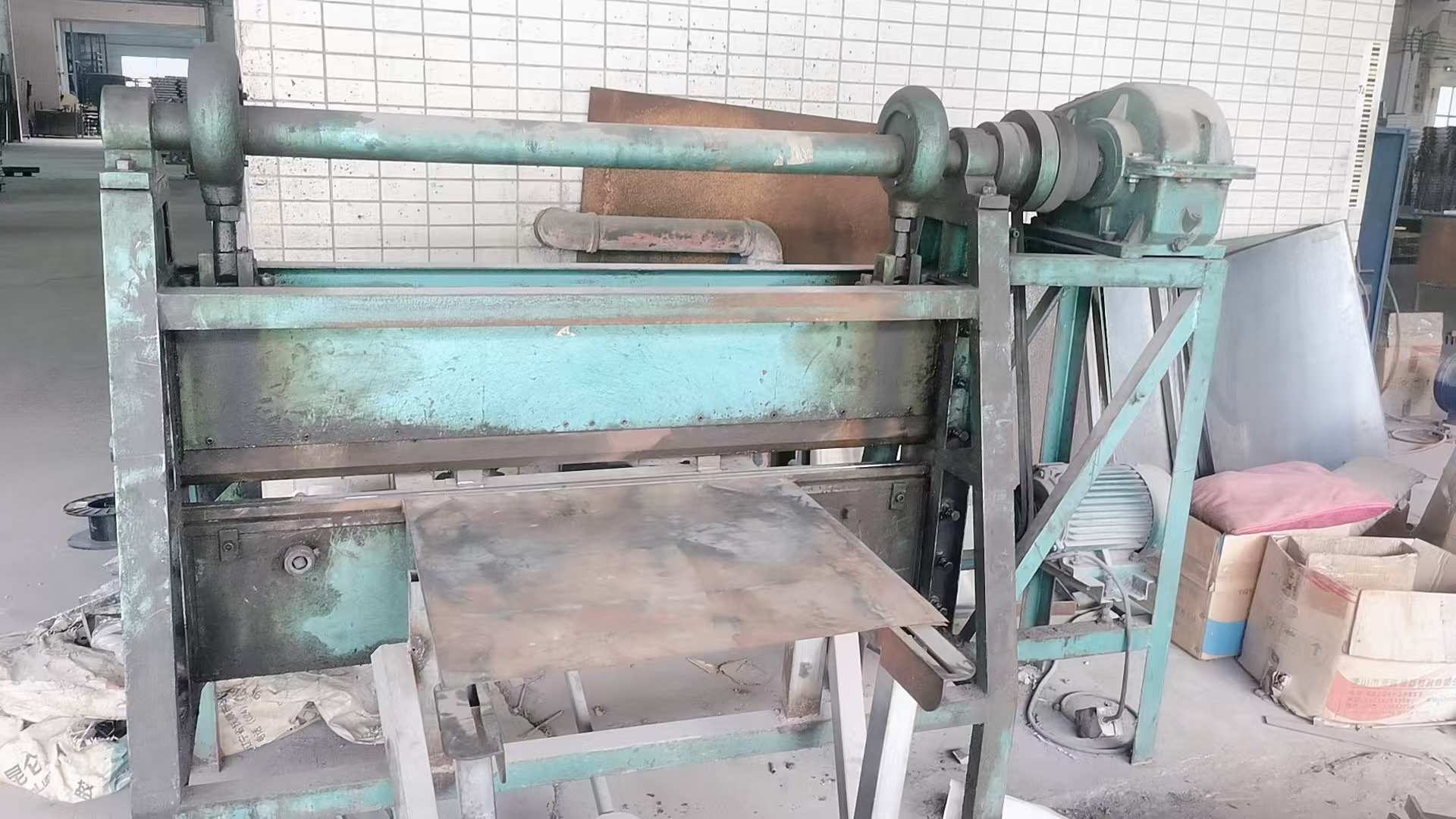
Bending Machine
Bending Machine
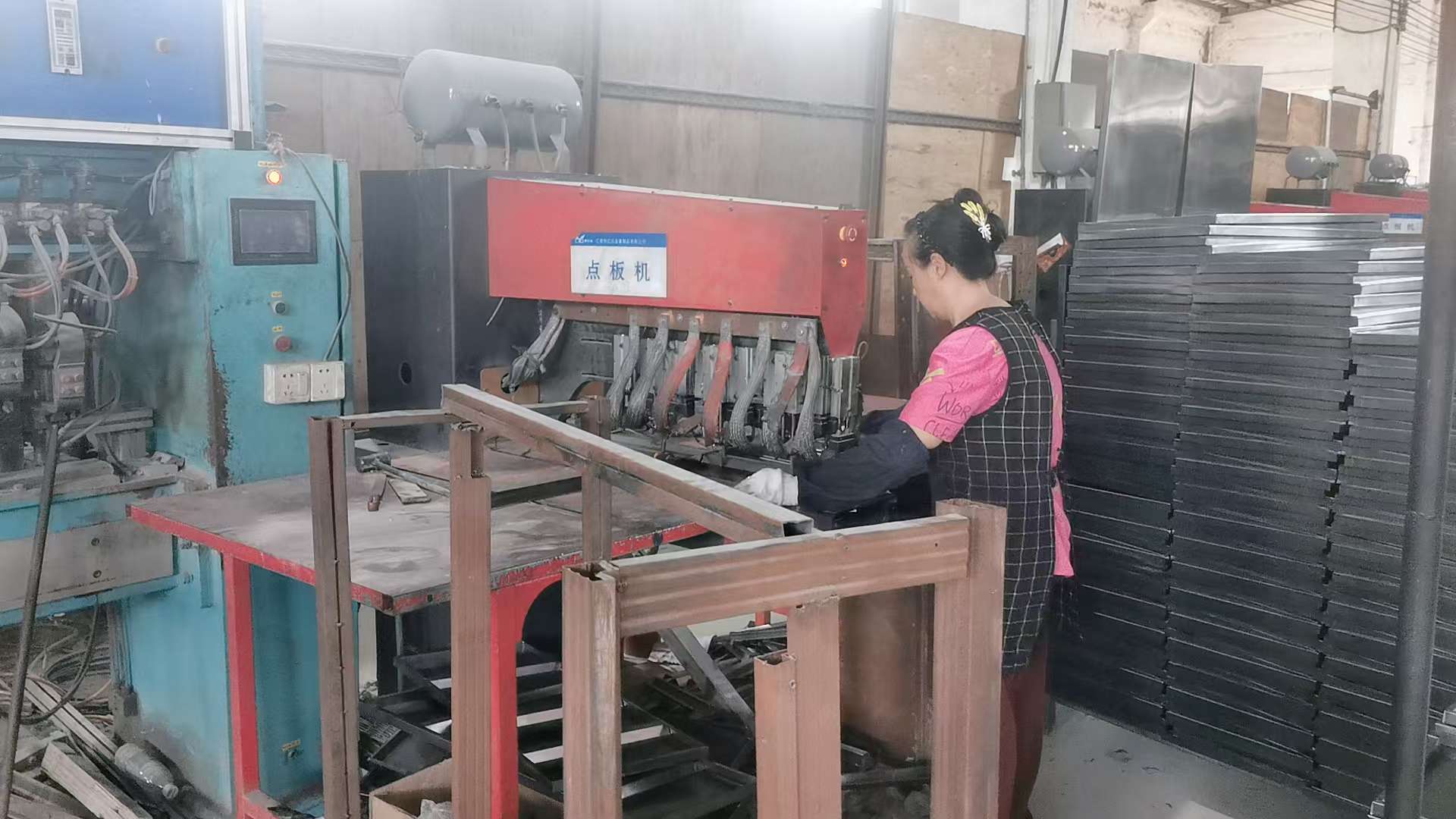
Automatic Spot Welding Machine
Automatic Spot Welding
Automated Spray Painting Production Line
Automated Spray Paint Line
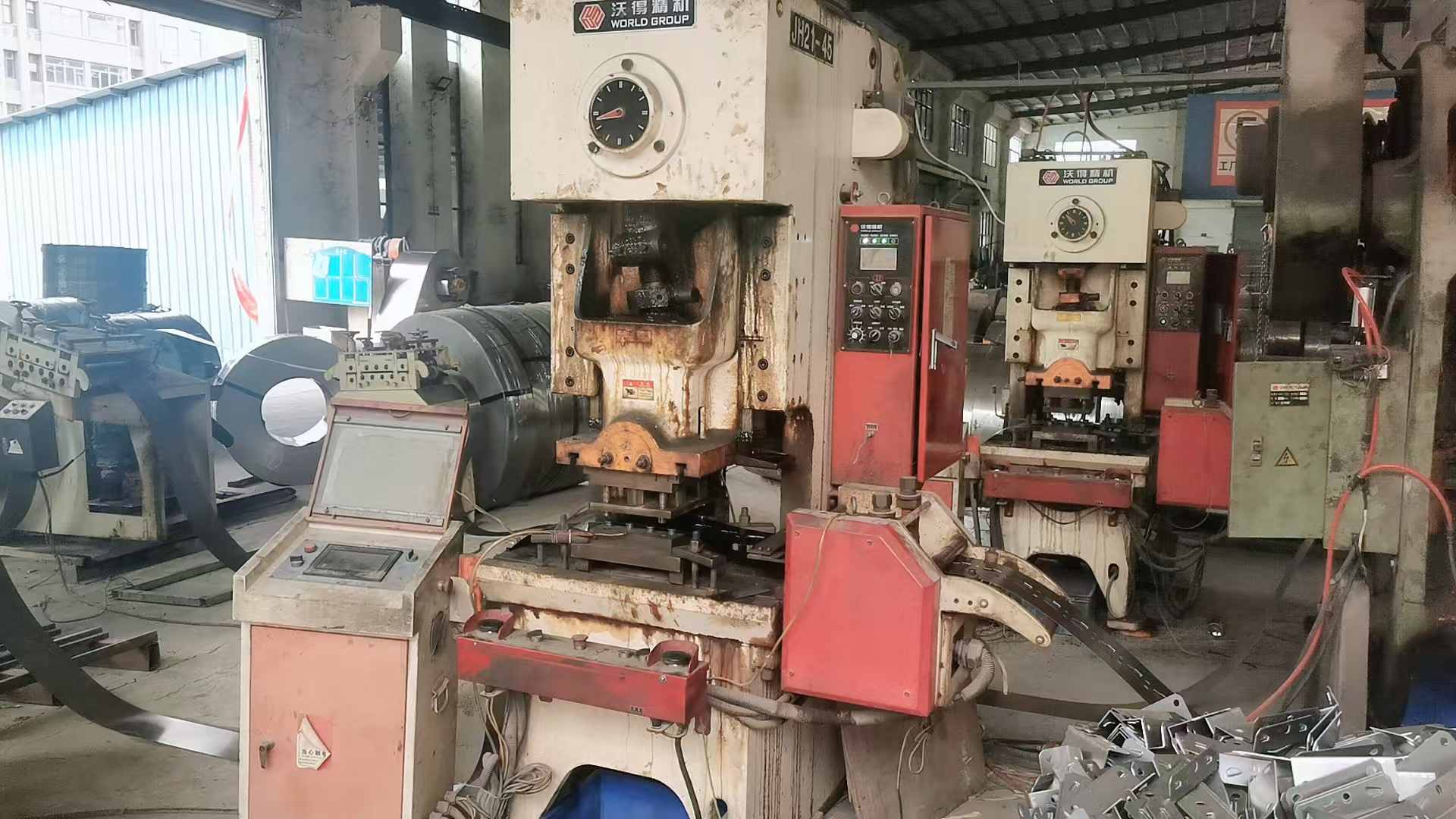
Punching Machine
Punching Machine
Forming Production Line
Cutting Machine
Cutting Machine
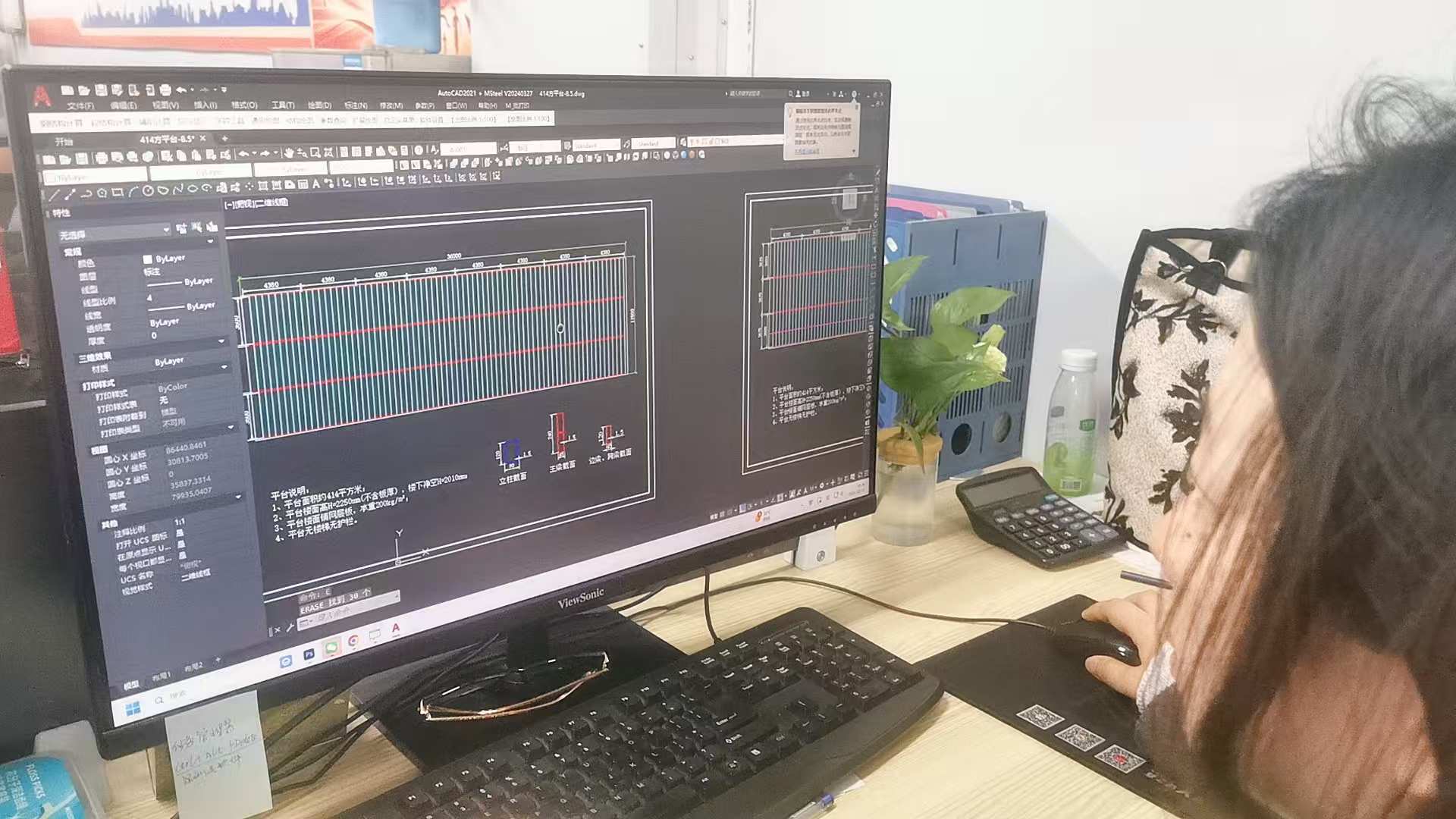
Structure Design Office
QC Laboratory
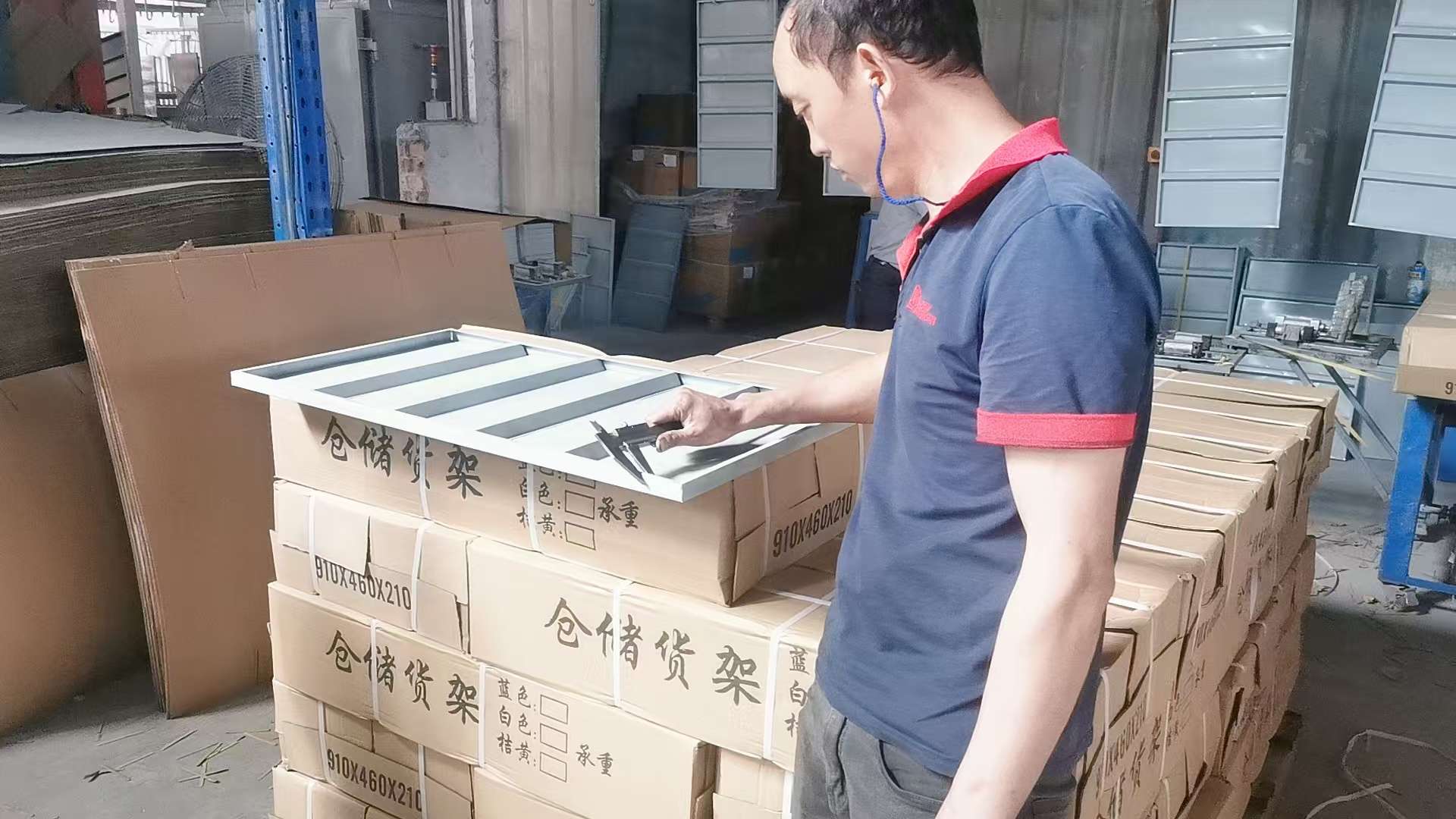
QC Laboratory
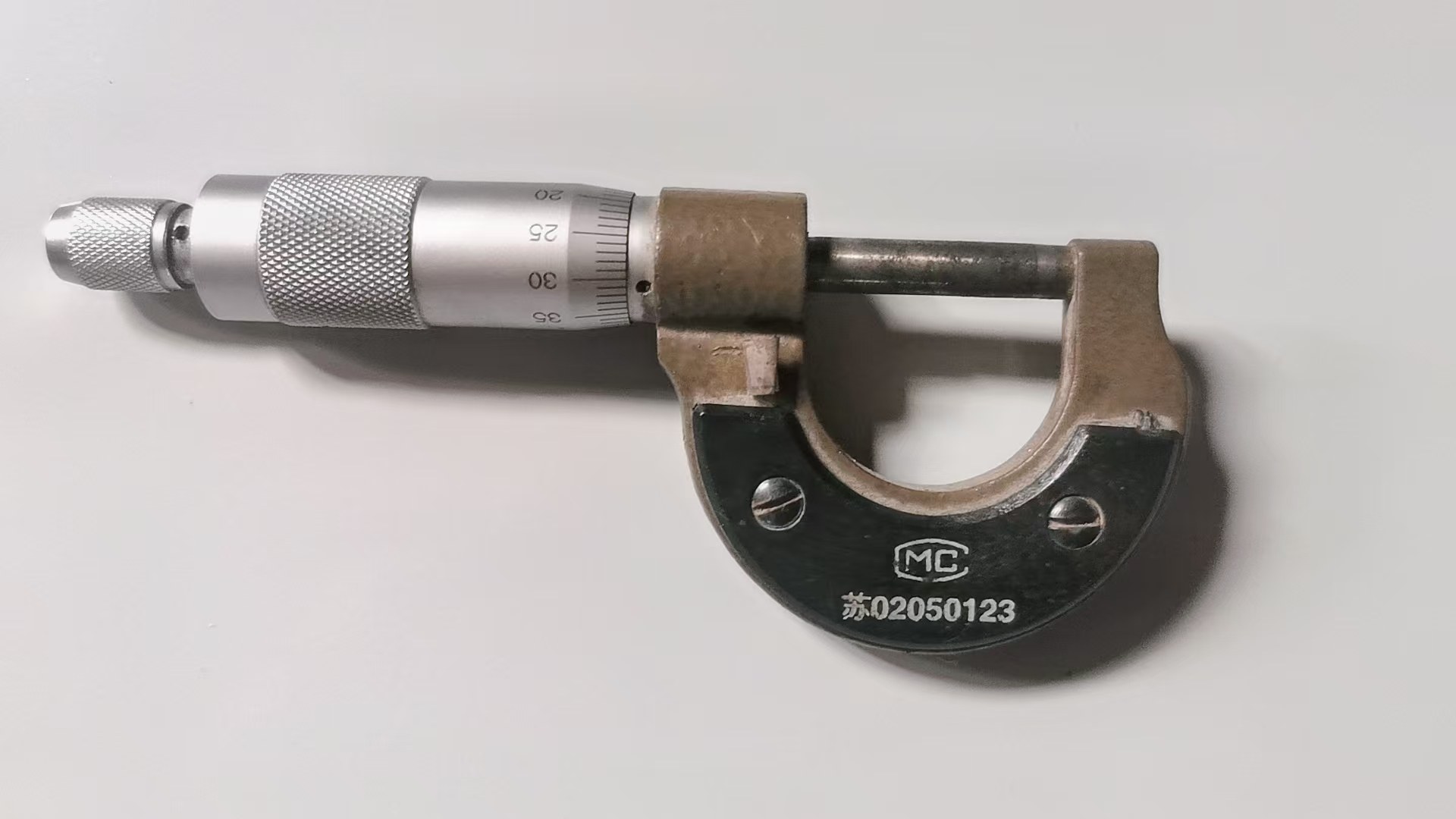
Micrometer Measurement
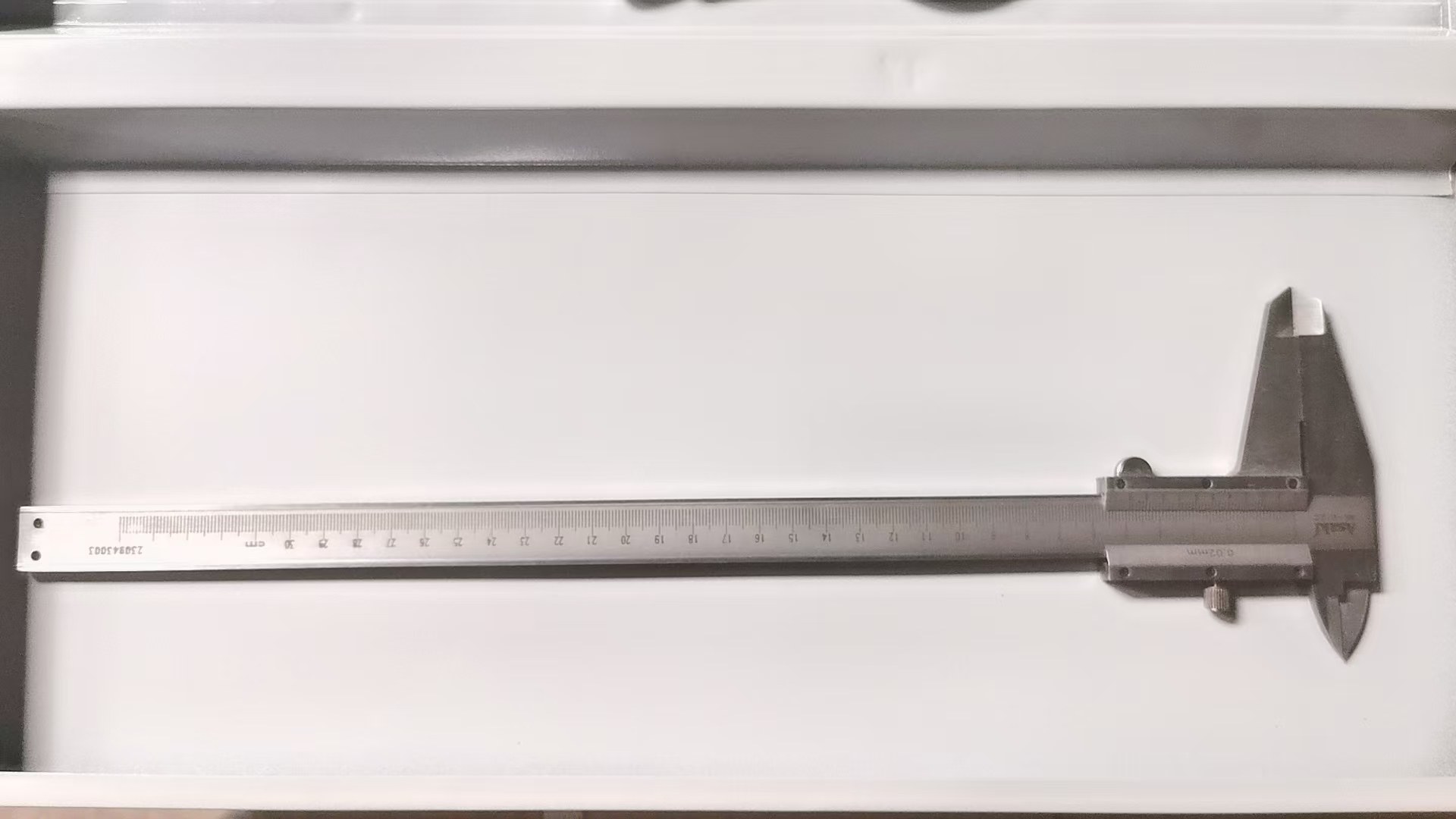
Vernier Caliper Check

Engineering Verification & Rigorous Quality Assurance

How our QC team of 56 inspectors guarantees load rating, material consistency, and structural durability.

Comprehensive Quality Inspections

At Hui Lian, structural reliability is verified through a multi-step inspection framework. We monitor every stage of production, from raw material inspection to final shipment, to ensure safety, durability, and performance in high-density automated systems. Our protocols include:

  • Raw Material Verification: Analyzing chemical compositions and mechanical properties of incoming Q235B and Q355B steel coils to ensure yield strength aligns with design parameters.
  • Welding Penetration Audits: Conducting visual and ultrasonic tests on automatic welding lines to prevent micro-fractures under cyclic dynamic loads.
  • Dimensional Accuracy Inspections: Using vernier calipers, micrometers, and laser trackers to keep upright pitch and beam deflection profiles within tight millimetric tolerances.
  • Static and Dynamic Load Testing: Confirming load capacity limits under full design weight and evaluating structural response during seismic simulation stresses.
  • Surface Treatment Inspections: Utilizing digital coating thickness gauges to ensure uniform electrostatic powder coat coverage (typically 60-80 microns) for long-term corrosion resistance.

Advanced Quality Control Infrastructure

Our quality control team of 56 professional inspectors uses dedicated measurement tools to audit each batch. Rather than relying on simple visual checks, we verify compliance using:

  • Laser Measurement Tools: Ensuring structural straightness and alignment across high-rise upright installations.
  • Hydraulic Load Testing Rigs: Actively stress-testing components to verify load capacities.
  • Coating Thickness Gauges: Auditing powder coat integrity to protect steel in cold storage and high-humidity environments.
  • Automated Vision Inspection Systems: Real-time camera monitoring on forming lines to catch punching variations instantly.

Compliance, Seismic Design & Local Technical Support

Meeting regional standards and providing localized engineering support across North America, Europe, and Asia-Pacific.

Seismic Calculation & Modeling

Our engineering team conducts structural checks for seismic hazard zones. Utilizing finite element analysis (FEA) software, we calculate stress points and optimize profile thicknesses to meet structural requirements in earthquake-prone regions.

Global Regulatory Standards

We manufacture products in compliance with international racking standards, including EN 15512 (Europe), RMI/ANSI MH16.1 (USA), and AS 4084 (Australia), to ensure smooth local certification and building permit approval.

Local Support & Engineering Stamps

Through regional partnerships, we coordinate structural engineer stamps for building reviews. Localized layout drawings and load signs are provided to support installation and regulatory compliance.

Market Trends & Global Integration

Analyzing automation expansion, design requirements, and customized applications.

The Evolution of Warehouse Automation

Traditional warehouses are shifting toward hybrid, semi-automated, or fully automated spaces. Technologies like vertical lift modules (VLMs), automated shuttle fleets, and mini-load systems require rigid racking structures. Without adequate stiffness, high acceleration forces from automated cranes can cause frame sway, resulting in control system errors.

Hui Lian works with system integrators to align racking tolerances with ASRS guide rail requirements. By optimizing connector nodes, baseplate thickness, and sway bracing, we provide structures that remain stable under dynamic, high-speed load movements.

Diverse Application Scenarios

Our racking solutions are configured to match specific industrial use cases and environmental challenges:

  • Cold Chain Storage: Utilizing impact-tested steels (such as Q355D) that retain ductility and strength in environments down to -30°C.
  • E-Commerce Fulfillment (3PL): Multi-tier mezzanine systems designed for high-density, small-item hand-picking and conveyor integration.
  • Automotive Parts Staging: Heavy-duty dynamic flow racks configured for inventory control and line-side delivery.
  • Pharmaceutical Facilities: Shelving finished with specialized powder formulations to resist chemical cleaning and maintain sanitization standards.

Technical FAQ & Procurement Guidance

Direct engineering answers to technical queries from international buyers and logistics planners.

Q1: Which grades of structural steel do you use, and how do you verify quality?
We construct our racking systems primarily from high-grade Q235B and Q355B structural steel, which offer balanced yield strength and ductility. Incoming material is tested for tensile strength, elongation, and chemical composition (including carbon and silicon levels) to confirm performance under structural loads.
Q2: How does your structural design integrate with ASRS crane and robotic shuttle tolerances?
Our design process accounts for the specific clearances and deflection limits required by automation suppliers. By managing tolerances on our cold roll-forming lines, we maintain upright straightness and beam levelness within the tight ranges required by high-speed shuttles.
Q3: Can you provide stamped engineering calculations for building permits in the USA or Europe?
Yes. We provide structural drawings and calculation packages prepared using finite element analysis (FEA) to verify performance. Through partnerships with local engineering networks, we can assist in obtaining professional engineer (PE) stamps required by local building authorities.
Q4: What corrosion prevention measures are applied to cold storage racking?
For sub-zero cold storage operations, we offer hot-dip galvanized finishes or cold-resistant electrostatic powder coatings. Our powder coatings are cured to ensure uniform thickness (60-80 microns), protecting the steel against condensation and chemical cleaners.
Q5: How do your 56 QC inspectors monitor the production line?
Our QC inspectors operate at dedicated checkpoints across the facility, conducting material verification, weld auditing, and final dimensional and load testing. This structured approach helps identify and correct deviations before the components are packaged and shipped.
Q6: What packaging methods are used to prevent damage during international transport?
We bundle structural elements securely using heavy-duty steel strapping, protective foam wrapping, and sturdy wood blocking to prevent movement. This helps protect the powder-coated finishes and structural profiles from damage during sea transit and container handling.
Q7: What is your typical production lead time for large industrial orders?
Standard project fabrication times average 25 to 35 days from structural design sign-off to container loading. Our supply chain network of over 850 partners helps us maintain consistent material flow and delivery schedules for large-scale operations.
Q8: How do you design and verify racking for high seismic risk zones?
We design our systems using seismic analysis methods, sizing uprights, frames, baseplates, and anchorage to withstand site-specific peak ground acceleration forces. This ensures structural stability and load containment during a seismic event.