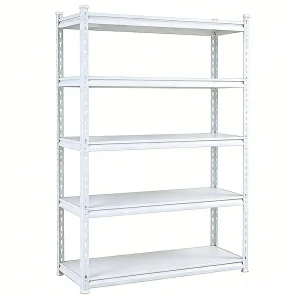
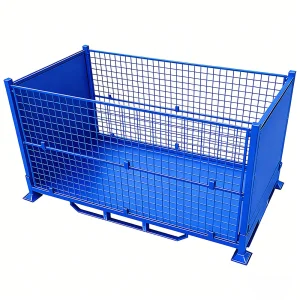
Explore our top-selling industrial warehouse storage racks, heavy-duty shelving units, and stackable cages custom engineered for global manufacturing, logistics, and material handling systems.
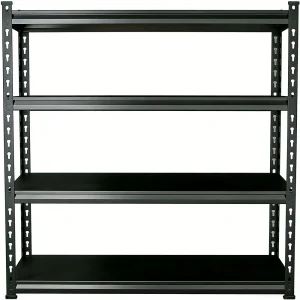
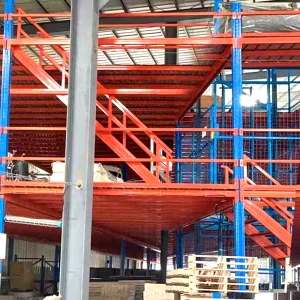
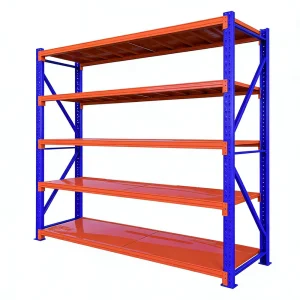
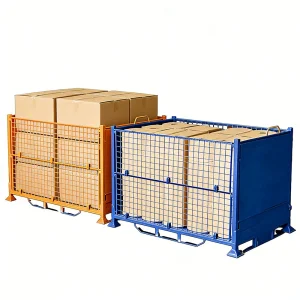
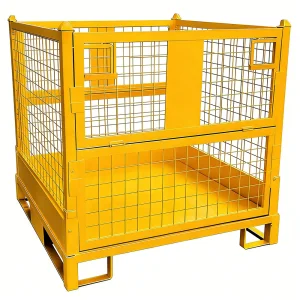
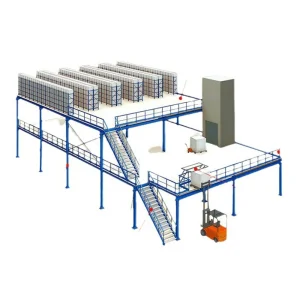
Global warehouse real estate has reached unprecedented cost levels, with price per square meter rising consistently across North America, Europe, and Asia-Pacific. As industrial real estate prices escalate, supply chain executives, warehouse planners, and manufacturing operations managers are forced to look upward. Traditional horizontal warehouse expansions are no longer economically viable due to geographical limits and high capital expenditure (CapEx).
Modern material handling demand centers around maximizing the volumetric utilization of vertical spaces. Vertical Lift Storage and customized heavy-duty racking systems enable facility operators to reclaim up to 85% of lost floor space, converting structural clearance heights into efficient, high-density inventory volume. By deploying automated systems, heavy-duty structural steel platforms, and advanced mezzanine frameworks, modern logistics providers can scale throughput dynamically while keeping footprints constant.
"The transition from static rack setups to dynamic vertical and automated warehouse structures represents a paradigm shift. It enables organizations to slash storage footprints, enhance inventory accuracy to over 99.9%, and dramatically lower retrieval times."
Our solutions provide the ideal compromise between capital efficiency and operational agility. Through rigorous compliance with CE machinery directives, FEM guidelines, and ANSI/RMI specifications, we ensure that every square meter of steel structural design delivers maximum load-bearing integrity and operational safety under the most demanding warehouse schedules.
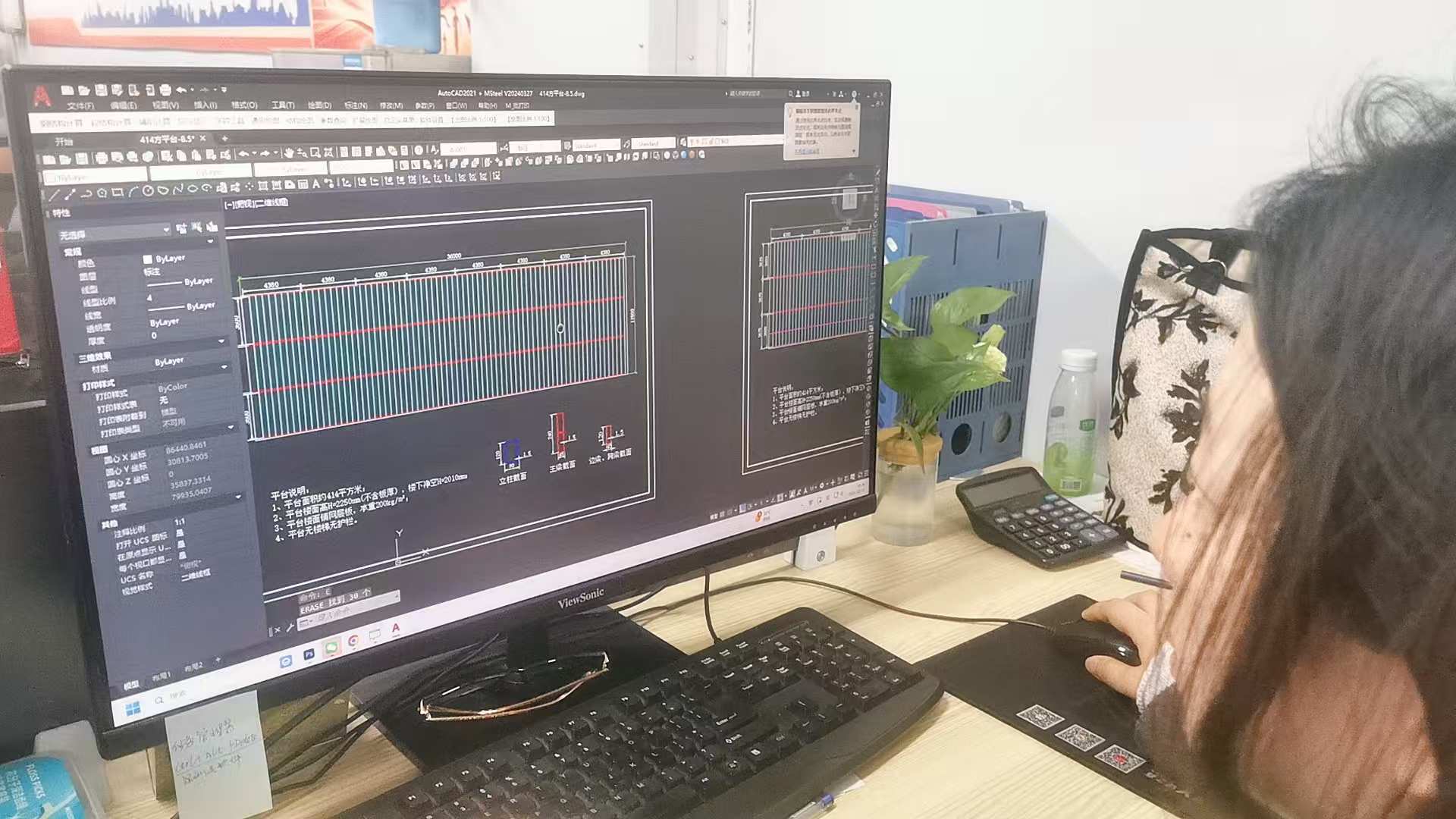
Operating from the industrial manufacturing heartland, Dongguan Hui Lian Intelligent Warehouse Equipment Co., Ltd. combines advanced manufacturing technology with rigorous engineering excellence.
From heavy-duty cantilever structures to smart Vertical Lift Modules (VLM), the technical evolution of automated warehousing revolves around safety, scalability, and integration.
Utilizes precision dynamic height sensors (photocells) that measure the height profile of each product tray automatically, slotting it in the tightest available space to optimize cubic storage volume.
Constructed utilizing high-grade cold-rolled structural steel (Q235B/Q355B). Racks are designed in compliance with FEM 10.2.02 and EN 15095 standards to withstand seismic vibrations and high-load dynamic stresses.
Seamlessly interface with modern Warehouse Management Systems (WMS) and Warehouse Control Systems (WCS) via standard RESTful APIs to control storage and retrieval operations and track item logs in real time.
Industrial procurement departments in sectors like automotive components, electronics manufacturing, pharmaceuticals, and e-commerce distribution platforms have stringent material handling specifications. They require heavy-duty storage racks with precise dimensional configurations, high load-bearing integrity, corrosion-resistant surfaces, and modular architectures that permit dynamic extensions. Standard warehouse systems often fall short of meeting specific fire suppression layouts, ventilation parameters, and automated guided vehicle (AGV) docking constraints. As an experienced exporter, Dongguan Hui Lian Intelligent Warehouse Equipment Co., Ltd. addresses these gaps through advanced custom designs (CAD/3D modeling) and scalable material supply pipelines.
From raw steel sheet inspection to advanced surface preparation and micro-finished tolerance checks, we handle every stage of fabrication in-house to ensure unmatched structural consistency.
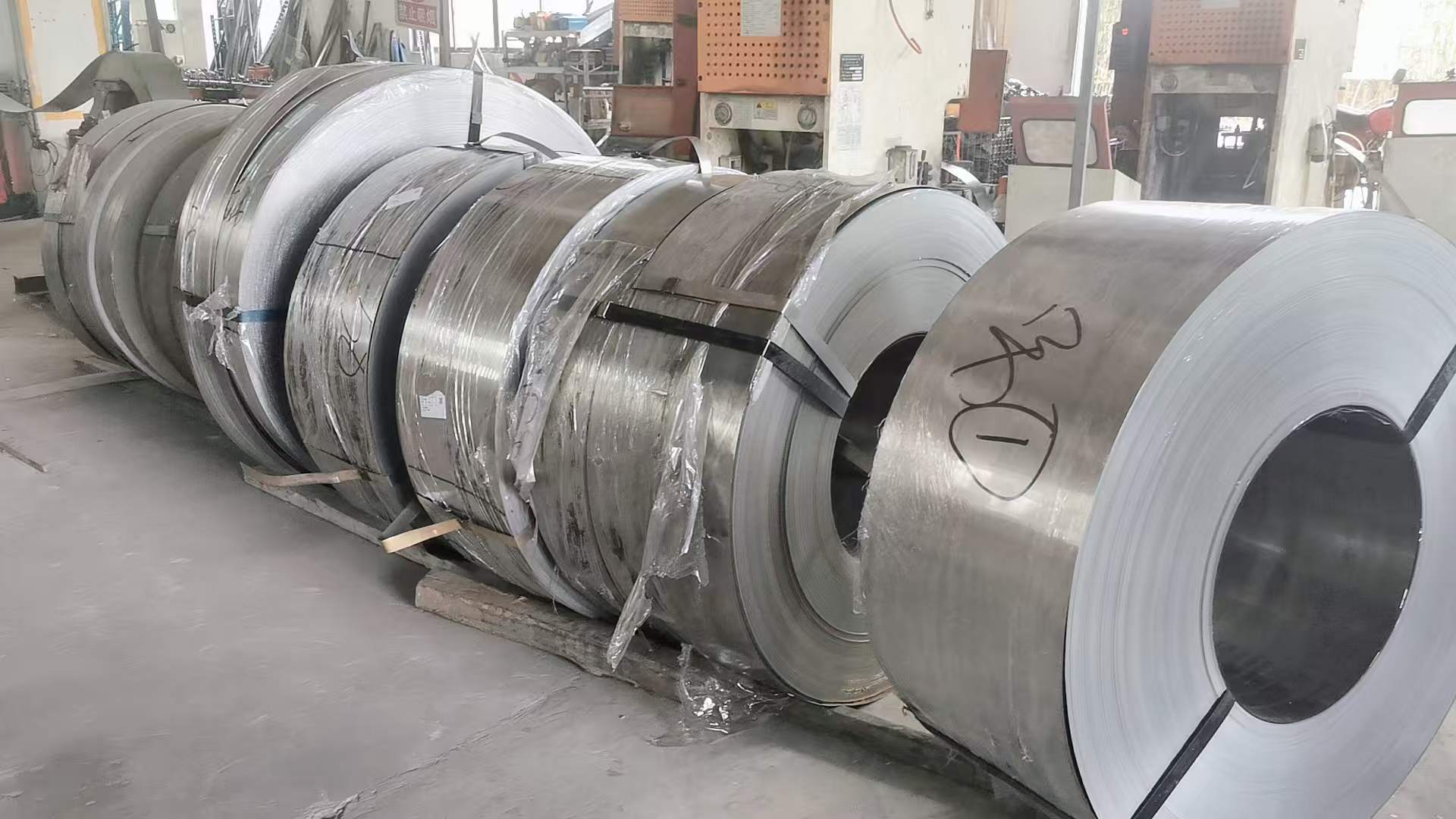
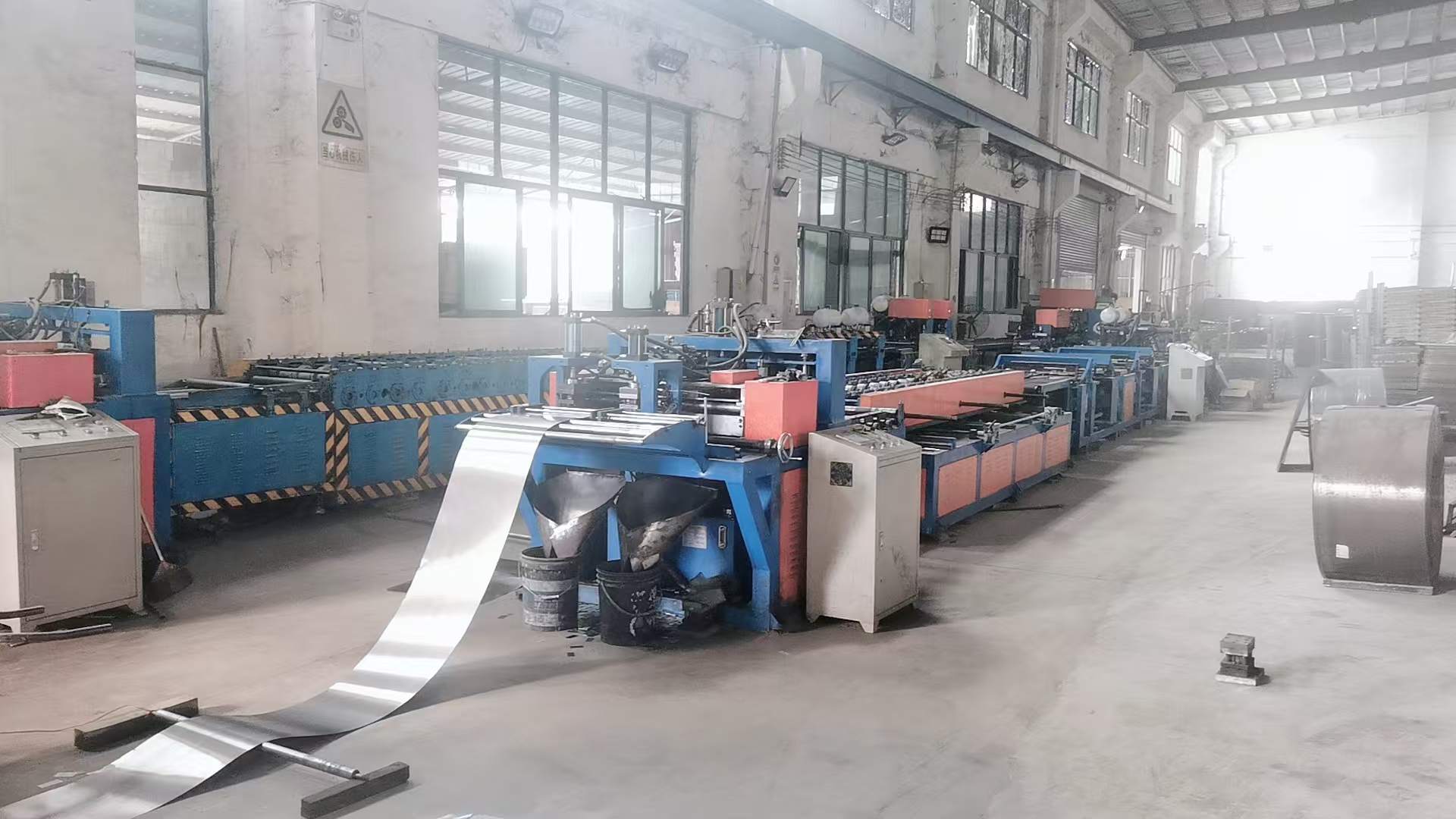
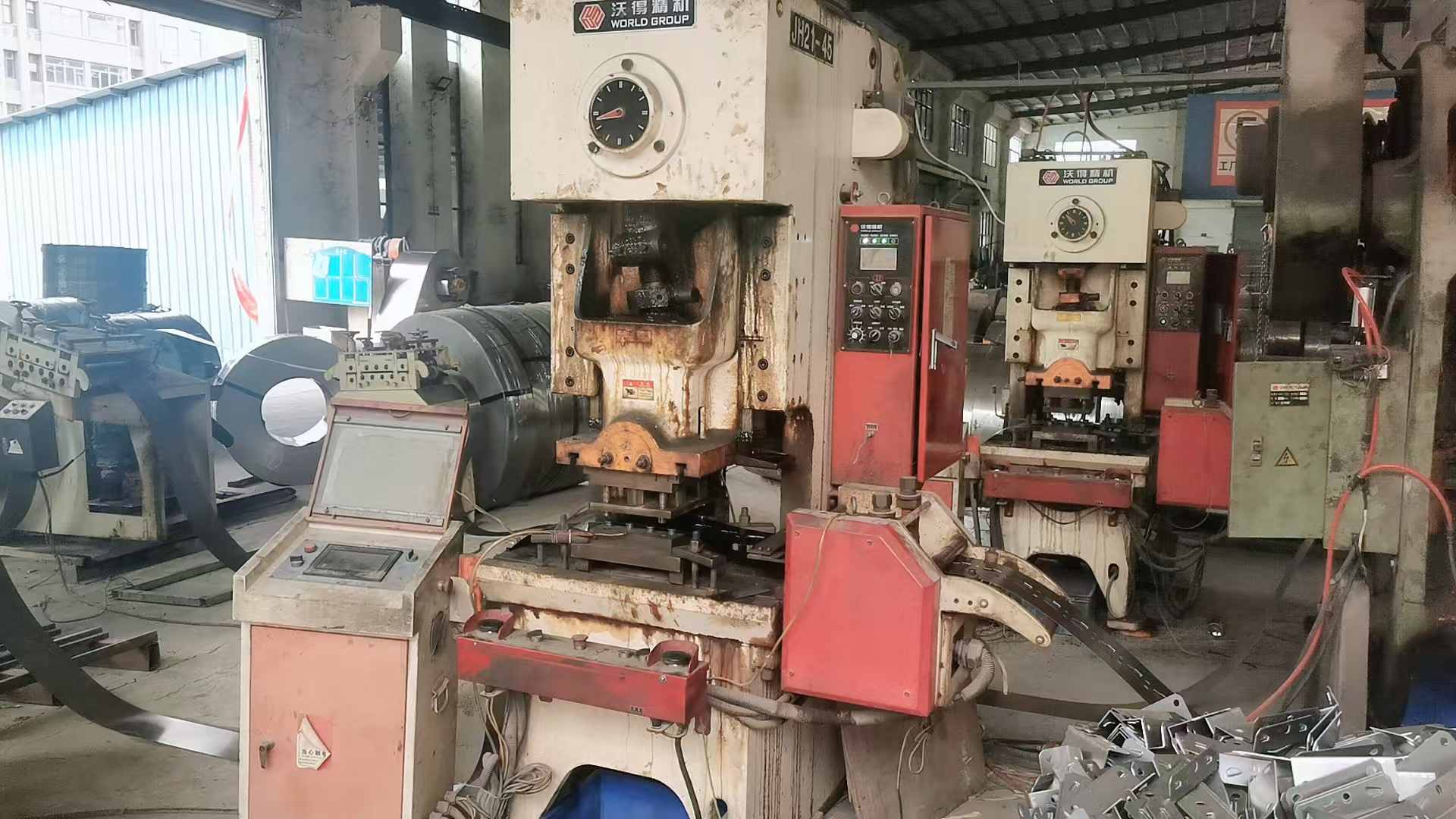
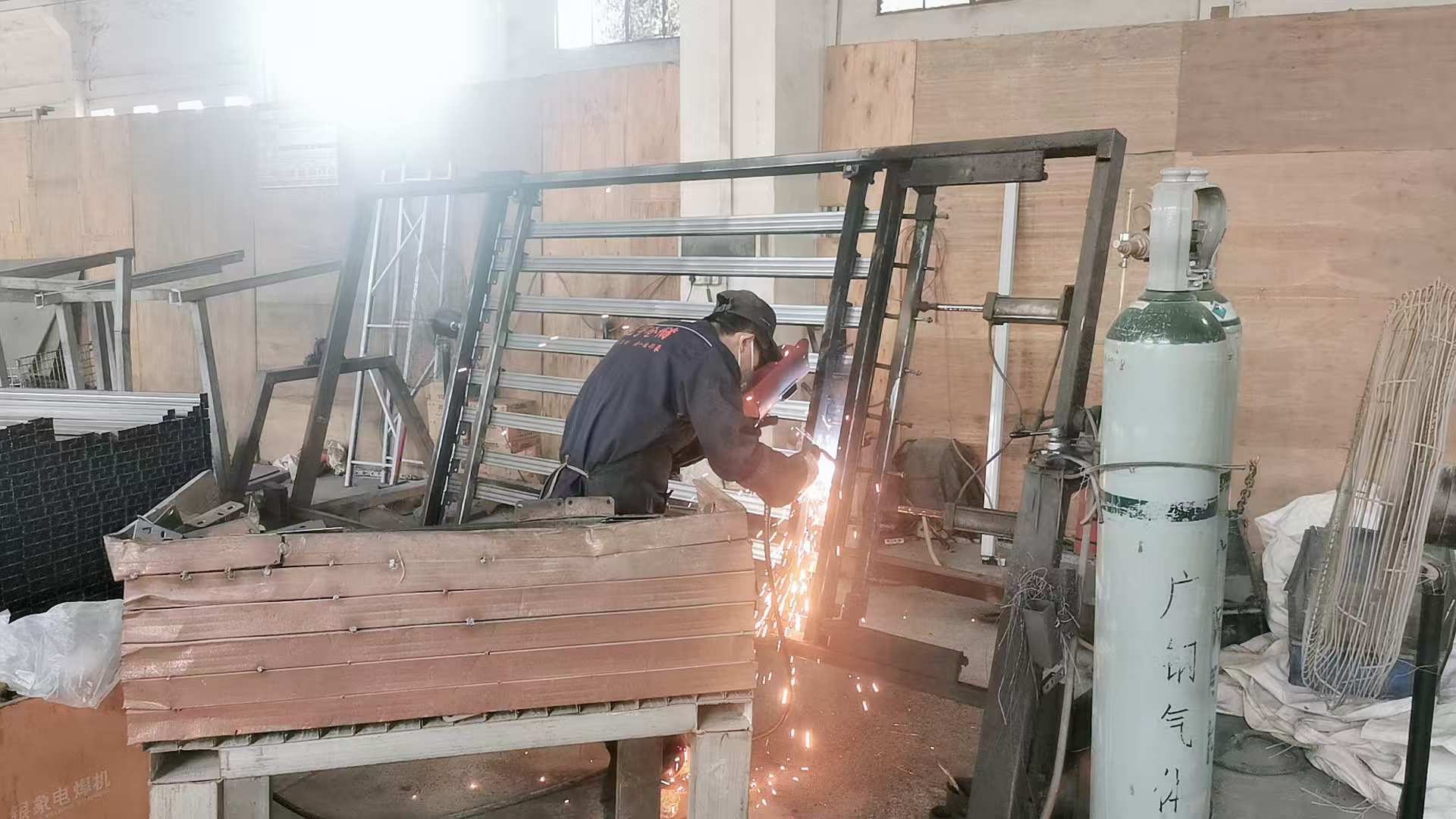
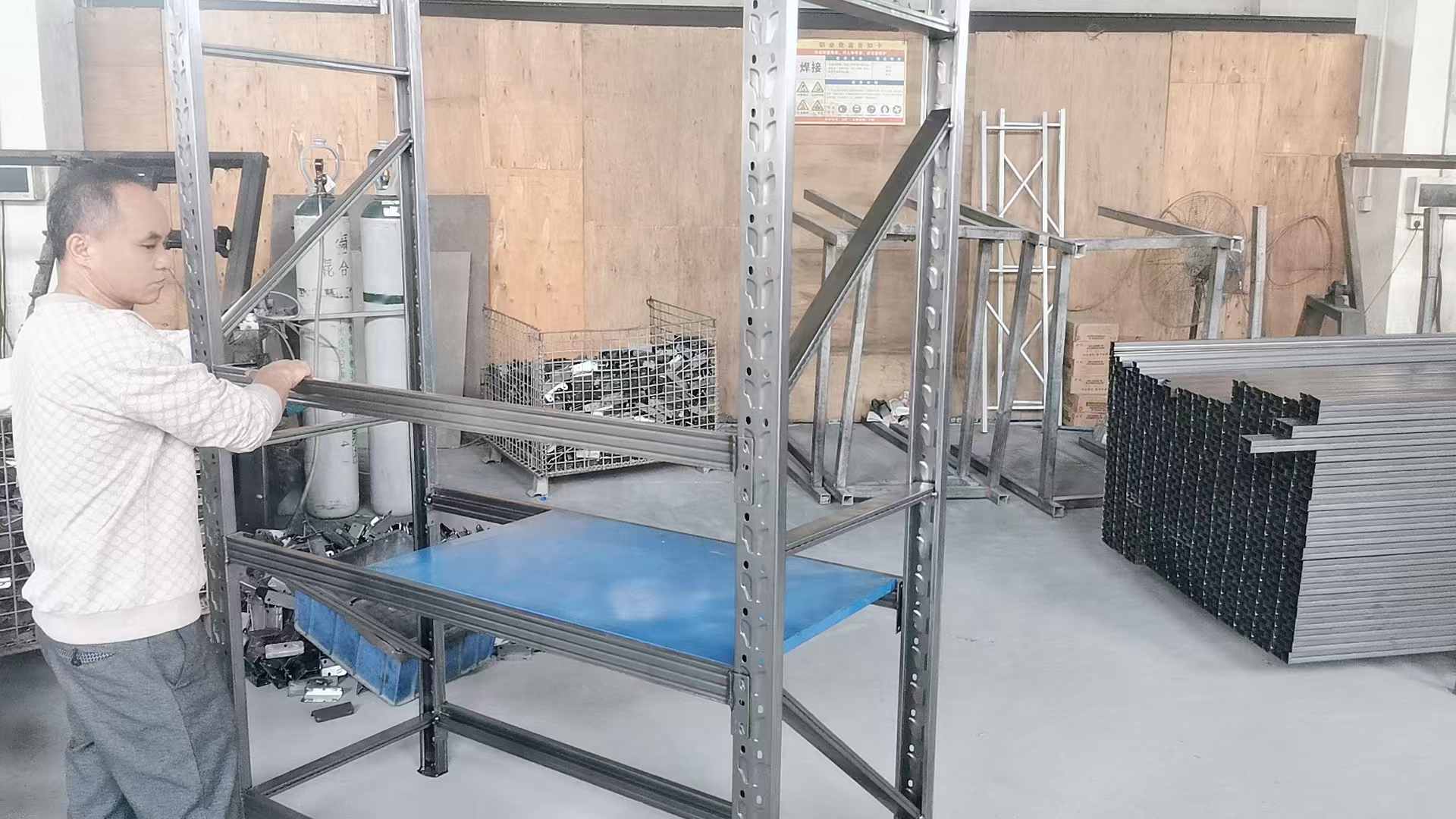
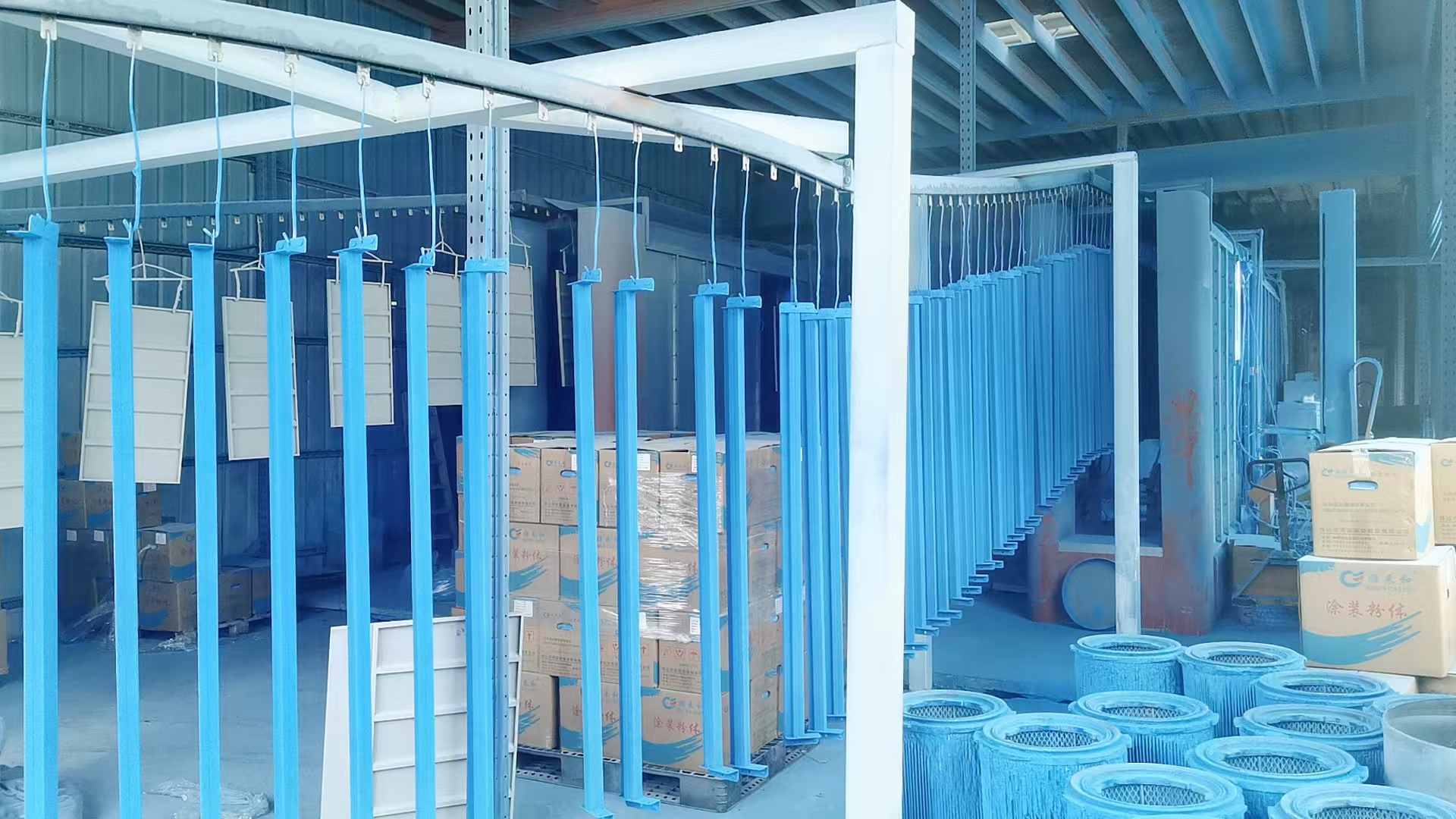
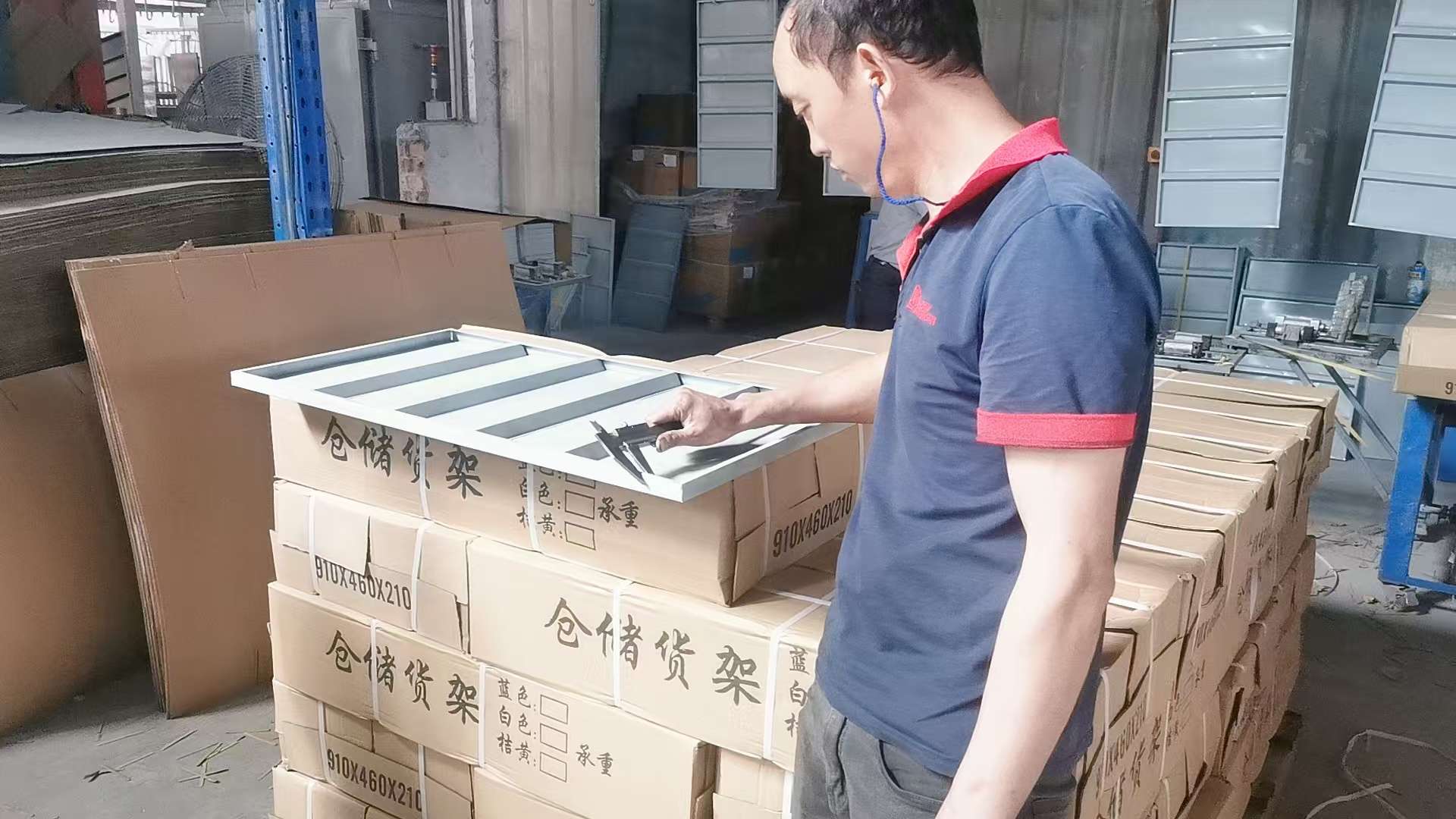
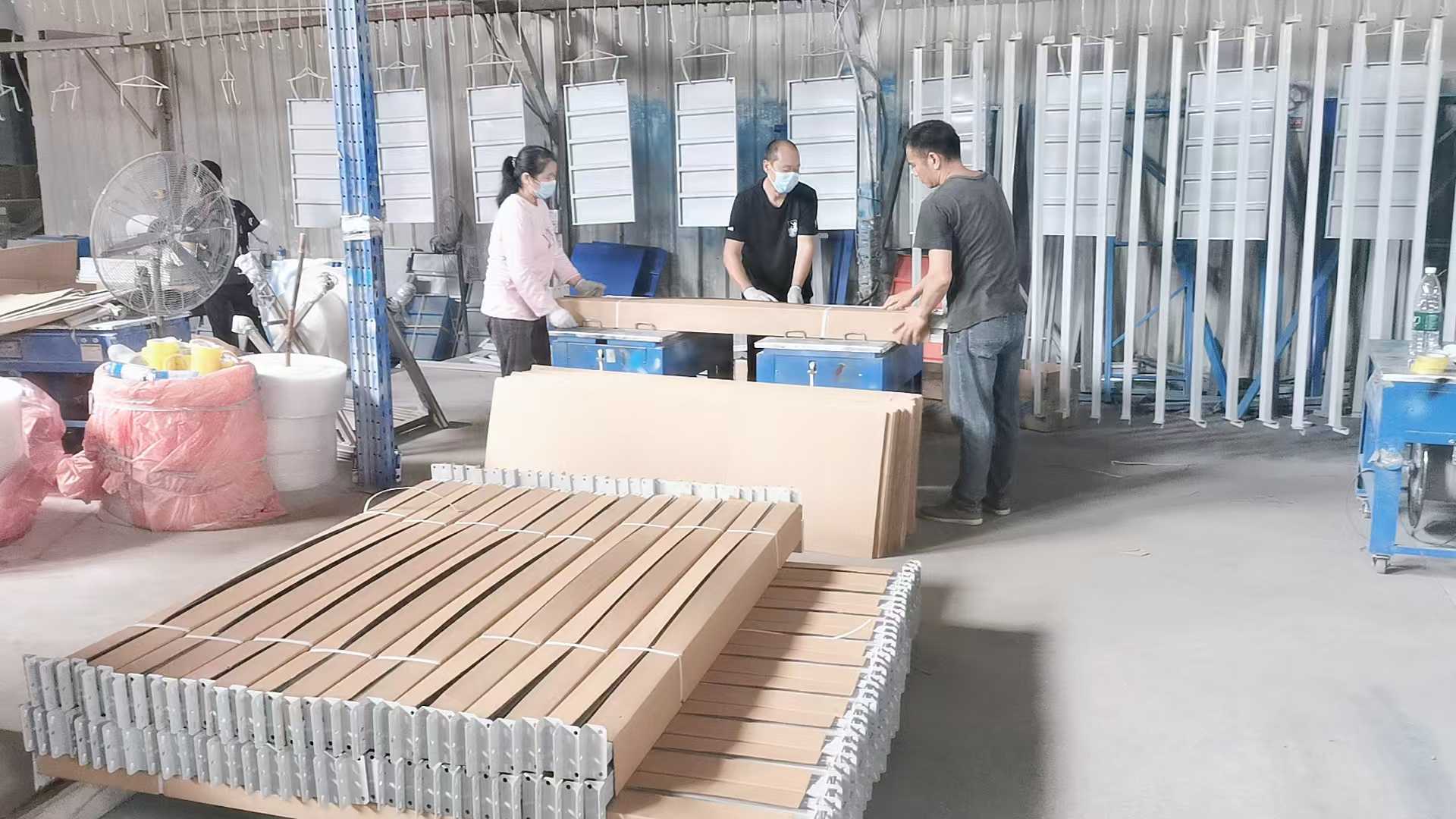
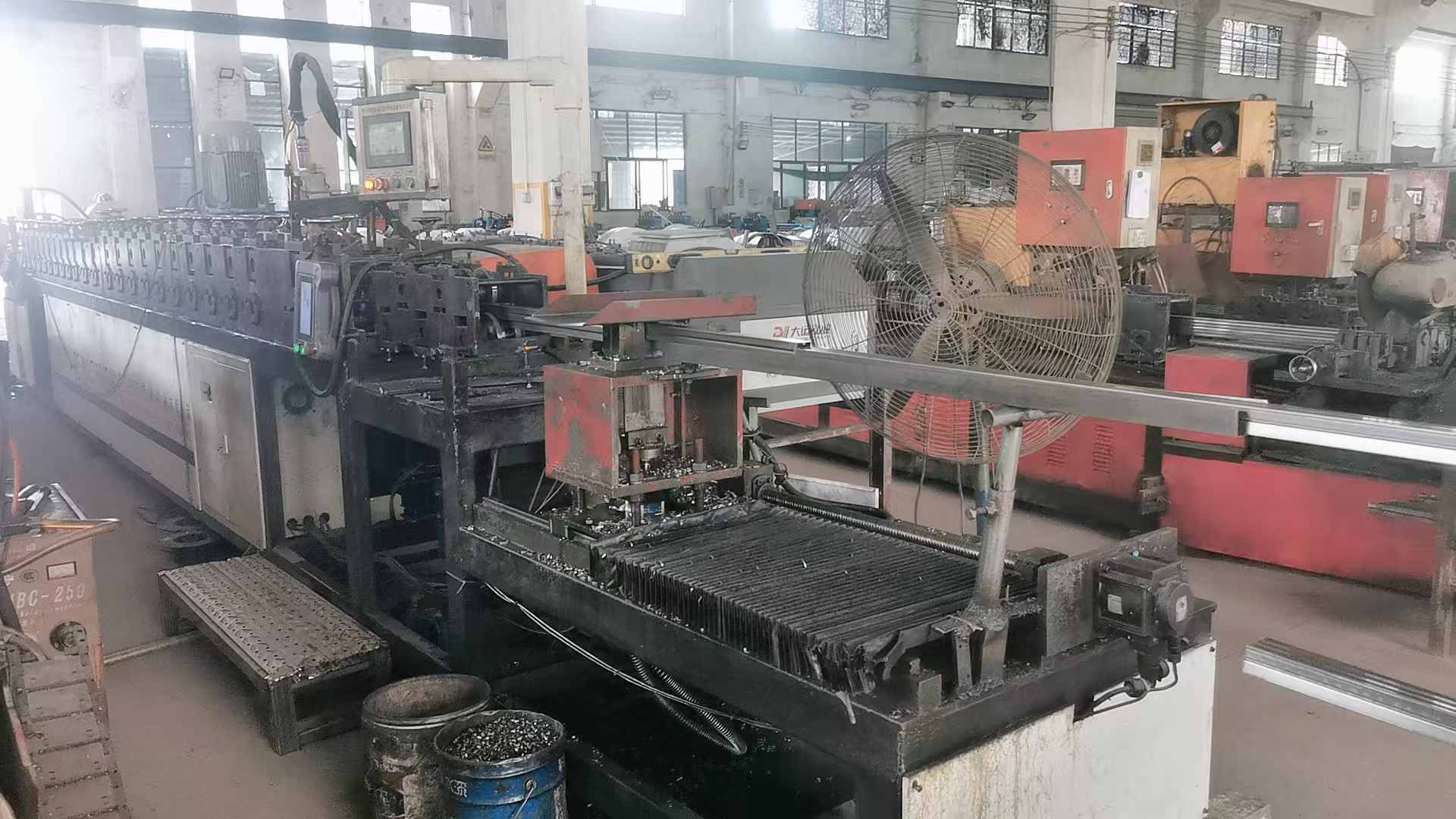
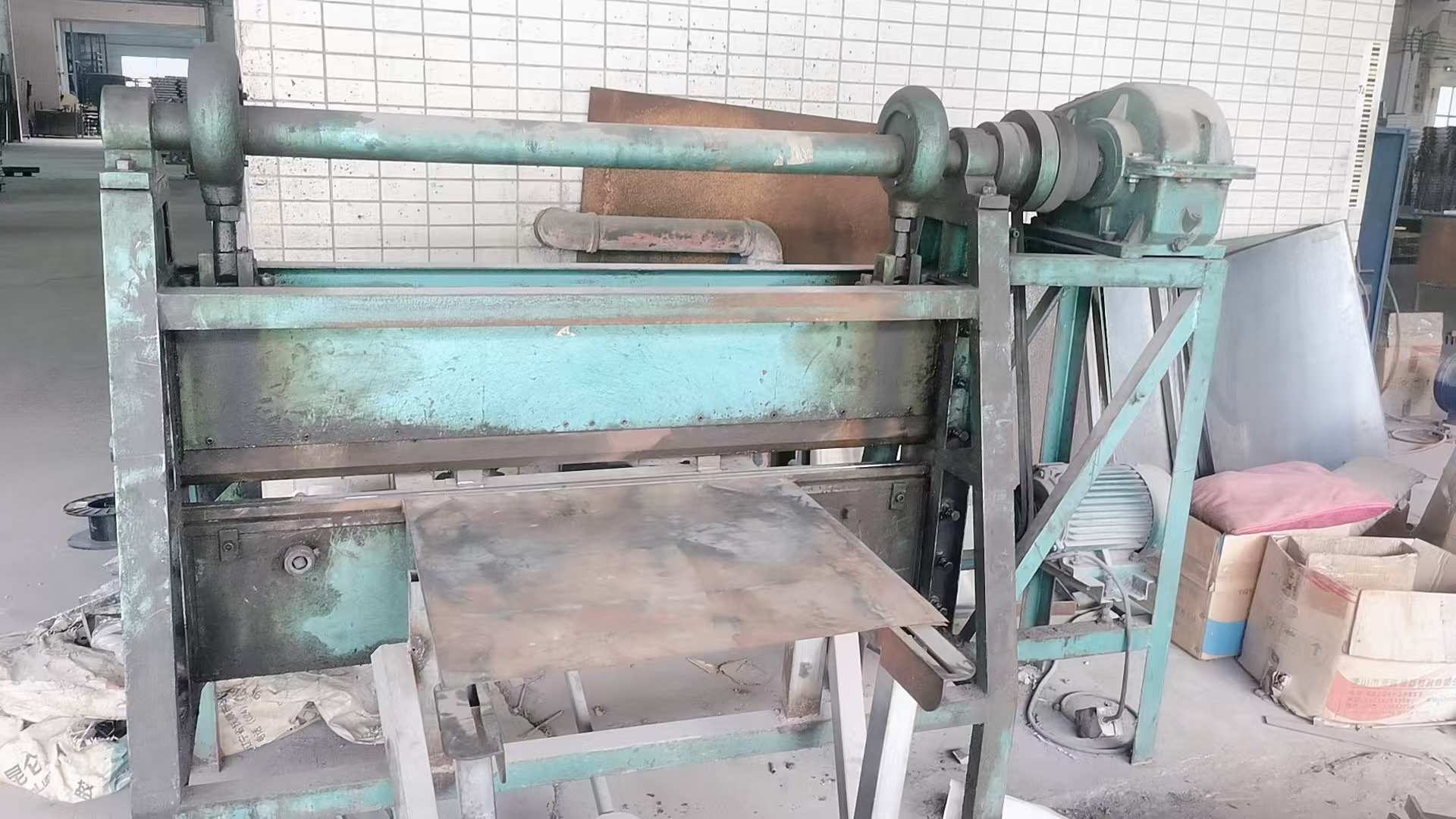
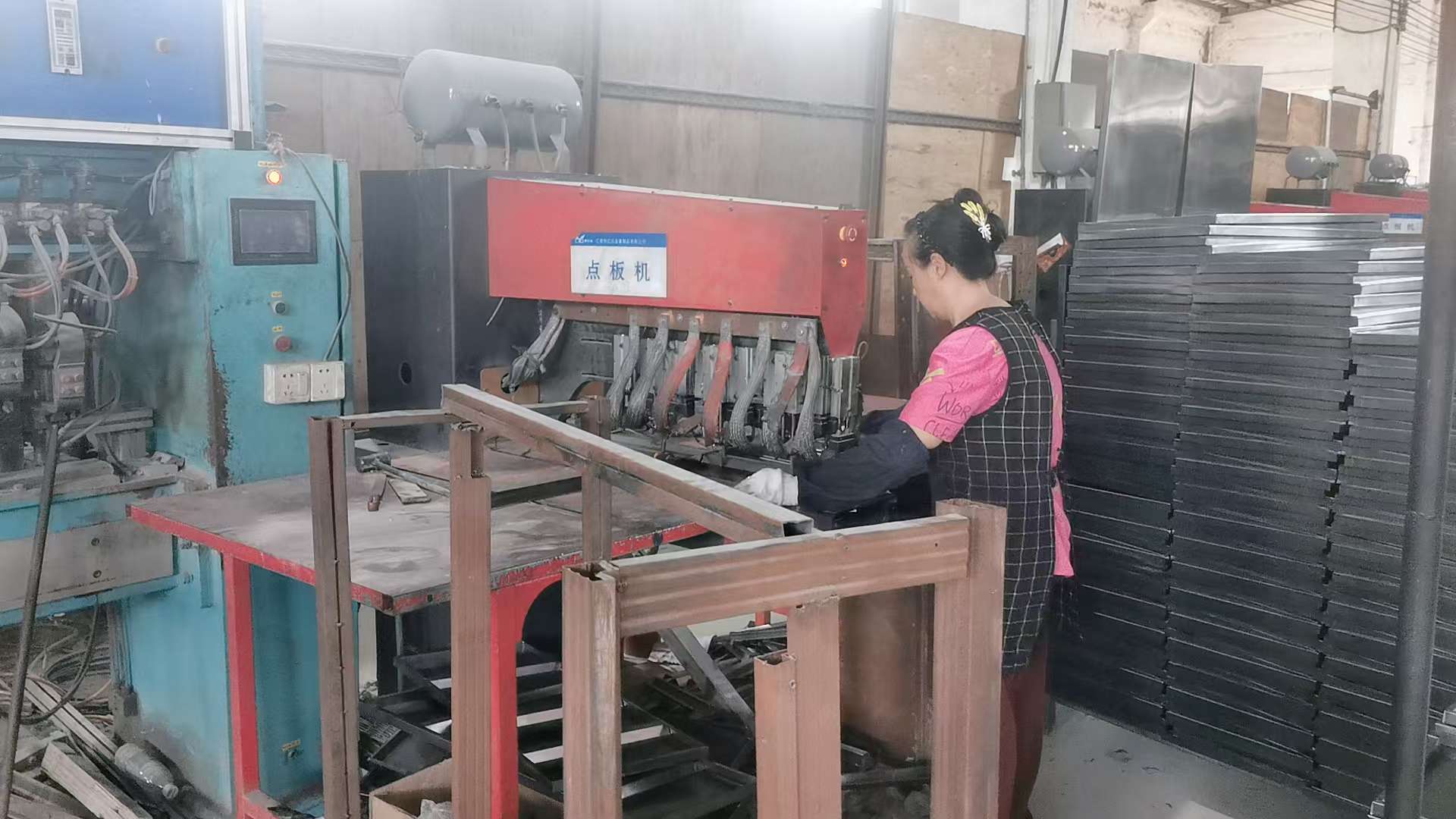
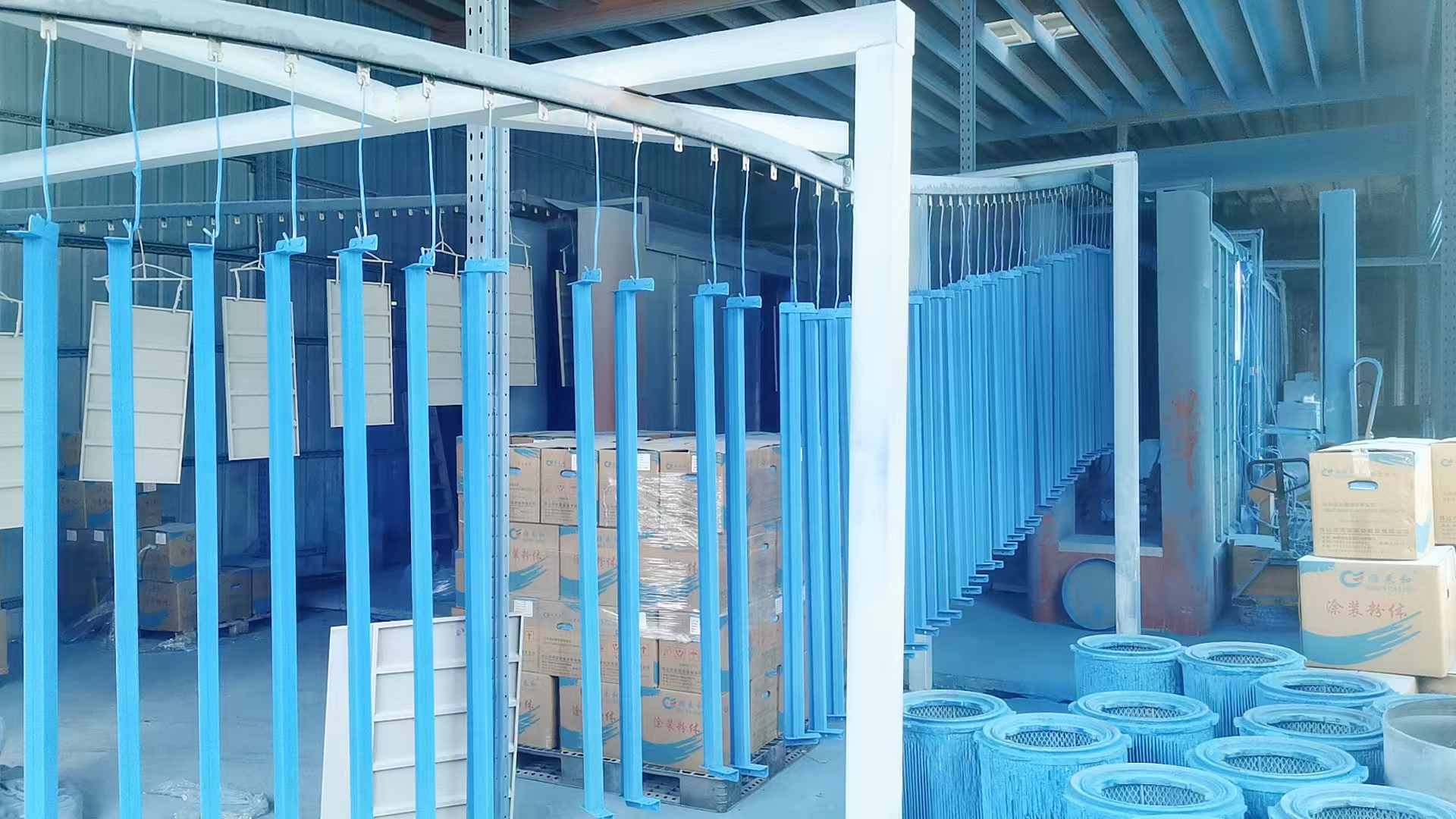
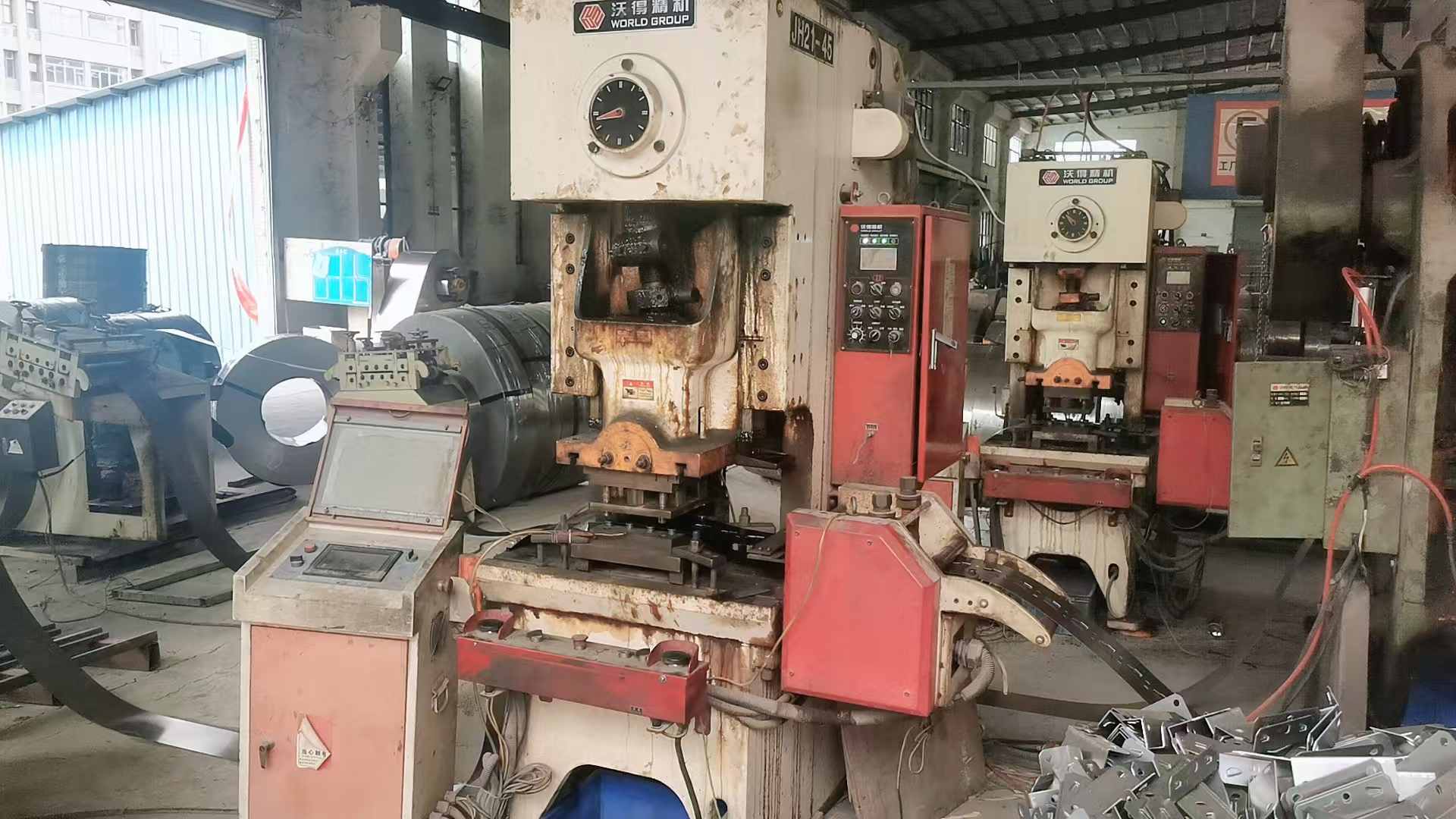
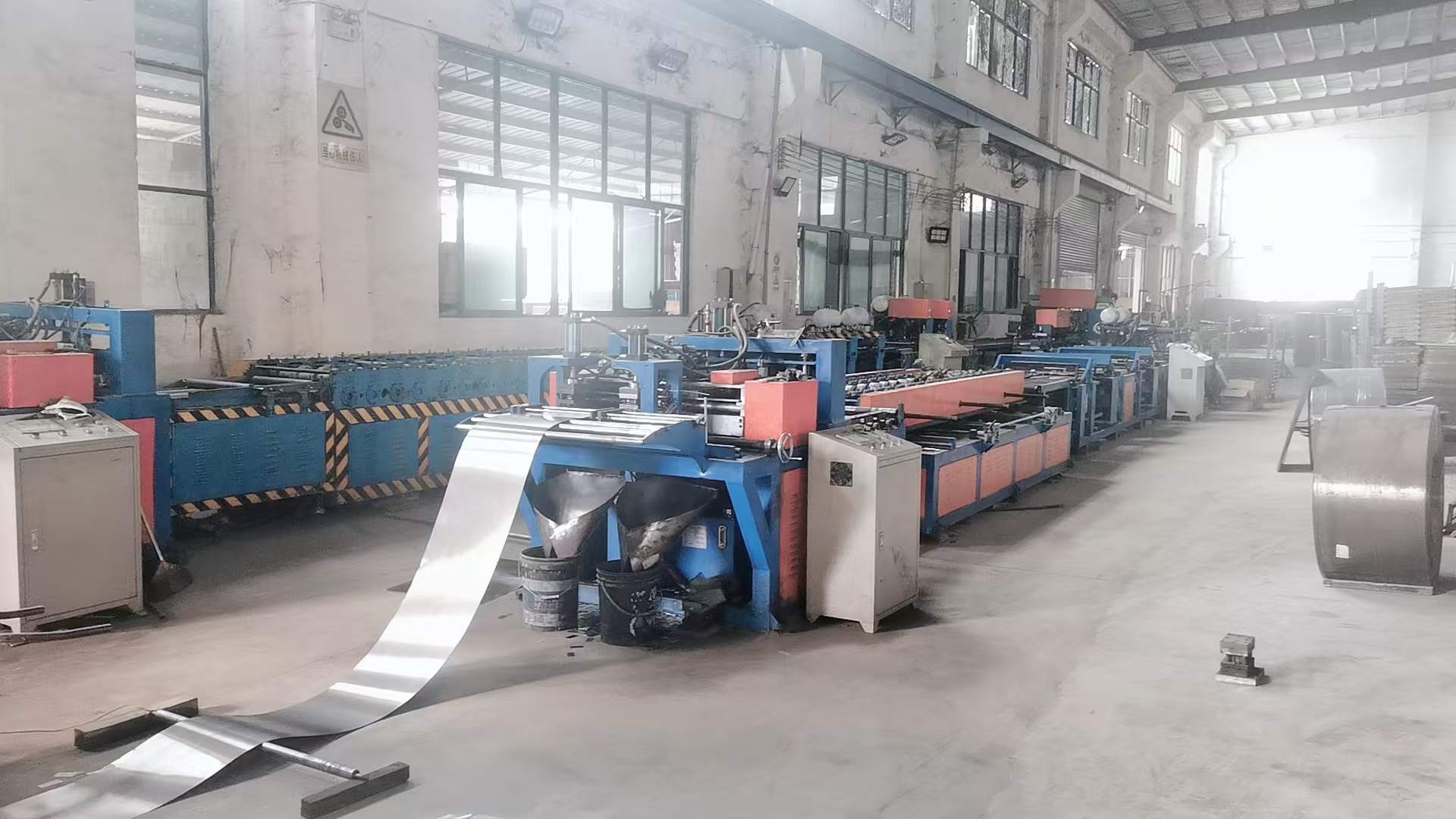
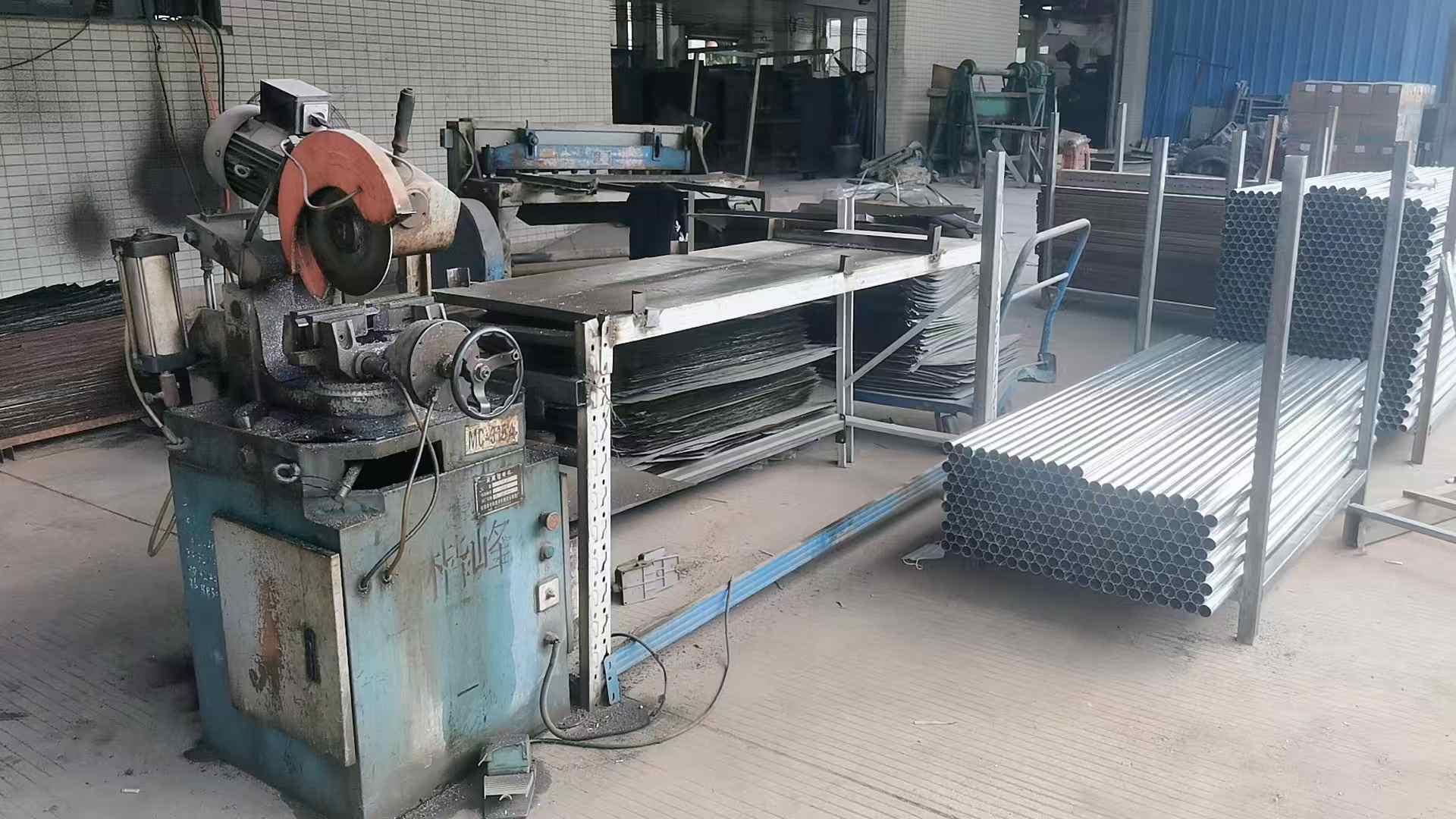
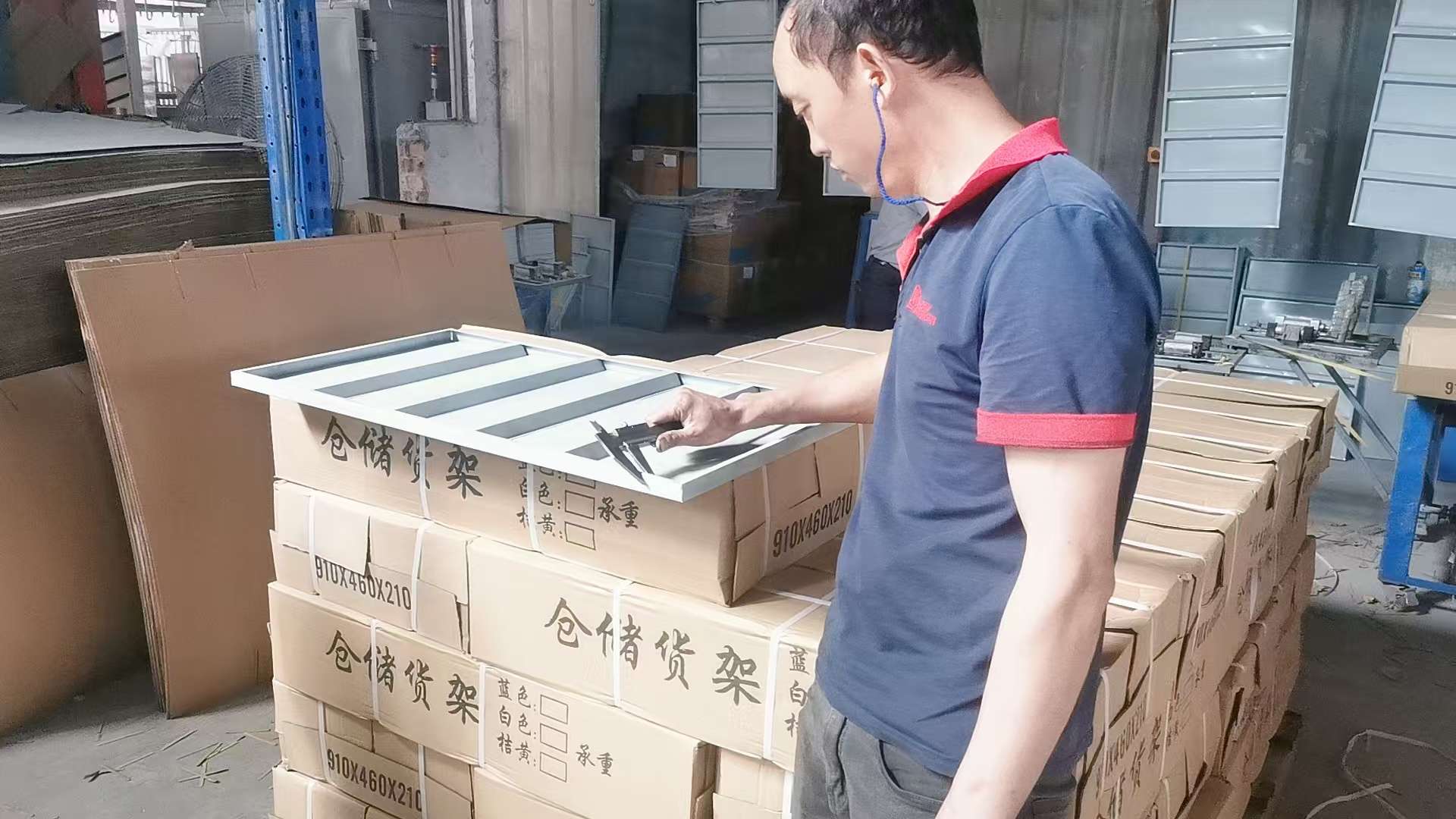
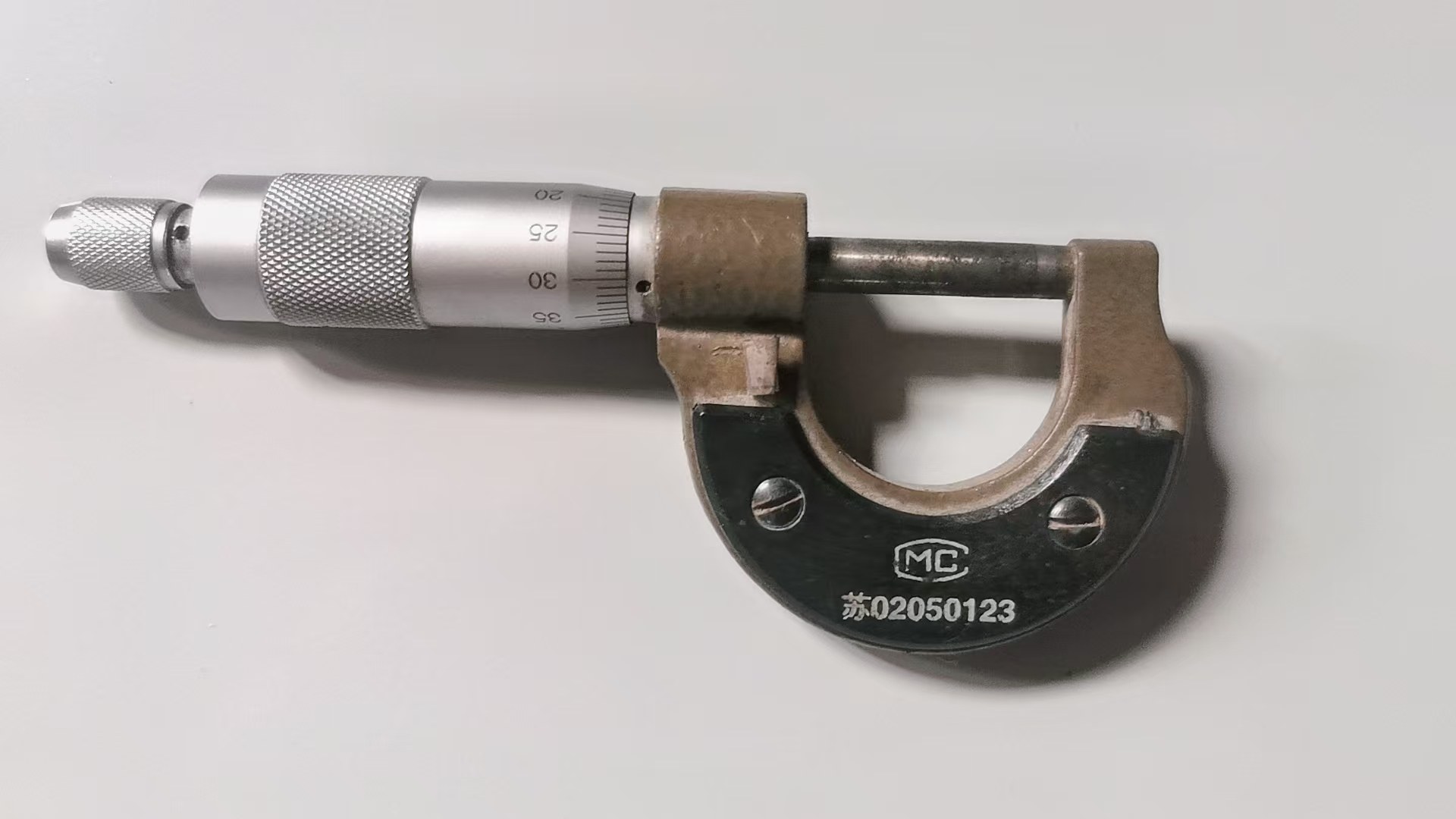
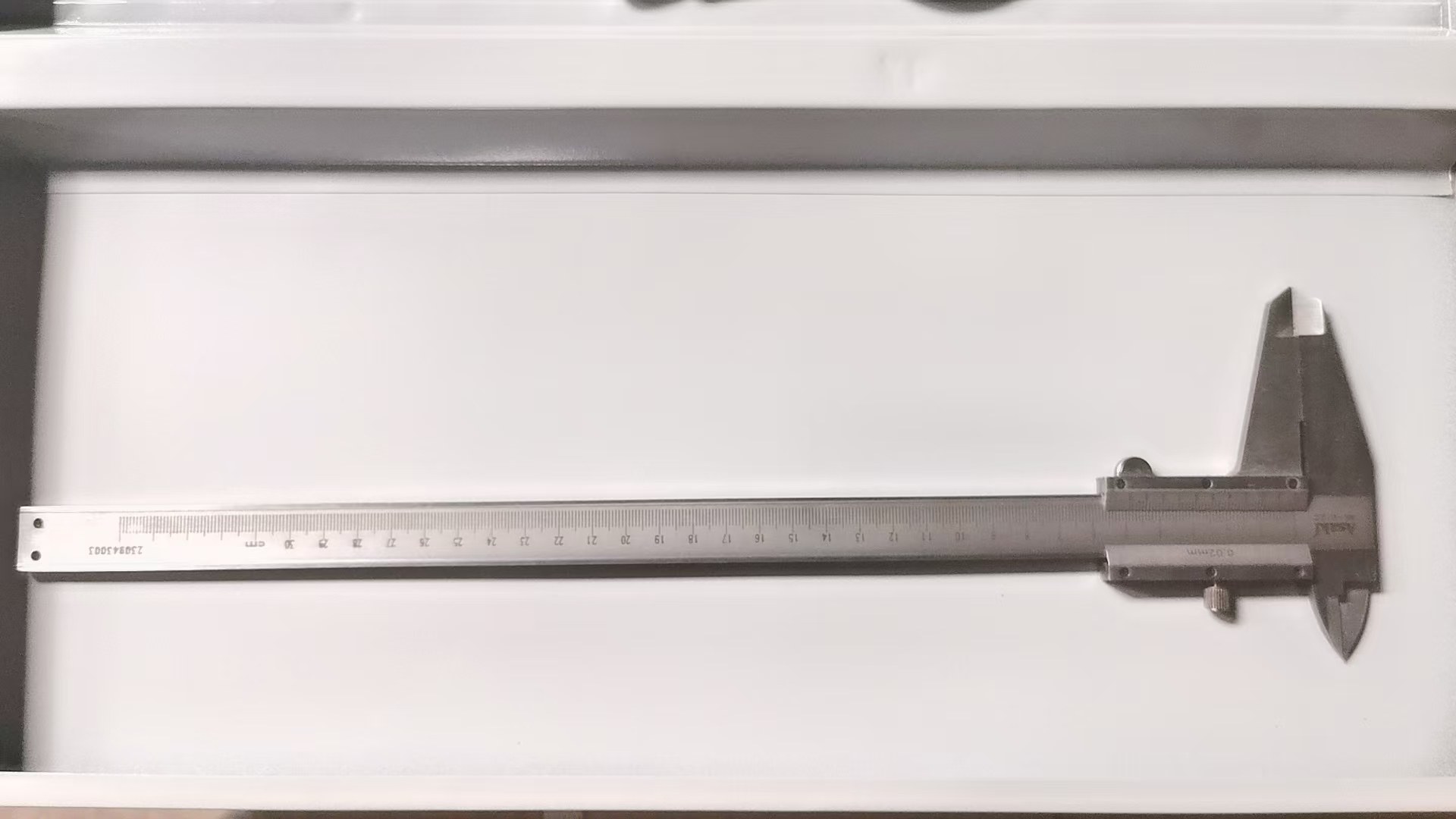
At Dongguan Hui Lian Intelligent Warehouse Equipment Co., Ltd., structural integrity is not open to negotiation. Our state-of-the-art facility features dedicated testing zones for chemical analysis of raw steels, dimensional tolerances under load deflection, weld-penetration testing using ultrasonic scanners, and dry-film thickness gauges to check anti-corrosive powder coatings. Every manufacturing run is supervised by our crew of 56 professional inspectors, guaranteeing full traceability of each component from supplier feedstock to finished, packaged container load.
Specifically, our vertical lift storage and mezzanine racking platforms undergo structural evaluation under simulated static and dynamic loads. Testing mimics the extreme loading scenarios of high-velocity automated retrieve cycles, ensuring deflection parameters stay well within the structural safety levels set by the European Materials Handling Federation (FEM) and standard international building codes.
The convergence of Automated Storage and Retrieval Systems (AS/RS) with intelligent software platforms (IoT, AI, and WCS) has paved the way for self-optimizing storage ecosystems. Future vertical storage solutions do not simply act as structural holding containers; they represent integrated nodes in broader digital logistics environments. Our current technology roadmap prioritizes key developments designed to keep global operators at the cutting edge of industrial efficiency:
By shifting to tall, vertical configurations, facility heating, ventilation, and lighting footprint demands decrease, resulting in significant savings in overall warehouse energy consumption.
Our structures support adaptive warehousing algorithms. Higher frequency items are automatically routed to faster access zones, lowering search latency and accelerating fulfillment cycles.
We engineer structural column baseplates, cross-bracings, and anchor points to disperse kinetic forces, reducing deformation risks during seismic events in high-activity areas.
Get answers to technical, mechanical, and logistical questions about configuring and sourcing our CE-certified warehouse racking products.
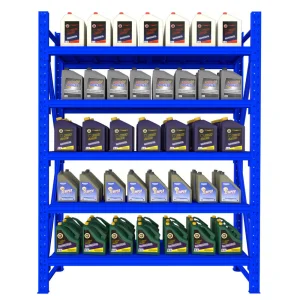
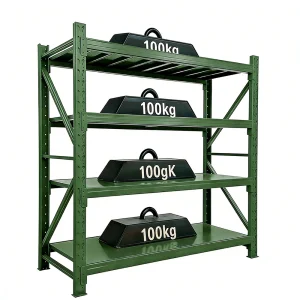
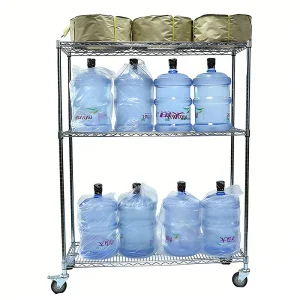
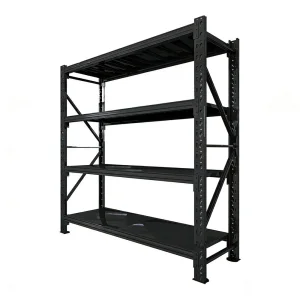
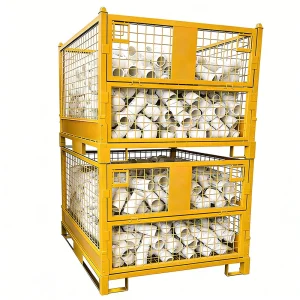
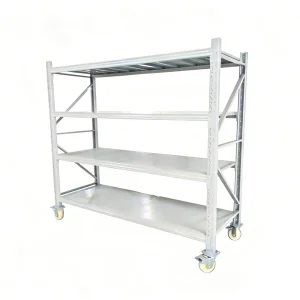
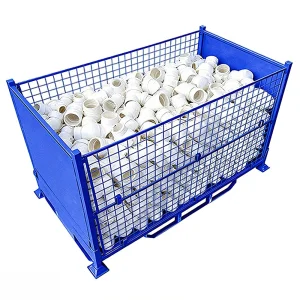
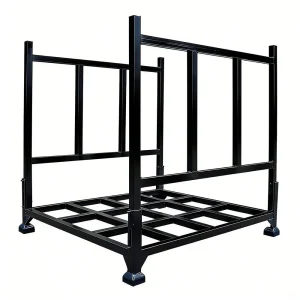
Complete warehouse storage solutions including adjustable pallet shelving, medium-duty storage racks, wire mesh containers, and structural logistics cages.
 Hui Lian