Engineered for extreme structural load capabilities, corrosion resistance, and complete safety compliance.
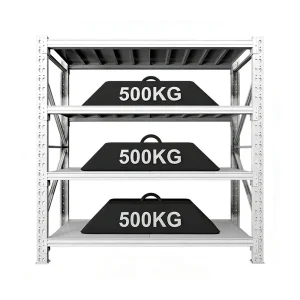
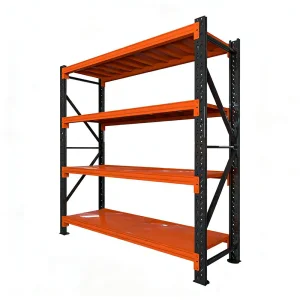
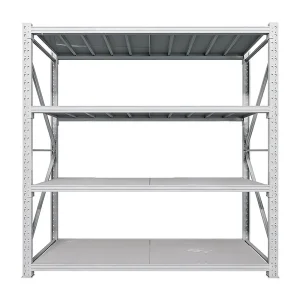
Established in 2016, Dongguan Hui Lian Intelligent Warehouse Equipment Co., Ltd. is a world-class manufacturing authority specializing in the research, mechanical engineering, and precision fabrication of robust warehouse storage platforms and intelligent racking solutions.
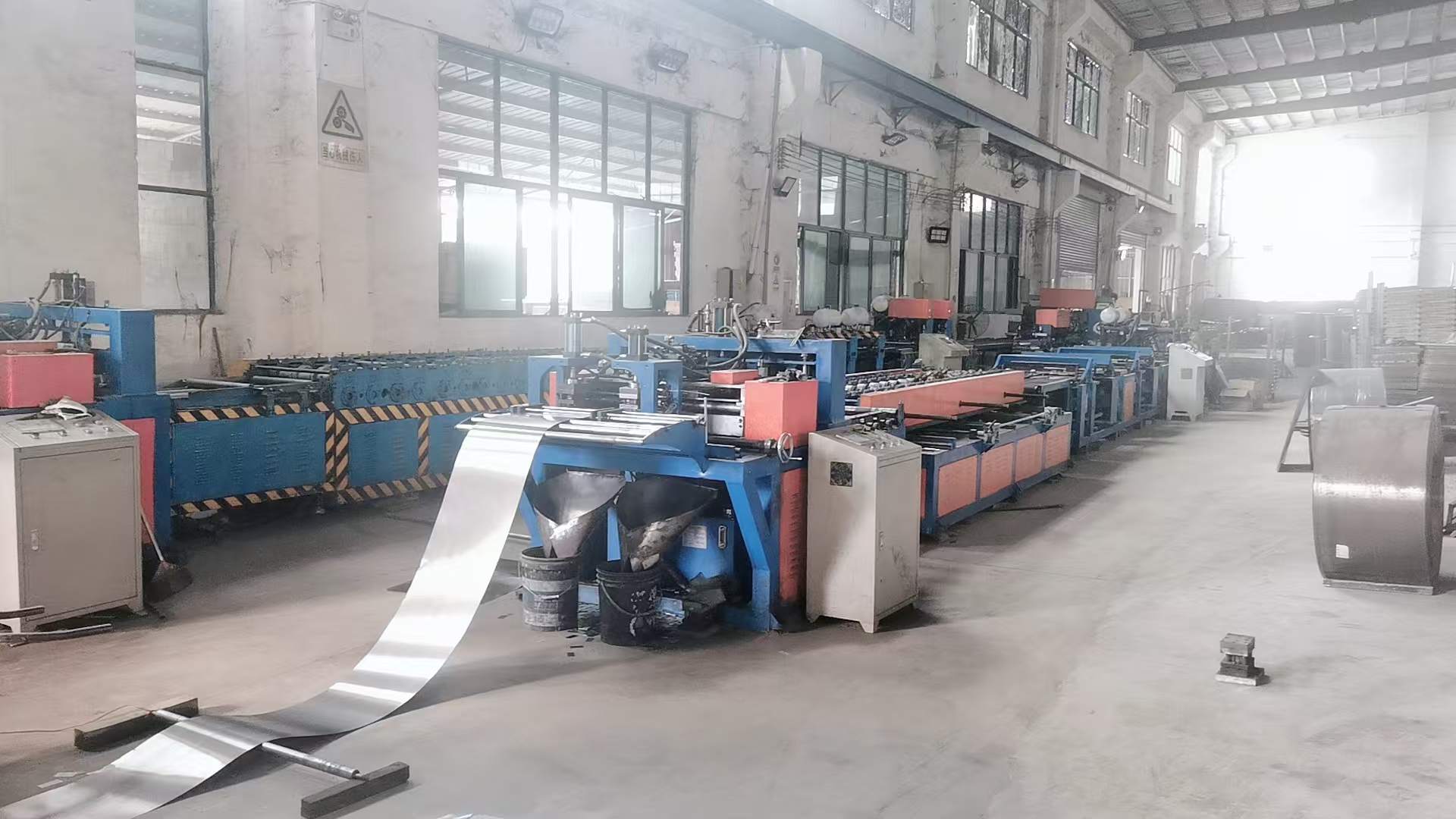
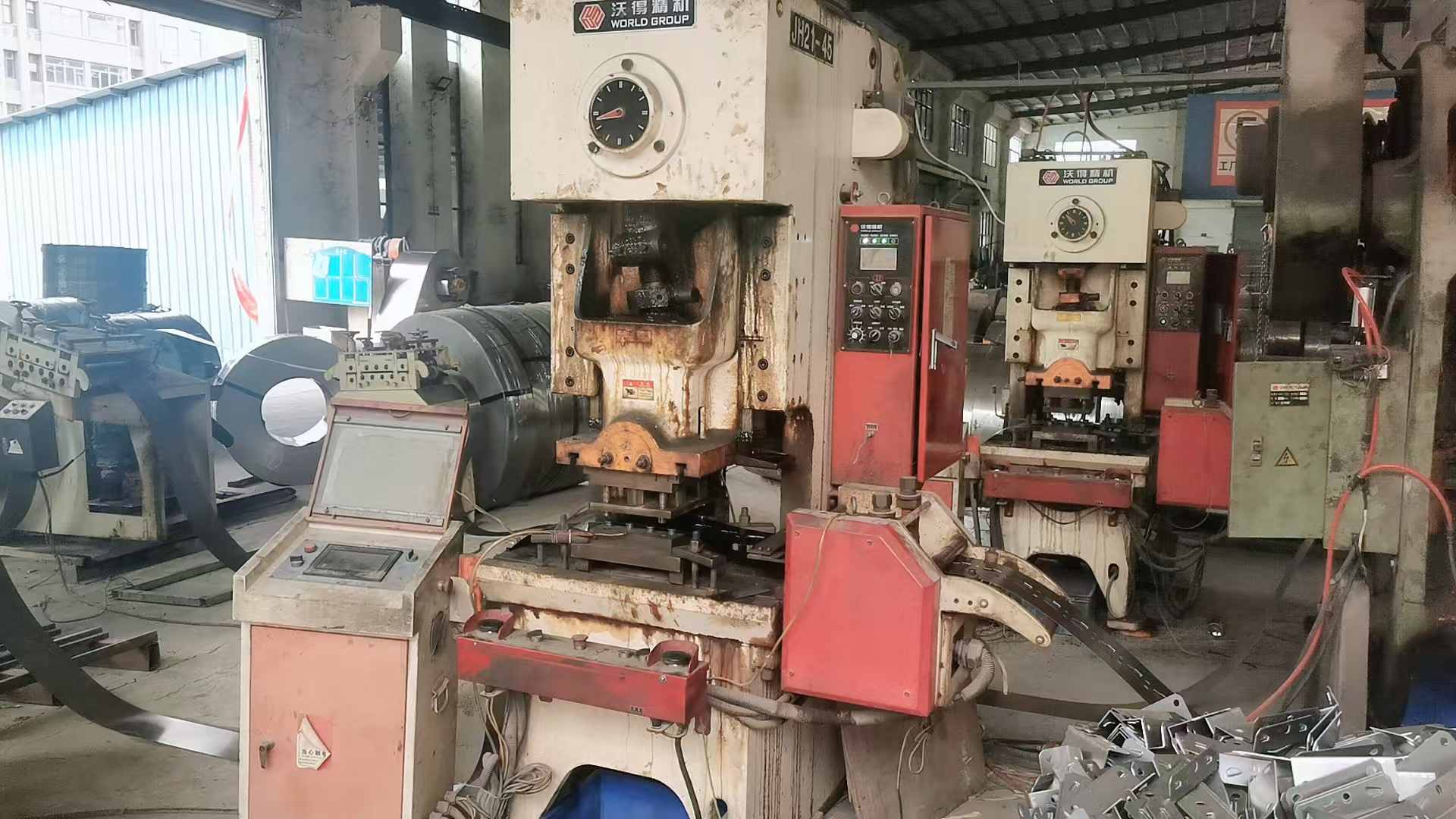
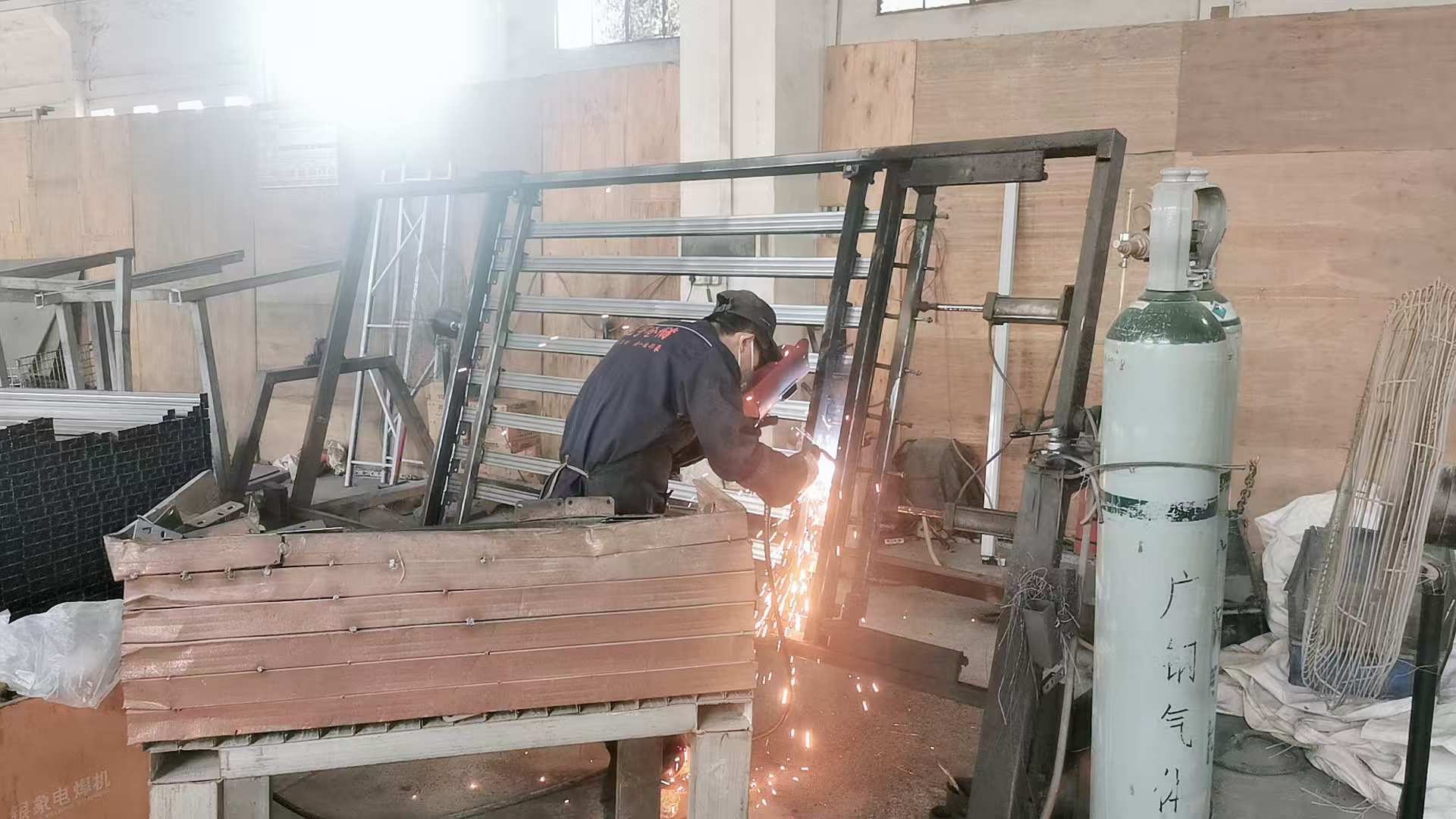
Spanning an advanced production footprint of approximately 18,500㎡, we deploy high-speed automation systems, structural robotic welders, and precision CNC line mills to produce state-of-the-art storage infrastructures. Guided by global structural and safety directives (including strict European CE markings, FEM 10.2.02, and EN 15512 standards), our equipment is designed to endure extreme loads while offering unmatched space optimization.
With an annual export revenue exceeding US$18 million, our integration of 15 years of industry experience and 8 years of international export expertise ensures seamless delivery, regulatory clearance compliance, and structural integrity under demanding operating dynamics globally.
An analytical insight into modern supply chain challenges, regulatory mandates, and structural space utilization across global markets.
The rapid transformation of modern global commerce, propelled by micro-fulfillment centers, omnichannel logistics, and high-frequency supply chains, has triggered a severe deficit in urban commercial footprint. Companies are no longer asking how to expand horizontally; they are forced to expand vertically. Multi-tier industrial mezzanine storage platforms and structurally reinforced racking systems have evolved from simple utility systems to critical core infrastructure.
In high-cost regional logistics zones across North America, Europe, and Asia-Pacific, structural footprint charges are at historic highs. Utilizing pre-engineered steel storage platforms allows facilities to double or triple their operational floor space without undergoing expensive zoning applications, land acquisitions, or new civil construction. However, adding elevated operating levels introduces safety liabilities, requiring absolute compliance with building codes and regional structural rules.
This is where CE Certification (Conformité Européenne) acts as a critical market access parameter. In the European Economic Area (EEA), storage platforms fall under the structural steel frameworks of EN 1090-1 and EN 1993 (Eurocode 3). This standard dictates strict compliance regarding load calculation models, weld execution checks, structural deflection limits, and metal anti-corrosion processes. Procurement managers globally rely on CE compliance as a benchmark for high engineering safety, ensuring structural resistance under dynamic forklift forces, localized load stresses, and seismic activity.
Compliance with EN 15512, FEM 10.2.02, and CE directives ensures structural durability, precise deflection ratios, and reliable system performance under maximum load capacity.
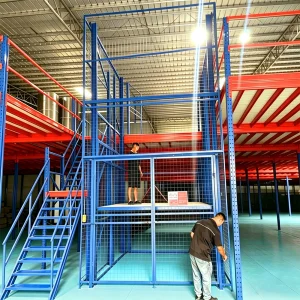
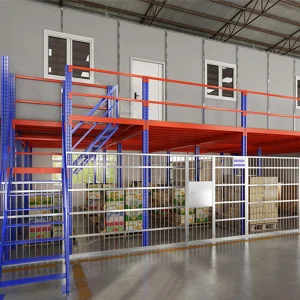
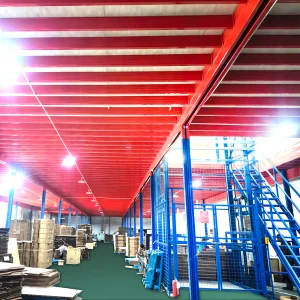
Multi-level free-standing steel mezzanines convert unused vertical clearance into usable warehouse offices, sorting platforms, and secondary storage decks, saving structural expansion costs.
Engineered connections, thick steel floor plates, structural bracing configurations, and custom load-bearing anchor plates maintain structure safety in active seismic zones.
Our facility, located in the global industrial hub of Dongguan, leverages the local structural manufacturing ecosystem to deliver high-quality engineering at competitive price points.
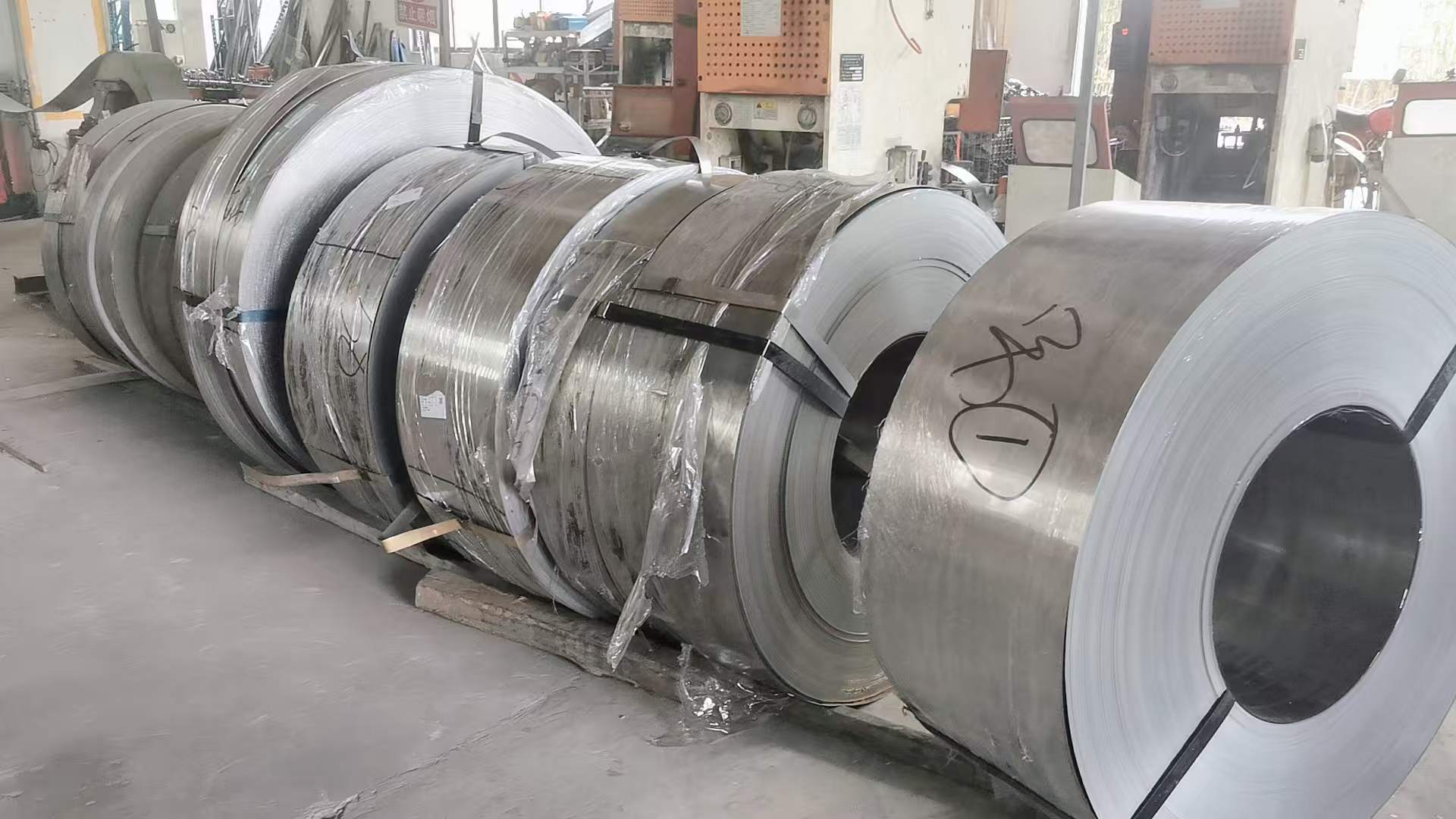
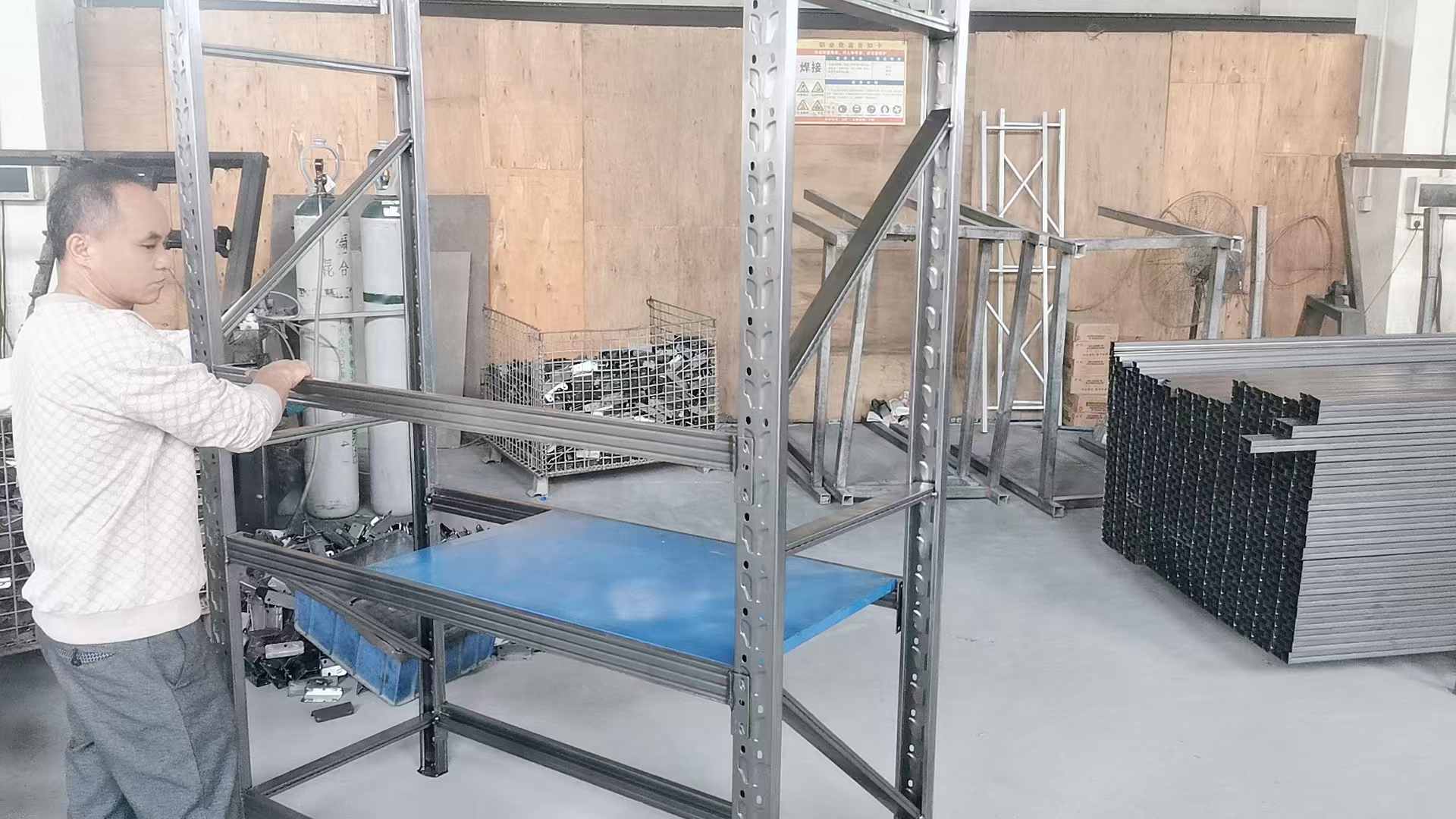
1. Raw Material Verification: Chemical composition test + tensile strength certification.
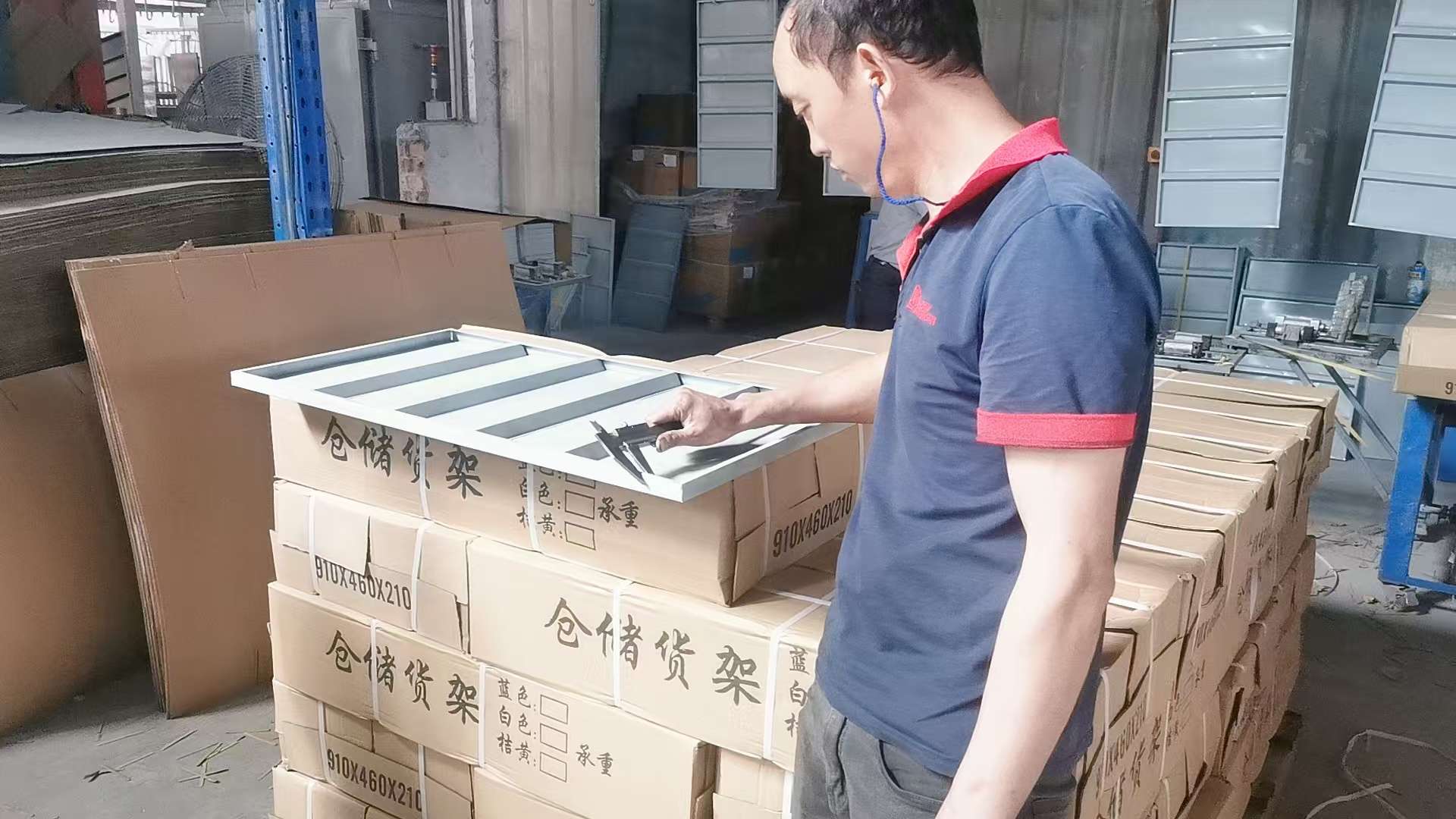
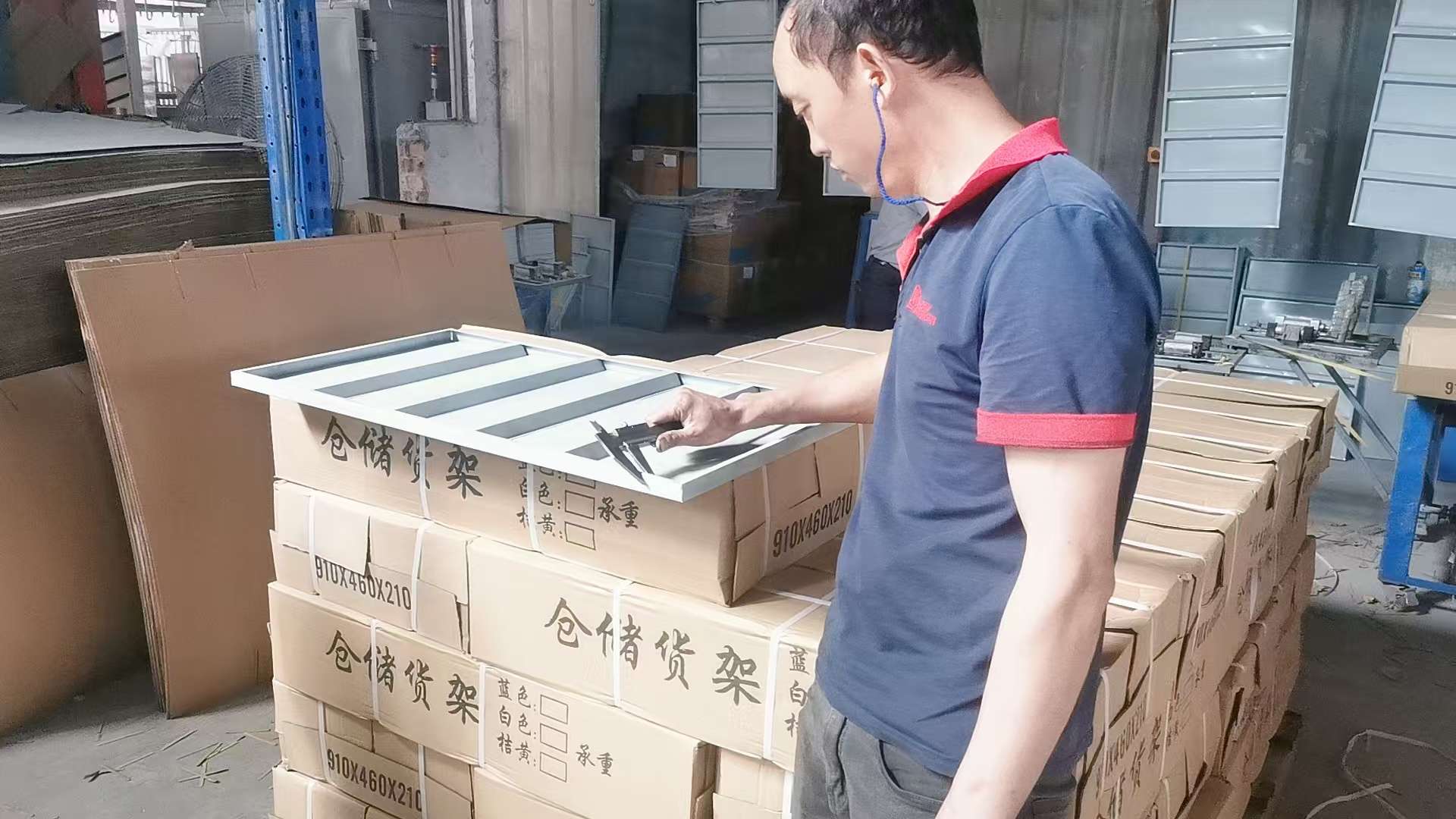
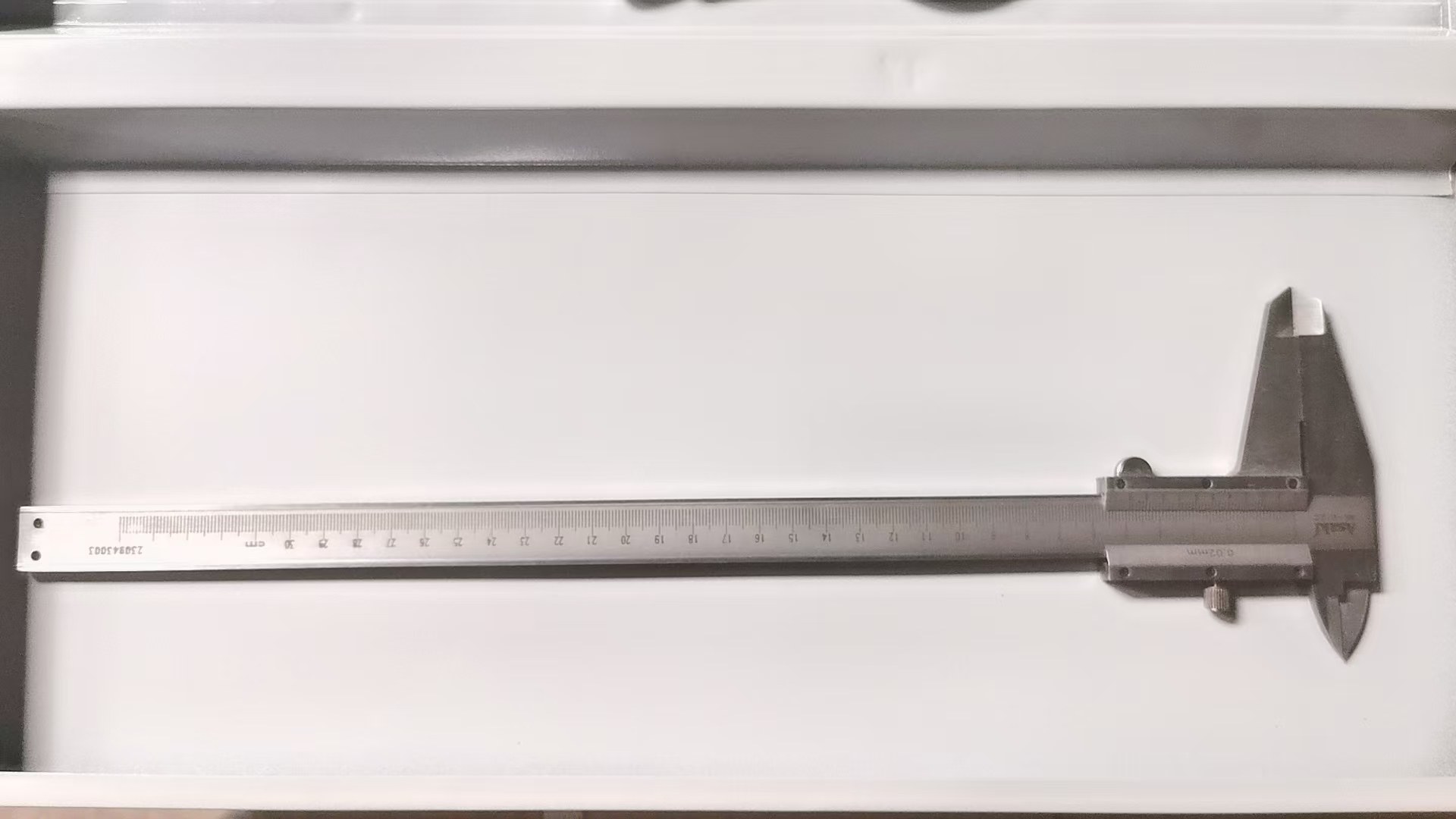
2. Dimensional Tolerance Check: Profile width, steel gauge depth, and punch pitch checks.
3. Structural Load-bearing Tests: Hydraulic deflection validation for beam and upright assemblies.
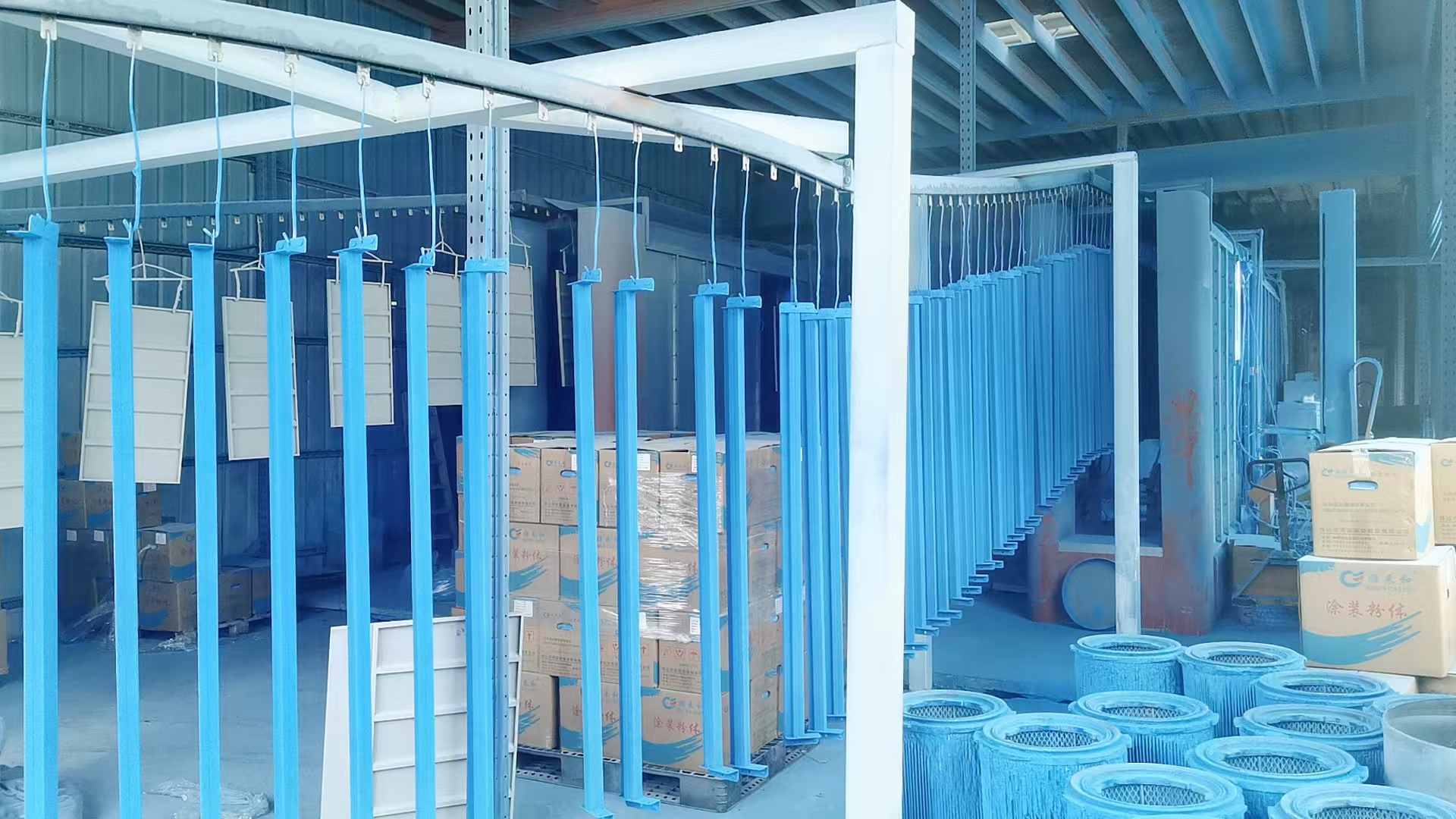
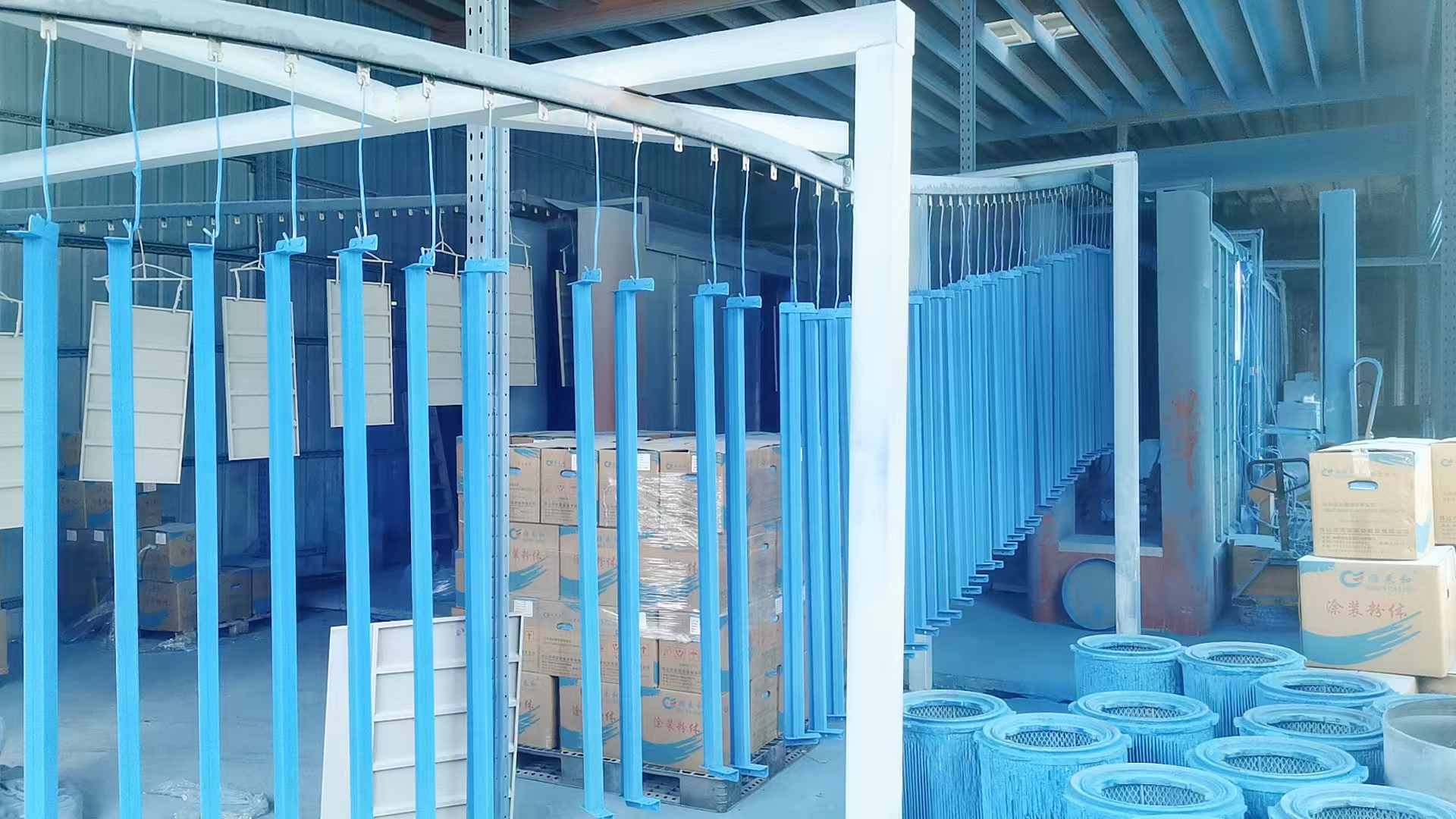
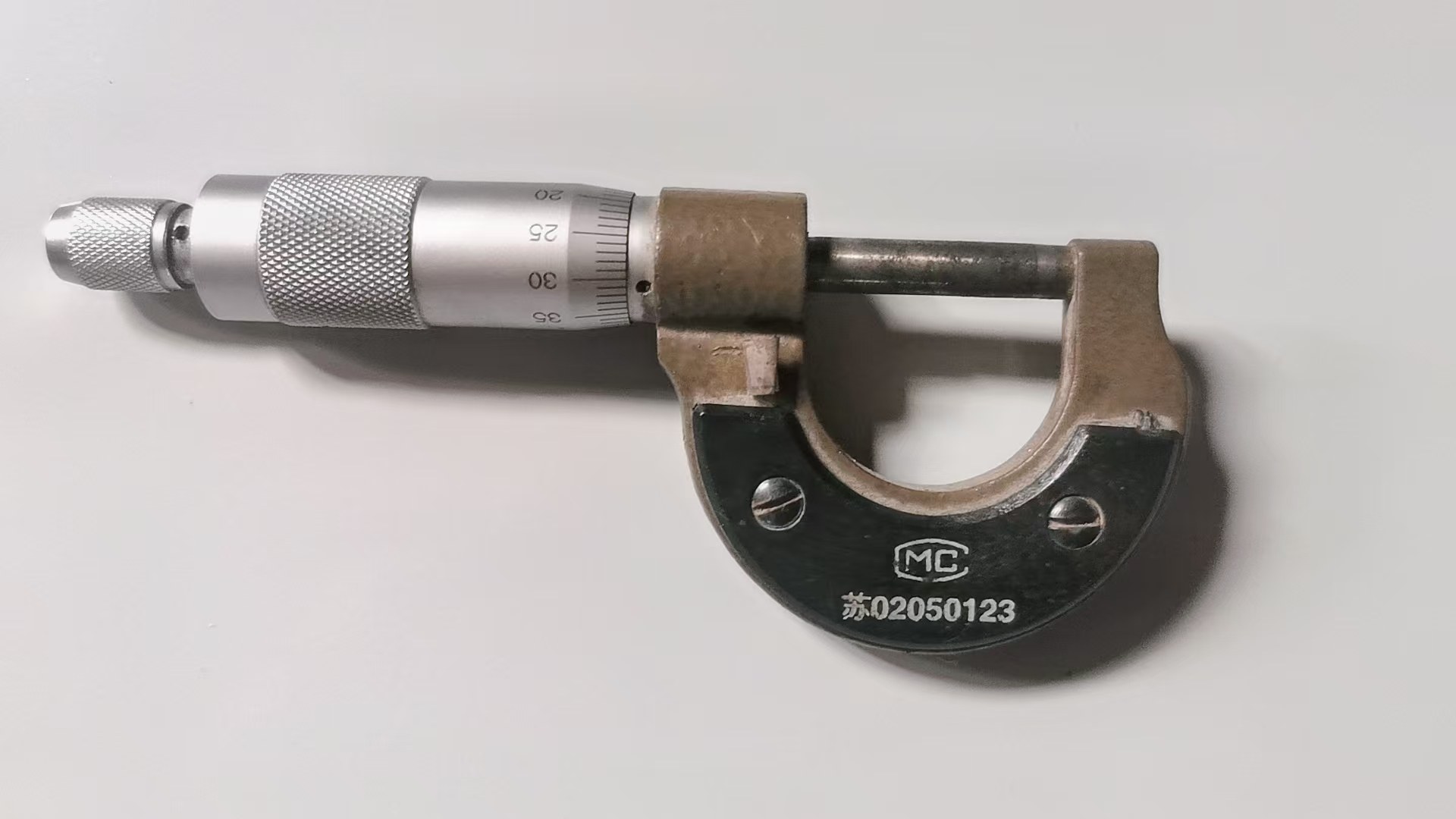
4. Paint Quality Assurance: Electrostatic powder coat thickness verification via precision thickness gauges.
5. Weld Soundness checks: Penetration and consistency tests using non-destructive inspection.
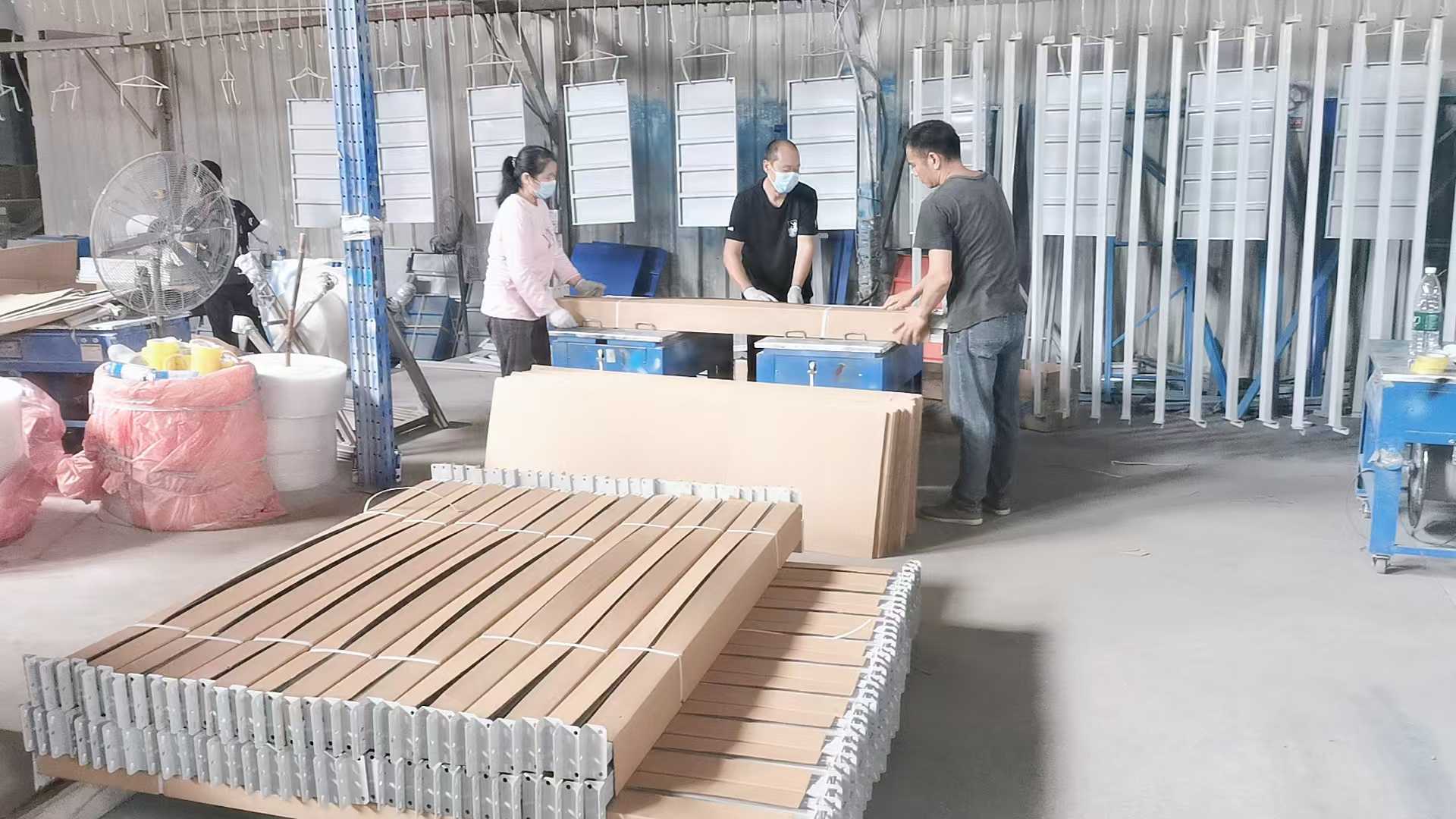
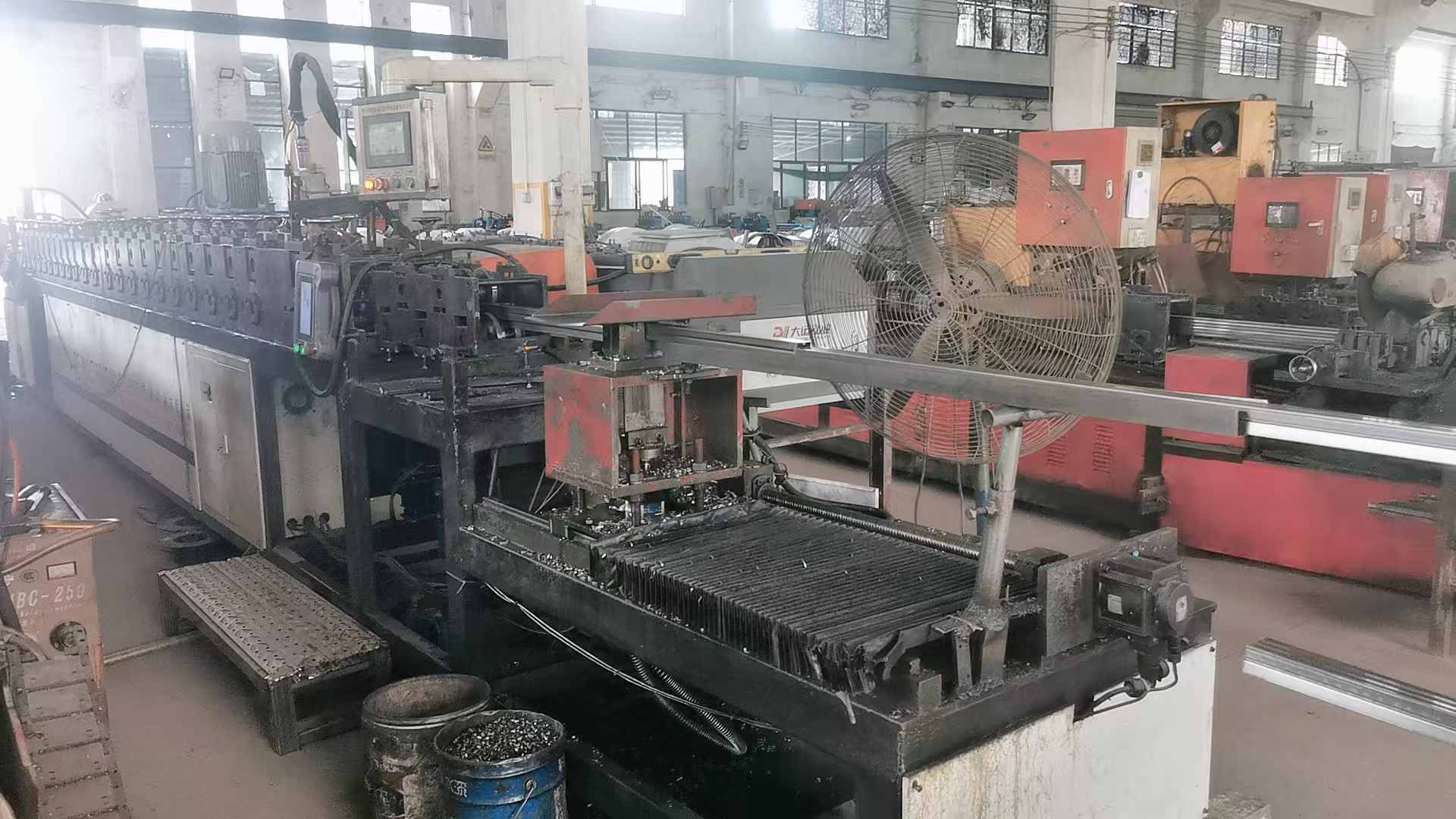
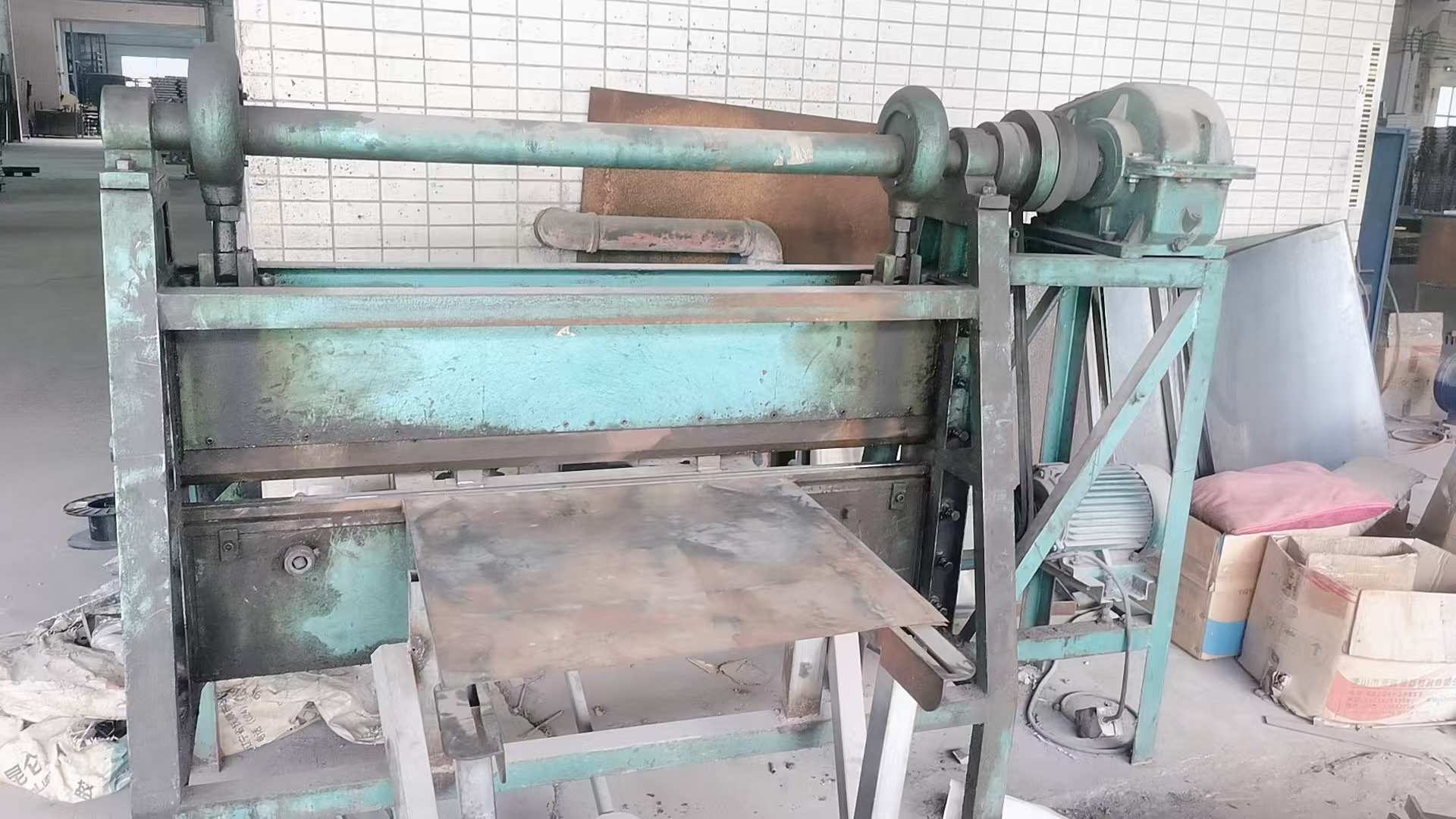
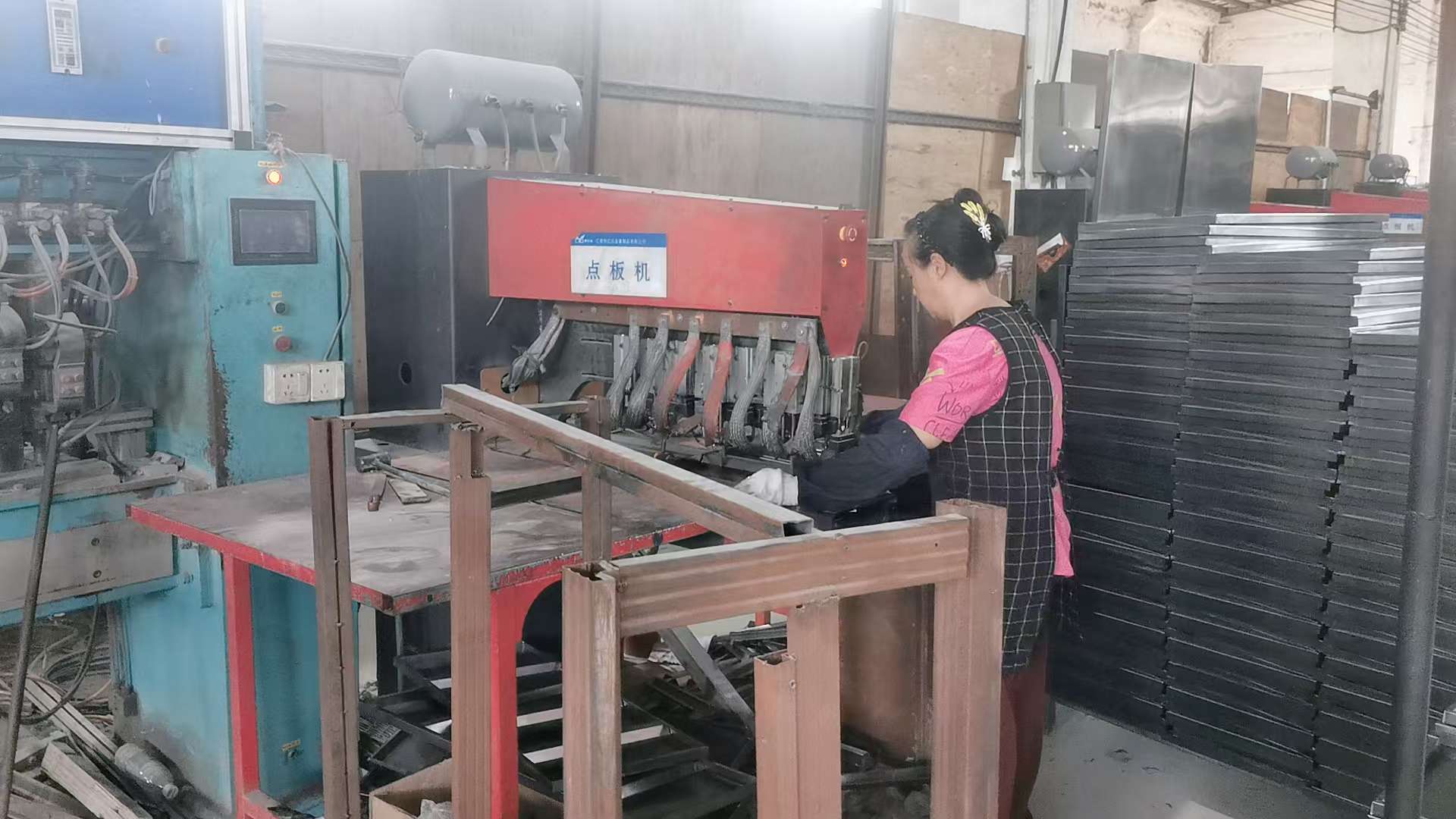
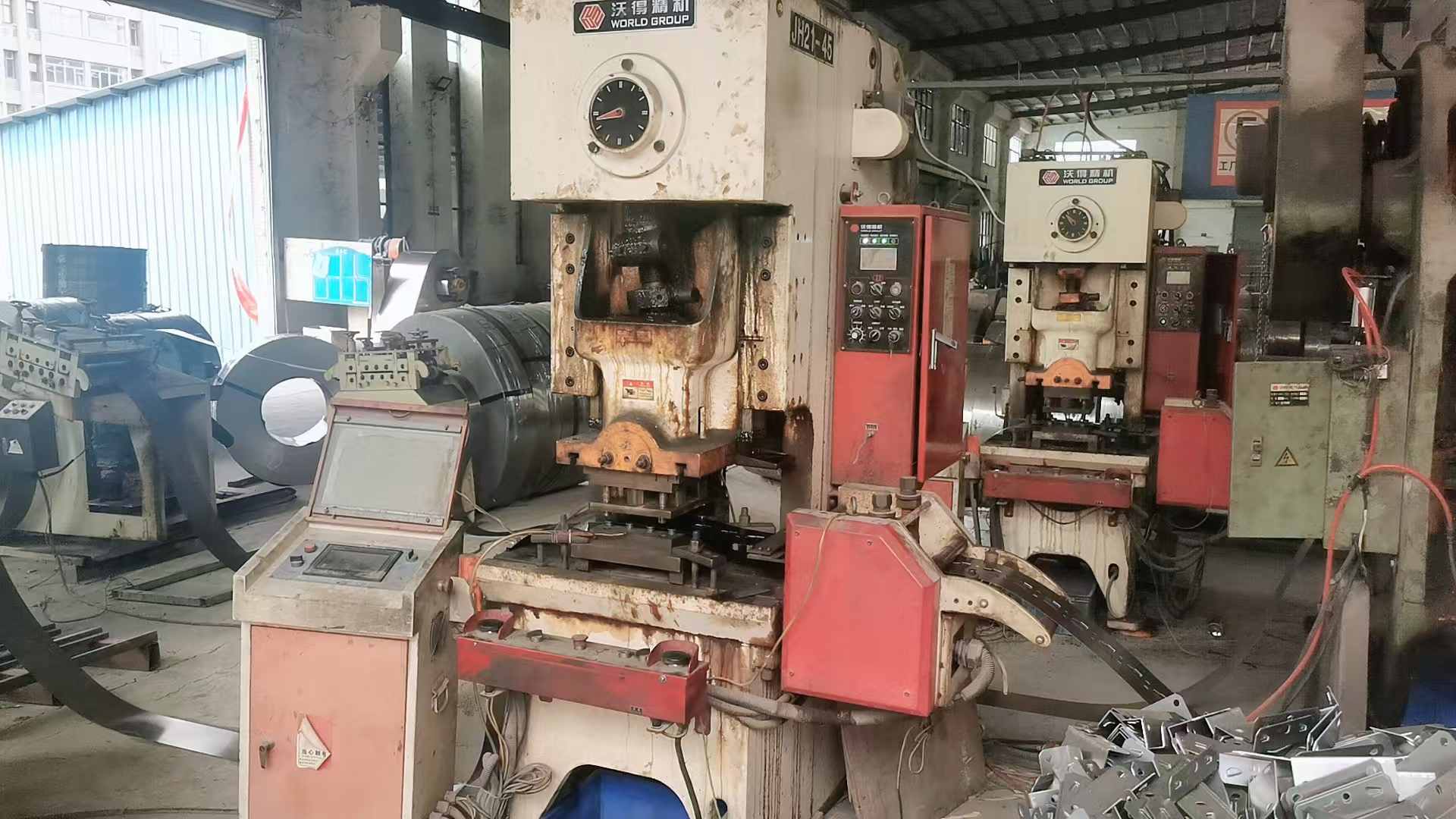
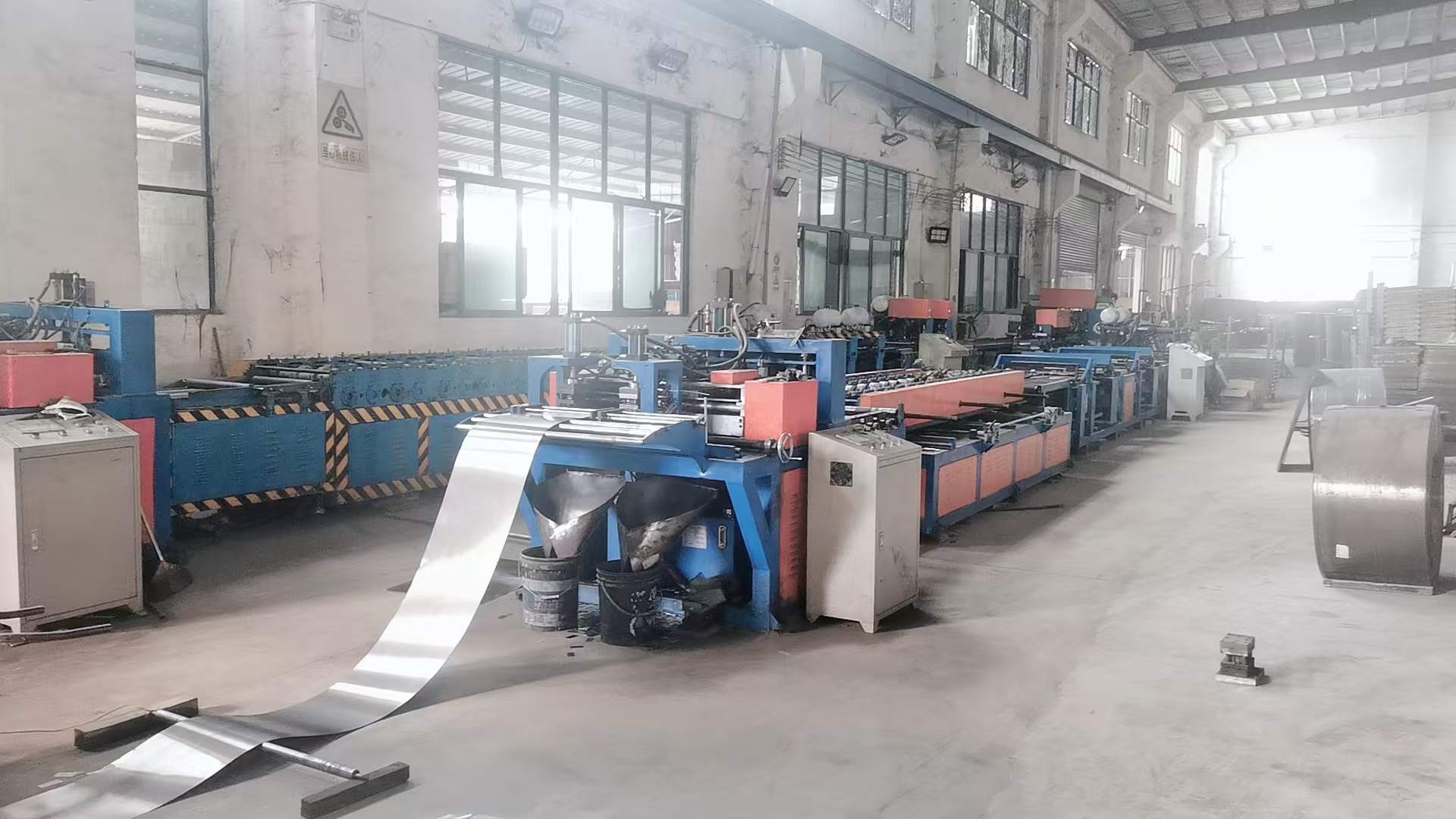
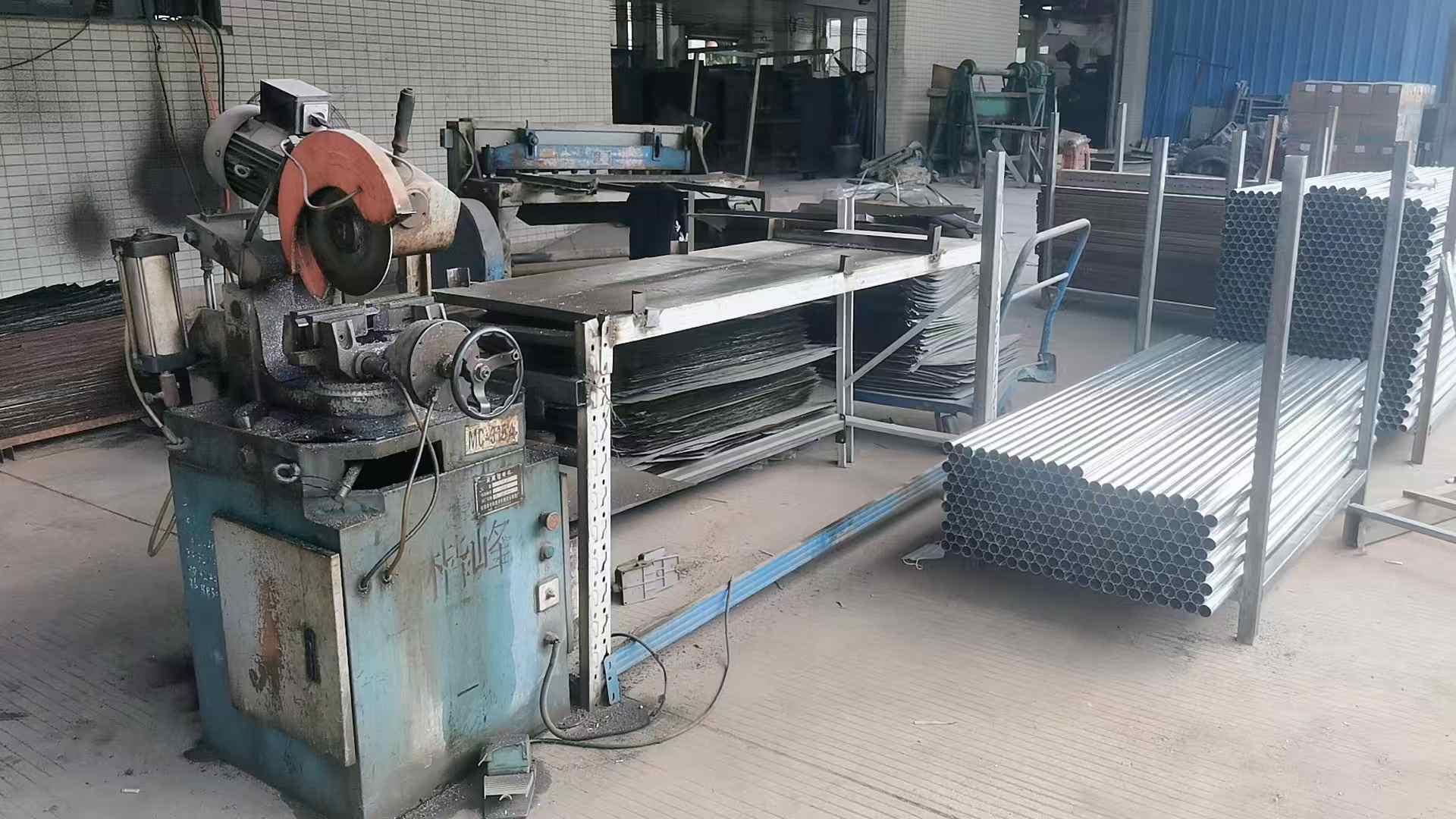
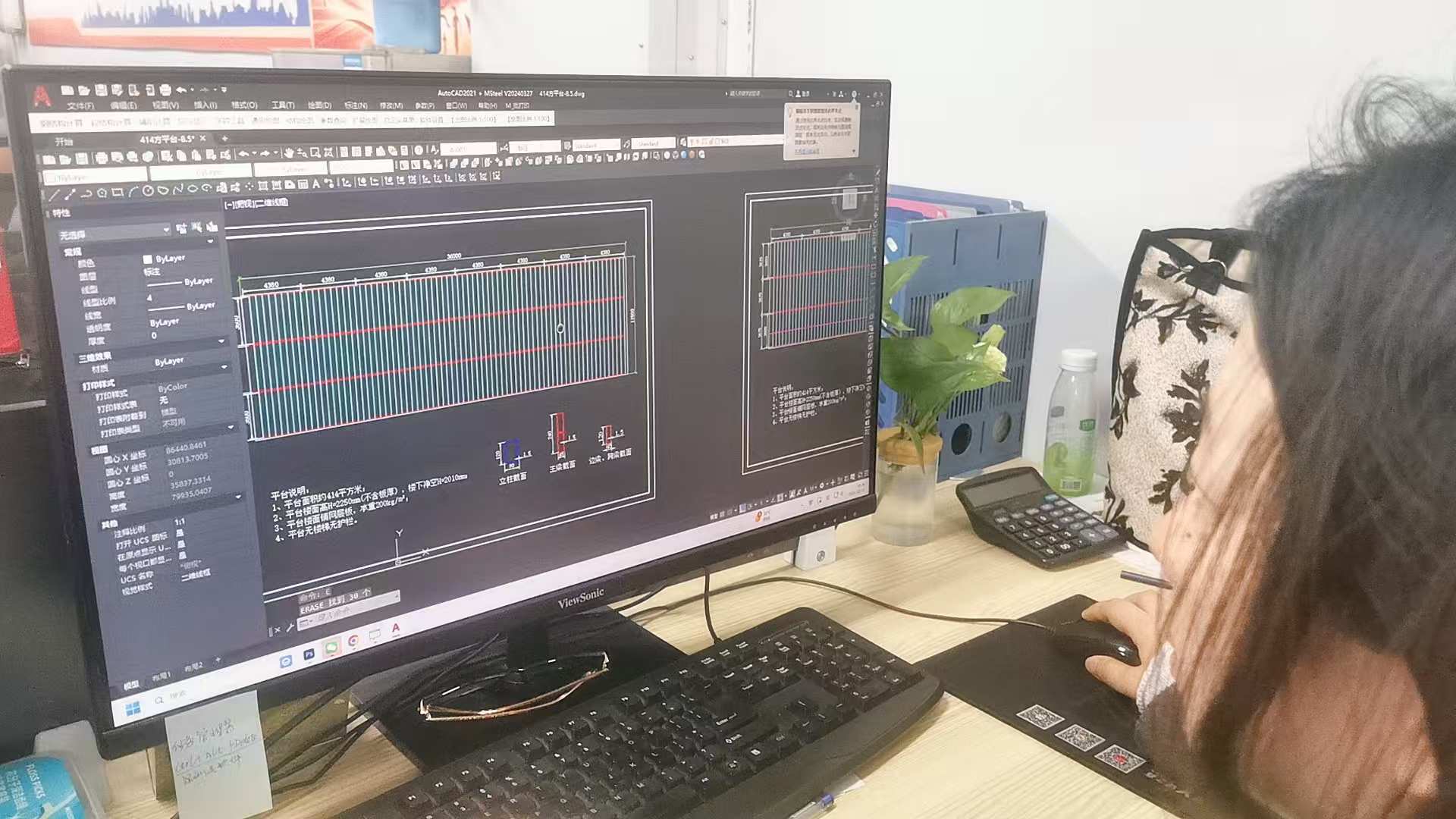
We control every phase of manufacturing, utilizing high-precision machinery to ensure that all storage components conform to international warehouse safety and engineering standards.
How different sectors implement our structural platforms to resolve regional, load-profile, and space challenges.
Optimized for rapid parcel-sorting environments. Integrates light-duty shelving under heavy-duty structural steel floor platforms to construct multi-level walk-pick routes, supporting high order frequencies and belt conveyor paths.
Engineered to handle extreme structural loads (exceeding 1000 kg/sqm). Designed for heavy manufacturing plants storing dyes, press molds, components, and machinery, utilizing solid cold-rolled steel deck platforms.
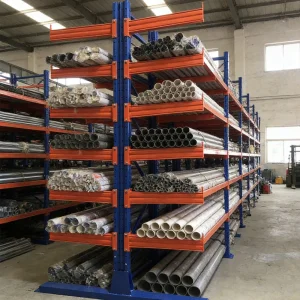
Specifically configured with multi-tier single-sided and double-sided cantilever systems. Maximizes structural stability for storing industrial pipes, bar stocks, structural timber, and continuous metal coils safely.
The structural storage landscape is shifting rapidly from static structural platforms to dynamic systems integrated with warehouse automation technology.
Modern distribution networks require warehouse storage structures to seamlessly interface with automated guided vehicles (AGVs), Autonomous Mobile Robots (AMRs), and high-speed vertical crane systems. Deflection tolerances must be strictly managed to prevent track misalignment or sensor faults during robotic operations.
Additionally, environmental initiatives are pushing the industry toward sustainable powder-coating processes, highly recyclable structural steel components, and modular designs that can be disassembled, reconfigured, or recycled without generating construction waste.
Specially engineered joint configurations and heavy floor plates minimize structural vibration, ensuring stable floor tracking and travel paths for warehouse robotics.
Transitioning to heavy-metal-free, zero-VOC powder-coating lines, minimizing environmental impact while delivering superior anti-corrosion properties.
Pre-fabricated, boltless connection designs allow warehouses to scale up, reconfigure, or relocate platforms to match shifting operations.
Key architectural and logistical variables procurement officers should consider before placing high-volume structural orders.
Validate the structural profile dimensions (uprights, beams, floor supports) against your actual static load profiles and concentrated point loads, factoring in dynamic safety margins.
Ensure the equipment matches local structural codes (e.g., CE marking for EU, Rack Manufacturers Institute (RMI) standards for US, AS4084 for Australia).
Opt for modular, bolt-free, knock-down designs that reduce shipping volume while simplifying on-site installation, reducing labor costs.
Detailed answers regarding engineering specifications, raw material standards, certifications, and project installation support.
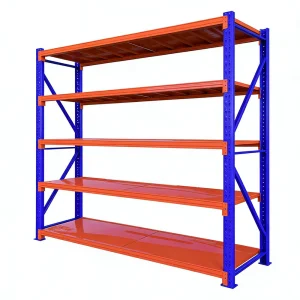
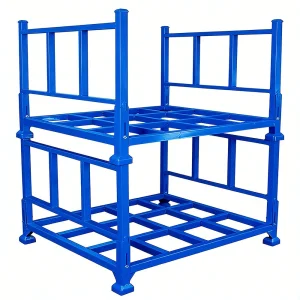
Explore our complete range of stackable bins, customizable folding racks, and multi-tier industrial mezzanines.
 Hui Lian