Engineered for high load limits, corrosion resistance, and structural integrity.
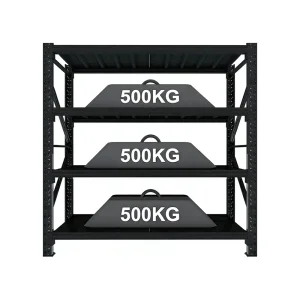
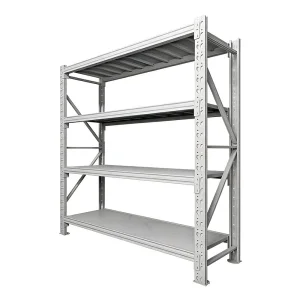
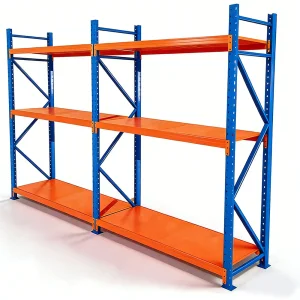
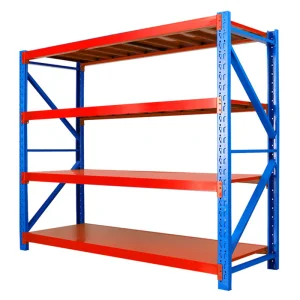
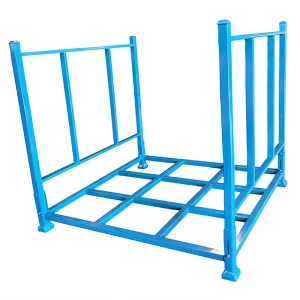
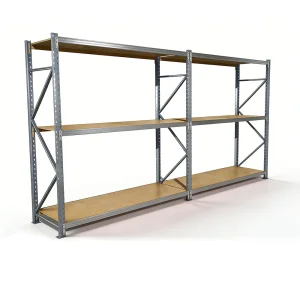
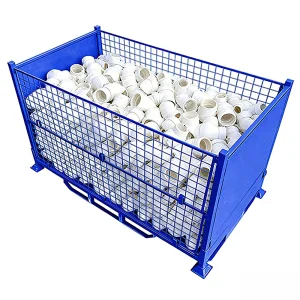
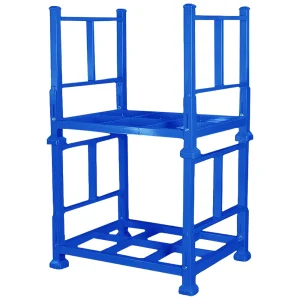
In modern industrial logistics, storage infrastructure is no longer evaluated solely on static weight capacity. Globally, structural engineering has crossed paths with carbon management. Regulatory frameworks like the EU Corporate Sustainability Due Diligence Directive (CSDDD) and strict carbon offset mandates are shifting the procurement paradigms for multi-national supply chain networks. Warehouse racking systems, which utilize thousands of metric tons of structural steel, represent a significant portion of an enterprise's scope 3 carbon footprint.
As a leading certified manufacturer, Dongguan Hui Lian Intelligent Warehouse Equipment Co., Ltd. is at the forefront of this industrial transition. By redesigning structural profiles, upgrading steel grades, and converting to low-VOC, high-performance electrostatic coatings, we build racking systems that meet the rigorous load safety metrics of CE, EN 15512, and FEM standards while actively minimizing life-cycle environmental impact. Green engineering is no longer an optional marketing bullet point; it is a critical requirement for regulatory and corporate survival.
The global storage equipment industry is undergoing a structural revolution driven by three major macro-trends:
International procurement managers must evaluate several technical metrics to mitigate operational liability. Installing substandard, non-certified warehouse structures presents massive business continuity risks. Below is a framework for key procurement compliance criteria:
| Metric / Standard | Operational Purpose | Minimum Compliance Requirement |
|---|---|---|
| CE Mark (EN 15512) | Structural design criteria for adjustable pallet racking systems in the EU. | Mandatory for European installations; covers computerized structural calculations. |
| Deflection Ratios | Measures vertical deformation of structural beams under full weight loads. | Must not exceed L/200 of the span under nominal uniform loading. |
| Seismic Calculations | Protects against structural collapse in earthquake zones (e.g., California, Chile, Japan). | Integration of dynamic base plates and customized frame bracing configurations. |
| Dry Film Thickness (DFT) | Corrosion protection for deep-freeze and high-humidity warehouse zones. | Minimum 60-80 microns of polymer powder coat, validated via thickness gauges. |
Hui Lian Intelligent Warehouse Equipment operates an advanced 18,500 square meter manufacturing plant in Dongguan, China. Through heavy investments in Industry 4.0 automated machinery, we have built a stable, resilient supply chain ecosystem that offsets global inflation and material volatility. By partnering with more than 850 reliable raw-material and component suppliers, we guarantee seamless sourcing and production schedules, even during complex international trade disruptions.
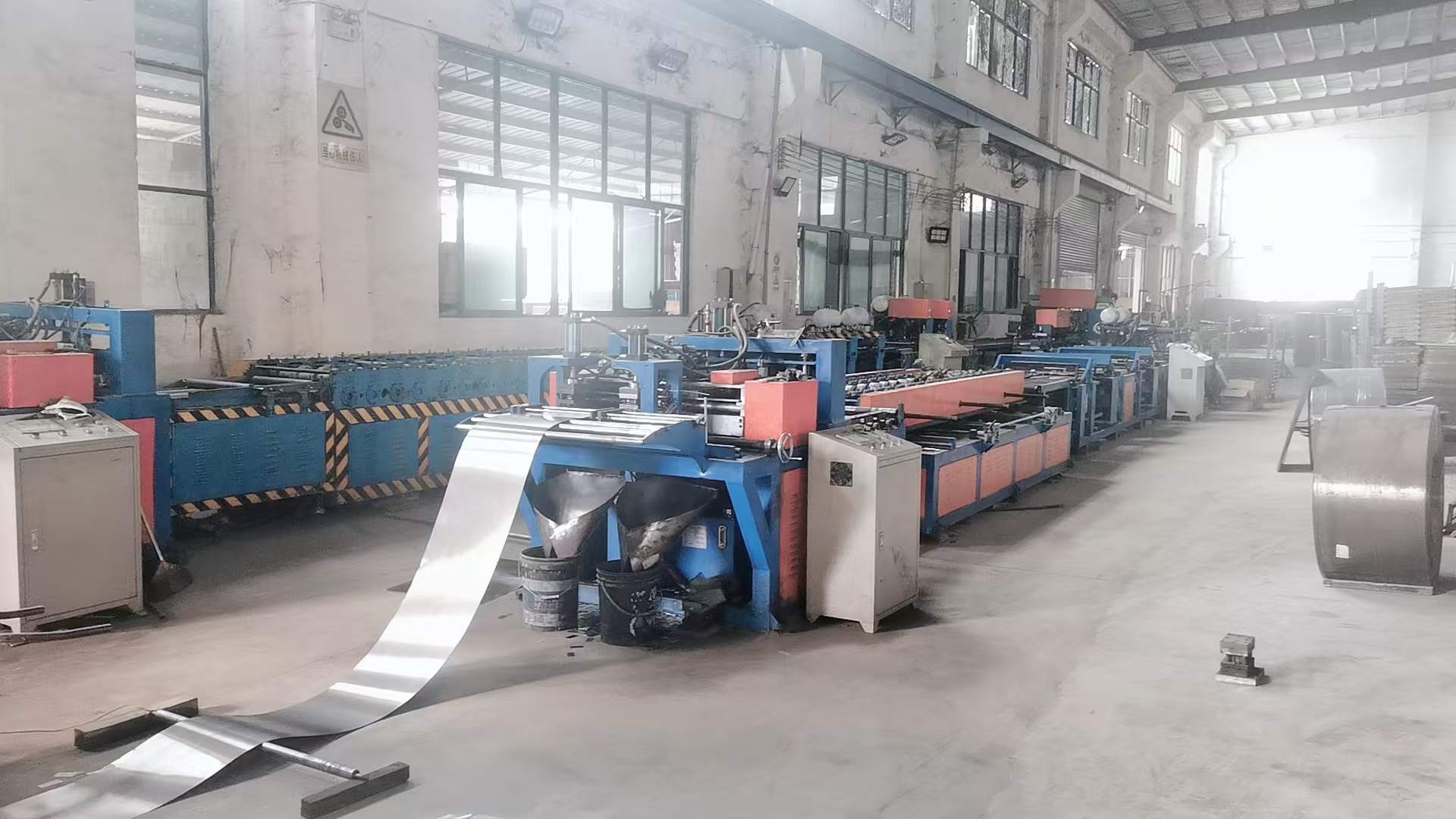
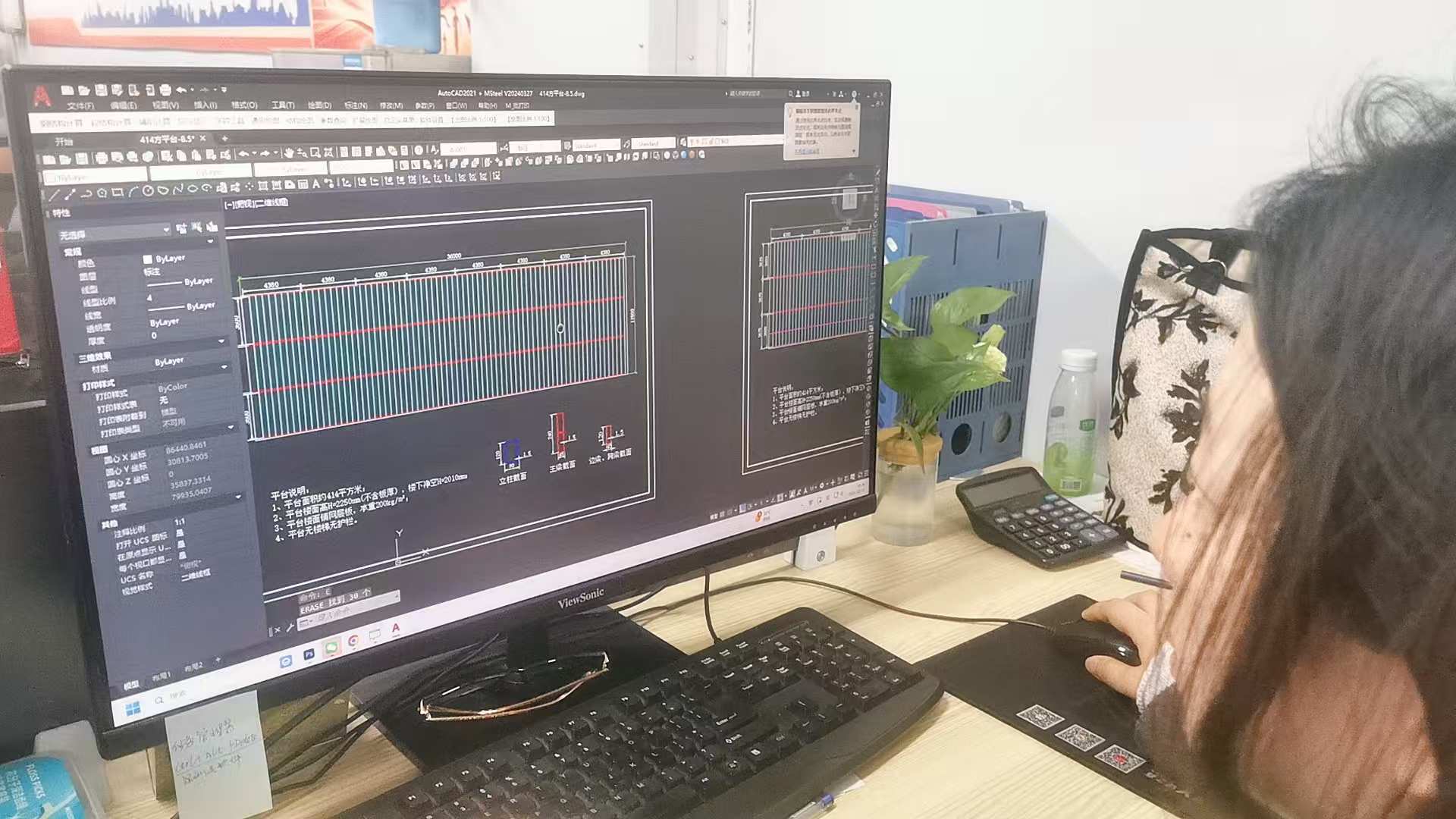
Our automation layout directly optimizes structural accuracy and eliminates manual errors. Our engineering team, which includes 126 professional R&D engineers, works closely with our quality assurance department to constantly upgrade roll-forming and welding processes. Last year alone, we developed and launched 320 new product variants, responding to specific needs in robotic automation (AGV/AMR) compatibility and high-bay dynamic load resistance.
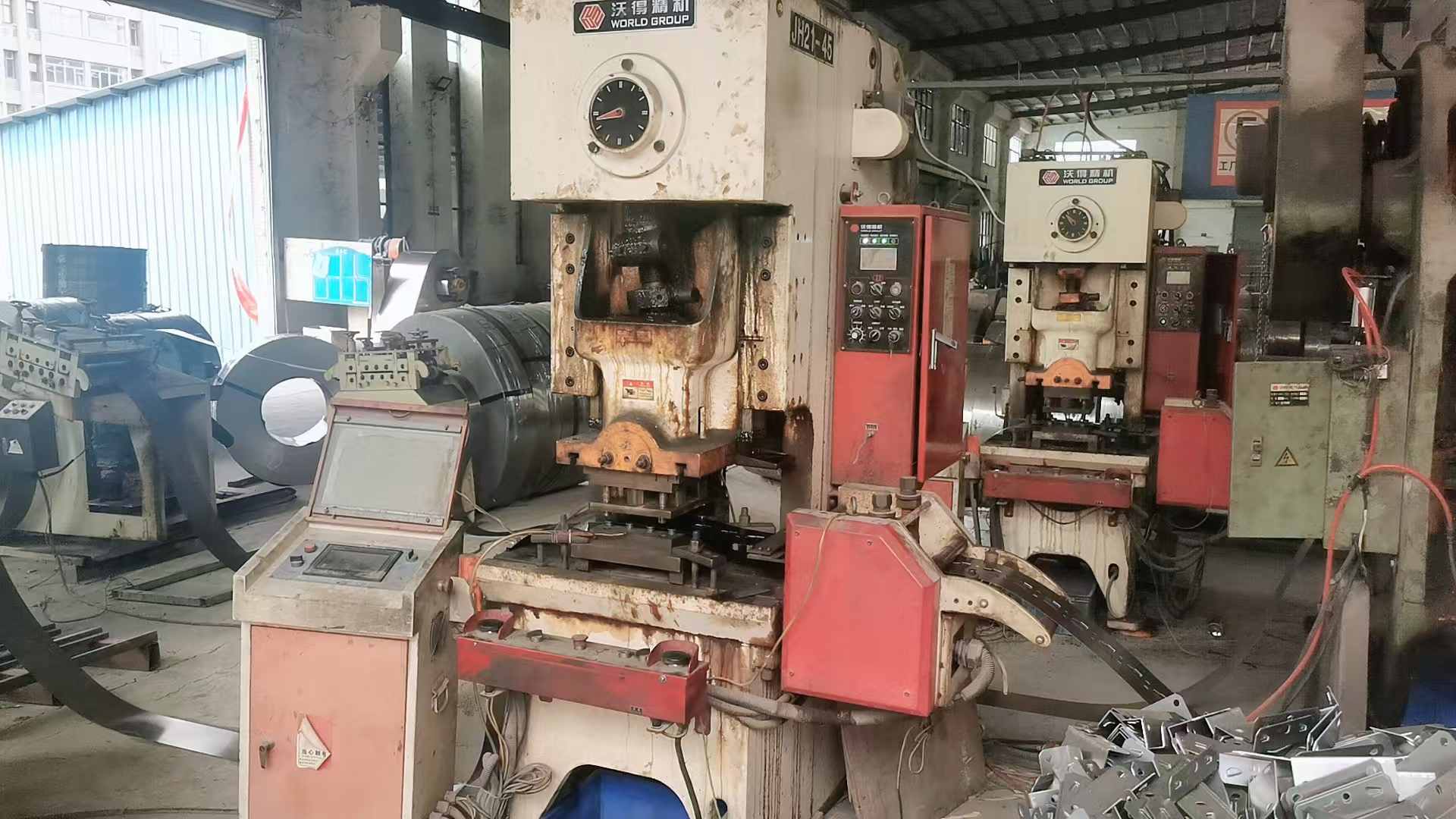
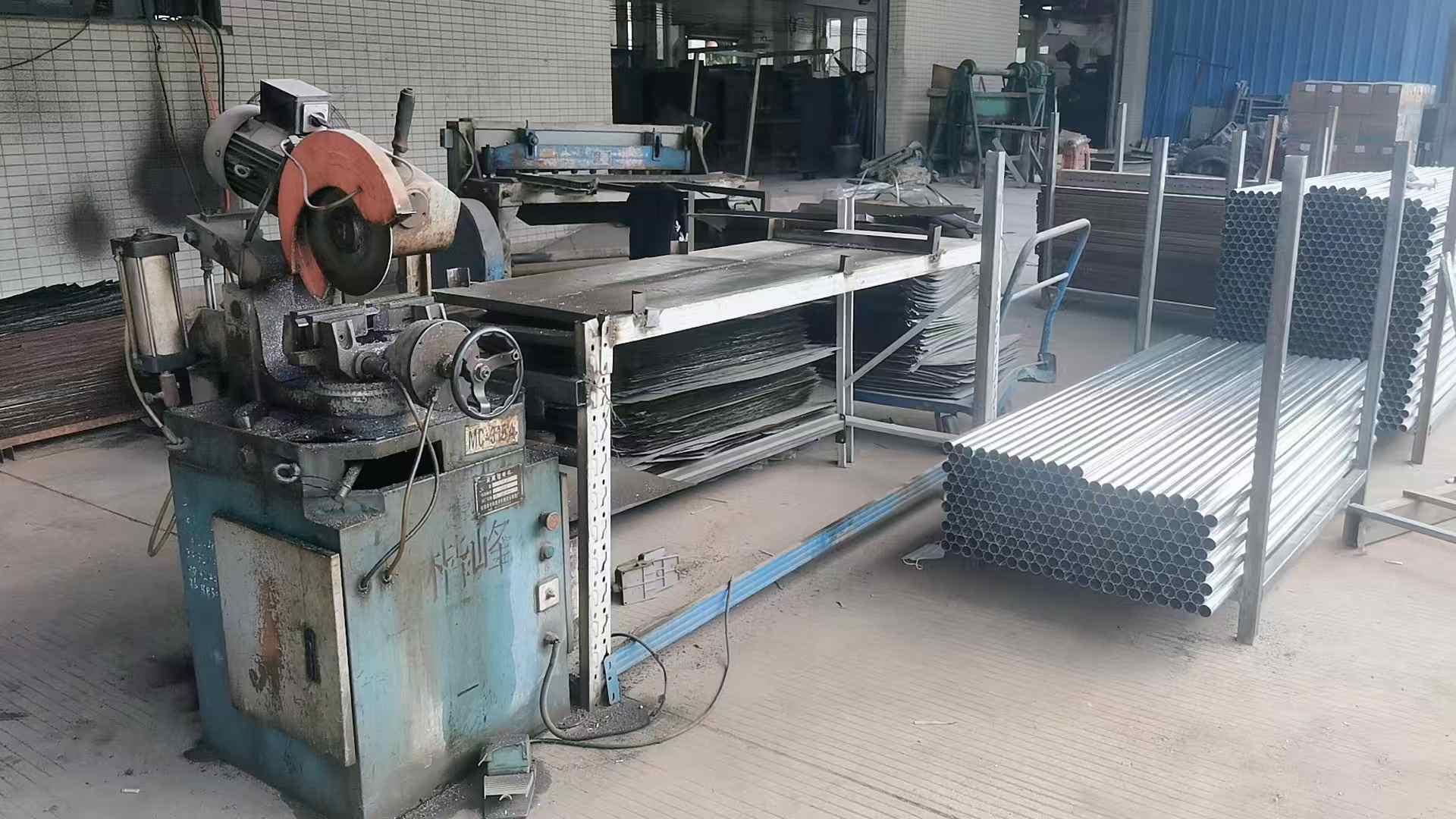
A rigorous manufacturing pipeline is the foundation of structural reliability. At Hui Lian, each production step is tracked and verified. From verifying steel coil grades to checking powder coating thickness, our quality control team of 56 inspectors monitors every manufacturing phase to ensure compliance with global standards. Below is our verified manufacturing workflow:
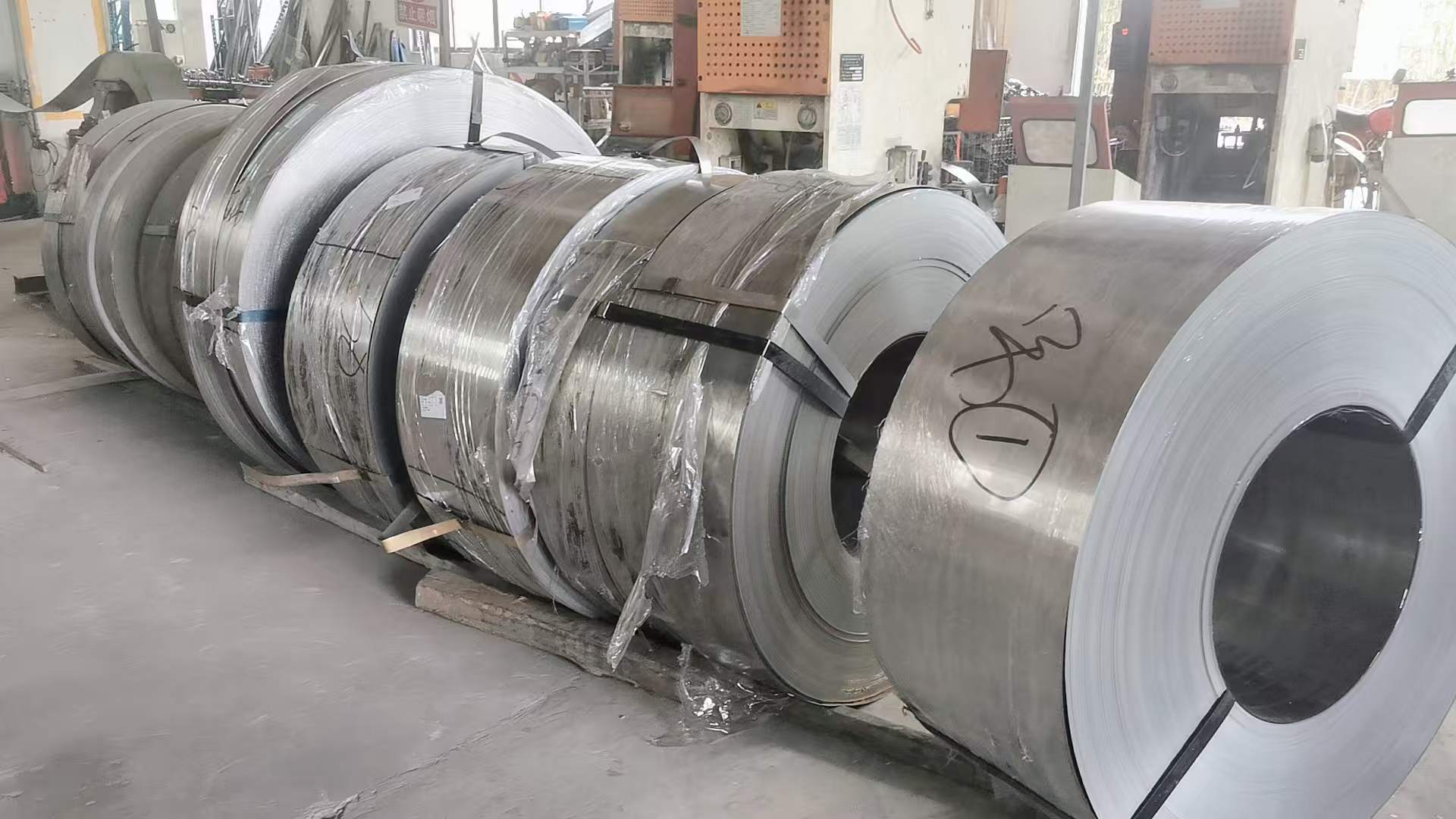
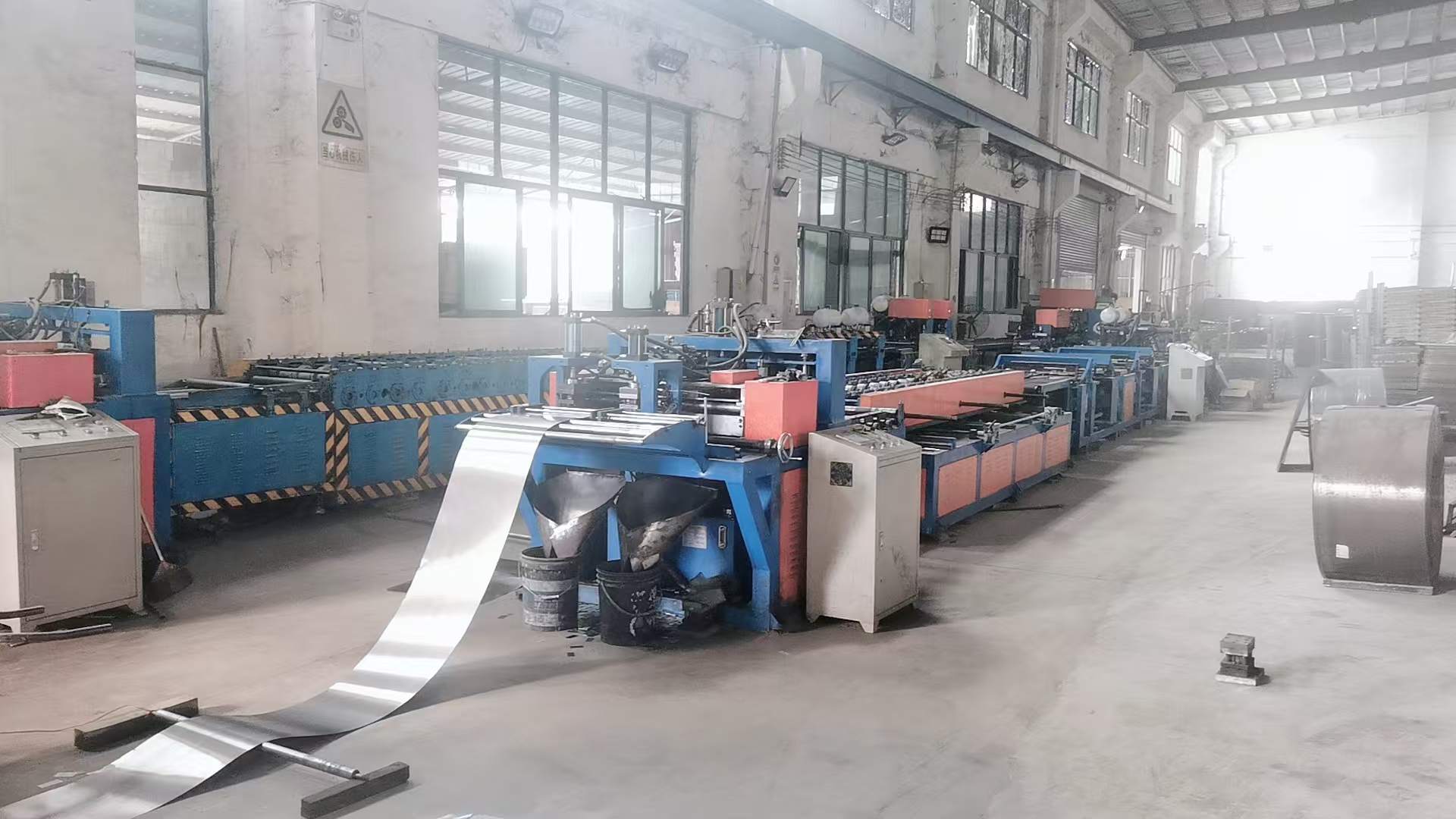
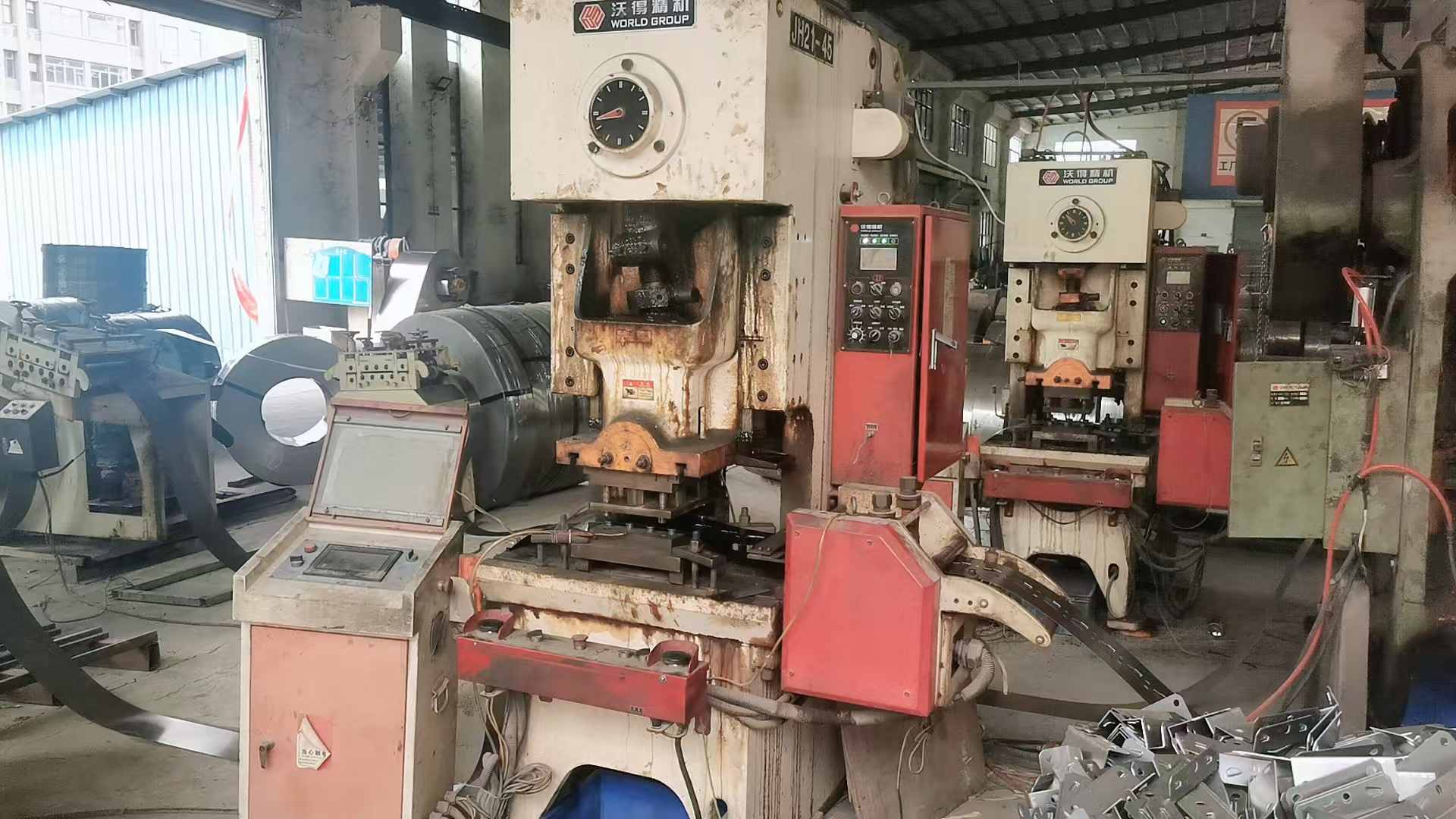
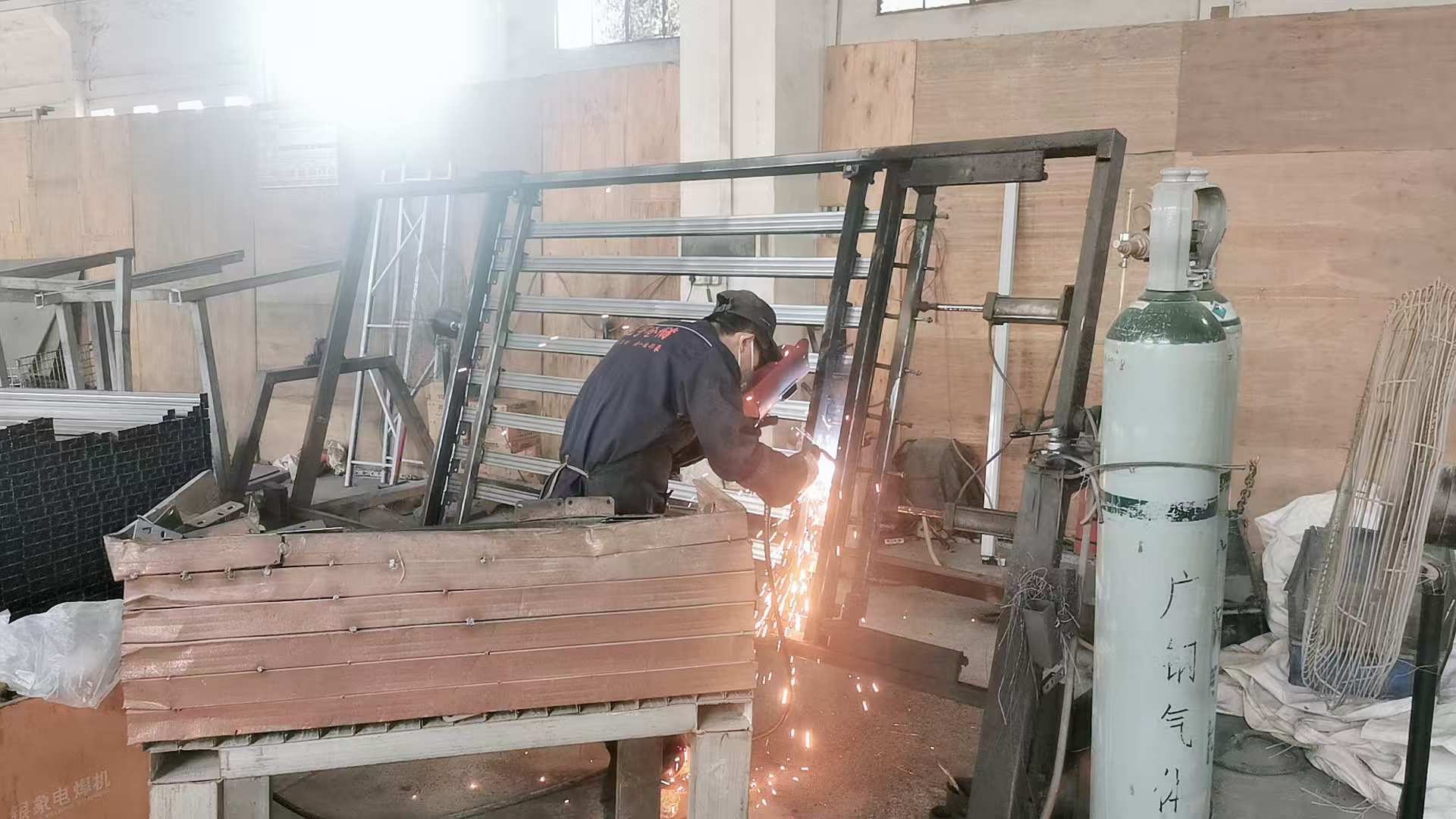
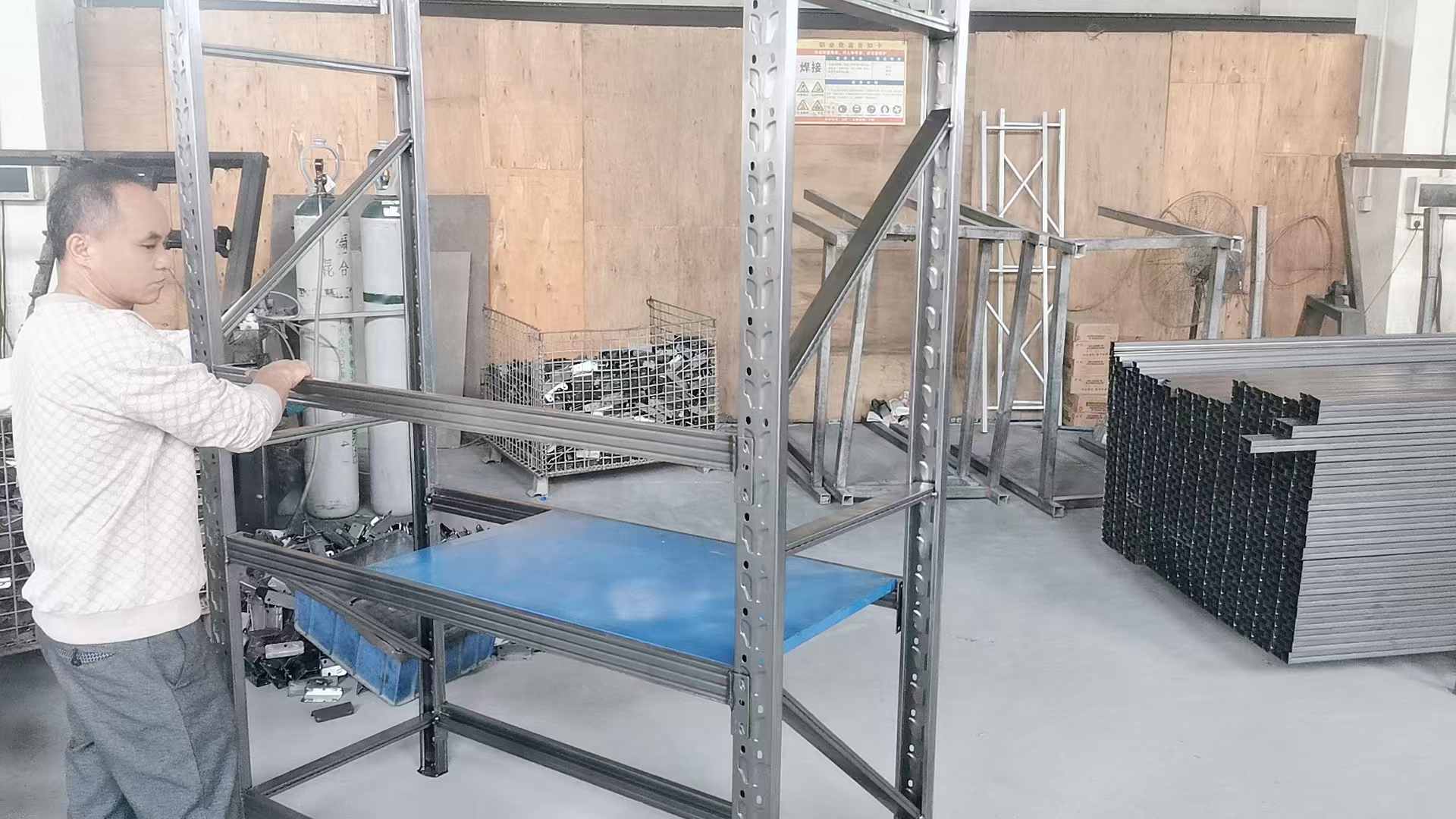
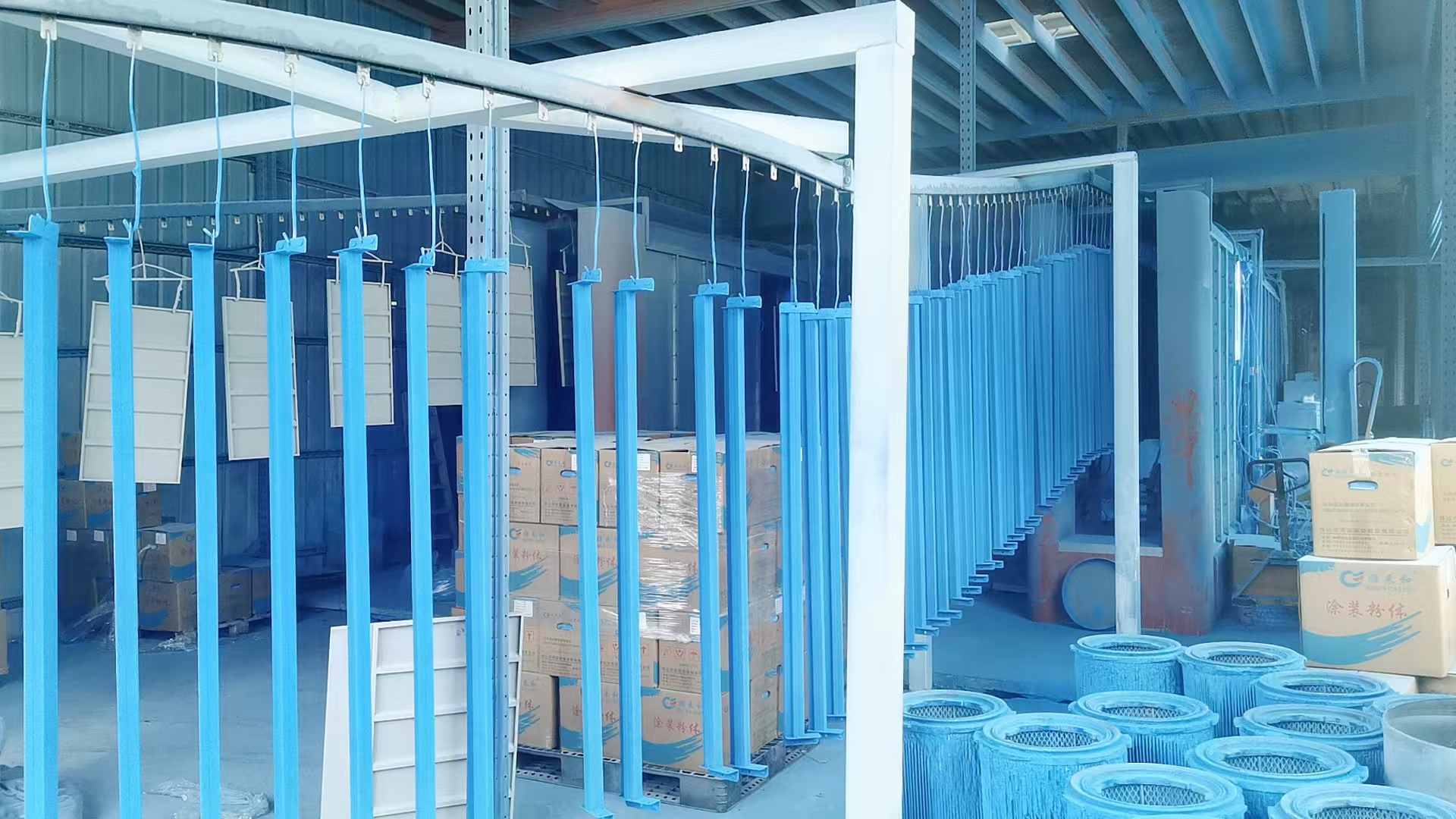
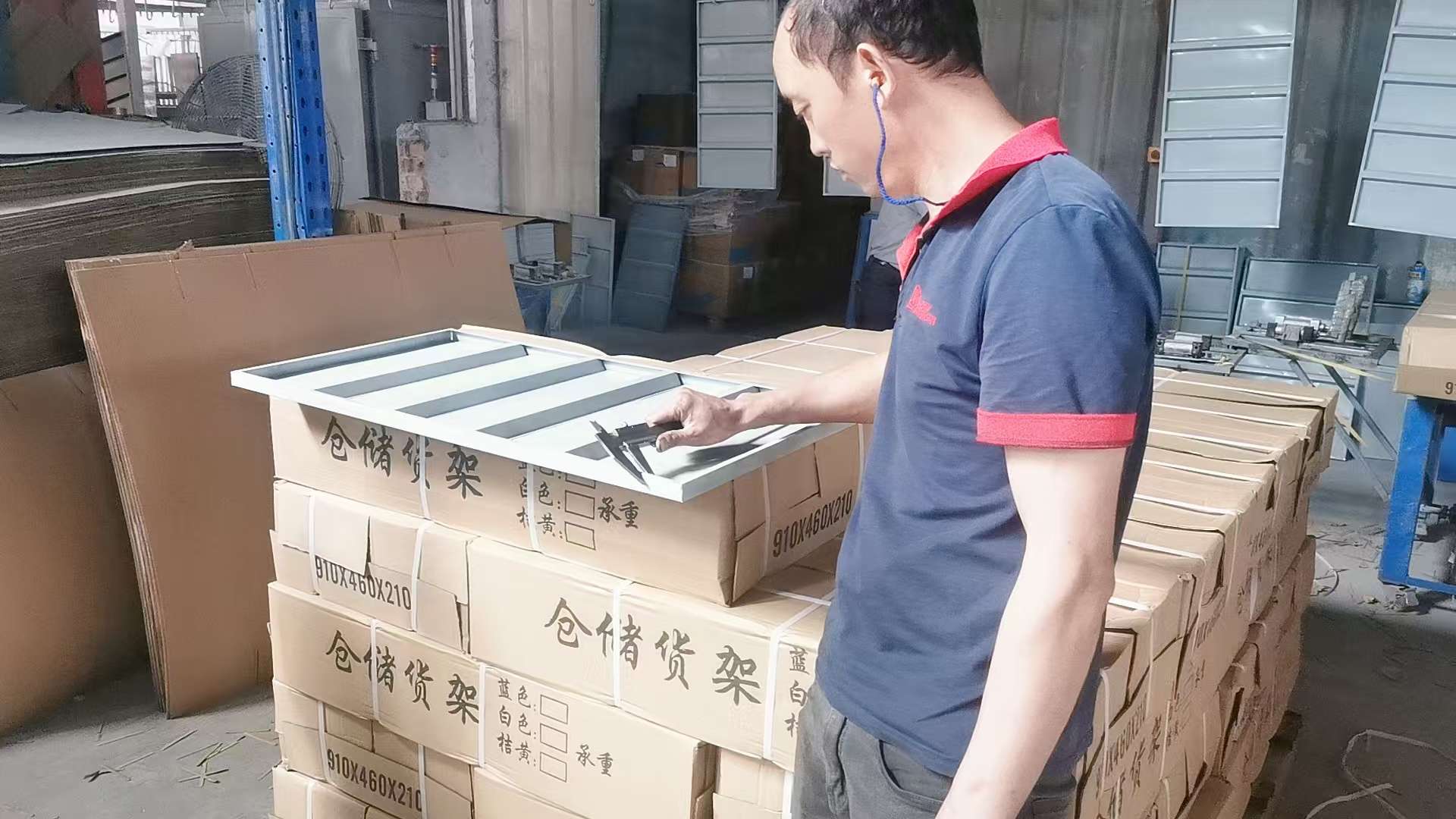
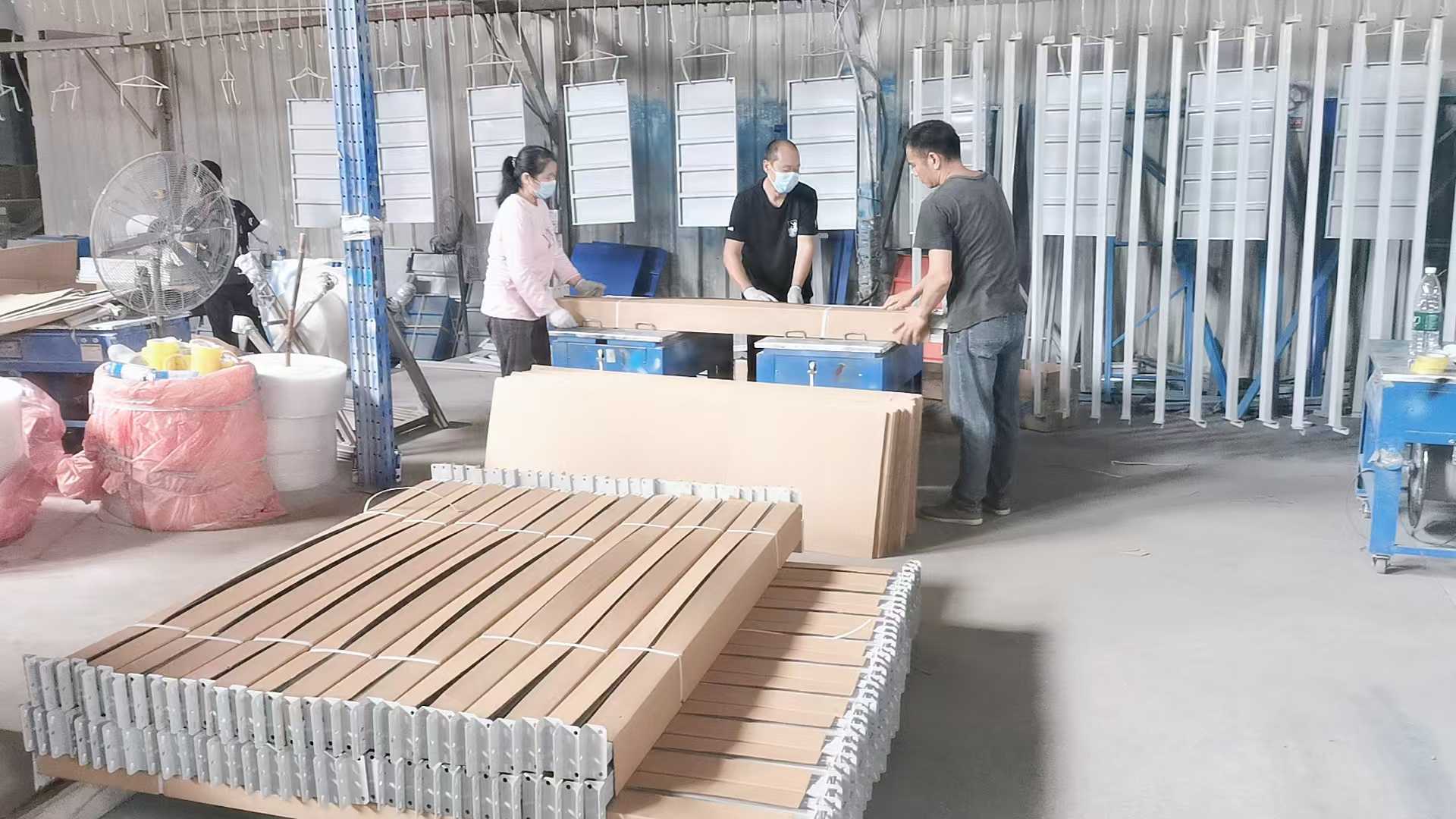
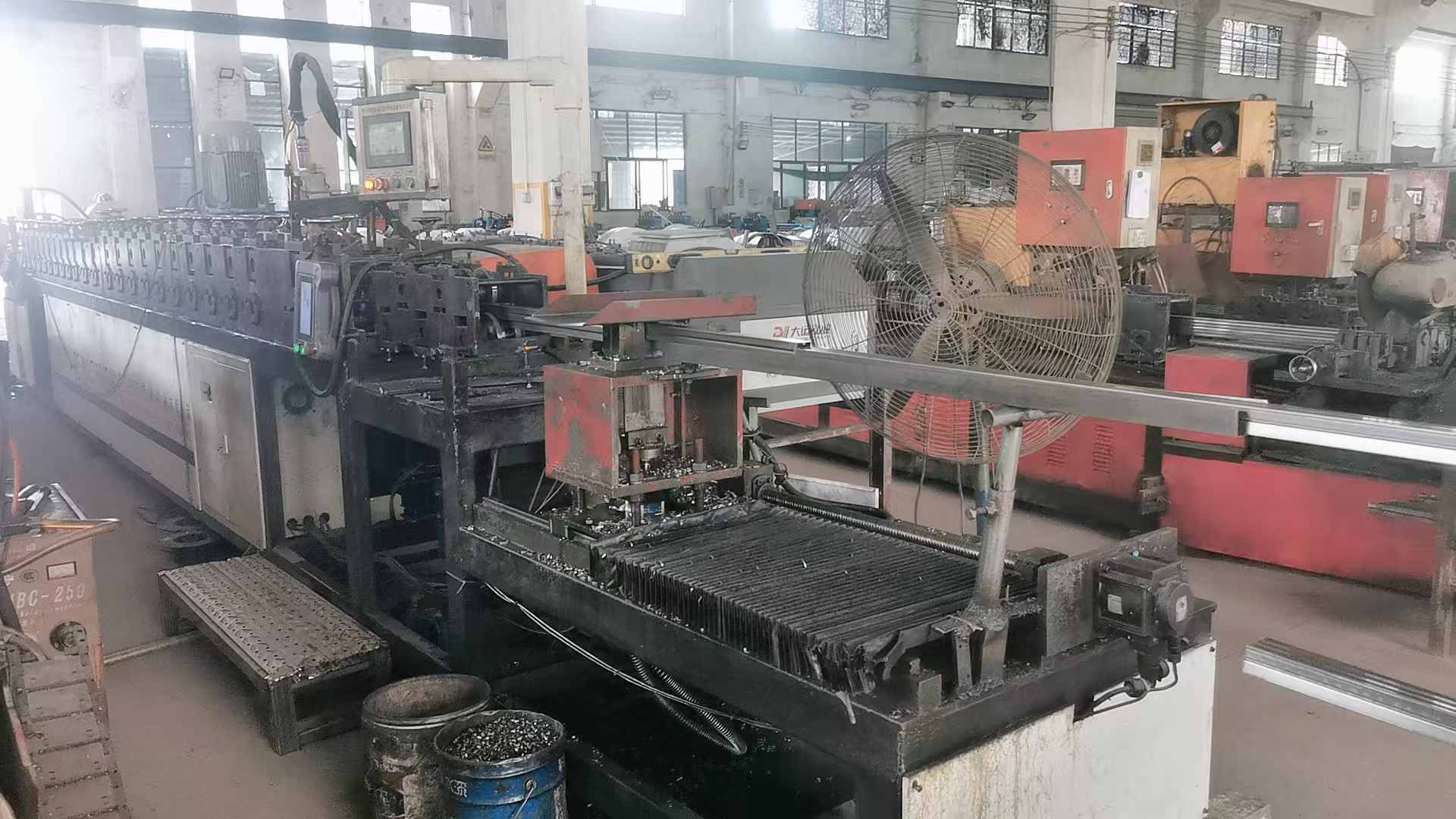
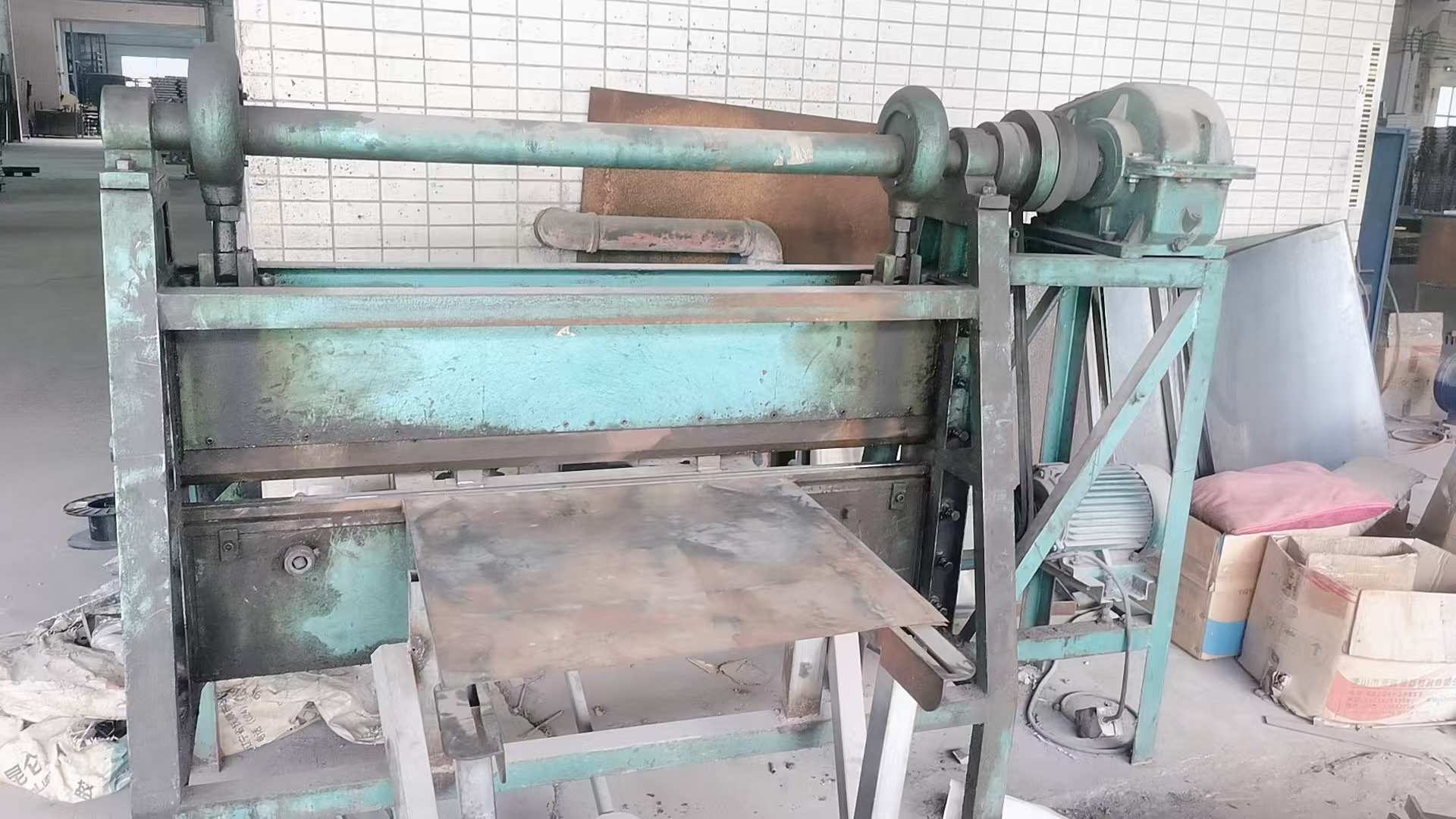
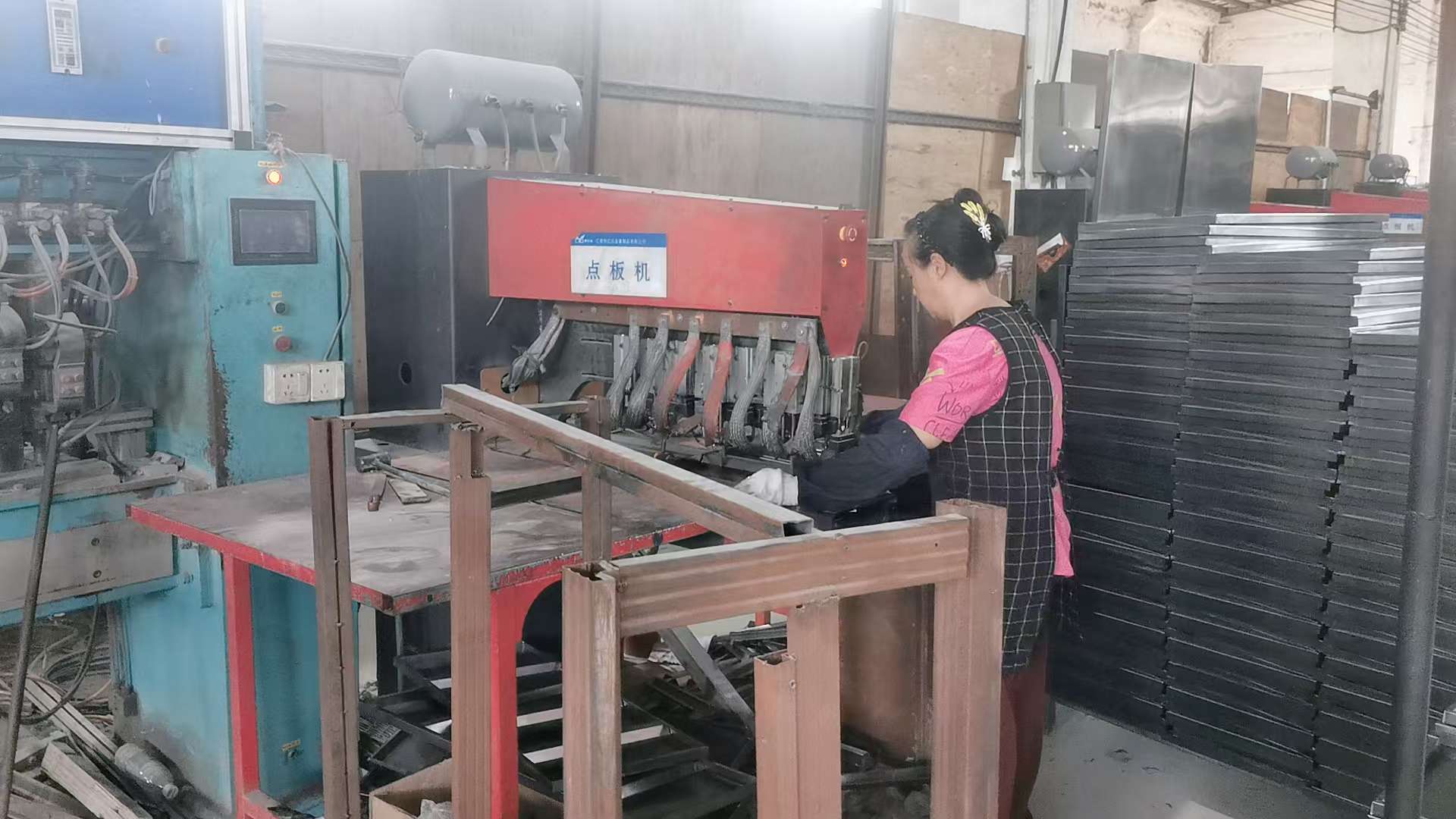
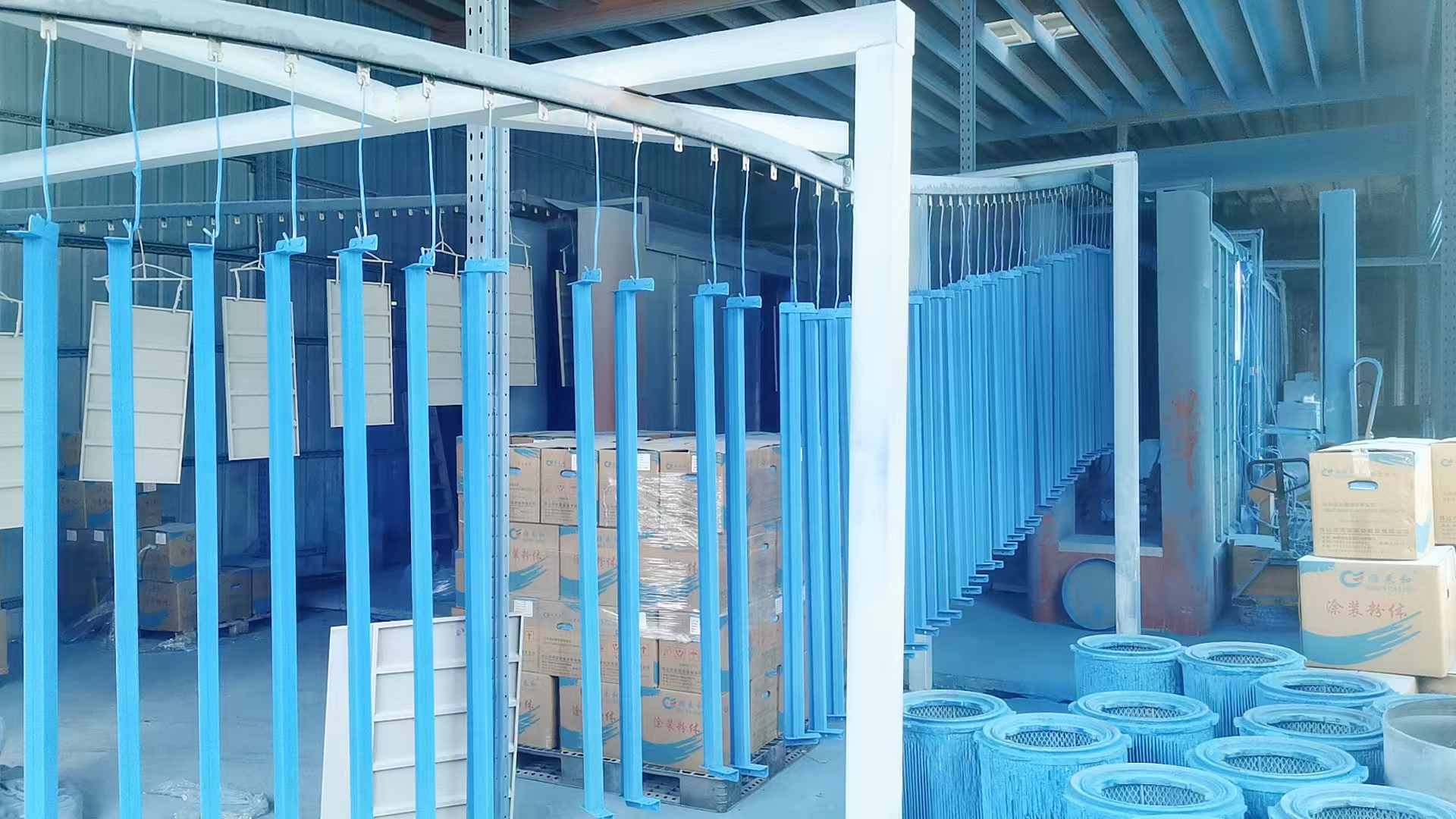
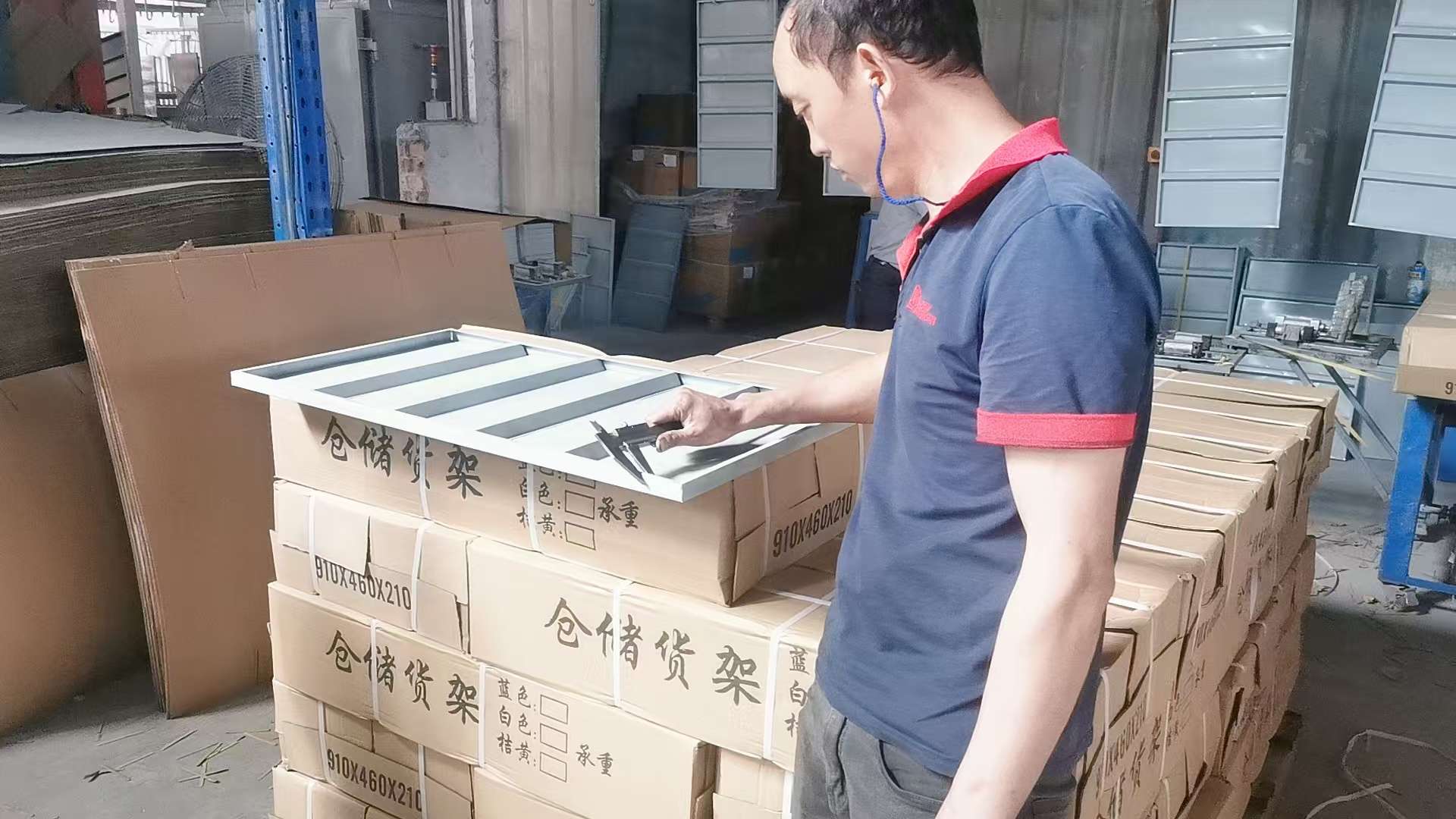
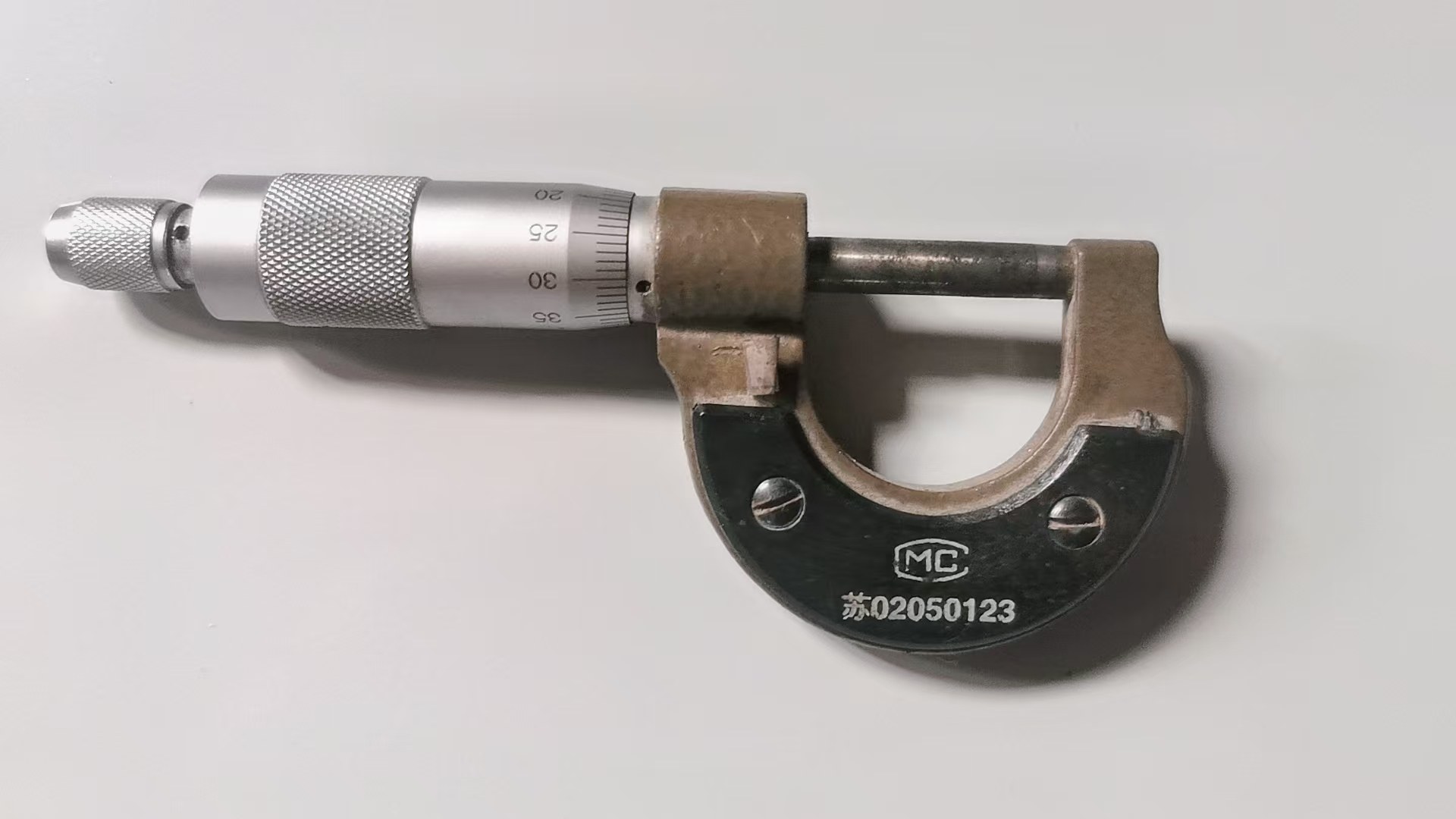
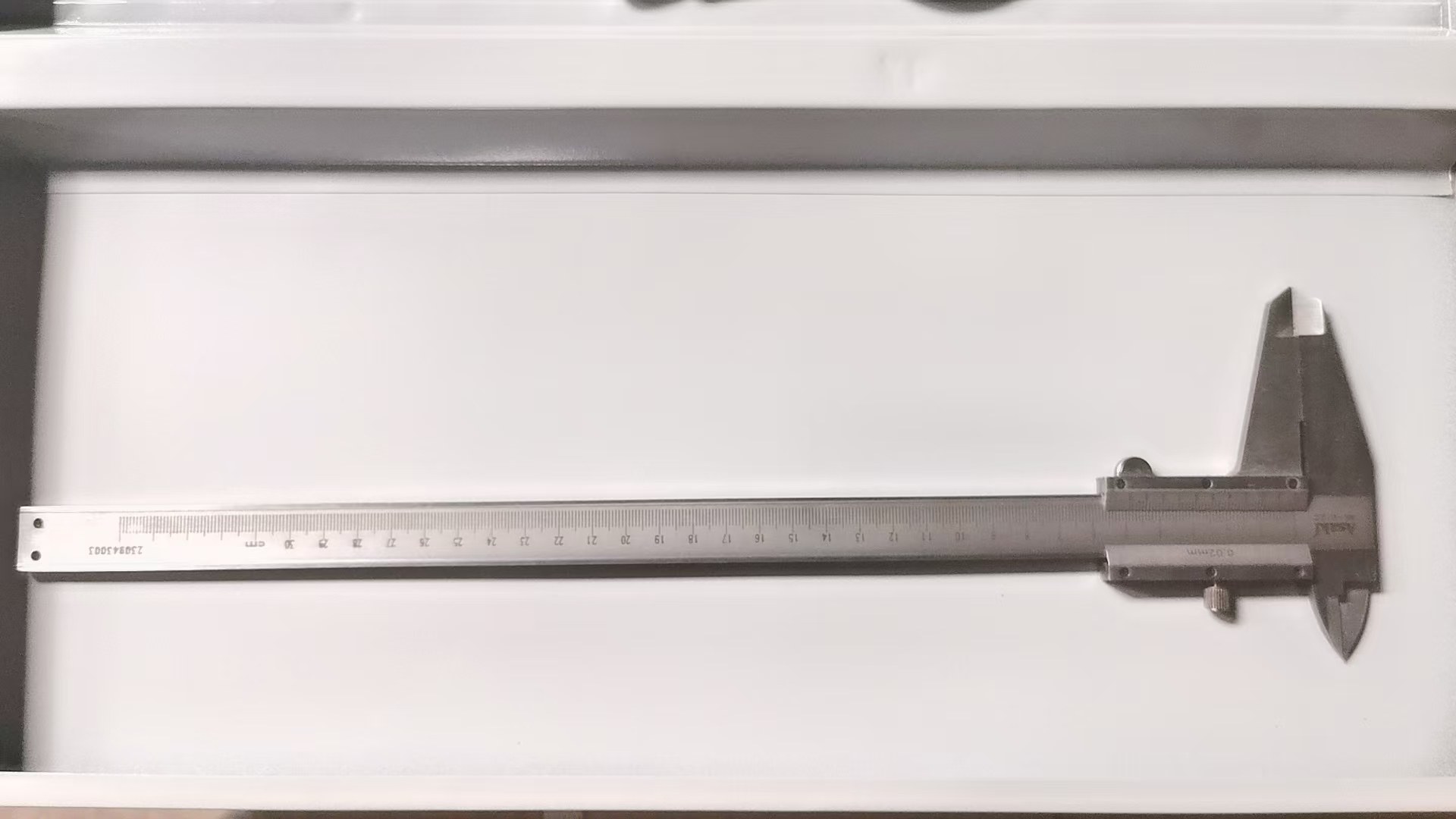
In addition to advanced craftsmanship, our facility utilizes modern machinery to ensure the physical consistency of all storage rack components. Using high-precision tools ensures error-free steel profiles, clean bending angles, and structural reliability across all custom-designed racking systems.
Industrial storage needs vary significantly depending on geography, industry type, and environmental factors. Our structural products are designed for direct integration into four primary applications:
Fulfillment centers require fast throughput and modular floor plans. Boltless plug-in systems and adjustable shelving allow warehousing teams to quickly reconfigure layout patterns. The clean, powder-coated finishes prevent dust build-up, protecting sensitive electronic and consumer retail products.
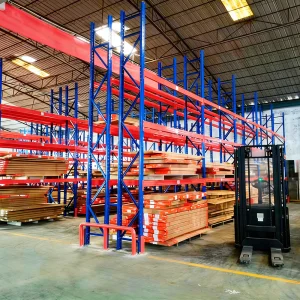
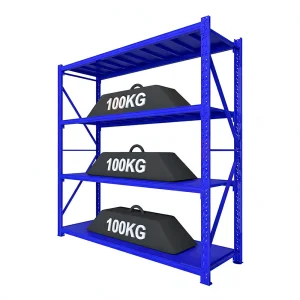
Automotive parts and heavy machinery require heavy-duty storage racks with high structural load limits. High-strength cold-rolled steel profiles provide the structural resistance needed for heavy pallet storage. Structural additions like safety mesh and guide rails protect the frames from forklift collisions.
In sub-zero conditions, steel is prone to embrittlement, and moisture can speed up rust. Our hot-dip galvanized and custom stainless steel storage racks withstand extreme temperature drops while preventing rust. This ensures long-term structural safety under strict food sanitation codes.
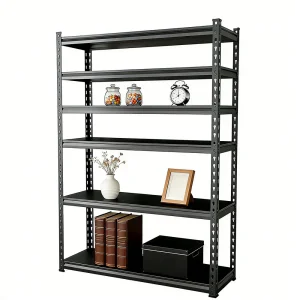
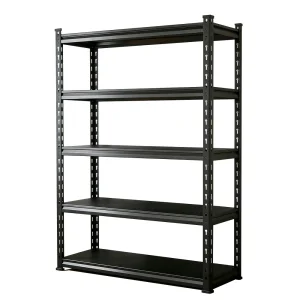
Adjustable keyhole shelving systems and light-duty boltless garage racks are ideal for back-of-house retail storage, small workshops, and domestic garages. These systems balance ease of assembly with strong load capacities, making them popular for DIY setups worldwide.
High-capacity storage systems built to international warehouse safety and engineering standards.
 Hui Lian