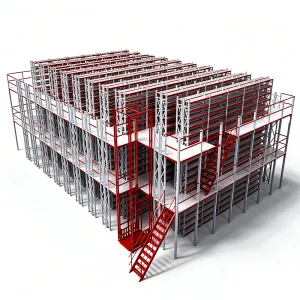
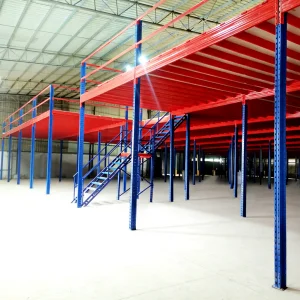
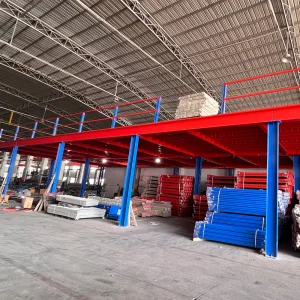
Engineered to facilitate intelligent material handling, custom load architectures, and high-efficiency warehouse spatial layouts.
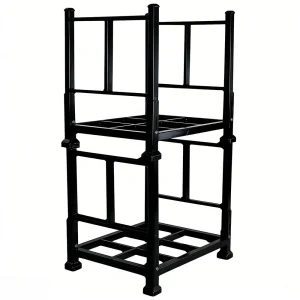
Dongguan Hui Lian Intelligent Warehouse Equipment Co., Ltd.
Established in 2016, Dongguan Hui Lian Intelligent Warehouse Equipment Co., Ltd. has evolved into a premier globally-facing manufacturer and factory specializing in the engineering, design, fabrication, and custom execution of high-tier storage infrastructures and Automated Storage and Retrieval Systems (ASRS). Spanning an advanced manufacturing floor of approximately 18,500㎡, our facilities represent the intersection of computational engineering and heavy-duty structural craftsmanship.
As dynamic market dynamics demand higher throughput and denser footprints, modern operations require storage partners capable of bridging structural safety standards and high-load machinery dynamics. Underpinned by 15 years of industry experience and 8 years of international export operations, we secure an annual export trade volume of US$18 million.
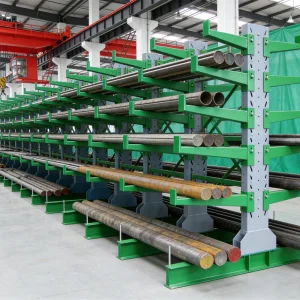
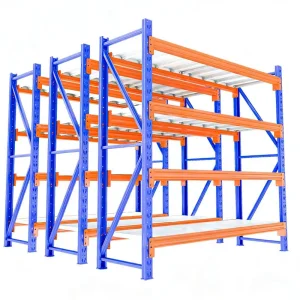
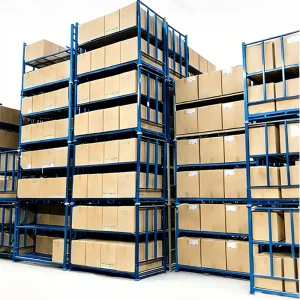
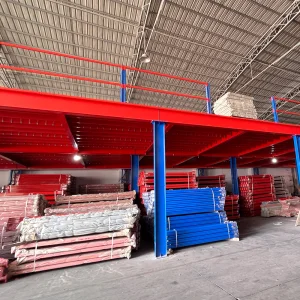
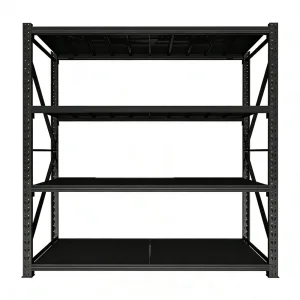
Our expansive hardware offerings encompass heavy-duty pallet racks, automated racking structures, cantilever storage architectures, steel mezzanine systems, and complete modular warehouse solutions. Each system undergoes strict material and welding examinations to achieve absolute integrity under structural and seismic stresses.
A comprehensive overview of global safety standards, mechanical parameters, and structural execution of CE-marked systems.
Operating structural systems in high-throughput zones necessitates strict conformance to safety directives. Our ASRS systems undergo testing to obtain CE Markings (under Machinery Directive 2006/42/EC and EN 15095 standards). We calculate static and dynamic frame stresses using FEM (Fédération Européenne de la Manutention) 10.2.02 and EN 15512 guidelines, guaranteeing safety during crane acceleration, deceleration, and seismic occurrences.
ASRS environments rely on strict tolerances to prevent crane collisions. We use cold-rolled high-tensile steel (Q235B and Q355B), manufactured on automated forming lines. Our systems achieve a plumbness tolerance of H/1000, exceeding industry norms. This minimizes structural deflection, allowing storage crane sensors and high-speed shuttles to operate continuously.
Modern facilities require customized systems. Our 126 R&D engineers design tailored racks for Unit Load ASRS (pallets up to 3000kg), Mini-Load systems (bins and totes), and complex shuttle designs. Our custom powder-coating formulations and surface prep processes provide durability across varying temperatures, from room-temperature logistics centers to -30°C cold storage facilities.
How macroeconomic pressures, urban land constraints, and green supply chains drive the implementation of ASRS.
The automated storage market is undergoing significant growth. Globally, urban distribution hubs face high real estate costs and labor availability challenges. Operators are shifting away from manual, wide-aisle storage configurations toward vertical, dense ASRS systems. By leveraging vertical heights of up to 45 meters, businesses can reduce their physical footprint by up to 60% compared to conventional storage setups.
In North America and Europe, CE and local safety certifications (such as Rack Manufacturers Institute (RMI) standards) are key requirements. The integration of Autonomous Mobile Robots (AMRs) and automated cranes requires racking systems to support complex dynamic loads. Our structural steel compositions are formulated to absorb the vibrations of multi-directional shuttles, minimizing wear on both hardware and robotics.
From a sustainability perspective, modern warehouses prioritize energy efficiency. ASRS configurations allow dark operations, reducing lighting and environmental control costs. This is particularly beneficial in refrigerated and deep-freeze logistics, where reducing air volume space leads to lower operational energy usage.
Traceable manufacturing processes utilizing advanced machinery to construct industrial-grade components.
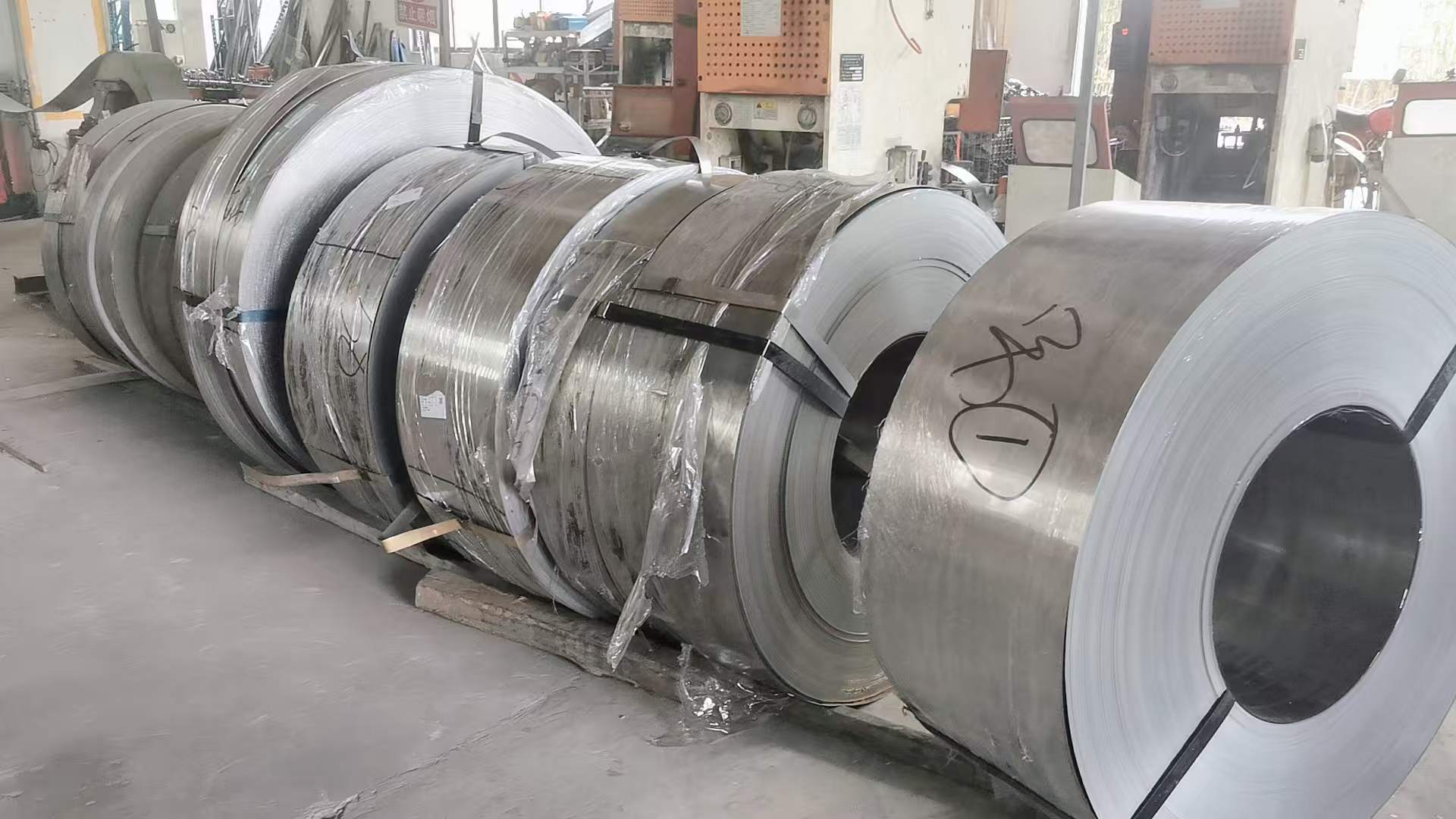
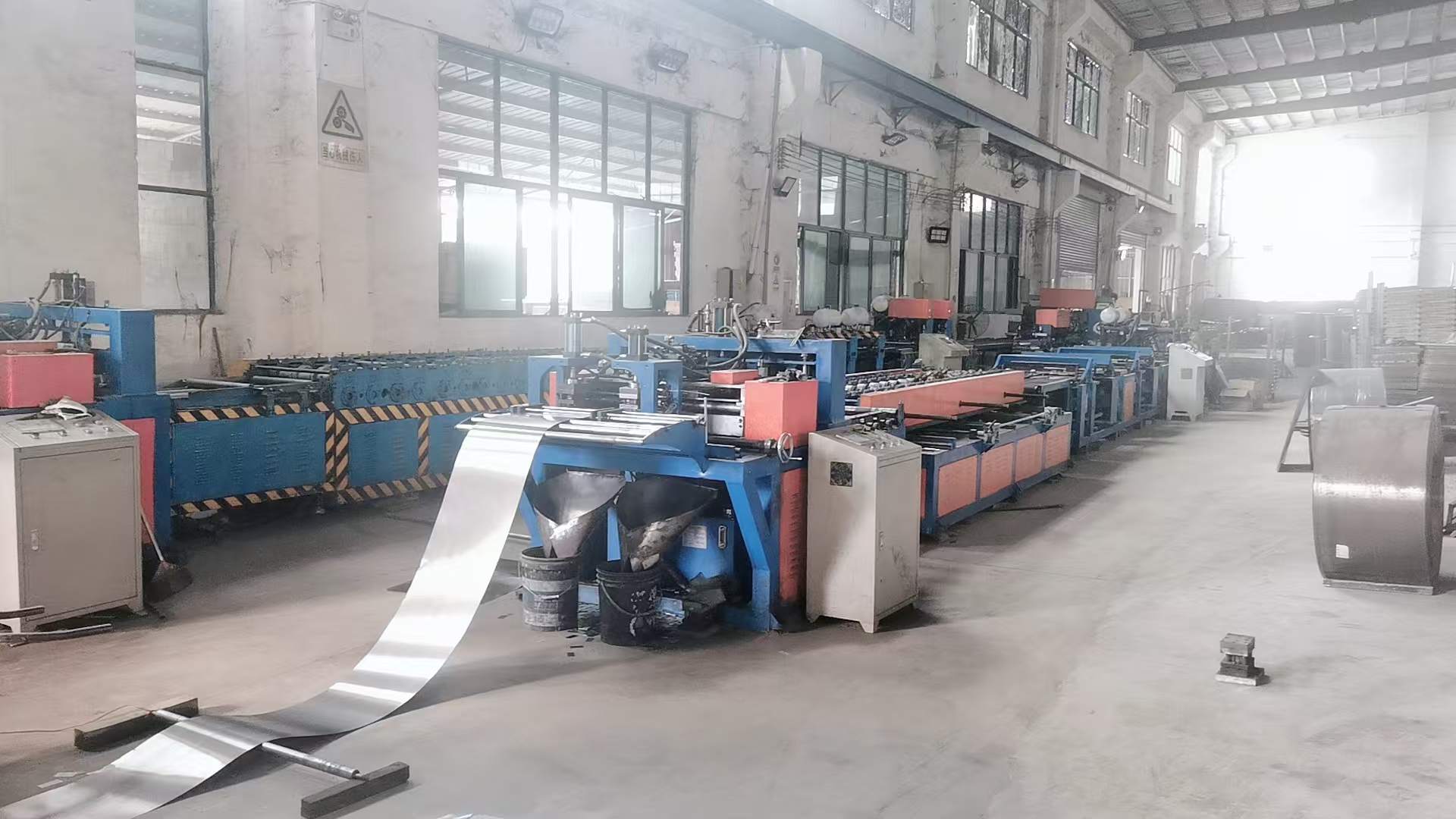
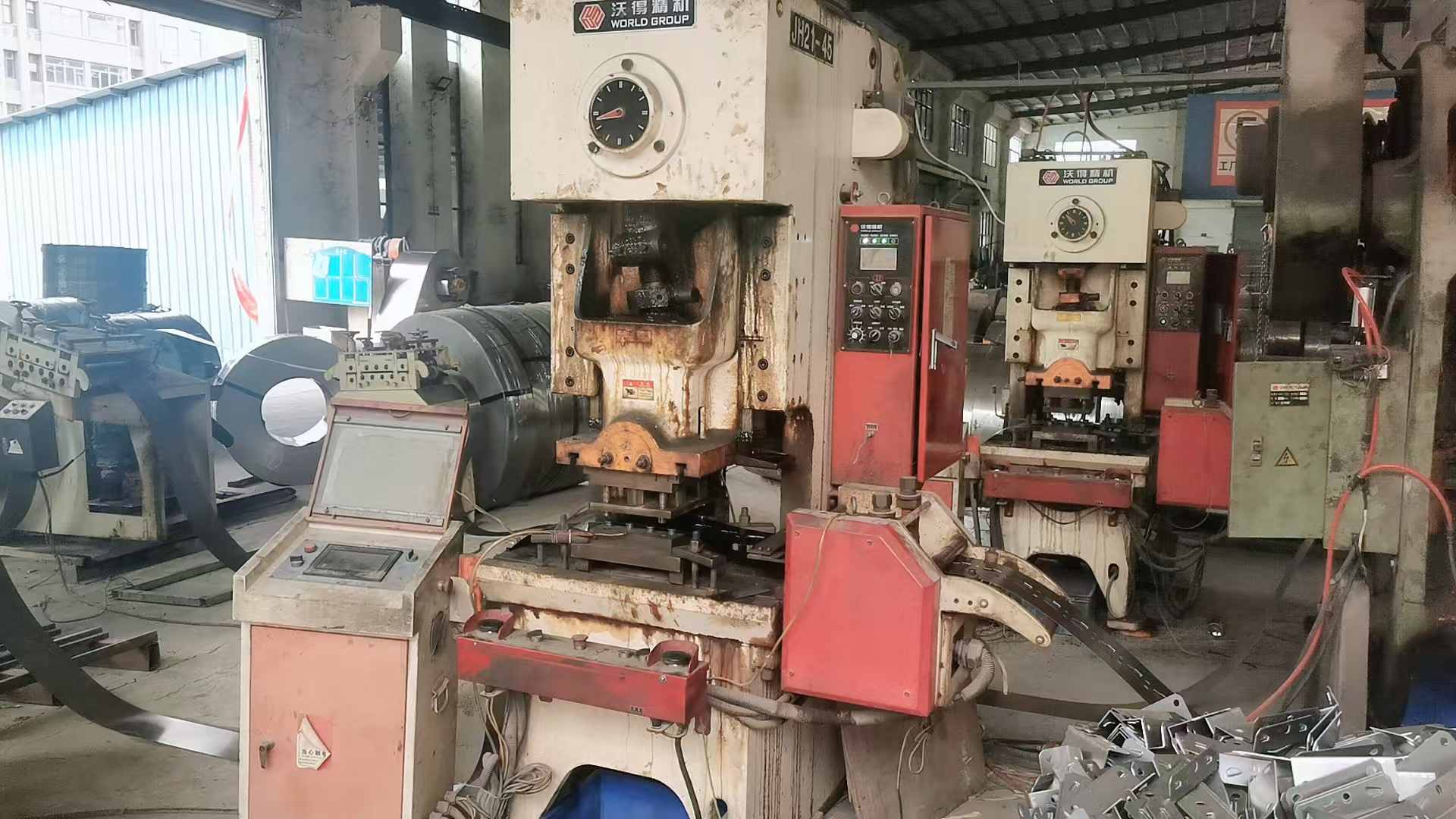
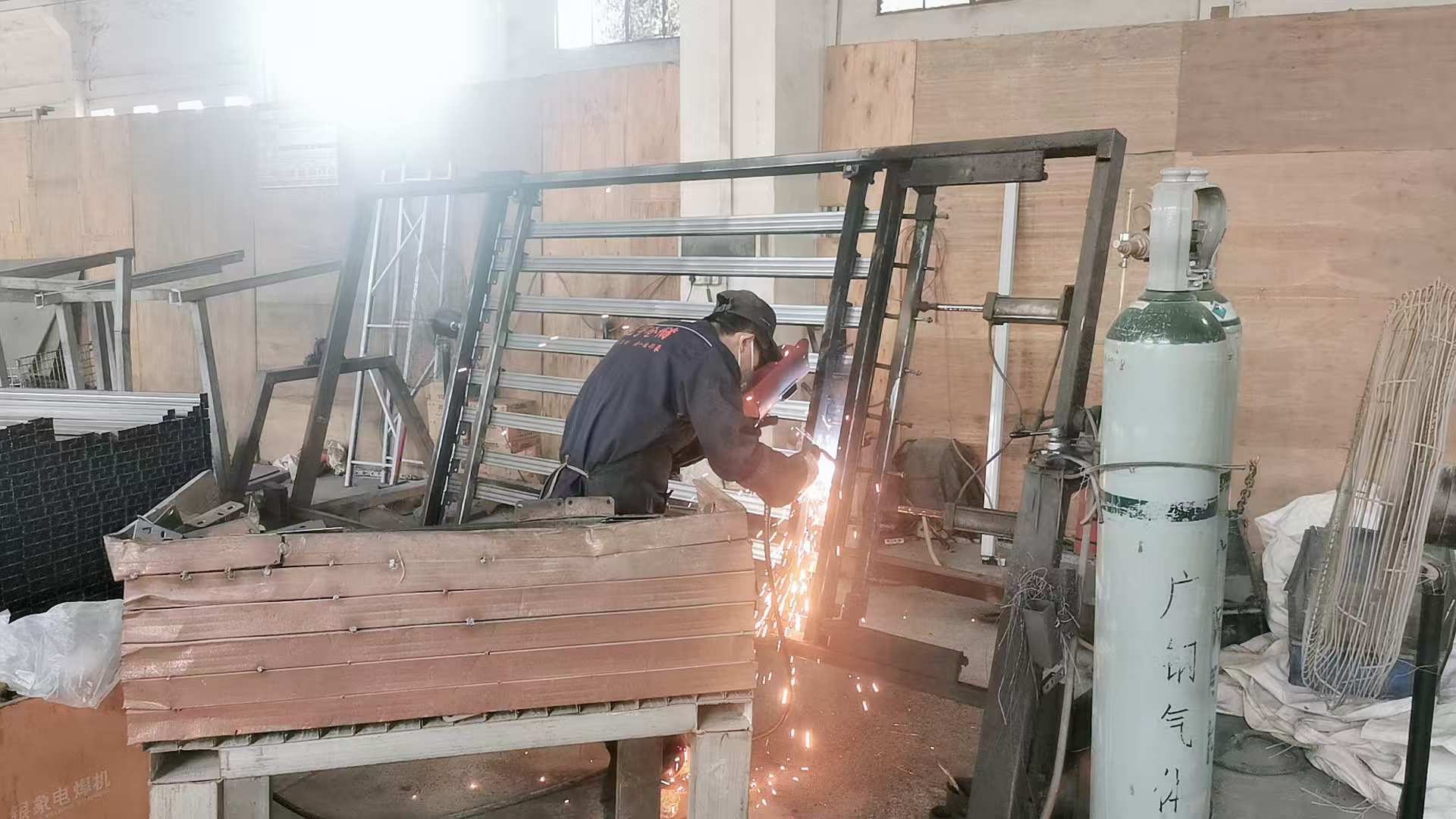
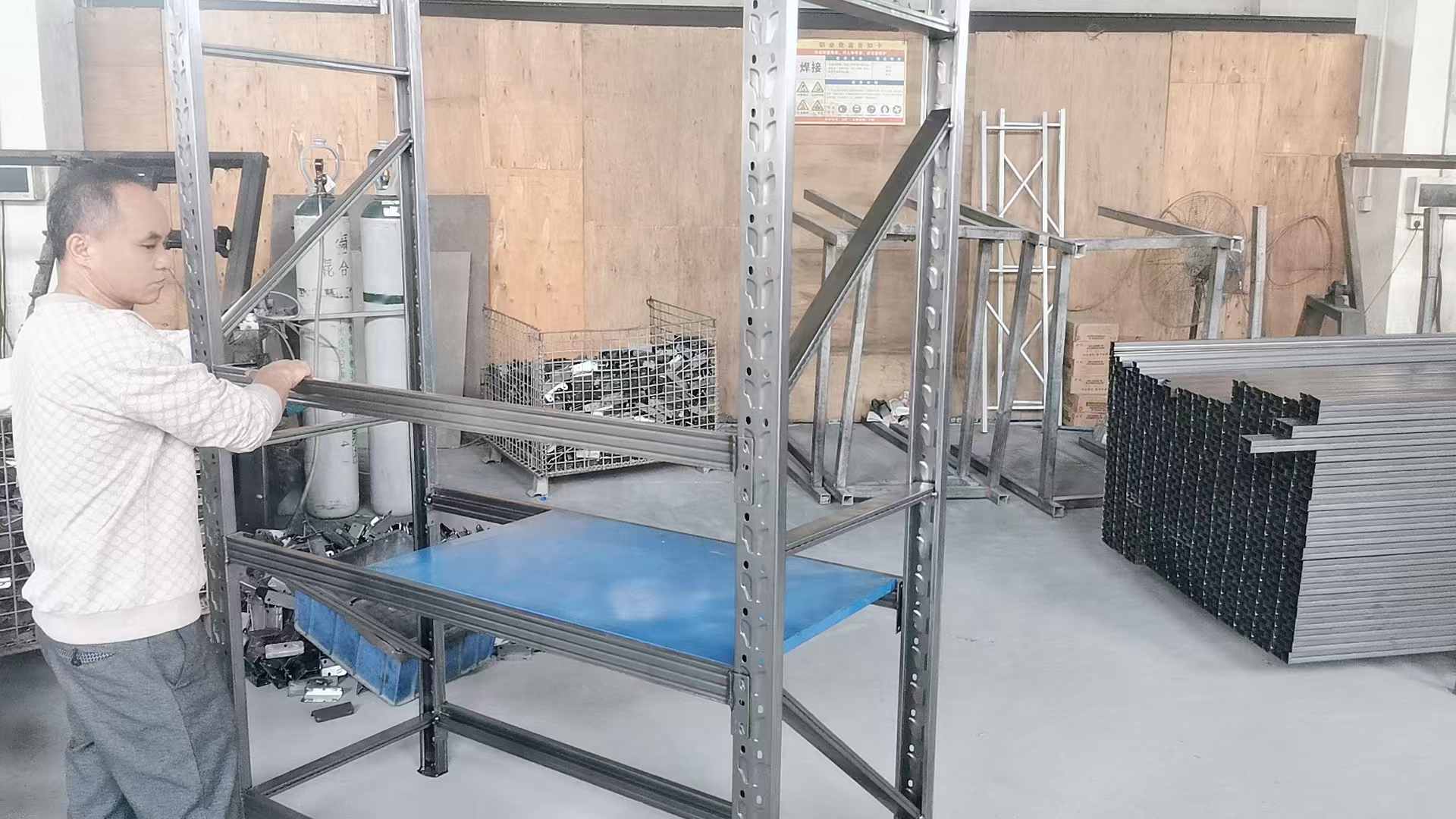
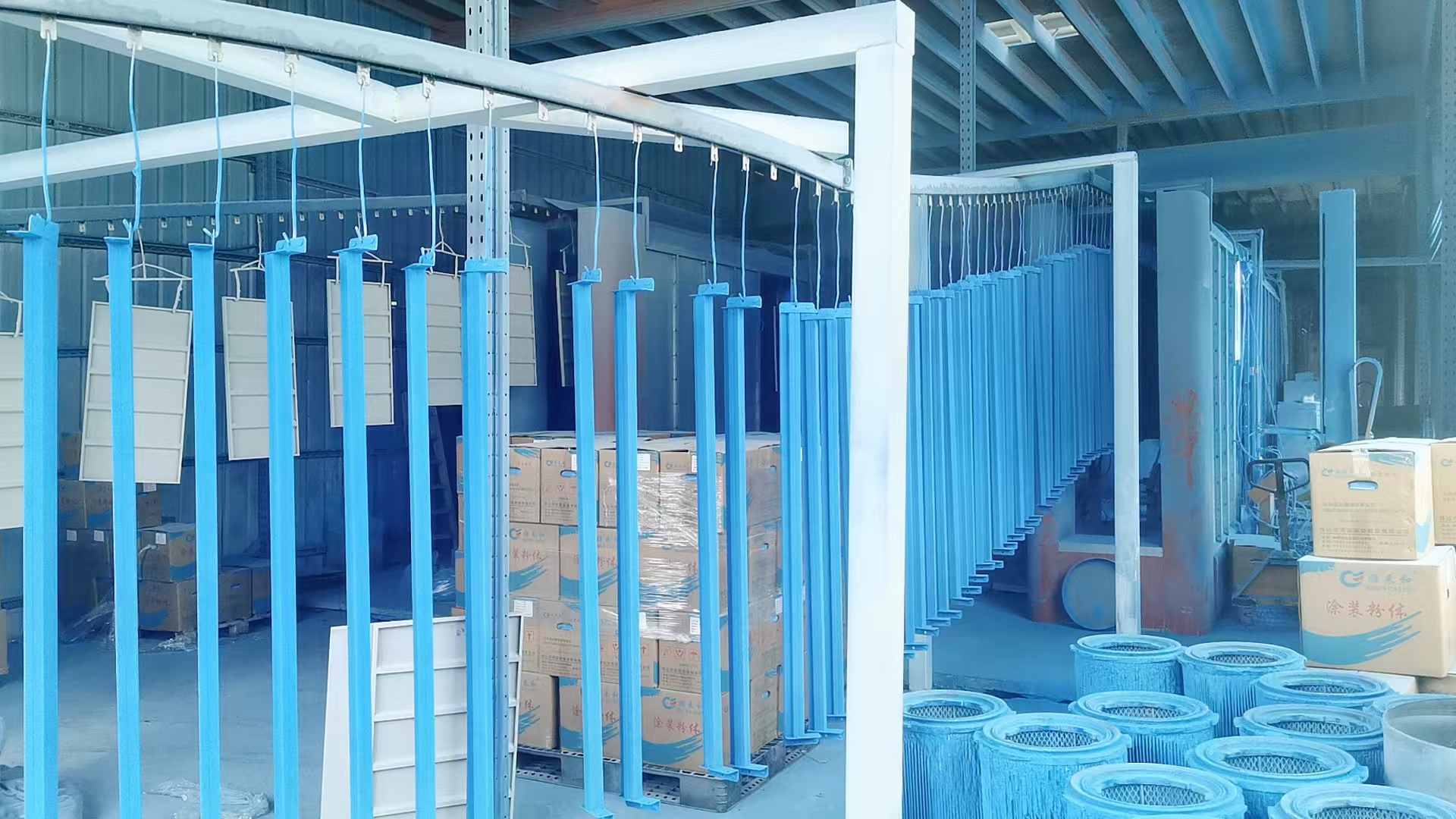
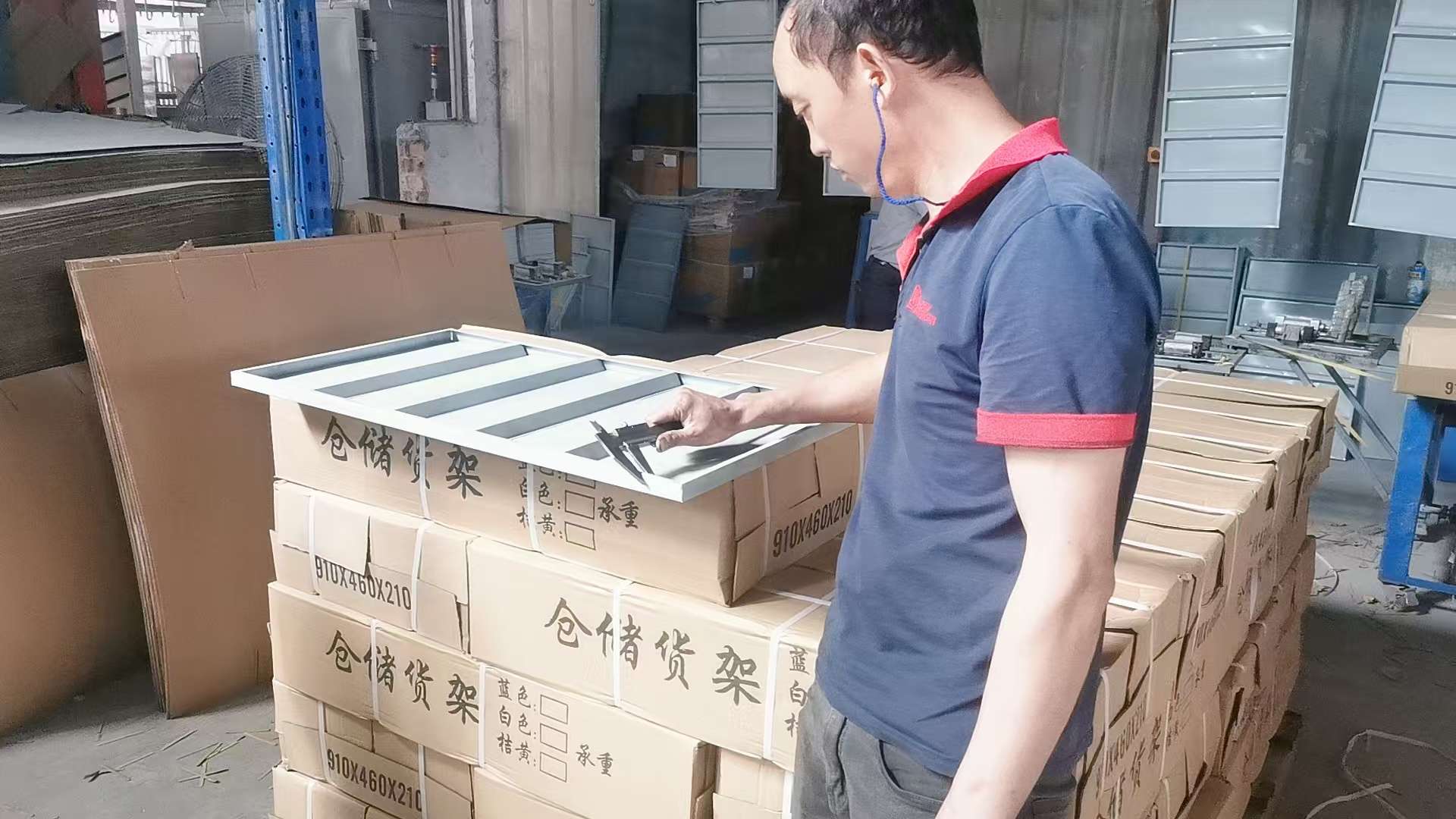
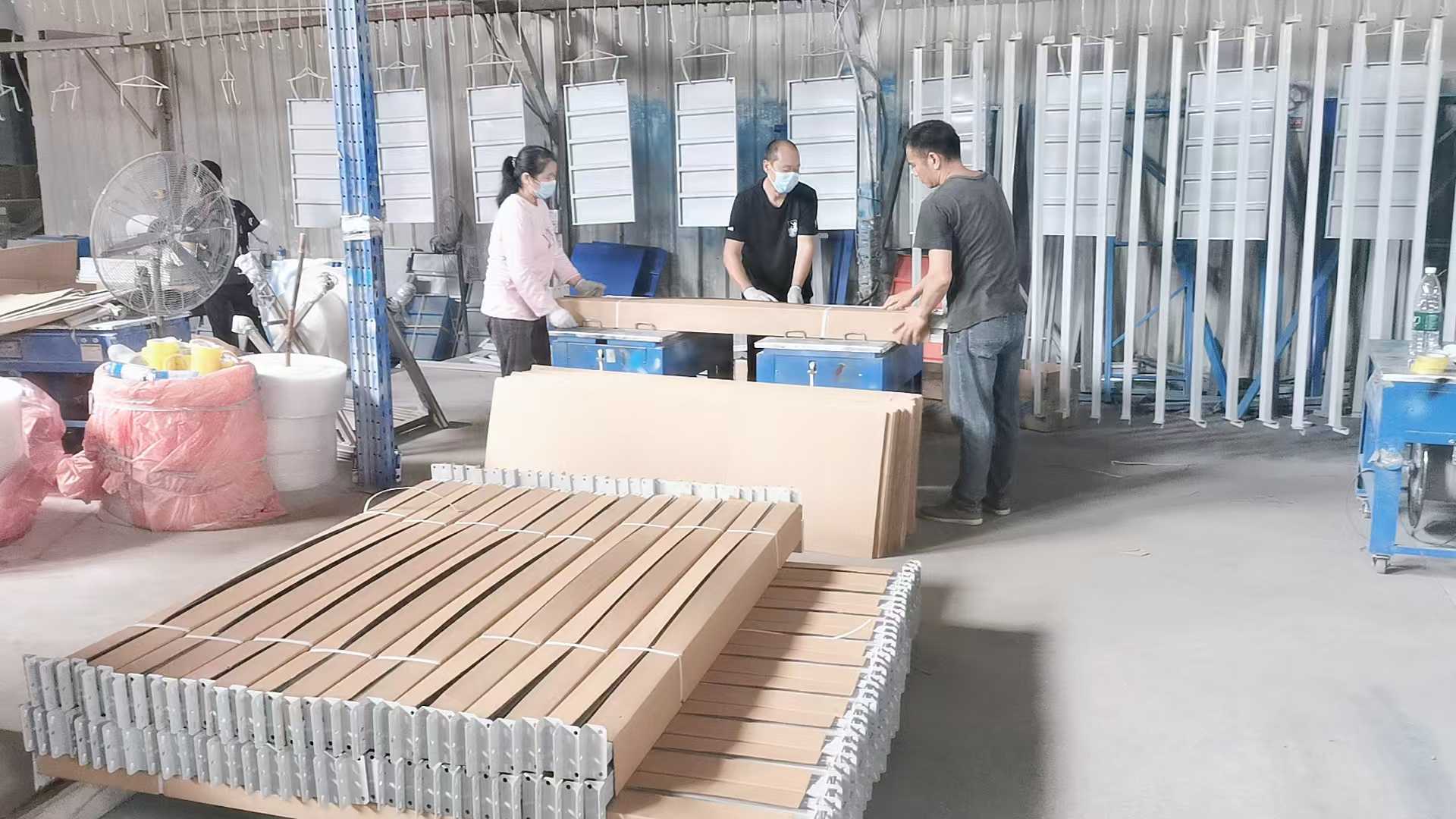
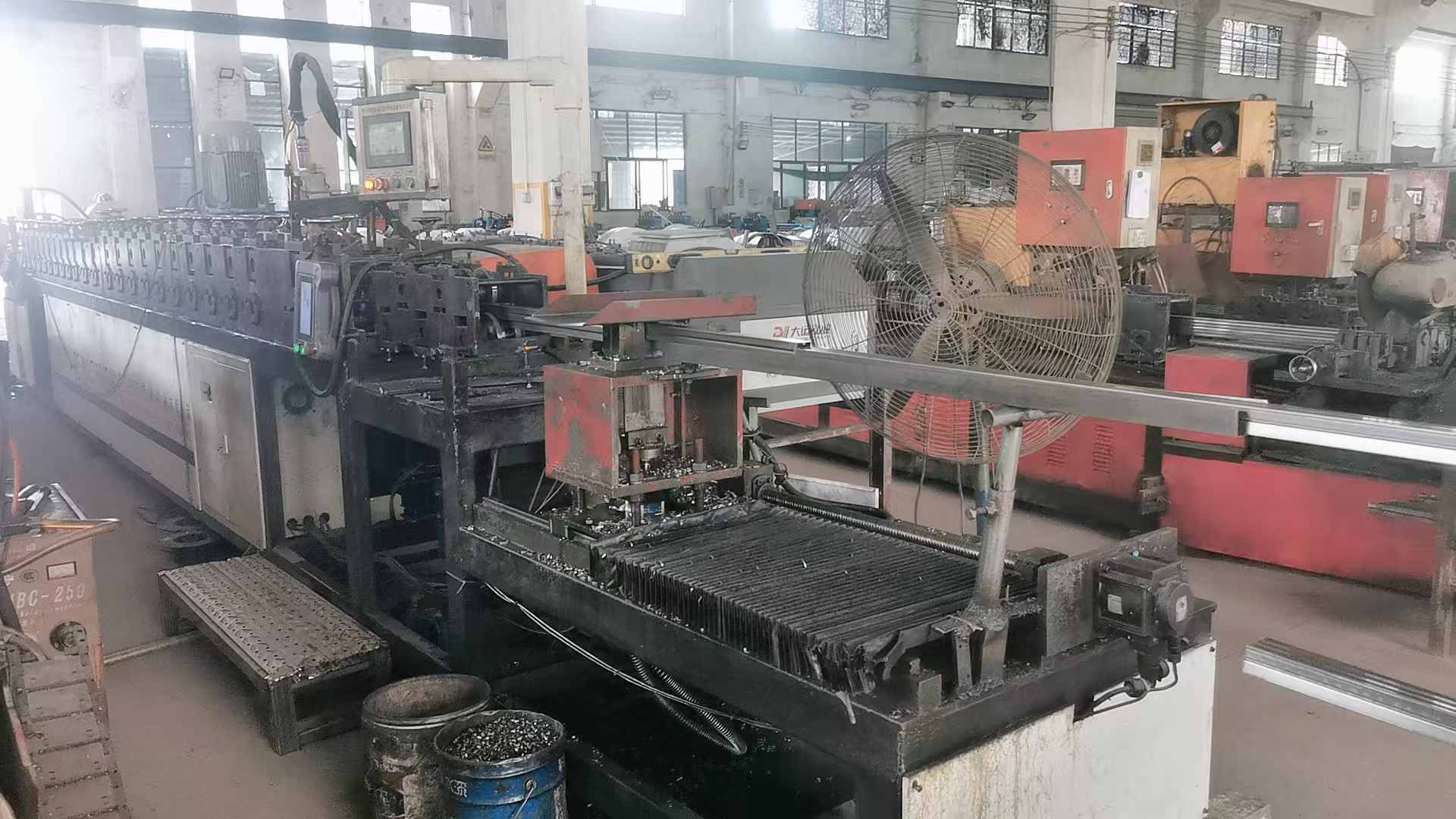
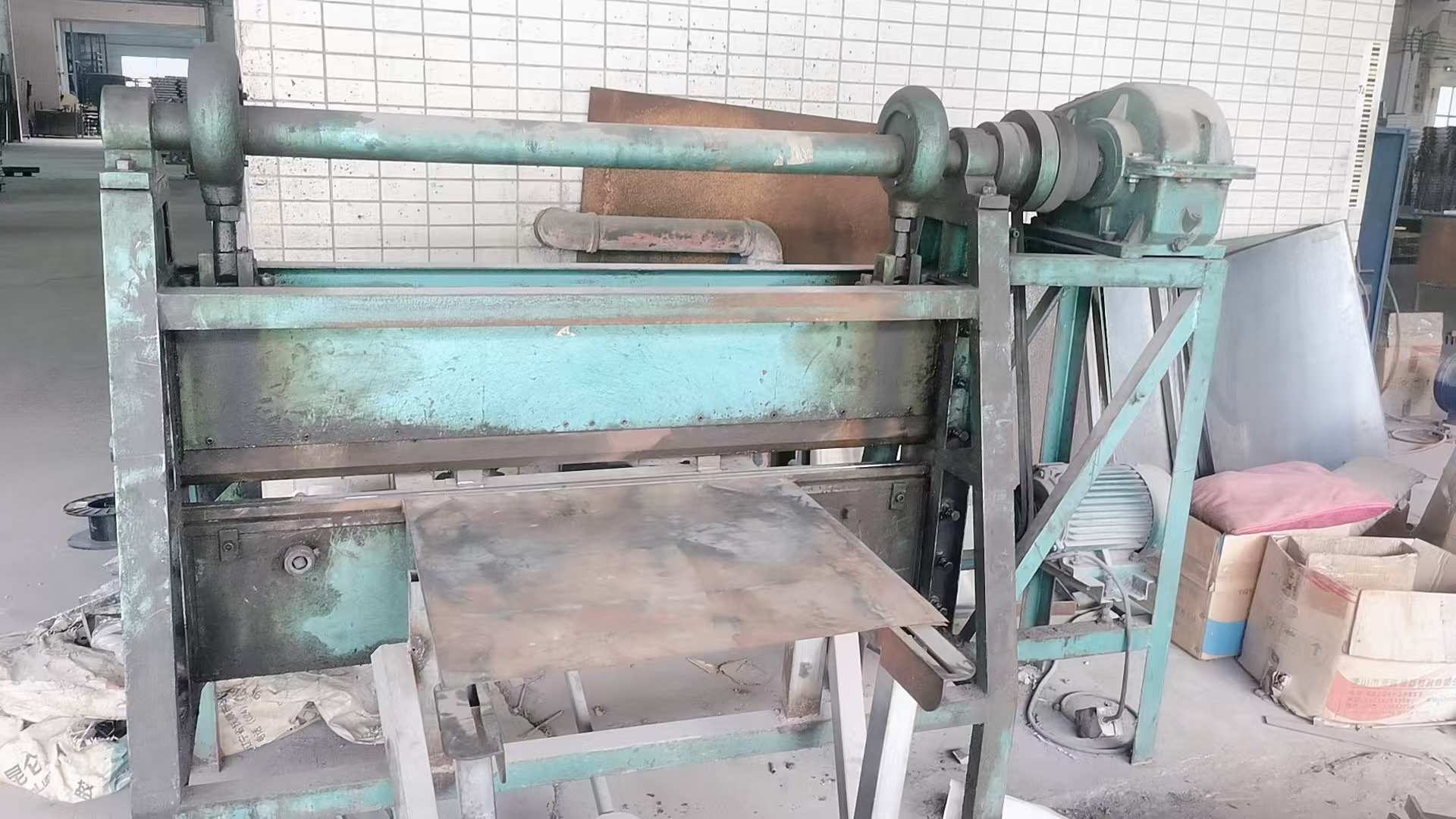
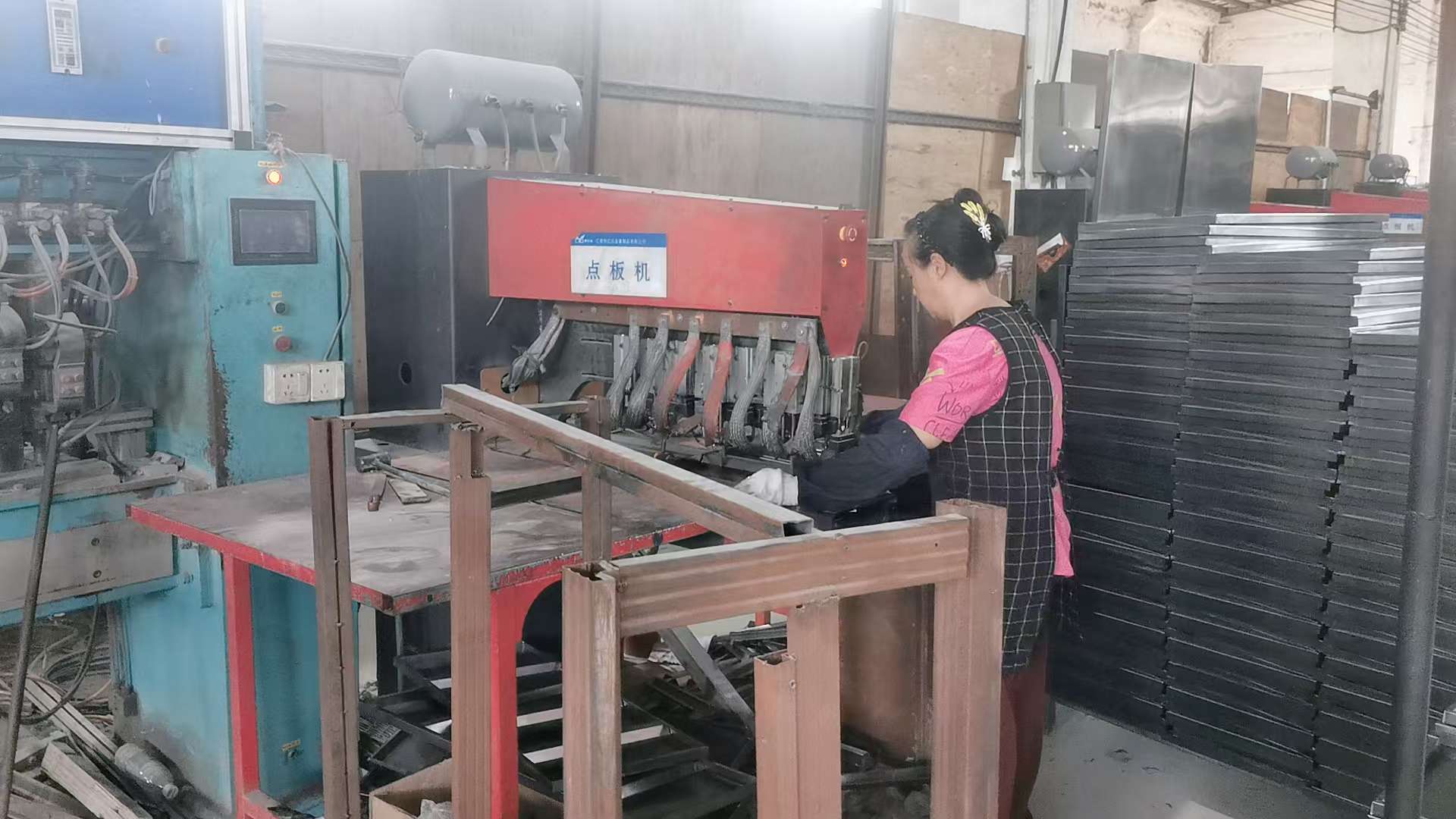
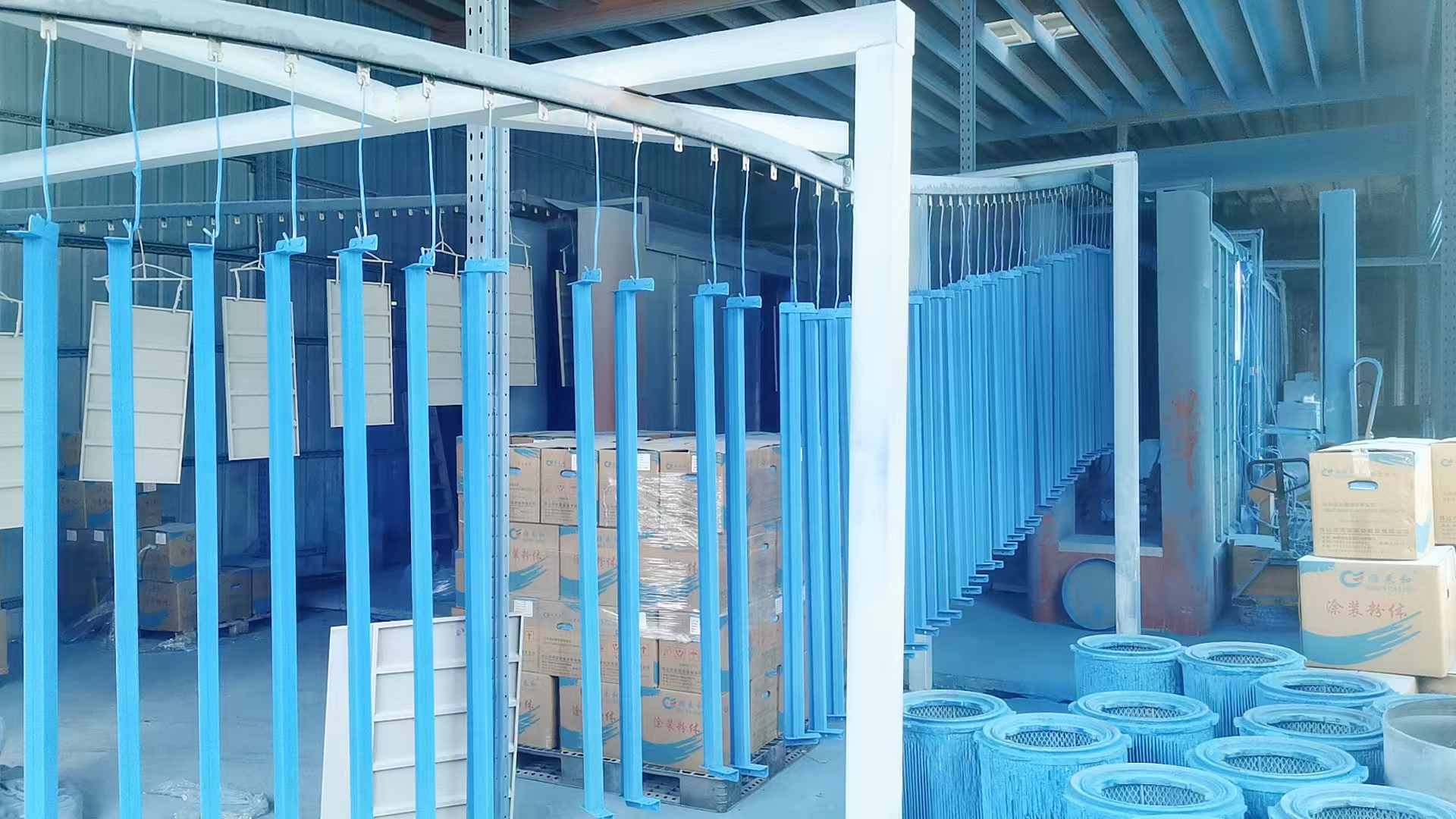
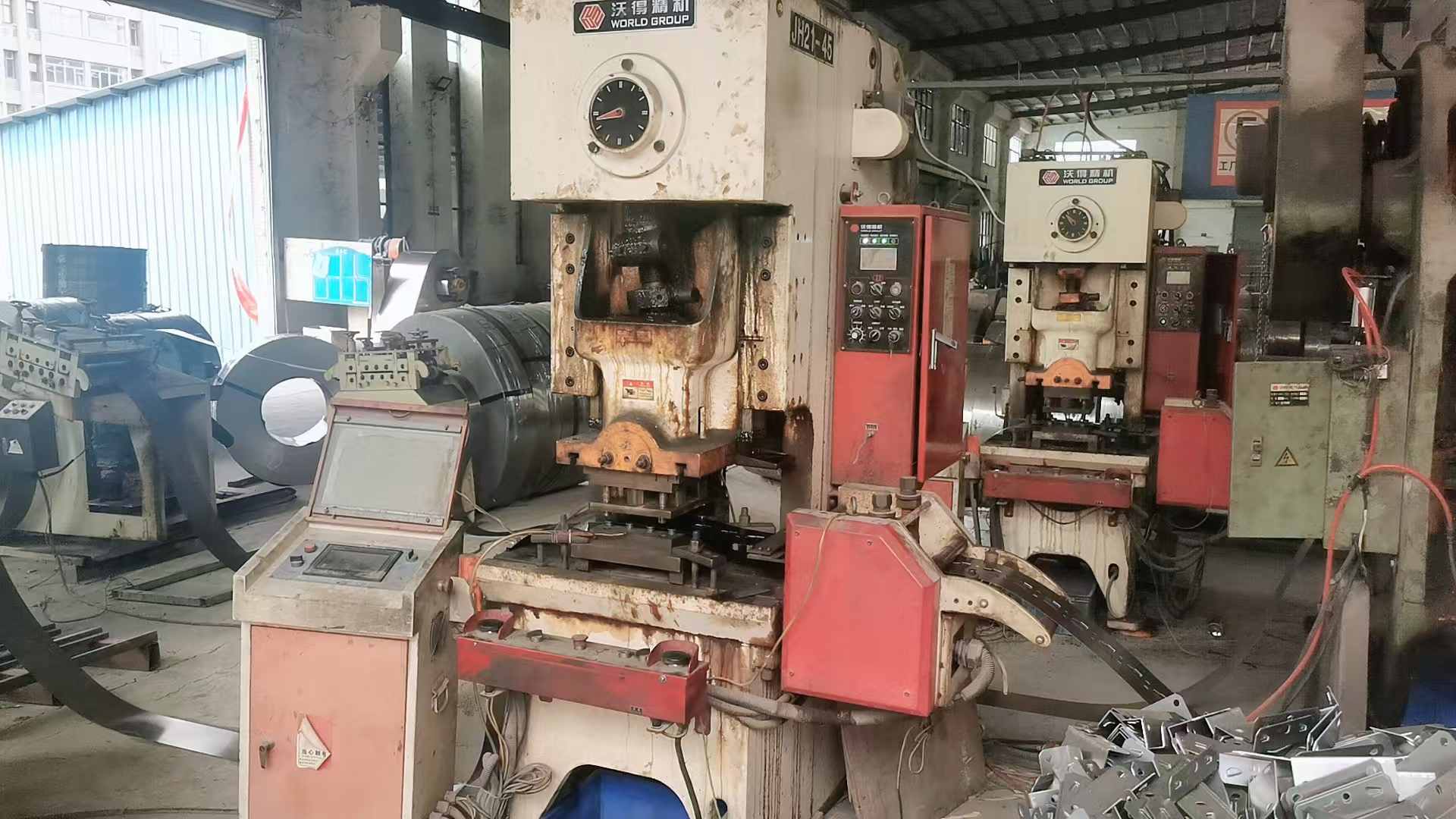
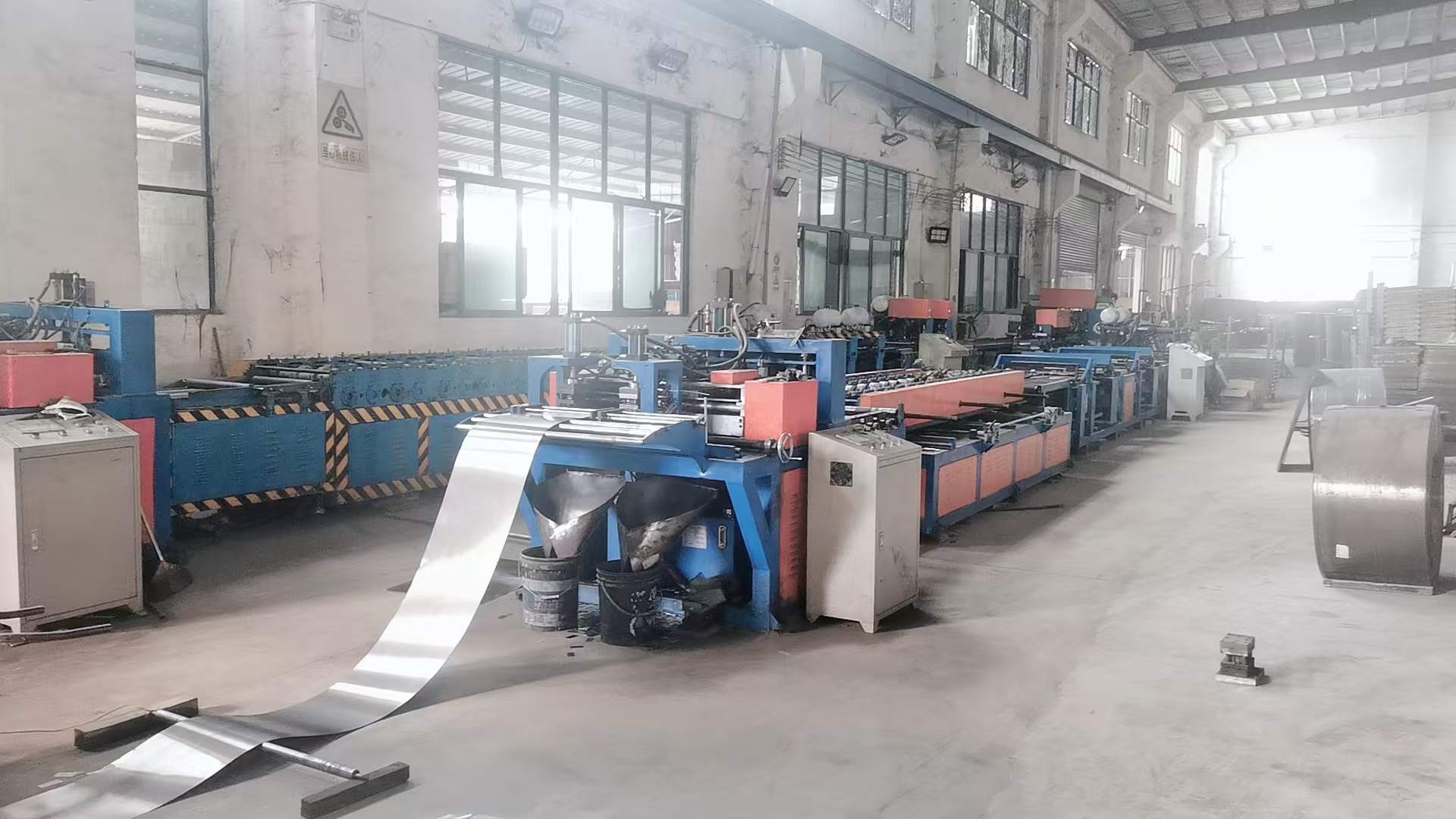
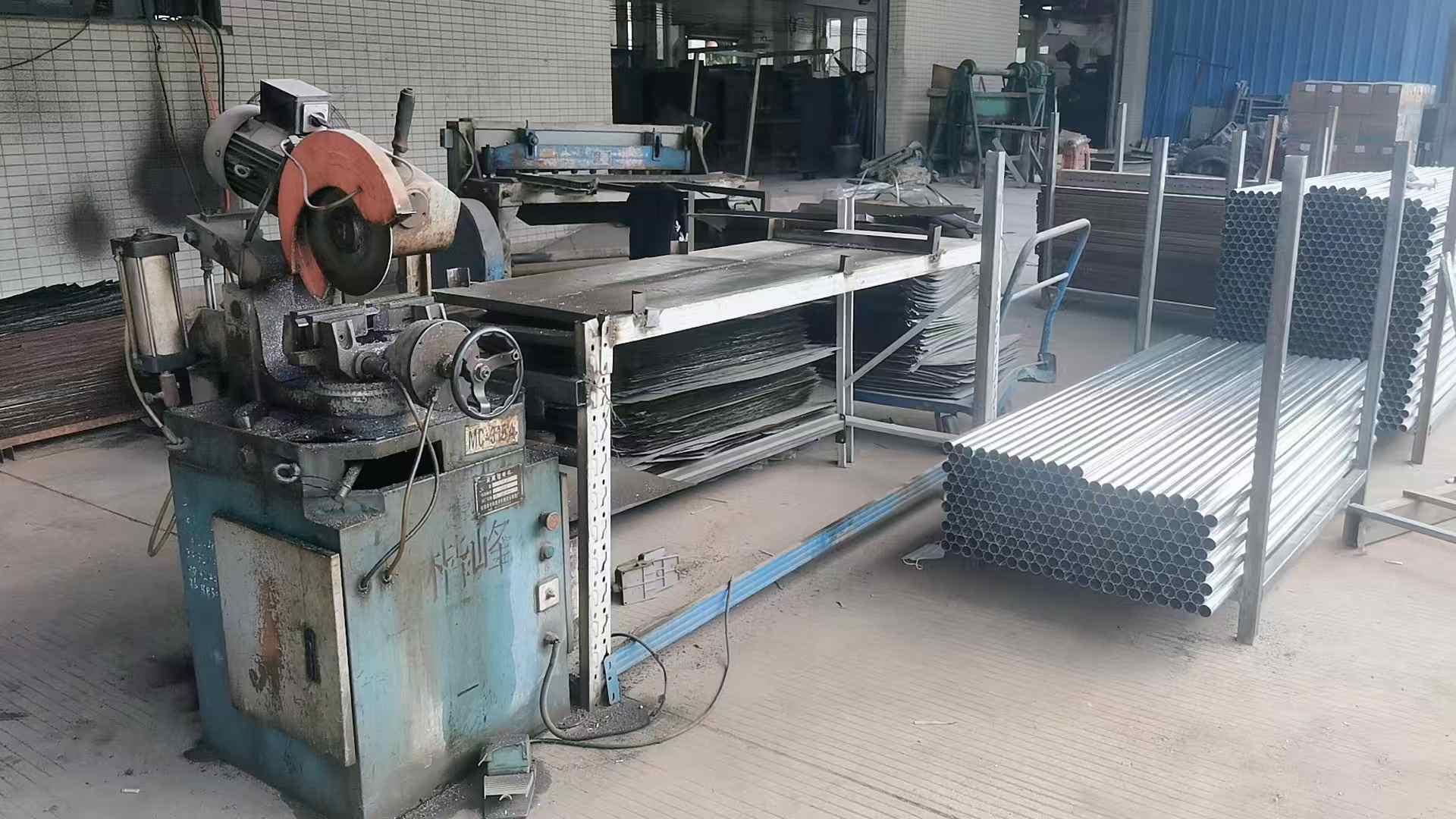
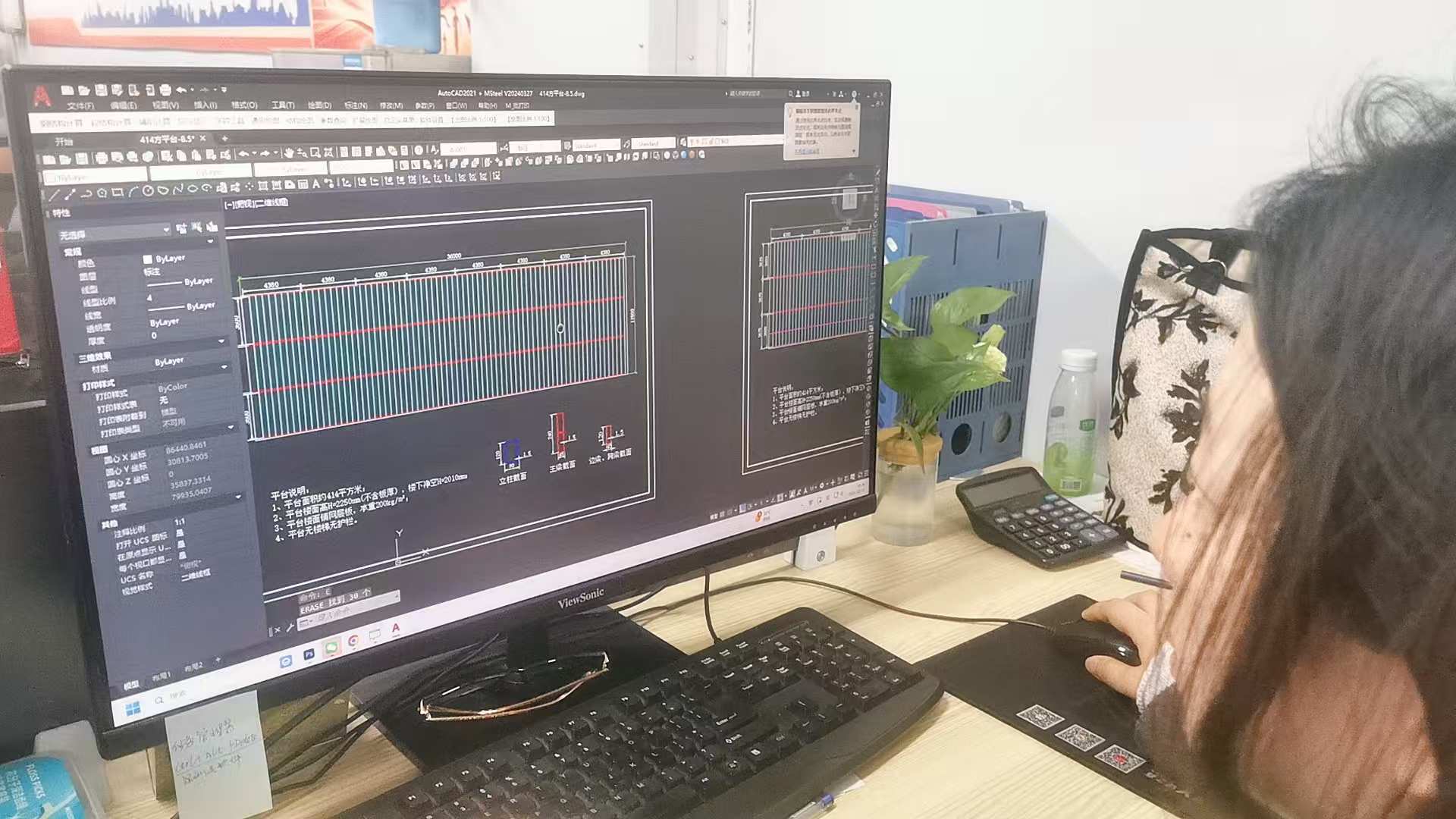
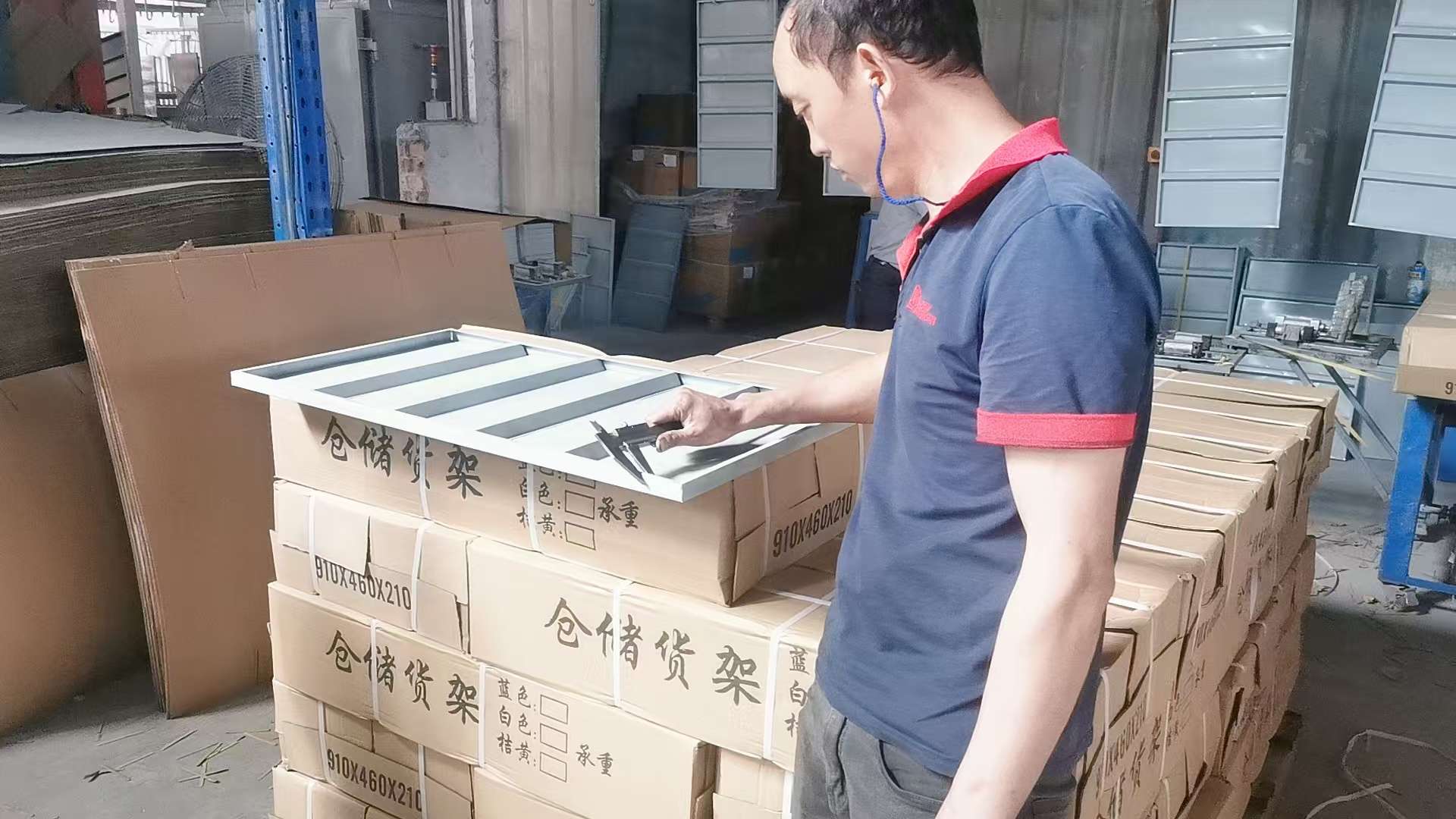
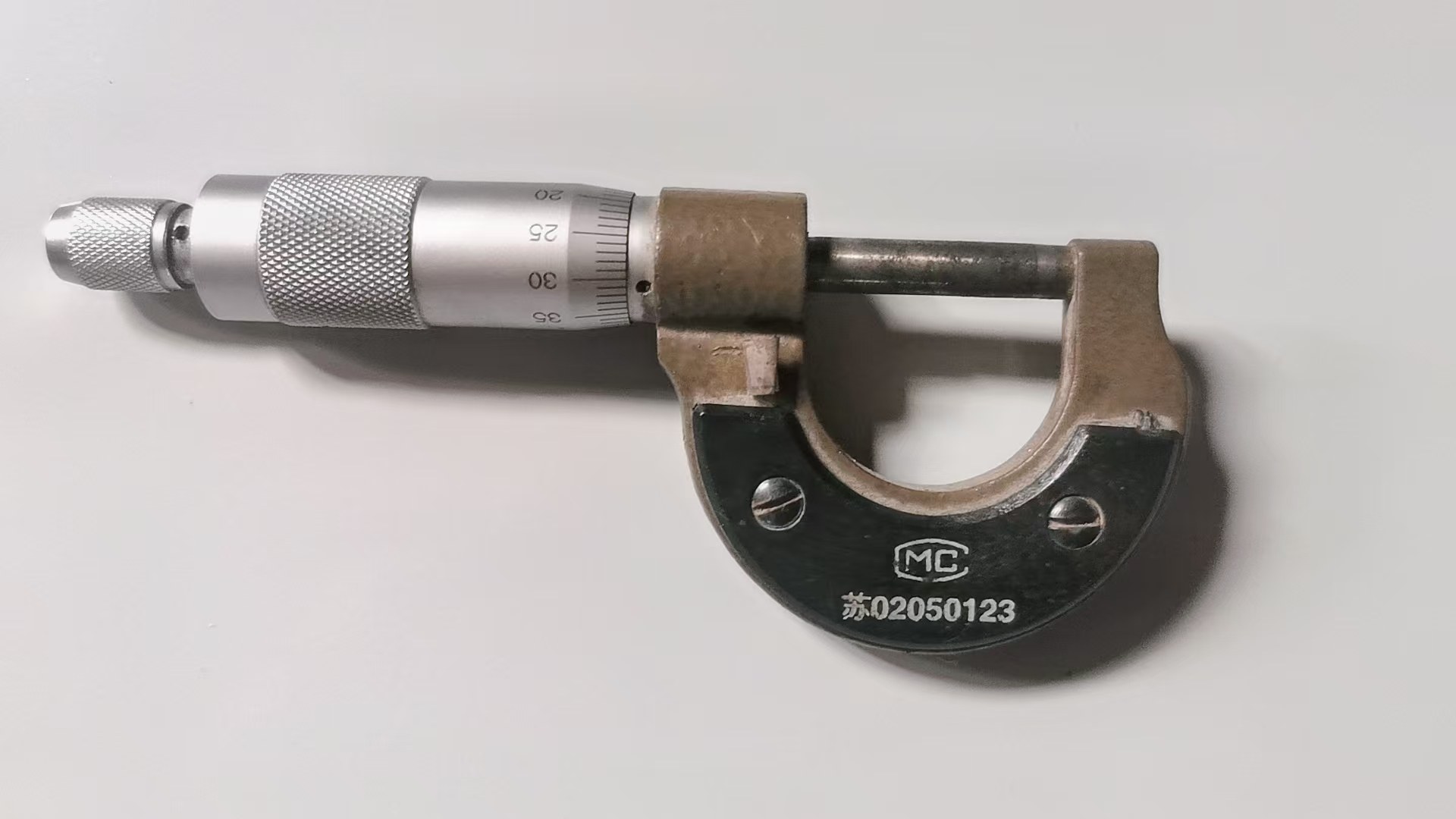
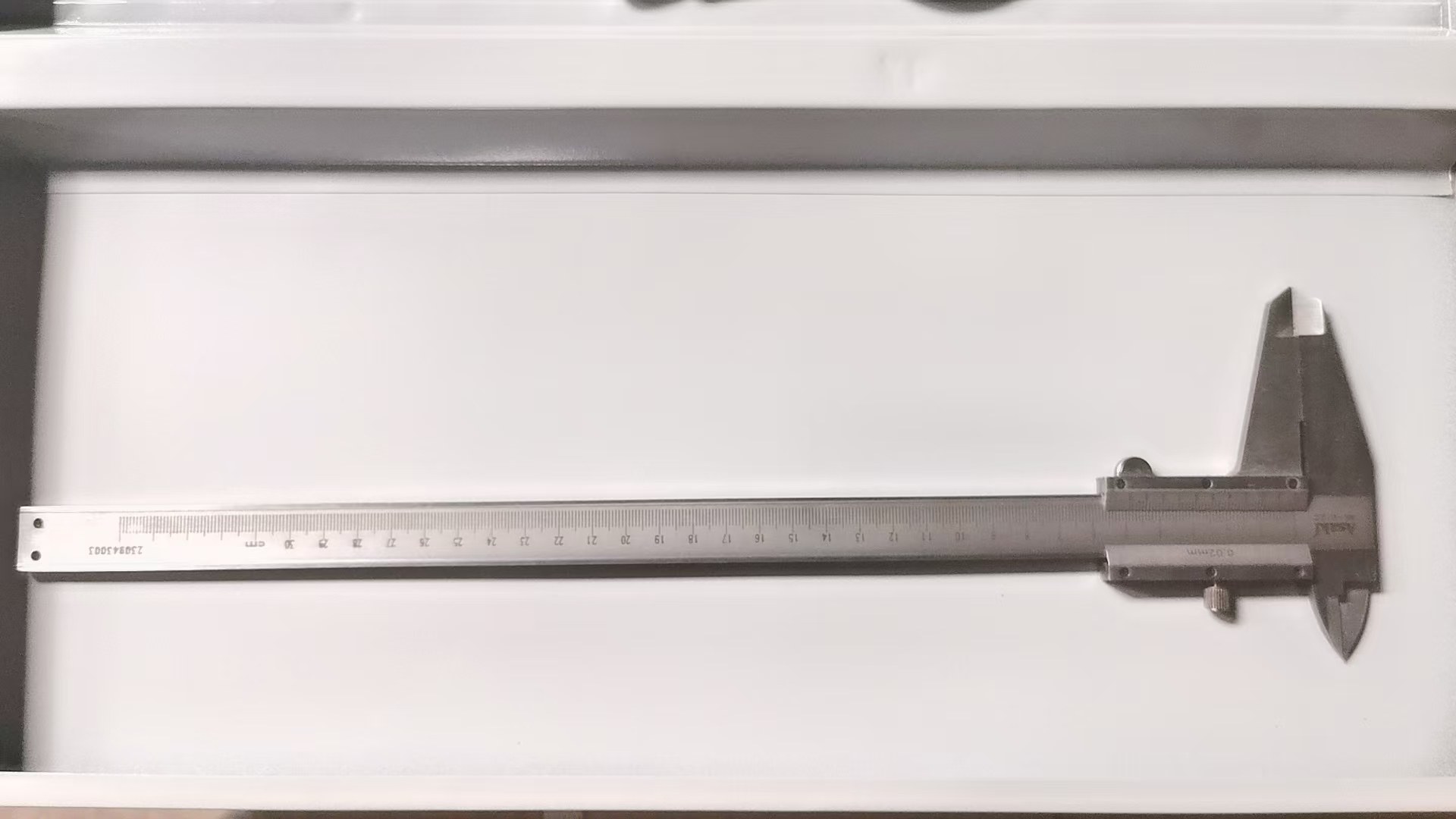
A multi-phase quality control system backed by physical testing to ensure long-term structural reliability.
At Hui Lian, our manufacturing processes prioritize structural safety and performance consistency. We conduct dimensional, physical, and chemical tests at each phase of production:
This focus on manufacturing precision and documented testing minimizes structural alignment issues, supporting efficient warehouse automation.
Technical details, engineering advice, and project planning parameters for automated storage configurations.
Our ASRS systems are designed to meet European CE standards, including Machinery Directive 2006/42/EC, EN 15095, and EN 15512 static steel racking guidelines. For the North American market, we perform calculations aligned with Rack Manufacturers Institute (RMI) MH16.1 specifications and AISC structural steel standards, ensuring compliance with local building codes.
Standard racking systems allow vertical deviations of H/500. For ASRS configurations, where automated stacker cranes or shuttle systems travel at speeds up to 240 m/min, tolerances are limited to H/1000 or tighter. This level of precision is necessary to maintain clean sightlines for optical sensors and automated placement systems.
Yes. Cold storage operations require structural steel that maintains ductile performance under freezing conditions. We utilize structural grades like Q355D, which undergo impact testing down to -20°C or lower. Additionally, we apply specialized, moisture-resistant powder coatings to mitigate oxidation risk in high-humidity zones.
Typical engineering and layout design processes require 1 to 2 weeks, depending on structural complexity. Following design approval, production turnaround ranges from 30 to 45 days, supported by our 18,500㎡ facility and raw material supply networks.
Yes. For locations in active seismic zones, we calculate structural profiles using seismic dynamic analysis, checking load behavior in response to regional ground acceleration variables. Racking frames are customized with larger baseplates, dual floor anchoring systems, and reinforced cross-bracing configurations to ensure stability.
The introduction of automated mobile guided vehicles requires dynamic loading calculations. Racking columns, guide channels, and base rails must handle both vertical load weight and lateral forces during unit turns, acceleration, and deceleration. Our engineering team calculates these dynamic loads to prevent long-term fatigue in the steel framework.
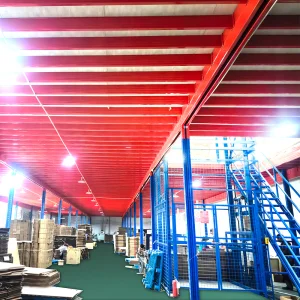
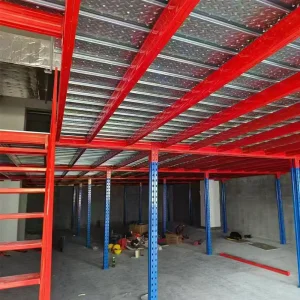
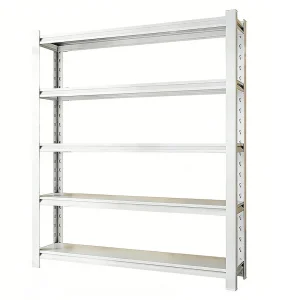
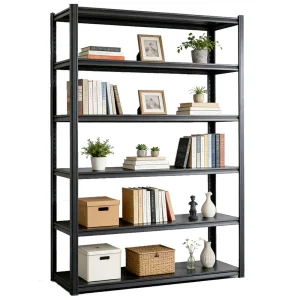
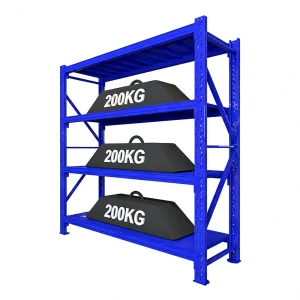
Modular racking components, structural mezzanines, and industrial steel platforms engineered to support dense storage loads.
 Hui Lian