Why Are Stacking Systems Essential for Global Warehouses?

Time:2026-10-18 Author:Liam
0%

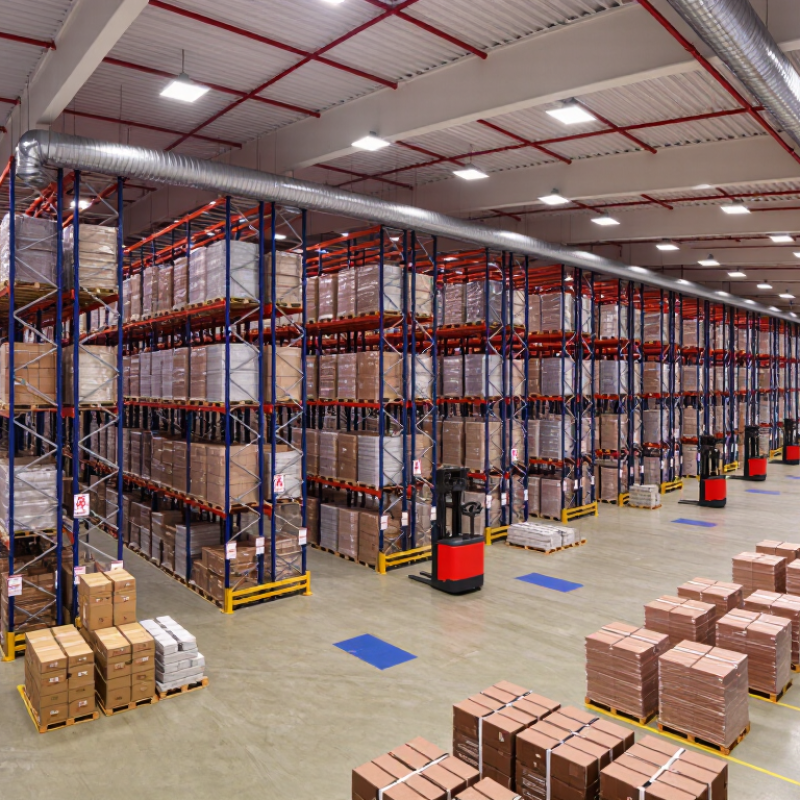
Global warehouses face a difficult balance: storing more goods while protecting people, products, and operating speed. Stacking Systems help create that balance by using vertical space efficiently. Instead of expanding across expensive floor areas, facilities can organize pallets, cartons, and containers upward. This matters in busy ports, cold-storage sites, and urban distribution centers where every square meter carries a cost.

In practice, an effective stacking plan begins with the inventory. Heavy pallets should remain low, while fragile cartons need stable positions and clear access. Engineers also review load ratings, aisle widths, forklift movement, ventilation, and sprinkler coverage. Local building standards and fire-safety requirements must guide the final design. Small details matter. A leaning pallet can become a serious workplace hazard.

Modern warehouses may combine selective racks, drive-in systems, automated storage, and floor stacking. The best choice depends on product turnover, building height, climate, and handling equipment. A fast-moving warehouse often needs direct access, even when higher density seems attractive. High capacity is not always high performance.

Yet no design is perfect. Stock changes, equipment ages, and demand forecasts can fail. Regular inspections, staff training, and updated risk assessments keep Stacking Systems reliable over time. Supervisors should record damaged frames, uneven loads, and blocked aisles before minor issues become expensive disruptions. Practical experience often reveals weaknesses that drawings miss. That lesson deserves attention.

With disciplined planning and credible technical guidance, stacking systems can support safer, more resilient global warehousing. They improve space use without treating efficiency as the only goal. Good warehouse design protects both inventory and the people moving it.
Why Are Stacking Systems Essential for Global Warehouses?

Global Warehouse Demand: UNCTAD Valued 2023 Merchandise Trade at $24 Trillion

Global warehouses are under pressure as merchandise trade reaches enormous scale. UNCTAD valued 2023 global merchandise trade at approximately $24 trillion. Every shipment adds handling, storage, and tracking demands. Space is no longer a minor operational detail.

Stacking systems help warehouses use vertical capacity instead of expanding expensive floor space. A well-designed rack can separate inbound cartons, export pallets, and inspection stock. Clear locations reduce search time and support more reliable inventory records. During port delays, this organization becomes especially valuable. Teams can rotate older goods and protect sensitive items from damage.

Height alone is not efficiency. A taller system may slow picking, increase safety risks, or exceed floor-load limits. Warehouse planning must consider pallet weight, ceiling clearance, aisle width, fire protection, and local regulations. Small errors matter. One misplaced pallet can interrupt several orders. Operators should test traffic patterns before installation and review performance after peak periods. Even experienced teams sometimes overestimate usable capacity. That mistake deserves attention.

Space Efficiency: How High-Bay Racks Increase Storage Capacity per Square Meter

Why Are Stacking Systems Essential for Global Warehouses?

Space Efficiency: How High-Bay Racks Increase Storage Capacity per Square Meter

In global warehouses, floor space is expensive, while vertical space often remains unused. High-bay racks convert this wasted air into organized storage levels. A facility with 12-meter ceilings can hold several pallet tiers instead of relying on low, widely spaced shelving. This can significantly increase capacity per square meter without expanding the building footprint.

From warehouse assessments, I have seen better results when rack height matches product weight, handling equipment, and order frequency. Narrower aisles may create more storage positions, but they also require suitable trucks and careful traffic control. Load limits, floor strength, sprinkler clearance, lighting, and emergency access must guide every design decision. A taller rack is not automatically a better rack. Sometimes, the extra height causes slower picking or harder inspections.

Tips: Measure actual inventory dimensions before selecting rack levels. Keep fast-moving goods between waist and shoulder height when possible. Mark each location clearly, and inspect beams, frames, and anchors regularly. Leave safe clearance around equipment and follow local building and fire requirements. Digital planning tools can compare capacity, travel distance, and future growth. Still, the first layout is rarely perfect. Seasonal demand may expose weak assumptions, so review the system after real operations begin.

System Types: Comparing Pallet Racks, Mezzanines, and AS/RS Solutions

Why Are Stacking Systems Essential for Global Warehouses?

System Types: Comparing Pallet Racks, Mezzanines, and AS/RS Solutions

Warehouse space is expensive, especially near ports, cities, and major transport routes. Stacking systems use vertical volume instead of demanding more floor area. The right choice depends on product weight, turnover, ceiling height, and labor capacity.

Pallet racks suit diverse inventory stored on standard pallets. Adjustable beams support changing stock profiles, while clear aisles help forklifts move quickly. A rack layout needs careful load calculations, floor checks, and visible safety labels. Small design errors can create serious stability risks. Rack inspections should follow a documented schedule, not personal memory.

Mezzanines add a working floor above storage or packing areas. They can support carton picking, offices, or light assembly. Engineers must assess columns, stairs, guardrails, lighting, and emergency access. Mezzanines are useful, but they can complicate fire protection and material movement. That detail is often underestimated.

AS/RS solutions combine storage equipment, software, and automated handling. They can improve inventory accuracy and reduce repetitive travel in high-volume operations. However, they require reliable data, controlled maintenance, and trained technicians. A system may appear efficient during testing but struggle with irregular cartons or damaged labels. Human access remains necessary for exceptions.

In practical planning, a mixed design often performs better than one system alone. Pallet racks can hold reserve stock, while a mezzanine supports picking and AS/RS manages fast-moving items. Still, forecasts are imperfect. Regular performance reviews help managers adjust locations, capacities, and workflows before congestion becomes permanent.

Safety Standards: OSHA Reports 85 Annual U.S. Forklift-Related Deaths

Why Are Stacking Systems Essential for Global Warehouses?

Safety Standards: OSHA Reports 85 Annual U.S. Forklift-Related Deaths

OSHA reports that forklifts are linked to about 85 worker deaths annually in the United States. Many incidents involve unstable loads, poor visibility, or unsafe pedestrian movement. A well-designed stacking system keeps pallets at defined heights and preserves clear travel paths. It also helps workers identify load limits before placing materials overhead.

Practical warehouse planning begins with accurate measurements. Managers should check ceiling height, pallet weight, rack spacing, and forklift turning areas. Floor markings must remain visible beside storage lanes. Guardrails, back protection, and regular inspections can reduce contact risks. Training should include damaged pallets, uneven floors, and falling-object hazards.

A tidy rack is not automatically safe. False confidence develops quickly. Even experienced teams may overlook a bent frame or overloaded beam during a busy shift. Daily checks should record defects, blocked aisles, and changing inventory weights. Supervisors need authority to stop operations when conditions become unclear. This may slow production briefly, but ignoring one warning can create a far greater human cost.

Why Are Stacking Systems Essential for Global Warehouses?

OSHA estimates that forklift incidents in the United States cause approximately 85 fatalities, 34,900 serious injuries, and 61,800 non-serious injuries each year. Proper warehouse stacking and traffic-management systems can help reduce exposure to these hazards.

Source: U.S. Occupational Safety and Health Administration (OSHA), Powered Industrial Trucks safety data.

Performance Metrics: Measuring Cube Utilization, Throughput, Accuracy, and ROI

Why Are Stacking Systems Essential for Global Warehouses?

A stacking system should be judged by measurable warehouse performance, not appearance. Cube utilization shows how efficiently vertical and floor space are used. A facility may increase storage density from 65% to 82% after redesigning rack heights and container sizes. Yet maximum density is not always better. Narrow aisles can slow equipment movement and create congestion during peak shifts.

Throughput measures how many pallets or cartons move through receiving, storage, and dispatch within a set period. Supervisors can compare hourly output before and after installation. For example, a clear travel path may raise dispatch volume from 420 to 560 cartons per hour. The result depends on operator training, order patterns, and replenishment timing. The equipment alone cannot solve every delay.

Accuracy deserves equal attention. Barcode scans, location checks, and cycle counts help reveal misplaced inventory. A stacking layout with visible labels may reduce picking errors from 2.4% to 1.1%. Small improvements matter when thousands of orders move weekly. Still, data can be incomplete. Manual counts may contain errors, and rushed workers sometimes bypass scanning steps.

ROI connects these metrics to financial decisions. Managers should compare labor savings, recovered floor space, maintenance, training, and installation costs. A payback period of eighteen months may appear attractive, but demand changes can weaken the forecast. Review the figures quarterly. Leave room for doubt.

FAQS

Why are high-bay racks useful in warehouses?

They use vertical space instead of expanding the building footprint. A 12-meter ceiling can hold several pallet levels. Unused air becomes organized storage.

Does a taller rack always provide better results?

No. Greater height can slow picking and complicate inspections. Product weight, equipment, fire clearance, and order frequency must guide the design. Taller is not automatically better.

How can warehouses improve storage capacity per square meter?

Measure real inventory dimensions before choosing rack levels. Narrower aisles can create more storage positions. They also require suitable trucks and strict traffic control.

What safety details should rack designs include?

Check floor strength, load limits, lighting, sprinkler clearance, and emergency access. Inspect beams, frames, and anchors regularly. Clear labels matter.

When are pallet racks a suitable choice?

Pallet racks suit varied products stored on standard pallets. Adjustable beams can support changing inventory sizes. Clear aisles help handling equipment move efficiently.

What can mezzanines add to a warehouse?

Mezzanines create an upper working floor above storage or packing areas. They can support carton picking, offices, or light assembly. Stairs and guardrails need careful planning.

What are the limitations of automated storage systems?

Automated systems can improve accuracy and reduce repetitive travel. They need reliable data, maintenance, and trained technicians. Damaged labels or irregular cartons may cause problems.

Can warehouses combine several storage systems?

Yes. A mixed design can match different operational needs. Pallet racks may hold reserve stock, while mezzanines support picking. Automated equipment can manage fast-moving items.

How should warehouse managers review a new storage layout?

Compare storage capacity, travel distance, picking speed, and congestion after operations begin. Seasonal demand may reveal weak assumptions. The first layout is rarely perfect.

Conclusion

As global merchandise trade reached an estimated $24 trillion in 2023, warehouses face growing pressure to store more goods efficiently while maintaining fast and reliable operations. Stacking Systems are essential because they maximize vertical space and increase storage capacity per square meter, especially through high-bay designs. By using available height instead of expanding the building footprint, warehouses can improve space utilization and support long-term growth.

Different facilities may choose pallet racks for flexibility, mezzanines for additional working levels, or automated storage and retrieval systems for high-density, high-throughput operations. However, capacity alone is not enough. Safe design, clear operating procedures, equipment inspections, and employee training are critical, particularly because forklift-related incidents contribute to approximately 85 deaths annually in the United States. Warehouse performance should be evaluated through cube utilization, throughput, inventory accuracy, and return on investment. Together, these measures help companies select stacking solutions that balance capacity, safety, productivity, and sustainable financial value.

Liam

Liam

Liam is a dedicated marketing professional with a profound expertise in the industry, where he excels at highlighting the unique advantages of our core products. With a keen understanding of market trends and consumer needs, Liam frequently updates our company’s professional blog, providing......