In the rapidly evolving landscape of warehousing and logistics, Mezzanine Systems play a crucial role. These versatile structures maximize storage space and enhance operational efficiency. Industry expert Dr. Robert Hayes, a renowned figure in storage solutions, once stated, "Mezzanine Systems are essential for optimizing vertical space in modern facilities." His insight highlights the importance of these systems in today’s competitive market.
As global buyers look to source these solutions from China, understanding their diversity is key. Mezzanine Systems not only expand floor space but also facilitate better workflows. The market presents various options, which can be overwhelming. Each system has its unique advantages. Navigating through these choices requires careful consideration of specific needs.
While exploring the top offerings, one must also reflect on potential challenges. Quality control and sourcing reliability can vary significantly. It's critical to choose suppliers with proven track records. Ultimately, selecting the right Mezzanine System can transform a warehouse’s efficiency. The journey may have its hurdles, but the rewards are immense for those willing to invest in smart solutions.
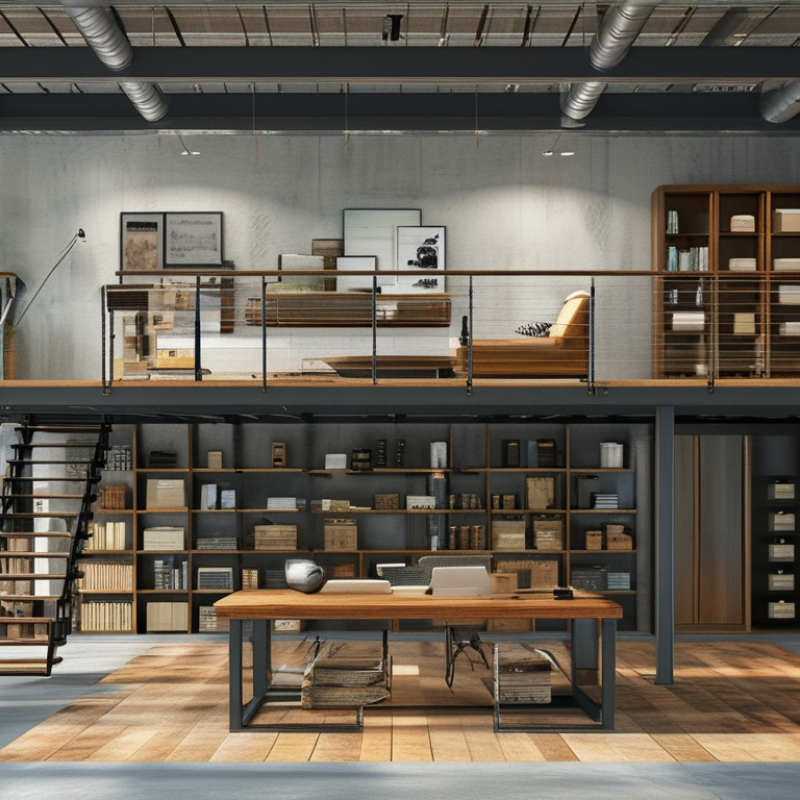
Mezzanine systems are becoming essential in China's warehousing and logistics sectors. These systems provide efficient use of vertical space, increasing storage capacity. According to a recent report from the China Warehousing and Logistics Association, the demand for mezzanine floors has grown by over 20% annually since 2018. This trend aligns with China's rapid urbanization and e-commerce expansion.
The flexibility of mezzanine systems is noteworthy. They can be easily customized to fit various warehouse layouts. Reports indicate that businesses can achieve a return on investment within two years from installing these systems. However, not all mezzanine solutions are created equal. Some may lack durability, leading to safety concerns. Regular assessment of structural integrity is crucial for long-term reliability.
Additionally, the adoption of these systems can be complex. Companies must consider factors such as weight capacity and material quality. Data shows that improper installation leads to operational disruptions, costing businesses time and money. Understanding local regulations and standards is vital before making investment decisions in mezzanine solutions.
| Rank | System Type | Load Capacity (kg/m²) | Height (m) | Material | Installation Time (days) | Price Range (USD) |
|---|---|---|---|---|---|---|
| 1 | Standard Mezzanine | 500 | 2.5 | Steel | 10 | 8000 - 12000 |
| 2 | Heavy Duty Mezzanine | 1000 | 3.0 | Steel | 12 | 15000 - 20000 |
| 3 | Modular Mezzanine | 750 | 2.8 | Aluminum | 7 | 6000 - 10000 |
| 4 | Scaffold Mezzanine | 600 | 2.0 | Steel | 5 | 4000 - 7000 |
| 5 | Customizable Mezzanine | 800 | 3.5 | Steel & Wood | 15 | 10000 - 15000 |
| 6 | Drive-In Mezzanine | 700 | 3.0 | Steel | 8 | 9000 - 13000 |
| 7 | High-density Mezzanine | 850 | 3.2 | Steel | 9 | 11000 - 16000 |
| 8 | Pallet Racking Mezzanine | 900 | 3.0 | Steel | 10 | 12000 - 17000 |
| 9 | Fireproof Mezzanine | 500 | 2.6 | Steel | 6 | 8500 - 13000 |
| 10 | Noise Reduction Mezzanine | 650 | 2.8 | Composite | 10 | 9500 - 14000 |
: A mezzanine system is a platform that maximizes vertical warehouse space. It increases storage capacity efficiently.
Their popularity stems from rapid urbanization and the growth of e-commerce. Demand has surged over 20% annually since 2018.
Consider weight capacity, material quality, and design flexibility. Understand operational needs to ensure the best fit.
Steel is popular for durability. Lighter materials may lower costs but reduce strength. Choose based on specific applications.
Compliance with local regulations is crucial. Familiarity with safety protocols reduces risks during operation and installation.
Yes, improper installation often leads to operational delays. Ensure qualified personnel handle the setup to avoid complications.
Regular assessments of structural integrity are important. Address any signs of wear or safety concerns promptly.
Yes, a well-designed mezzanine can adapt to changing workflows. This flexibility enables future space needs to be met efficiently.
Installation time varies. Some systems require extensive assembly, while others can be set up quickly for immediate use.
Evaluate load capacity, installation speed, durability, and safety compliance. These factors impact both productivity and safety.
This article provides a comprehensive overview of Mezzanine Systems in China, highlighting their importance for global buyers seeking efficient space utilization solutions. It delves into the key factors that influence the selection of mezzanine systems, such as load capacity, design flexibility, and compliance with safety regulations. The top ten mezzanine systems are presented, offering a comparative analysis of their features to assist buyers in making informed decisions.
Additionally, the article emphasizes crucial purchasing and installation considerations for mezzanine systems, ensuring that buyers are well-equipped to navigate the complexities of investing in these systems. By understanding the market dynamics and evaluating various options, global buyers can effectively enhance their operational efficiency and space management in China.

 Hui Lian