For global buyers, choosing the right Longspan Storage system involves more than comparing prices and shelf dimensions. Warehouses differ in climate, floor quality, labour practices, product weight, and expansion plans. A solution that performs well in a dry distribution centre may require different finishes in a humid coastal facility. The details matter.
This guide examines leading longspan storage options for retail stockrooms, workshops, archives, and light industrial warehouses. It considers load capacity, beam adjustment, corrosion resistance, installation methods, safety features, and long-term maintenance. Practical experience shows that clear span measurements can prevent costly redesigns. A 2.4-metre aisle may look adequate on paper, yet handling equipment can make it feel restrictive.
Not every system suits every buyer. That is worth remembering. Some modular racks offer impressive flexibility but need careful anchoring and inspection. Others provide strong steel frames but allow fewer layout changes. Product specifications should be verified with manufacturers, installers, and local building professionals. Independent checks remain valuable, especially when seismic conditions or heavy stored goods are involved.
The comparison also considers supplier reliability, documentation, replacement parts, and after-sales support across international markets. Responsible sourcing matters. Buyers should request material information, tested load ratings, installation guidance, and transparent warranty terms. We may overlook small operational habits, such as uneven pallet placement or overloaded shelves. Those mistakes can affect safety more than the rack design itself. A dependable Longspan Storage investment supports safer access, better space utilisation, and more predictable warehouse growth.
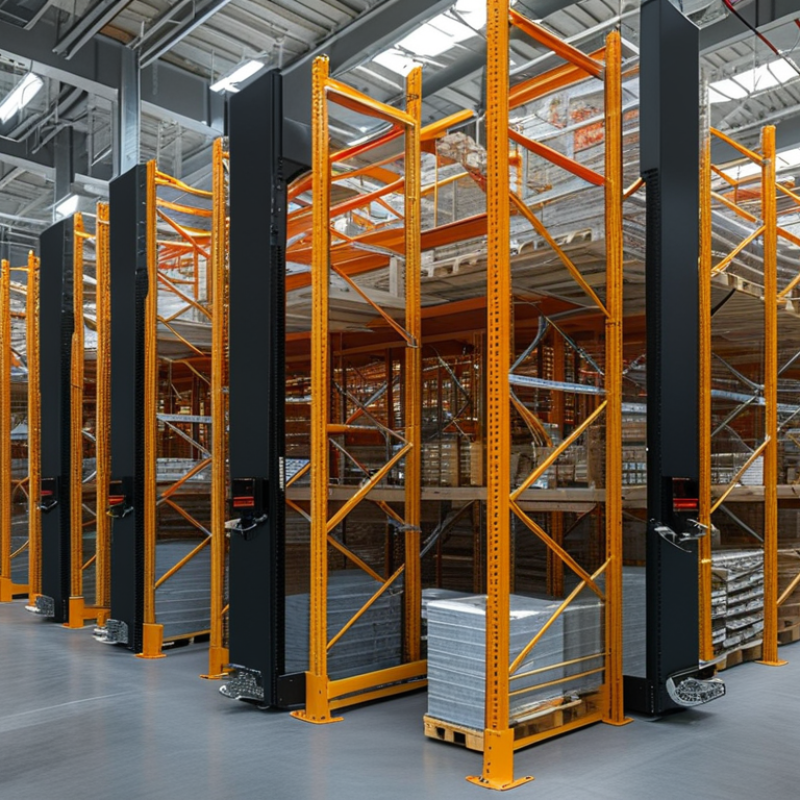
Longspan storage uses wide, strong shelves for bulky goods that do not fit standard pallet racks. It suits cartons, tools, spare parts, and hand-loaded inventory. Shelves usually adjust without complex equipment. This helps warehouses adapt as product sizes change. For global buyers, flexibility matters because storage needs differ across markets, buildings, and supply cycles. A well-designed system can reduce wasted floor space while keeping products visible and accessible. It also supports safer picking when shelf height and load limits are clearly defined.
Tips: Measure real products, not ideal samples. Check shelf loads, aisle width, floor strength, and local safety requirements before ordering. Ask for installation guidance and replacement-part availability. Confirm whether the finish suits humidity, dust, or temperature changes. Small details matter.
Reliable purchasing requires more than comparing price per shelf. Buyers should review material thickness, connection quality, corrosion resistance, and documented testing. Working with a qualified storage engineer can prevent expensive redesigns. One practical mistake is selecting the tallest possible unit without checking handling access. It looks efficient, but it may slow daily work. Longspan storage is not perfect for every warehouse. Heavy pallets, automated handling, or very narrow aisles may require another solution. Good planning starts with honest operating data, then leaves room for future change.
For global buyers, capacity starts with evidence, not a catalog dimension. Record the heaviest carton, average carton, package height, and weekly volume. Add a 15–20% reserve for seasonal surges and irregular stock. Measure the load. The 2024 Annual Industry Report from the Material Handling Institute found that 55% of respondents planned to increase supply-chain technology investment. Digital records help, but software cannot correct weak measurements.
Define bay width, shelf depth, and vertical levels around the actual handling method. Hand-loaded cartons need comfortable reach zones, while pallet access requires equipment clearance and turning space. Do not copy a 2.4-meter aisle without checking the vehicle, load length, and local safety rules. WERC’s 2023 DC Measures report recorded median order-picking accuracy above 99%. Clear locations and repeatable access support that result. Layout still matters.
Separate replenishment routes from daily picking paths where possible. Specify clear aisle width, turning radius, beam height, floor loading, and emergency access before requesting quotations. Leave space for inspection and damaged goods. A common planning mistake is maximizing storage density too early. It can slow every retrieval. Accessibility is capacity in practice. Review the layout with operators, not only engineers. Some assumptions will be wrong. That is useful before installation, not after.
Longspan Storage Solutions for Global Buyers
Longspan shelving suits businesses handling bulky cartons, spare parts, tools, or archive boxes. Adjustable beams allow shelves to move as inventory changes. This flexibility matters when product dimensions rarely stay consistent.
For retail backrooms, wide-span shelving keeps replenishment stock visible and reachable. The U.S. Census Bureau estimated e-commerce represented 15.6% of total retail sales in 2023. That growth increases pressure for faster picking and shorter travel paths. Shelf levels should match carton height, not simply fill every available space. A small mistake there creates wasted air and awkward handling.
Light manufacturing often needs heavy-duty longspan racks with plywood or steel decks. These support components near workstations and reduce repeated walking. MHI’s 2024 Annual Industry Report found that 55% of respondents planned to increase supply-chain technology investment. Storage should therefore allow future scanning, labeling, or guided picking. It is easy to overbuild.
For slow-moving archives, closed longspan shelving protects documents from dust and accidental contact. For high-turnover goods, open shelving usually provides better access. Multi-tier systems can double usable floor space, but they need careful review of stairways, lighting, load limits, and emergency access. A practical site survey should record actual carton weights, aisle widths, and daily picking volume. Estimates often look tidy. Warehouses rarely are.
Typical market capacity bands are shown as representative load ratings per shelf. Light-duty systems suit cartons and small parts, medium-duty systems support general warehouse inventory, heavy-duty systems handle dense or bulky goods, multi-tier systems maximize vertical space, and mobile systems improve floor-space utilization.
Capacity figures are indicative industry ranges. Actual ratings depend on shelf dimensions, beam configuration, materials, load distribution, and local safety requirements.
Choosing longspan storage is not only a question of shelf size or price. Material quality, safety design, and local standards should guide the decision. Cold-rolled steel offers consistent strength for moderate warehouse loads. Heavier applications may require thicker uprights, reinforced beams, and tested connections. Surface treatment also matters. Powder coating suits many dry interiors, while galvanized finishes can better resist humidity and corrosion.
Safety features deserve close inspection. Check the stated load per level, not only the total system capacity. Look for beam locks, upright guards, stable footplates, and clear load labels. Anchoring may be necessary in seismic zones or high-traffic areas. A small design gap can become a serious hazard. Buyers should request test reports, material certificates, installation instructions, and inspection records. Standards vary by country, so confirmation from a qualified local engineer is essential. Imported equipment is not automatically compliant.
Tips: Measure the usable aisle width and ceiling height before ordering. Compare the actual load shape, including pallets, cartons, and irregular items. Ask whether replacement parts remain available. Do not accept vague claims such as “international standard.” Request the exact standard and testing scope. One practical mistake is treating corrosion protection as permanent; it still needs cleaning and inspection. Safety improves through routine checks, not paperwork alone.
How to Compare Suppliers, Costs, Installation, and Support
Choosing longspan storage requires more than comparing a price per bay. Ask suppliers for load tables, steel specifications, finish details, and inspection records. Check whether stated capacity matches your shelf width, beam spacing, and floor condition. A credible supplier should explain every assumption clearly. Vague numbers deserve caution.
Request at least three itemized quotations. Separate frames, decking, delivery, installation, taxes, and future expansion parts. A cheaper quote may omit bracing or site preparation. I have seen projects change after floor levels were checked. Measure twice. Global buyers should confirm export packaging, local compliance documents, and responsibility for damaged components. Compare lead times and currency risks, too.
Installation quality affects safety and operating life. Ask for a method statement, installer qualifications, torque records, and handover drawings. For larger projects, require a sample bay or staged inspection before full assembly. Support should include response targets, replacement-part availability, and written warranty limits. Test the service team with practical questions before signing. Their answers often reveal more than a polished sales presentation. No comparison is perfect; warehouse growth can make today’s layout restrictive. Leave room for adjustment, and record every agreed detail in the contract.
: It suits bulky cartons, spare parts, tools, and archive boxes. Adjustable beams adapt when inventory sizes change. Shelves should fit real products, not empty air.
Yes. Wide shelves keep replenishment stock visible and reachable. Match each shelf level to carton height. Awkward gaps slow picking.
Heavy-duty racks with plywood or steel decks support components near workstations. They reduce repeated walking. Leave space for future scanning or guided picking. Overbuilding is easy.
Closed shelving helps protect documents from dust and accidental contact. Open shelving gives faster access to frequently handled goods. The better choice depends on handling frequency.
It can double usable floor space. Review stairways, lighting, load limits, and emergency access carefully. More levels are not always better. The floor plan may become awkward.
Check the load per level, beam locks, upright guards, and stable footplates. Confirm clear load labels. Anchoring may be needed in seismic areas or busy aisles. Small gaps matter.
Request itemized prices for frames, decking, delivery, installation, taxes, and expansion parts. Compare load tables and steel specifications. A low price may exclude bracing or floor preparation.
Ask for installation methods, installer qualifications, torque records, and handover drawings. Consider a sample bay before full assembly. Confirm response times, replacement parts, and warranty limits. Support can disappoint.
Longspan Storage offers a flexible and efficient way for businesses to organize medium- to heavy-duty inventory across warehouses, workshops, retail backrooms, and distribution facilities. Global buyers should first assess the size, weight, and turnover rate of stored items, then define the required capacity, shelf spacing, layout, and access methods. These factors help determine whether adjustable shelving, multi-tier systems, mobile configurations, or other longspan formats are most suitable for operational needs.
Material quality, load stability, corrosion resistance, and safety features are essential when comparing solutions for different environments. Buyers should also review applicable industry standards, installation requirements, delivery conditions, maintenance support, and total ownership costs. A reliable supplier should provide clear technical specifications, practical layout guidance, transparent pricing, and responsive after-sales assistance. By evaluating both immediate storage demands and future expansion plans, businesses can select a durable and adaptable system that improves space utilization, workflow efficiency, and long-term operational value.

Hui Lian