Top 10 Drive-in Storage Solutions Buyers Need

Time:2026-09-18 Author:Madeline
0%

Choosing the right Drive-in Storage system affects warehouse capacity, product access, and daily handling speed. Buyers often focus on price first, yet layout, load requirements, and forklift movement deserve equal attention. A well-designed system can store pallets several levels deep, using valuable floor space efficiently. However, greater density may reduce direct access to individual pallets.

This guide examines ten practical storage solutions for buyers comparing warehouse equipment. Each option is considered through real operating needs, including pallet dimensions, rack depth, aisle width, load weight, and turnover frequency. Experienced warehouse planners know that a compact layout is not always the safest or most productive choice. Small mistakes in measurements can create blocked aisles, difficult loading paths, or unnecessary labor.

Details matter.

The discussion also considers structural quality, protective components, installation standards, and long-term maintenance. Reliable manufacturers should provide clear load ratings, technical drawings, inspection guidance, and responsive support. Buyers can then compare systems with stronger evidence instead of relying on attractive photographs or vague promises.

No single solution fits every facility. A cold-storage warehouse may prioritize density and corrosion resistance, while a fast-moving distribution center may need quicker pallet access. Budget limits, ceiling height, forklift type, and future expansion also influence the final decision. Some recommendations may appear less efficient at first, but they can reduce handling delays and safety concerns over time. Careful review remains essential, because the most expensive system is not automatically the best one.
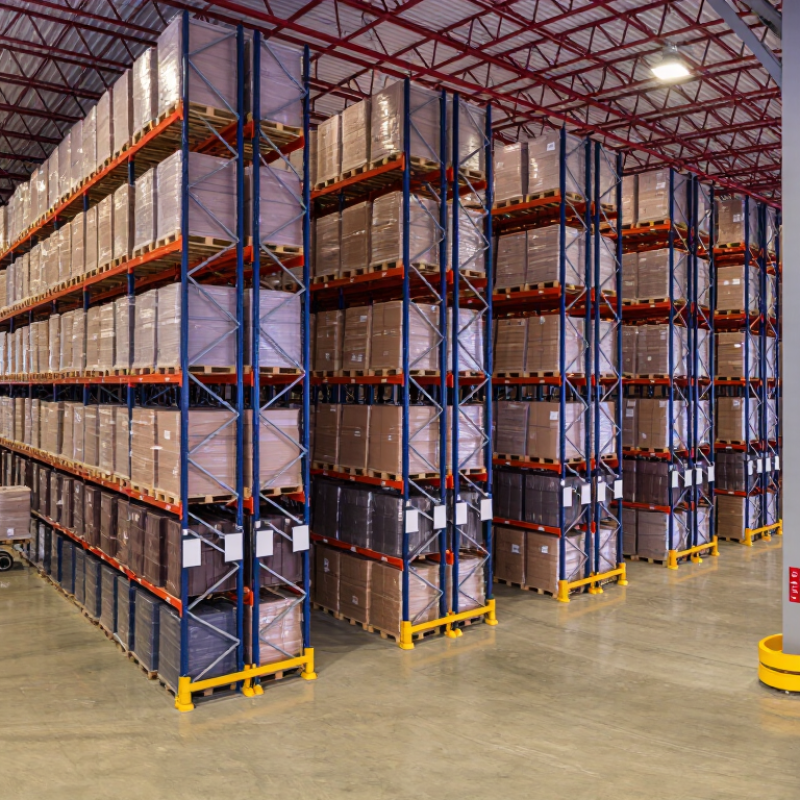
Top 10 Drive-in Storage Solutions Buyers Need

What Drive-In Storage Is and How It Supports Warehouse Operations

Drive-in storage is a high-density pallet system designed for warehouses with large quantities of similar goods. Forklifts enter storage lanes instead of loading pallets from a front aisle. Rails support the pallets above the floor, creating deep channels and reducing unused space.

This design supports warehouse operations where storage capacity matters more than immediate product access. It can shorten travel distances and protect floor space for receiving, picking, and dispatch activities. The system works best with stable pallets, consistent loads, and a clear inventory rotation plan. Operators should check rack clearance, forklift dimensions, load limits, and aisle conditions before installation. Small measurement errors can create expensive disruptions.

Drive-in storage is often practical for seasonal goods, packaged materials, and products moved in full-pallet quantities. It is less suitable for warehouses handling many stock-keeping units with frequent access needs. Last-in, first-out movement may also affect product freshness. That issue deserves attention. A careful buyer should compare product turnover, handling frequency, and safety procedures rather than choosing storage density alone. Regular inspections can identify damaged rails, uneven pallets, and unsafe loading habits. In real warehouses, layouts rarely remain perfect. Teams may need to adjust lane assignments as demand changes. This operational flexibility is valuable, even when the original plan looked complete.

How to Assess Space, Inventory, and Access Requirements

Top 10 Drive-in Storage Solutions Buyers Need

How to Assess Space, Inventory, and Access Requirements

Begin with the inventory, not the unit size. The 2023 Self Storage Association Demand Study reported 16.7 million U.S. households rented self-storage in 2022. That demand includes furniture, tools, seasonal goods, and business stock. Each category needs a different access pattern. Measure the longest item, the widest package, and the required turning space. Measure twice.

Create a simple inventory map before comparing drive-in storage solutions. Record cartons, pallets, shelving, and walking clearance. Leave space for doors to open fully. A crowded unit can reduce usable capacity sharply. The U.S. Bureau of Labor Statistics reports that transportation and material-moving occupations involve frequent lifting and movement risks. Clear paths therefore support both speed and safer handling. Traffic changes.

Access deserves equal attention. Check vehicle height limits, driveway width, surface quality, lighting, and opening hours. A delivery van may fit the entrance but fail at the turning point. Ask whether loading happens directly beside the unit. Test the route with your largest expected vehicle. That assumption fails. CBRE’s 2024 U.S. Industrial and Logistics Occupier Survey highlights continuing pressure on efficient logistics operations, making convenient access increasingly valuable. Keep a small buffer for future inventory growth, even if current estimates look precise. A neat spreadsheet can still mislead.

The Ten Drive-In Storage Solutions Buyers Should Compare

Top 10 Drive-in Storage Solutions Buyers Need

The Ten Drive-In Storage Solutions Buyers Should Compare

Buyers should compare ten options before choosing a drive-in storage system. These include single-entry drive-in racks, drive-through racks, pallet shuttle systems, push-back racks, selective racks, double-deep racks, mobile racks, automated storage, floor stacking, and carton-flow lanes. Each solution changes storage density, forklift movement, access speed, and stock rotation.

Drive-in racks suit large quantities of identical pallets and slower inventory turnover. Drive-through layouts support loading from both sides, which can improve first-in, first-out handling. Pallet shuttles reduce forklift travel inside deep lanes.

Selective racks offer faster access, but they usually consume more floor space. Push-back racks provide useful density when last-in, first-out handling is acceptable. Double-deep racks need accurate placement and suitable equipment.

Compare the details carefully. Measure clear height, aisle width, pallet weight, rack depth, and fire-safety requirements. A cold warehouse may need corrosion-resistant components and stronger impact protection. An uneven floor can create alignment problems. Small mistakes matter. During a site review, operators often discover that maximum capacity is not the real goal. Picking speed, damaged pallets, and daily forklift congestion may cost more than unused space. One solution may look efficient on paper, yet perform poorly during the busiest hour. Request load calculations, inspection records, installation details, and maintenance guidance. Leave room for human error.

How to Evaluate Safety, Durability, and Load Performance

Top 10 Drive-in Storage Solutions Buyers Need

Drive-in storage can increase pallet density, but compact layouts demand disciplined evaluation. OSHA estimates that powered industrial trucks cause about 85 workplace fatalities and 34,900 serious injuries annually in the United States. That makes visibility, pedestrian separation, and impact protection practical buying requirements, not optional upgrades. Check upright guards, entry clearance, guide rails, and rack anchoring before comparing price.

Load performance begins with engineering records. Request the rated load per bay, pallet position, beam level, and total tunnel. Confirm pallet dimensions, weight distribution, forklift type, and floor capacity. A system designed for uniform loads may perform poorly with uneven pallets. It happens.

The Rack Manufacturers Institute standard ANSI MH16.1 provides recognized design guidance for industrial steel storage racks, while the European Federation of Materials Handling publishes technical guidance for pallet racking design and inspection. Ask whether calculations reflect local seismic and operating conditions.

Durability depends on daily behavior. Look for corrosion-resistant finishes, replaceable protection components, and clear damage-reporting procedures. HSE guidance in HSG76 recommends regular racking inspections by a competent person, with formal reviews at least every 12 months. Inspectors should examine bent uprights, loose anchors, damaged rails, and overloaded positions.

Buyers often focus on maximum capacity. That is a mistake. Measure retrieval frequency, forklift turning space, and maintenance access, then test the proposed layout with real pallets. Paper capacity can hide operational weakness.

How to Select and Plan the Best Drive-In Storage System

Selecting a drive-in storage system starts with your products, not the rack design. Measure pallet height, load weight, packaging stability, and daily forklift traffic.

A practical site survey should record aisle widths, ceiling clearance, floor flatness, and emergency access. Drive-in storage suits high-volume goods with limited stock-keeping units. It reduces aisles and increases density, but it also limits direct pallet access. That trade-off matters.

Tips: Map your fastest-moving items near the entry. Keep heavier loads on lower levels. Confirm forklift dimensions before fixing tunnel widths. Ask an experienced installer to review impact protection, load signs, and inspection points. Small errors become expensive when steel is already installed.

Plan for both current demand and uncomfortable future changes. A warehouse may handle four pallet levels today, then require different packaging next year. Leave safe clearance around sprinklers, lighting, and structural columns.

Select durable rails and upright guards based on real operating conditions, not showroom assumptions. Your floor must support concentrated loads without noticeable settlement. Check local building and fire requirements with qualified professionals.

I have seen dense layouts perform poorly when operators cannot turn smoothly. That is worth questioning before purchase. A simple trial layout using cardboard pallet footprints can expose blocked routes, wasted space, and unsafe reversing movements.

FAQS

What is drive-in storage?

Drive-in storage is a high-density pallet system with deep storage lanes. Forklifts enter the lanes instead of using front aisles. Rails support pallets above the floor.

Which products suit drive-in storage best?

It suits large quantities of similar goods, seasonal products, and full-pallet materials. Stable pallets and consistent loads are important. Mixed inventory may perform poorly.

What is the main trade-off?

The system saves floor space and reduces aisle travel. However, it limits direct access to individual pallets. Storage density increases, but picking flexibility decreases.

What measurements should buyers check?

Measure pallet height, width, and weight. Check ceiling clearance, aisle width, floor flatness, and turning space. Measure twice. Small errors become expensive.

How should forklift access be planned?

Confirm forklift height, width, turning radius, and operating clearance. Test the route with the largest expected vehicle. The entrance may fit while the turning point fails.

Where should fast-moving inventory be placed?

Keep faster-moving items near the entry. Place heavier loads on lower levels. Review lane assignments when demand changes. Original plans rarely stay perfect.

Can drive-in storage affect product freshness?

Yes. Its movement pattern may encourage last-in, first-out handling. This can affect products needing regular rotation. Check turnover requirements before choosing density alone.

What safety details require regular attention?

Inspect rails, upright guards, pallets, floor conditions, and loading habits. Keep emergency access clear. Damaged rails and uneven pallets should not be ignored.

How can buyers test a proposed layout?

Use cardboard footprints to represent pallets. Mark forklift paths and reversing areas on the floor. This can reveal blocked routes before installation. The drawing may still be wrong.

Conclusion

Drive-in Storage is a high-density warehouse solution designed to maximize floor space by allowing forklifts to enter storage lanes and place pallets deep within a rack structure. This approach is especially useful for businesses managing large quantities of similar products, seasonal inventory, or goods with limited stock-rotation requirements. Before choosing a system, buyers should assess available space, ceiling height, pallet dimensions, inventory volume, loading patterns, and the level of access needed for daily operations.

The ten solutions buyers should compare may include variations in lane layout, pallet access, rack configuration, loading direction, capacity, modularity, and integration with existing warehouse processes. Evaluation should also cover frame strength, impact protection, material durability, load ratings, forklift clearance, stability, and maintenance needs. The best Drive-in Storage system should match product characteristics, safety procedures, operating equipment, and future growth plans. Careful site planning, professional installation, clear traffic routes, and regular inspections can help improve efficiency, protect inventory, and support reliable long-term warehouse performance.

Madeline

Madeline

Madeline is a dedicated marketing professional with a wealth of expertise in our company's core offerings. With a keen understanding of the industry, she brings a unique perspective to her role, consistently delivering high-quality content that highlights the superior aspects of our products. As......