How to Choose the Best Wire Shelving?

Time:2026-10-31 Author:Henry
0%

Choosing the best Wire Shelving starts with the work it must do. A pantry needs different shelf spacing from a garage holding paint cans, tools, and storage bins. Measure the room, including doorways and the space needed to move around the unit. Then check each shelf’s rated capacity, not just the total capacity of the rack. Details matter.

Storage-design specialist Mara Ellison offers this practical rule: “Match the shelf to the load, the room, and the routine.” Use it as a starting point, not a substitute for checking product specifications. Heavy items need a stable unit with clearly stated load limits. In damp areas, look for a finish designed for that environment. For rolling racks, confirm the caster rating and consider whether brakes are included. Small mismatches can become daily annoyances.

Compare shelf dimensions, adjustability, assembly requirements, and replacement-part availability before choosing. Picture the actual items on each level: a tall detergent bottle, a deep tote, or a narrow box that might slip through the grid. Wire Shelving can improve visibility and airflow, but open grids may not suit every item. Some small objects need shelf liners or containers. A perfect-looking rack can still disappoint when the shelves sit too close together. Take measurements, check the fine print, and leave room to reassess your plan.
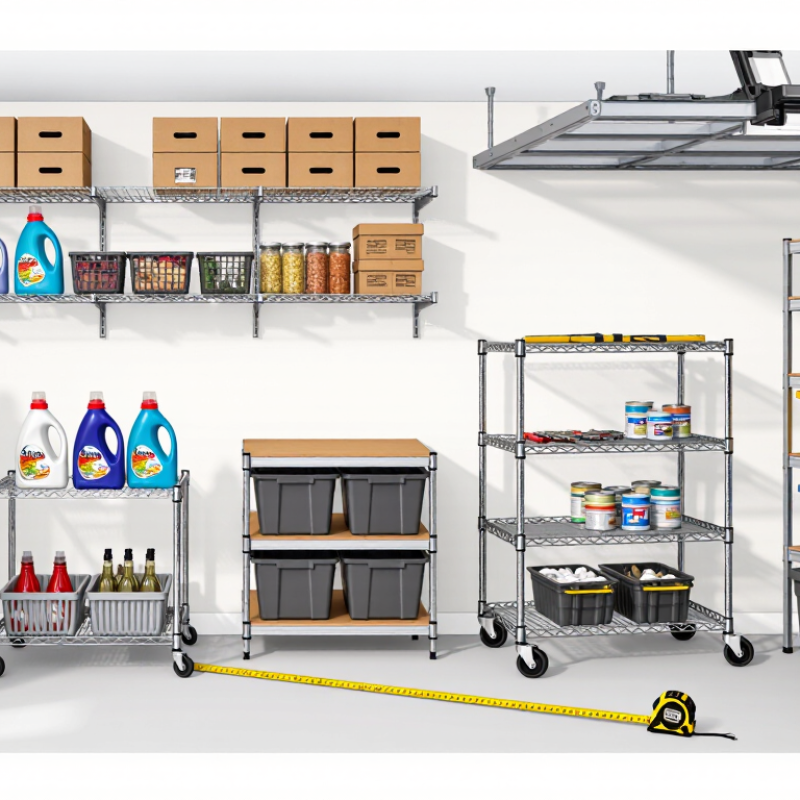
How to Choose the Best Wire Shelving?

Understanding Wire Shelving Types and Construction

Wire shelving differs by deck, finish, and frame—not just appearance. Open-wire decks allow air and light to pass through, which helps reduce dust buildup and makes stored items easy to see. Welded steel wires sit inside a perimeter frame, supported by posts and locking clips. Check that clips seat firmly; a loose corner can make a shelf wobble.

Chrome-plated steel suits clean, dry rooms. Humid stockrooms need a corrosion-resistant coating, while frequent washdowns may call for stainless steel. Look closely at welds, post-groove spacing, and shelf-edge design. Small details matter. Confirm the stated capacity for each shelf, and ask whether it assumes an evenly distributed load; a heavy box on one corner creates a different stress. The U.S. Bureau of Labor Statistics’ 2022 workplace-injury data reports 4.8 recordable cases per 100 full-time workers in warehousing and storage. This is not shelving-specific, but it reinforces the value of stable storage and clear load limits. ANSI MH16.1 covers industrial steel storage rack systems, but it does not certify every wire shelf. I still find it easy to overlook wheel-related capacity reductions. Check the maker’s test documentation and inspect the unit under the loads you actually store.

How to Choose the Best Wire Shelving? — Understanding Wire Shelving Types and Construction

Material affects a shelving unit’s weight and corrosion resistance. This chart compares approximate room-temperature densities of materials commonly used in shelving construction.

How to use this: Aluminum is much lighter by material density, while carbon steel and 304 stainless steel are denser. Density alone does not determine shelf capacity: wire thickness, shelf span, bracing, and the manufacturer’s load rating also matter. Values are approximate and vary by alloy.

Assessing Storage Needs, Dimensions, and Weight Capacity

Choosing wire shelving begins with an honest look at what you need to store. List the items, then group them by size, weight, and how often you reach for them. Measure the usable floor area, ceiling height, and doorway clearance before selecting a unit. Remember baseboards, pipes, and door swings; they can steal more space than expected.

Small details matter. A shelf that fits on paper may still block a drawer or make a corner awkward to use.

Check the shelf dimensions against your largest items, leaving room to lift them out comfortably. For bins, measure their outside edges, not just the labels. Then check the load. Compare the stated capacity per shelf with the weight you plan to place there, and confirm whether that rating assumes evenly distributed weight.

Heavy objects concentrated in one spot can strain a shelf. Keep dense items low, spread loads across the surface, and follow the manufacturer’s assembly and capacity guidance. If you cannot estimate an item’s weight, weigh it or choose a higher-capacity option.

I have found that storage plans often change after setup, so leave some adjustable space. Not quite perfect? Recheck the measurements before buying.

Choosing Materials and Finishes for the Intended Environment

Choosing wire shelving starts with the room, not the price tag. In a dry pantry or stockroom, zinc-plated steel can resist everyday wear without the cost of stainless steel. For damp wash areas, coastal storage, or frequent cleaning, stainless steel is often a stronger choice. Chloride-rich cleaners can still pit some stainless surfaces. Check the cleaner label and rinse residue from wire intersections.

The NACE IMPACT study estimated corrosion costs at US$2.5 trillion worldwide in 2013, about 3.4% of global GDP. That figure covers many industries, not shelving alone, but it shows why exposure deserves attention. Powder-coated steel adds a barrier and a smooth, easy-wipe surface; a deep chip, however, can expose the metal beneath. Small details matter. Look closely at welds, cut ends, and feet, where moisture can linger. For humid rooms, compare the proposed finish with the actual cleaning routine, then verify load ratings separately. I would not assume “stainless” means maintenance-free; even good material needs sensible care.

Comparing Shelf Adjustability, Accessories, and Stability

Wire shelving is most useful when its layout can change with the items you store. Check how the shelves adjust: some systems use fixed slots, while others allow finer height changes. That difference matters when a tall bottle sits beside short bins. Measure your largest items before choosing, and leave a little room for your hands. A shelf that technically fits can still feel awkward to use.

Accessories can make a rack more practical, but only when they solve a real problem. Dividers help keep folded towels in place; hooks can hold lightweight tools or bags. Casters make a loaded unit easier to move, yet they may reduce steadiness on uneven floors. Check that add-ons fit the frame and do not crowd the space you need. Check the fit.

Stability depends on more than the stated load capacity. Look for secure shelf collars, level feet, and a frame that does not sway when you press gently at the top. Heavy items belong on lower shelves, with weight spread across the surface rather than piled at one corner. It is tempting to focus on adjustability alone, but frequent changes can loosen connections if parts are handled carelessly. Recheck the joints after rearranging the shelves.

Evaluating Safety, Maintenance, and Overall Value

How to Choose the Best Wire Shelving?

Safety starts with a clear view of each shelf’s load rating and intended use. Compare the stated capacity with the weight of stored items, and distribute that weight evenly. Heavy containers belong on lower levels, where they’re less likely to make a loaded unit unstable. Check that the frame stands level, connectors are fully seated, and casters are locked when needed. Small details matter. If shelves could be bumped or pulled, consider whether the unit needs suitable wall restraint.

Maintenance affects safety over time. Dust and spills can hide corrosion, damaged welds, or loose connections, so inspect shelves during routine cleaning. Wipe them dry after spills, especially in damp storage areas. Replace parts that are bent or badly corroded rather than assuming they’ll hold their original capacity. No checklist removes every risk, but regular checks can catch visible problems early.

Overall value is more than the purchase price. A durable finish, replaceable components, and adjustable shelf heights may reduce future costs and waste. Compare the unit’s rated capacity, warranty terms, assembly needs, and fit with the available space. A low-cost shelf may be adequate for light, stable supplies; it may be a poor choice for frequent heavy loading. The best option isn’t always the strongest or most expensive. It’s the one that suits the real workload, with enough room for safe access. I’d still leave some capacity unused, because storage habits tend to change.

FAQS

What should I measure before choosing wire shelving?

Measure floor space, ceiling height, and doorway clearance. Check baseboards, pipes, and door swings too. I still underestimate door clearance sometimes.

How do I check whether my storage bins will fit?

Measure each bin’s outside edges, then compare them with the shelf dimensions. Leave enough room to lift bins out easily.

How can I tell if a shelf can hold my items?

Compare the shelf’s stated capacity with your planned load. Check whether the rating assumes evenly distributed weight.

Where should heavy items go?

Place dense containers on lower shelves. Spread weight across each shelf instead of concentrating it in one spot.

How can I keep a shelving unit stable?

Make sure the frame is level and connectors are fully seated. Lock casters when needed. Consider wall restraint if the unit could be bumped.

What should I inspect during routine maintenance?

Look for corrosion, damaged welds, bent shelves, and loose connections. Wipe spills dry, especially in damp areas.

Is a lower-cost unit always the best value?

Not necessarily. Compare capacity, finish, replaceable parts, warranty terms, and assembly needs. A basic unit may suit light supplies, but frequent heavy loads need more care.

Should I use all the shelf capacity?

It is wiser to leave some capacity unused. Storage habits change, and a little spare room helps. Still, I sometimes plan too tightly.

Conclusion

Choosing the best Wire Shelving starts with understanding the available designs and how they are constructed. Consider what you plan to store, how much space you have, and the weight each shelf must support. Measure the area carefully, allow room for access, and check that the unit’s stated capacity suits both individual shelves and the entire structure.

Next, match the material and finish to the intended environment, since moisture, temperature, and everyday use can affect durability. Compare how easily shelves can be adjusted and whether useful accessories can be added, while checking that the frame remains stable when loaded. Also consider safety features, cleaning requirements, and the effort needed for regular maintenance. By weighing these factors alongside the purchase price and expected service life, you can choose shelving that fits your space, storage needs, and budget.

Henry

Henry

Henry is a dedicated marketing professional with a profound expertise in the company's offerings. With years of experience in the industry, he possesses an impressive understanding of the market dynamics and consumer behaviors that drive success. Henry is committed to sharing his insights through......