In today's fast-paced logistics landscape, ASRS Systems (Automated Storage and Retrieval Systems) have emerged as a cornerstone for effective warehouse management. Expert Maria Johnson, a leading specialist in warehouse automation, states, "ASRS Systems can revolutionize the way businesses handle inventory." This insight highlights the undeniable impact these systems have on efficiency and accuracy in storage.
Implementing ASRS Systems transforms traditional warehousing methods. These systems minimize human error and maximize space usage. For instance, using vertical storage solutions, companies can double their storage capacity. Increased throughput and improved order accuracy are also significant benefits. However, it’s essential to remain critical; initial investments can be substantial, and integration may present challenges.
Moreover, embracing ASRS Systems requires ongoing training and adaptation. Warehouse staff must be equipped with the necessary skills to operate sophisticated technologies. This continuous learning process can sometimes create friction within teams. Reflecting on these aspects is vital for long-term success. Companies must balance innovation with practicality to truly benefit from ASRS Systems.
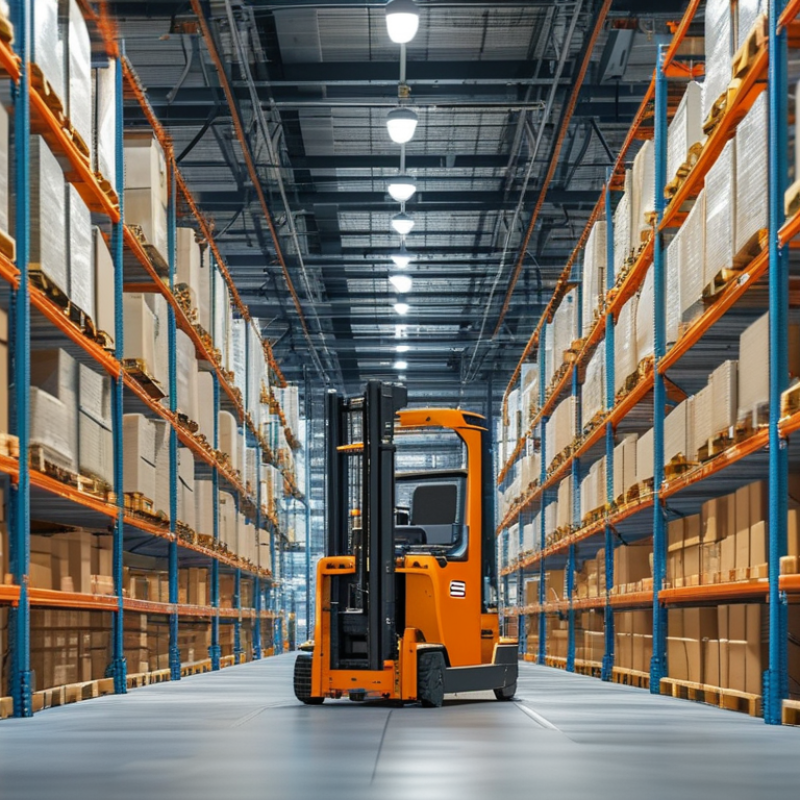
Understanding ASRS Systems and Their Functionality
Automated Storage and Retrieval Systems (ASRS) are revolutionizing warehouse management. These systems streamline operations by automating the retrieval and storage of goods. A report from the Warehousing Education and Research Council indicates that ASRS can increase storage density by up to 60%. This efficiency not only saves space but also reduces labor costs and minimizes human error.
ASRS technology employs various components like shuttles, conveyors, and automated cranes. These elements work together to enhance productivity. According to a recent study, warehouses using ASRS reported a 30% increase in order fulfillment speed. This improvement is critical for businesses facing high demand variability. However, implementing ASRS is not without challenges. Initial costs can be substantial, and proper training is essential for staff to operate sophisticated systems effectively.
Data from the Supply Chain Management Review shows that companies experience a 20% reduction in inventory discrepancies after adopting ASRS. Accurate inventory management is vital for operational success. Yet, organizations must continually assess their system’s performance. Regular evaluations ensure that ASRS continues to meet the changing needs of the warehouse environment.
Key Benefits of Implementing ASRS in Warehouse Management
Automated Storage and Retrieval Systems (ASRS) transform warehouse management. These systems enhance efficiency by automating storage and retrieval processes. They reduce manual labor and increase accuracy in inventory handling. With ASRS, warehouse operations can achieve higher speed and productivity.
Implementing ASRS provides significant space savings. These systems utilize vertical space, freeing up floor area for other operations. This is particularly valuable in urban warehouses where space is limited. Additionally, ASRS can minimize the risk of human error. Automated processes lead to more reliable and consistent inventory management.
Investing in ASRS may seem daunting. Initial costs can be high, and integration with existing systems requires planning. Some businesses may hesitate to transition. However, the long-term benefits often outweigh these challenges. Improved order fulfillment rates and reduced operational costs can yield substantial returns.
Cost-Effectiveness of ASRS Solutions in Supply Chain Efficiency
Automated Storage and Retrieval Systems (ASRS) are transforming warehouse management. One of the most significant benefits of ASRS is its cost-effectiveness in improving supply chain efficiency. According to a recent study by the Warehousing Education and Research Council, companies can save up to 85% on labor costs by integrating ASRS into their operations. This substantial reduction allows businesses to invest more in technology and worker training.
In addition, ASRS helps maximize storage space, a critical factor in minimizing warehousing costs. A report from the Material Handling Industry indicated that these systems can increase storage density by 60%. Higher storage density means reduced overhead costs, making ASRS a smart choice for warehouses facing space constraints.
Tips: Assess your current space usage. Consider how much space could be saved with ASRS technology. Additionally, analyze your current labor costs. If they are high, ASRS may prove to be a valuable investment. Remember, while ASRS offers many advantages, companies must weigh the initial setup costs against long-term savings. Calculate potential ROI carefully before making a decision.
Comparative Analysis: ASRS vs. Traditional Warehouse Operations
Automated Storage and Retrieval Systems (ASRS) present several advantages over traditional warehouse operations. In ASRS, machines handle storage and retrieval tasks, resulting in higher efficiency. The reduction of human error is significant, but it’s not infallible. Mistakes can still occur, especially during setup or maintenance. Operators must be well-trained to minimize these risks.
Traditional operations rely heavily on manual processes. Workers often pick items and navigate large spaces. This method can cause delays. However, human oversight allows for quick adjustments when unexpected issues arise. It’s crucial to recognize that while ASRS can be faster, it lacks the flexibility of human intervention.
Tips: Consider investing in staff training. A knowledgeable team can address ASRS errors more effectively. Regular maintenance checks can also reduce malfunctions. It's essential to balance technology with human involvement to ensure overall success in warehouse management. Implementing these strategies can lead to a more efficient operation.
Future Trends in ASRS Technology and Its Impact on Warehousing
As Automated Storage and Retrieval Systems (ASRS) evolve, they reshape warehouse management. Organizations increasingly embrace ASRS due to their efficiency and cost benefits. According to a report by the Warehousing Education and Research Council, ASRS can reduce labor costs by 20-40%. This significant saving is compelling for businesses striving for operational excellence.
Looking ahead, the integration of advanced technologies like AI and IoT within ASRS systems is gaining momentum. These technologies not only enhance inventory tracking but also improve decision-making processes. A study from Gartner predicts that 30% of warehouses will adopt intelligent systems by 2025. However, integrating such sophisticated technologies can be challenging. Companies must ensure they have a robust IT infrastructure, or risks of data overload could arise.
The shift towards sustainability is also notable. ASRS systems are becoming more energy-efficient, with some designs using renewable energy sources. However, the initial investment in these systems can be intimidating. Businesses must balance short-term costs with long-term benefits. Adopting ASRS can lead to waste reduction and better resource management. Yet, leaders should reflect on the adaptability of their workforce to these high-tech solutions. Investing in training is as crucial as the technology itself.
FAQS
utomated Storage and Retrieval Systems (ASRS)?
ASRS increases storage density by 60%. This leads to lower overhead costs and optimized use of space.
Companies should assess their current space usage and labor costs. Understanding these factors is crucial for decision-making.
AI and IoT integration is on the rise. These technologies enhance inventory tracking and decision-making processes.
Companies need a strong IT infrastructure to avoid data overload. Integration can be challenging without proper systems in place.
Many ASRS designs focus on energy efficiency and use renewable sources. This shift helps reduce waste and improves resource management.
The upfront costs can be intimidating. Companies must balance these short-term expenses with long-term gains.
Leadership should reflect on adaptability challenges. Investing in training helps ensure a smooth transition to high-tech solutions.
Initial setup costs can be high. Companies might need time to see significant savings and efficiency improvements.
Careful calculation of potential returns is key. Companies should weigh initial costs against expected long-term savings.
Conclusion
ASRS Systems, or Automated Storage and Retrieval Systems, play a crucial role in enhancing warehouse management efficiency. These systems streamline operations by automating the storage and retrieval processes, significantly reducing labor costs and increasing speed and accuracy in inventory handling. The implementation of ASRS Systems brings key benefits, such as improved space utilization and enhanced order fulfillment rates, making them a cost-effective solution for businesses aiming to optimize their supply chains.
A comparative analysis shows that ASRS Systems outperform traditional warehouse operations by minimizing human error and maximizing throughput. As technology advances, future trends in ASRS development may further transform warehousing practices, facilitating more intelligent and agile operations. Embracing ASRS Systems not only addresses current logistical challenges but also positions warehouses for future growth and adaptability in a rapidly evolving marketplace.

 Hui Lian