Choosing Vertical Racks is not simply a matter of comparing prices or steel thickness. The right system must fit the building, products, equipment, and daily picking routine. A narrow aisle can save floor space, but it may also change forklift access and replenishment speed. Small details matter.
MHI and Deloitte’s 2024 Annual Industry Report found that 55% of surveyed supply-chain professionals planned to increase technology investment. That figure is not a rack-market forecast. It does, however, reflect the pressure on warehouses to improve capacity, visibility, and labor productivity. Rack selection belongs in that conversation, alongside safety, load data, installation quality, and future expansion.
Warehouse consultant Marc Wulfraat, founder of MWPVL International, publishes analysis on warehouse design and fulfillment operations. A useful paraphrase of his operational perspective is: “Storage should support the workflow, not dictate it.” This is a paraphrase, not a verified verbatim quotation. That distinction matters when buyers compare supplier claims. It also points to a practical question: can staff reach, identify, and replenish stock without creating avoidable delays?
This guide examines China’s Vertical Racks manufacturers and suppliers through product range, customization, quality controls, communication, and after-sales support. Specifications still need independent checking. A polished catalogue is not proof of a suitable installation. We will also consider where a low quote may conceal trade-offs in materials, engineering detail, or service. There is no perfect supplier for every warehouse; the best choice depends on the actual operation.
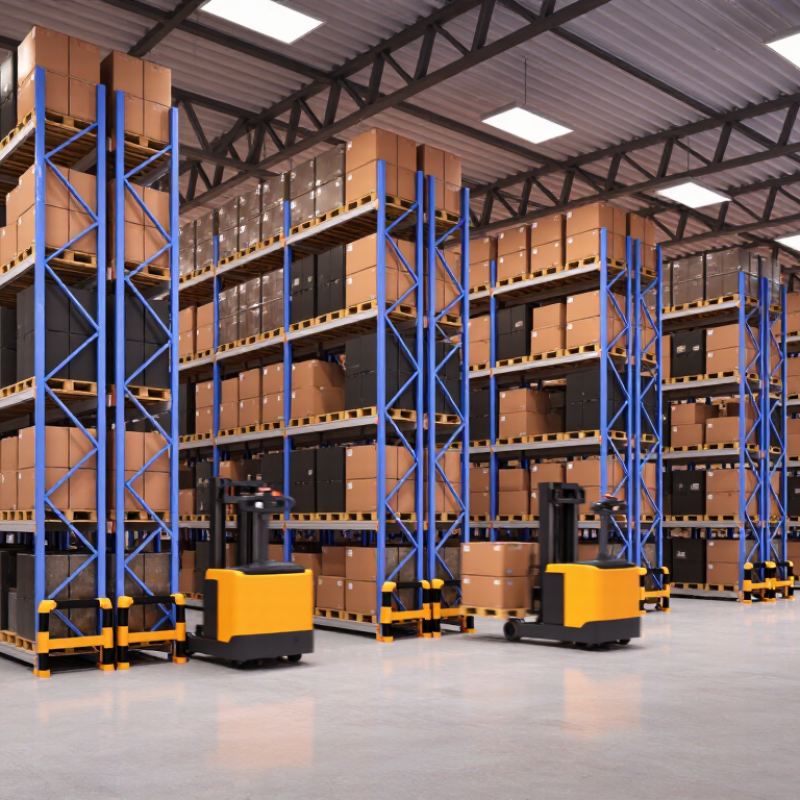
What Vertical Racks Are and How They Work
Vertical racks hold long or flat materials in an upright position, using a compact footprint instead of wide horizontal shelves. Depending on the design, items such as boards, pipes, panels, or metal sections rest in individual bays, against dividers, or on angled supports. The rack’s frame carries the load; its base and restraints help keep stored goods from shifting. Access is usually from the open side, so workers can identify and remove a piece without moving an entire stack. That matters.
In daily use, materials are placed into the correct bay and arranged so their weight is supported evenly. A worker should check the rack’s rated capacity and follow its loading instructions, since tall or uneven items can create stability problems. Anchoring requirements vary by rack design and site conditions. A quick visual check can also reveal bent supports, loose connections, or damaged flooring. A rack may look sturdy and still be poorly loaded. The awkward part is choosing bays that fit real stock sizes; a little mismatch can make retrieval slow or encourage unsafe leaning. Measure typical materials before selecting a layout, and leave enough clearance for handling.
Common Vertical Rack Types and Their Key Features
Vertical racks keep long or flat materials upright, freeing floor space and making individual items easier to reach. Sheet and panel racks use divided slots for plywood, glass, or metal sheets. Their separators help prevent surface scratches, but narrow slots may not fit mixed thicknesses. Measure the largest sheet before choosing a bay.
Cantilever-style vertical racks hold pipes, timber, and other lengthy stock against upright supports. Adjustable arms accommodate different lengths, while end stops help limit sliding. For compact storage, vertical carousel racks rotate trays toward the operator. They can improve access, though their moving parts need regular inspection and clear operating space. A rack that looks efficient on a plan may feel awkward when loads are heavy or handled frequently.
Tips: Check the rated load, floor condition, and anchoring requirements. Keep heavier materials low, and leave enough room to lift items safely. Small layout details matter. Recheck clearances with the actual stock; estimates can be wrong.
Materials, Manufacturing Processes, and Quality Standards
Vertical racks carry concentrated loads, and their uprights can suffer repeated impacts from forklifts. Steel grade and wall thickness therefore matter. The World Steel Association’s World Steel in Figures 2024 reports 1.89 billion tonnes of crude steel production in 2023. That scale shows steel’s industrial reach, not the quality of any rack component. Ask suppliers for mill test certificates, material grades, and coating specifications. Small details matter.
Manufacturing quality starts before welding. Accurate cutting and punching keep holes aligned, while controlled welding limits distortion around joints. For structural welds, buyers can ask how procedures and inspections align with AWS D1.1. Finished racks should also be checked for dimensions, weld defects, sharp edges, and coating coverage. A clean surface can hide a weak joint. It is worth asking for inspection records, not just finished-product photos.
For design and load testing, ANSI MH16.1-2023 sets requirements for industrial steel storage racks. Request documented load ratings and installation guidance, then verify they match the intended products and floor conditions. A supplier may offer a thick coating, but that alone does not prove corrosion resistance or durability. Quality checks can miss issues, too; periodic inspections after installation remain important.
How to Evaluate Vertical Rack Manufacturers in China
China Best Vertical Racks Manufacturers and Suppliers?
How to Evaluate Vertical Rack Manufacturers in China
Choosing a vertical rack supplier starts with your actual storage conditions, not a catalog photo. Share the item dimensions, weight, handling method, and available floor space. A competent manufacturer should explain how these details affect rack height, support spacing, and stability. Ask for drawings, material specifications, load ratings, and examples of comparable projects. Check that the quoted capacity matches your intended use. Details matter. A polished brochure alone proves very little.
Tips: Request a sample drawing before production. Confirm how surface finish and weld quality are checked. Ask whether the supplier can provide inspection records and arrange a factory or third-party inspection. Keep specifications in writing.
Compare several manufacturers using the same requirements. Look closely at communication: are technical questions answered clearly, or do replies stay vague? Clarify packaging, delivery schedule, replacement-part availability, and how design changes are approved. If possible, speak with customers who have used similar racks under similar conditions. One point is easy to overlook: a low price may reflect thinner materials or fewer checks, but a high price does not guarantee better workmanship. I would verify the details rather than assume. A small trial order can reveal fit, finish, and assembly issues before a larger commitment.
Applications and Factors for Choosing a Suitable Supplier
Vertical racks make use of overhead space in warehouses, workshops, and retail backrooms. They can hold pipes, timber, metal profiles, fabric rolls, or other long goods that are awkward to stack on standard shelves. In a narrow workshop, for example, upright storage can keep stock off the floor and leave a clearer path for carts. Measure twice. Check the rack’s height, bay width, and rated load against the actual items, not just a product sketch. Small details matter.
When comparing suppliers, ask how load capacity is tested and whether it applies to each arm or the full unit. Request clear drawings, material specifications, installation guidance, and details about replacement parts. A supplier should also ask about floor condition, handling equipment, and how often stock changes. These questions can reveal whether a proposed layout suits daily work or merely looks tidy on paper. That is easy to miss. Consider finish quality and protection from moisture if racks will stand in a damp area. Compare delivery lead times and after-sales support, too. A low quote may leave out anchors or installation, and I would not assume those costs are minor without checking.
FAQS
It stores long or flat materials upright, saving floor space. Pipes, boards, and panels are common examples.
The frame carries the load, while the base, dividers, or restraints help steady items. Check that each piece sits securely.
Check its rated capacity and loading instructions. Inspect supports, connections, and the floor for visible damage.
Measure your actual stock, including the largest sheets or longest pieces. Estimates can be wrong.
Divided slots hold materials such as plywood, glass, or metal sheets. Separators can reduce scratches, but narrow slots may not fit mixed thicknesses.
Upright supports and adjustable arms hold pipes or timber. End stops help limit sliding.
Their rotating trays can bring materials toward the operator. Moving parts need regular inspection, and the operating area must stay clear.
Keep heavier items low and leave room to lift materials safely. A rack can look sturdy yet still be poorly loaded.
Conclusion
Vertical Racks are space-saving storage systems designed to hold long, bulky, or irregular materials upright, making items easier to organize, access, and protect. Common options include cantilever racks for long stock, A-frame racks for sheet materials, and specialized configurations for pipes, panels, or other products. Their design can vary in height, load capacity, arm spacing, and accessibility to suit different storage needs.
When comparing Chinese manufacturers and suppliers, consider the rack’s materials, fabrication methods, surface finish, and documented quality-control practices. Ask about load ratings, design customization, installation guidance, and the consistency of production. The right supplier should understand the intended application, available floor space, handling equipment, and operating conditions. Careful evaluation of these factors helps buyers choose a durable, practical system that supports efficient storage while meeting their organization’s requirements.

 Hui Lian