Choosing the best Storage Solutions in China depends on what must be stored, where it will be kept, and how often it needs to move. A compact apartment in Shanghai may need modular cabinets and stackable boxes. A factory outside Suzhou may require pallet racking, clear aisle widths, and documented load ratings. These are different problems. One product rarely solves both well.
China’s regional conditions matter, too. Humid coastal cities can expose paper goods, fabrics, and electronics to moisture. Northern locations may face dry air and large seasonal temperature changes. Check ventilation, materials, maintenance needs, and the supplier’s installation support before comparing prices. For business storage, ask for capacity calculations, inspection records, and clear service terms. For home use, measure doors, lifts, and wall space first. Small details can prevent expensive surprises. They often do.
A trustworthy comparison should distinguish advertised capacity from usable capacity. It should also consider access, security, fire protection, and future expansion. Look for suppliers who explain specifications plainly and provide relevant project examples, rather than relying on broad promises. Local delivery and after-sales support can be just as important as the rack or cabinet itself. There is no perfect answer. Even careful plans can miss a practical detail, such as a narrow loading bay or an awkward corner. The sections ahead compare common options, explain where each works best, and identify questions worth asking before you buy or install.
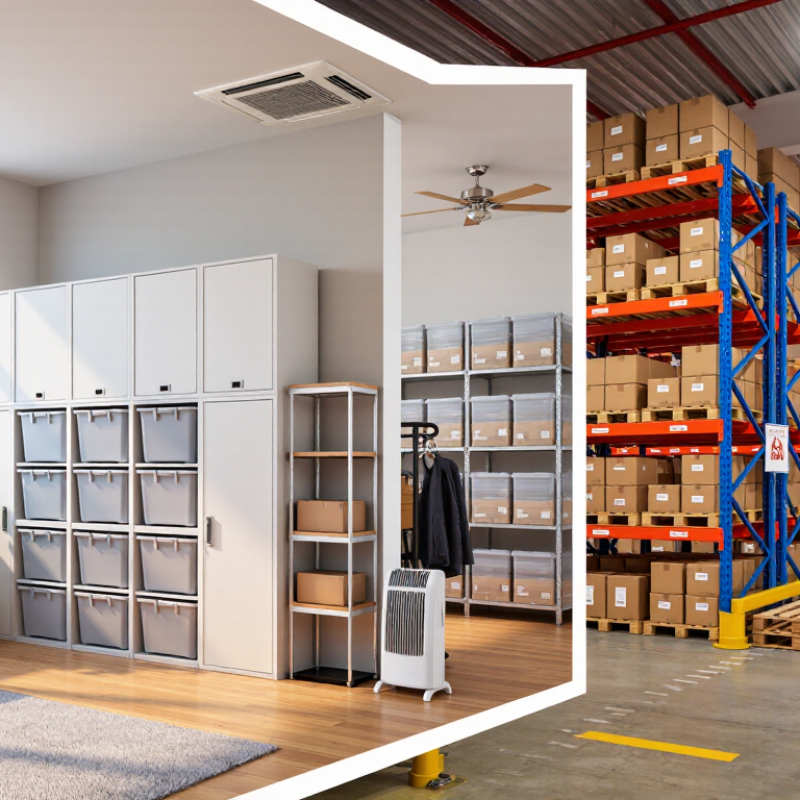
In China’s market, storage solutions are products and services that keep goods organized, protected, and accessible. The term covers a kitchen cabinet in a city apartment, steel shelving in a shop, and pallet racks inside a distribution warehouse. It can also include self-storage units and systems for handling inventory. The shared purpose is practical: use space well without making items difficult to find.
The definition depends on the user and setting. A family may need moisture-resistant boxes for seasonal clothing in a compact home. A retailer may need adjustable shelves and clear labels to track fast-moving stock. A warehouse operator may prioritize load capacity, aisle width, and compatibility with forklifts or inventory software. These are different solutions, even when all involve storing goods.
China’s varied housing, retail, and manufacturing environments make one-size-fits-all claims unreliable. Buyers should compare usable capacity, materials, installation needs, and ongoing maintenance. For example, a tall rack may save floor space but create access problems if frequently used items sit too high. That matters. The category is broad, and some market descriptions blur basic furniture with full logistics systems. Looking closely at the actual space, goods, and daily workflow gives the term a more useful meaning.
In China, storage solutions range from compact home cabinets to large warehouse systems. Apartments often benefit from wall-mounted shelves, under-bed drawers, and modular wardrobes. These use vertical space without blocking narrow walkways. For garages, shops, or stockrooms, boltless shelving suits cartons and hand-loaded goods. Pallet racking is better for heavier loads handled by forklifts. Choose based on load weight, access, and available floor space.
Businesses may also use mobile shelving to increase filing or parts-storage capacity in a tight room. Mezzanine platforms add usable levels, but require careful checks for structure, access, and workflow. Temperature-sensitive goods may need insulated rooms or refrigerated storage. In humid areas, metal finishes, ventilation, and moisture control deserve attention; a dry-looking room can still develop condensation. I would not choose a system from capacity figures alone. Aisle width and daily picking habits can change what works.
Tips: Measure the room, doorways, and turning space before ordering. Write down the heaviest item and how often each item is accessed. Keep frequently used goods within easy reach. Leave a little spare capacity; overfilling shelves is an easy mistake.
Typical operating temperature bands for common storage environments (°C)
Ambient, chilled, frozen, and ultra-low-temperature storage serve different product needs. These are representative operating ranges, not fixed requirements; the appropriate conditions depend on the stored goods and applicable standards.
Storage choices in China depend less on a single “best” system than on what moves, how often, and under which conditions. A coastal food distributor may need temperature-controlled rooms, insulated loading areas, and clear separation between chilled and frozen goods. Small temperature swings matter.
By contrast, an electronics workshop often values anti-static packaging, dust control, and compact shelving near assembly benches. Heavy manufacturing sites need load-rated racks, wide forklift aisles, and marked zones for incoming parts and finished products. The right fit is not always obvious.
Online retailers face a different problem: many small orders, frequent picking, and sharp seasonal peaks. Mezzanine floors or carton-flow shelves can speed access, but only when walkways and replenishment are planned together. For pharmacies and clinics, traceable batch locations and controlled conditions may matter more than maximum density.
Rural depots may favor simple, repairable shelving; urban sites often trade floor space for height. Measure item sizes and daily order patterns before committing. Then test one aisle. It can reveal awkward reaches or blocked routes.
Storage plans also age: product mixes change, and a layout that works today may feel cramped next quarter. That is easy to underestimate.
The best storage solution in China depends on what you store, where it goes, and how often it moves. In coastal cities, humidity can damage paper cartons and untreated metal. In northern regions, temperature swings may matter more. Check the actual room, not just its floor plan. A site visit can reveal damp corners, narrow lift doors, and crowded loading bays.
Small details matter. Choose shelving, pallet positions, or climate control based on item dimensions and handling frequency, rather than guessing how much capacity you need.
Location is another major factor. Low rent may lose its appeal when trucks face long city routes or staff spend hours retrieving slow-moving stock. Compare access to suppliers, ports, rail links, and customers, while weighing delivery windows and labor costs. Security, fire protection, insurance terms, and accurate inventory records also affect reliability.
For household storage, convenient access and moisture control may outweigh maximum volume. For a warehouse, throughput and safe aisle widths often deserve more attention.
Costs add up. Demand changes, and forecasts are imperfect. Leave room to adjust the layout, then review retrieval times and damaged goods after a few months.
Comparing storage in China starts with the full cost, not the advertised monthly rate. Ask providers to separate rent, collection, delivery, handling, insurance, and access charges. A low warehouse quote may exclude climate control or charge extra for frequent retrieval. Small print matters. Compare minimum terms and notice periods, too. A pallet stored outside central Shanghai may cost less, but added transport can erase the saving.
Check what each provider can document: the facility address, inventory process, security measures, and claims procedure. For temperature-sensitive goods, ask for recorded humidity and temperature ranges, not just a verbal assurance. Request a sample inventory report. It should show item descriptions, quantities, and check-in dates. I would not treat the cheapest offer as the best value; that is easy to forget when budgets are tight.
Requirements depend on the location and the goods being stored. Confirm that the site’s permitted use and fire-safety arrangements fit the service offered, and ask which local approvals apply. For commercial stock, clarify who handles required records, transport paperwork, and insurance. Keep written terms for liability, access, and loss claims. Regulations can vary by city, so verify details with the relevant local authority or a qualified adviser.
Wall-mounted shelves, under-bed drawers, and modular wardrobes use vertical space. Keep narrow walkways clear.
Boltless shelving suits cartons and goods handled by hand. Pallet racking fits heavier loads moved by forklifts. Check load weights carefully.
Mobile shelving can add filing or parts space in a tight room. Mezzanines add another usable level, but need checks for structure, access, and workflow.
Ask for recorded temperature and humidity ranges. In humid areas, check metal finishes, ventilation, and moisture control. Condensation can appear in a room that looks dry.
Request separate charges for rent, collection, delivery, handling, insurance, and access. Check minimum terms and notice periods. Small print matters.
Ask for the facility address, security measures, inventory process, and claims procedure. Request a sample report showing item descriptions, quantities, and check-in dates.
Compare transport costs with the quoted rate. A cheaper site outside central Shanghai may cost more overall after deliveries. I might still overlook that when comparing prices.
Confirm permitted site use, fire-safety arrangements, and applicable local approvals. Clarify responsibility for records, transport paperwork, insurance, access, and loss claims. Verify local requirements with an authority or qualified adviser.
Storage Solutions in China cover a broad range of options for protecting, organizing, and managing goods, materials, and information. Available choices may include shelving and racking, cabinets and containers, warehouse systems, temperature-controlled facilities, and digital data storage. The right option depends on what is being stored, how often it must be accessed, the space available, and the level of security or environmental control required.
Different industries and use cases call for different capabilities: retail and logistics may prioritize capacity and efficient handling, while manufacturing or sensitive inventory may require specialized conditions and careful tracking. Buyers can compare options by evaluating total costs, including setup, operation, maintenance, and transportation, alongside provider experience, service reliability, and scalability. They should also verify that the solution and its operation meet applicable Chinese standards and regulatory requirements. A balanced comparison helps identify an option that fits both current needs and future growth.

Hui Lian