In the evolving world of retail and warehousing, the demand for innovative Shelving Systems is on the rise. According to a recent report by the Global Shelving Association, the industry is projected to grow by 7% annually through 2026. This surge reflects an increasing need for efficient space utilization across various sectors. "The right shelving can transform any space," says Dr. Emily Foster, a leading expert in shelving solutions. Her insights emphasize the importance of tailored systems to optimize storage and accessibility.
Investing in Shelving Systems is not merely about storage; it directly impacts operational efficiency. Modern designs cater to diverse needs, from heavy-duty shelving for warehouses to compact systems for small retail stores. Yet, buyers often overlook critical factors like material quality and adaptability. This oversight can lead to less optimal setups, wasting resources and space. High-quality systems can endure, whereas subpar solutions may cause long-term inconveniences.
As buyers navigate through the plethora of options, understanding their specific needs becomes essential. The best Shelving Systems are not one-size-fits-all. Custom solutions offer flexibility and longevity, which can prove invaluable. By prioritizing both function and form, businesses can better position themselves for future growth.
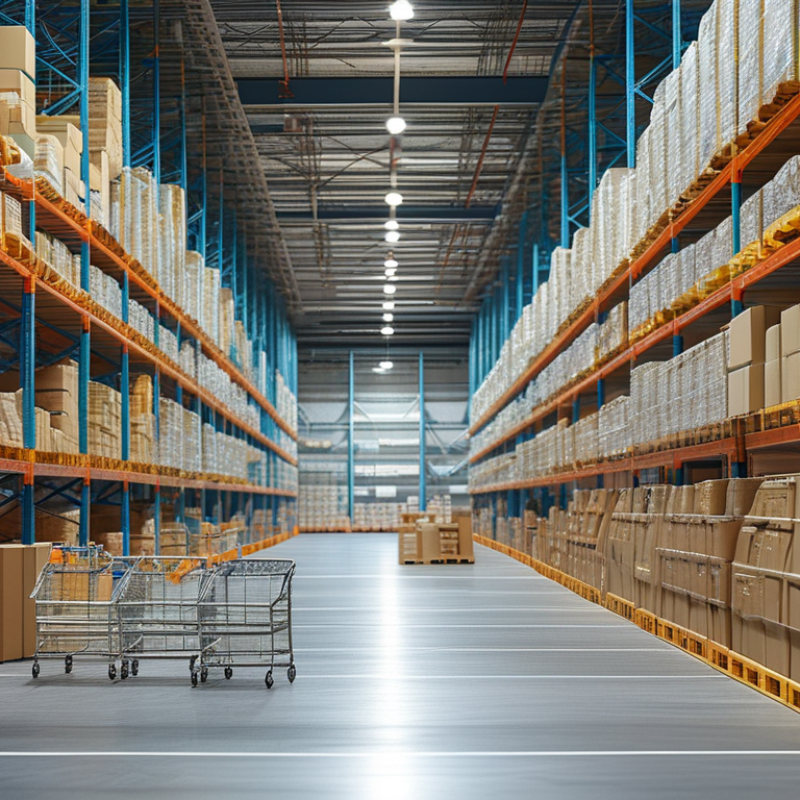
In 2026, shelving systems are evolving rapidly to meet diverse global buyer needs. There's a growing demand for customizable options. Buyers should focus on modular designs that adapt to various spaces. These systems not only enhance organization but also promote aesthetic appeal. Look for materials that ensure durability and ease of maintenance, as these factors significantly impact user satisfaction.
When choosing shelving systems, consider the types of items you will store. Do your items require special handling? Assess the weight capacity and adjustability of the shelves. Also, look for features like integrated lighting, which can add functionality and style. Technology integration is becoming essential. Smart shelving systems that track inventory or adapt to usage patterns are gaining traction.
Eco-friendly materials are also trending this year. Buy sustainable shelving options to cater to environmental concerns. Local sourcing of materials can strengthen community relationships and lower emissions. Remember to evaluate suppliers' credentials. Reliable brands will have certifications reflecting their commitment to quality and sustainability. Reflecting on these insights can help navigate your shelving system choices more effectively.
In the evolving market of shelving systems, buyers face numerous options. Each manufacturer brings unique strengths. Assessing these can be overwhelming. That said, understanding key features helps buyers make informed decisions.
Manufacturers often prioritize materials and design. Some focus on durability, while others emphasize aesthetics. It’s essential to compare these elements based on your needs. Not every manufacturer excels in all categories. Exploring options can reveal unexpected drawbacks. A beautifully designed shelf may lack the strength required for heavy items. On the other hand, functional shelving might not integrate well into your space.
Quality assurance is another critical factor. Many manufacturers have stringent testing protocols. However, inconsistencies may still arise in production. Evaluating user feedback is vital to gauge reliability. The best choice sometimes comes from simple observations and firsthand experiences. Therefore, be prepared to reflect on your findings. This approach fosters a deeper understanding of shelving systems in the global market.
Innovative materials are changing the shelving industry. Sustainable options are not just a trend; they are becoming a standard. Consumers increasingly seek environmentally friendly solutions. The rise of recycled metals and reclaimed woods is significant. These materials offer durability while reducing environmental impact. Each choice reflects a commitment to sustainability.
Performance benefits also merit attention. Innovative materials can enhance load capacity and design flexibility. Lightweight composites can simplify installation and transport. Despite their strengths, some materials may require specific maintenance to perform optimally. This aspect often gets overlooked. A reliable provider should offer guidance on care and usage.
The integration of technology further enriches shelving systems. Smart shelves can optimize space and organization. However, not all advancements are user-friendly. Some may find the learning curve steep. Balancing innovation and practicality is crucial for long-term satisfaction. As buyers consider their options, weighing these factors becomes vital.
| Material Type | Sustainability Rating | Load Capacity (lbs) | Durability (Years) | Cost per Unit ($) |
|---|---|---|---|---|
| Recycled Steel | High | 1000 | 20 | 150 |
| Bamboo | Very High | 200 | 10 | 80 |
| Plywood (FSC Certified) | High | 300 | 15 | 100 |
| Aluminum | Moderate | 500 | 25 | 120 |
| Plastic (Recyclable) | Moderate | 150 | 5 | 60 |
Global supply chain challenges are reshaping the availability of shelving systems. Recent data from the Supply Chain Management Institute indicates a 35% increase in delays for warehouse equipment. This impact is largely due to shipping congestion and labor shortages. Manufacturers struggle to keep up with demand, leading to longer lead times.
As businesses adapt, understanding these challenges becomes essential. The fluctuating costs of raw materials have heightened uncertainty. A report from the Global Industry Analysts notes that material prices could increase by up to 15% in the coming year. Companies must be prepared for these changes, often reevaluating their sourcing strategies.
Local sourcing is becoming a critical aspect of operational strategies. Increasing reliance on domestic suppliers can mitigate some delays associated with international shipping. However, finding local alternatives poses its own challenges. Businesses may find that quality and availability are inconsistent. As the market dynamics shift, businesses should remain agile and responsive to ensure optimal shelving solutions amid these challenges.
When exploring shelving systems in 2026, budgeting is crucial. According to the 2023 Global Shelving Market Report, the average cost of high-quality shelving systems ranges from $200 to $2,500. This wide range reflects variations in materials, design, and durability. For cost-conscious buyers, recognizing the balance between price and quality is essential. Investing in robust systems can save replacements over time.
Evaluating your space and needs is vital. Measure your area to determine required shelf length and height. Visualize how much weight each shelf needs to hold. Overloading can lead to failure, affecting safety and reliability. A detailed design ensures effective use of space and minimizes unexpected expenses.
Consider modular shelving options for versatility. They can adapt to changing needs, reducing future costs. Also, explore second-hand options, which can offer quality at reduced prices. Aesthetic appeal matters, too, but should not overshadow functionality. While it’s tempting to prioritize visual elements, remember that durability and load-bearing capacity hold greater importance. Balancing these factors can lead to a more informed and satisfied purchase.
: Focus on materials, durability, and design based on your unique needs.
No, some may prioritize aesthetics over strength, leading to potential disappointments.
It is crucial, but remember that inconsistencies can still arise, requiring further evaluation.
Prices typically range from $200 to $2,500, depending on various factors.
Measure your space and visualize weight requirements to avoid overloading.
Yes, they can provide quality at lower prices, but evaluate them thoroughly.
This can lead to disappointment; durability should be the main focus.
Modular systems offer versatility for changing needs, potentially reducing future costs.
Absolutely, firsthand experiences can guide you towards more reliable choices.
Yes, improper design can lead to unexpected expenses and safety hazards.
In 2026, buyers in the shelving systems market are faced with numerous trends and insights that influence their purchasing decisions. Key market trends highlight the increasing emphasis on sustainability and performance benefits brought about by material innovations, enabling buyers to select systems that not only meet functional needs but also promote eco-friendliness.
Additionally, a comparative analysis of top manufacturers offers valuable perspectives on the diverse options available, while the examination of global supply chain challenges sheds light on potential disruptions in shelving system availability. To ensure optimal investment, a cost analysis provides guidance for budgeting, enabling buyers to choose the best shelving systems for their requirements while balancing quality and affordability.

Hui Lian