Best Multi-tier Storage Solutions for Global Buyers?

Time:2026-08-04 Author:Sienna
0%

In today's digital landscape, businesses face the challenge of managing vast amounts of data efficiently. Multi-tier storage solutions have emerged as a key strategy for global buyers seeking to balance performance and cost. These systems layer different storage types, optimizing access speed while minimizing expenses. Companies can use high-performing SSDs for critical tasks and slower, more cost-effective HDDs for archival.

Selecting the best Multi-tier Storage solution requires a deep understanding of specific needs. Different industries have unique data requirements, making a one-size-fits-all approach ineffective. Global buyers must consider factors like scalability and data retrieval speeds.

Moreover, it’s crucial to work with reputable vendors. Some may overpromise on speed or capacity. It’s essential to ask for case studies or references before making a decision. The landscape can be complex, with continually changing technologies. Reflecting on past implementations helps refine choices for future investments in Multi-tier Storage.
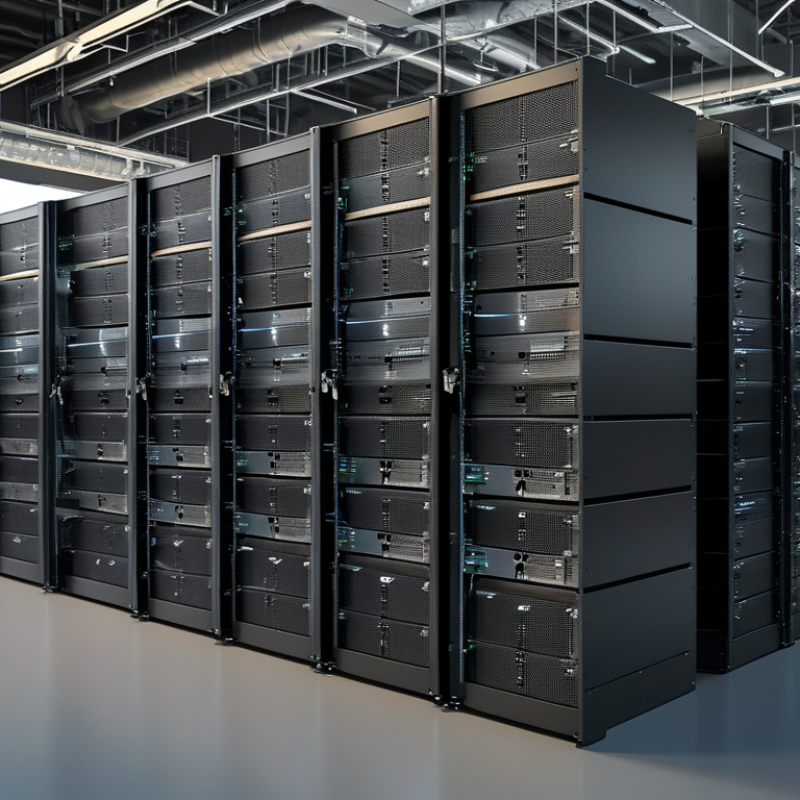
Best Multi-tier Storage Solutions for Global Buyers?

Overview of Multi-Tier Storage Solutions: Definition and Importance

Multi-tier storage solutions have become essential in today’s data-driven world. These solutions refer to a hierarchical storage architecture that allocates data across various types of storage media. Each tier has distinct performance, capacity, and cost characteristics. This approach allows organizations to optimize costs while ensuring quick access to critical data.

The importance of multi-tier storage lies in its ability to manage diverse data workloads. By classifying data based on access frequency, organizations can ensure efficient resource allocation. For example, frequently accessed data can be stored in high-performance SSDs, while archived data resides on economical hard drives. This strategy not only enhances performance but also reduces overall storage costs, making it a practical choice for enterprises worldwide.

However, implementing such solutions is not without challenges. Organizations must assess their data retention policies and access patterns carefully. Misjudging data types or access needs can lead to inefficiencies. Regular monitoring and reevaluation of storage tiers are necessary to adapt to changing business needs. Striking the right balance between performance, capacity, and cost requires ongoing analysis and expertise.

Key Features to Consider in Multi-Tier Storage Solutions

When selecting multi-tier storage solutions, several key features demand attention. First, scalability is crucial. Organizations grow, and their storage needs can change. A multi-tier system should easily expand. Flexibility can save costs and resources. Users should consider how well these systems adapt to varying workloads.
Performance is another vital element. The solution must provide quick access to frequently used data. Fast retrieval enhances productivity. Look for systems that offer tiered storage options. This allows essential data to reside on high-performance devices. Less critical data can be stored on slower, more cost-effective tiers.
Data security and compliance cannot be overlooked. Ensure the solution meets regulatory requirements. An effective storage system should also provide robust encryption. This protects sensitive information from unauthorized access. Regular updates and thorough documentation increase reliability. Continuous evaluation of storage performance is necessary.
Organizations must be prepared to refine their strategies. Multi-tier storage is not a one-size-fits-all solution; businesses must tailor it to their unique needs.

Comparative Analysis of Leading Multi-Tier Storage Providers

When exploring multi-tier storage solutions, it is essential to analyze key providers in the market. These solutions optimize data management by allocating resources based on usage patterns. This approach enhances performance while reducing costs. However, the diversity of options can be overwhelming.

Providers often vary in features, scalability, and support. Some solutions excel in high-frequency access, while others may focus on archival storage. A critical analysis of these providers reveals strengths and weaknesses. For instance, one provider may have excellent scalability but lack user-friendly interfaces. This can lead to inefficiencies in managing storage.

Additionally, the integration with existing infrastructures is crucial. Many businesses encounter challenges during implementation. The learning curve can hinder productivity initially. These insights show that while multi-tier solutions offer many benefits, careful consideration is necessary. Understanding individual needs and weighing different options remain vital for effective decision-making.

Best Multi-tier Storage Solutions for Global Buyers

Storage Provider Deployment Type Data Accessibility Scalability Cost Efficiency Support Services
Provider A Cloud-Based High Availability Highly Scalable Moderate Cost 24/7 Support
Provider B On-Premise Quick Access Flexible Scaling High Cost Business Hours Support
Provider C Hybrid Moderate Accessibility Easy Expansion Low Cost Extensive Support
Provider D Cloud-Based Local & Remote Access Very Scalable Moderate Cost 24/7 Premium Support

Case Studies: Successful Implementation of Multi-Tier Storage

Multi-tier storage solutions have transformed how businesses manage data. A notable case study is a global retail brand that consolidated its storage systems. By integrating multiple tiers, they achieved a 35% reduction in operational costs. Their approach involved segmenting data based on access frequency, allowing them to use more cost-effective storage where appropriate.

Another compelling example is an international financial institution. They optimized their data storage by leveraging both on-premises and cloud solutions. This hybrid model allowed them to balance performance and cost. According to industry reports, organizations that employ multi-tier strategies can improve retrieval times by up to 40%. However, companies must remain vigilant about data security across different layers.

**Tip:** Regularly assess your data access patterns. Understanding which data is most accessed can enhance your tiering strategy.

Implementation challenges are real. Several businesses struggled with integration issues and data migration. It’s critical to ensure that staff are trained and that there’s a clear plan for the transition. Monitoring system performance is essential after deployment.

**Tip:** Keep communication open with IT teams during implementation. Their insights can help refine processes and address challenges quickly.

Storage Solutions Performance Comparison

This chart illustrates the performance scores of various multi-tier storage solutions. Each storage type is evaluated on a scale of 100, highlighting their effectiveness in a global context. Cloud Storage leads with a score of 85, followed closely by Hybrid Storage with 90.

Future Trends in Multi-Tier Storage Solutions for Global Markets

As global industries adapt to digital transformation, multi-tier storage solutions continue to evolve. Organizations are increasingly looking for ways to optimize data management while considering costs, performance, and reliability. Trends indicate a move toward tiered storage that prioritizes efficiency, scalability, and innovative technologies.

Cloud integration is becoming prevalent. By leveraging hybrid storage models, businesses can balance on-premises and cloud solutions. This flexibility allows for easier data migration and enhanced accessibility. However, the challenge lies in maintaining data integrity across tiers. Ensuring that sensitive data remains secure while being readily available to users requires careful planning.

Tip: Regularly assess your storage needs based on usage patterns. This will help in reallocating resources where they are most needed.

AI and machine learning are beginning to play vital roles. These technologies streamline storage management and optimize data retrieval. Automated processes can help identify which data should reside on faster tiers versus archival storage. Still, companies must question whether they're over-relying on automation without sufficient human oversight.

Tip: Incorporate routine reviews of your multi-tier strategy. This ensures alignment with changing business goals and technology advancements. In doing so, organizations can stay ahead of potential pitfalls in their storage management.

FAQS

: What are multi-tier storage solutions?

: Multi-tier storage solutions use a hierarchical system to organize data across different storage types.

Why is multi-tier storage important?

It helps manage diverse data workloads and optimizes costs by classifying data based on access frequency.

How can data be categorized in multi-tier storage?

Frequently accessed data can go on high-performance SSDs, while archived data can stay on economical hard drives.

What challenges do organizations face when implementing multi-tier storage?

Misjudging data needs can lead to inefficiencies. Continuous monitoring is crucial to adapt to changing requirements.

How do providers of multi-tier storage solutions differ?

Providers vary in features, scalability, and support, impacting their effectiveness in resource allocation and ease of use.

What are future trends in multi-tier storage solutions?

Increasing cloud integration and the use of AI for optimizing data storage and retrieval are notable trends.

How can companies maintain data integrity in multi-tier systems?

Careful planning is needed to ensure sensitive data remains secure and accessible across storage tiers.

Should organizations rely solely on automation for storage management?

Over-relying on automation without adequate oversight can lead to issues in data management.

How can businesses ensure their multi-tier storage remains effective?

Regular reviews and assessments of storage needs based on usage patterns can help align with business goals.

What are the risks of not periodically reviewing multi-tier strategies?

Without routine evaluations, organizations may struggle to keep up with technology advancements and changing business needs.

Conclusion

Multi-tier storage solutions offer a strategic approach to managing data across different levels of storage, tailoring the usage of resources to meet varied operational needs. These solutions are essential for businesses worldwide, as they enable efficient data retrieval and cost-effective information management. Key features to consider include scalability, performance, and ease of integration with existing systems.

A comparative analysis of leading providers highlights the differences in offerings, while case studies illustrate the successful implementation of multi-tier storage across diverse sectors. Looking ahead, future trends may involve increased automation and cloud integration, which can further optimize storage efficiency and enhance data accessibility for global markets. By adopting multi-tier storage solutions, organizations can better align their data management strategies with evolving technological demands.

Sienna

Sienna

Sienna is a skilled marketing professional with a deep expertise in our company’s core products and services. With a passion for innovation and detail, she plays a pivotal role in crafting insightful blog posts that not only highlight the unique features of our offerings but also provide valuable......