2026 Top Types of Steel Containers for Global Buyers

Time:2026-10-03 Author:Liam
0%

Steel Containers remain a practical foundation for international logistics, industrial storage, construction, and specialized transport. Global buyers now face more choices than standard dry van units. Options include general-purpose containers, high-cube models, open-top containers, flat racks, refrigerated units, tank containers, and customized steel storage systems. Each type solves a different operational problem.

Edwin Basson, Director General of worldsteel, has said, “Steel can be recycled over and over again without losing its properties.” That principle matters when buyers evaluate container strength, service life, maintenance, and end-of-use value. A weathered shipping container beside a busy loading dock shows why details matter. Door seals, corner castings, floor condition, weld quality, and corrosion protection can affect safety and total cost. Specifications alone may not reveal every weakness.

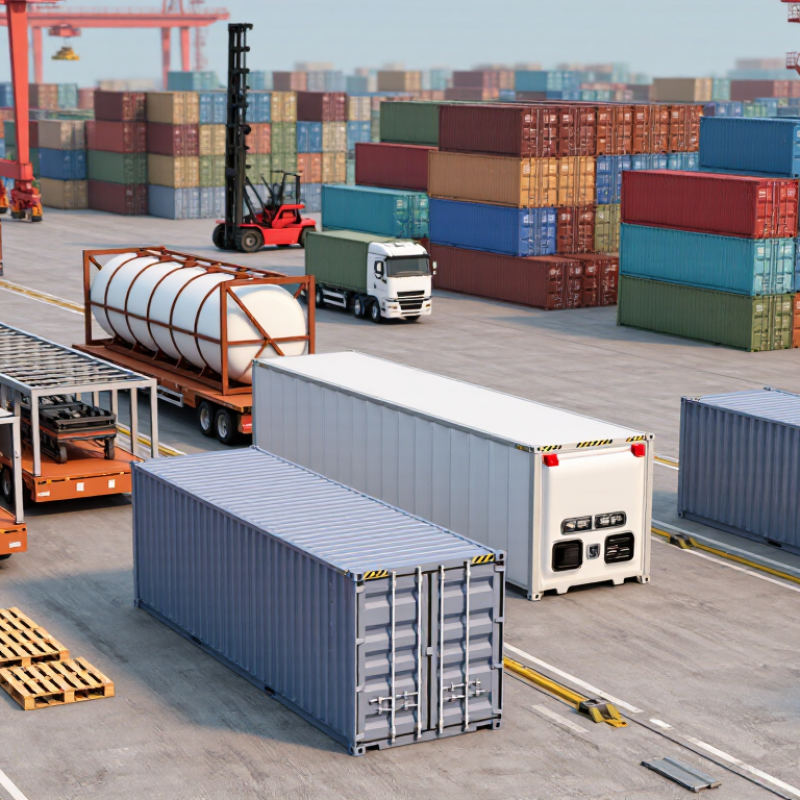
This guide examines the top types of Steel Containers for global buyers in 2026. It considers cargo compatibility, dimensions, payload, ventilation, stacking needs, handling equipment, and regional supply conditions. Standard dry containers may suit boxed goods, while open-top units support tall or crane-loaded cargo. Flat racks handle oversized machinery, but they demand careful securing and route planning. Tank containers require stricter technical checks and qualified handling.

The categories are not perfectly clean. Some suppliers use different terms for similar designs. Buyers should verify drawings, certifications, inspection records, and delivery conditions before purchasing. A low price can hide repainting, repaired frames, or unsuitable flooring. That mistake is common. Reliable decisions combine engineering evidence, supplier experience, and the container’s real working environment.
2026 Top Types of Steel Containers for Global Buyers

Steel Container Basics and Classification Criteria

Steel containers are classified by their purpose, structure, and handling conditions. Standard dry containers suit boxed goods, pallets, and general equipment. Open-top models help load tall or heavy cargo with cranes. Flat-rack designs support oversized machinery, although they provide less weather protection. Tank containers serve approved liquid materials and require specialized inspection records.

Size is only one classification criterion. Buyers should check external dimensions, internal volume, door opening, tare weight, and maximum payload. A container may look spacious but still restrict forklift access. Steel grade, wall thickness, welding quality, and floor strength also affect performance. Weather-resistant coatings reduce corrosion, especially near ports or humid storage yards. Small details matter.

Cargo sensitivity changes the selection. Ventilated units can support goods needing airflow, while insulated or refrigerated units control temperature. Inspectors should examine corner posts, roof panels, hinges, locking bars, and floor damage before purchase. Certification, maintenance history, and inspection dates should match the intended route and local requirements. Field checks often reveal problems hidden by fresh paint. That is easy to miss. No classification chart is perfect. A container chosen only by price may create repair costs, loading delays, or rejected cargo later. Buyers should compare drawings, photographs, test reports, and actual handling needs before confirming an order.

Top Steel Container Types for Global Buyers in 2026

Top Steel Container Types for Global Buyers in 2026

Global buyers are choosing steel containers for durability, stacking strength, and easier maintenance. UNCTAD’s Review of Maritime Transport 2024 states that over 80% of world merchandise trade moves by sea. This keeps standard dry containers central to international logistics. They suit machinery, packaged goods, furniture, and spare parts. High-cube models offer extra internal height for bulky cargo. Refrigerated containers support temperature-sensitive products, but their power demand and maintenance needs deserve attention.

Open-top containers handle tall cargo, such as stone blocks or industrial equipment. Flat-rack containers are better for wide machinery and irregular loads. Tank containers serve approved liquid cargo and require careful inspection, certification, and cleaning records. The International Organization for Standardization sets dimensional and safety requirements that support interchange between ships, railways, and trucks. Still, one mistake remains common: buyers compare only purchase prices. A cheaper unit may hide floor damage, weak door seals, or excessive corrosion.

Tips: Check the CSC safety plate, inspection history, external dimensions, tare weight, and payload. Ask for clear photos of the roof, corner posts, door gasket, and floor. The World Steel Association reported global crude steel production of about 1.88 billion tonnes in 2024, yet steel availability does not guarantee consistent container quality. Specify coating thickness and repair standards in writing. Allow a small contingency for port delays and local modifications. It sounds cautious. It is often practical.

2026 Top Types of Steel Containers for Global Buyers - Top Steel Container Types for Global Buyers in 2026
Container Type Common ISO Lengths Typical External Dimensions Typical Payload Capacity Main Applications Key Construction Features Relevant Standards and Buying Considerations
Standard Dry Cargo Container 20 ft, 40 ft 20 ft: approximately 6.06 × 2.44 × 2.59 m
40 ft: approximately 12.19 × 2.44 × 2.59 m
Approximately 25,000–28,000 kg, depending on size and tare weight General cargo, machinery, packaged goods, furniture, textiles and consumer products Corten or weathering-steel panels, steel corner posts, lock rods, wooden or composite flooring and standardized corner castings Verify ISO 668 dimensions, CSC safety approval, door condition, floor load rating, corrosion protection and maximum gross mass
High Cube Dry Cargo Container 40 ft, 45 ft 40 ft: approximately 12.19 × 2.44 × 2.90 m
45 ft: approximately 13.72 × 2.44 × 2.90 m
Approximately 26,000–29,000 kg, depending on configuration High-volume cargo, lightweight industrial products, packaging materials, appliances and retail goods One additional foot of internal height compared with a standard-height container; steel frame and corrugated side panels Check road and rail height restrictions, internal cubic capacity, CSC plate, corner casting compatibility and local transport regulations
Open-Top Container 20 ft, 40 ft Usually based on standard 20 ft or 40 ft container footprints; removable canvas roof gives top-loading access Approximately 26,000–28,000 kg Scrap metal, timber, stone, construction equipment, tall machinery and cargo loaded by crane Removable tarpaulin roof or detachable steel roof, reinforced upper rails and lashing points Confirm top opening dimensions, roof removal method, allowable over-height cargo, lashing capacity and water-resistant covering system
Hard-Top Container 20 ft, 40 ft Commonly follows 20 ft or 40 ft standard external footprints; steel roof can be removed for loading Approximately 26,000–28,000 kg Heavy machinery, dense cargo, stone products and cargo requiring stronger overhead protection Detachable steel roof, reinforced door headers, forklift pockets on selected designs and heavy-duty lashing points Check crane-lifting arrangements, removable roof weight, door clearance, payload distribution and CSC certification
Open-Side Container 20 ft, 40 ft Approximately 6.06 m or 12.19 m long × 2.44 m wide × 2.59 m high Approximately 25,000–28,000 kg Long or bulky cargo, retail displays, event equipment, machinery and side-loading operations Full-length side doors or multiple side-opening panels supported by a steel structural frame Inspect side-door seals, operating clearance, structural reinforcement, locking hardware and loading-zone requirements
Flat Rack Container 20 ft, 40 ft Approximately 6.06 m or 12.19 m long × 2.44 m wide; end-wall height varies by design Approximately 25,000–40,000 kg, subject to frame design and cargo distribution Oversized machinery, vehicles, pipes, steel products, industrial modules and project cargo Heavy steel floor, reinforced end walls on fixed or collapsible models, multiple lashing rings and forklift pockets Confirm concentrated-load limits, lashing-ring capacity, cargo overhang rules, stackability and route-specific oversize permits
Platform Container 20 ft, 40 ft Approximately 6.06 m or 12.19 m long × 2.44 m wide; no side walls or end walls Approximately 25,000–40,000 kg, depending on structural design Extra-wide or extra-long project cargo, heavy industrial equipment and cargo exceeding standard container dimensions Reinforced steel platform with corner castings and heavy-duty lashing points Confirm permissible overhang, point-load distribution, lifting plan, securing method and non-stackable handling requirements
Insulated Steel Container 20 ft, 40 ft, 40 ft high cube Usually follows standard or high-cube external dimensions; internal dimensions are reduced by insulation thickness Approximately 24,000–28,000 kg Temperature-sensitive goods, pharmaceuticals, food ingredients, electronics and industrial materials Steel exterior, insulated wall and roof panels, vapor barriers, sealed doors and optional temperature-monitoring equipment Specify required thermal performance, insulation material, condensation control, hygiene requirements and whether active refrigeration is needed
Refrigerated Container with Steel Frame 20 ft, 40 ft, 40 ft high cube Commonly based on 20 ft or 40 ft ISO footprints; internal dimensions vary with insulation and refrigeration equipment Approximately 24,000–29,000 kg Frozen food, chilled food, pharmaceuticals, chemicals and other temperature-controlled cargo Corrosion-resistant steel frame, insulated panels, insulated doors, refrigeration unit, airflow channels and monitoring controls Check temperature range, power supply requirements, cooling capacity, drainage, data logging, energy consumption and service access
Tank Container Typically 20 ft Approximately 6.06 × 2.44 × 2.59 m external frame dimensions Usually up to approximately 26,000–30,000 kg gross mass; tank volume commonly about 14,000–26,000 litres Liquids, powders, food-grade products, fuels and regulated chemicals Stainless-steel pressure vessel mounted inside a steel ISO frame with valves, manlid, safety fittings and protective equipment Verify tank material, working pressure, test interval, product compatibility, dangerous-goods approvals, cleaning records and applicable ISO, ADR, RID or IMDG requirements
Dry Bulk Container Typically 20 ft Approximately 6.06 × 2.44 × 2.59 m Approximately 25,000–28,000 kg, subject to bulk density and gross-mass limits Grain, flour, powders, granules, mineral products and non-hazardous dry bulk materials Sealed steel container with filling and discharge openings, liner compatibility and pressure-resistant fittings where required Confirm food-contact suitability, discharge method, liner specification, cleaning procedure, dust control and cargo flow characteristics
Side-Door High Cube Container 40 ft high cube Approximately 12.19 × 2.44 × 2.90 m Approximately 26,000–29,000 kg Warehouse overflow, palletized goods, event logistics, construction materials and rapid side access High-cube steel structure with one or more large side-opening door assemblies and conventional end doors Assess door clearance, seal durability, side-wall reinforcement, loading workflow, forklift access and available lashing points
Offshore Cargo Basket or DNV-Type Unit Specialized sizes; often based on ISO-compatible footprints Dimensions and capacity vary by certified design Varies by design; commonly several tonnes to more than 20,000 kg Offshore energy, marine construction, drilling support and heavy-lift supply operations Heavy-duty steel frame, lifting sets, pad eyes, forklift pockets and enhanced corrosion protection Require certification to the applicable offshore lifting standard, documented inspection history, lifting-test records and clearly marked safe working load
Data shown are typical industry ranges for buyer comparison. Actual dimensions, tare weight, payload, internal volume and certification requirements vary by manufacturer, production series, cargo type and destination regulations. Always verify the CSC safety plate, ISO compatibility, gross-mass limits and applicable dangerous-goods or lifting regulations before purchase.

Key Materials, Coatings, and Manufacturing Features

2026 Top Types of Steel Containers for Global Buyers

Carbon-steel dry containers remain practical for general cargo, machinery, and warehouse storage. World Steel Association’s World Steel in Figures 2024 reports 1.89 billion tonnes of crude steel production in 2023. That scale supports broad material availability and competitive sourcing. Yet, low price should not decide everything. Buyers should check plate thickness, weld penetration, corner strength, and door alignment. Small defects become expensive during repeated lifting.

Weather-resistant steel suits outdoor storage, but it still needs drainage and inspection. Stainless steel containers perform better with food, chemicals, and humid coastal air. Their chromium-rich surface resists corrosion, although salt deposits can still cause problems. Hot-dip galvanized steel offers a zinc barrier for lighter-duty environments. For painted carbon steel, epoxy primer and polyurethane topcoats provide a stronger defense than thin decorative paint. ISO 12944 is a useful reference for corrosion categories and coating durability.

Manufacturing details matter more than catalog language. Look for continuous welds, sealed roof seams, reinforced floors, and tested lifting points. The International Energy Agency’s Iron and Steel Technology Roadmap estimates steel production creates about 2.6 gigatonnes of annual CO2 emissions. Recycled steel content can reduce impact, but quality and traceability must be verified. A lower-carbon claim without batch records is weak evidence. I would also allow a design margin above the stated load rating. It costs more, but real handling is rarely gentle.

2026 Top Types of Steel Containers for Global Buyers

Indicative steel panel or shell thickness by container type, with typical materials, coatings, and manufacturing features.

Dry Freight
Weathering steel body, zinc-rich or epoxy primer, marine plywood floor, corrugated side panels and welded corner posts.
Refrigerated
Insulated sandwich panels, stainless-steel or coated steel interior surfaces, polyurethane insulation and powered refrigeration equipment.
Open Top
Reinforced weathering-steel structure, removable roof bows, tarpaulin cover system and heavy-duty door or end-wall construction.
Flat Rack
High-strength steel frame, reinforced floor, folding or fixed end walls, and lashing points for oversized or heavy cargo.
ISO Tank
Stainless-steel pressure vessel within a carbon-steel frame, tested welds, insulation options and code-based pressure protection.

Thickness values are representative midpoints of commonly specified industry ranges: dry freight and refrigerated panels approximately 1.5–2.0 mm, open-top structures 2.0–3.0 mm, flat-rack structural members 3.0–6.0 mm, and tank shells approximately 4.0–8.0 mm. Exact specifications depend on ISO dimensions, payload, pressure rating, cargo, corrosion environment and applicable certification.

Selection Factors for Different Industries and Cargo

2026 Top Types of Steel Containers for Global Buyers

Container choice should follow the cargo, not only the lowest purchase price. The UNCTAD Review of Maritime Transport 2024 recorded about 12.3 billion tonnes of seaborne trade in 2023. That scale increases pressure on safe loading, corrosion control, and turnaround speed. Standard dry containers suit cartons, machinery, and palletized goods. Their closed walls protect cargo from rain and handling damage. Ventilated steel containers work better for moisture-sensitive agricultural products, although airflow cannot replace proper packaging.

Liquid cargo requires certified tank containers with compatible linings, secure valves, and documented inspection records. Open-top containers help load oversized machinery by crane. Flat-rack designs support heavy industrial equipment, but uneven weight can create dangerous stress points. The World Steel Association reported global crude steel production of roughly 1.9 billion tonnes in 2023. This suggests strong material availability, yet steel quality still varies by thickness, coating, and welding control. Do not assume “steel” means equal durability.

Cold-chain industries need insulated or refrigerated units, with reliable temperature monitoring and backup power planning. Construction buyers should check payload, corner-post strength, and lifting points. Food processors may require smooth interiors and easier sanitation. Chemical users need compatibility reviews and legal transport documentation. These details matter more than appearance.

In practice, buyers often underestimate port handling conditions. I have seen a sound container fail because its floor was unsuitable for concentrated loads. A better evaluation combines cargo density, route climate, lifting method, inspection history, and repair access. The perfect container does not exist. The safest choice is the one matched to its real operating limits.

Global Standards, Compliance, and Purchasing Considerations

2026 Top Types of Steel Containers for Global Buyers

Global buyers now compare more than container size and price. Standard dry containers suit general cargo, while high-cube models provide extra vertical space. Open-top containers help load machinery with cranes. Side-door designs improve access for retail, construction, and warehouse operations. Refrigerated steel containers require careful control of temperature, insulation, and electrical compatibility. Tank containers demand stricter engineering reviews and documented testing.

International compliance should guide the purchase from the beginning. Check ISO 668 dimensions and ISO 1496 performance requirements for freight containers. A valid CSC safety approval is essential for containers used in international transport. Ask for inspection records, manufacturing details, plate information, and repair history. For refrigerated units, review cooling capacity, power requirements, and temperature records. For tank units, confirm pressure testing and material compatibility. Details matter.

A certificate alone is not enough. Examine welds, corner castings, door seals, flooring, roof condition, and corrosion around the frame. Request clear photos and an independent inspection before payment. Local customs rules, port practices, electrical standards, and import taxes can change the real cost. I have found that buyers sometimes focus too heavily on the lowest quotation. That approach can overlook repair delays and rejected documentation. Fit is not enough. A better decision compares lifecycle cost, intended cargo, route conditions, maintenance access, and supplier response time. Some specifications may still need revision after a trial shipment.

FAQS

Which steel container is suitable for general cargo?

A standard dry container suits machinery, packaged goods, furniture, and spare parts. It offers strong stacking performance and simple maintenance. Check the floor and doors carefully.

When should buyers choose a high-cube container?

Choose a high-cube model for bulky cargo needing extra internal height. Measure the cargo first. A few centimeters can prevent loading problems.

What cargo suits an open-top container?

Open-top containers suit tall machinery, stone blocks, and equipment loaded by crane. Confirm the cover arrangement and lifting method. Rain protection still matters.

When is a flat-rack container a better choice?

Flat-rack containers handle wide machinery and irregular loads. Check the cargo width, securing points, and route restrictions. Loading may require specialized equipment.

What should buyers know about refrigerated containers?

Refrigerated containers protect temperature-sensitive products. They require reliable power, insulation, and regular maintenance. Review temperature records and electrical compatibility before purchase.

Are tank containers suitable for every liquid?

No. Tank containers require approved cargo, compatible materials, pressure testing, and documented cleaning. Confirm local requirements before shipment. Never rely on appearance alone.

Which steel and coating features deserve attention?

Check plate thickness, weld quality, reinforced floors, sealed roof seams, and lifting points. Protective coatings matter outdoors. Salt deposits can still create corrosion.

What inspections should happen before payment?

Request clear photos of the roof, corner posts, doors, gasket, and floor. Check the safety plate, tare weight, payload, and repair history. An independent inspection is wiser.

How should buyers compare container prices?

Compare total ownership cost, not only the purchase price. Include repairs, maintenance, port delays, taxes, modifications, and rejected documents. The cheapest unit may become expensive.

Can buyers trust environmental claims about steel containers?

Ask for recycled-content records and production traceability. A lower-carbon claim without documents is weak evidence. I might still need more proof before accepting it.

Conclusion

Steel Containers are essential solutions for the safe storage, handling, and transportation of goods across global supply chains. This article explains the basic classification of steel containers according to structure, capacity, mobility, and intended use, then introduces major types suitable for general cargo, liquids, temperature-sensitive goods, construction materials, and specialized industrial applications. It also examines important manufacturing features, including steel grades, corrosion-resistant coatings, sealing systems, ventilation, insulation, and durability-enhancing designs.

For global buyers, selecting the right container requires careful evaluation of cargo characteristics, loading methods, environmental conditions, service life, maintenance needs, and total purchasing cost. The article also highlights the importance of international dimensions, safety requirements, quality inspections, documentation, and compliance with applicable transportation and workplace standards. By comparing performance, protection, customization options, and supplier capabilities, buyers can choose reliable Steel Containers that support efficient operations while meeting the practical and regulatory demands of different industries and regions.

Liam

Liam

Liam is a dedicated marketing professional with a profound expertise in the industry, where he excels at highlighting the unique advantages of our core products. With a keen understanding of market trends and consumer needs, Liam frequently updates our company’s professional blog, providing......