In today's fast-paced world, effective organization is crucial for both home and office environments. Heavy Duty Storage solutions provide the perfect balance between durability and functionality. According to storage expert, John Marshall, "Investing in heavy duty storage is investing in a clutter-free life." This highlights the transformative power of quality storage options.
Heavy Duty Storage systems are designed to withstand everyday wear and tear. They can hold a significant amount of weight while maintaining stability. Whether it's for tools in a garage or files in an office, choosing the right storage is essential. The variety of options available can be overwhelming. However, selecting reliable products can save time and reduce stress in the long run.
While many solutions claim to be robust, not all deliver on their promises. It's important to research and choose products from reputable brands. Consider your specific needs and available space. A well-thought-out storage plan can enhance productivity and create a more pleasant environment. Embracing heavy duty storage solutions can lead to a more organized and efficient lifestyle.
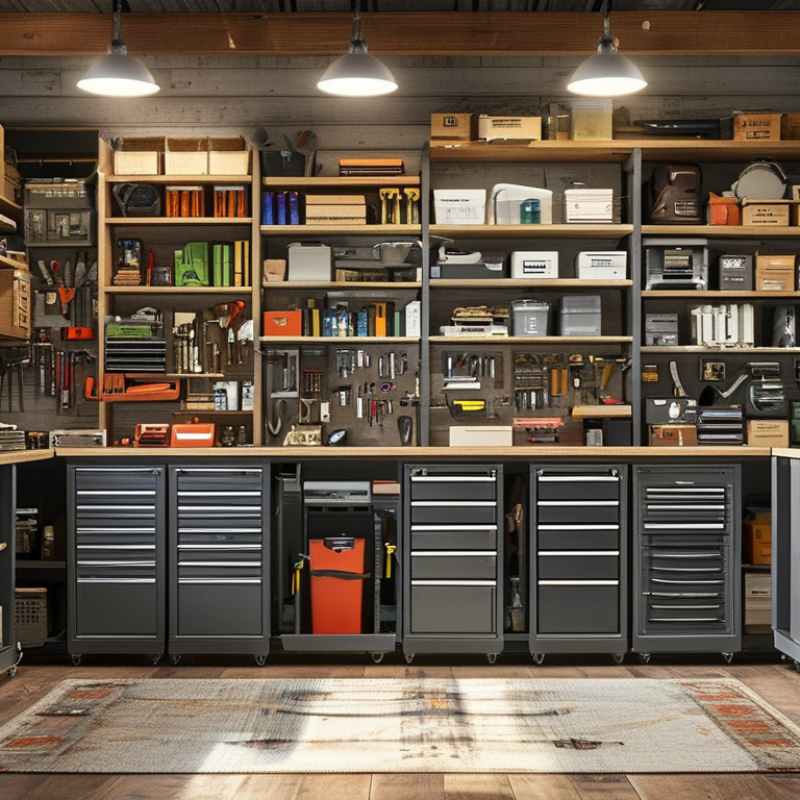
As we look towards 2026, trends in heavy-duty storage solutions are evolving significantly for both residential and commercial use. A recent report from the National Association of Home Builders shows that 65% of homeowners prioritize maximizing space efficiency. This shift reflects a growing need for versatile storage options that adapt to various living and working environments. For instance, modular shelving systems are increasingly popular, allowing users to customize their storage based on their specific requirements.
In commercial spaces, businesses are investing in robust storage solutions to improve productivity. According to the Storage Equipment Manufacturers Association, the market for heavy-duty storage systems is projected to grow by 5% annually. Vertical storage solutions and mobile shelving units are gaining traction, as they save floor space and enhance accessibility. However, companies must carefully consider the durability and weight capacity to prevent safety hazards. Despite advancements in storage technology, not all solutions meet the needs of diverse environments. This underlines the importance of thorough research and evaluation before making investments in storage systems.
When selecting heavy-duty storage solutions for home and office, various key factors come into play. Capacity is critical. Recent studies indicate that businesses face a 30% increase in organizational efficiency with adequate storage. Many overlook the importance of weight ratings. Choose shelving and cabinets that support specific loads to avoid potential failures.
Materials matter, too. Steel and reinforced plastics tend to be durable yet lightweight, providing long-lasting solutions. The Ergonomics and Safe Handling Report (2023) shows that poorly designed storage can lead to a 30% increase in workplace injuries. It urges the focus on user-friendly design and easy access.
Consider the layout of your space. Storage should complement existing furniture and pathways. Misjudging space can lead to clutter and wasted areas. A well-planned setup can improve workflow. Heavy-duty storage isn’t just about strength. It involves smart design and practical function. Balancing capacity, materials, and spatial efficiency ensures a reliable solution that meets your needs.
When choosing heavy-duty storage solutions, the material significantly impacts durability and functionality.
Metal storage units are renowned for their strength, capable of holding substantial weight without bending or breaking.
According to a 2021 storage industry report, metal products have a load capacity that can exceed 1,000 pounds, making them ideal for tools and equipment. Their resistance to impacts often results in a longer lifespan, which can minimize replacement costs over time.
Conversely,
Plastic storage solutions present different benefits. Lightweight and often water-resistant, plastic units are easier to transport and organize.
Data from a recent market analysis indicates that plastic storage can be 50% lighter than metal counterparts. However, the load capacity for heavy-duty plastic is typically lower, averaging around 300 to 600 pounds.
This limitation makes them less suitable for extremely heavy items.
Both options have their shortcomings. Metal can be prone to rusting if exposed to moisture, while plastic may warp under extreme heat.
Evaluating specific needs can help in making an informed choice. Considerations include intended use, required weight capacity, and environmental conditions.
While both materials have merits, the optimal solution varies based on personal and professional requirements.
As we look towards 2026, the heavy-duty storage solutions market is expected to grow significantly. Research indicates a projected annual growth rate of 4.5% within this sector. Homeowners and businesses alike are increasingly seeking durable options for their storage needs. The importance of functionality and reliability cannot be overstated. In a world where space is limited, choices in heavy-duty storage can dramatically impact overall efficiency.
Top brands driving this market include specialists in steel shelving and modular storage systems. These companies are leveraging advanced materials and innovative designs to create robust solutions. The latest reports highlight that 65% of consumers prioritize sturdiness. However, 30% of customers express dissatisfaction with current products in terms of assembly complexity. This feedback suggests a gap in user-friendliness that manufacturers must address.
In addition, aesthetics and practicality are paramount. Around 55% of buyers prefer storage solutions that blend with their décor. Versatility is crucial; products must adapt to various environments. Some consumers struggle to find the right balance between style and strength. The challenge lies in creating storage solutions that cater to both functional and visual needs without compromise.
| Storage Solution Type | Weight Capacity (lbs) | Material | Dimensions (inches) | Price Range ($) |
|---|---|---|---|---|
| Heavy Duty Shelving Unit | 2000 | Steel | 72 x 36 x 18 | 150 - 300 |
| Heavy Duty Plastic Storage Bin | 500 | Plastic | 24 x 16 x 12 | 25 - 50 |
| Rolling Tool Chest | 800 | Metal | 40 x 22 x 36 | 200 - 400 |
| Warehouse Storage Rack | 3000 | Steel | 96 x 48 x 24 | 400 - 800 |
| Storage Shed | 1500 | Vinyl | 120 x 80 x 100 | 800 - 1500 |
When considering heavy-duty storage solutions, understanding weight capacity is crucial. Many homeowners and office managers overlook this aspect. The average weight capacity for heavy-duty storage units typically ranges from 1000 to 4000 pounds. This range can vary based on the materials used and the design of the unit. Metal and reinforced wood constructions tend to provide better support compared to standard shelving.
Deciding on the right solution involves more than just looking at numbers. You must evaluate the intended use. For instance, storing heavy machinery parts requires different specifications than organizing office supplies. Misjudging weight capacity can lead to disaster. Shelves might collapse under excessive stress, leading to damage and safety hazards.
While high weight capacity units appear reliable, their stability relies on correct installation. Not all heavy-duty solutions are created equal. It's essential to ensure that they are anchored properly. Additionally, you may find that some units become less stable over time. Regular inspection is necessary to prevent unexpected failures. Being aware of these factors can significantly impact your storage efficiency and safety.
: Capacity, weight ratings, materials, ergonomics, and spatial layout are all essential factors.
Adequate storage can boost organizational efficiency by up to 30%. This is often overlooked.
Weight ratings help prevent potential failures when carrying heavy loads. Choose options that meet your needs.
Steel and reinforced plastics are ideal. They combine durability with a lightweight structure.
Poorly designed storage can increase workplace injuries by 30%. User-friendly design is crucial.
Storage should fit well with existing furniture and pathways. Misjudging layout can create clutter.
Metal units offer high strength and resistance to impacts, often holding over 1,000 pounds.
Plastic is lightweight and water-resistant but typically supports lower weight, around 300 to 600 pounds.
Metal may rust in moisture; plastic can warp in extreme heat. Evaluate needs carefully.
Consider intended use, weight capacity, and environmental conditions before deciding.
In 2026, the demand for Heavy Duty Storage solutions is on the rise for both residential and commercial spaces. Trends indicate a preference for durable materials, with a growing interest in the advantages and disadvantages of metal versus plastic storage units. Key factors to consider when selecting Heavy Duty Storage options include weight capacity, design, and intended usage. Additionally, industry insights reveal that the average weight capacity of these storage units has significantly improved, accommodating heavier loads than in previous years.
When choosing the right Heavy Duty Storage solution, it is essential to balance functionality with aesthetic appeal. As the market evolves, consumers are prioritizing longevity and sustainability in their storage choices, reflecting broader trends towards efficiency and eco-friendliness in home and office organization. Overall, staying informed about the latest industry developments and product options can help make the best decisions for maximizing space and enhancing organization.

Hui Lian